Loading collection...
📊
Finance & Business Vocabulary
Financial and business terminology
22 words
All 22 Words

liquidity
/ɫɪˈkwɪdəti/The ease of converting assets to cash
“The company maintains high liquidity to meet short-term obligations.”
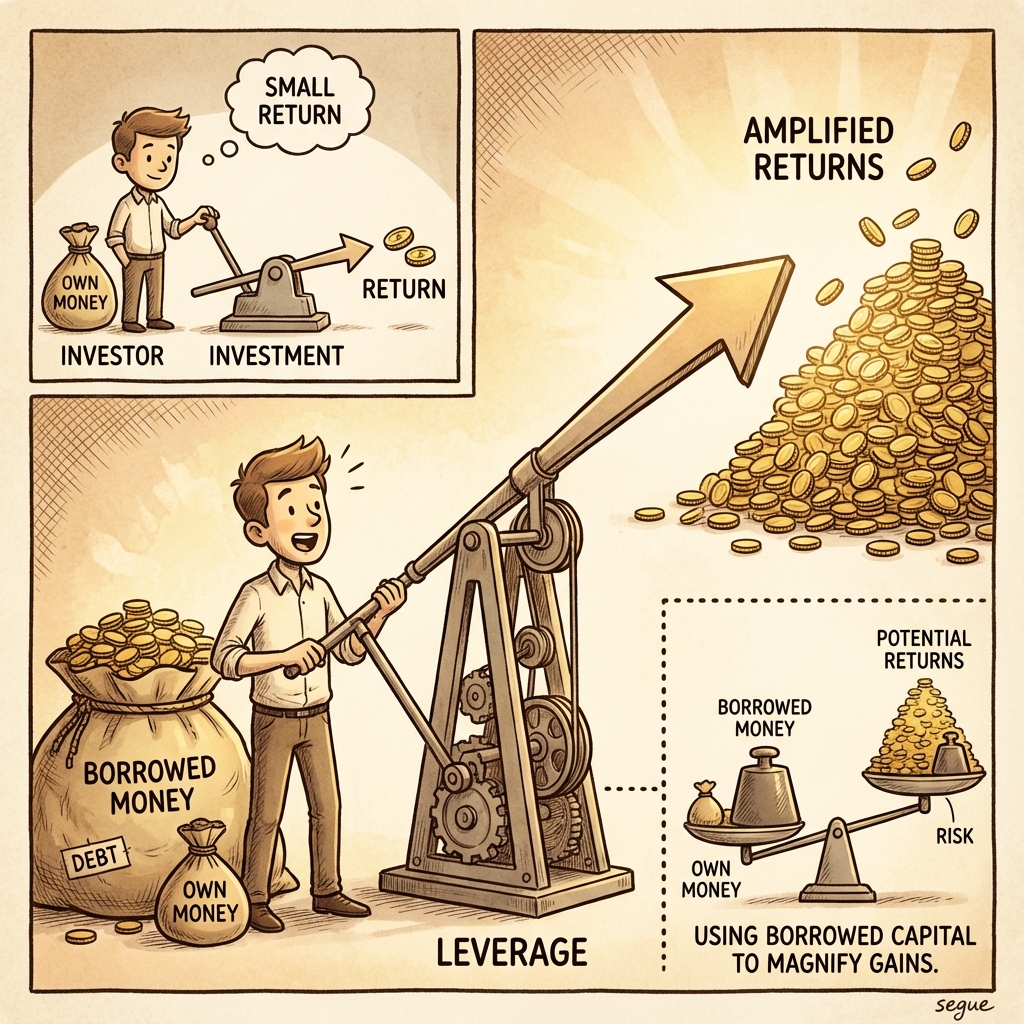
leverage
/ˈɫɛvɝɪdʒ/Using borrowed capital to increase potential returns
“Excessive leverage contributed to the firm's bankruptcy.”

amortization
/ˌæmɝtɪˈzeɪʃən/Spreading payments over multiple periods
“The loan amortization schedule shows monthly principal and interest.”

depreciation
/dɪˌpɹiʃiˈeɪʃən/Decrease in asset value over time
“Depreciation of equipment reduces taxable income.”
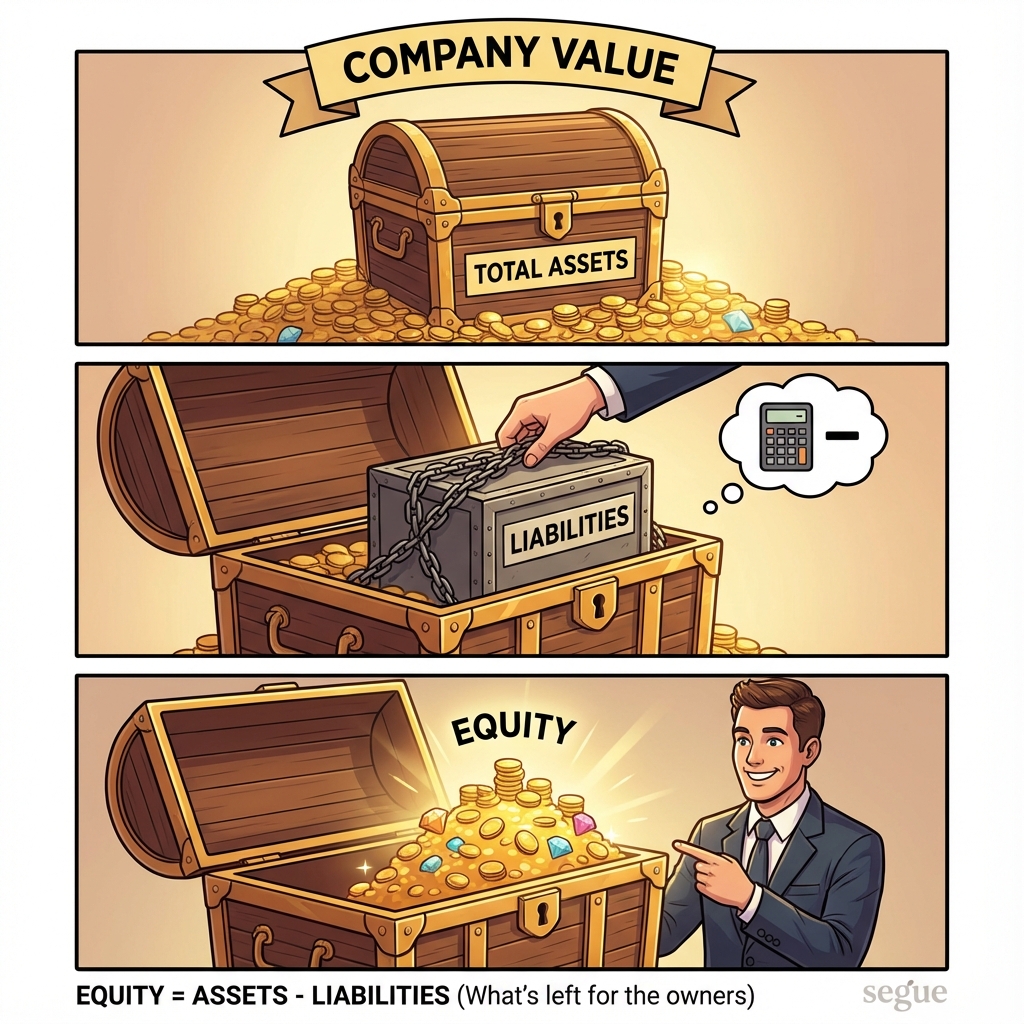
equity
/ˈɛkwəti/Ownership interest in a company; assets minus liabilities
“Private equity firms invest in companies not publicly traded.”
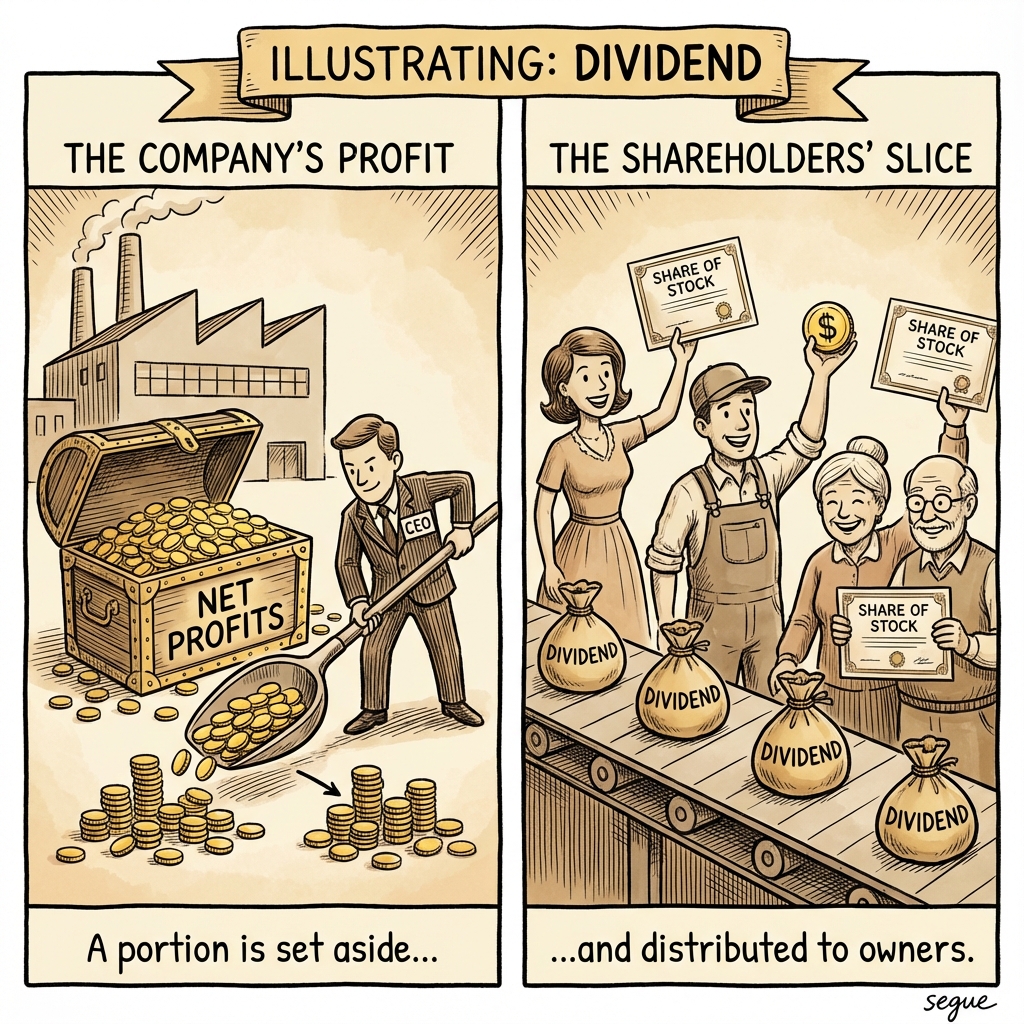
dividend
/ˈdɪvɪˌdɛnd/A portion of profits distributed to shareholders
“The company declared a quarterly dividend of two dollars per share.”
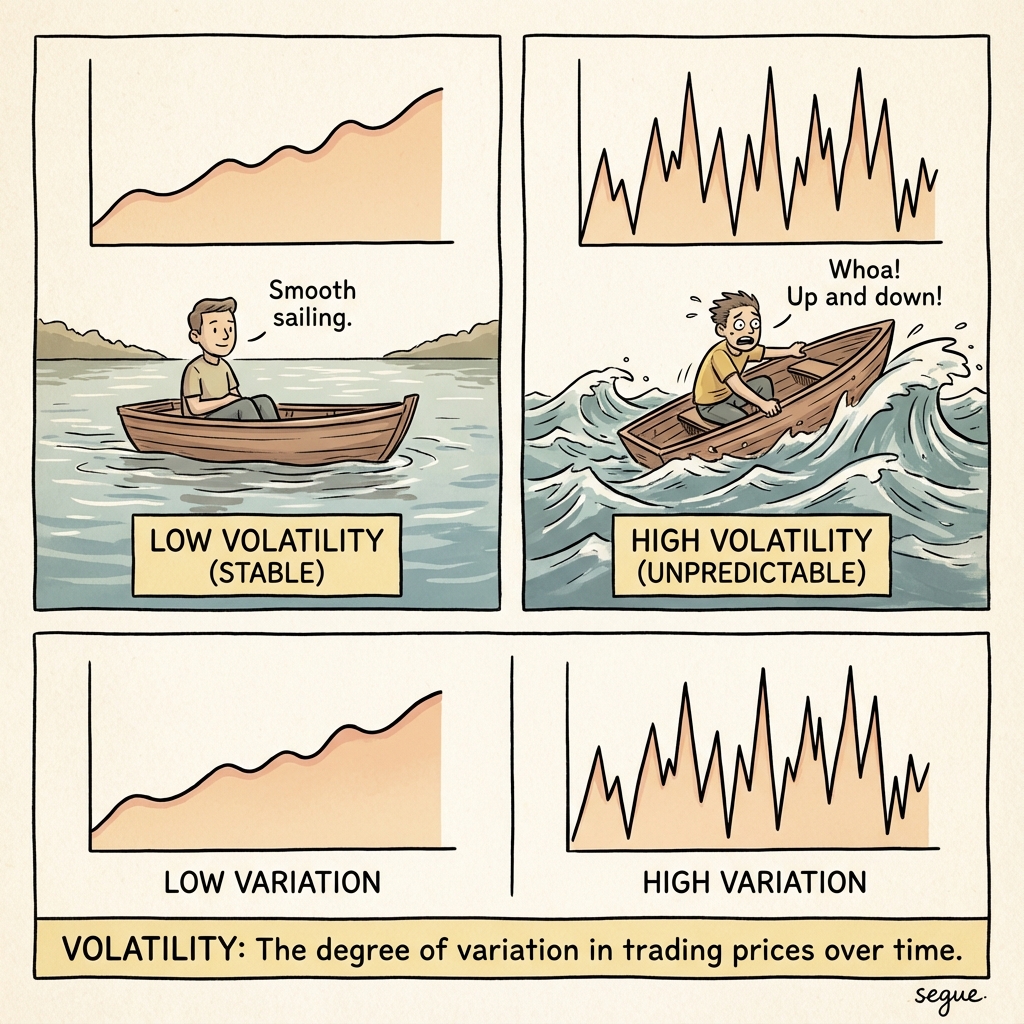
volatility
/ˌvɑɫəˈtɪɫəti/The degree of variation in trading prices
“Market volatility increased during the economic uncertainty.”

arbitrage
/ˈɑɹbɪˌtɹɑʒ/Profiting from price differences in different markets
“Currency arbitrage exploits exchange rate discrepancies.”

hedge
/ˈhɛdʒ/An investment to reduce risk of adverse price movements
“The company hedged against currency fluctuations using futures.”

portfolio
/pɔɹtˈfoʊɫiˌoʊ/A collection of investments held by an individual or institution
“Diversifying your portfolio reduces overall risk.”

acquisition
/ˌækwəˈzɪʃən/The purchase of one company by another
“The acquisition expanded our market presence significantly.”

due diligence
/ˌduː ˈdɪlɪdʒəns/Comprehensive appraisal before a business transaction
“Due diligence revealed undisclosed liabilities.”
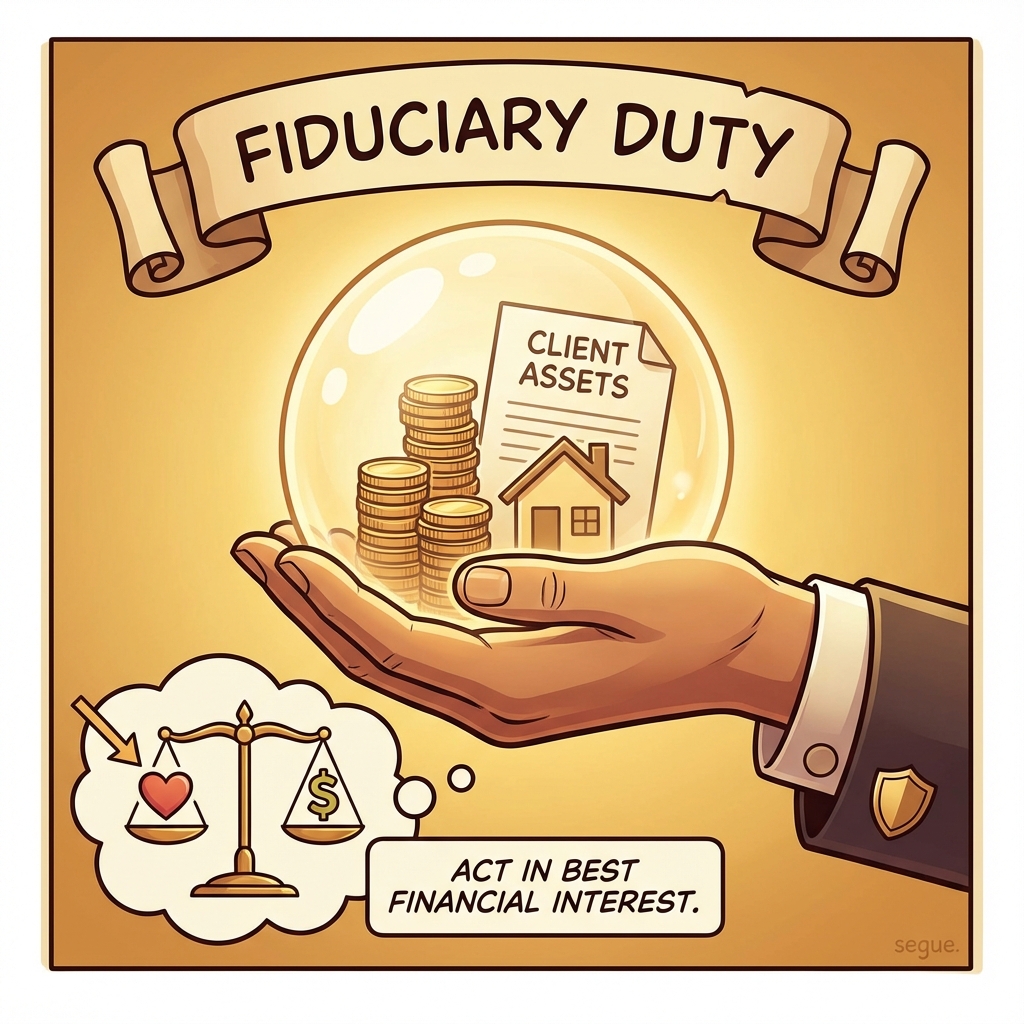
fiduciary duty
/fɪˌduːʃieri ˈduːti/Legal obligation to act in another's best financial interest
“Financial advisors have a fiduciary duty to their clients.”

insolvency
/ˌɪnˈsɑɫvənsi/Inability to pay debts when they become due
“The company filed for bankruptcy after months of insolvency.”

collateral
/kəˈɫætɝəɫ/Assets pledged as security for a loan
“The property serves as collateral for the mortgage.”
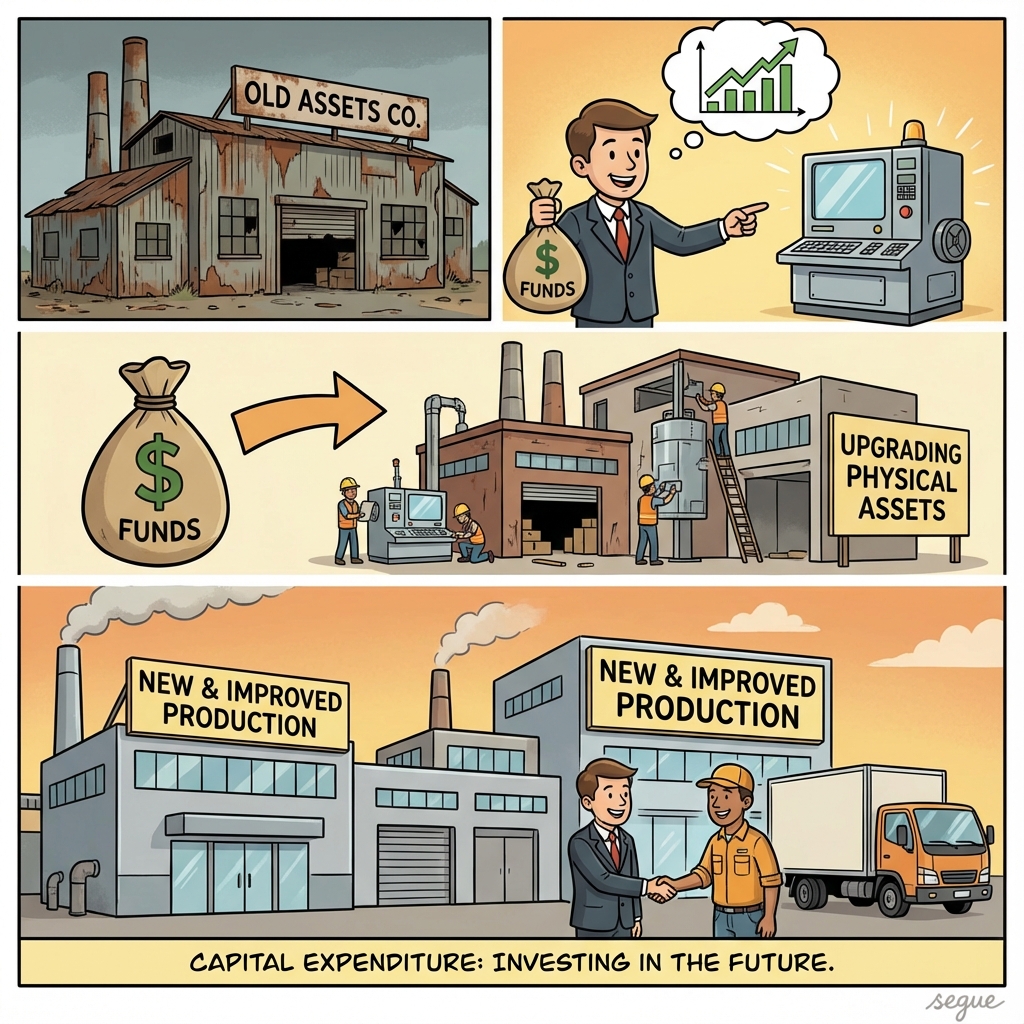
capital expenditure
/ˌkæpɪtəl ɪkˈspendɪtʃər/Funds used to acquire or upgrade physical assets
“Capital expenditure on new facilities exceeded projections.”
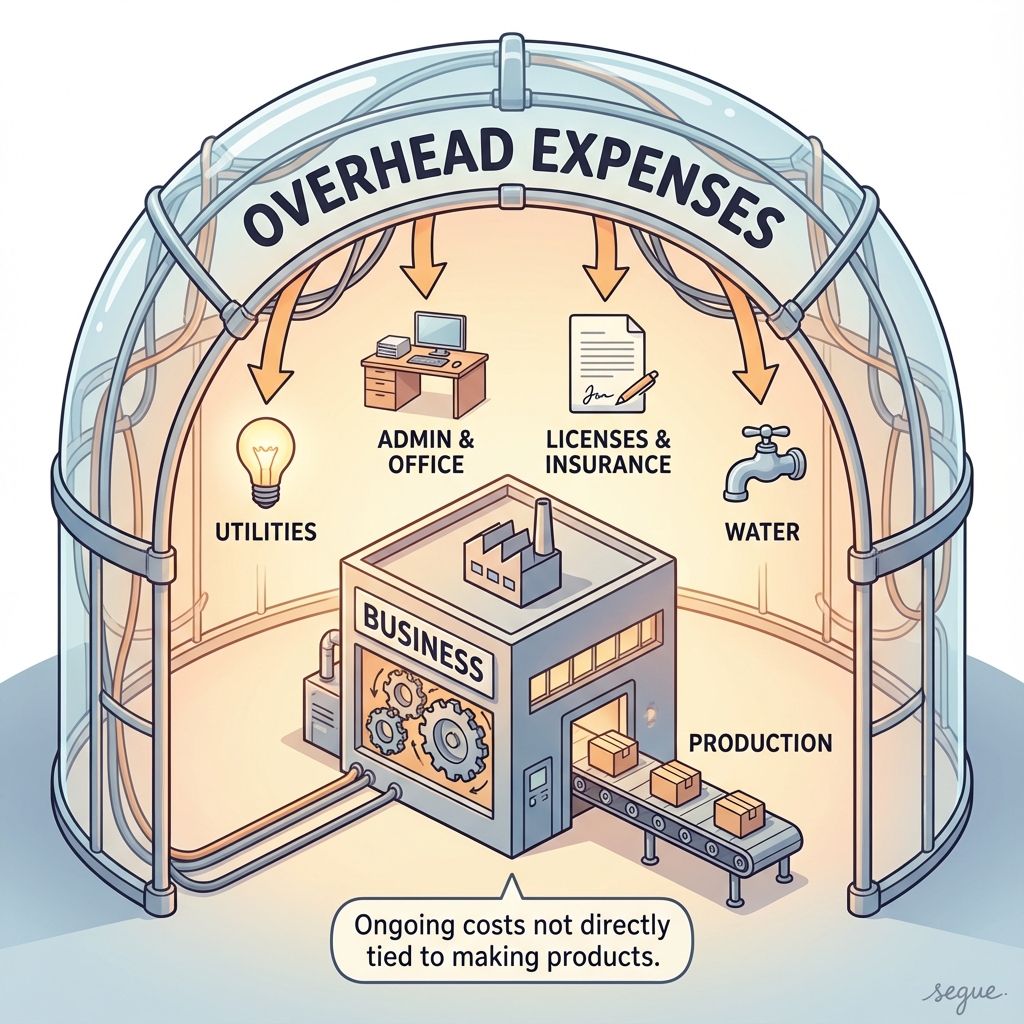
overhead
/ˈoʊvɝˈhɛd/Ongoing business expenses not directly tied to production
“Reducing overhead costs improved profit margins.”
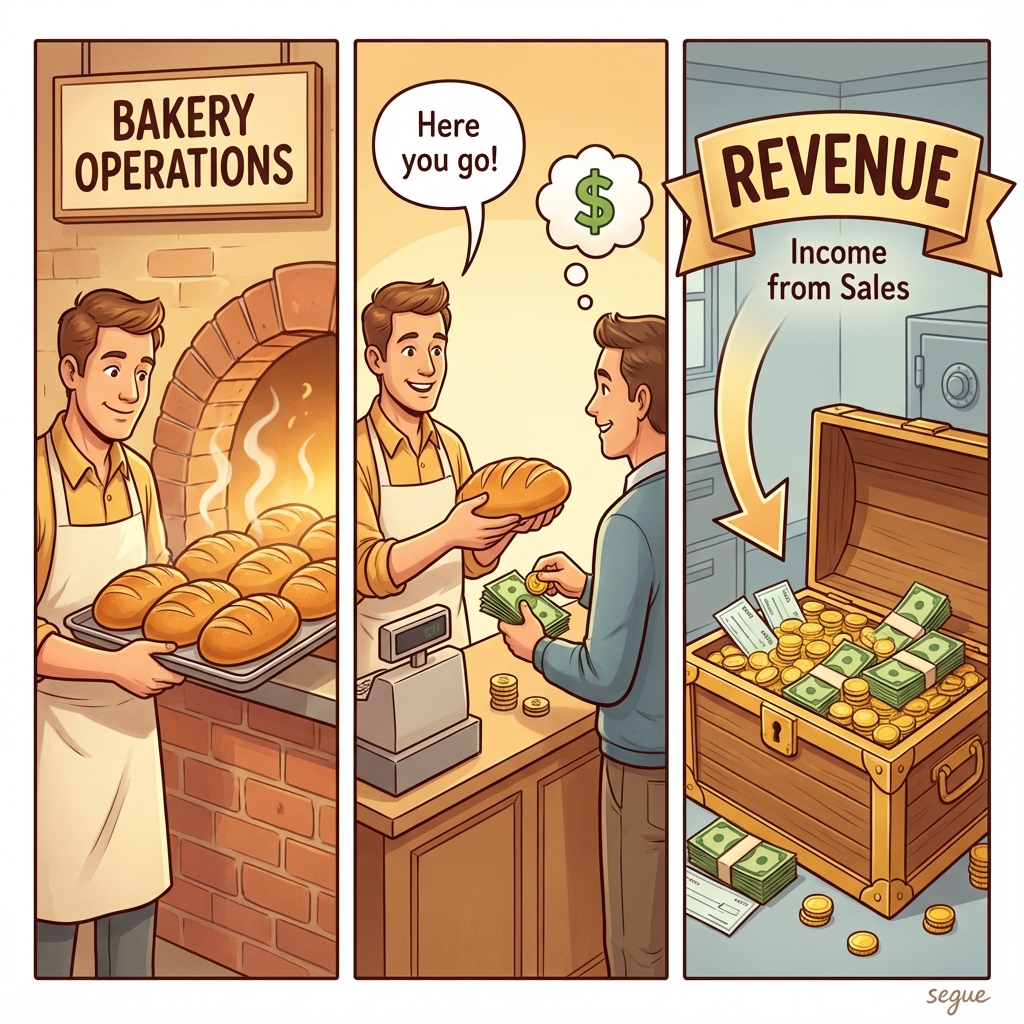
revenue
/ˈɹɛvəˌnu/Income generated from normal business operations
“Annual revenue grew by fifteen percent year over year.”
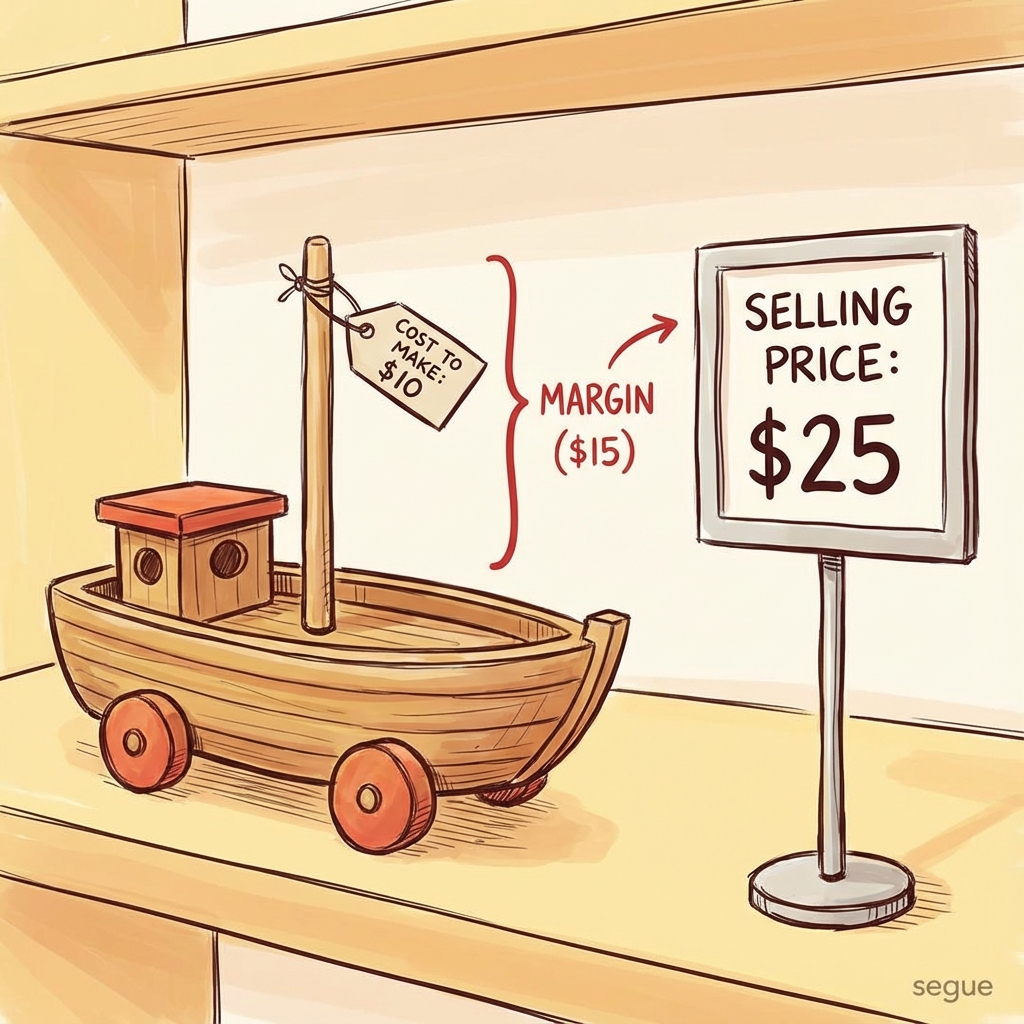
margin
/ˈmɑɹdʒən/The difference between cost and selling price
“Profit margins narrowed due to increased material costs.”

valuation
/væɫjuˈeɪʃən/The process of determining a company's worth
“The startup's valuation reached one billion dollars.”

audit
/ˈɔdɪt/An official inspection of an individual's or organization's accounts
“The company passed the annual audit without issues.”
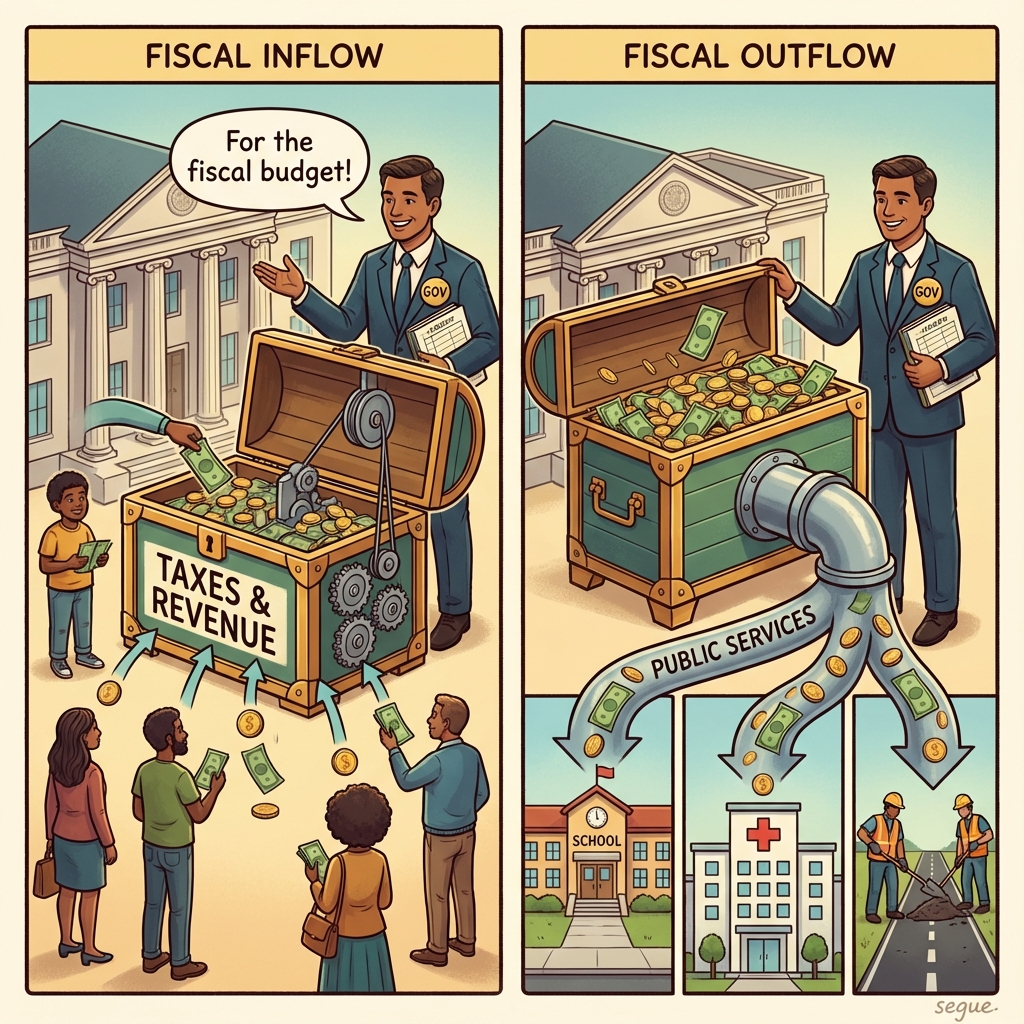
fiscal
/ˈfɪskəɫ/Relating to government revenue, especially taxes
“The government announced new fiscal policies.”
More from Professional & Legal
Explore other vocabulary categories in this collection.