Loading collection...
🤝
Faith & Trust Vocabulary
Words for belief in others and higher truths
12 words
All 12 Words

credence
/ˈkɹidəns/belief in or acceptance of something as true
“The theory gained credence after new evidence emerged.”

faith
/ˈfeɪθ/complete trust or confidence; strong religious belief
“She had faith that things would work out.”

fidelity
/ˌfaɪˈdɛɫəti/faithfulness to a person, cause, or belief
“His fidelity to his principles never wavered.”

allegiance
/əˈɫidʒəns/loyalty or commitment to a group or cause
“They swore allegiance to the new government.”

devotion
/dɪˈvoʊʃən/love, loyalty, or enthusiasm for something
“Her devotion to the cause was absolute.”

fealty
/ˈfiəɫti/formal acknowledgment of loyalty to a lord
“Knights swore fealty to their sovereign.”

credibility
/ˌkɹɛdəˈbɪɫɪti/the quality of being trusted and believed in
“His credibility was damaged by the scandal.”
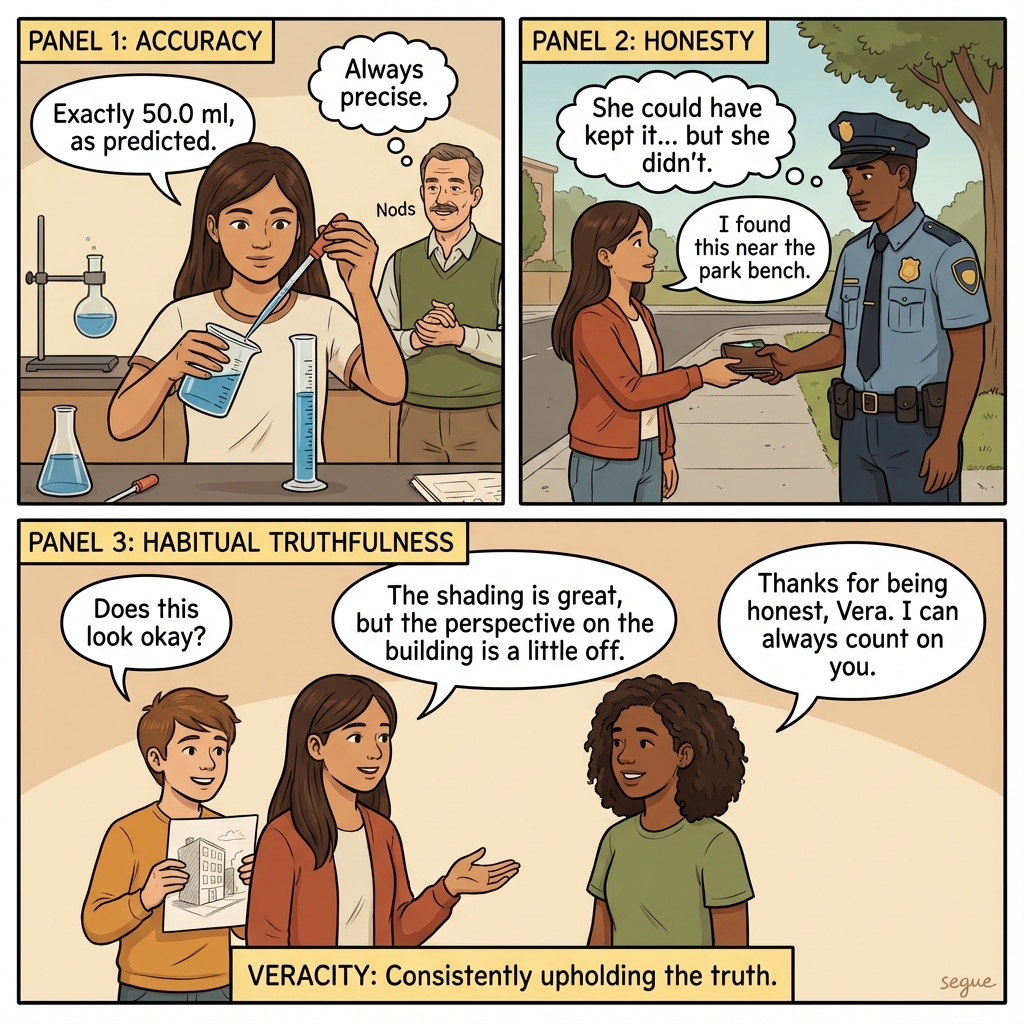
veracity
/vɝˈæsɪti/conformity to facts; accuracy; habitual truthfulness
“The witness's veracity was called into question.”

authenticity
/ˌɔθənˈtɪsɪti/the quality of being genuine or true
“The authenticity of the document was verified.”

bona fide
/ˌboʊnə ˈfaɪdi/genuine; real; acting in good faith
“This is a bona fide offer, not a negotiating tactic.”

sacrosanct
/ˈsækɹoʊsæŋkt/regarded as too important or valuable to be interfered with
“In this family, Sunday dinner is sacrosanct.”
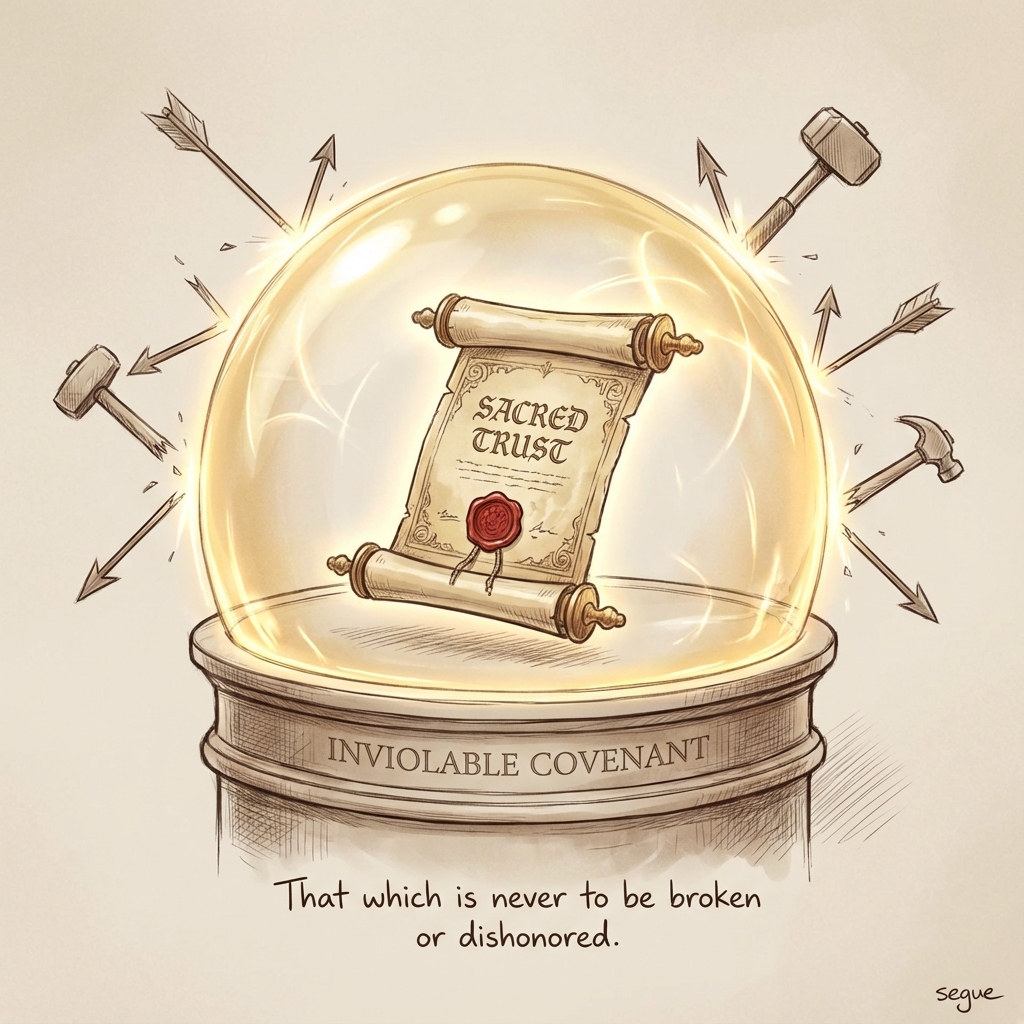
inviolable
/ˌɪnˈvaɪəɫəbəɫ/never to be broken or dishonored
“The treaty established inviolable borders.”
More from Emotions & Mind
Explore other vocabulary categories in this collection.