Loading collection...
📉
Failure & Defeat Vocabulary
Words describing failure, downfall, and disappointment
21 words
All 21 Words
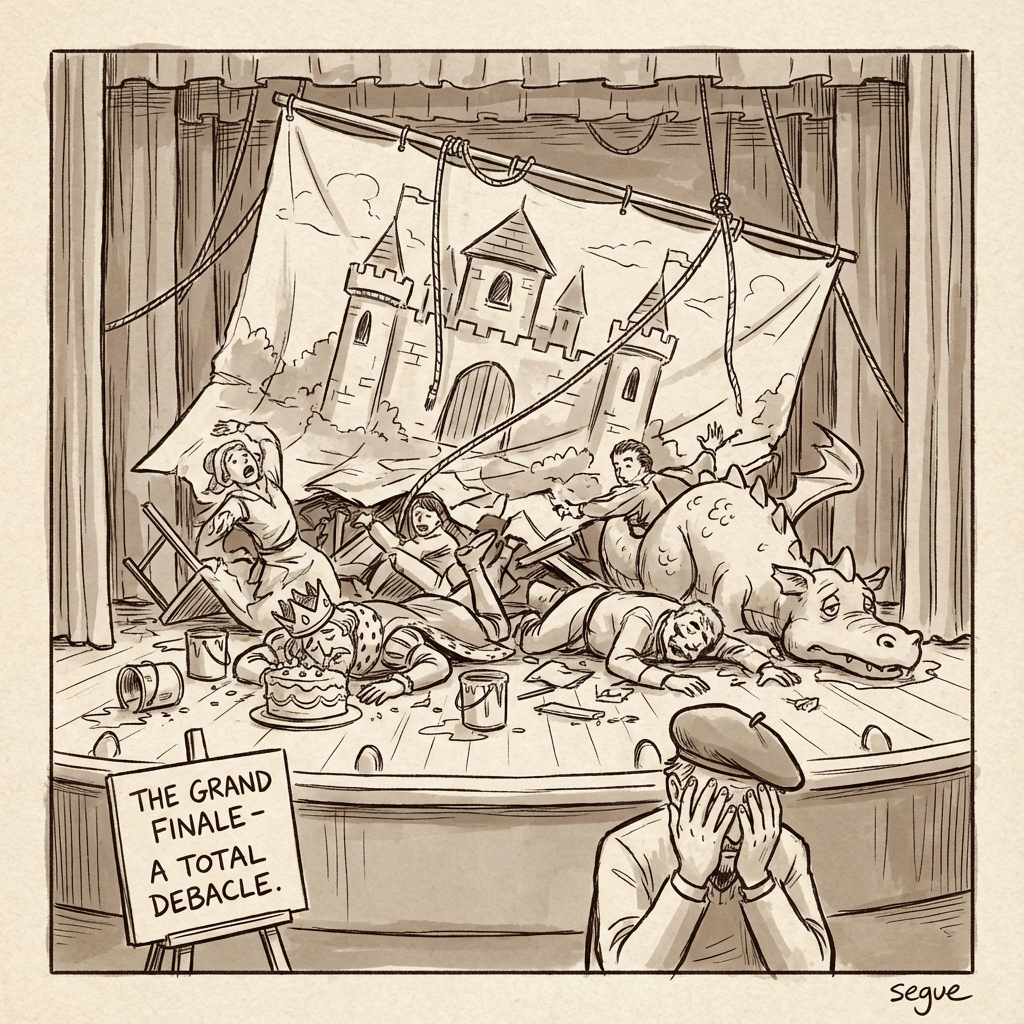
debacle
/dəˈbɑkəɫ/a sudden and complete disaster or failure
“The product launch was a complete debacle.”

fiasco
/fiˈæskoʊ/a complete failure, especially a ludicrous one
“The event turned into an embarrassing fiasco.”
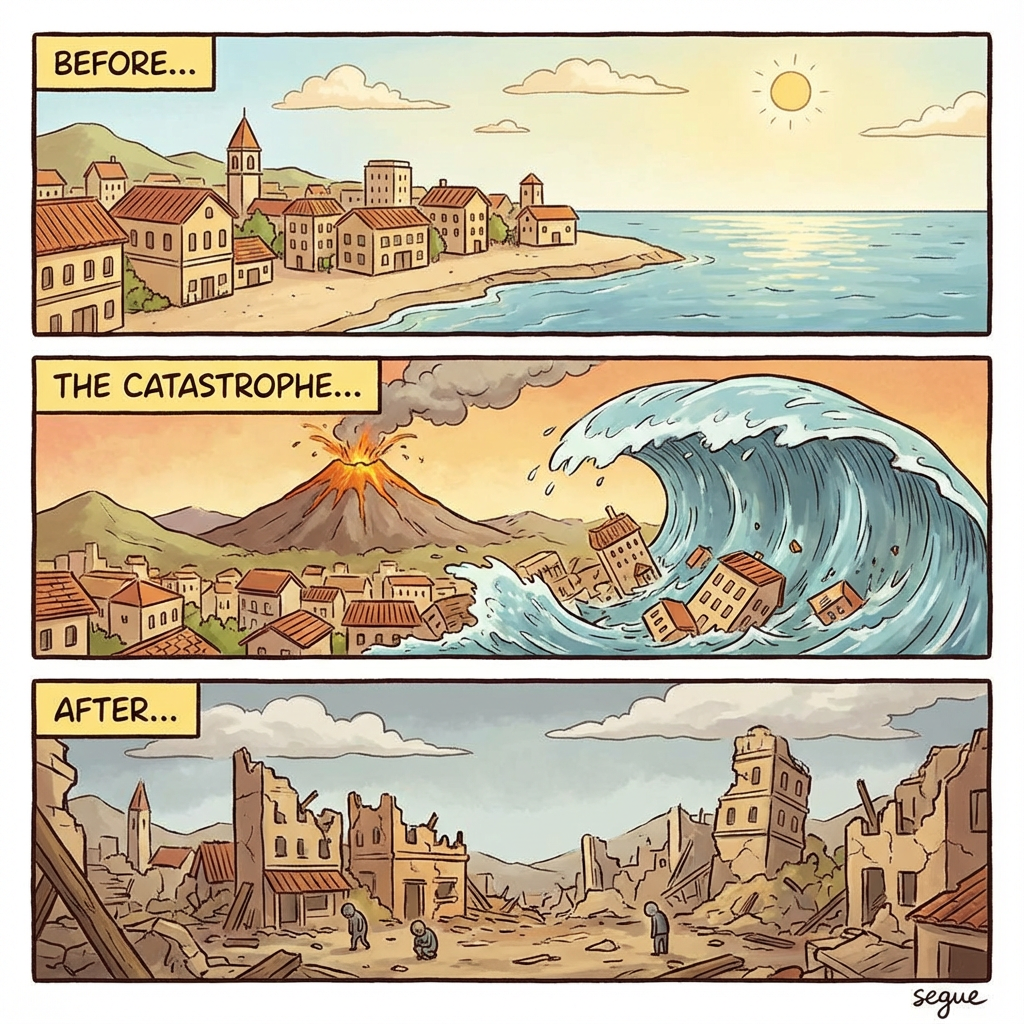
catastrophe
/kəˈtæstɹəfi/an event causing great damage or suffering
“The oil spill was an environmental catastrophe.”
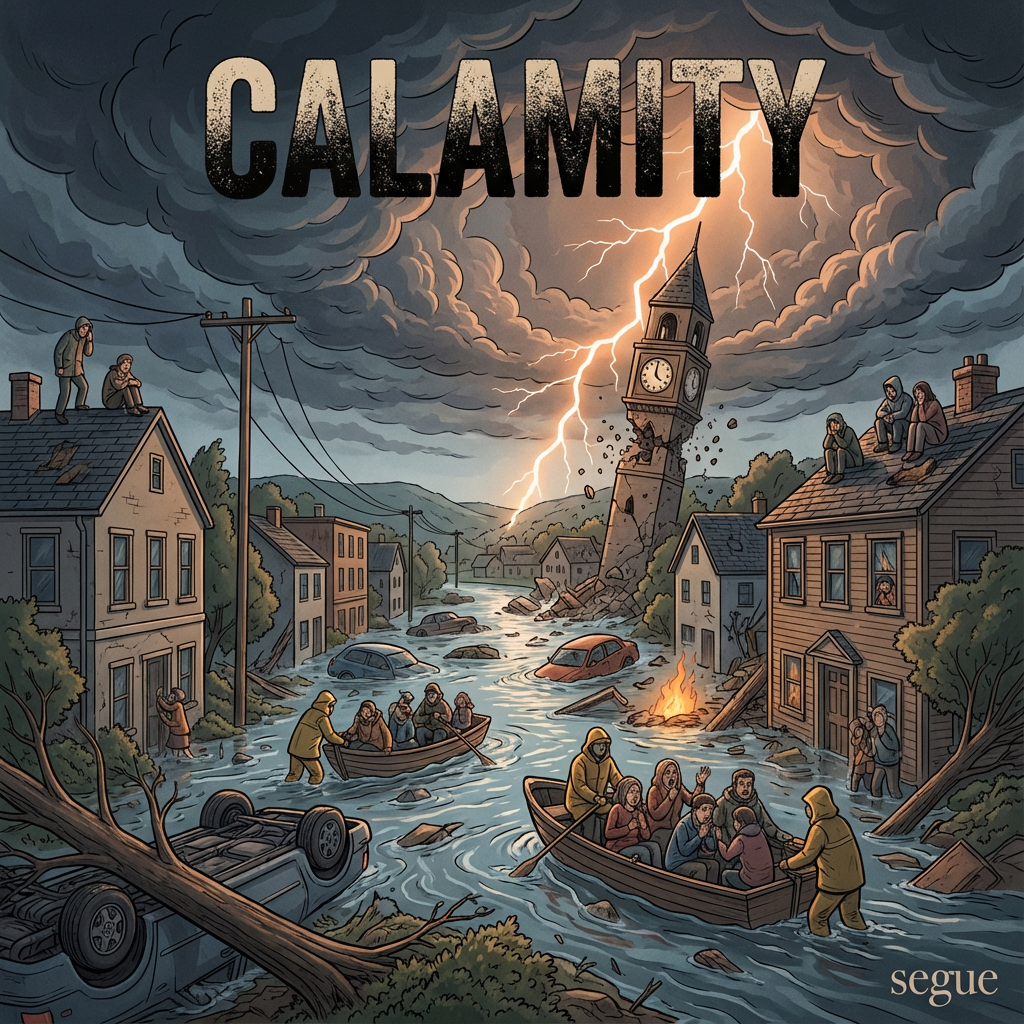
calamity
/kəˈɫæməti/an event causing great distress or misfortune
“The earthquake was a calamity of epic proportions.”
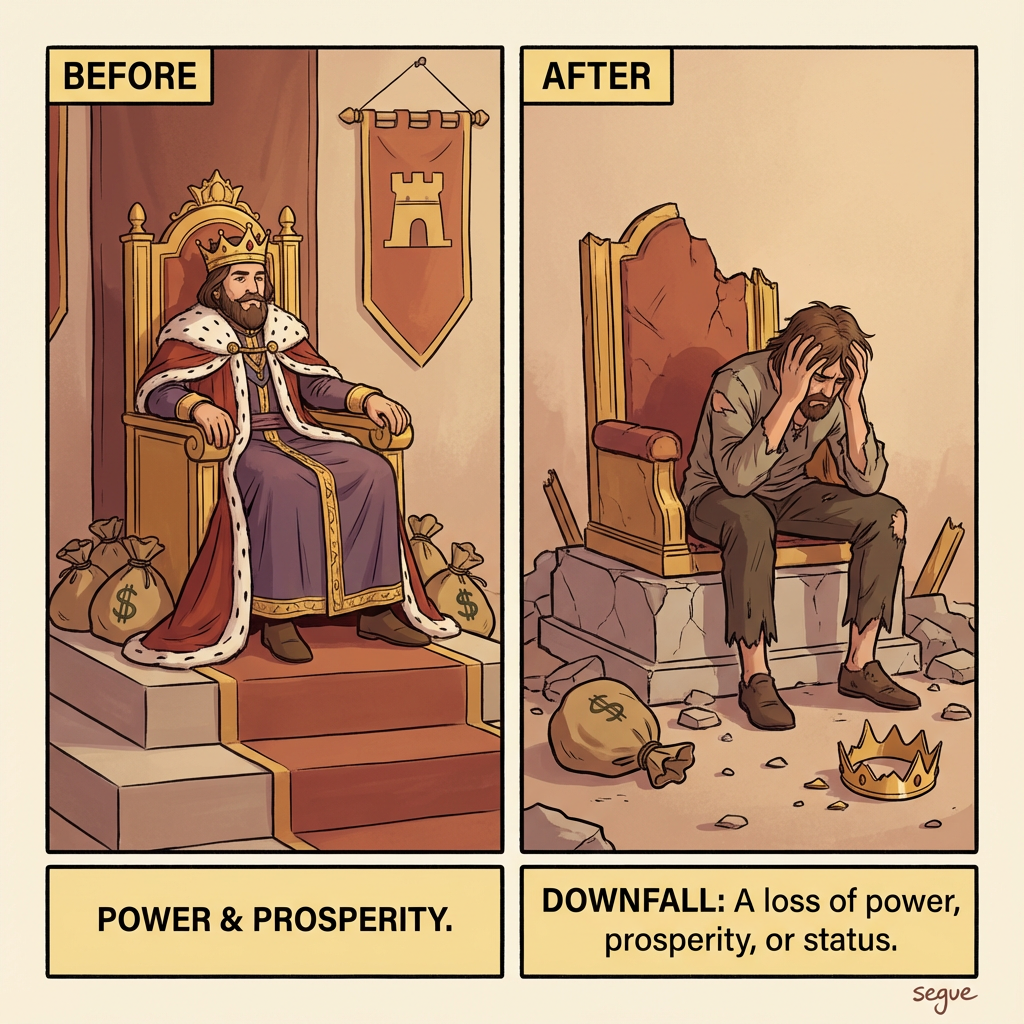
downfall
/ˈdaʊnˌfɔɫ/a loss of power, prosperity, or status
“Pride was his ultimate downfall.”
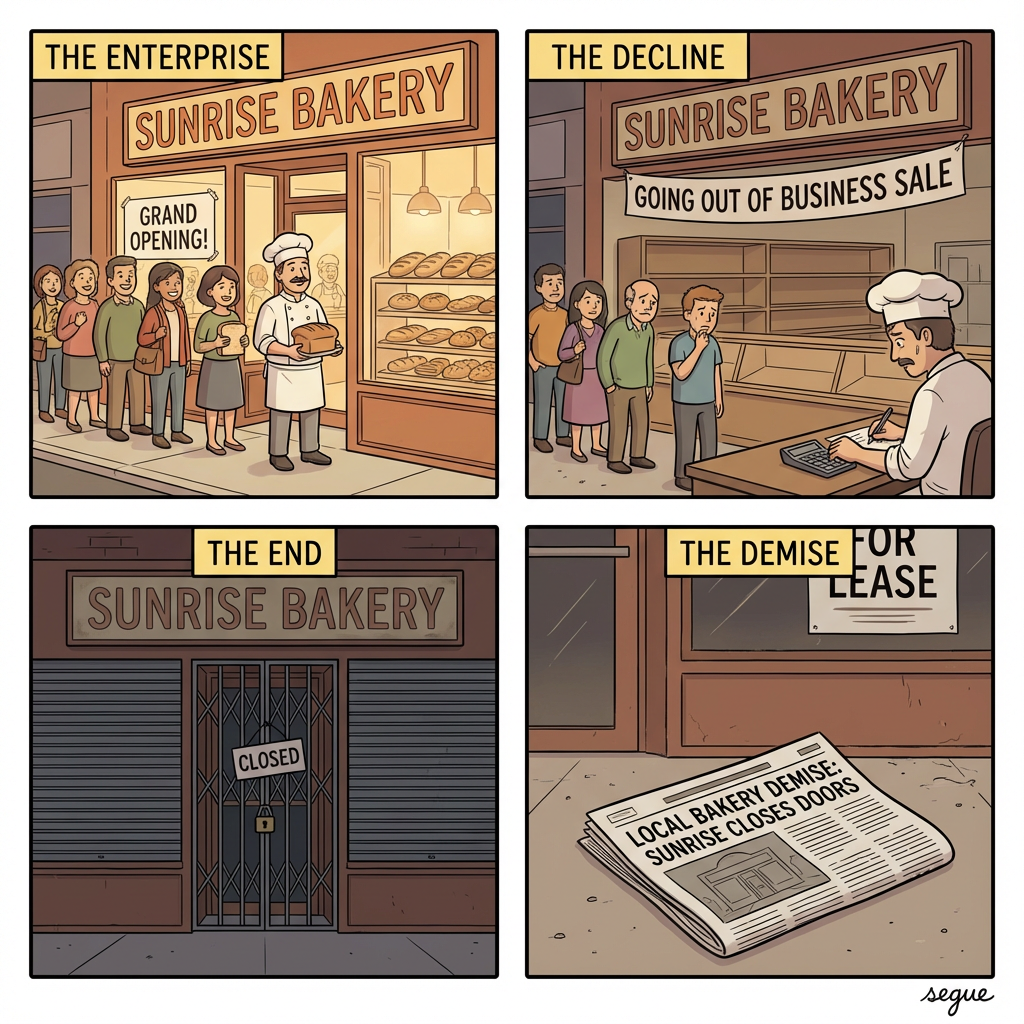
demise
/dɪˈmaɪz/the end or failure of an enterprise
“The demise of the company shocked the industry.”
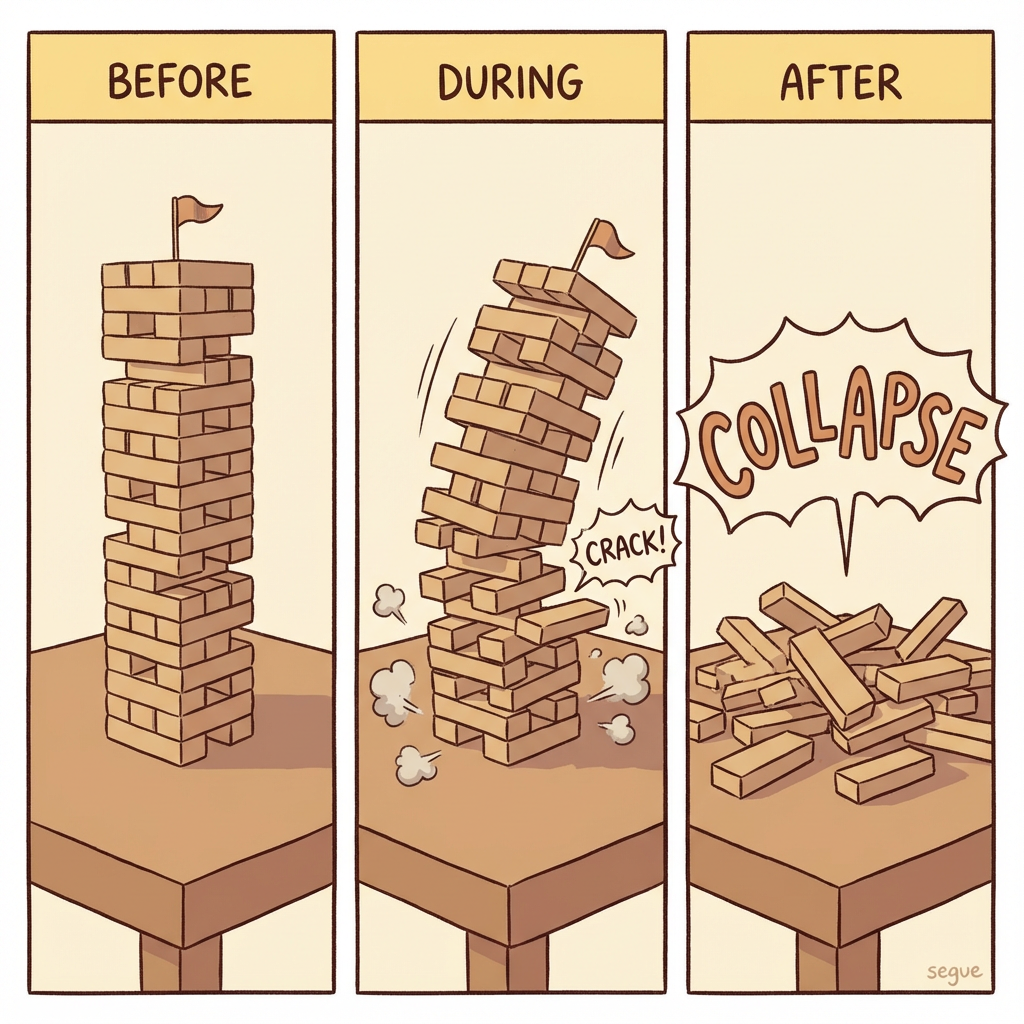
collapse
/kəˈɫæps/a sudden failure or breakdown
“The collapse of negotiations disappointed everyone.”
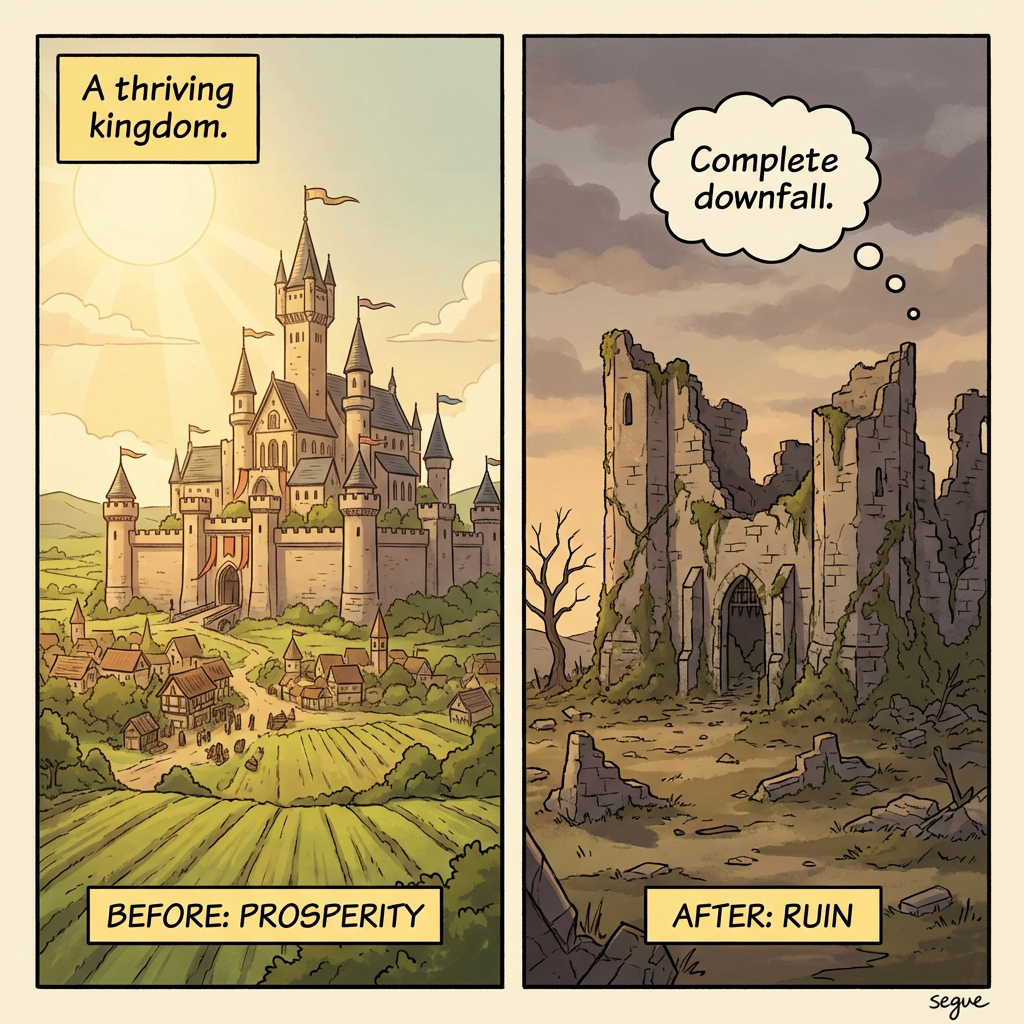
ruin
/ˈɹuən/the complete destruction or downfall of something
“Gambling led to his financial ruin.”
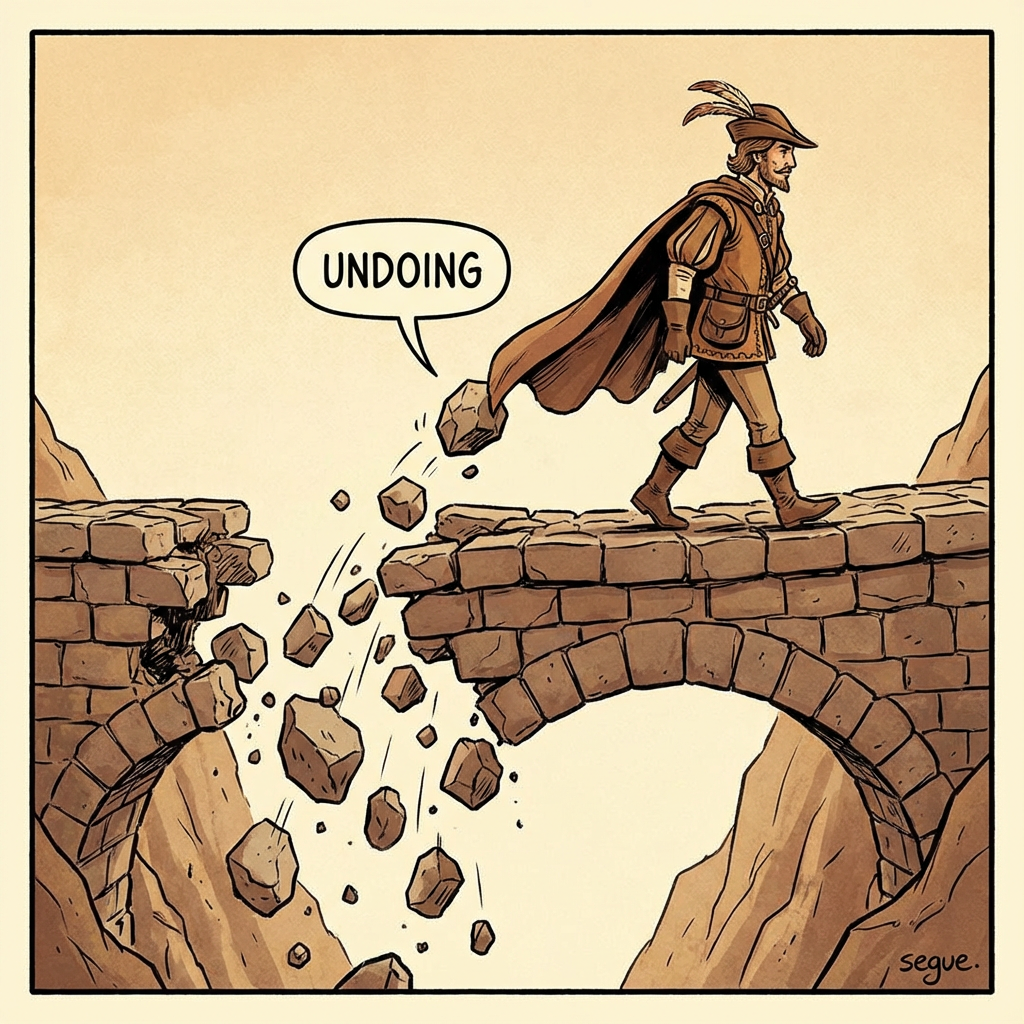
undoing
/ənˈduɪŋ/a cause of someone's failure or downfall
“Overconfidence proved to be his undoing.”
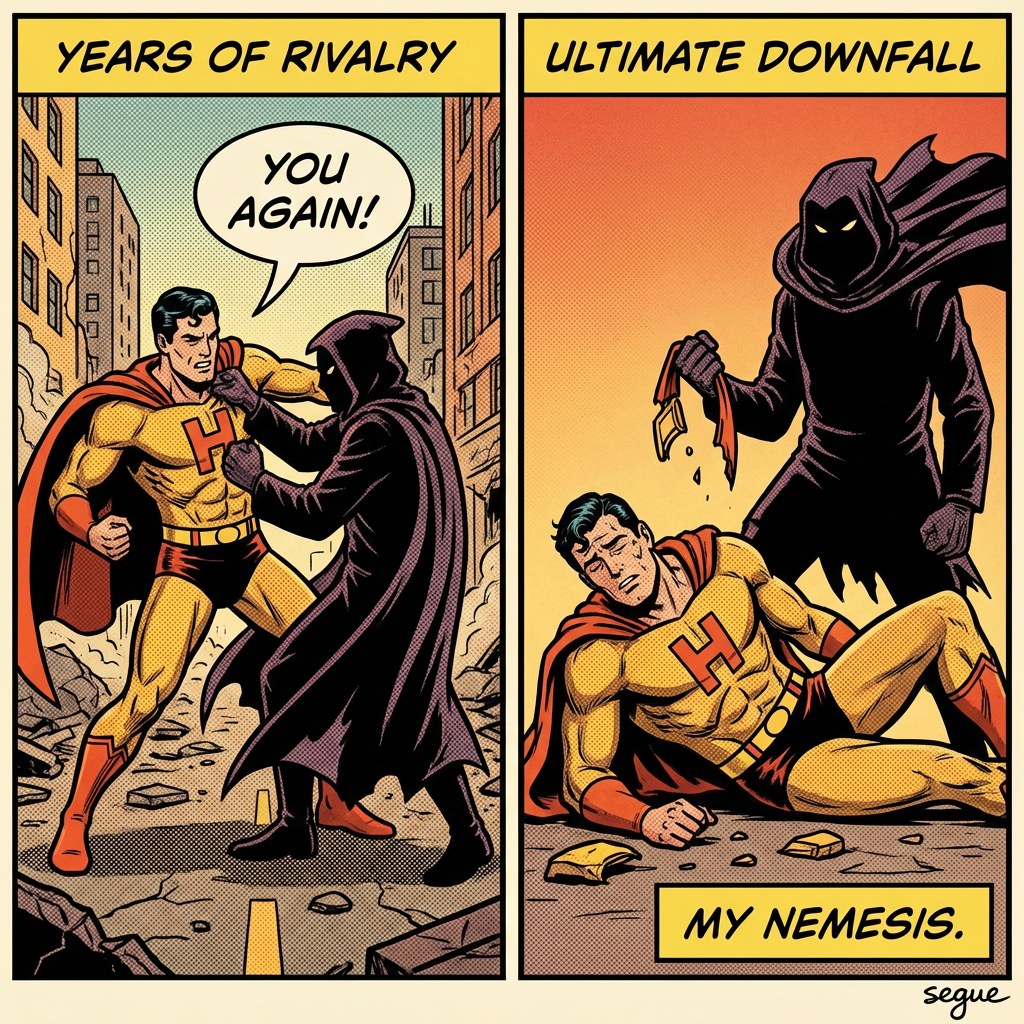
nemesis
/ˈnɛməsɪs/a long-standing rival; a cause of downfall
“Hubris was the hero's nemesis in Greek tragedy.”
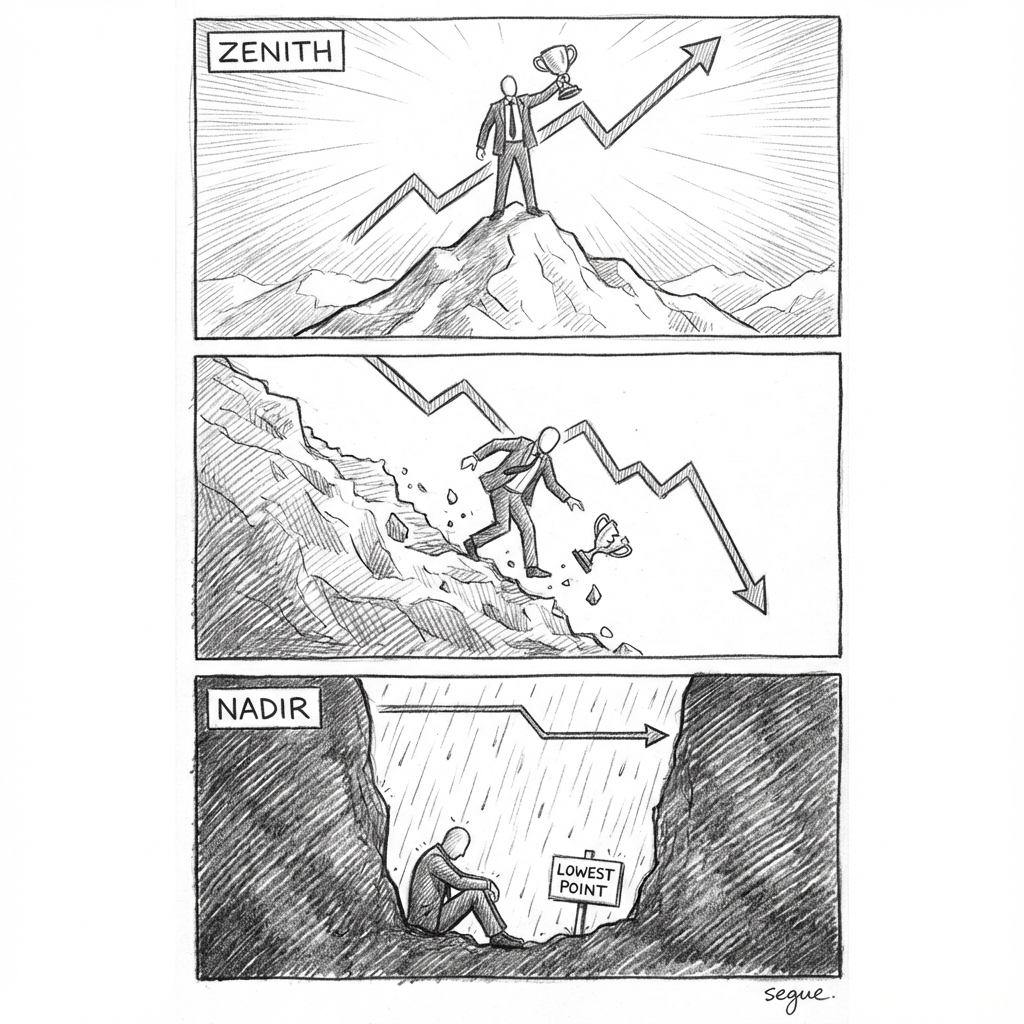
nadir
/ˈneɪdɝ/the lowest point in fortune or achievement
“The team reached its nadir with ten consecutive losses.”
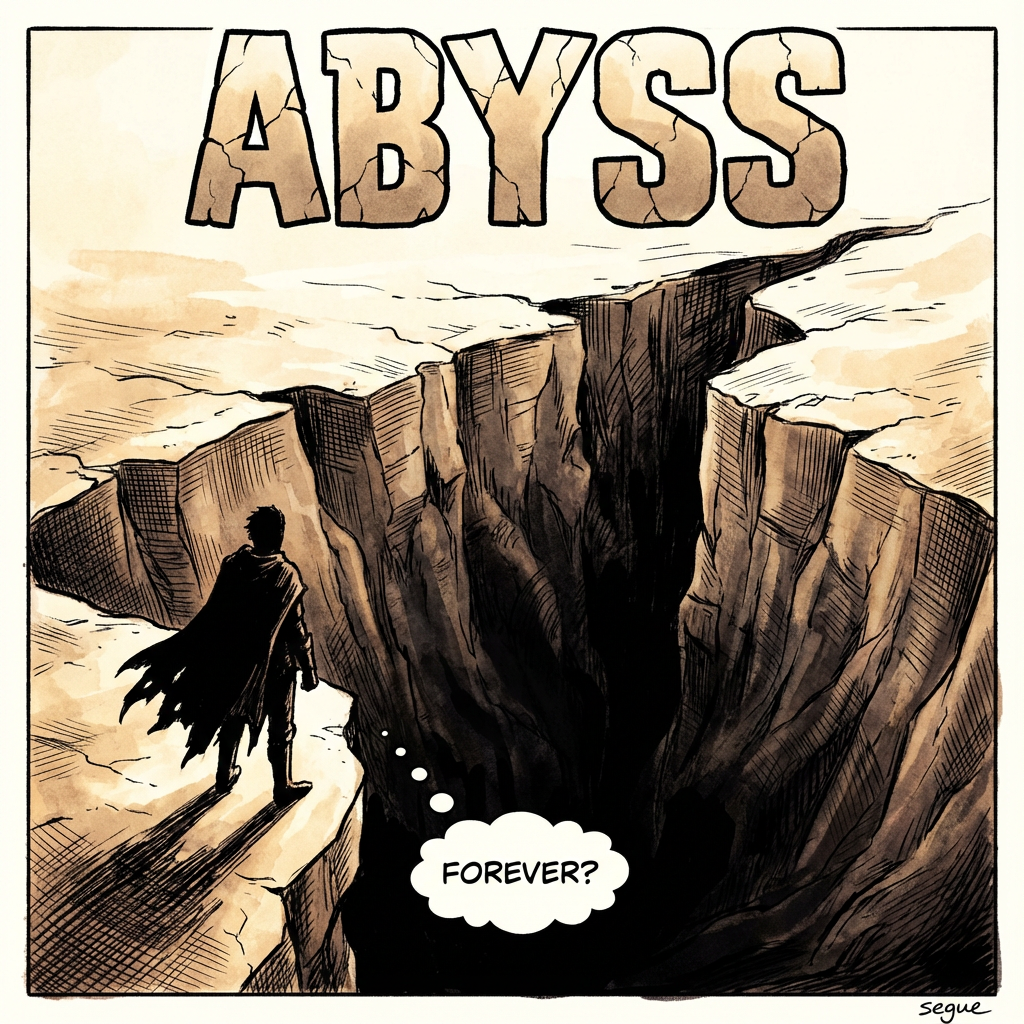
abyss
/əˈbɪs/a deep chasm; a catastrophic situation
“The economy teetered on the edge of the abyss.”
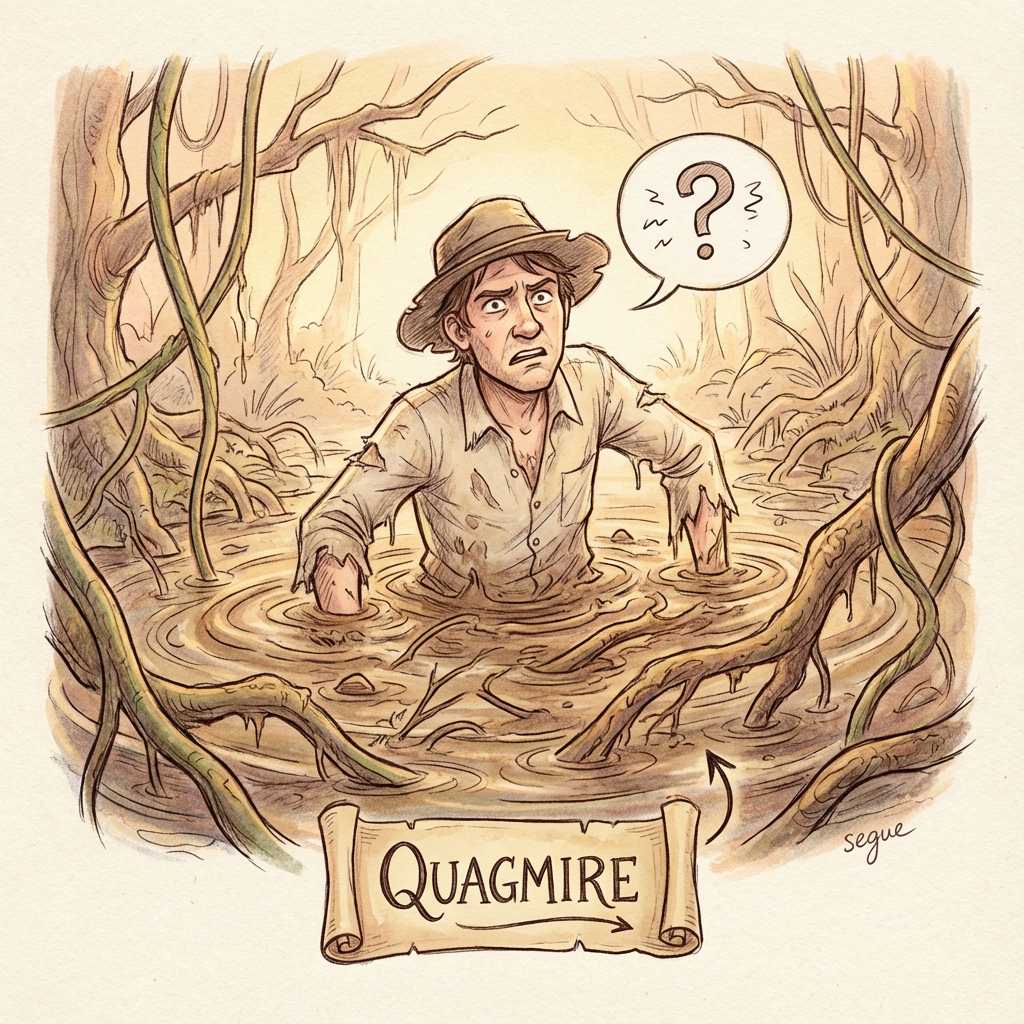
quagmire
/ˈkwæɡˌmaɪɝ/an awkward or complex situation difficult to escape
“The project became a financial quagmire.”
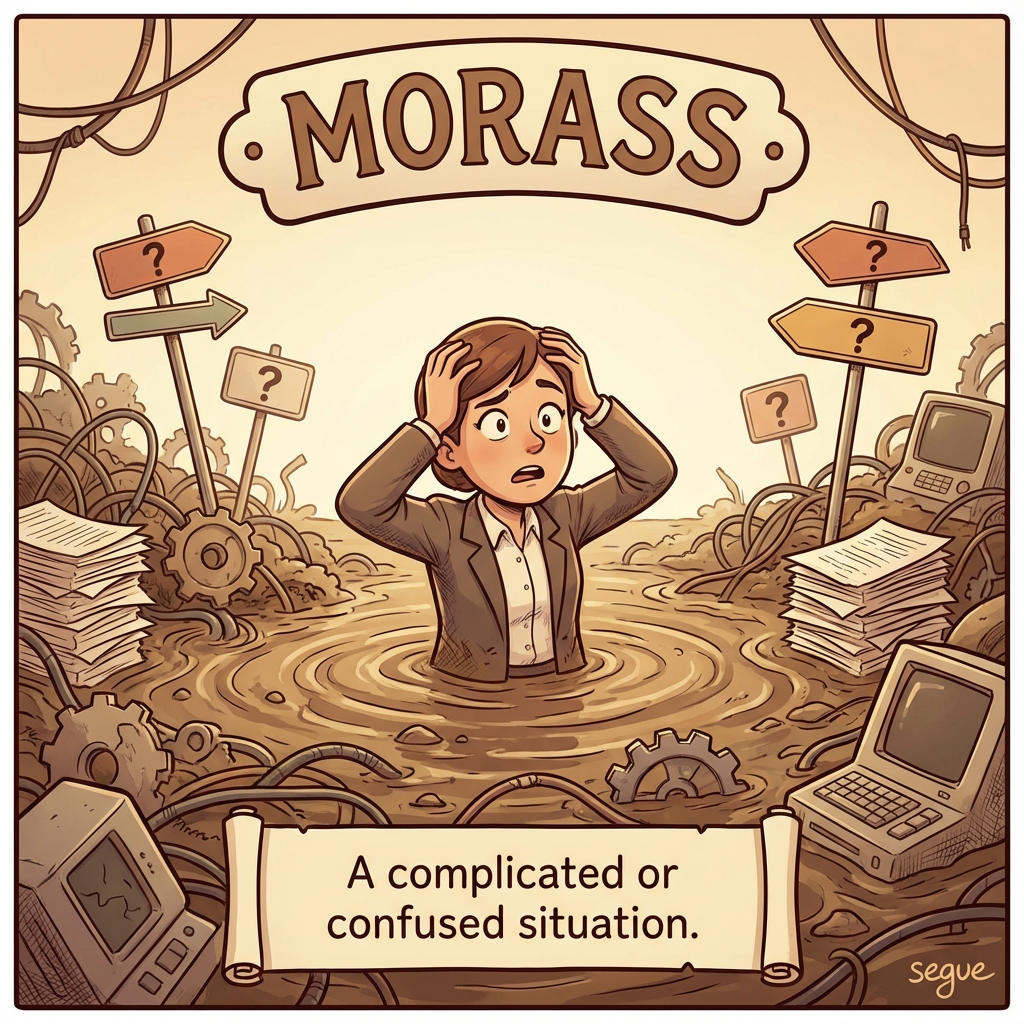
morass
/ˈmɔɹæs/a complicated or confused situation
“The legal morass took years to resolve.”
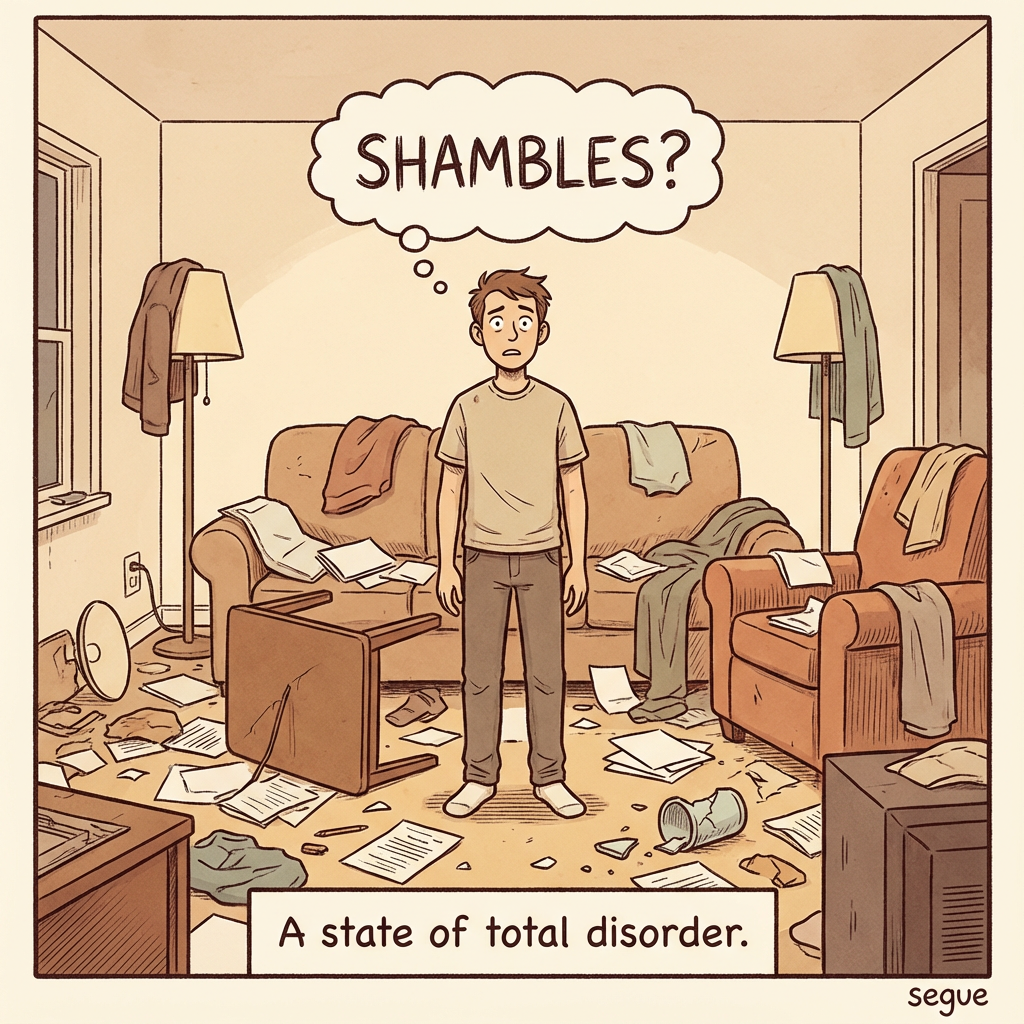
shambles
/ˈʃæmbəɫz/a state of total disorder
“The office was in shambles after the reorganization.”
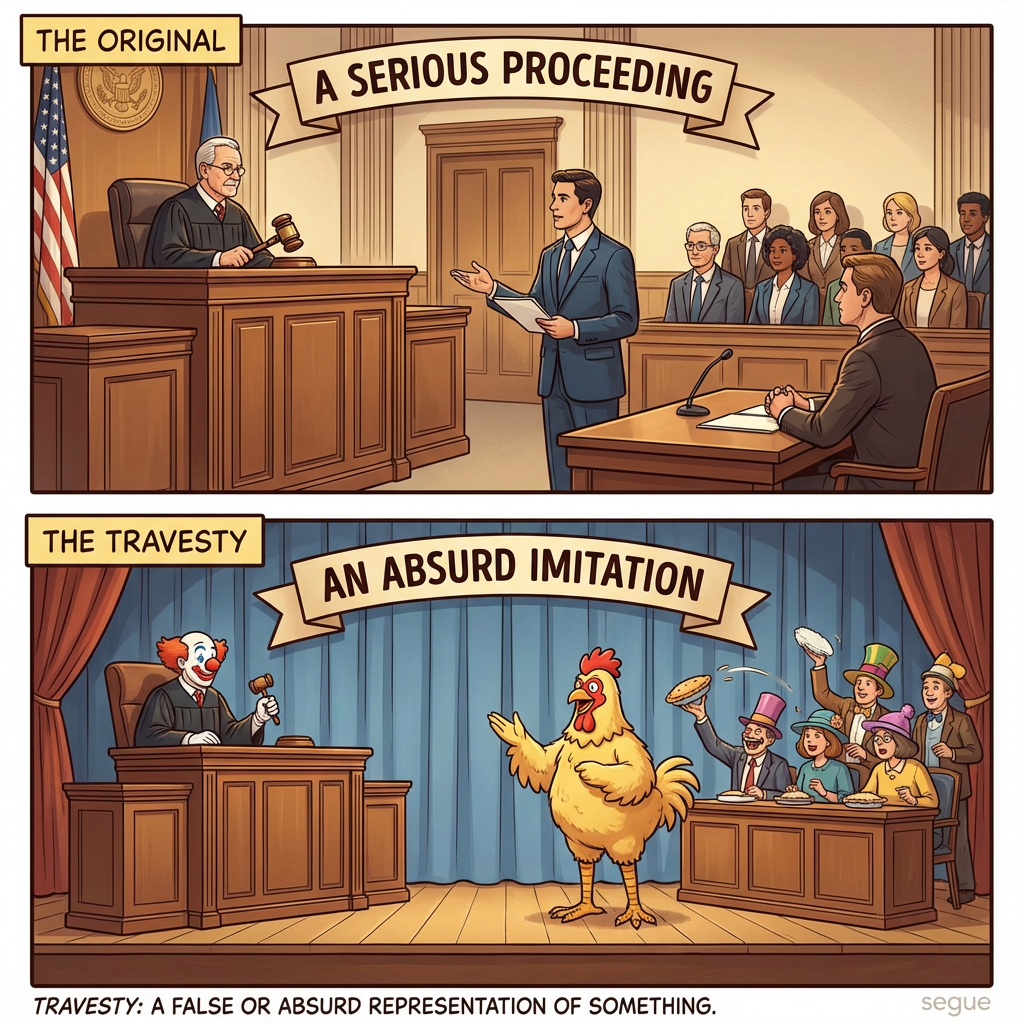
travesty
/ˈtɹævəsti/a false or absurd representation of something
“The trial was a travesty of justice.”

futile
/ˈfjutəɫ/incapable of producing any useful result; pointless
“Resistance proved futile against the overwhelming force.”
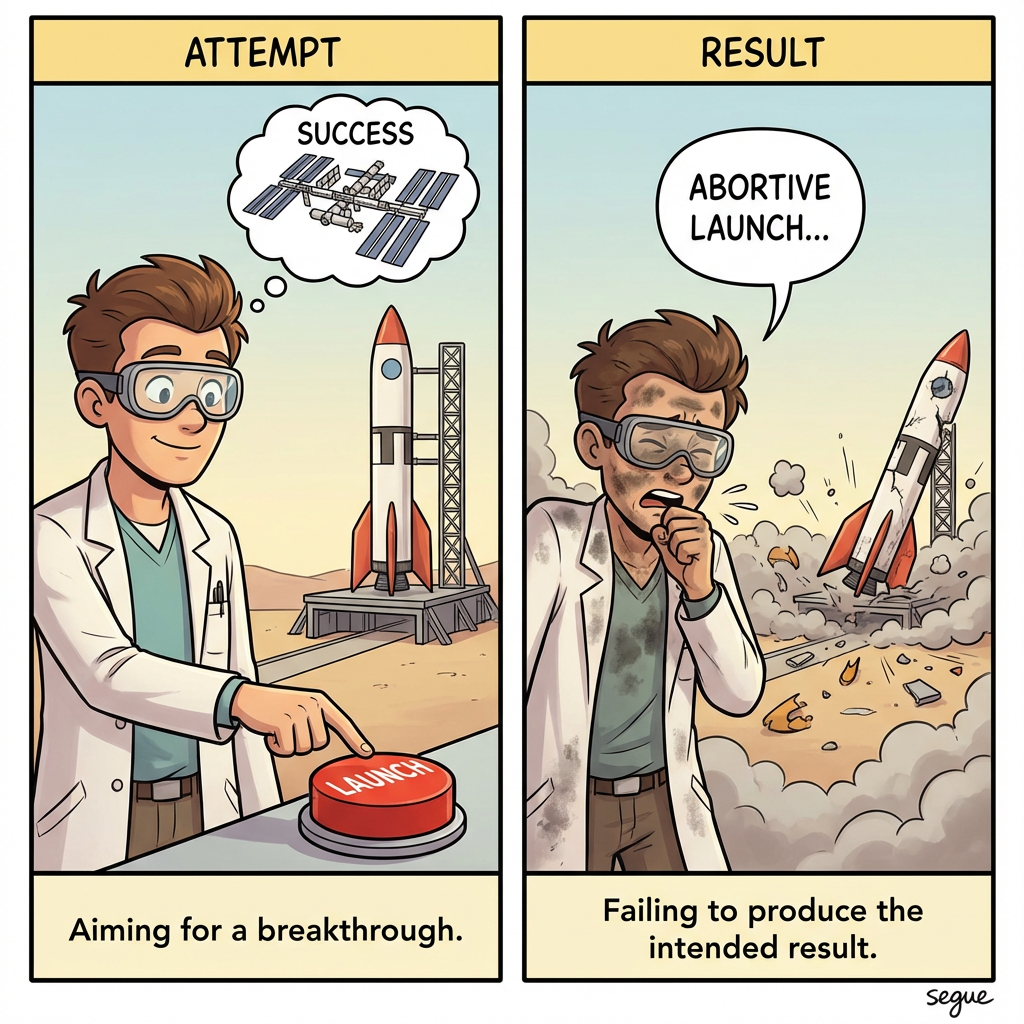
abortive
/əˈbɔɹtɪv/failing to produce the intended result
“Several abortive attempts preceded the successful launch.”
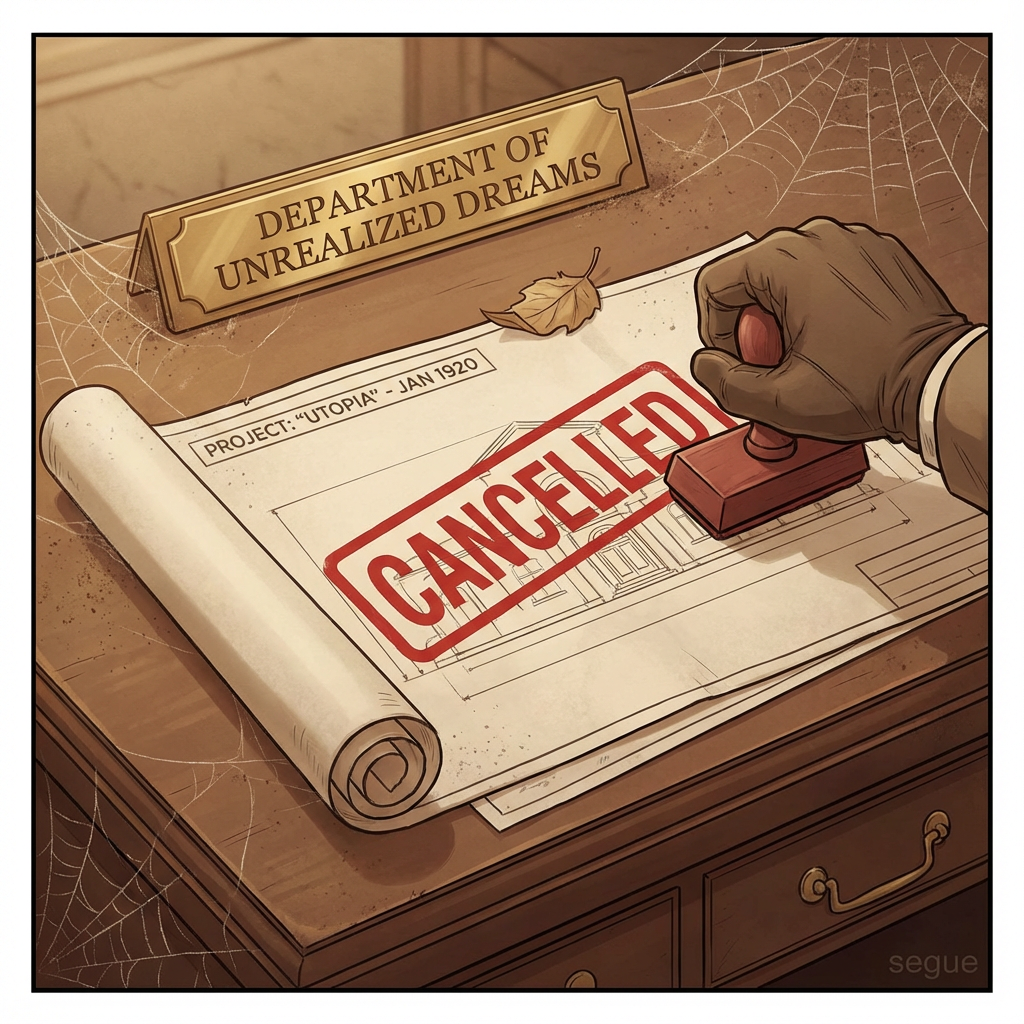
stillborn
/ˈstɪɫˈbɔɹn/having failed before beginning; never implemented
“The reform initiative was stillborn due to lack of support.”
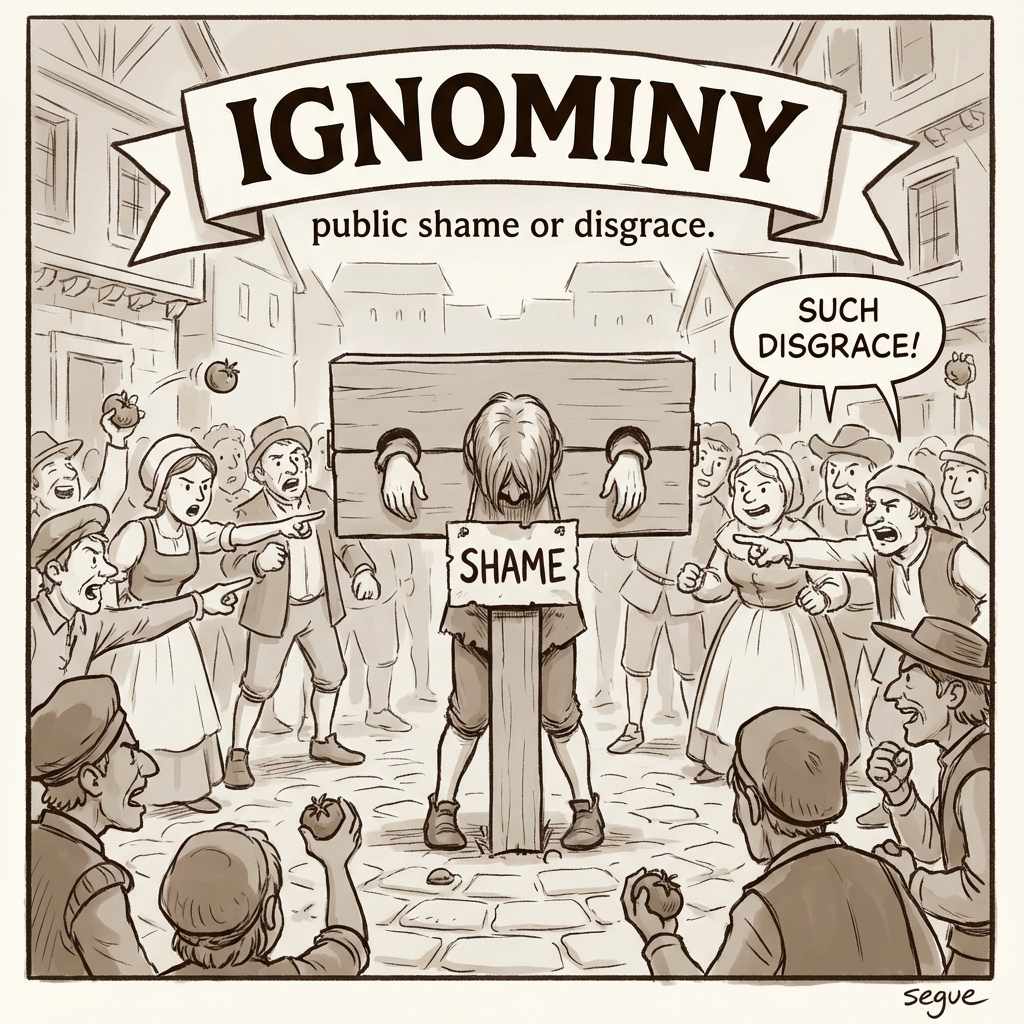
ignominy
/ˈɪɡnoʊˌmɪni/public shame or disgrace
“He feared the ignominy of being fired.”
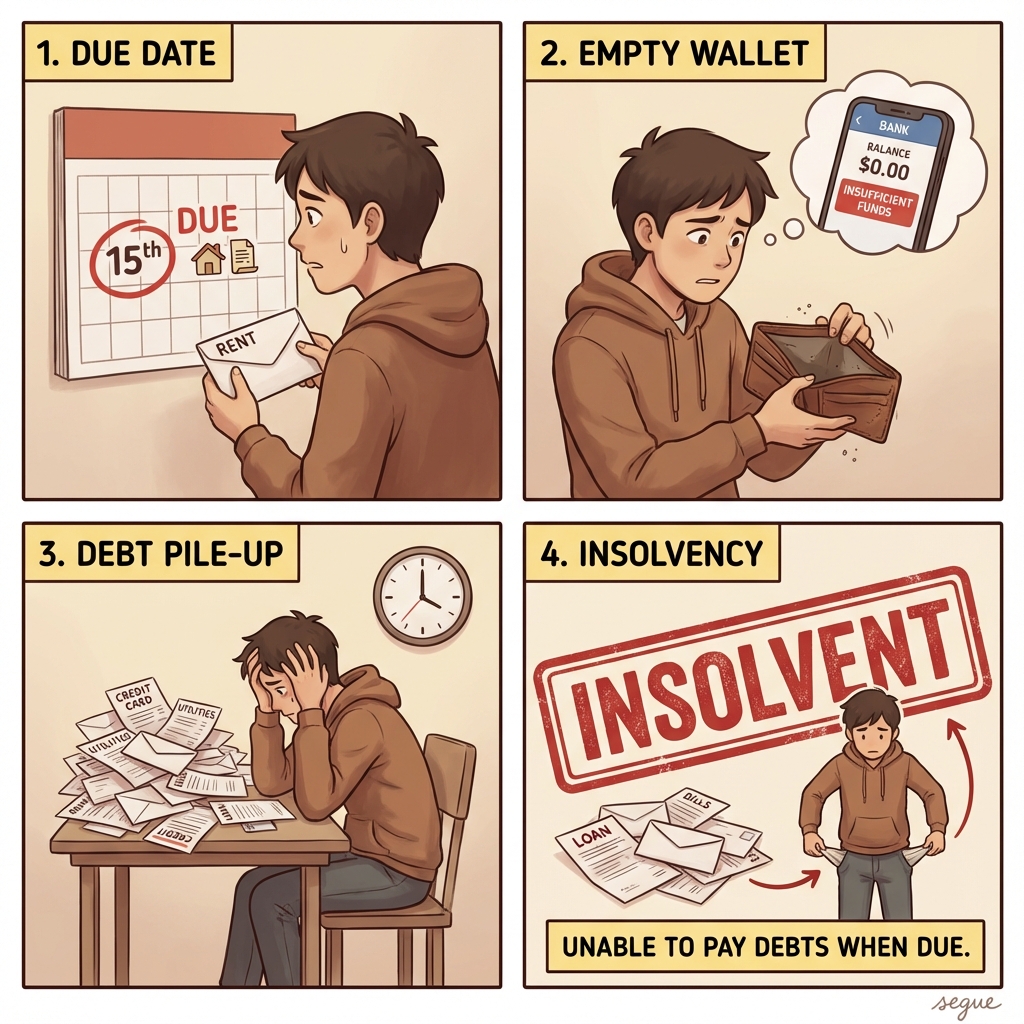
insolvency
/ˌɪnˈsɑɫvənsi/the state of being unable to pay debts owed
“The company faced insolvency after the market crash.”
More from Success & Knowledge
Explore other vocabulary categories in this collection.