Loading collection...
🤔
Doubt & Skepticism Vocabulary
Words for uncertainty, questioning, and disbelief
12 words
All 12 Words
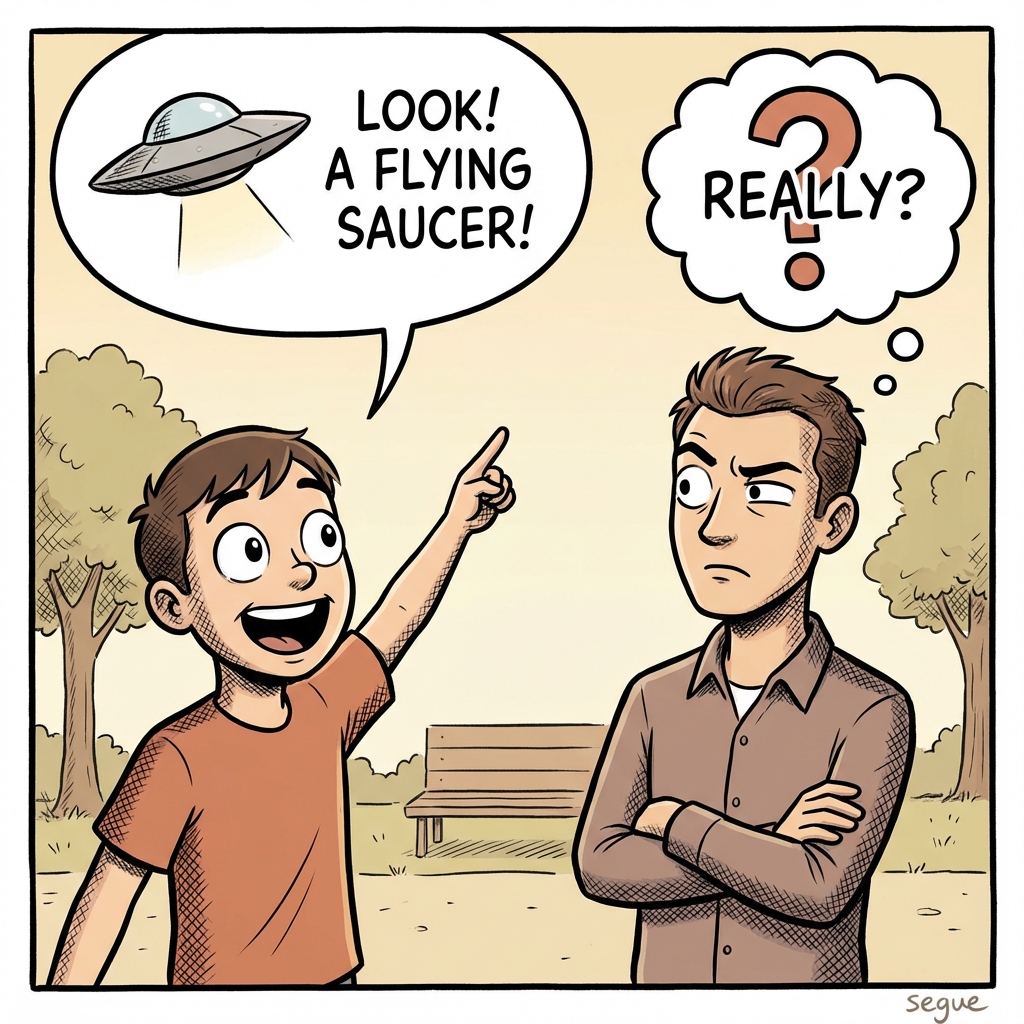
skeptical
/ˈskɛptəkəɫ/not easily convinced; having doubts
“Scientists are naturally skeptical of extraordinary claims.”

incredulous
/ˌɪnˈkɹɛdʒəɫəs/unwilling or unable to believe something
“She gave him an incredulous look when he claimed innocence.”

dubious
/ˈdubiəs/hesitating or doubting; not to be relied upon
“The origins of this artifact are dubious at best.”
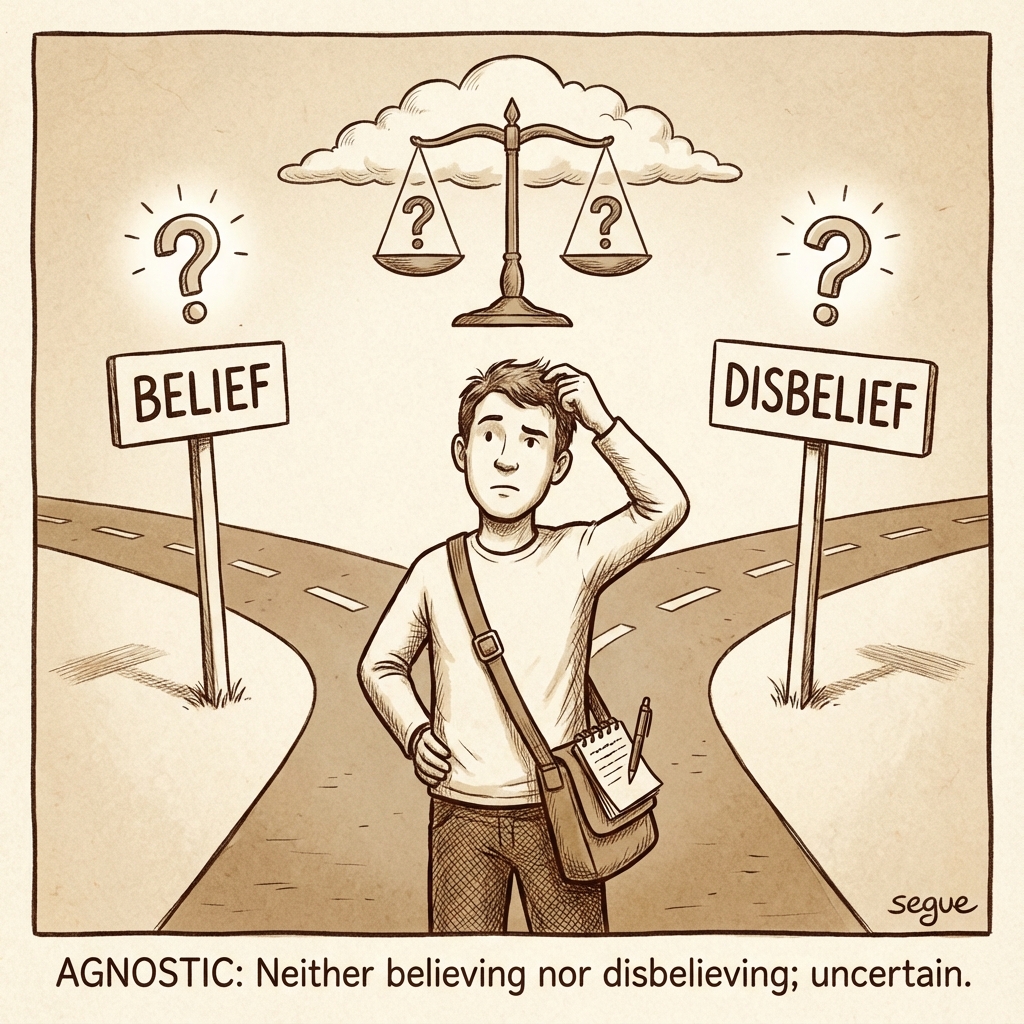
agnostic
/æɡˈnɑstɪk/neither believing nor disbelieving; uncertain
“He remained agnostic on the question of extraterrestrial life.”
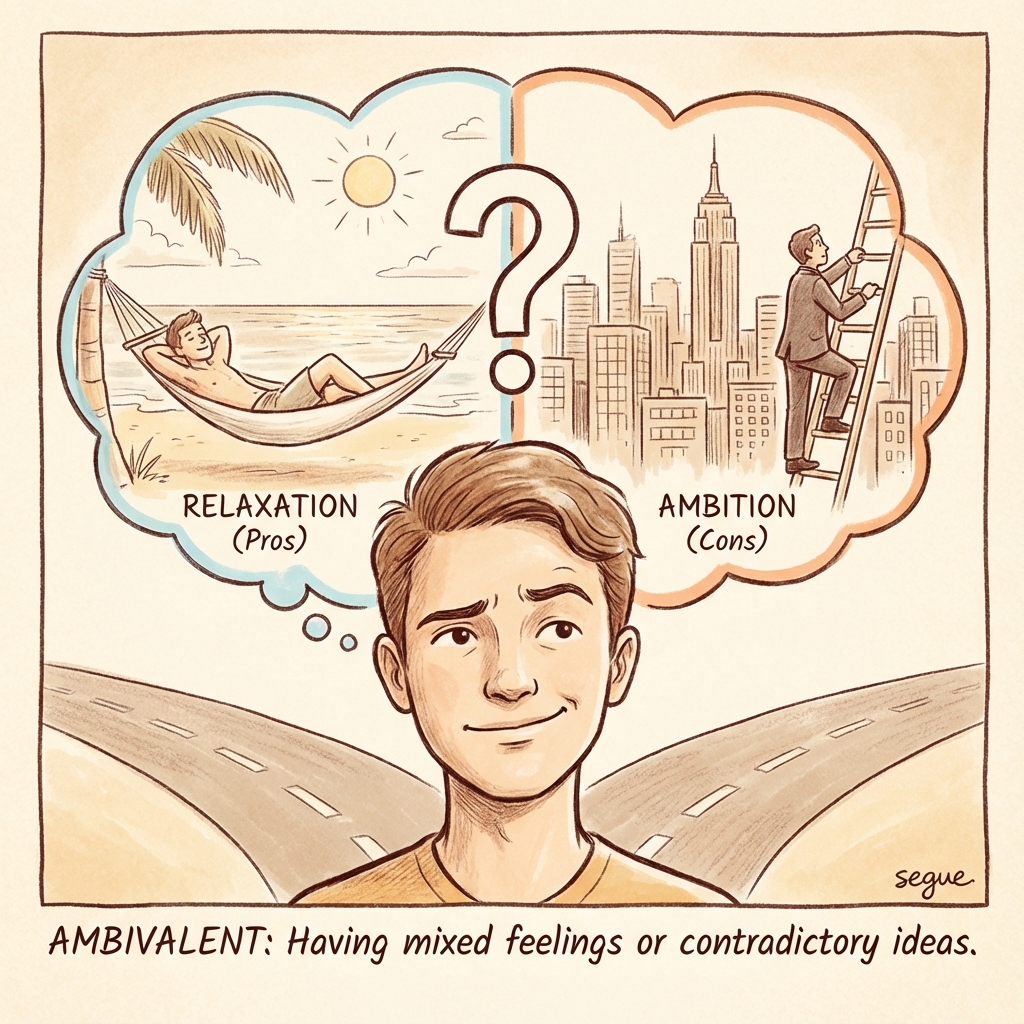
ambivalent
/æmˈbɪvəɫənt/having mixed feelings or contradictory ideas
“She felt ambivalent about accepting the promotion.”
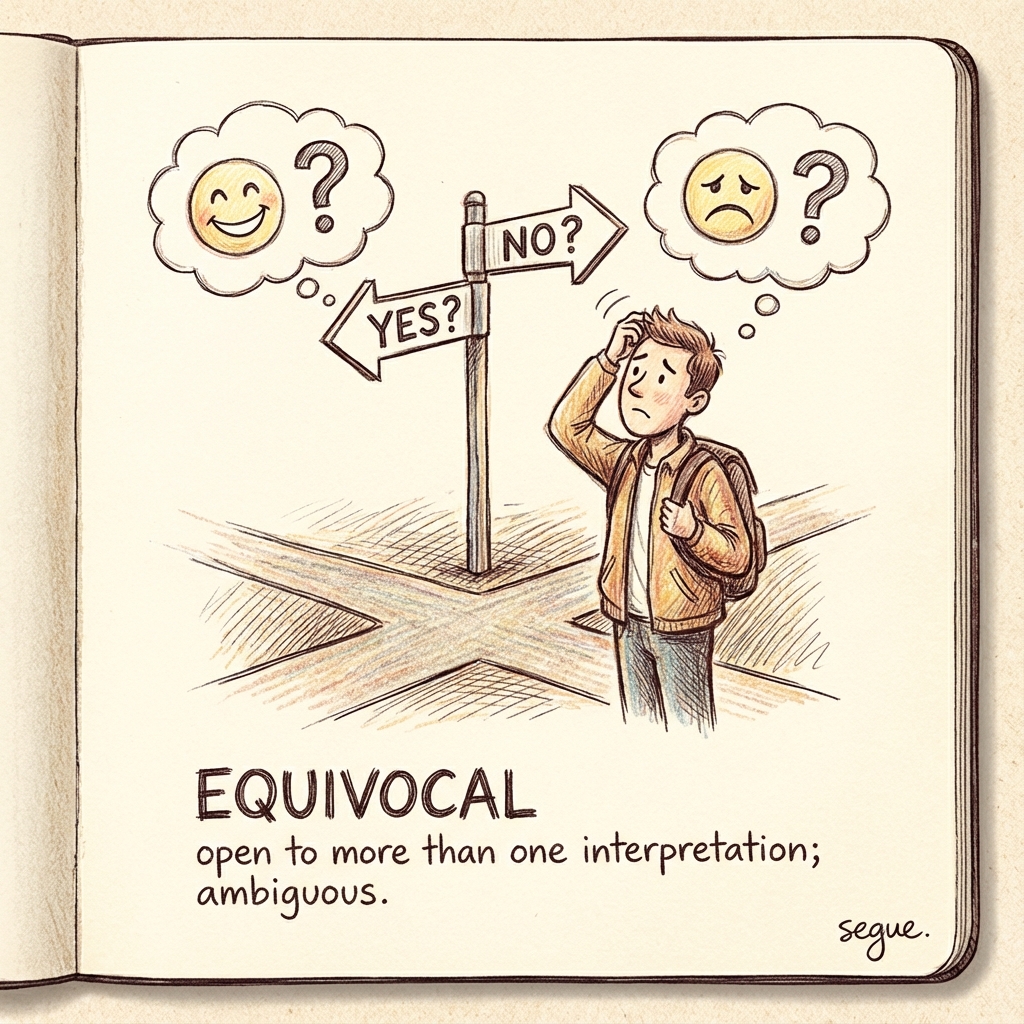
equivocal
/ɪˈkwɪvəkəɫ/open to more than one interpretation; ambiguous
“His equivocal response satisfied no one.”

tentative
/ˈtɛnətɪv/not certain or fixed; provisional
“The conclusions are tentative pending further research.”
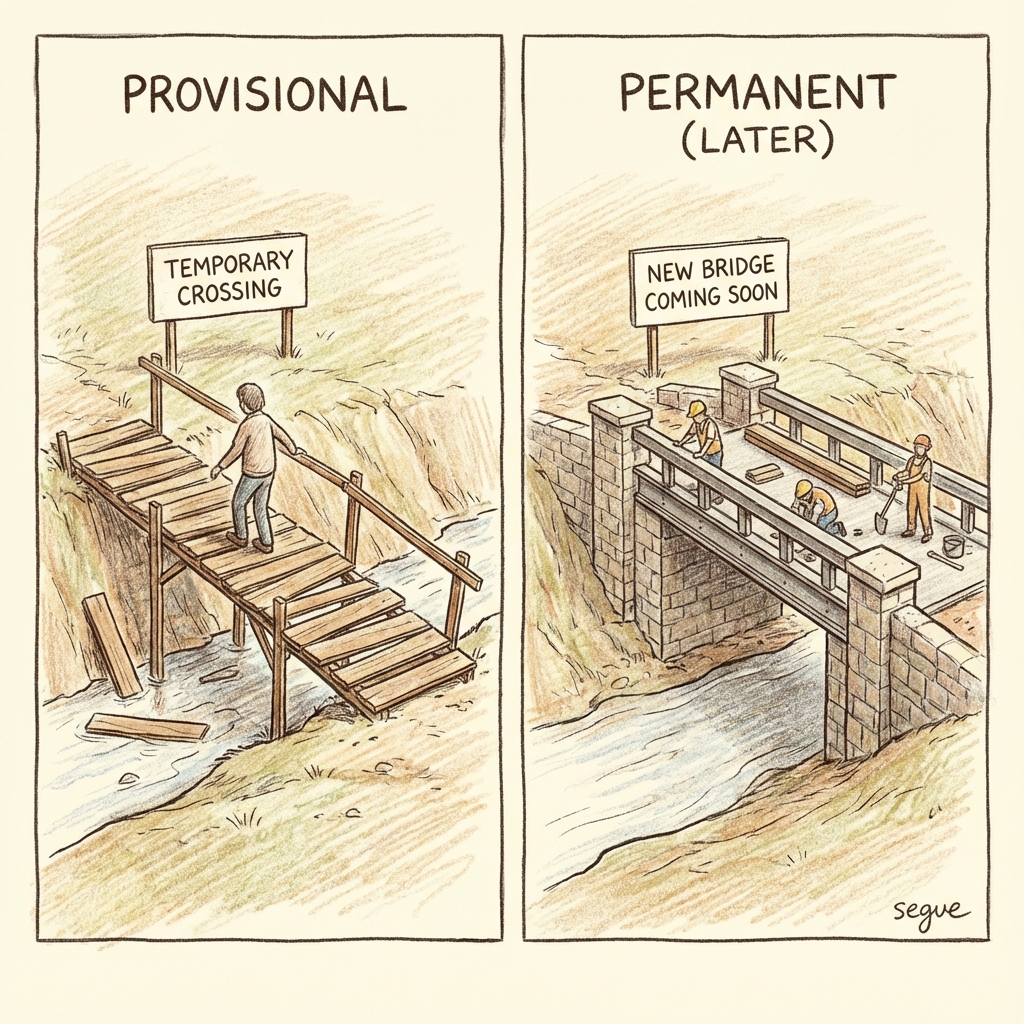
provisional
/pɹəˈvɪʒənəɫ/arranged or existing for the present, possibly to change
“This is only a provisional agreement.”
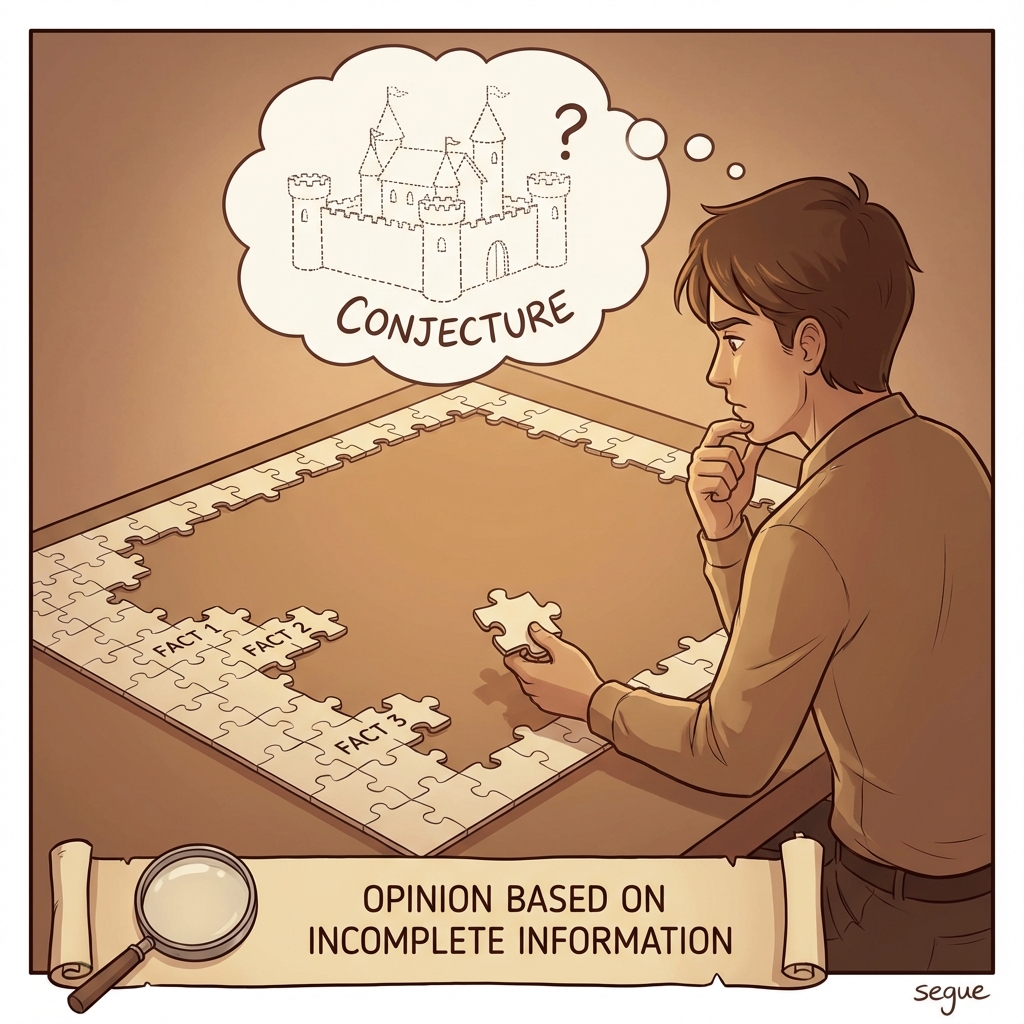
conjecture
/kənˈdʒɛkʃɝ/an opinion based on incomplete information
“We can only conjecture about their motives.”

surmise
/sɝˈmaɪz/to suppose that something is true without evidence
“I can only surmise what happened that night.”
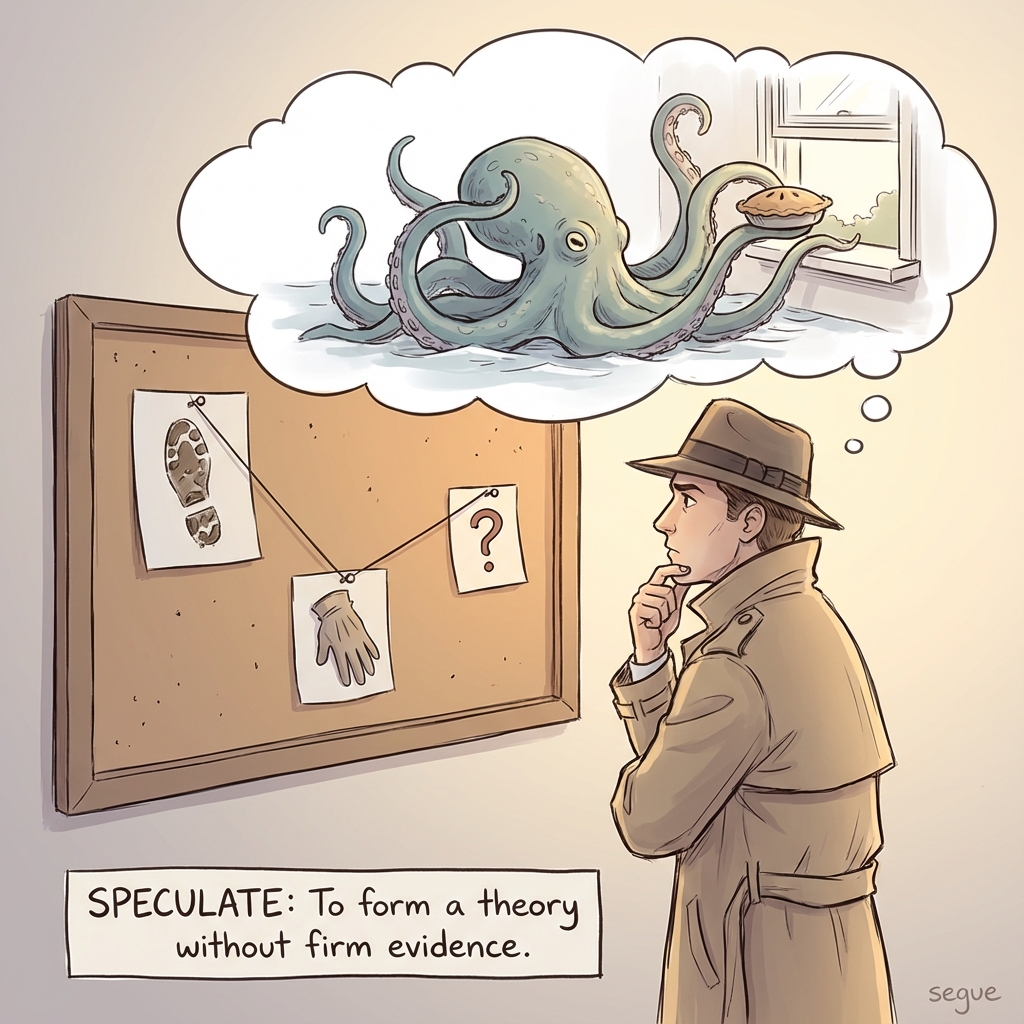
speculate
/ˈspɛkjəˌɫeɪt/to form a theory without firm evidence
“Experts speculate about the causes of the crash.”
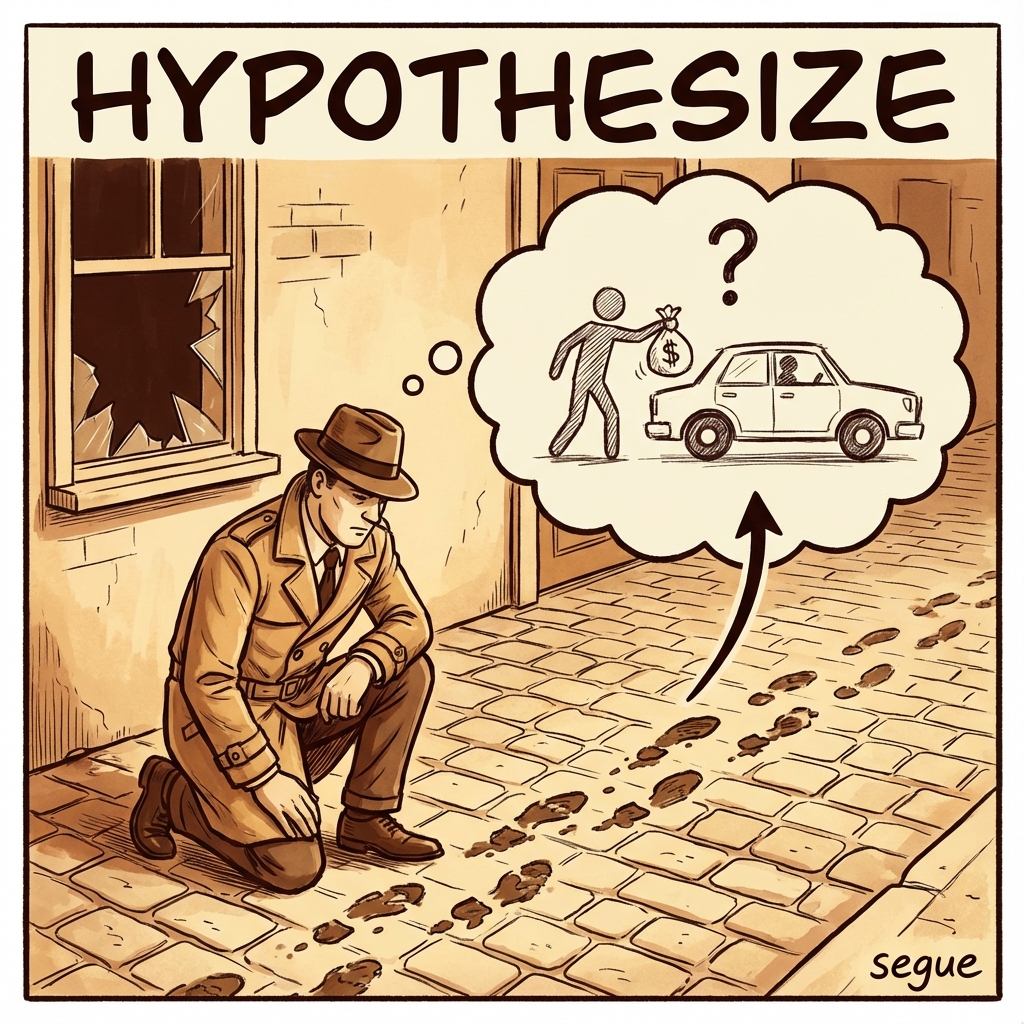
hypothesize
/haɪˈpɑθəˌsaɪz/to put forward as a hypothesis
“Scientists hypothesize that dark matter exists.”
More from Emotions & Mind
Explore other vocabulary categories in this collection.