Loading collection...
💡
Design Thinking Vocabulary
Human-centered problem-solving methodology
10 words
All 10 Words
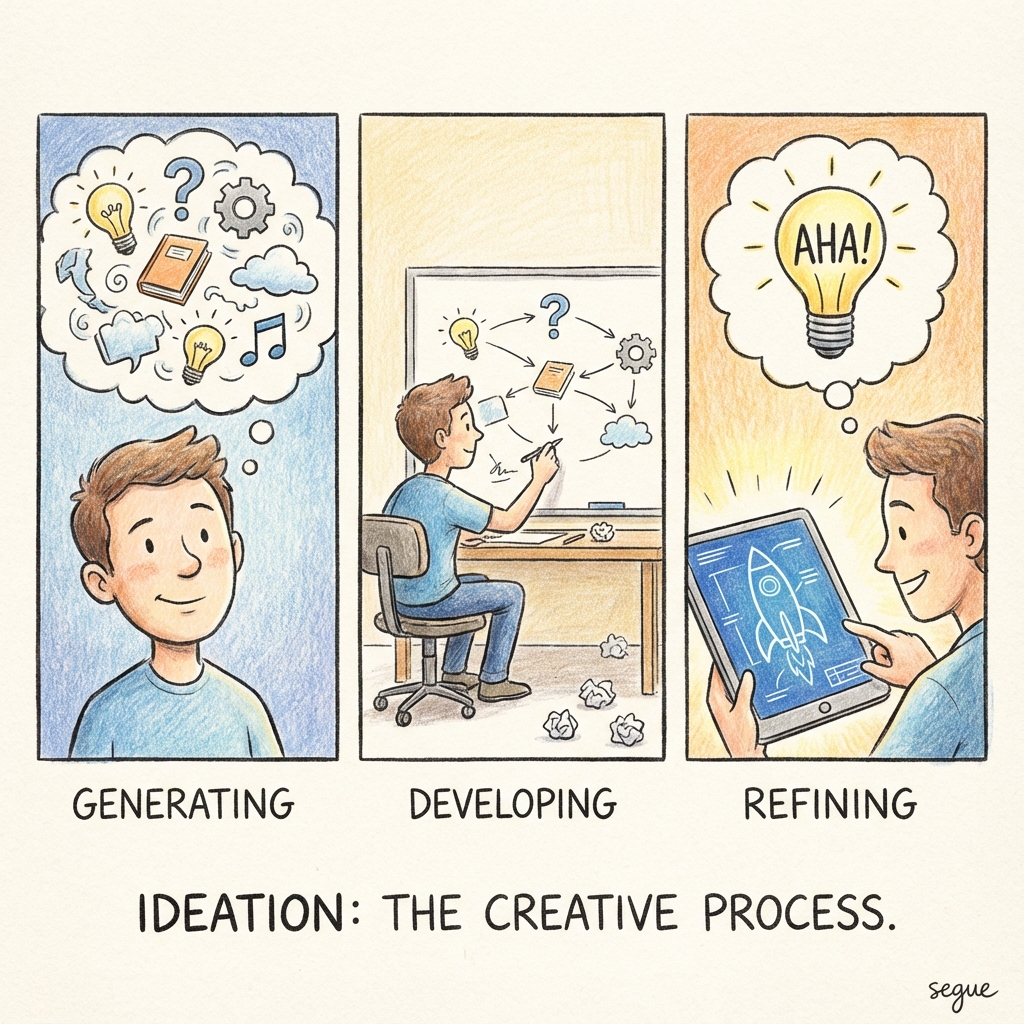
ideation
/ˌaɪdiˈeɪʃən/the creative process of generating and developing new ideas
“The team's ideation session produced dozens of potential solutions.”
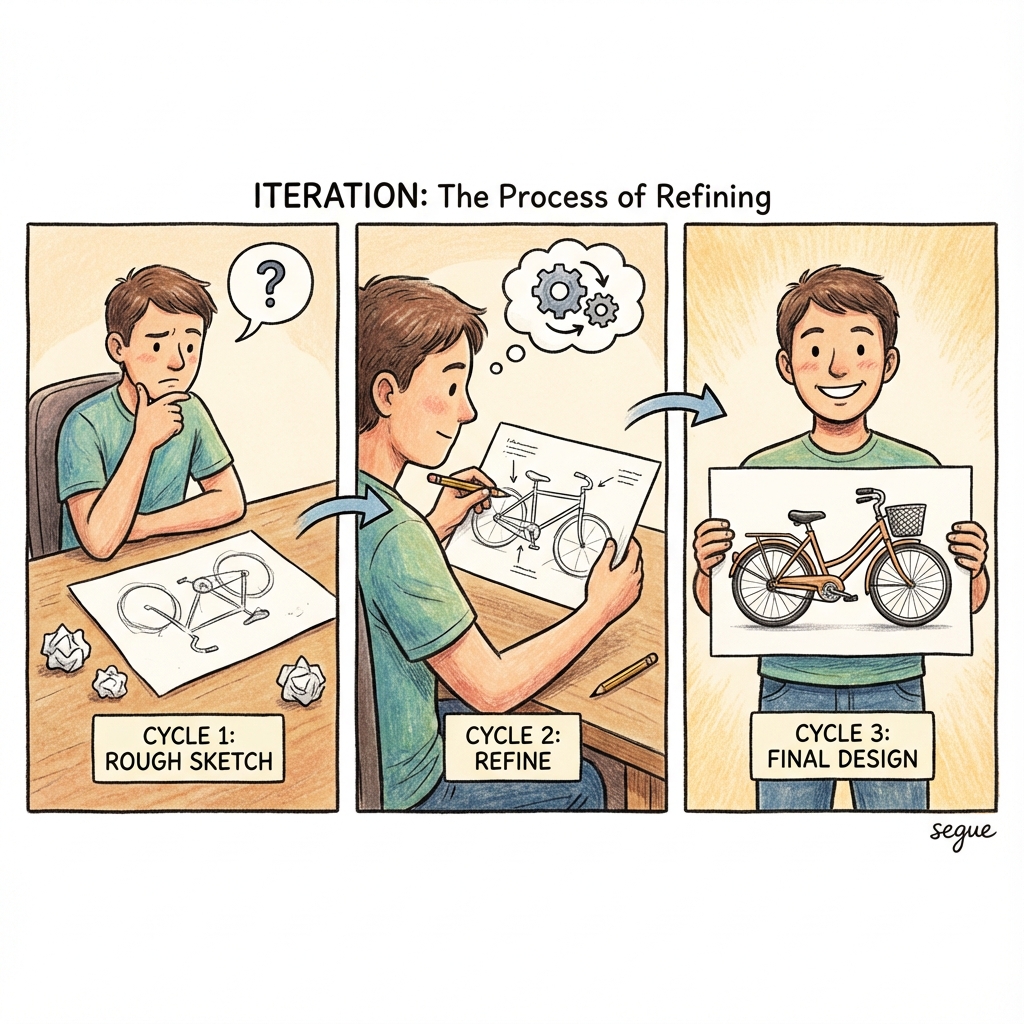
iteration
/ˌɪtɝˈeɪʃən/the process of repeating and refining a design through multiple cycles
“Each iteration brought the product closer to user needs.”
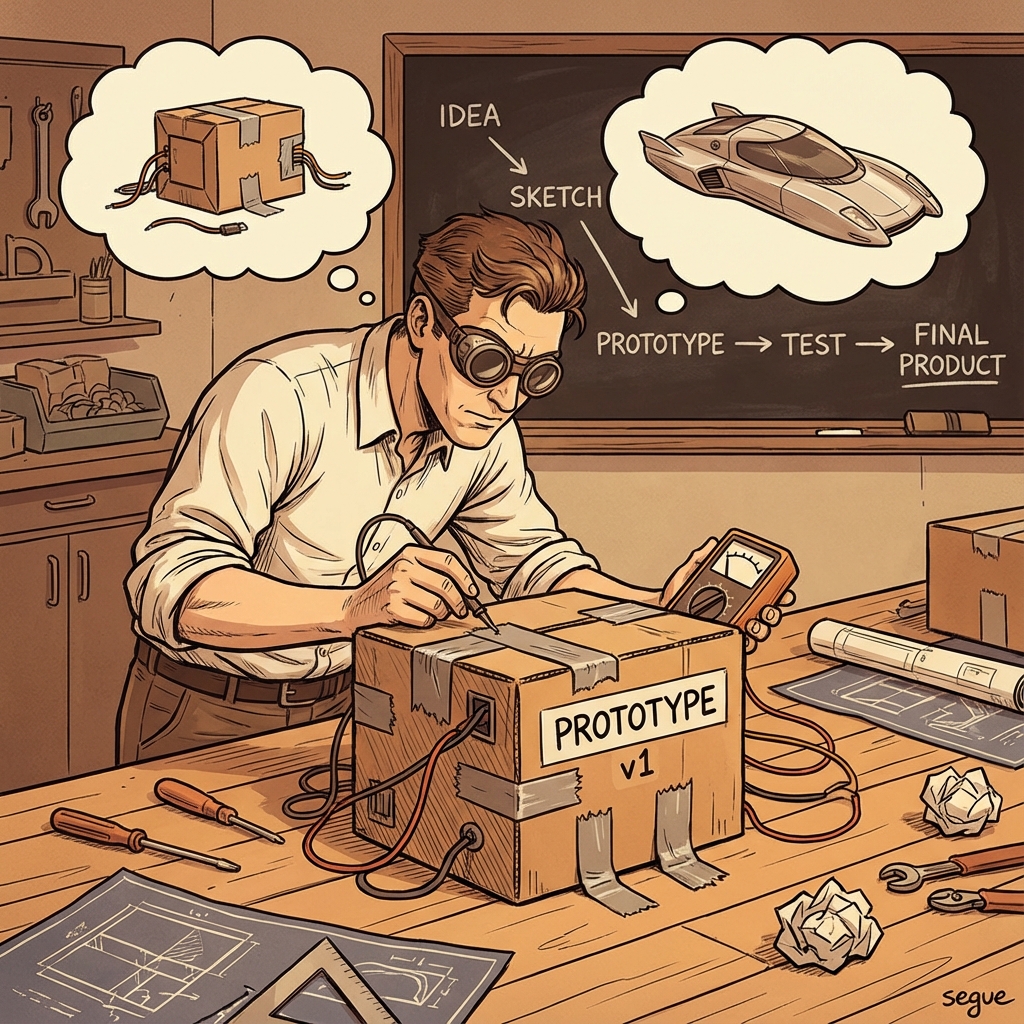
prototype
/ˈpɹoʊtəˌtaɪp/an early model built to test a concept or process
“The paper prototype revealed fundamental usability issues.”

empathy
/ˈɛmpəθi/the ability to understand and share the feelings of users
“Empathy for the end user drove every design decision.”
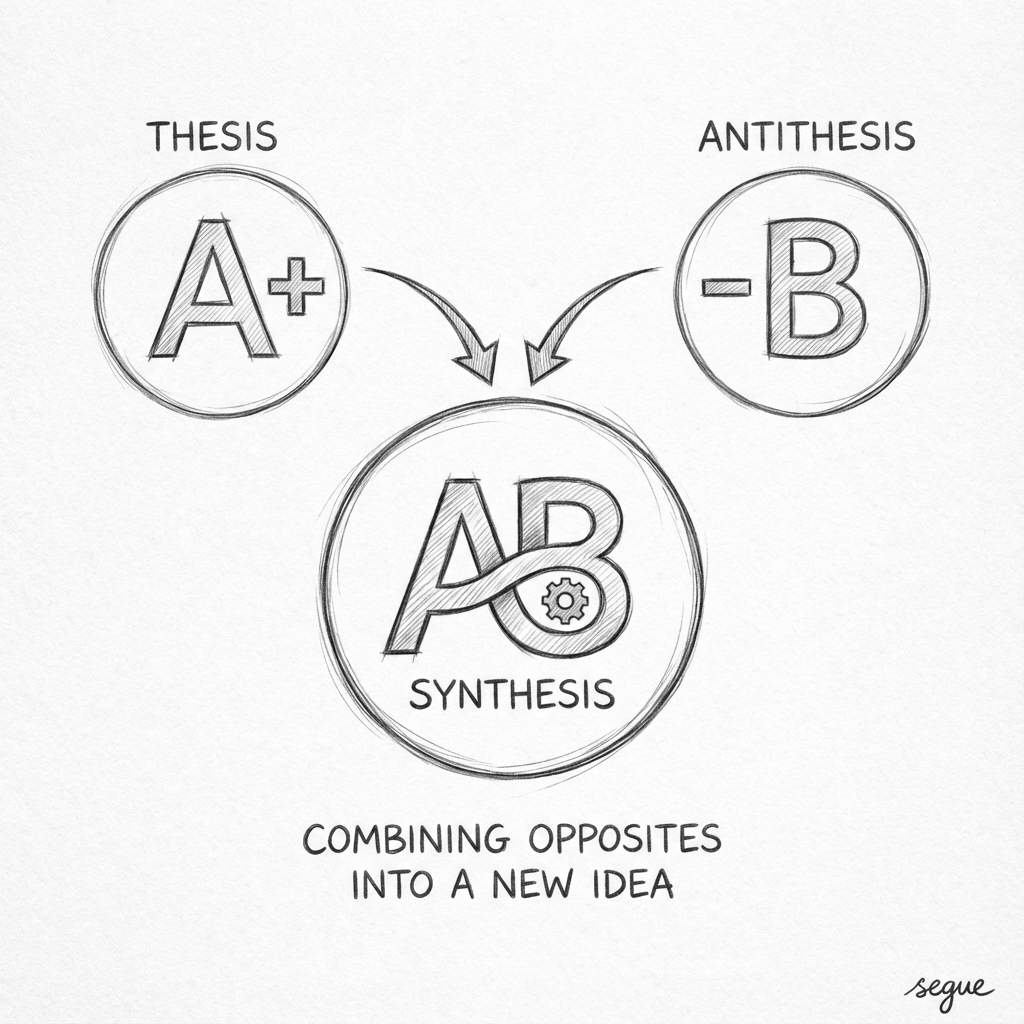
synthesis
/ˈsɪnθəsəs/combining diverse insights into a coherent design direction
“The synthesis of user research revealed three key themes.”
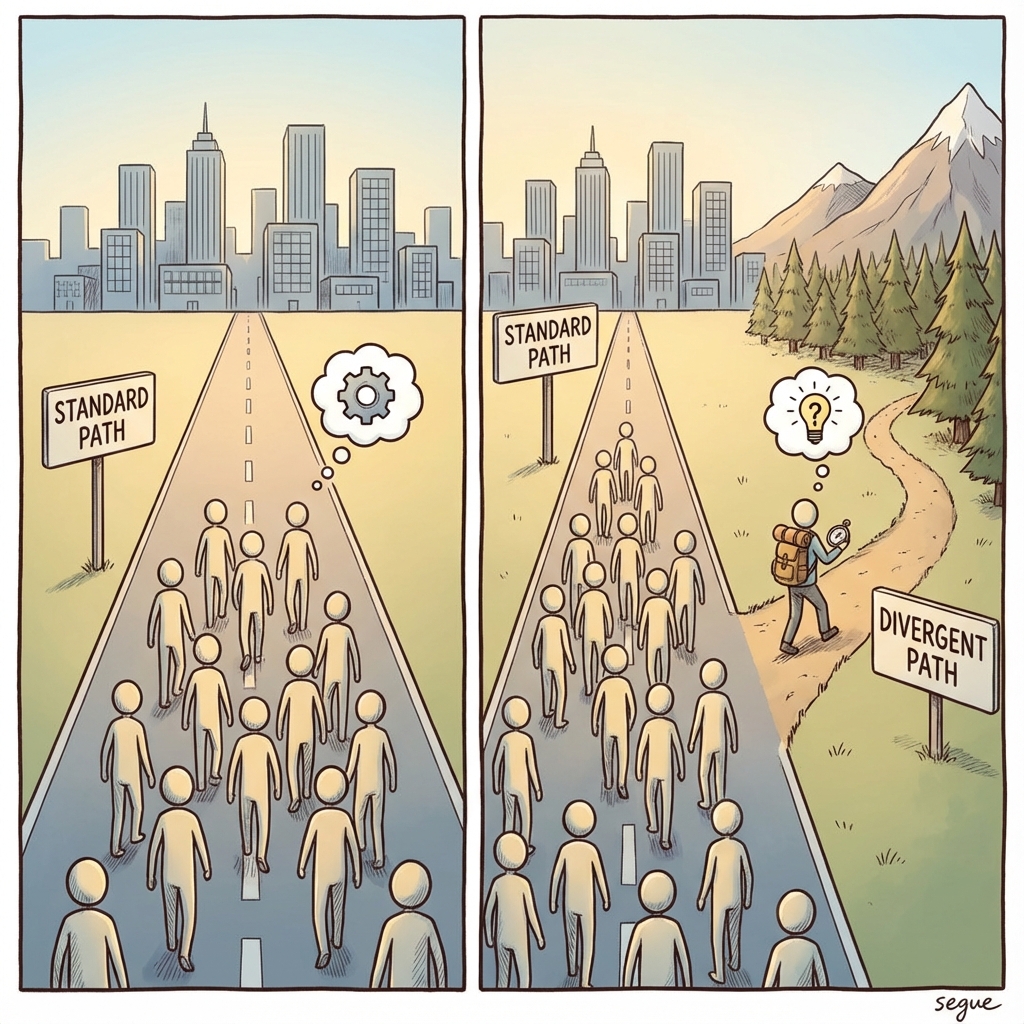
divergent
/daɪˈvɝdʒənt/expanding possibilities by generating many different ideas
“Divergent thinking helped break free from conventional solutions.”
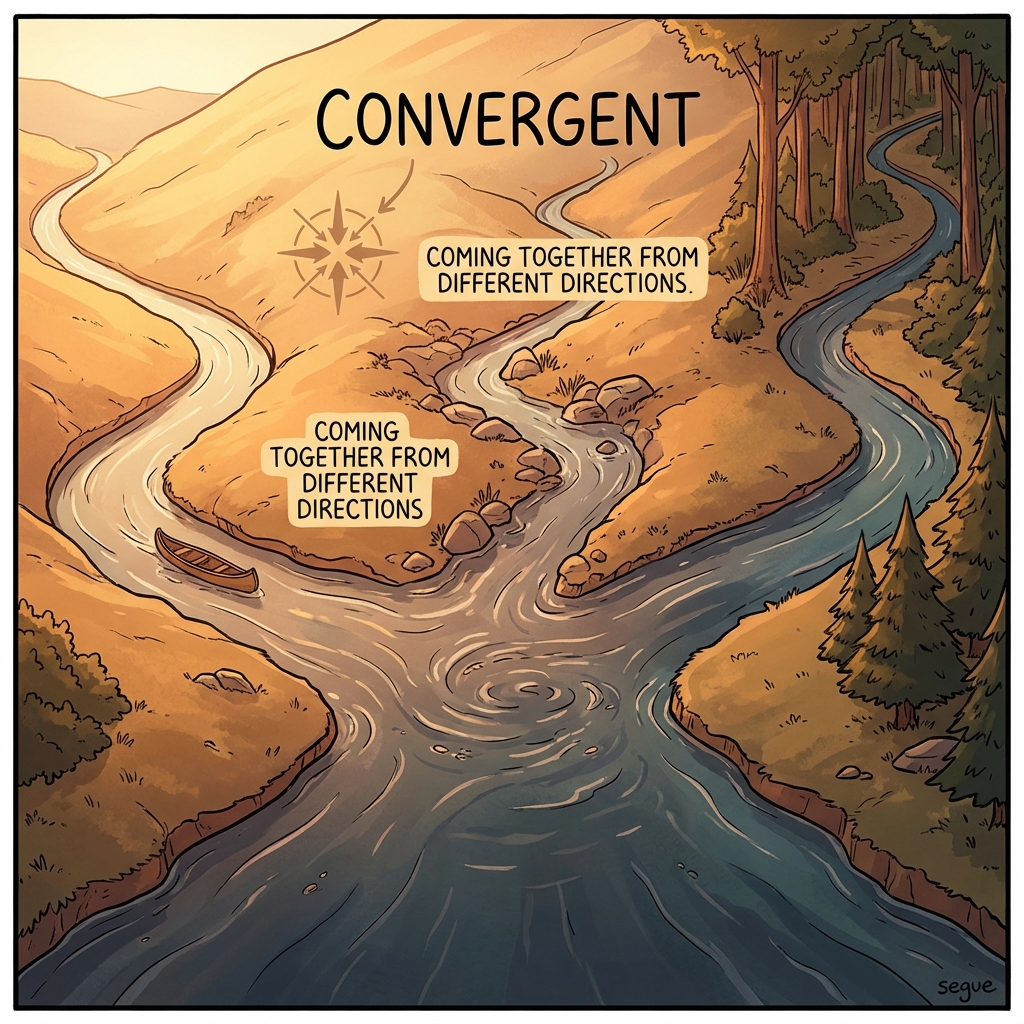
convergent
/kənˈvɝdʒənt/narrowing down options to select the best solution
“Convergent analysis reduced fifty ideas to three finalists.”
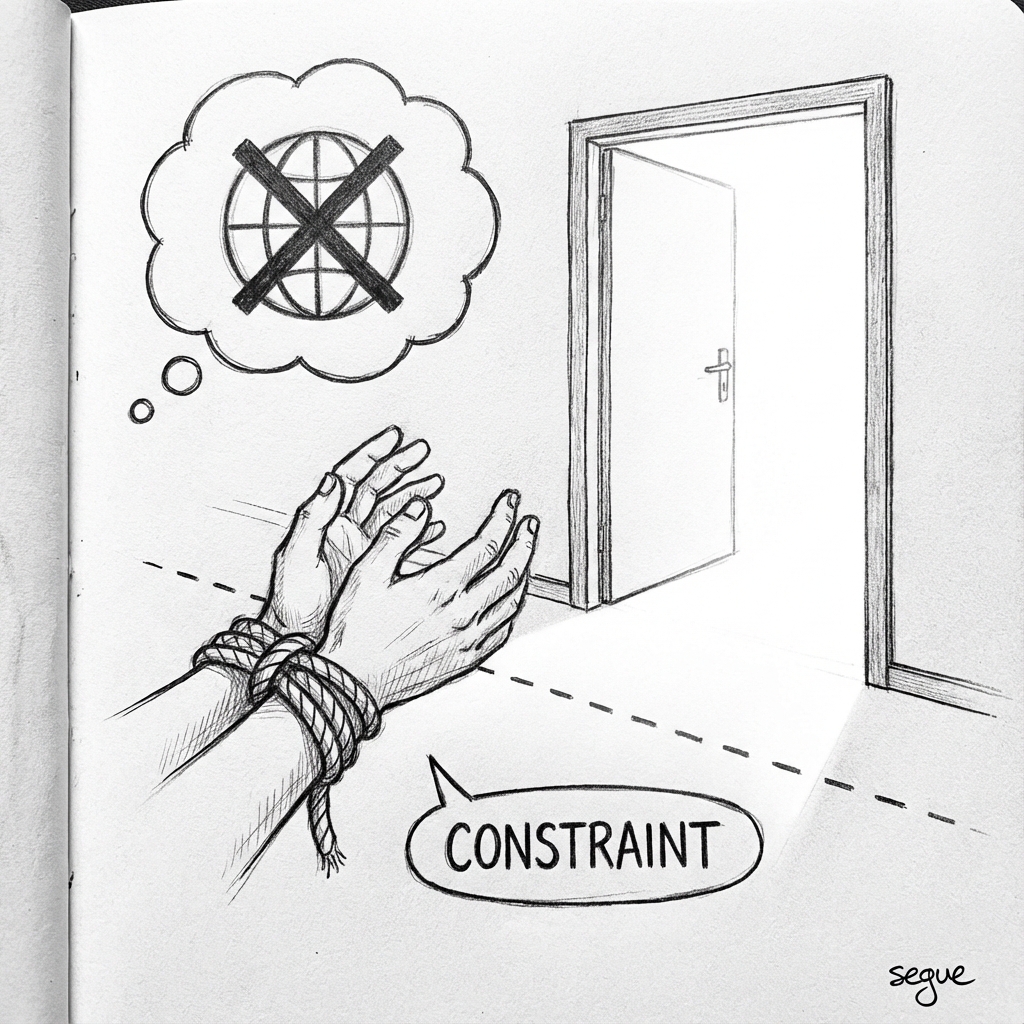
constraint
/kənˈstɹeɪnt/a limitation that shapes and focuses the design solution
“Working within constraints often sparks creativity.”
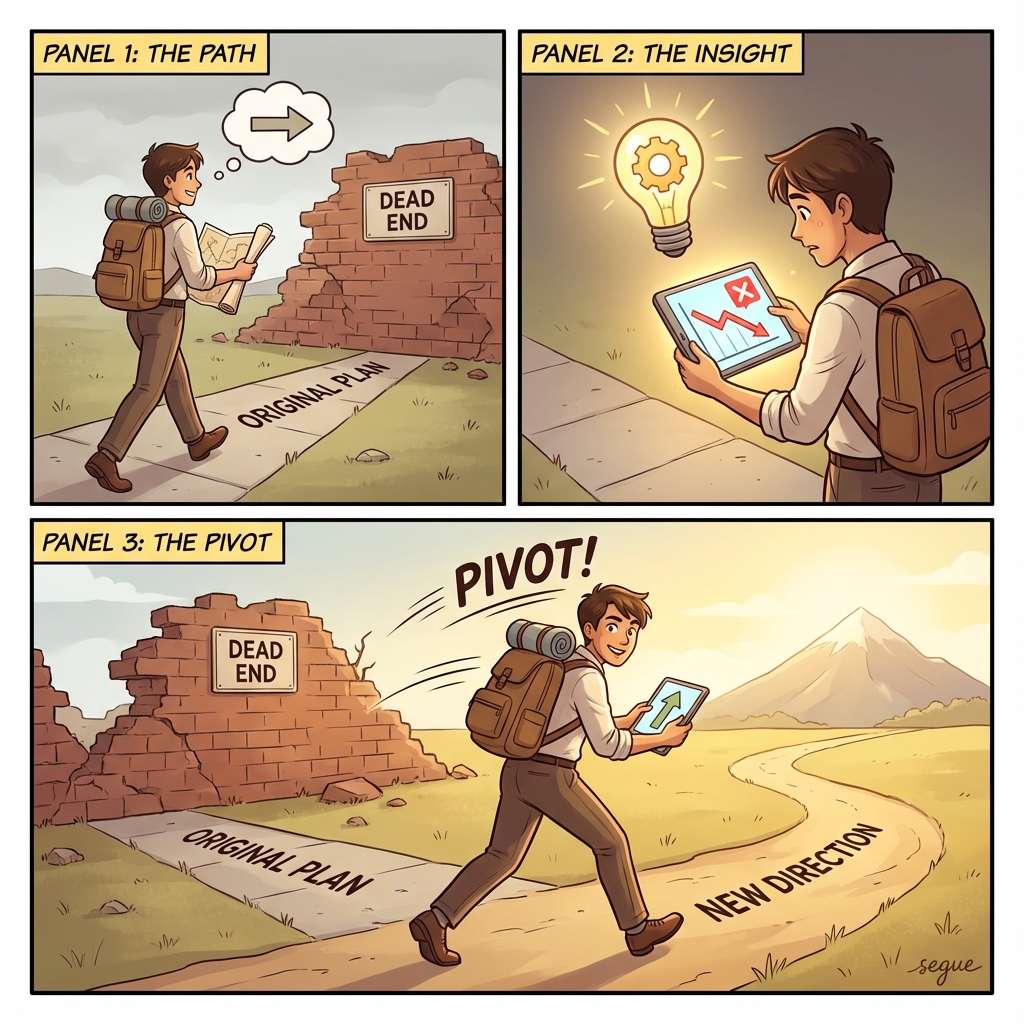
pivot
/ˈpɪvət/a fundamental change in direction based on new insights
“User feedback prompted a pivot from mobile to desktop.”
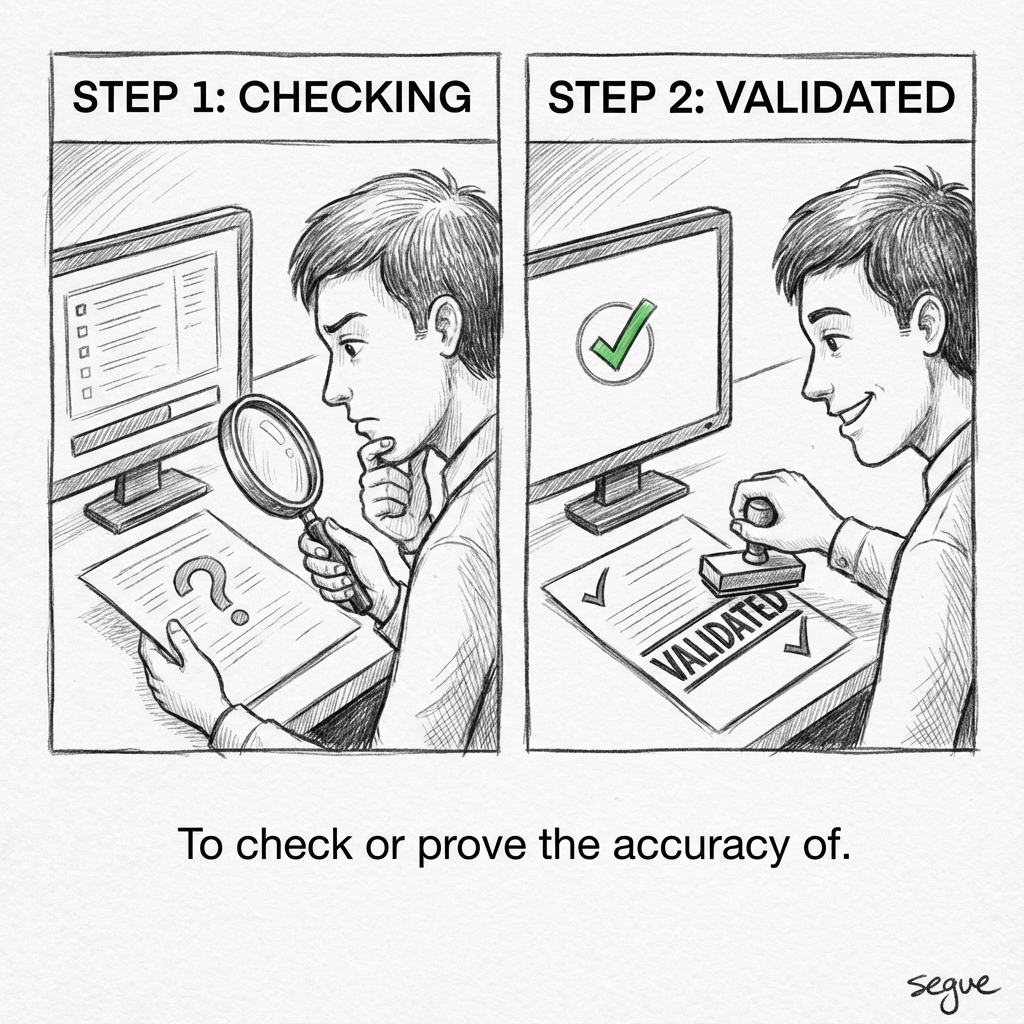
validate
/ˈvæɫədeɪt/to confirm that a design solves the intended problem
“User testing validated the new navigation approach.”
More from Design & UX
Explore other vocabulary categories in this collection.