Loading collection...
👨🍳
Culinary Techniques Vocabulary
Professional cooking methods and preparations
10 words
All 10 Words
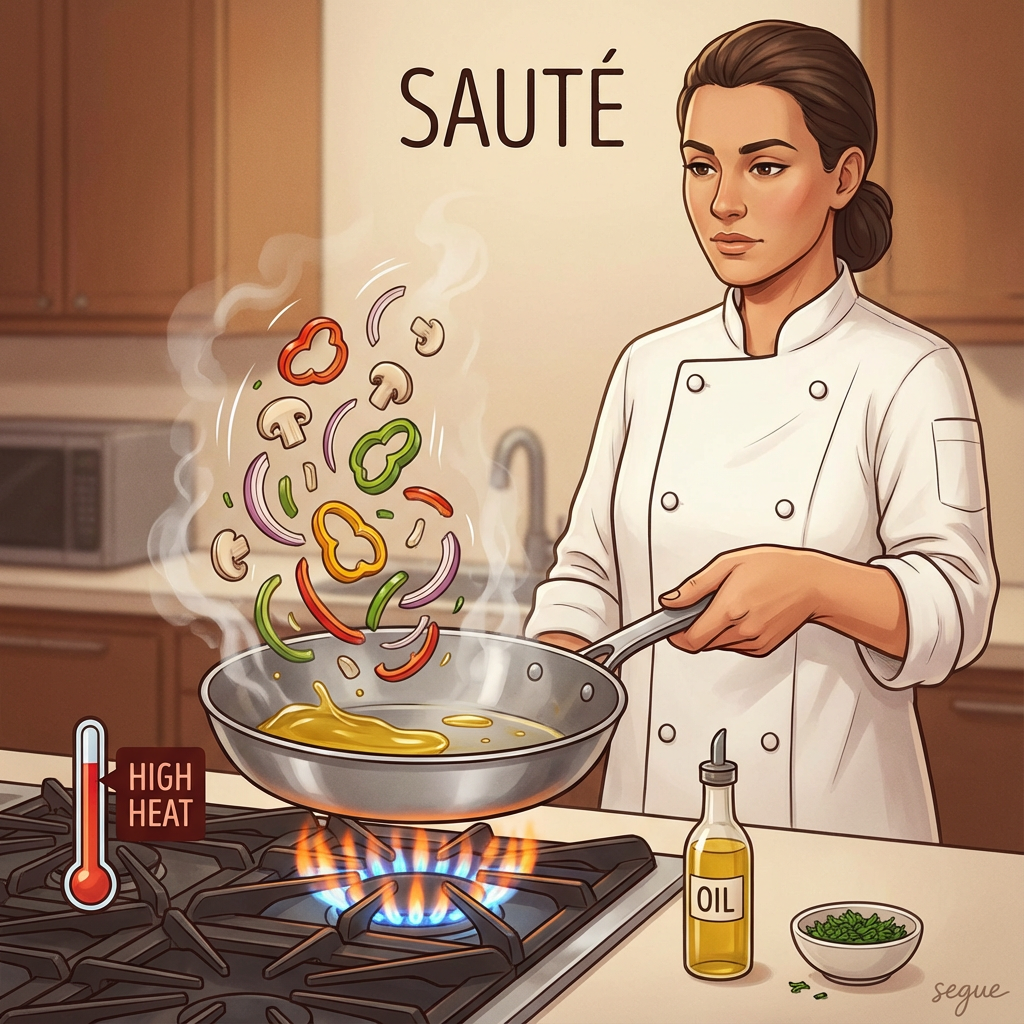
sauté
/soʊˈteɪ/to cook quickly in a small amount of fat over high heat
“Sauté the onions until translucent.”
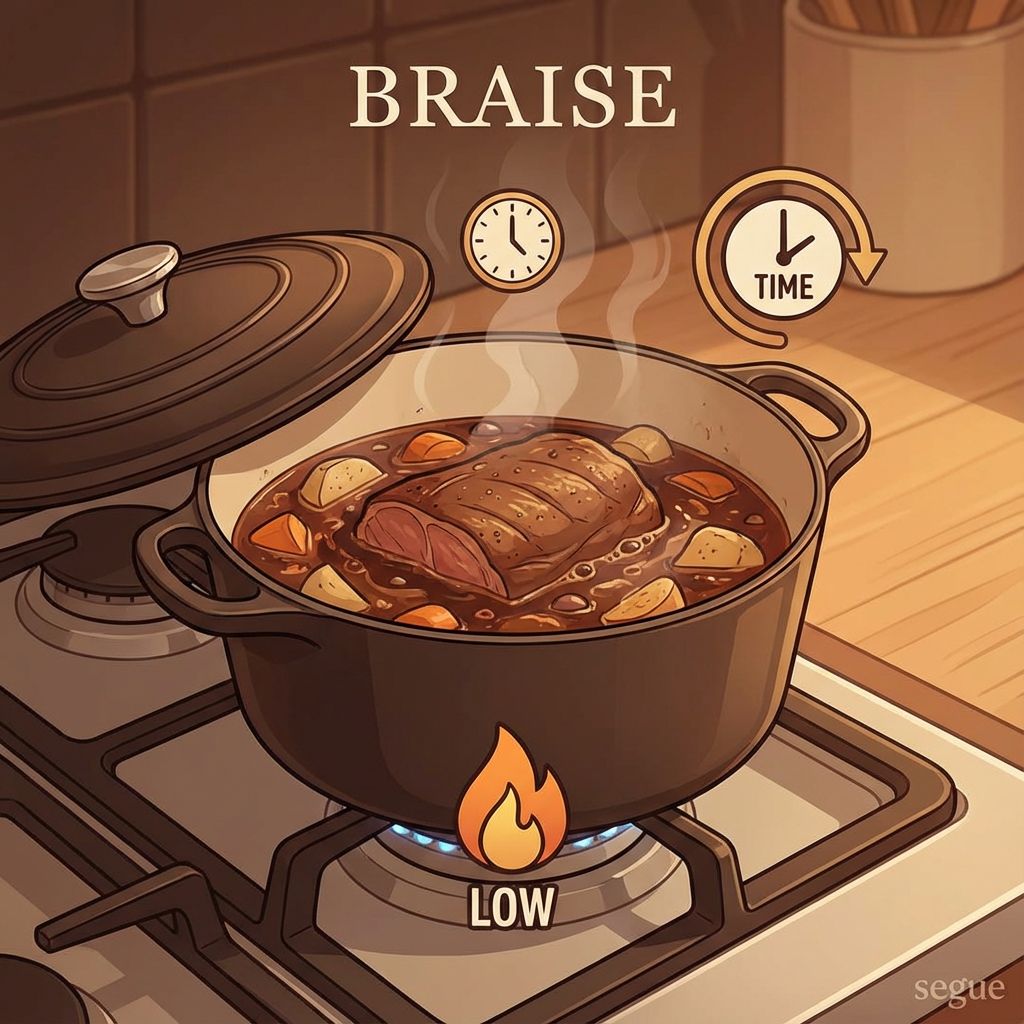
braise
/ˈbɹeɪz/to cook slowly in liquid in a covered pot
“Braise the short ribs until tender.”
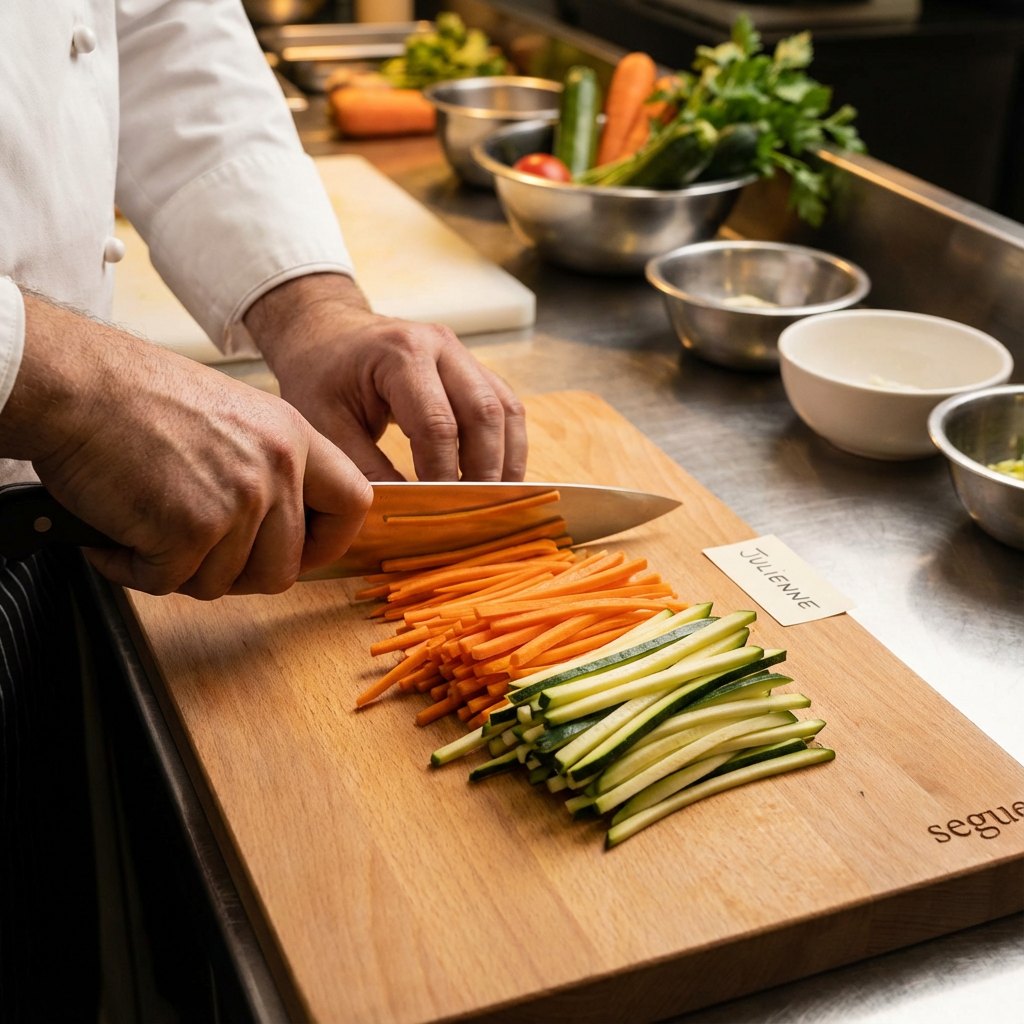
julienne
/ˌdʒuːliˈen/to cut into thin, uniform strips
“Julienne the carrots for the salad.”
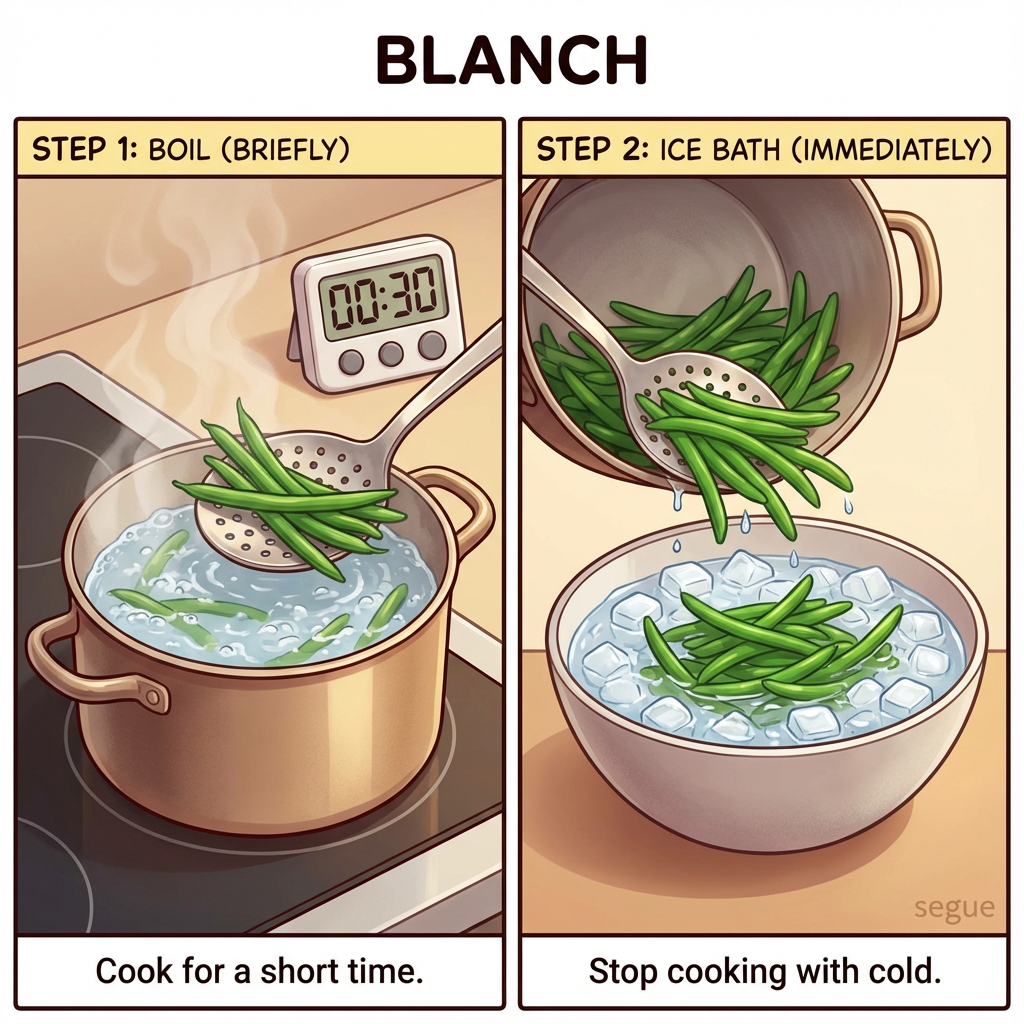
blanch
/ˈbɫæntʃ/to briefly boil then plunge into ice water
“Blanch the vegetables to preserve their color.”
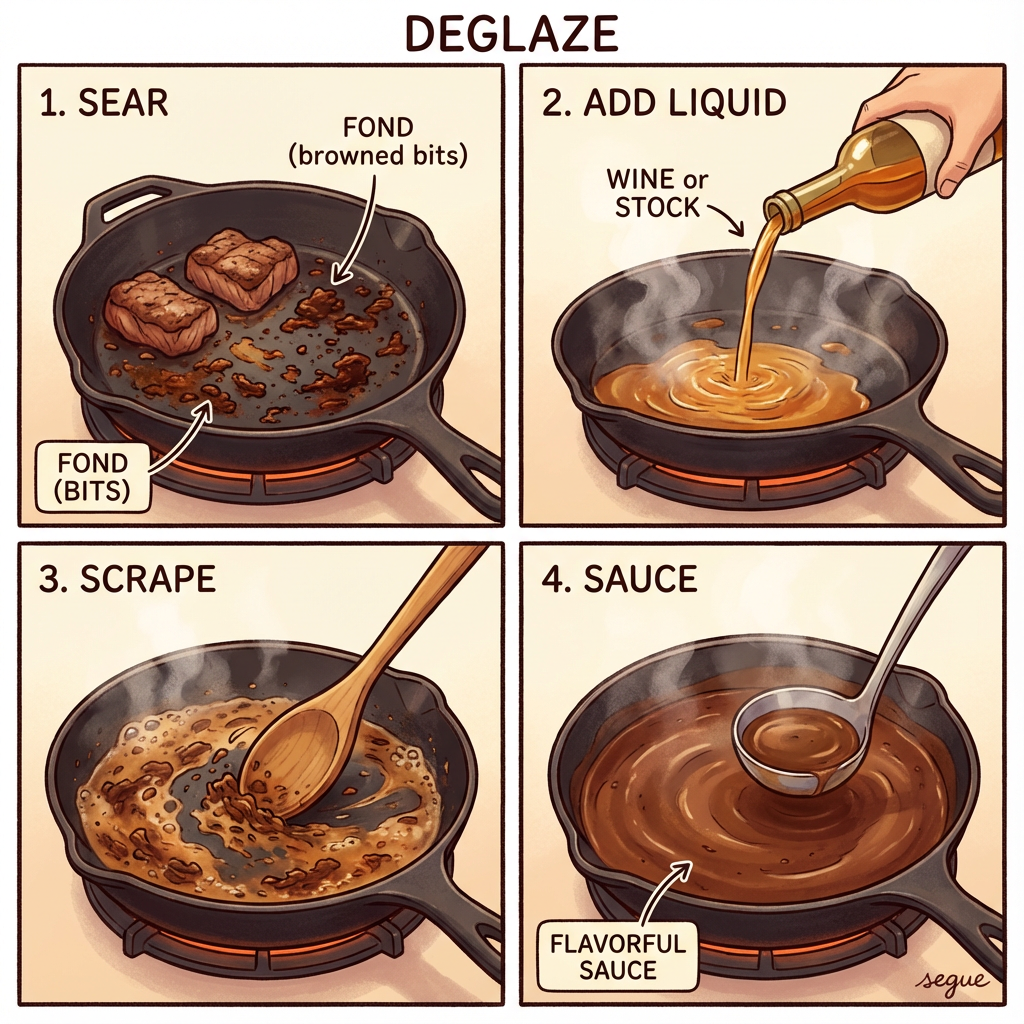
deglaze
/diːˈɡleɪz/to add liquid to a hot pan to dissolve browned bits
“Deglaze with wine to make the sauce.”
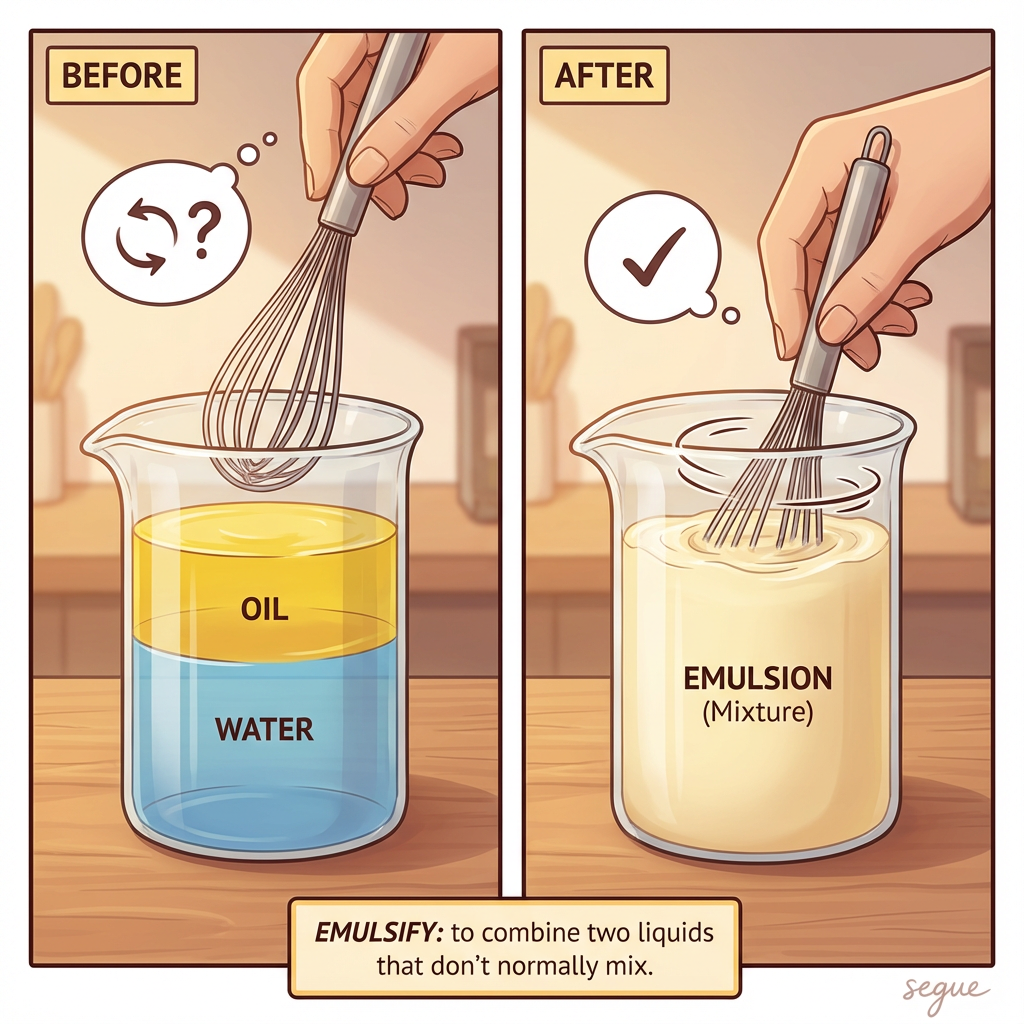
emulsify
/ɪˈmʌlsɪfaɪ/to combine two liquids that don't normally mix
“Emulsify the oil and vinegar for vinaigrette.”
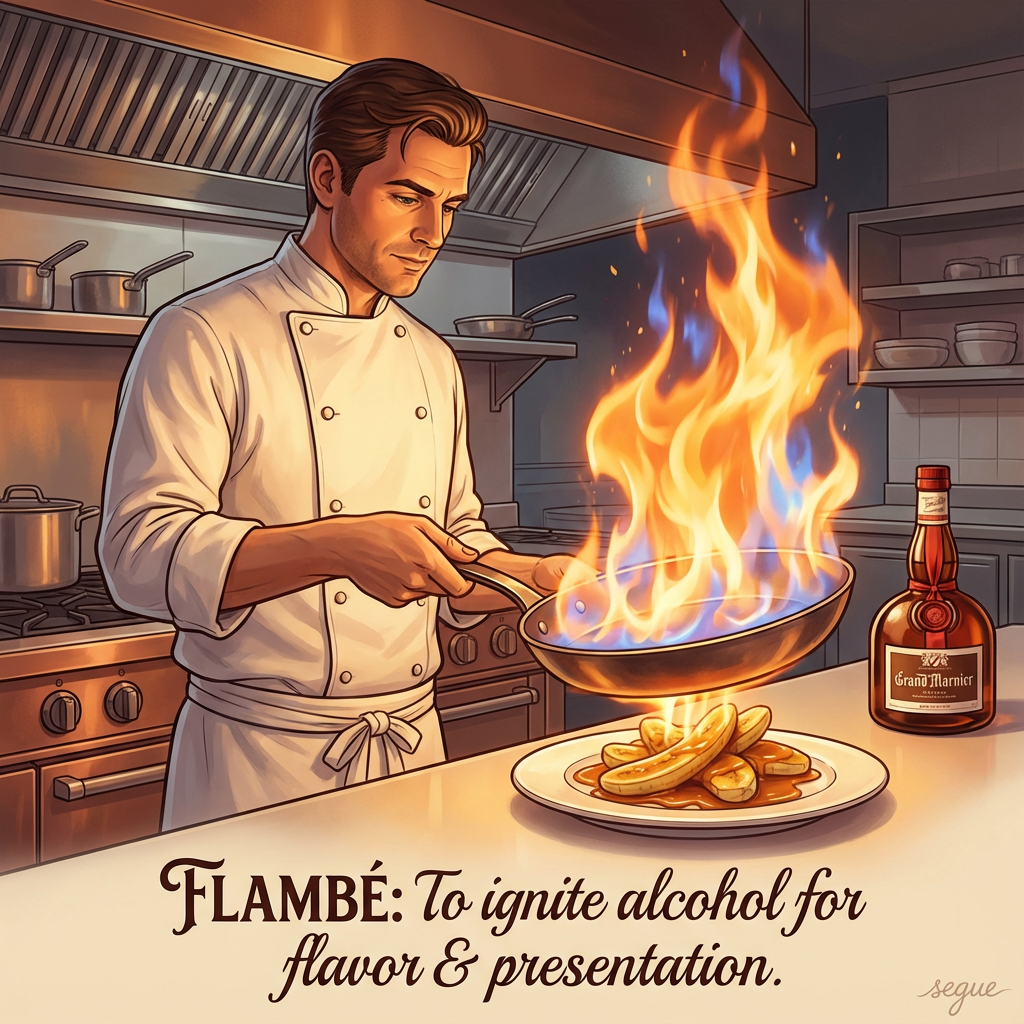
flambé
/flɑːmˈbeɪ/to ignite alcohol in a dish for flavor and presentation
“The chef flambéed the crêpes tableside.”
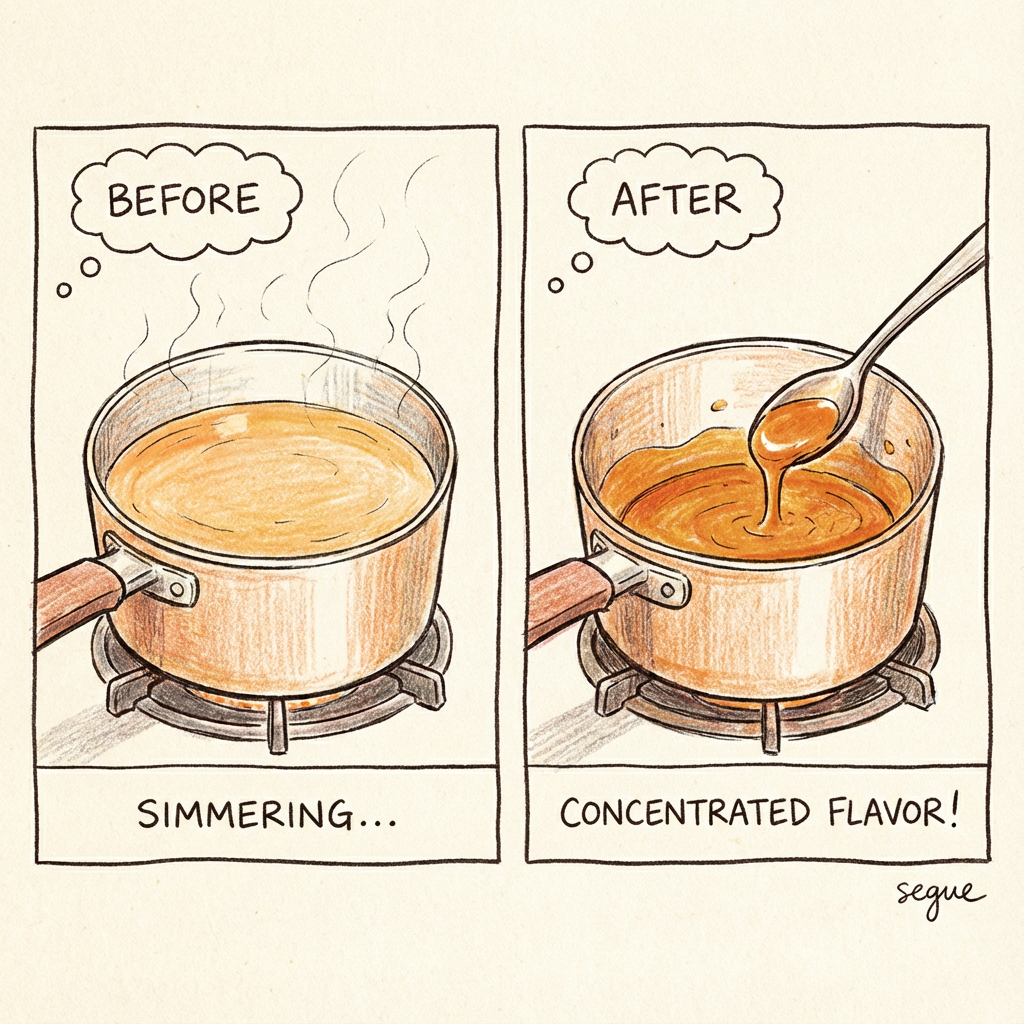
reduce
/ɹəˈdus/to simmer a liquid to concentrate its flavor
“Reduce the sauce by half.”
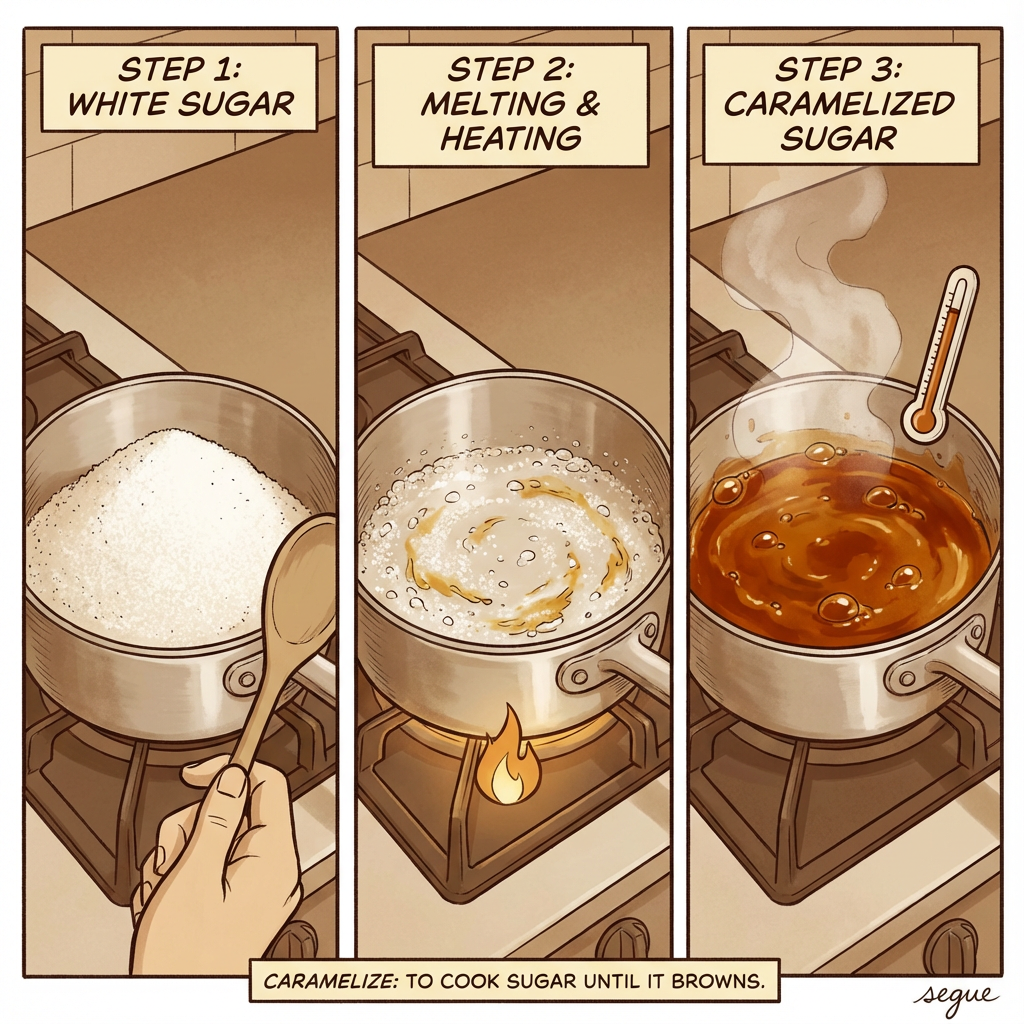
caramelize
/ˈkɛɹəməˌɫaɪz/to cook sugar until it browns
“Caramelize the onions for sweetness.”
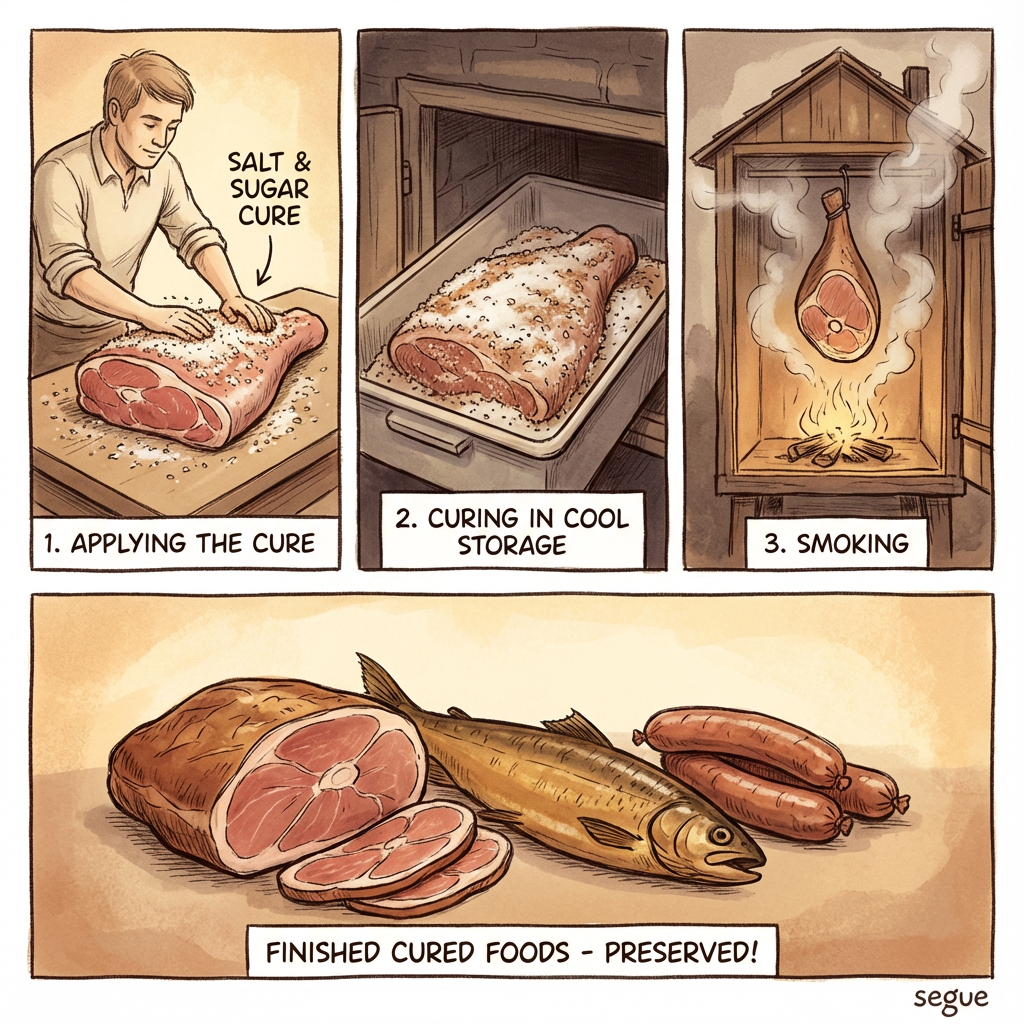
cure
/ˈkjʊɹ/to preserve food with salt, sugar, or smoke
“The salmon was cured with salt and dill.”
More from Lifestyle & Sports
Explore other vocabulary categories in this collection.