Loading collection...
🌗
Contrast & Comparison Vocabulary
Words for comparing, contrasting, and relating ideas
22 words
All 22 Words
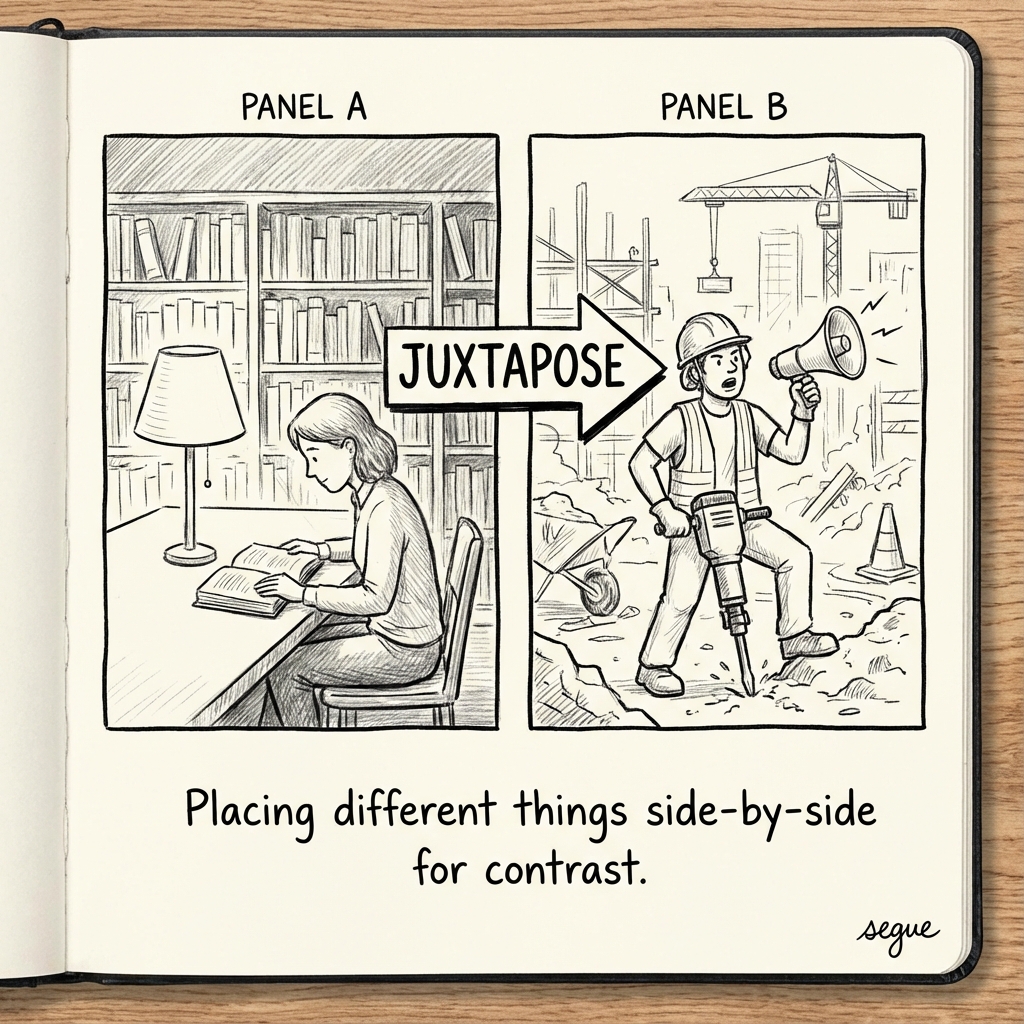
juxtapose
/ˌdʒəkstəˈpoʊz/to place side by side for comparison or contrast
“The exhibit juxtaposes ancient and modern art.”
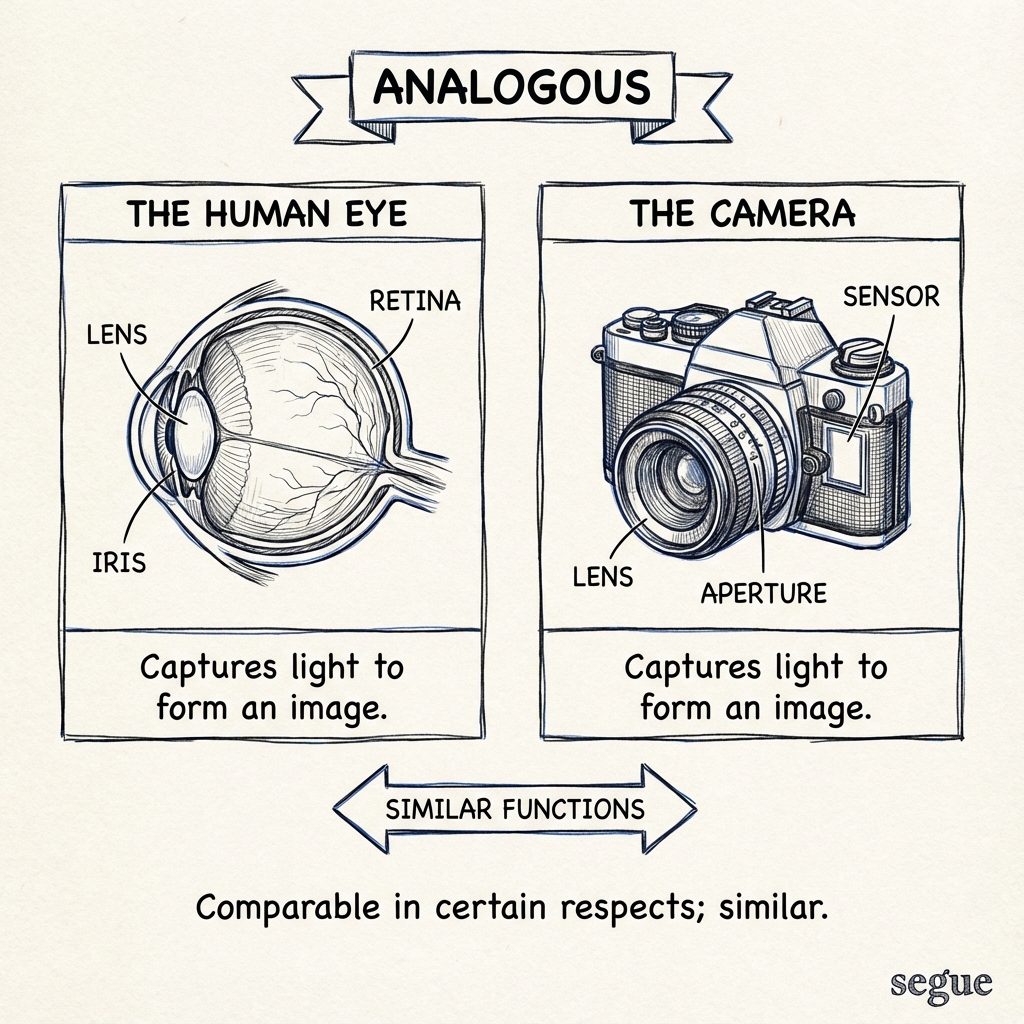
analogous
/əˈnæɫəɡəs/comparable in certain respects
“The situation is analogous to what happened in 2008.”
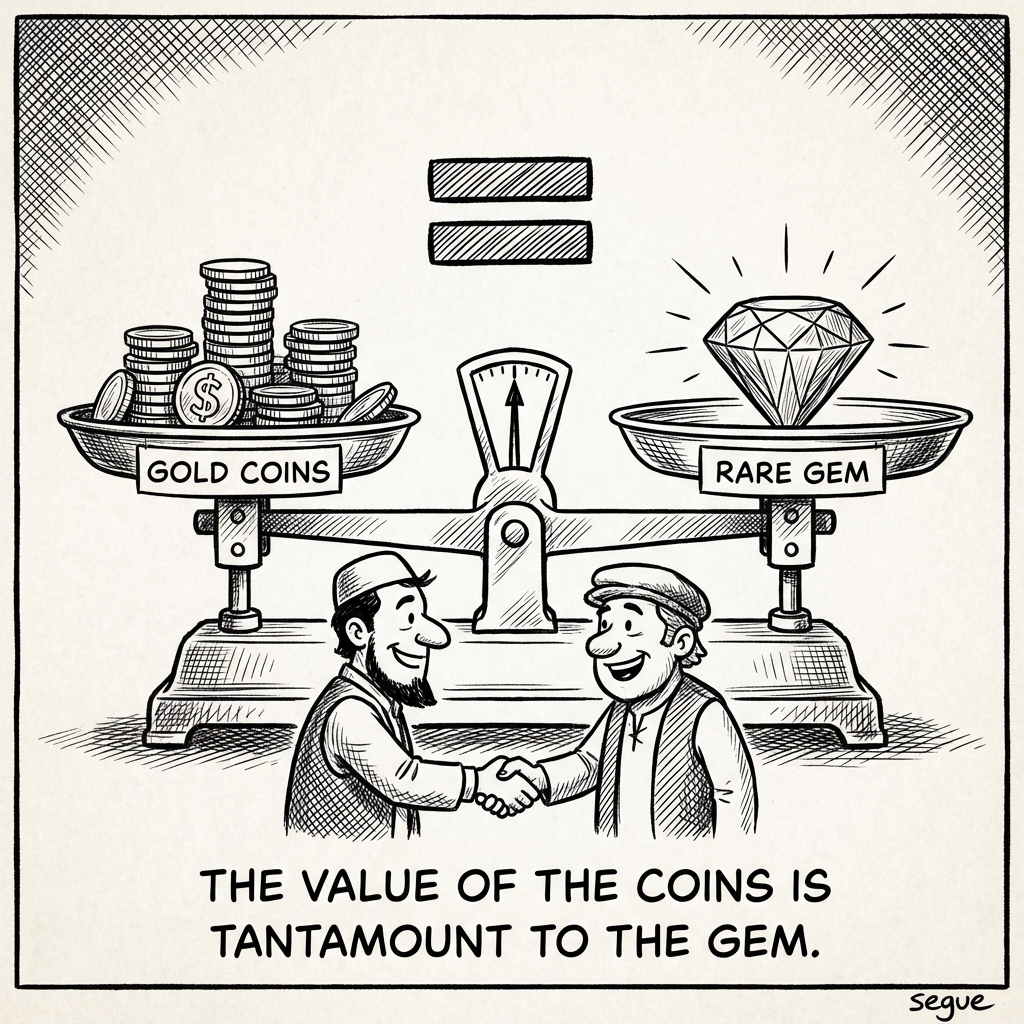
tantamount
/ˈtæntəˌmaʊnt/equivalent in seriousness to; virtually the same as
“His silence was tantamount to an admission of guilt.”
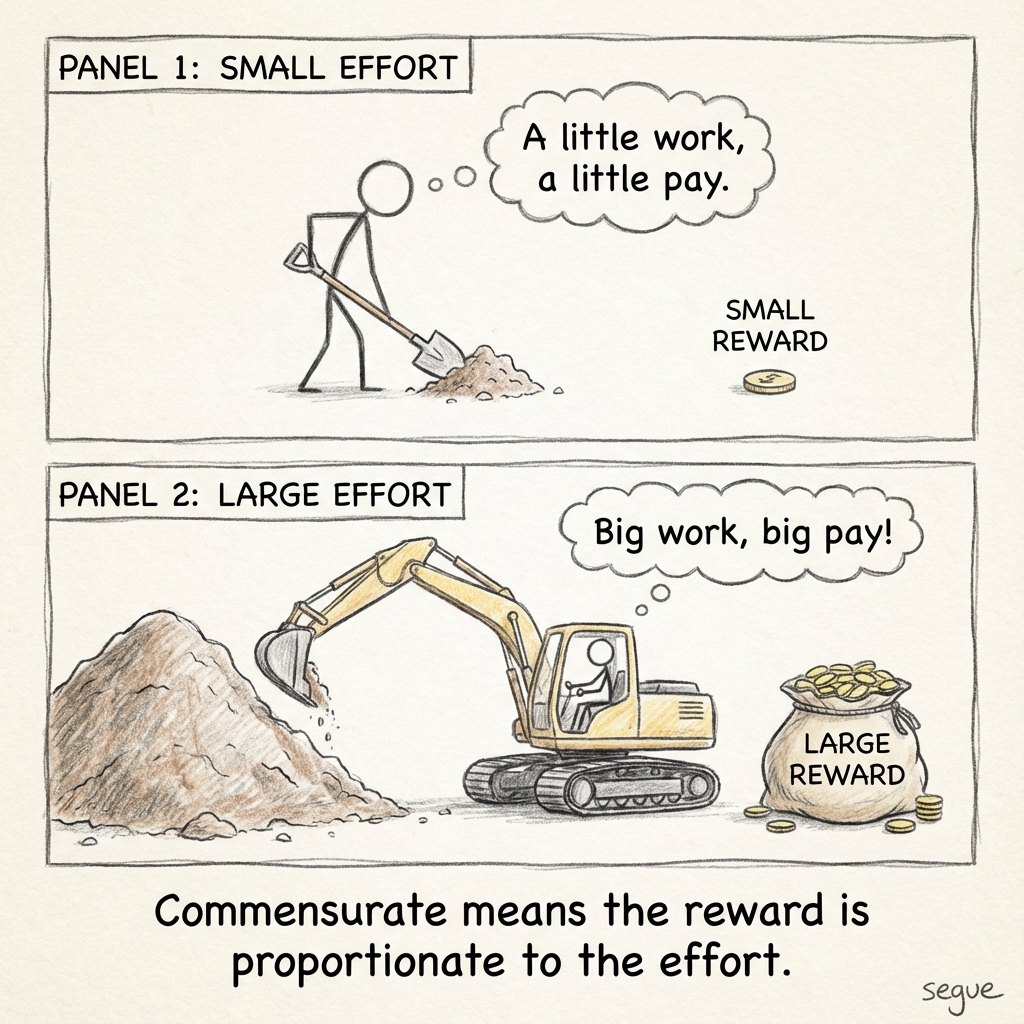
commensurate
/kəˈmɛnsɝət/corresponding in size or degree; proportionate
“The salary should be commensurate with experience.”
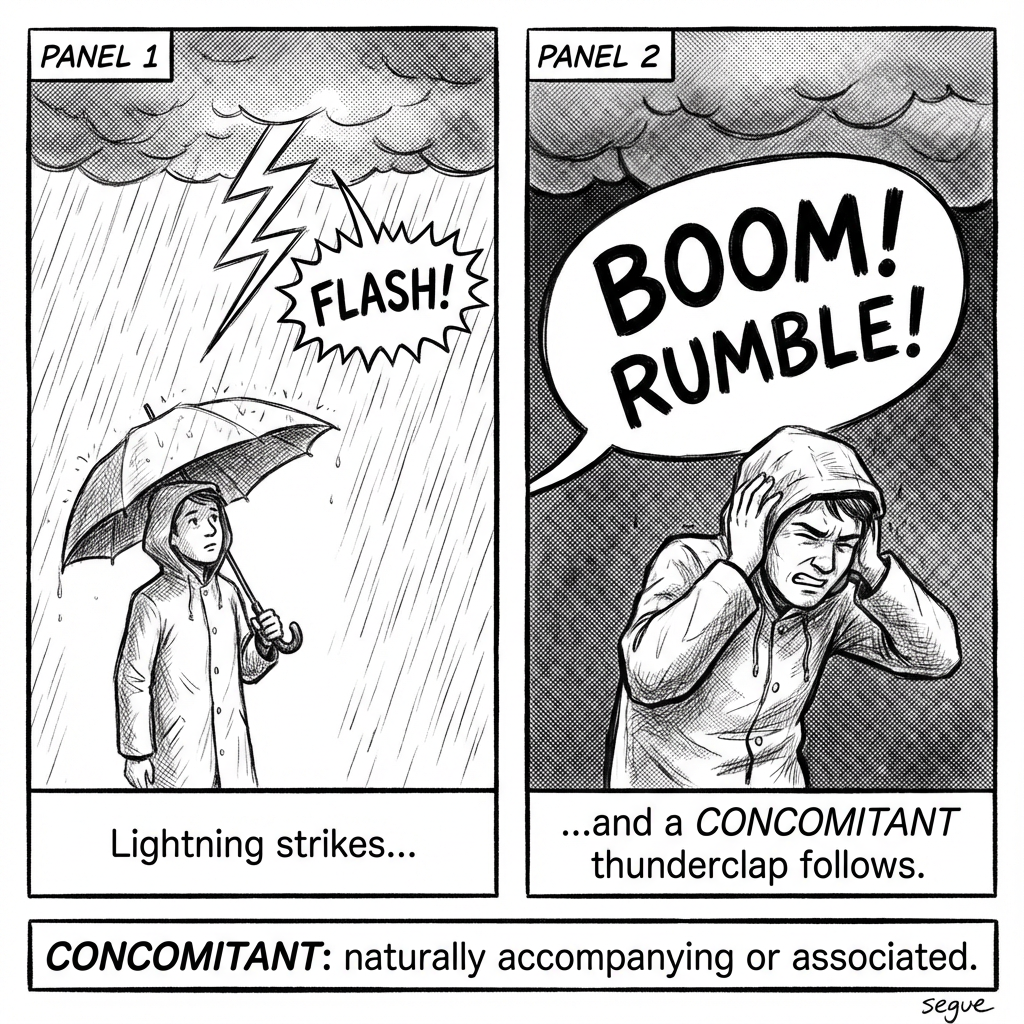
concomitant
/ˌkɑnˈkɑmətənt/naturally accompanying or associated
“Fame brought concomitant pressures on his privacy.”
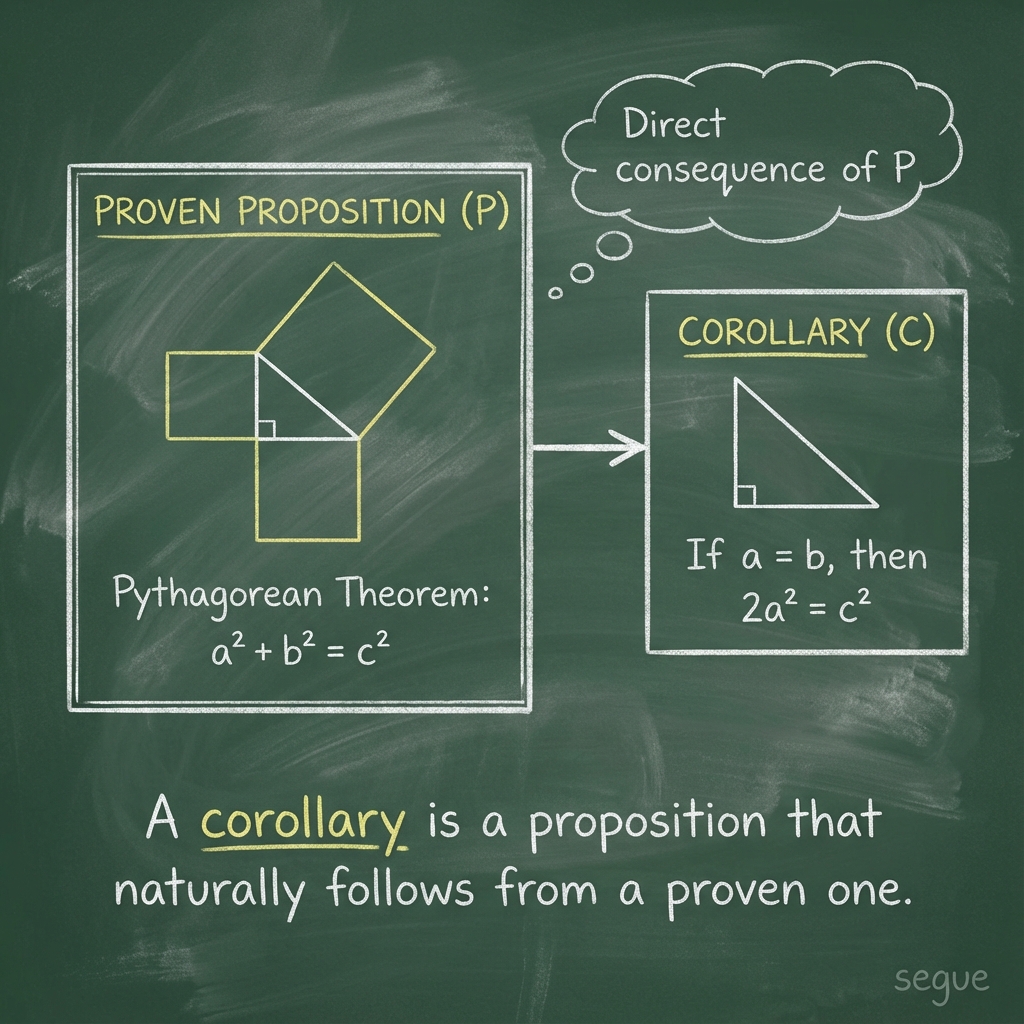
corollary
/ˈkɔɹəˌɫɛɹi/a proposition that follows from one already proved
“Economic growth has poverty reduction as a corollary.”
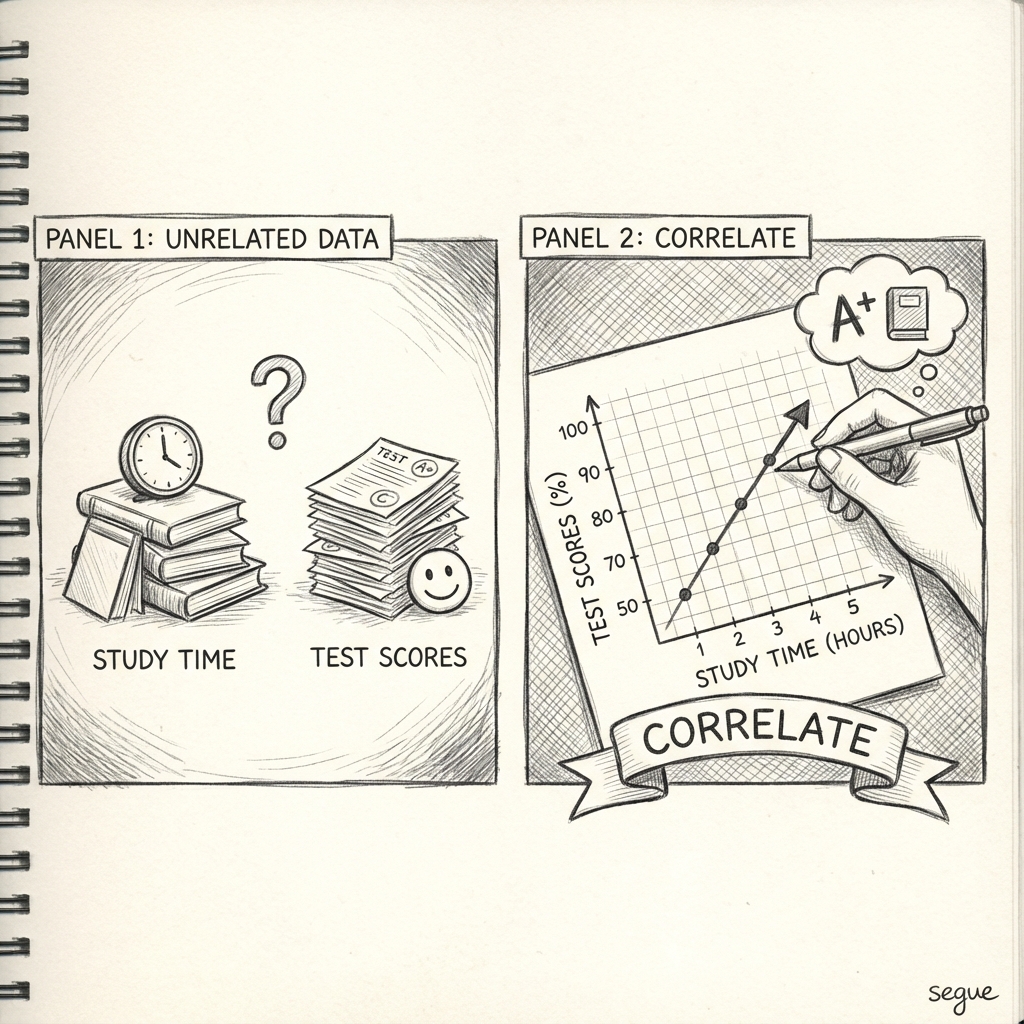
correlate
/ˈkɔɹəˌɫeɪt/to have a mutual relationship or connection
“Education levels correlate with income.”
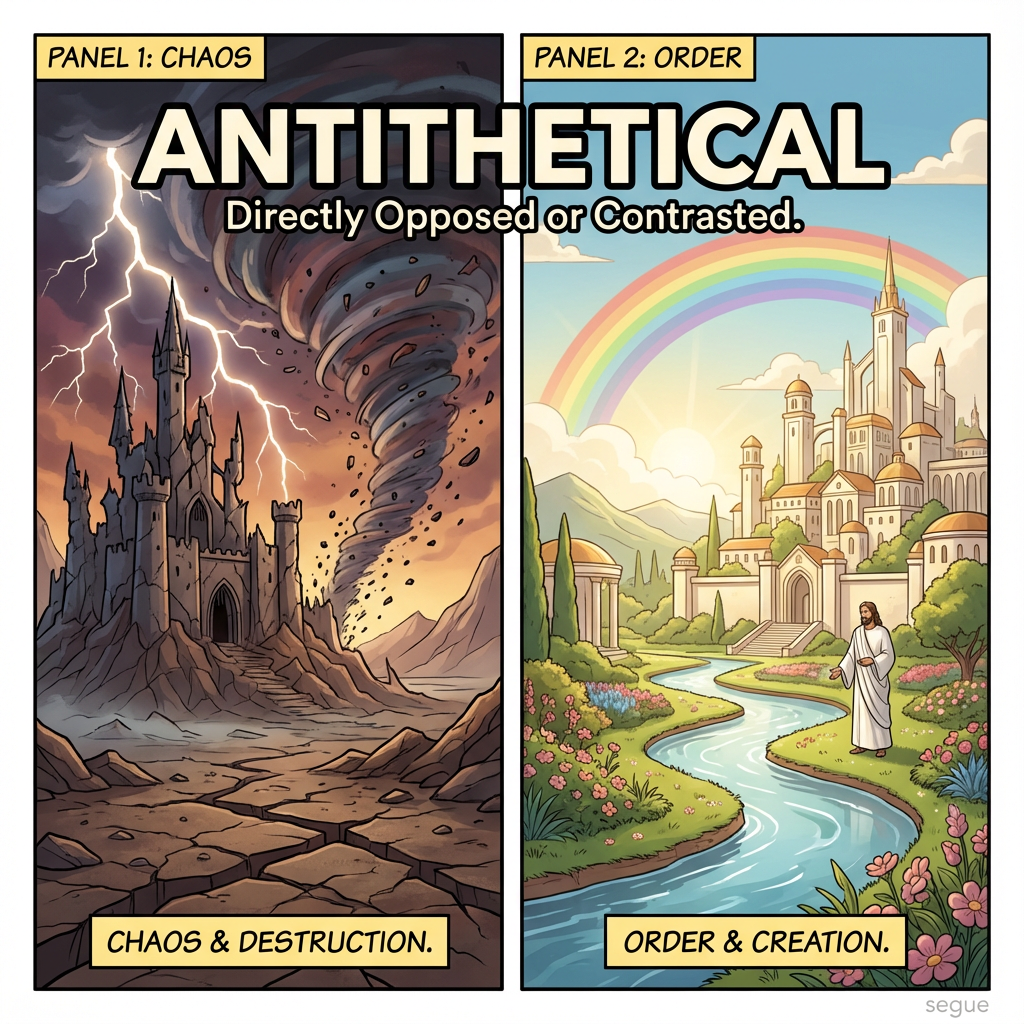
antithetical
/ˌæntəˈθɛtɪkəɫ/directly opposed or contrasted
“His actions were antithetical to his stated values.”
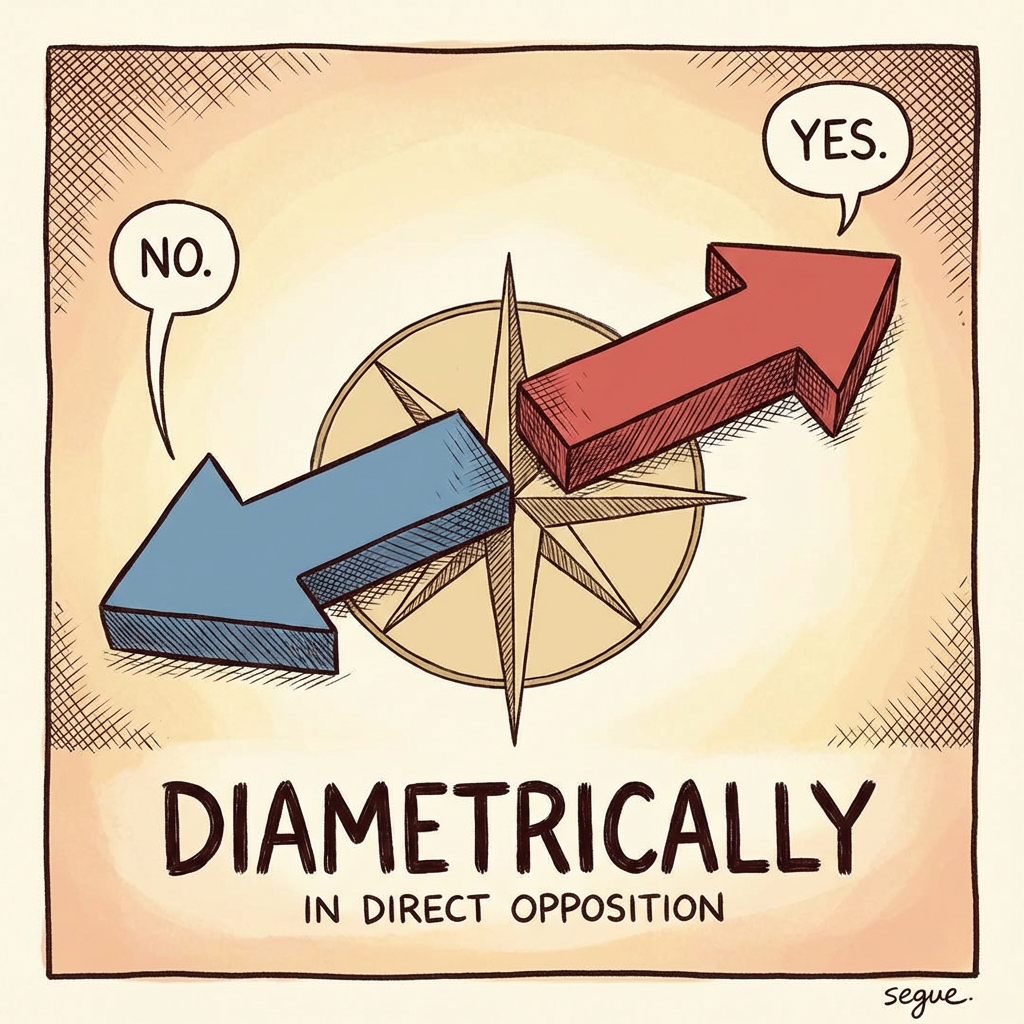
diametrically
/ˌdaɪəˈmɛtɹɪkəɫi/completely; in direct opposition
“Their views are diametrically opposed.”
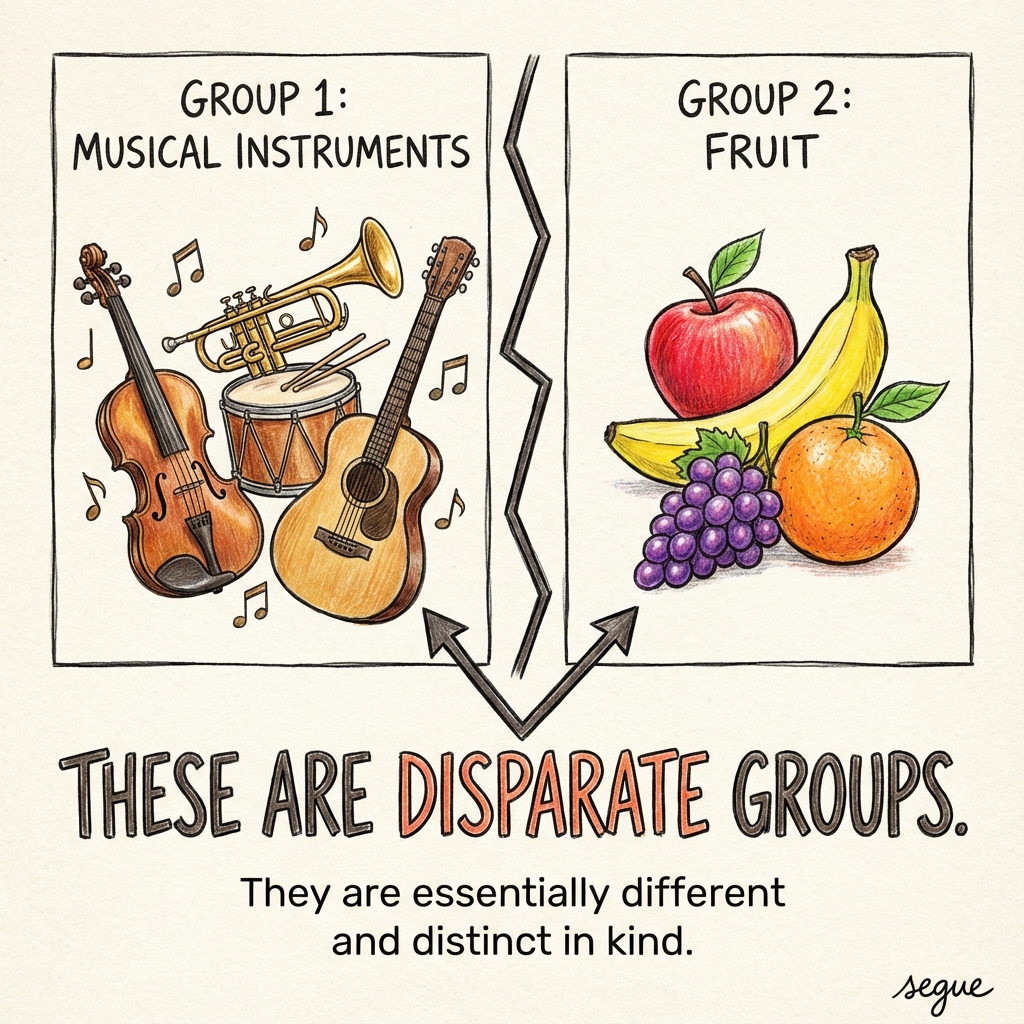
disparate
/ˈdɪspɝɪt/essentially different in kind; not able to be compared
“The study combined disparate data sources.”

incongruous
/ˌɪŋˈkɔŋɹuəs/not in harmony or keeping with the surroundings
“His formal attire seemed incongruous at the beach.”
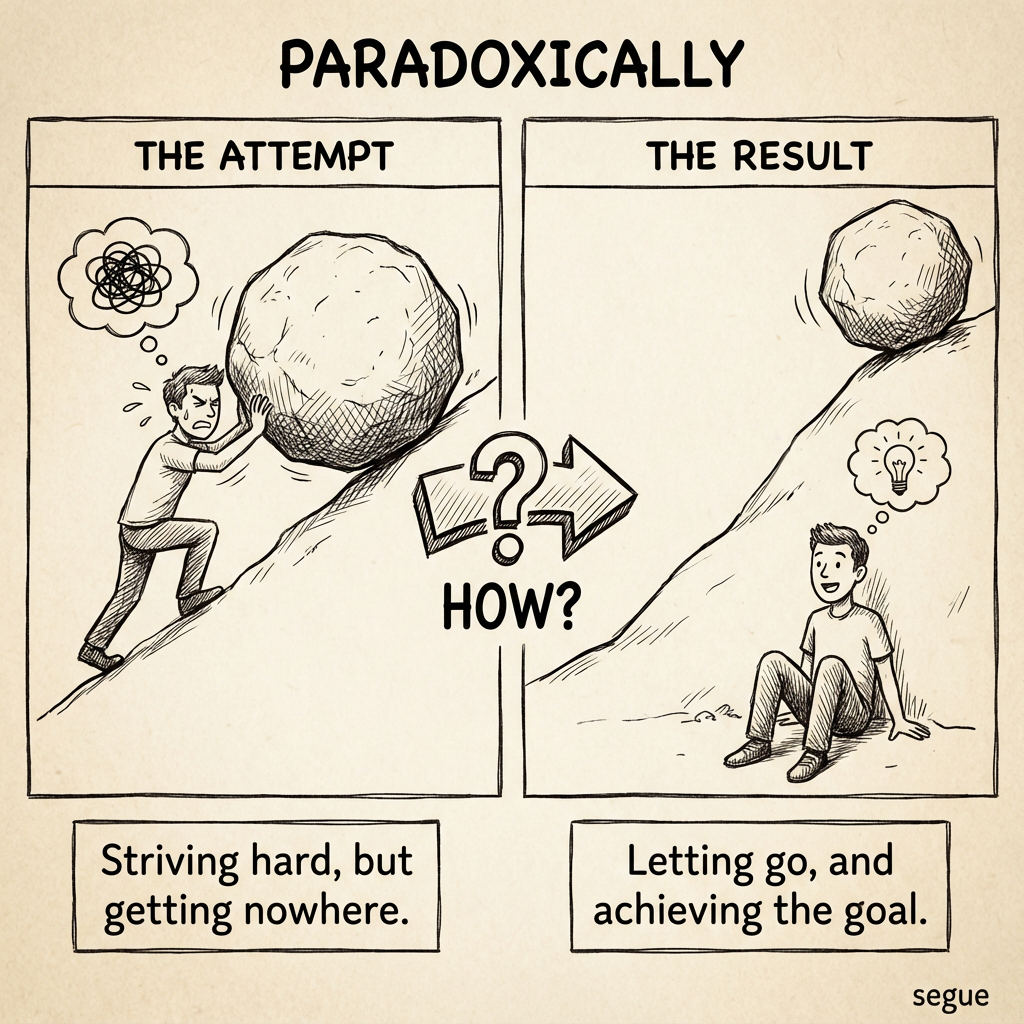
paradoxically
/ˌpɛɹəˈdɑksəkəɫi/in a way that seems contradictory but may be true
“Paradoxically, the cure made him feel worse initially.”
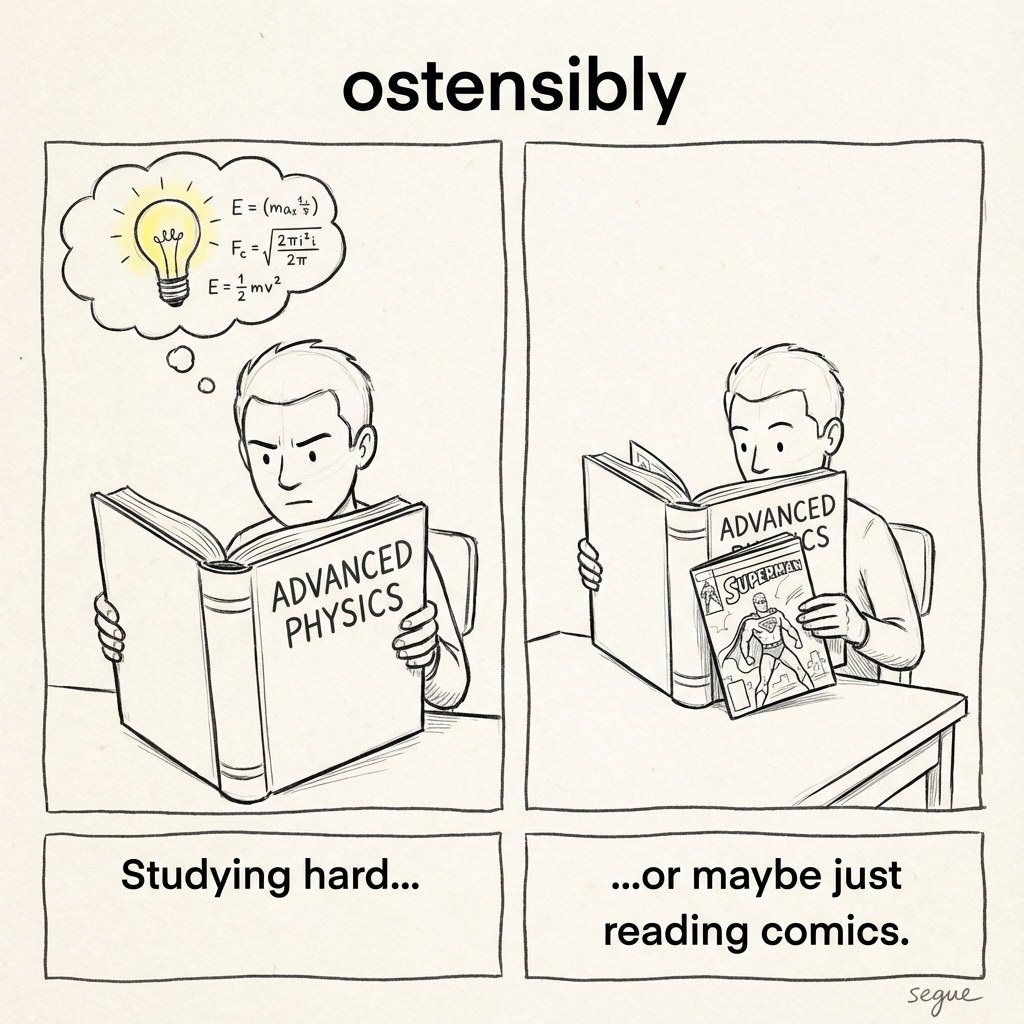
ostensibly
/ɑˈstɛnsəbɫi/apparently or purportedly, but perhaps not actually
“The meeting was ostensibly about budget, but really about personnel.”
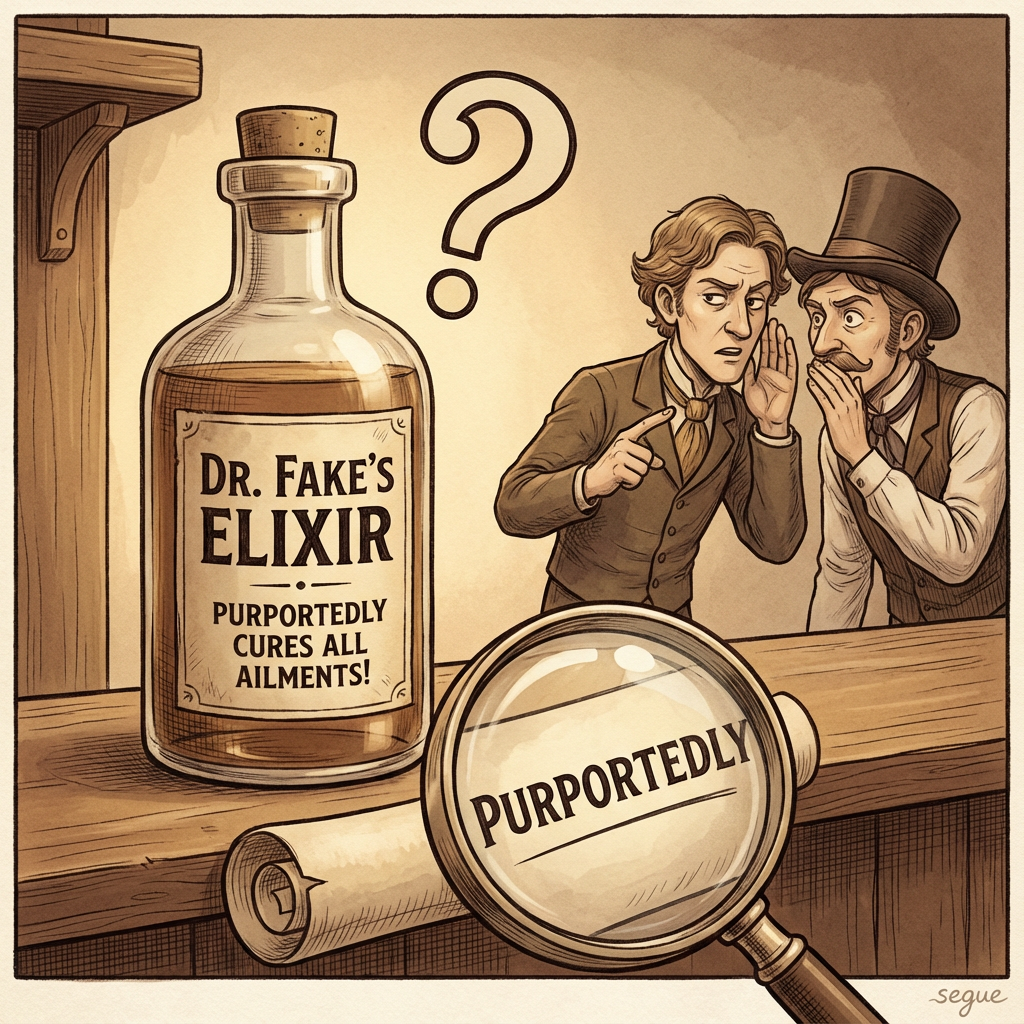
purportedly
/pɝˈpɔɹtɪdˌɫi/as appears or is stated to be true
“The document was purportedly written by Shakespeare.”
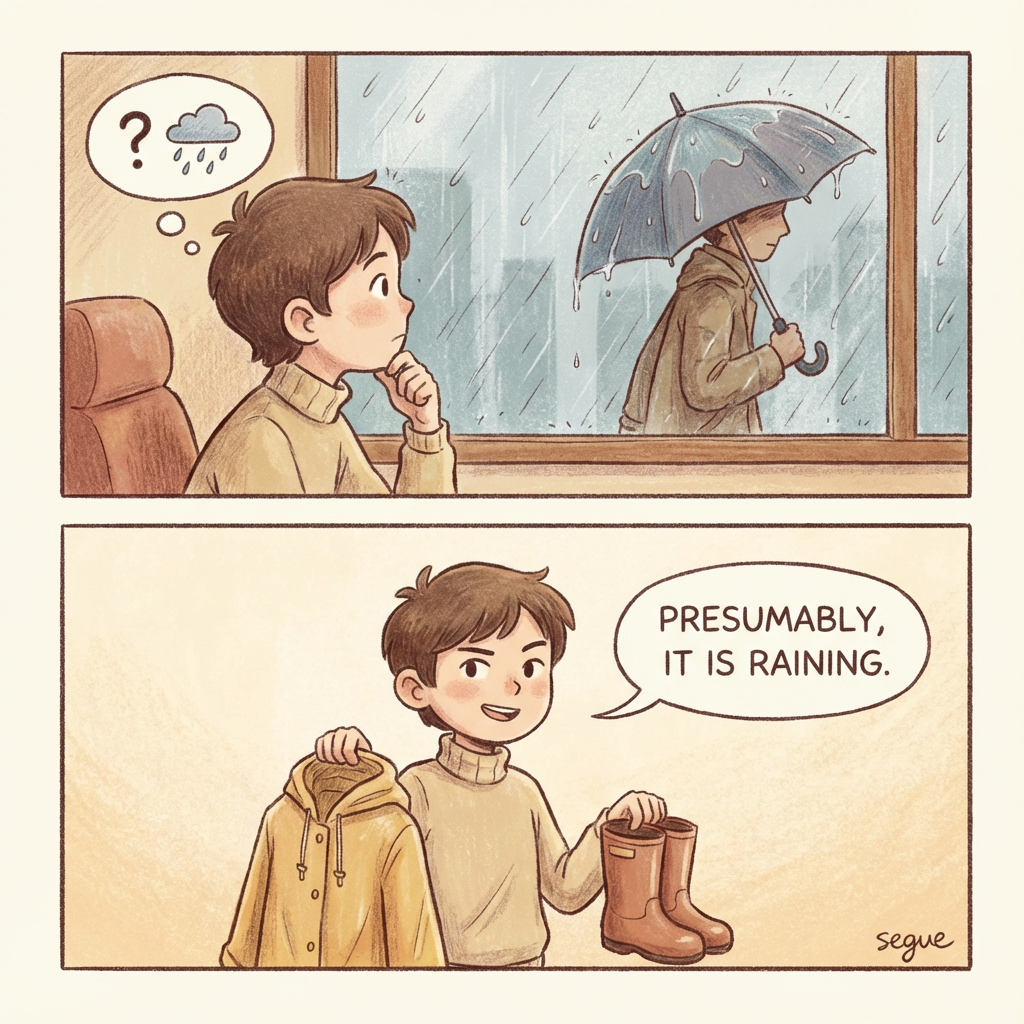
presumably
/pɹəˈzuməbɫi/used to convey that something is very likely
“Presumably, they will announce the results tomorrow.”
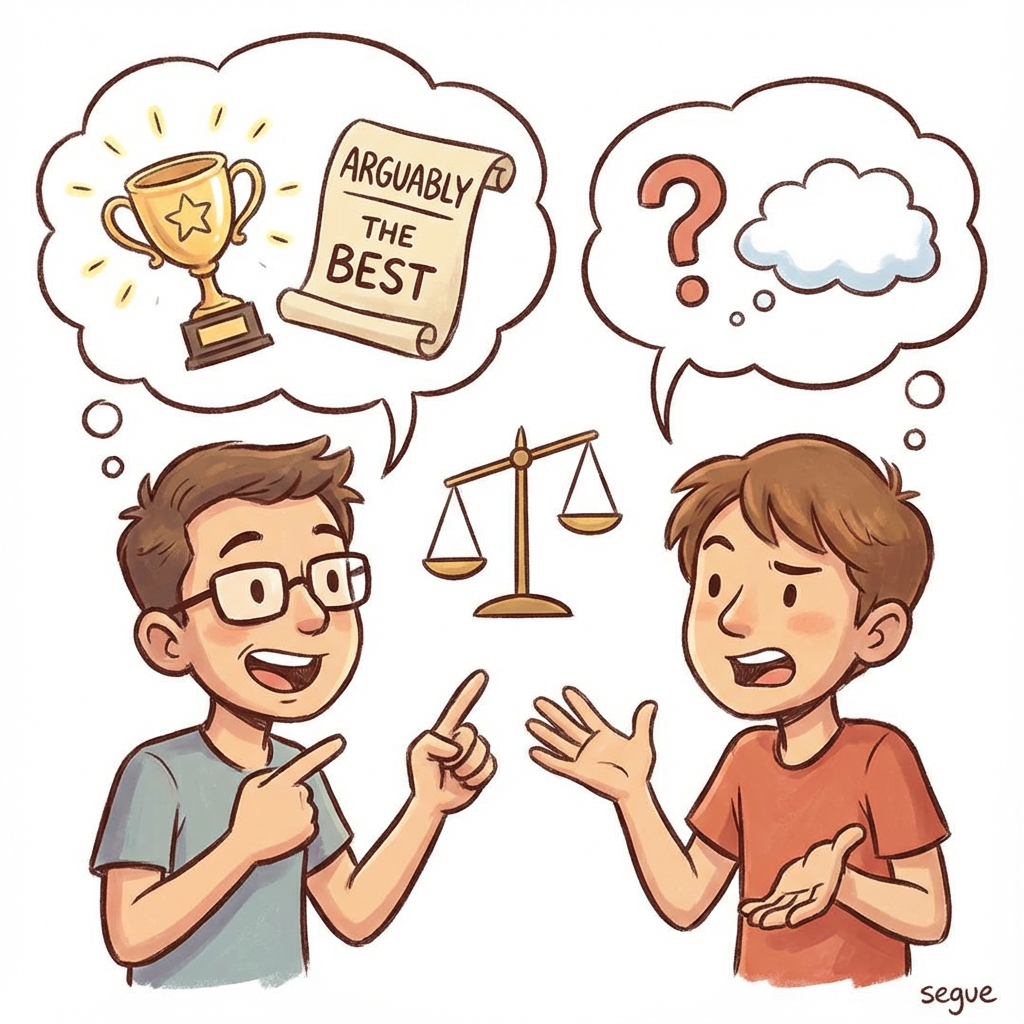
arguably
/ˈɑɹɡjuəbɫi/it may be argued; possibly
“This is arguably the best decision they've made.”

admittedly
/ædˈmɪtɪdɫi/used to introduce a concession or acknowledgment
“Admittedly, there were some mistakes made.”
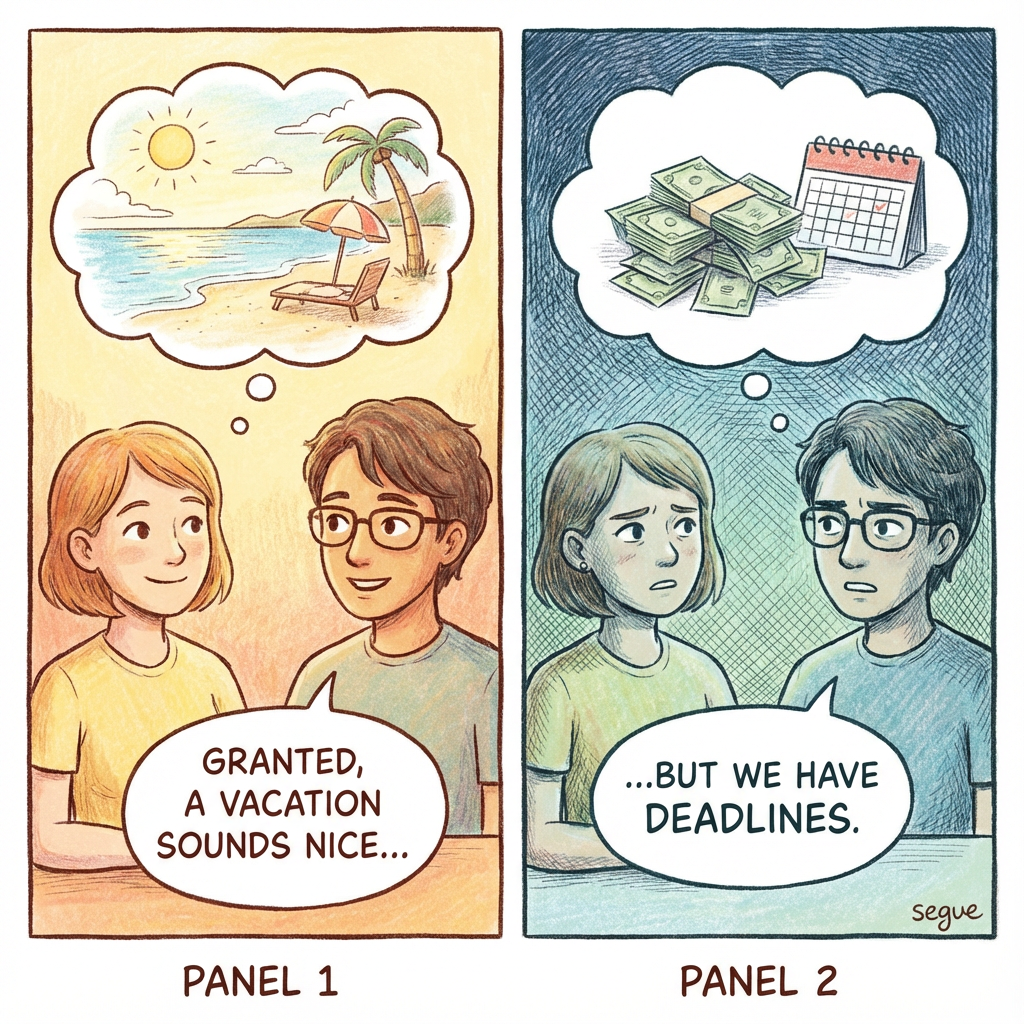
granted
/ˈɡɹænəd/used to acknowledge a point before making a counter-argument
“Granted, he's talented, but he lacks discipline.”

albeit
/ɔɫˈbiɪt/although; even though
“He accepted the job, albeit with some reluctance.”
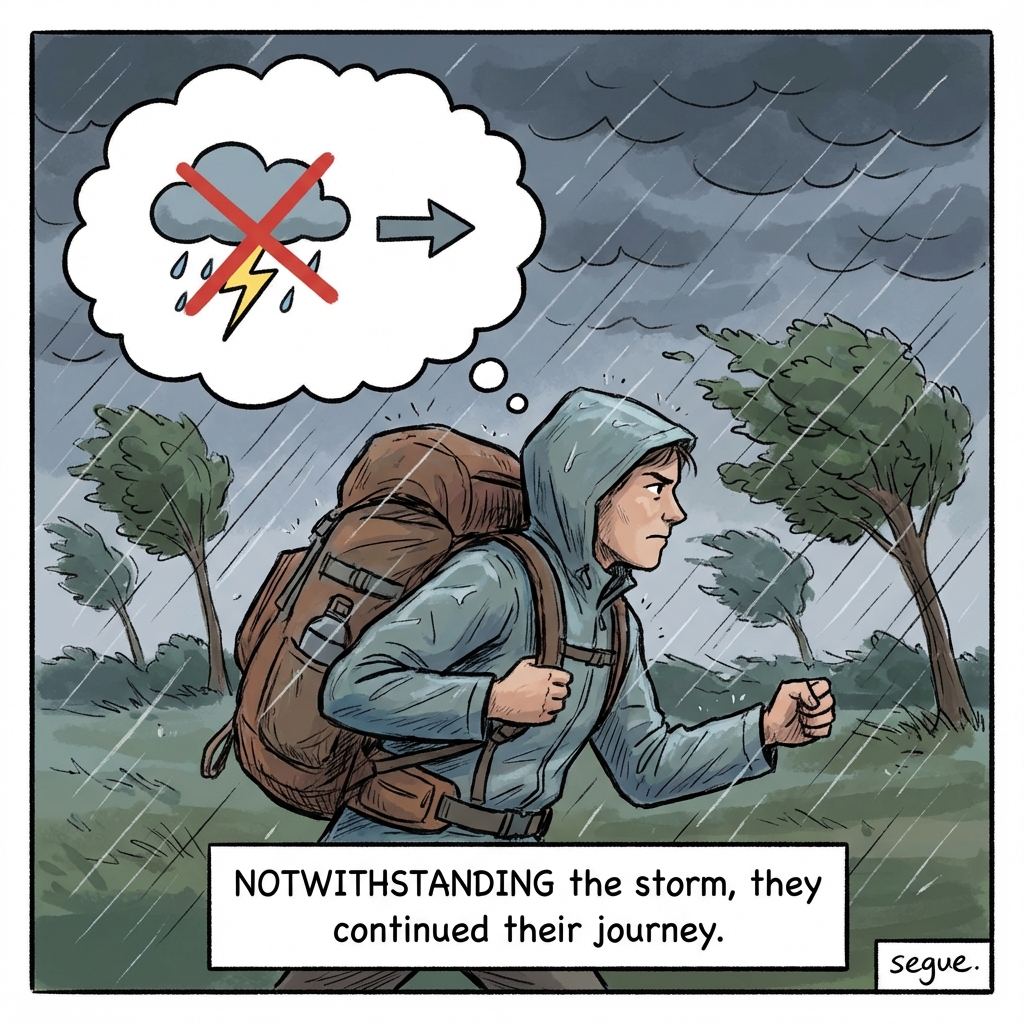
notwithstanding
/ˌnɑtwɪθˈstændɪŋ/in spite of; nevertheless
“Notwithstanding these concerns, the project continued.”

similarly
/ˈsɪməɫɝɫi/in a similar way
“The first round was easy; similarly, the second provided no challenge.”

likewise
/ˈɫaɪˌkwaɪz/in the same way; also
“She is a talented musician; likewise, her brother is an artist.”
More from Logic & Reasoning
Explore other vocabulary categories in this collection.