Loading collection...
✂️
The Art of Concision Vocabulary
Techniques for tighter, more powerful prose
8 words
All 8 Words
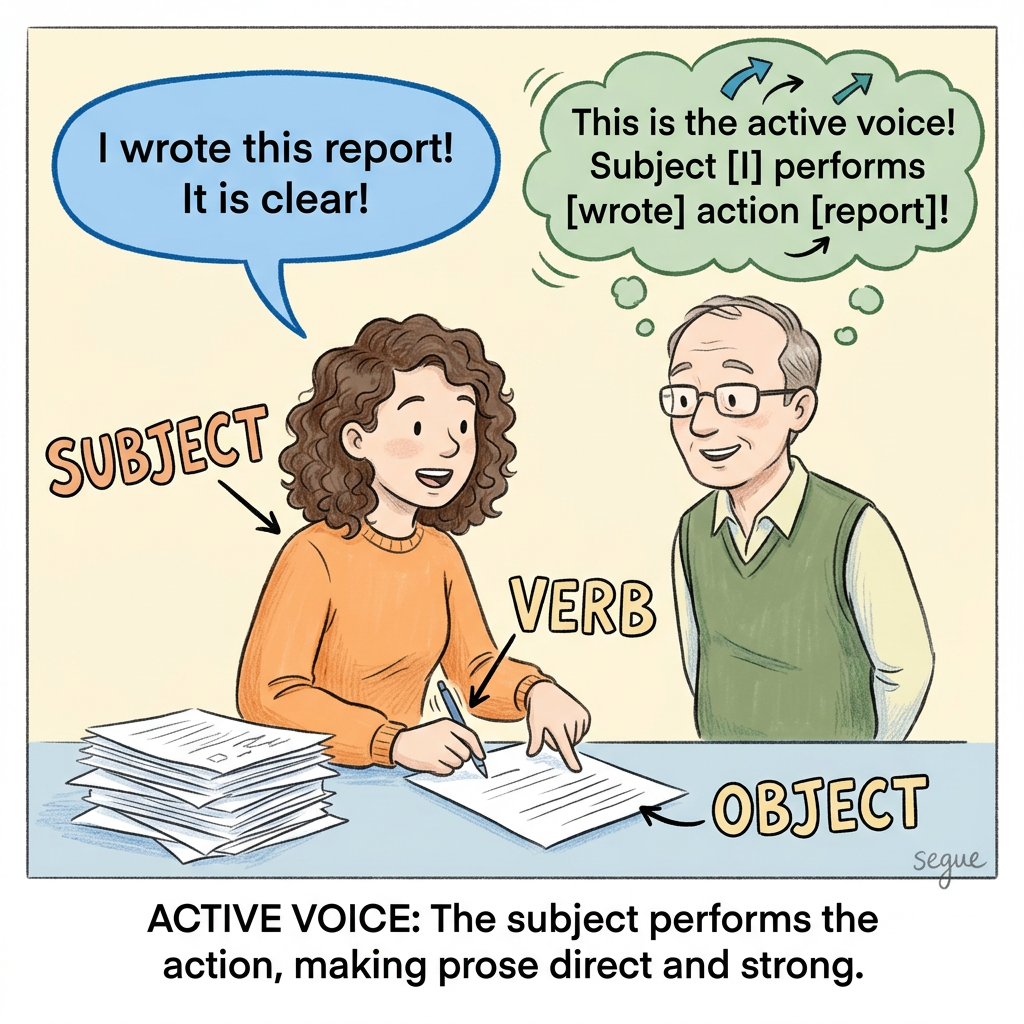
active voice
/ˌæktɪv ˈvɔɪs/the subject performs the action, creating direct and vigorous prose
“The committee approved the plan. (Not: The plan was approved by the committee.)”
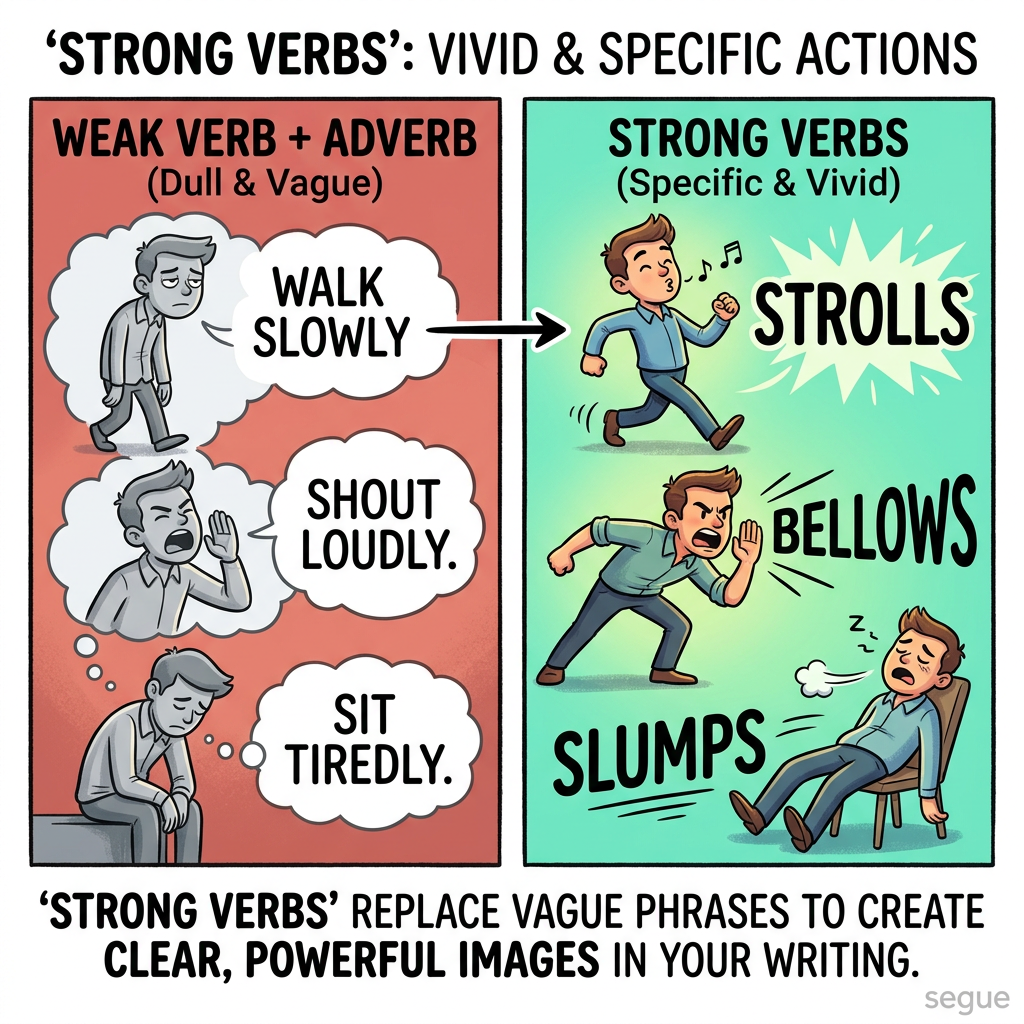
strong verbs
/ˌstrɒŋ ˈvɜːrbz/specific, vivid verbs that replace weak verb + adverb combinations
“She sprinted. (Not: She ran quickly.) He muttered. (Not: He said quietly.)”
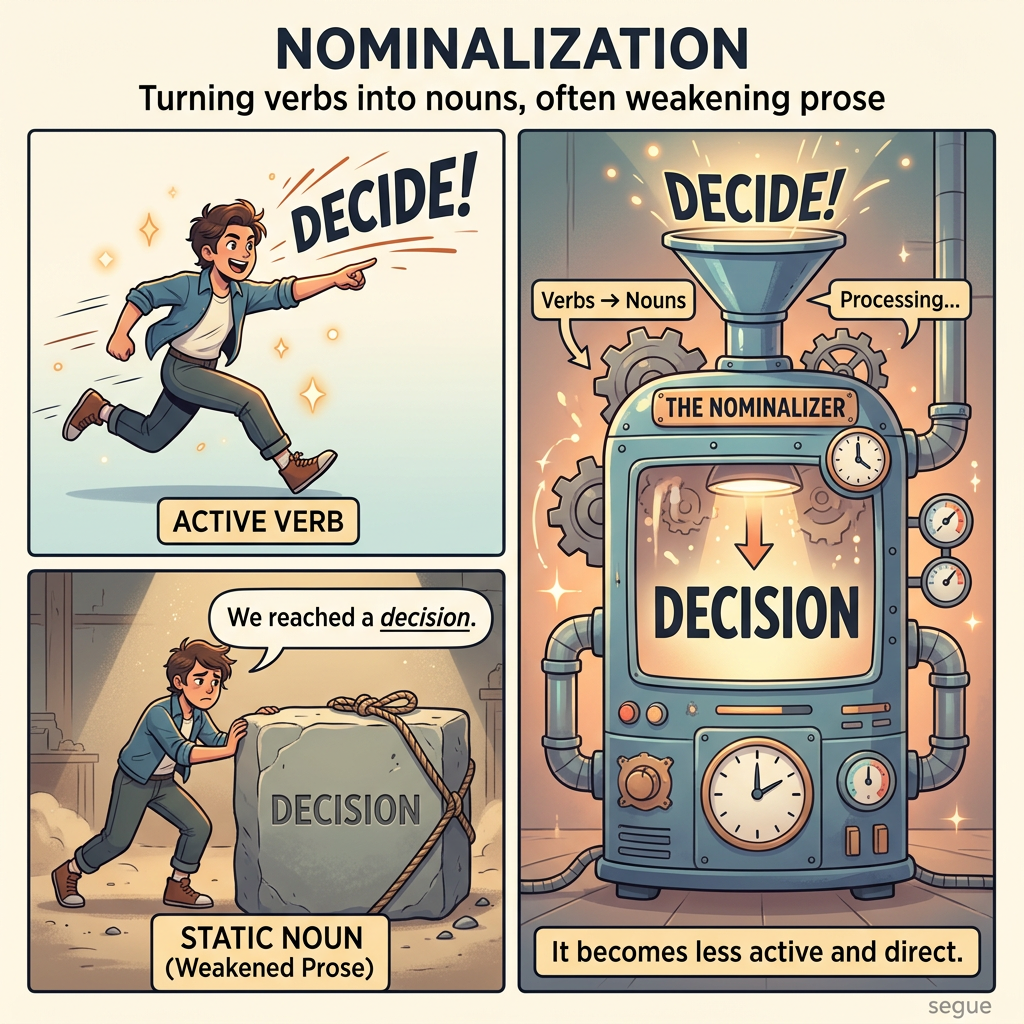
nominalization
/ˌnɒmɪnəlaɪˈzeɪʃən/turning verbs into nouns, often weakening prose
“We made a decision. (Weak.) We decided. (Strong.) Avoid unnecessary nominalizations.”
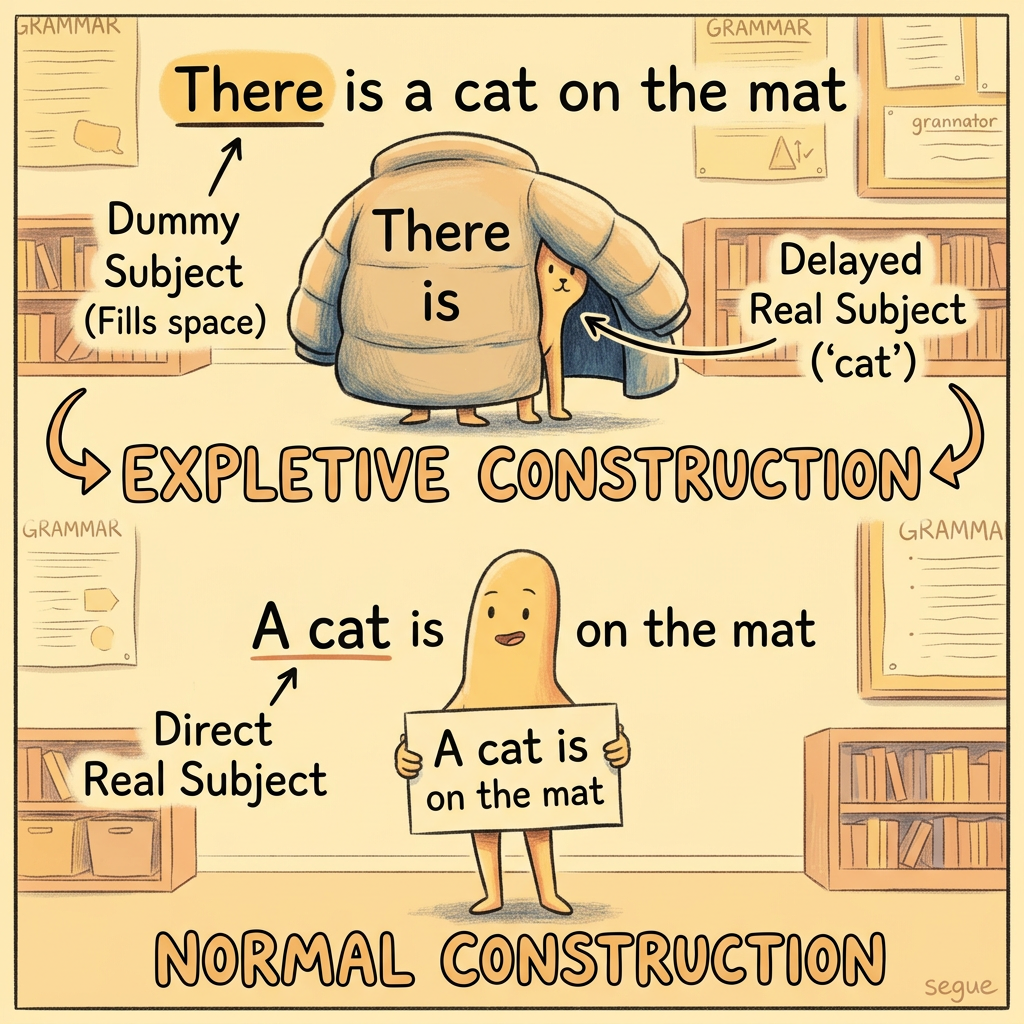
expletive construction
/ˈeksplɪtɪv kənˌstrʌkʃən/'there is' or 'it is' constructions that delay the real subject
“There are many reasons to act. (Weak.) Many reasons compel us to act. (Strong.)”
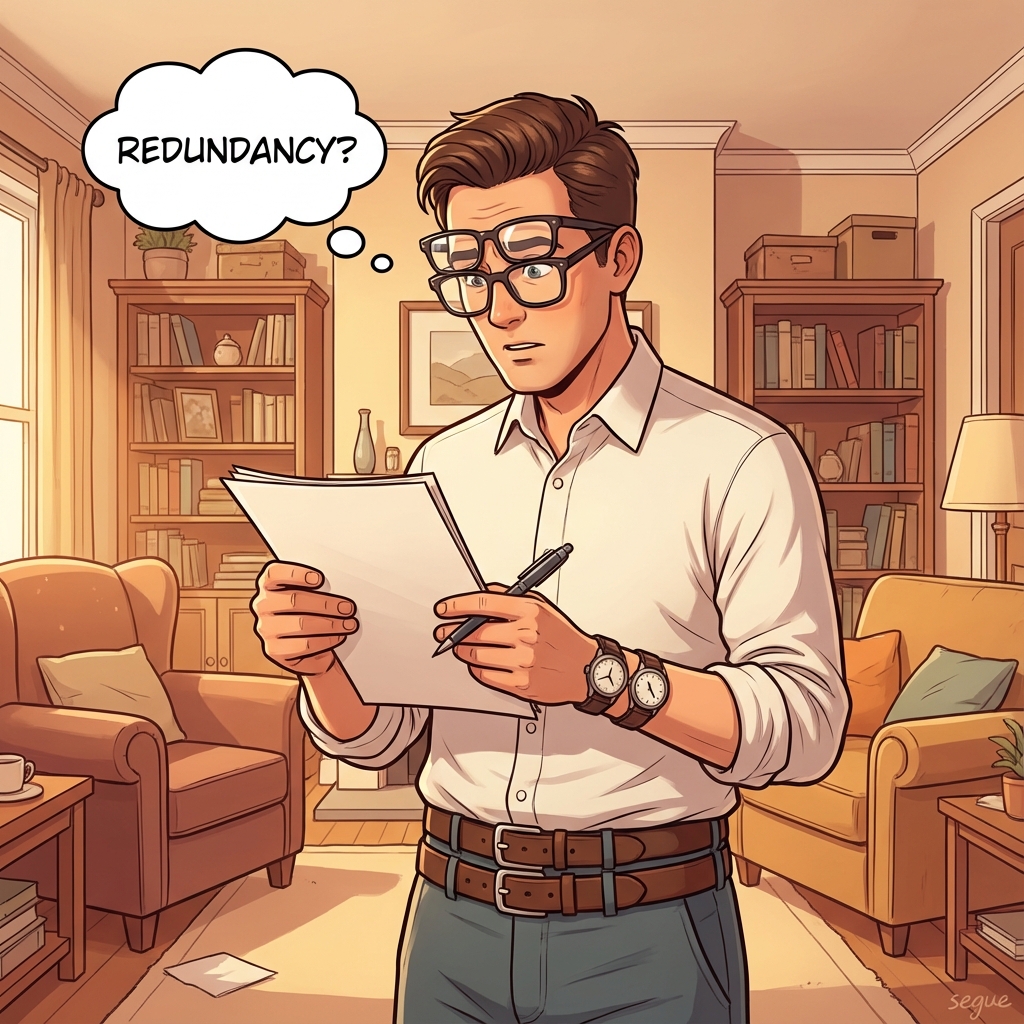
redundancy
/ɹɪˈdəndənsi/unnecessary repetition of meaning
“Free gift, past history, advance planning. Just: gift, history, planning.”
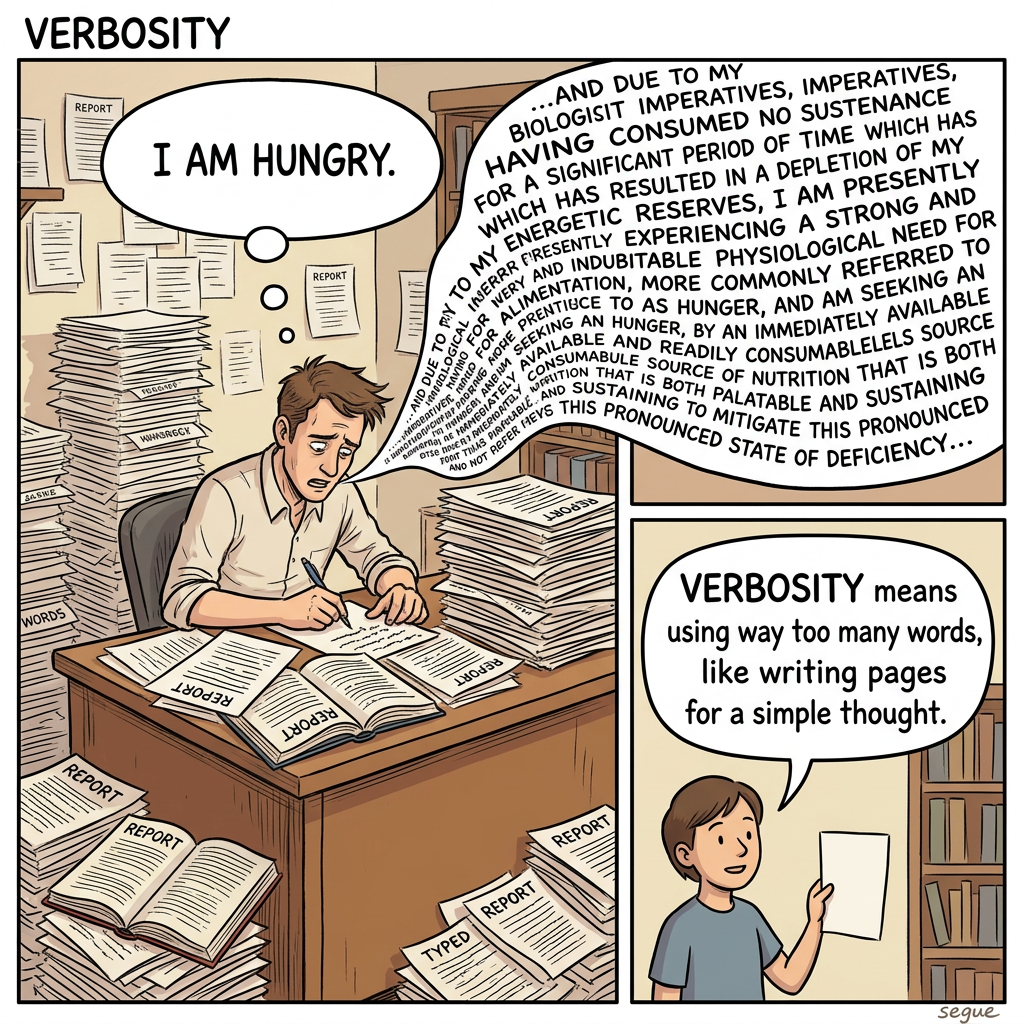
verbosity
/vɜːrˈbɒsɪti/using more words than necessary
“At this point in time → now. In the event that → if. Due to the fact that → because.”
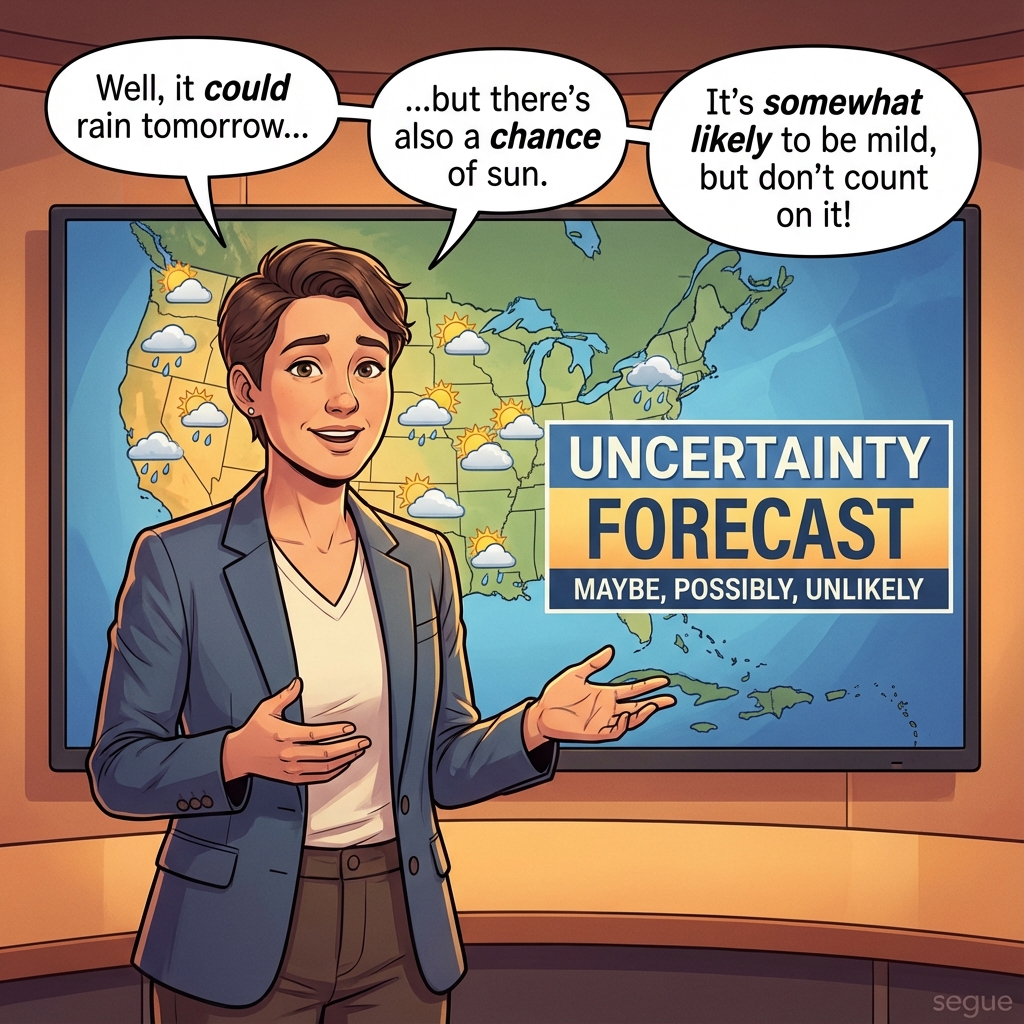
hedging
/ˈhɛdʒɪŋ/qualifiers that weaken certainty unnecessarily
“I sort of think we should maybe consider... Just say: We should consider.”
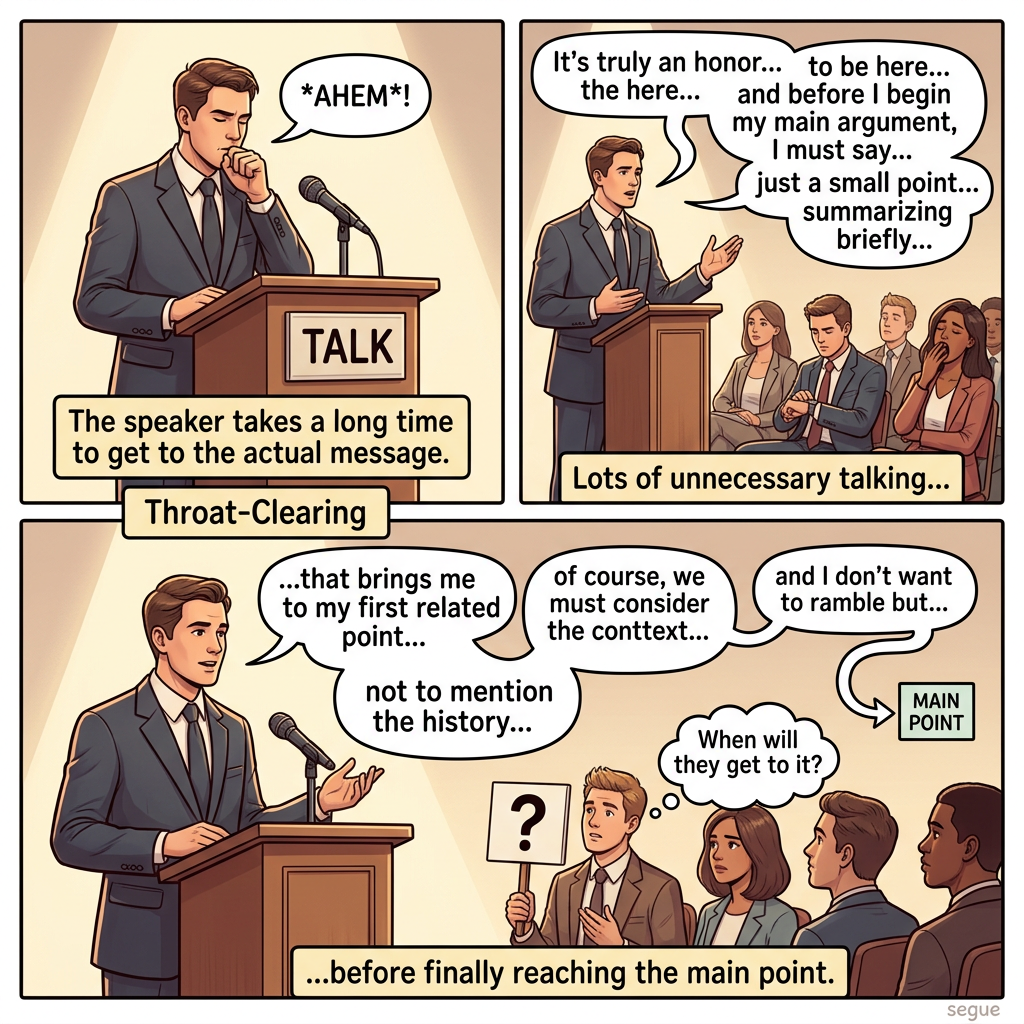
throat-clearing
/ˈθroʊt ˌklɪərɪŋ/unnecessary preamble before the main point
“I'd like to take this opportunity to say that I believe... Just say what you believe.”
More from The Writer's Craft
Explore other vocabulary categories in this collection.