Loading collection...
🎭
Complex Emotions Vocabulary
Words for nuanced and mixed emotional states
12 words
All 12 Words
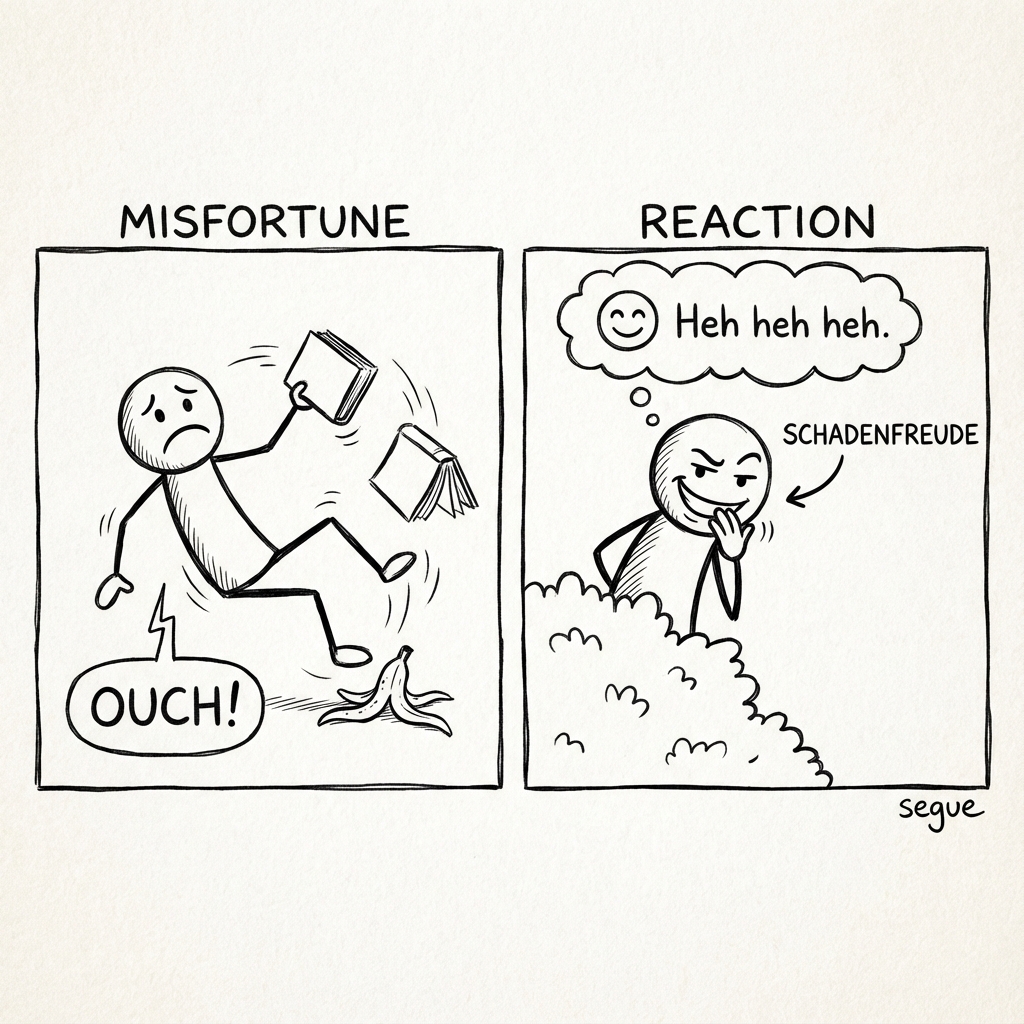
schadenfreude
/ˈʃɑːdənˌfrɔɪdə/pleasure derived from another's misfortune
“He felt a twinge of schadenfreude when his rival failed.”
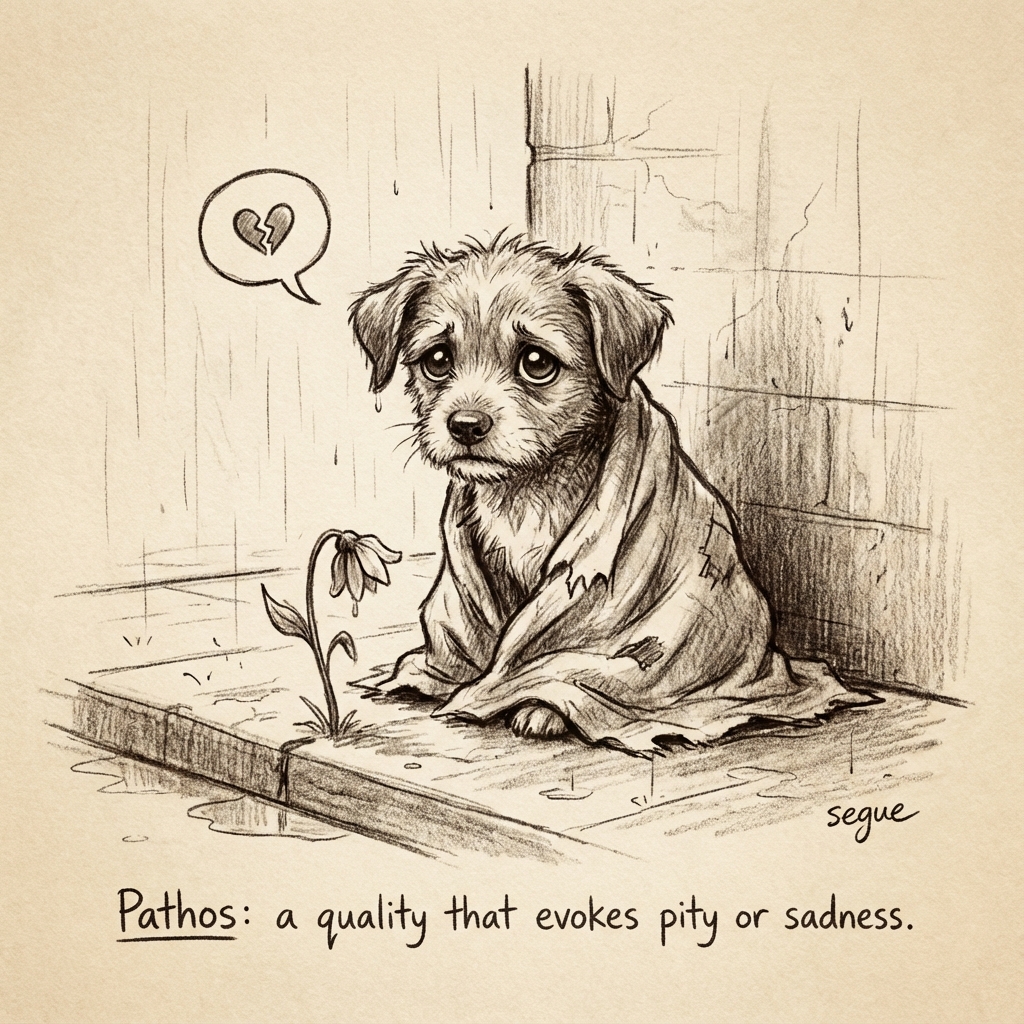
pathos
/ˈpeɪθɑs/a quality that evokes pity or sadness
“The film's pathos moved audiences to tears.”
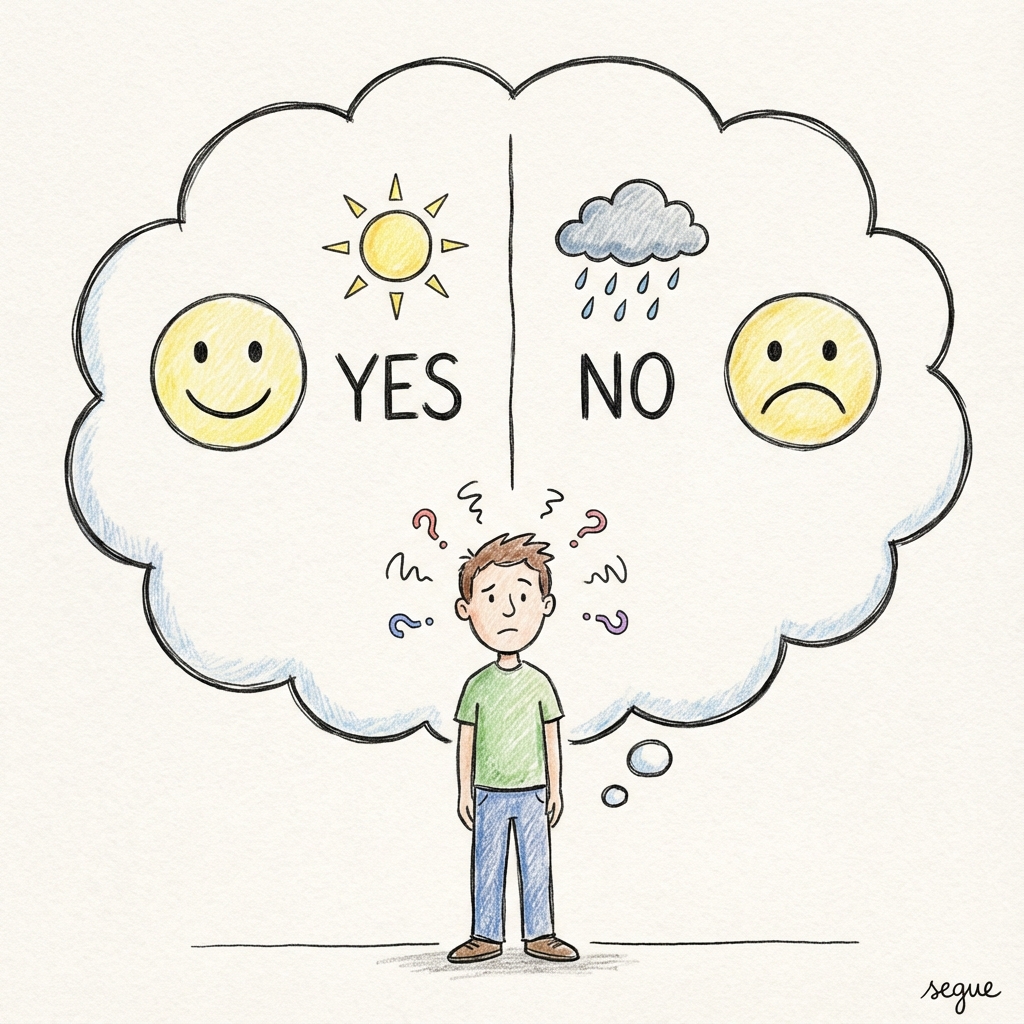
ambivalence
/æmˈbɪvəɫəns/having mixed feelings or contradictory ideas
“She felt ambivalence about leaving her hometown.”
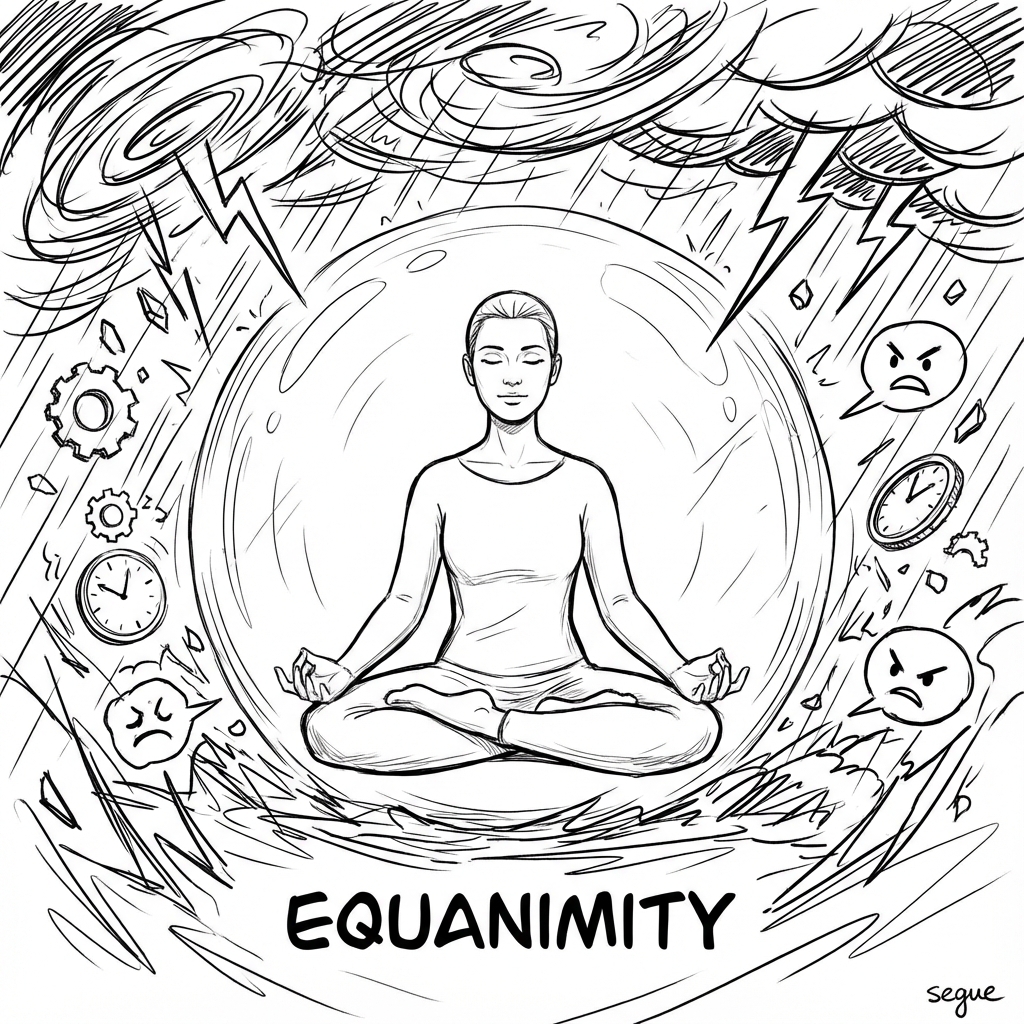
equanimity
/ˌikwəˈnɪmɪti/mental calmness and composure in difficult situations
“He faced the crisis with remarkable equanimity.”
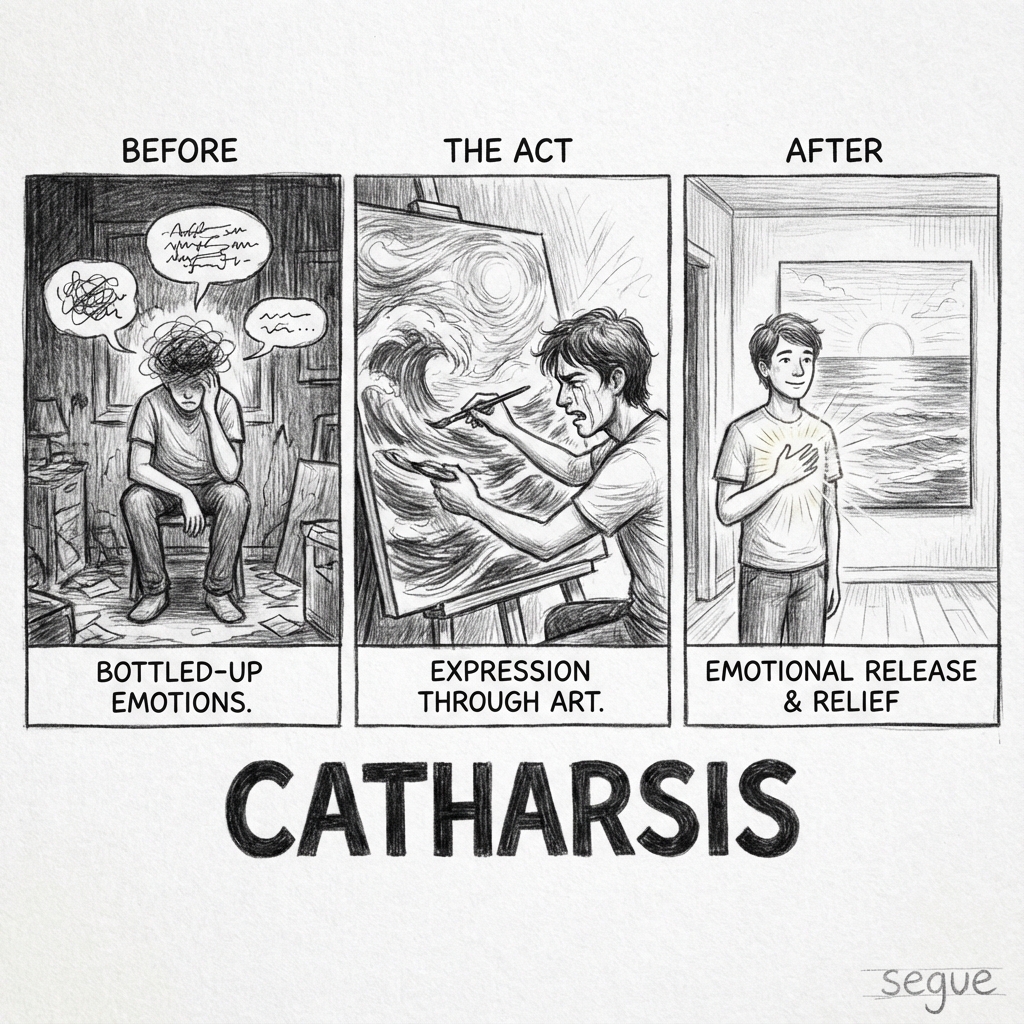
catharsis
/kəˈθɑɹsəs/the release of strong emotions through art or actions
“Writing served as a catharsis for her grief.”
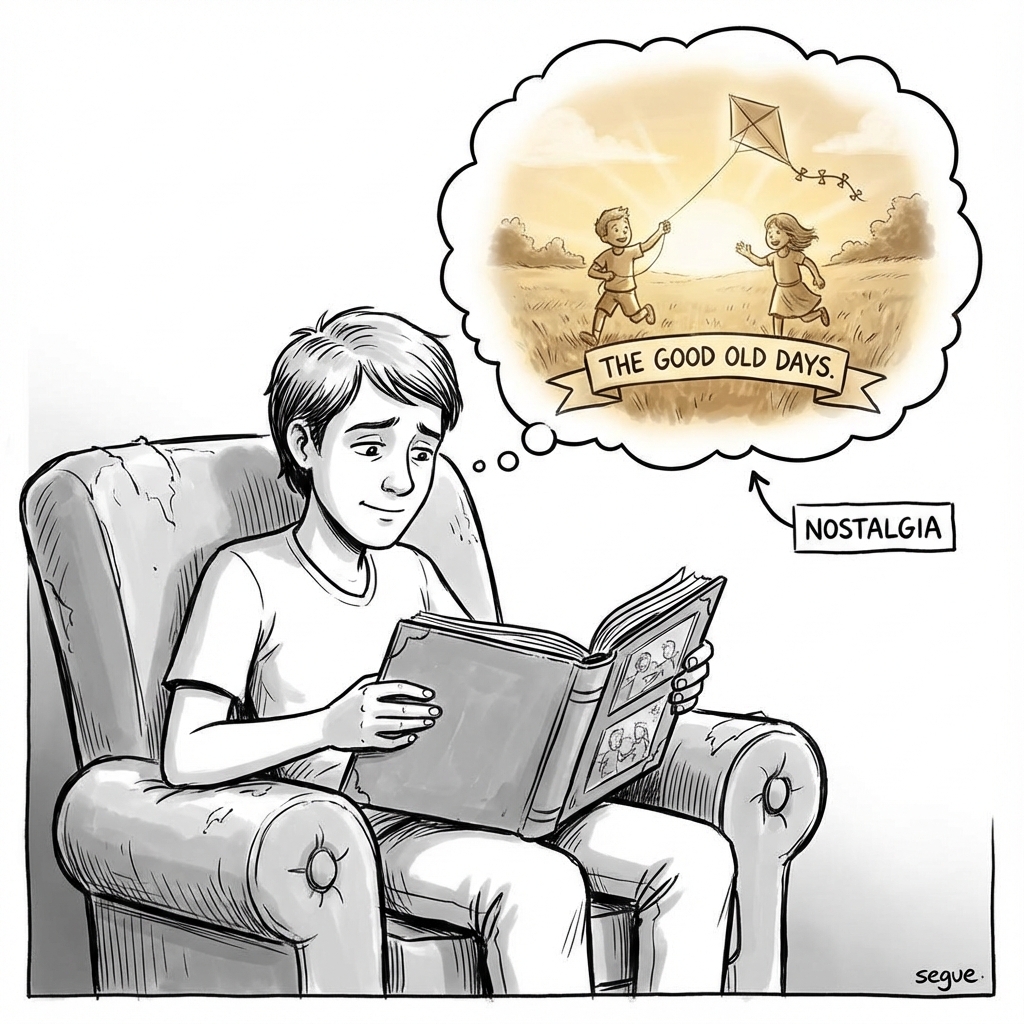
nostalgia
/nɔˈstæɫdʒə/sentimental longing for the past
“The old photographs filled him with nostalgia.”
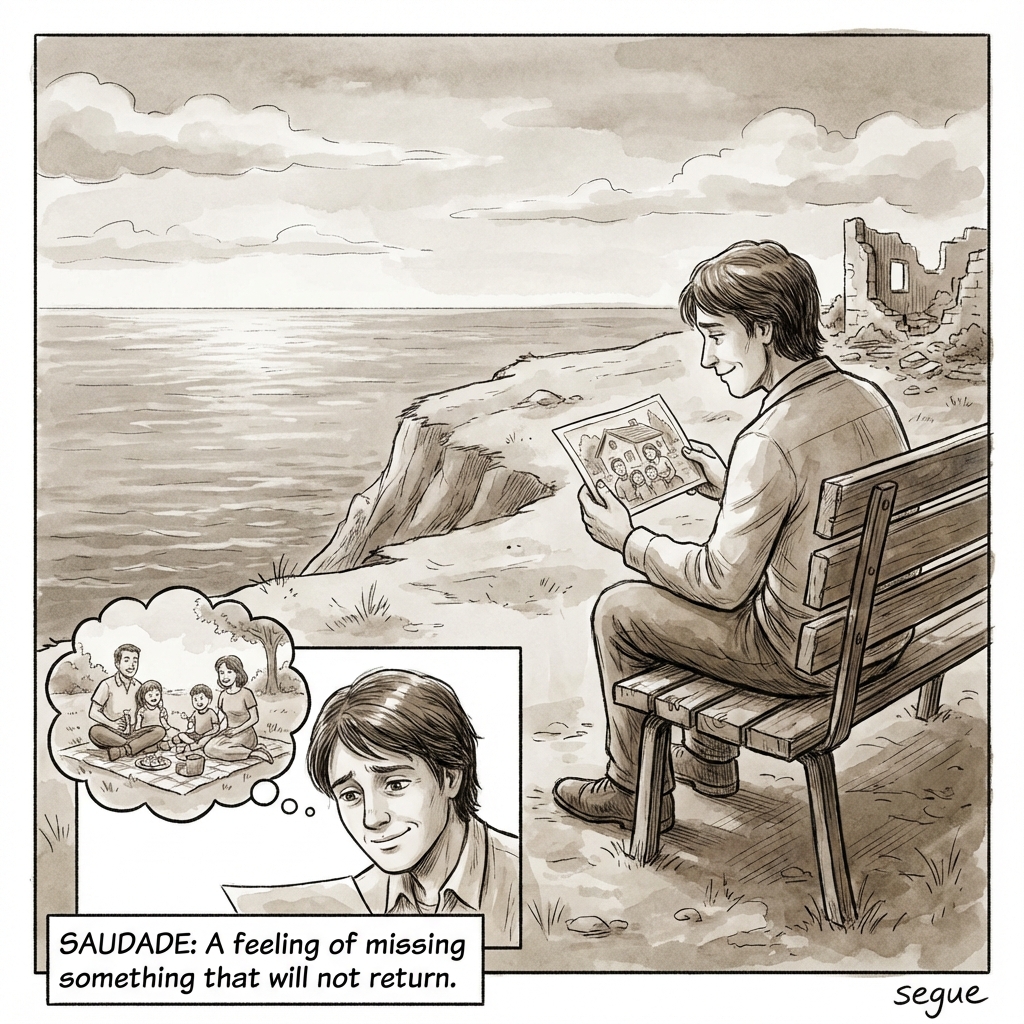
saudade
/saʊˈdɑːdə/a deep emotional state of melancholic longing for something absent
“The Portuguese concept of saudade has no direct English translation.”
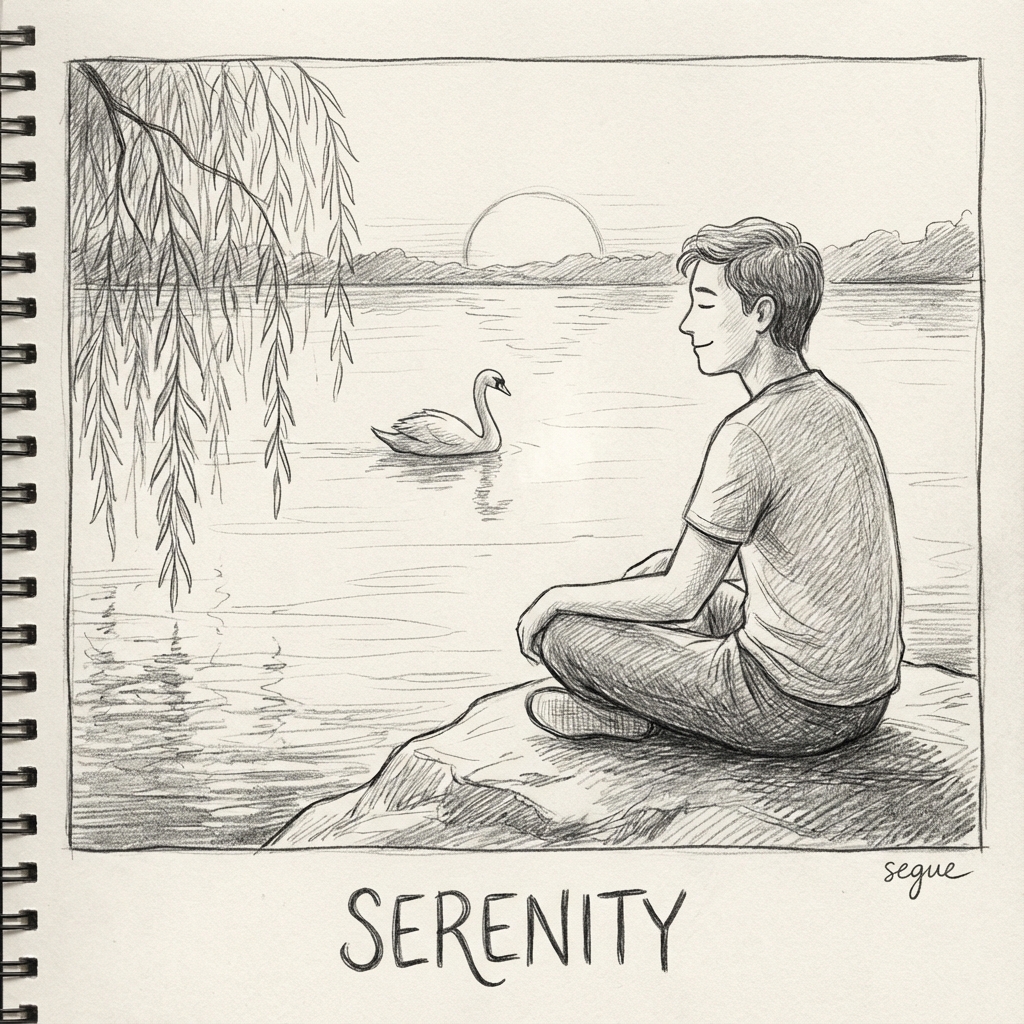
serenity
/sɝˈɛnəti/the state of being calm, peaceful, and untroubled
“The garden offered a sense of serenity amid the city chaos.”
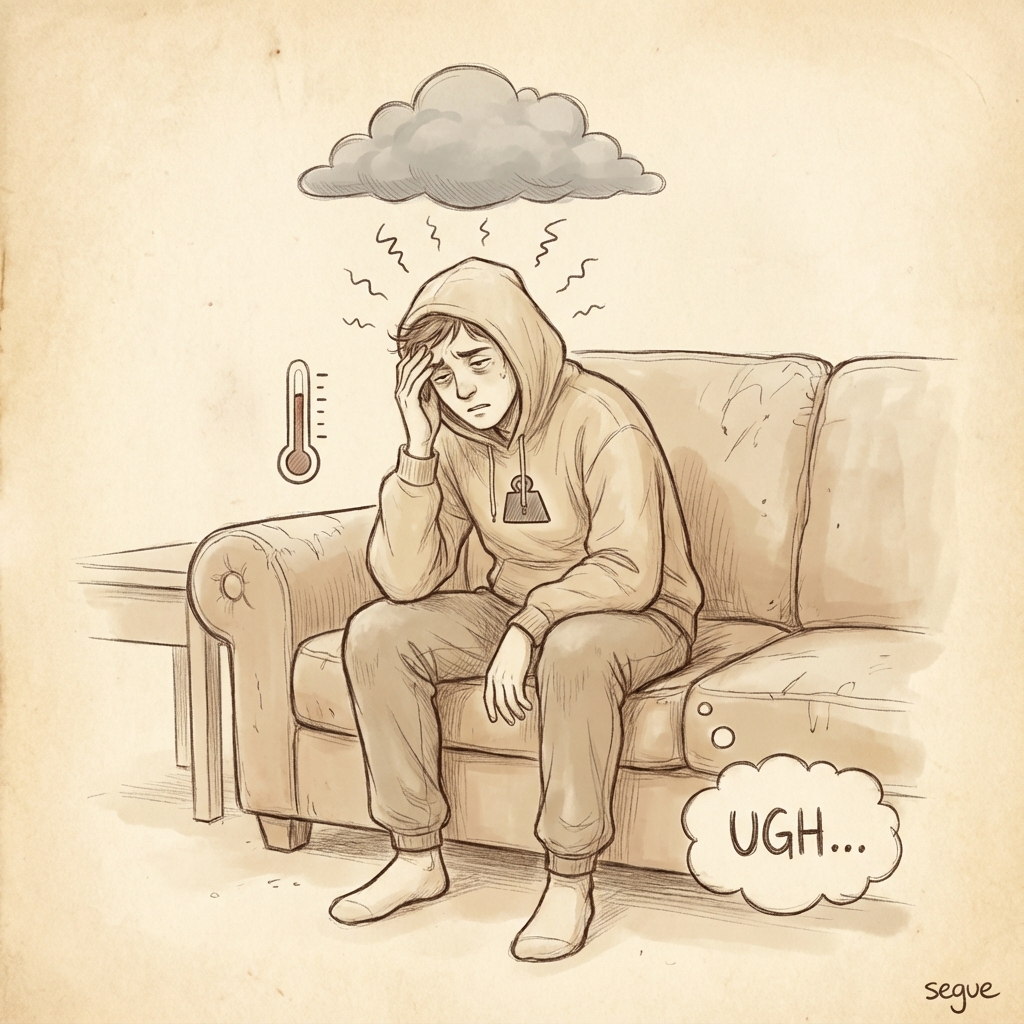
malaise
/mæˈɫeɪz/a general feeling of discomfort or uneasiness
“A vague malaise had settled over the country.”
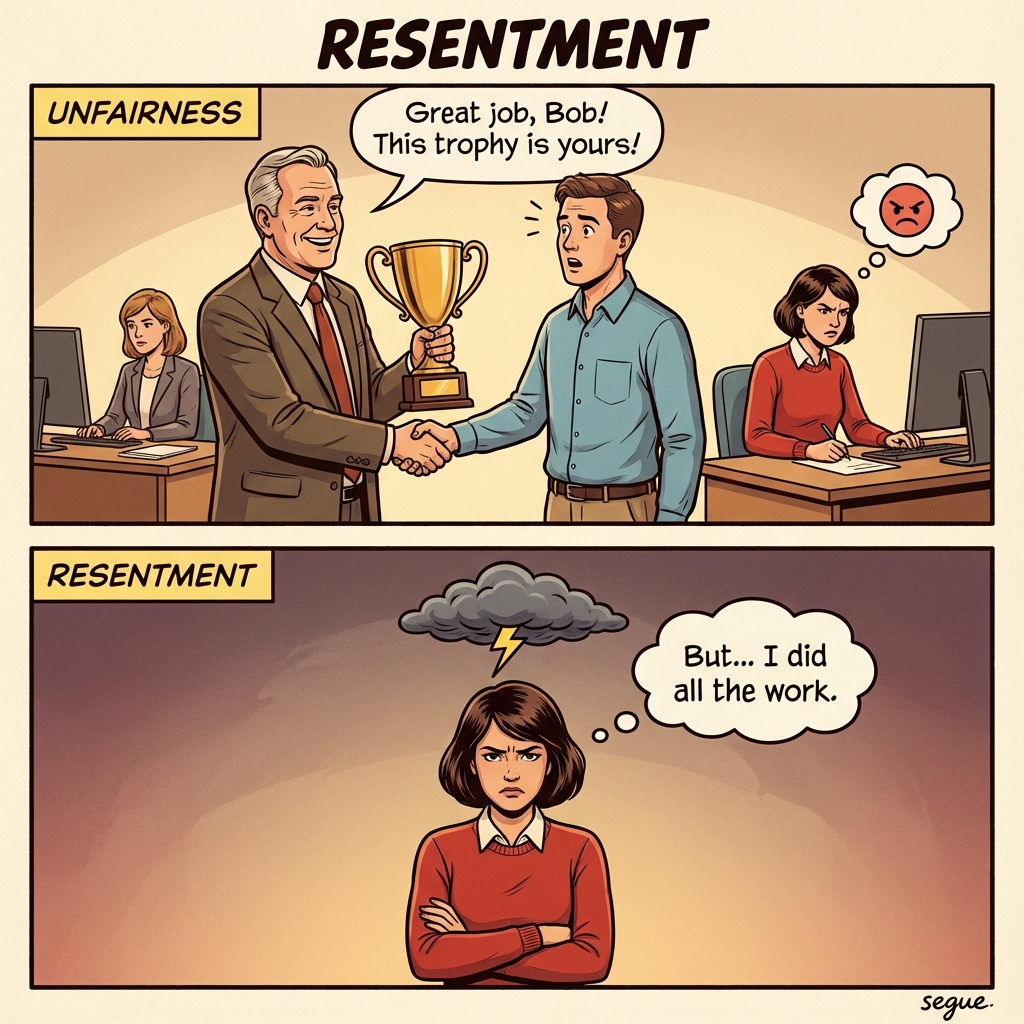
resentment
/ɹɪˈzɛnmənt/bitter indignation at unfair treatment
“Years of resentment finally boiled over into confrontation.”
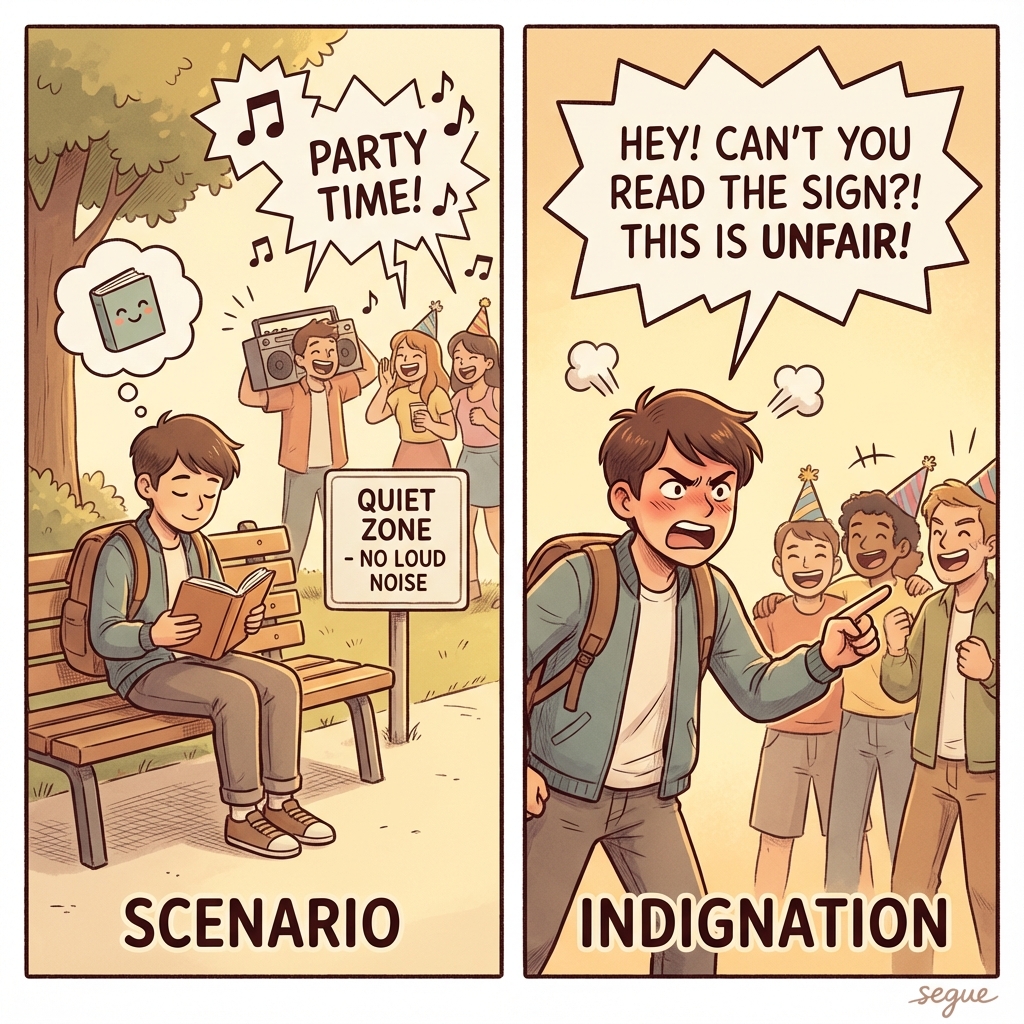
indignation
/ˌɪndɪɡˈneɪʃən/anger provoked by what is perceived as unfair
“Public indignation over the scandal forced resignations.”
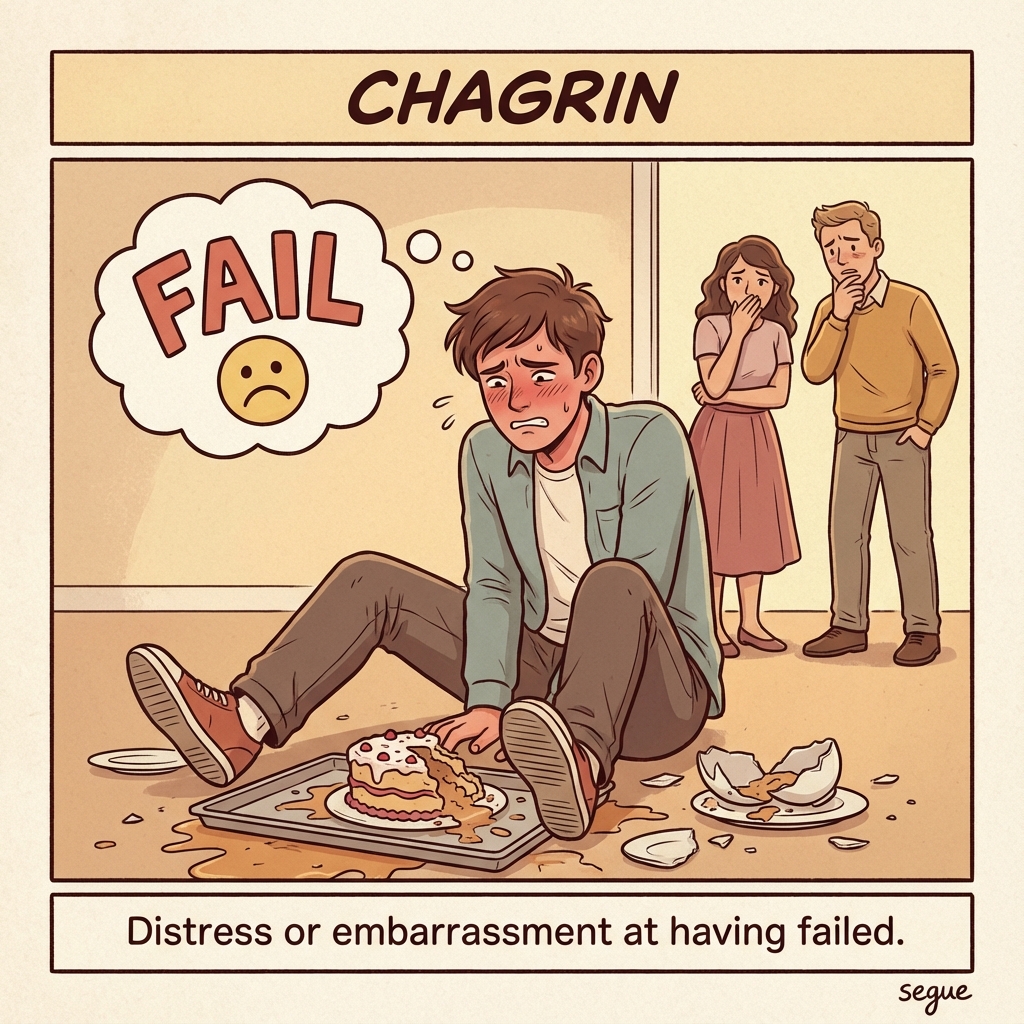
chagrin
/ʃəˈɡɹɪn/distress or embarrassment at having failed
“Much to his chagrin, he arrived at the wrong venue.”
More from Emotions & Mind
Explore other vocabulary categories in this collection.