Loading collection...
🔀
Commonly Confused Words Vocabulary
Word pairs that trip up even careful writers
10 words
All 10 Words
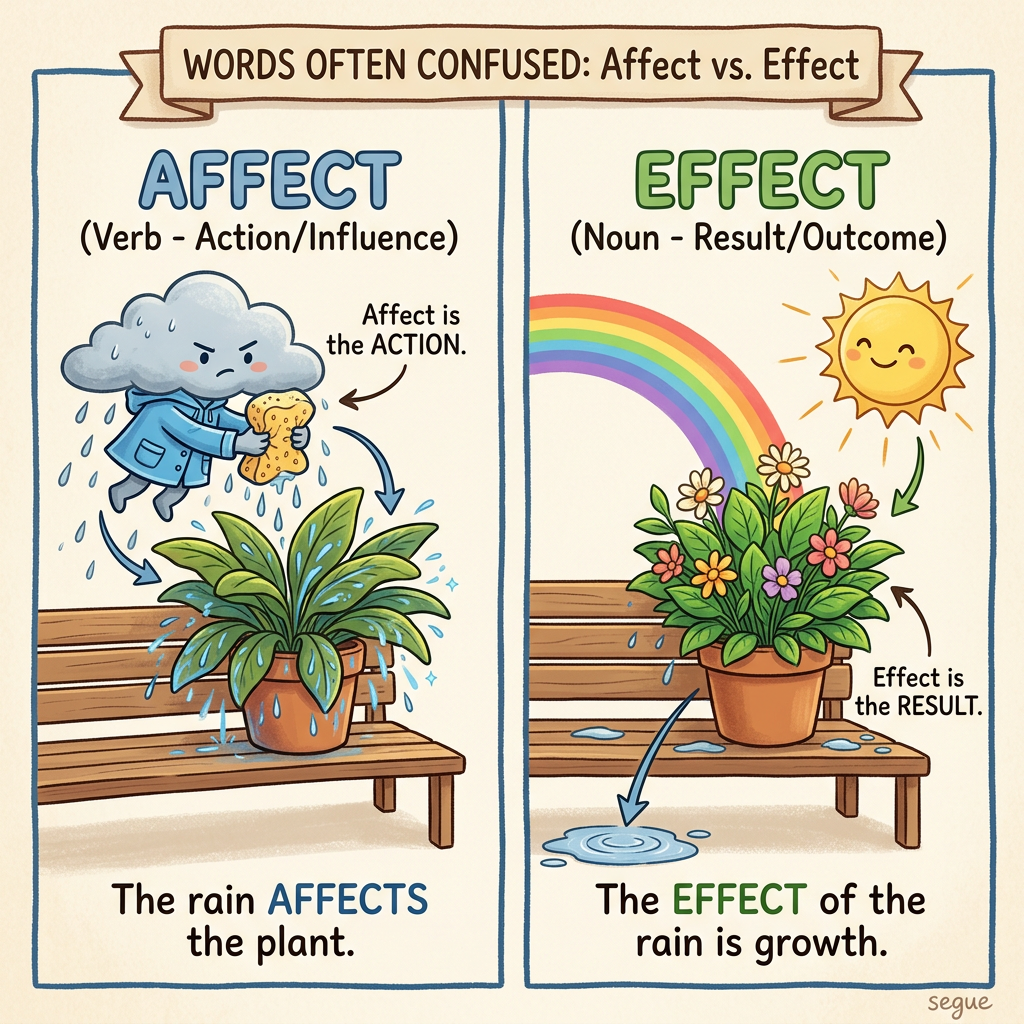
affect vs. effect
/əˈfekt ˌvɜːrsəs ɪˈfekt/affect is usually a verb (to influence); effect is usually a noun (the result)
“The rain will affect the game. The effect was dramatic.”
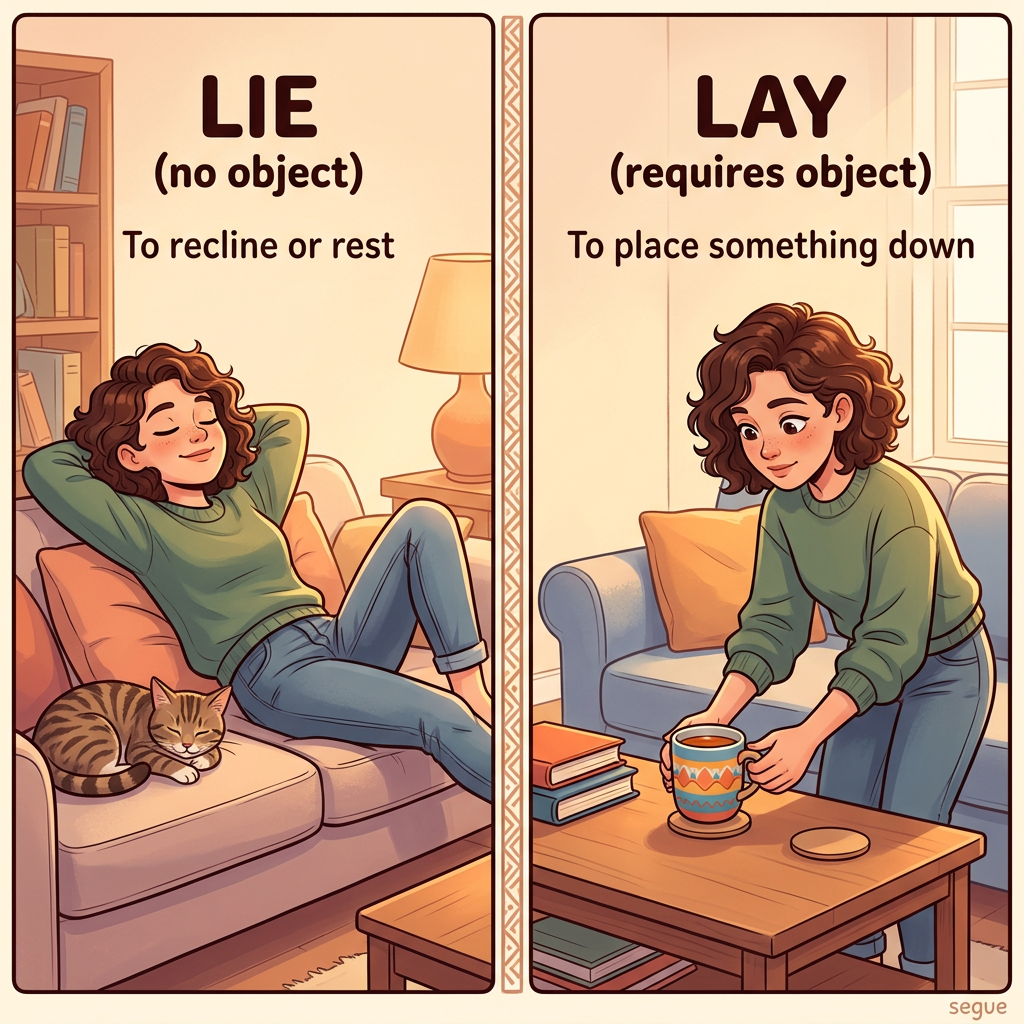
lie vs. lay
/ˈlaɪ ˌvɜːrsəs ˈleɪ/lie means to recline (no object); lay means to place something (requires object)
“I lie down. I lay the book on the table. Yesterday I lay down (past of lie).”
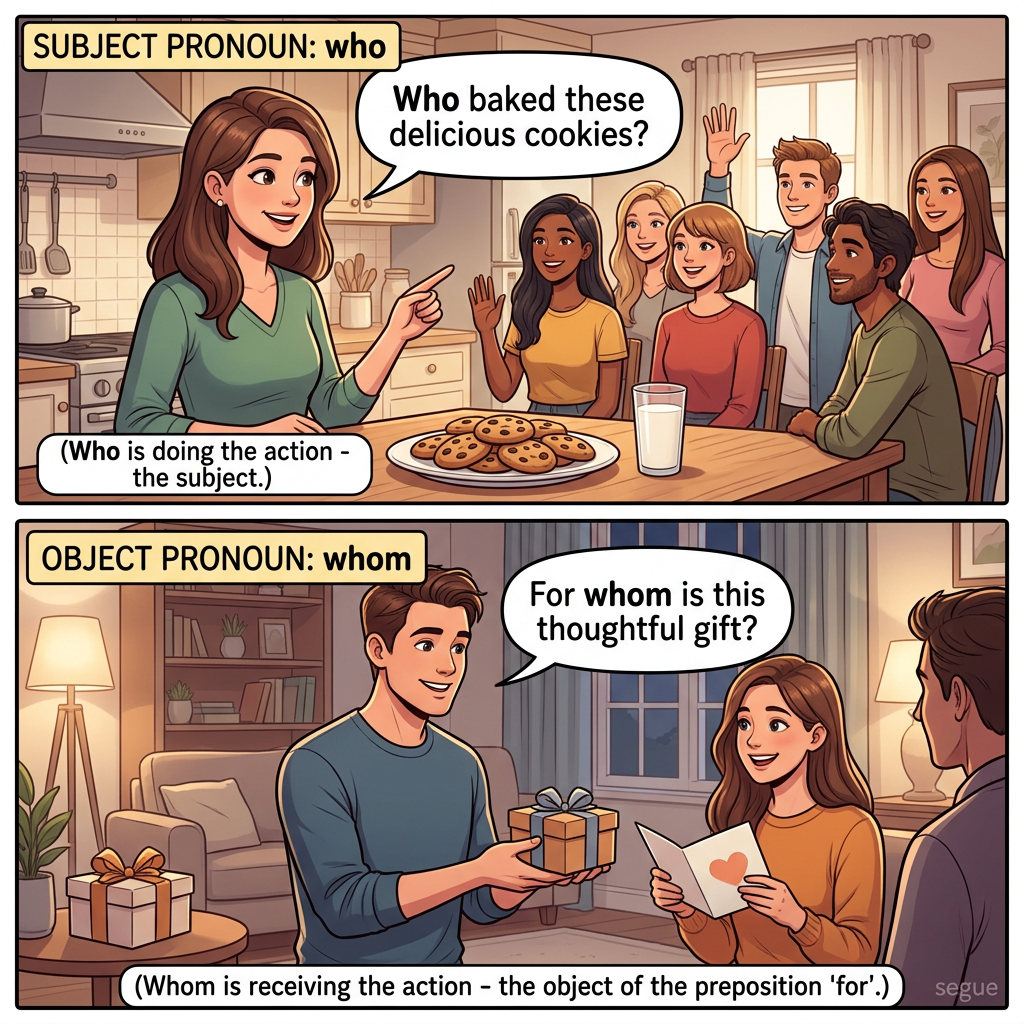
who vs. whom
/ˈhuː ˌvɜːrsəs ˈhuːm/who is a subject pronoun; whom is an object pronoun
“Who called? To whom should I address this? (Try: he called / give it to him)”
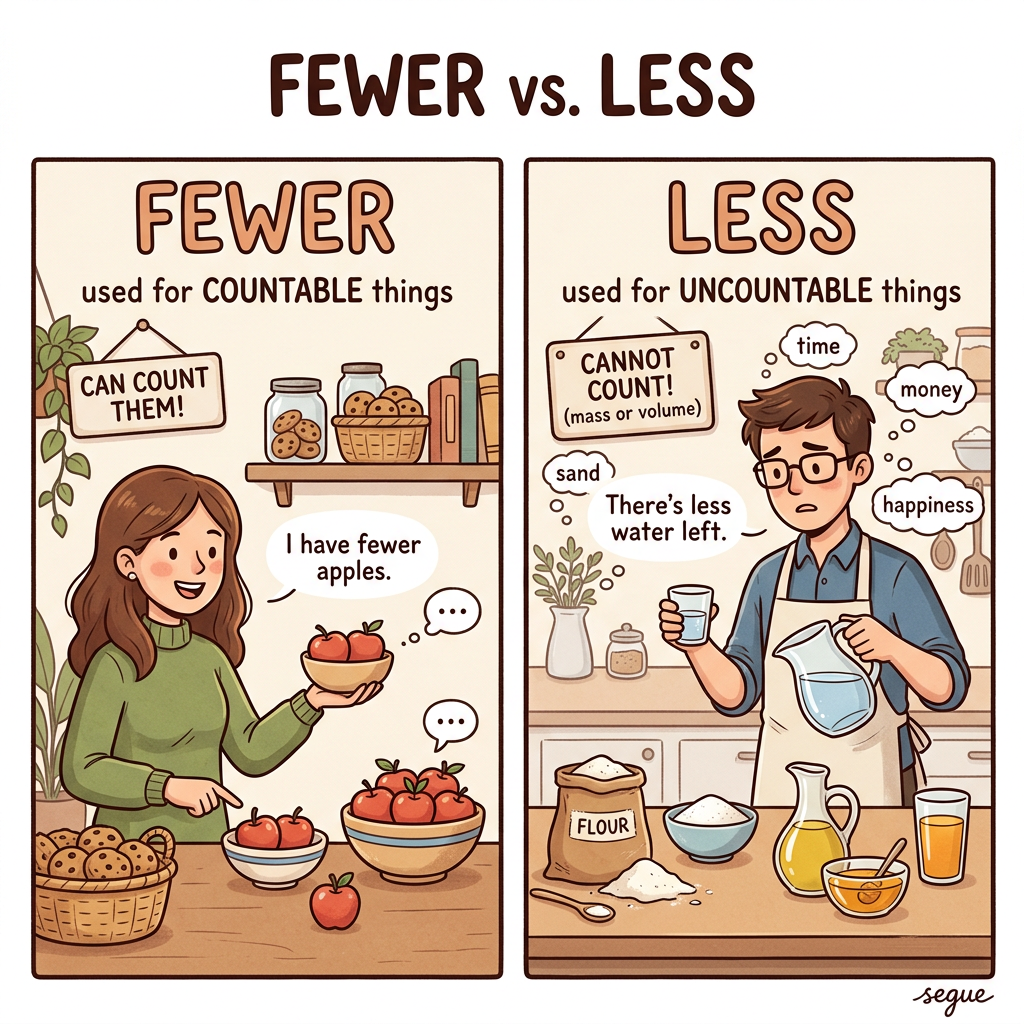
fewer vs. less
/ˈfjuːər ˌvɜːrsəs ˈles/fewer for countable items; less for uncountable quantities
“Fewer people, less water. Fewer mistakes, less confusion.”
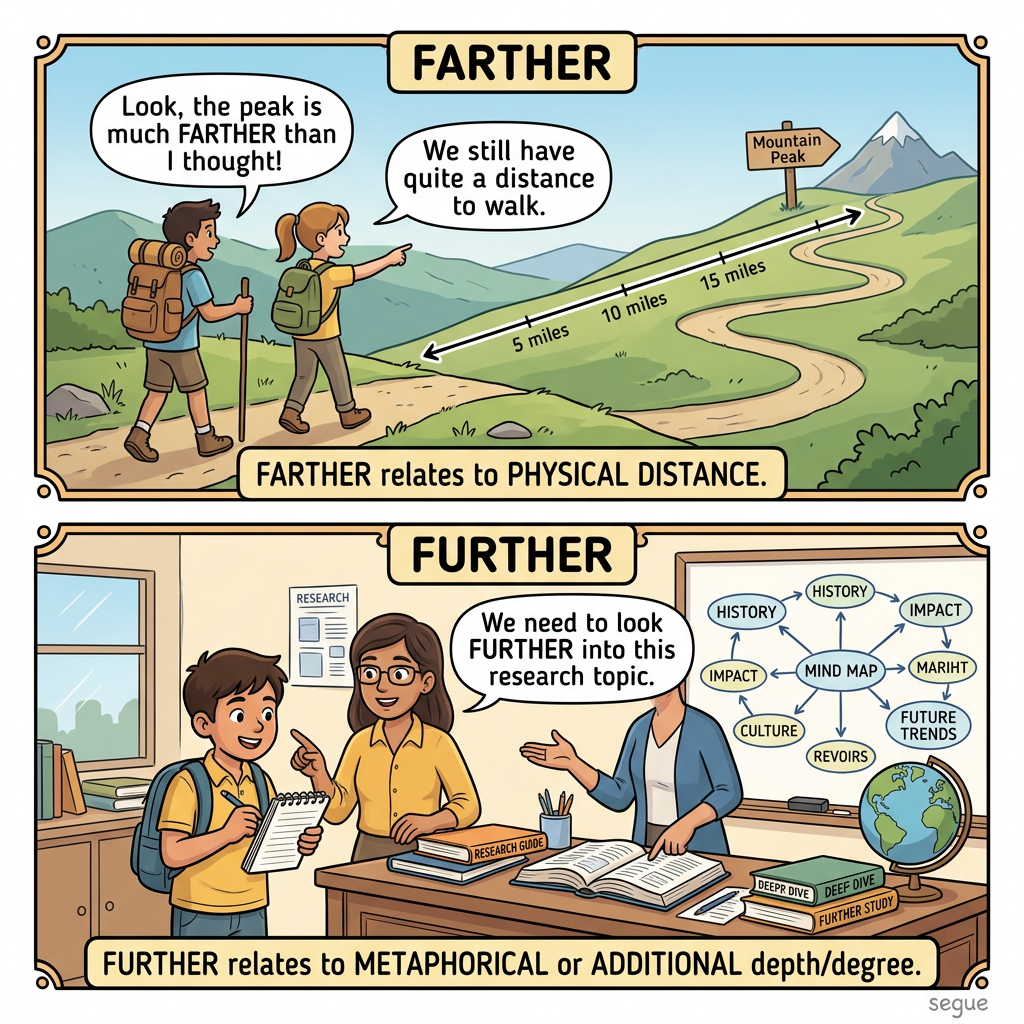
farther vs. further
/ˈfɑːrðər ˌvɜːrsəs ˈfɜːrðər/farther for physical distance; further for metaphorical or additional
“Walk farther down the road. Let's discuss this further.”
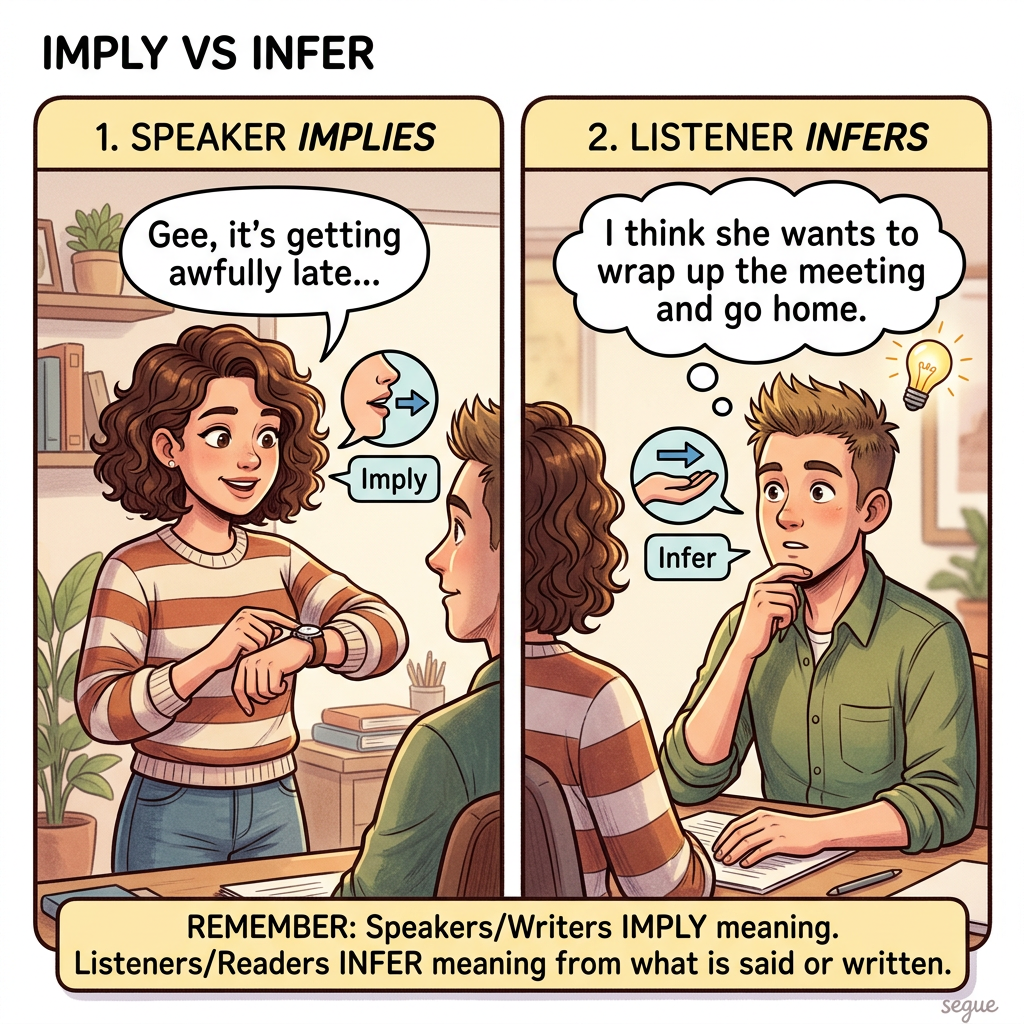
imply vs. infer
/ɪmˈplaɪ ˌvɜːrsəs ɪnˈfɜːr/speakers/writers imply; listeners/readers infer
“She implied I was wrong. I inferred from her tone that she was upset.”
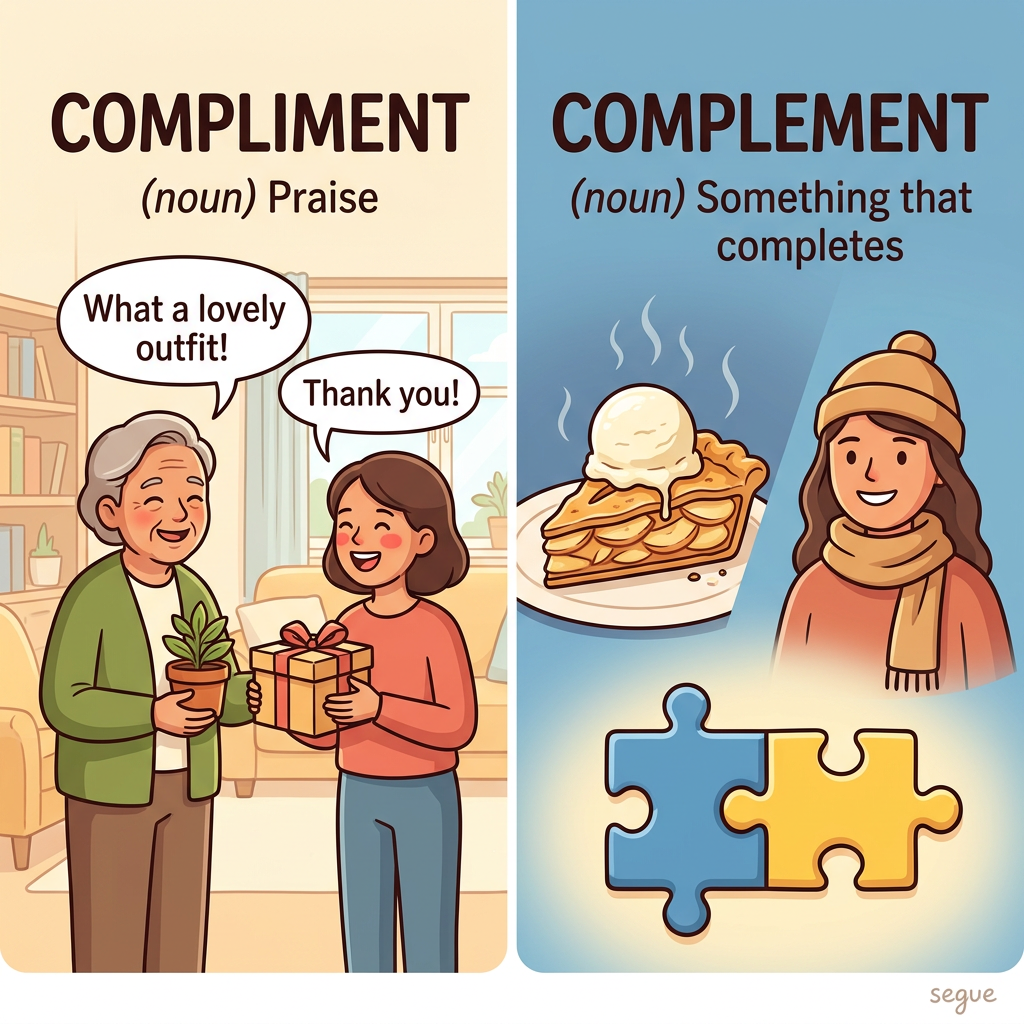
compliment vs. complement
/ˈkɒmplɪmənt ˌvɜːrsəs ˈkɒmplɪmənt/compliment is praise; complement is something that completes
“She paid me a compliment. The wine complements the meal.”
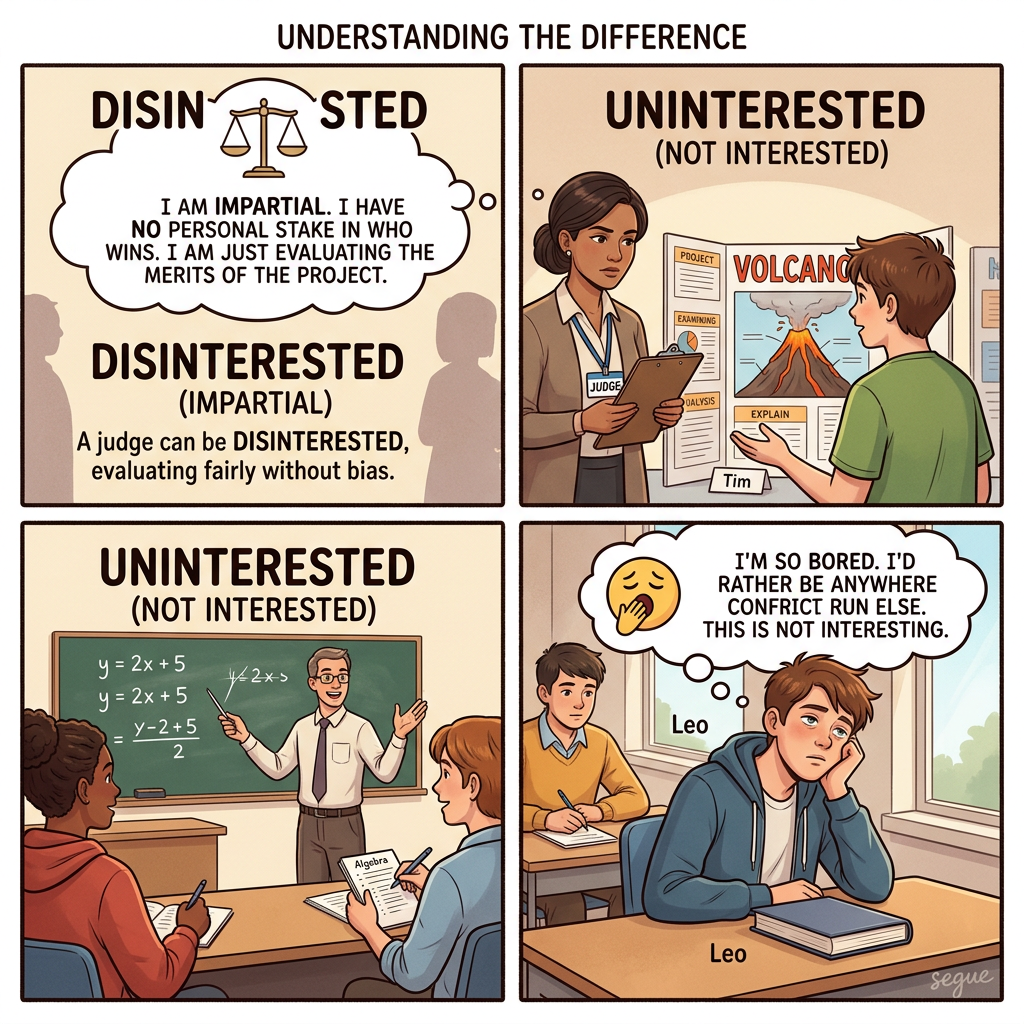
disinterested vs. uninterested
/dɪsˈɪntrəstɪd ˌvɜːrsəs ʌnˈɪntrəstɪd/disinterested means impartial; uninterested means not interested
“A judge should be disinterested. He was uninterested in the topic.”
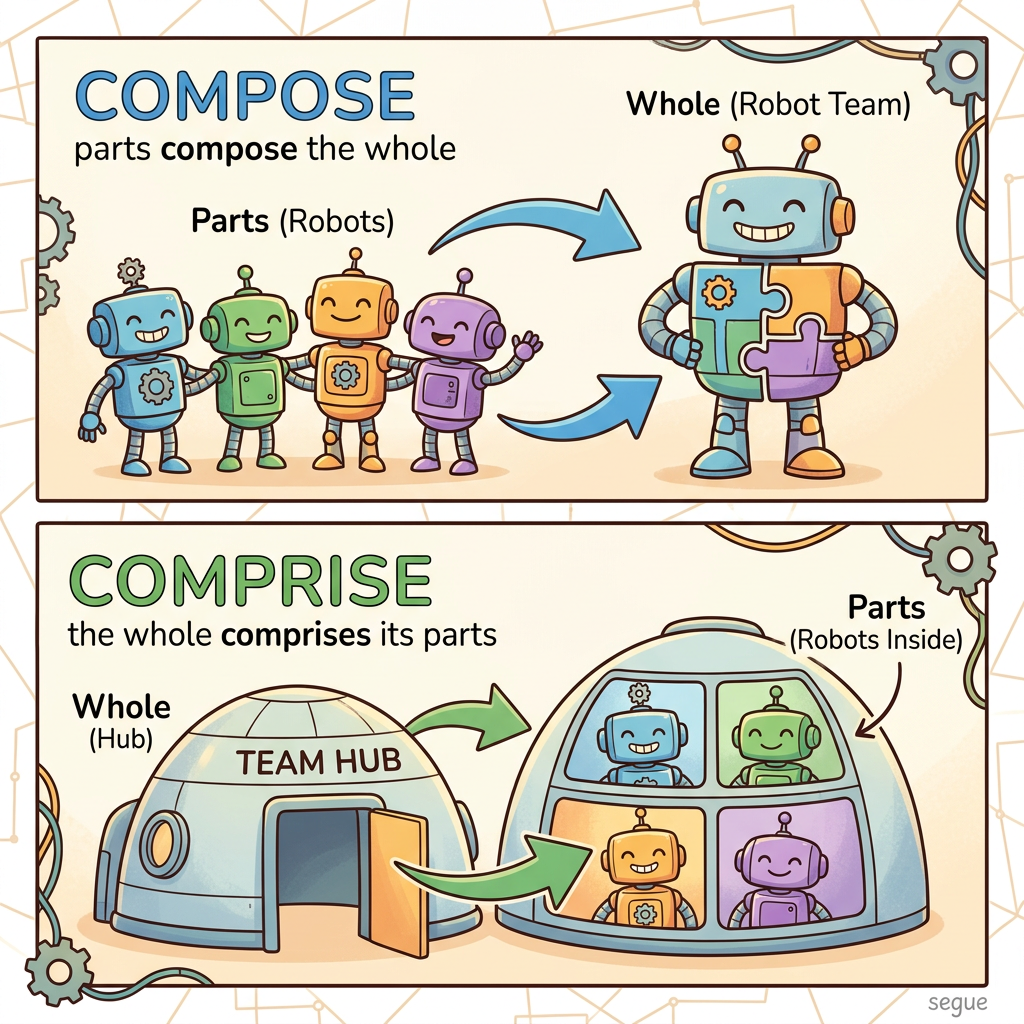
compose vs. comprise
/kəmˈpoʊz ˌvɜːrsəs kəmˈpraɪz/parts compose the whole; the whole comprises its parts
“Fifty states compose the union. The union comprises fifty states.”
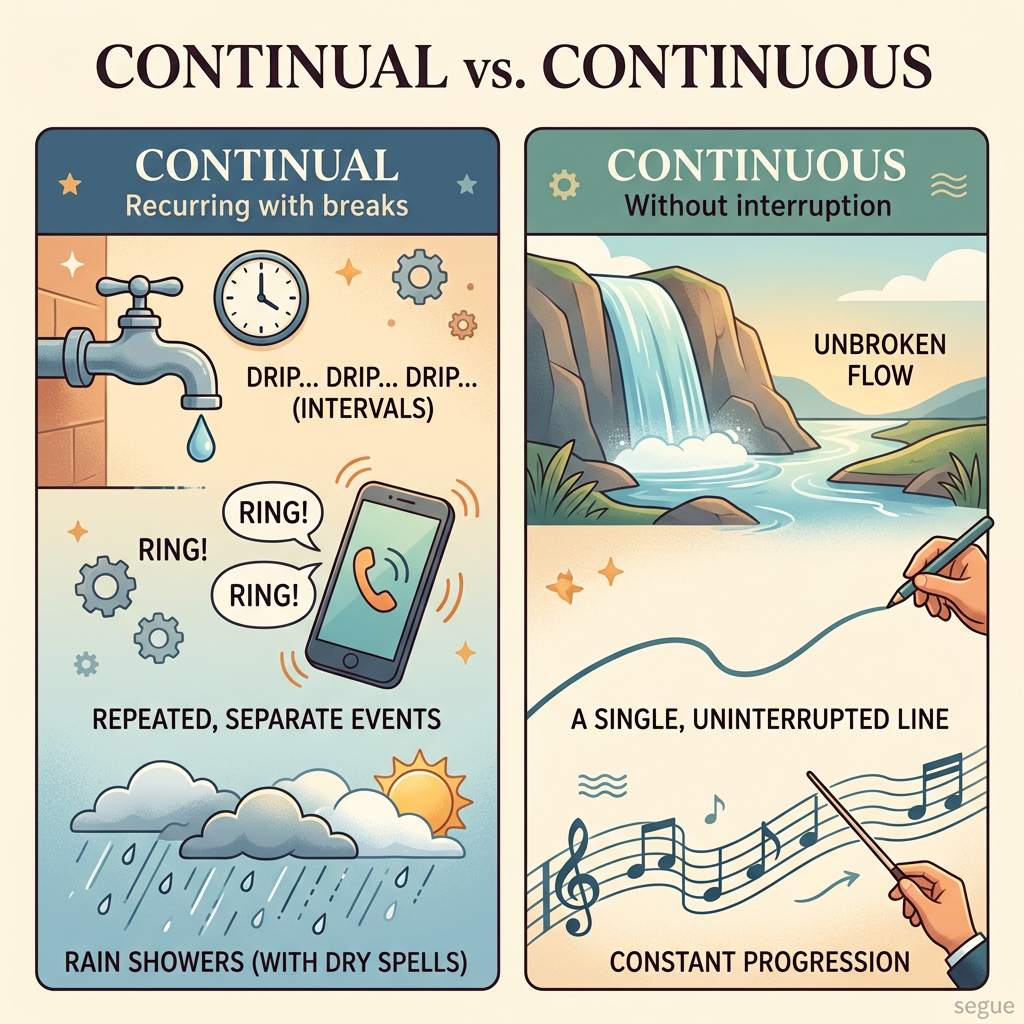
continual vs. continuous
/kənˈtɪnjuəl ˌvɜːrsəs kənˈtɪnjuəs/continual means recurring with breaks; continuous means without interruption
“Continual interruptions vs. the continuous flow of the river.”
More from The Writer's Craft
Explore other vocabulary categories in this collection.