Loading collection...
🎨
Color Theory Vocabulary
Principles of color relationships and perception
10 words
All 10 Words
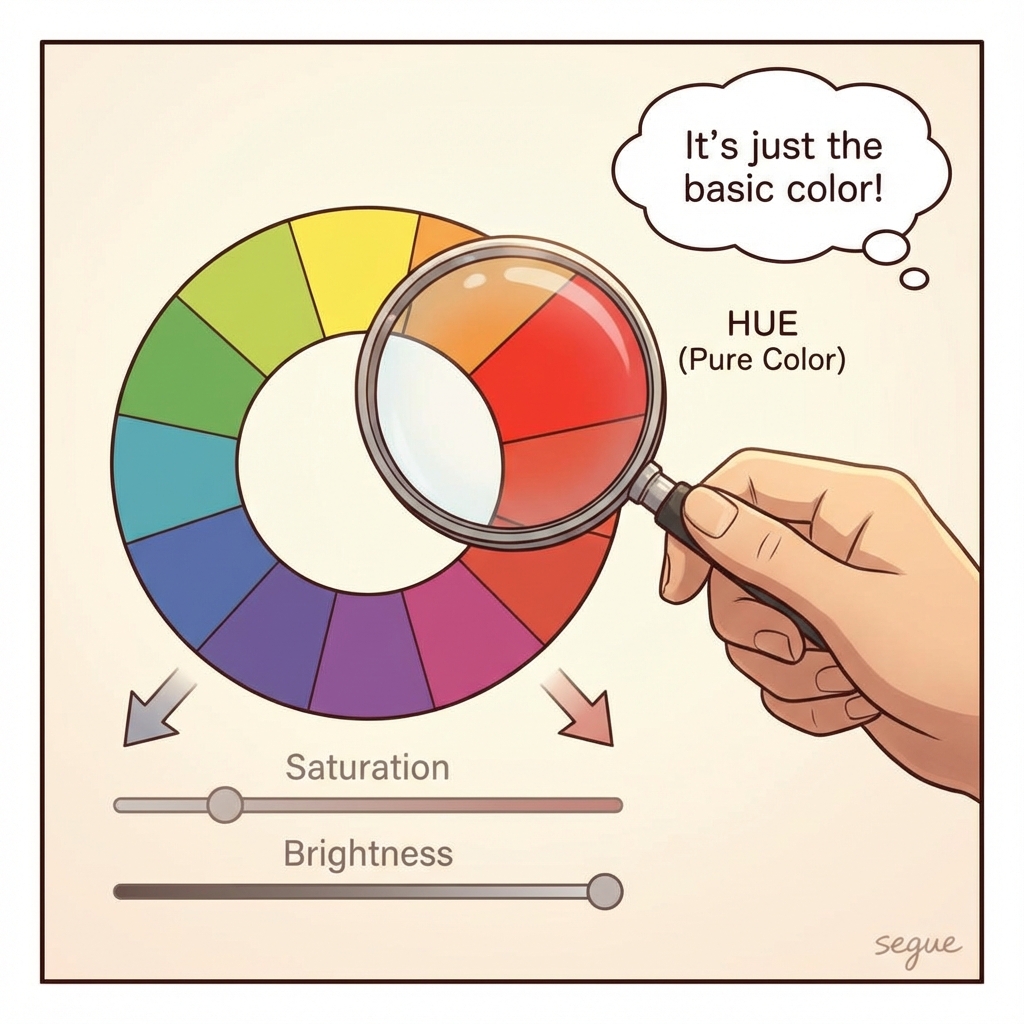
hue
/ˈhju/the pure spectrum color independent of saturation or brightness
“The hue shifted from blue to violet across the gradient.”
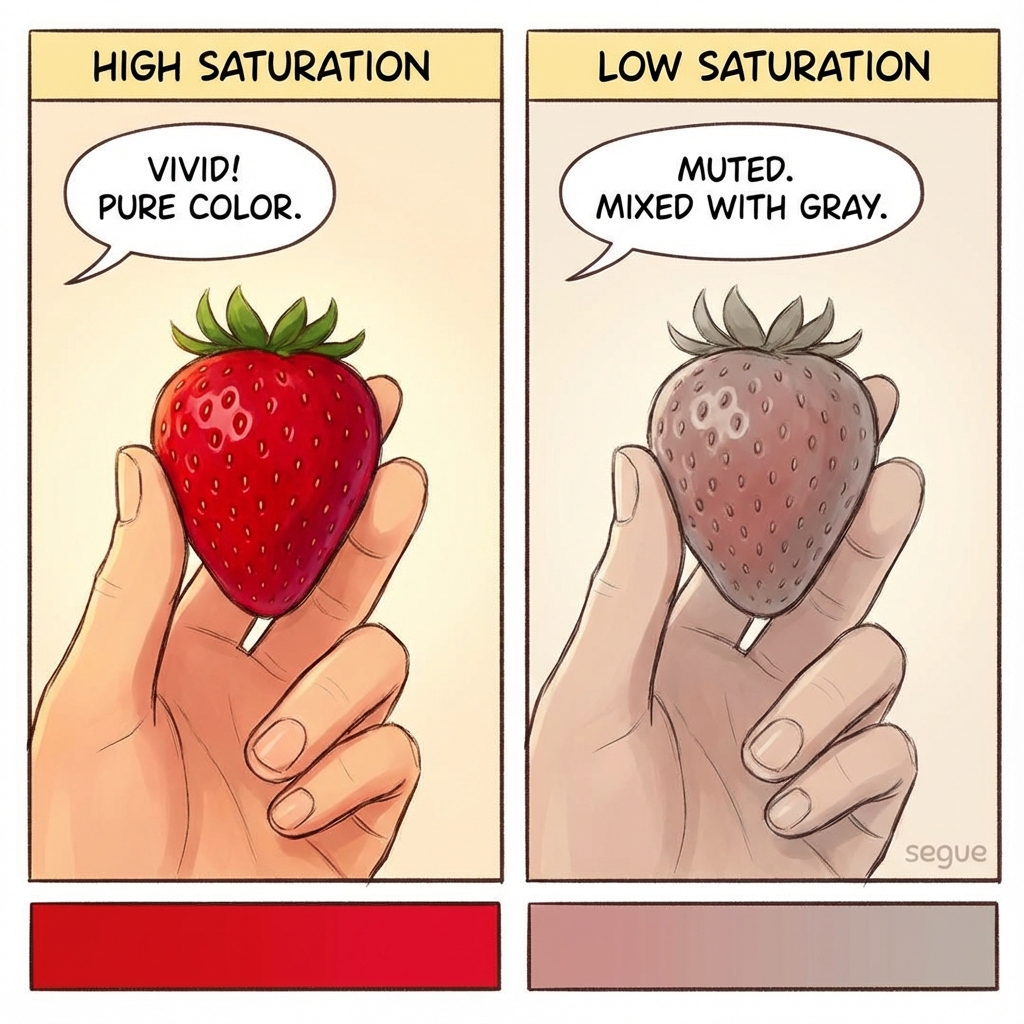
saturation
/ˌsætʃɝˈeɪʃən/the intensity or purity of a color
“Desaturated colors create a sophisticated palette.”
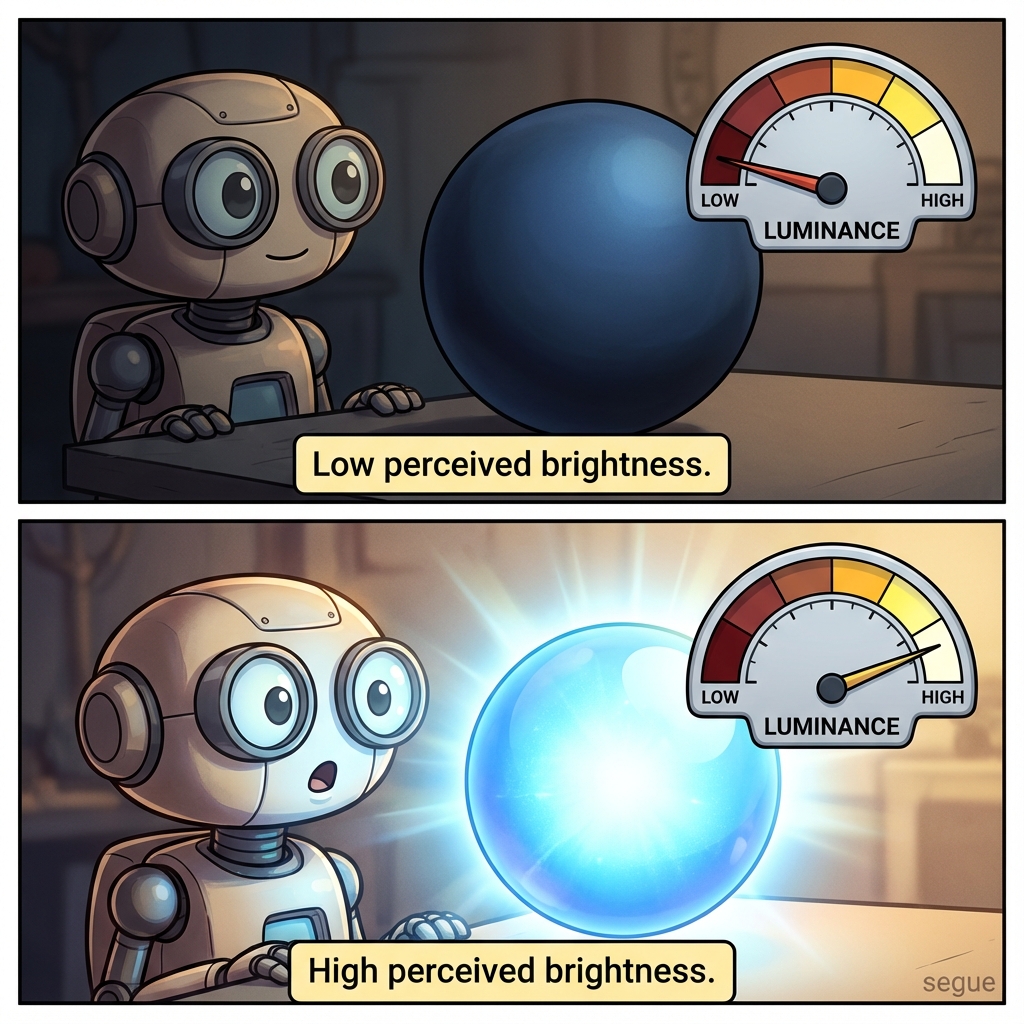
luminance
/ˈɫumənəns/the perceived brightness of a color
“High luminance contrast ensures text readability.”
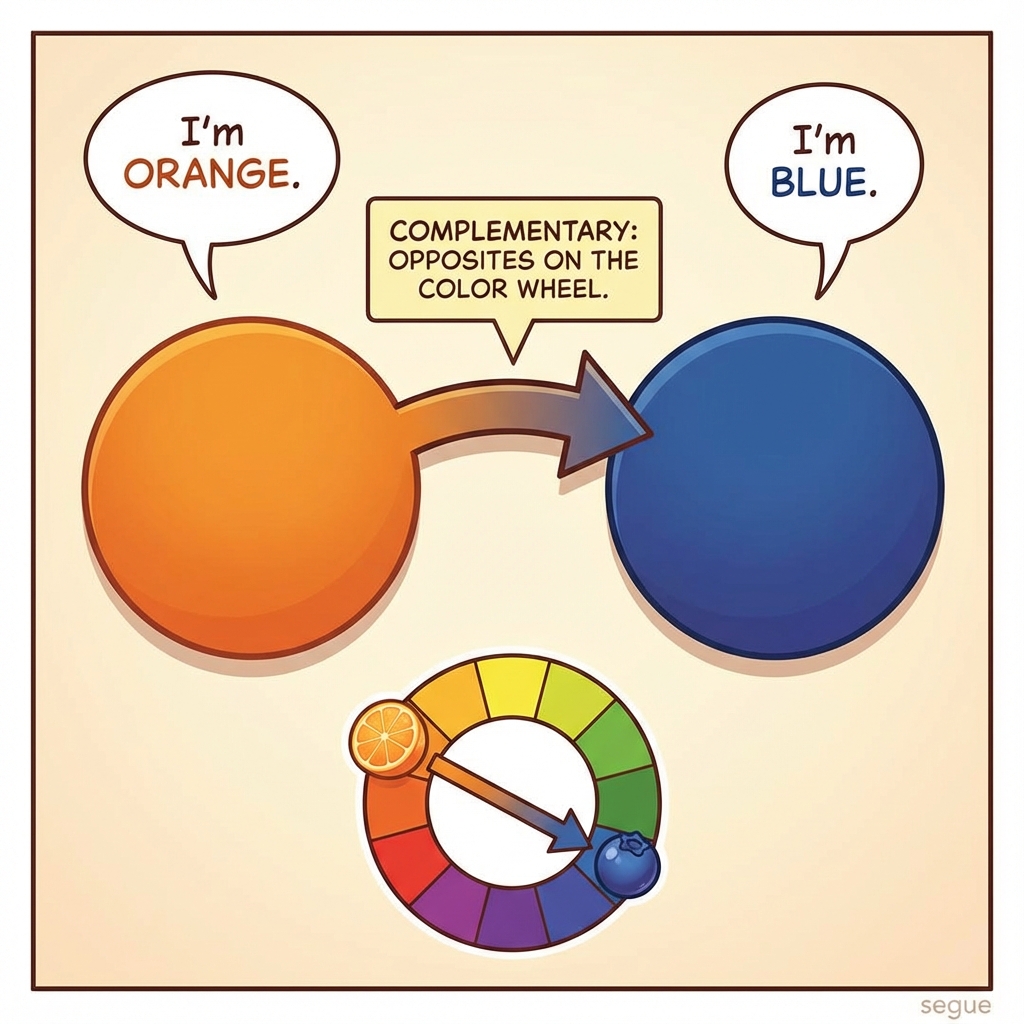
complementary
/ˌkɑmpɫəˈmɛntɹi/colors opposite each other on the color wheel
“Complementary colors create vibrant visual tension.”
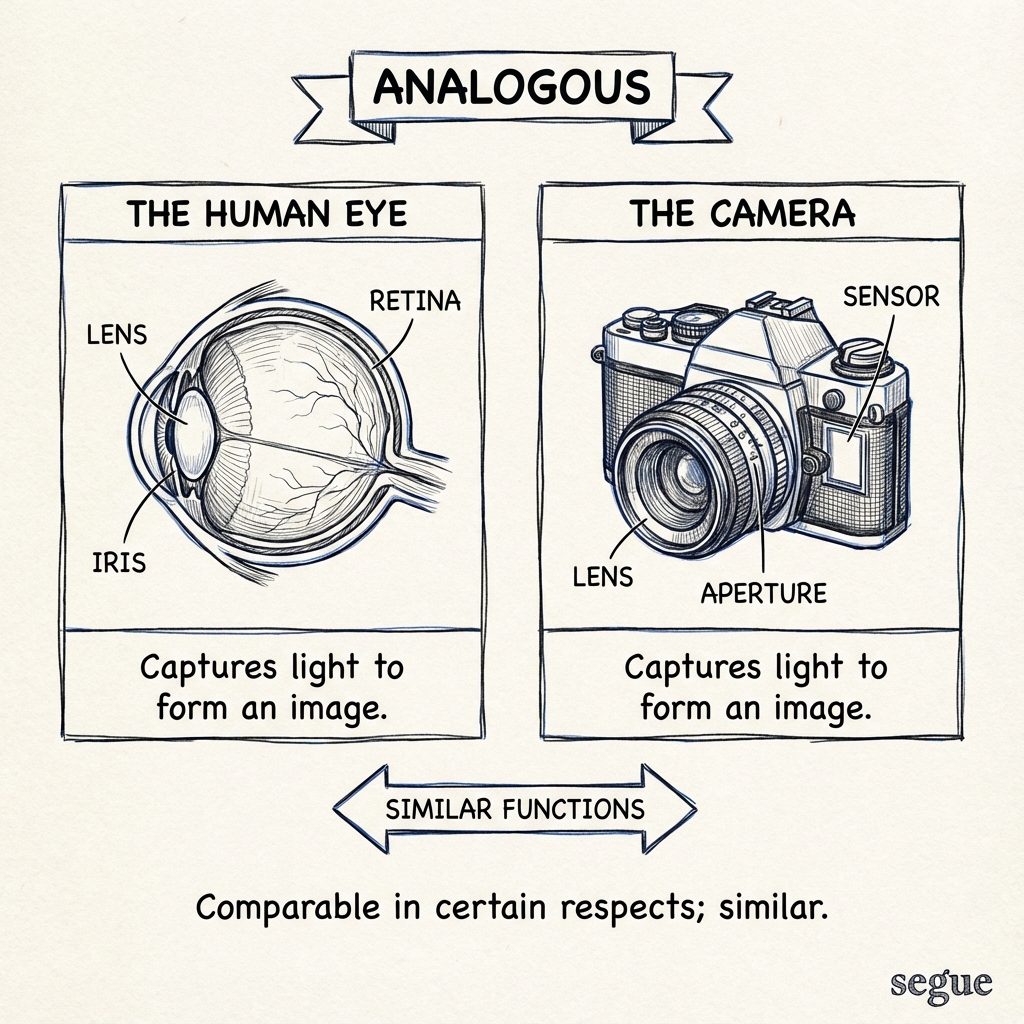
analogous
/əˈnæɫəɡəs/colors adjacent to each other on the color wheel
“Analogous colors produce harmonious, unified designs.”
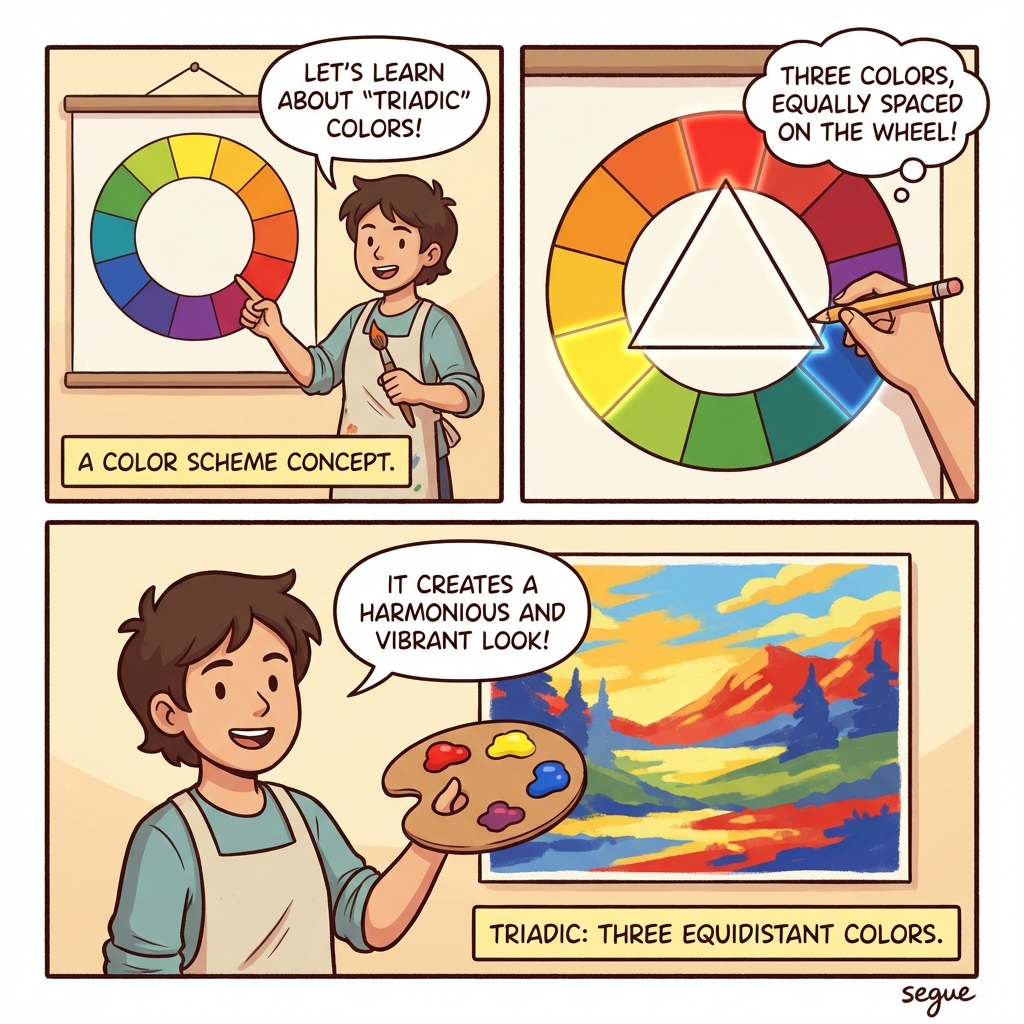
triadic
/traɪˈædɪk/three colors equally spaced on the color wheel
“Triadic schemes offer balance with visual interest.”
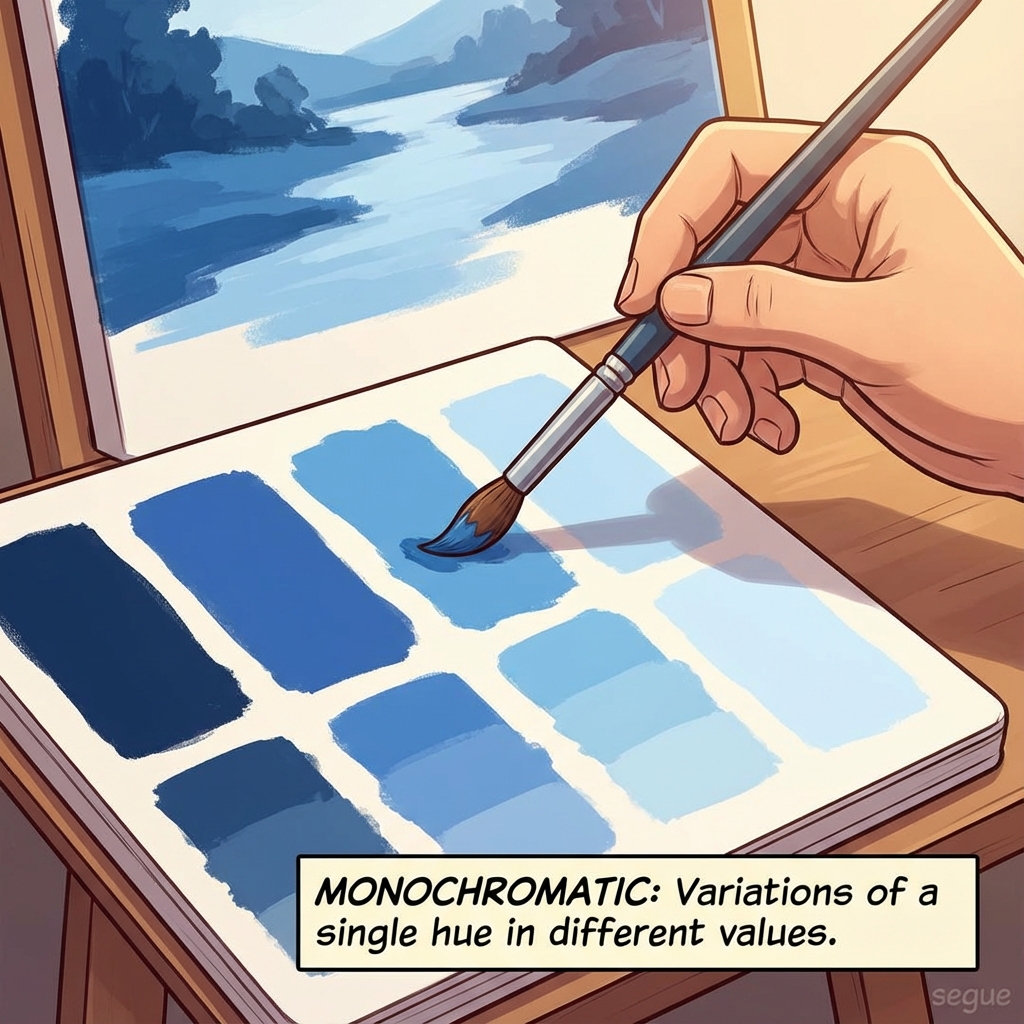
monochromatic
/ˌmɑnəkɹoʊˈmætɪk/variations of a single hue in different values
“The monochromatic palette conveyed understated elegance.”
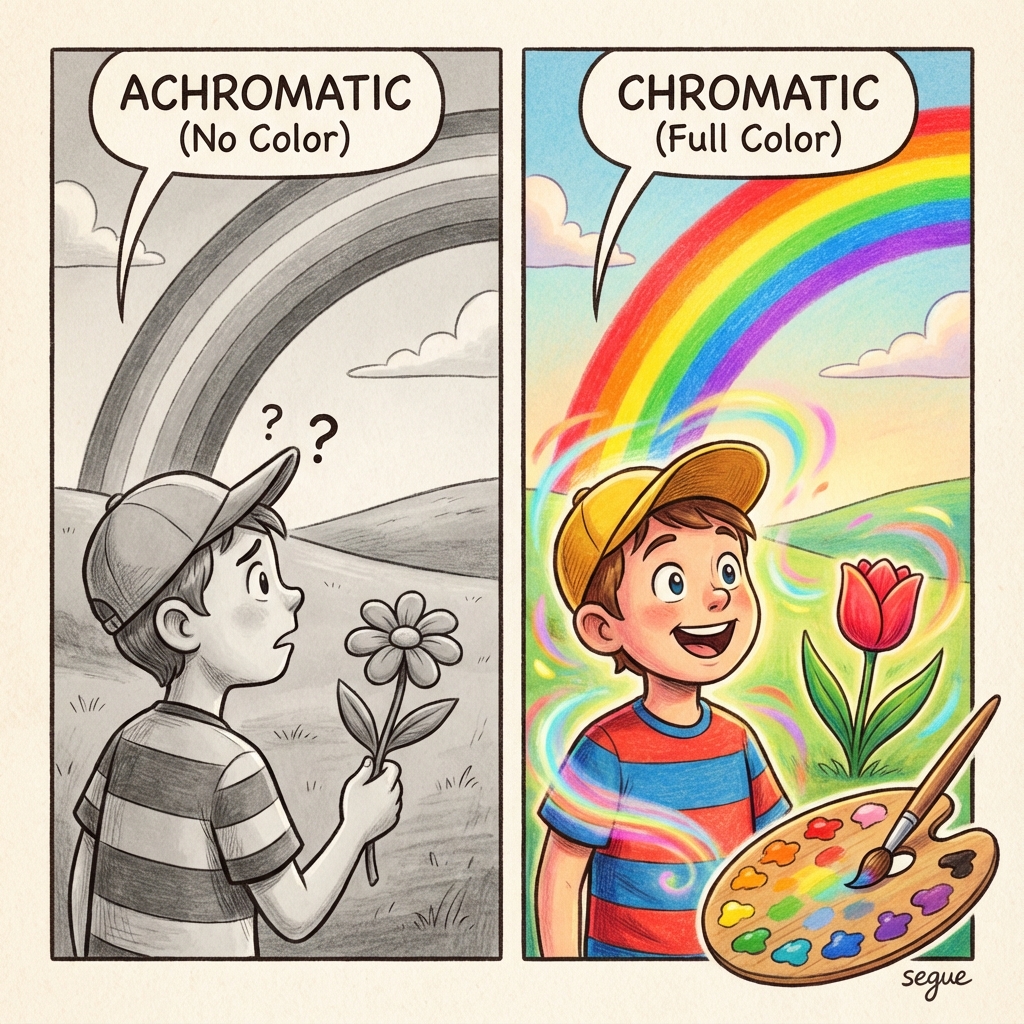
chromatic
/kroʊˈmætɪk/relating to colors or color perception
“Chromatic aberration caused color fringing in the image.”
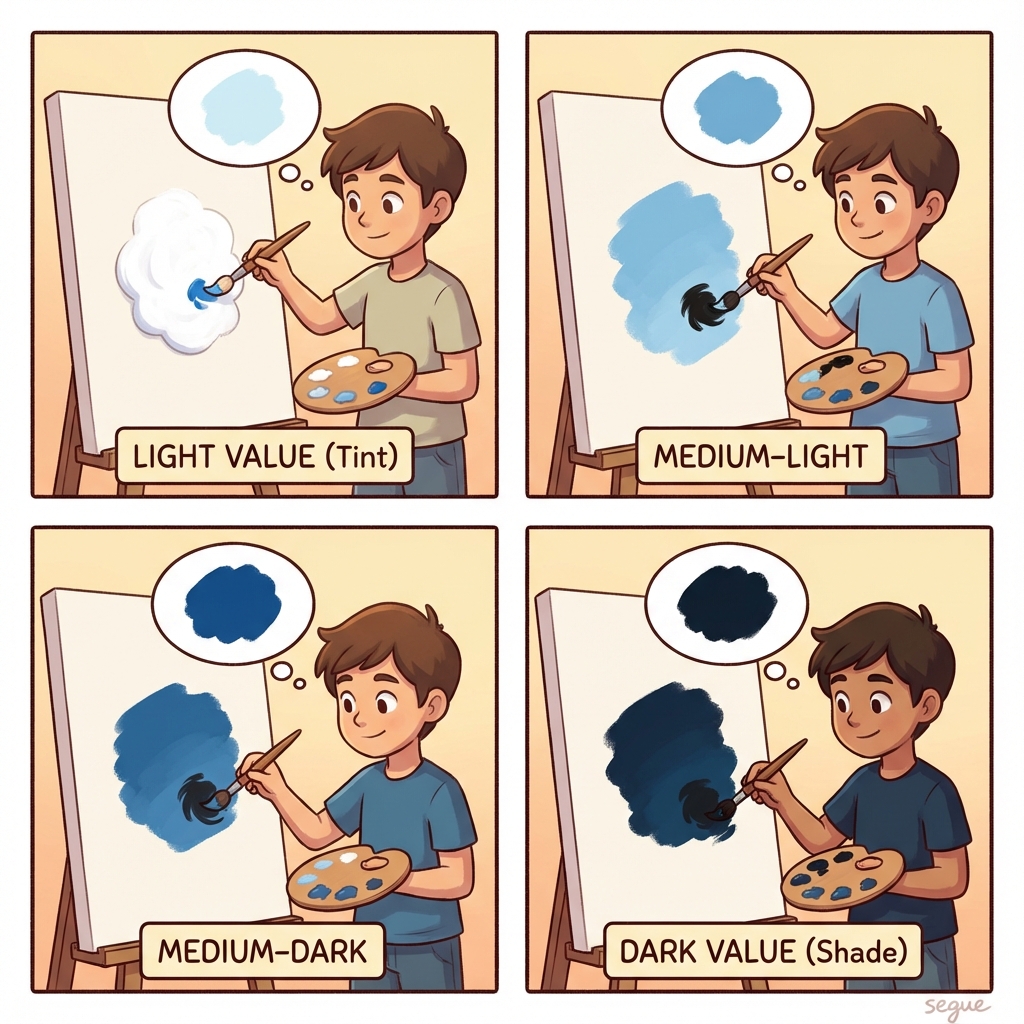
value
/ˈvæɫju/the lightness or darkness of a color
“Adjusting value creates depth and visual hierarchy.”
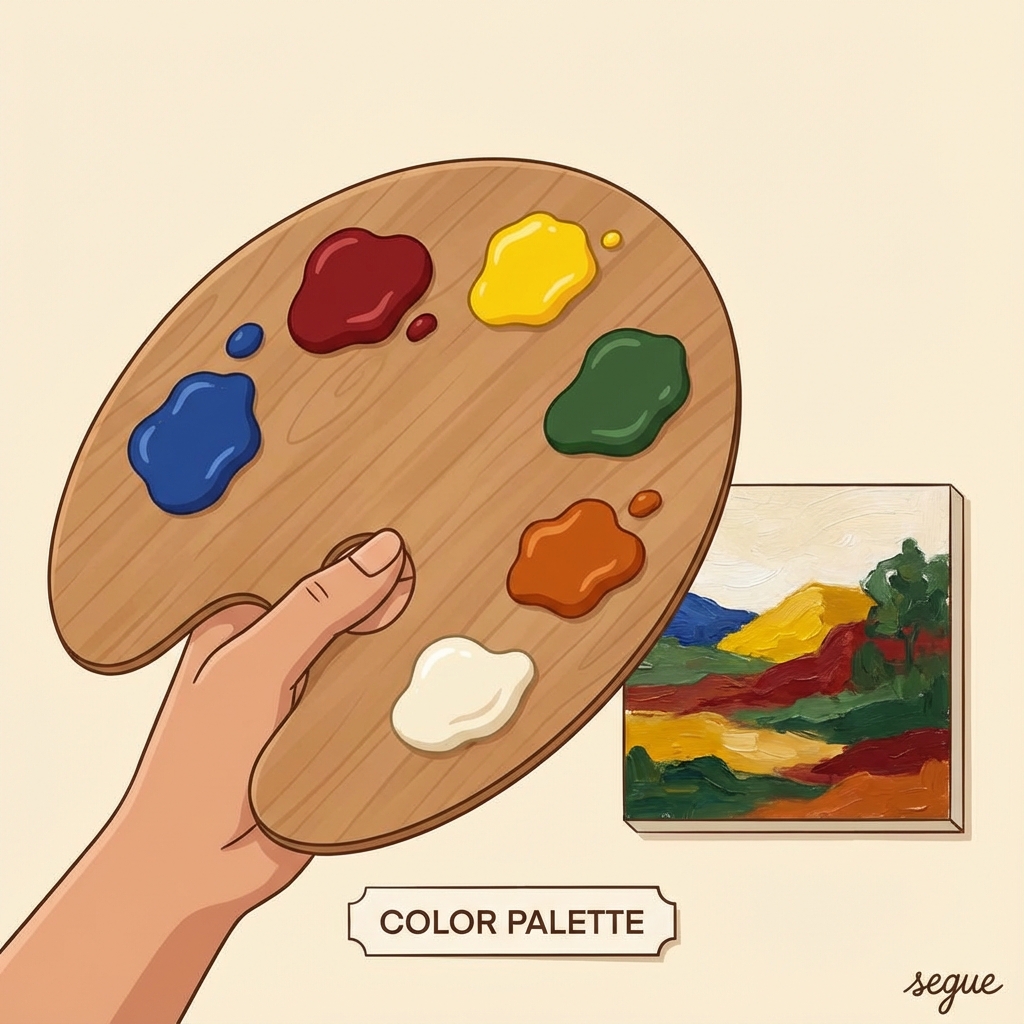
palette
/ˈpæɫət/the range of colors used in a design
“The brand palette consisted of navy, gold, and white.”
More from Design & UX
Explore other vocabulary categories in this collection.