Loading collection...
🎯
Cause & Origin Vocabulary
Words describing what initiates or produces effects
12 words
All 12 Words
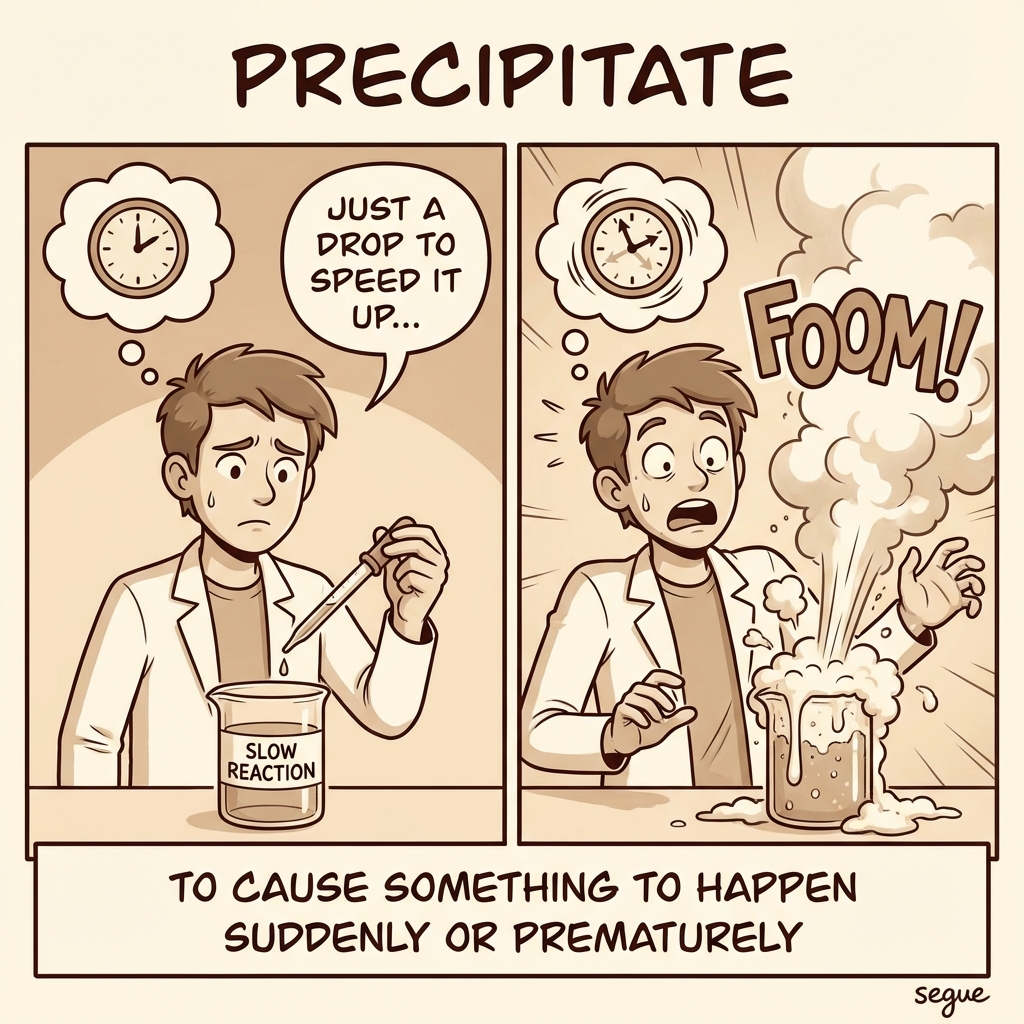
precipitate
/pɹɪˈsɪpɪˌteɪt/to cause something to happen suddenly or prematurely
“The assassination precipitated a world war.”
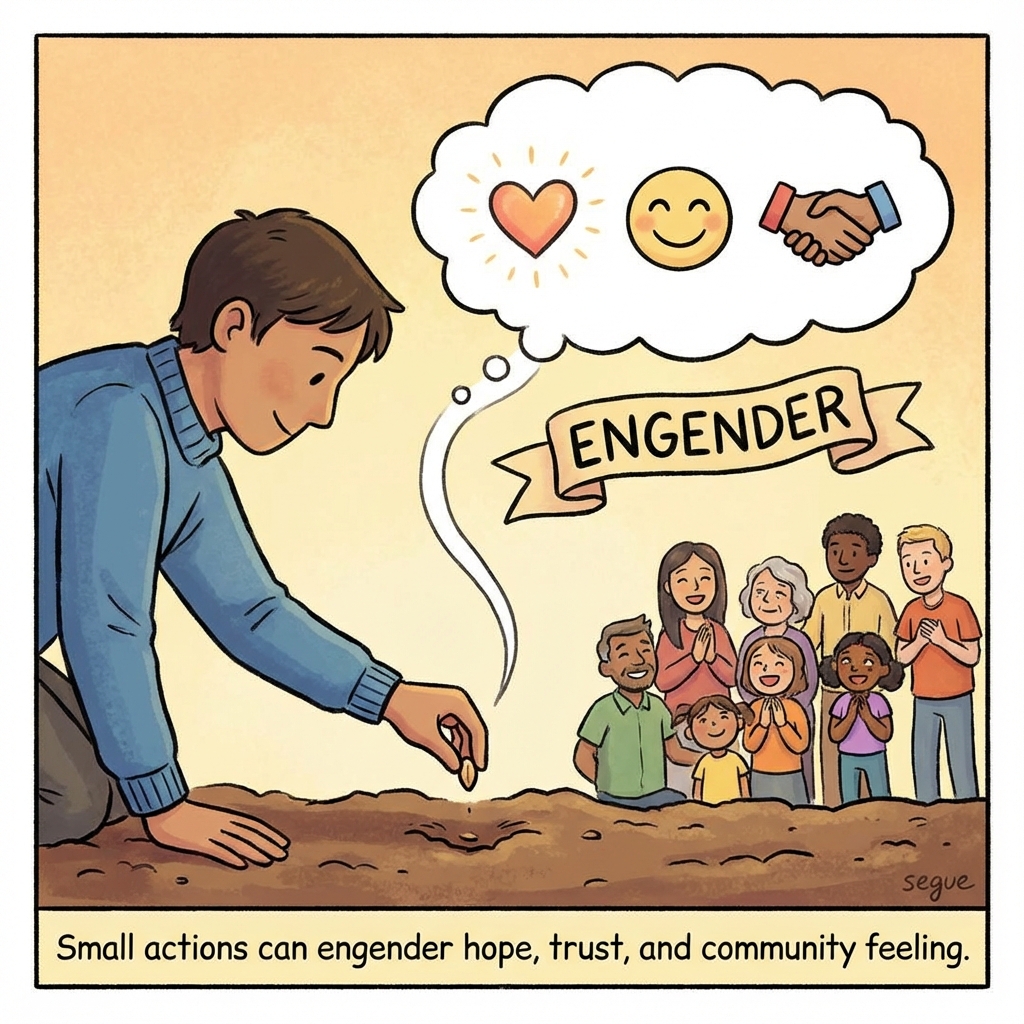
engender
/ɛnˈdʒɛndɝ/to cause or give rise to a feeling or situation
“The policy engendered widespread resentment.”

instigate
/ˈɪnstəˌɡeɪt/to bring about or initiate an action or event
“He was accused of instigating the riot.”
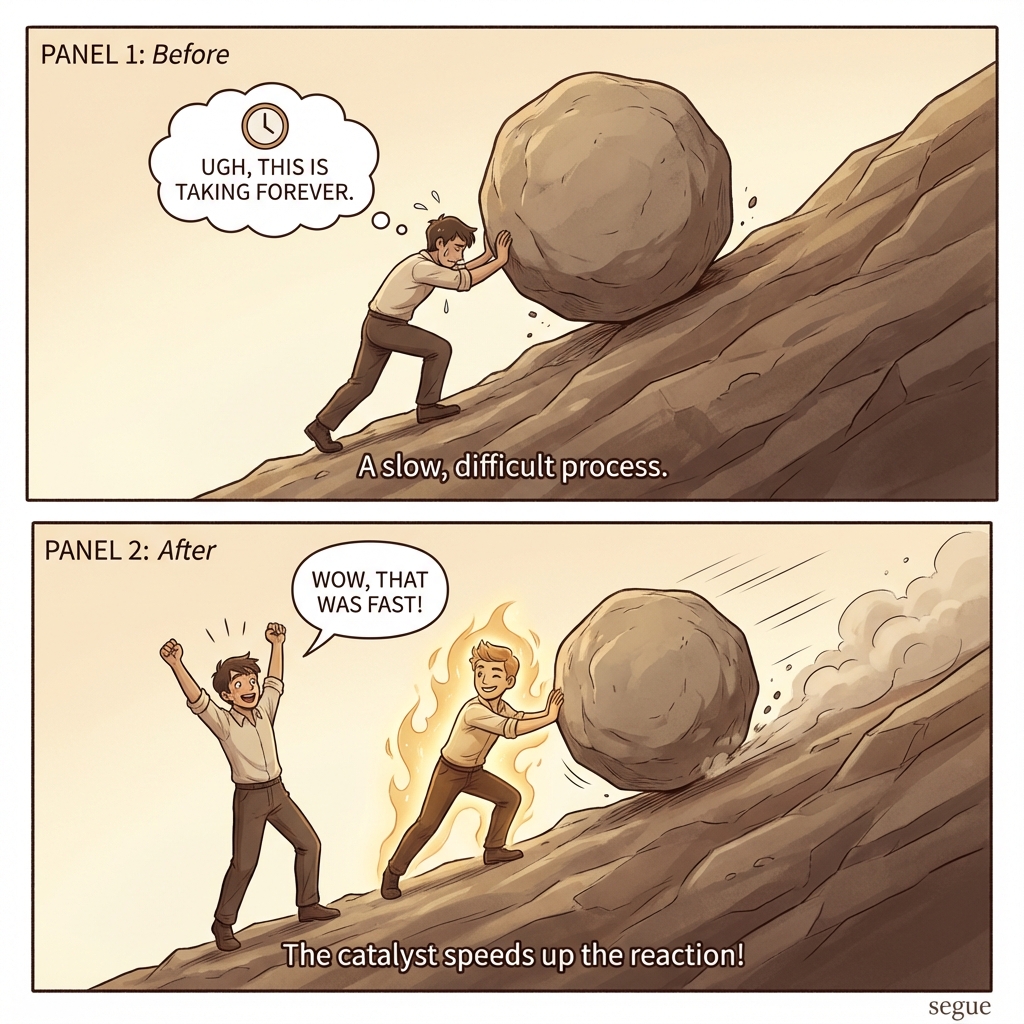
catalyze
/ˈkætəˌɫaɪz/to cause or accelerate a reaction or change
“The invention of the printing press catalyzed the spread of knowledge.”

provoke
/pɹəˈvoʊk/to stimulate or give rise to a reaction or emotion
“Her comments provoked outrage among supporters.”
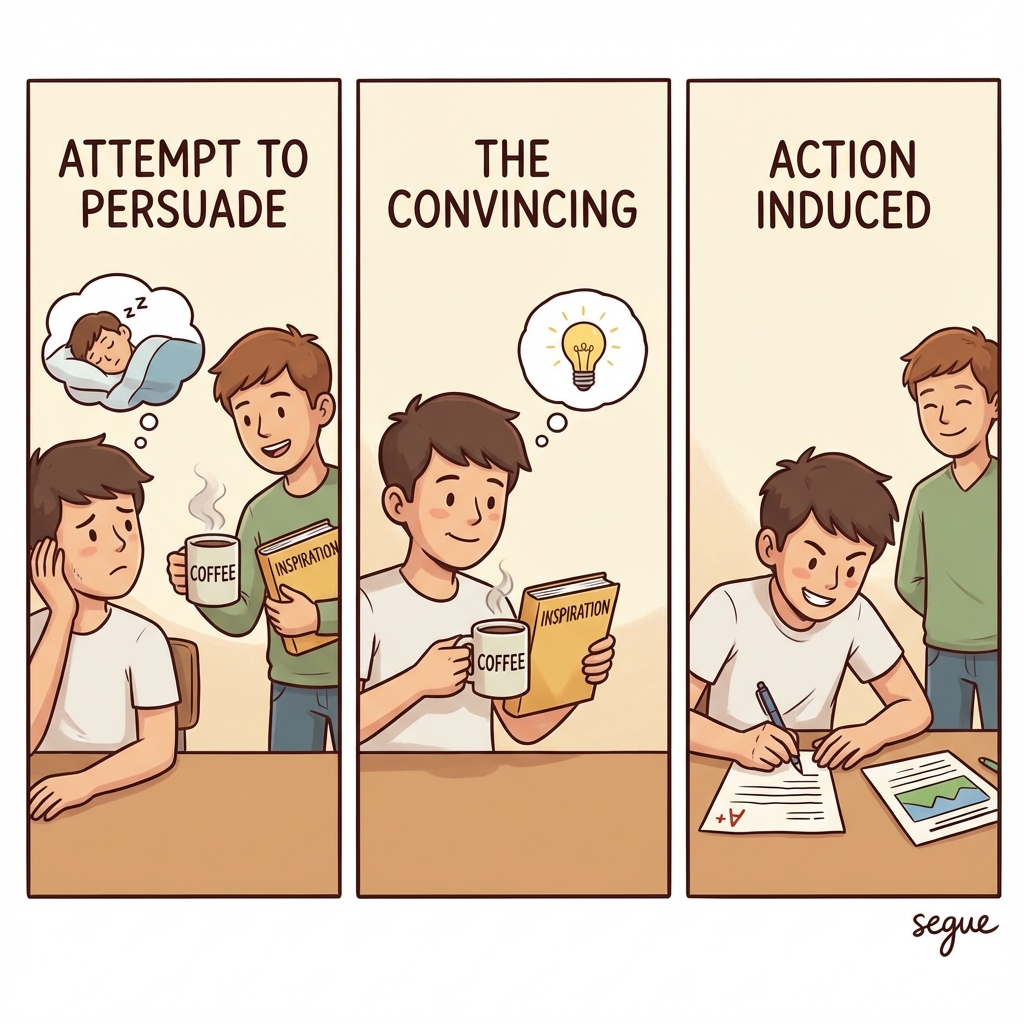
induce
/ˌɪnˈdus/to succeed in persuading or leading to a course of action
“What induced you to make such a risky investment?”
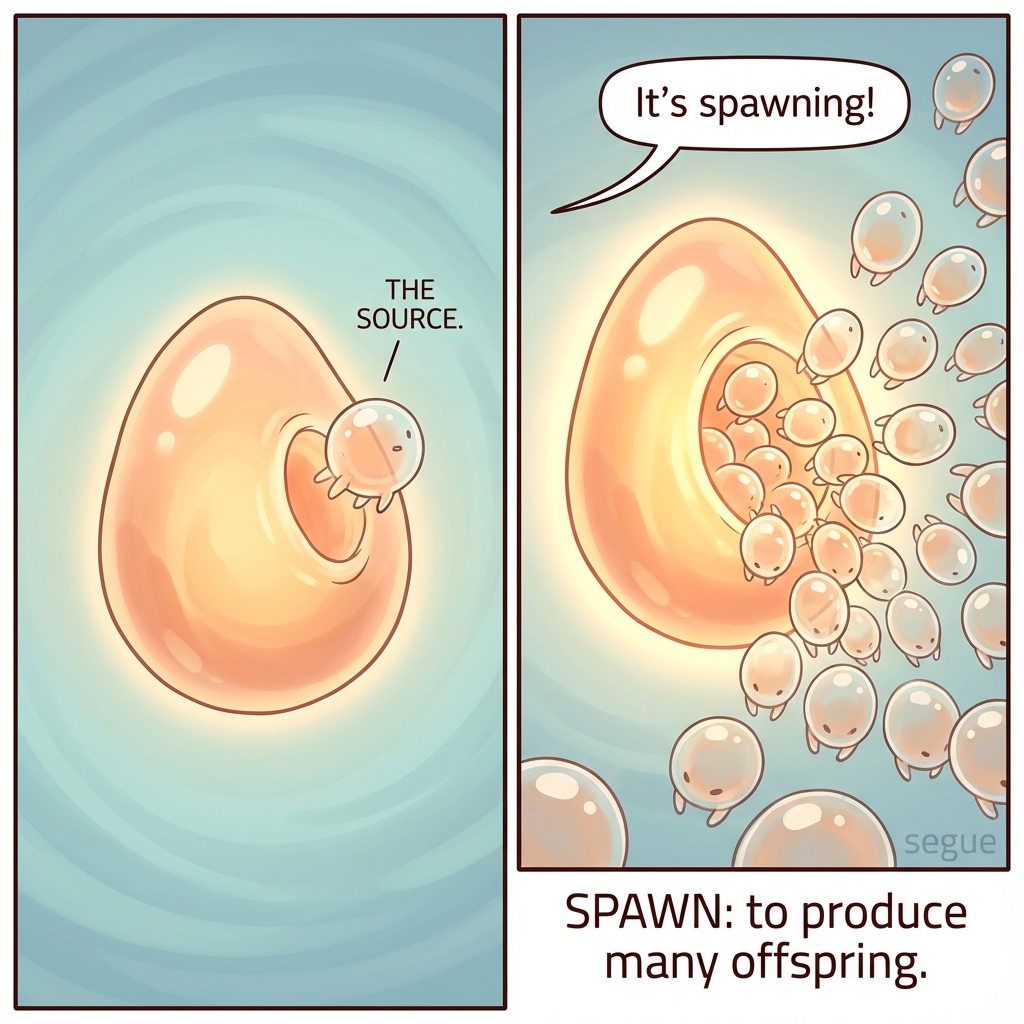
spawn
/ˈspɑn/to generate or produce, especially in large numbers
“The controversy spawned dozens of conspiracy theories.”
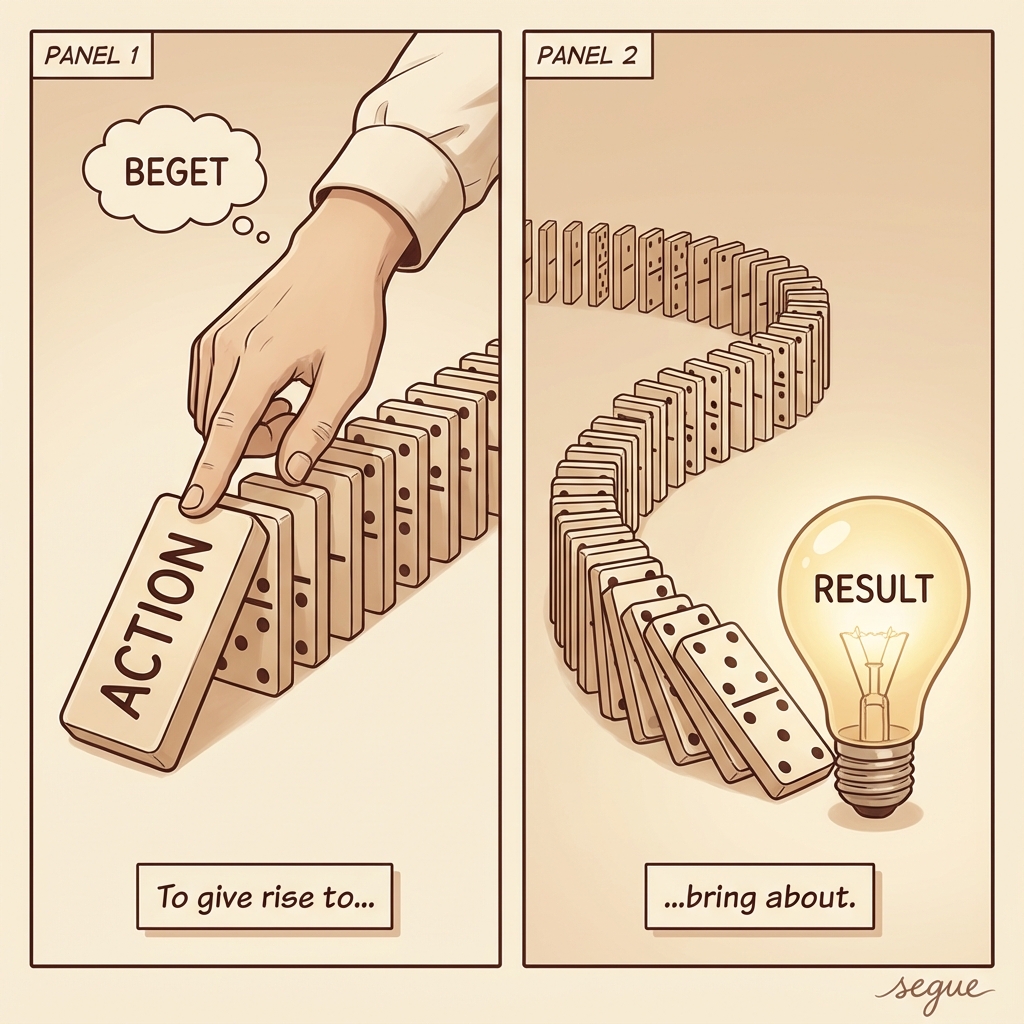
beget
/bɪˈɡɛt/to give rise to; bring about
“Violence begets violence in an endless cycle.”
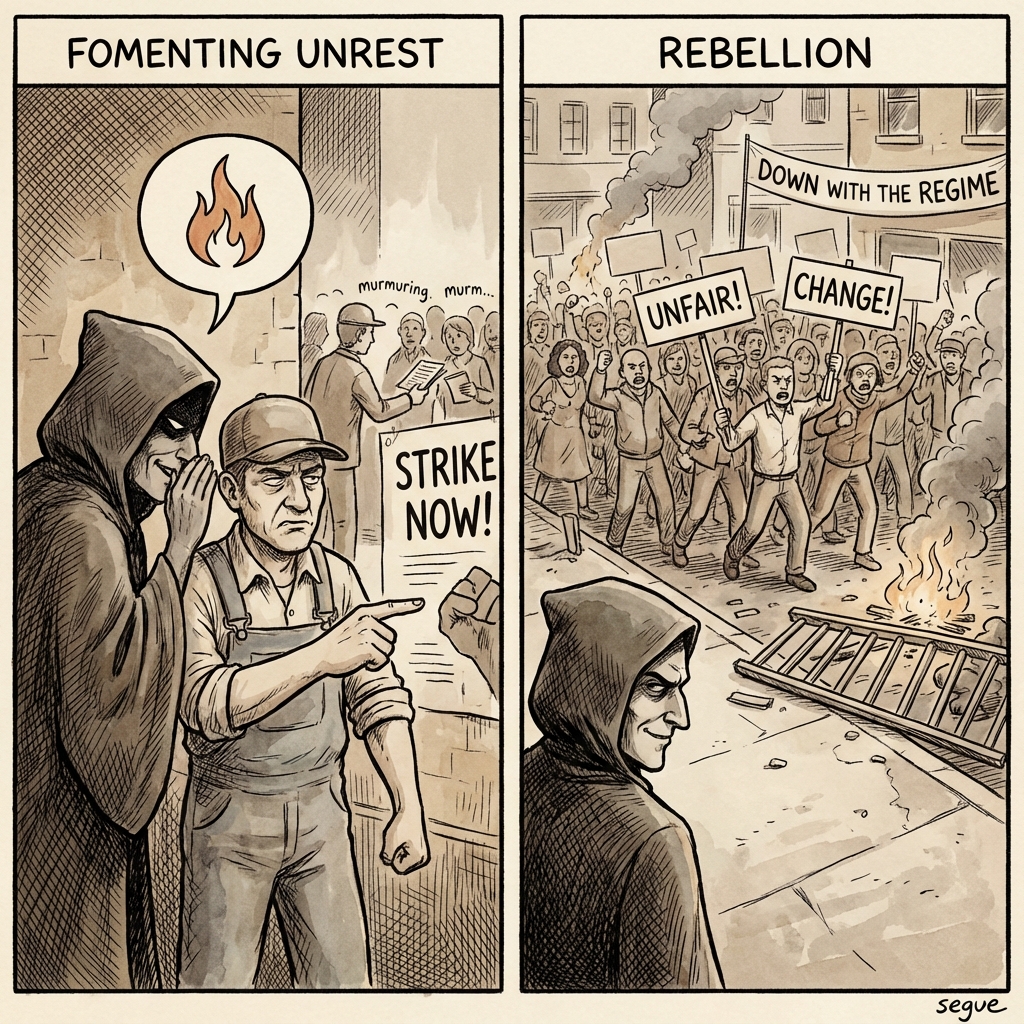
foment
/ˈfoʊmɛnt/to instigate or stir up unrest or rebellion
“Agitators were accused of fomenting discord.”
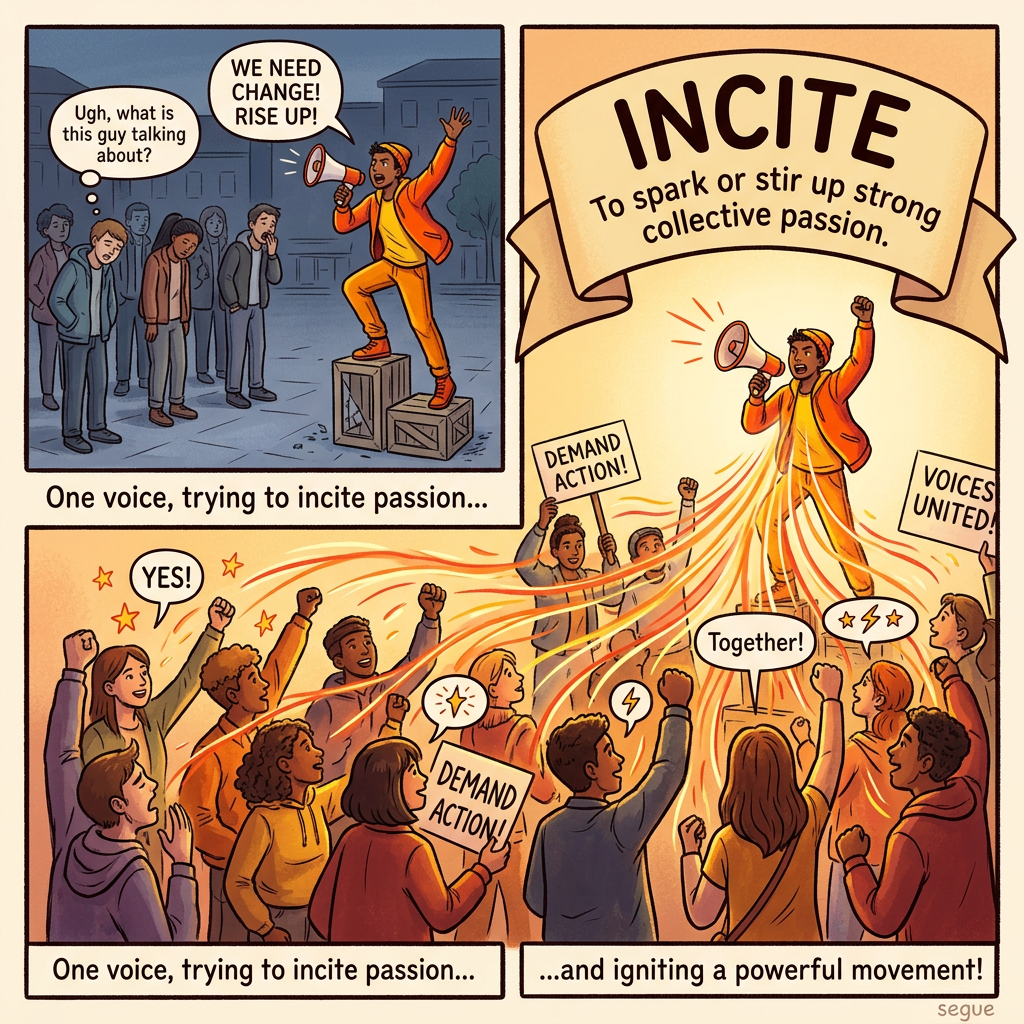
incite
/ˌɪnˈsaɪt/to encourage or stir up violent or unlawful behavior
“The speech was designed to incite hatred.”
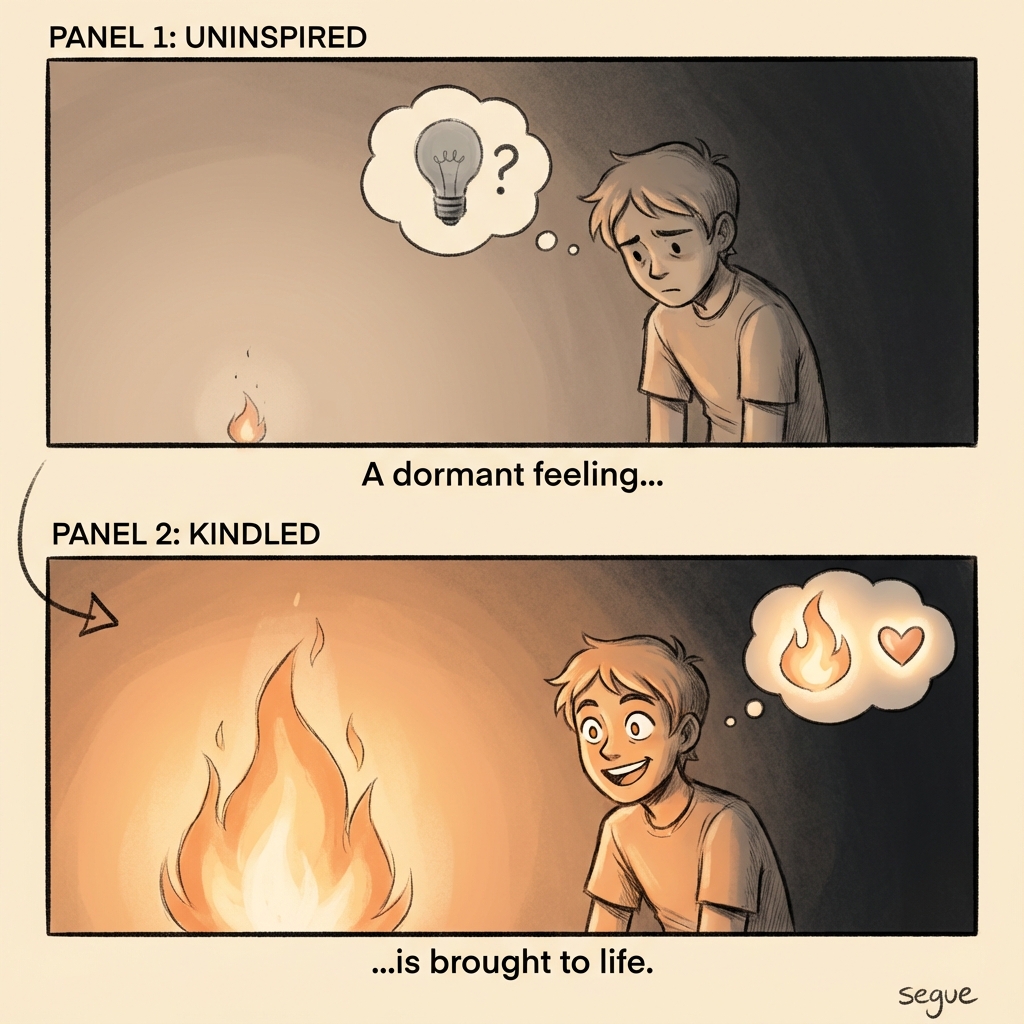
kindle
/ˈkɪndəɫ/to arouse or inspire an emotion or feeling
“The teacher kindled a love of learning in her students.”
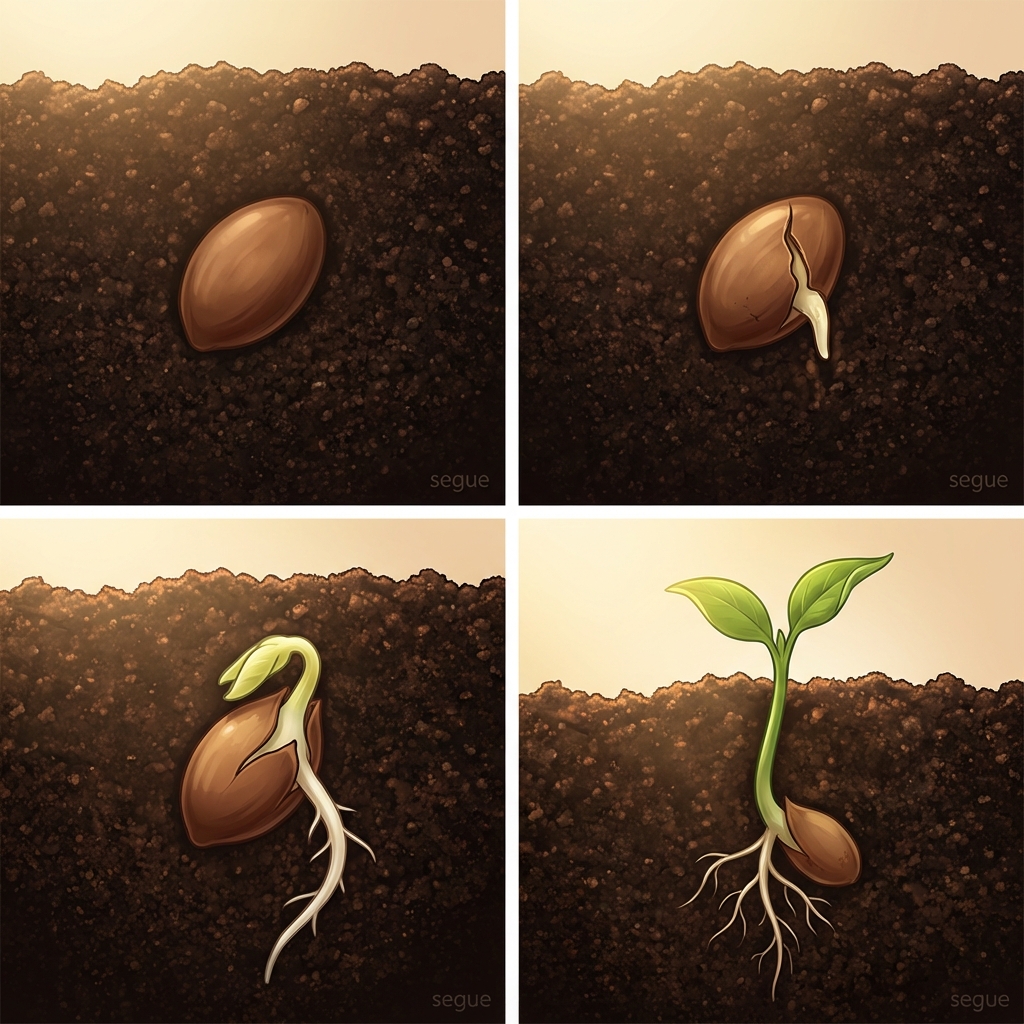
germinate
/ˈdʒɝməˌneɪt/to begin to grow or develop
“The idea germinated during a late-night conversation.”
More from Logic & Reasoning
Explore other vocabulary categories in this collection.