Loading collection...
🏃
Athletic Performance Vocabulary
Terms for physical ability and training
10 words
All 10 Words
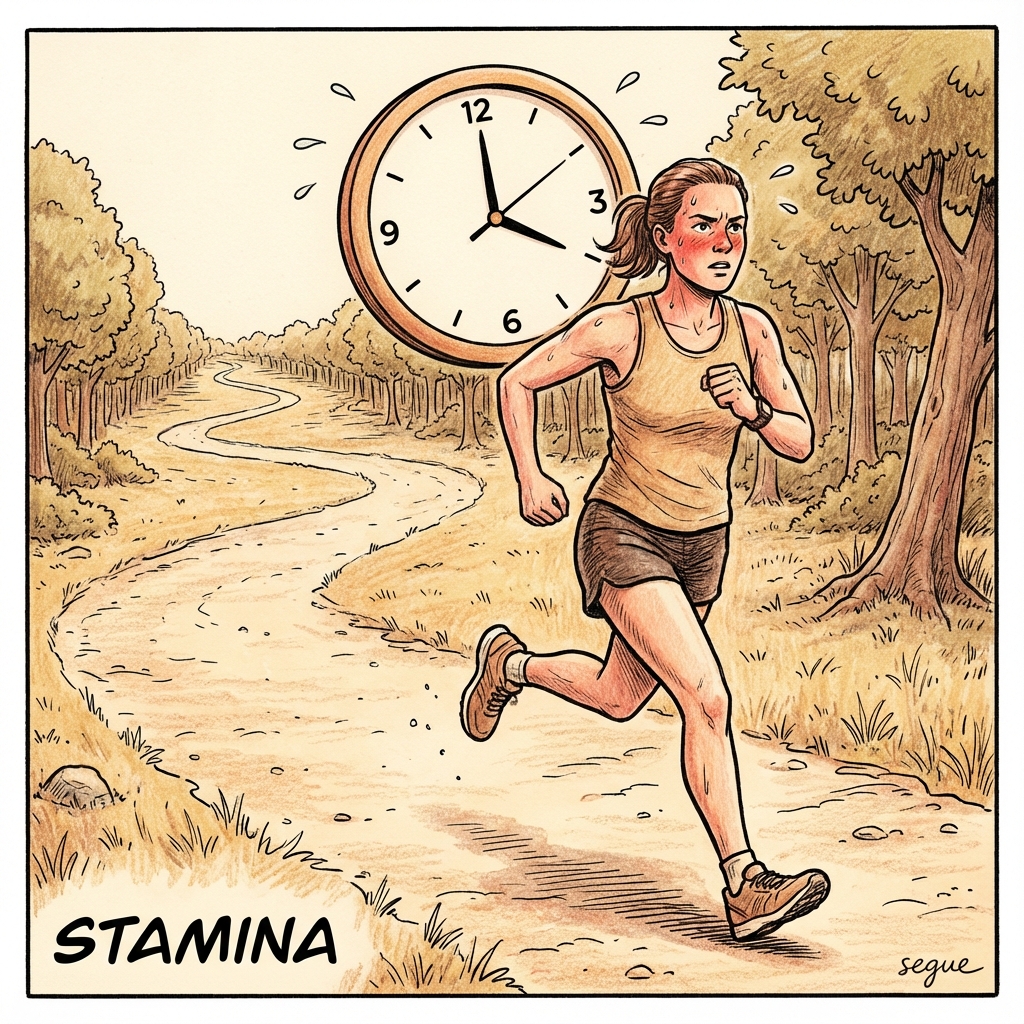
stamina
/ˈstæmənə/the ability to sustain prolonged physical or mental effort
“Marathon runners need exceptional stamina.”
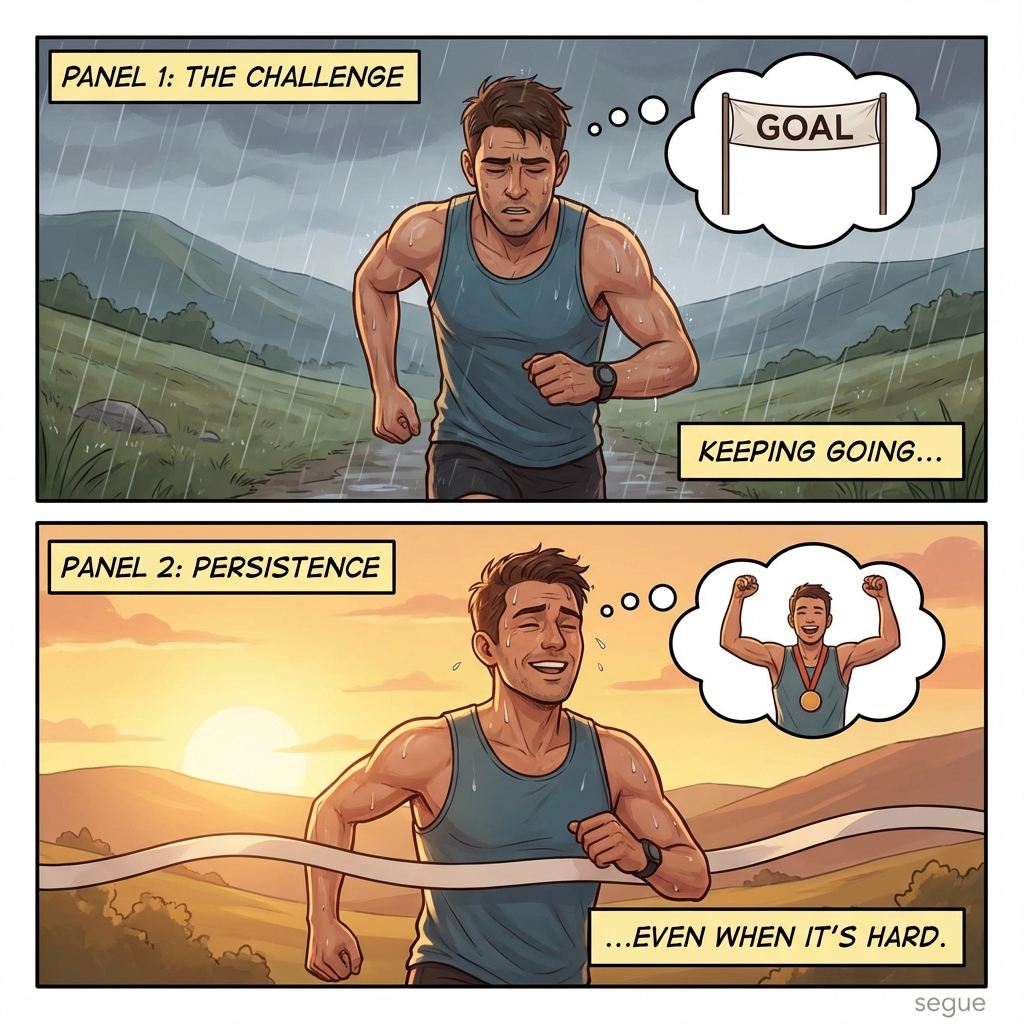
endurance
/ˈɛndɝəns/the capacity to withstand hardship or exertion over time
“The triathlon tests endurance across three disciplines.”
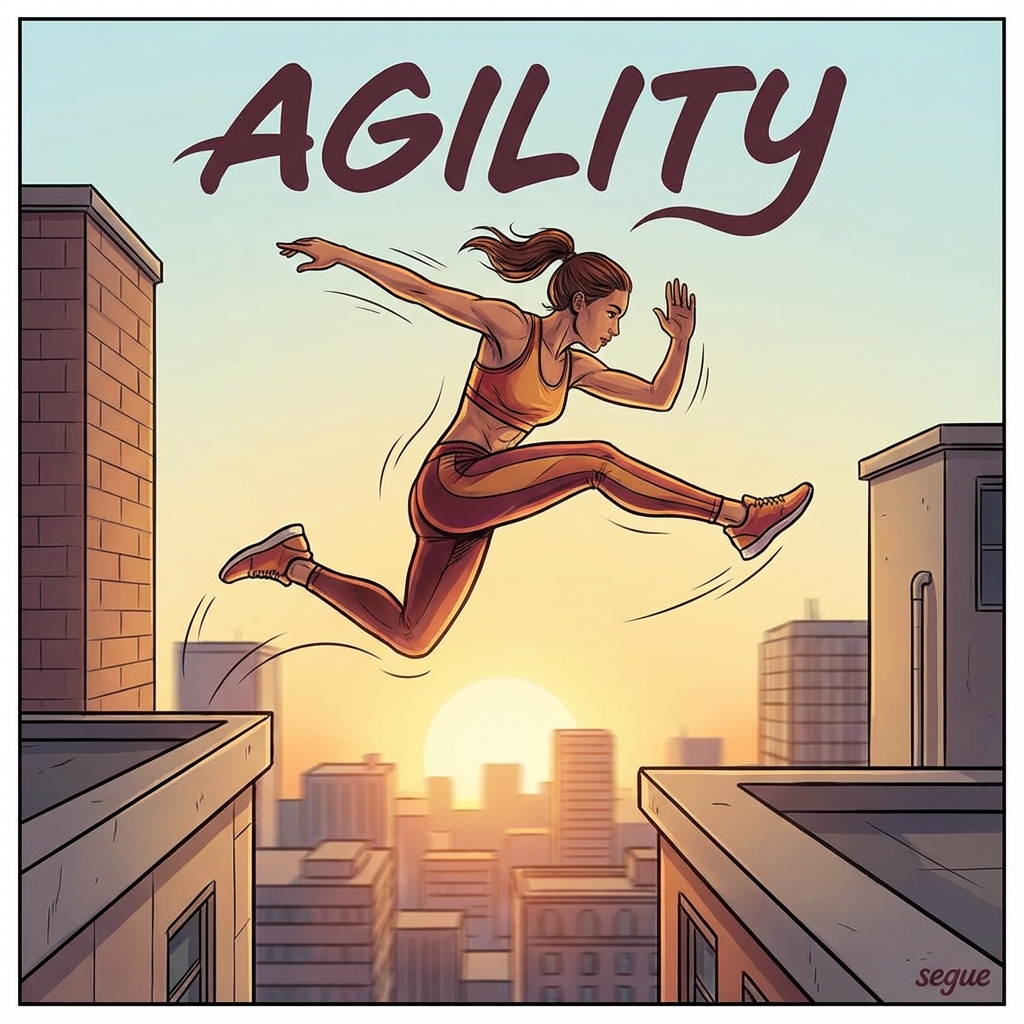
agility
/əˈdʒɪɫəti/the ability to move quickly and easily
“Soccer requires both speed and agility.”

dexterity
/dɛkˈstɛɹəti/skill in performing tasks with the hands or body
“The goalkeeper's dexterity saved the match.”

prowess
/ˈpɹaʊəs/exceptional skill or ability, especially in battle or sport
“His athletic prowess earned him a scholarship.”
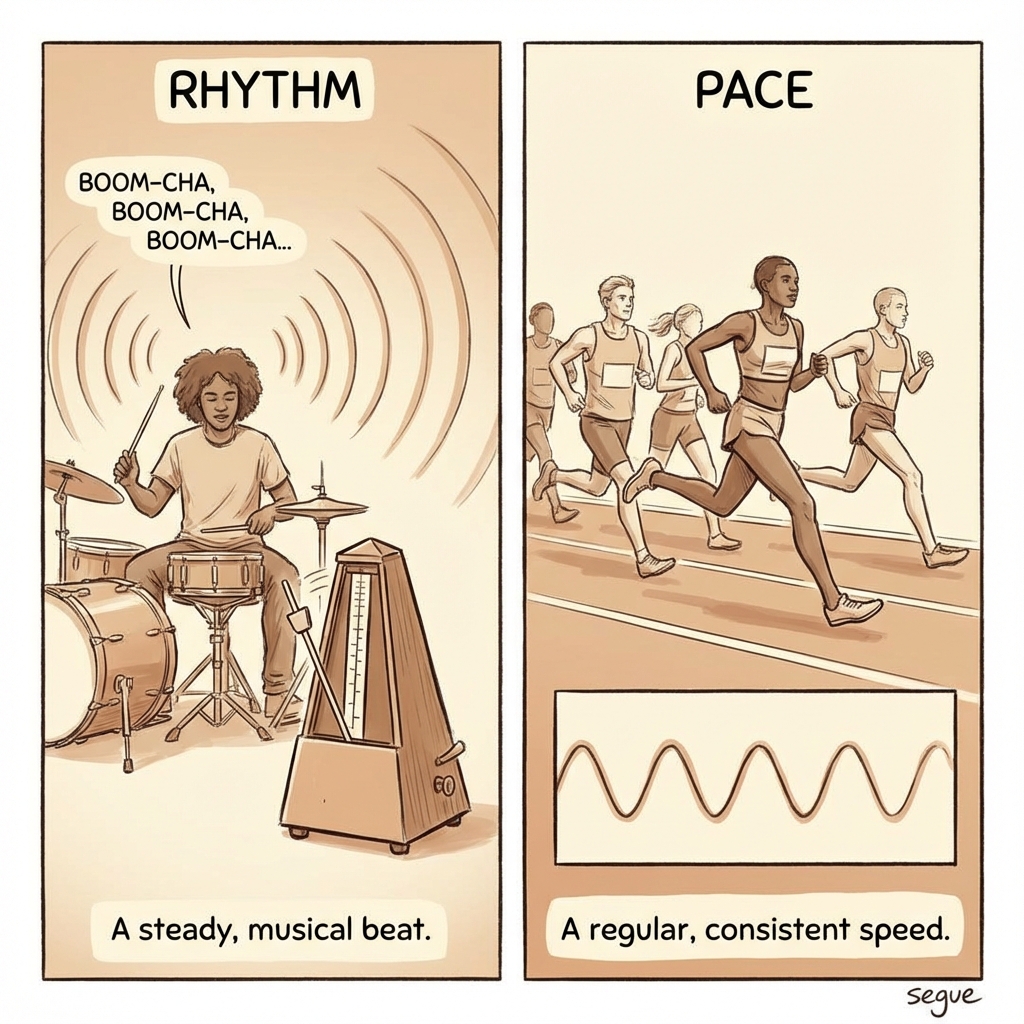
cadence
/ˈkeɪdəns/the rhythm or pace of movement or activity
“The cyclist maintained a steady cadence uphill.”
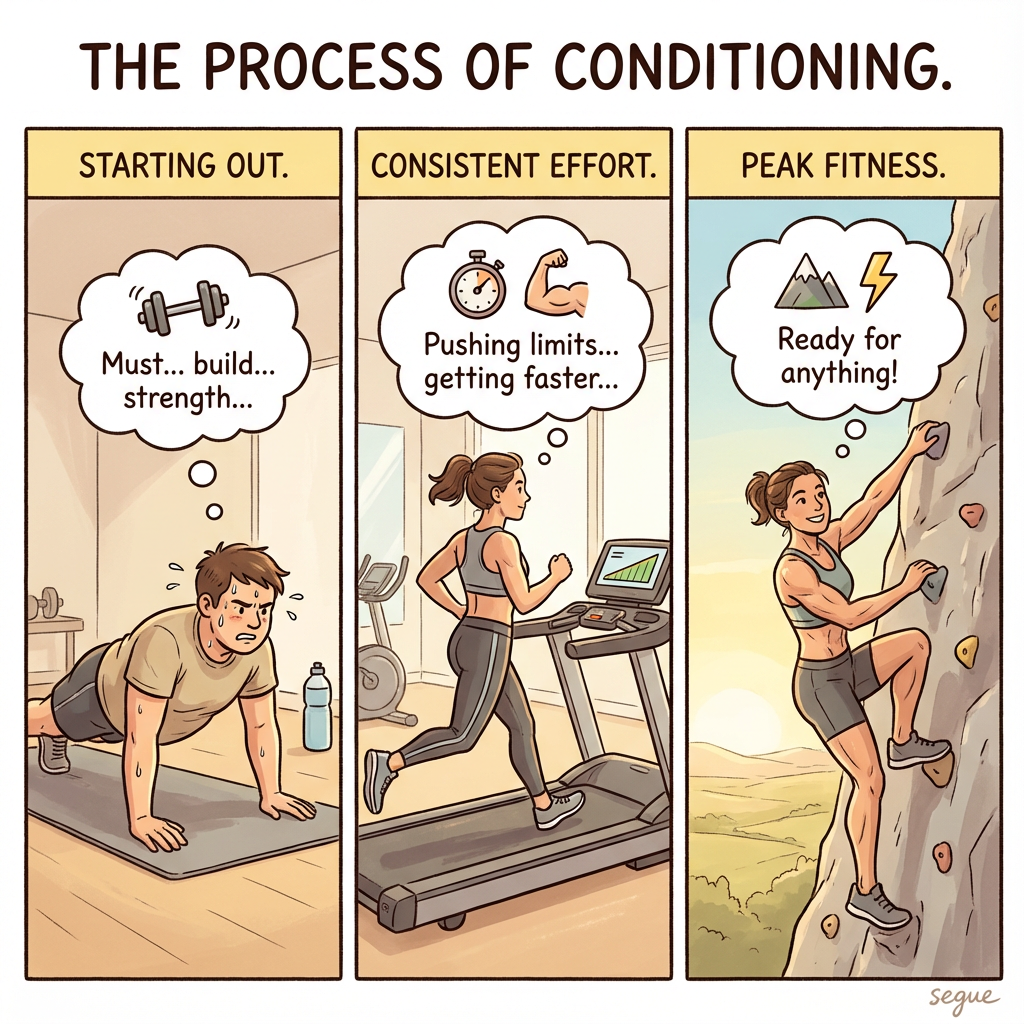
conditioning
/kənˈdɪʃənɪŋ/the process of training to achieve peak physical fitness
“Pre-season conditioning prepares athletes for competition.”
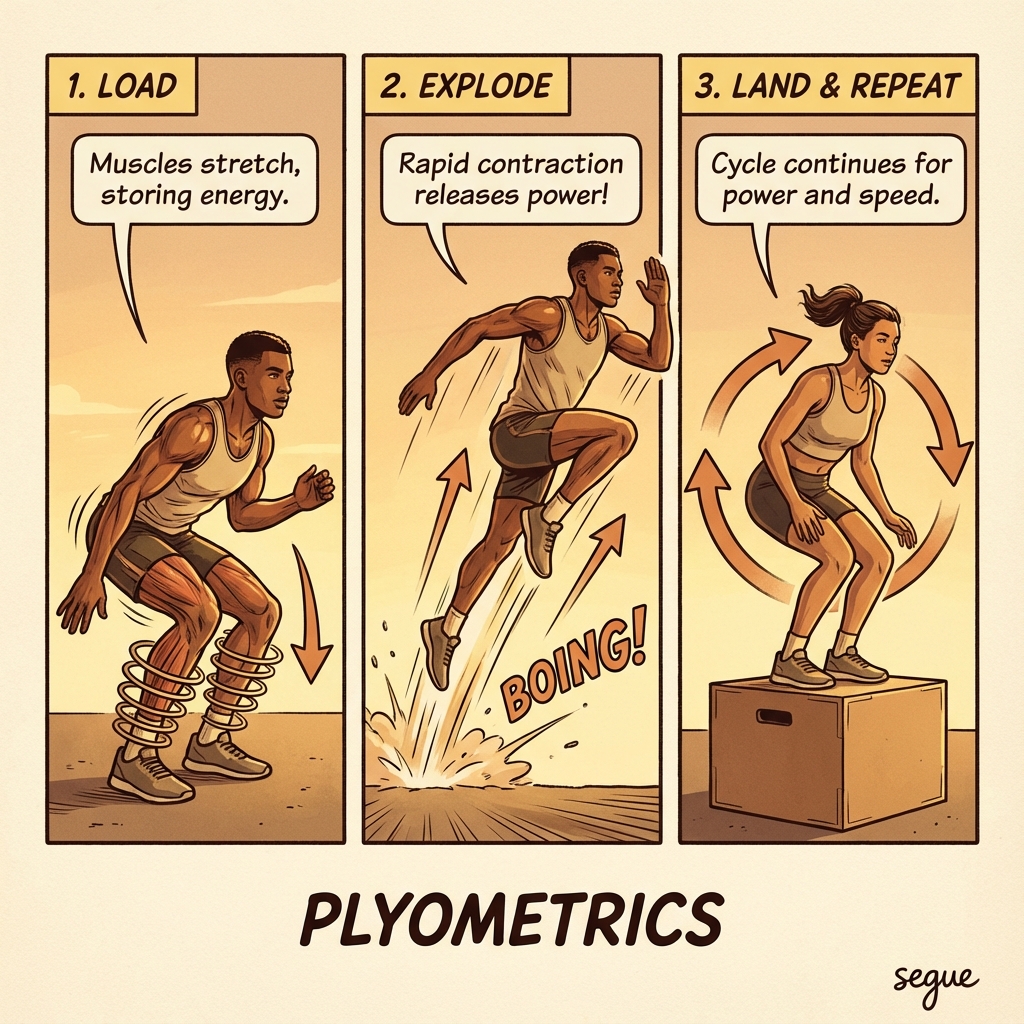
plyometrics
/ˌplaɪəˈmetrɪks/exercises involving rapid stretching and contracting of muscles
“Plyometrics improve explosive power for jumping.”
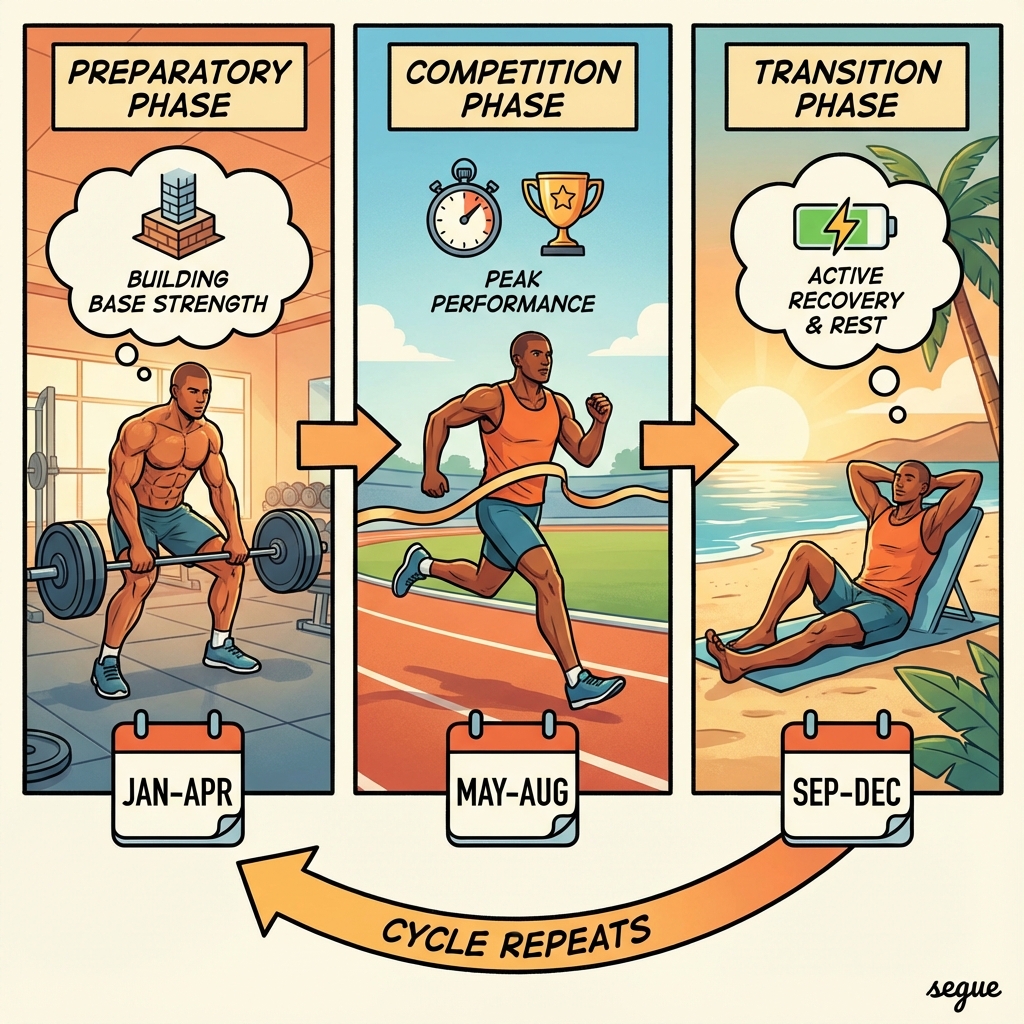
periodization
/ˌpɪəriədaɪˈzeɪʃən/systematic planning of athletic training in cycles
“Periodization prevents overtraining and peaks performance.”
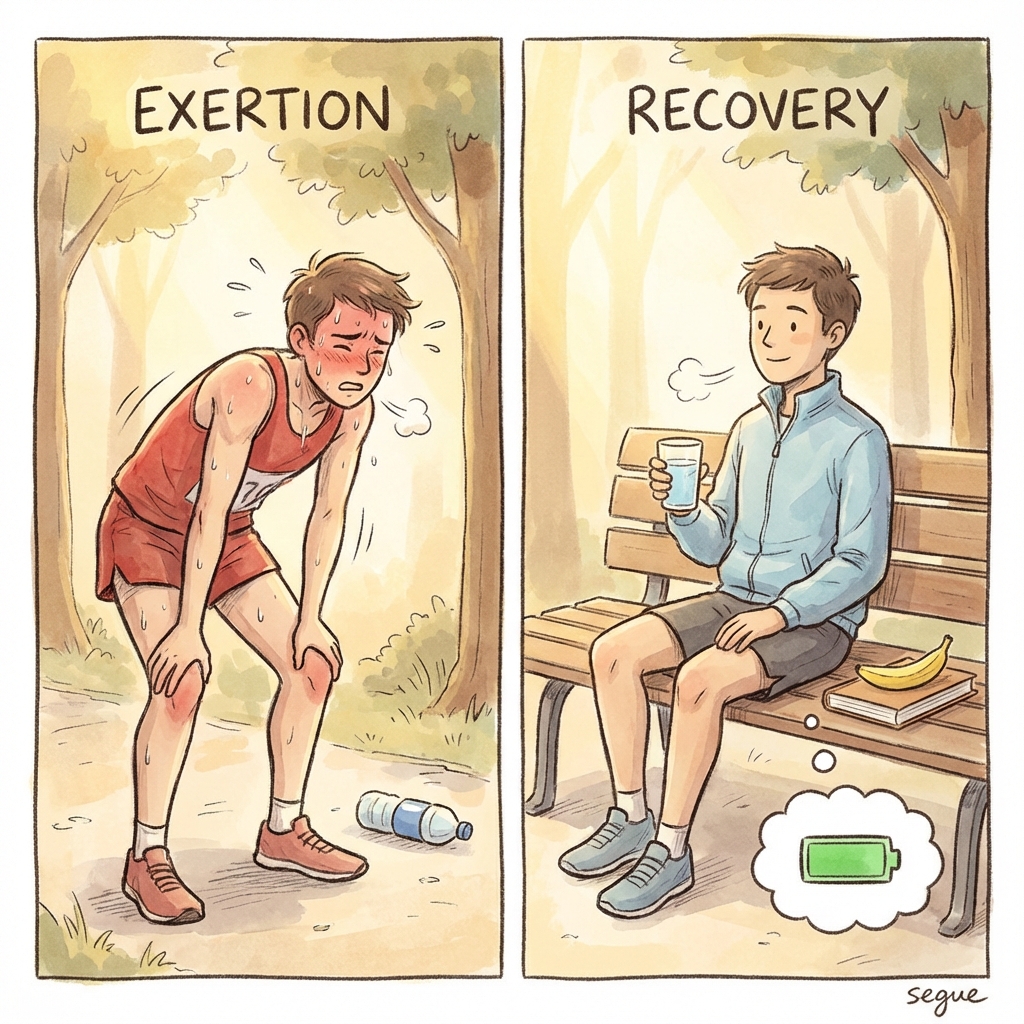
recovery
/ɹɪˈkəvɝi/the process of returning to normal condition after exertion
“Active recovery helps reduce muscle soreness.”
More from Lifestyle & Sports
Explore other vocabulary categories in this collection.