Loading collection...
🤖
AI & Machine Learning Vocabulary
Artificial intelligence and machine learning terminology
22 words
All 22 Words
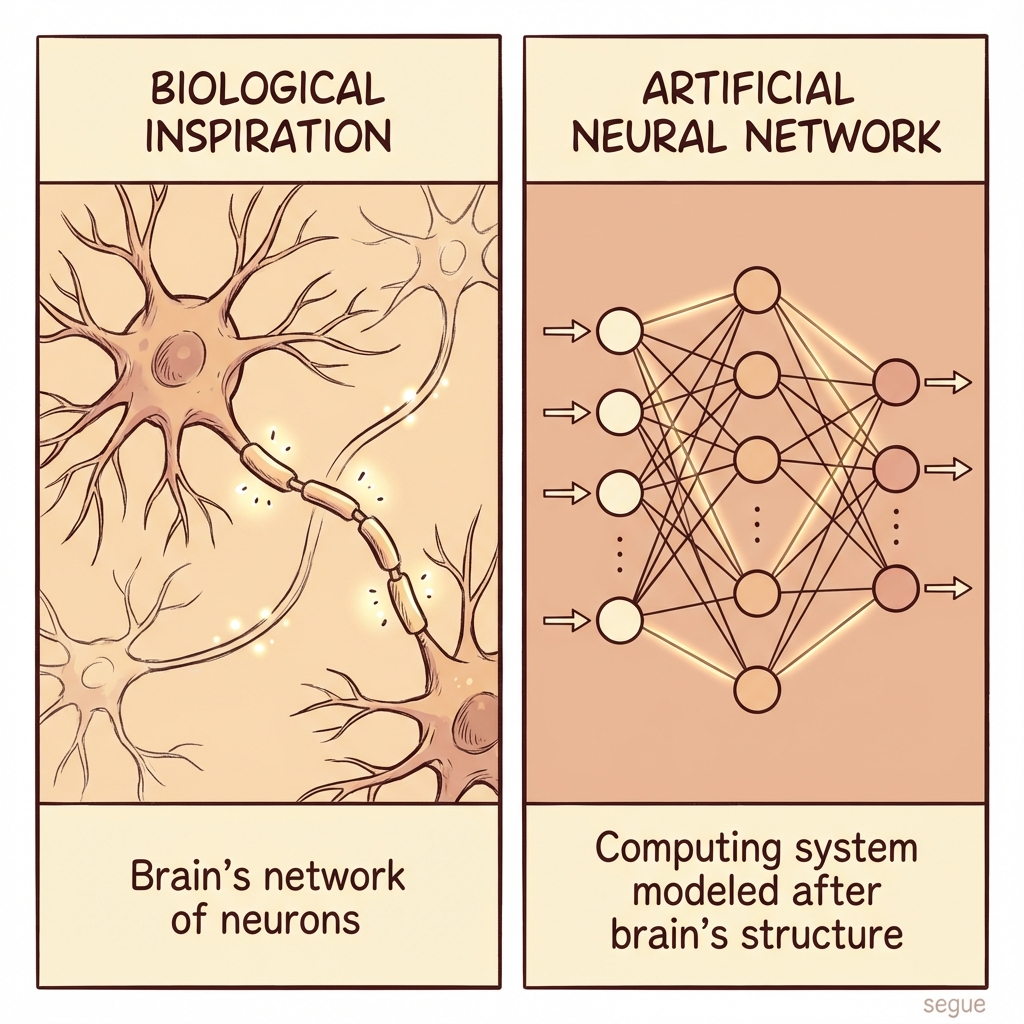
neural network
/ˌnjʊərəl ˈnetwɜːrk/A computing system inspired by biological neural networks
“The neural network learned to recognize faces with remarkable accuracy.”
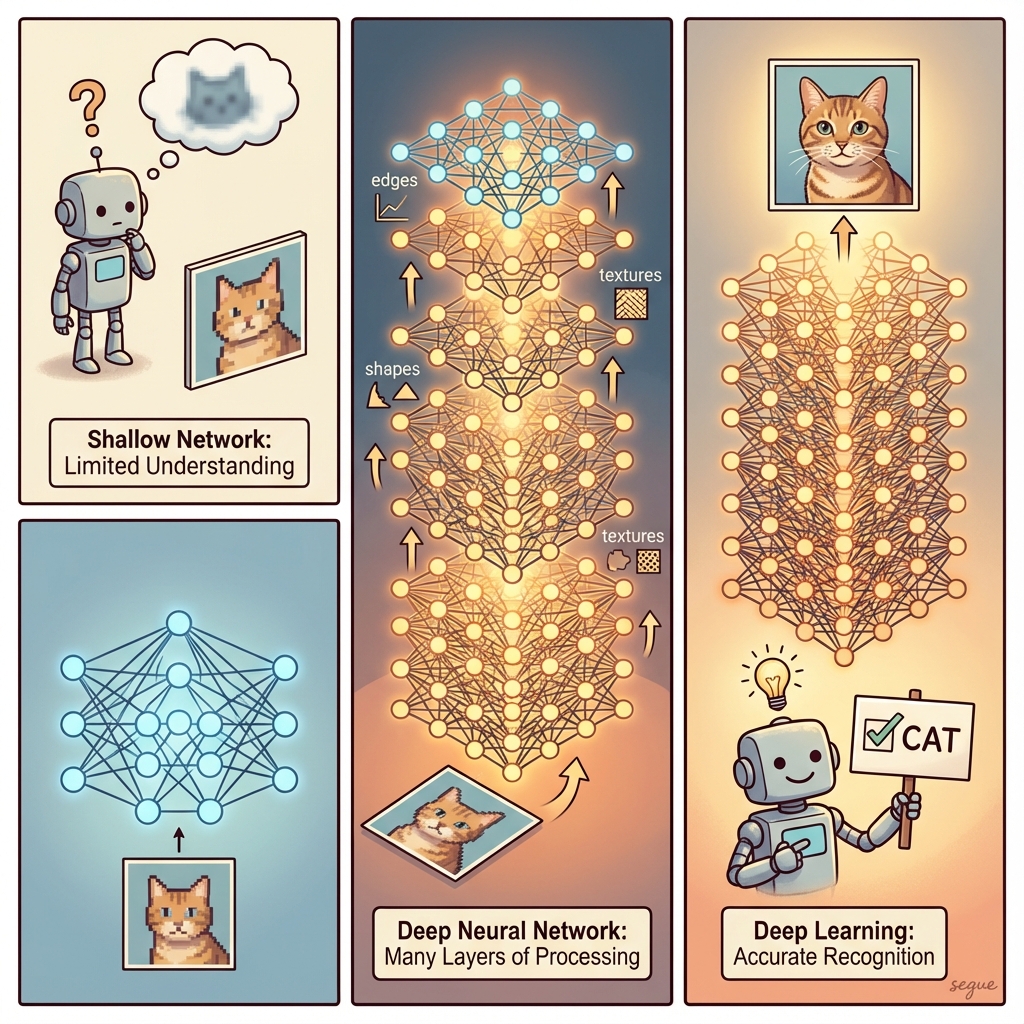
deep learning
/ˌdiːp ˈlɜːrnɪŋ/Machine learning using neural networks with many layers
“Deep learning revolutionized image recognition and natural language processing.”
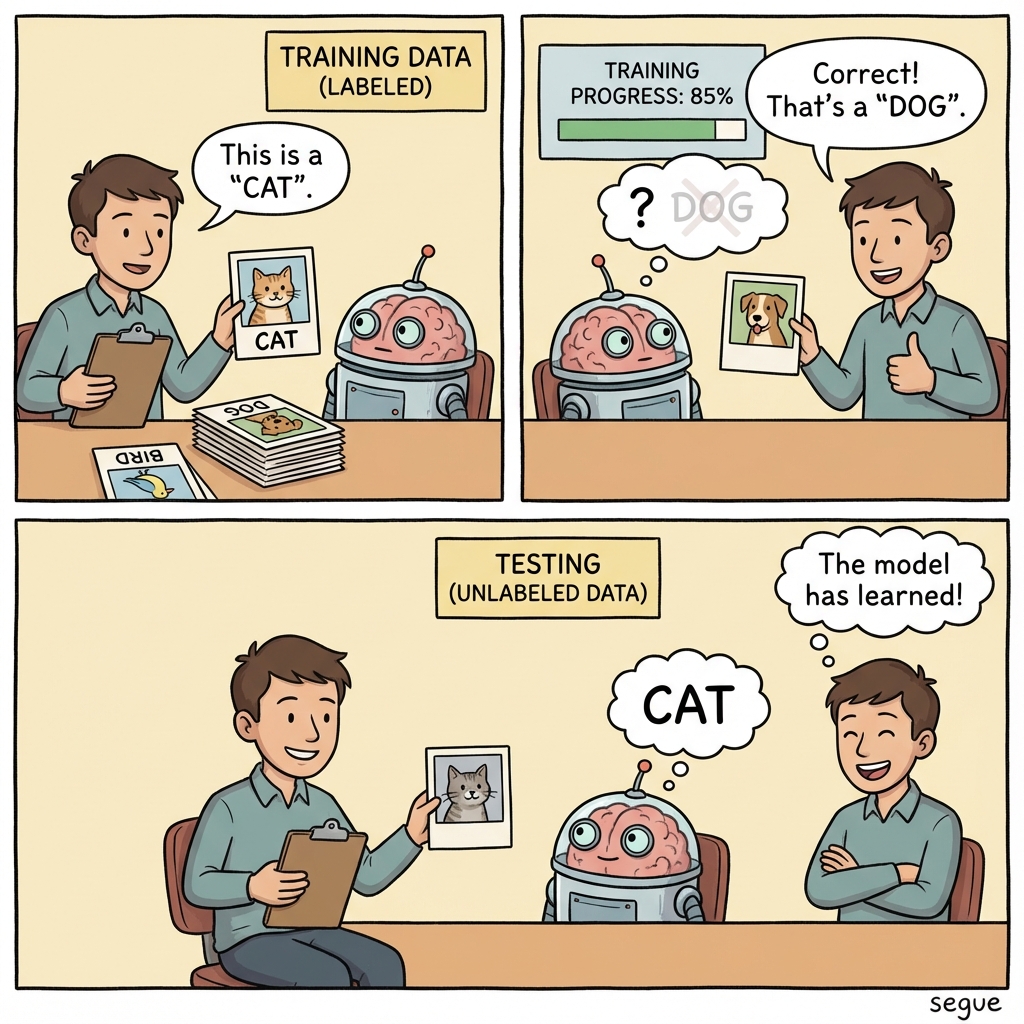
supervised learning
/ˌsuːpərˌvaɪzd ˈlɜːrnɪŋ/Training a model on labeled data with known outputs
“Supervised learning requires a dataset with correct answers for each example.”
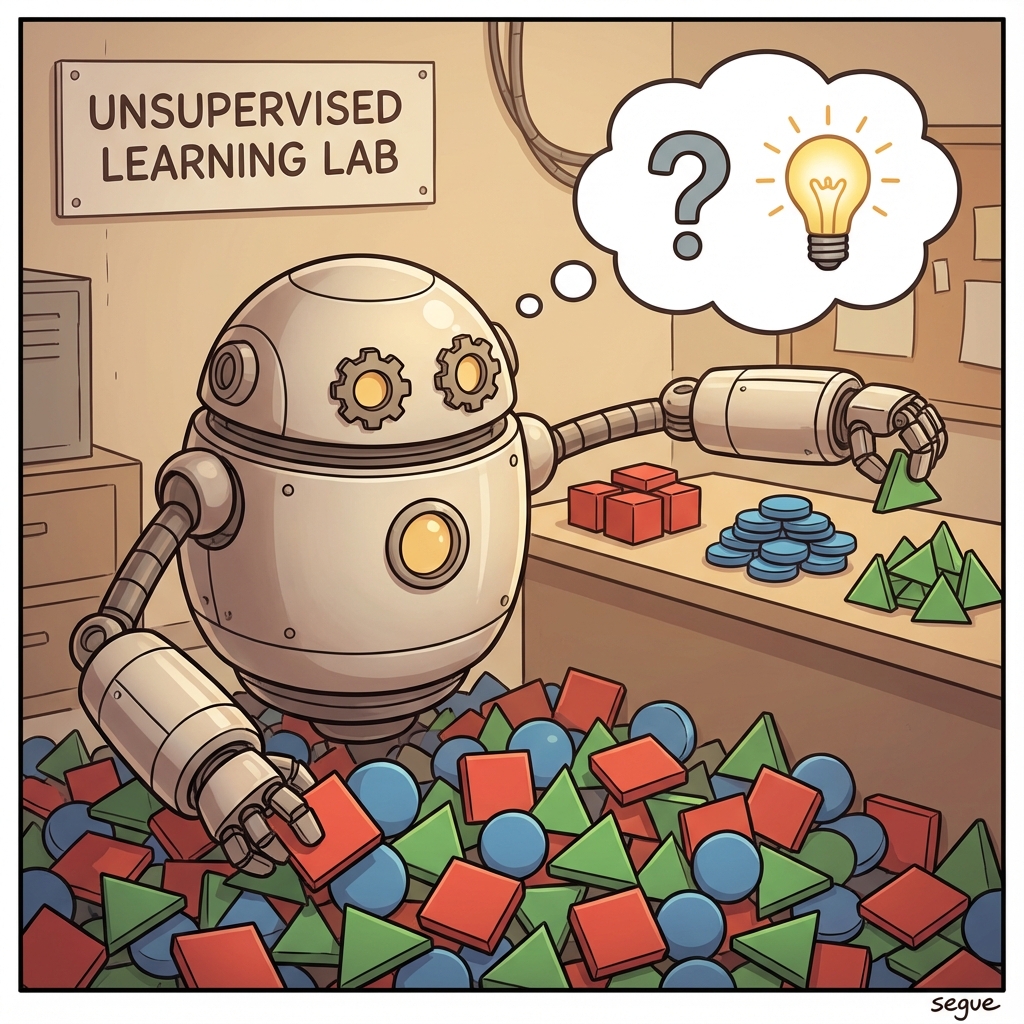
unsupervised learning
/ˌʌnˌsuːpərˌvaɪzd ˈlɜːrnɪŋ/Finding patterns in data without labeled examples
“Unsupervised learning discovered customer segments we hadn't considered.”
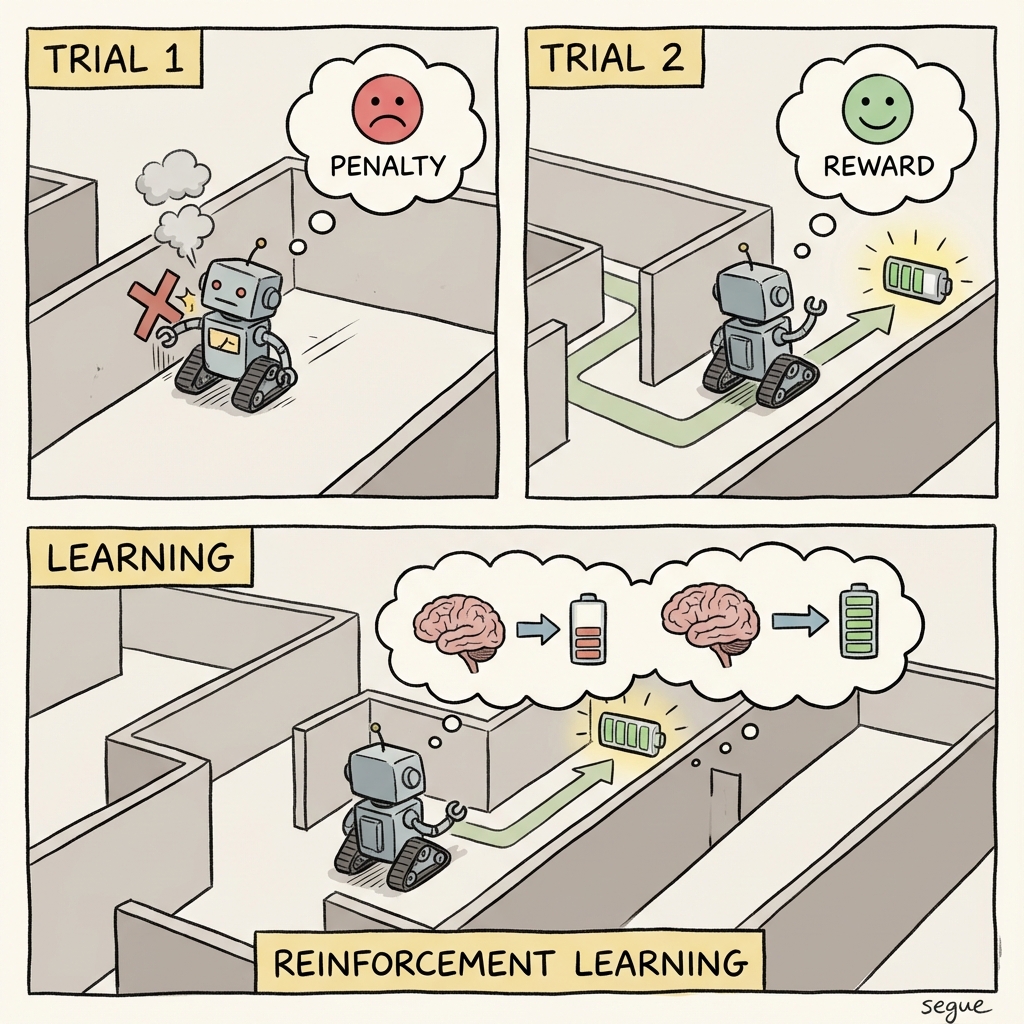
reinforcement learning
/ˌriːɪnˈfɔːrsmənt ˌlɜːrnɪŋ/Learning through trial and error with rewards and penalties
“Reinforcement learning enabled the AI to master complex games.”
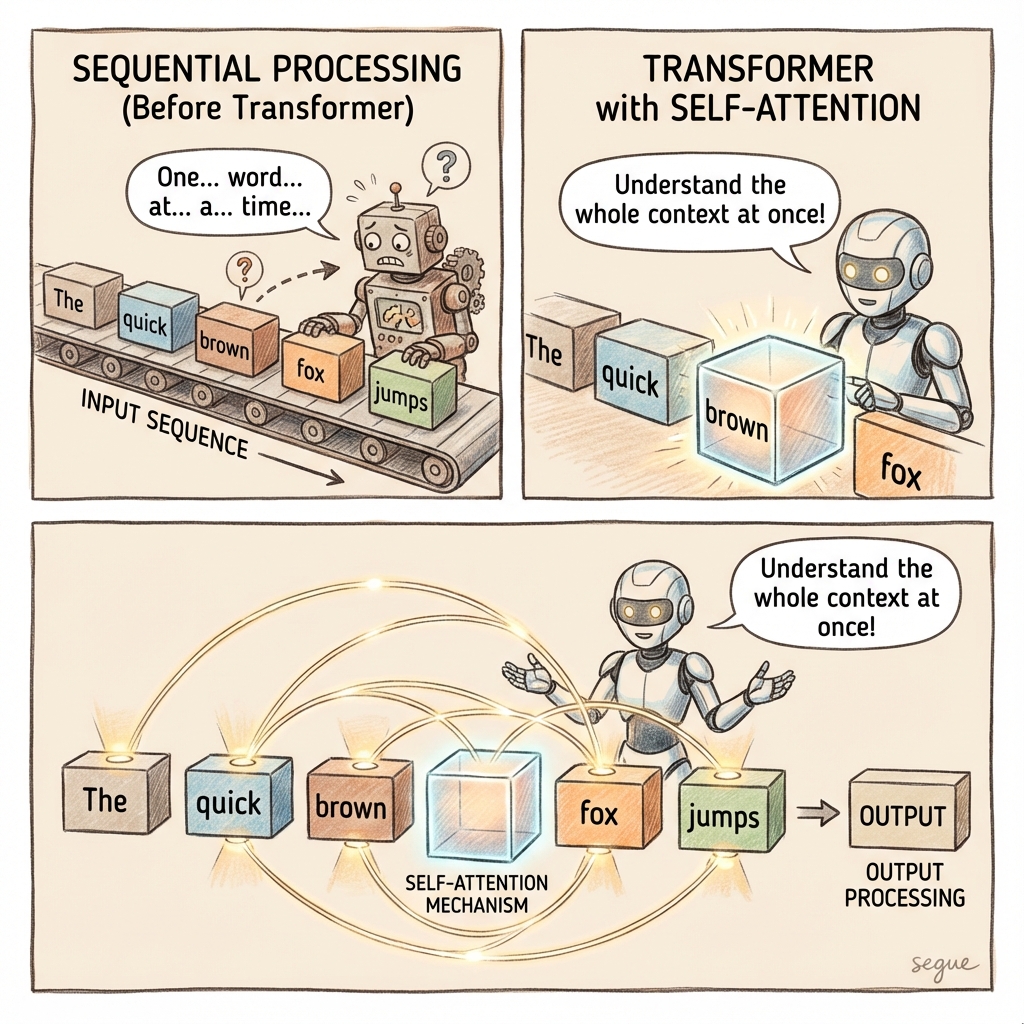
transformer
/tɹænsˈfɔɹmɝ/A neural network architecture using self-attention mechanisms
“Transformer models like GPT have transformed natural language processing.”
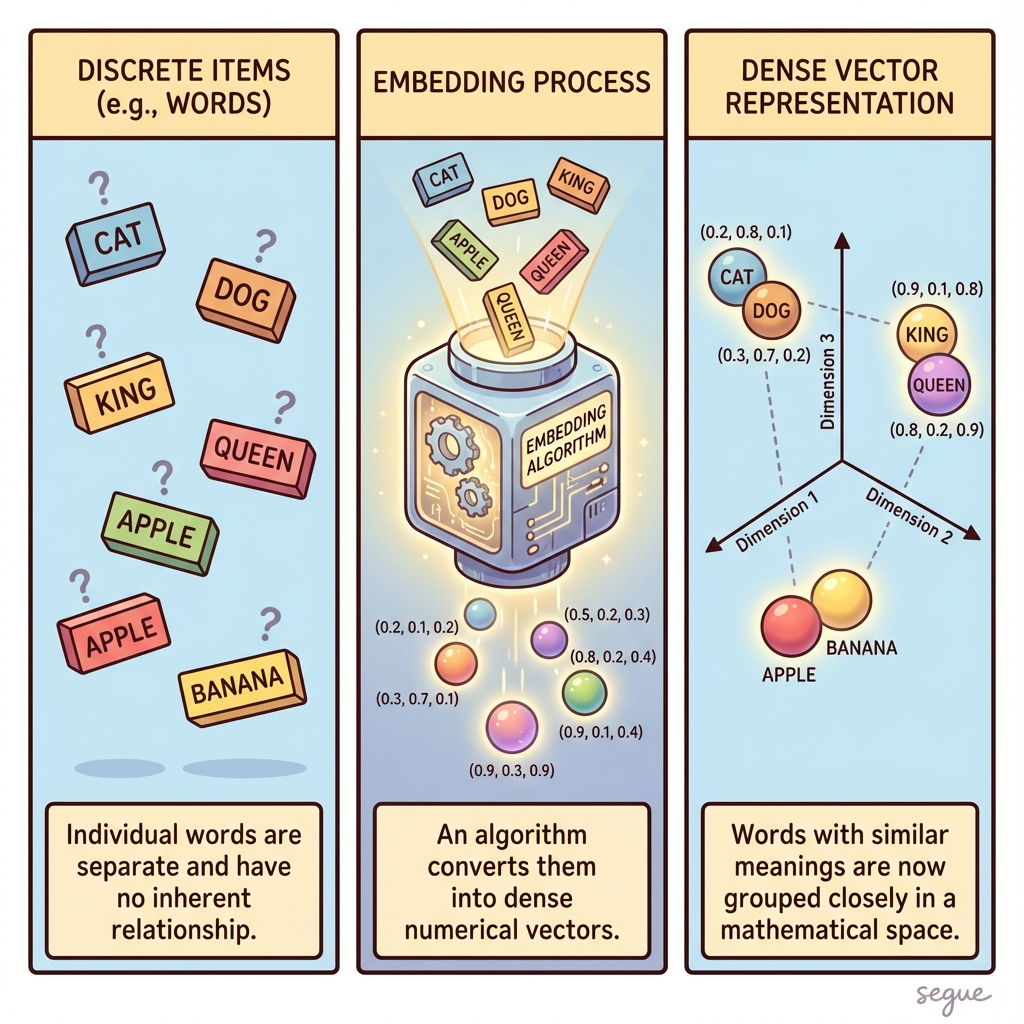
embedding
/ɛmˈbɛdɪŋ/A dense vector representation of data in continuous space
“Word embeddings capture semantic relationships between terms.”
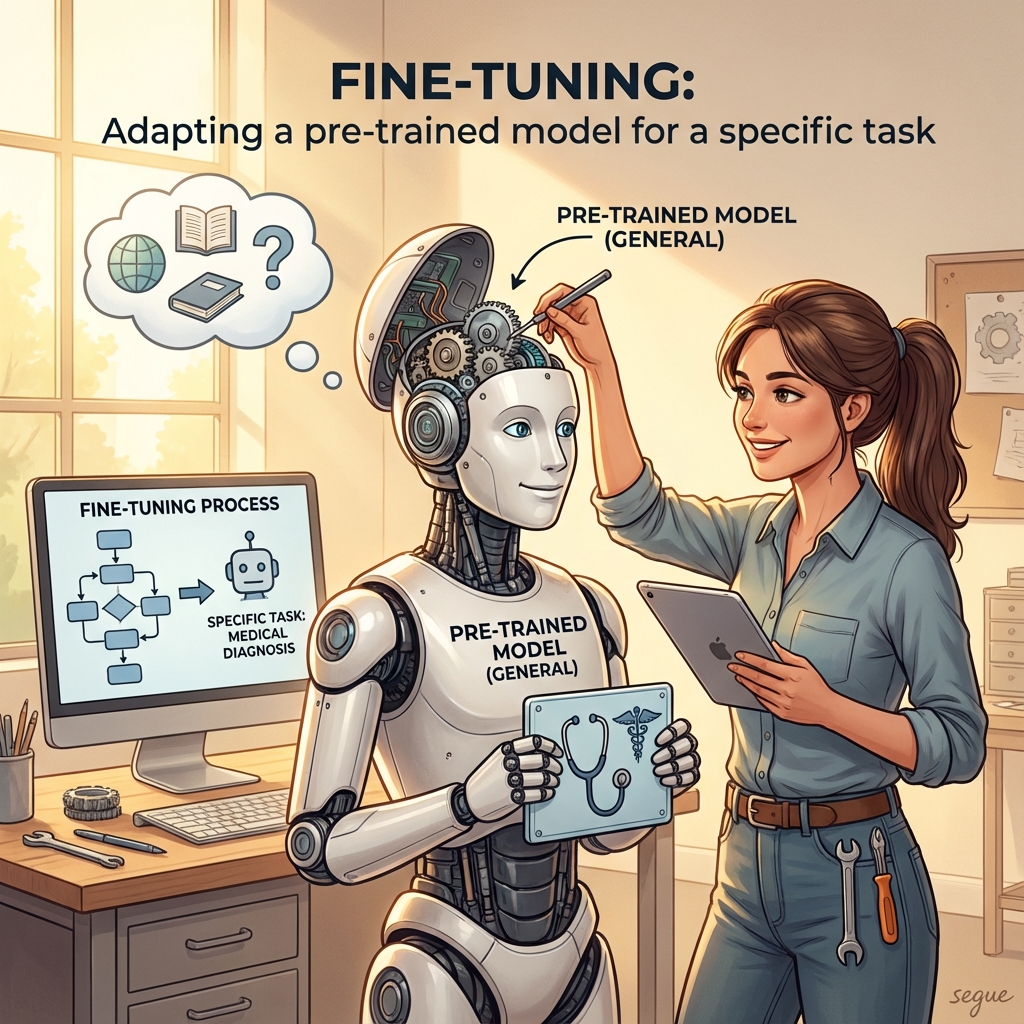
fine-tuning
/ˈfaɪn ˌtuːnɪŋ/Adapting a pre-trained model for a specific task
“Fine-tuning the base model on our data improved accuracy significantly.”
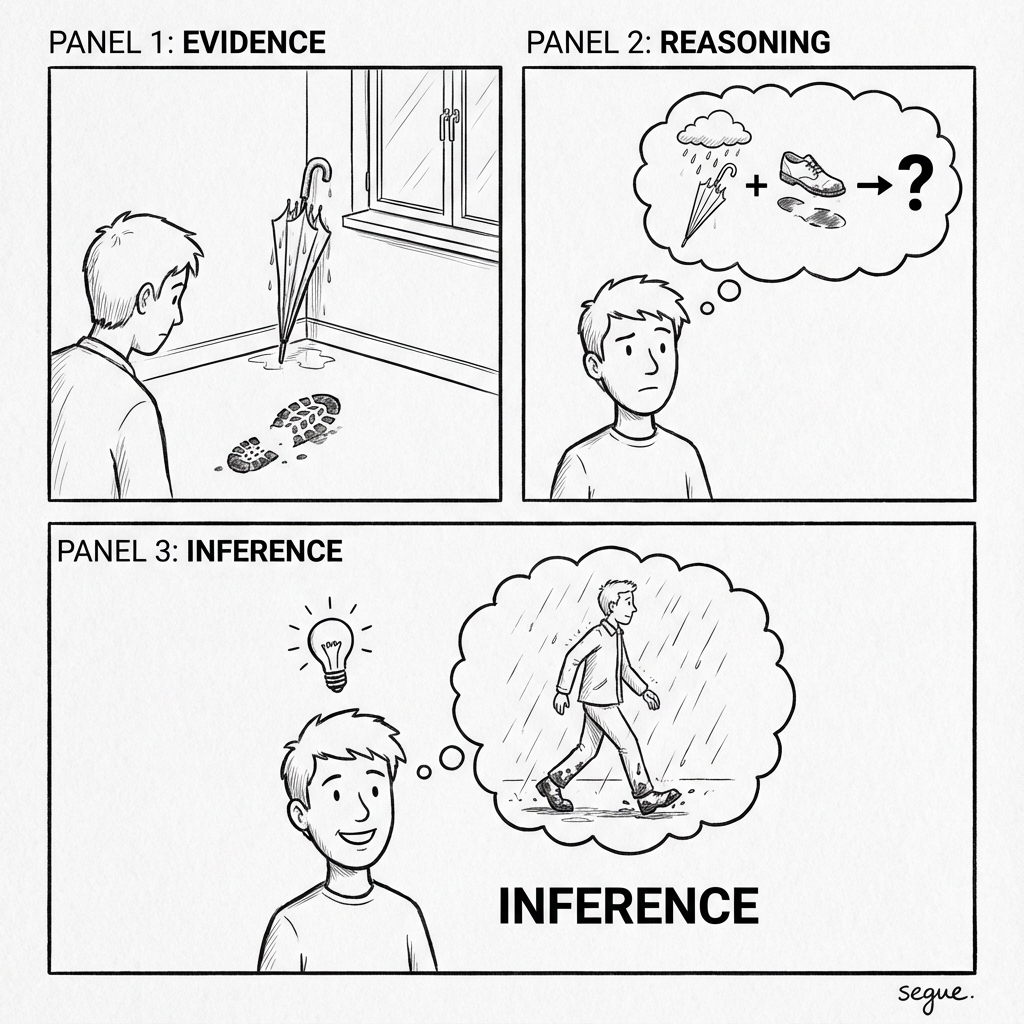
inference
/ˈɪnfɝəns/Using a trained model to make predictions on new data
“Inference latency must be low for real-time applications.”

hallucination
/həˌɫusəˈneɪʃən/When an AI generates false or fabricated information
“The model's hallucination produced a convincing but entirely fictional citation.”
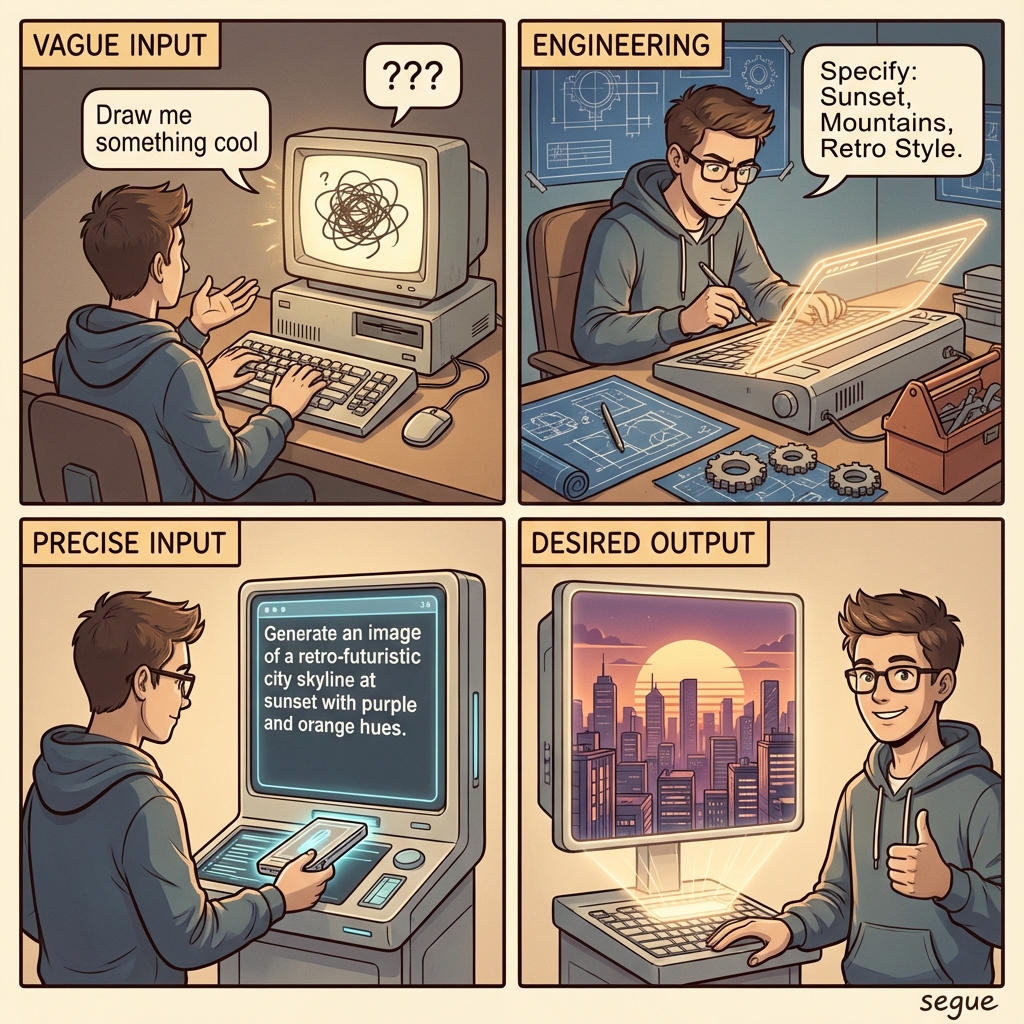
prompt engineering
/ˈprɒmpt ˌendʒɪˈnɪərɪŋ/Crafting inputs to elicit desired outputs from AI models
“Effective prompt engineering dramatically improved the response quality.”
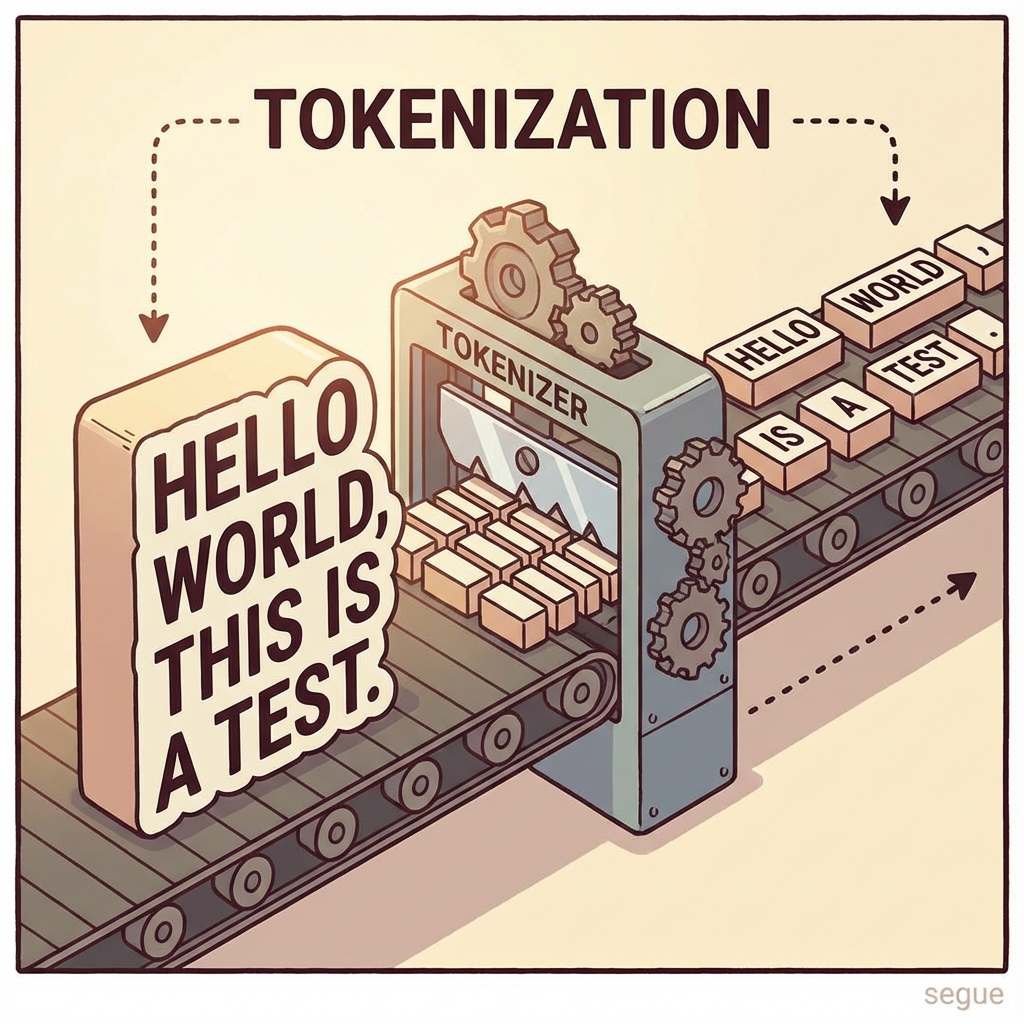
tokenization
/ˌtoʊkənaɪˈzeɪʃən/Breaking text into smaller units for processing
“Tokenization splits sentences into words or subword pieces.”

attention mechanism
/əˈtenʃən ˌmekənɪzəm/A technique allowing models to focus on relevant parts of input
“The attention mechanism helps the model understand context across long sequences.”
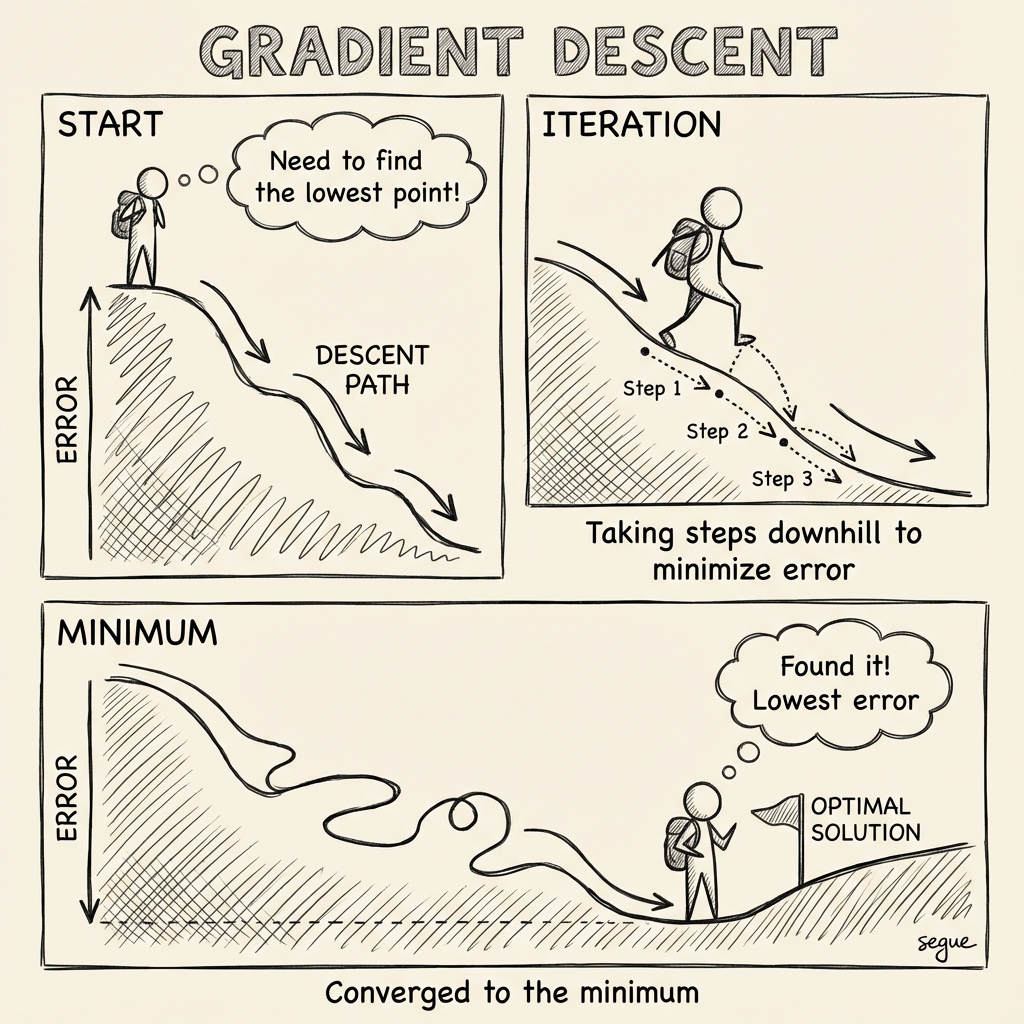
gradient descent
/ˌɡreɪdiənt dɪˈsent/An optimization algorithm that minimizes error iteratively
“Gradient descent adjusts weights to reduce the loss function.”
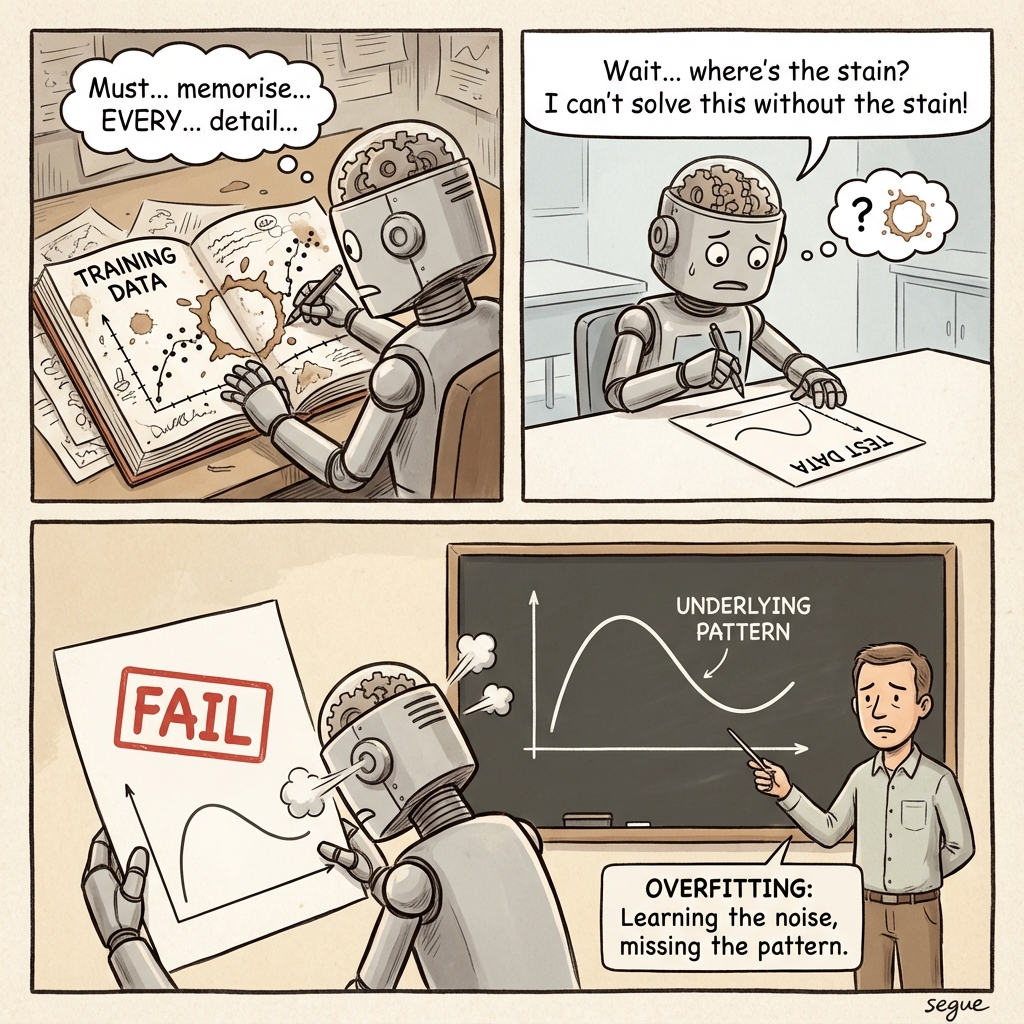
overfitting
/ˈoʊvərˌfɪtɪŋ/When a model learns noise instead of the underlying pattern
“Overfitting caused the model to perform poorly on new data.”
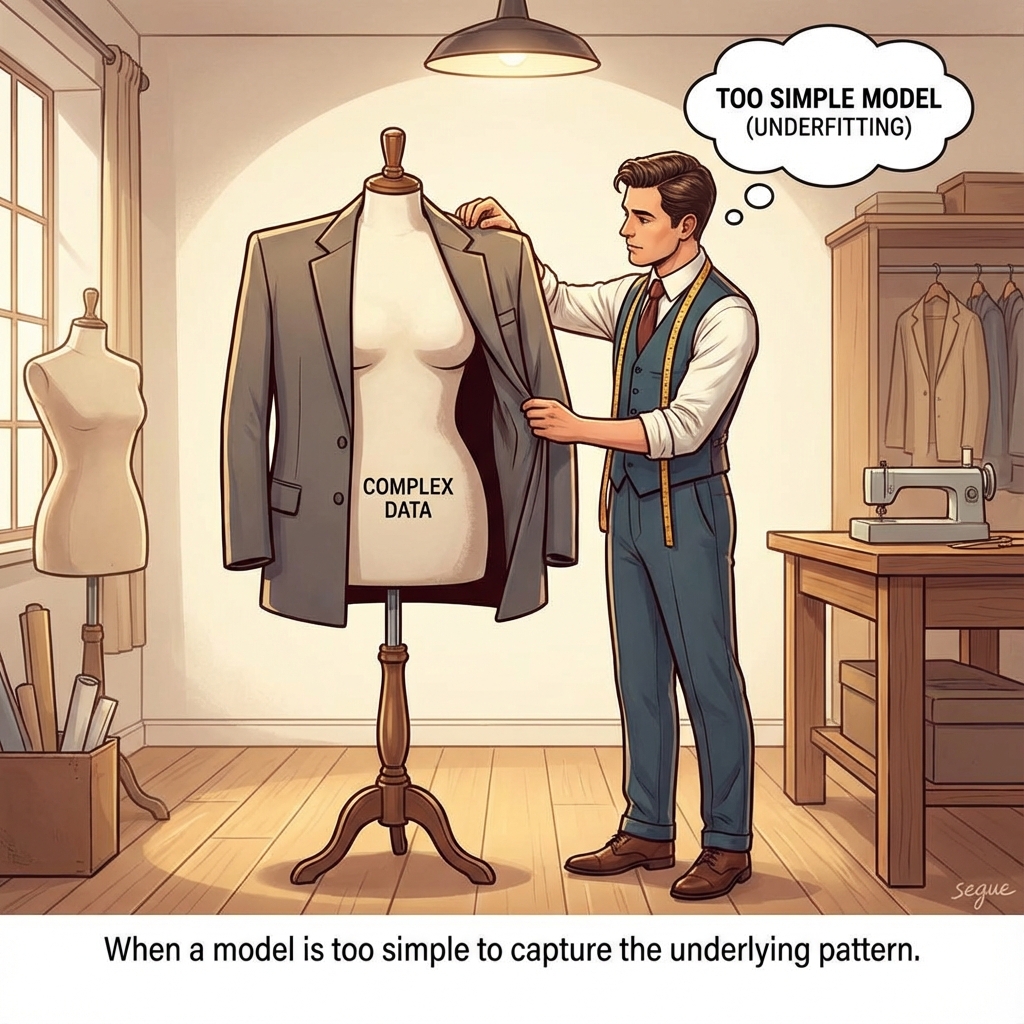
underfitting
/ˈʌndərˌfɪtɪŋ/When a model is too simple to capture the underlying pattern
“Underfitting resulted in poor performance on both training and test data.”
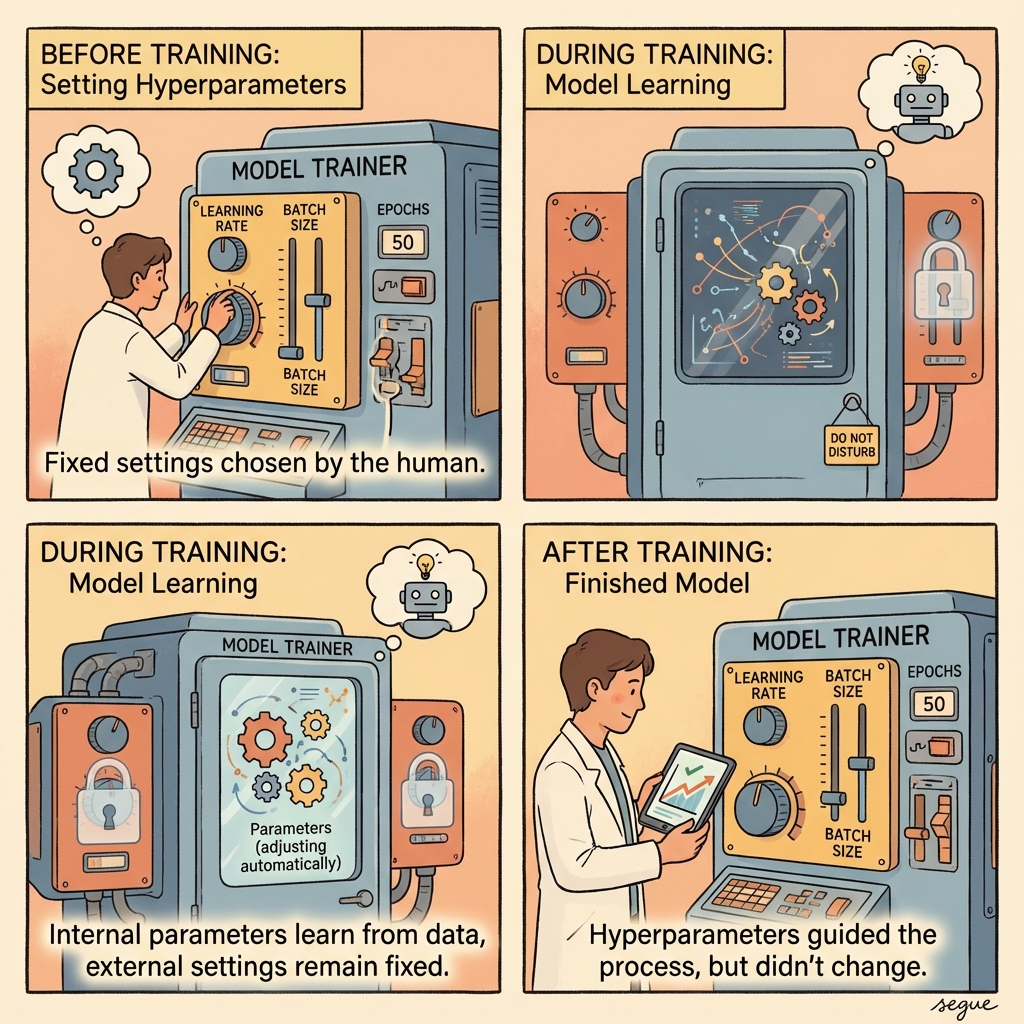
hyperparameter
/ˌhaɪpərˈpærəmiːtər/A parameter set before training begins, not learned from data
“Tuning hyperparameters like learning rate improved model performance.”

epoch
/ˈɛpək/One complete pass through the entire training dataset
“The model converged after fifty epochs of training.”
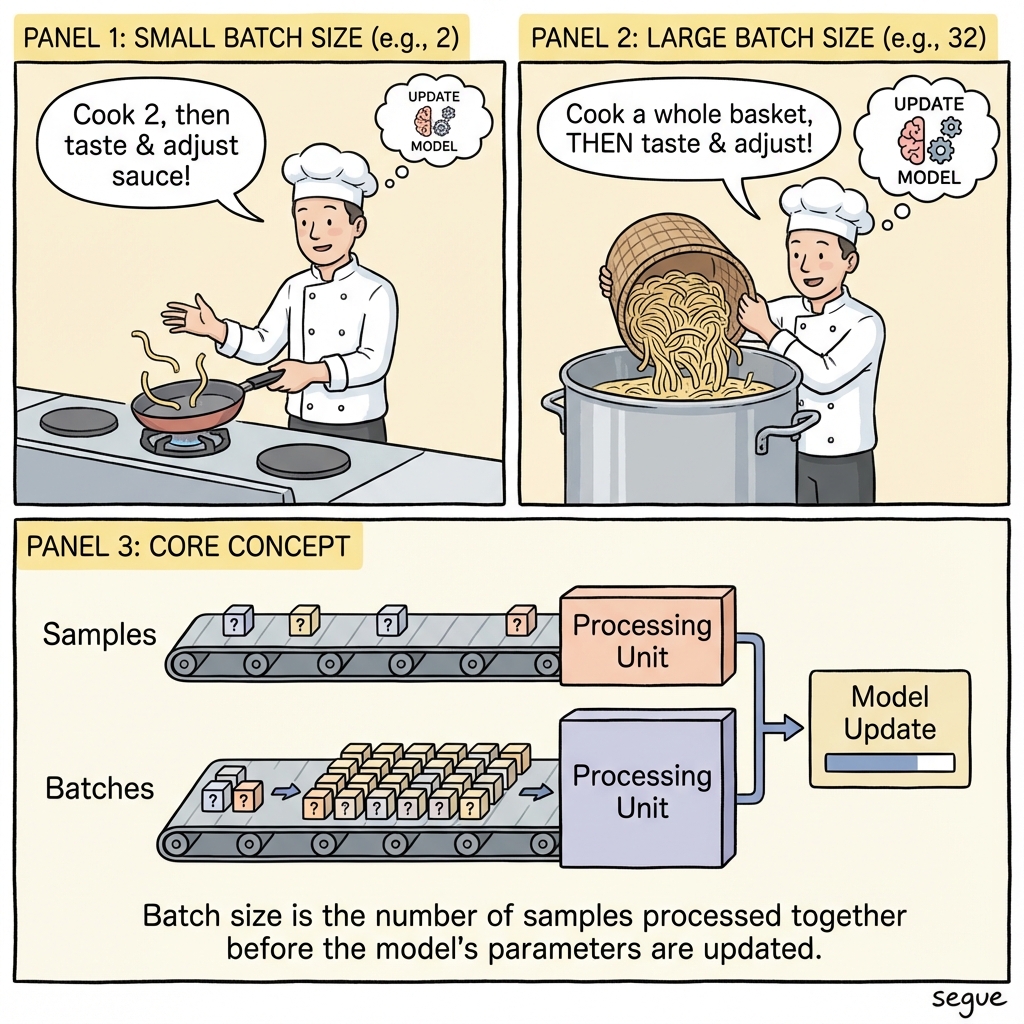
batch size
/ˈbætʃ ˌsaɪz/The number of samples processed before updating the model
“Increasing batch size improved training stability but required more memory.”
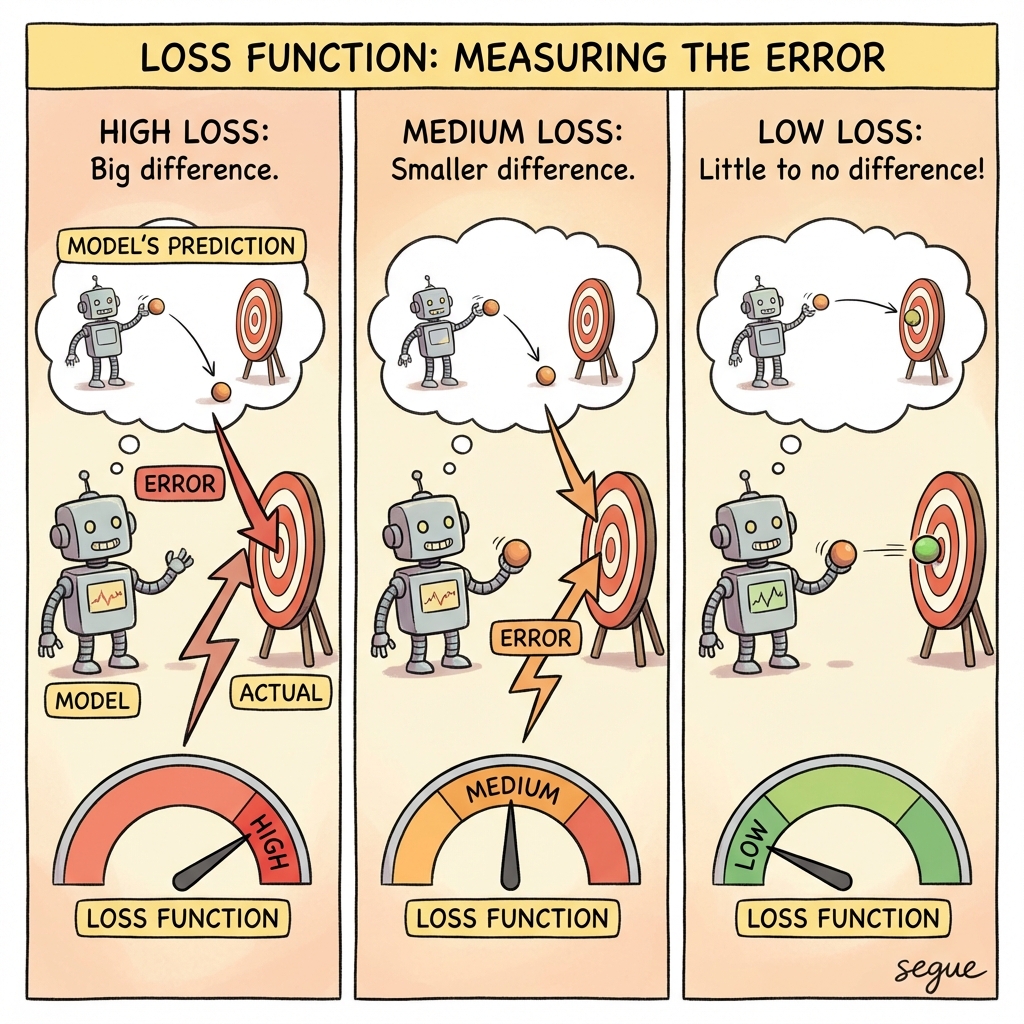
loss function
/ˈlɒs ˌfʌŋkʃən/A measure of how wrong the model's predictions are
“The loss function quantifies the difference between predictions and actual values.”
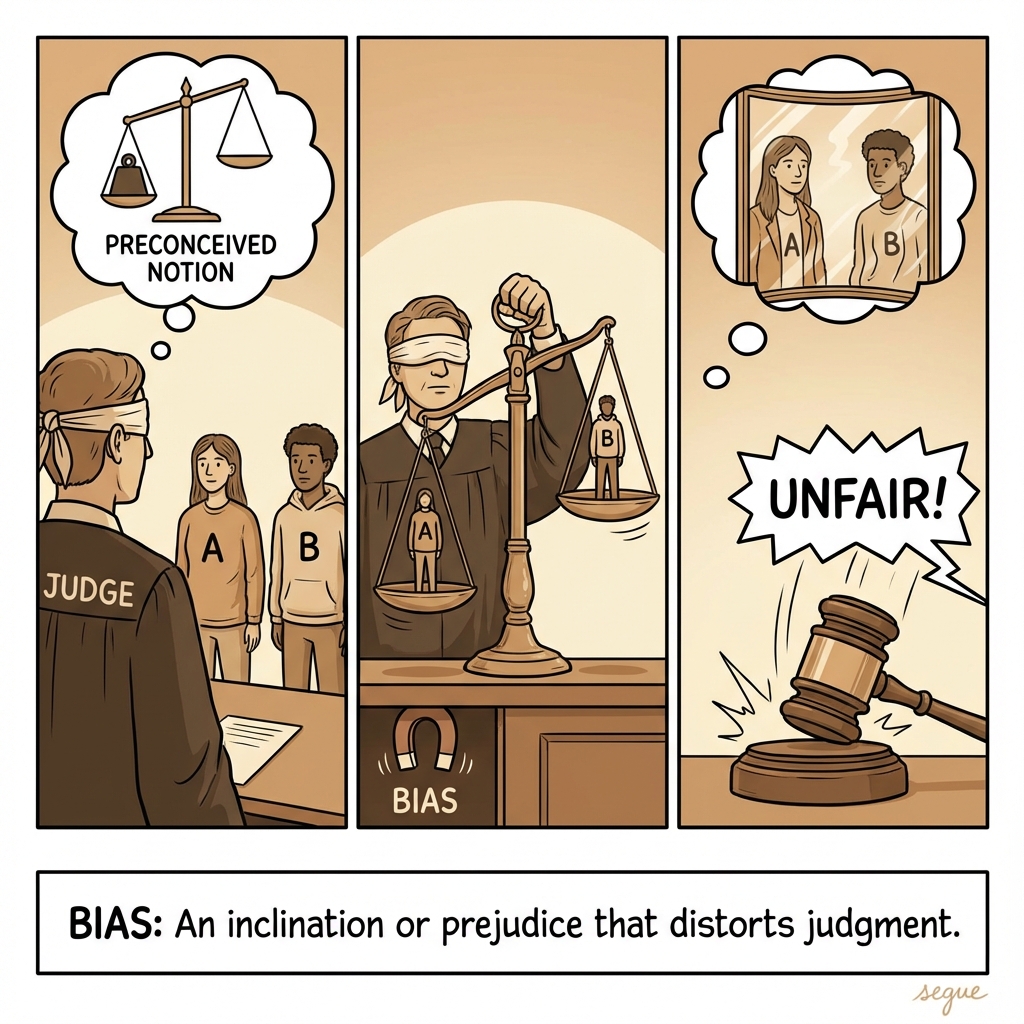
bias
/ˈbaɪəs/Prejudice in favor of or against one thing, person, or group
“We must ensure the AI model is free from bias.”

algorithm
/ˈæɫɡɝˌɪðəm/A process or set of rules to be followed in calculations
“The search algorithm ranks results by relevance.”
More from Professional & Legal
Explore other vocabulary categories in this collection.