Loading collection...
🤝
Agreement & Acceptance Vocabulary
Words about concurrence, approval, and yielding
22 words
All 22 Words
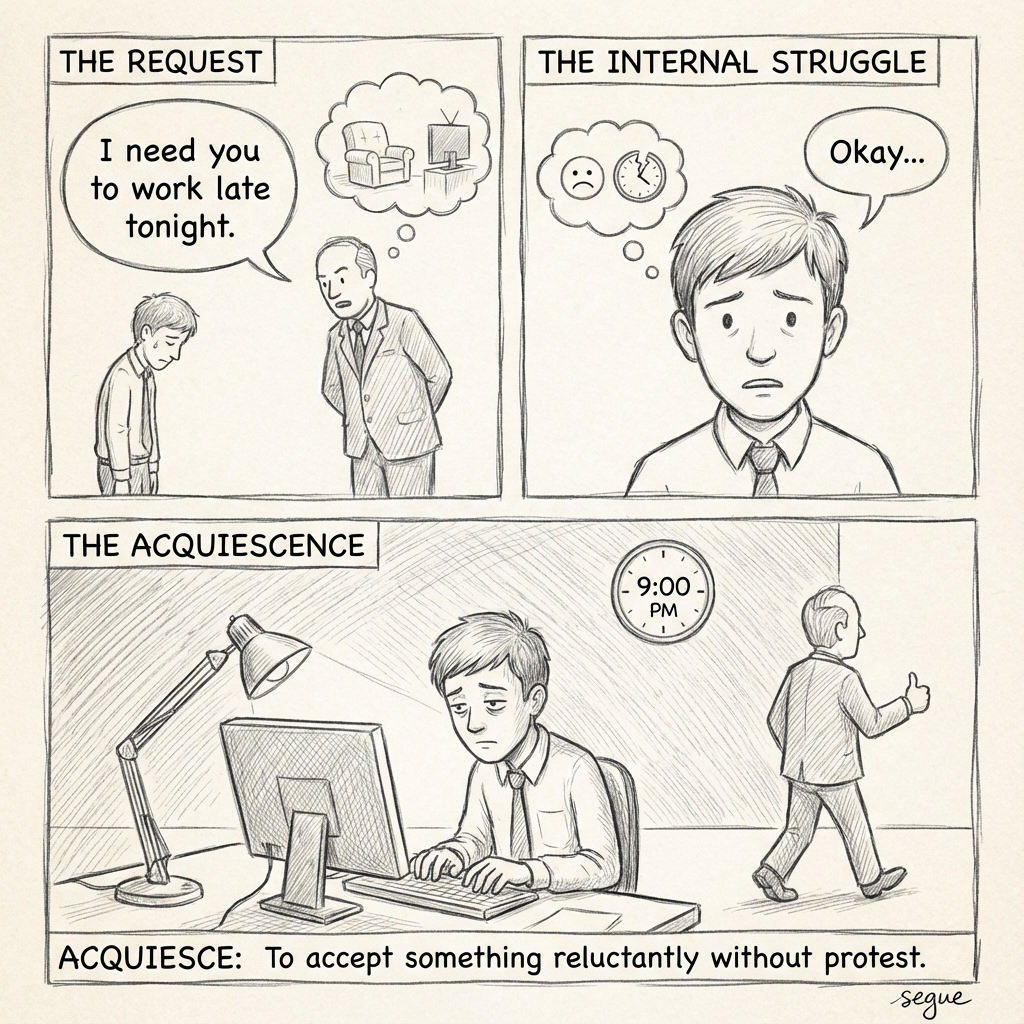
acquiesce
/ˌækwiˈɛs/to accept something reluctantly without protest
“She acquiesced to their demands to avoid conflict.”
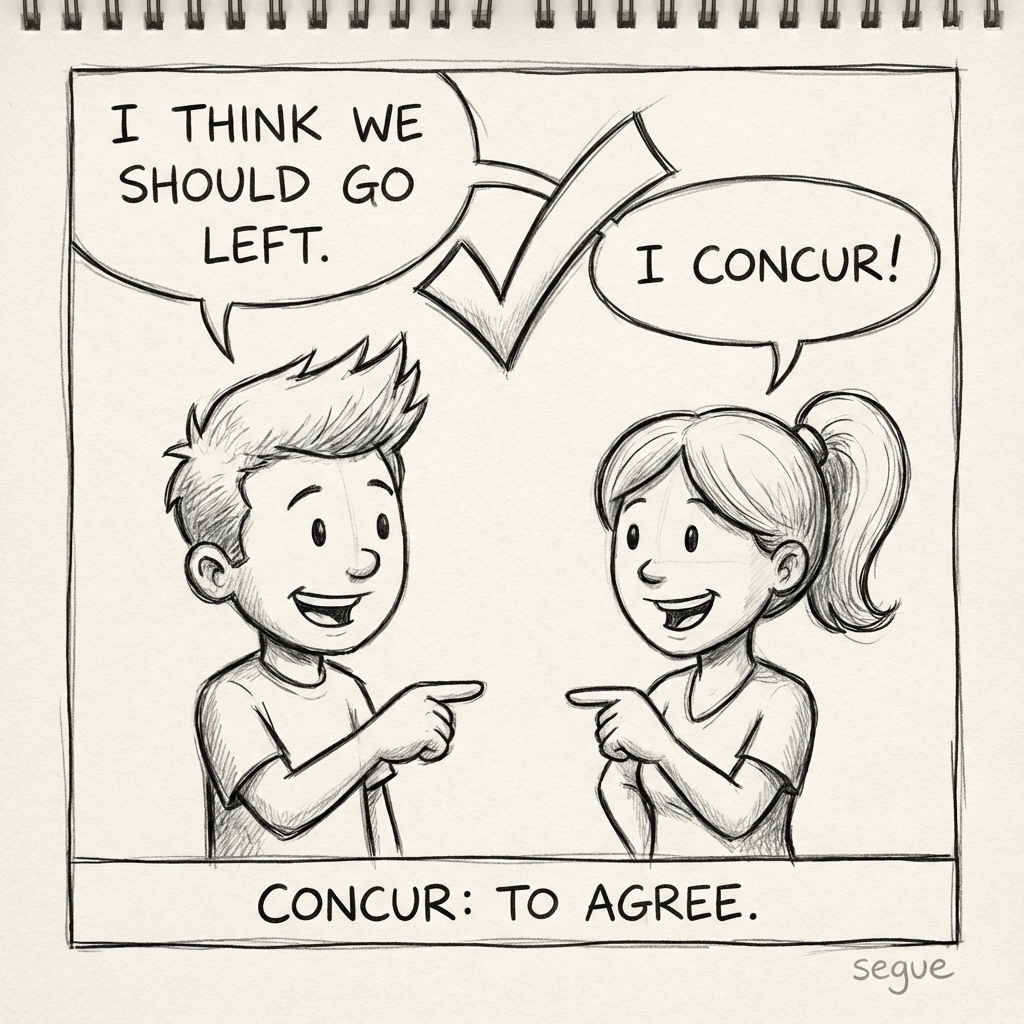
concur
/kənˈkɝ/to be of the same opinion; agree
“The committee members concurred with the recommendation.”
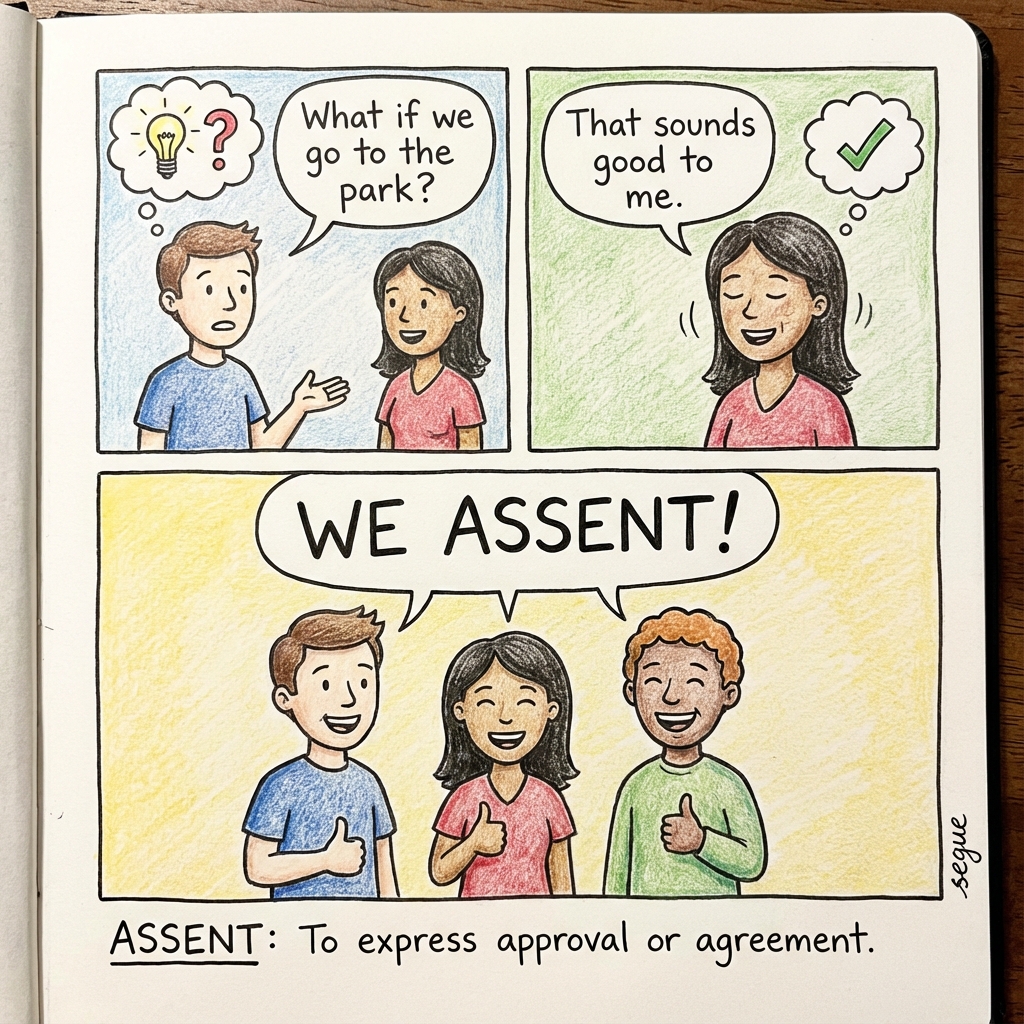
assent
/əˈsɛnt/to express approval or agreement
“The board gave its assent to the proposal.”
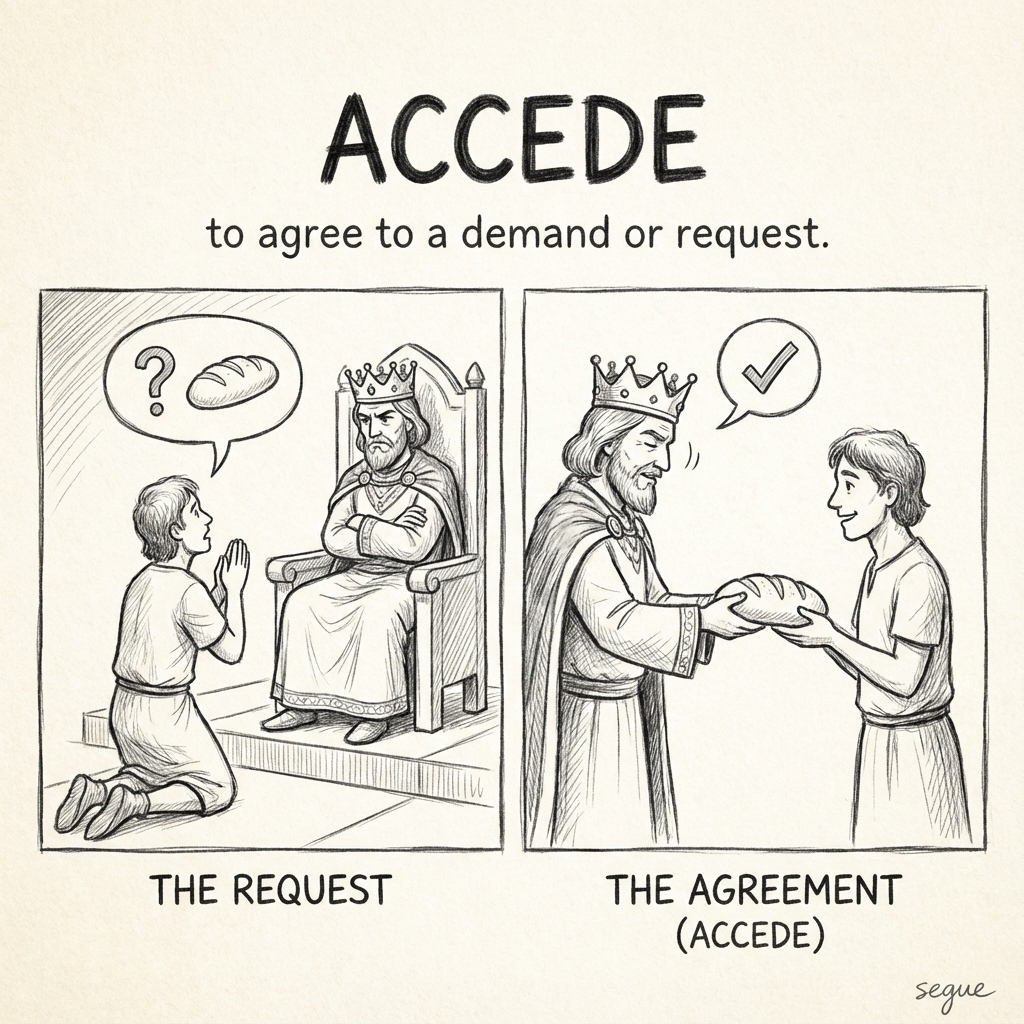
accede
/ækˈsid/to agree to a demand or request
“The company acceded to the union's terms.”
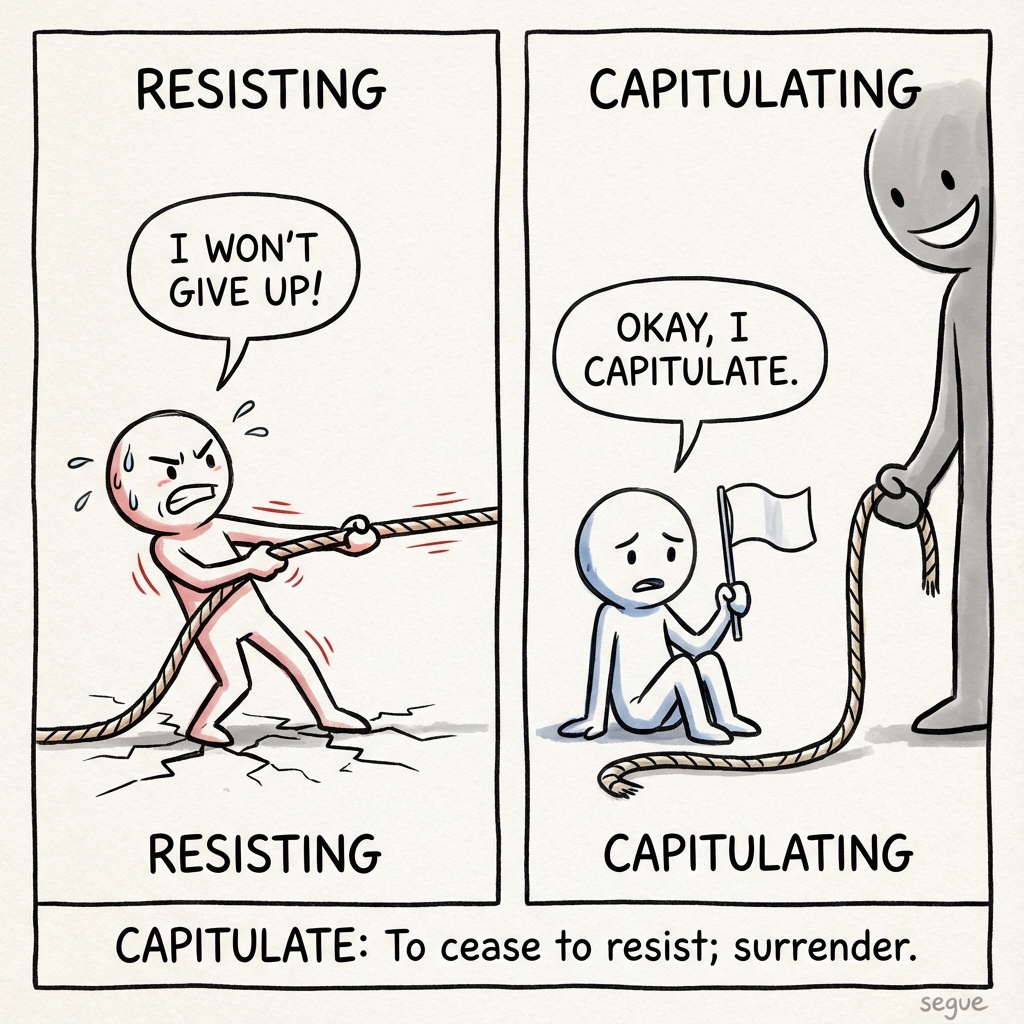
capitulate
/kəˈpɪtʃuɫeɪt/to cease to resist; surrender
“After weeks of negotiation, they finally capitulated.”

relent
/ɹɪˈɫɛnt/to abandon a harsh intention or cruel treatment
“She eventually relented and let them go.”

yield
/ˈjiɫd/to give way to pressure or demands
“The government refused to yield to terrorist demands.”

defer
/dɪˈfɝ/to submit humbly to another's wishes
“He deferred to her expertise on the matter.”
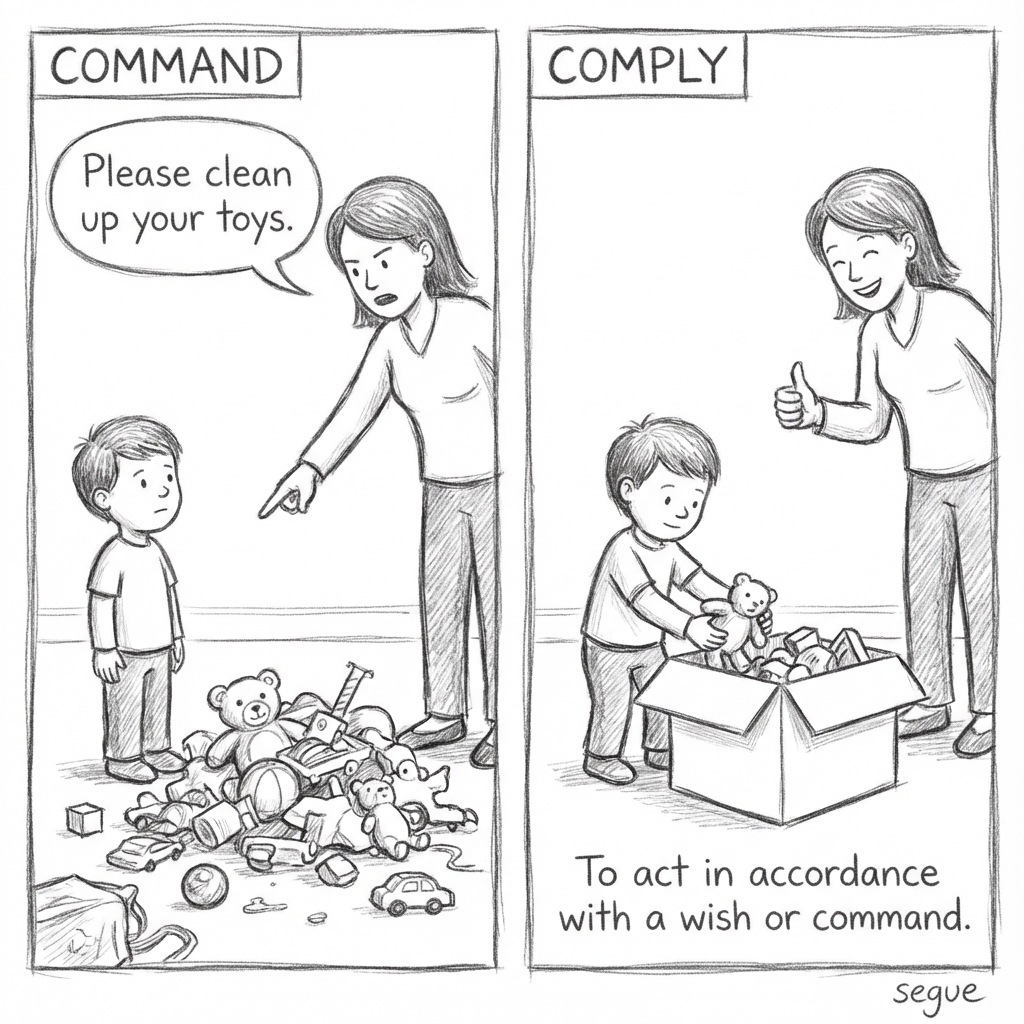
comply
/kəmˈpɫaɪ/to act in accordance with a wish or command
“All employees must comply with safety regulations.”
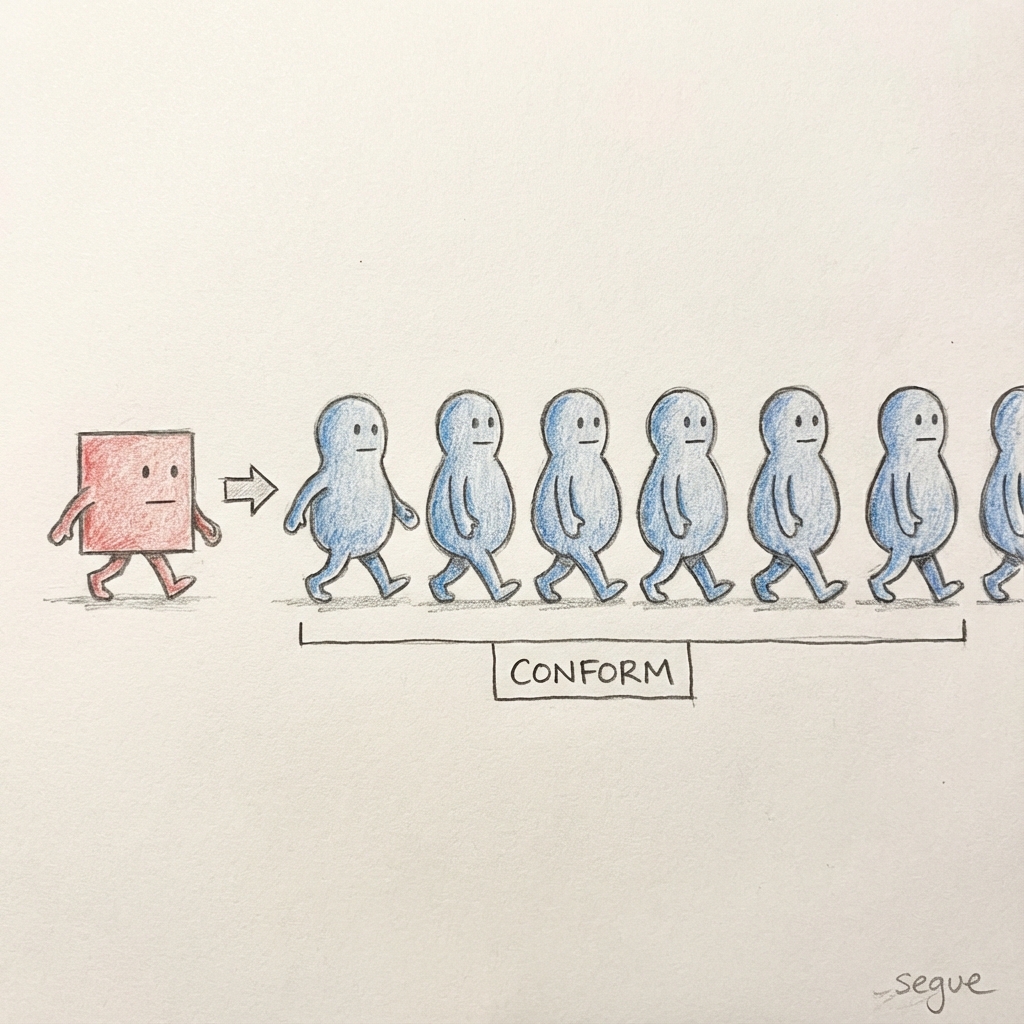
conform
/kənˈfɔɹm/to act in accordance with standards or customs
“The design conforms to international safety standards.”

endorse
/ɛnˈdɔɹs/to declare one's public approval of
“Several celebrities endorsed the charity campaign.”
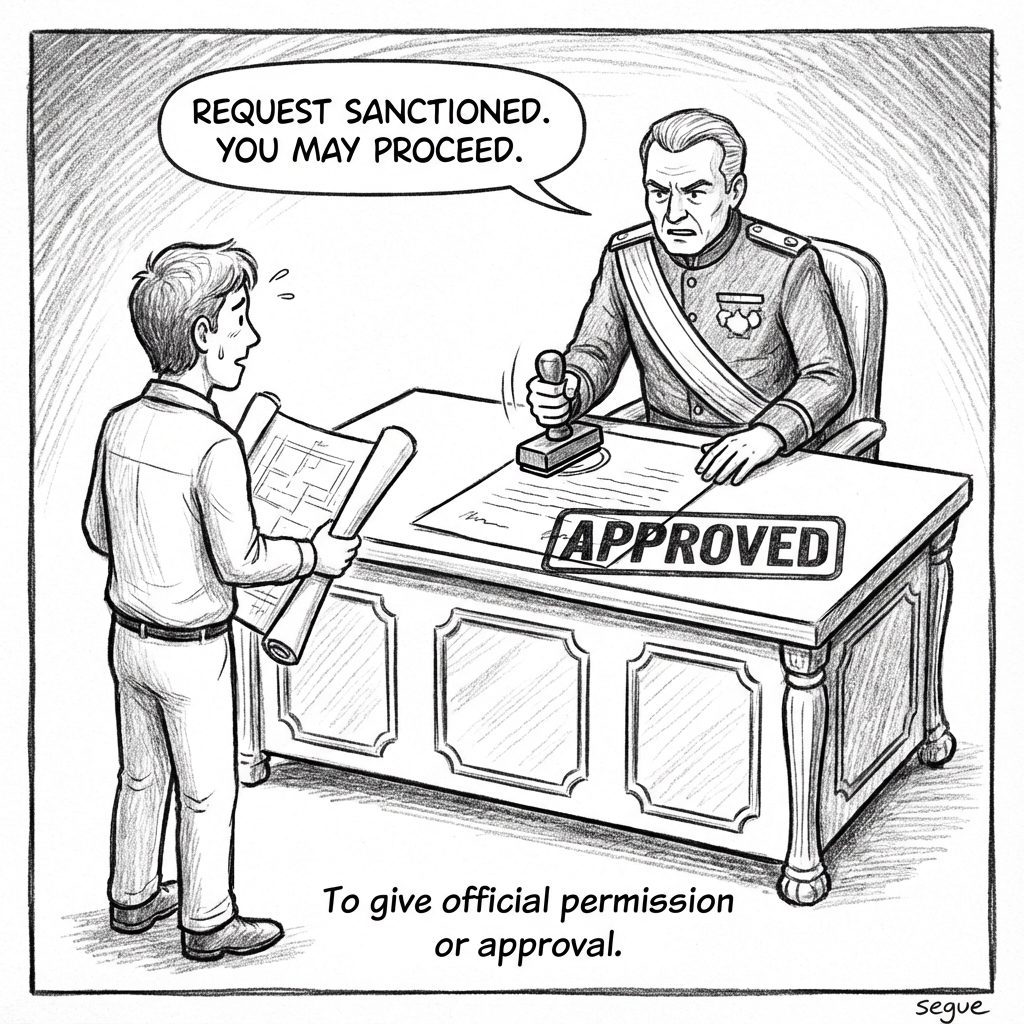
sanction
/ˈsæŋkʃən/to give official permission or approval for
“The committee sanctioned the use of the funds.”
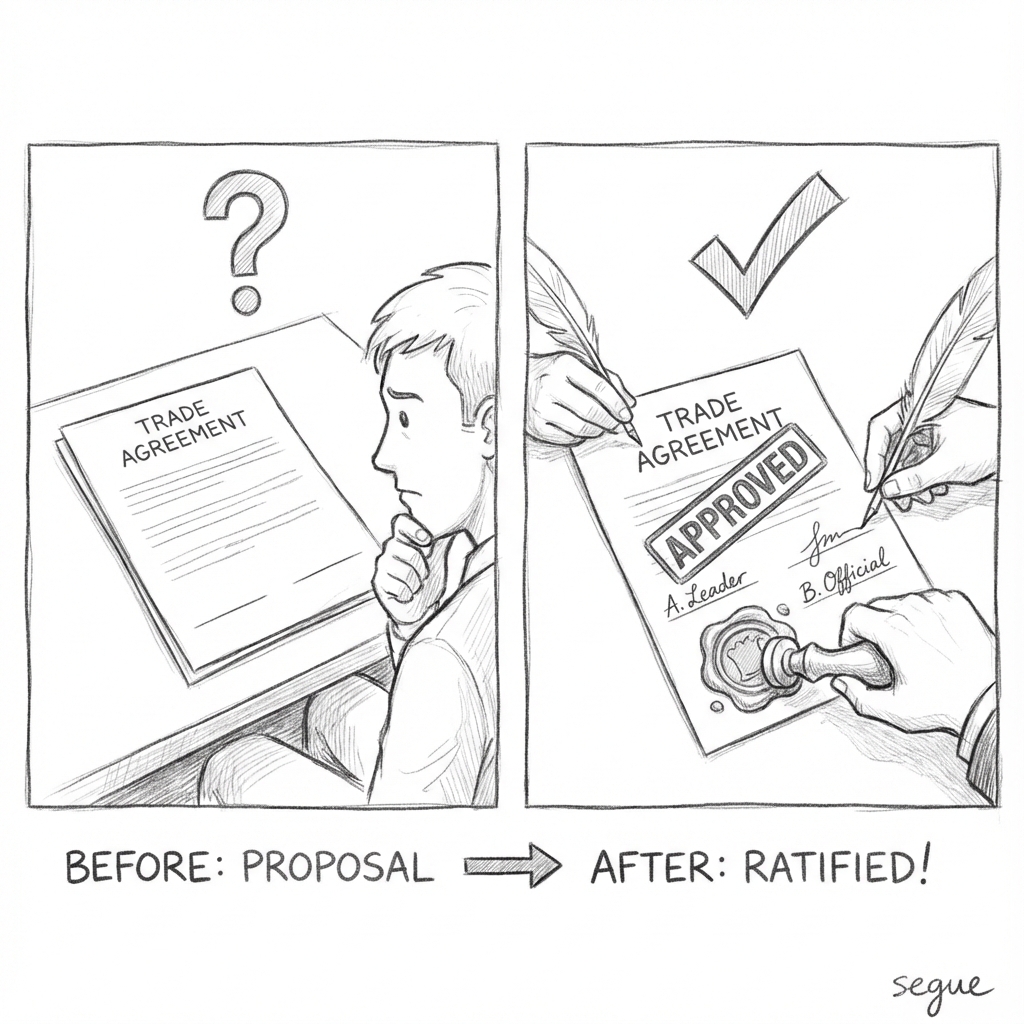
ratify
/ˈɹætəˌfaɪ/to sign or give formal consent to make valid
“The treaty was ratified by all member states.”
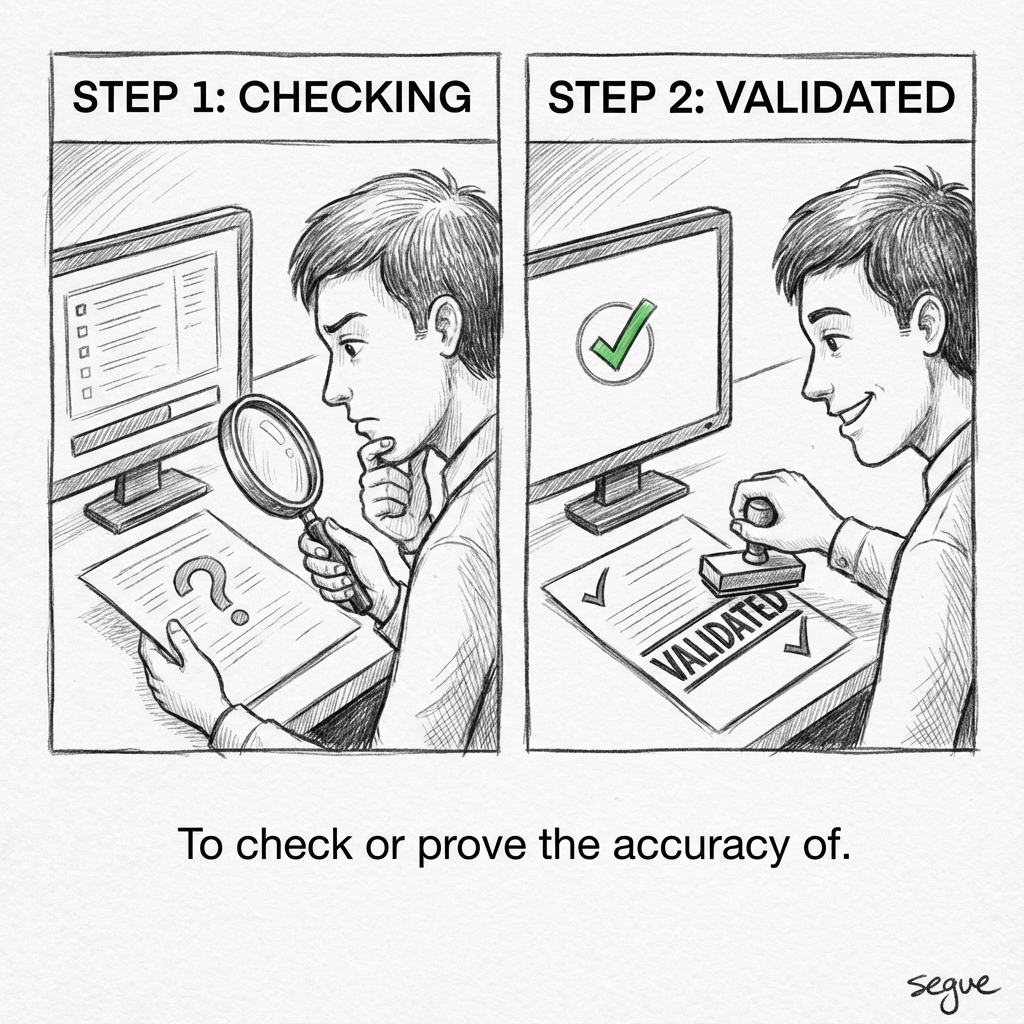
validate
/ˈvæɫədeɪt/to check or prove the accuracy of
“The results validate our hypothesis.”
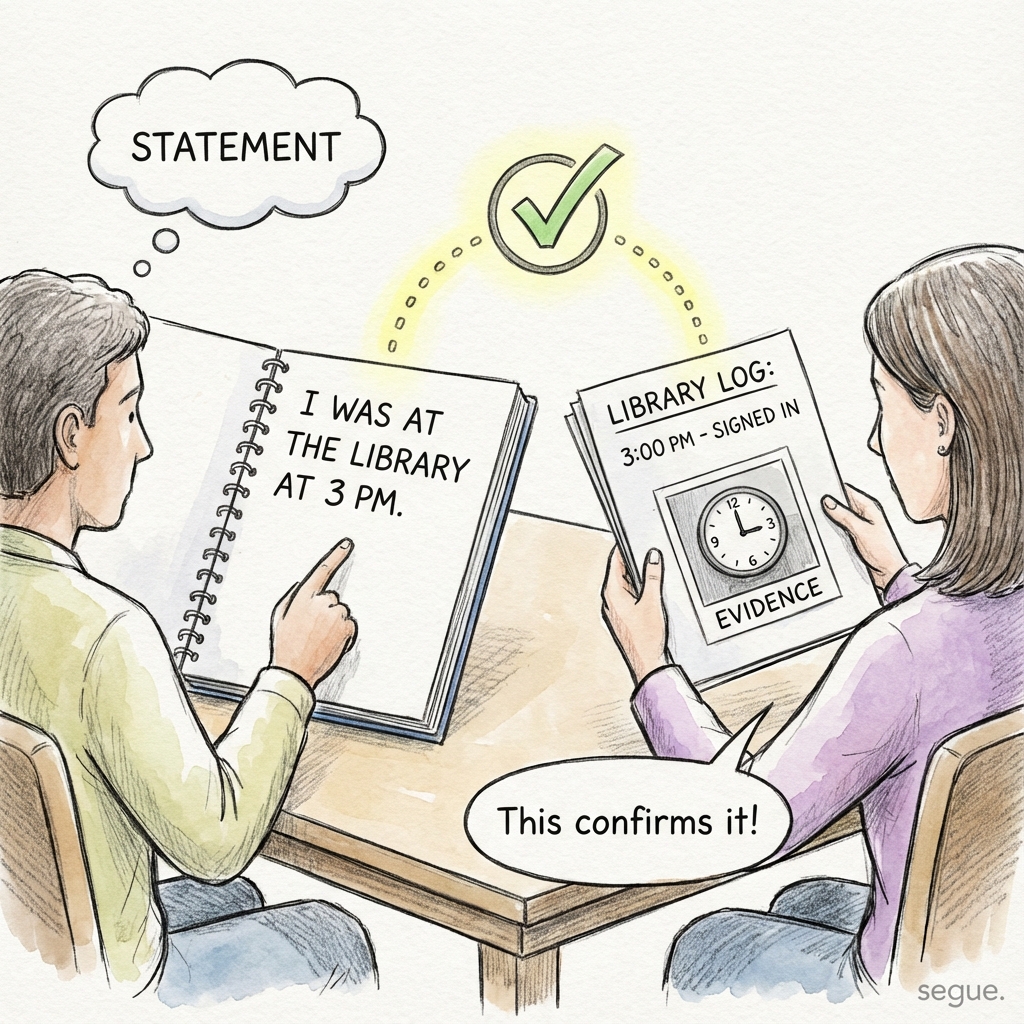
corroborate
/kɝˈɑbɝˌeɪt/to confirm or give support to a statement
“Witnesses corroborated her account of events.”
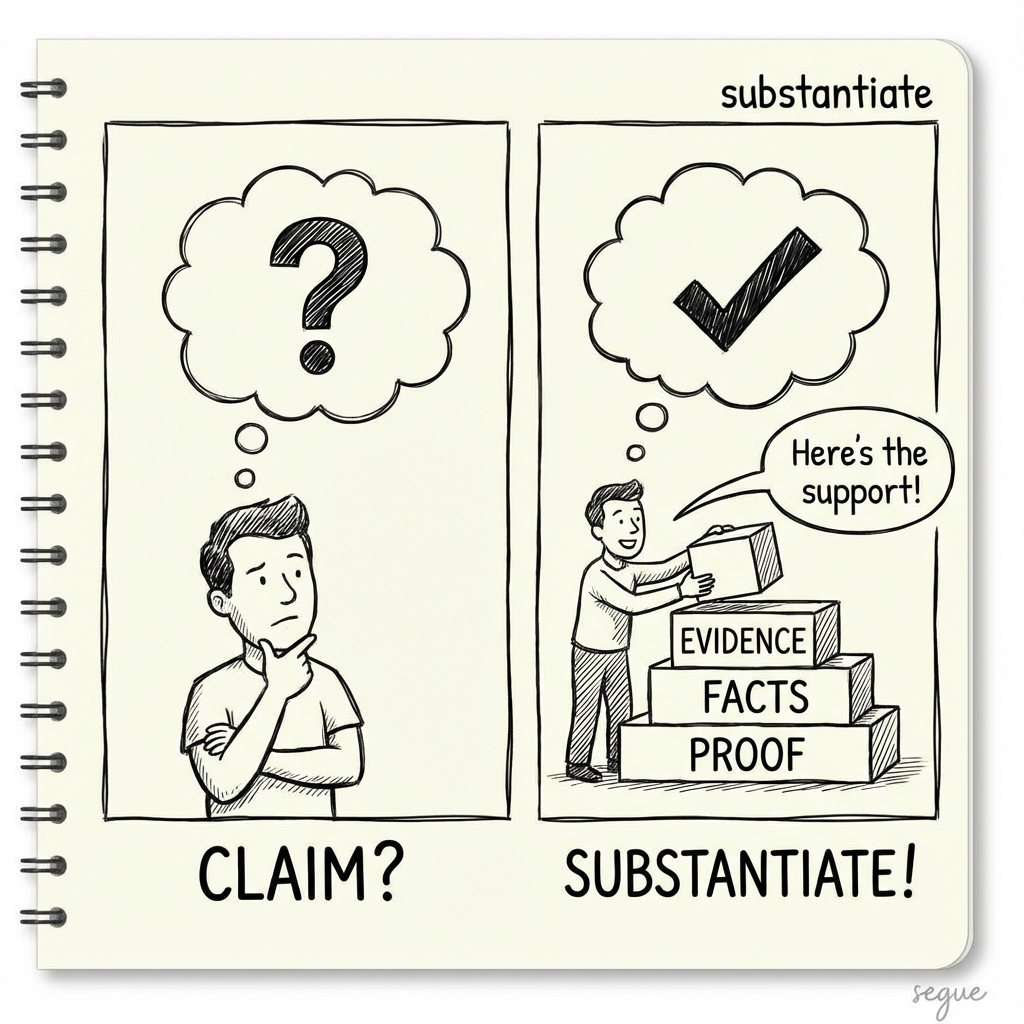
substantiate
/səbˈstænʃiˌeɪt/to provide evidence to support a claim
“He failed to substantiate his allegations.”

affirm
/əˈfɝm/to state as a fact; assert strongly
“The court affirmed the lower court's ruling.”
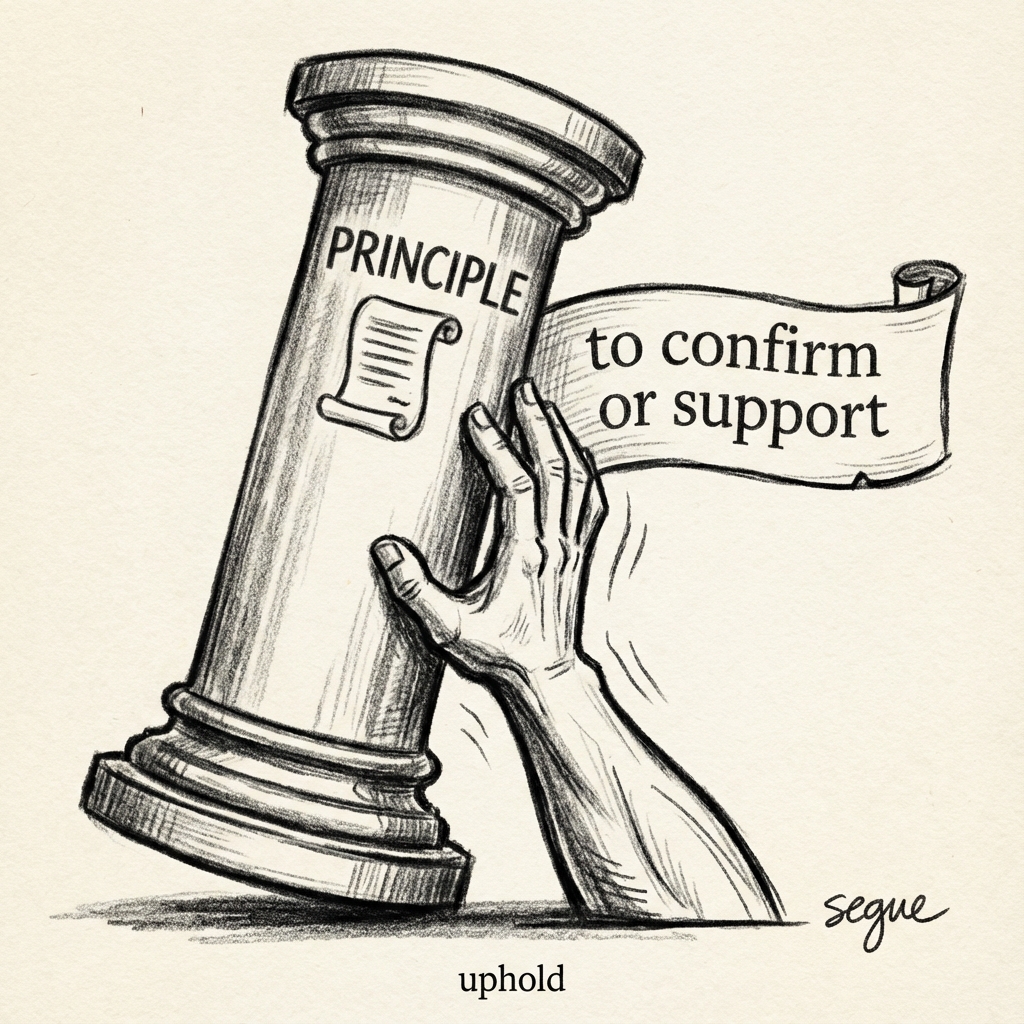
uphold
/əpˈhoʊɫd/to confirm or support something
“The Supreme Court upheld the decision.”
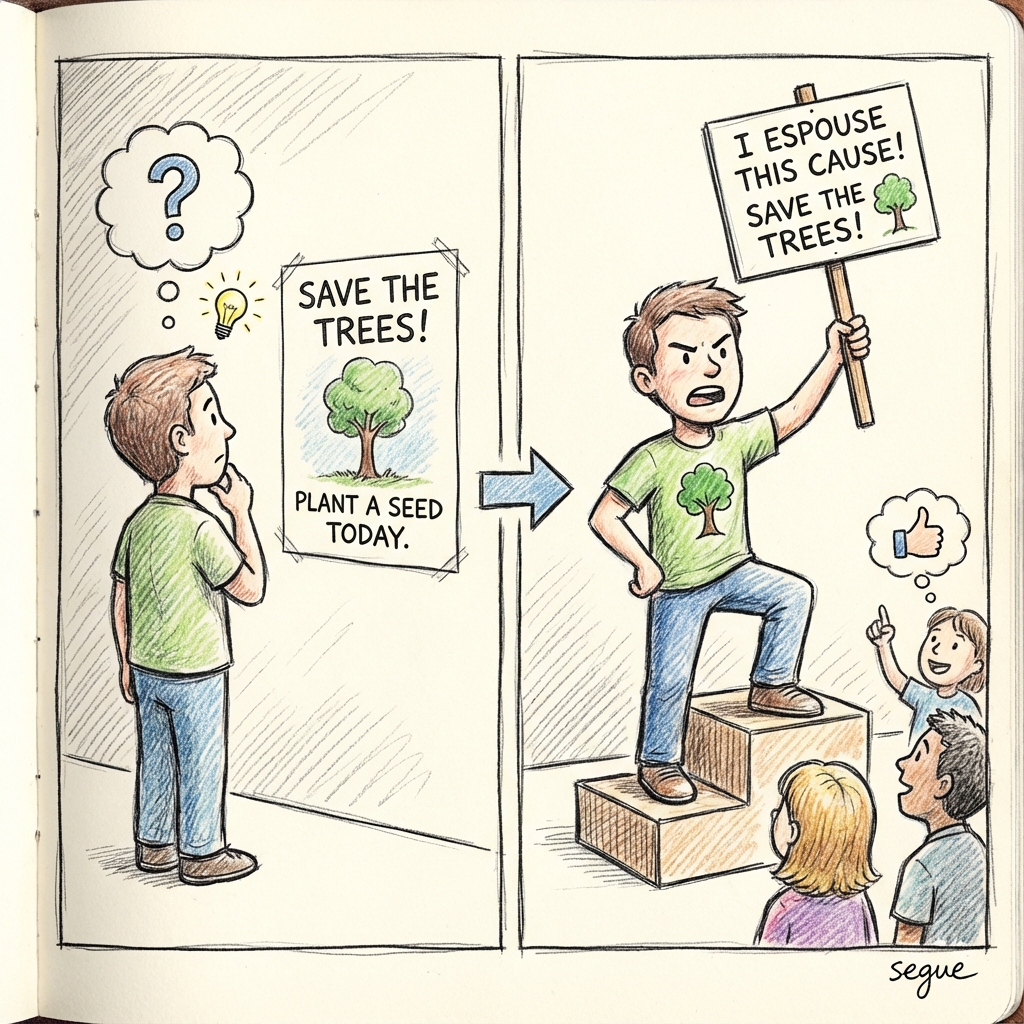
espouse
/ɪˈspaʊs/to adopt or support a cause or belief
“She espoused the principles of equality.”
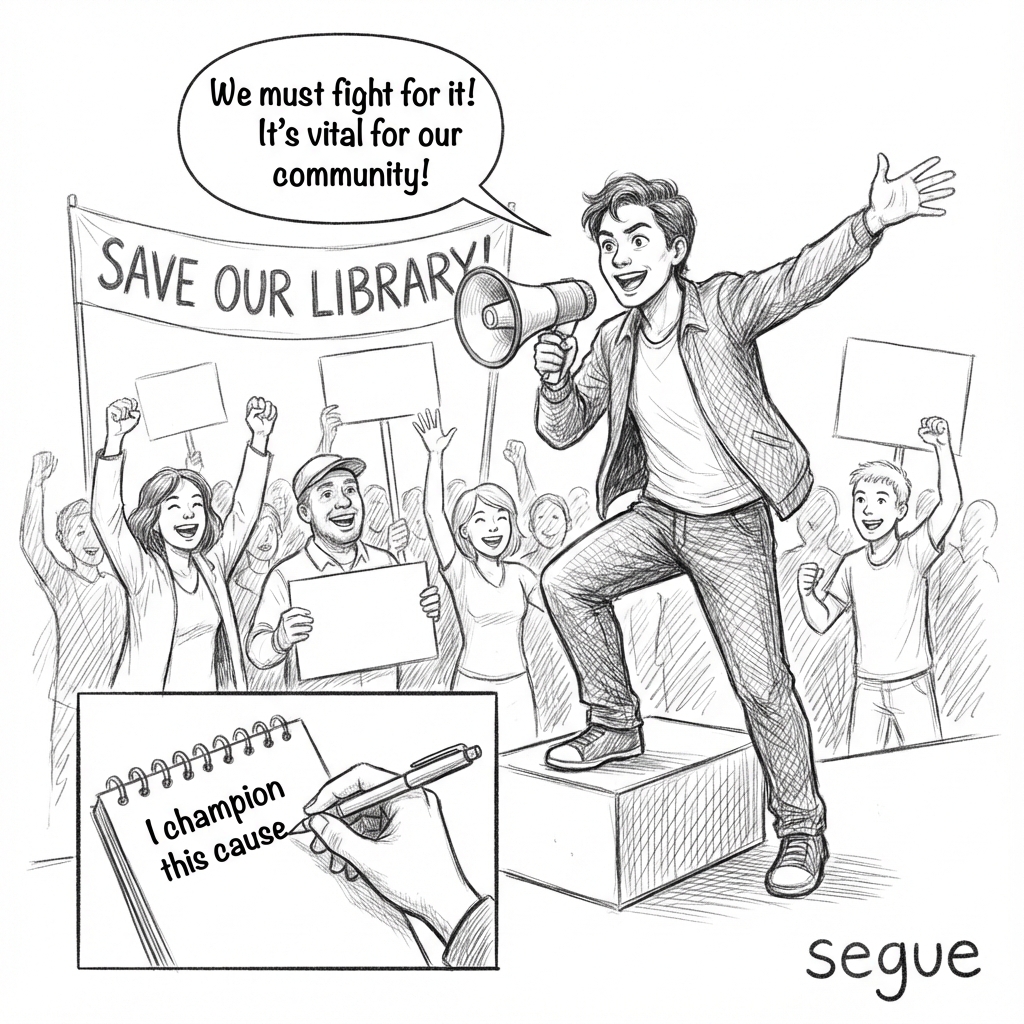
champion
/ˈtʃæmpiən/to support or defend enthusiastically
“He championed the rights of the marginalized.”
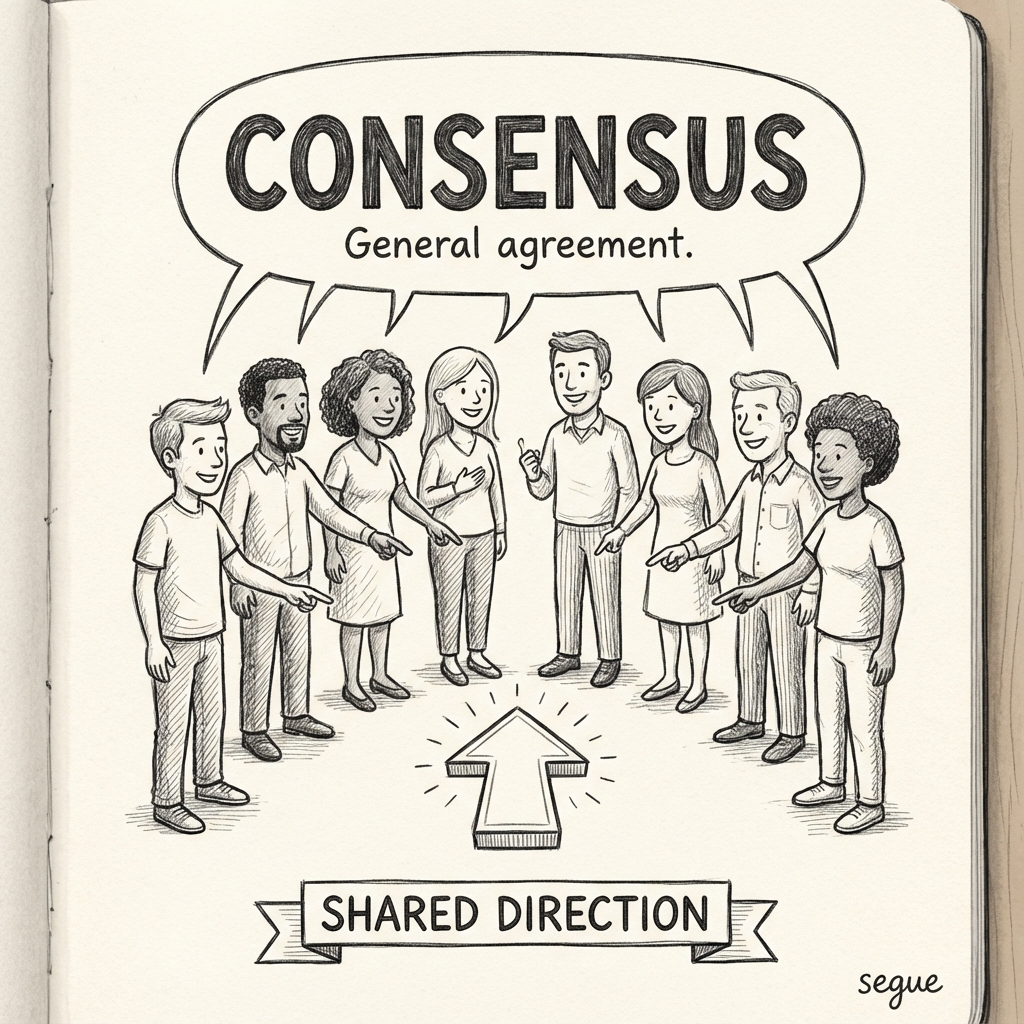
consensus
/kənˈsɛnsəs/general agreement
“The committee reached a consensus after hours of debate.”
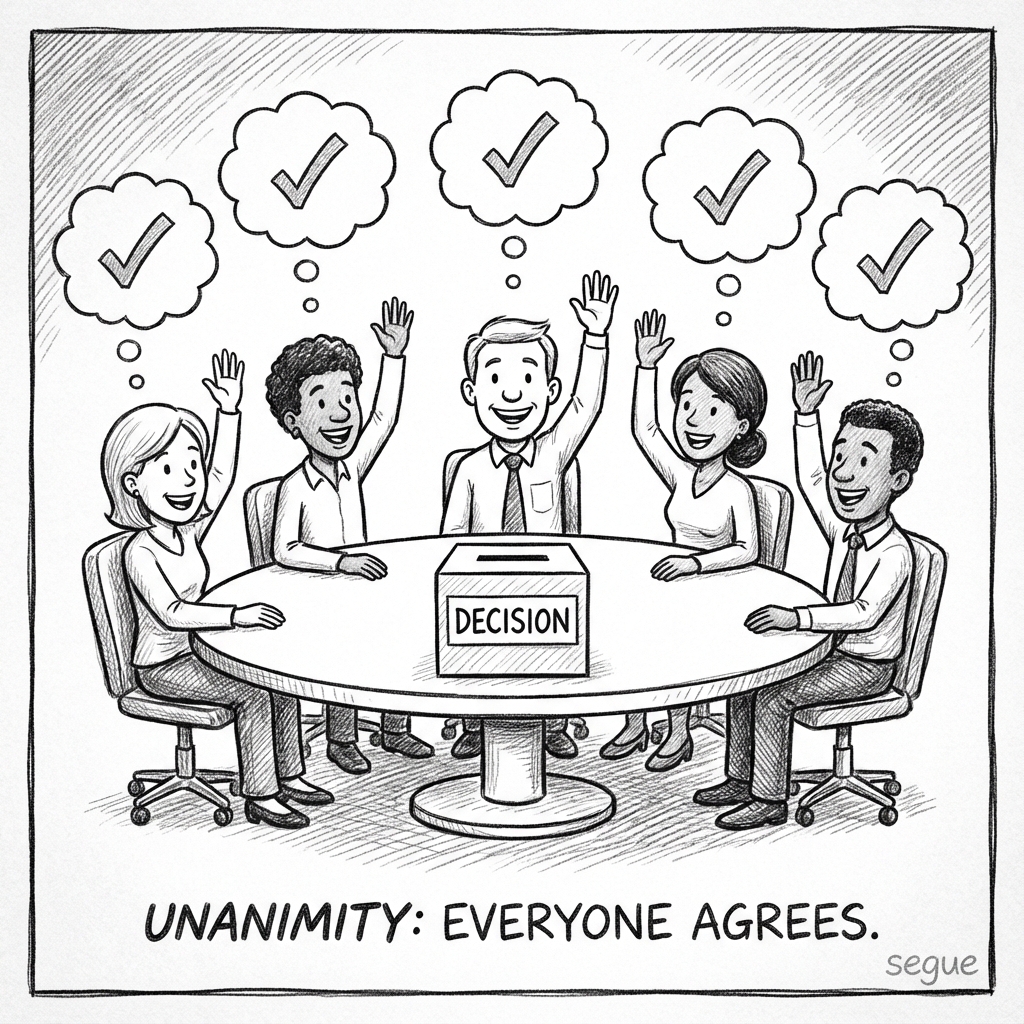
unanimity
/ˌjunəˈnɪməti/agreement by all people involved
“There was unanimity in the decision to proceed.”
More from Logic & Reasoning
Explore other vocabulary categories in this collection.