Loading collection...
📜
Academic Terms Vocabulary
Scholarly vocabulary for intellectual discourse
22 words
All 22 Words

posit
/ˈpɑzət/to put forward as fact or as a basis for argument
“The theory posits that language shapes thought.”
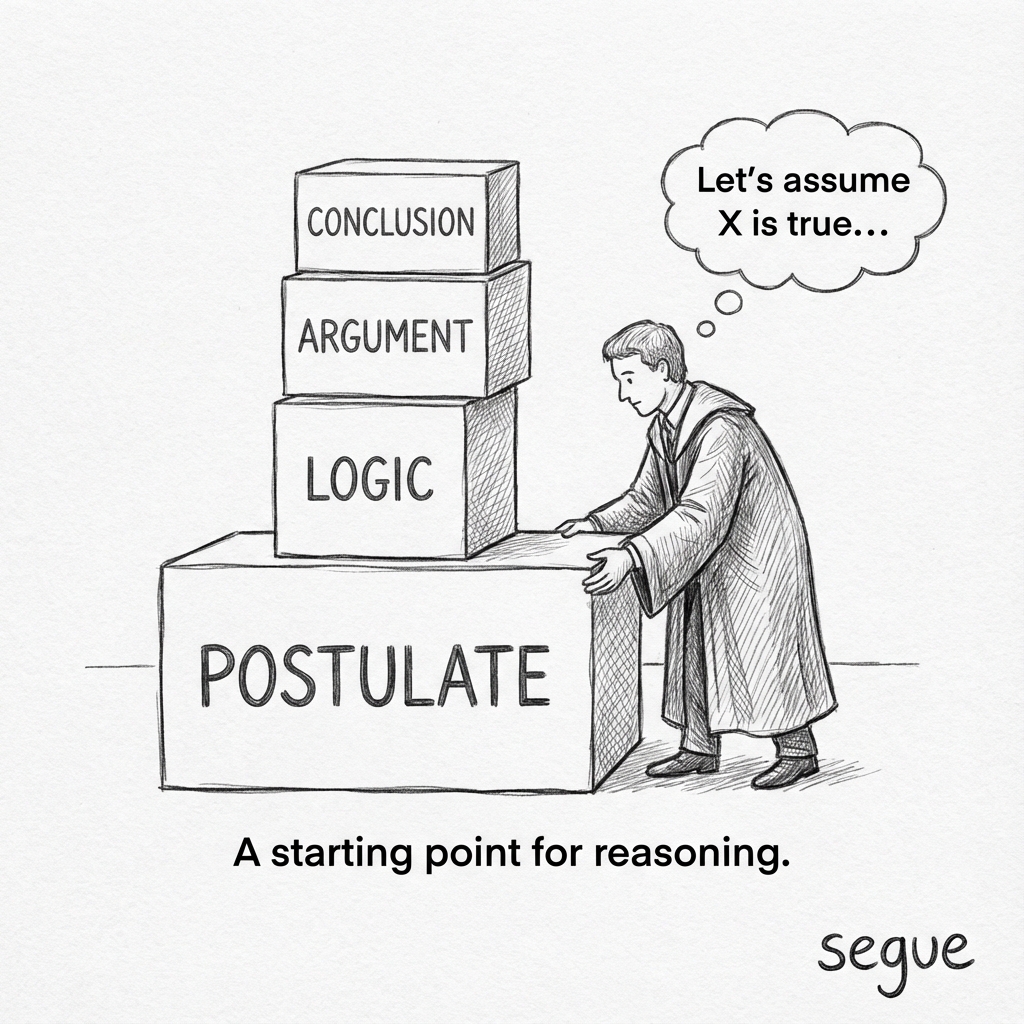
postulate
/ˈpɑstʃəˌɫeɪt/to suggest or assume as a basis for reasoning
“Einstein postulated the constancy of light speed.”
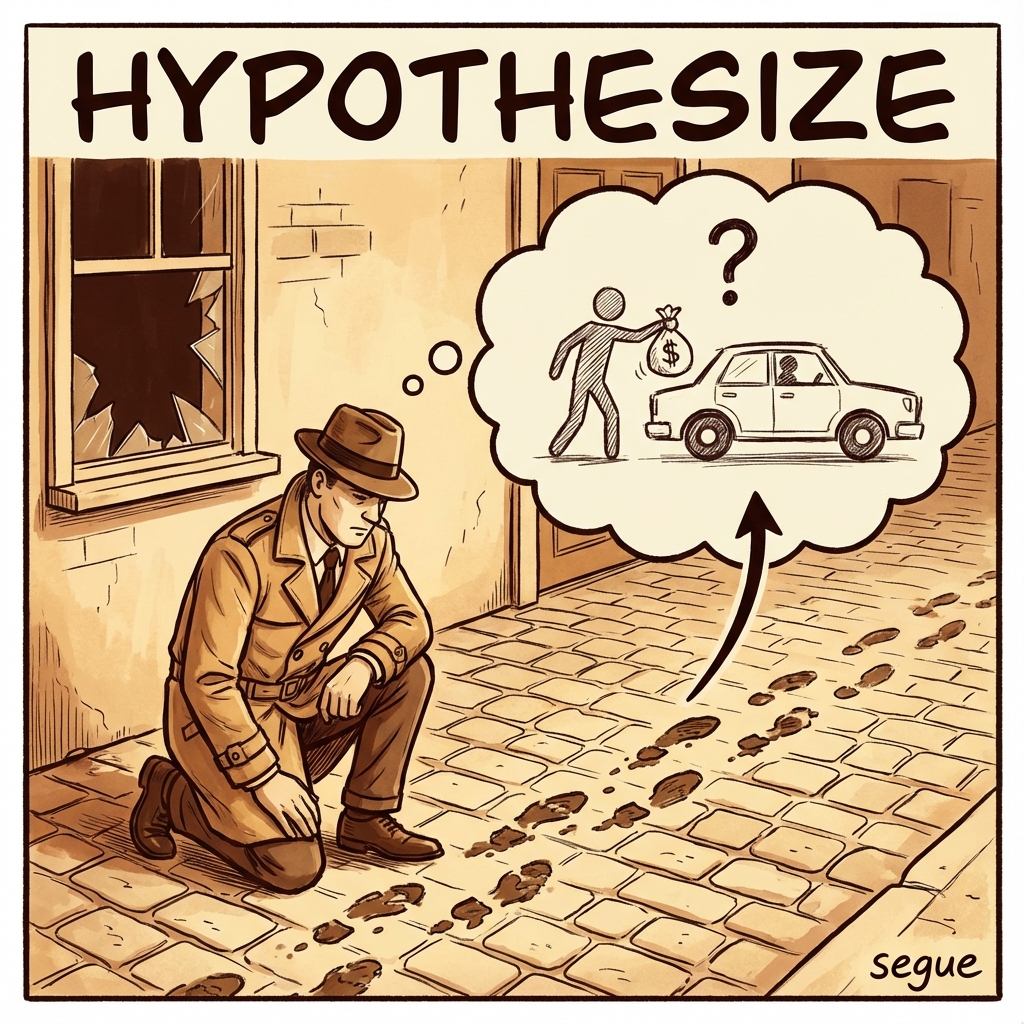
hypothesize
/haɪˈpɑθəˌsaɪz/to put forward as a hypothesis
“Researchers hypothesize a link between the variables.”
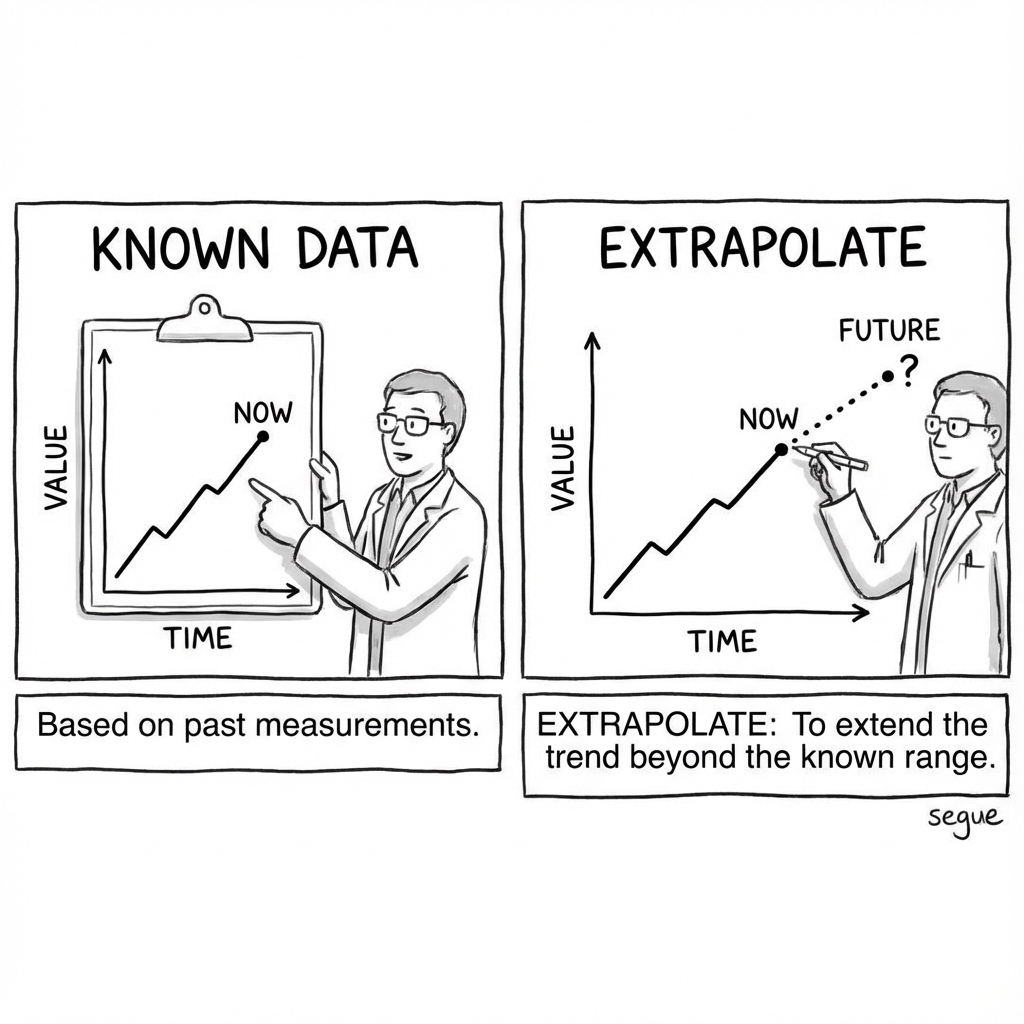
extrapolate
/ɛkˈstɹæpəˌɫeɪt/to extend application of facts to an unknown situation
“We cannot extrapolate these findings to all cases.”
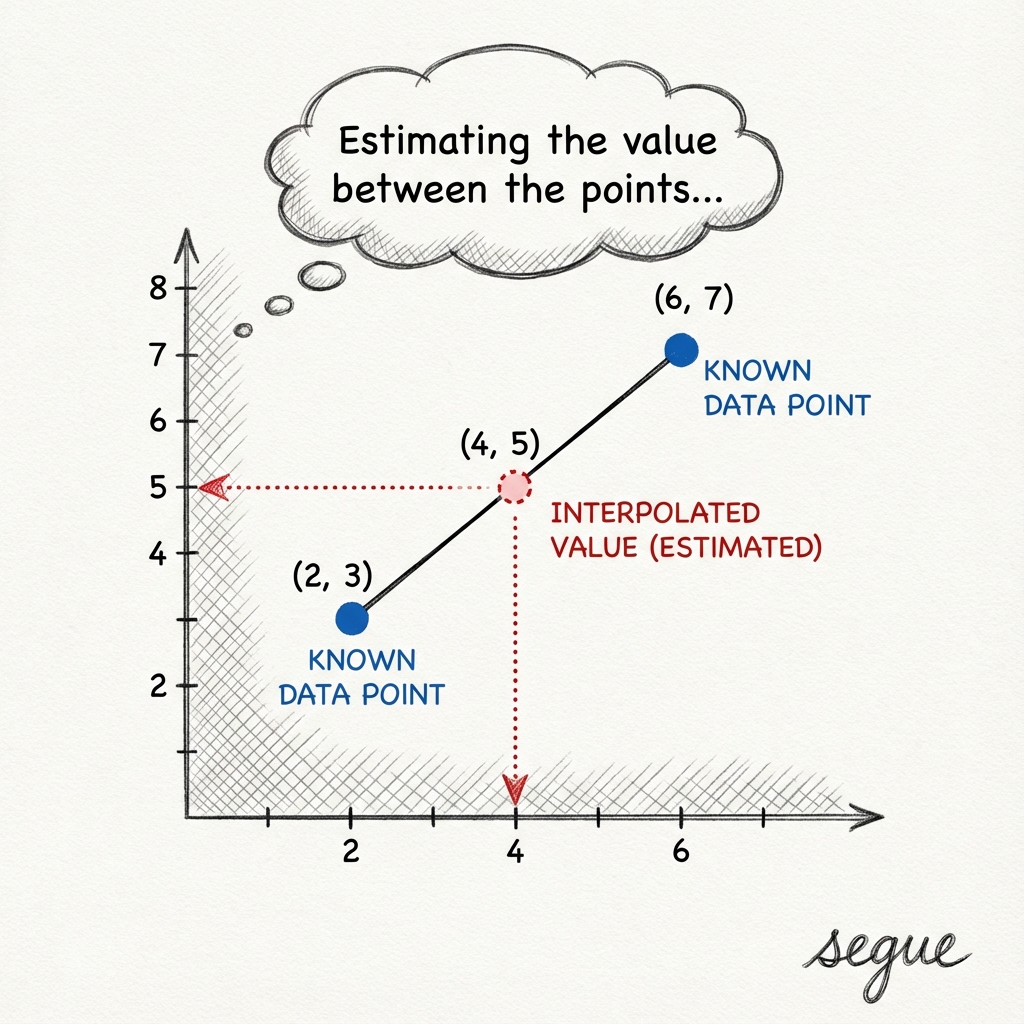
interpolate
/ˌɪˈtɝpəˌɫeɪt/to insert something between fixed points
“The missing data was interpolated from known values.”
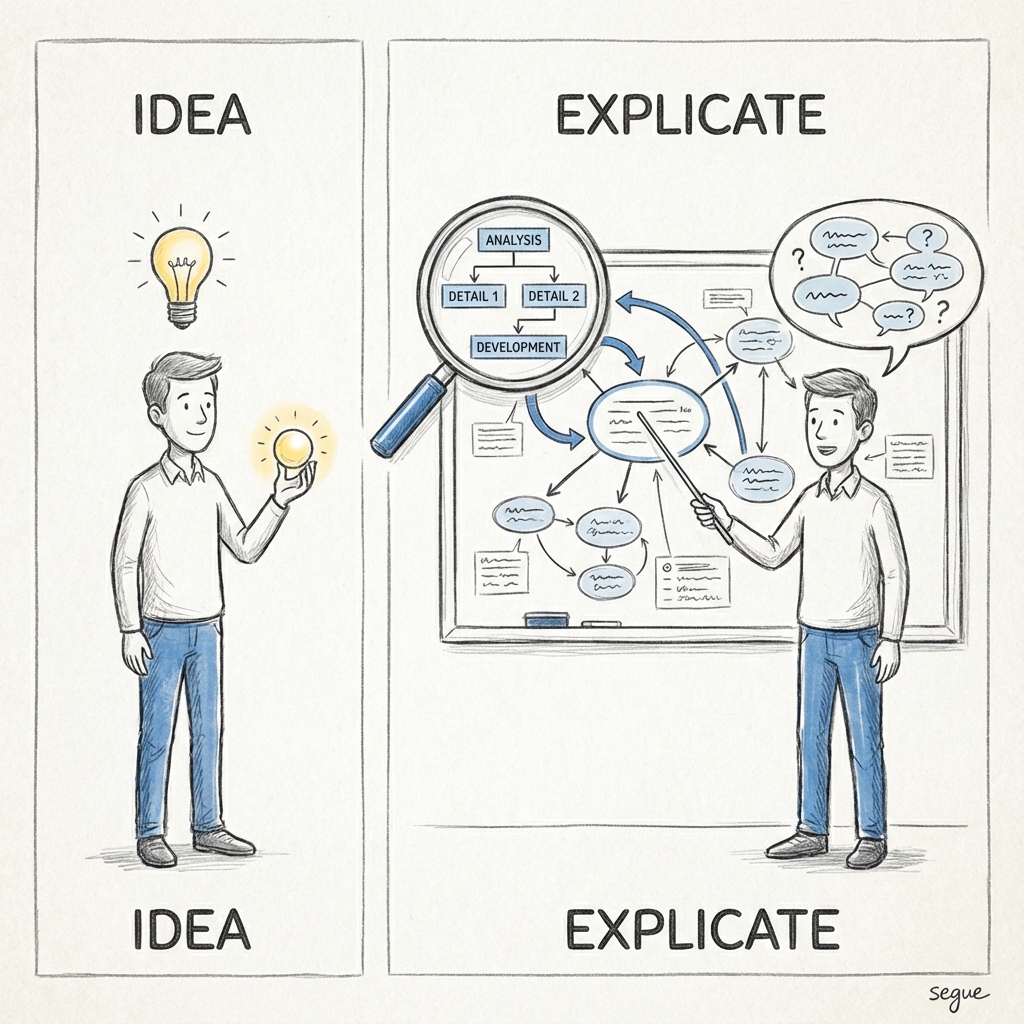
explicate
/ˈɛkspɫəˌkeɪt/to analyze and develop an idea in detail
“The critic explicated the poem's symbolism.”
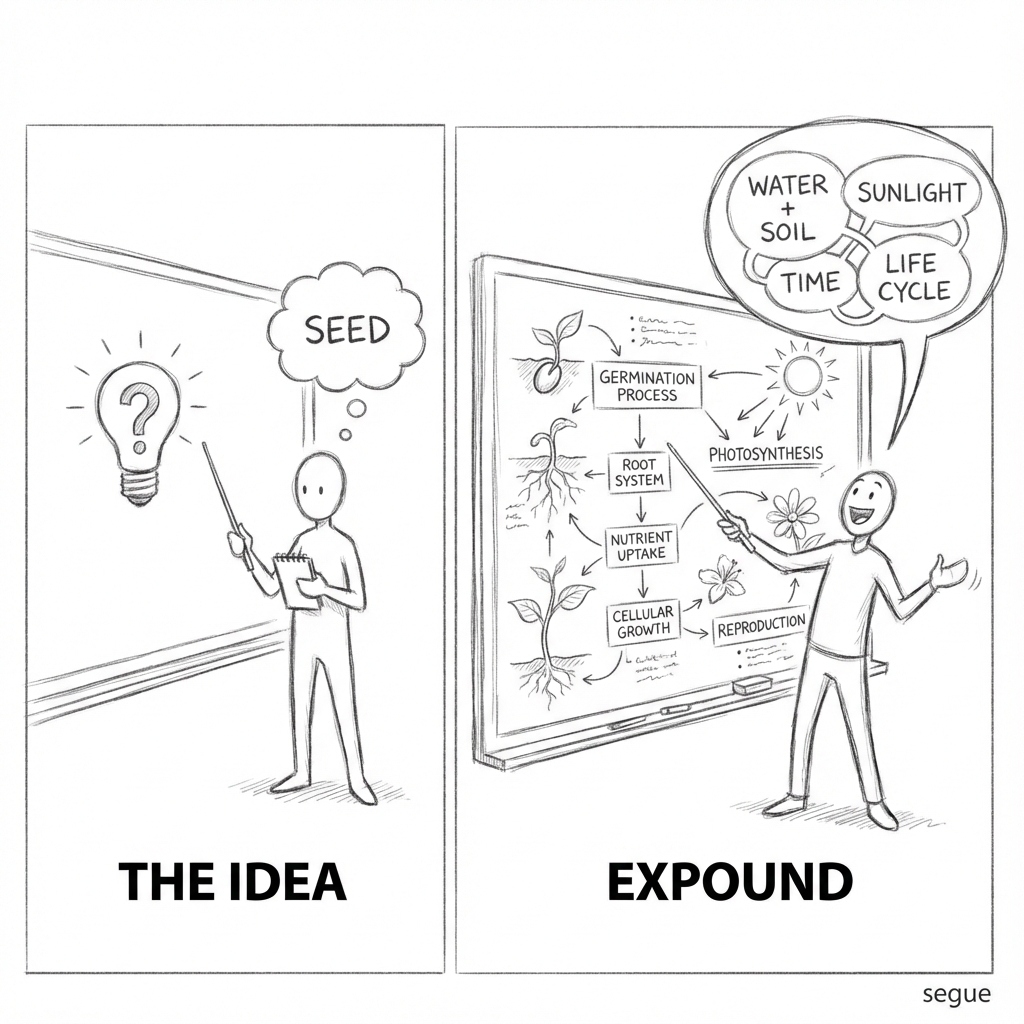
expound
/ɪkˈspaʊnd/to present and explain a theory systematically
“She expounded her views on economic reform.”
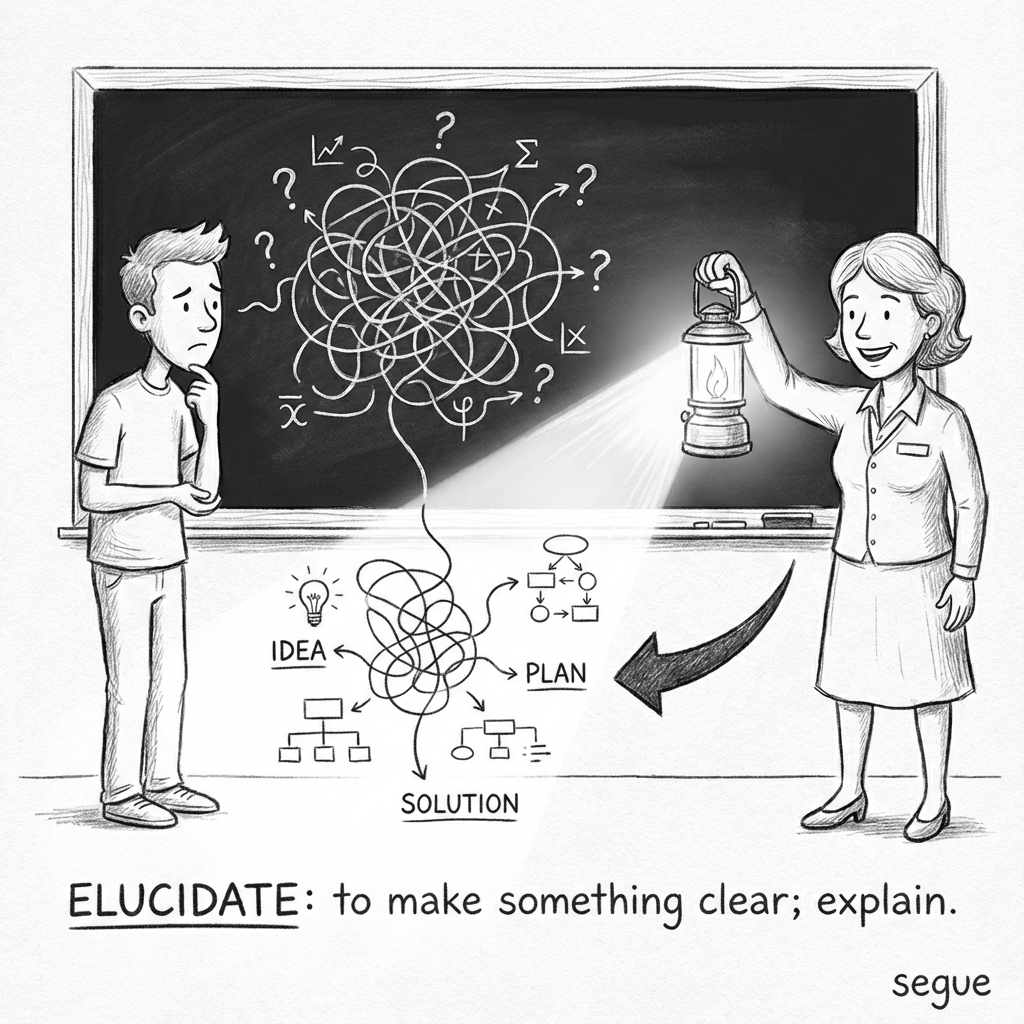
elucidate
/ɪˈɫusəˌdeɪt/to make something clear; explain
“The professor elucidated the complex concept.”
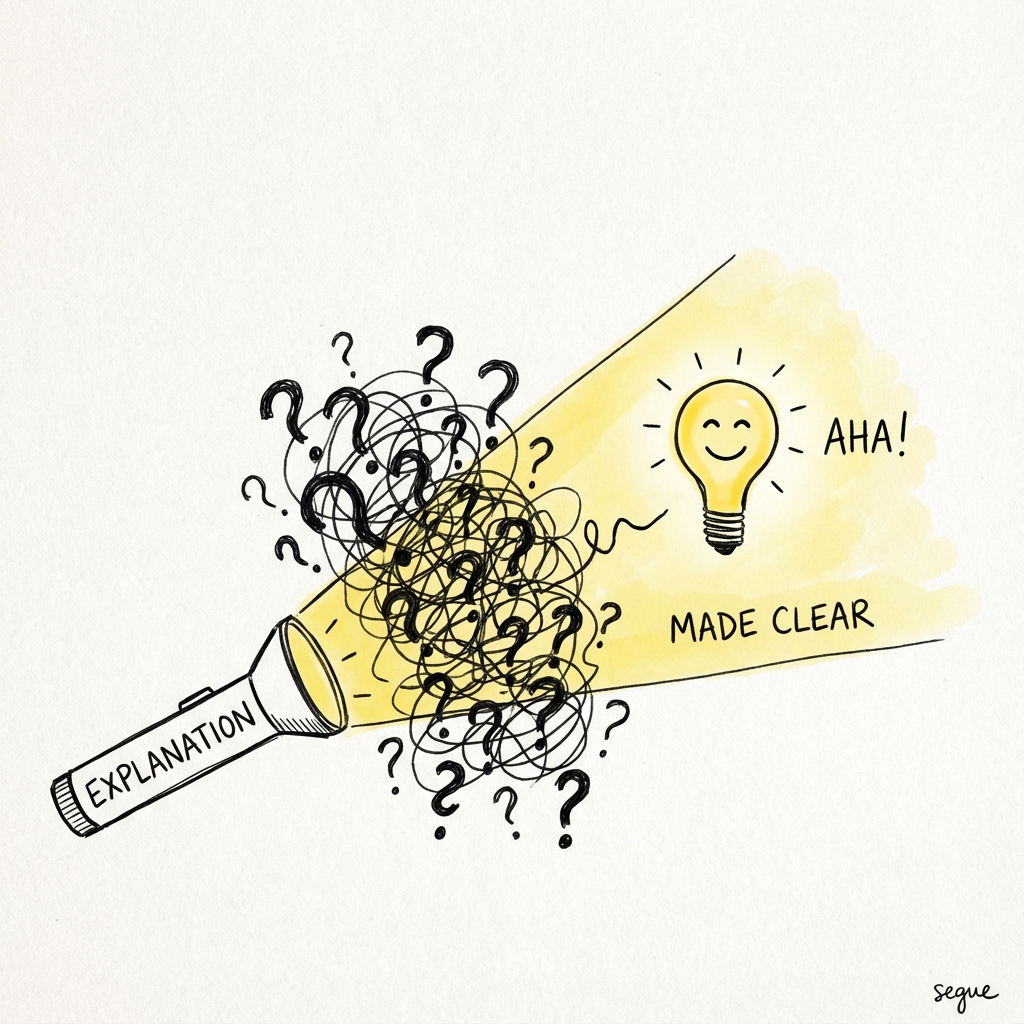
illuminate
/ˌɪˈɫumɪnɪt/to help clarify or explain
“New research illuminates the origins of the disease.”
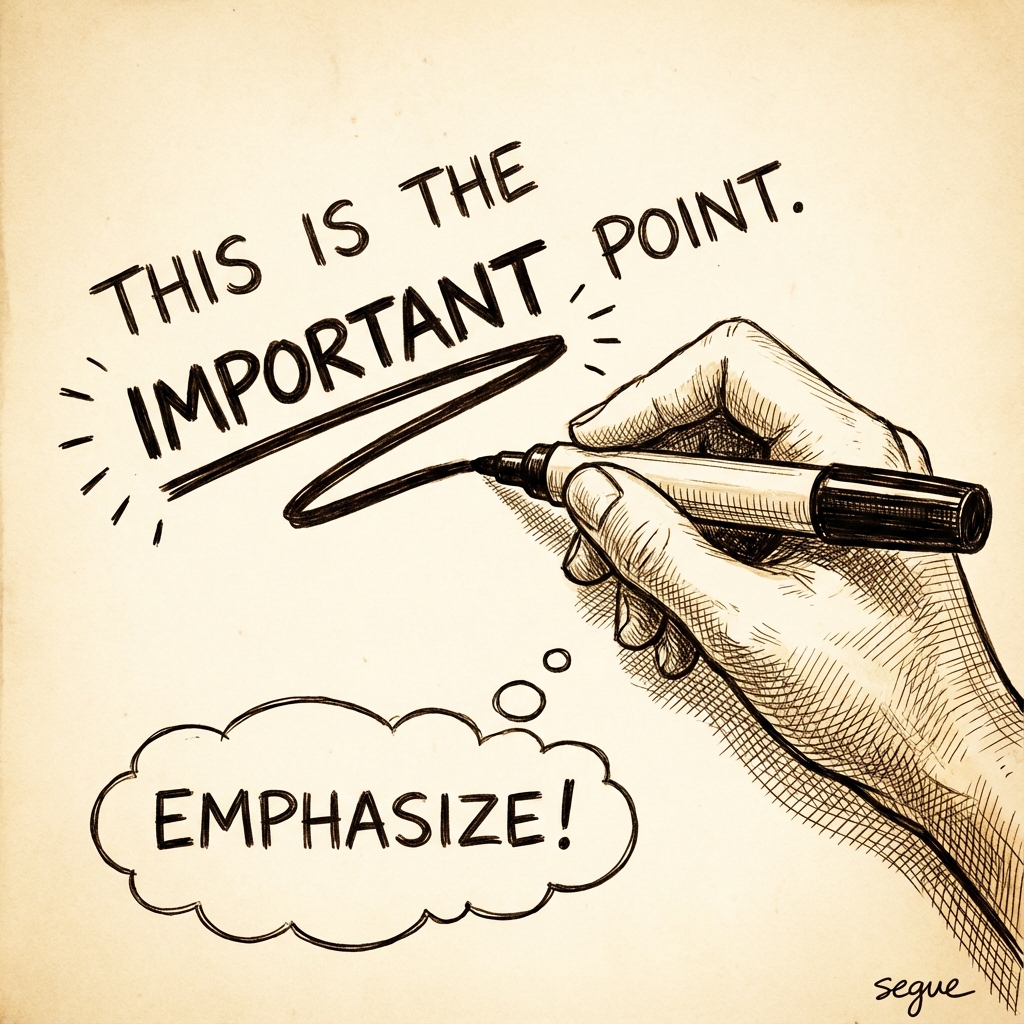
underscore
/ˌəndɝˈskɔɹ/to emphasize the importance of
“The incident underscores the need for reform.”
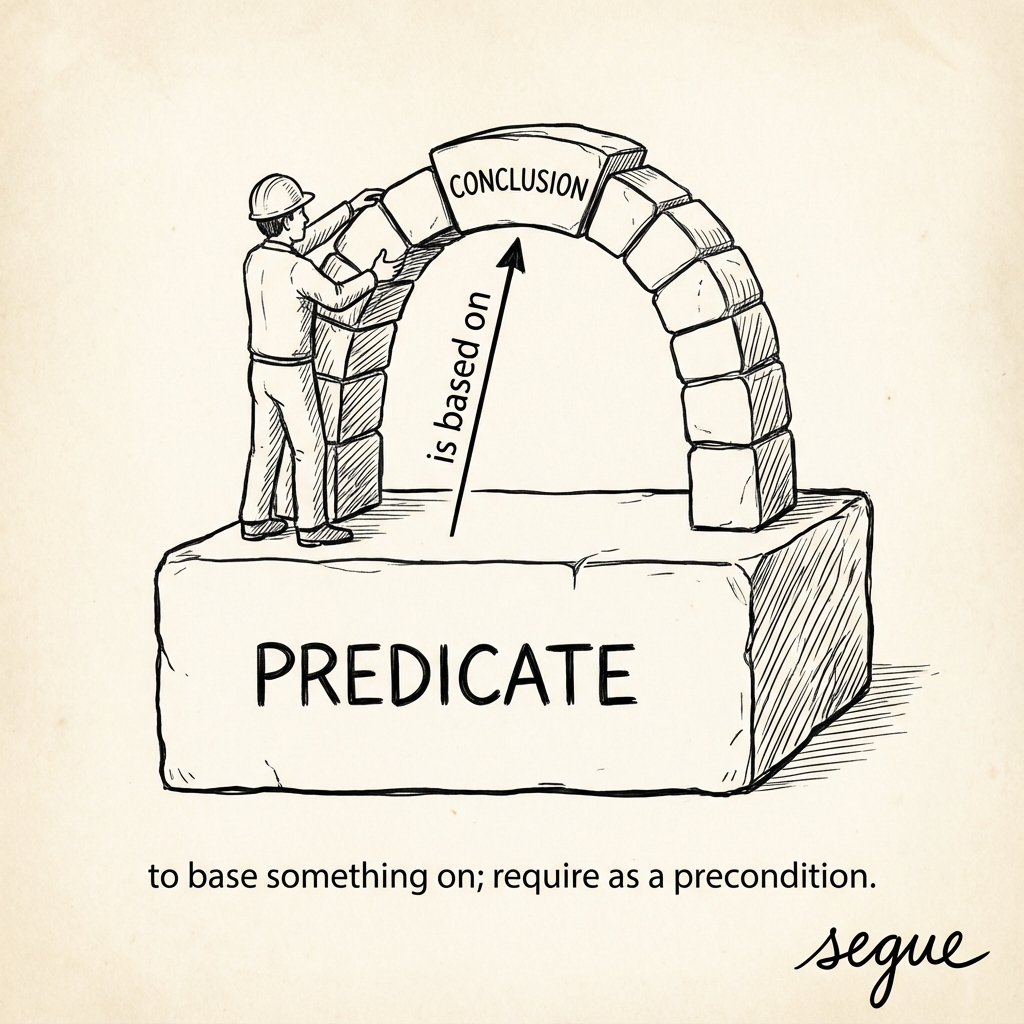
predicate
/ˈpɹɛdəˌkeɪt/to found or base on something
“The argument is predicated on false assumptions.”
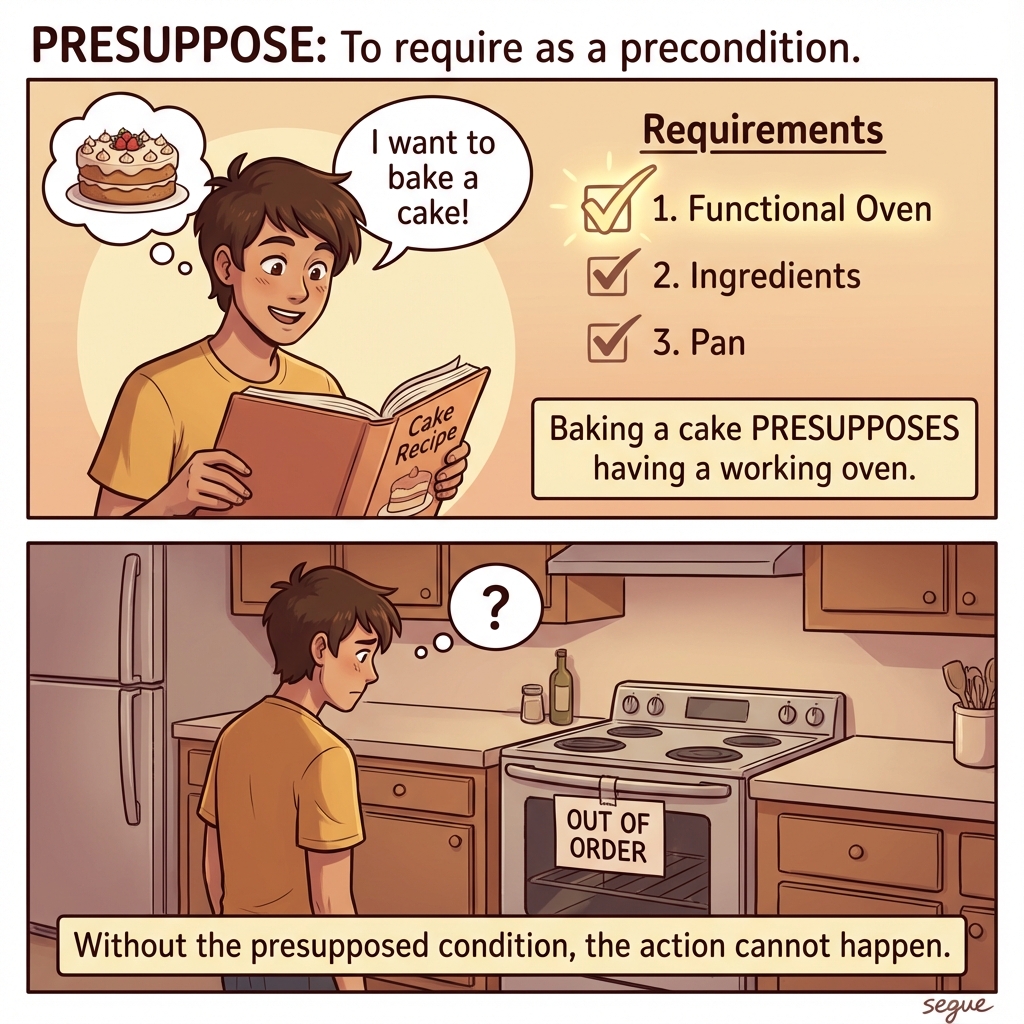
presuppose
/ˌpɹisəˈpoʊz/to require as a precondition
“The theory presupposes rational actors.”

obviate
/ˈɑbviˌeɪt/to remove a need or difficulty
“The new process obviates the need for approval.”
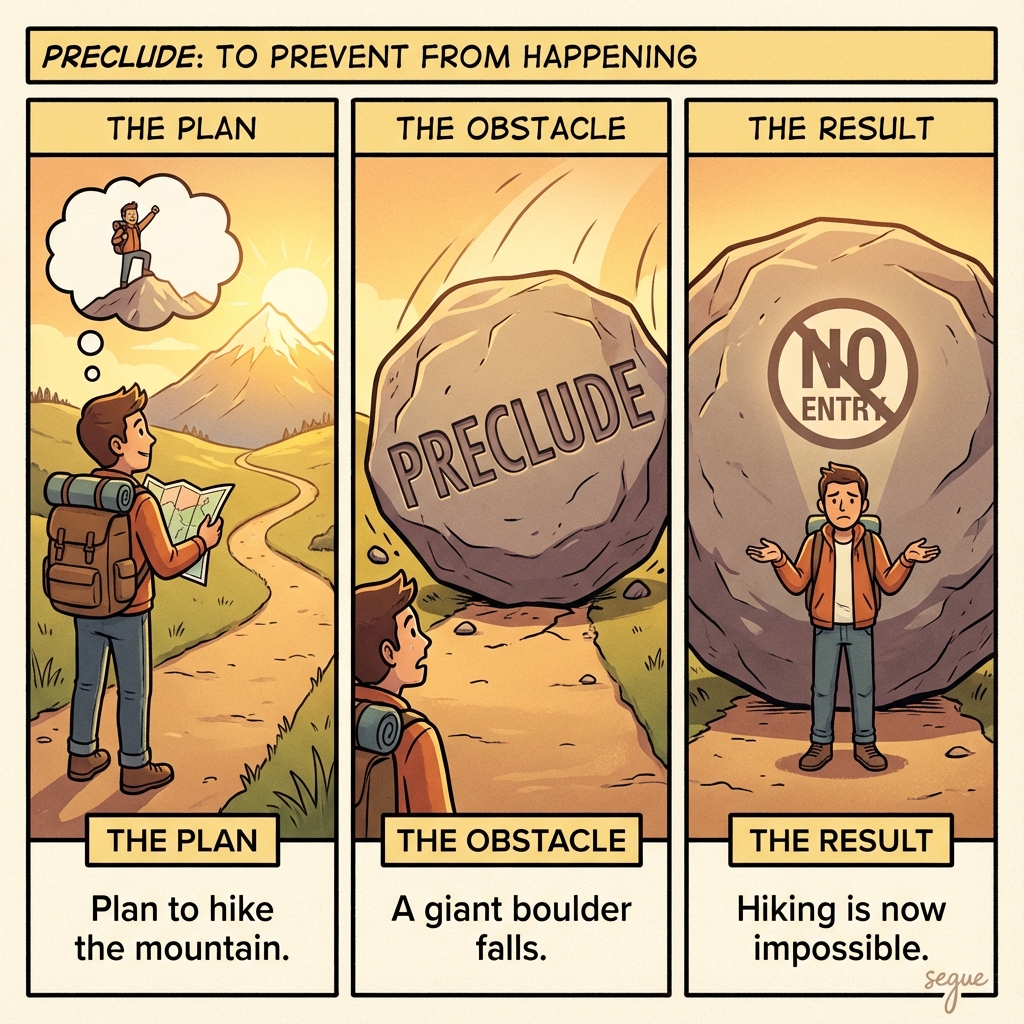
preclude
/pɹiˈkɫud/to prevent from happening; make impossible
“Budget constraints preclude further expansion.”

supersede
/ˌsupɝˈsid/to take the place of something previously in use
“Digital records have superseded paper files.”
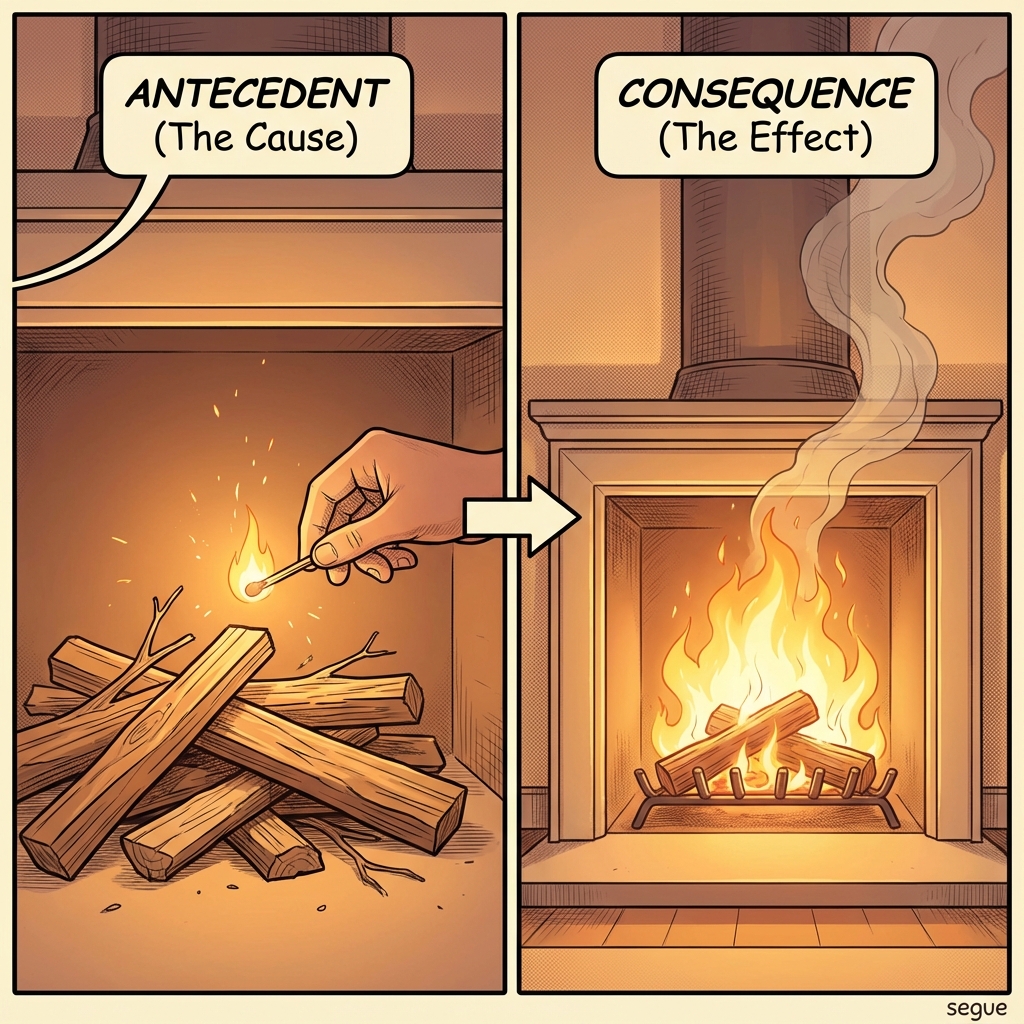
antecedent
/ˌænˈtɛsədənt/a thing that existed or came before another
“The historical antecedents of the conflict are complex.”

coalesce
/ˌkoʊəˈɫɛs/to come together to form one mass or whole
“The various groups coalesced into a single movement.”
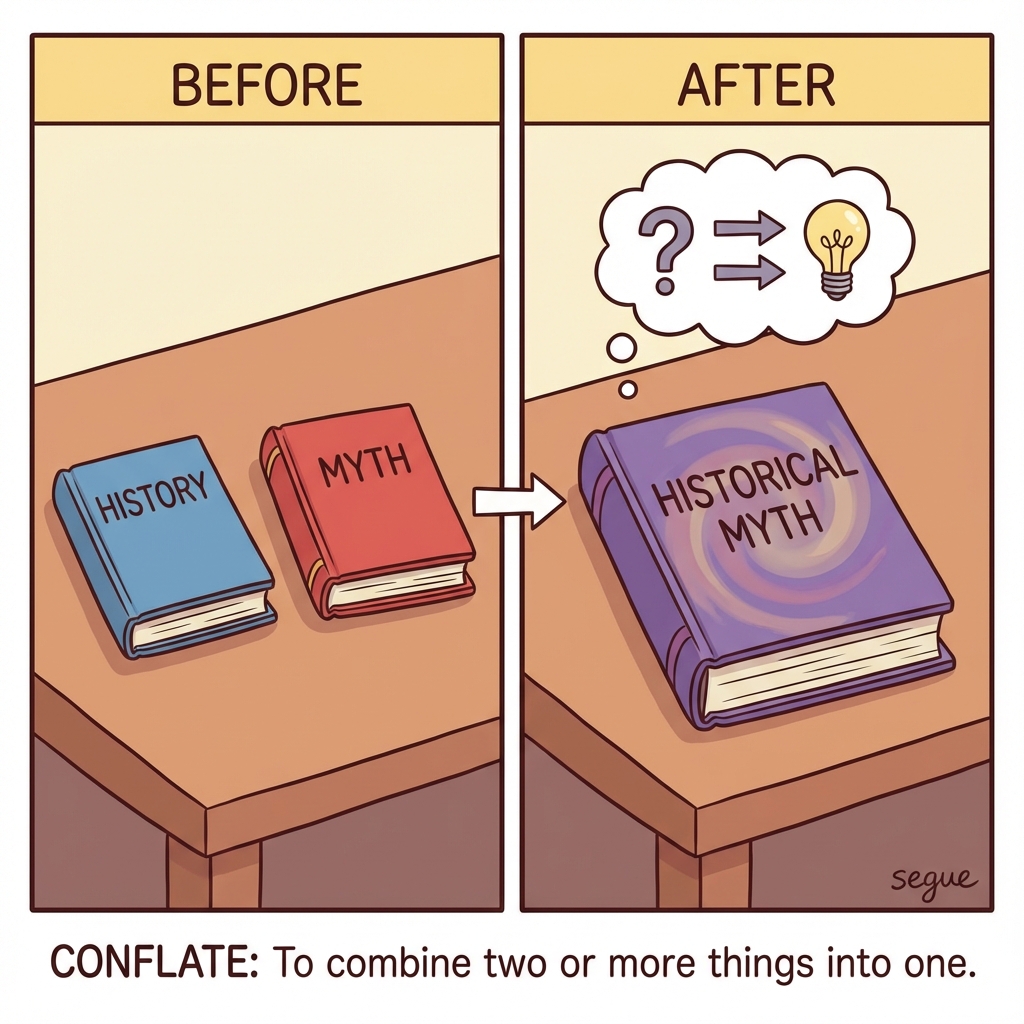
conflate
/kənˈfɫeɪt/to combine two or more things into one
“Critics accused him of conflating separate issues.”

bifurcate
/ˈbaɪfɝˌkeɪt/to divide into two branches or parts
“The road bifurcates at the village center.”
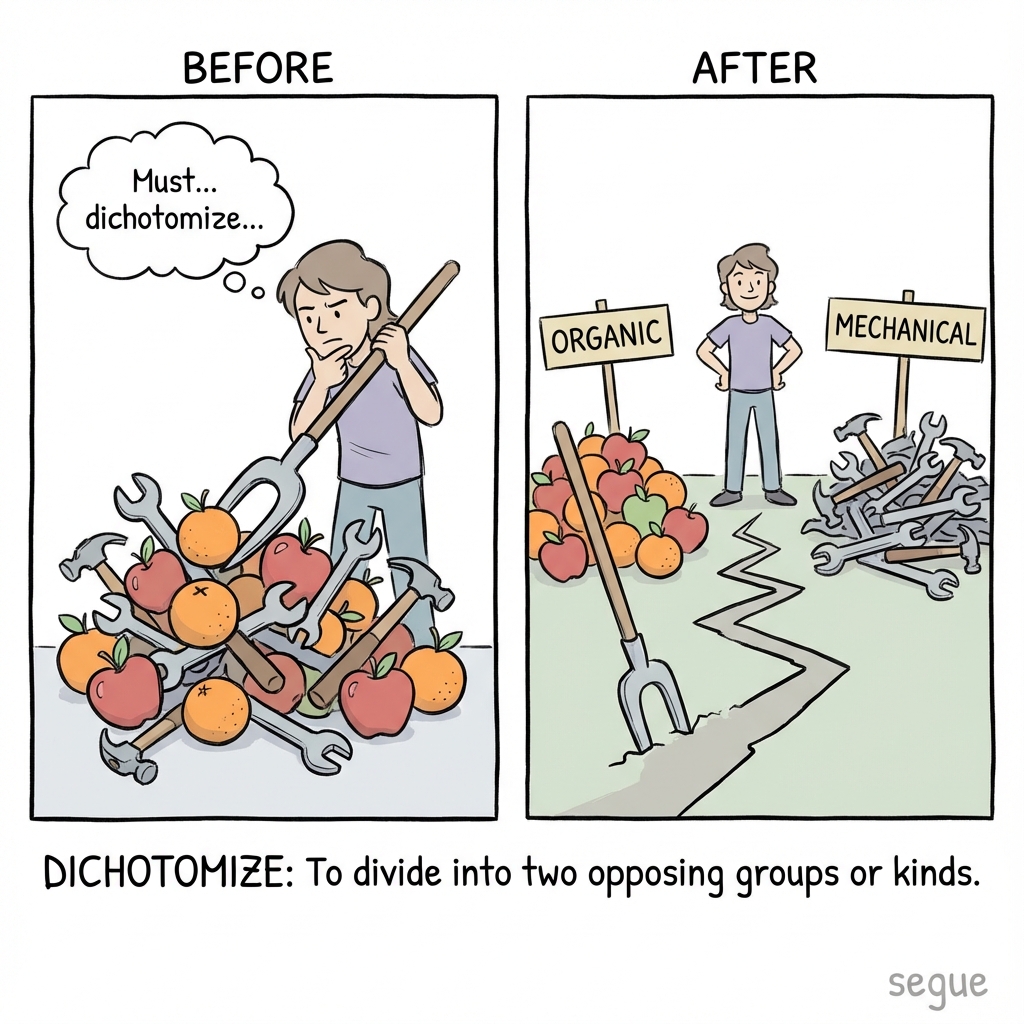
dichotomize
/daɪˈkɒtəmaɪz/to divide into two opposing groups or kinds
“We shouldn't dichotomize complex issues.”
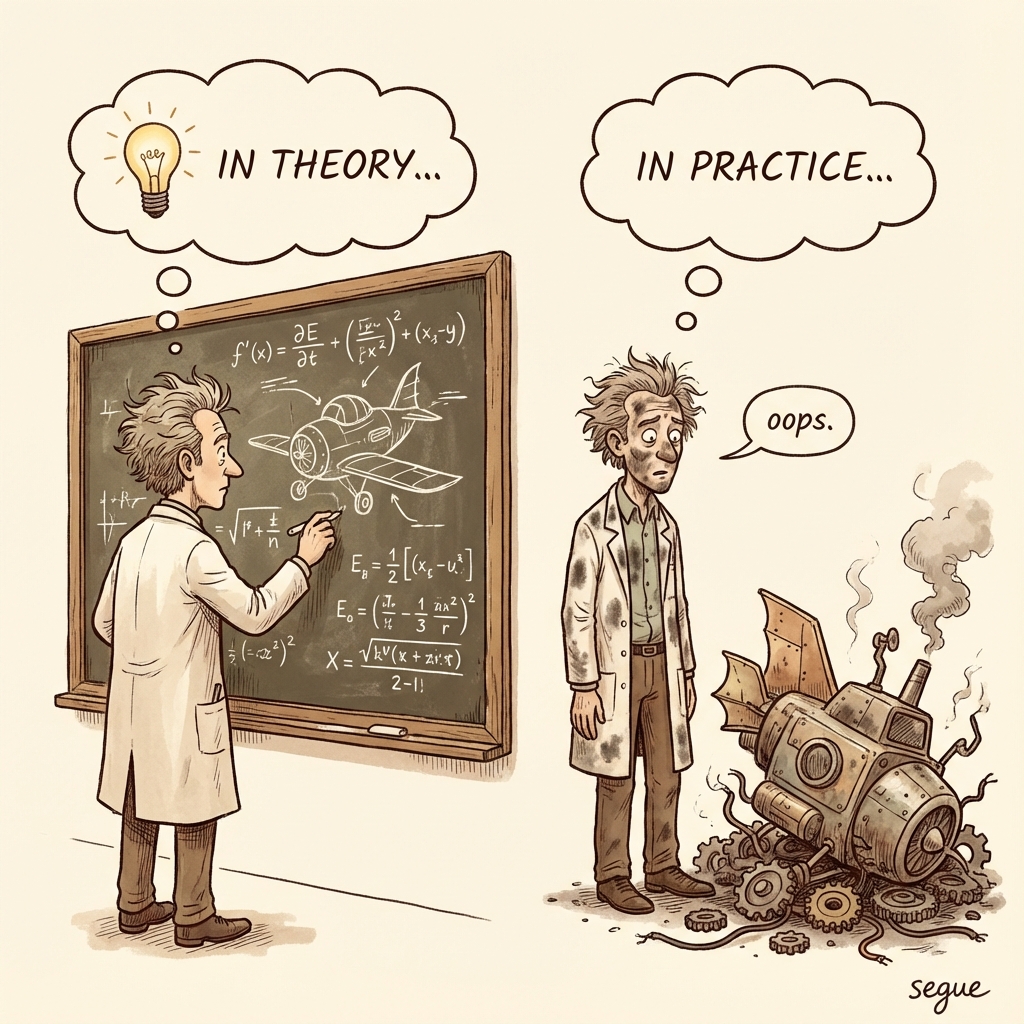
theoretical
/ˌθiɝˈɛtɪkəɫ/concerned with or involving the theory of a subject
“The paper explores the theoretical basis of the model.”
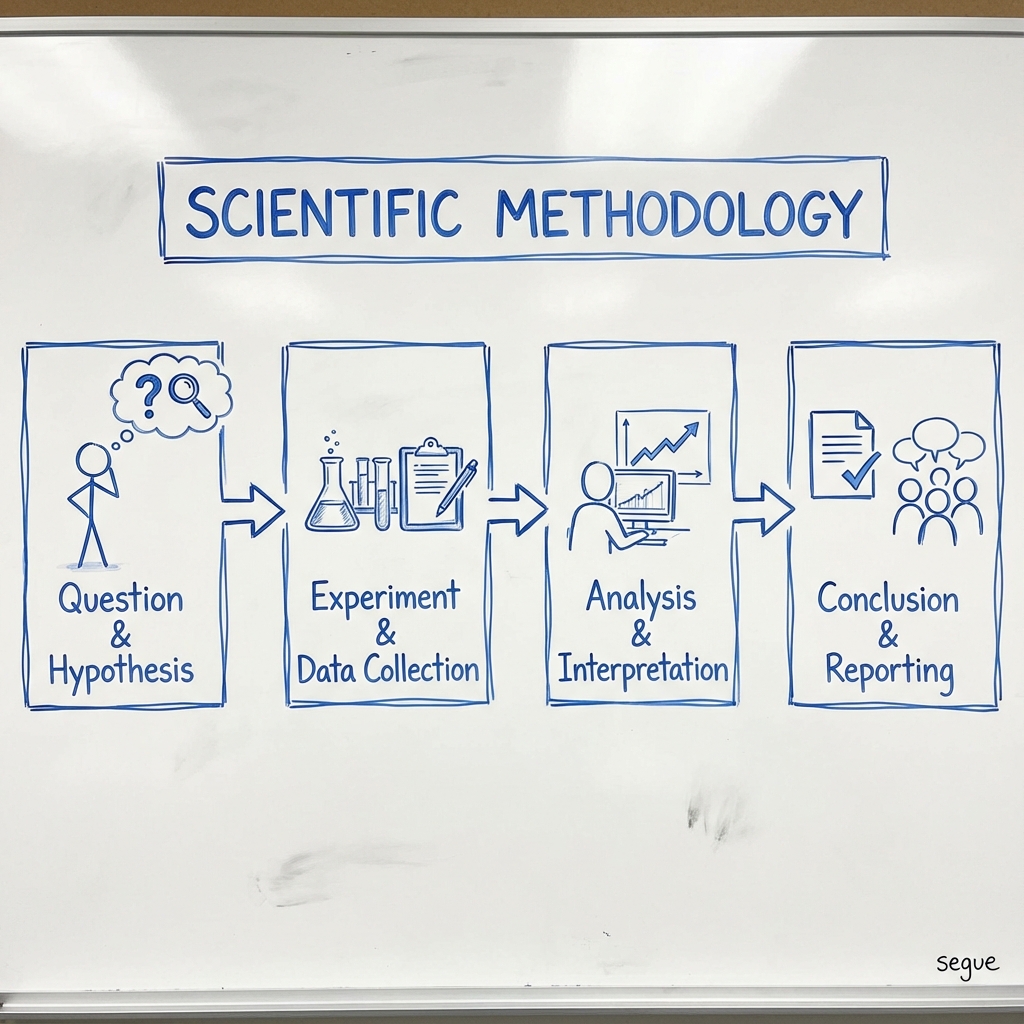
methodology
/ˌmɛθəˈdɑɫədʒi/a system of methods used in a particular area of study
“The research methodology was rigorous.”
More from Professional & Legal
Explore other vocabulary categories in this collection.