Loading collection...
🎓
Academia & Research Vocabulary
Terminology for academic and research environments
22 words
All 22 Words
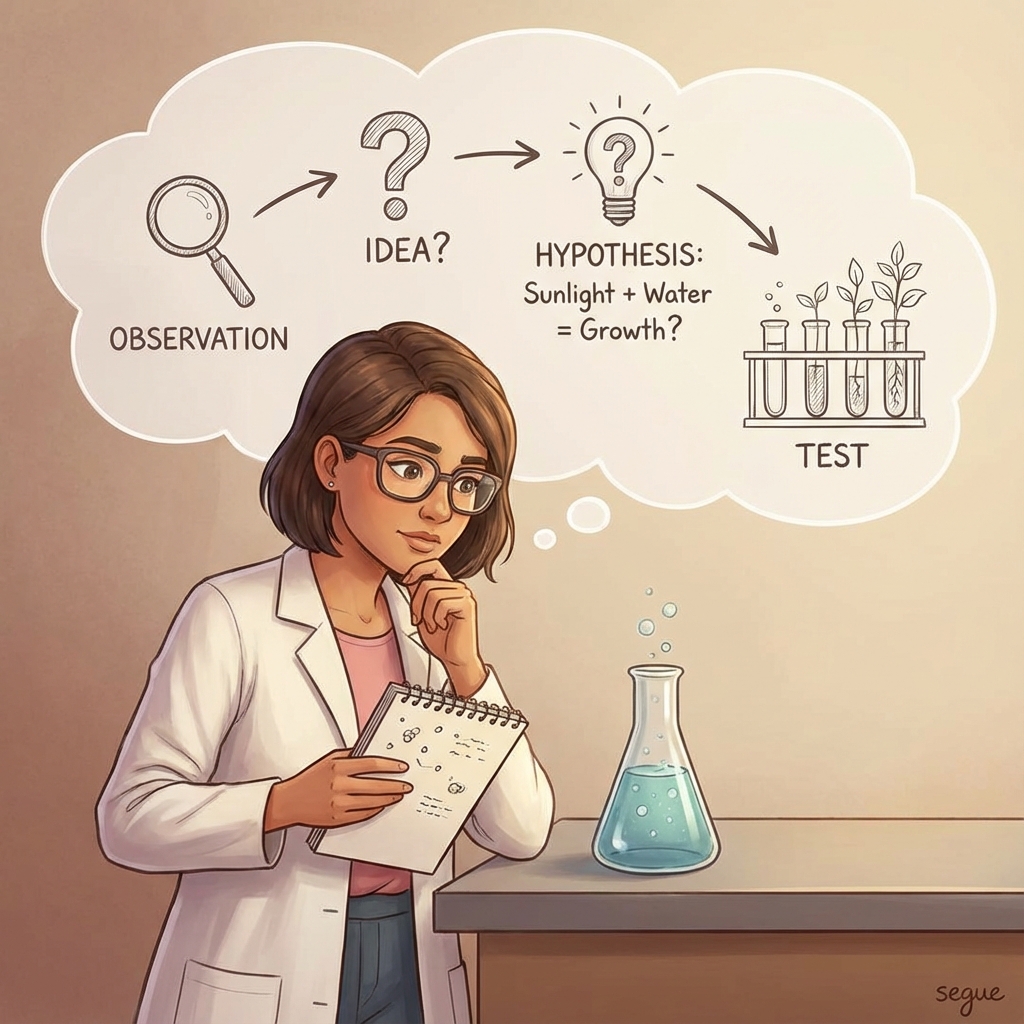
hypothesis
/haɪˈpɑθəsəs/A proposed explanation to be tested through research
“The hypothesis was supported by experimental data.”
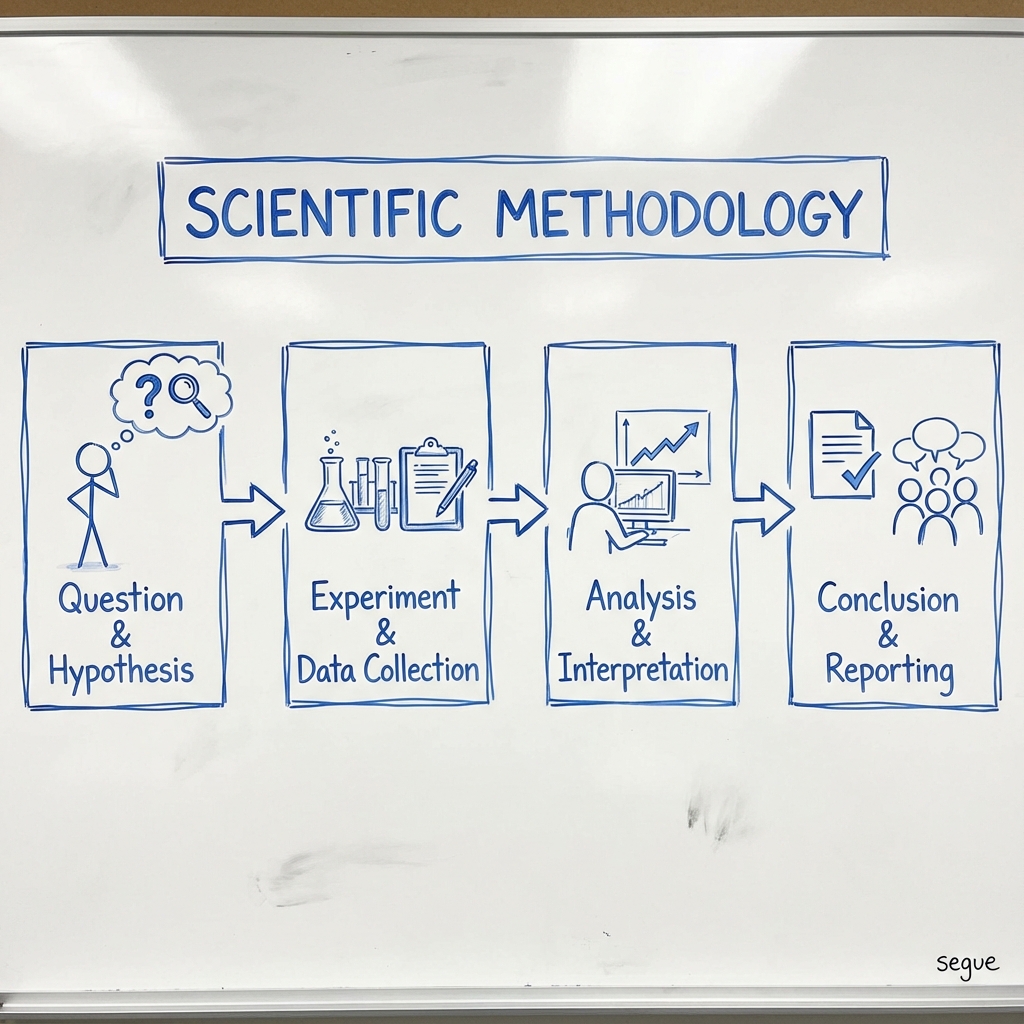
methodology
/ˌmɛθəˈdɑɫədʒi/The system of methods used in a study
“The research methodology was reviewed for scientific rigor.”

peer review
/ˈpɪər rɪˌvjuː/Evaluation of work by experts in the same field
“The article underwent rigorous peer review before publication.”

citation
/saɪˈteɪʃən/A reference to a source of information
“Proper citation prevents accusations of plagiarism.”

thesis
/ˈθisəs/A statement to be proved; a lengthy research paper
“Her doctoral thesis explored quantum computing applications.”

dissertation
/ˌdɪsɝˈteɪʃən/An extended written treatment of a subject for a degree
“The dissertation committee approved his research proposal.”

symposium
/sɪmˈpoʊziəm/A conference for discussion of a particular subject
“Leading researchers presented at the annual symposium.”

tenure
/ˈtɛnjɝ/Permanent employment status at an academic institution
“She received tenure after years of distinguished research.”

sabbatical
/səˈbætɪkəɫ/A period of leave for study or travel
“He spent his sabbatical writing a book on economic theory.”

curriculum
/kɝˈɪkjəɫəm/The subjects comprising a course of study
“The curriculum was updated to include emerging technologies.”

pedagogy
/ˈpɛdəˌɡoʊdʒi/The method and practice of teaching
“Modern pedagogy emphasizes active learning and engagement.”

syllabus
/ˈsɪɫəbəs/An outline of topics covered in a course
“The syllabus details assignments, readings, and grading criteria.”

empirical
/ˌɛmˈpɪɹɪkəɫ/Based on observation or experiment rather than theory
“Empirical evidence contradicted the established theory.”
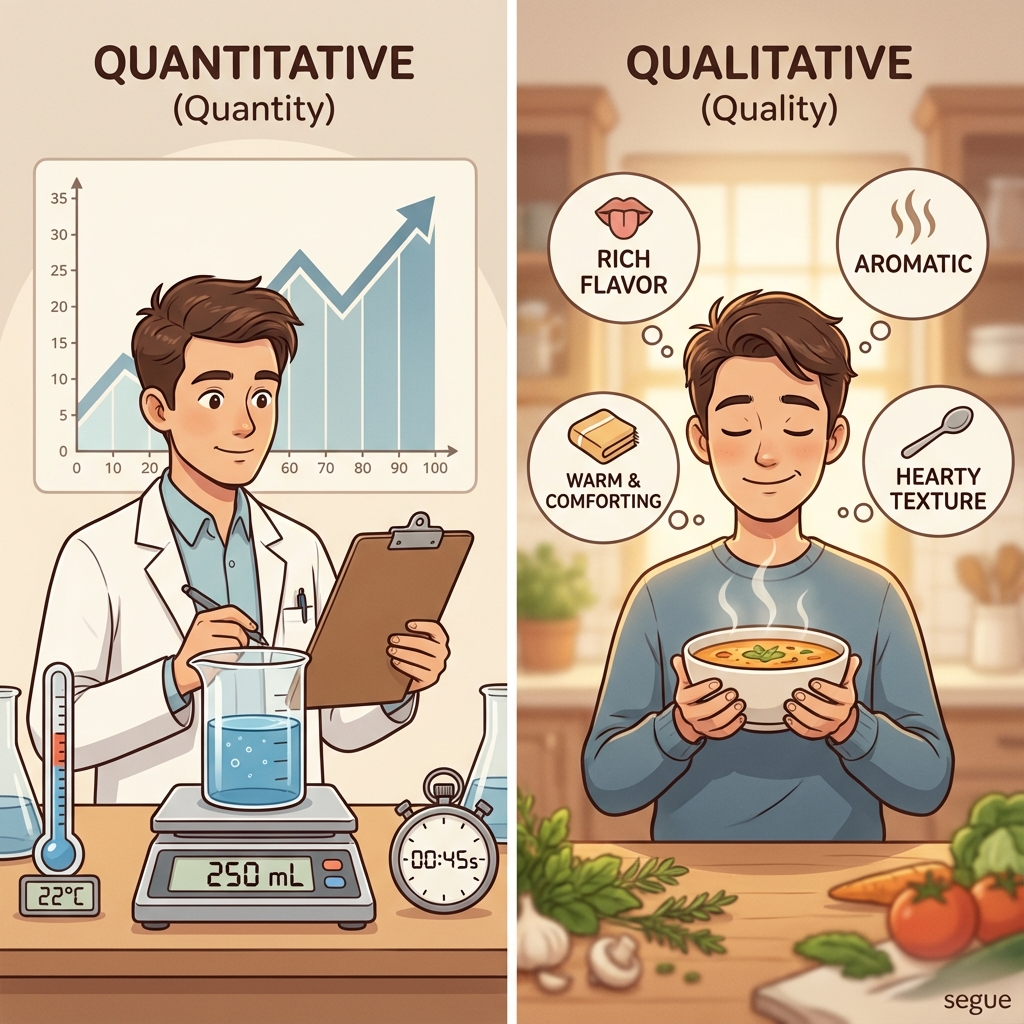
qualitative
/ˈkwɑɫəˌteɪtɪv/Relating to quality or characteristics rather than quantity
“Qualitative research revealed nuanced participant perspectives.”
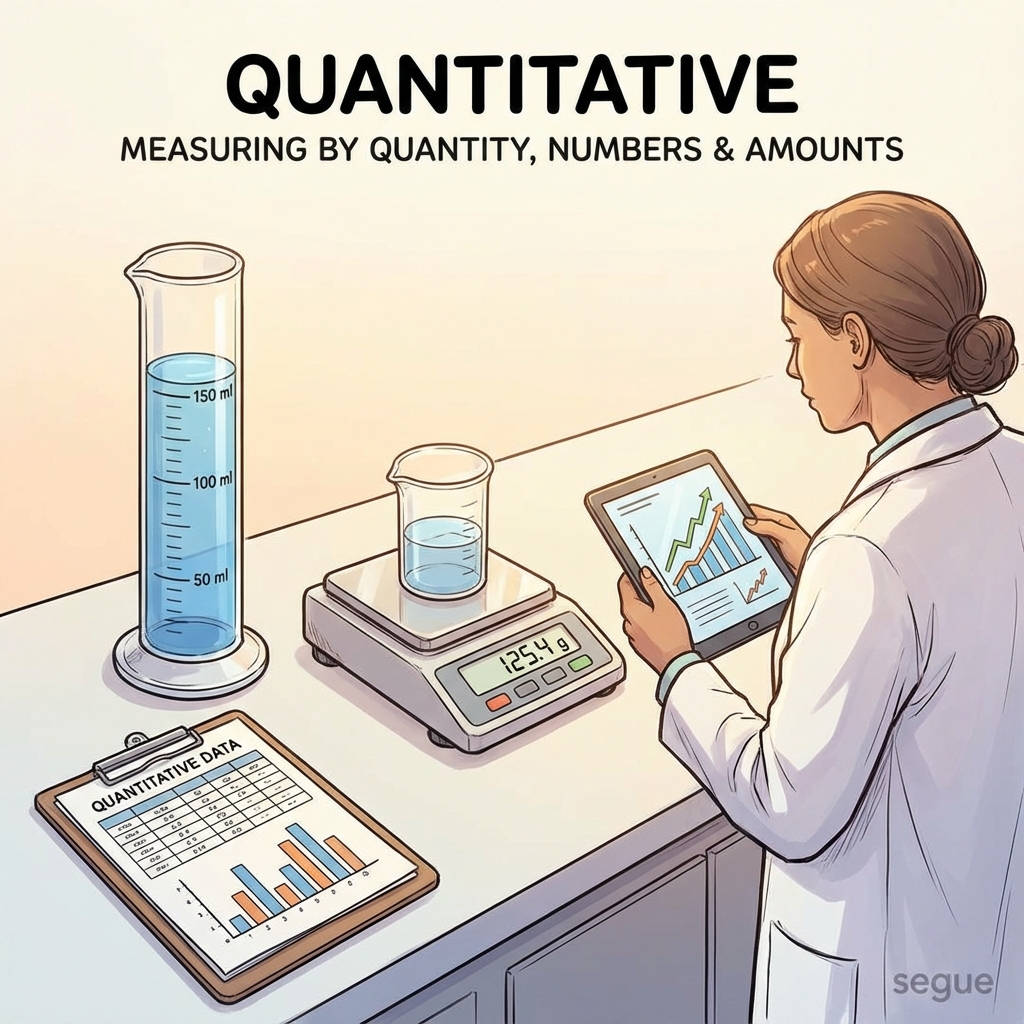
quantitative
/ˈkwɑntɪˌteɪtɪv/Relating to measurement and numerical data
“Quantitative analysis confirmed statistically significant results.”
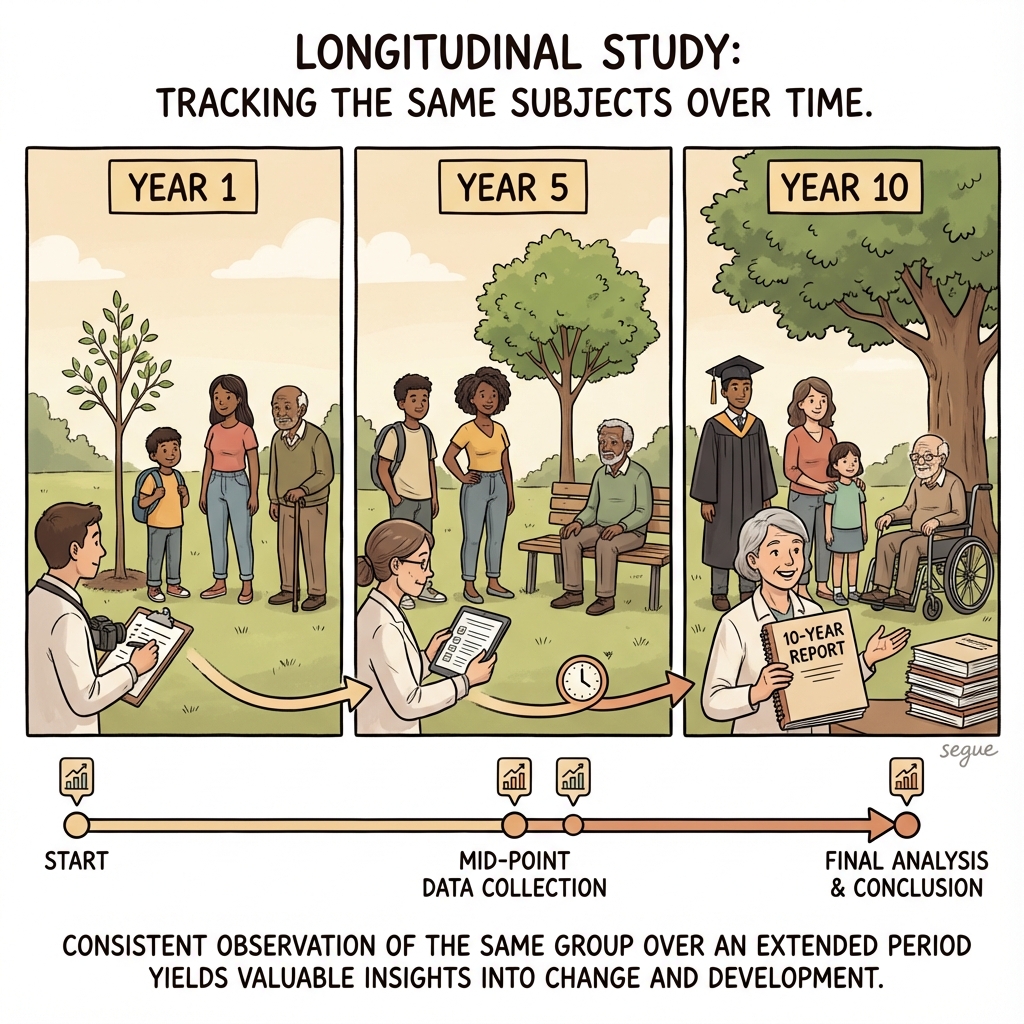
longitudinal
/ˌɫɑndʒəˈtudənəɫ/Studying the same subjects over an extended period
“The longitudinal study tracked participants for twenty years.”

interdisciplinary
/ˌɪntɝˈdɪsəpɫəˌnɛɹi/Involving two or more academic disciplines
“Interdisciplinary research combines insights from multiple fields.”

abstract
/ˈæbˌstɹækt/A summary of a research paper or article
“The abstract should concisely summarize the key findings.”

bibliography
/ˌbɪbɫiˈɑɡɹəfi/A list of sources used or consulted
“The bibliography includes both primary and secondary sources.”

plagiarism
/ˈpɫeɪdʒɝˌɪzəm/Presenting another's work as one's own
“Plagiarism is a serious academic offense with severe consequences.”

emeritus
/ɪˈmɛɹətəs/Having retired but allowed to retain their title as an honor
“The professor emeritus continued to publish research.”

colloquium
/kəˈɫoʊkwiəm/An academic conference or seminar
“The department hosted a colloquium on modern physics.”
More from Professional & Legal
Explore other vocabulary categories in this collection.