Loading collection...
😏
Wit & Wordplay Vocabulary
The art of clever, playful language
10 words
All 10 Words
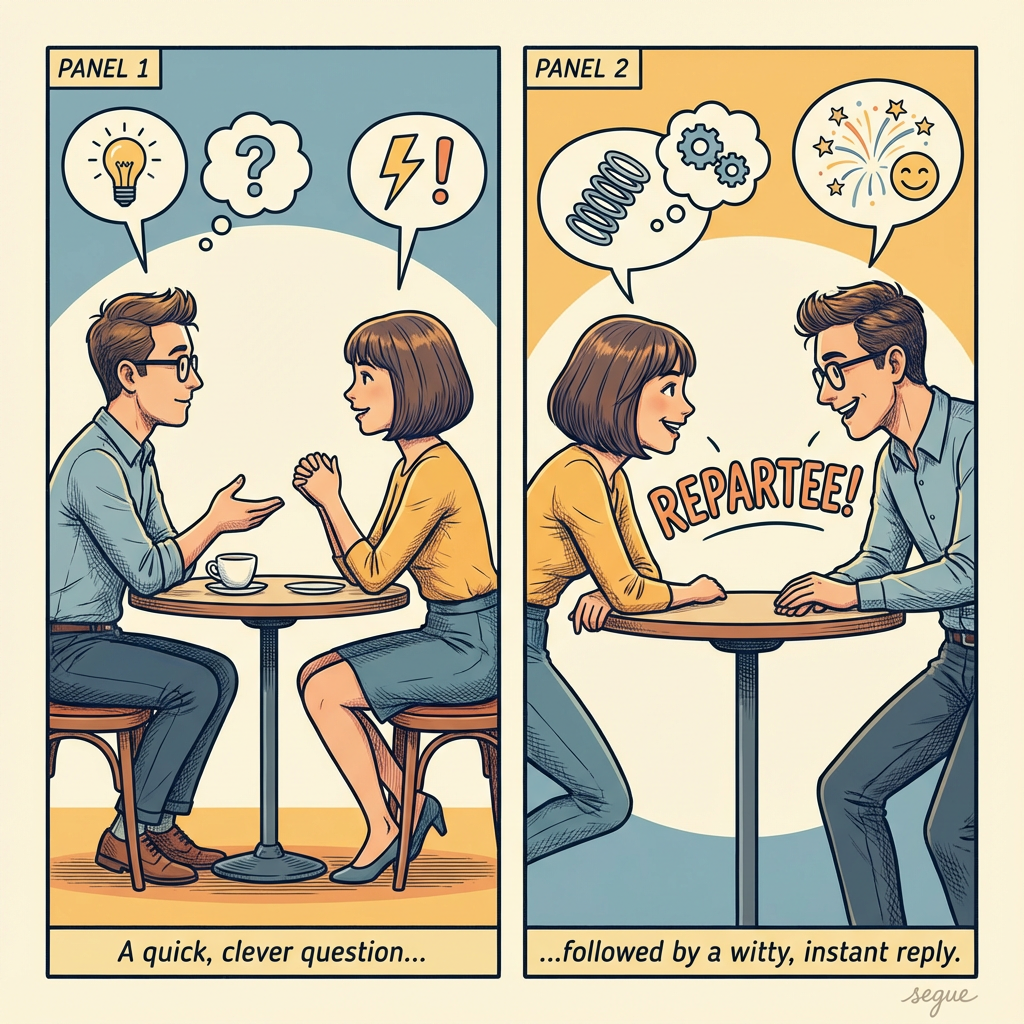
repartee
/ˌɹɛpɝˈti/quick, witty conversation or exchange
“Their repartee was legendary—each line sharper than the last.”
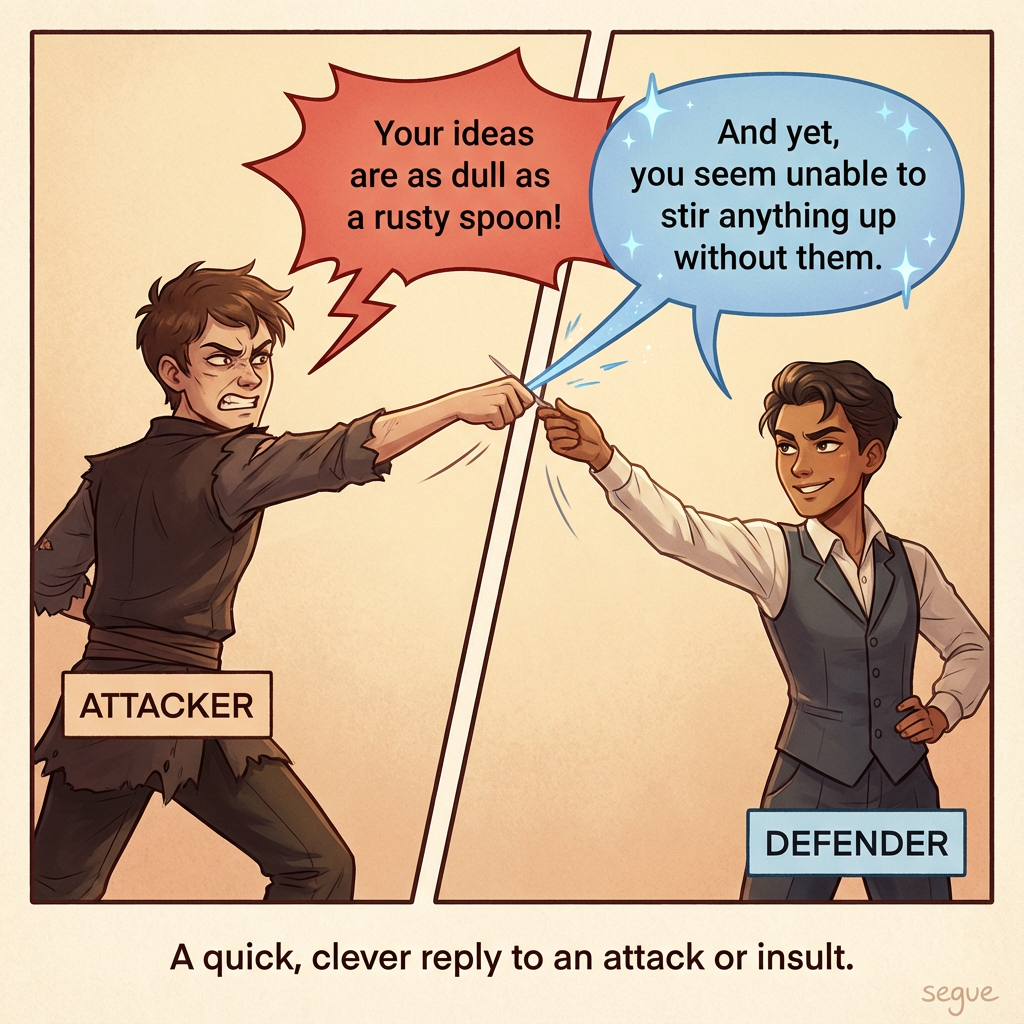
riposte
/ɹɪˈpoʊst/a quick, clever reply to an attack or insult
“When criticized for his youth, Kennedy delivered a perfect riposte.”
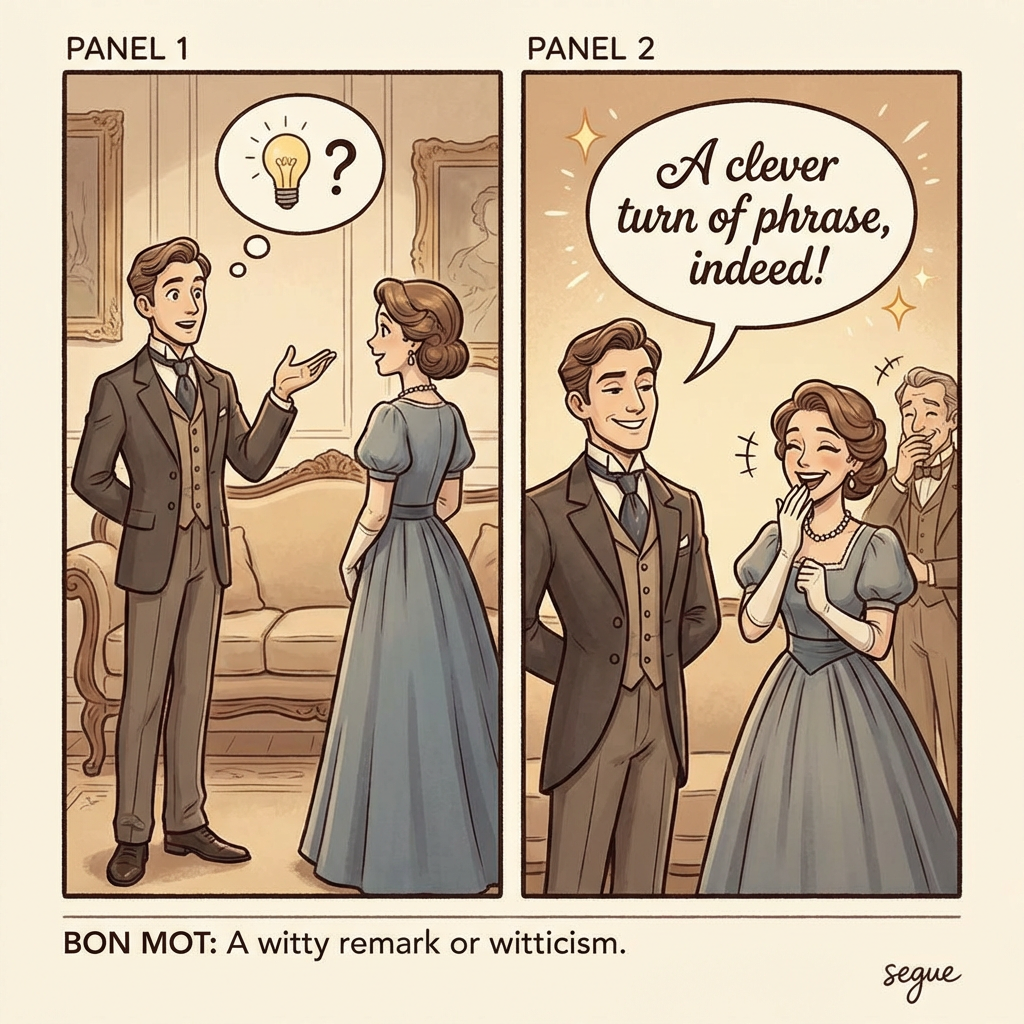
bon mot
/ˌbɒn ˈmoʊ/a witty remark or witticism
“Oscar Wilde was famous for his bon mots.”
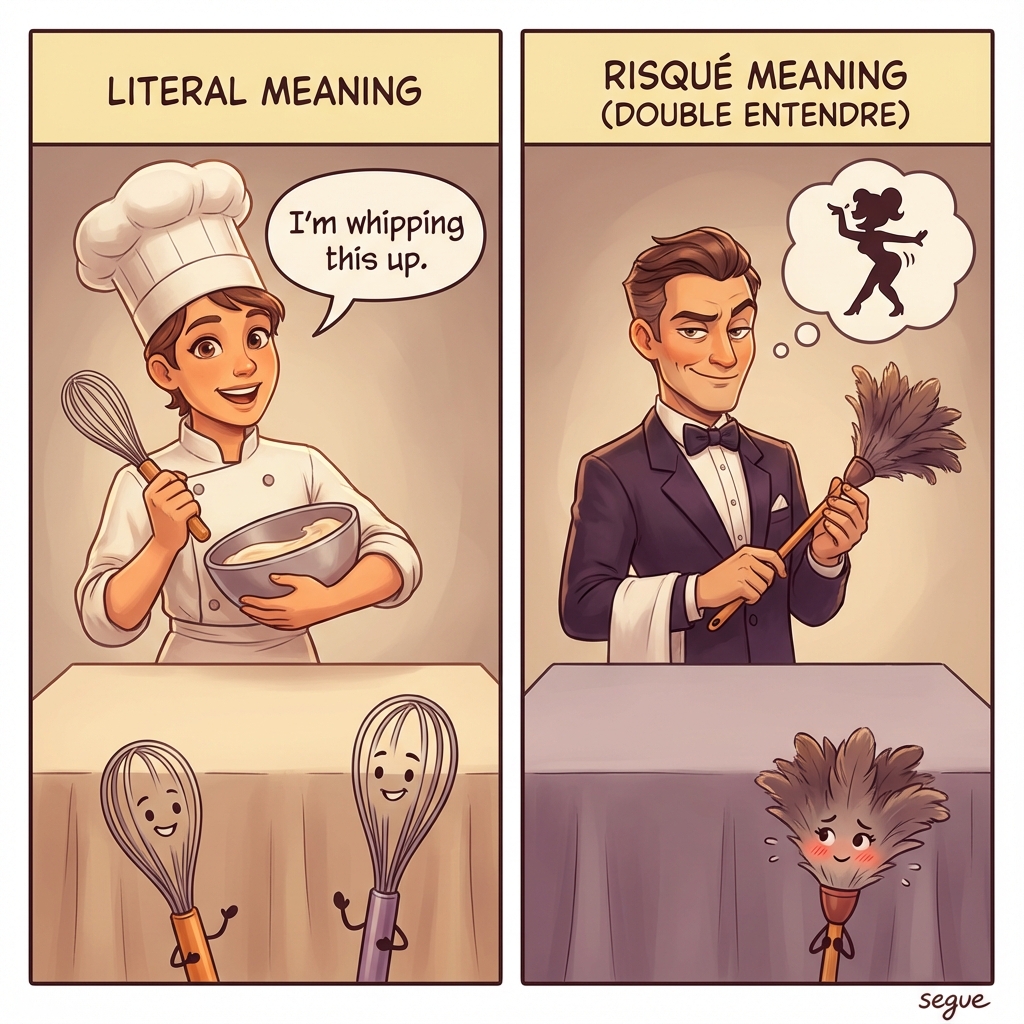
double entendre
/ˌdʌbəl ɑːnˈtɑːndrə/a phrase with two meanings, one usually risqué
“His double entendre made some laugh and others blush.”
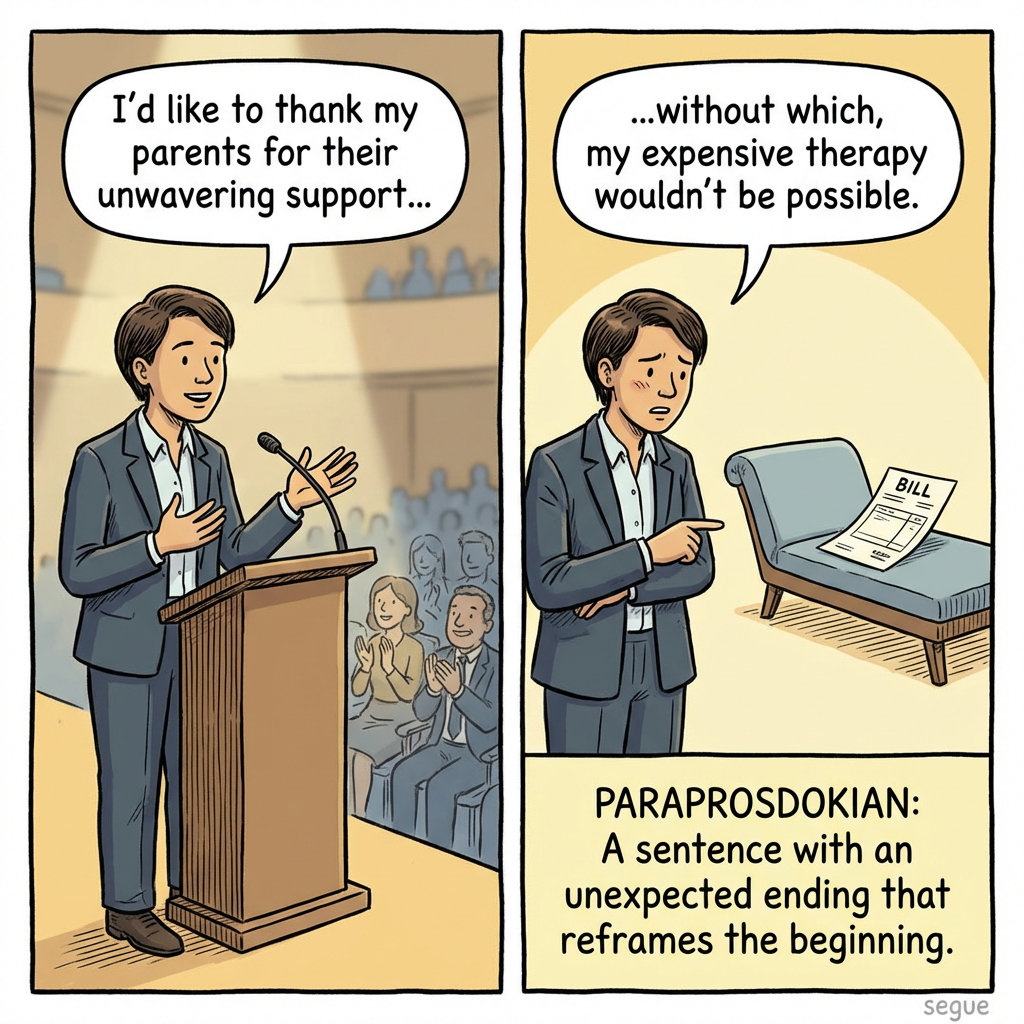
paraprosdokian
/ˌpærəprɒsˈdoʊkiən/a sentence with an unexpected ending that reframes the beginning
“I want to die peacefully in my sleep, like my grandfather—not screaming, like his passengers.”
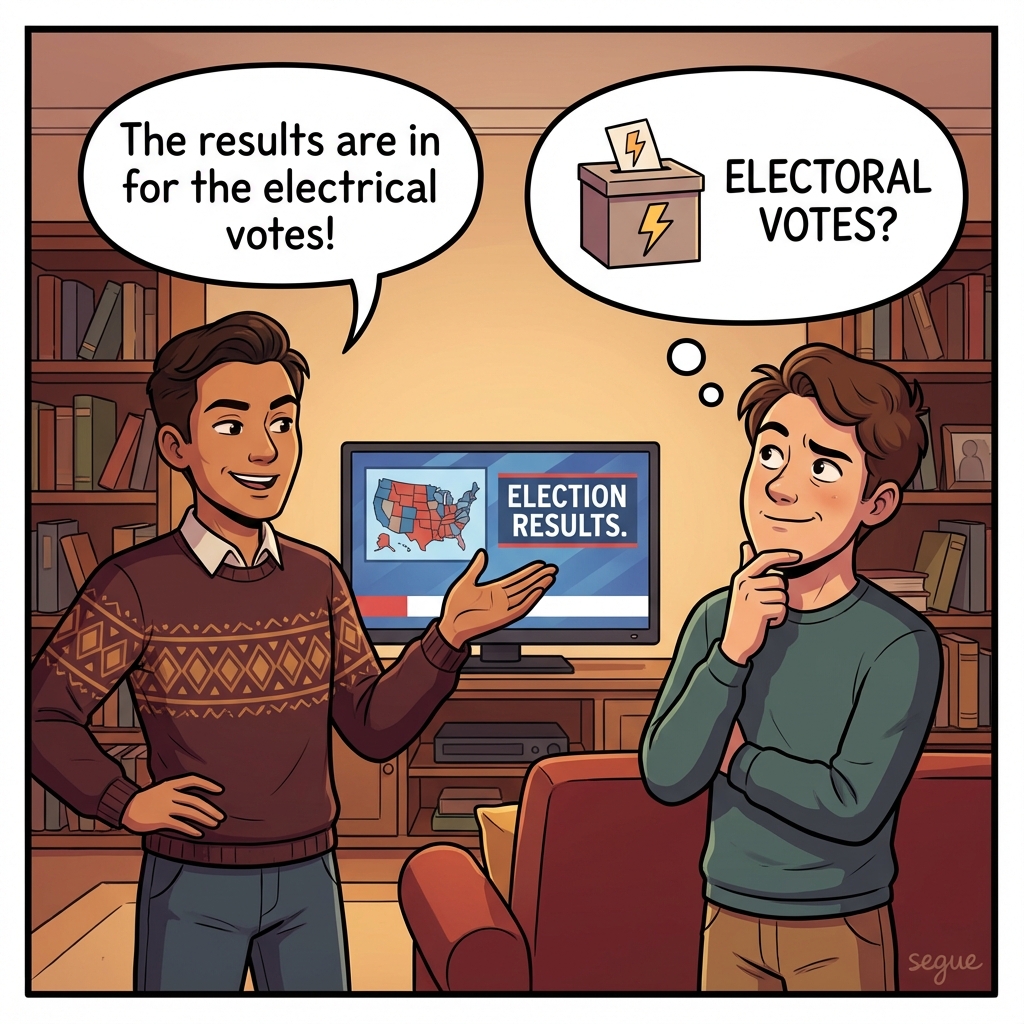
malapropism
/ˈmæləprɒpɪzəm/mistaken use of a word for a similar-sounding one
“For all intensive purposes... (should be: intents and purposes)”
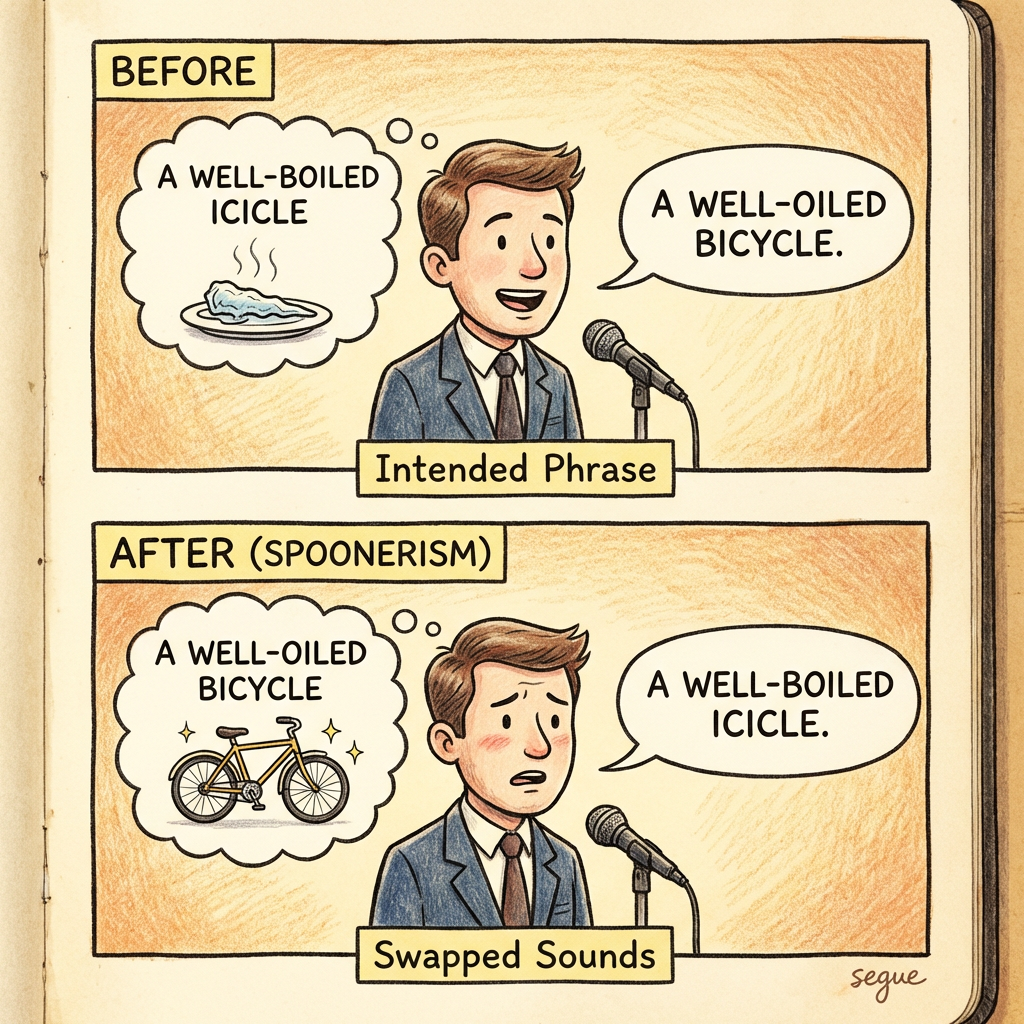
spoonerism
/ˈspuːnərɪzəm/swapping initial sounds of words for comic effect
“You have hissed all my mystery lectures (missed all my history lectures).”
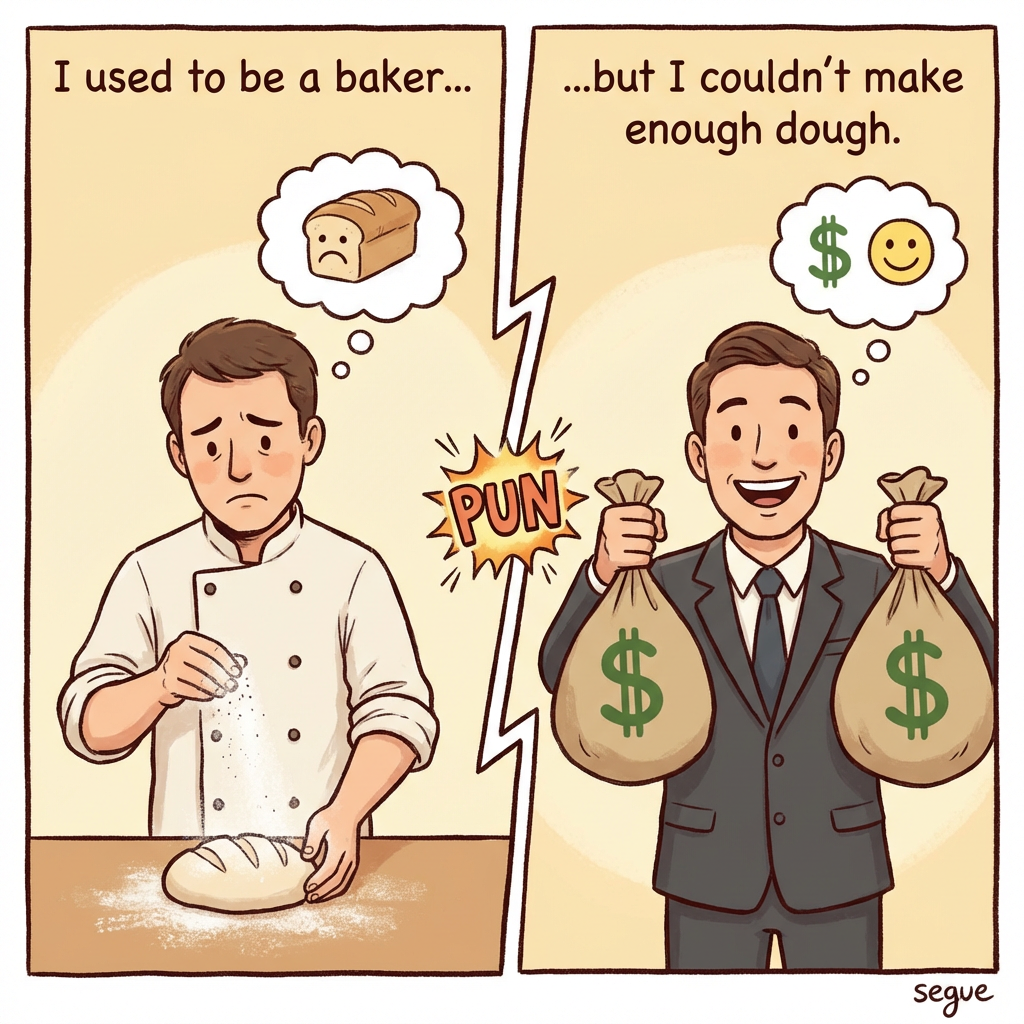
pun
/ˈpən/a play on words exploiting multiple meanings
“I used to be a banker, but I lost interest.”
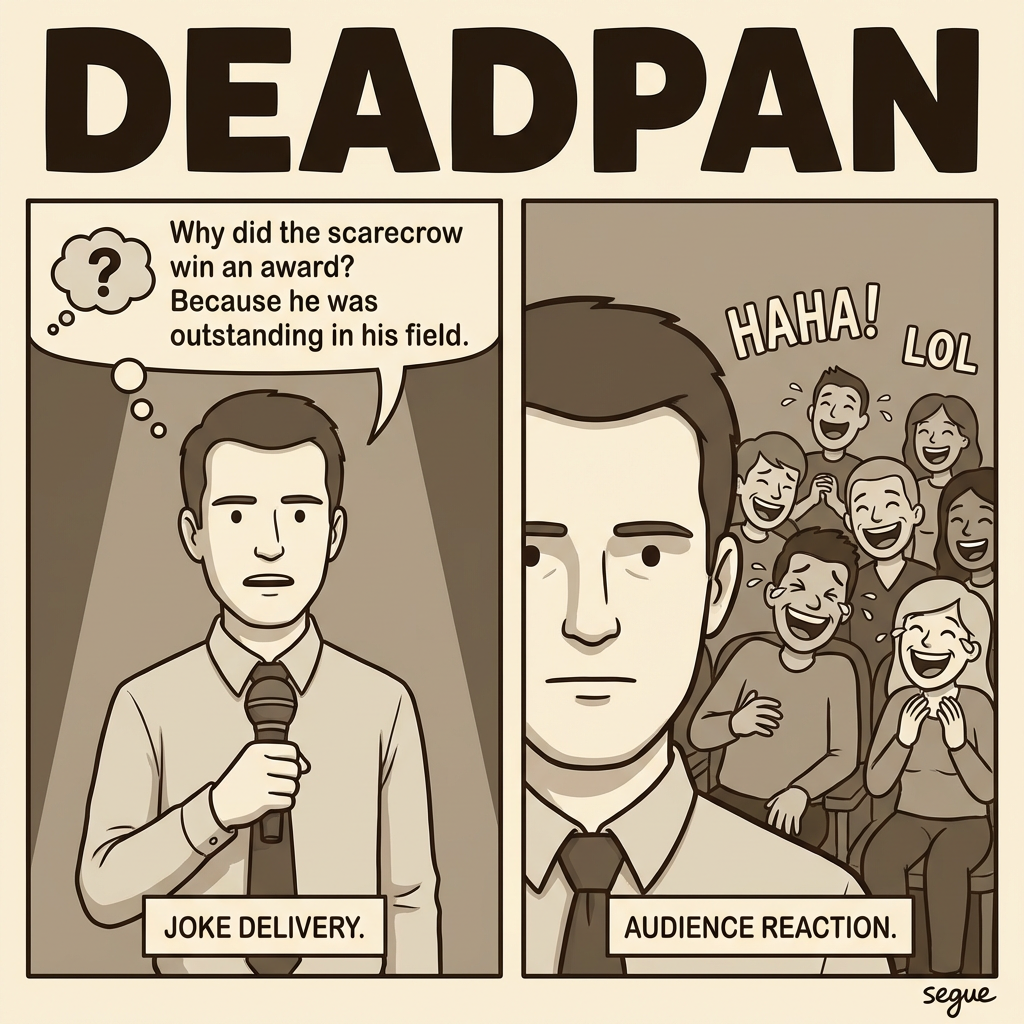
deadpan
/ˈdɛdˌpæn/delivering humor with an expressionless face
“His deadpan delivery made the absurd seem plausible.”
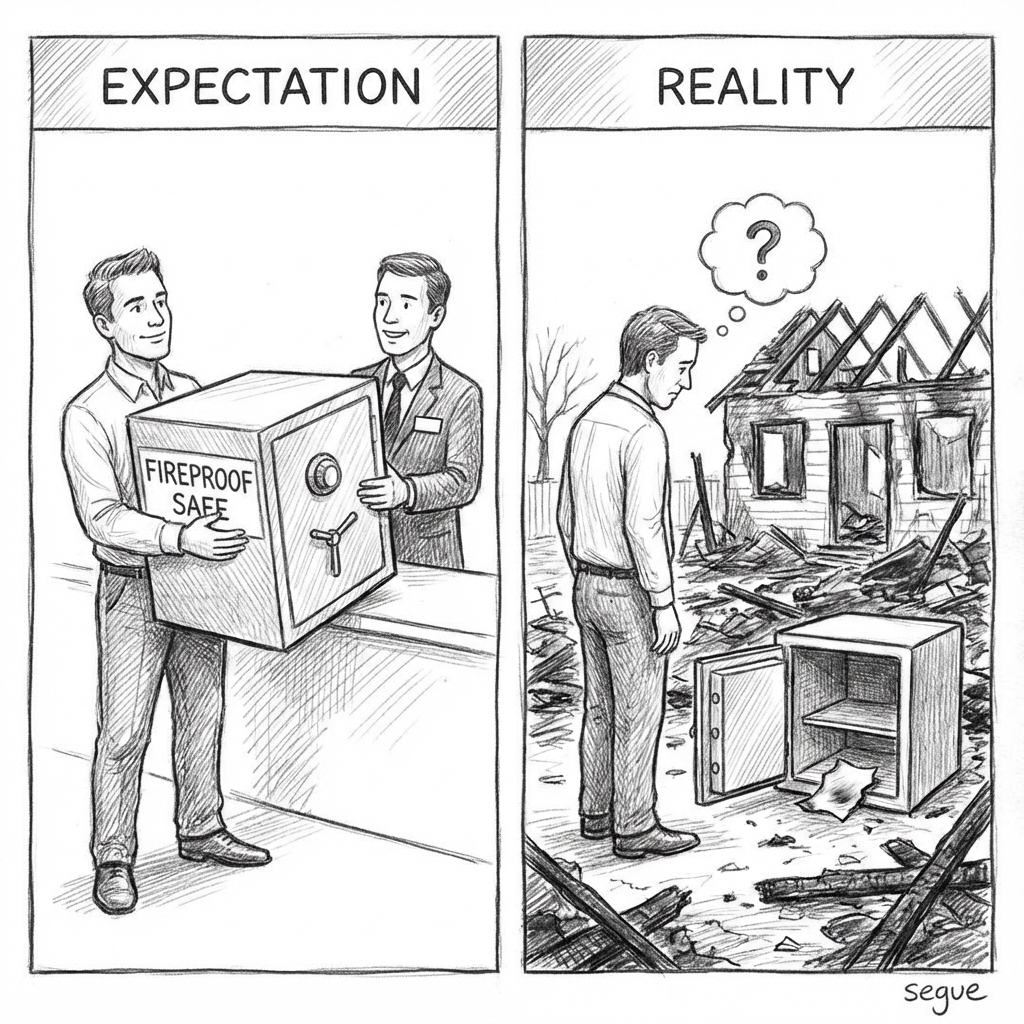
irony
/ˈaɪɹəni/saying the opposite of what you mean for effect
“Oh, wonderful—another meeting. (When you hate meetings.)”
More from Communication
Explore other vocabulary categories in this collection.