Loading collection...
⏳
Time & Change Vocabulary
Words about time, change, permanence, and transformation
22 words
All 22 Words
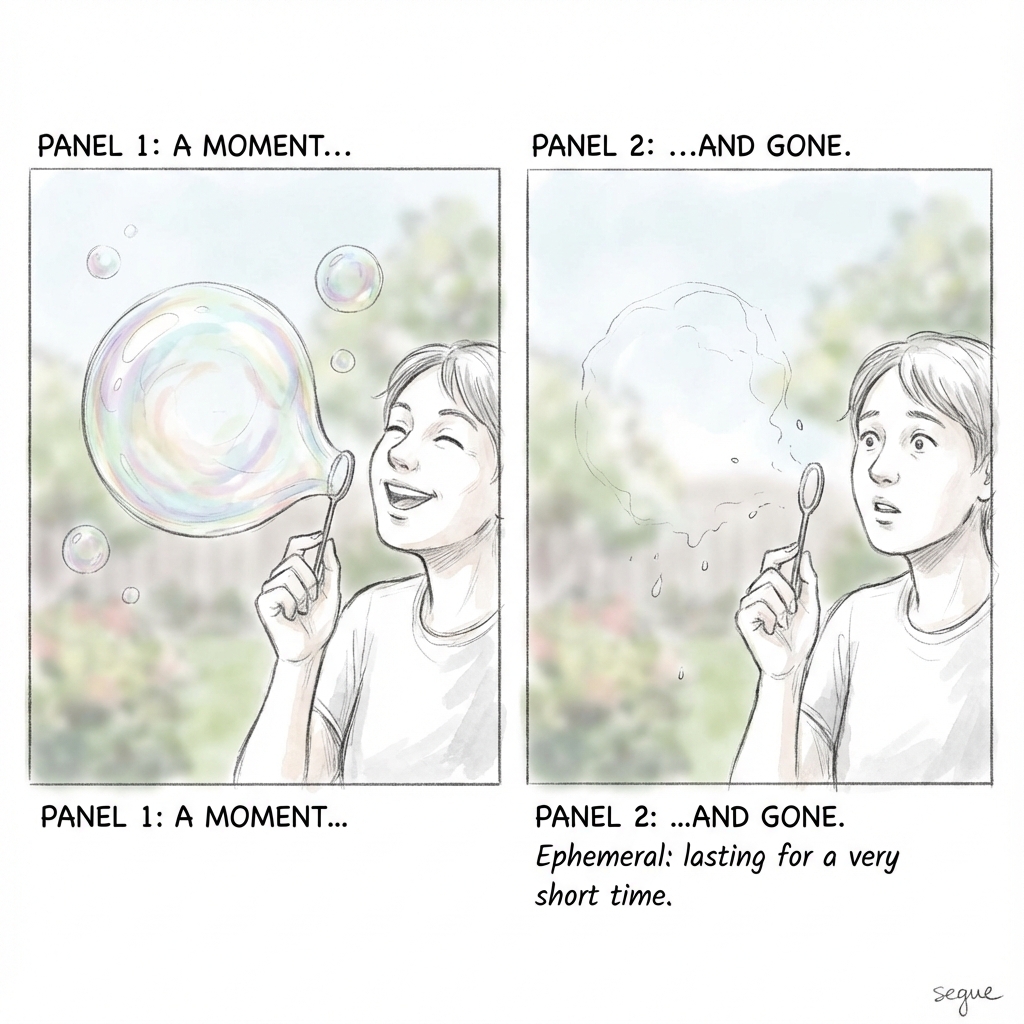
ephemeral
/ɪˈfɛmɝəɫ/lasting for a very short time
“Fame can be ephemeral in the age of social media.”
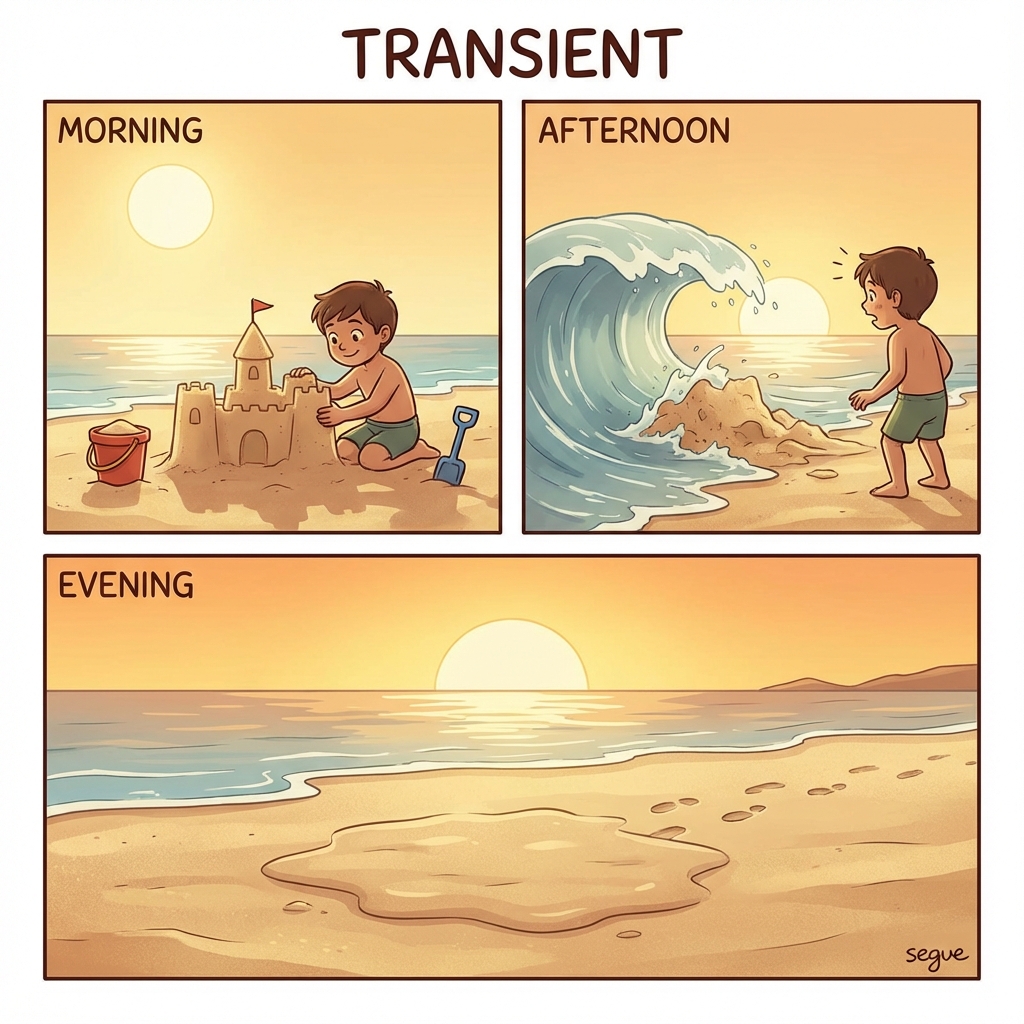
transient
/ˈtɹænʒənt/lasting only for a short time; impermanent
“The transient nature of youth is often lamented.”
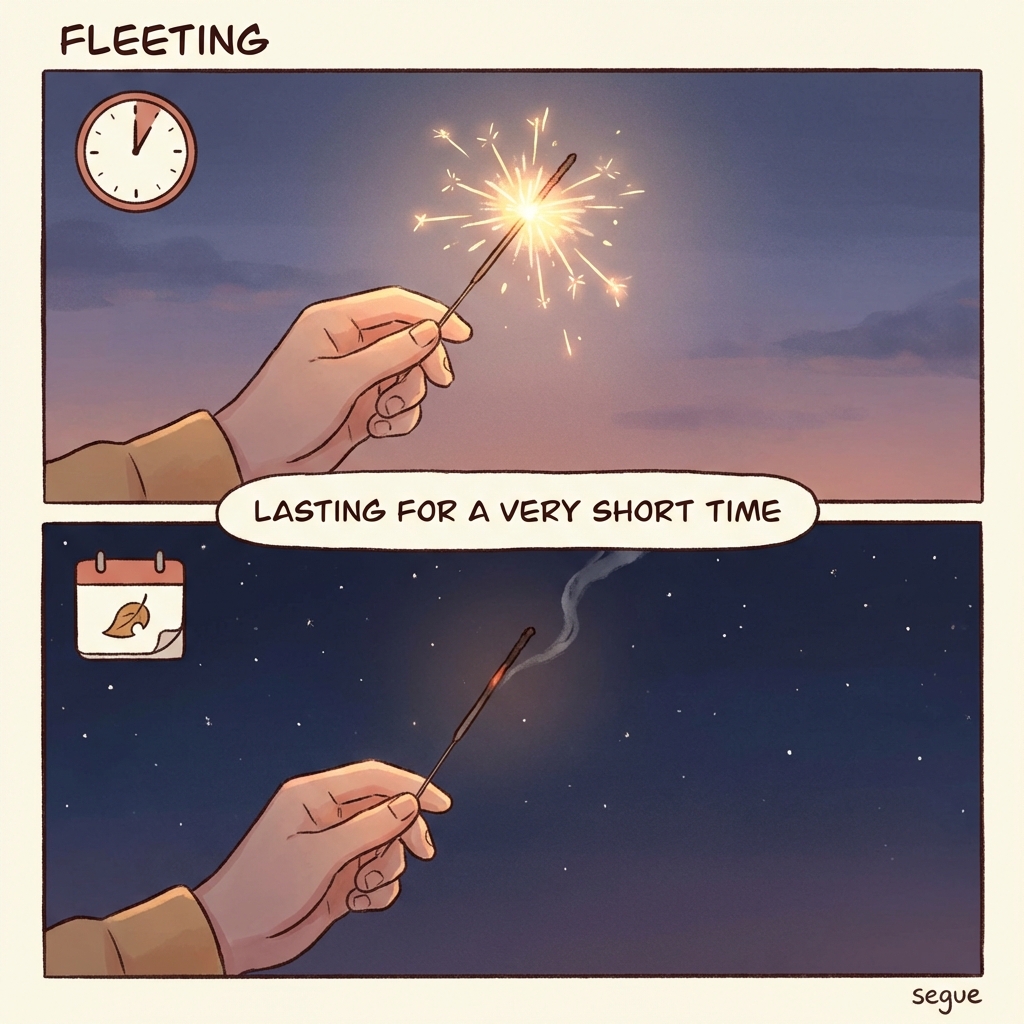
fleeting
/ˈfɫitɪŋ/lasting for a very short time
“She caught only a fleeting glimpse of the rare bird.”

evanescent
/ˌɛvəˈnɛsənt/soon passing out of sight, memory, or existence
“The evanescent beauty of cherry blossoms symbolizes life's brevity.”
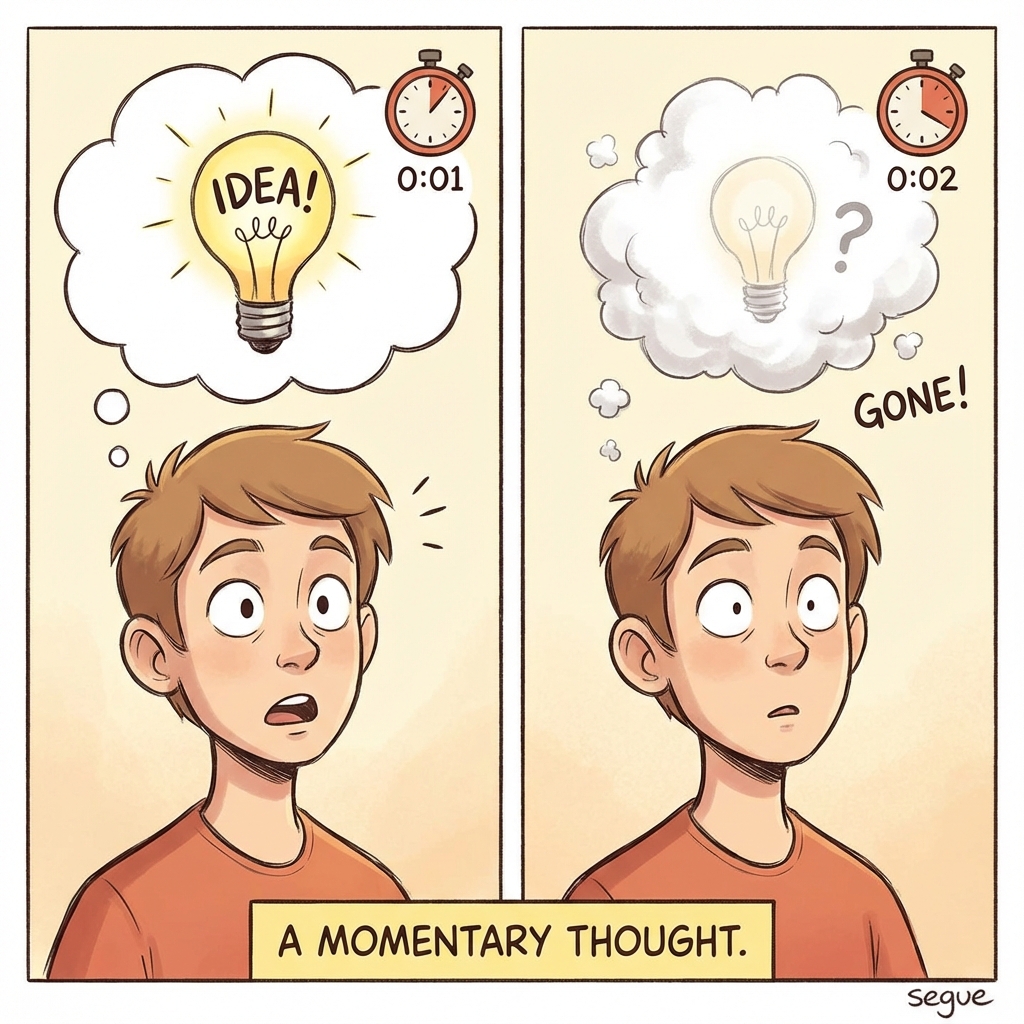
momentary
/ˈmoʊmənˌtɛɹi/lasting for a very short time; brief
“There was a momentary silence before the applause began.”

perpetual
/pɝˈpɛtʃuəɫ/never ending or changing; occurring repeatedly
“The perpetual motion machine is a physical impossibility.”
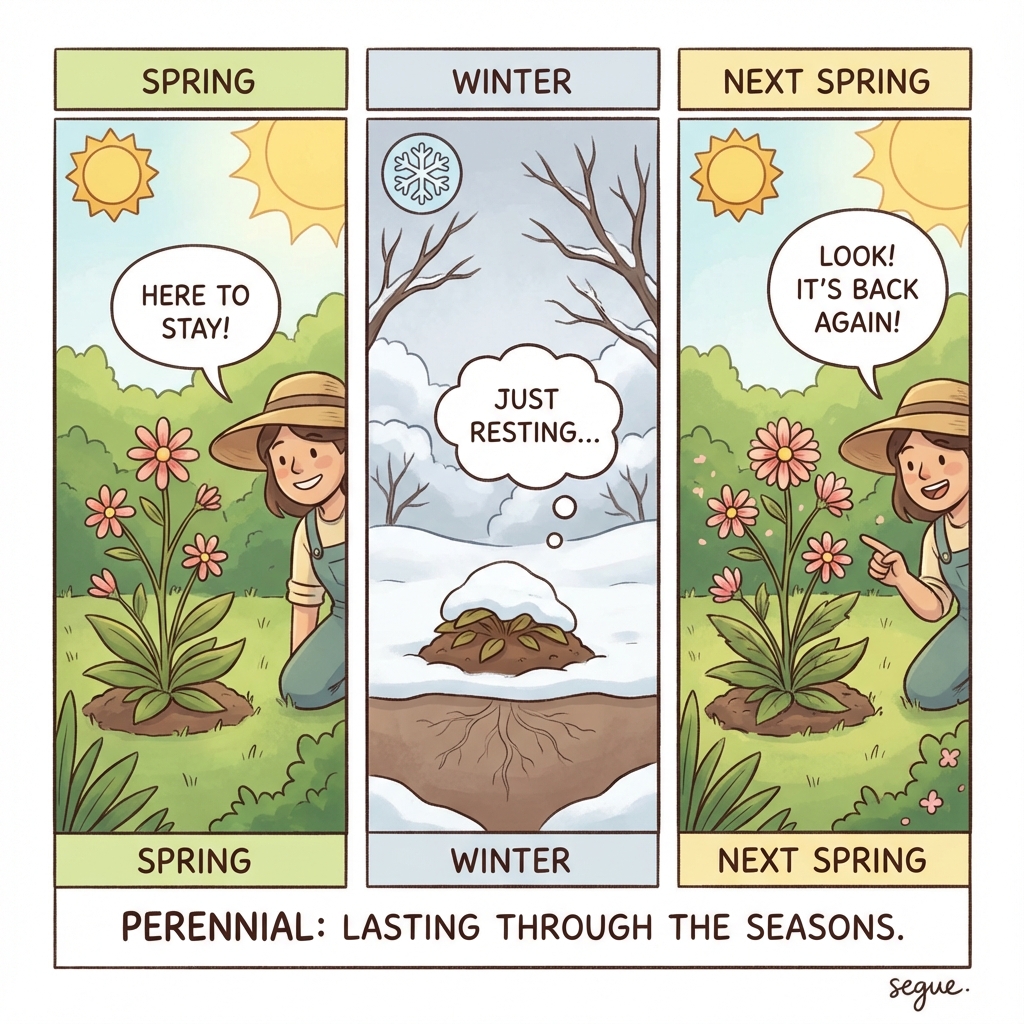
perennial
/pɝˈɛniəɫ/lasting for an indefinite time; enduring
“Immigration remains a perennial political issue.”
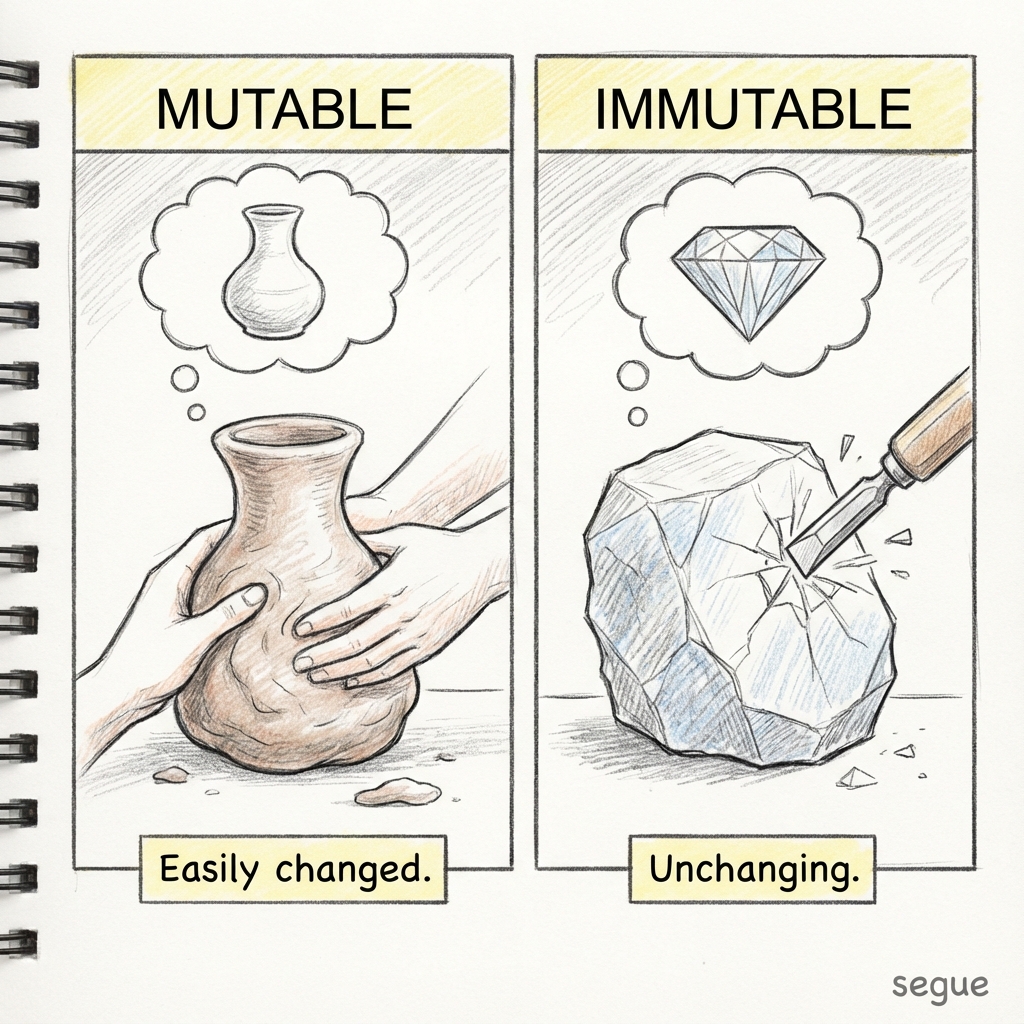
immutable
/ˌɪmˈjutəbəɫ/unchanging over time or unable to be changed
“The laws of physics are considered immutable.”
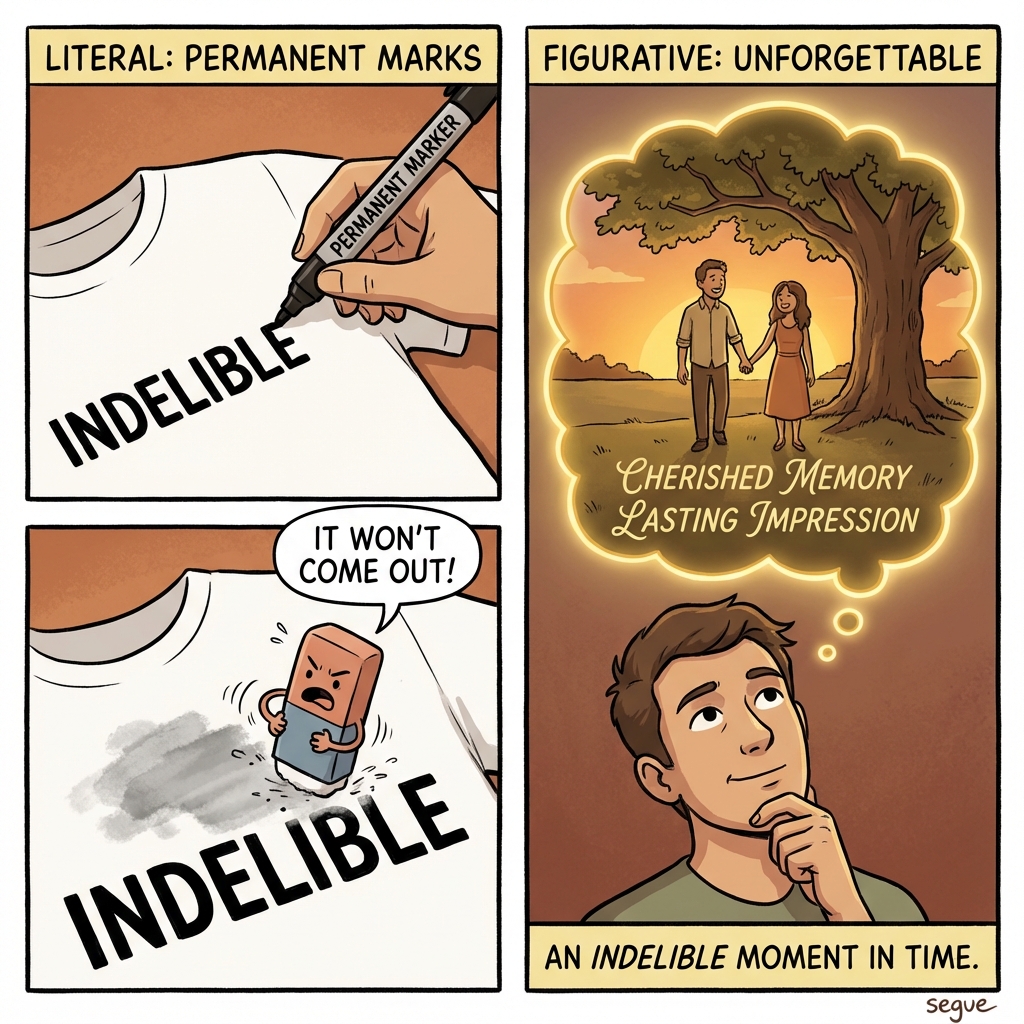
indelible
/ˌɪnˈdɛɫɪbəɫ/making marks that cannot be removed; unforgettable
“The war left an indelible mark on the nation's psyche.”
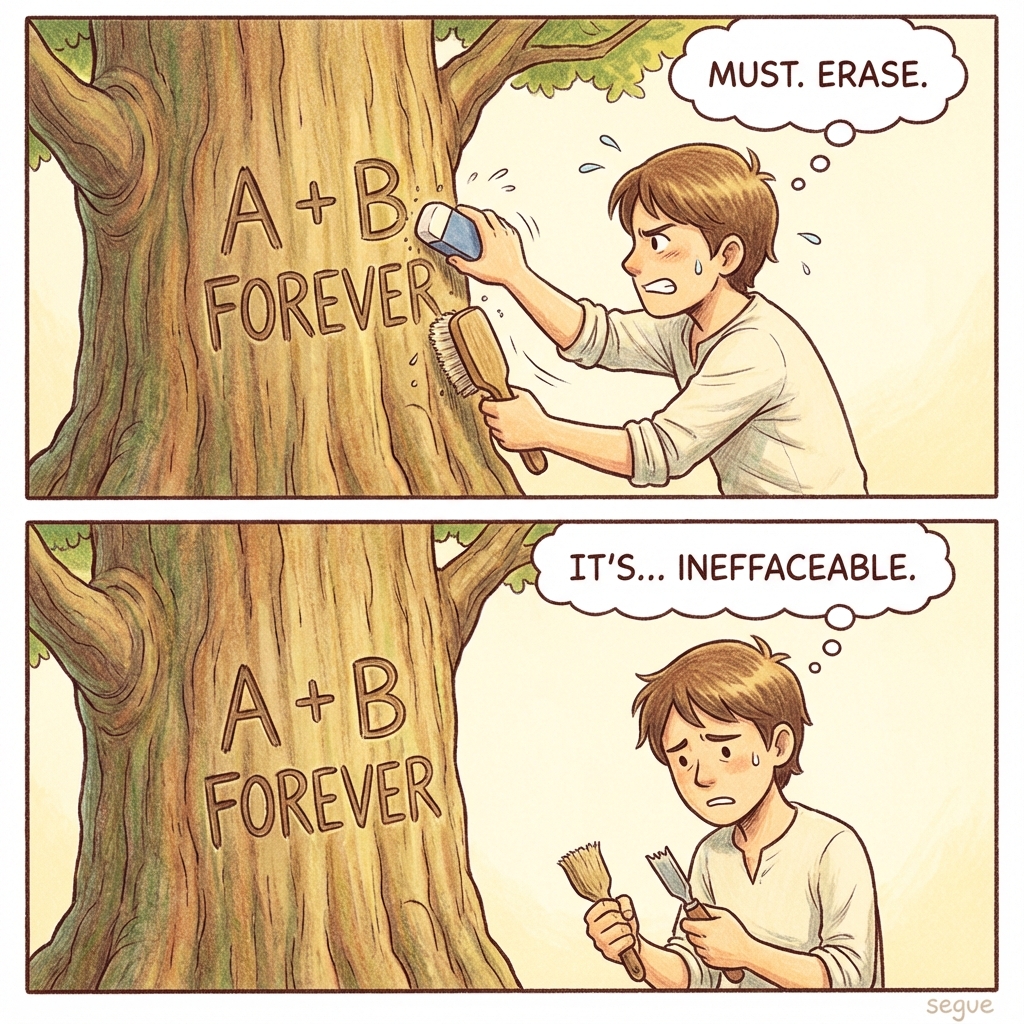
ineffaceable
/ˌɪnɪˈfeɪsəbəl/unable to be erased or forgotten
“The ineffaceable memory haunted him for years.”
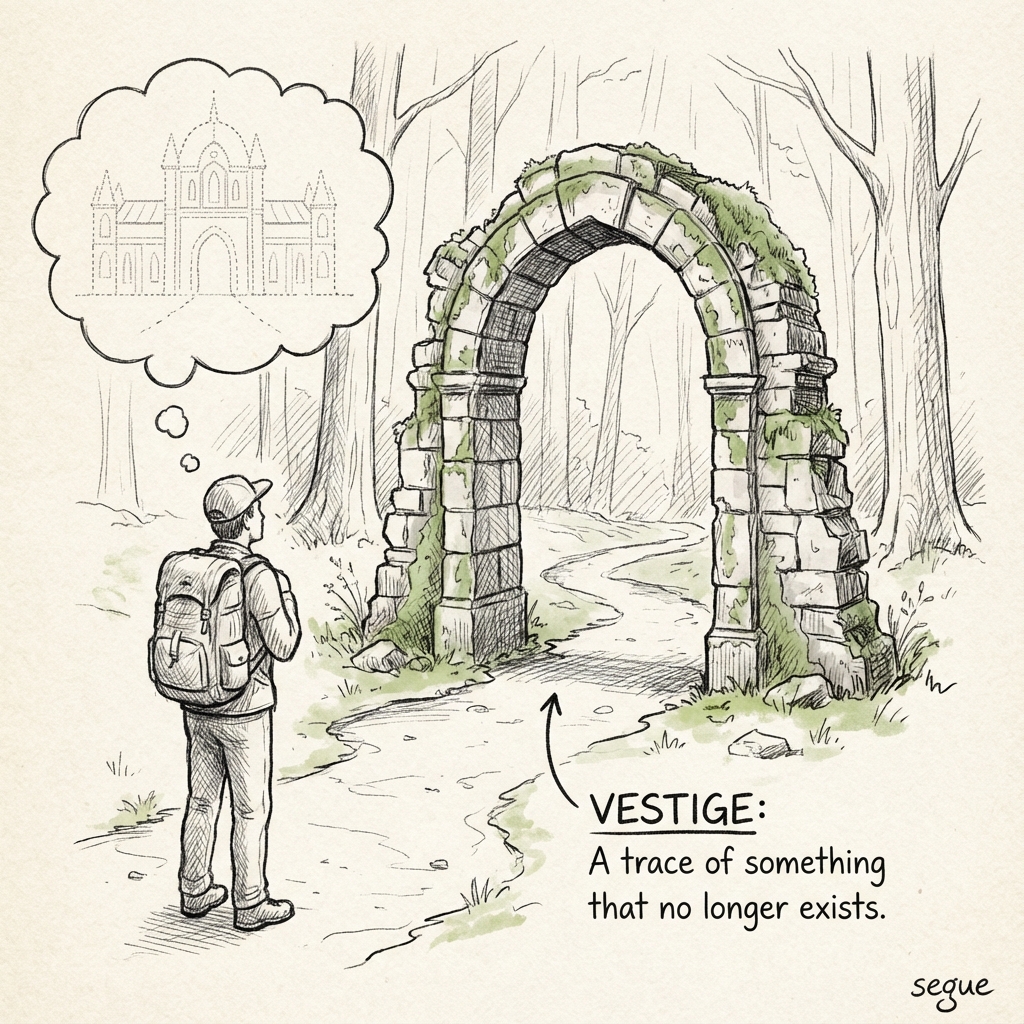
vestige
/ˈvɛstɪdʒ/a trace of something that is disappearing or no longer exists
“Only vestiges of the ancient civilization remain.”
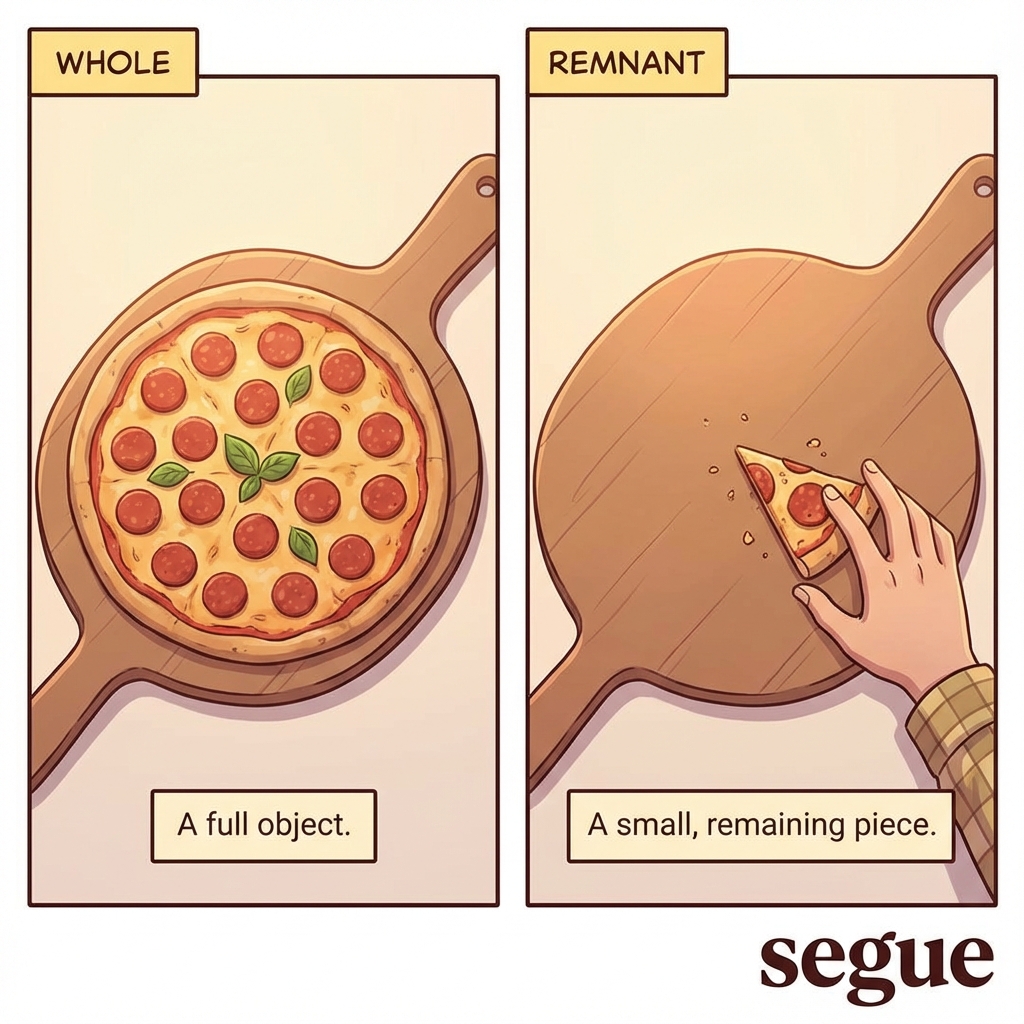
remnant
/ˈɹɛmnənt/a small remaining quantity; a surviving trace
“The remnants of dinner sat on the table.”
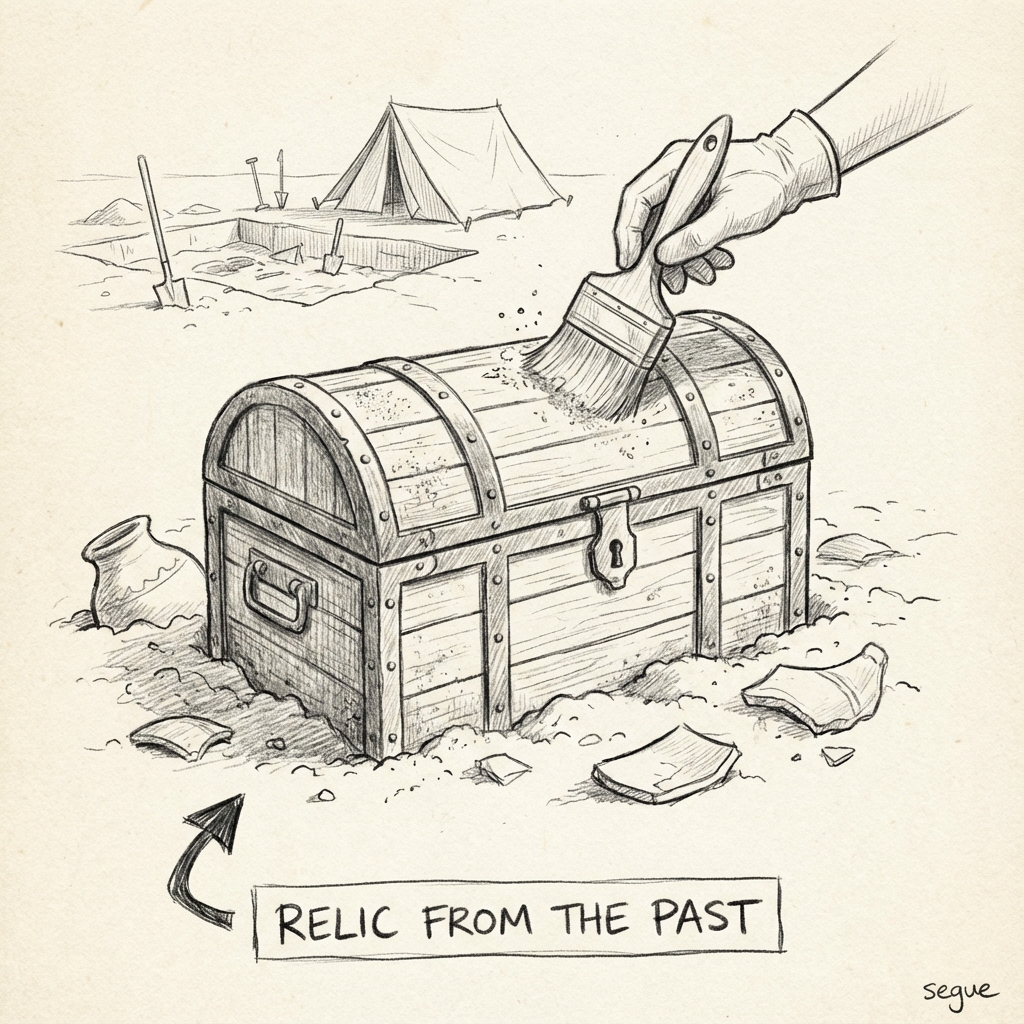
relic
/ˈɹɛɫɪk/an object surviving from an earlier time; something outdated
“The typewriter is a relic of the pre-digital age.”
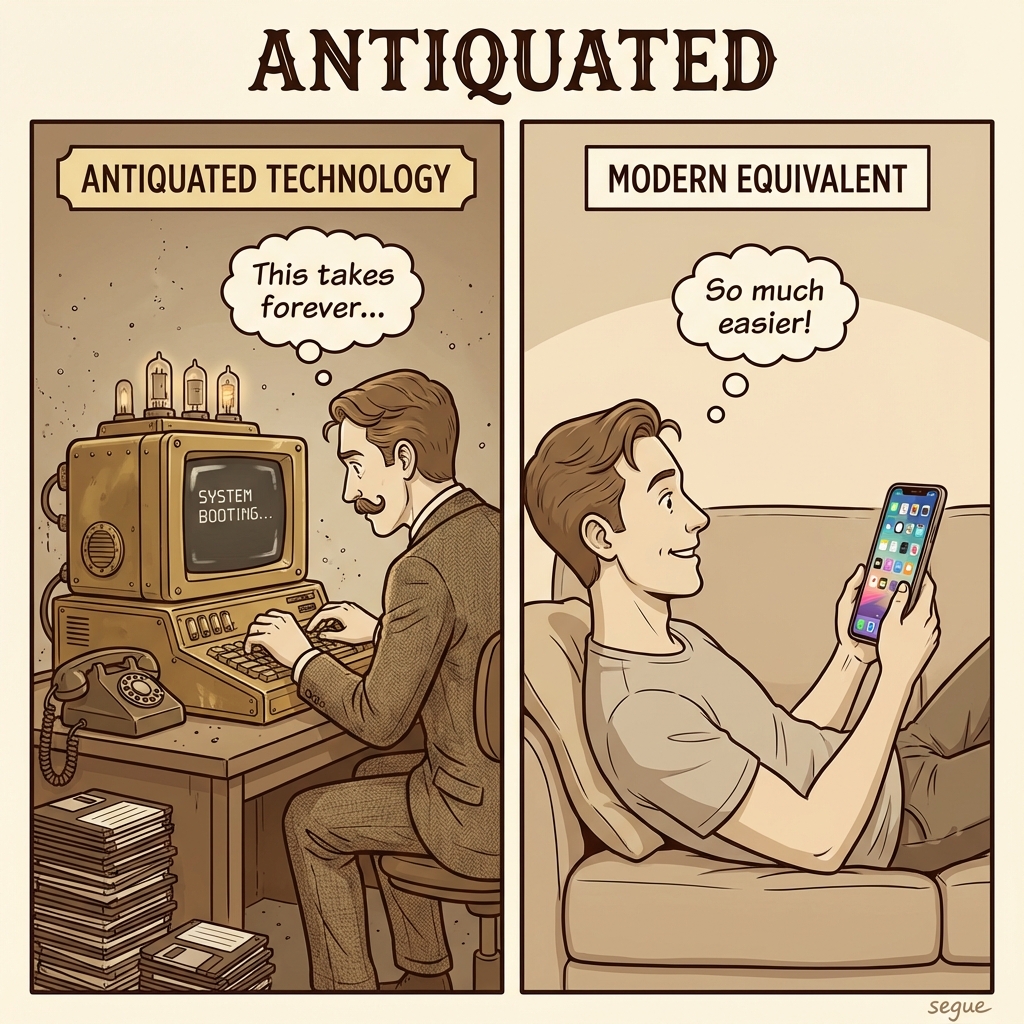
antiquated
/ˈæntəˌkweɪtɪd/old-fashioned or outdated
“The antiquated laws needed urgent reform.”
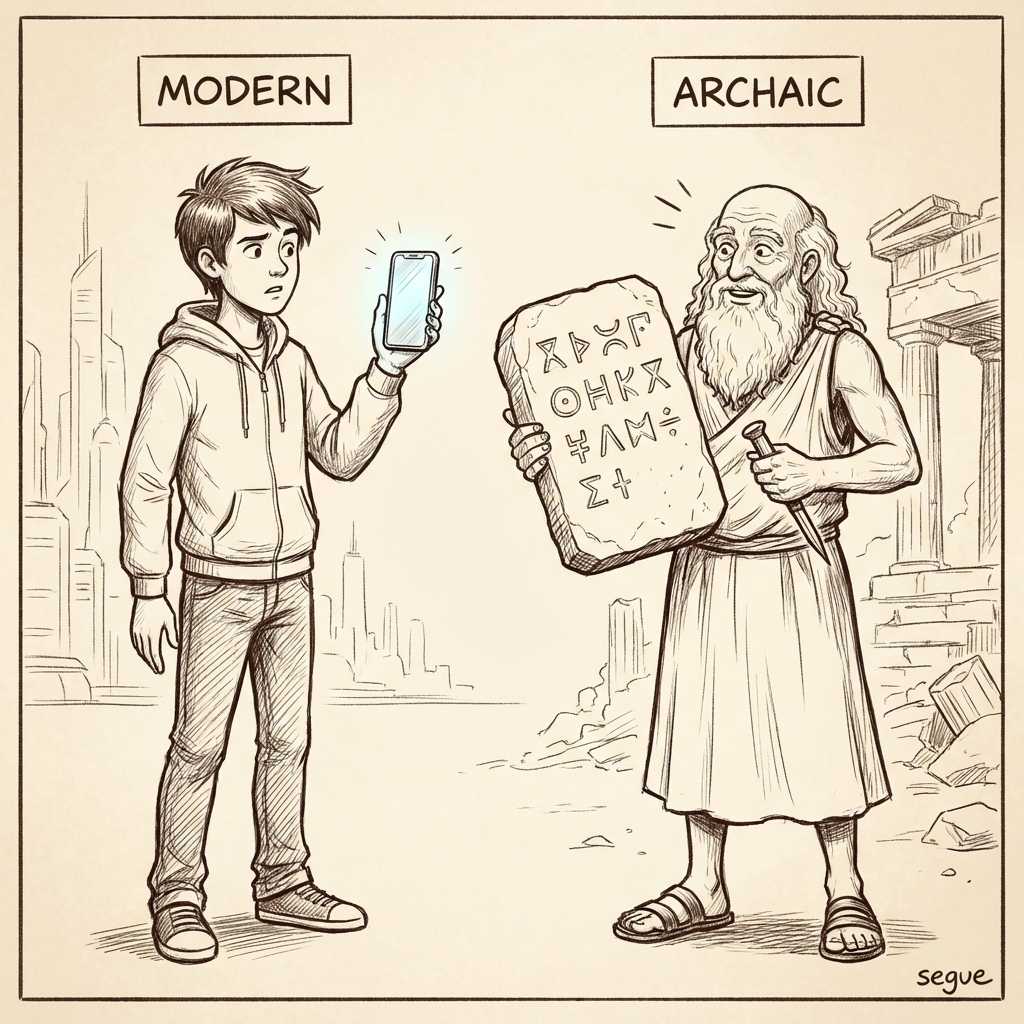
archaic
/ɑɹˈkeɪɪk/very old or old-fashioned
“The archaic language made the text difficult to understand.”
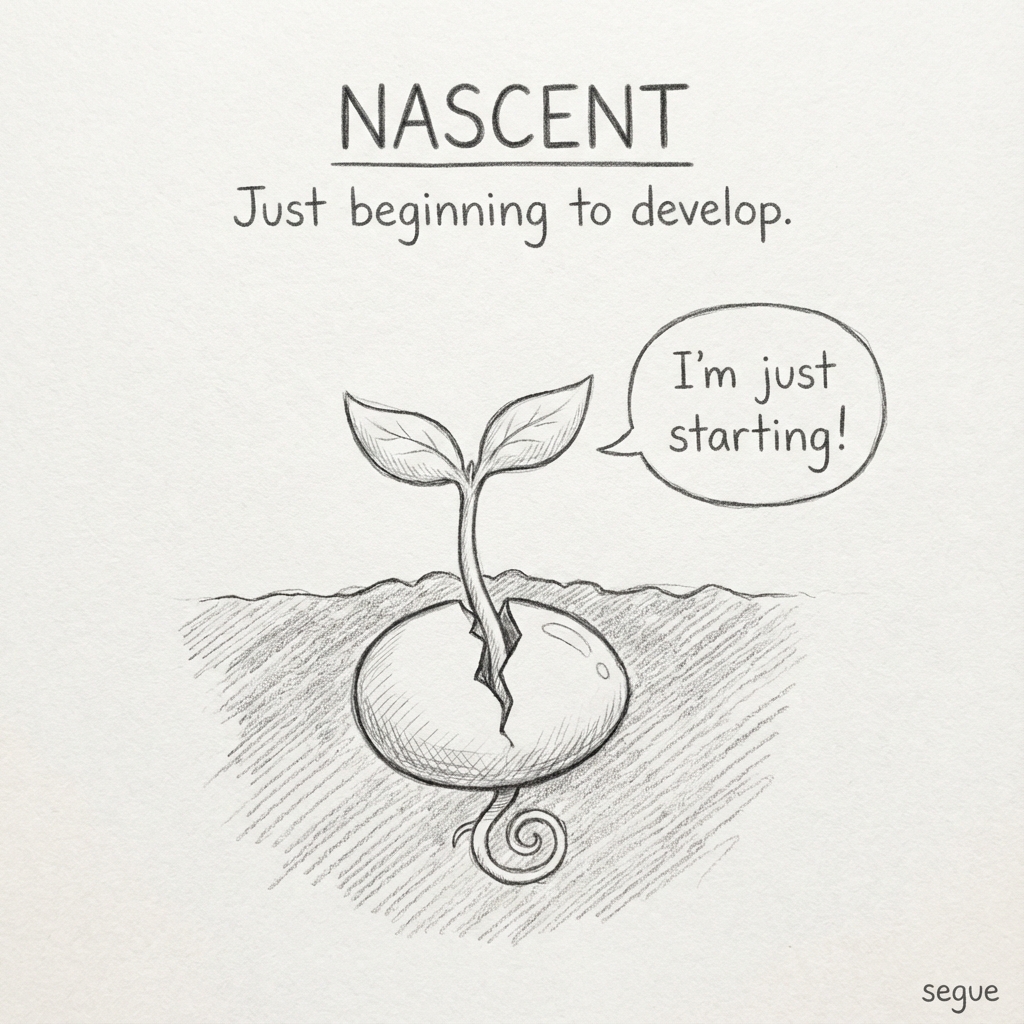
nascent
/ˈneɪsənt/just beginning to develop; emerging
“The nascent technology showed great promise.”
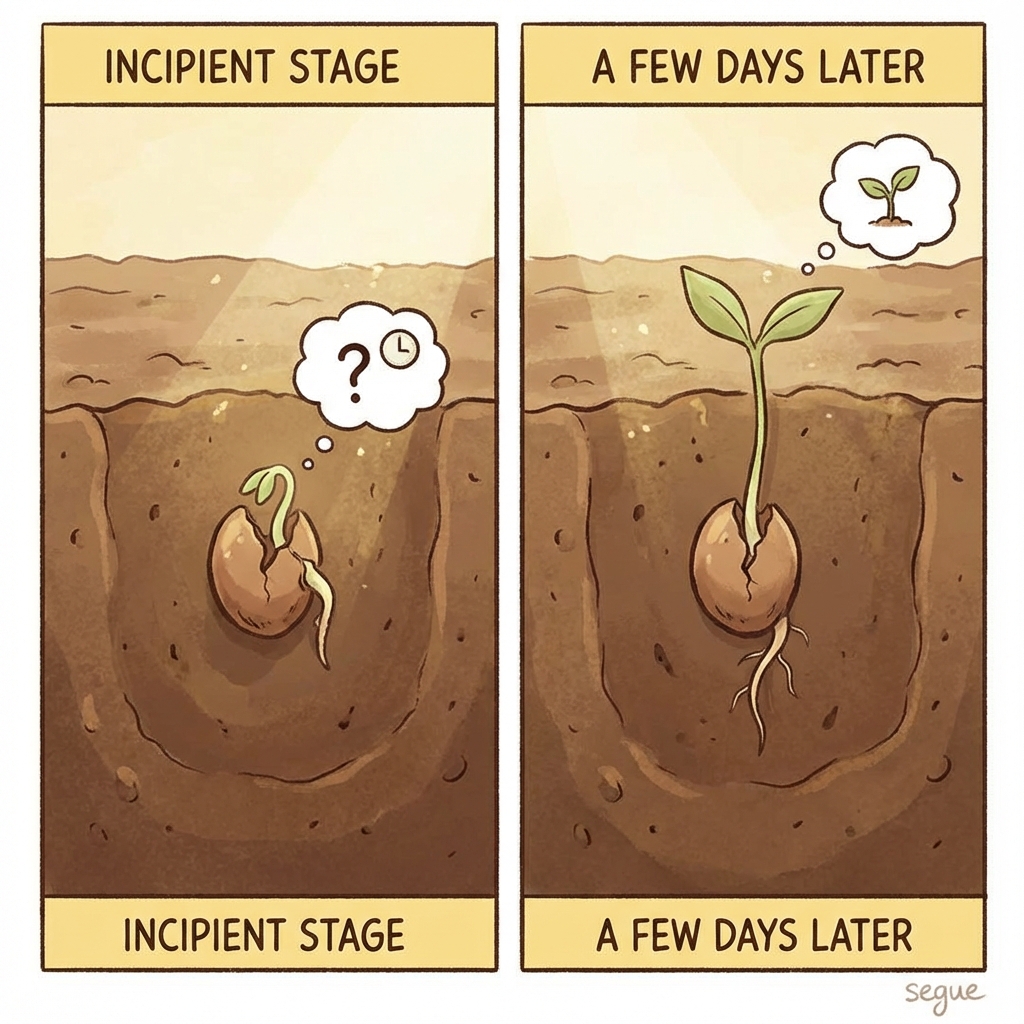
incipient
/ˌɪnˈsɪpiənt/in an initial stage; beginning to develop
“The incipient rebellion was quickly suppressed.”
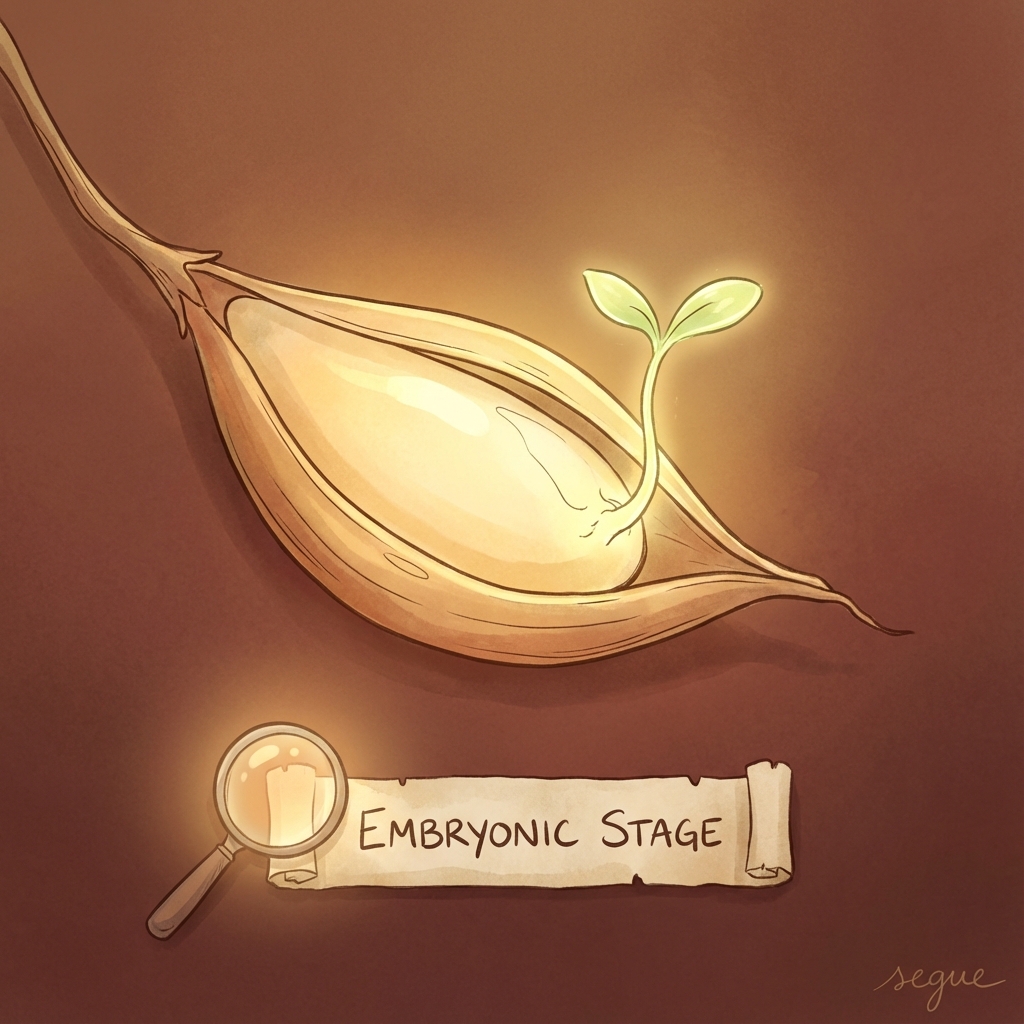
embryonic
/ˌɛmbɹiˈɑnɪk/in a rudimentary stage with potential for development
“The idea was still embryonic and needed refinement.”
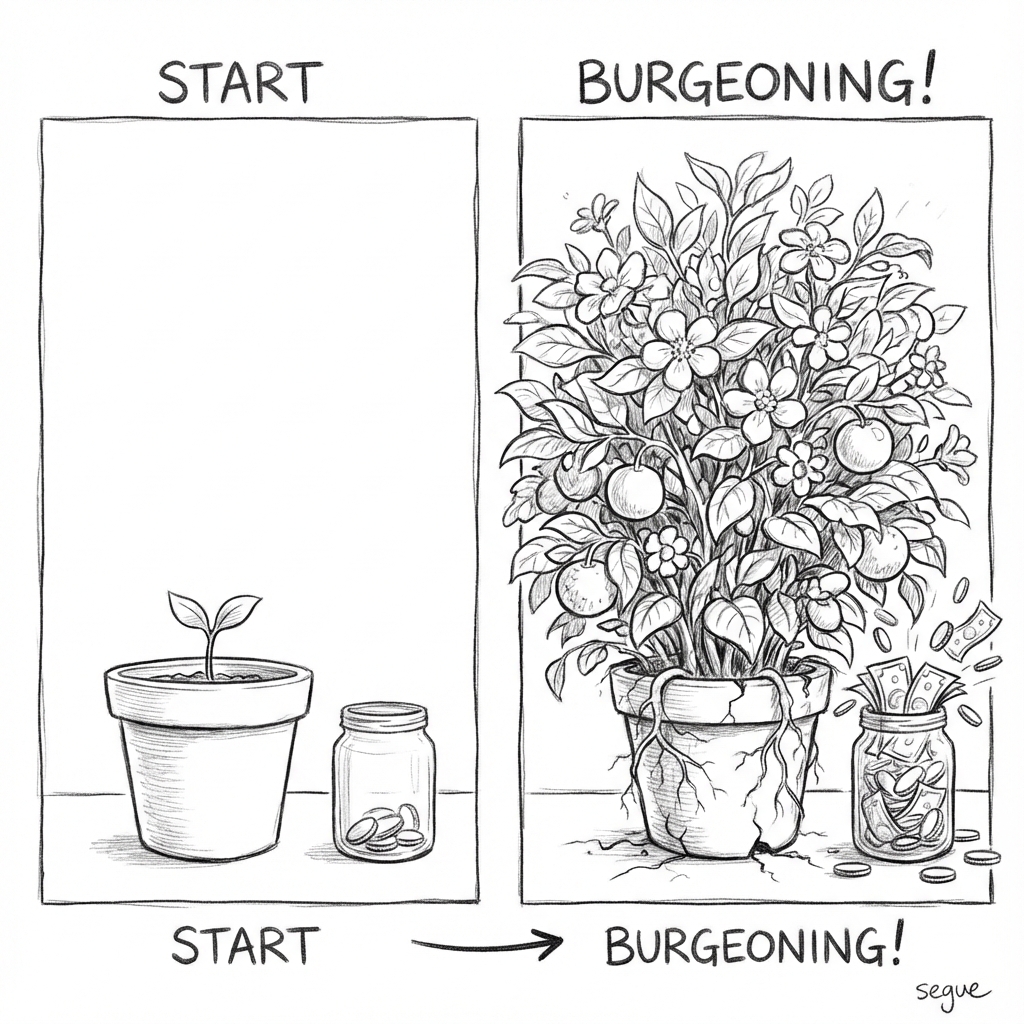
burgeoning
/ˈbɝdʒənɪŋ/beginning to grow or increase rapidly
“The burgeoning tech industry transformed the city.”
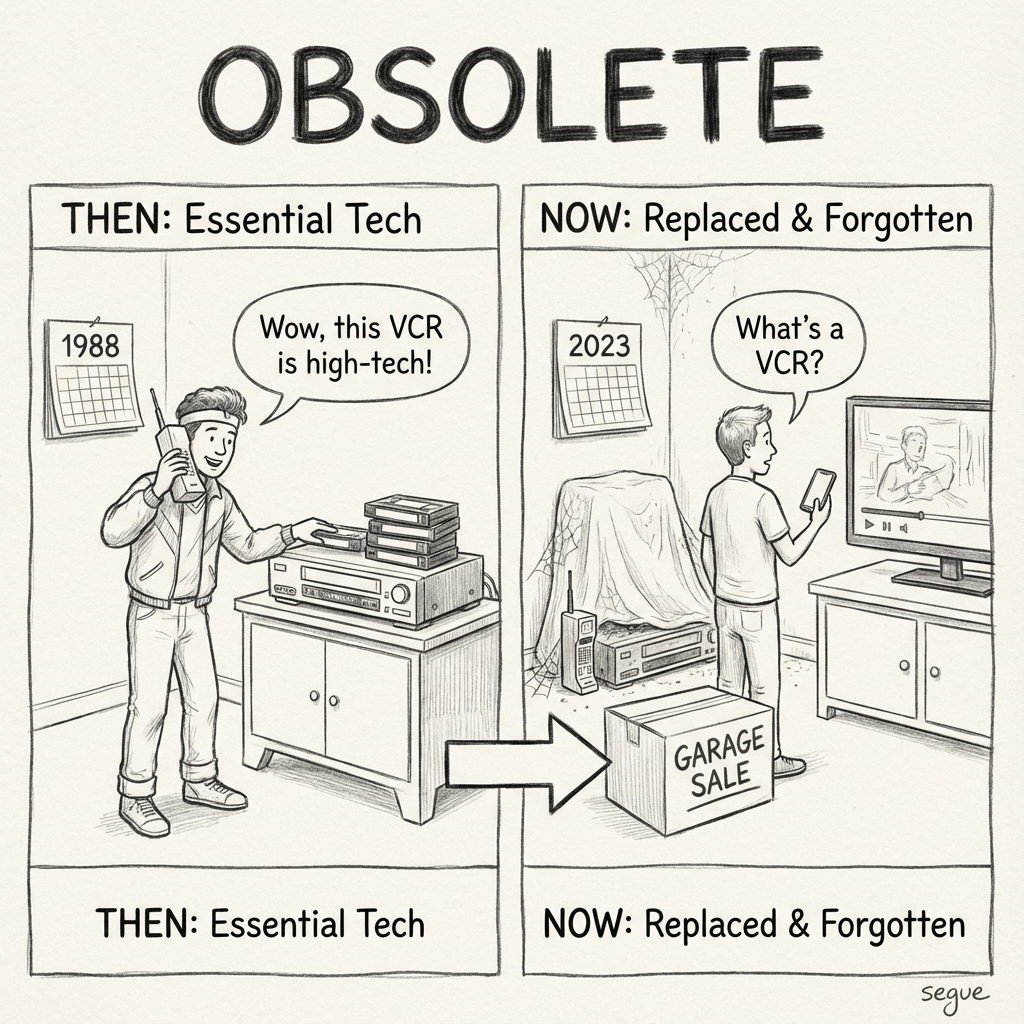
obsolete
/ˈɑbsəˌɫit/no longer produced or used; out of date
“The technology became obsolete within five years.”
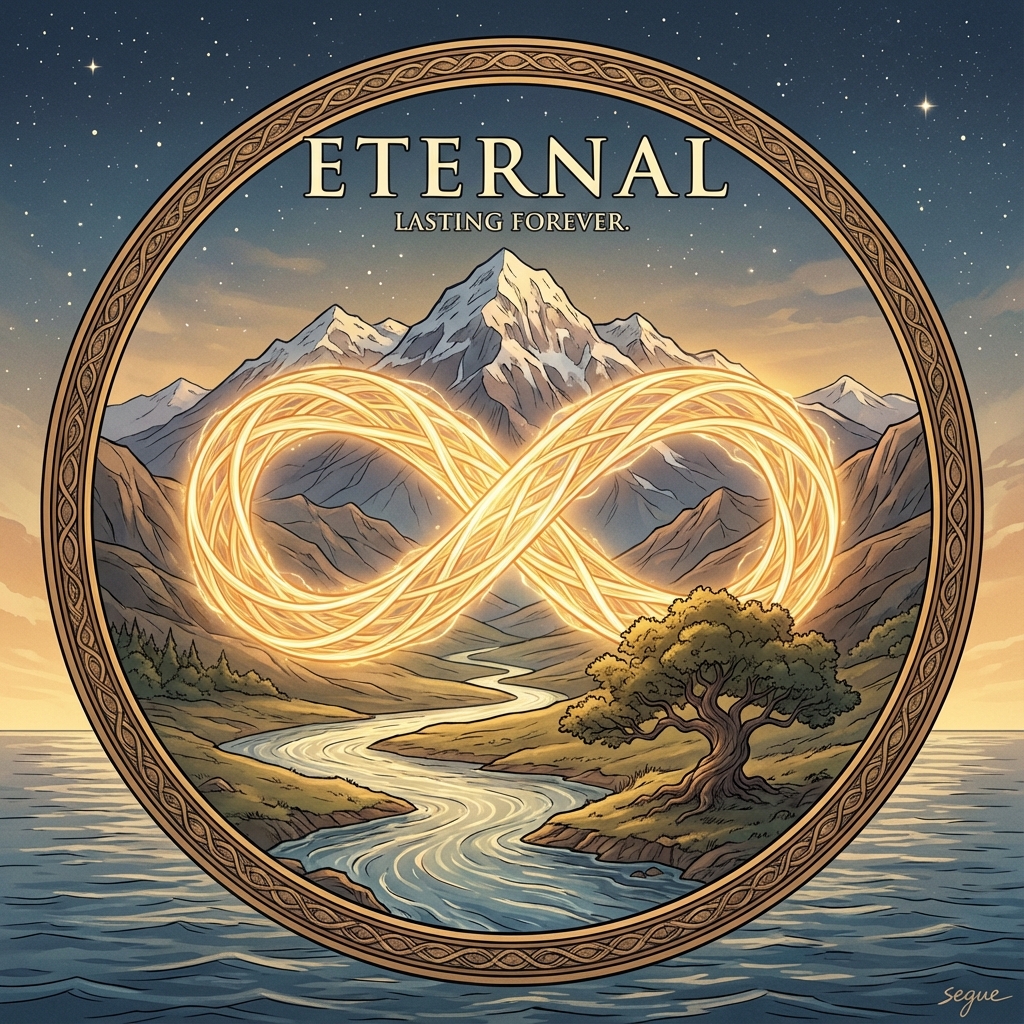
eternal
/iˈtɝnəɫ/lasting or existing forever; without end or beginning
“Some believe in the eternal nature of the soul.”
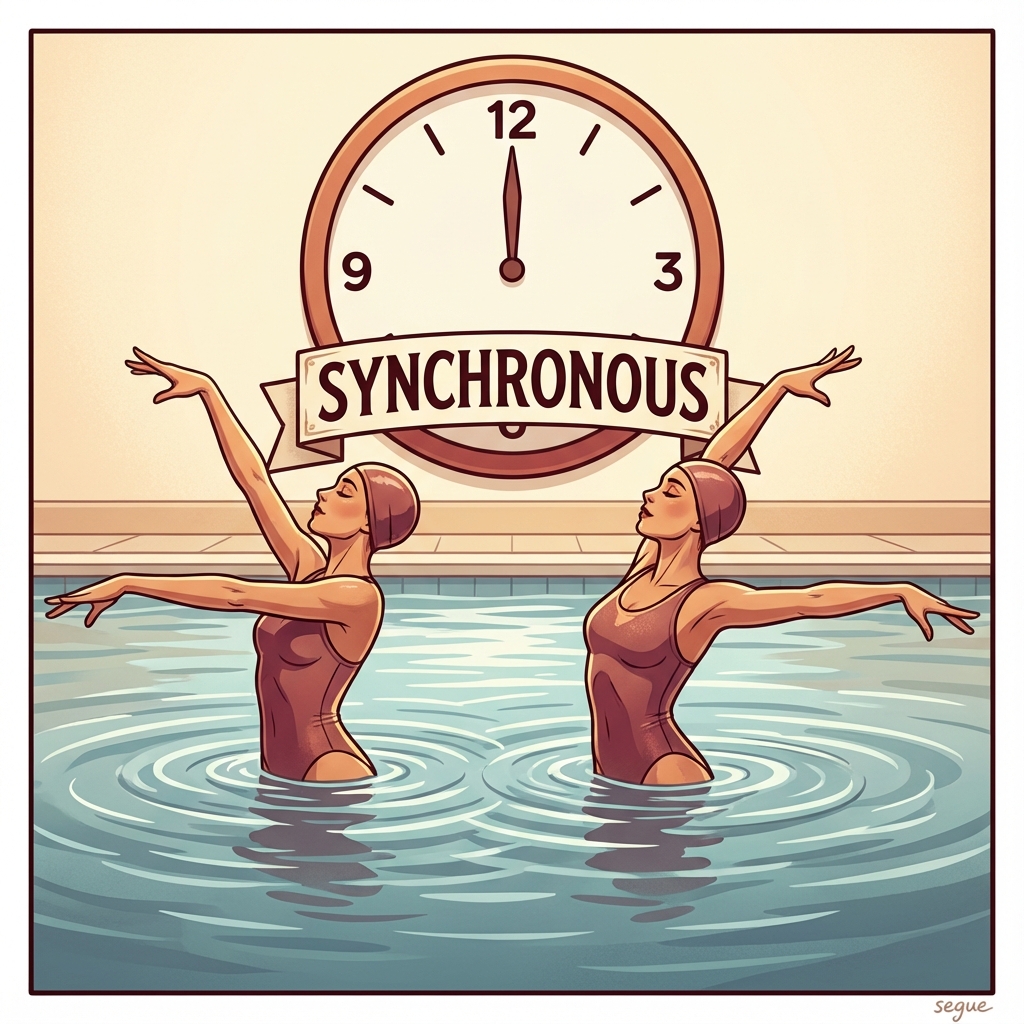
synchronous
/ˈsɪŋkɹənəs/existing or occurring at the same time
“The dancers moved in synchronous harmony.”
More from Descriptive
Explore other vocabulary categories in this collection.