Loading collection...
📅
Temporal Relationships Vocabulary
Words describing when things occur relative to each other
12 words
All 12 Words
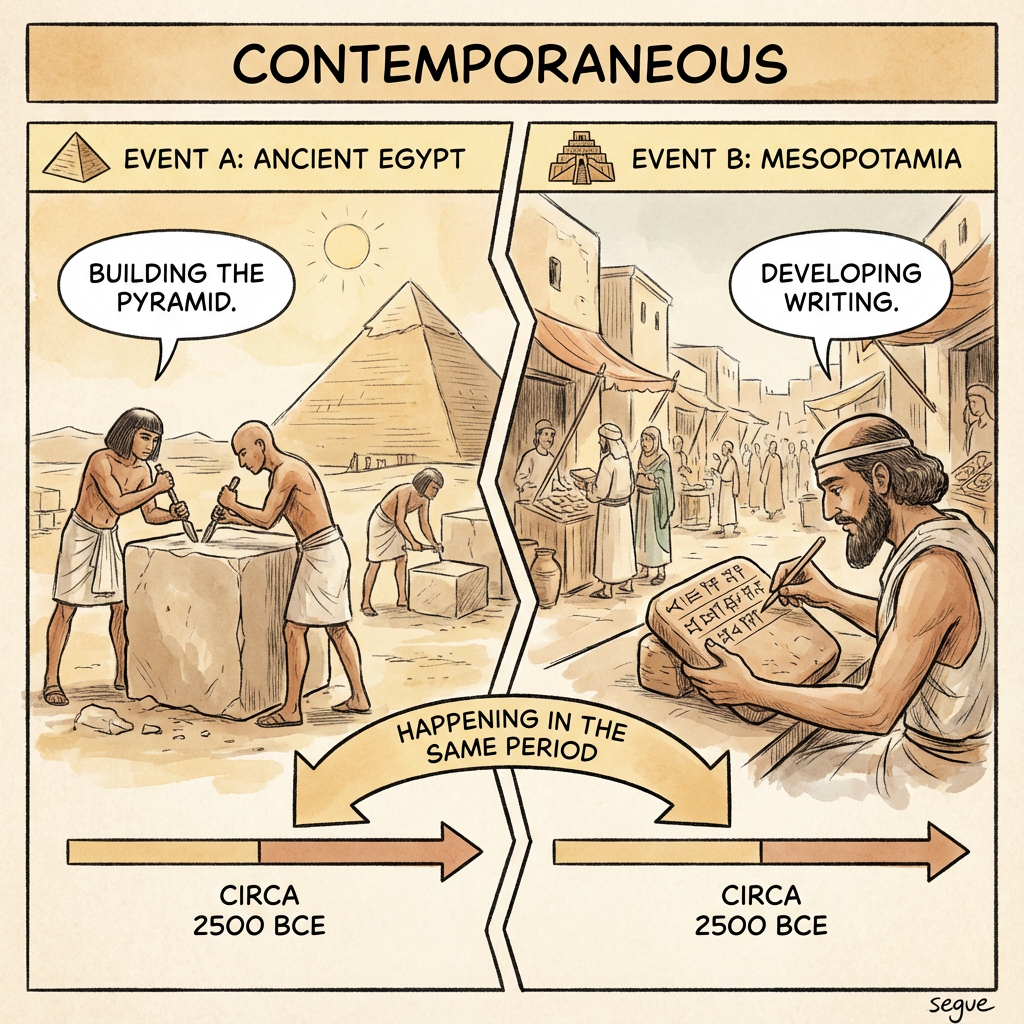
contemporaneous
/kənˌtɛmpɝˈeɪniəs/existing or occurring in the same period of time
“The two civilizations were contemporaneous but never interacted.”
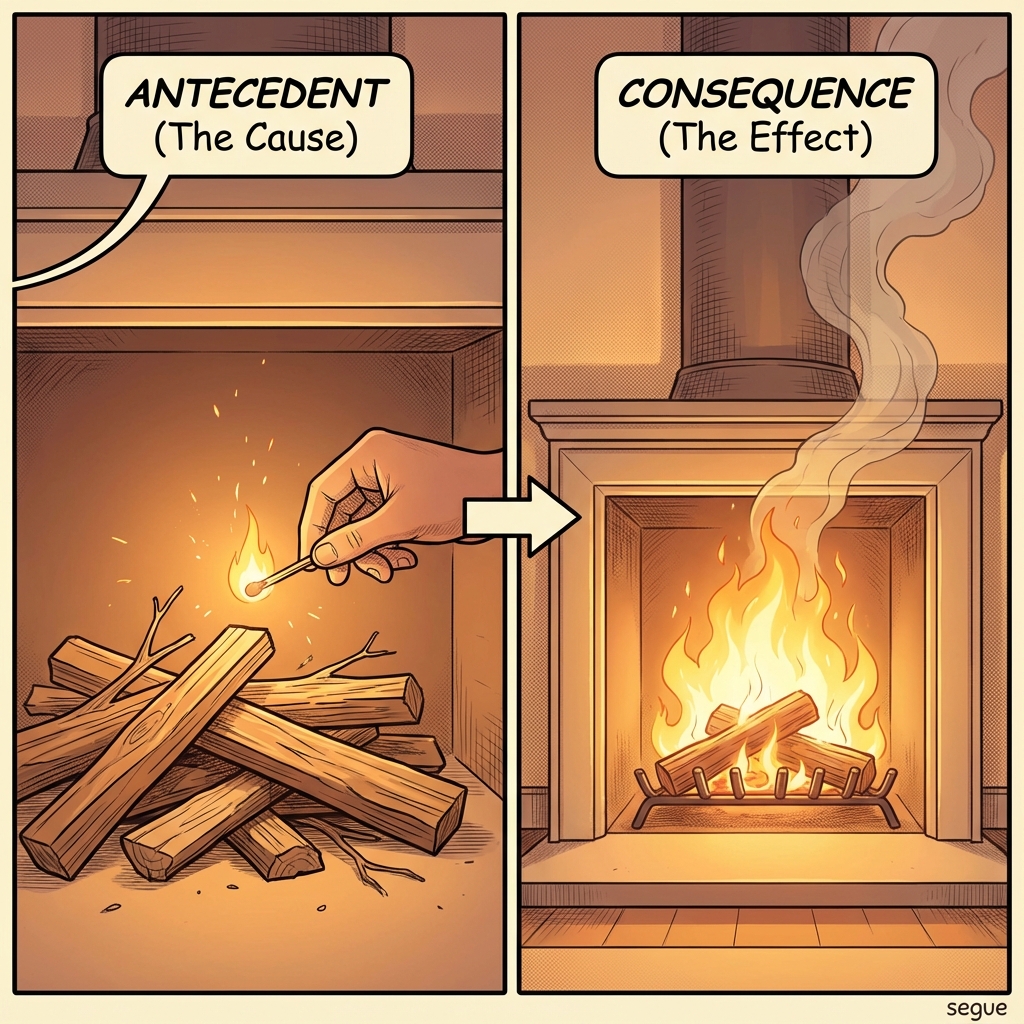
antecedent
/ˌænˈtɛsədənt/a thing that existed before or precedes another
“The antecedent events leading to the war were complex.”
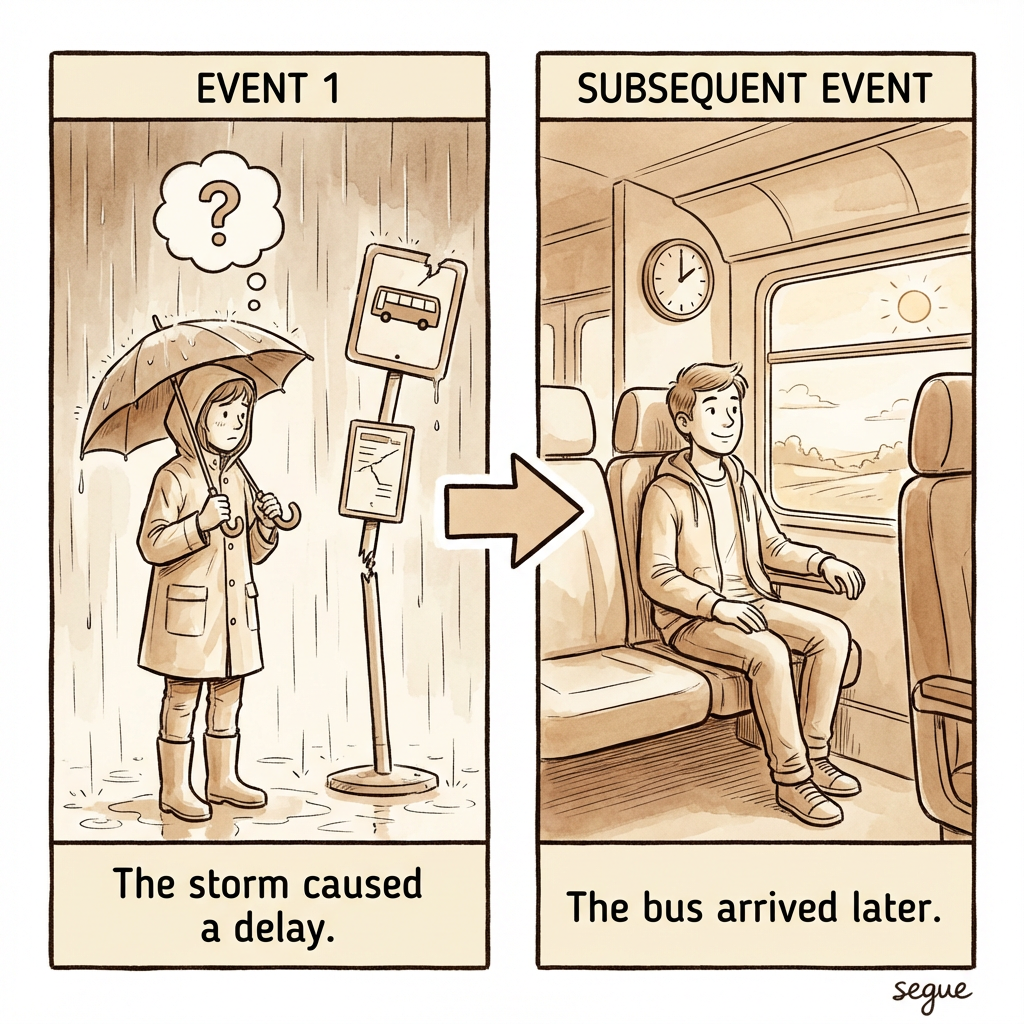
subsequent
/ˈsəbsəkwənt/coming after something in time; following
“Subsequent investigations revealed new evidence.”
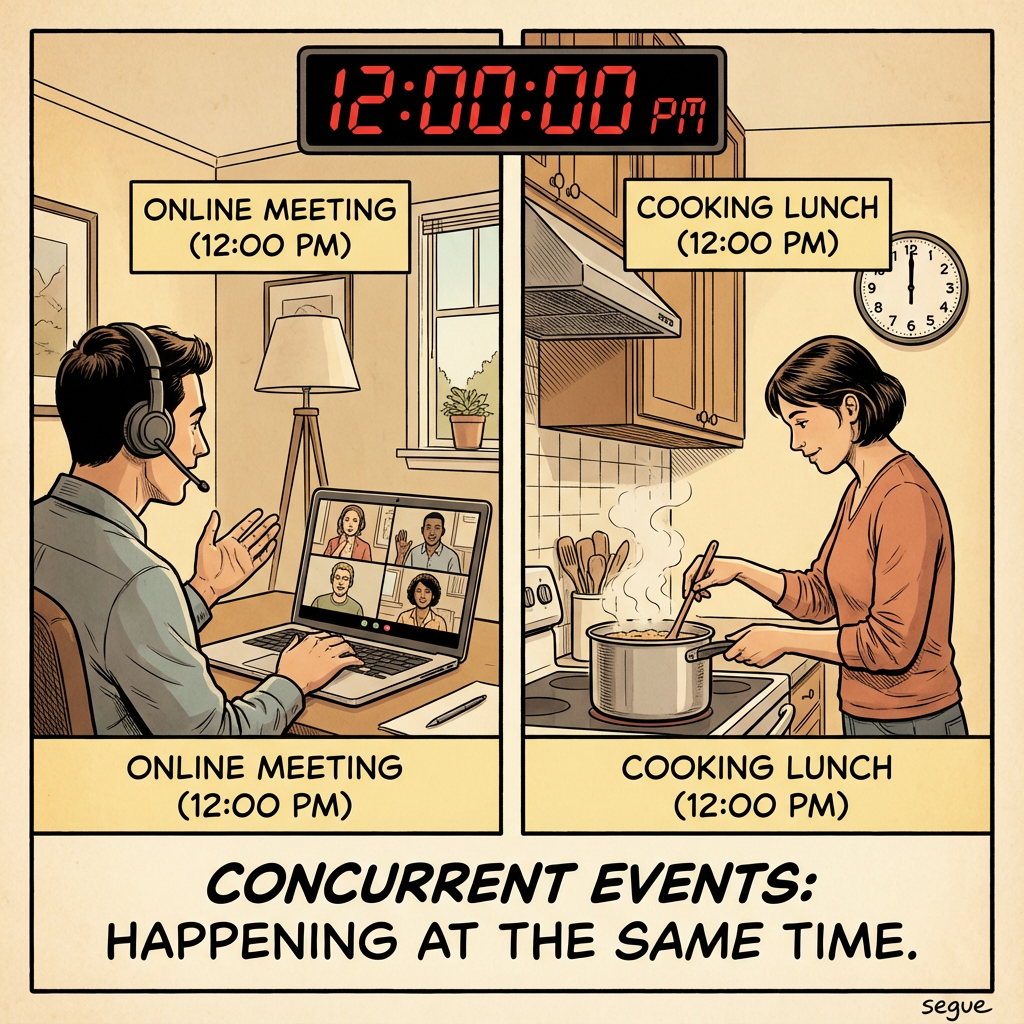
concurrent
/kənˈkɝənt/existing, happening, or done at the same time
“He held concurrent positions at two universities.”
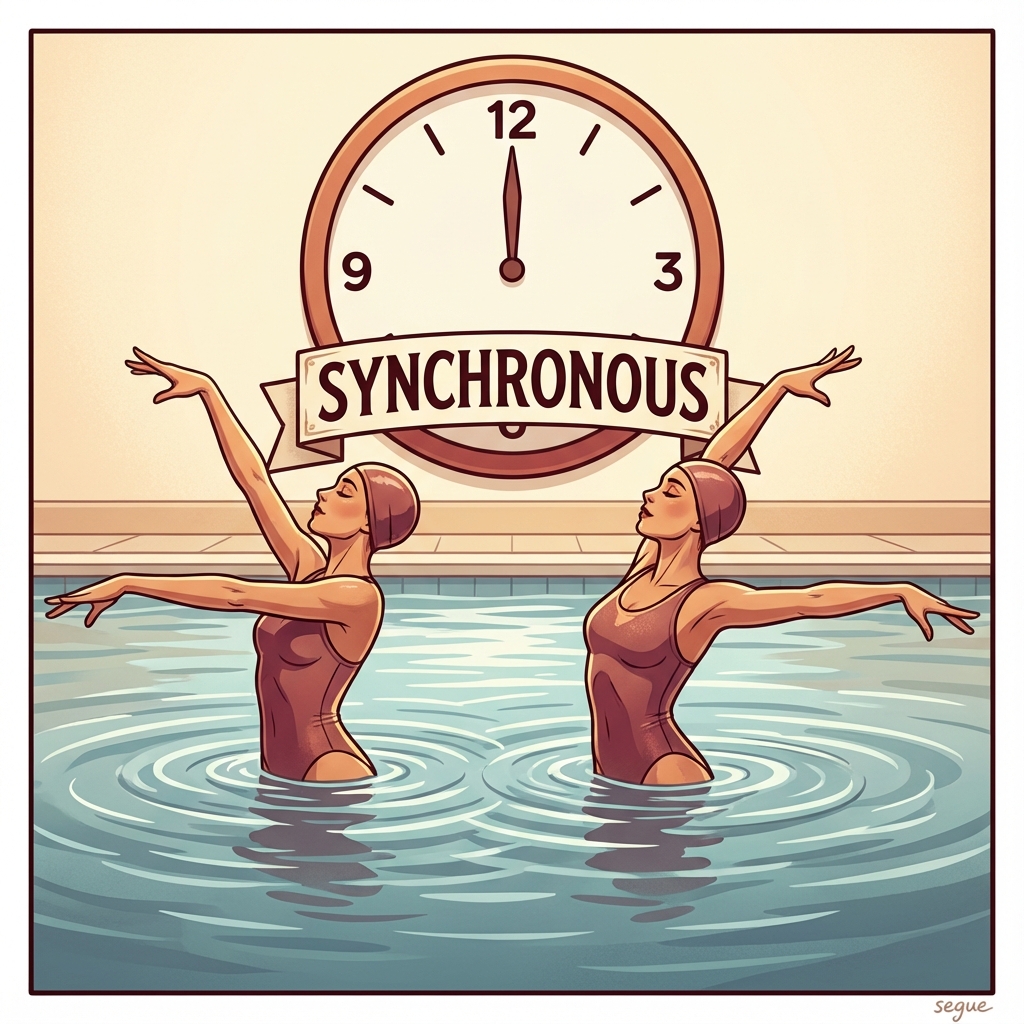
synchronous
/ˈsɪŋkɹənəs/existing or occurring at the same time
“The synchronous movements of the dancers were mesmerizing.”
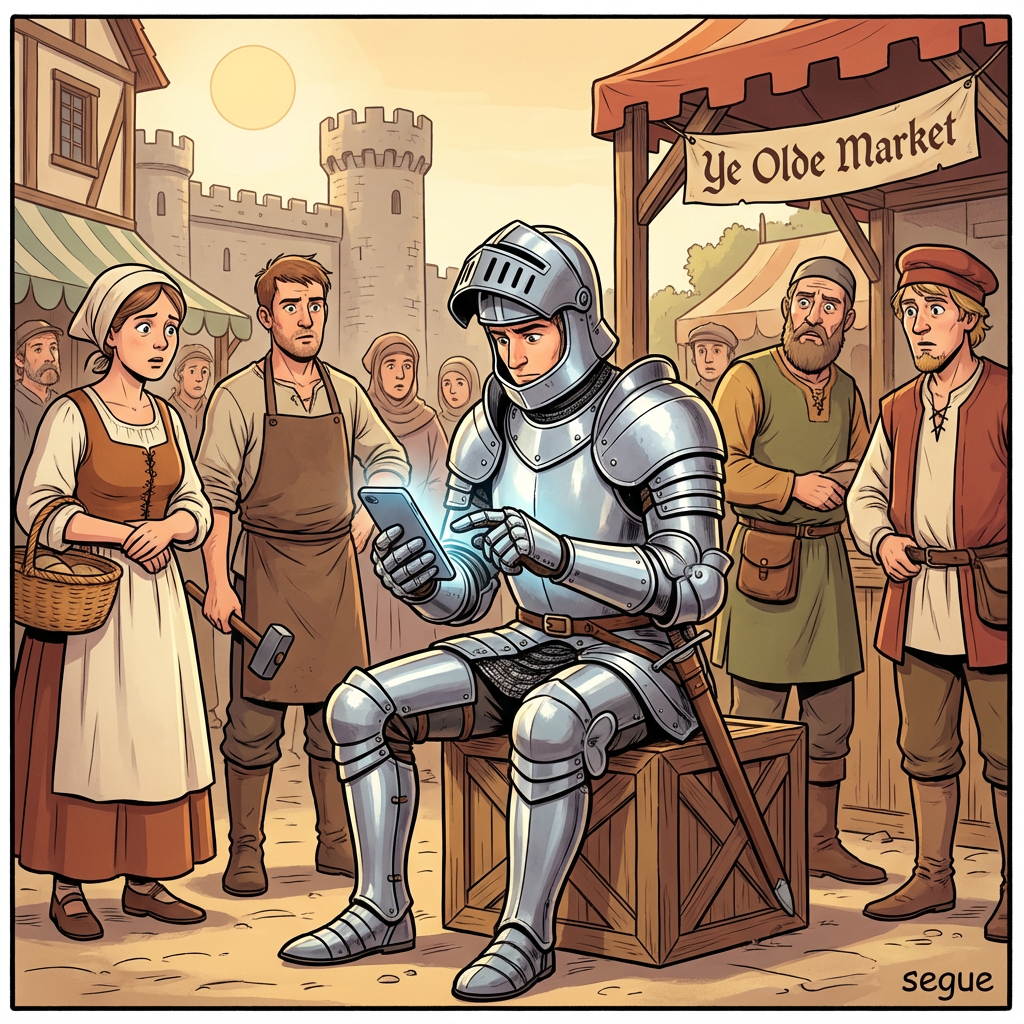
anachronistic
/əˌnækɹəˈnɪstɪk/belonging to a period other than that portrayed
“The knight's wristwatch was an anachronistic error in the film.”
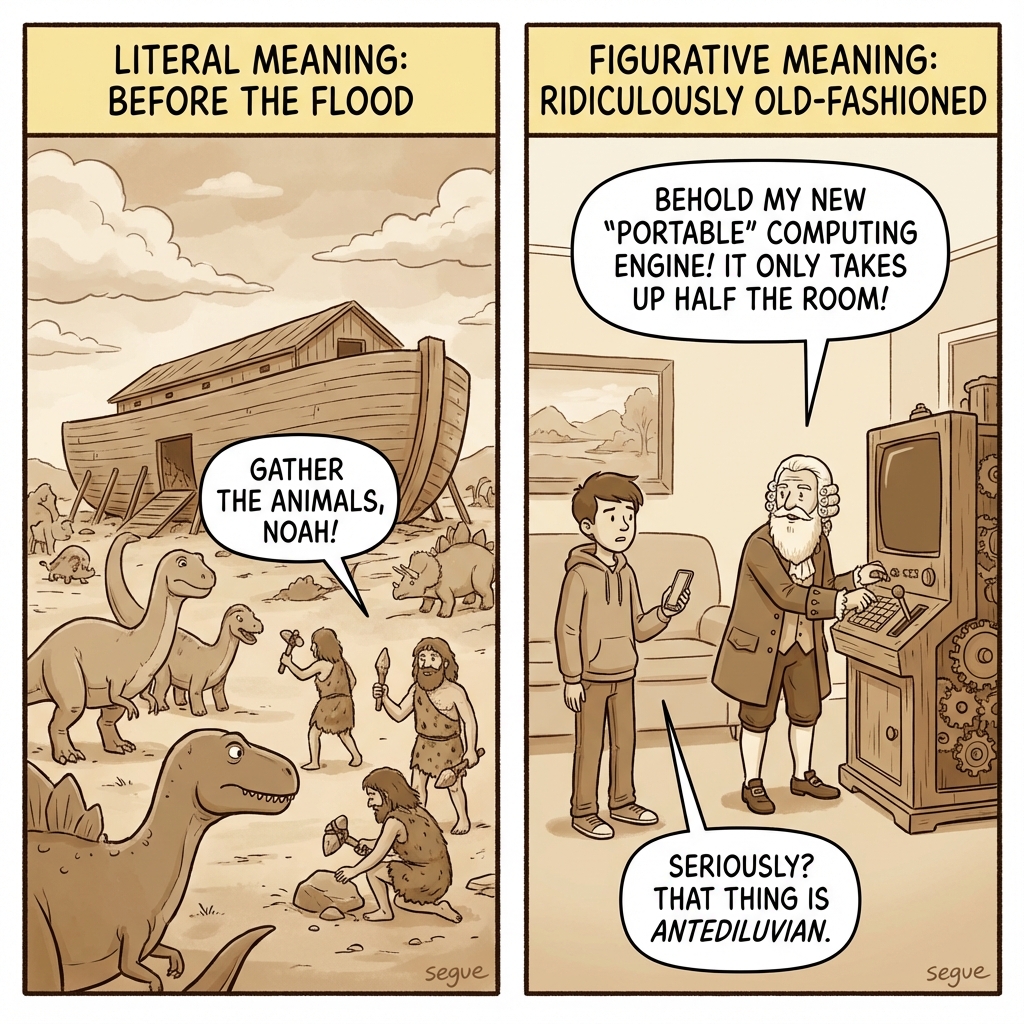
antediluvian
/ˌæntɪdɪˈluːviən/of or belonging to the time before the biblical Flood; ridiculously old-fashioned
“His antediluvian views on women's roles shocked everyone.”
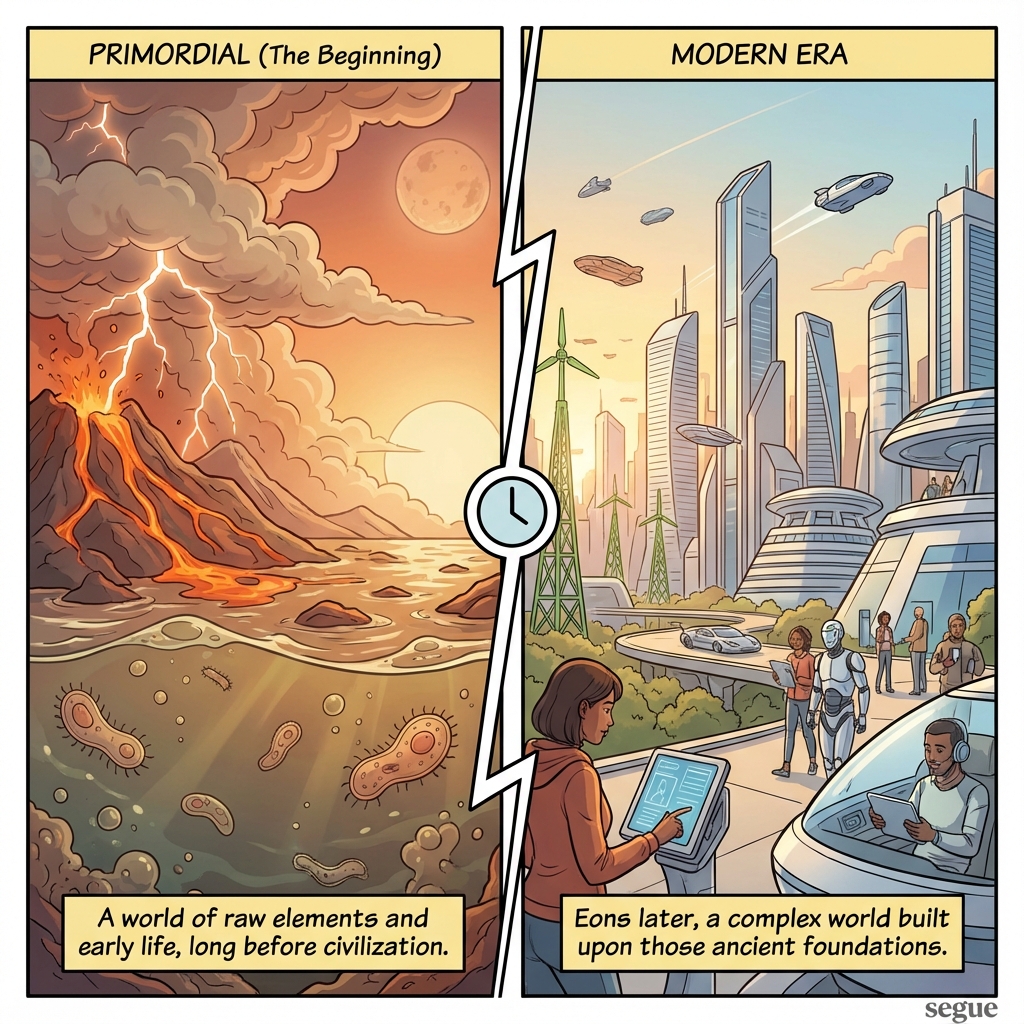
primordial
/pɹaɪˈmɔɹdiəɫ/existing at or from the beginning of time
“Scientists study primordial conditions of the early universe.”
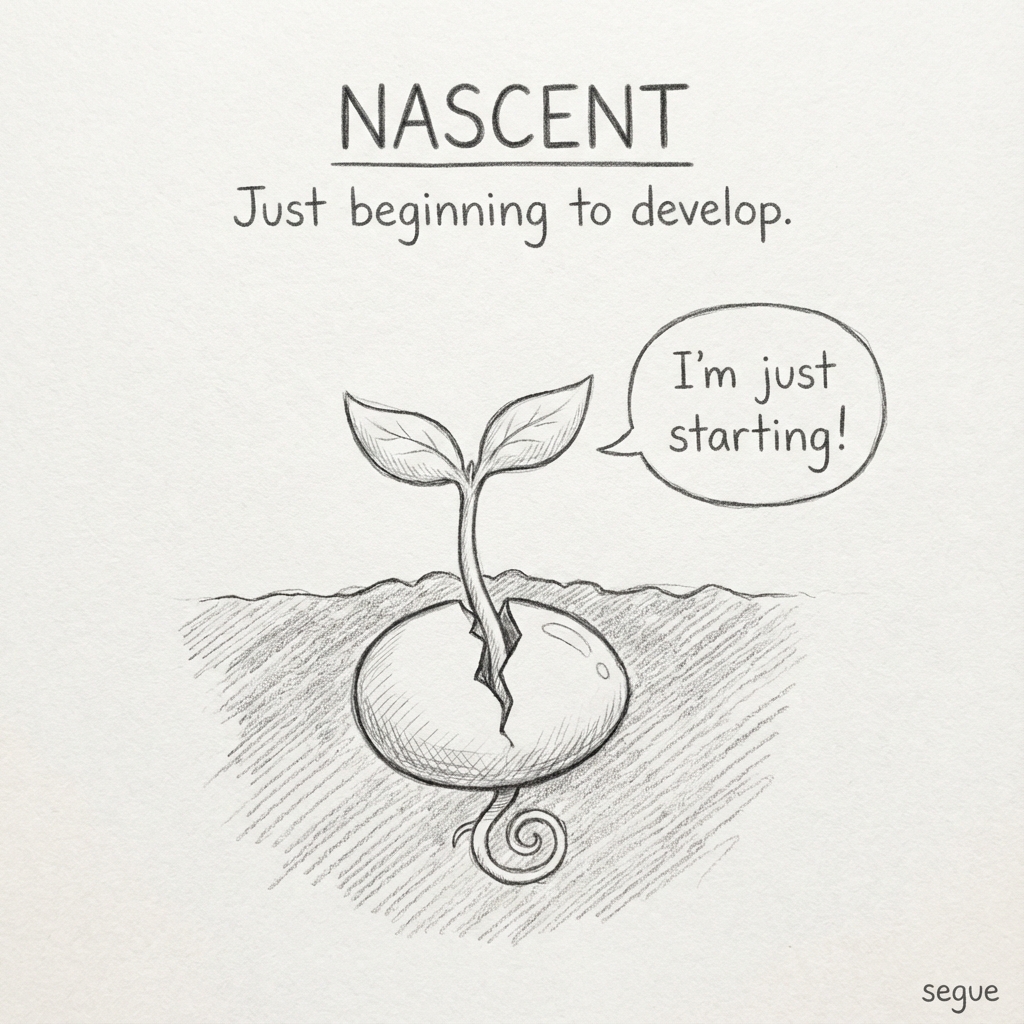
nascent
/ˈneɪsənt/just beginning to develop; emerging
“The nascent democracy faced many challenges.”
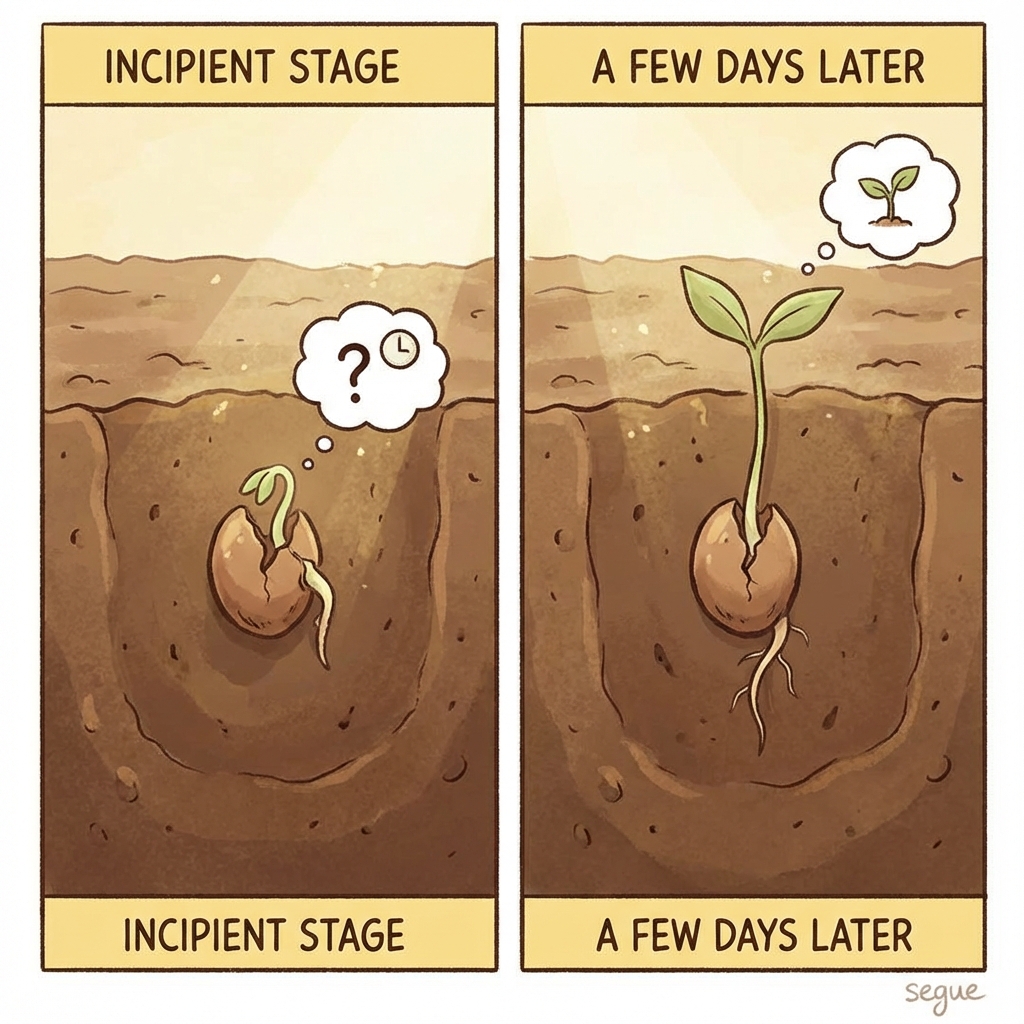
incipient
/ˌɪnˈsɪpiənt/in an initial stage; beginning to happen
“They detected the incipient signs of rebellion.”
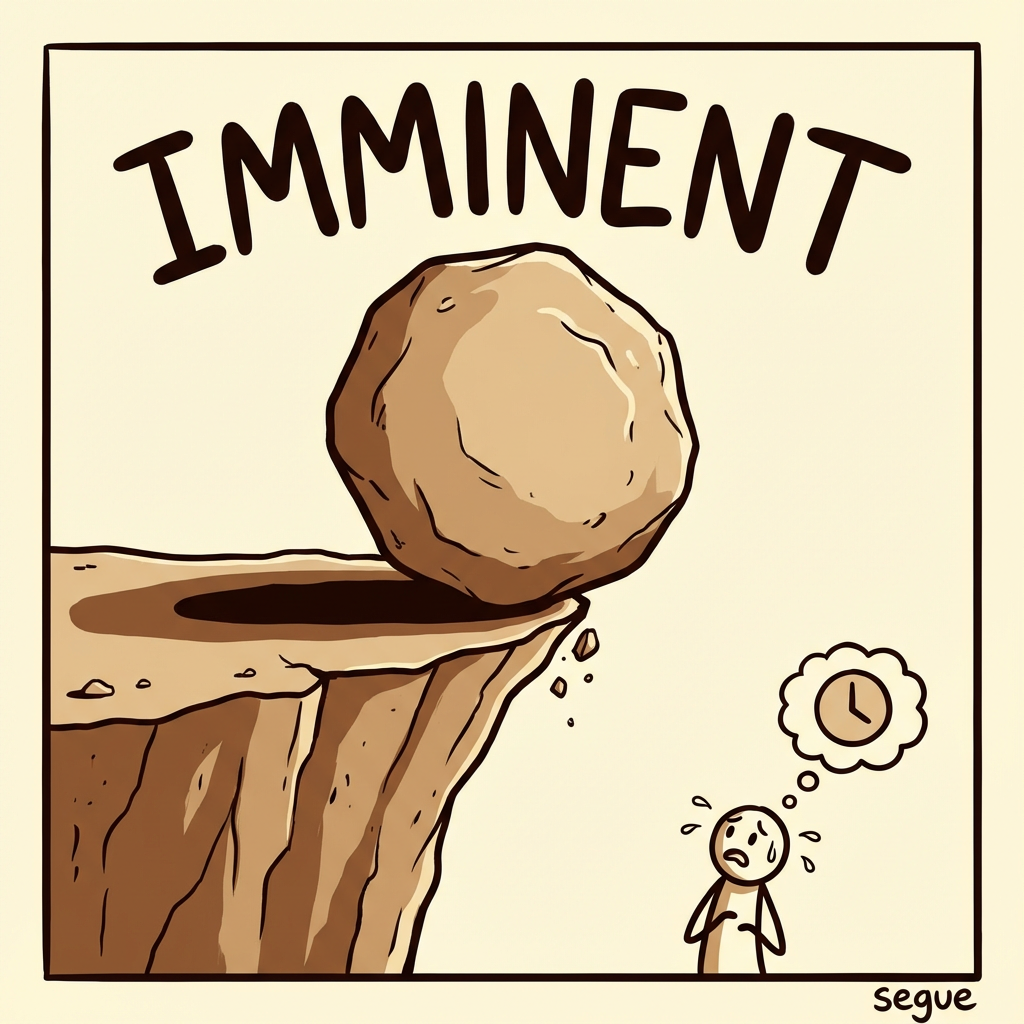
imminent
/ˈɪmənənt/about to happen; impending
“With dark clouds gathering, rain seemed imminent.”

impending
/ˌɪmˈpɛndɪŋ/about to happen; approaching
“The impending deadline created urgency in the team.”
More from Time & Change
Explore other vocabulary categories in this collection.