Loading collection...
🕸️
Systems & Complexity Vocabulary
Vocabulary for understanding how things interact, evolve, and emerge
18 words
All 18 Words
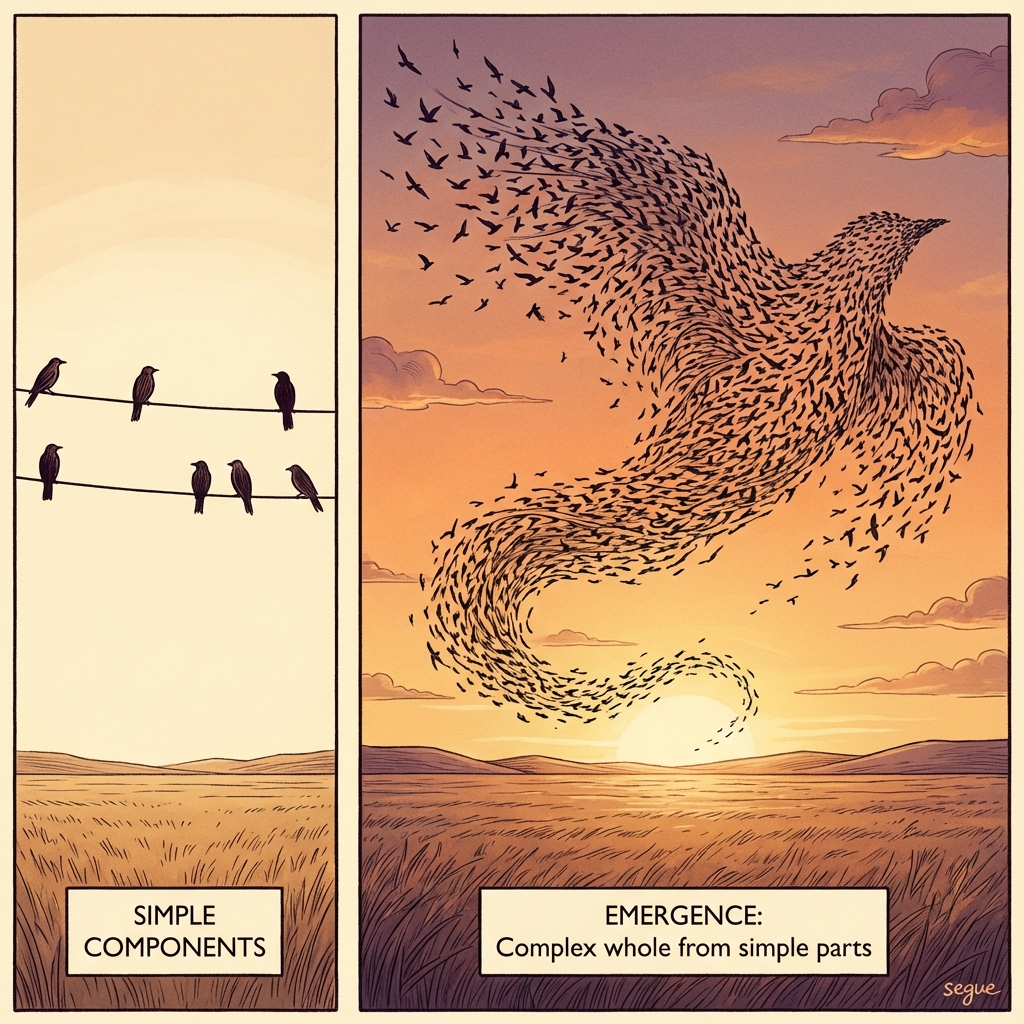
emergence
/ˈimɝdʒəns/the process where complex patterns arise from simple interactions
“Consciousness is often cited as an example of emergence from neural activity.”

feedback loop
/ˈfiːdbæk ˌluːp/a system structure where outputs circle back as inputs
“The microphone created a screeching feedback loop.”
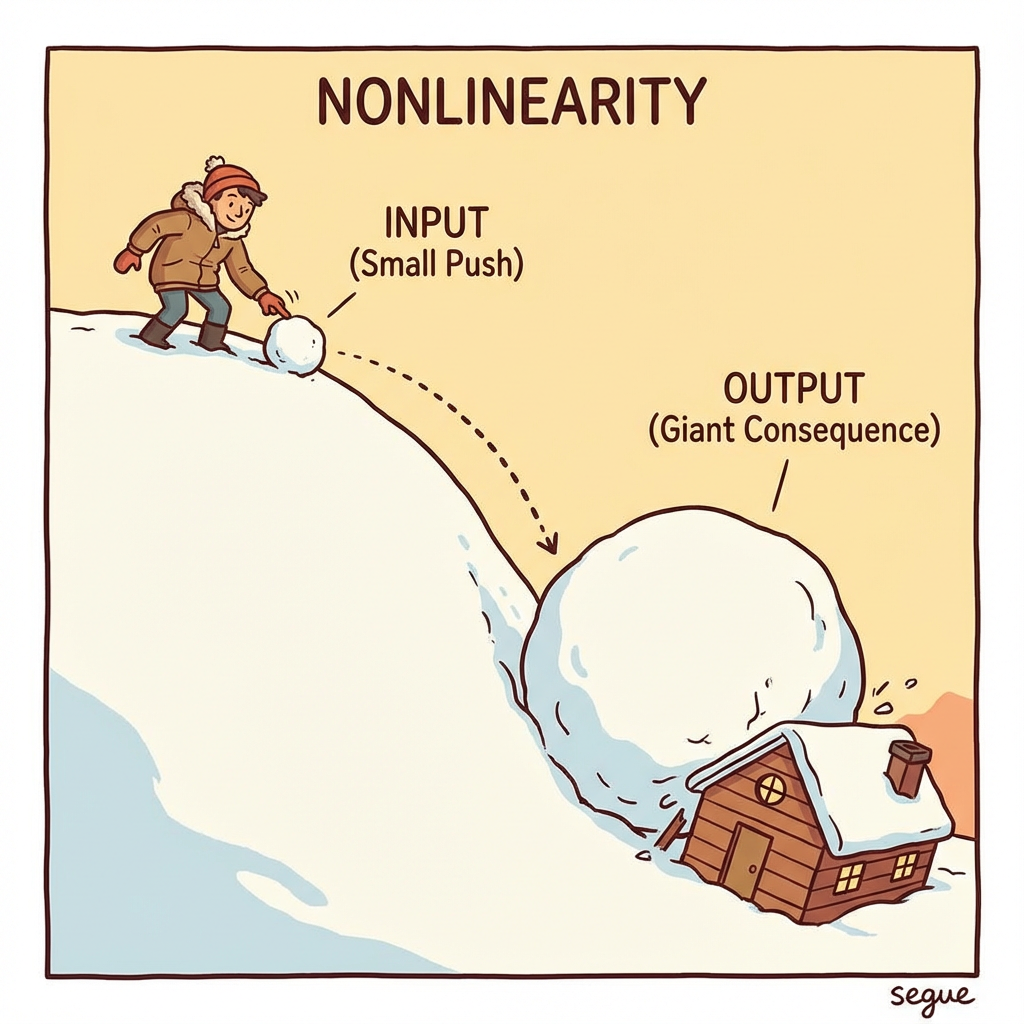
nonlinearity
/ˌnɒnlɪniˈærɪti/a relationship where output is not directly proportional to input
“Climate change exhibits nonlinearity, where small changes can have massive effects.”
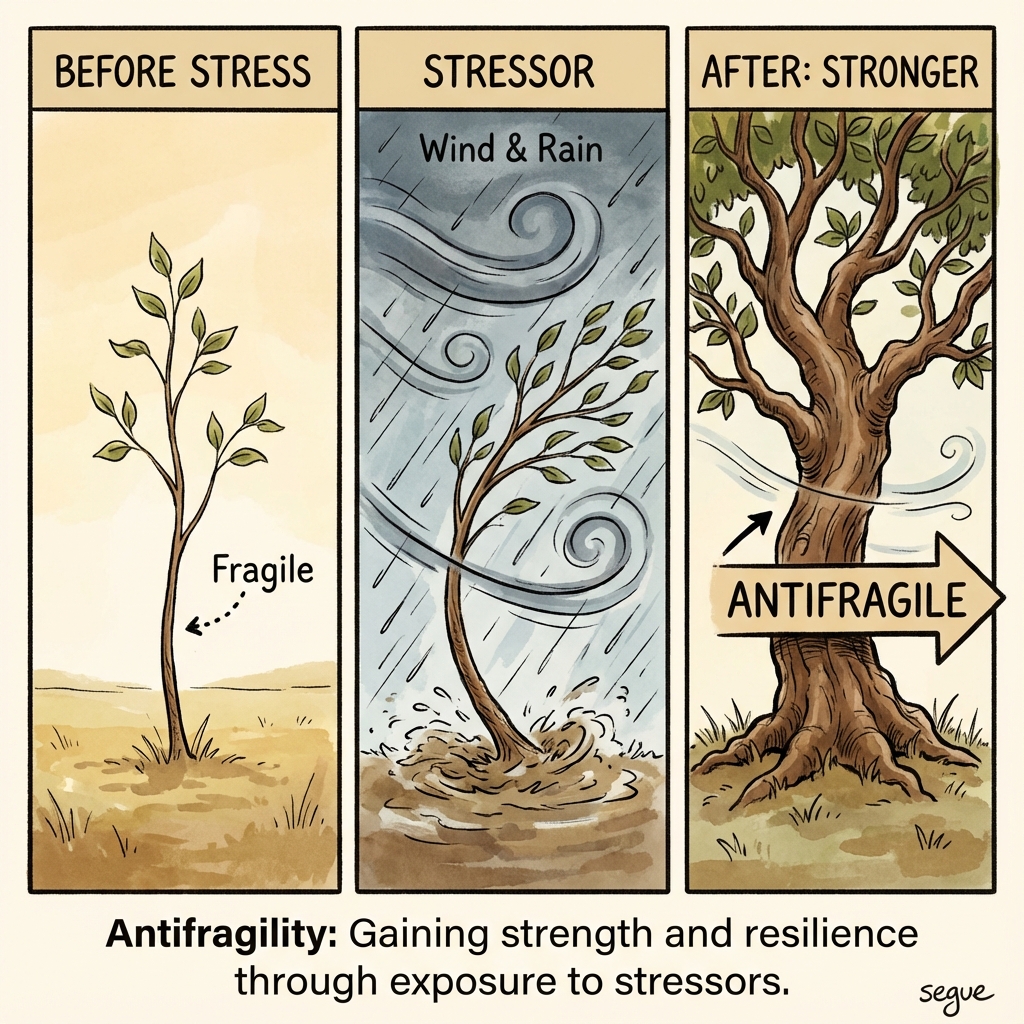
antifragility
/ˌæntɪfrəˈdʒɪlɪti/the property of systems that benefit from shocks and volatility
“Muscles show antifragility by getting stronger after the stress of exercise.”
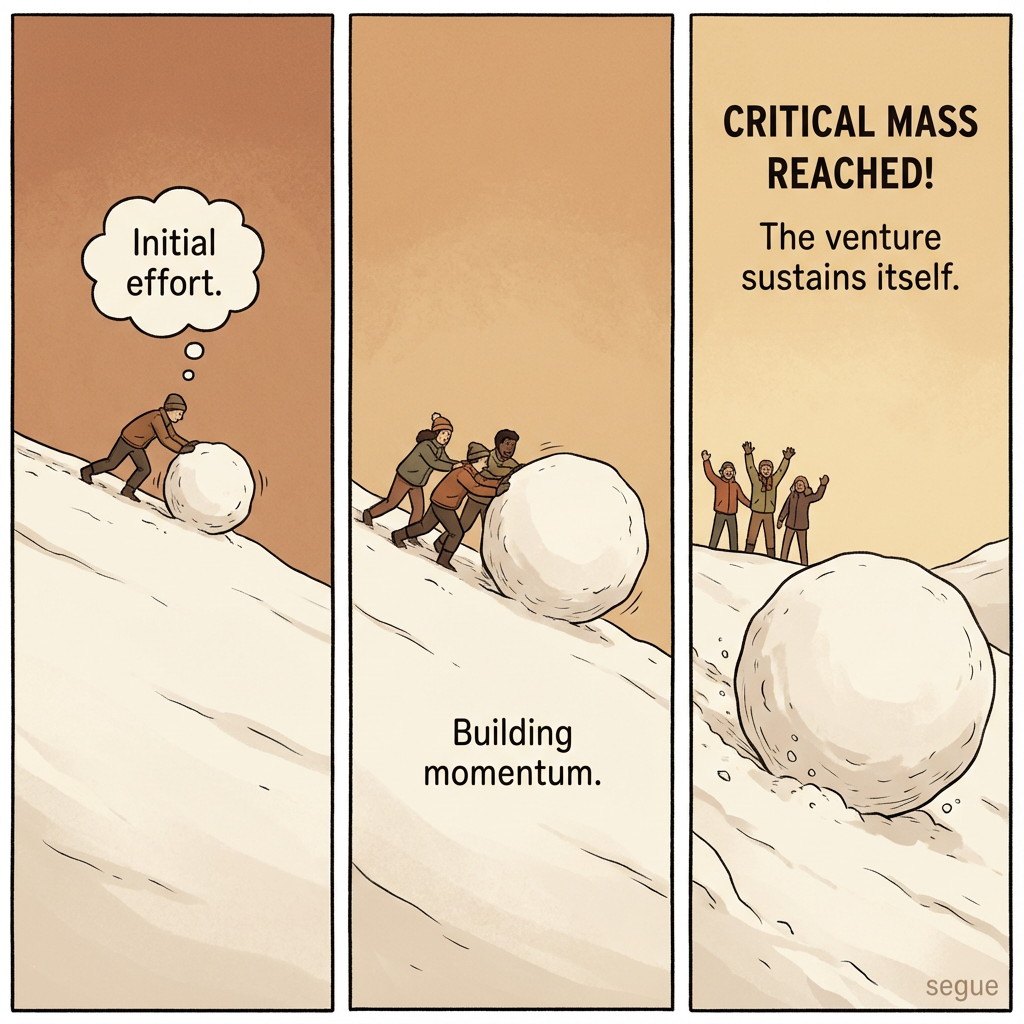
critical mass
/ˌkrɪtɪkəl ˈmæs/the minimum amount required to start or maintain a venture
“The social network reached critical mass and grew exponentially.”

tipping point
/ˈtɪpɪŋ ˌpɔɪnt/the point at which a series of small changes becomes significant enough to cause a larger change
“We have reached a tipping point in the adoption of electric vehicles.”
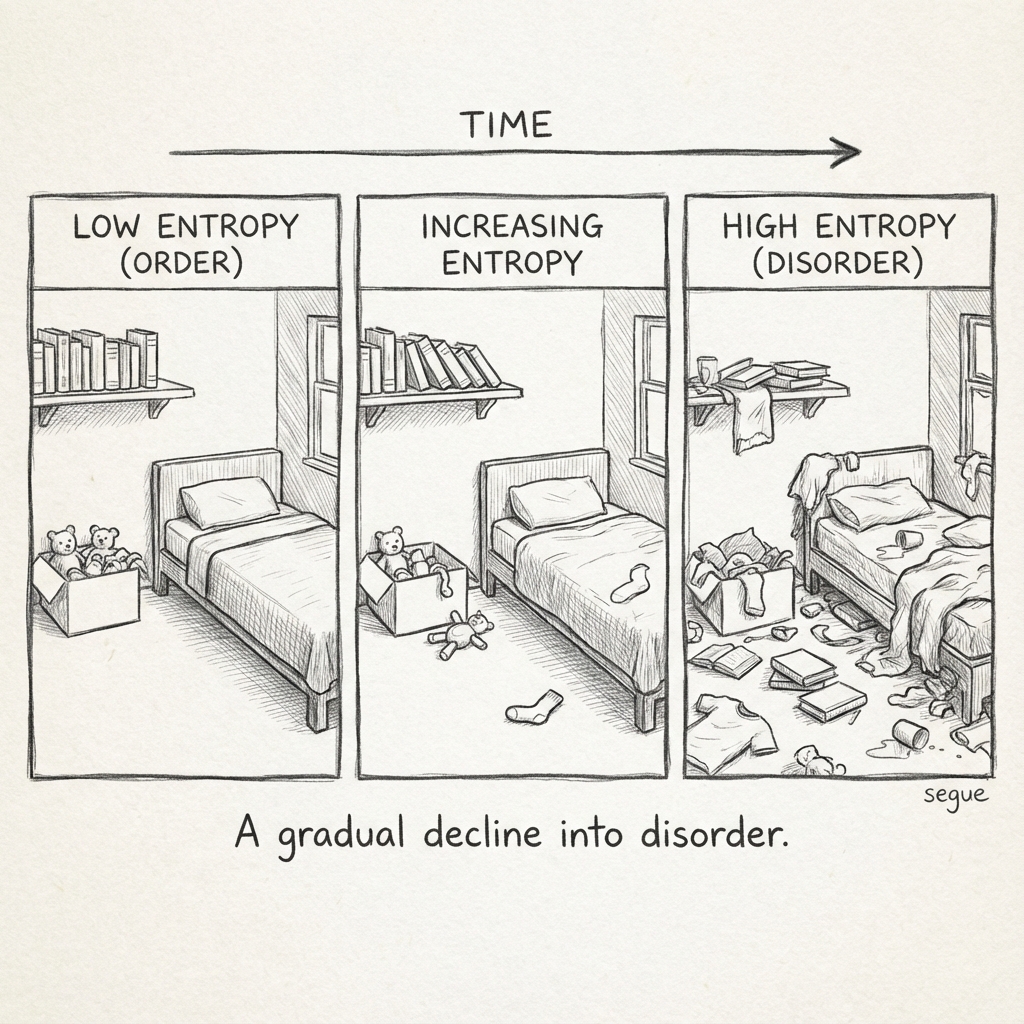
entropy
/ˈɛntɹəpi/a measure of disorder or randomness in a system
“Organizations naturally tend toward entropy without active management.”
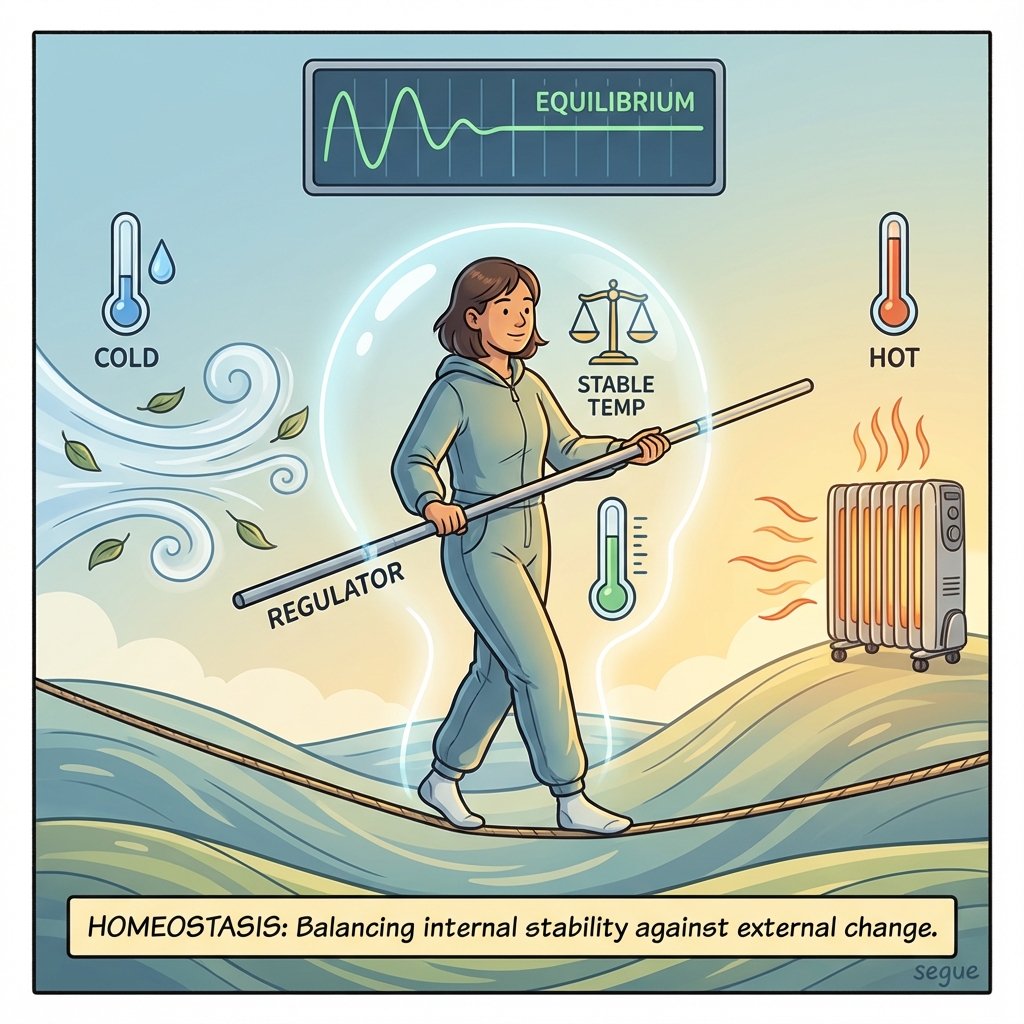
homeostasis
/ˌhoʊmioʊˈsteɪsəs/the tendency toward a stable equilibrium
“The thermostat maintains the building's thermal homeostasis.”

redundancy
/ɹɪˈdəndənsi/the inclusion of extra components for reliability
“The aircraft has triple redundancy in its flight control systems.”
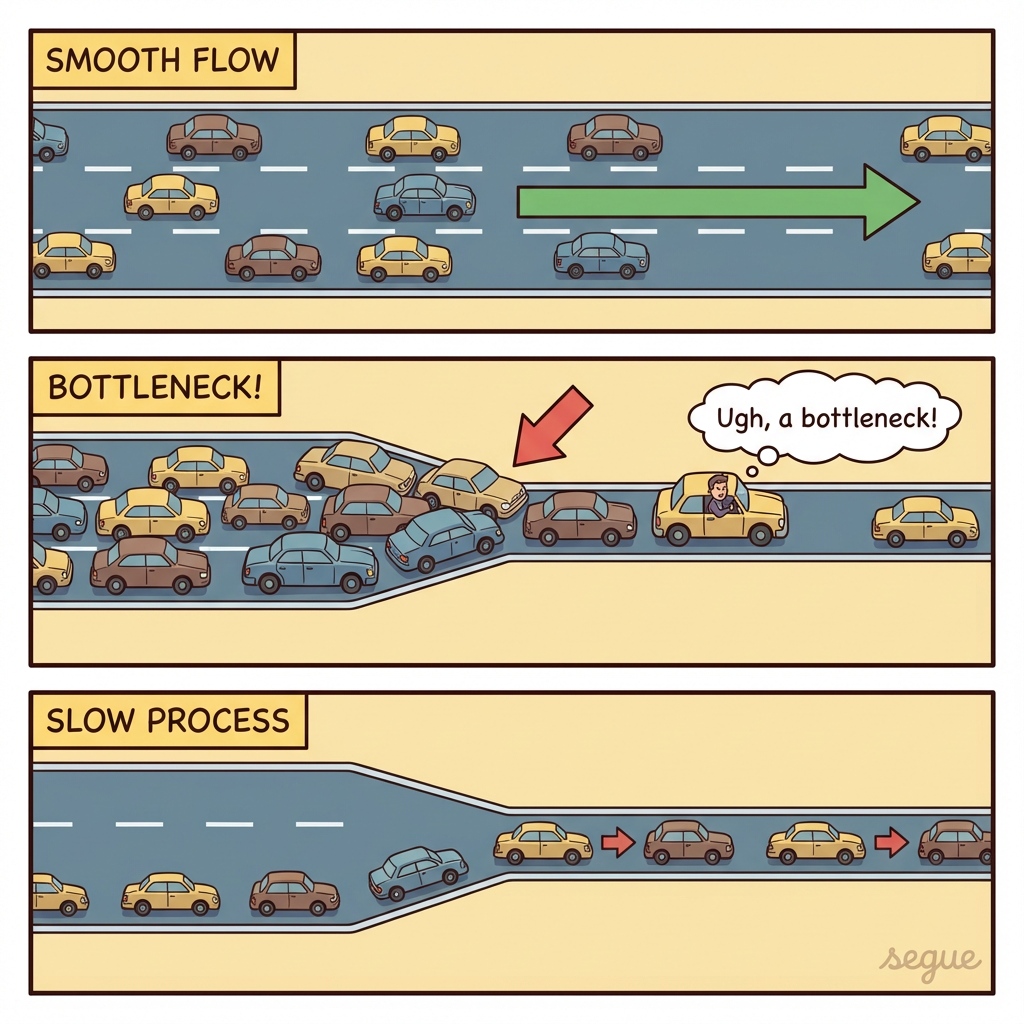
bottleneck
/ˈbɑtəɫˌnɛk/a point of congestion in a system that slows down the overall process
“The approval process became a bottleneck for the entire project.”

catalyst
/ˈkætəɫəst/an agent that provokes or speeds up significant change or action
“The crisis served as a catalyst for regulatory reform.”

synergy
/ˈsɪnɝdʒi/interaction of elements that when combined produce a total effect greater than the sum of individual elements
“The merger aimed to create synergy between the two departments.”
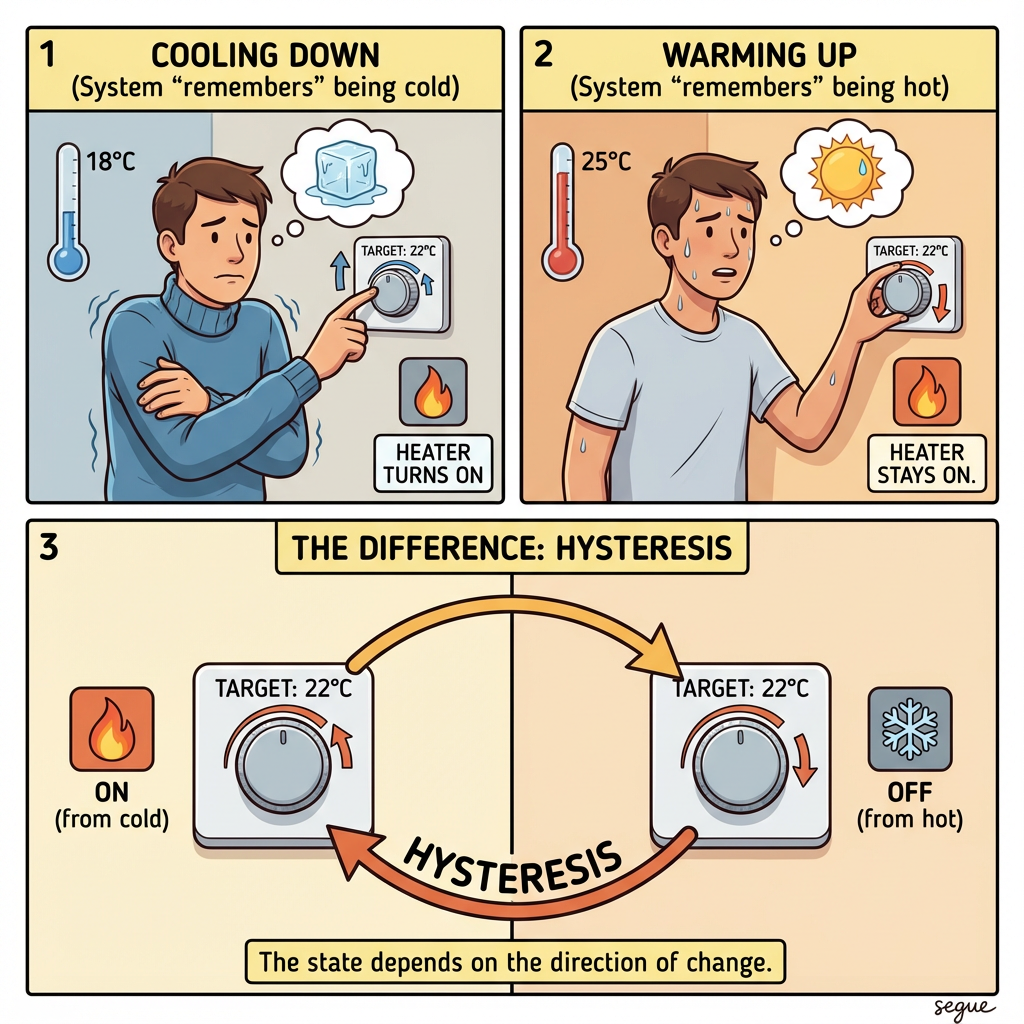
hysteresis
/ˌhɪstəˈriːsɪs/dependence of the state of a system on its history
“Unemployment shows hysteresis; it stays high even after the economy recovers.”
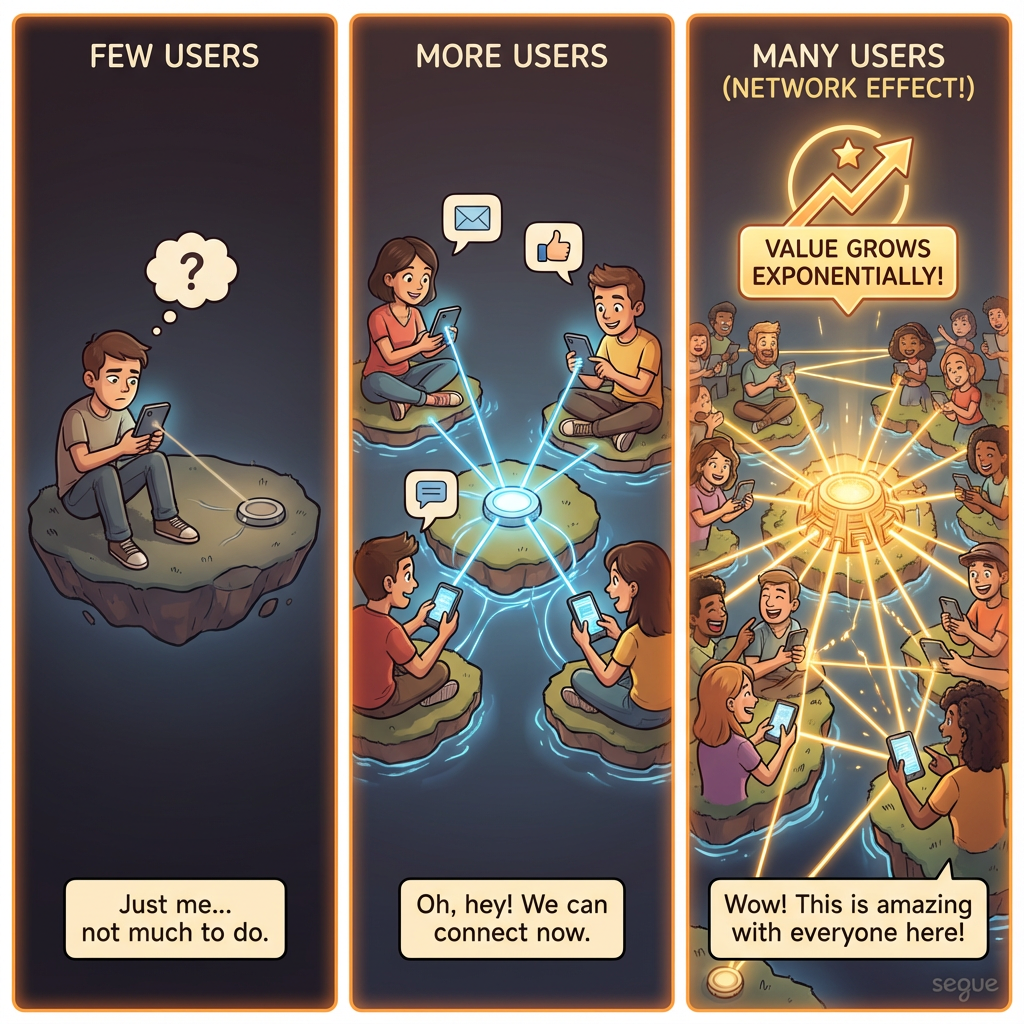
network effect
/ˈnetwɜːrk ɪˌfekt/phenomenon where a product gains value as more people use it
“The telephone is a classic example of the network effect.”
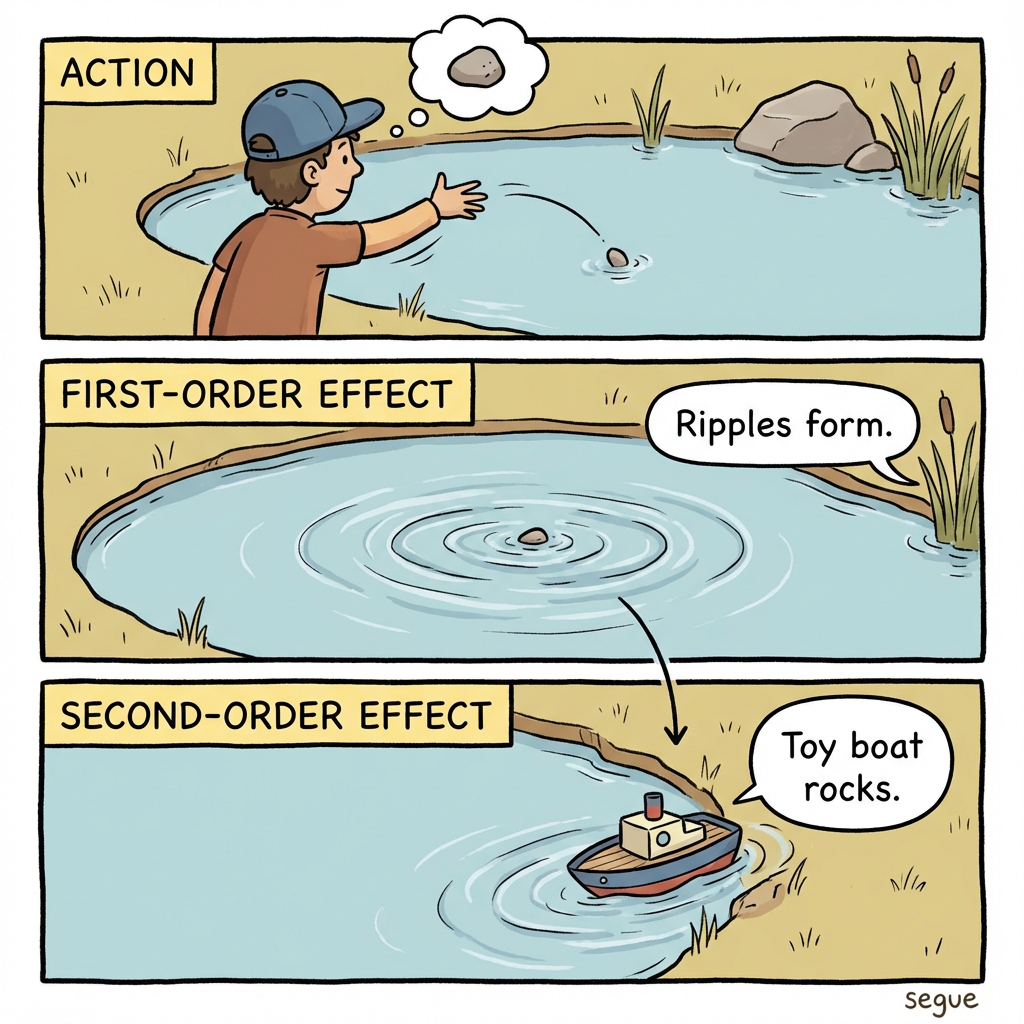
second-order effect
/ˌsekənd ˌɔːrdər ɪˈfekt/the consequence of a consequence
“We considered the immediate result, but missed the second-order effect on employee morale.”
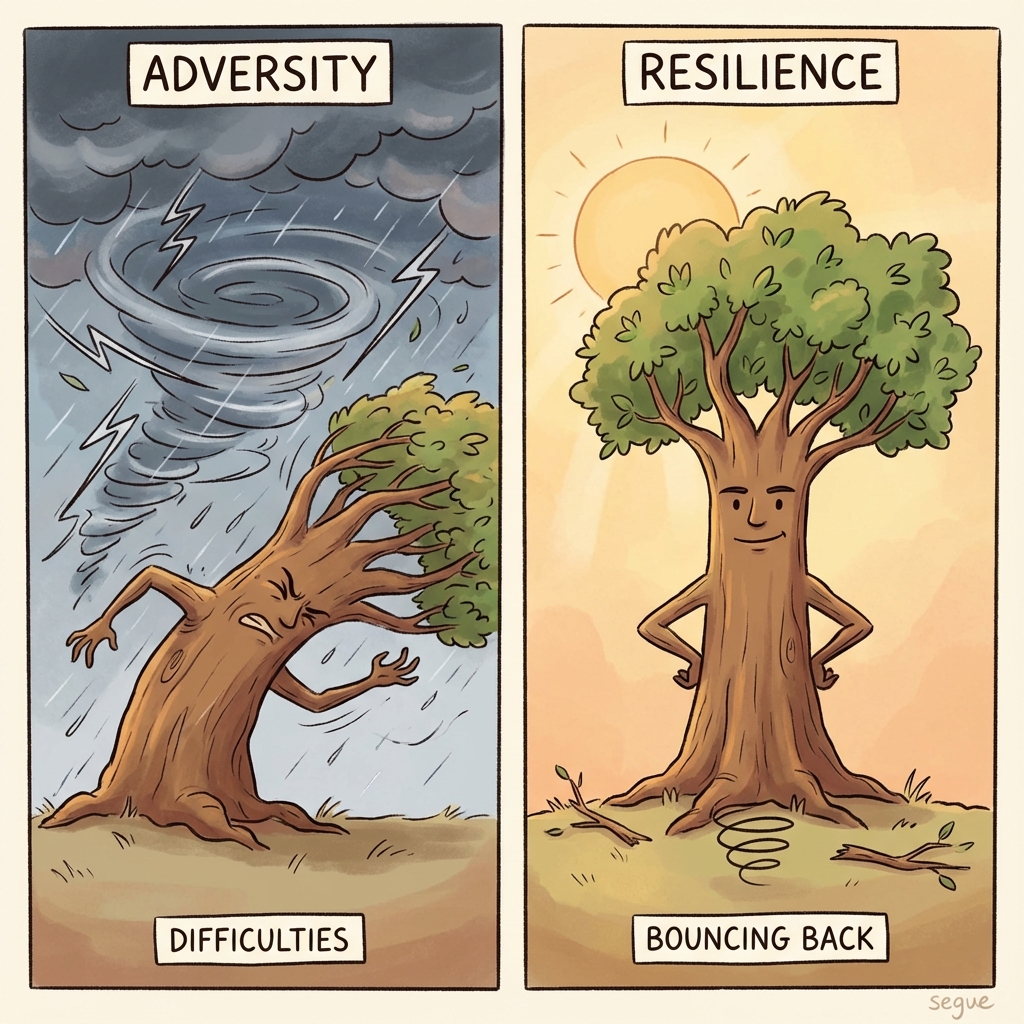
resilience
/ɹɪˈzɪɫiəns/the capacity to recover quickly from difficulties
“The system's resilience was tested by the sudden traffic spike.”
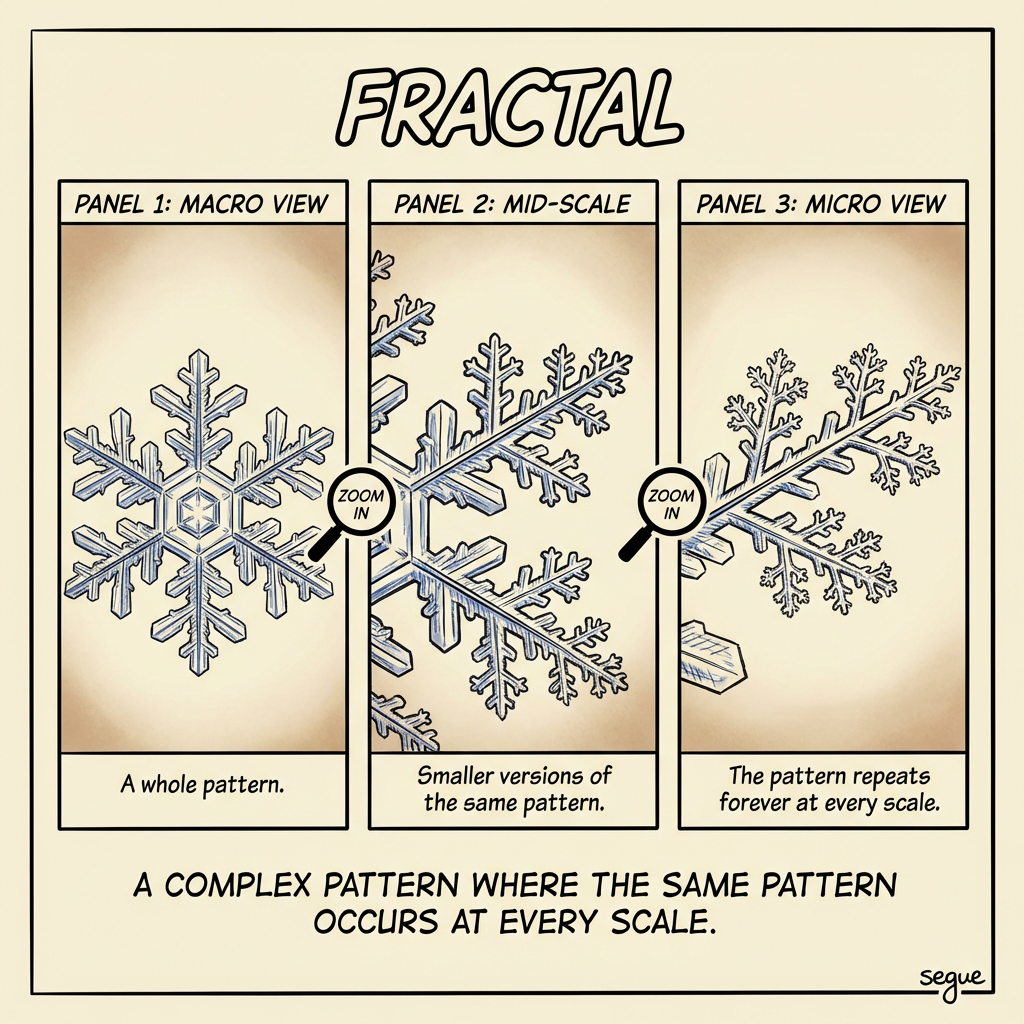
fractal
/ˈfɹæktəɫ/a complex pattern where the same pattern occurs at every scale
“The coastline is fractal; it looks similar whether viewed from space or up close.”
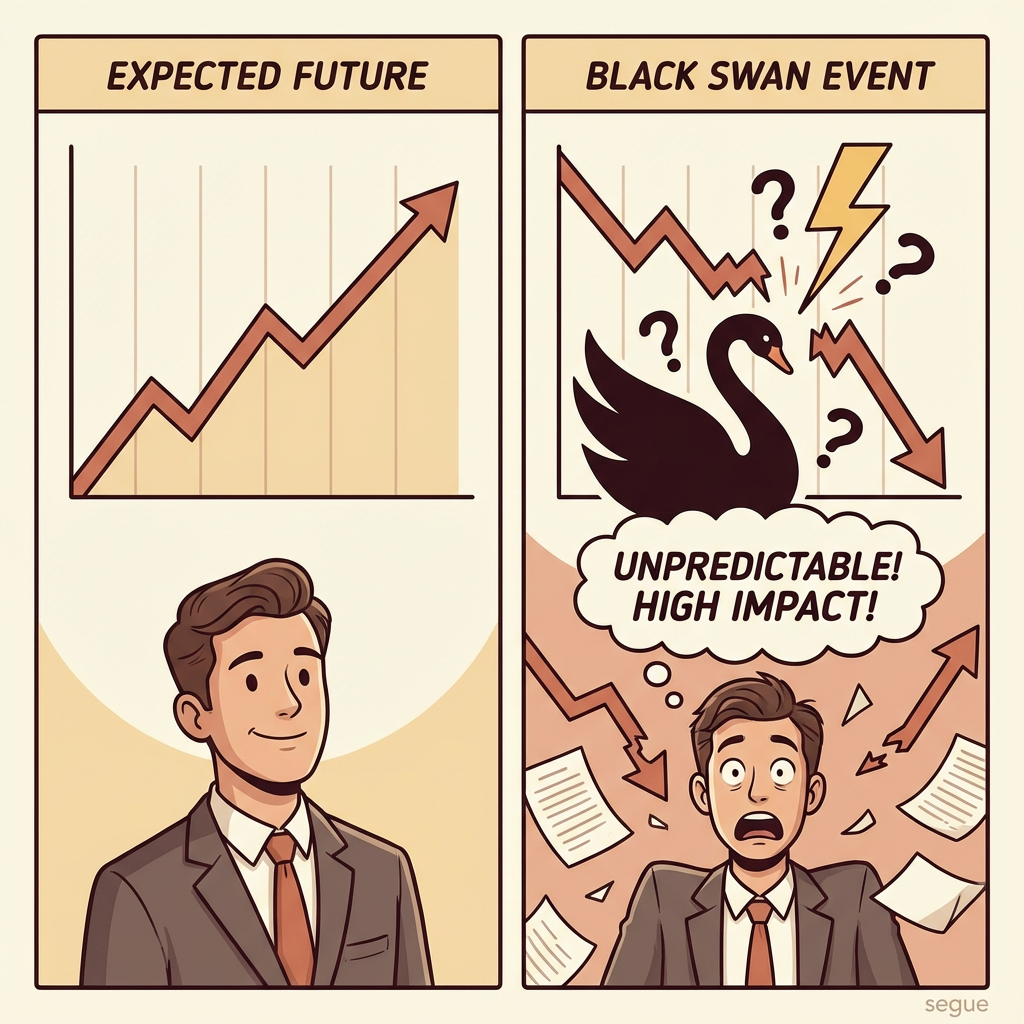
black swan
/ˌblæk ˈswɒn/an unpredictable event that is beyond what is normally expected and has potentially severe consequences
“The 2008 financial crisis was described by some as a black swan event.”
More from Technology & Systems
Explore other vocabulary categories in this collection.