Loading collection...
🏗️
Structure & Organization Vocabulary
Words for arranging, ordering, and systematizing information
18 words
All 18 Words
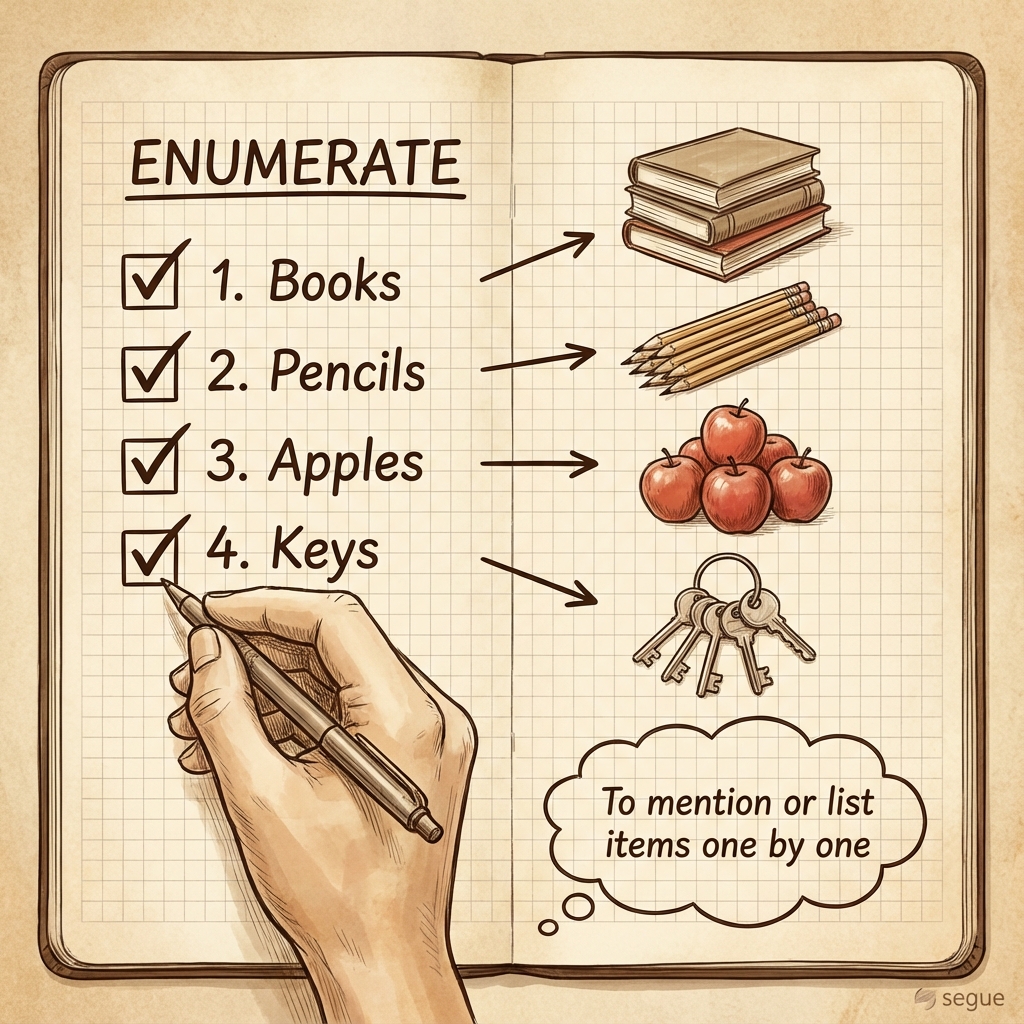
enumerate
/ɪˈnumɝˌeɪt/to mention or list items one by one
“Enumerate the steps required to complete this task.”
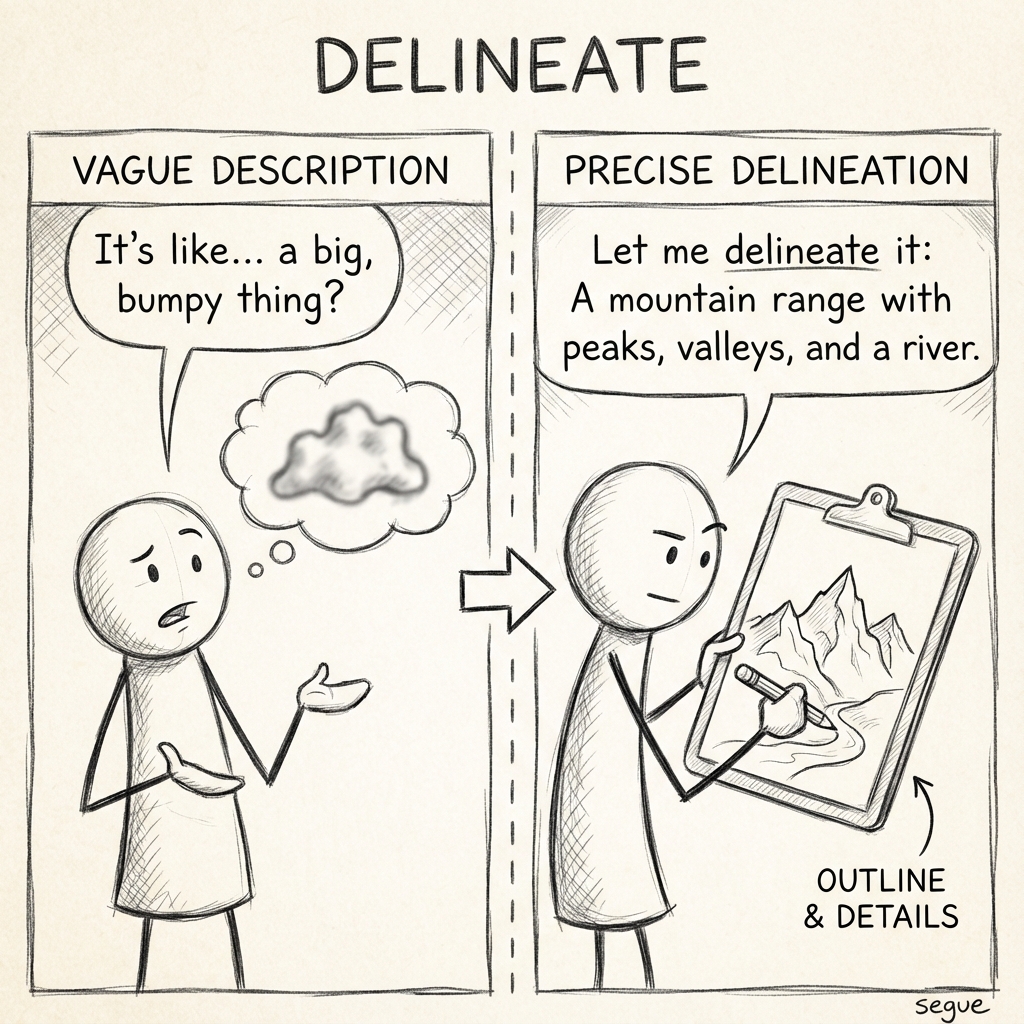
delineate
/dɪˈɫɪniˌeɪt/to describe or portray something precisely; outline
“Delineate the process from start to finish.”
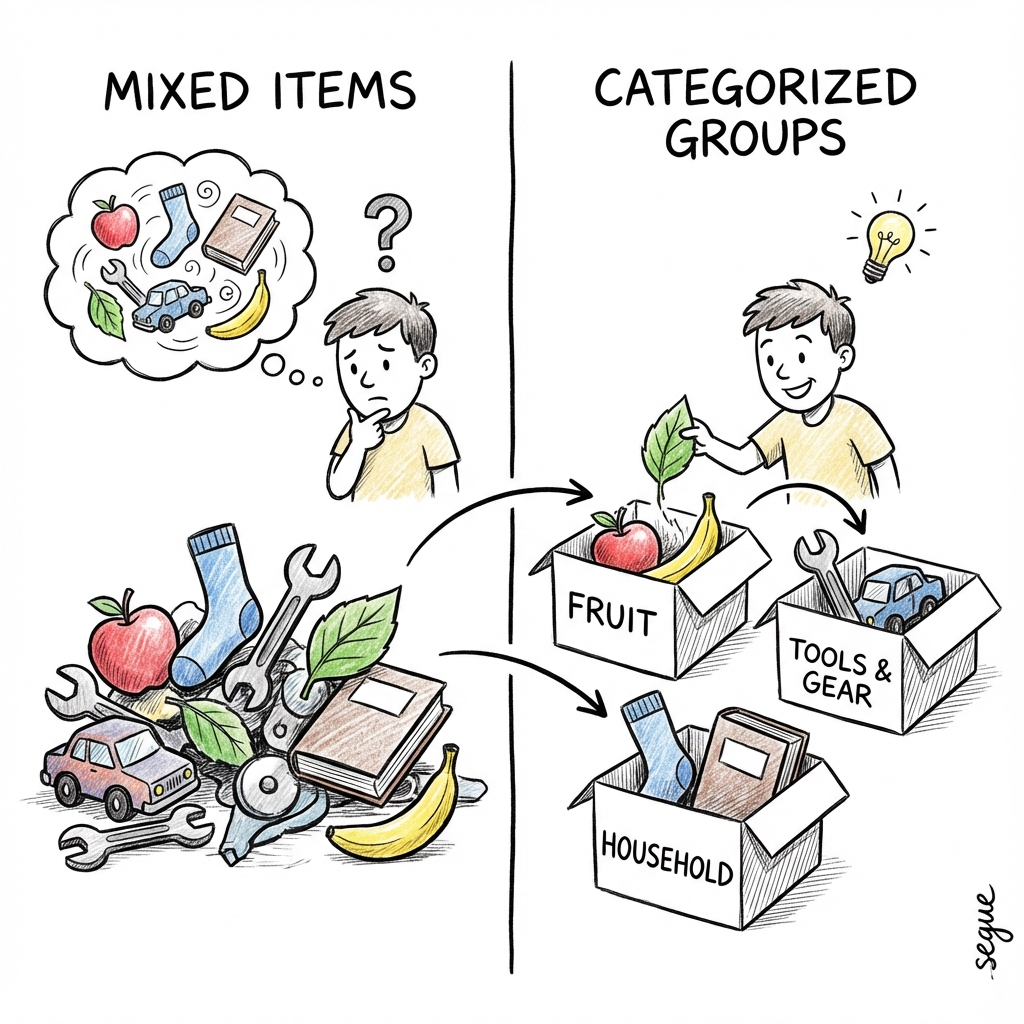
categorize
/ˈkætəɡɝˌaɪz/to place into groups based on shared characteristics
“Categorize the issues by priority level.”
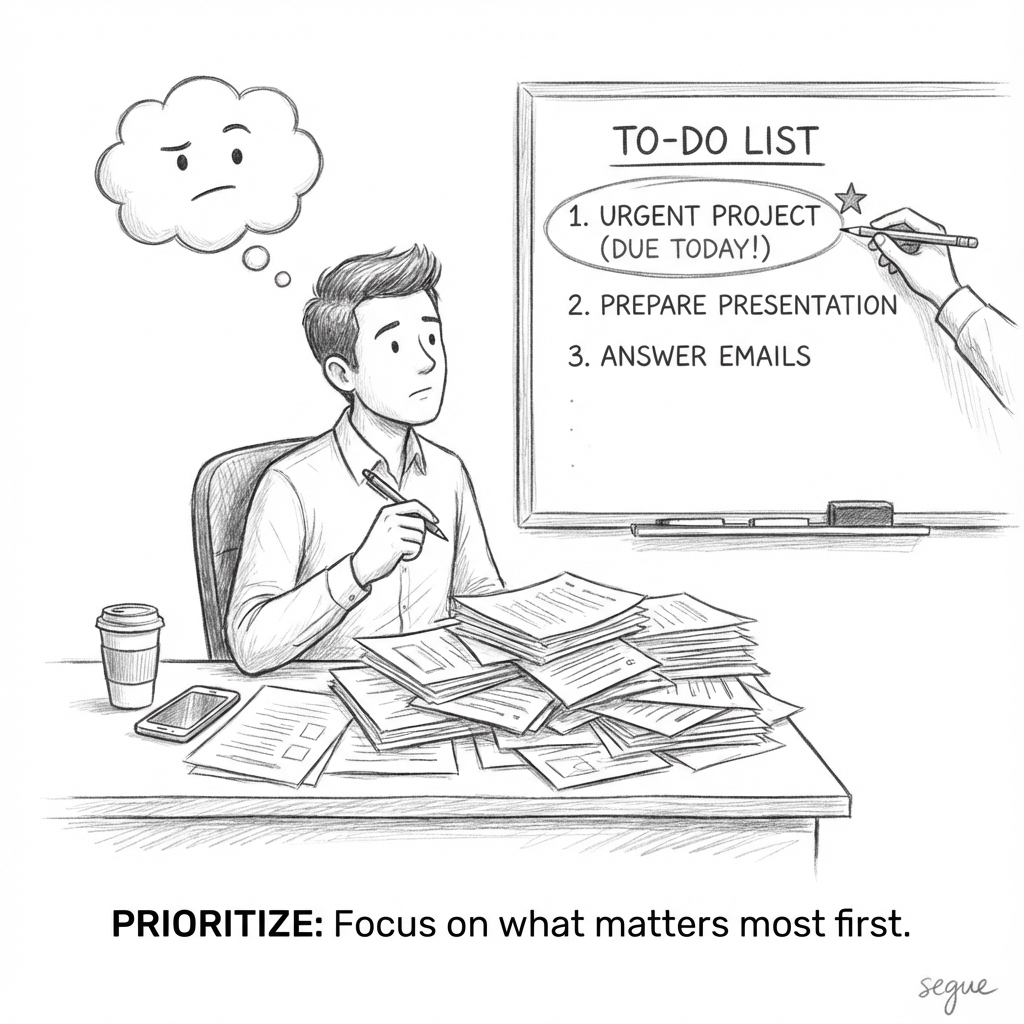
prioritize
/pɹaɪˈɔɹəˌtaɪz/to arrange items in order of importance
“Prioritize the features for the first release.”

sequence
/ˈsikwəns/to arrange in a particular order
“Sequence the tasks in their order of execution.”
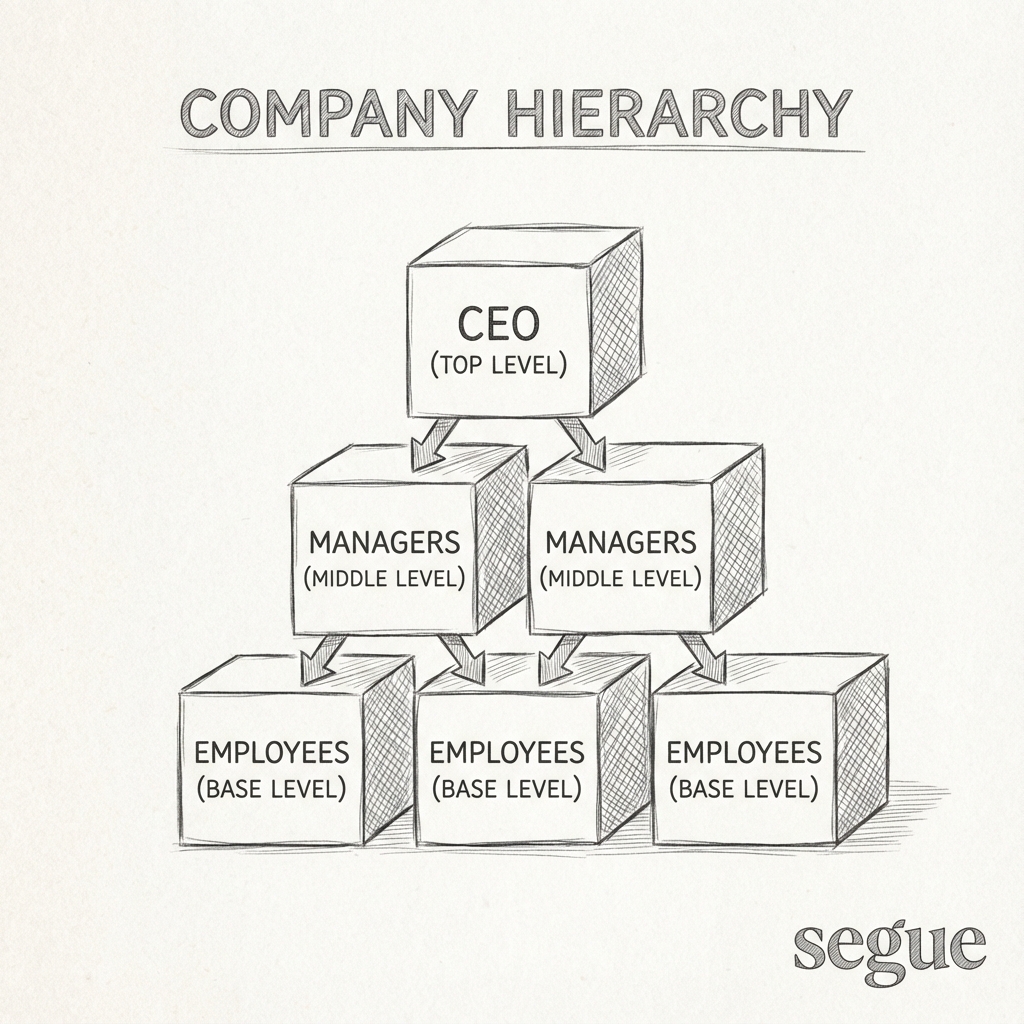
hierarchy
/ˈhaɪˌɹɑɹki/a system in which items are ranked according to levels
“Establish a hierarchy of decision-making authority.”
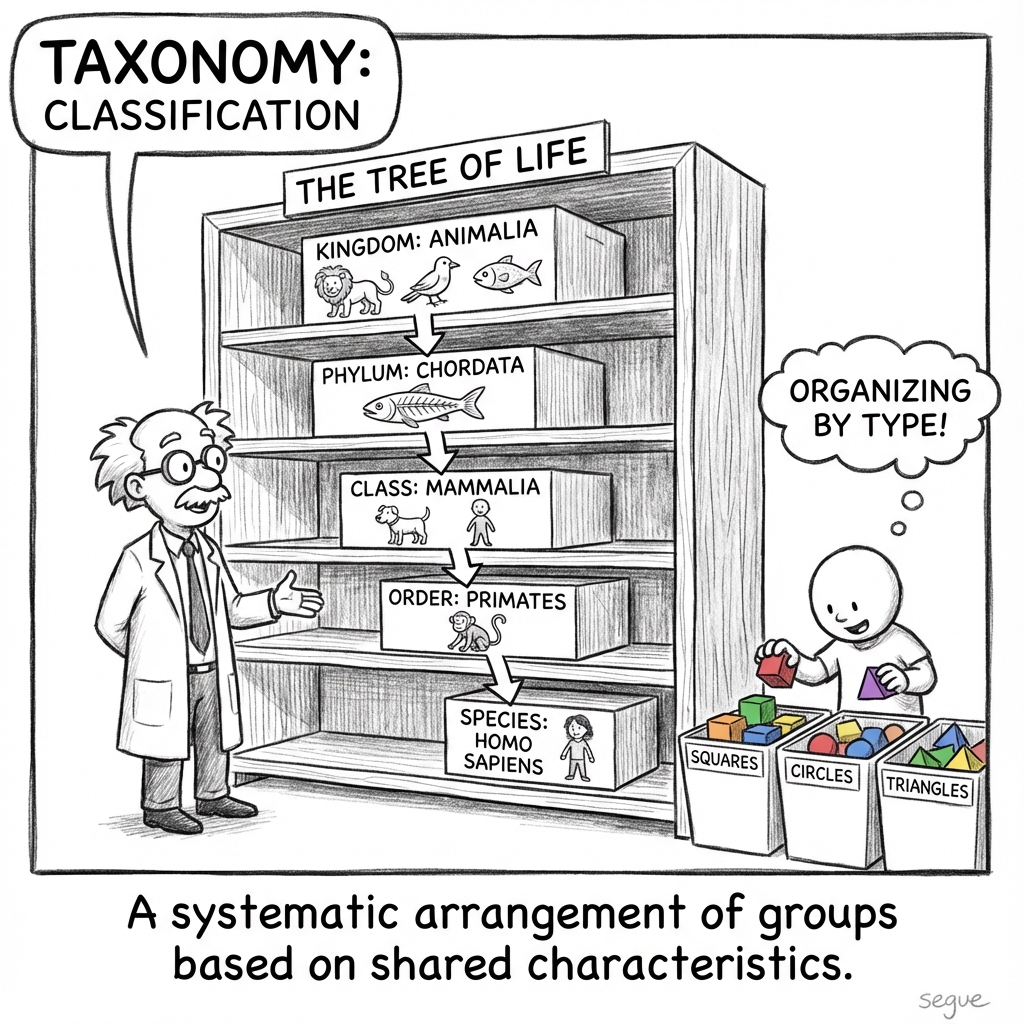
taxonomy
/ˌtækˈsɔnəˌmi/a scheme of classification; a systematic arrangement
“The taxonomy helps organize concepts by relationship.”
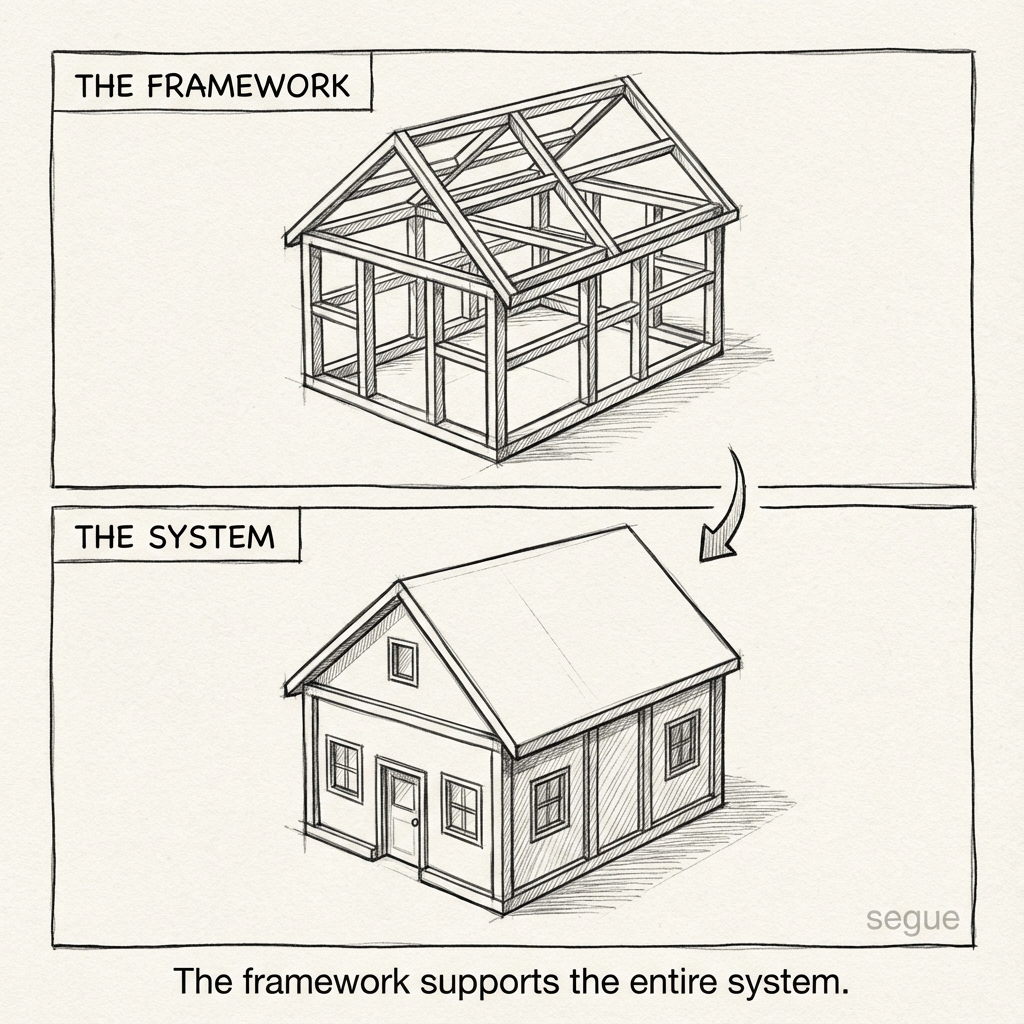
framework
/ˈfɹeɪmˌwɝk/a basic structure underlying a system or concept
“Use this framework to structure your analysis.”

schema
/ˈskimə/a structured framework or plan; an outline
“The database schema defines how data is organized.”
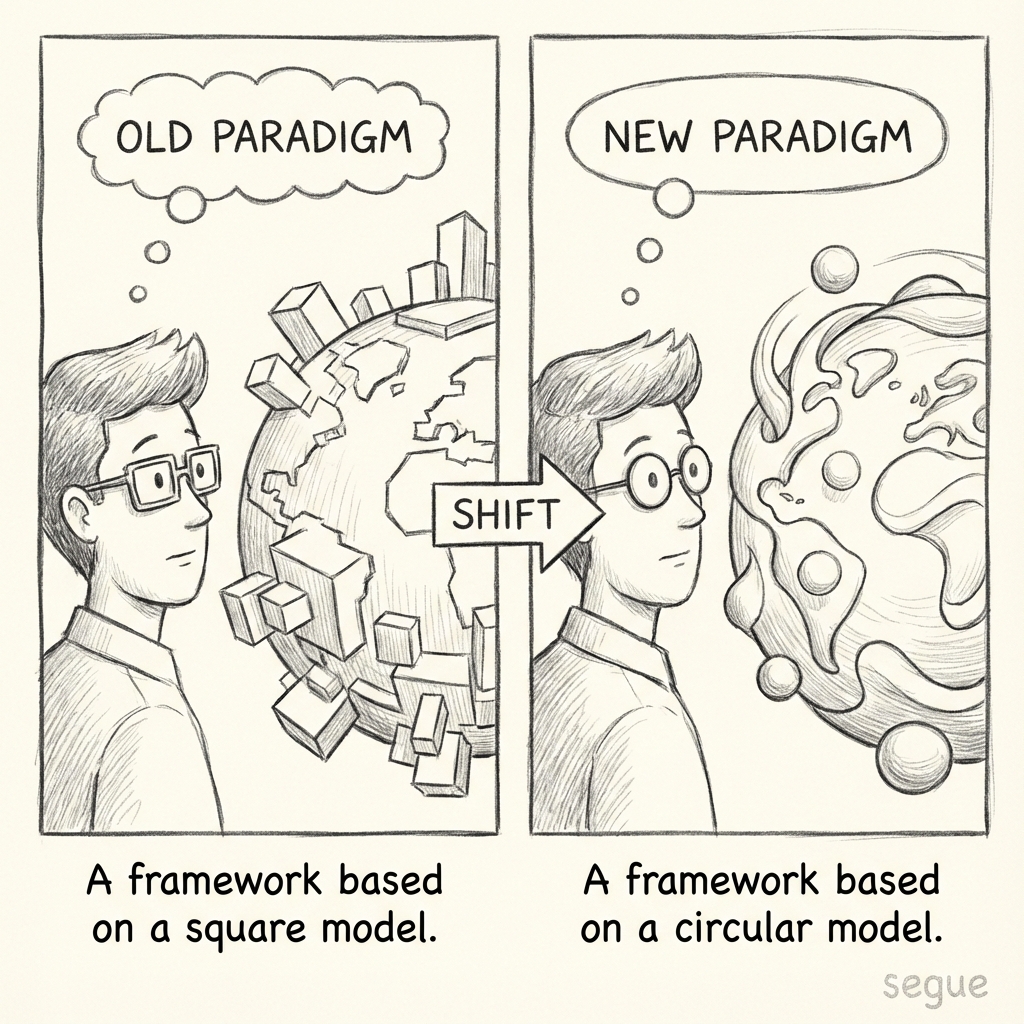
paradigm
/ˈpɛɹəˌdaɪm/a typical example or pattern of something; a model
“This shifts the paradigm for how we approach the problem.”
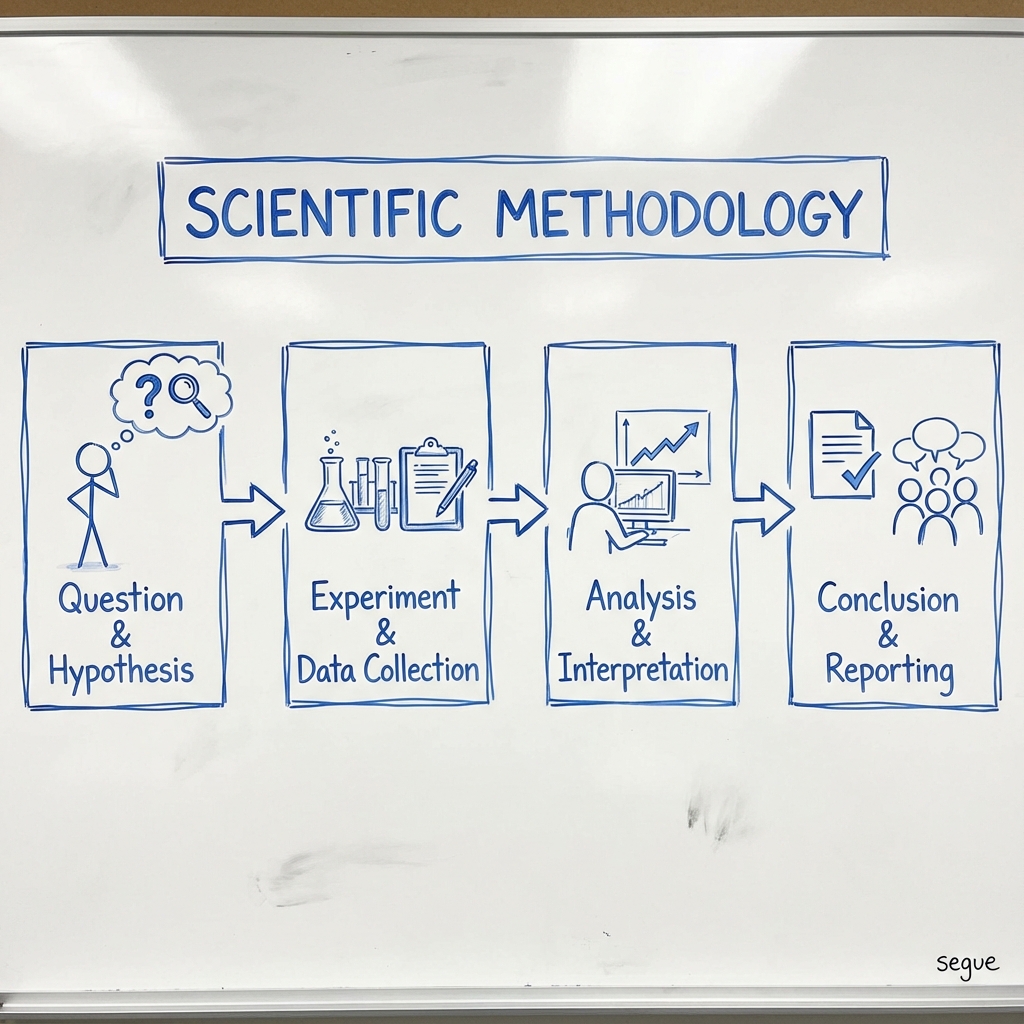
methodology
/ˌmɛθəˈdɑɫədʒi/a system of methods used in a particular field
“What methodology will you use for this research?”
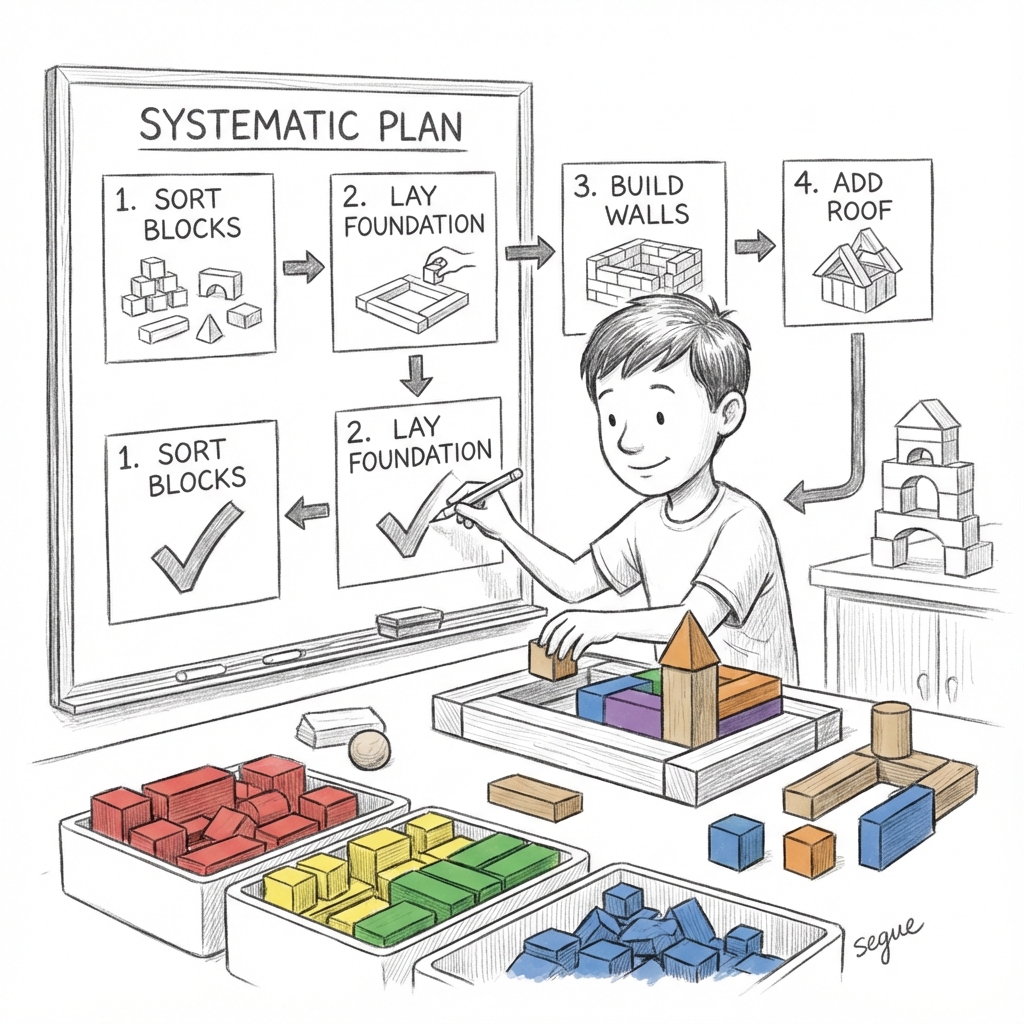
systematic
/ˌsɪstəˈmætɪk/done or acting according to a fixed plan or system
“Take a systematic approach to debugging.”
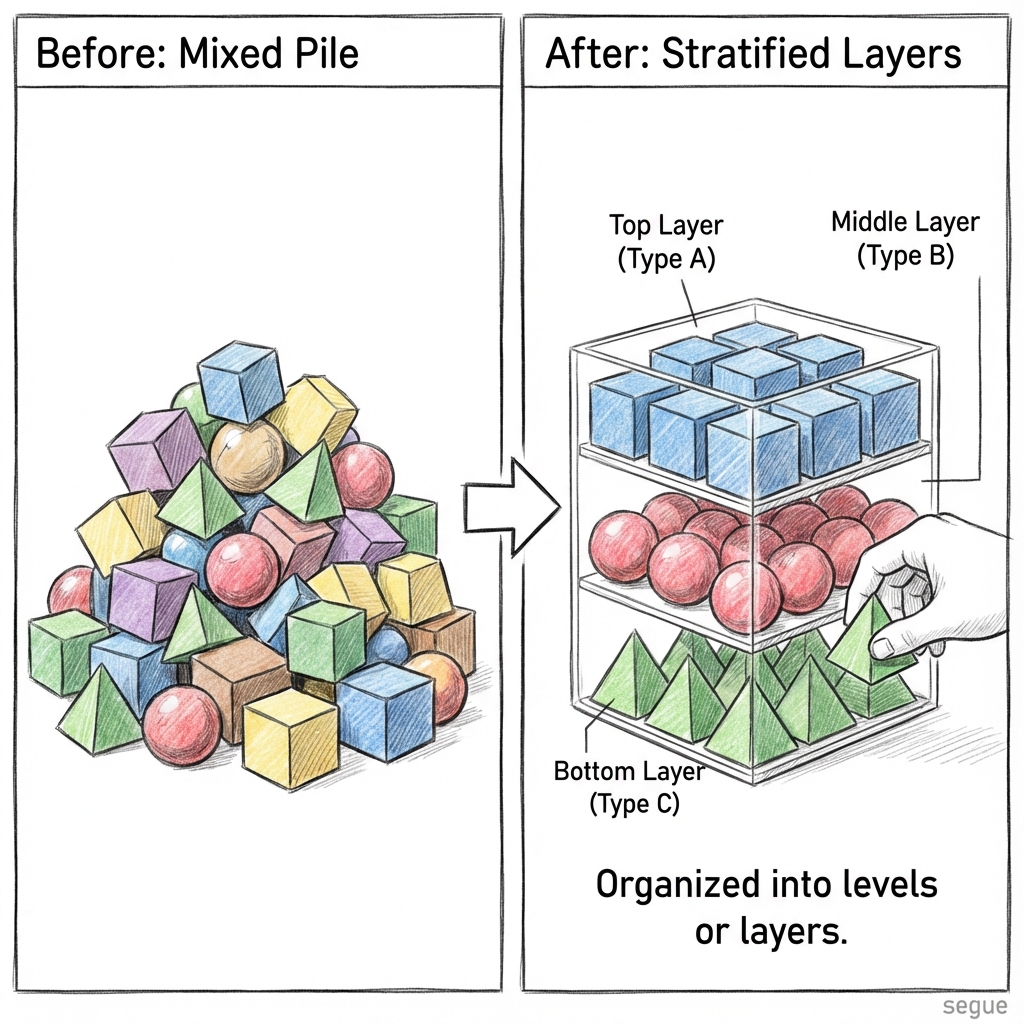
stratify
/ˈstɹætəˌfaɪ/to arrange or classify into different levels or layers
“Stratify the data by demographic groups.”
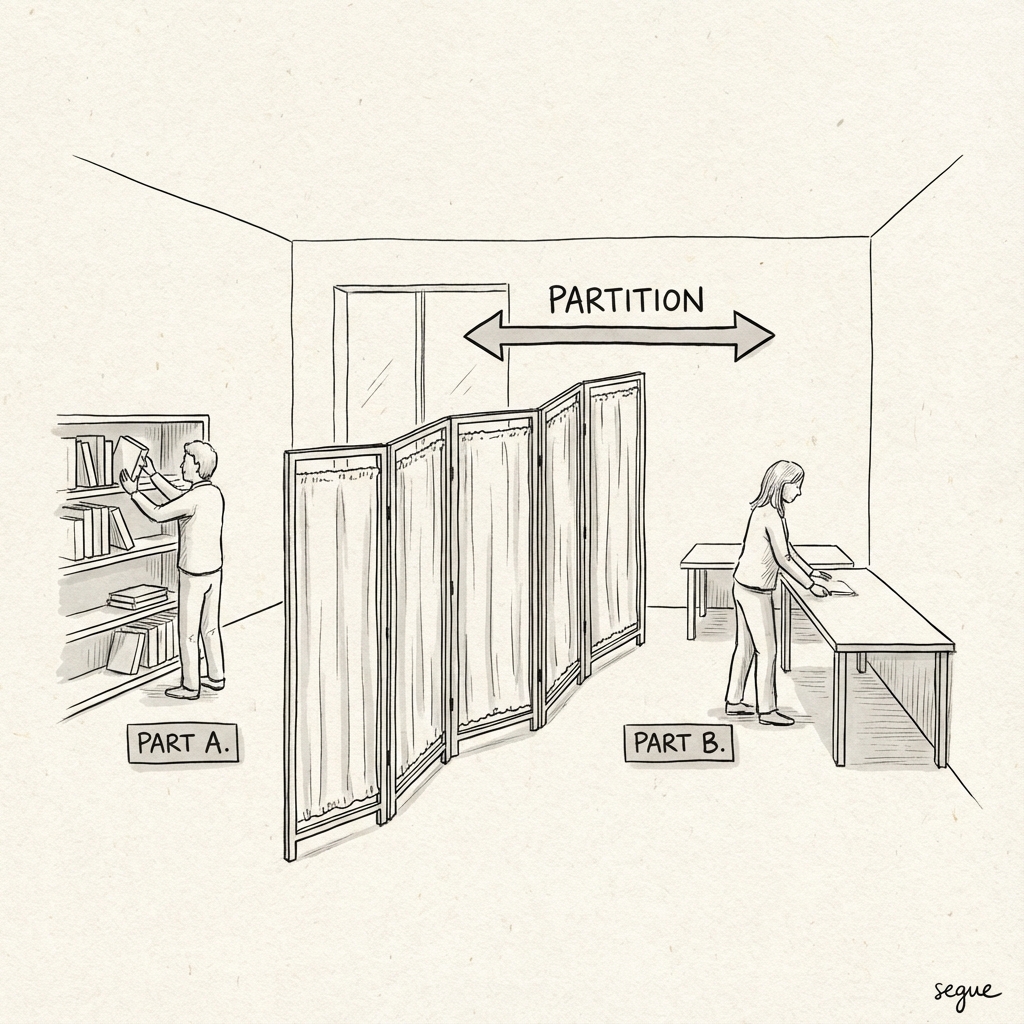
partition
/pɑɹˈtɪʃən/to divide into parts or portions
“Partition the problem into manageable components.”
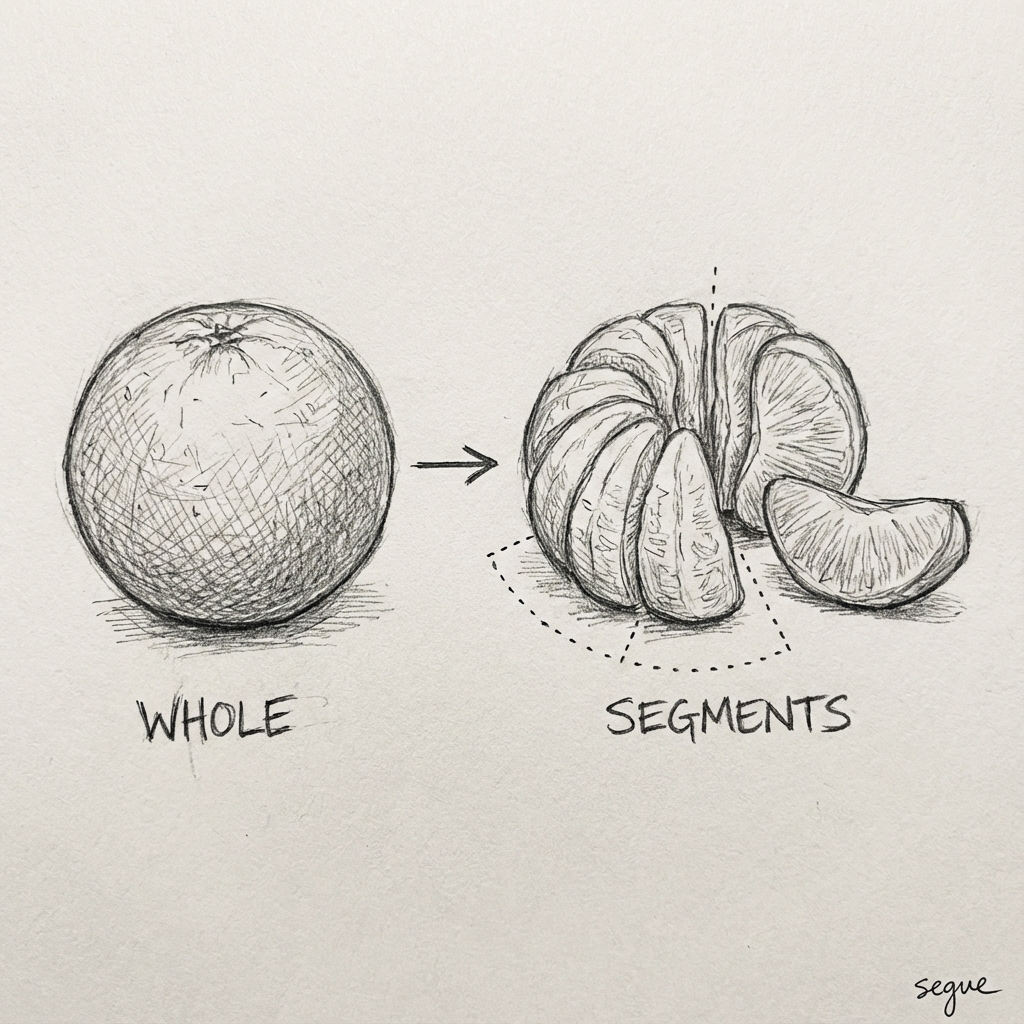
segment
/ˈsɛɡmənt/to divide into separate parts or sections
“Segment the audience based on behavior patterns.”
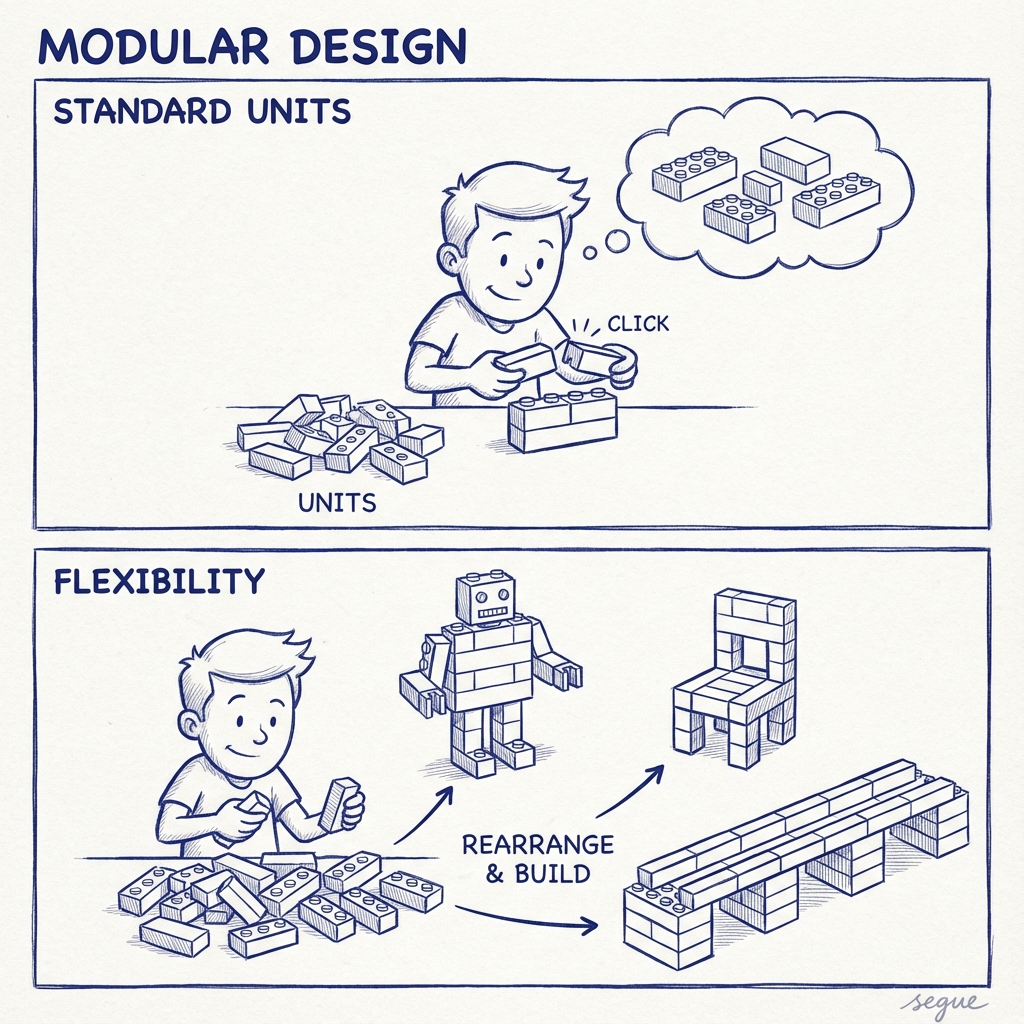
modular
/ˈmɑdʒəɫɝ/designed with standardized units for flexibility
“A modular approach allows components to be reused.”
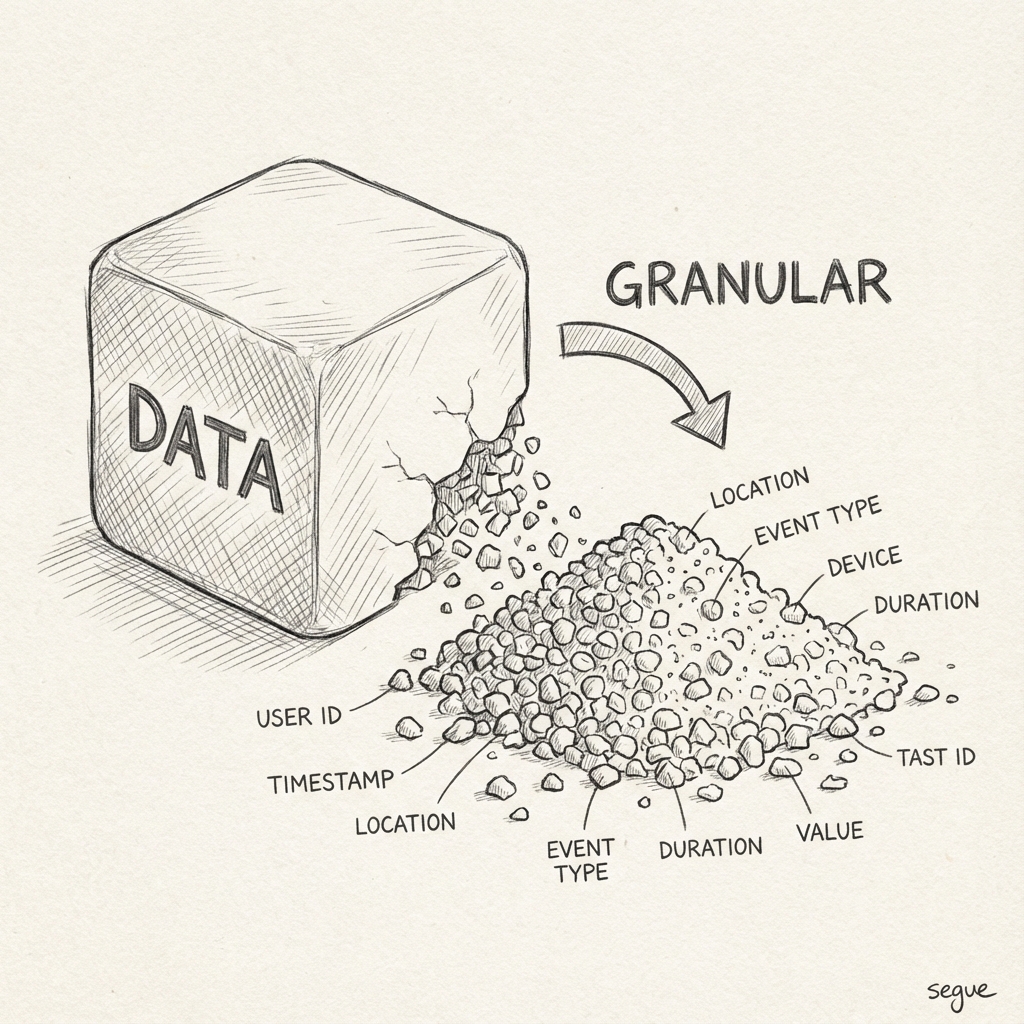
granular
/ˈɡɹænjəɫɝ/characterized by fine detail; broken into small parts
“Provide a more granular breakdown of the costs.”
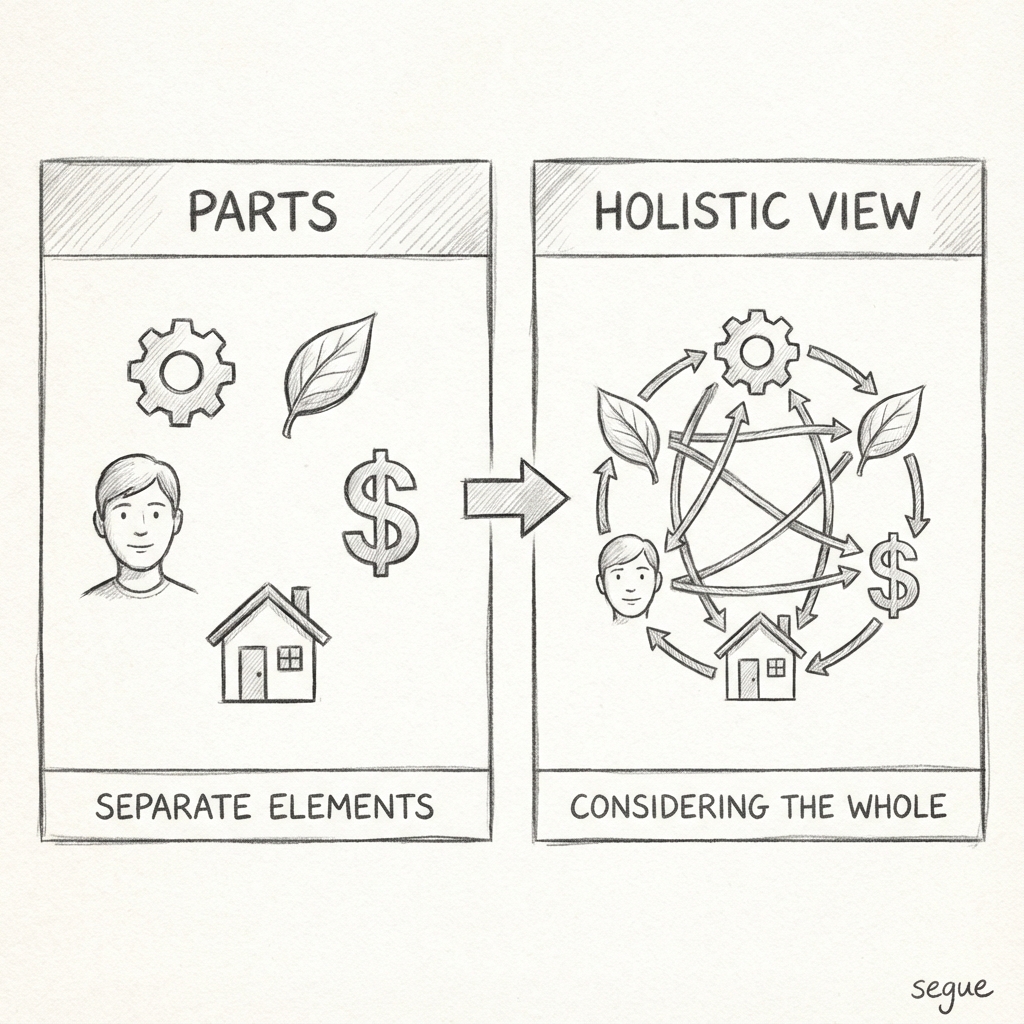
holistic
/hoʊˈɫɪstɪk/characterized by consideration of the whole rather than parts
“Take a holistic view of the system before optimizing.”
More from Intellectual
Explore other vocabulary categories in this collection.