Loading collection...
🪨
Stability & Resistance Vocabulary
Words for unchanging states and resistance to change
10 words
All 10 Words
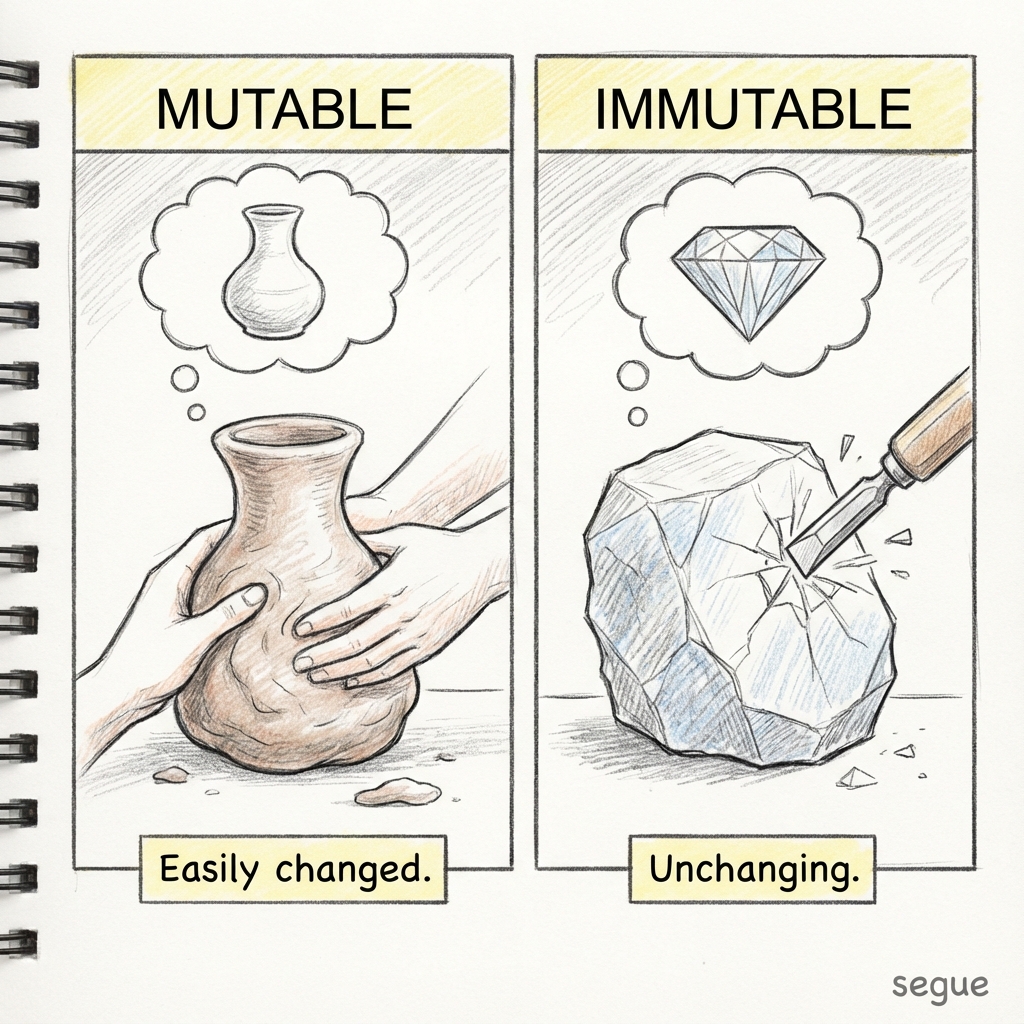
immutable
/ˌɪmˈjutəbəɫ/unchanging over time; unable to be changed
“Some philosophers argue that mathematical truths are immutable.”
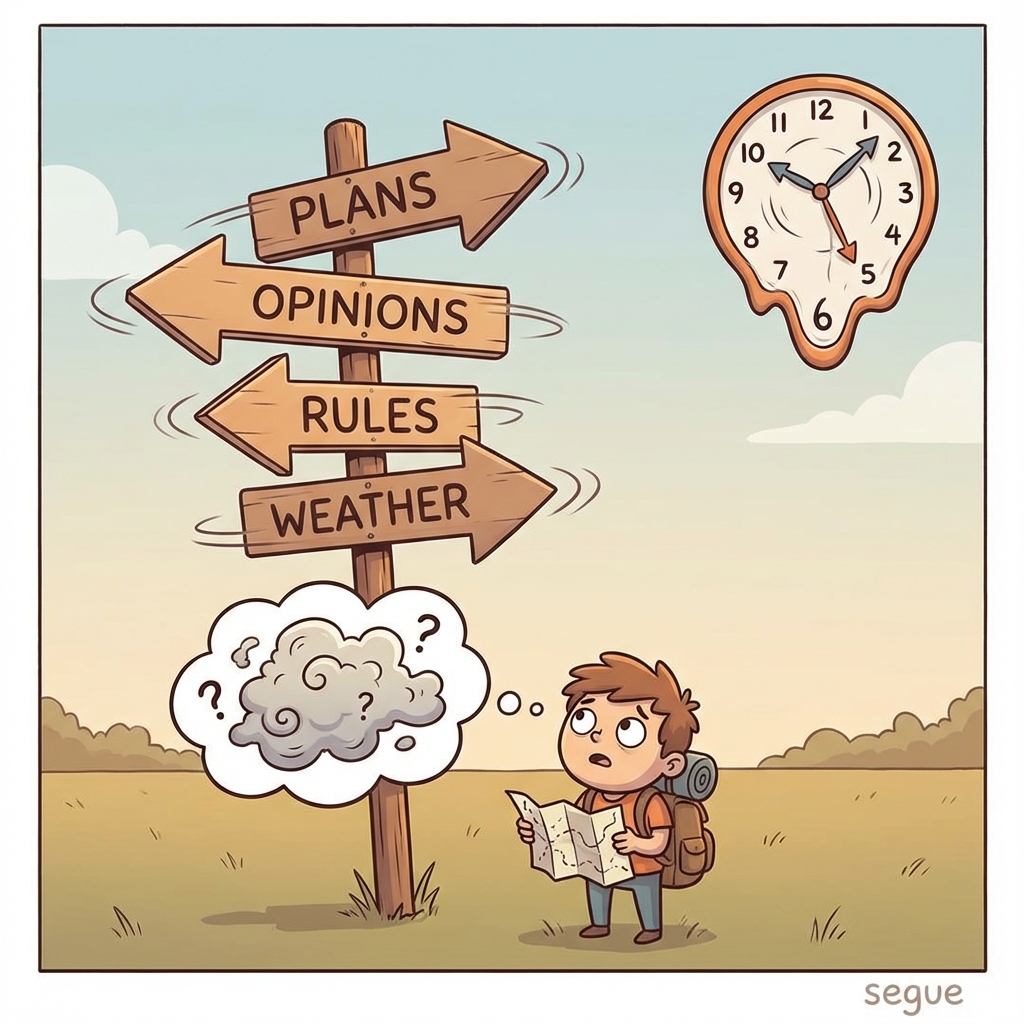
mutable
/ˈmjutəbəɫ/liable to change; inconstant
“Human nature is mutable, shaped by circumstance.”
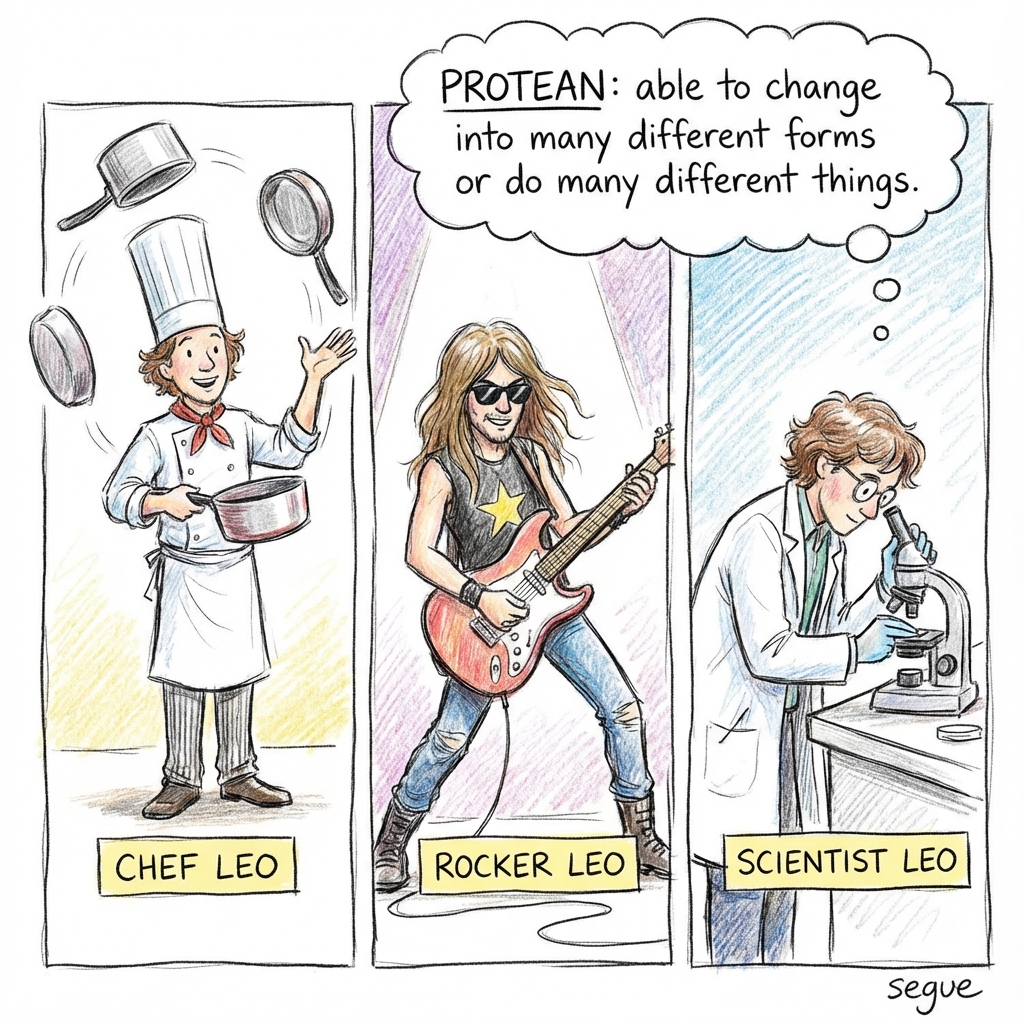
protean
/ˈpɹoʊtiən/tending to change frequently or easily; versatile
“His protean talents allowed him to excel in many fields.”
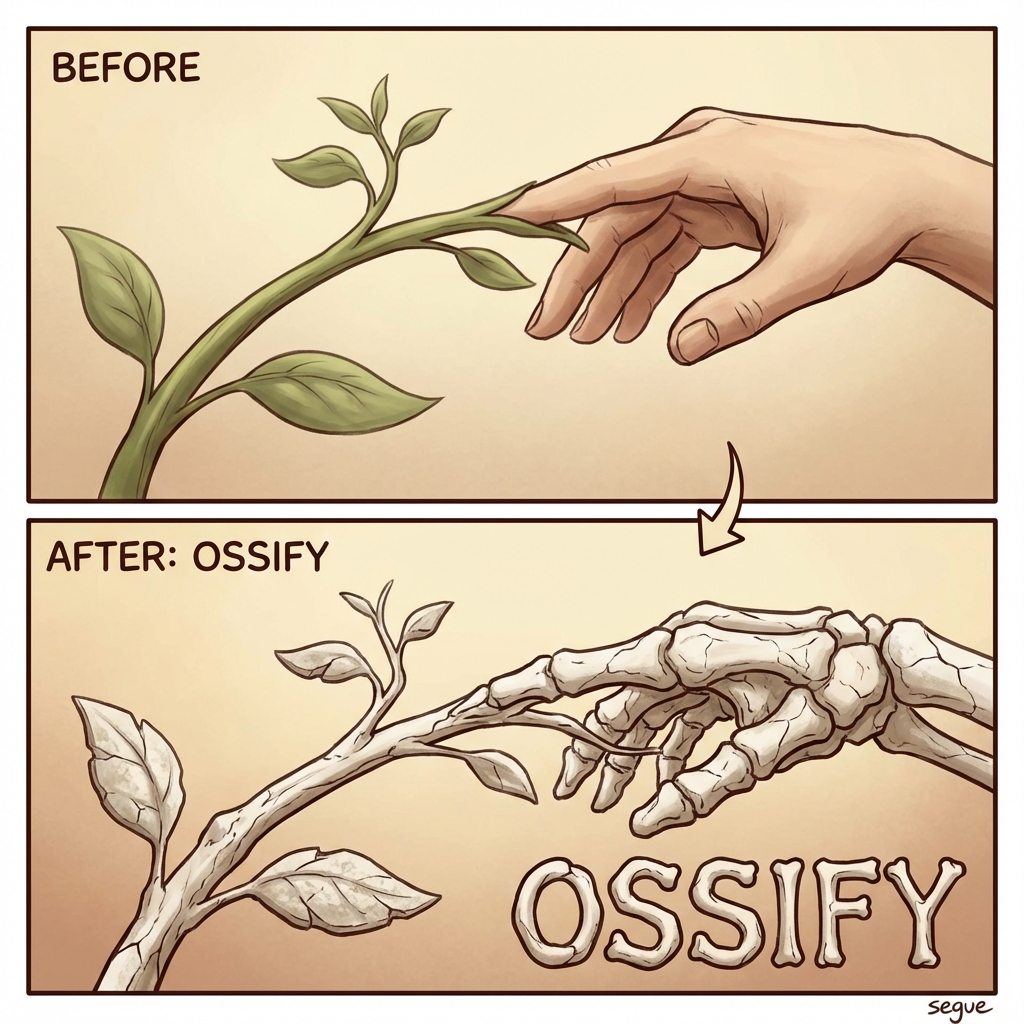
ossify
/ˈɑsəˌfaɪ/to turn into bone; to cease developing
“Without new ideas, institutions ossify and become irrelevant.”
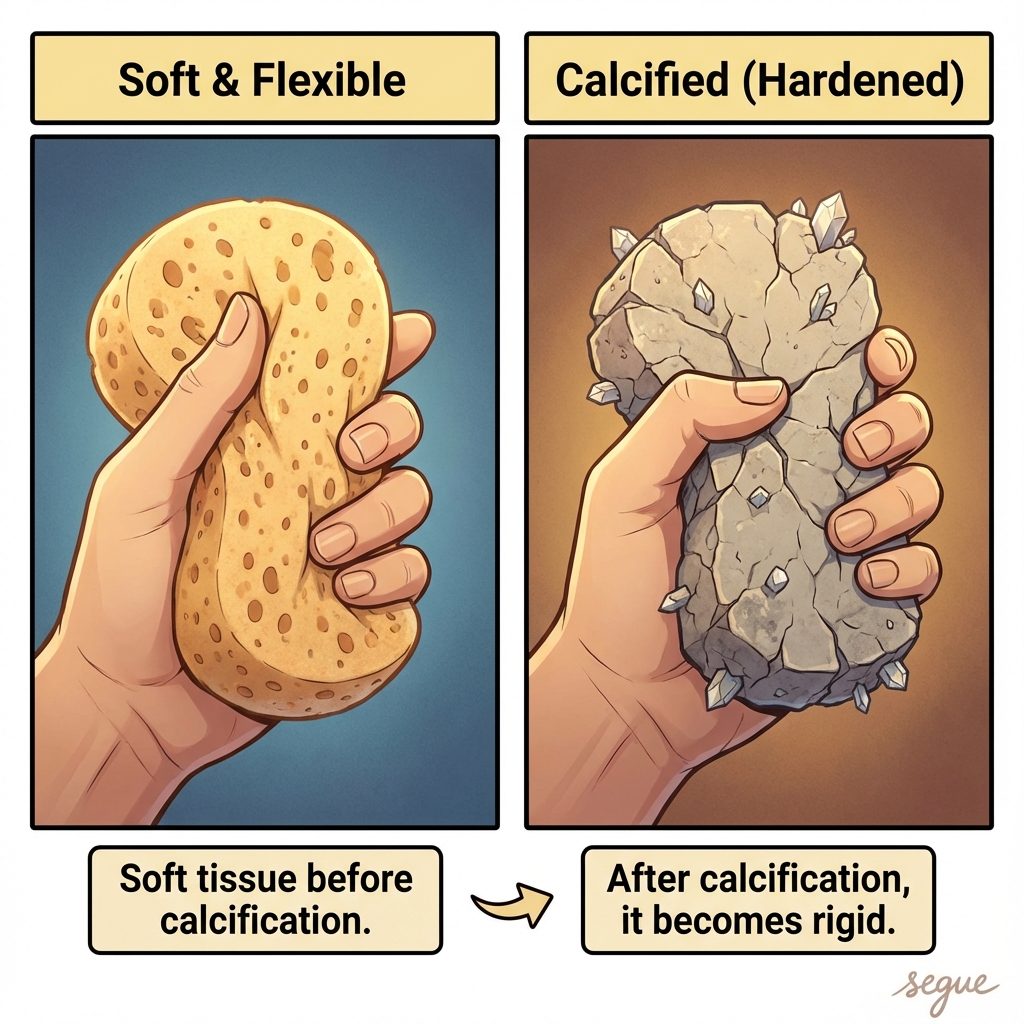
calcify
/ˈkæɫsəˌfaɪ/to harden; to become rigid
“His opinions had calcified into unchangeable prejudices.”
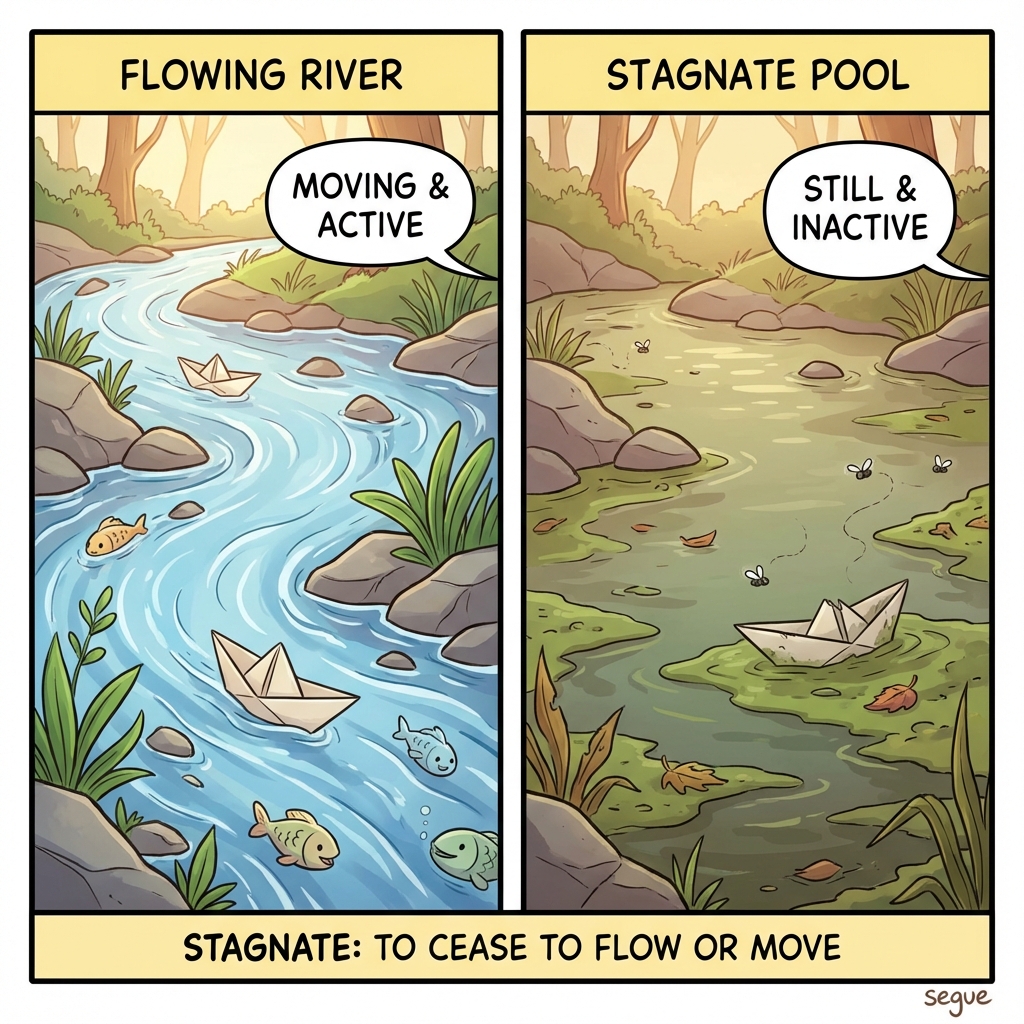
stagnate
/ˈstæɡˌneɪt/to cease to flow or move; become inactive
“Without challenges, careers stagnate.”
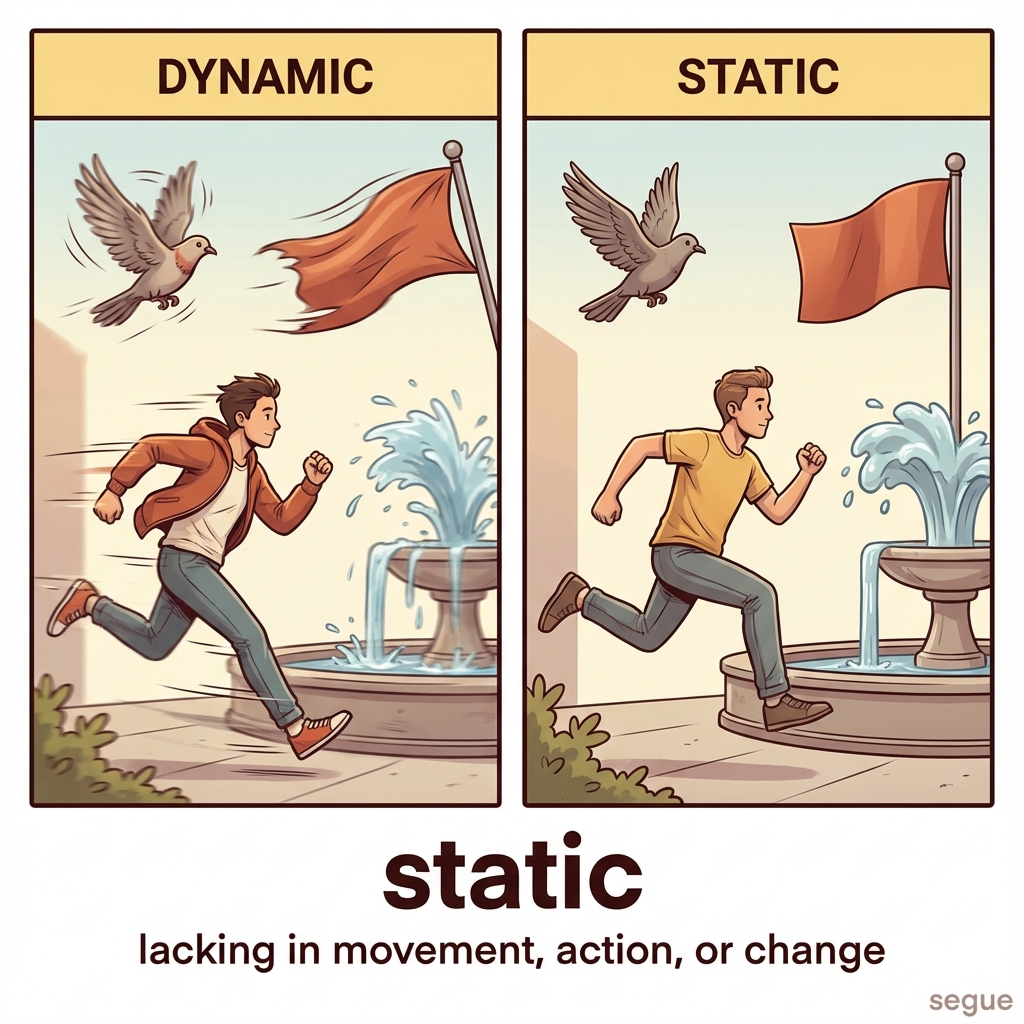
static
/ˈstætɪk/lacking in movement, action, or change
“The economy remained static despite government intervention.”
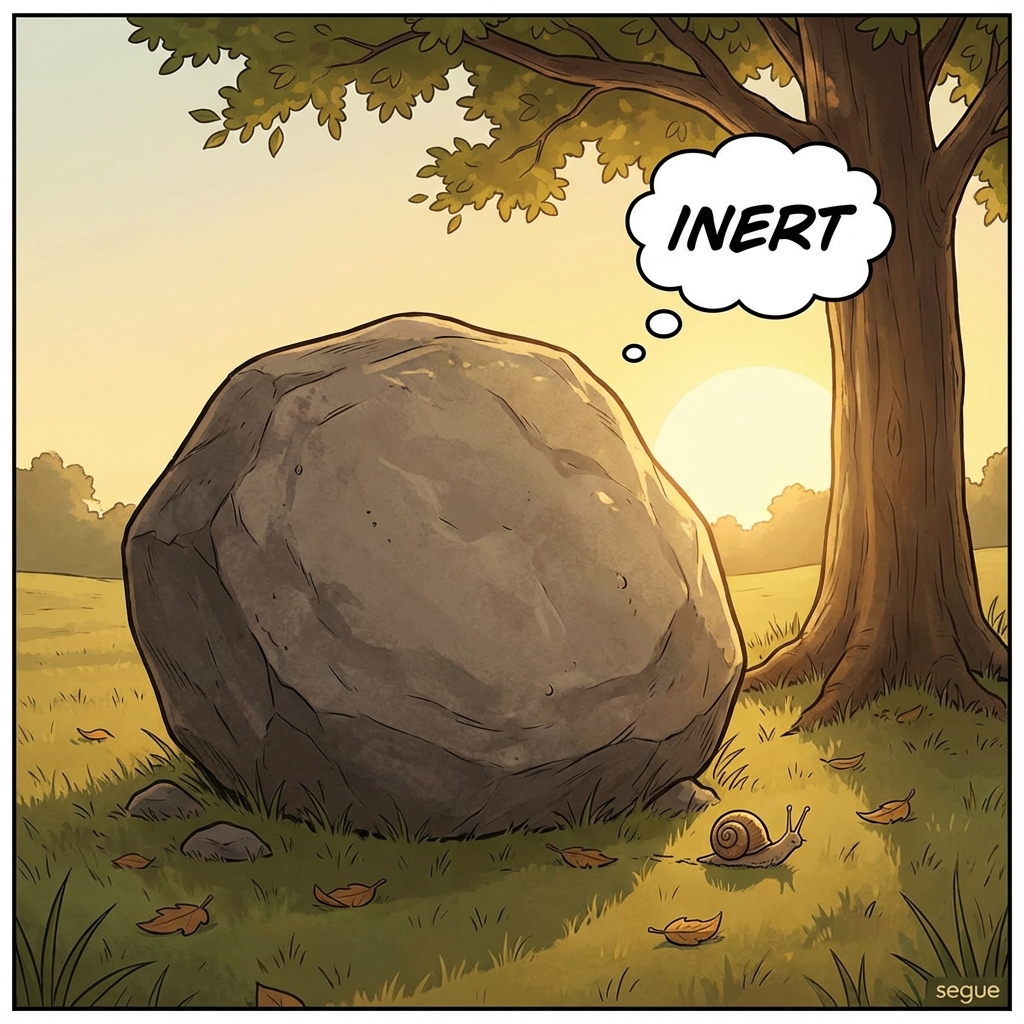
inert
/ˌɪˈnɝt/lacking the ability to move or act
“The organization had become inert, resistant to all innovation.”

steadfast
/ˈstɛdˌfæst/resolutely firm and unwavering
“She remained steadfast in her convictions despite pressure.”
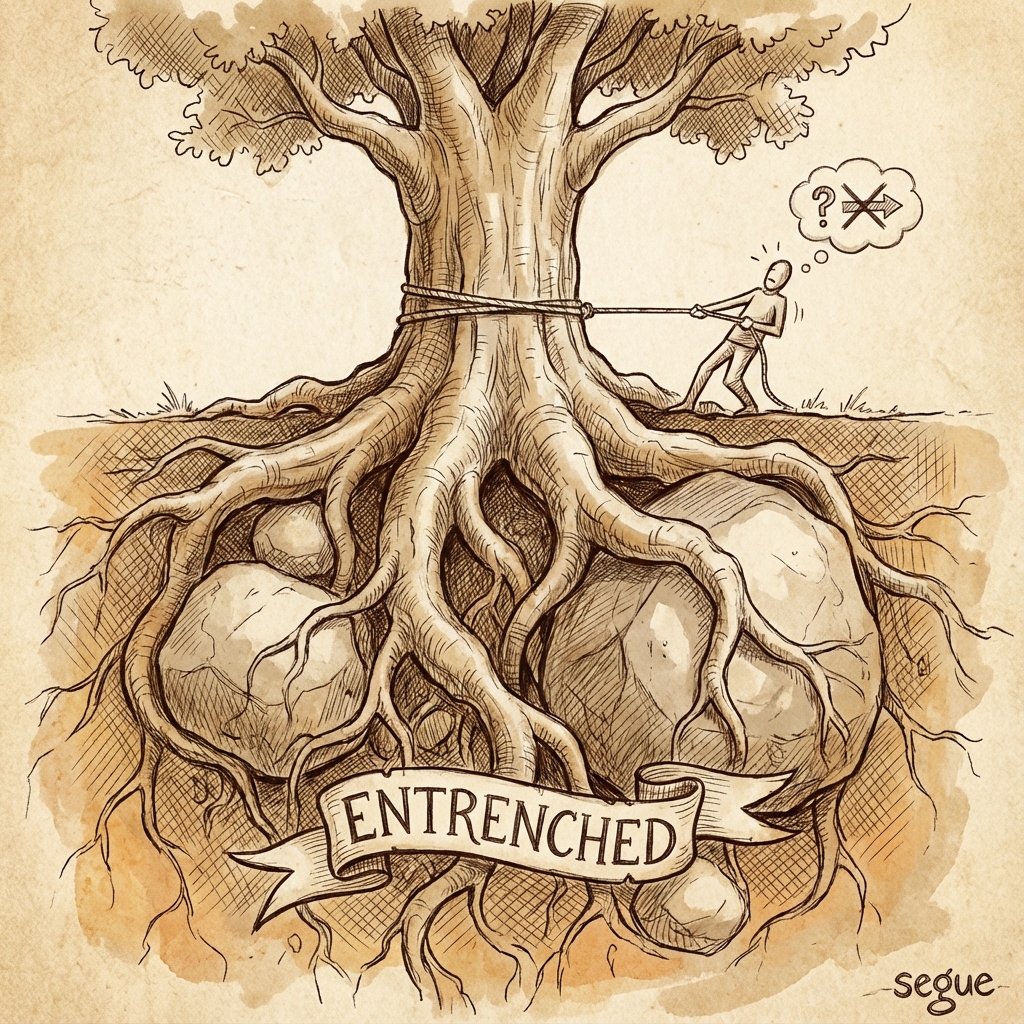
entrenched
/ɛnˈtɹɛntʃt/firmly established and difficult to change
“Entrenched interests blocked every reform attempt.”
More from Time & Change
Explore other vocabulary categories in this collection.