Loading collection...
🎤
Speech & Eloquence Vocabulary
Words about speaking, articulation, and verbal expression
22 words
All 22 Words

eloquent
/ˈɛɫəkwənt/fluent or persuasive in speaking or writing
“The eloquent speech moved the audience to tears.”
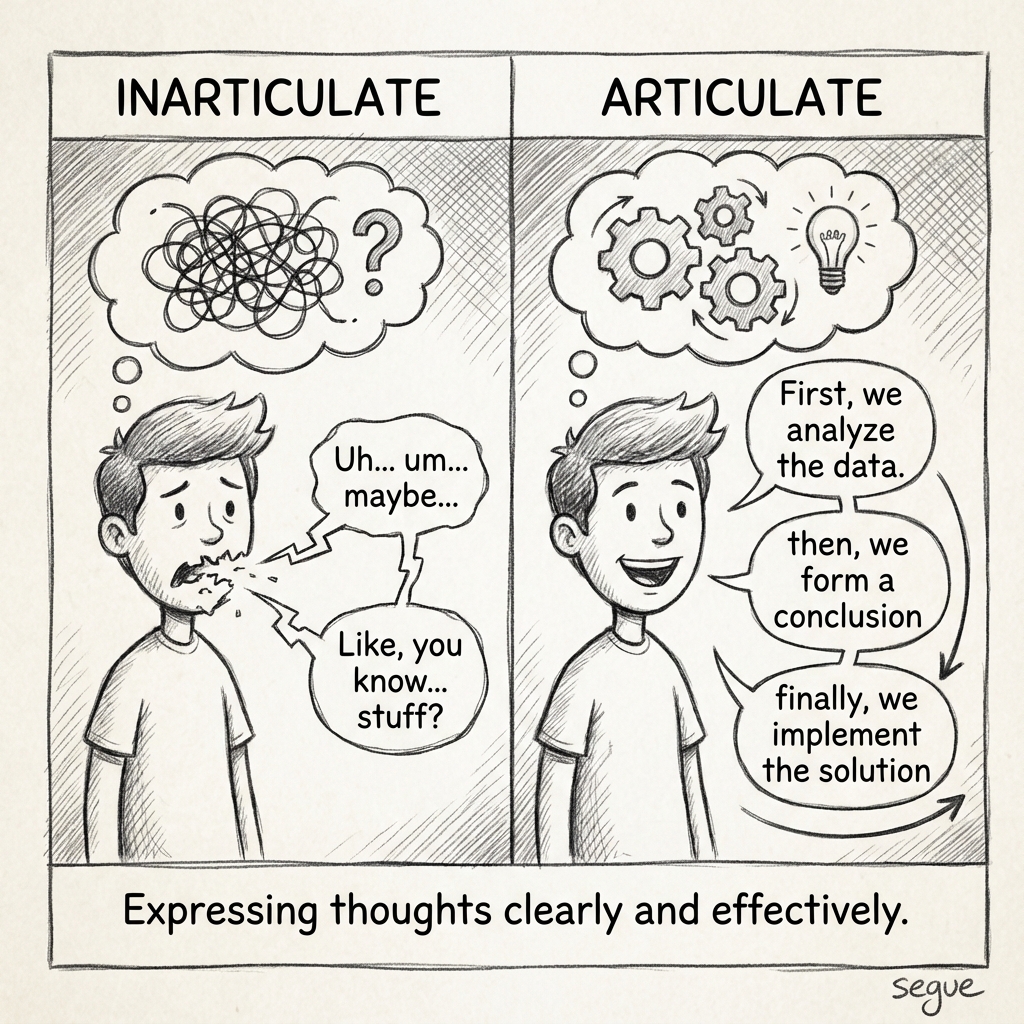
articulate
/ɑɹˈtɪkjəˌɫeɪt/able to speak fluently and coherently
“She was articulate and confident in the interview.”
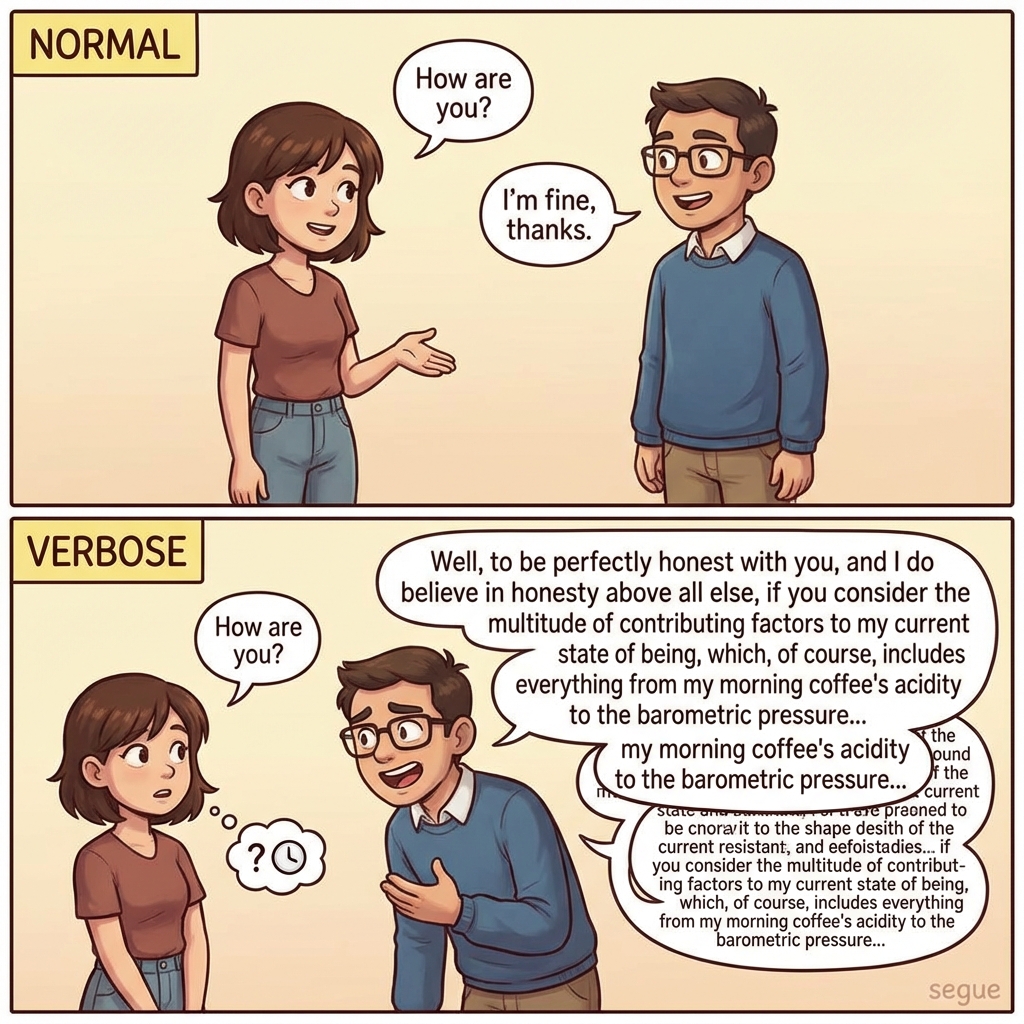
verbose
/vɜːrˈboʊs/using more words than needed; wordy
“His verbose writing style tested readers' patience.”
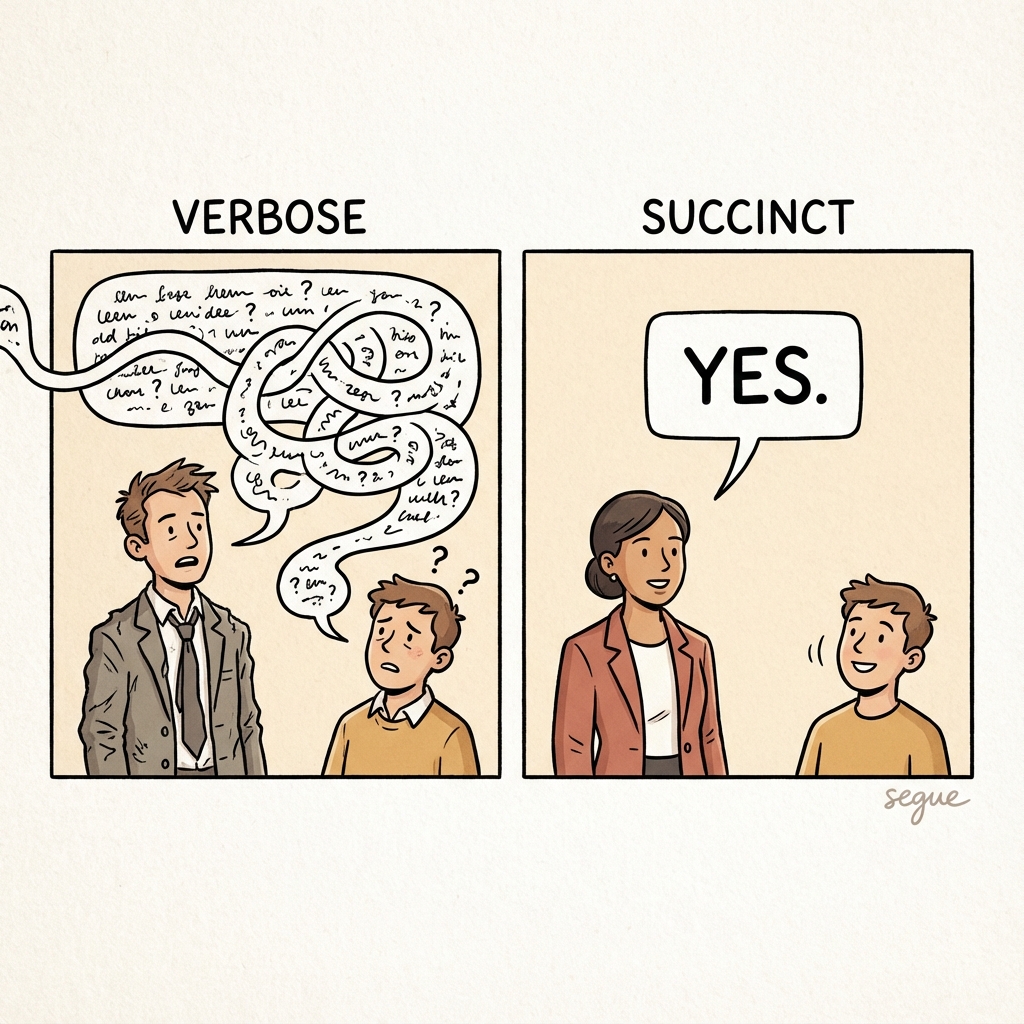
succinct
/səkˈsɪŋkt/briefly and clearly expressed
“Her succinct summary captured the main points perfectly.”
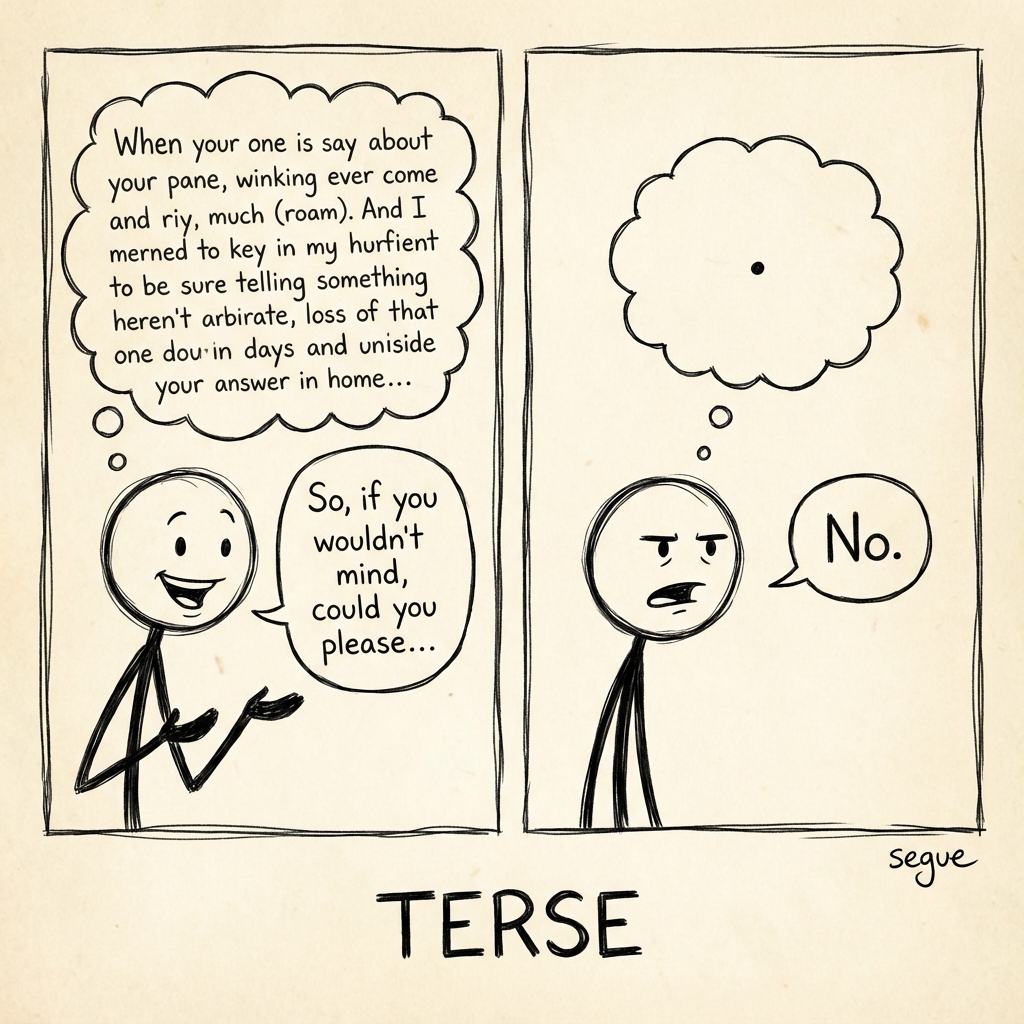
terse
/ˈtɝs/sparing in the use of words; abrupt
“His terse reply suggested he was annoyed.”
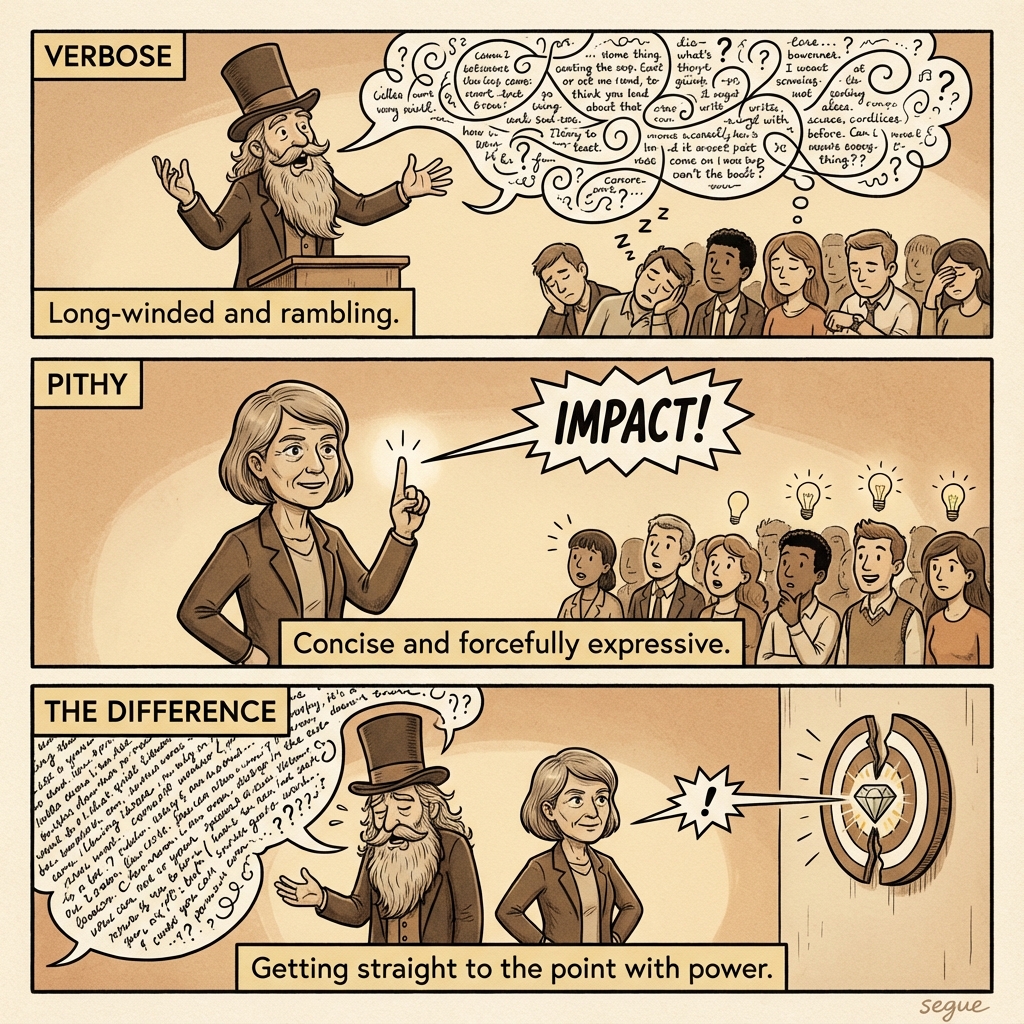
pithy
/ˈpɪθi/concise and forcefully expressive
“The pithy observation summed up the situation perfectly.”
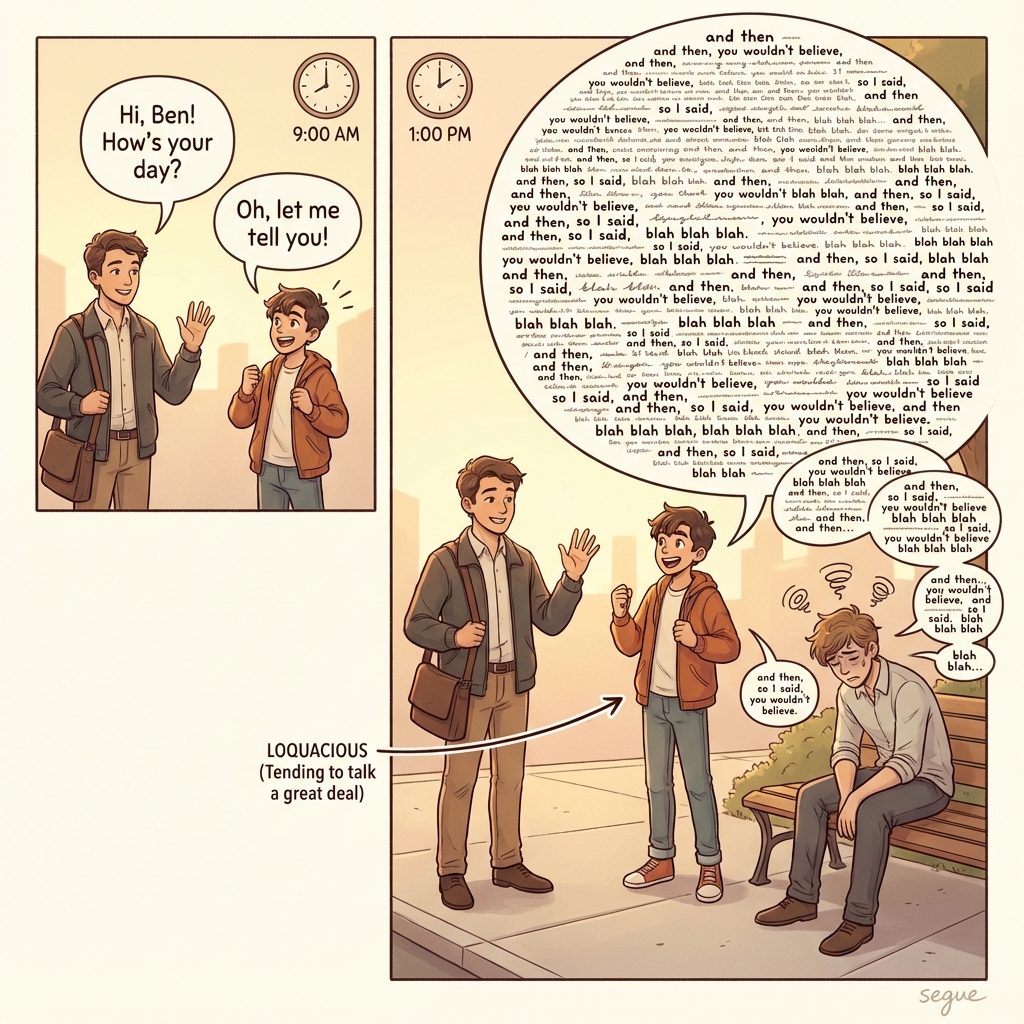
loquacious
/ɫoʊˈkweɪʃəs/tending to talk a great deal
“The loquacious host kept the conversation flowing.”
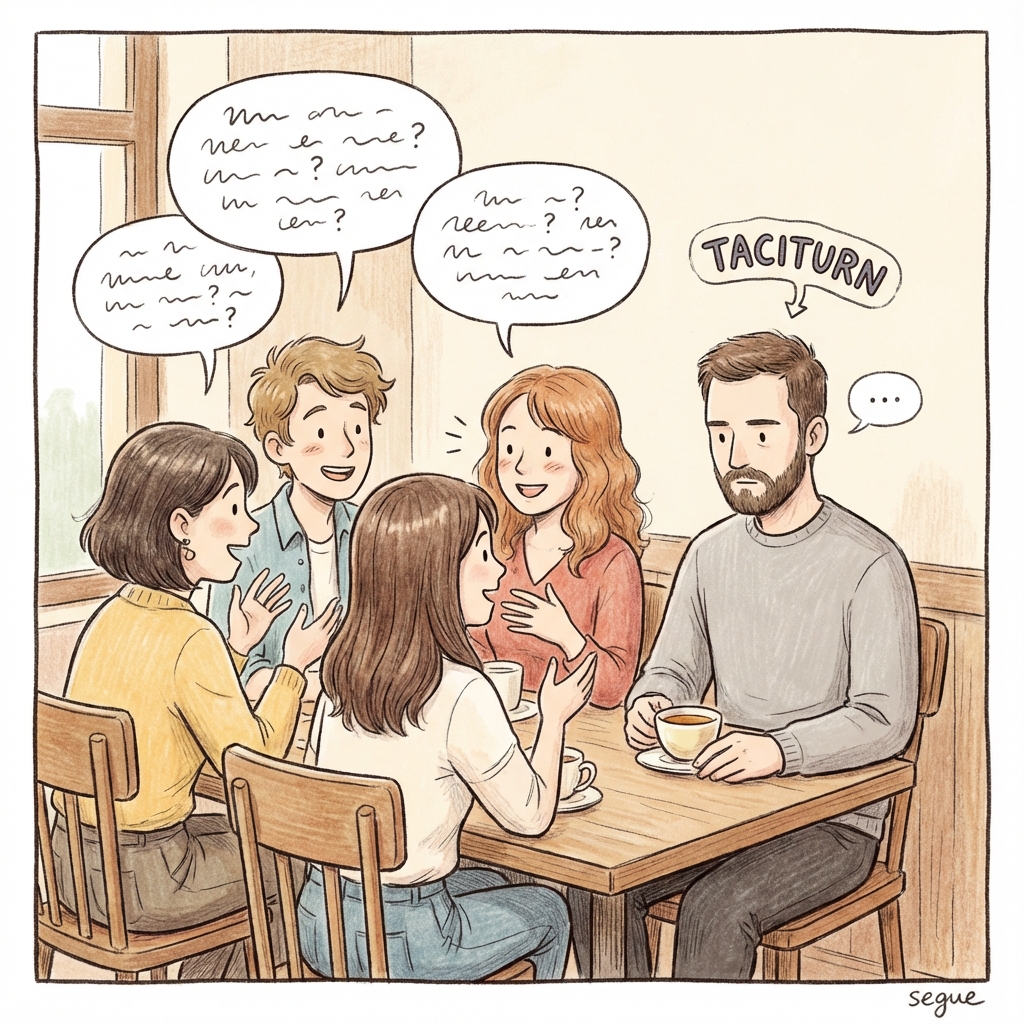
taciturn
/ˈtæsɪˌtɝn/reserved or uncommunicative; saying little
“The taciturn man rarely spoke more than necessary.”
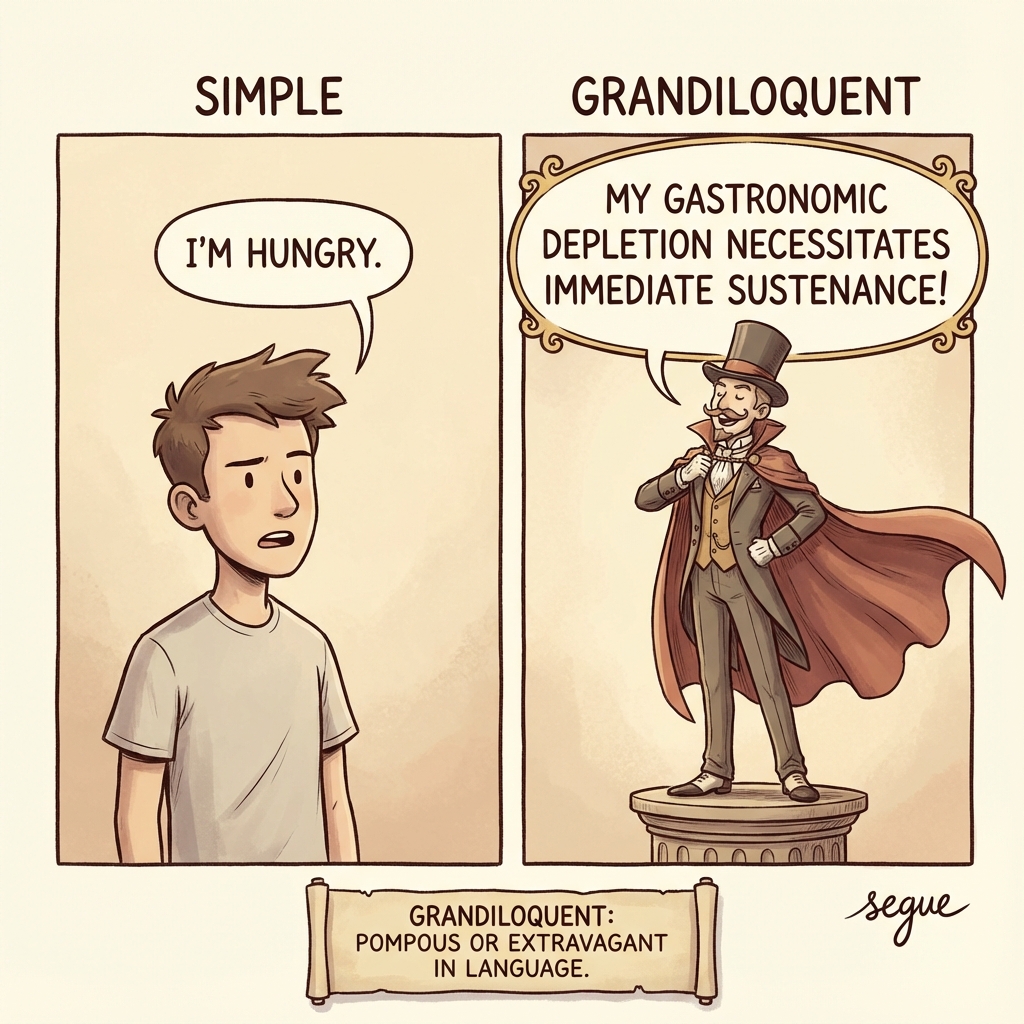
grandiloquent
/ɡɹænˈdɪɫəkwənt/pompous or extravagant in language or style
“His grandiloquent speeches impressed no one.”
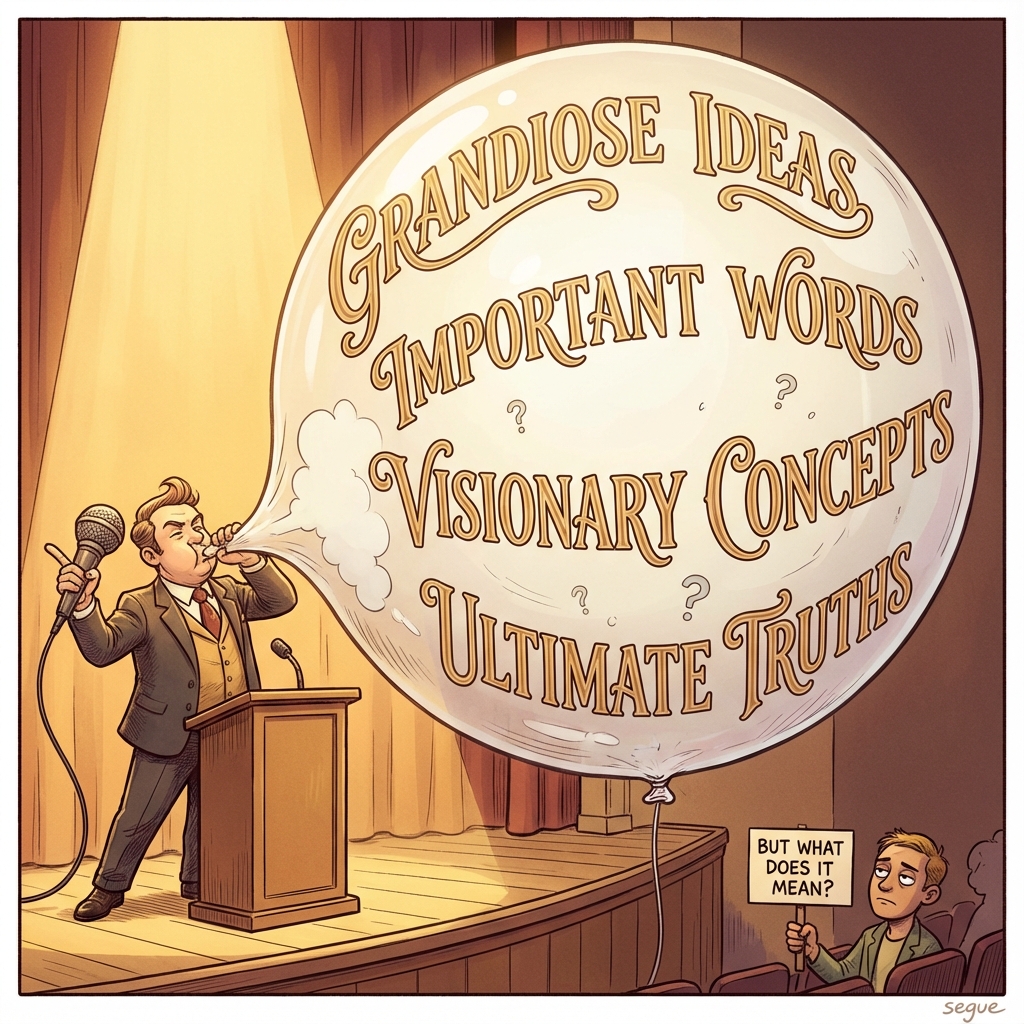
bombastic
/bɑmˈbæstɪk/high-sounding but with little meaning; inflated
“The bombastic rhetoric failed to convince skeptics.”
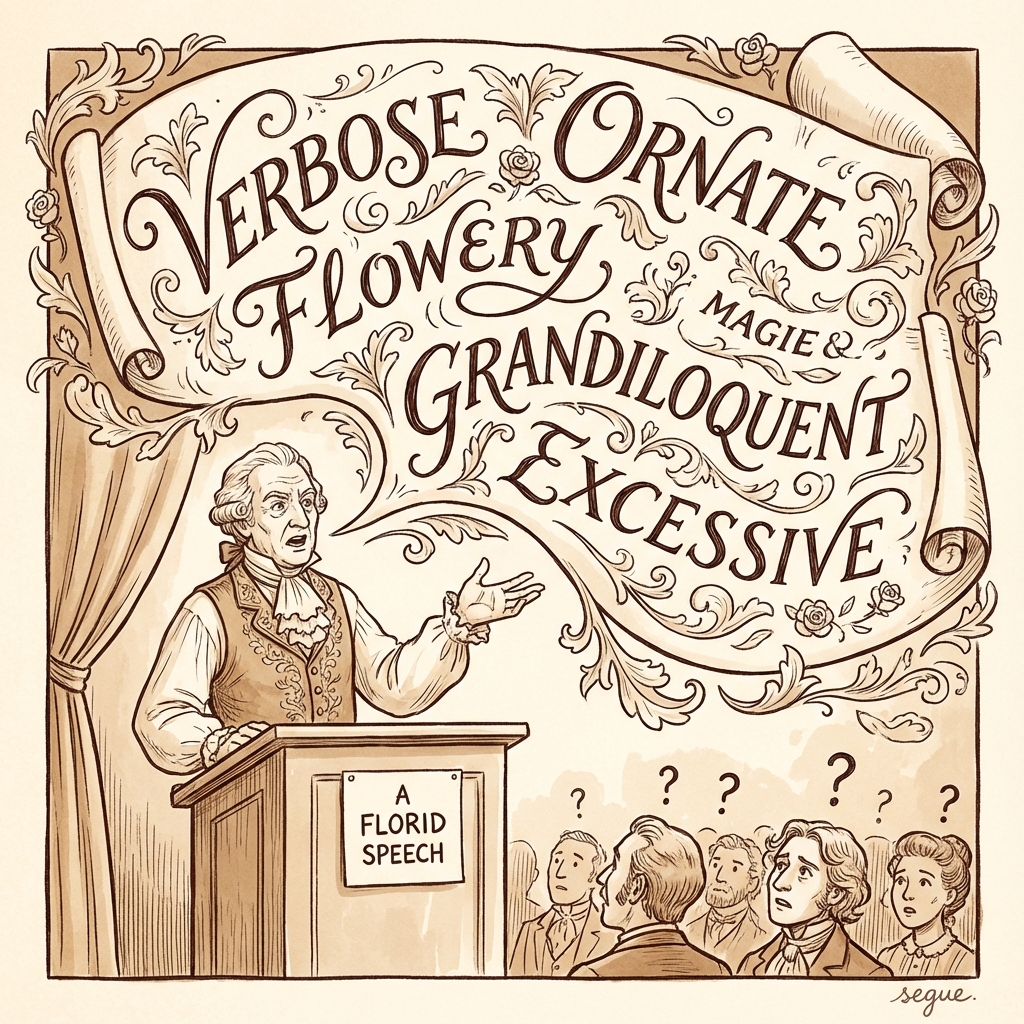
florid
/ˈfɫɔɹəd/using many words and ornaments; flowery
“Her florid prose was beautiful but exhausting to read.”
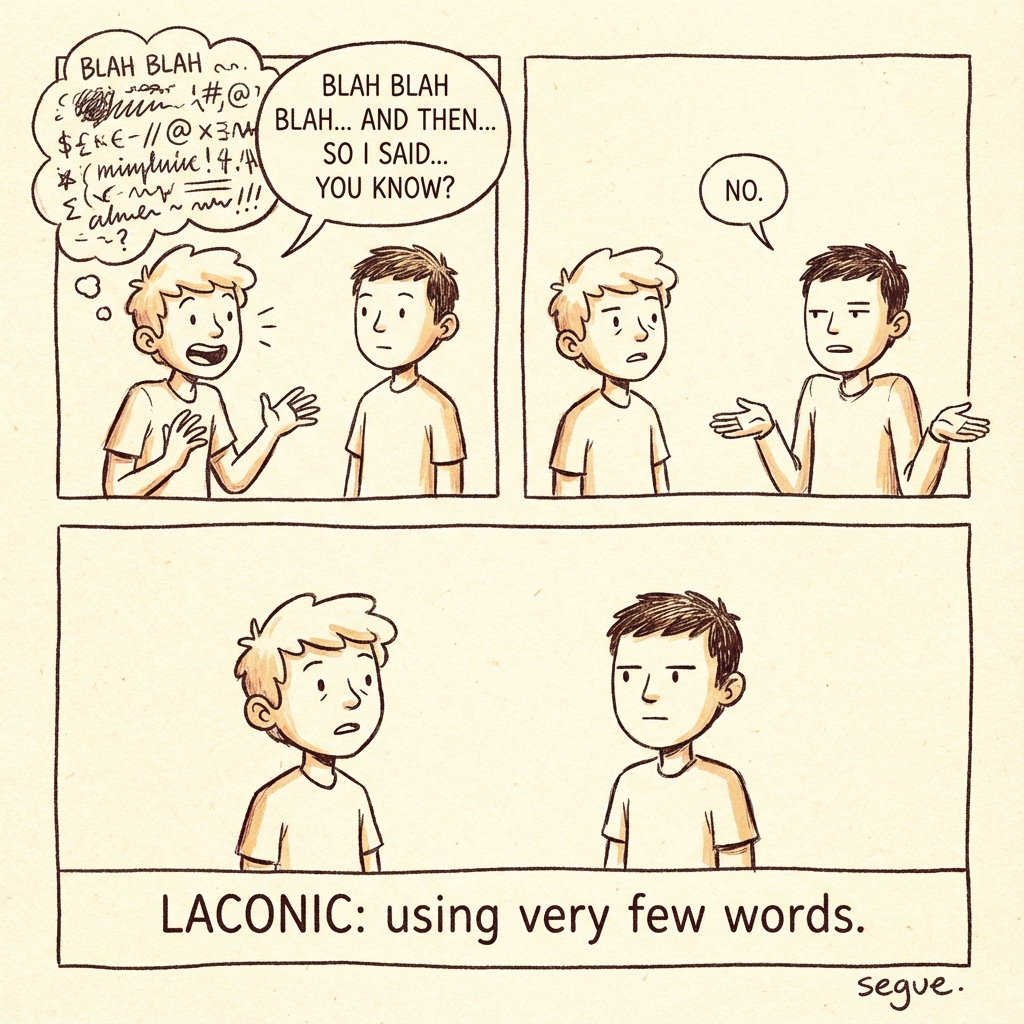
laconic
/ɫɑˈkɑnɪk/using very few words
“True to his laconic nature, he simply nodded.”

glib
/ˈɡɫɪb/fluent but insincere and shallow
“His glib explanations failed to satisfy critics.”
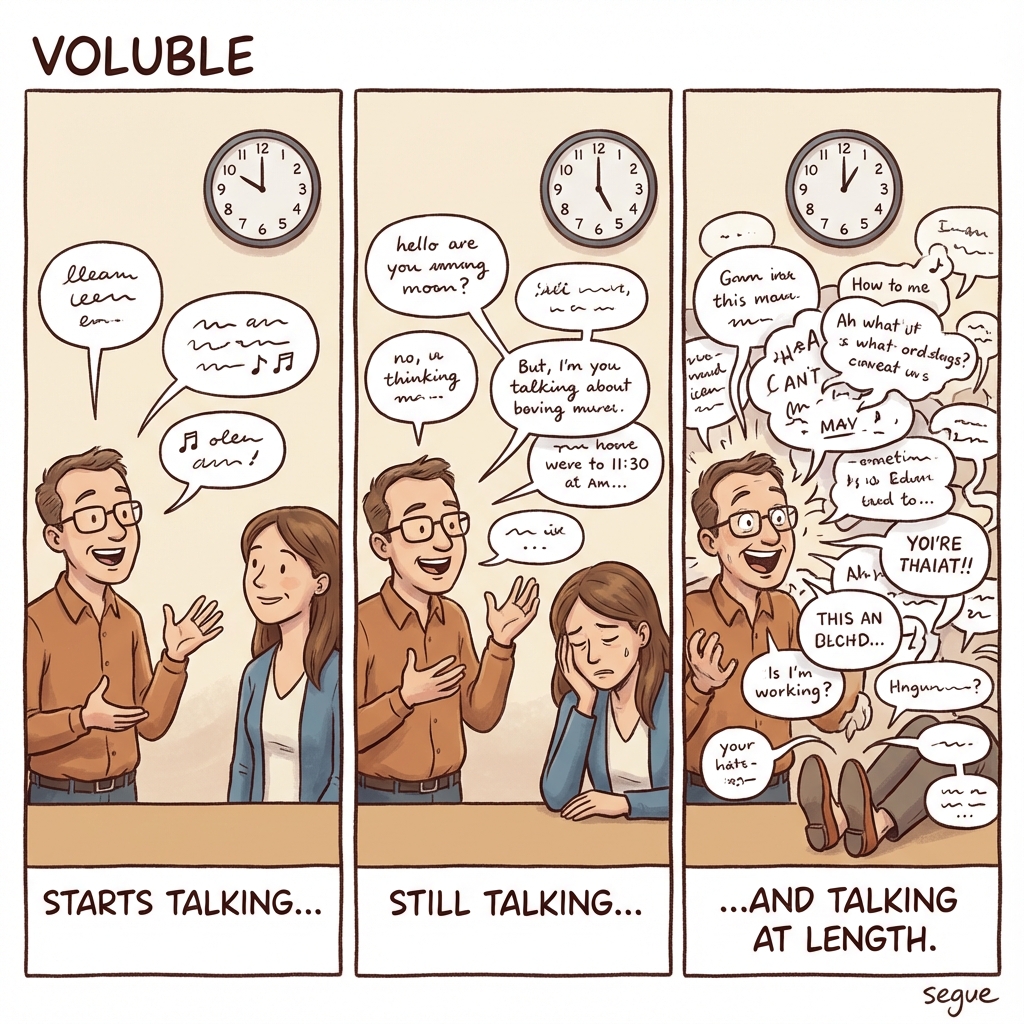
voluble
/ˈvɑɫjəbəɫ/speaking or spoken incessantly and fluently
“She became voluble after a glass of wine.”
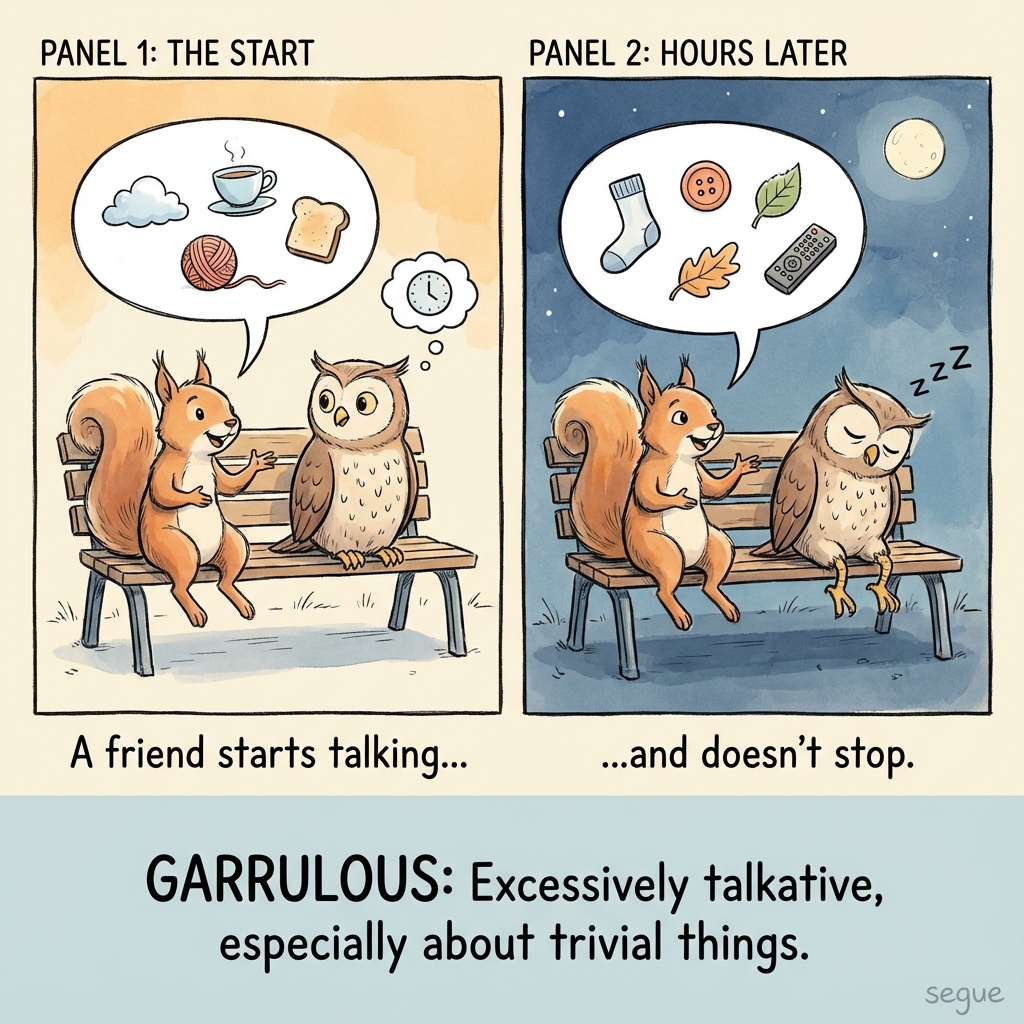
garrulous
/ˈɡɛɹəɫəs/excessively talkative, especially on trivial matters
“The garrulous neighbor shared every detail of his day.”
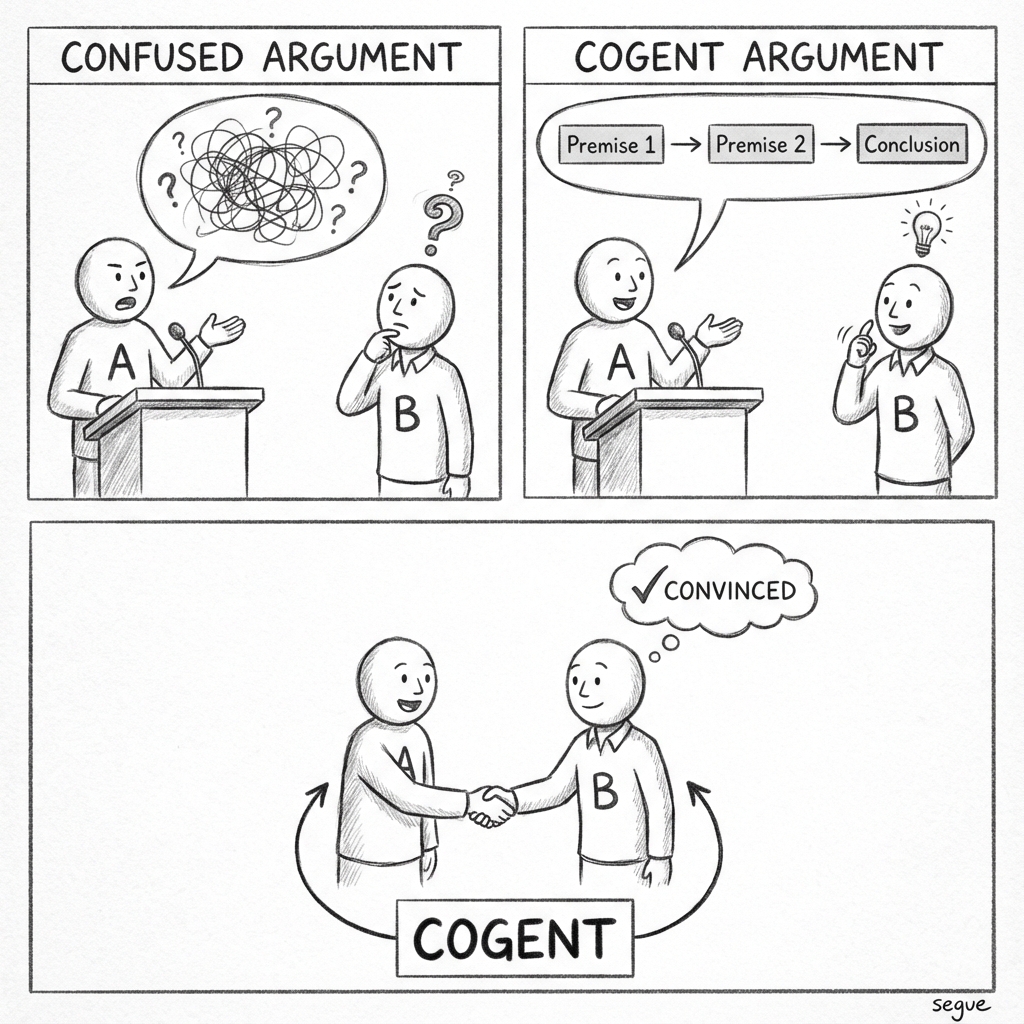
cogent
/ˈkoʊdʒənt/clear, logical, and convincing
“She presented a cogent argument for reform.”
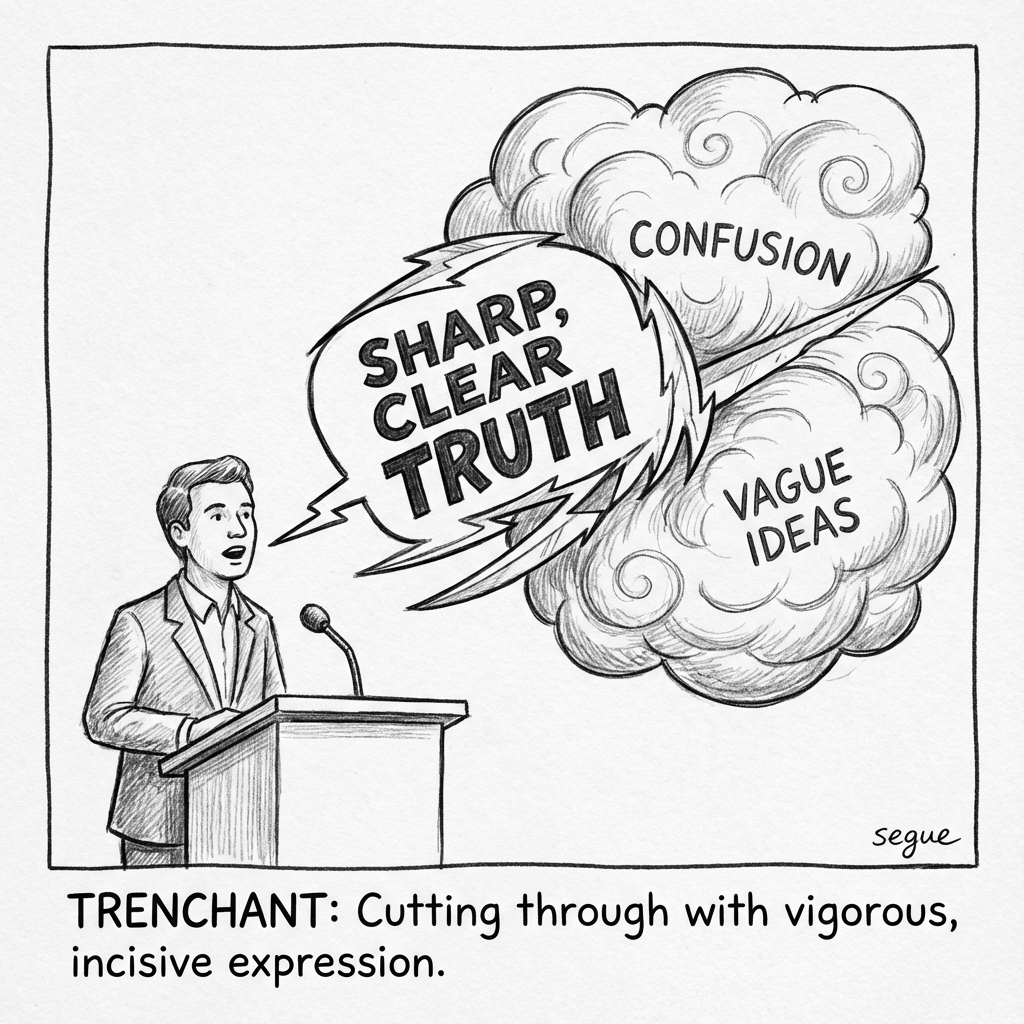
trenchant
/ˈtɹɛntʃənt/vigorous or incisive in expression
“His trenchant criticism exposed the plan's flaws.”
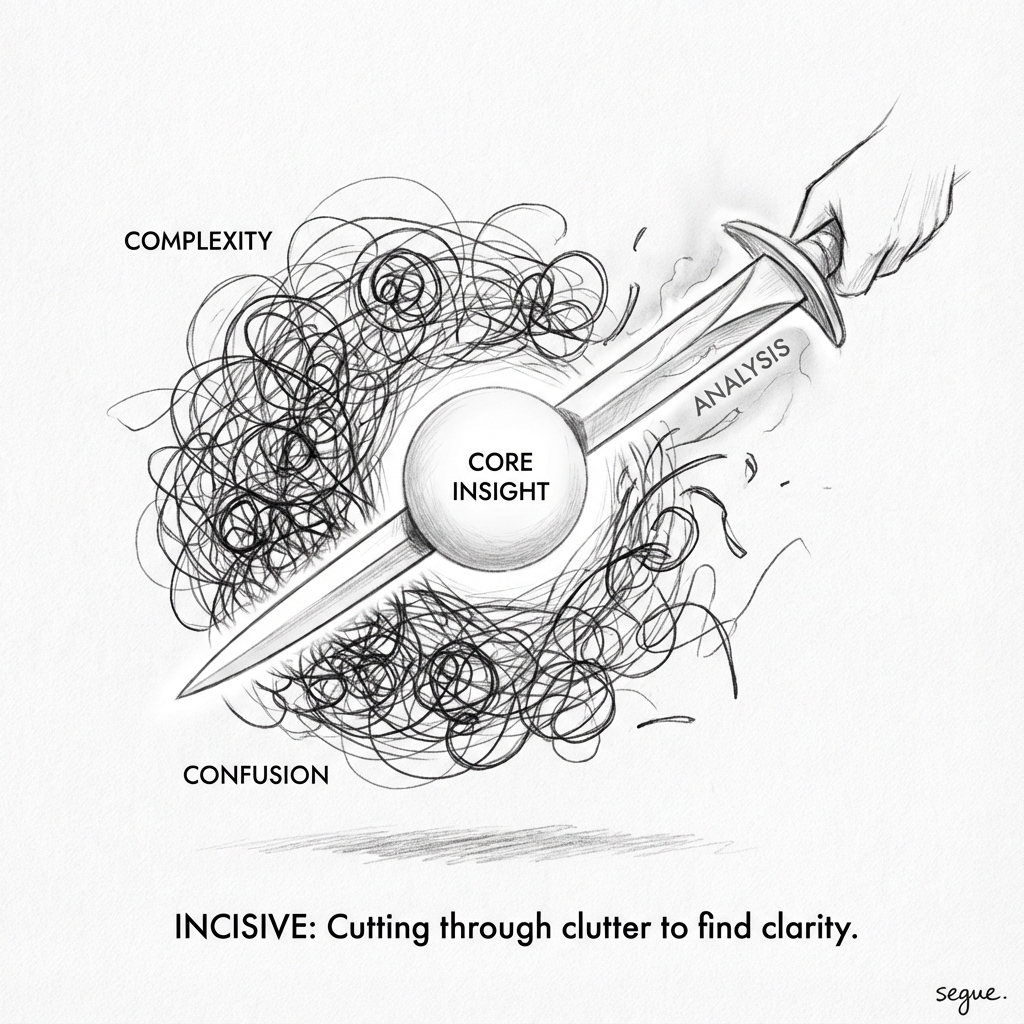
incisive
/ˌɪnˈsaɪsɪv/intelligently analytical and clear-thinking
“Her incisive questions revealed the truth.”
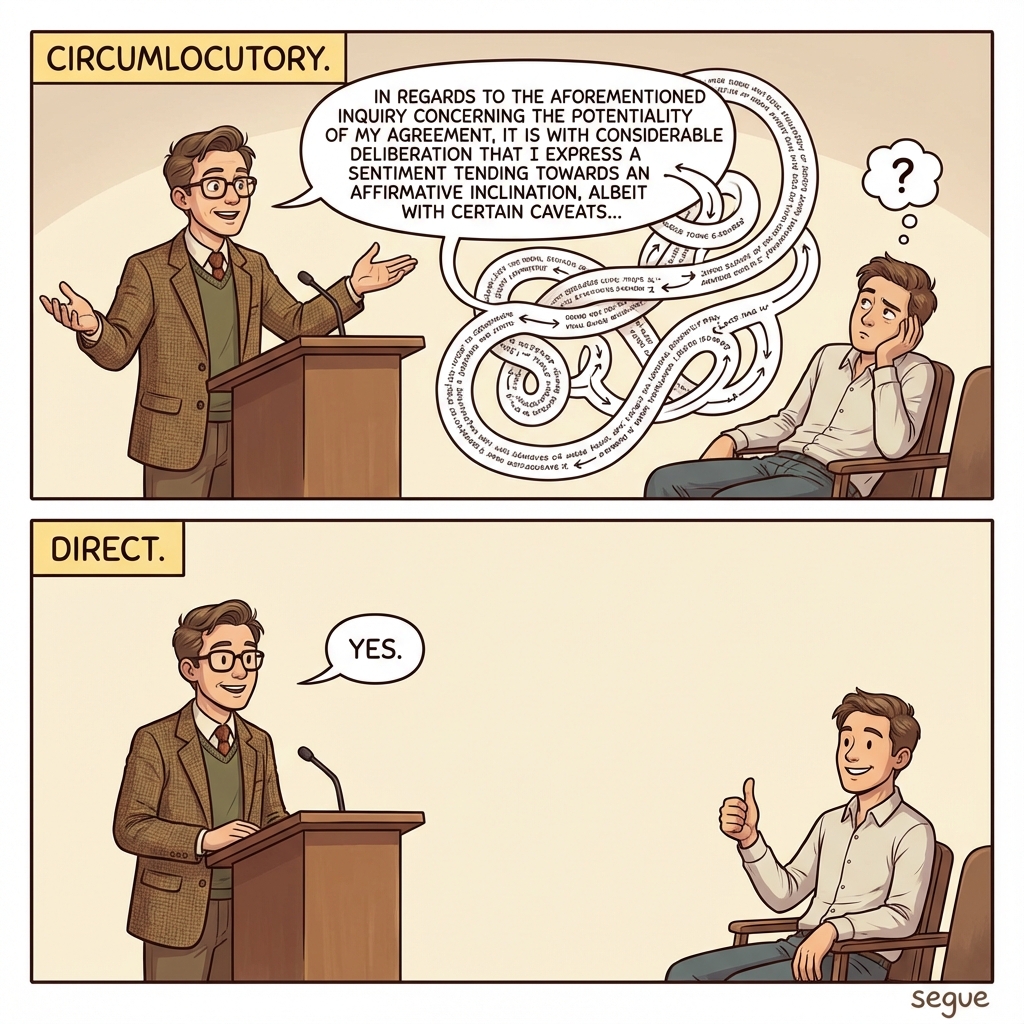
circumlocutory
/ˌsɜːrkəmˈlɒkjʊtəri/using many words where fewer would do
“His circumlocutory style made simple ideas confusing.”
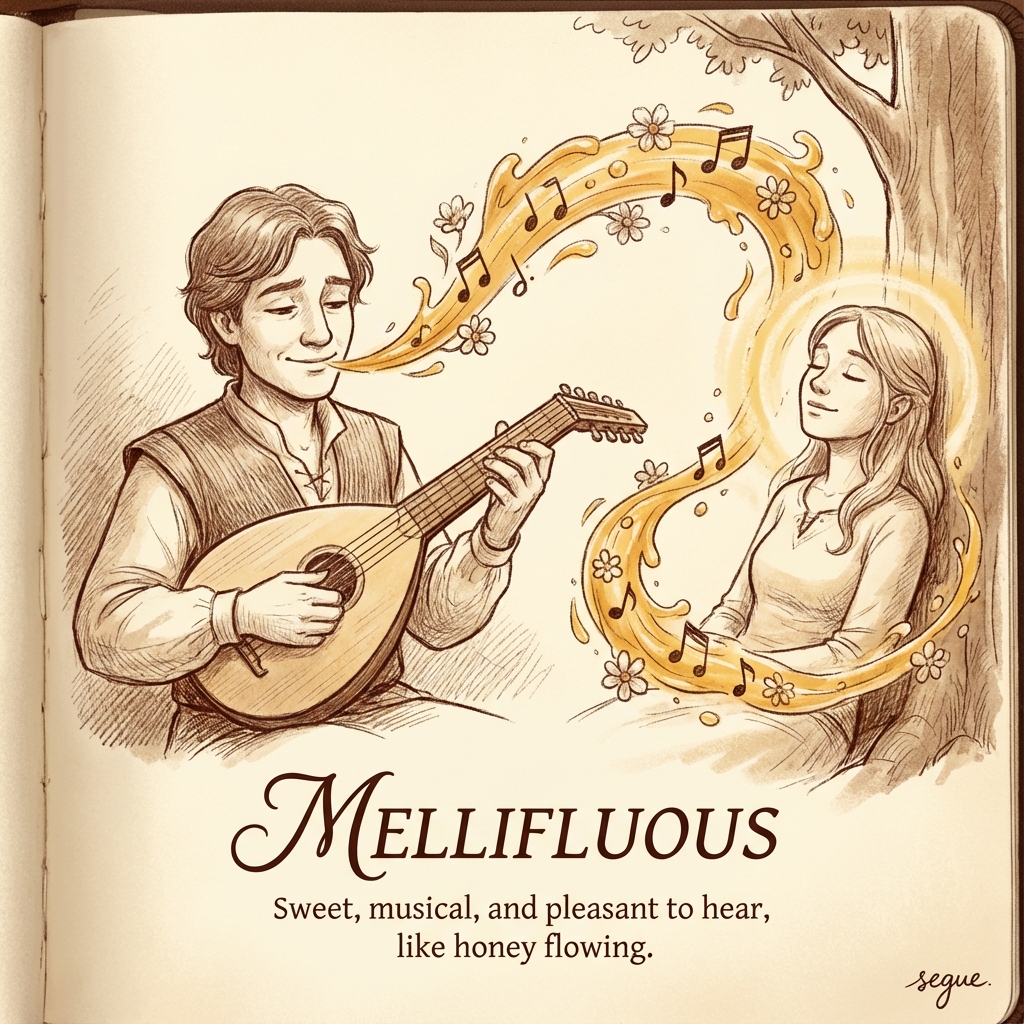
mellifluous
/məˈlɪfluəs/sweet-sounding; pleasant to hear
“The mellifluous narrator made the audiobook a pleasure.”
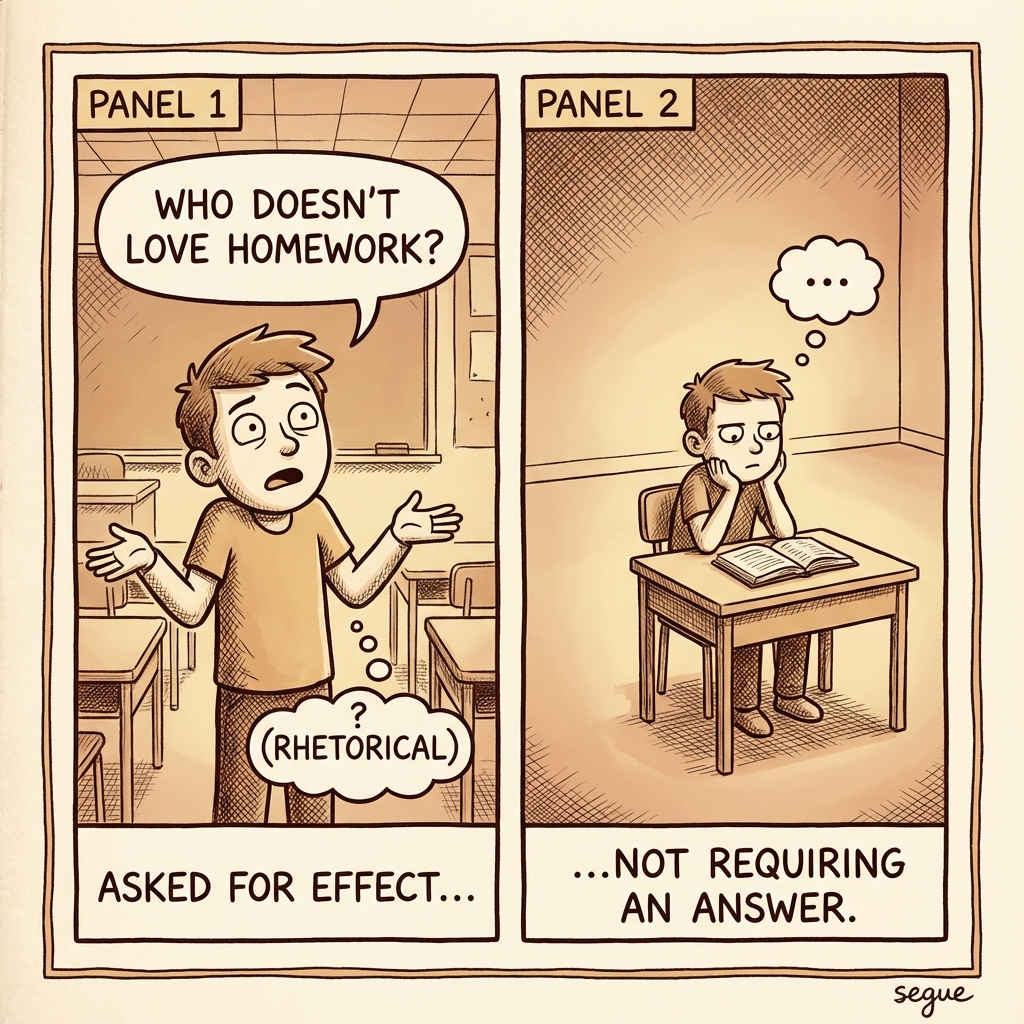
rhetorical
/ɹɪˈtɔɹɪkəɫ/expressed in terms intended to persuade or impress
“He used rhetorical devices to enhance his speech.”
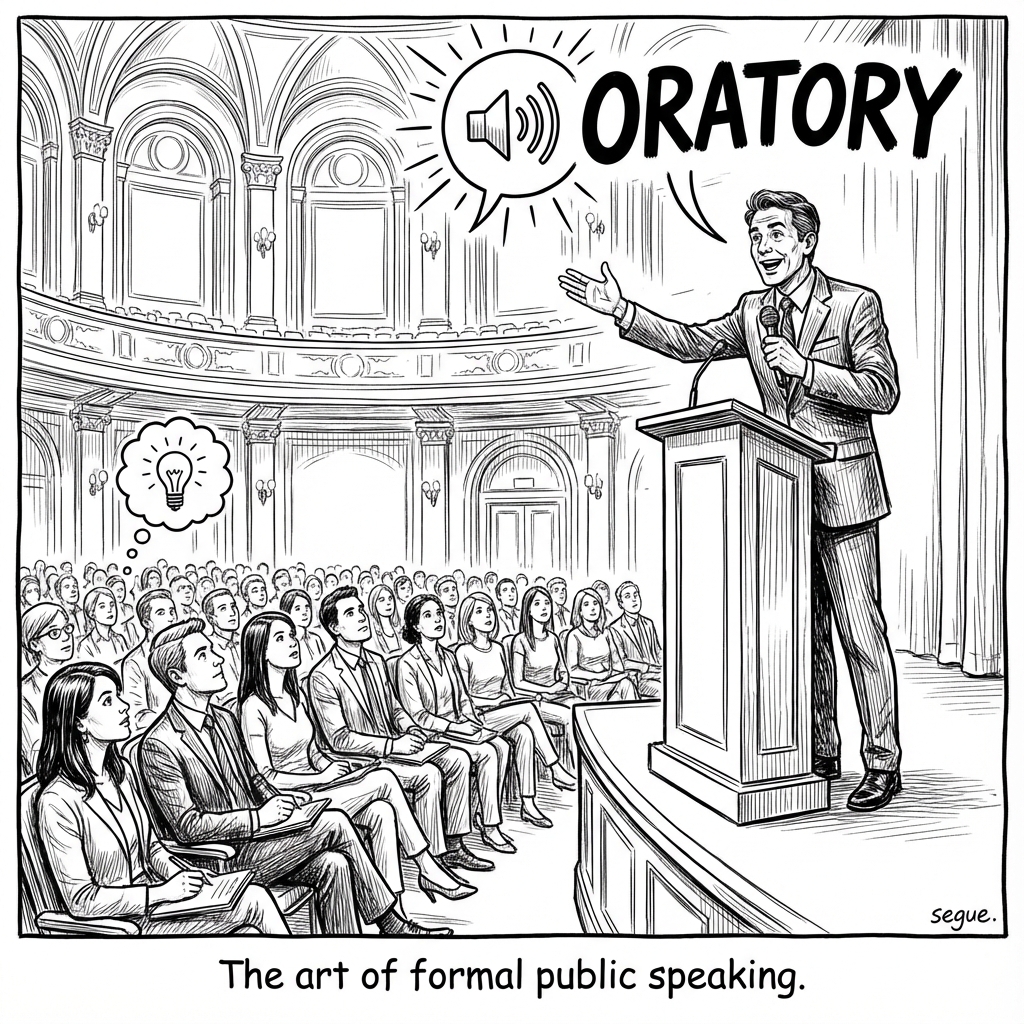
oratory
/ˈɔɹəˌtɔɹi/the art or practice of formal speaking in public
“His skills in oratory made him a powerful leader.”
More from Descriptive
Explore other vocabulary categories in this collection.