Loading collection...
🔊
Sound & Quality Vocabulary
Words describing sounds, tones, and auditory experiences
22 words
All 22 Words
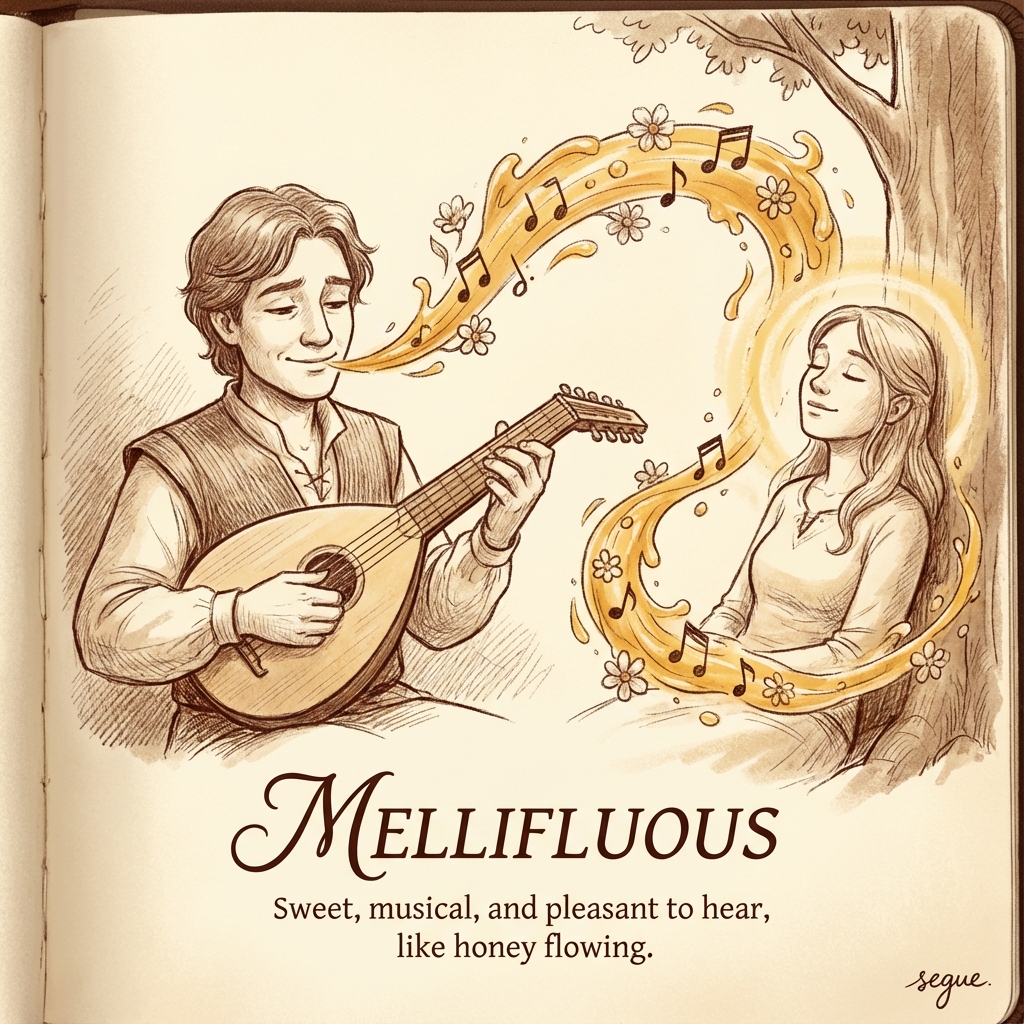
mellifluous
/məˈlɪfluəs/sweet or musical; pleasant to hear
“Her mellifluous voice captivated the audience.”
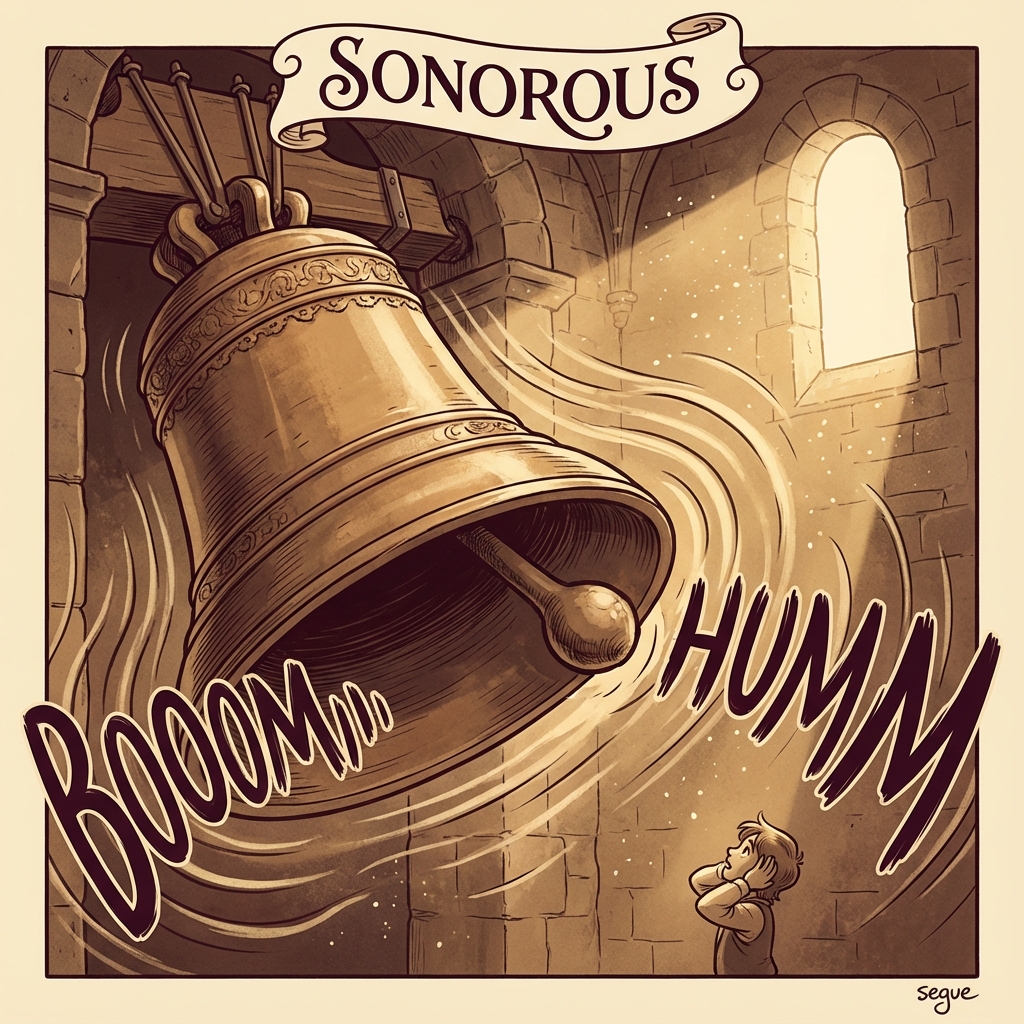
sonorous
/ˈsɑnɝəs/imposingly deep and full in sound
“The sonorous bells echoed through the valley.”
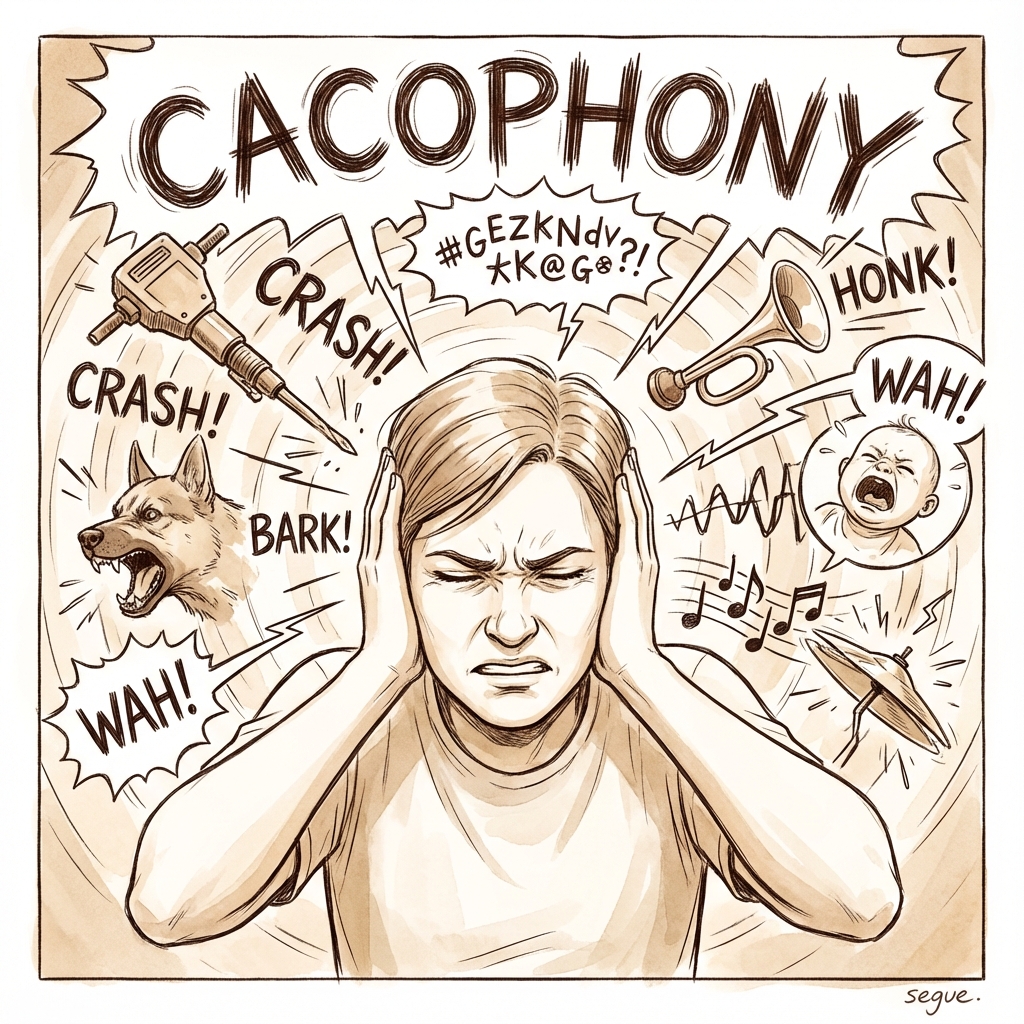
cacophony
/kæˈkɑfəni/a harsh, discordant mixture of sounds
“The cacophony of car horns filled the busy street.”
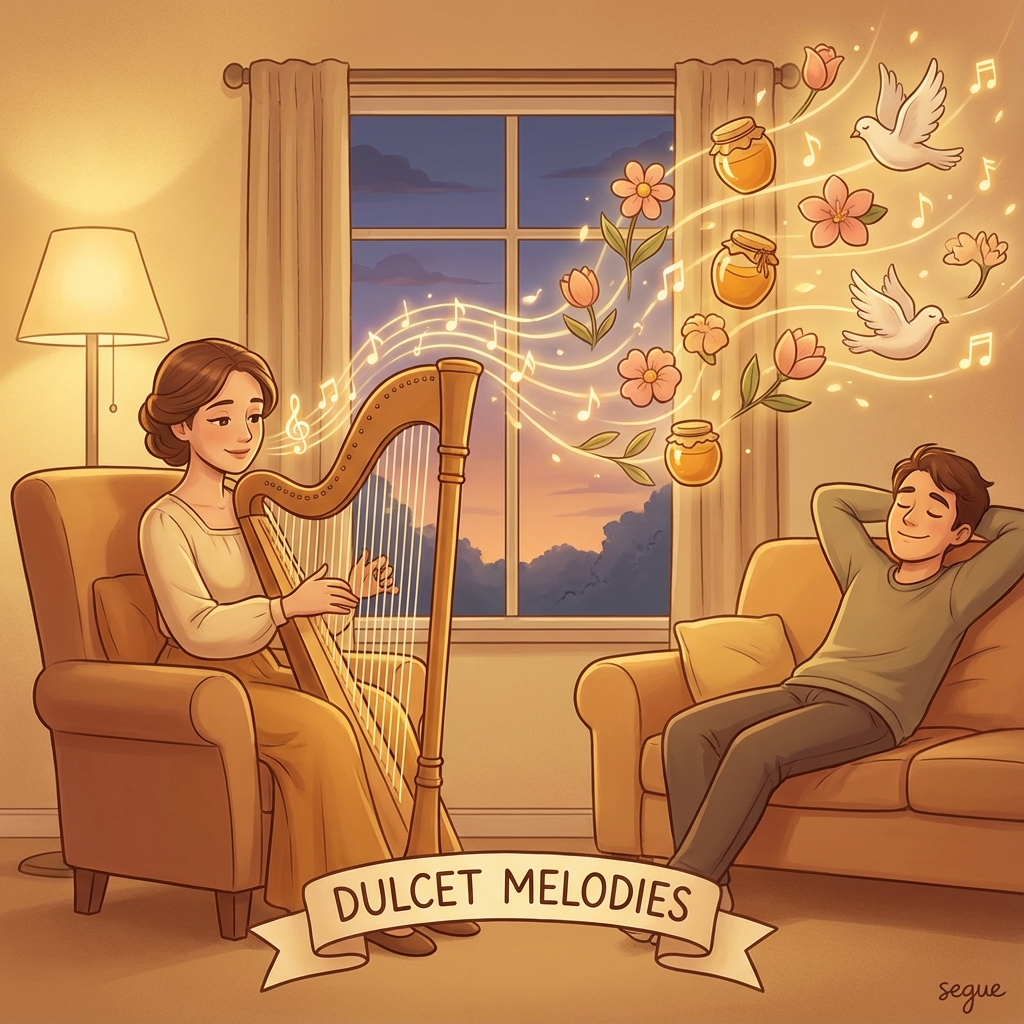
dulcet
/ˈdəɫsət/sweet and soothing; melodious
“The dulcet tones of the harp relaxed everyone.”
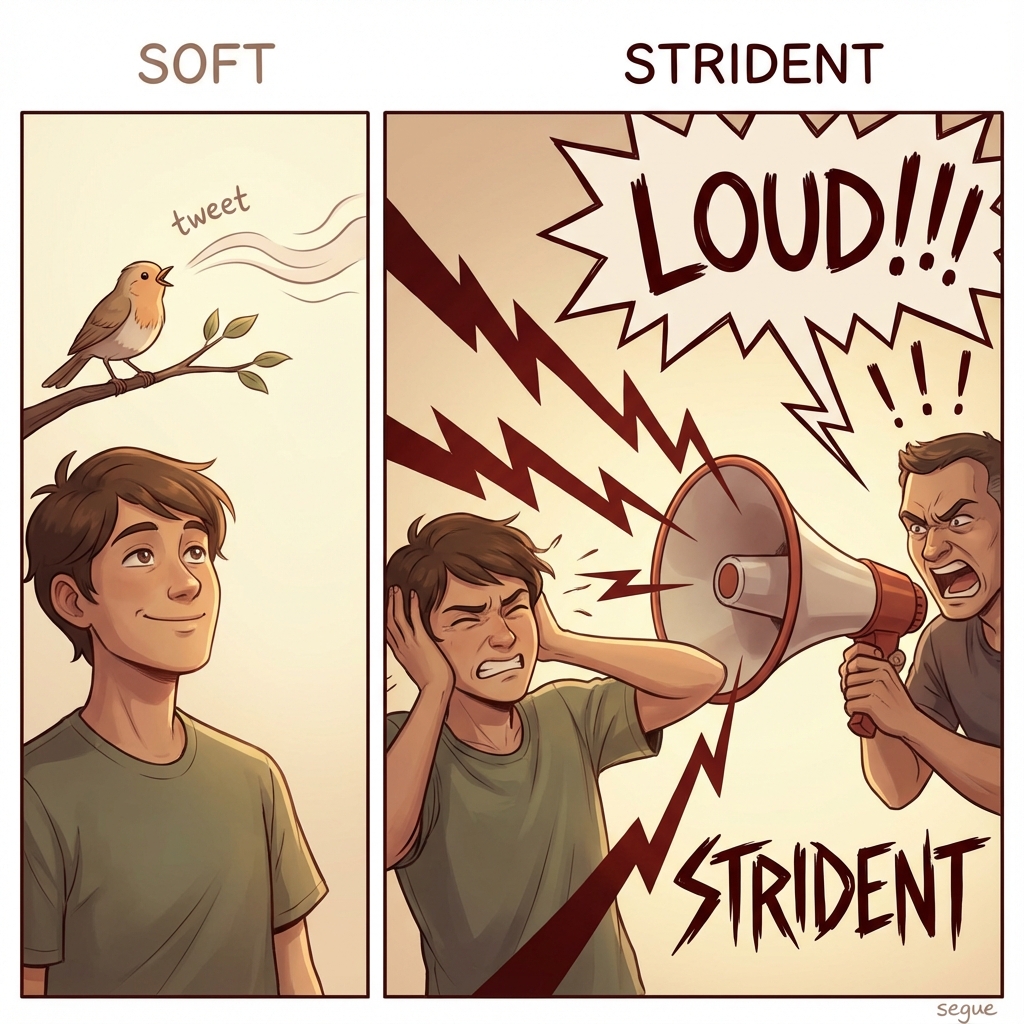
strident
/ˈstɹaɪdənt/loud and harsh; grating
“Her strident voice cut through the noise.”
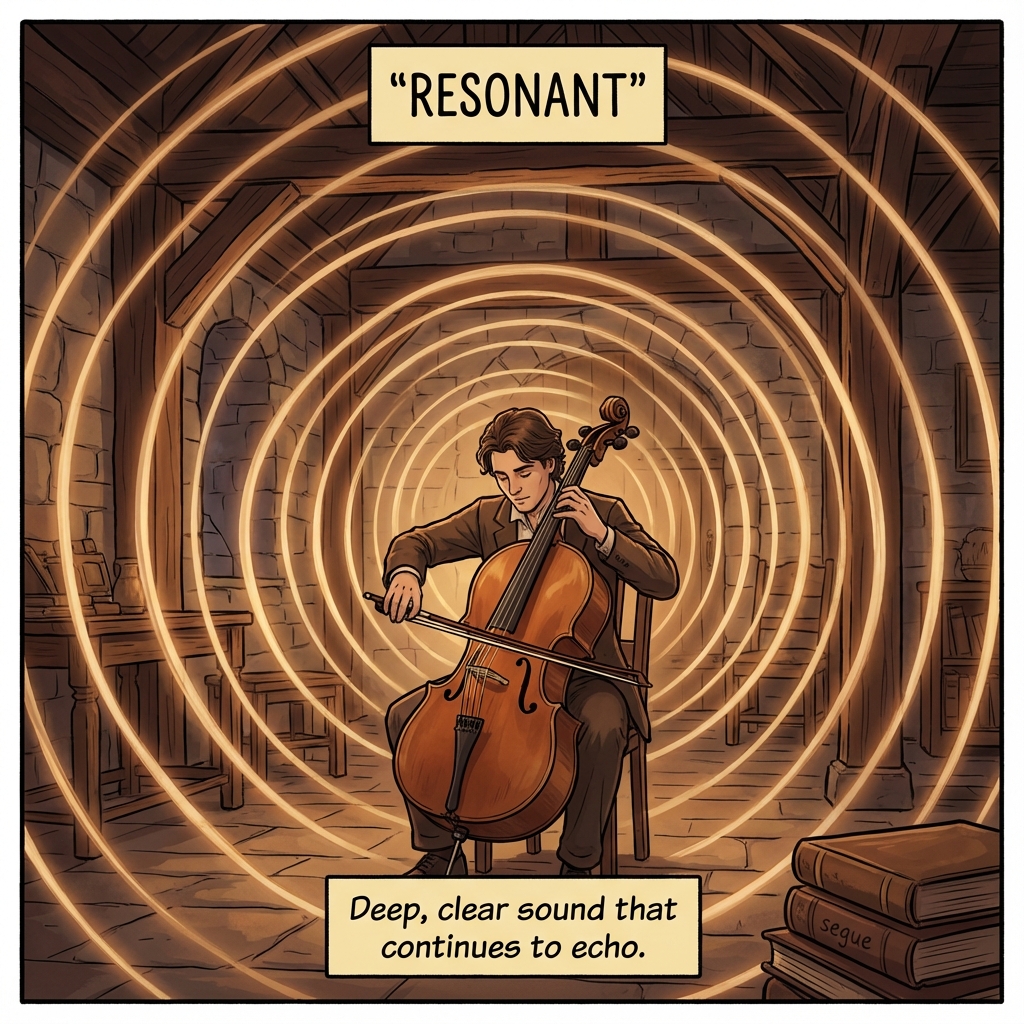
resonant
/ˈɹɛzənənt/deep, clear, and continuing to sound
“His resonant baritone filled the concert hall.”
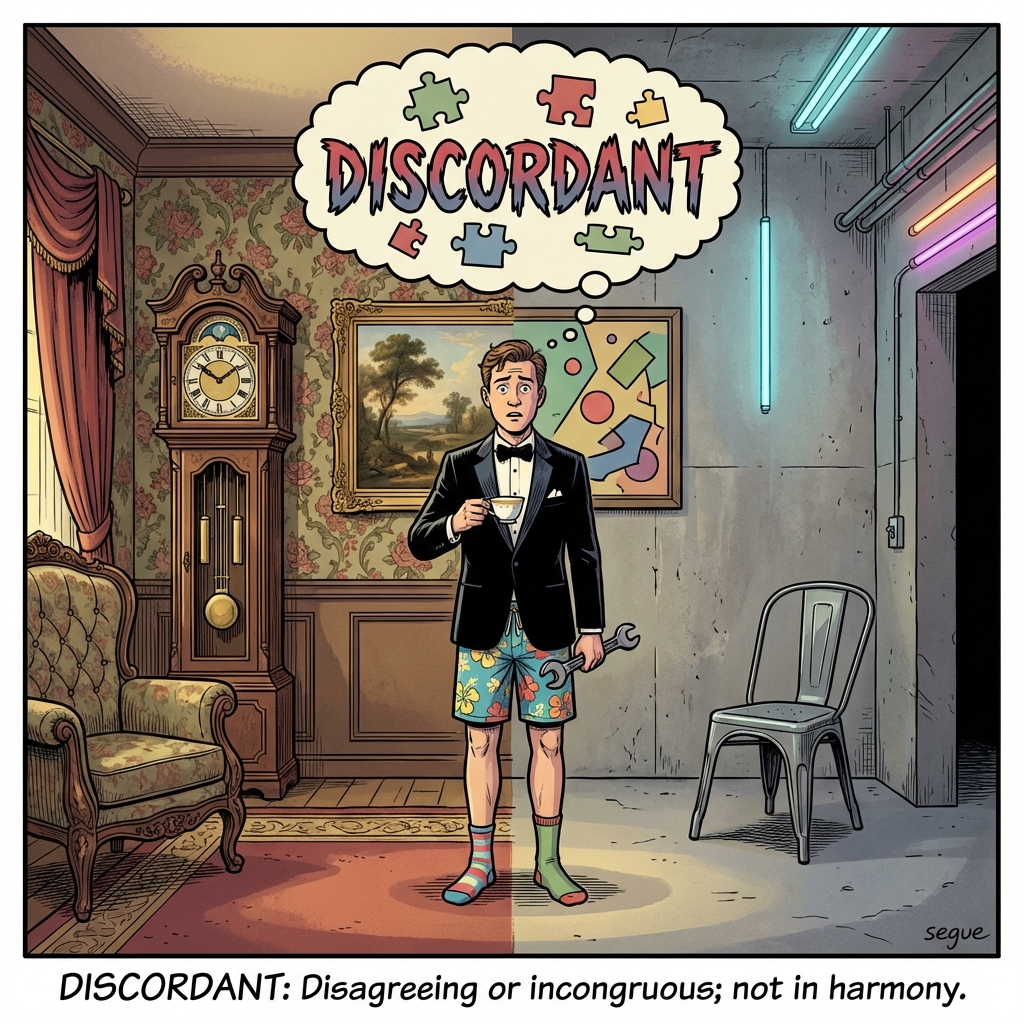
discordant
/dɪˈskɔɹdənt/disagreeing or incongruous; harsh in sound
“The discordant notes made listeners wince.”
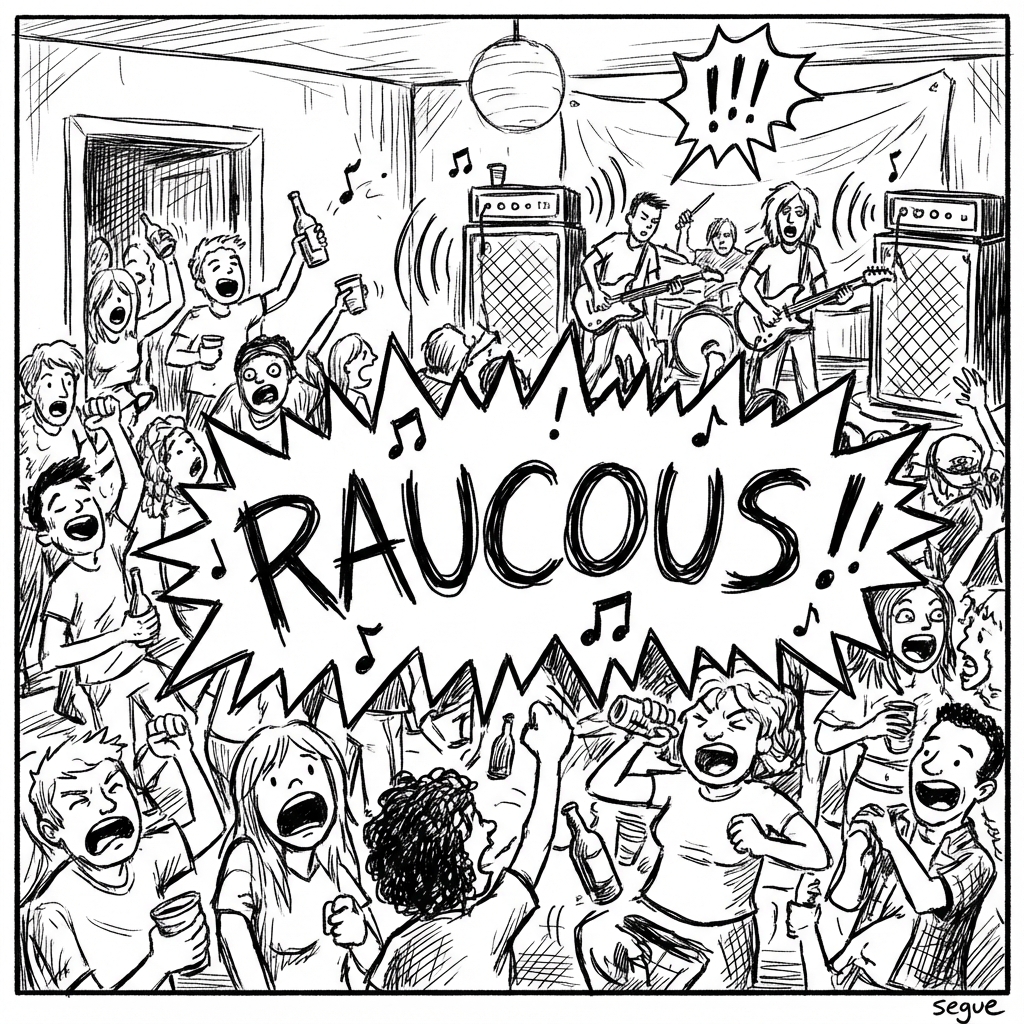
raucous
/ˈɹɔkəs/making a harsh, loud noise
“The raucous laughter disturbed the neighbors.”
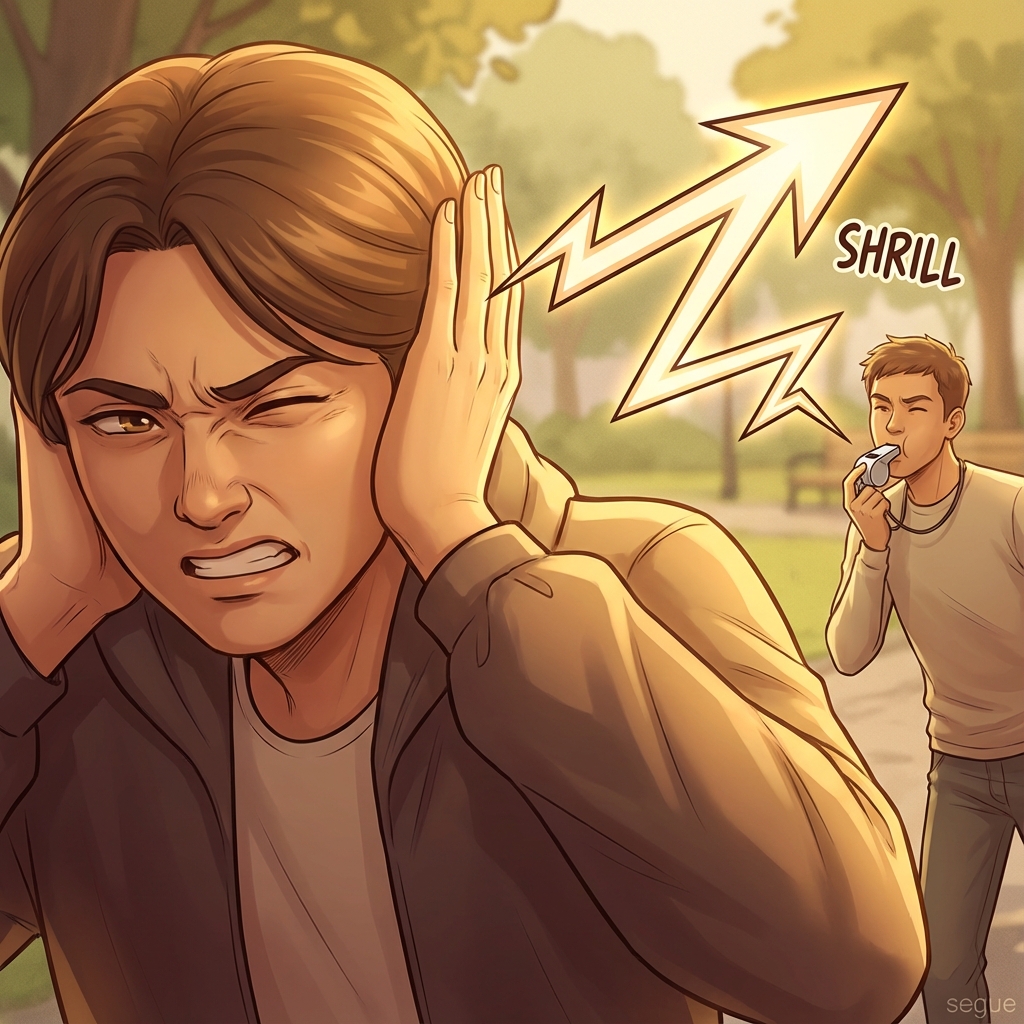
shrill
/ˈʃɹɪɫ/high-pitched and piercing
“The shrill whistle signaled the train's departure.”
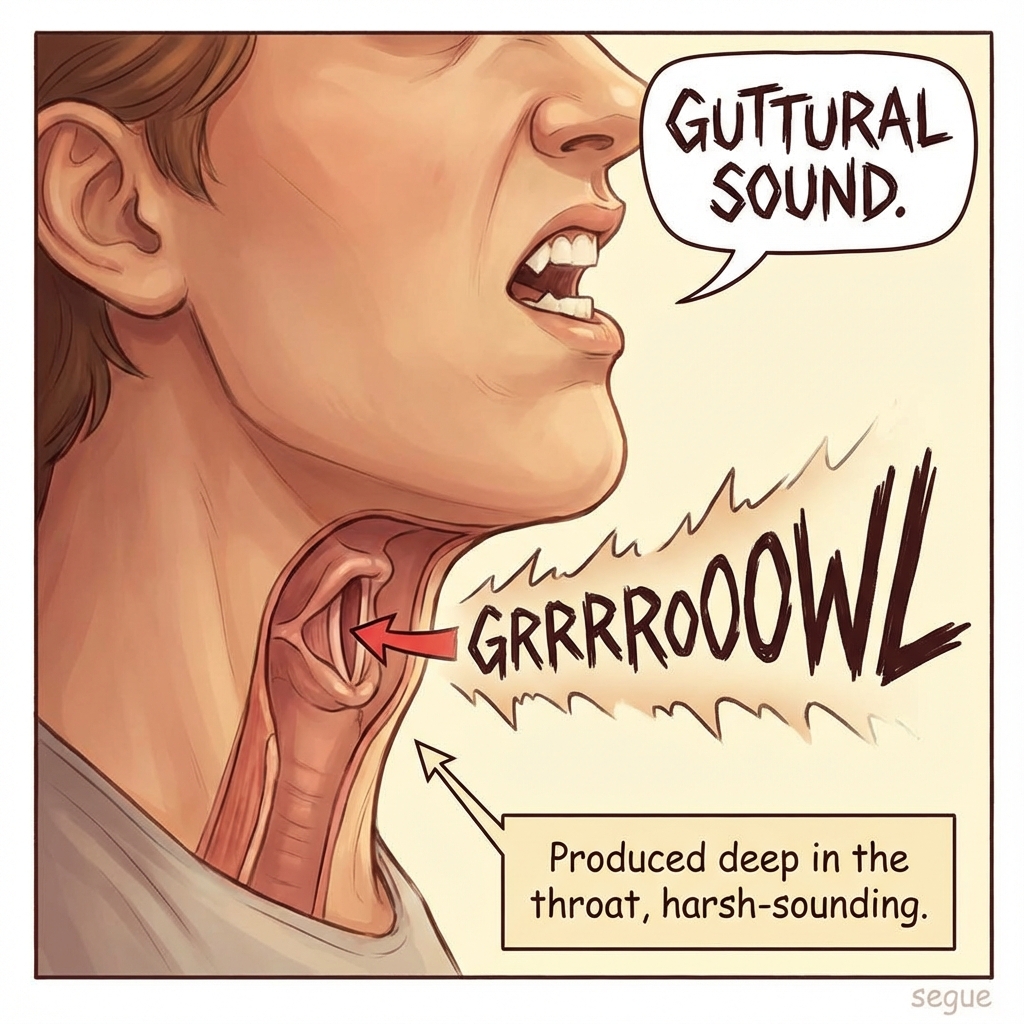
guttural
/ˈɡətɝəɫ/harsh-sounding; produced in the throat
“He spoke in guttural tones that were hard to understand.”
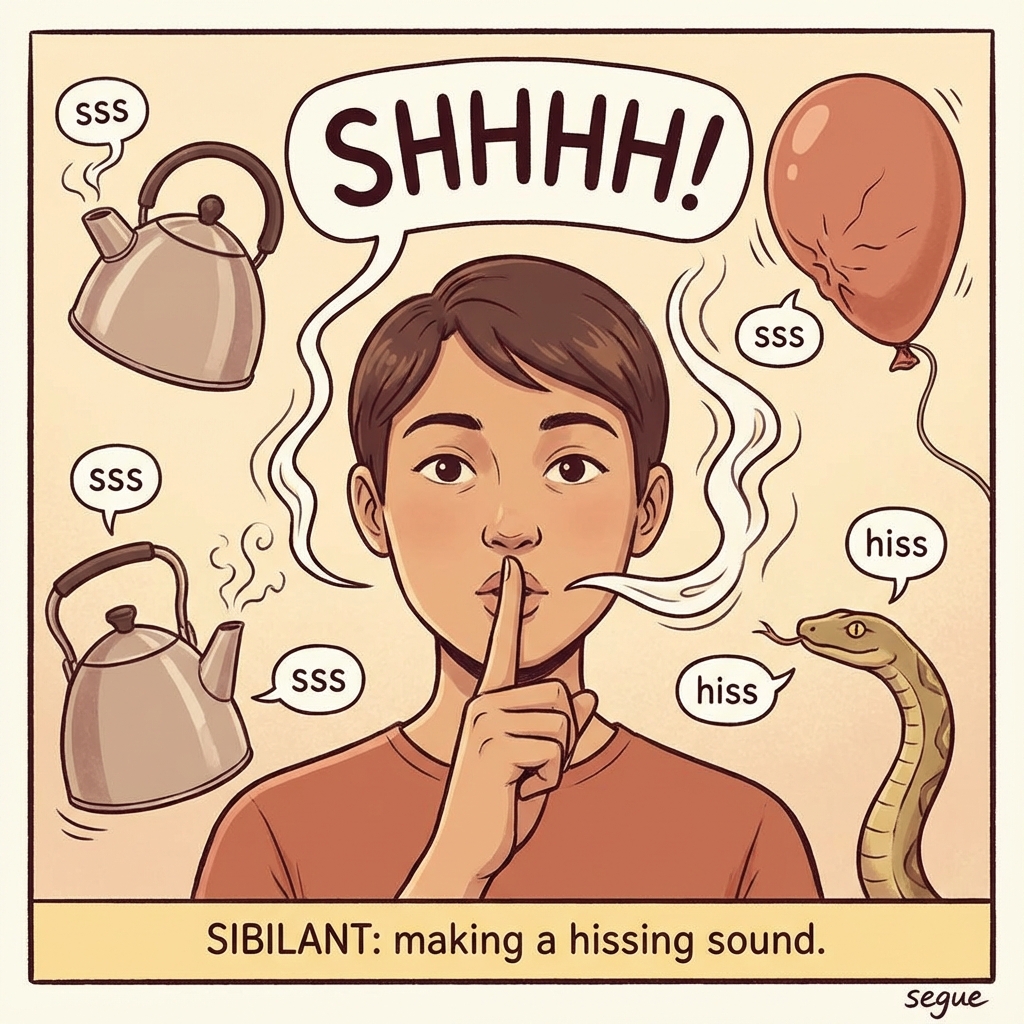
sibilant
/ˈsɪbɪlənt/making a hissing sound
“The sibilant whispers filled the darkened theater.”
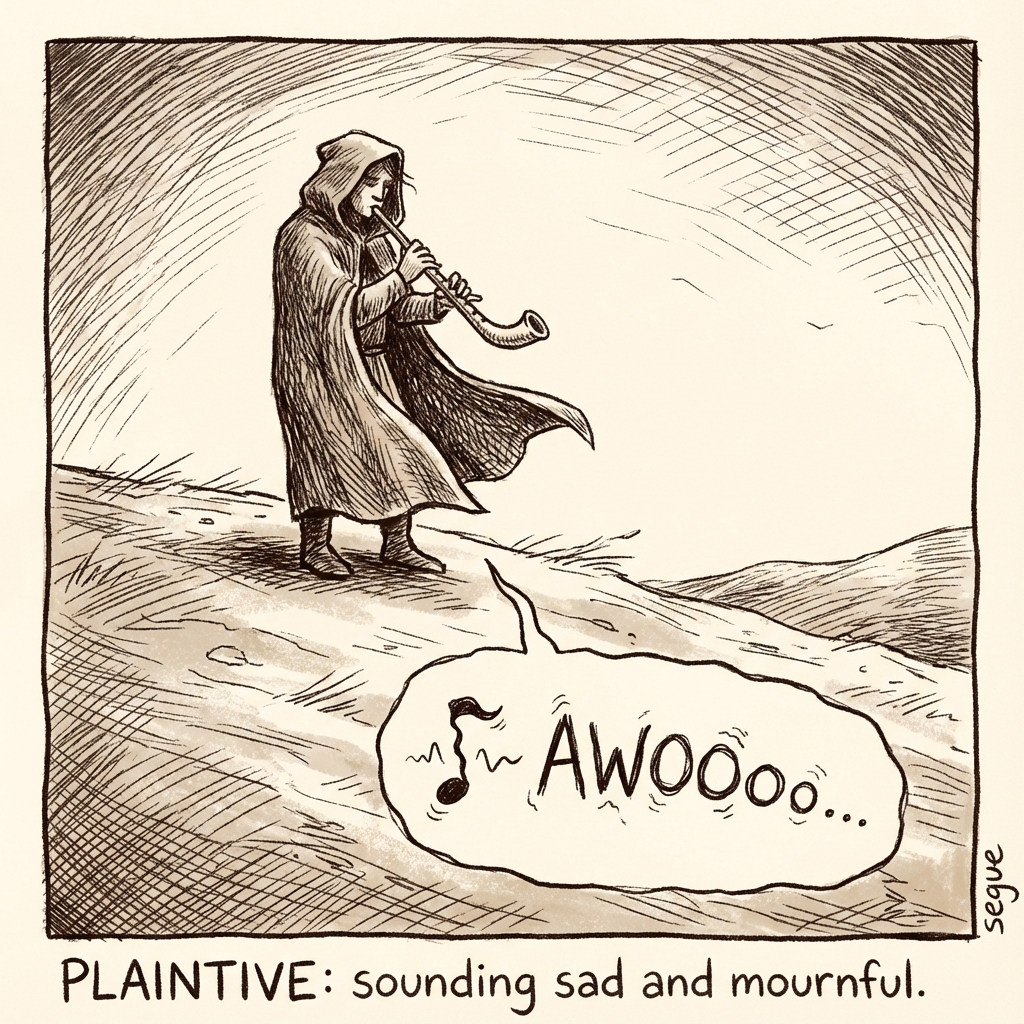
plaintive
/ˈpɫeɪnɪv/sounding sad and mournful
“The plaintive cry of the owl echoed through the night.”
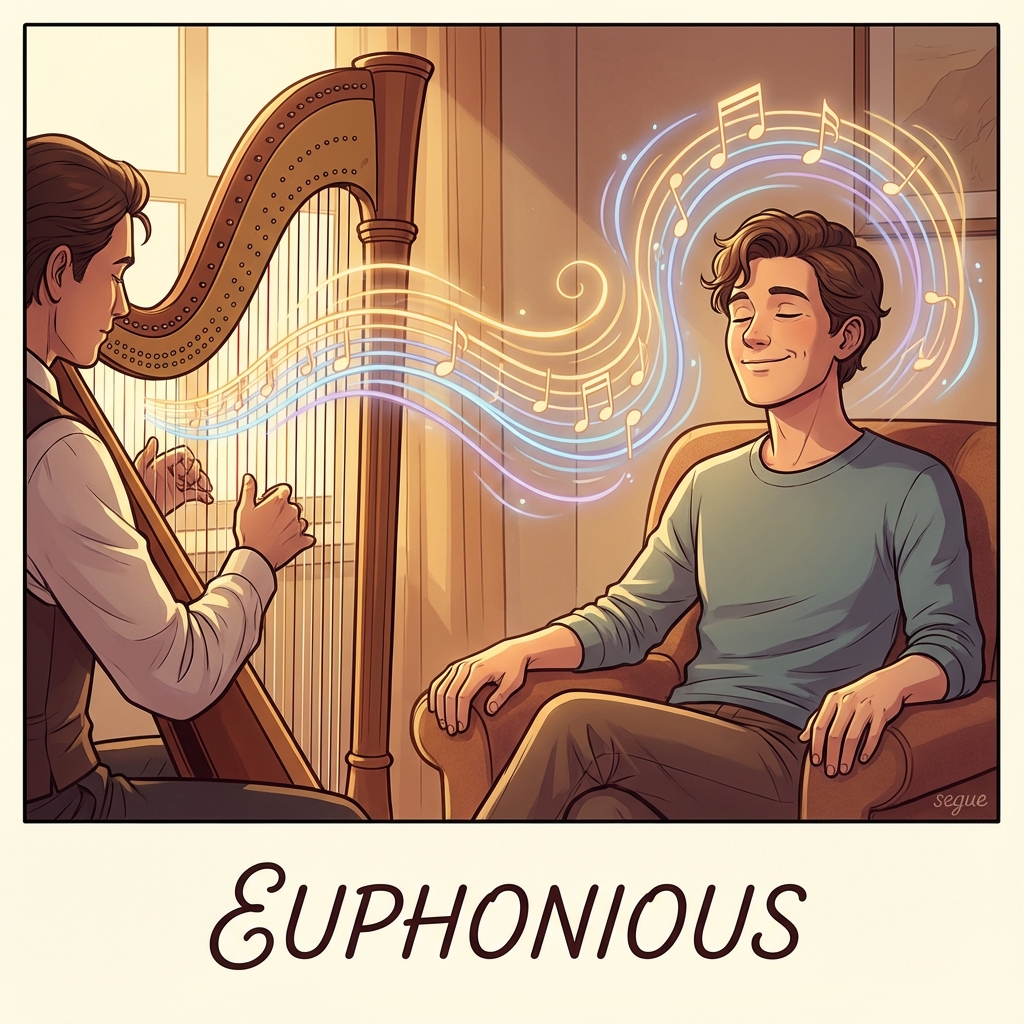
euphonious
/juːˈfoʊniəs/pleasing to the ear
“Italian is often described as a euphonious language.”
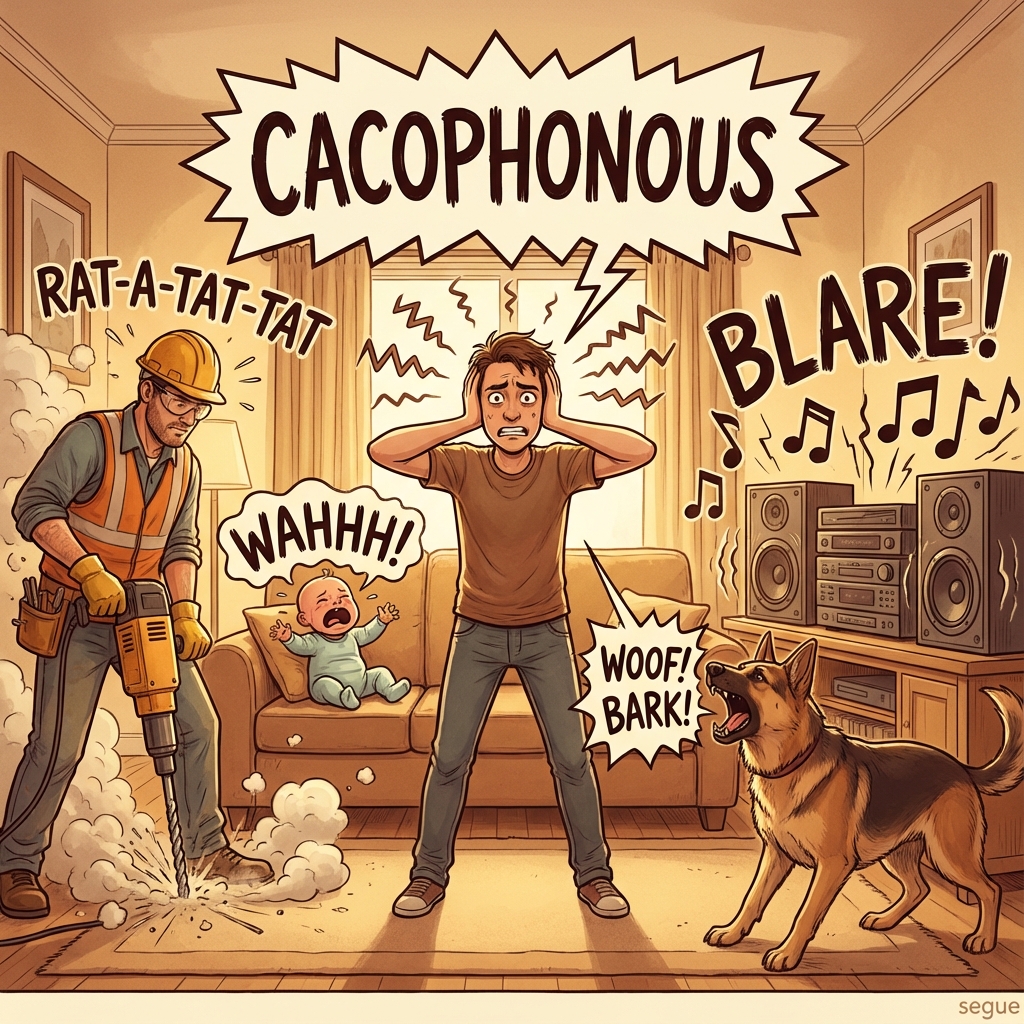
cacophonous
/kəˈkɒfənəs/involving or producing harsh, discordant sounds
“The cacophonous construction noise never stopped.”
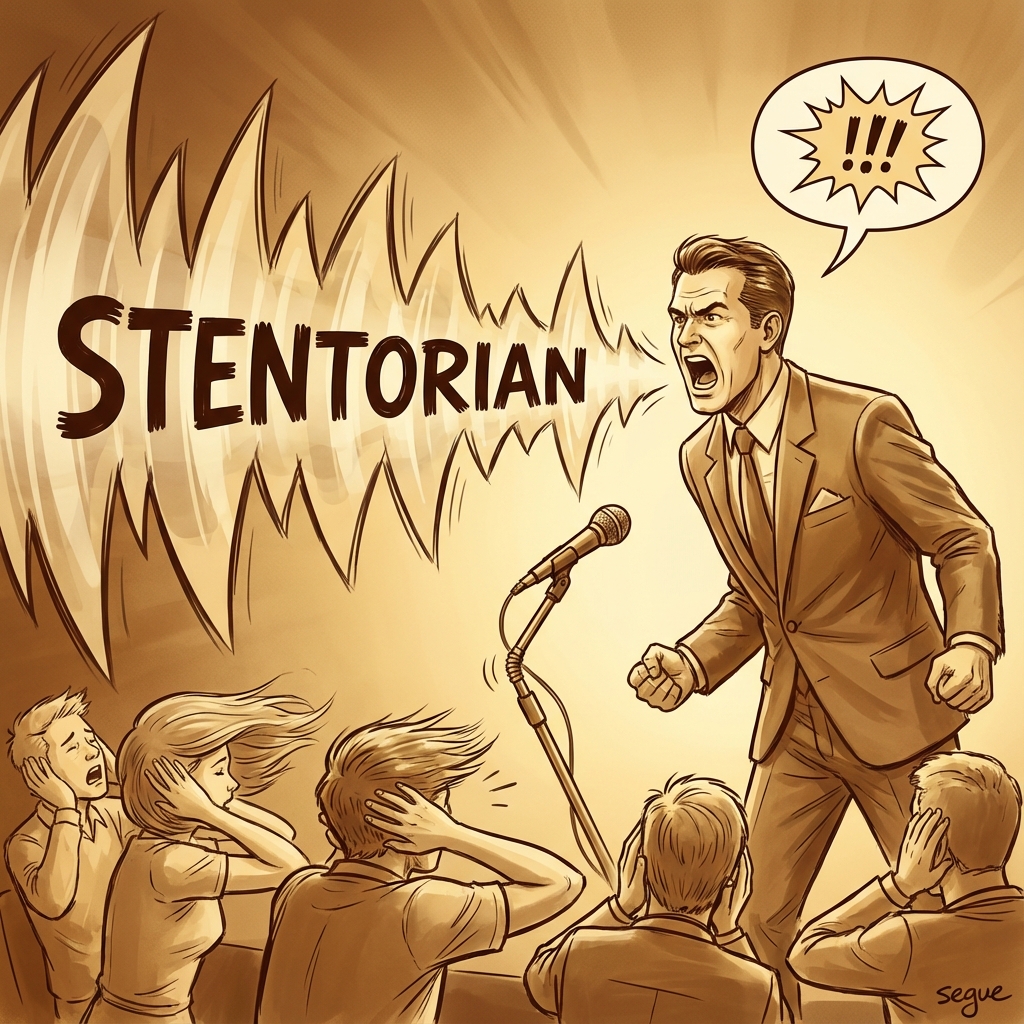
stentorian
/stenˈtɔːriən/extremely loud and powerful
“His stentorian voice needed no microphone.”
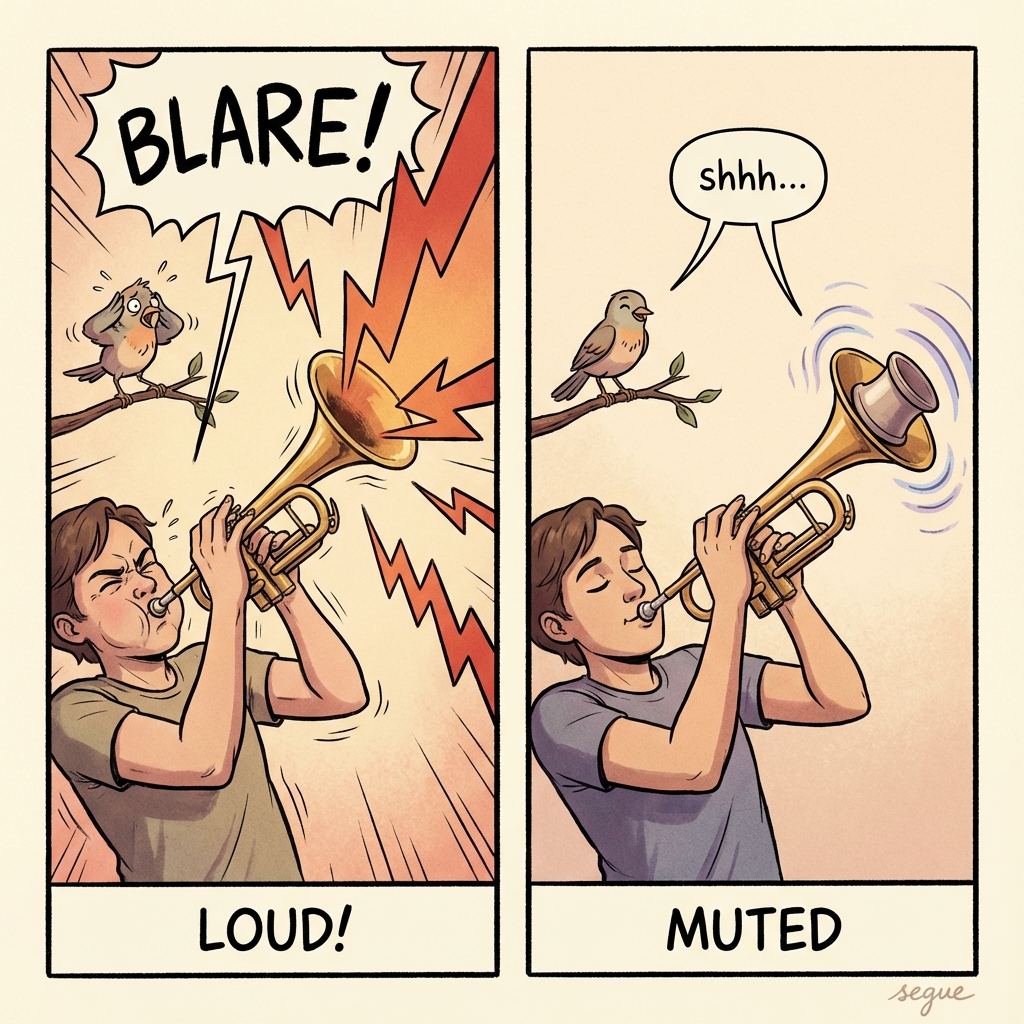
muted
/ˈmjutɪd/quiet and soft; not loud
“The muted conversation barely reached their ears.”
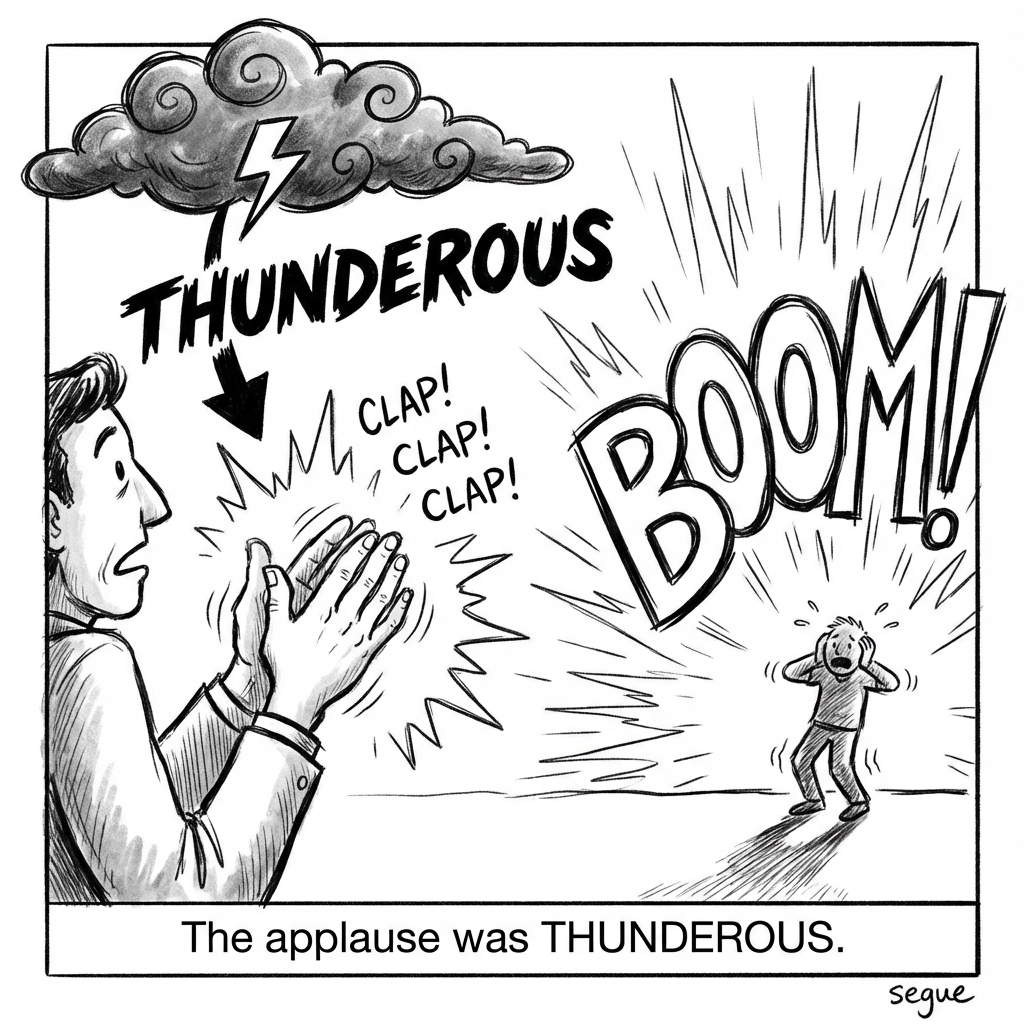
thunderous
/ˈθəndɝəs/very loud; resembling thunder
“The thunderous applause lasted several minutes.”

hushed
/ˈhəʃt/very quiet and still
“A hushed silence fell over the crowd.”
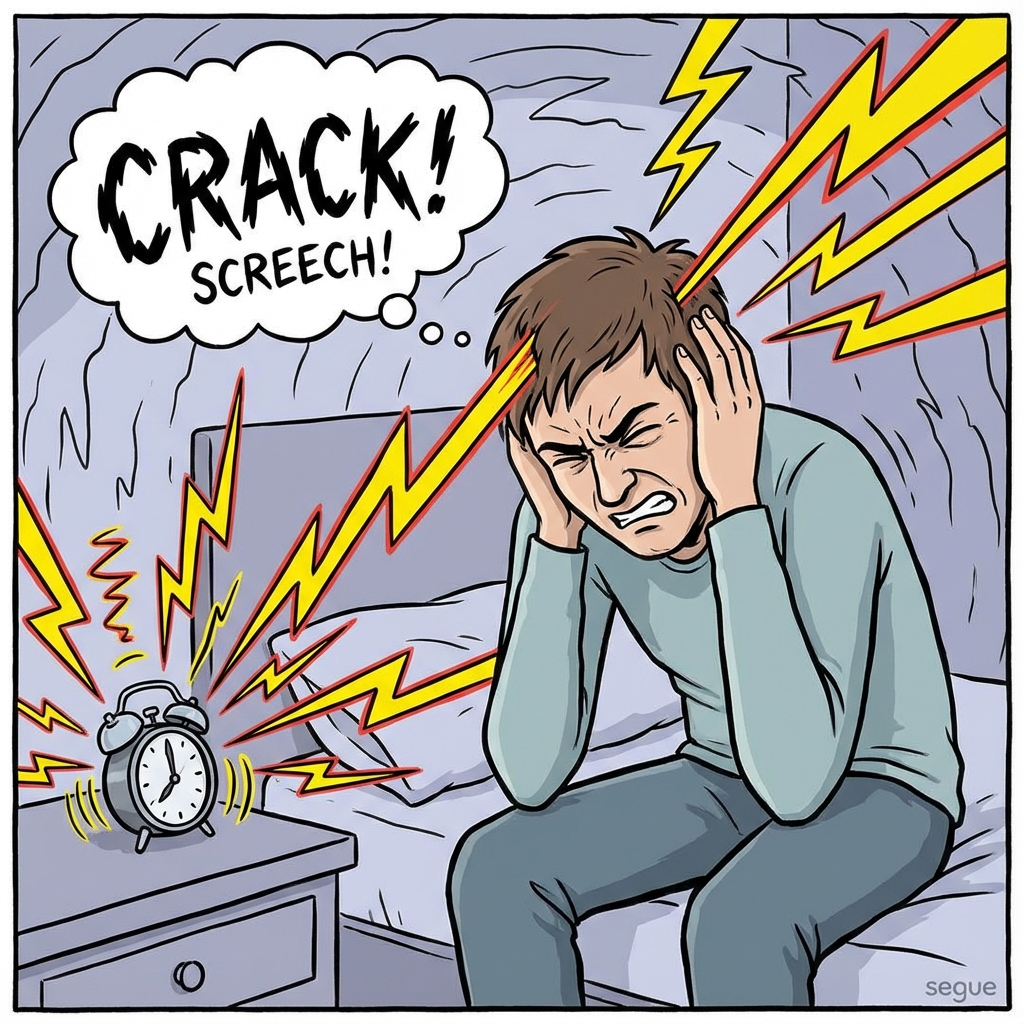
piercing
/ˈpɪɹsɪŋ/very loud, sharp, and unpleasant
“Her piercing scream alarmed everyone nearby.”
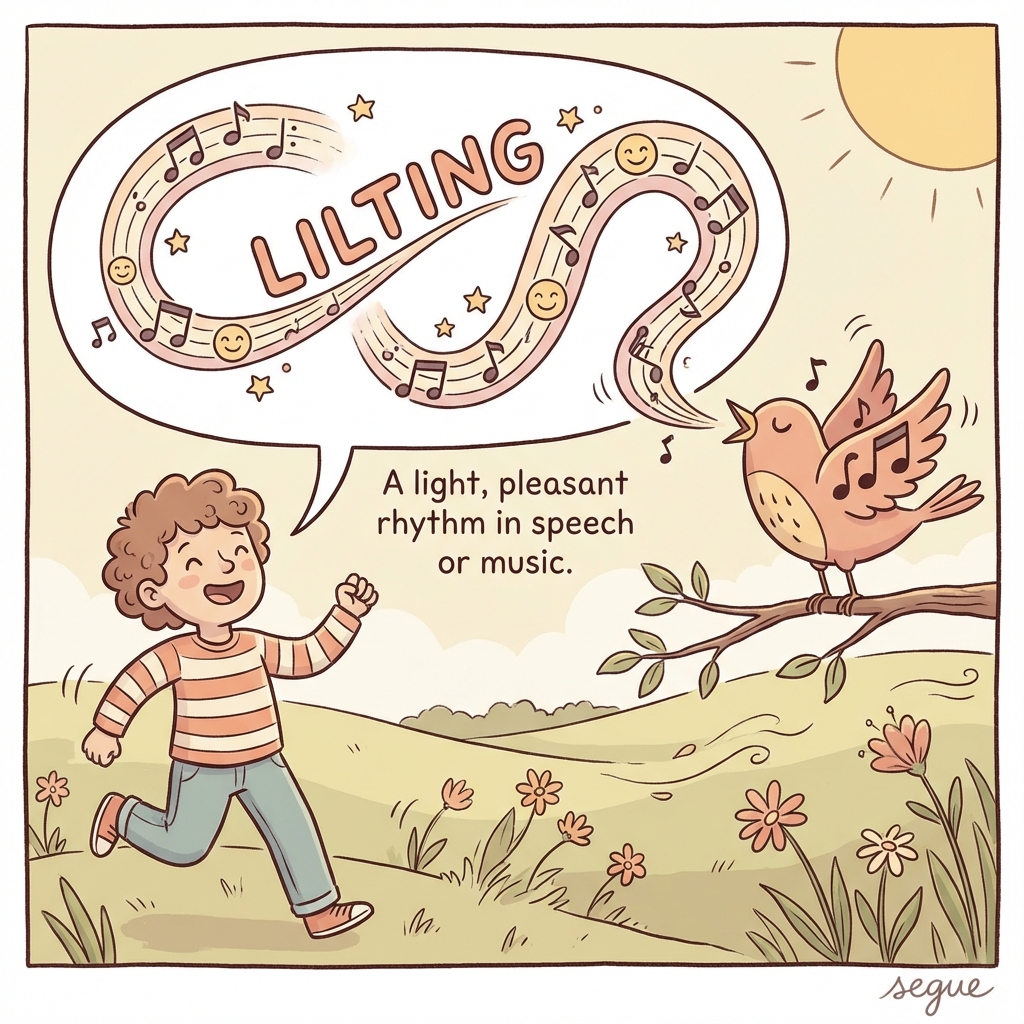
lilting
/ˈlɪltɪŋ/having a light, pleasant rhythm
“She spoke with a lilting Irish accent.”
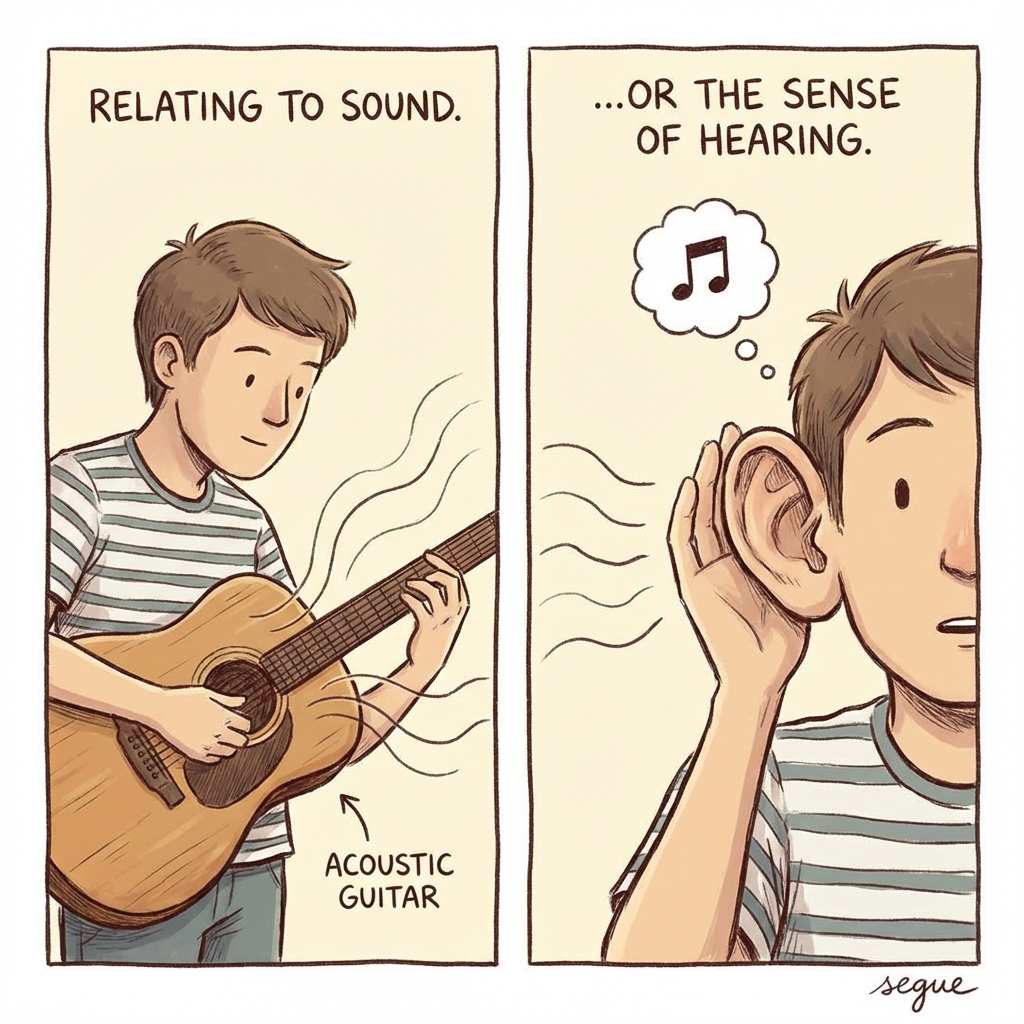
acoustic
/əˈkustɪk/relating to sound or the sense of hearing
“The room's acoustic properties were excellent for music.”
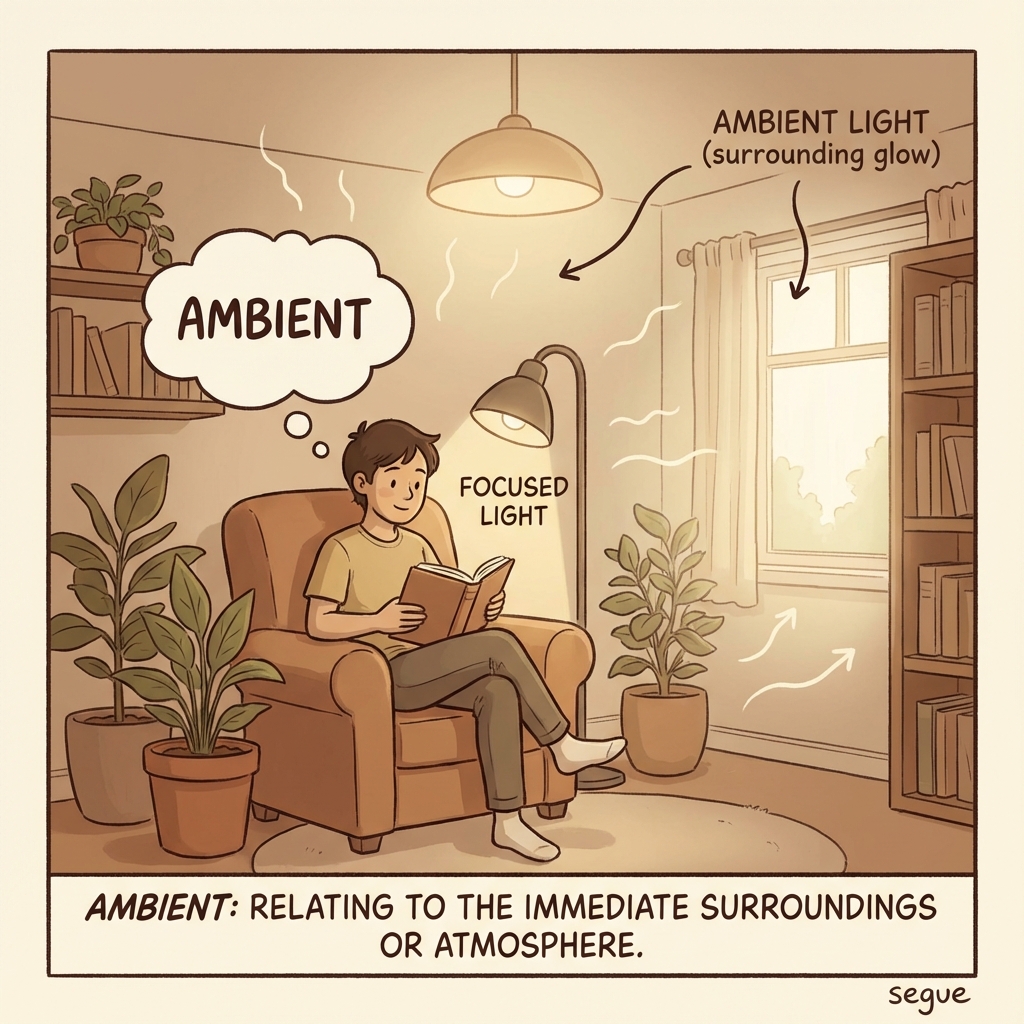
ambient
/ˈæmbiənt/relating to the immediate surroundings of something
“The ambient noise of the city helped him sleep.”
More from Descriptive
Explore other vocabulary categories in this collection.