Loading collection...
🧭
Social Intelligence Vocabulary
Reading and responding to social dynamics
10 words
All 10 Words

reading the room
/ˈriːdɪŋ ðə ˌruːm/sensing the mood and adjusting accordingly
“He failed to read the room and told jokes at a somber gathering.”
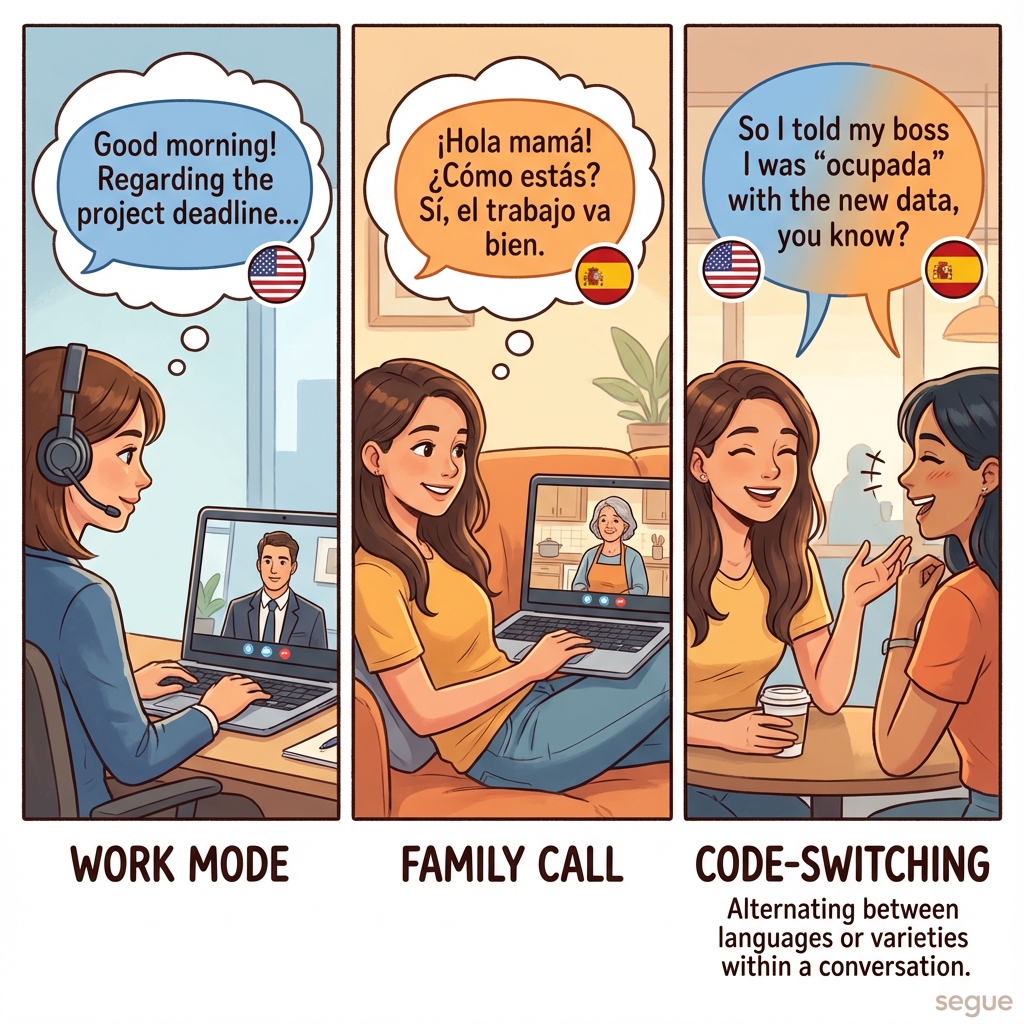
code-switching
/ˈkoʊd ˌswɪtʃɪŋ/adjusting language, tone, or behavior for different contexts
“She code-switched effortlessly between boardroom formality and casual banter.”
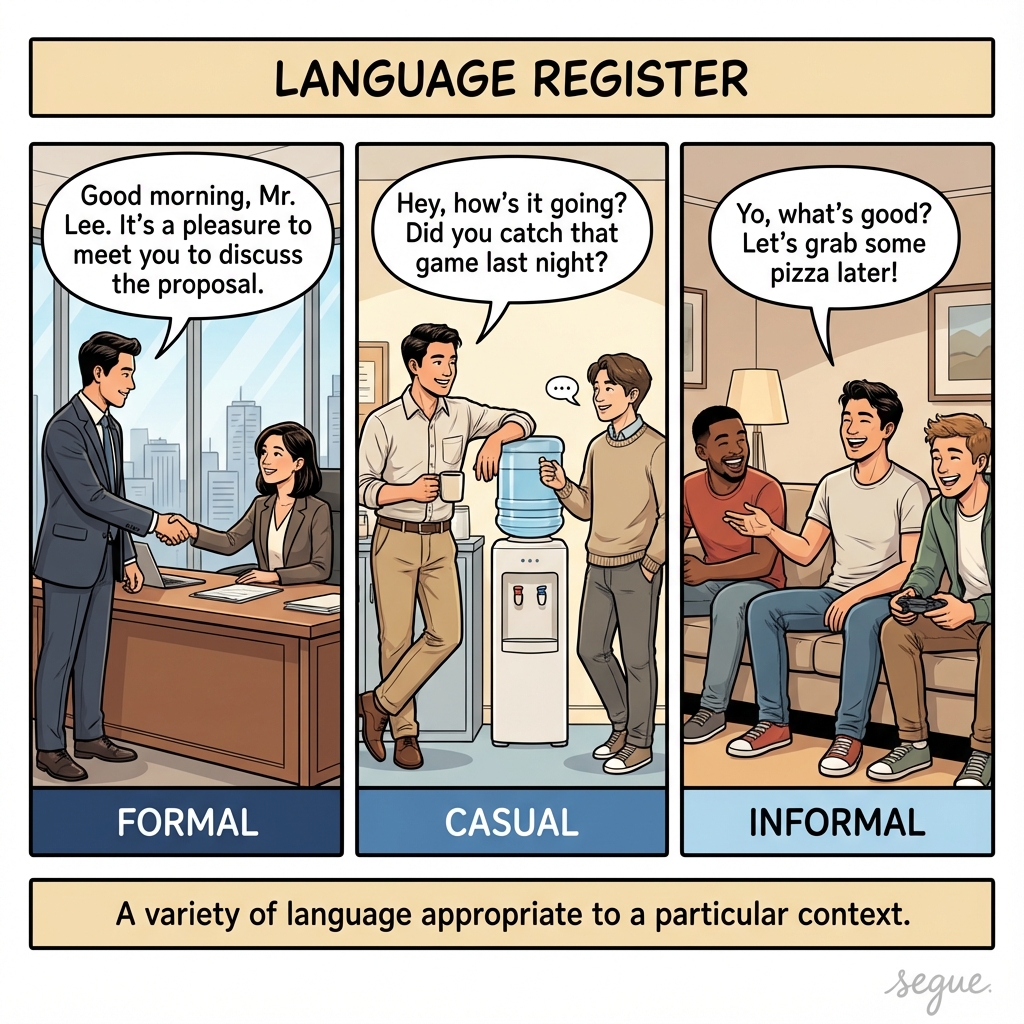
register
/ˈɹɛdʒɪstɝ/the level of formality appropriate to a situation
“His register was too casual for the diplomatic dinner.”
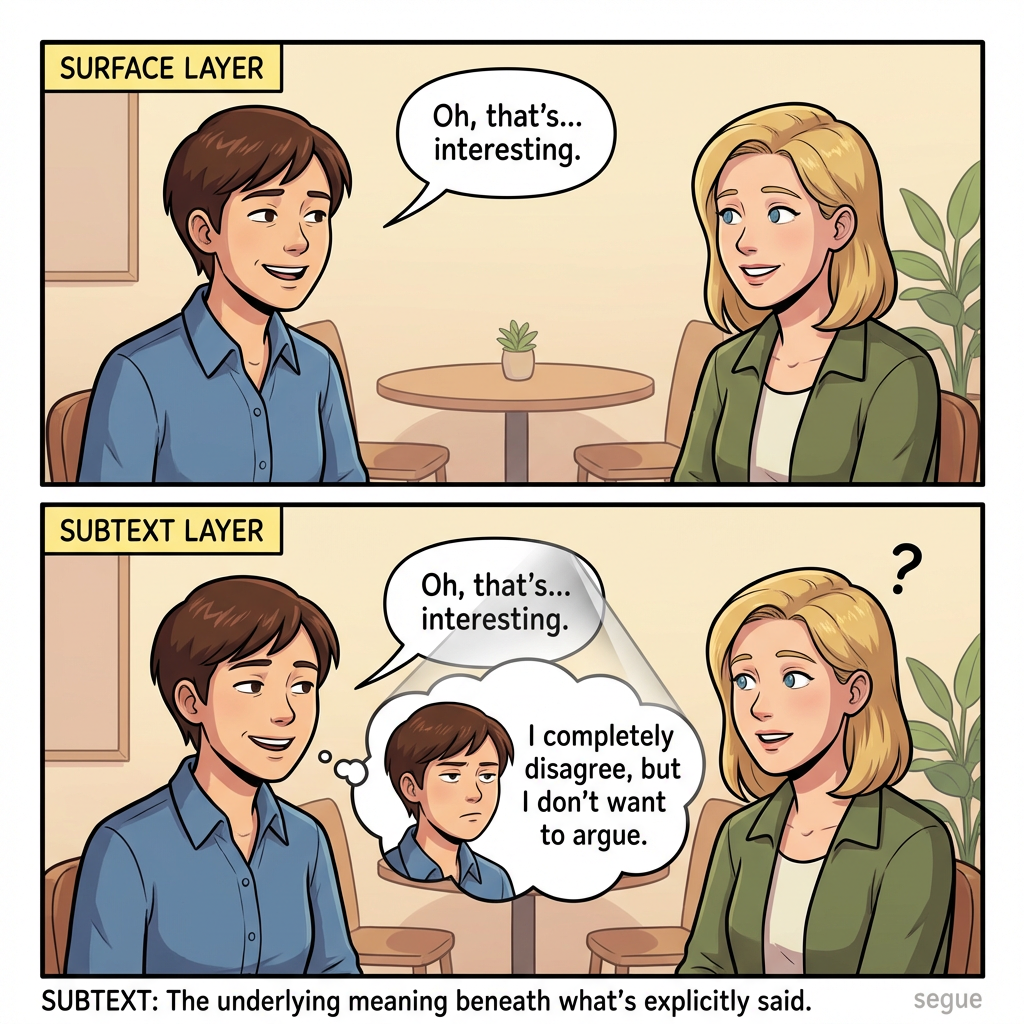
subtext
/ˈsəbˌtɛkst/the underlying meaning beneath what's explicitly said
“'I'm fine' often carries subtext of the opposite.”
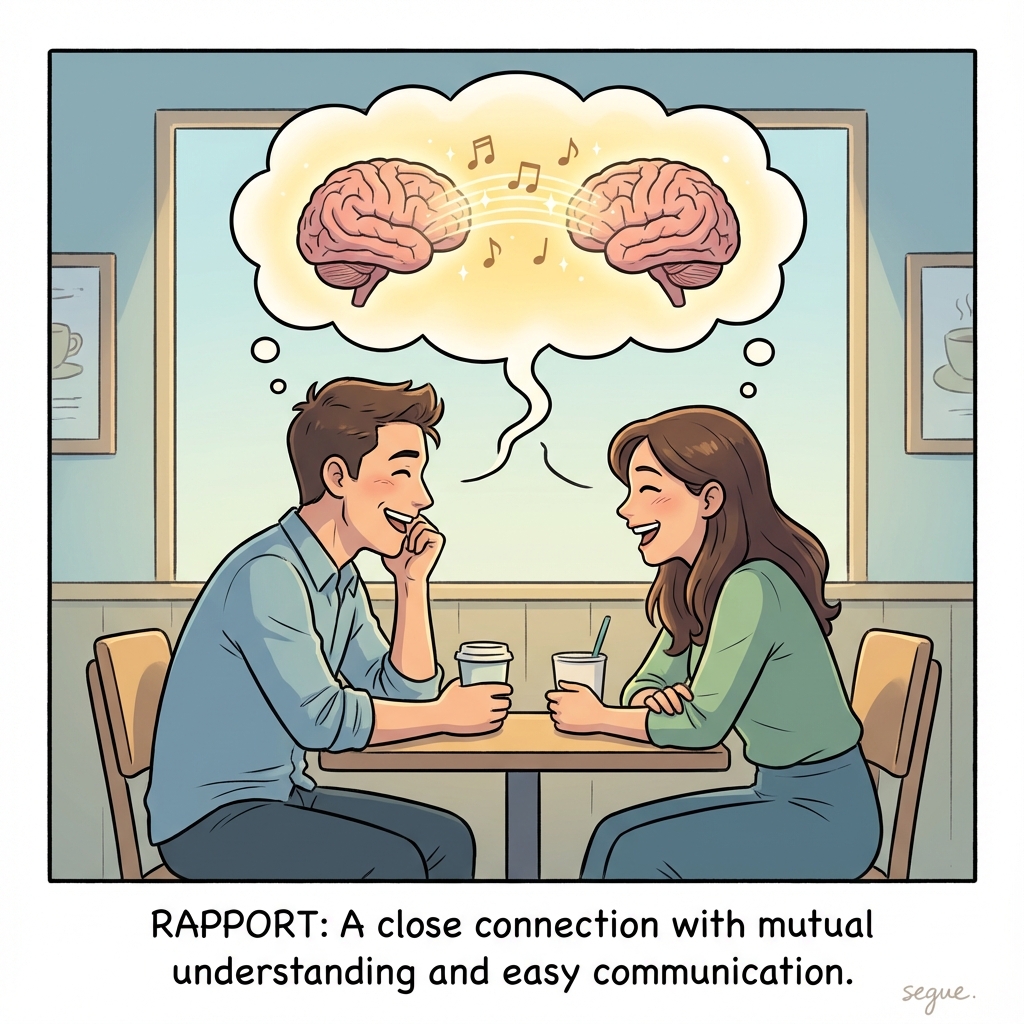
rapport
/ɹæˈpɔɹ/a harmonious, trusting connection between people
“They established rapport within minutes through shared interests.”
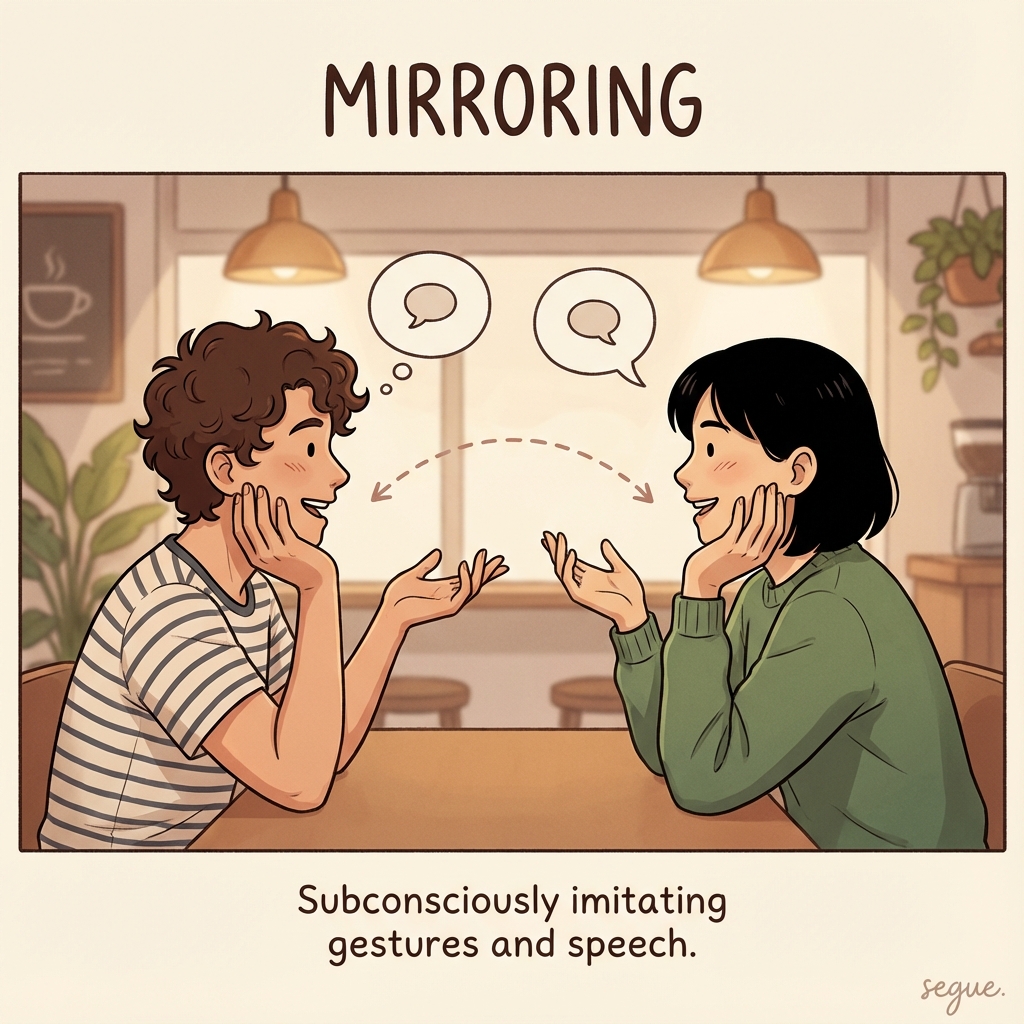
mirroring
/ˈmɪɹɝɪŋ/subtly matching another's body language to build connection
“Unconscious mirroring signals: I'm like you, you can trust me.”

saving face
/ˌseɪvɪŋ ˈfeɪs/helping someone maintain dignity in a difficult situation
“He offered her an out, allowing her to save face.”
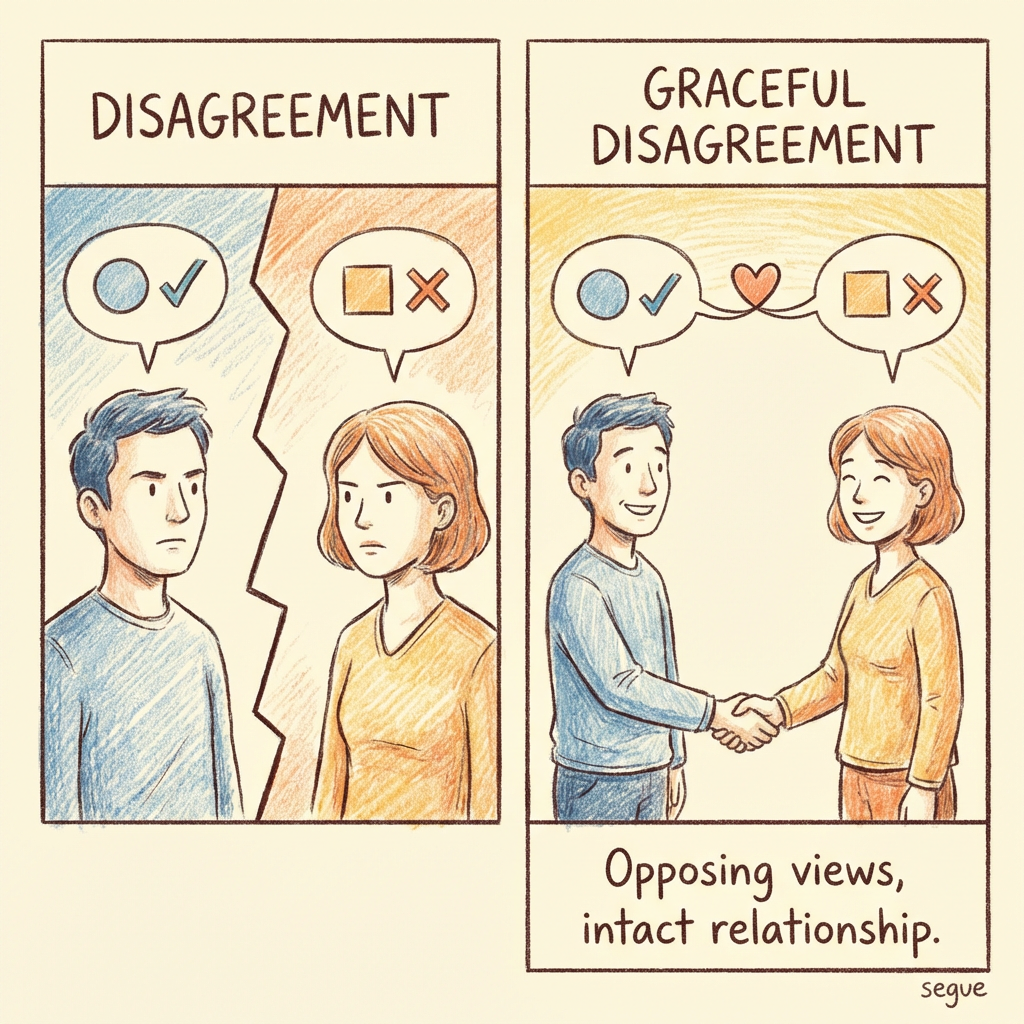
graceful disagreement
/ˌɡreɪsfəl dɪsəˈɡriːmənt/opposing a view without damaging the relationship
“I see it differently, but I understand why you'd think that.”
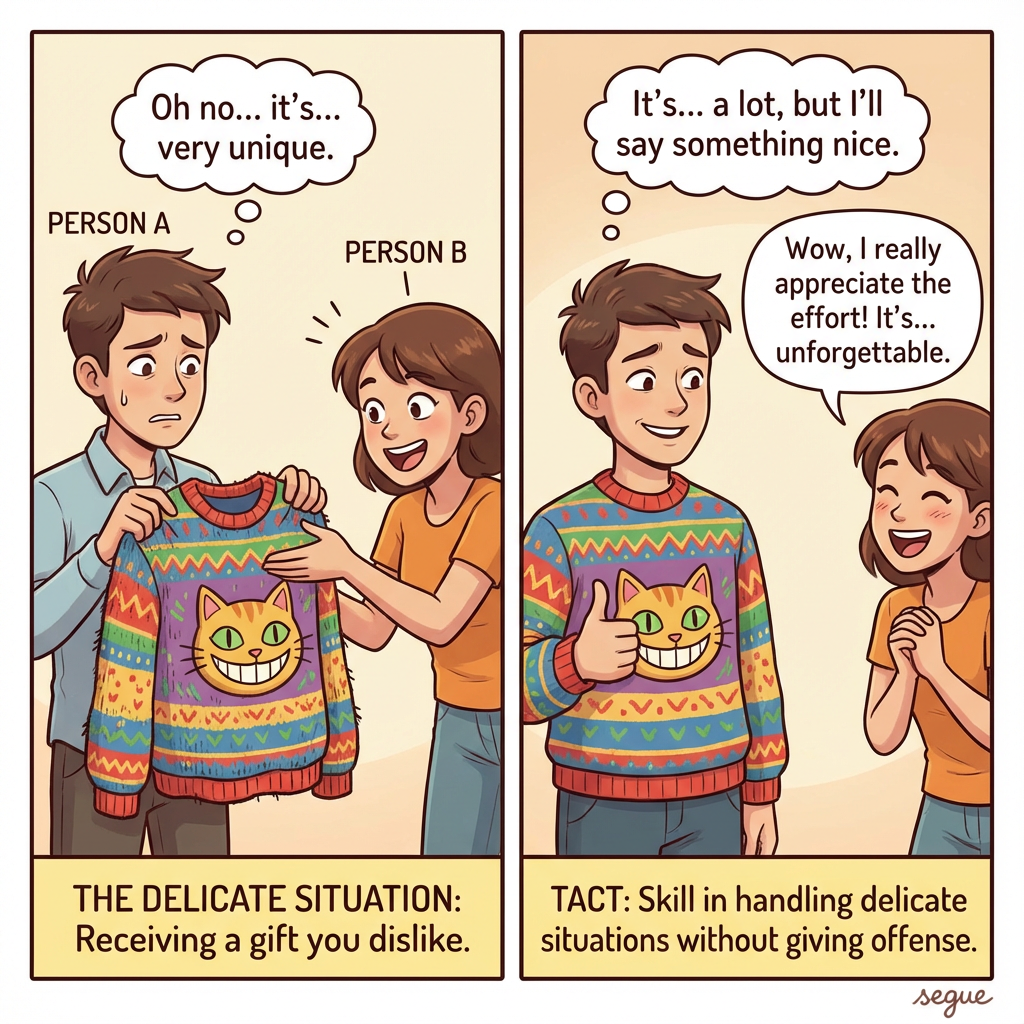
tact
/ˈtækt/skill in handling delicate situations without giving offense
“She delivered the bad news with such tact that he thanked her for it.”
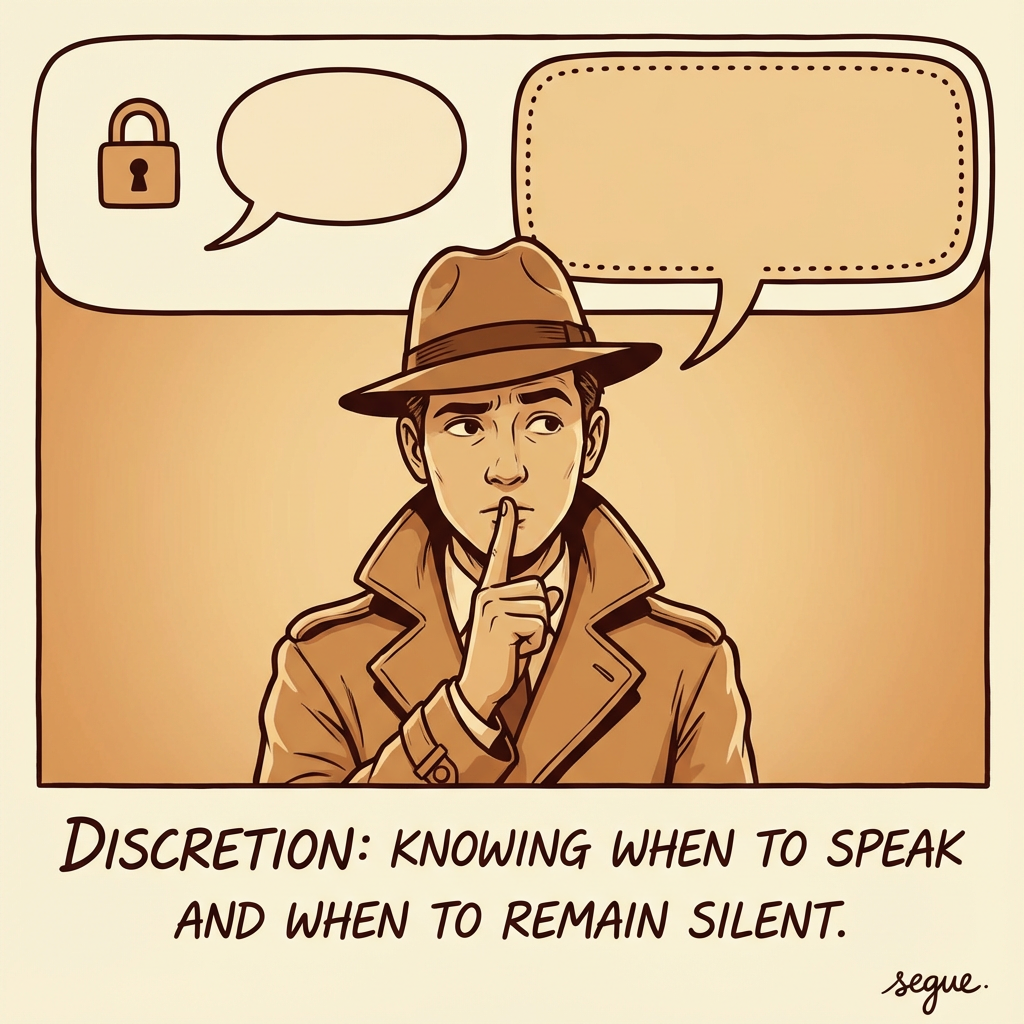
discretion
/dɪsˈkɹɛʃən/knowing when to speak and when to remain silent
“Discretion kept him from sharing what he knew.”
More from Communication
Explore other vocabulary categories in this collection.