Loading collection...
👥
Social Behaviors Vocabulary
Words about how people interact and behave in society
22 words
All 22 Words
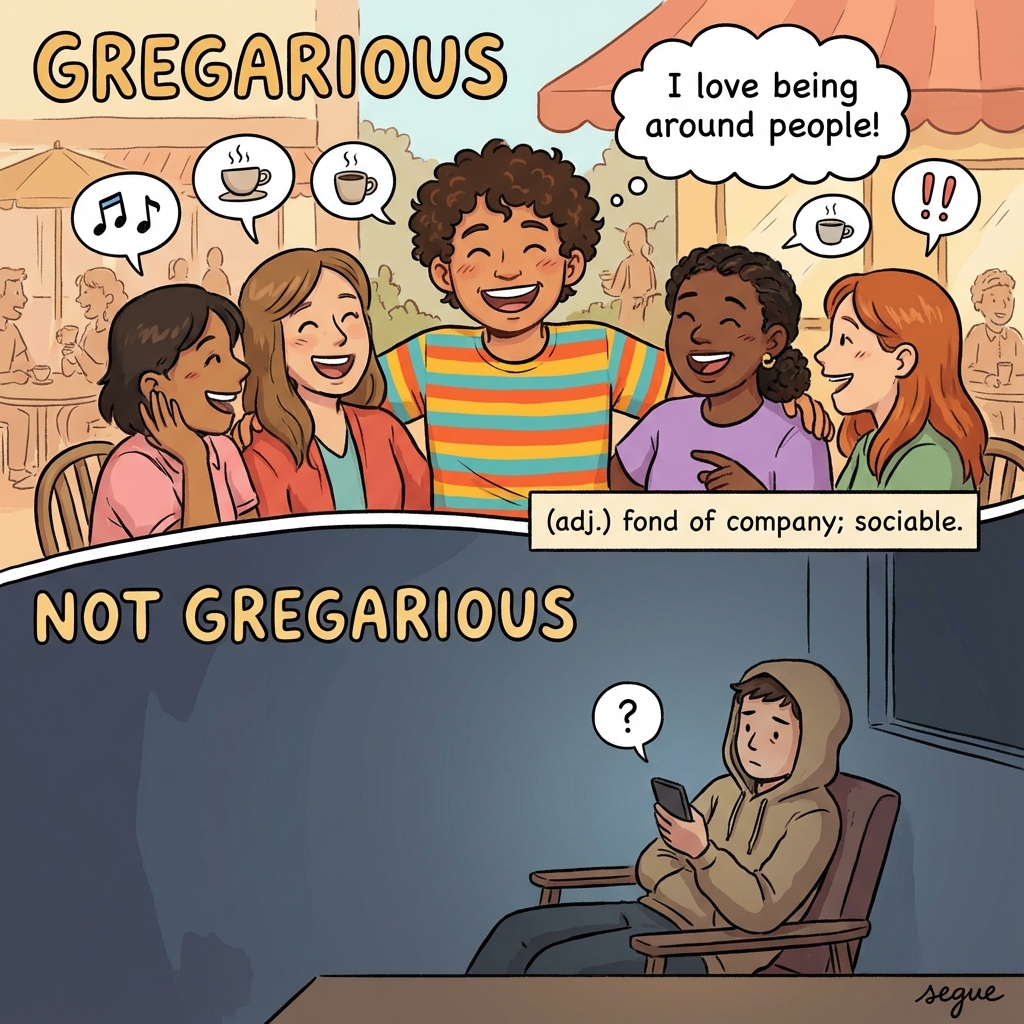
gregarious
/ɡɹəˈɡɛɹiəs/fond of company; sociable
“The gregarious host made everyone feel welcome at the party.”
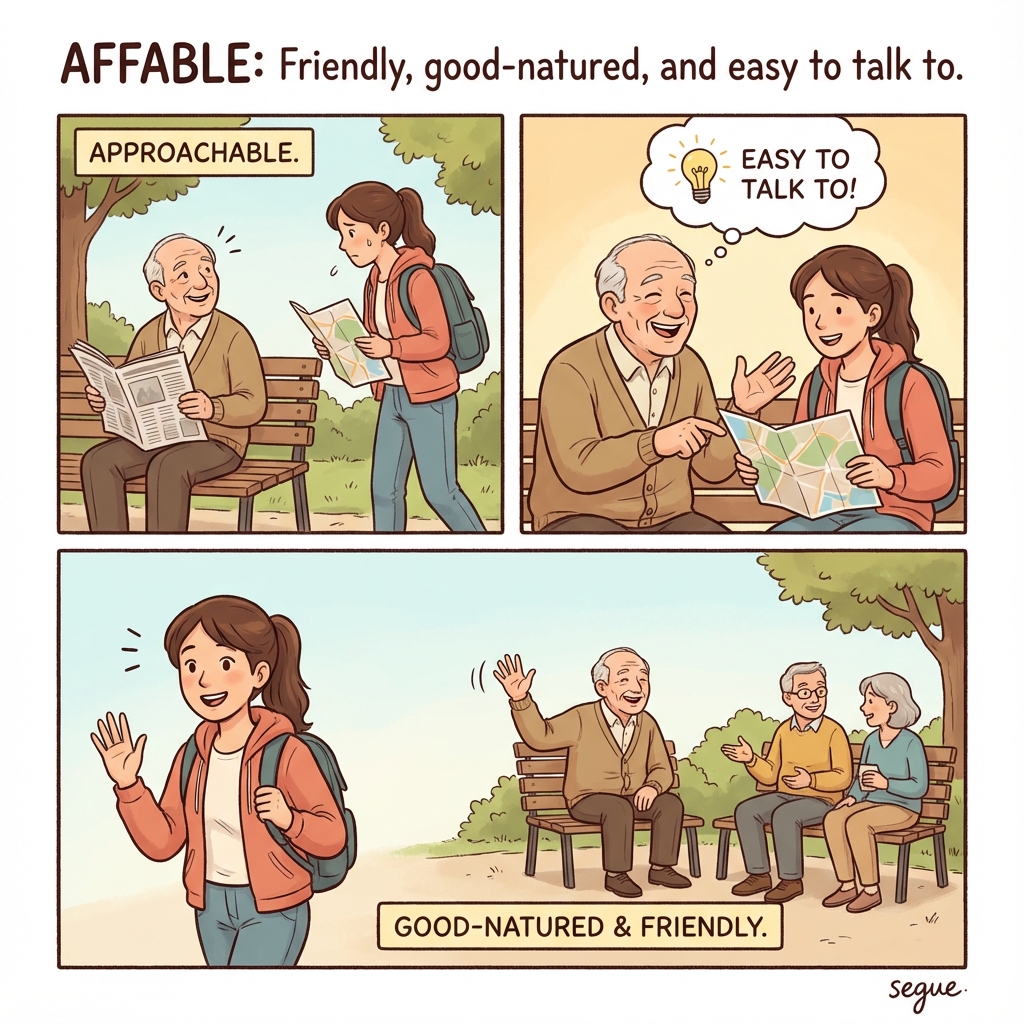
affable
/ˈæfəbəɫ/friendly, good-natured, and easy to talk to
“His affable manner put nervous interviewees at ease.”

convivial
/kənˈvɪviəɫ/friendly, lively, and enjoyable; fond of feasting
“The convivial atmosphere made the dinner party a success.”
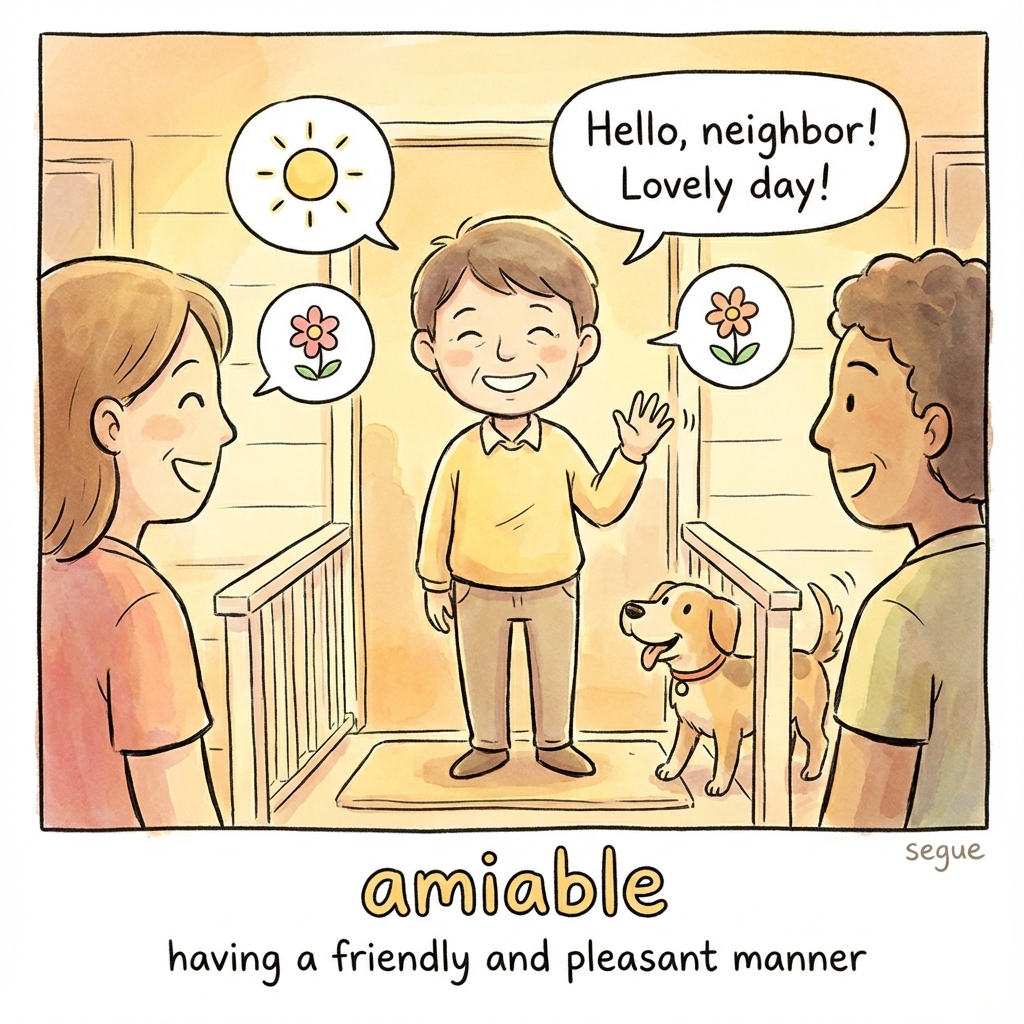
amiable
/ˈeɪmiəbəɫ/having a friendly and pleasant manner
“She was amiable and got along with everyone.”
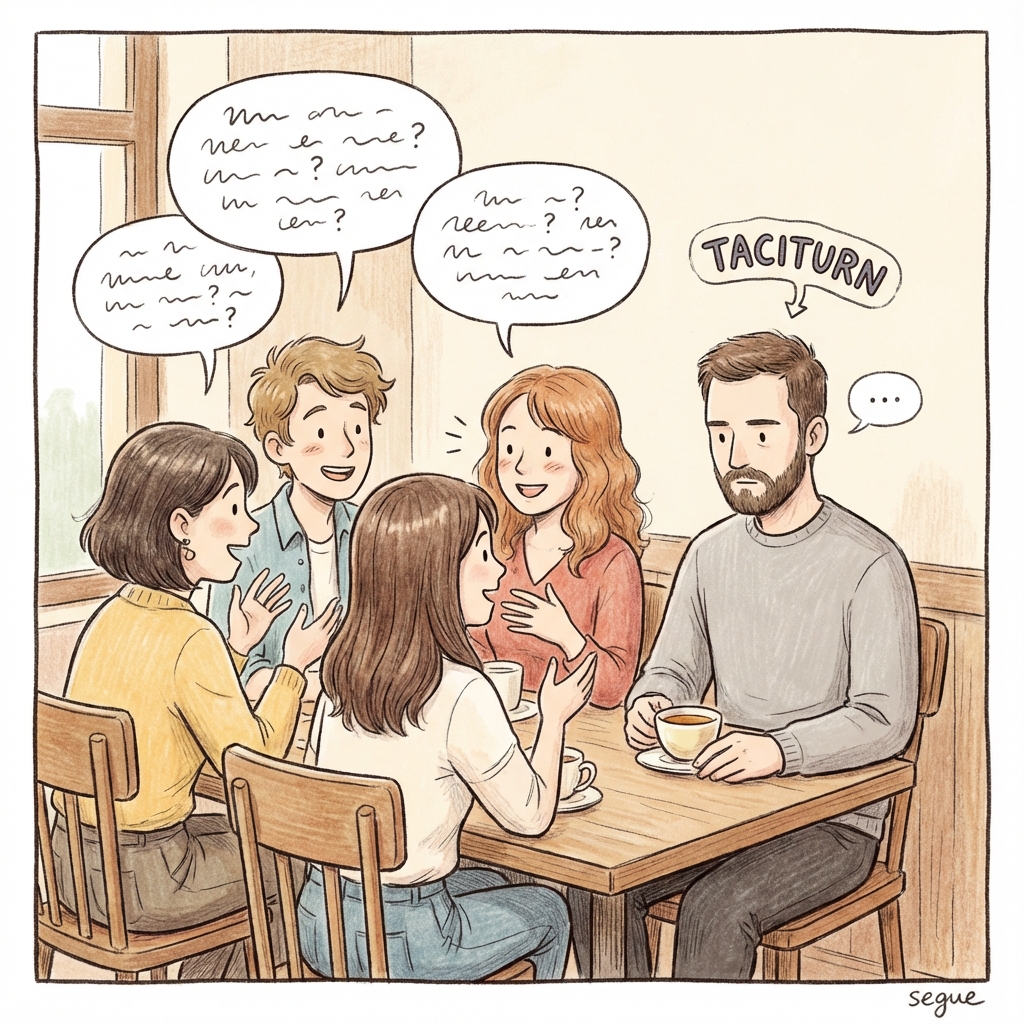
taciturn
/ˈtæsɪˌtɝn/reserved or uncommunicative; saying little
“The taciturn stranger sat alone at the bar.”
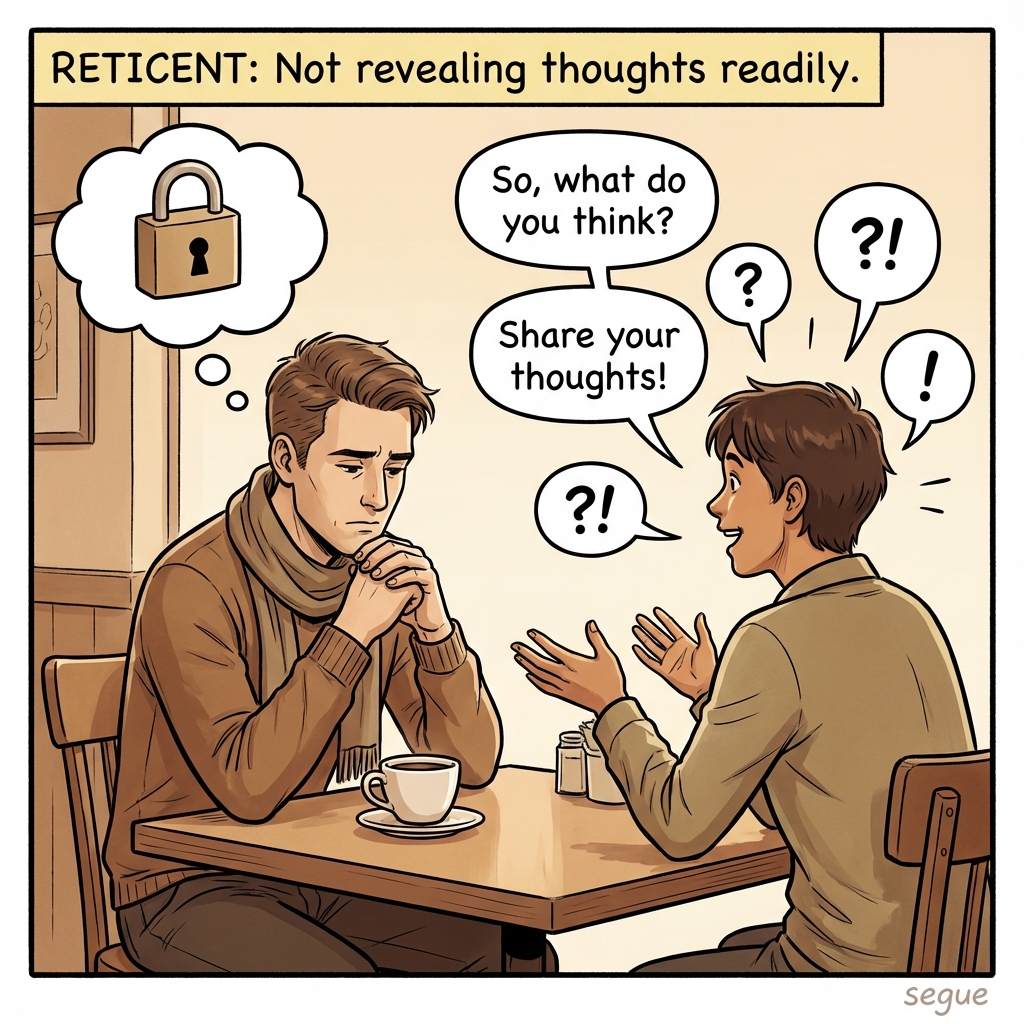
reticent
/ˈɹɛtɪsənt/not revealing one's thoughts or feelings readily
“He was reticent about discussing his past.”
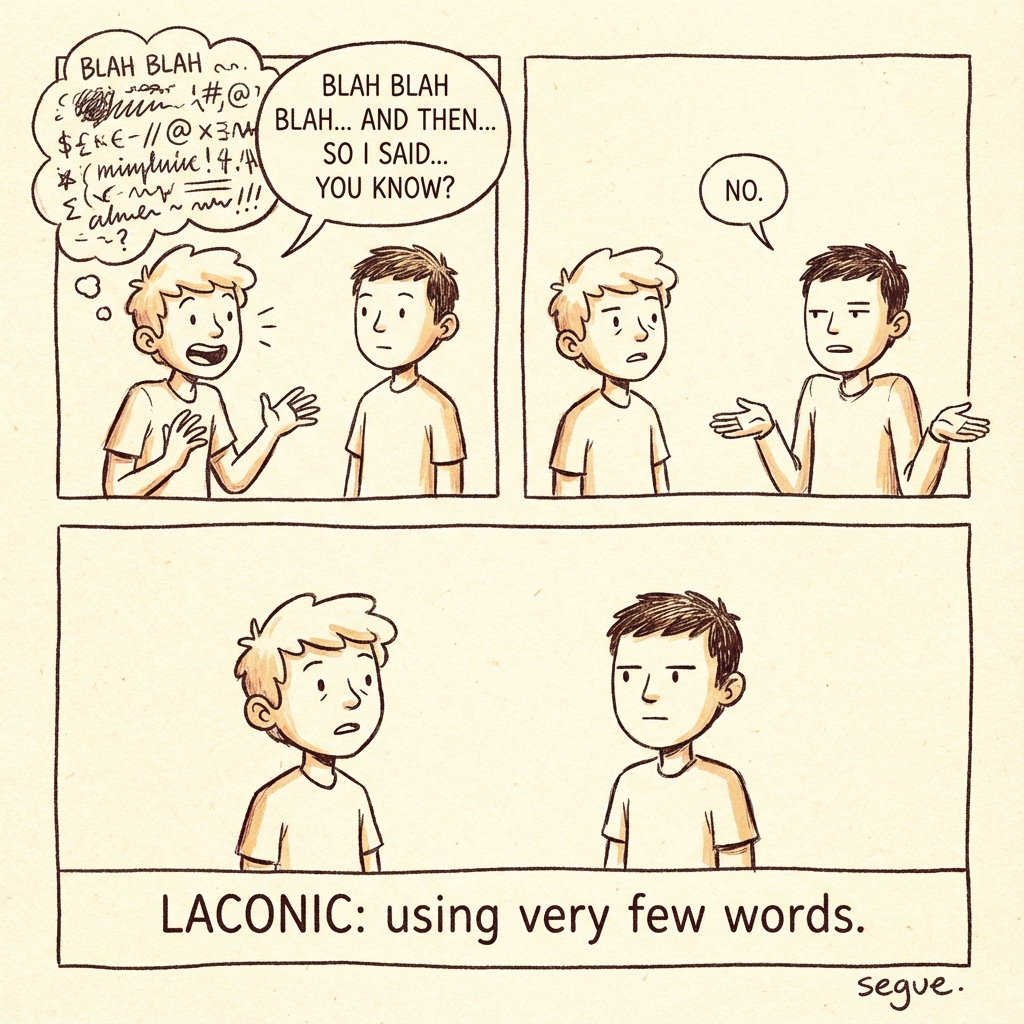
laconic
/ɫɑˈkɑnɪk/using very few words; brief and concise
“Her laconic reply gave nothing away.”

loquacious
/ɫoʊˈkweɪʃəs/tending to talk a great deal; talkative
“The loquacious guest dominated every conversation.”
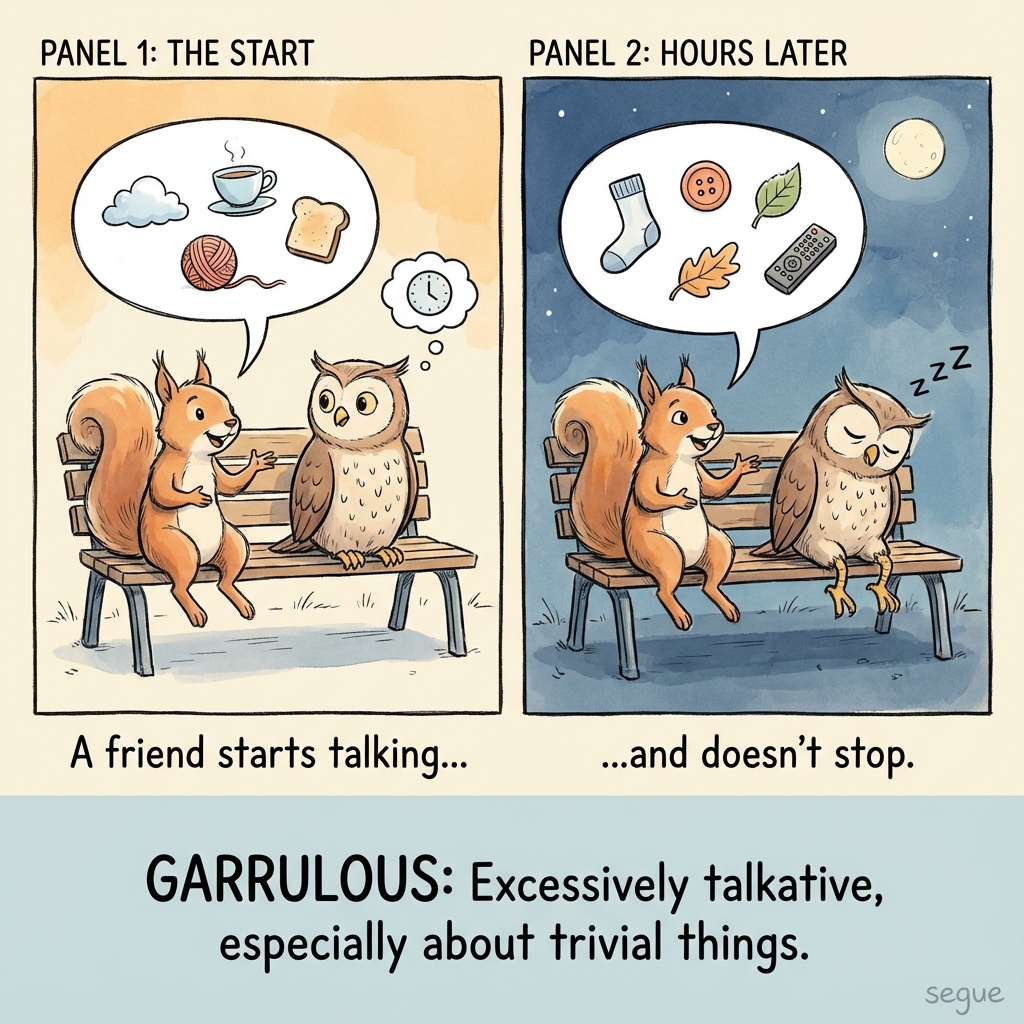
garrulous
/ˈɡɛɹəɫəs/excessively talkative, especially on trivial matters
“The garrulous neighbor chatted for hours about nothing.”
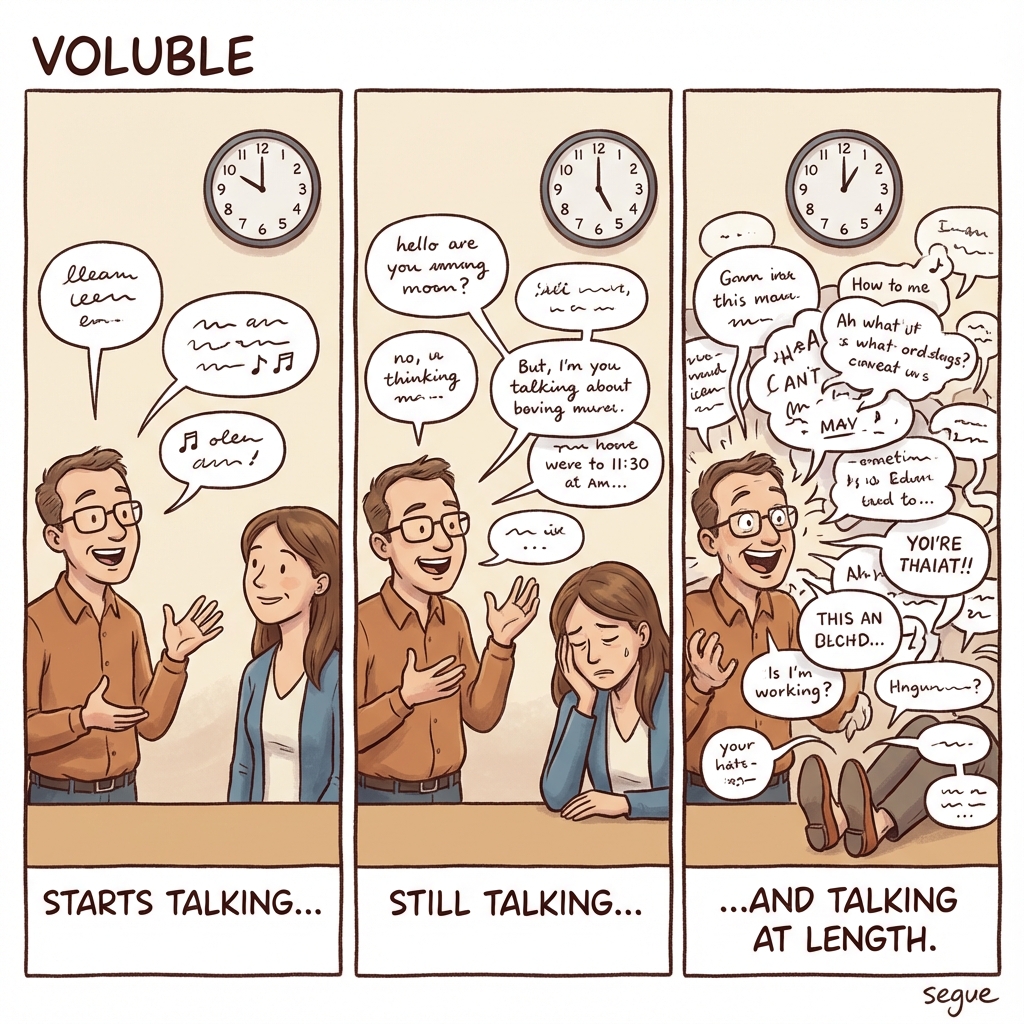
voluble
/ˈvɑɫjəbəɫ/speaking fluently and at length
“She became voluble when discussing her favorite subject.”
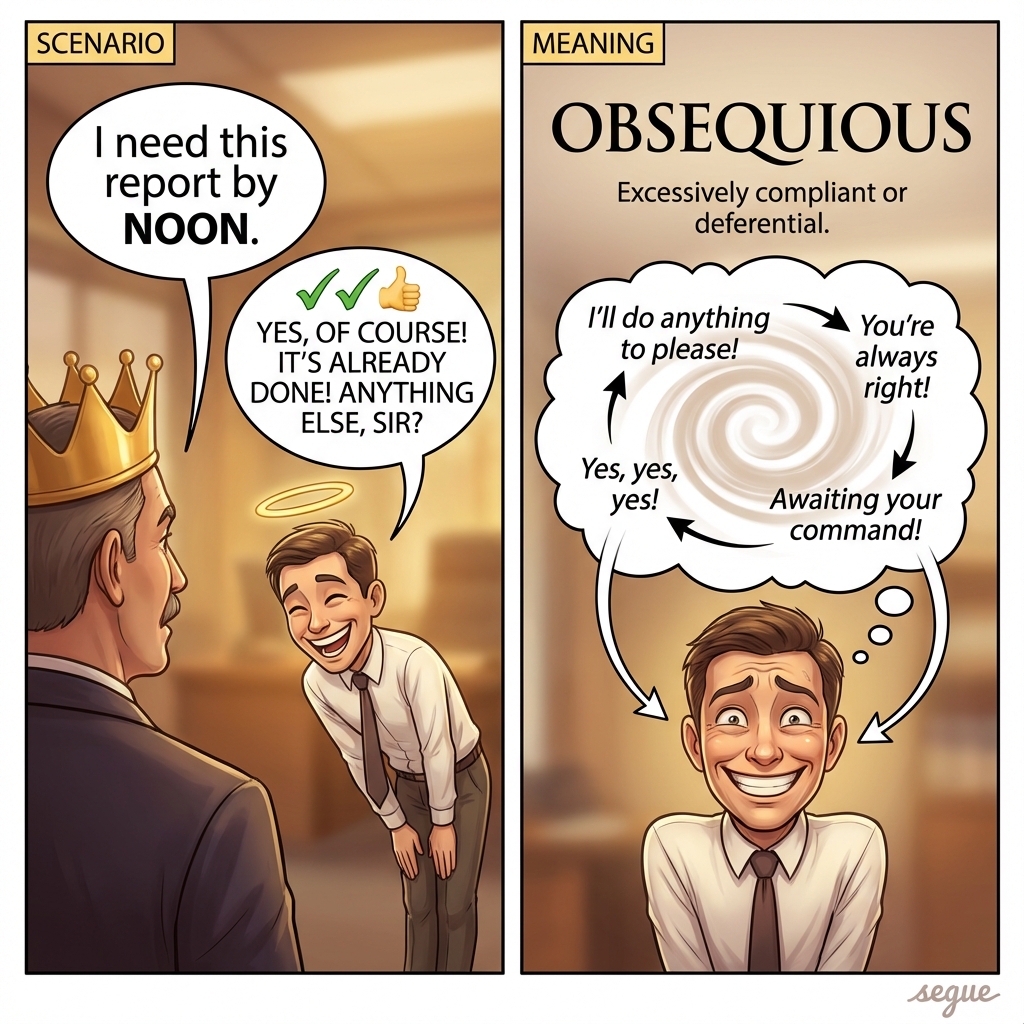
obsequious
/əbˈsikwiəs/excessively compliant or deferential
“His obsequious behavior around the boss was embarrassing.”

servile
/ˈsɝvəɫ/excessively willing to serve or please others
“The servile attitude was demeaning to watch.”
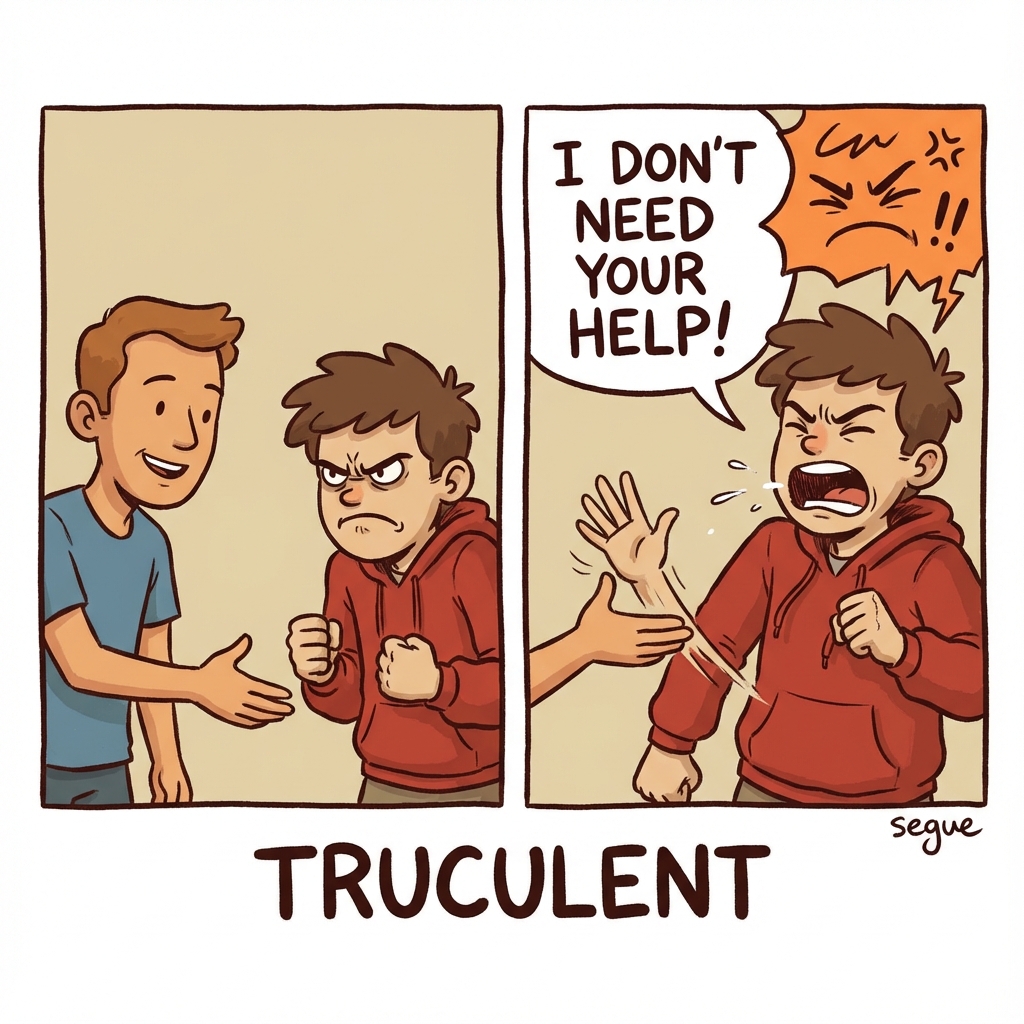
truculent
/ˈtɹəkjəɫənt/eager or quick to argue or fight; aggressively defiant
“His truculent manner alienated potential allies.”
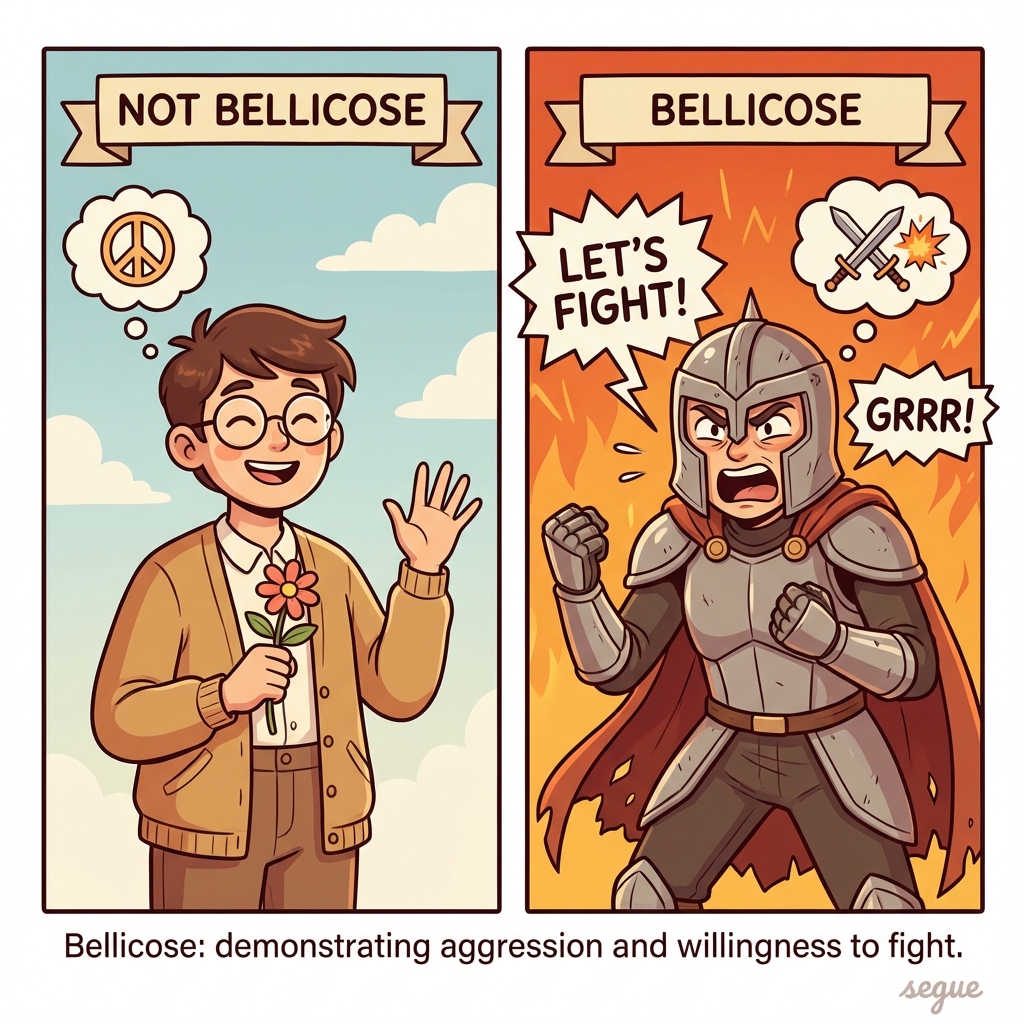
bellicose
/ˈbɛɫəˌkoʊs/demonstrating aggression and willingness to fight
“The bellicose rhetoric raised fears of conflict.”
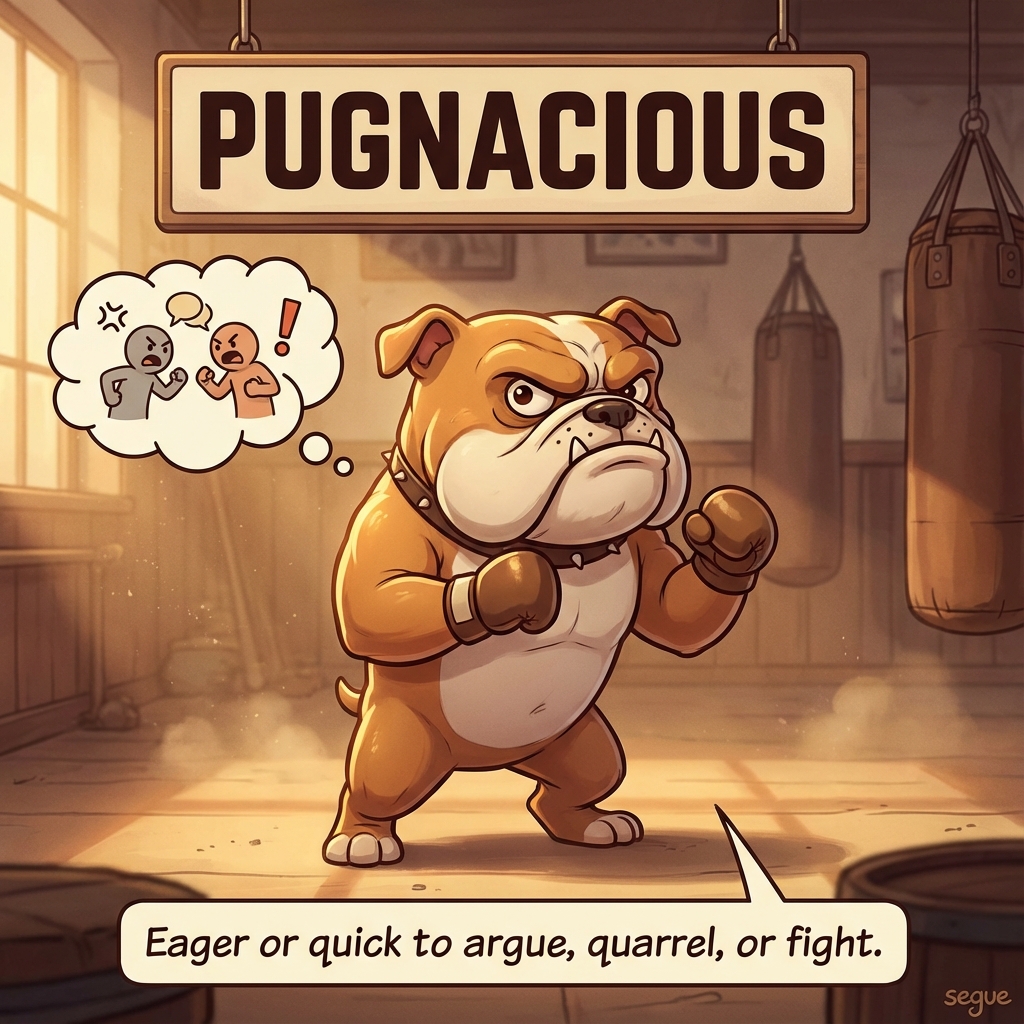
pugnacious
/pəɡˈnæʃɪs/eager or quick to argue, quarrel, or fight
“The pugnacious debater never backed down from a challenge.”
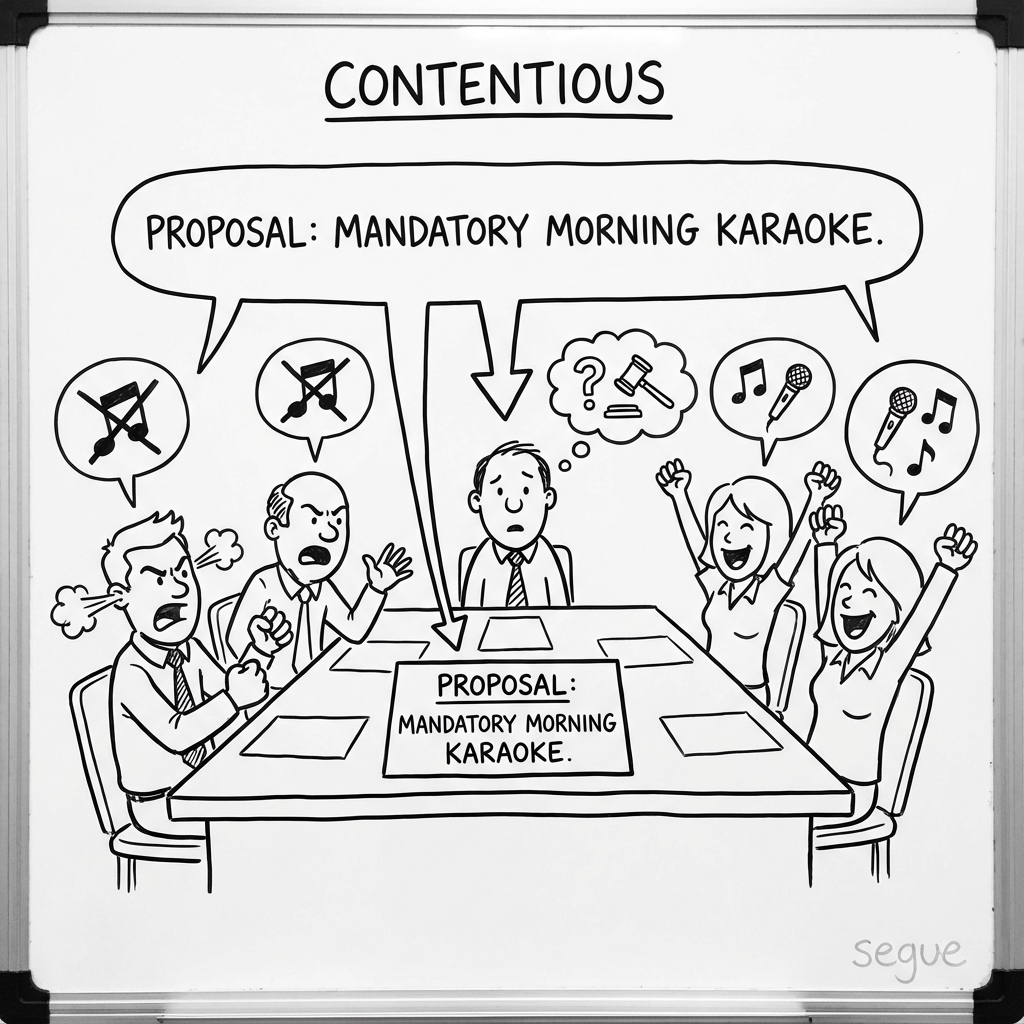
contentious
/kənˈtɛnʃəs/causing or likely to cause disagreement or argument
“The contentious issue divided the community.”
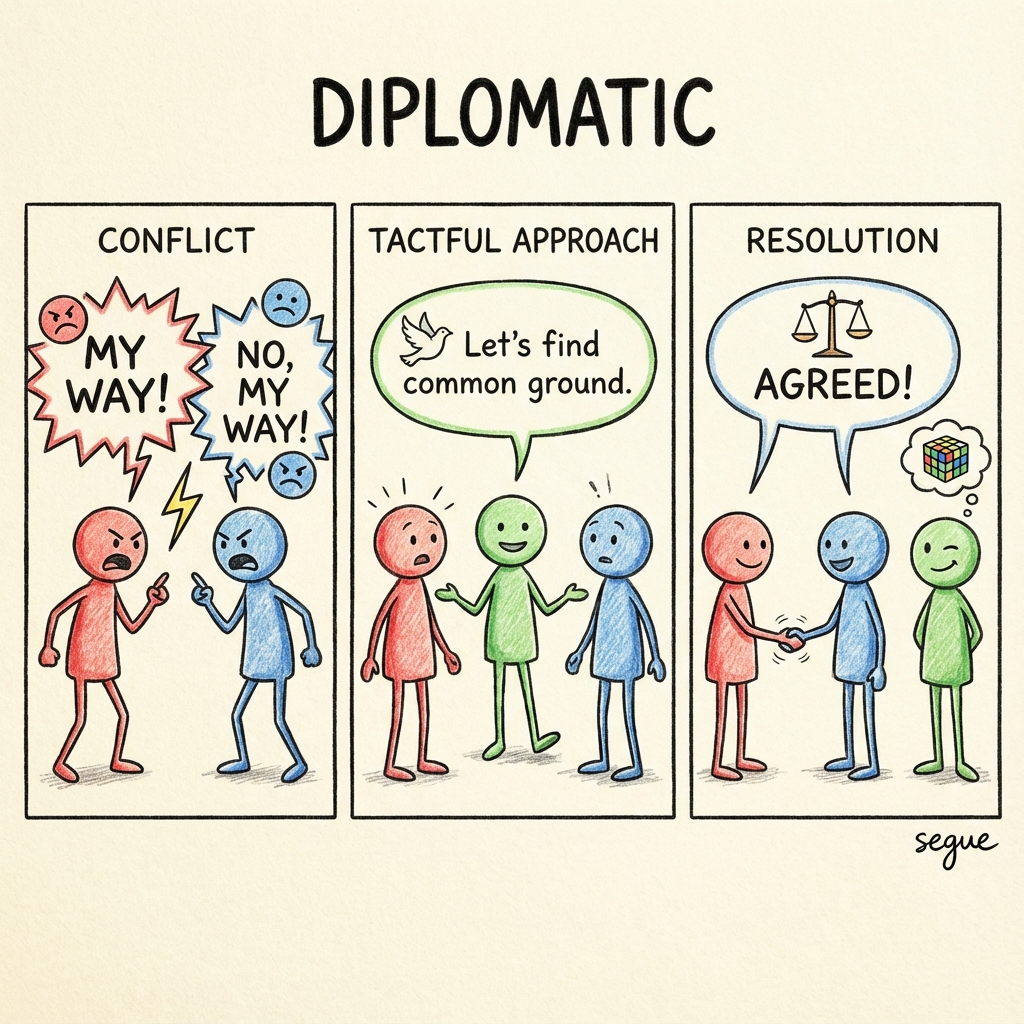
diplomatic
/ˌdɪpɫəˈmætɪk/skilled in dealing with sensitive matters tactfully
“Her diplomatic approach resolved the conflict peacefully.”

magnanimous
/mæɡˈnænəməs/generous or forgiving, especially toward a rival
“The magnanimous winner praised his opponent's effort.”
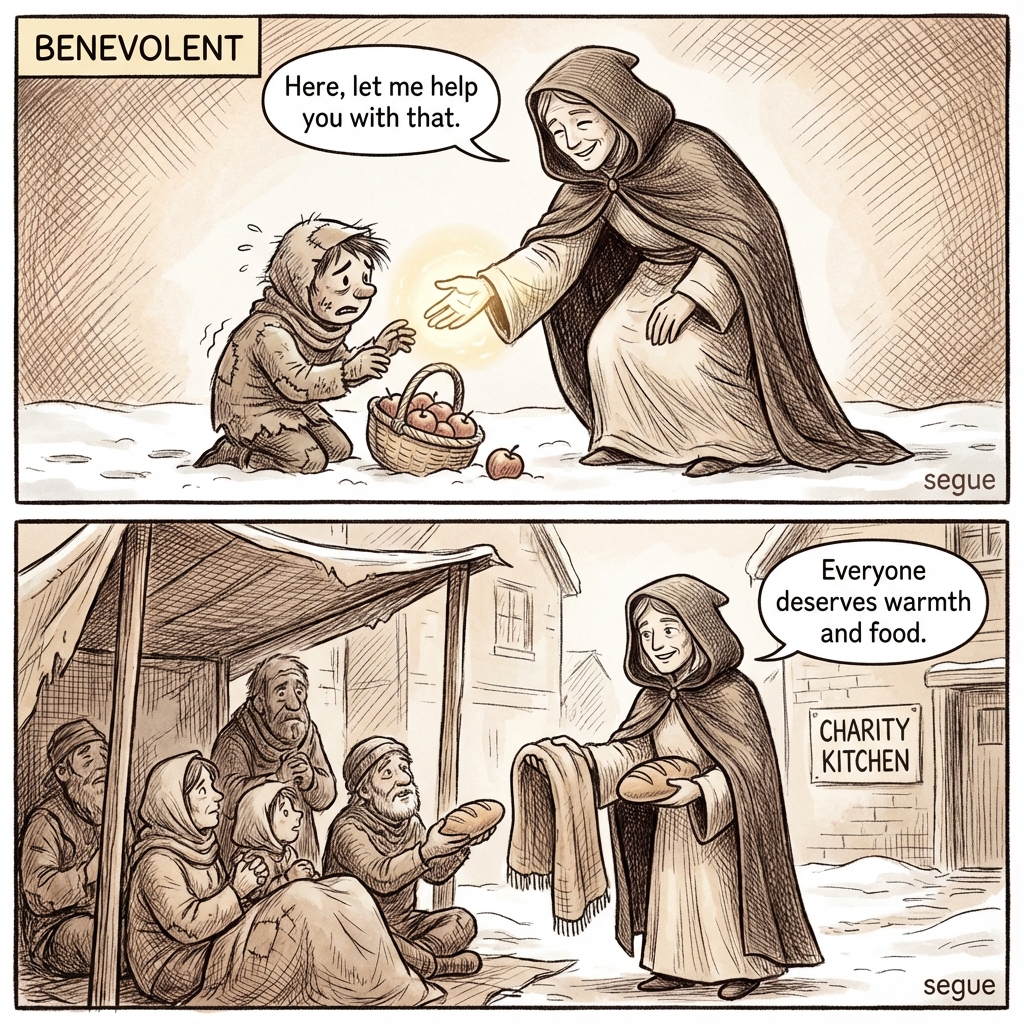
benevolent
/bəˈnɛvəɫənt/well-meaning and kindly; charitable
“The benevolent organization provided food to thousands.”

malevolent
/məˈɫɛvəɫənt/having or showing a wish to do evil to others
“The malevolent villain plotted the hero's downfall.”
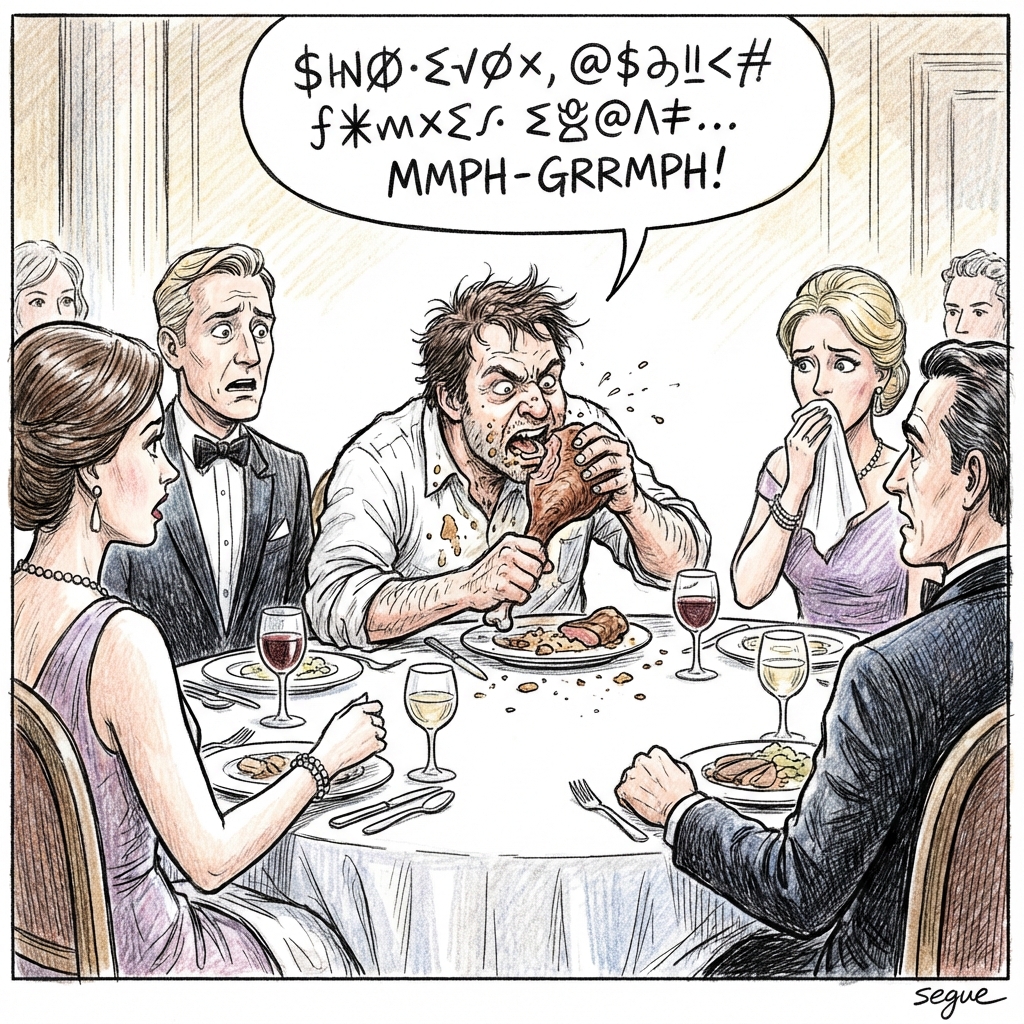
uncouth
/ˈənˈkuθ/lacking good manners, refinement, or grace
“His uncouth behavior at the dinner table shocked the guests.”

refined
/ɹəˈfaɪnd/elegant and cultured in appearance, manner, or taste
“Her refined taste was evident in her beautifully decorated home.”
More from Social & Moral
Explore other vocabulary categories in this collection.