Loading collection...
🔭
Scope & Boundaries Vocabulary
Words for defining extent, limits, and parameters
18 words
All 18 Words
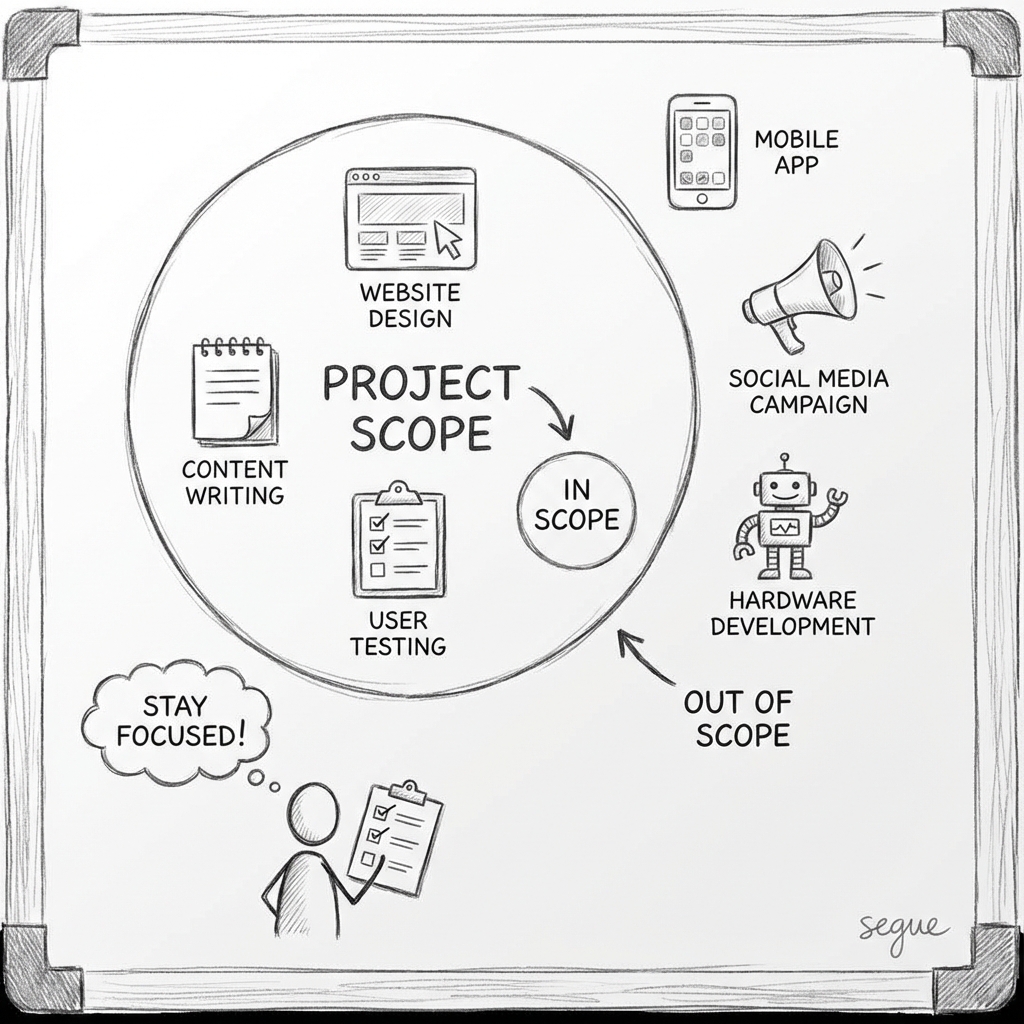
scope
/ˈskoʊp/the extent of the area or subject matter that something deals with
“What is the scope of this analysis?”
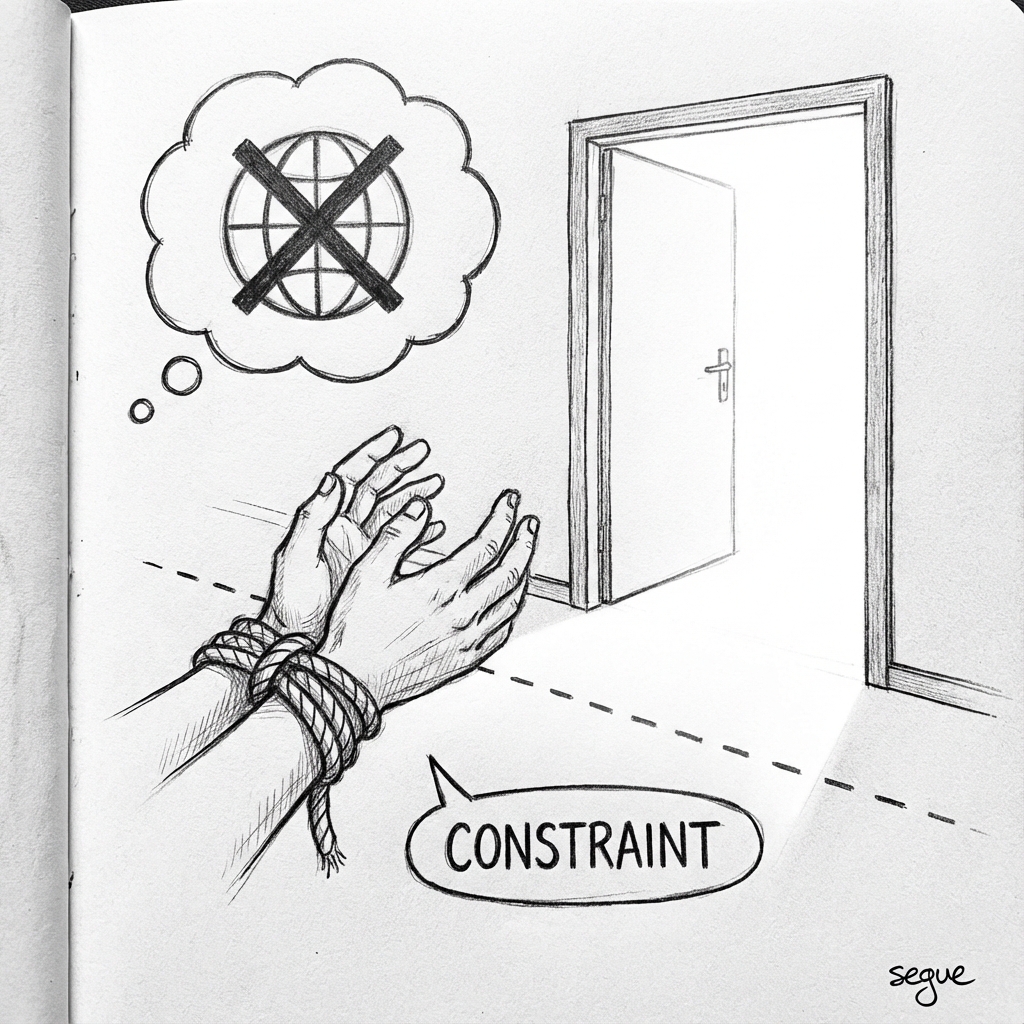
constraint
/kənˈstɹeɪnt/a limitation or restriction on what can be done
“Time and budget are our main constraints.”
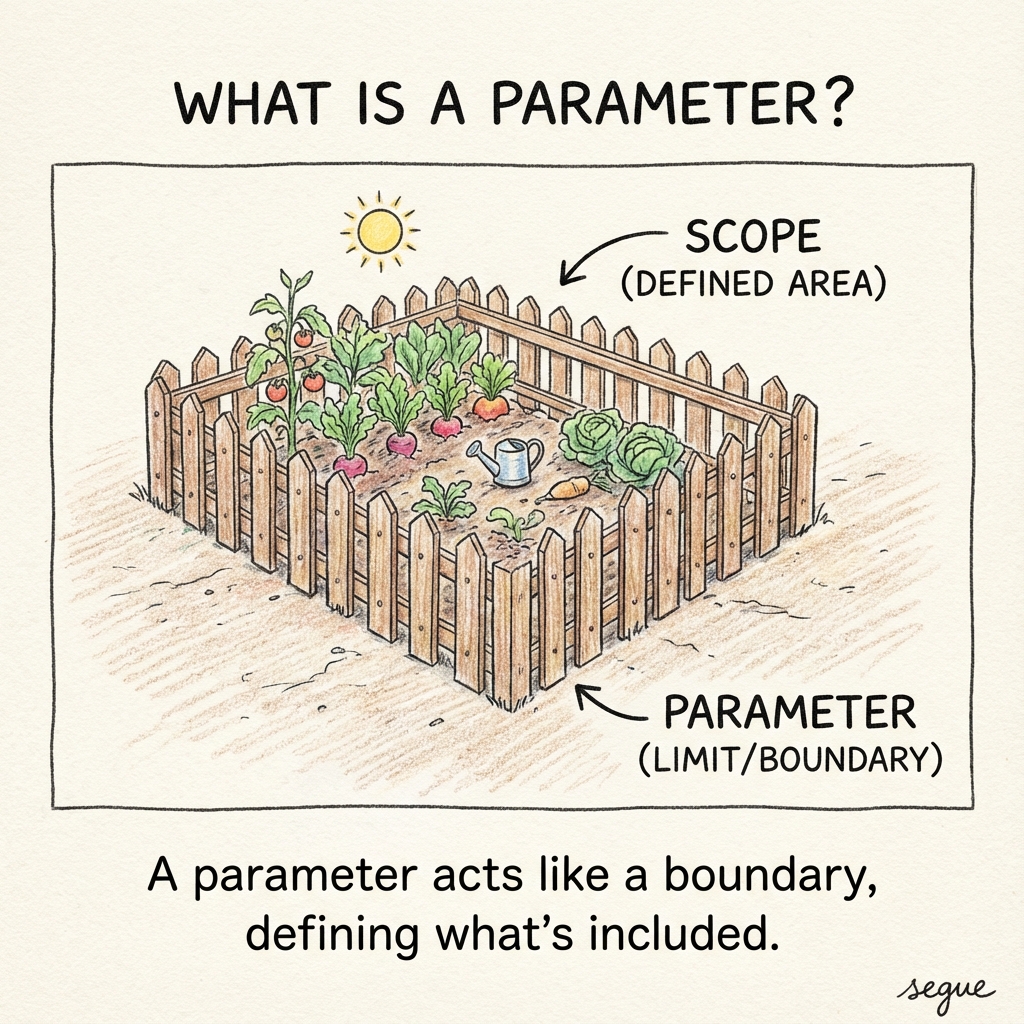
parameter
/pɝˈæmətɝ/a limit or boundary that defines the scope of something
“Work within these parameters to ensure consistency.”
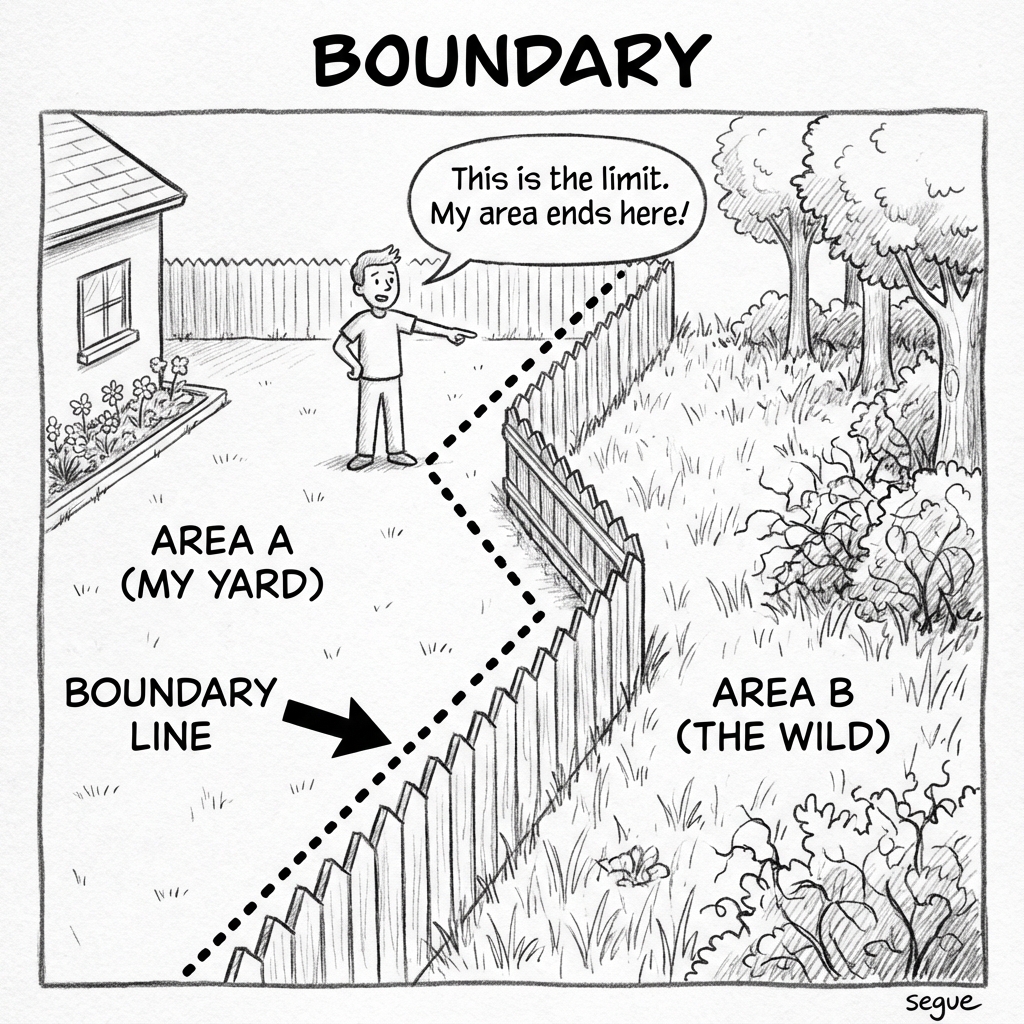
boundary
/ˈbaʊndɝi/a line that marks the limits of an area; a dividing line
“We need clear boundaries between what's included and excluded.”

limitation
/ˌɫɪmɪˈteɪʃən/a restriction or constraint; a shortcoming
“Acknowledge the limitations of this approach.”
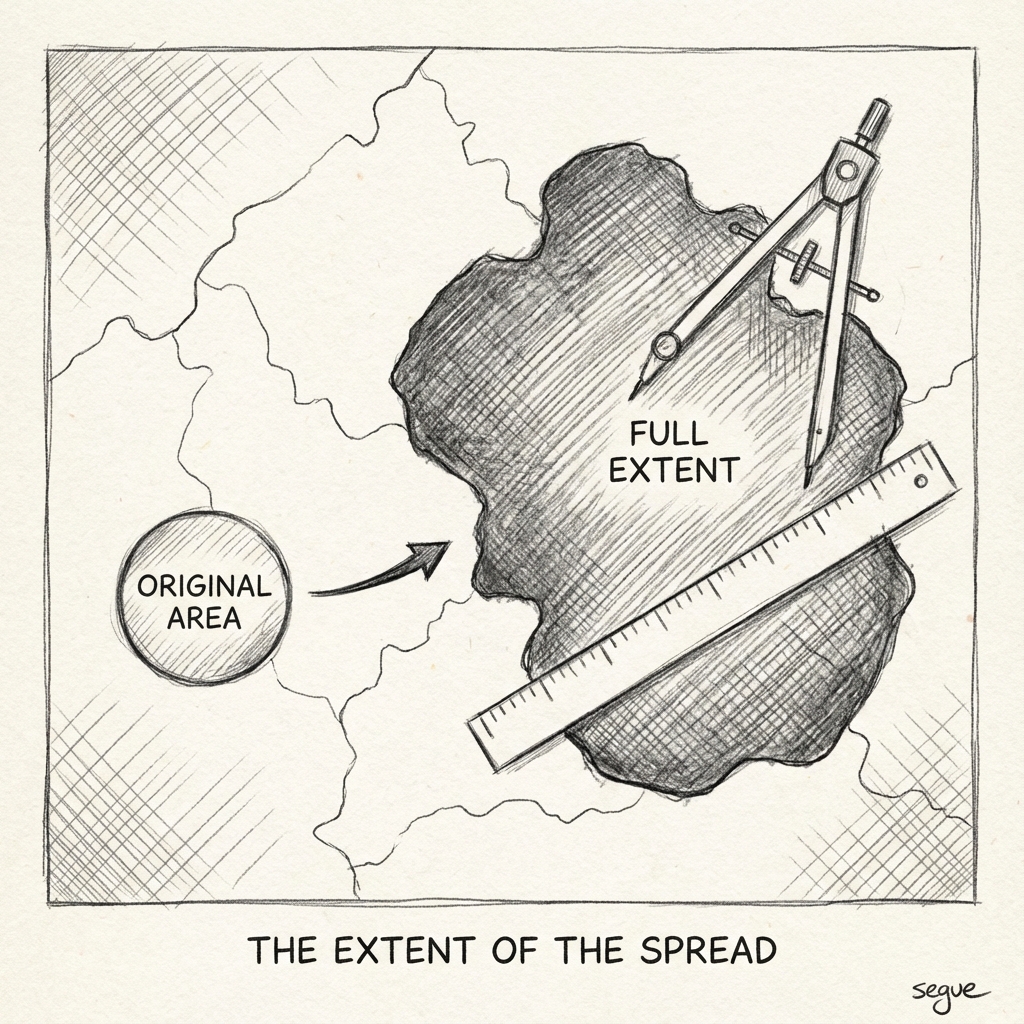
extent
/ɪkˈstɛnt/the area covered or the degree to which something applies
“To what extent does this apply to our situation?”
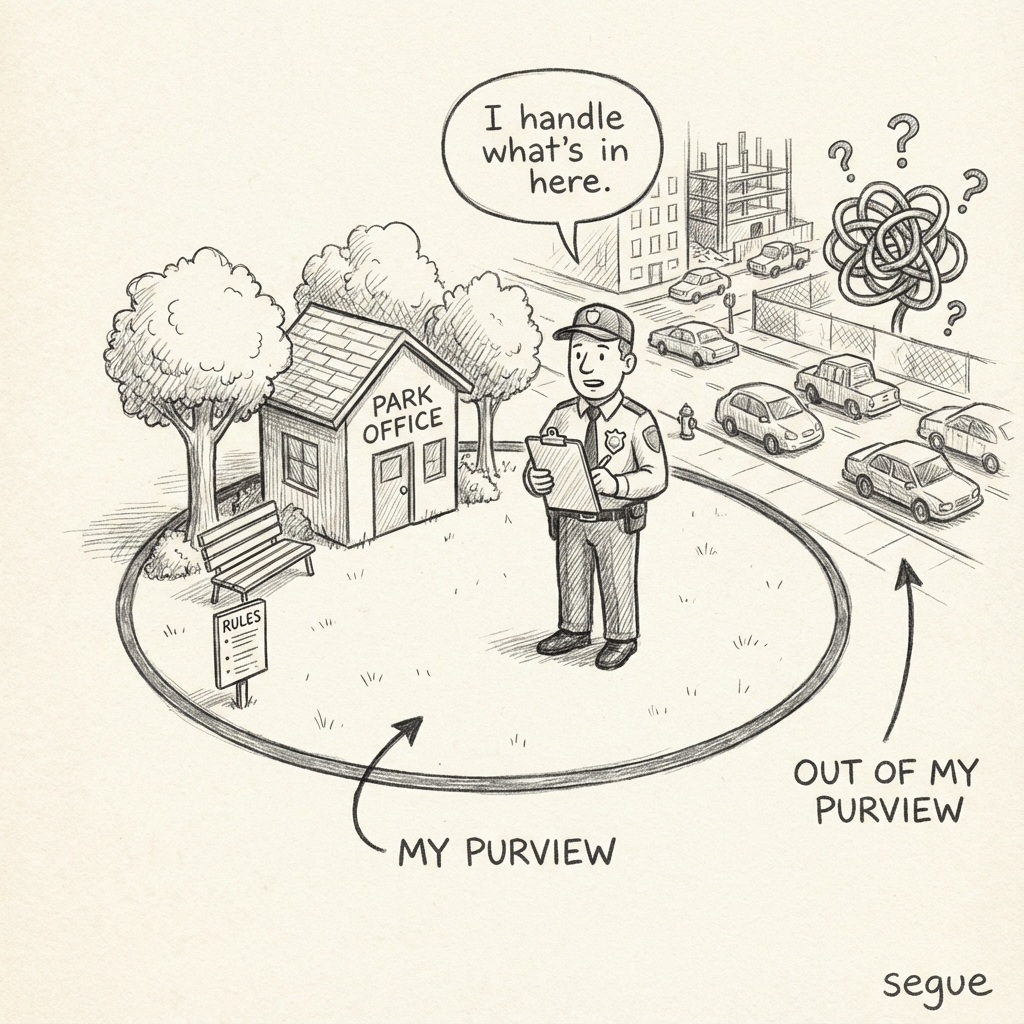
purview
/ˈpɝvˌju/the scope of the influence or concerns of something
“That decision falls outside my purview.”
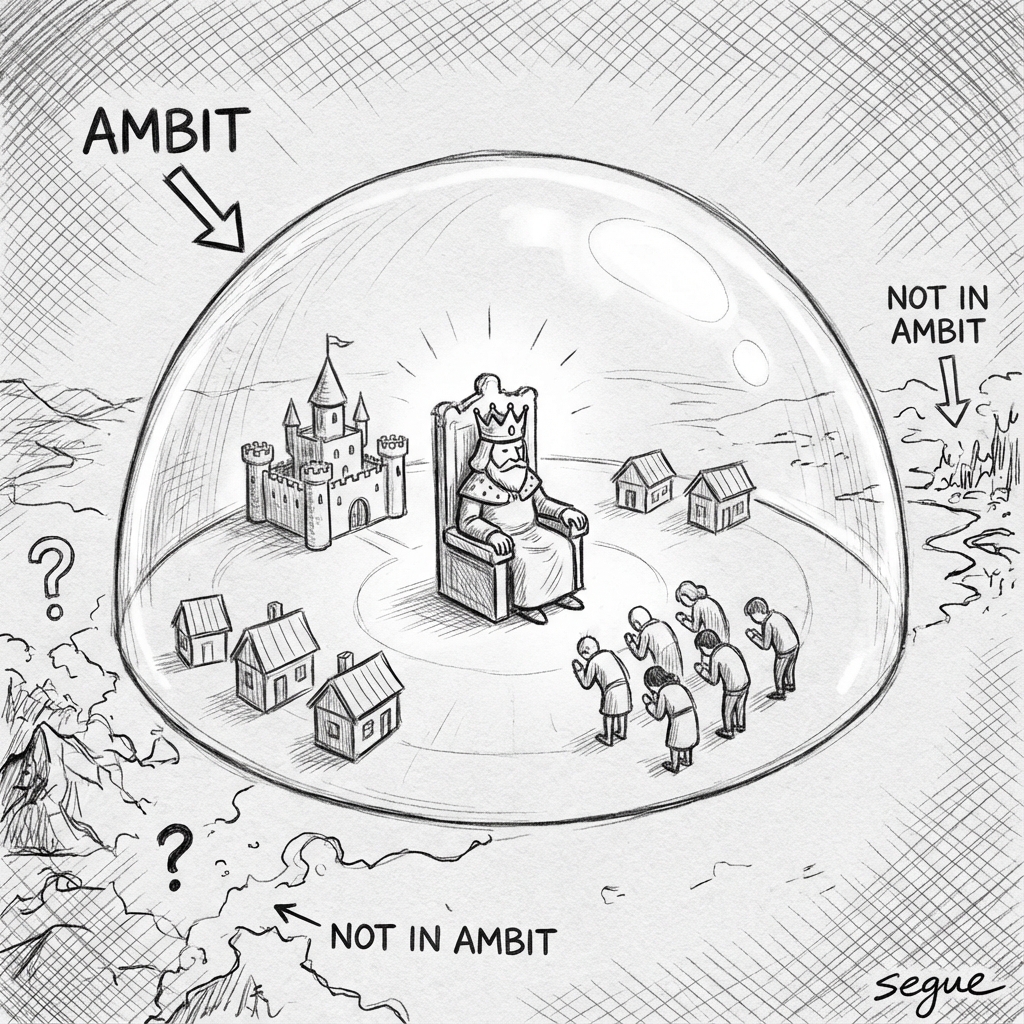
ambit
/ˈæmbɪt/the scope, extent, or bounds of something
“The investigation's ambit expanded beyond initial expectations.”

circumscribe
/ˌsɝkəmsˈkɹaɪb/to restrict or limit within boundaries
“The project scope was carefully circumscribed to prevent overreach.”
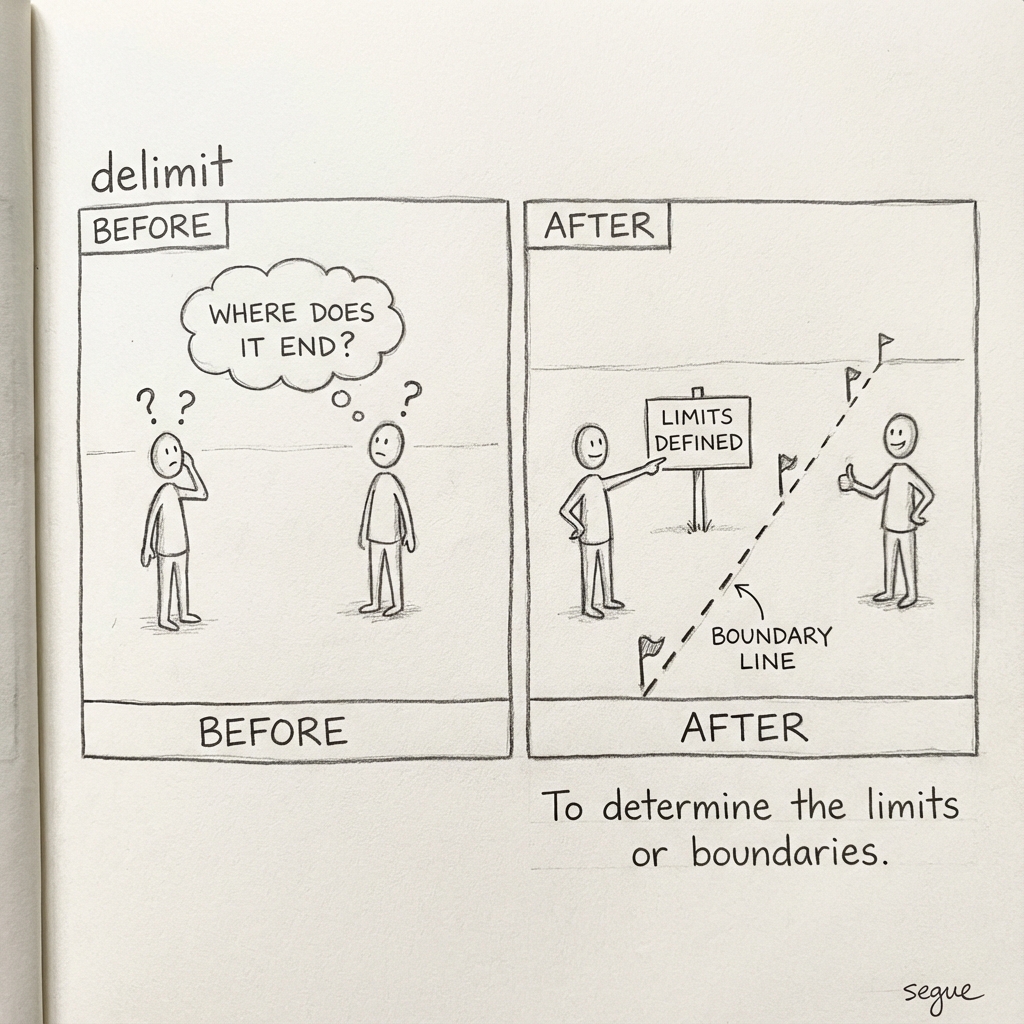
delimit
/dɪˈlɪmɪt/to determine the limits or boundaries of
“Delimit the problem space before proposing solutions.”

demarcate
/ˈdiːmɑːrkeɪt/to set the boundaries or limits of
“Demarcate responsibilities clearly among team members.”

confine
/kənˈfaɪn/to keep or restrict within certain limits
“Confine your response to the specific question asked.”
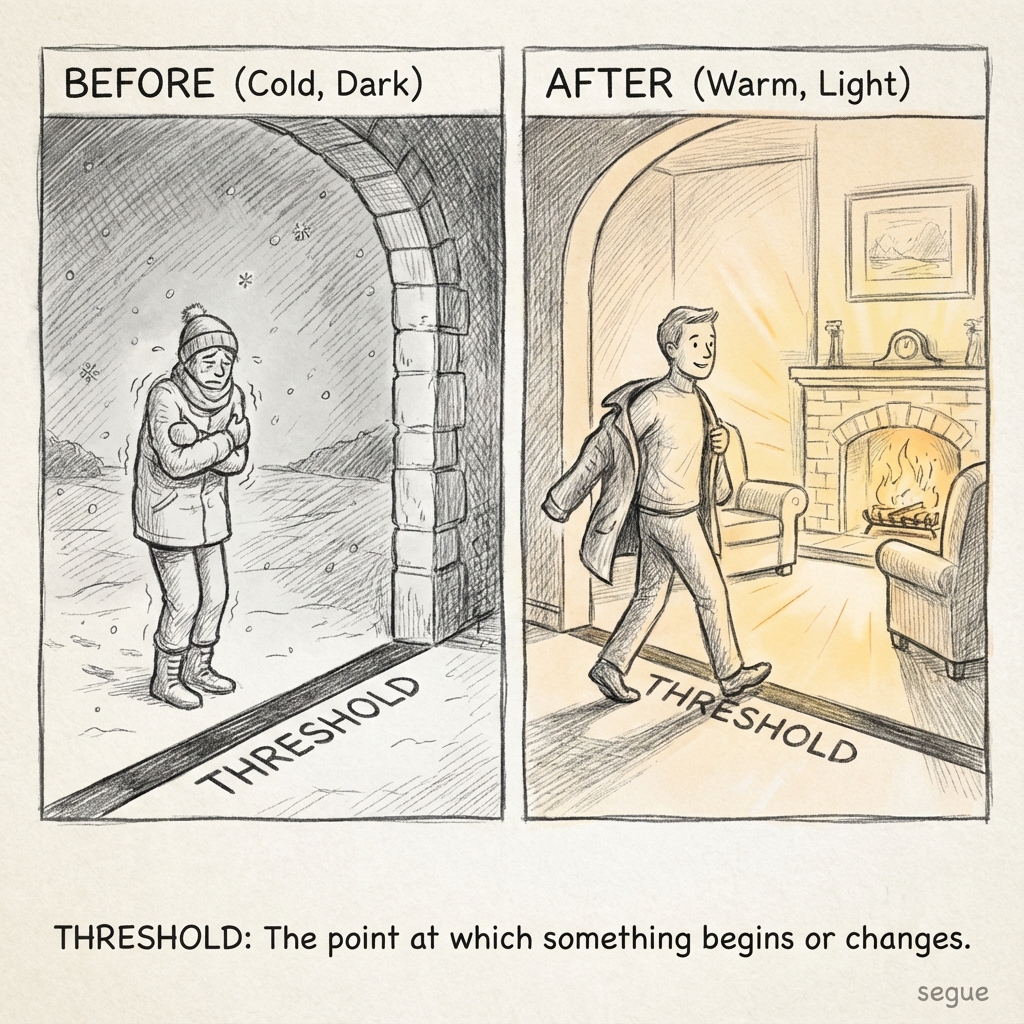
threshold
/ˈθɹɛˌʃoʊɫd/the point at which something begins or changes
“What's the threshold for escalating this issue?”
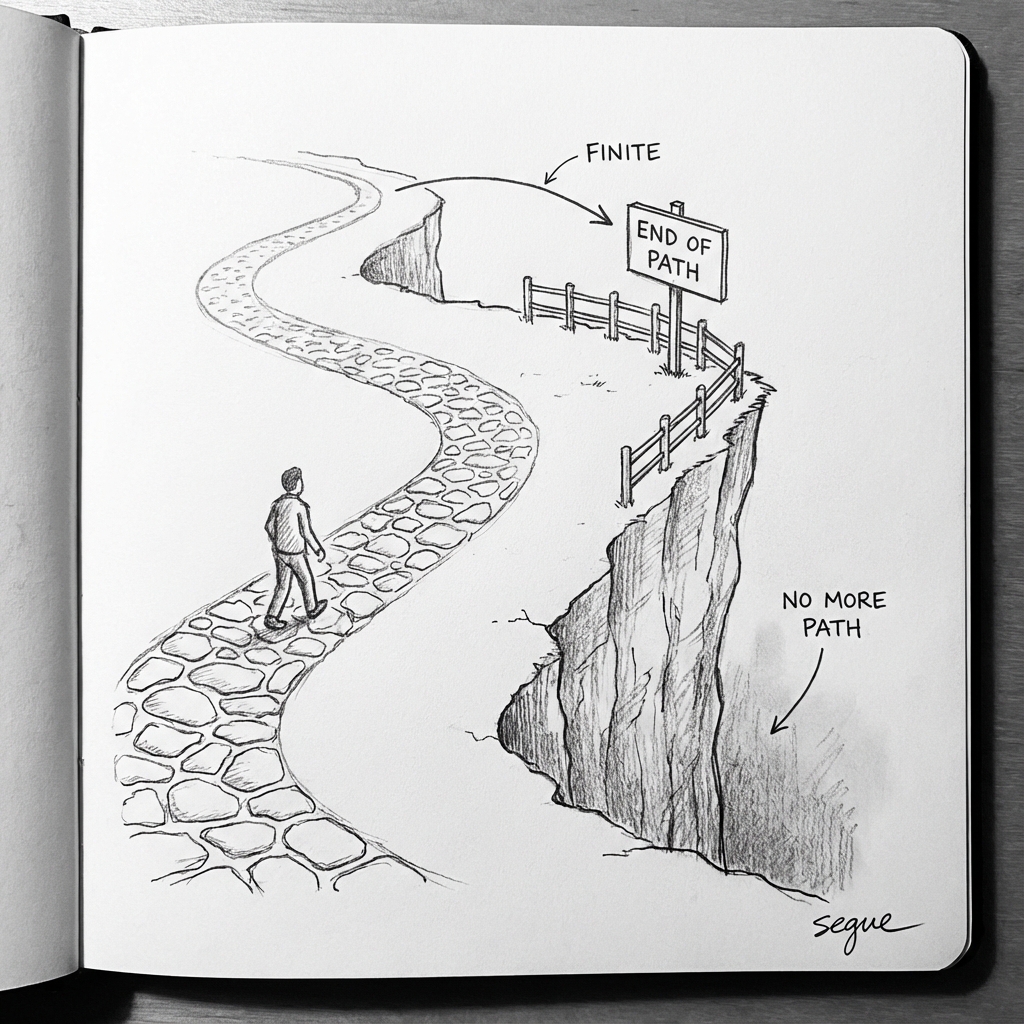
finite
/ˈfaɪˌnaɪt/having limits or bounds; not infinite
“We have finite resources, so prioritization is key.”
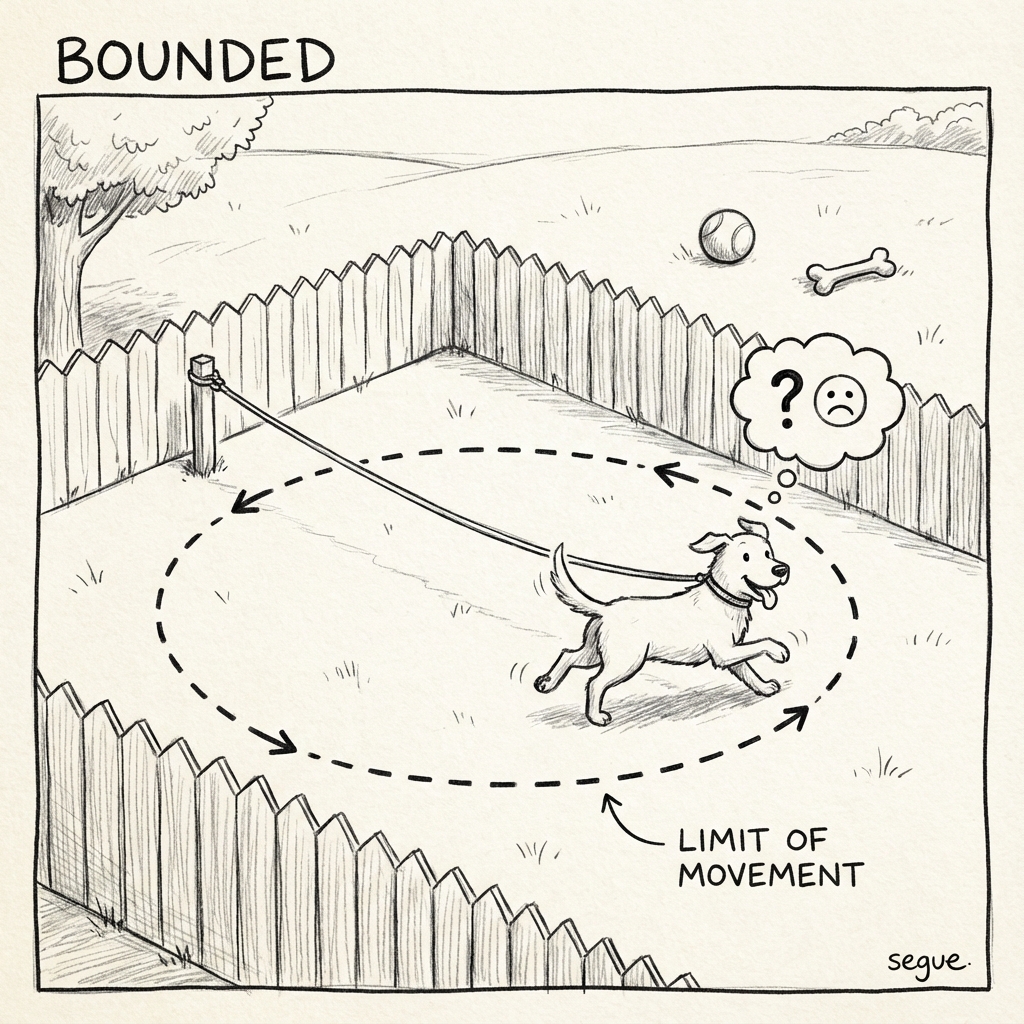
bounded
/ˈbaʊndəd/limited or restricted in extent or scope
“The search should be bounded by date range.”

domain
/doʊˈmeɪn/a specified sphere of activity or knowledge
“This falls within the domain of compliance.”
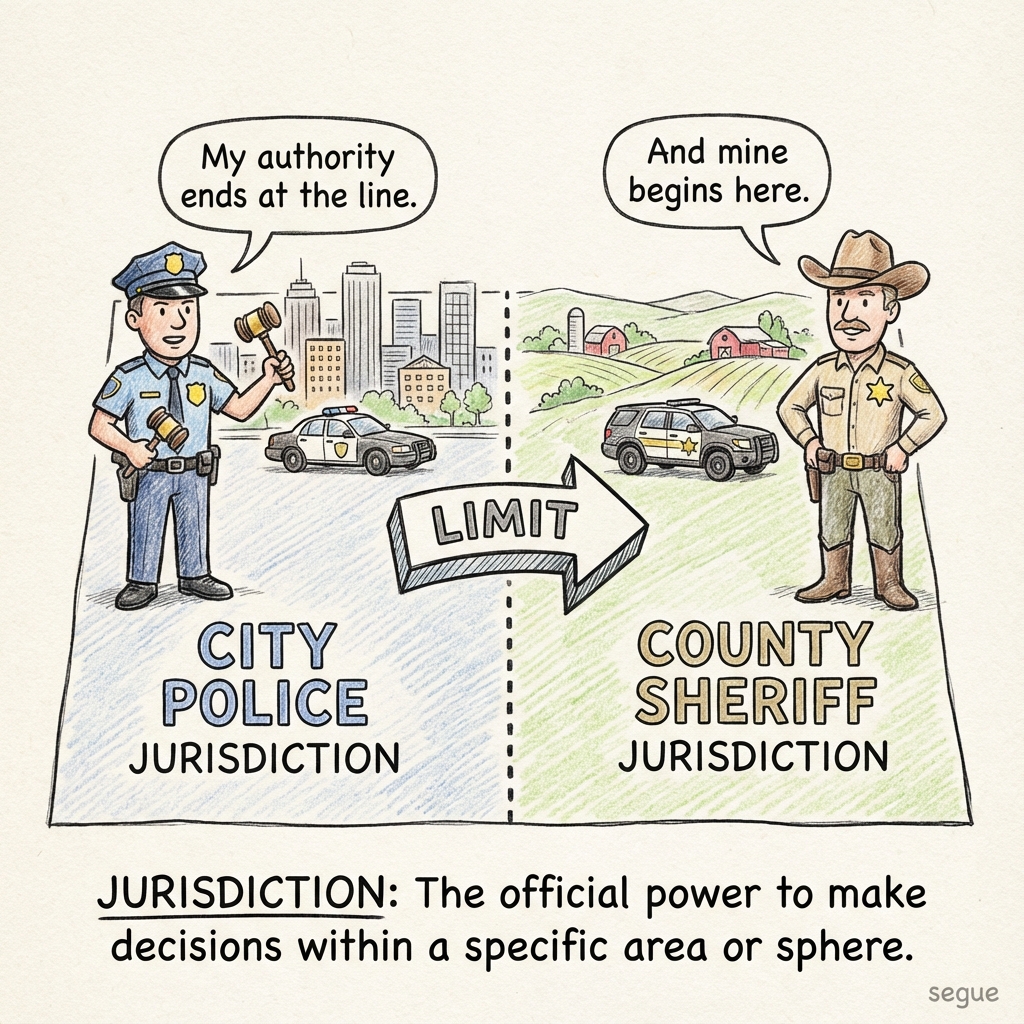
jurisdiction
/ˌdʒʊɹəsˈdɪkʃən/the official power to make decisions; sphere of authority
“That's not within my jurisdiction to decide.”
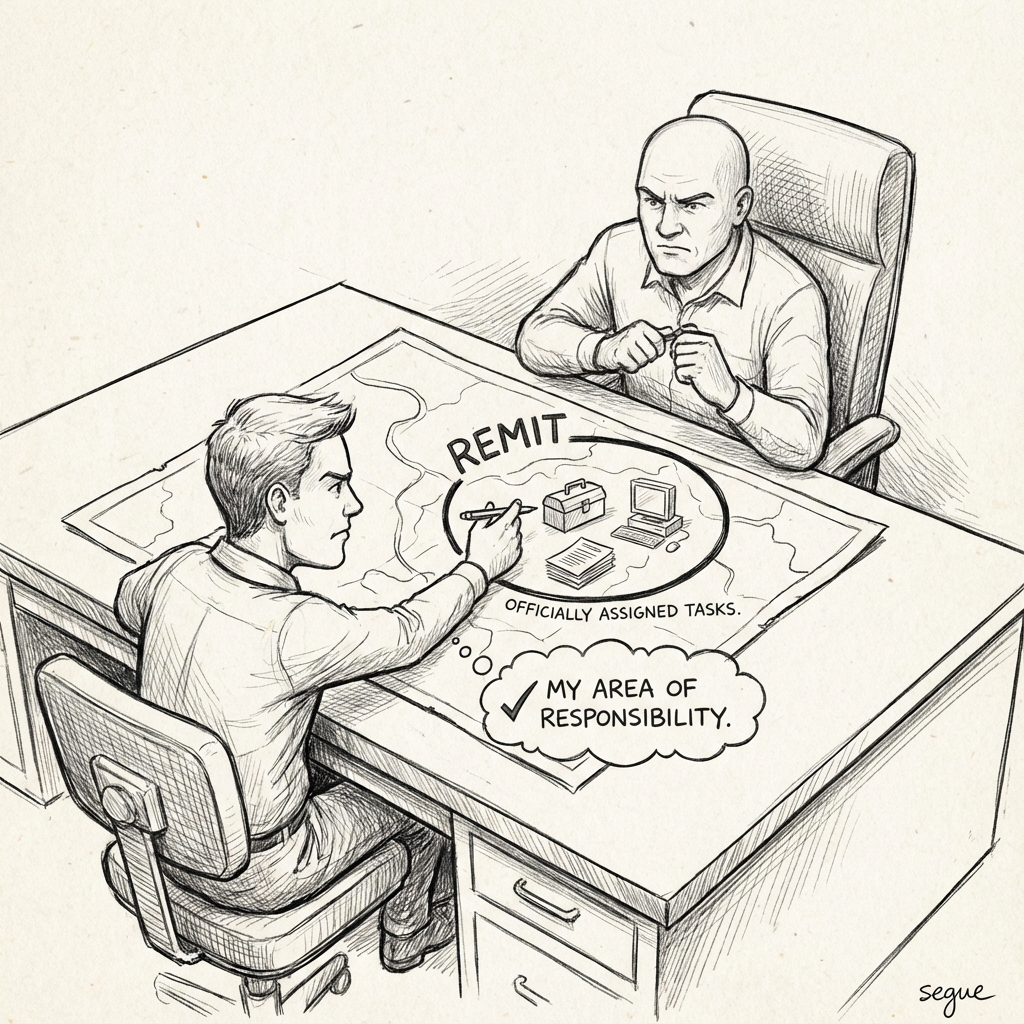
remit
/ɹiˈmɪt/the task or area of activity officially assigned
“Expanding services is outside our current remit.”
More from Intellectual
Explore other vocabulary categories in this collection.