Loading collection...
⚛️
Science & Scientists Vocabulary
Scientific terminology and words related to scientific inquiry
22 words
All 22 Words
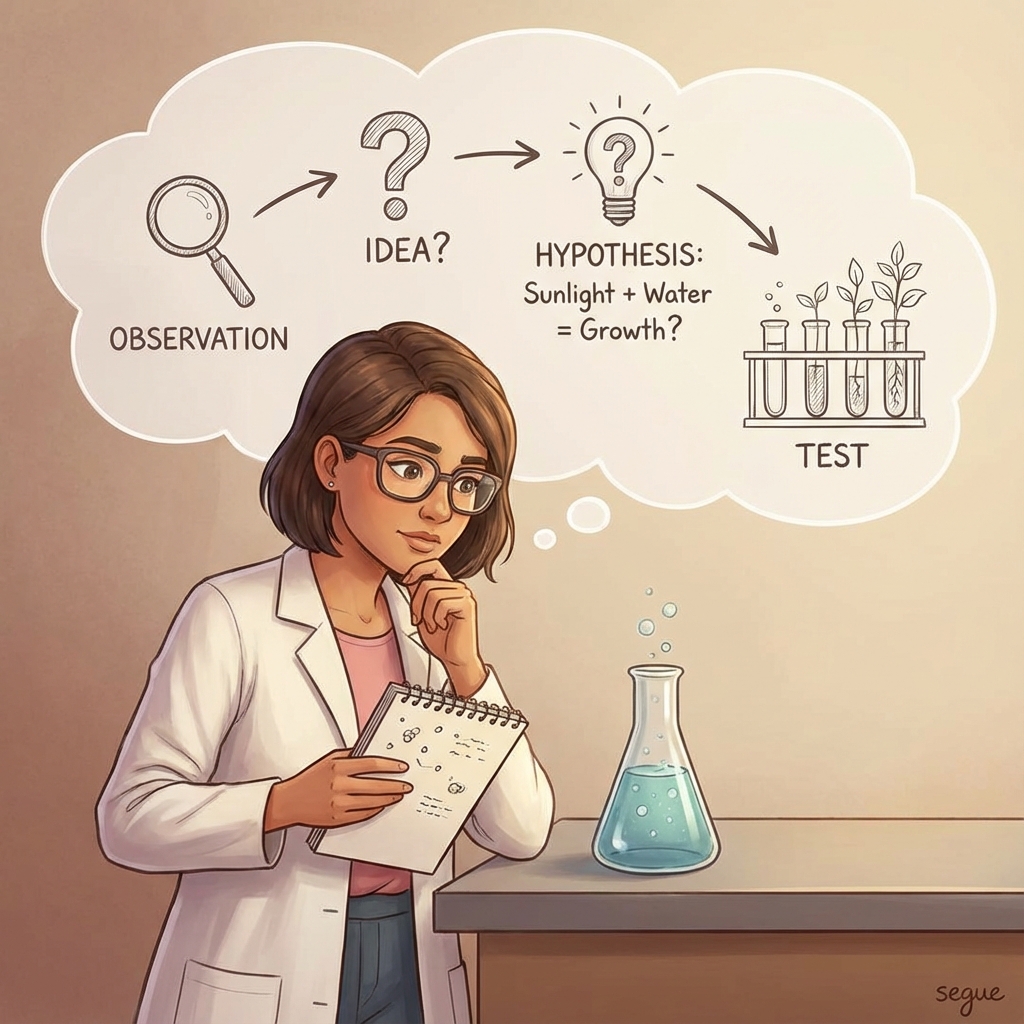
hypothesis
/haɪˈpɑθəsəs/a proposed explanation based on limited evidence as a starting point for investigation
“The scientist formed a hypothesis about the cause of the disease.”
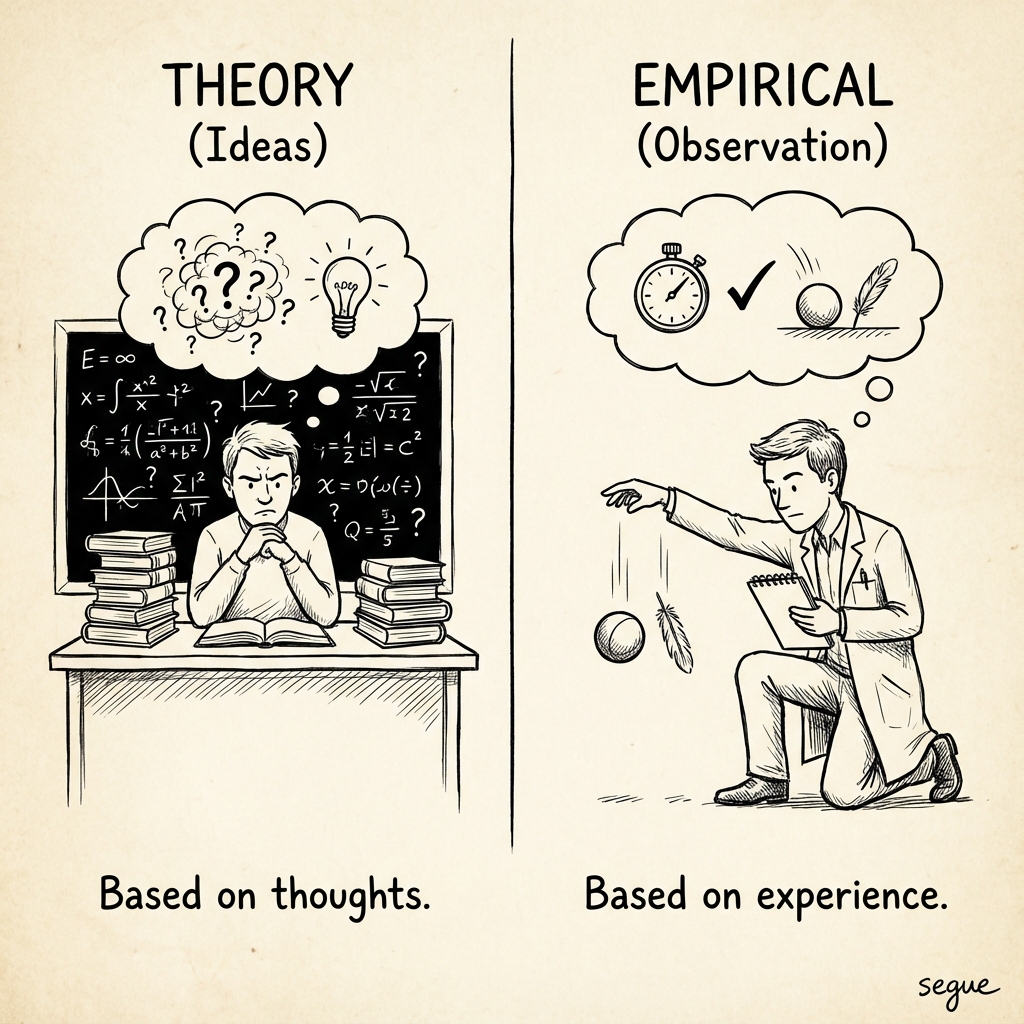
empirical
/ˌɛmˈpɪɹɪkəɫ/based on observation or experience rather than theory or logic
“The study relied on empirical data collected over five years.”
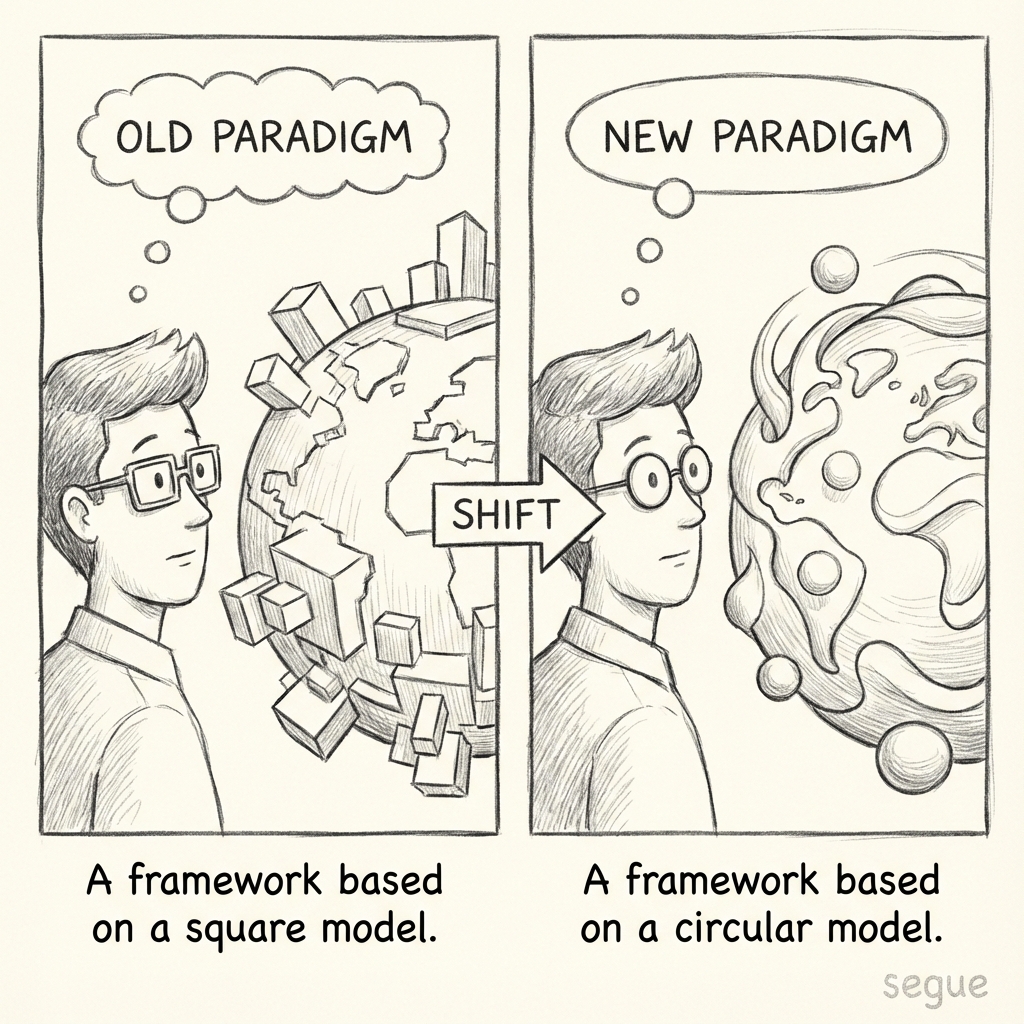
paradigm
/ˈpɛɹəˌdaɪm/a typical example or pattern of something; a worldview underlying theories
“The discovery forced a paradigm shift in how we understand the universe.”
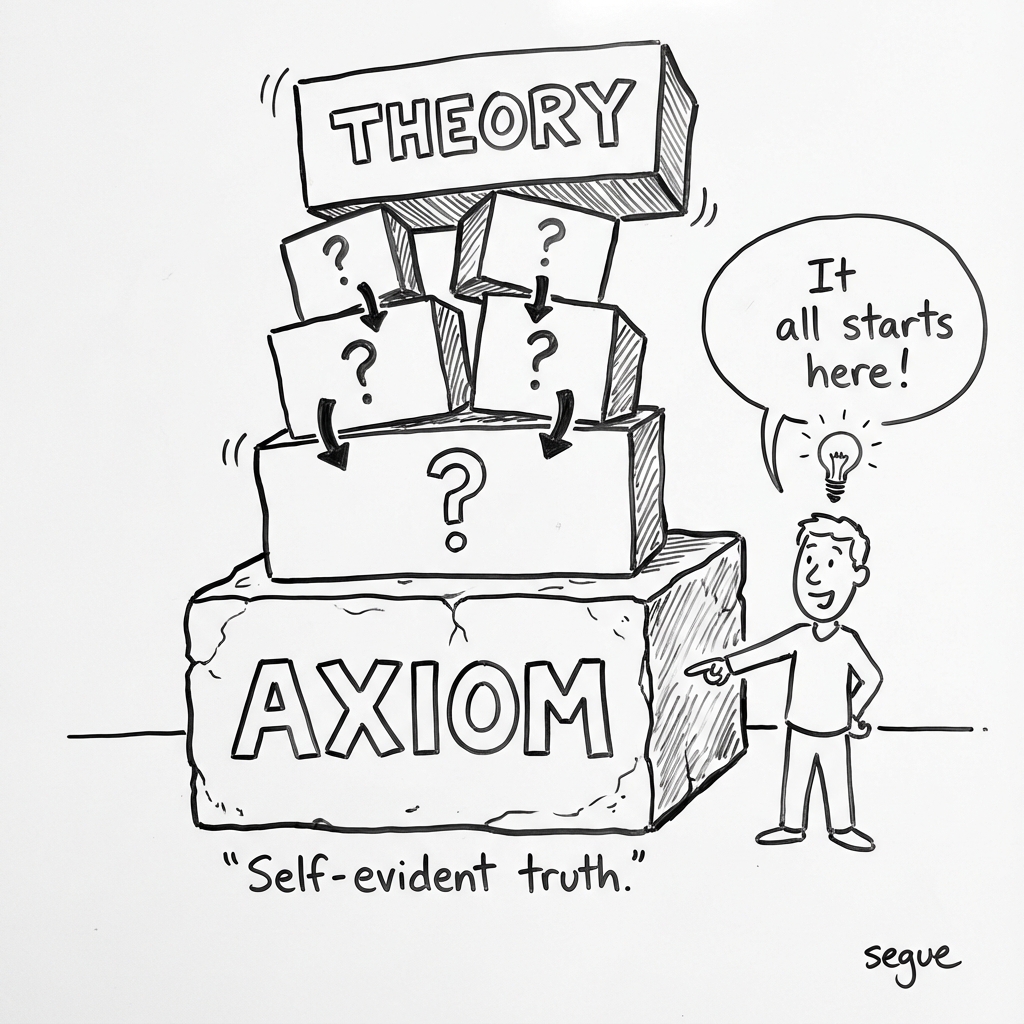
axiom
/ˈæksiəm/a statement accepted as true as the basis for argument or inference
“It is an axiom of geometry that parallel lines never meet.”
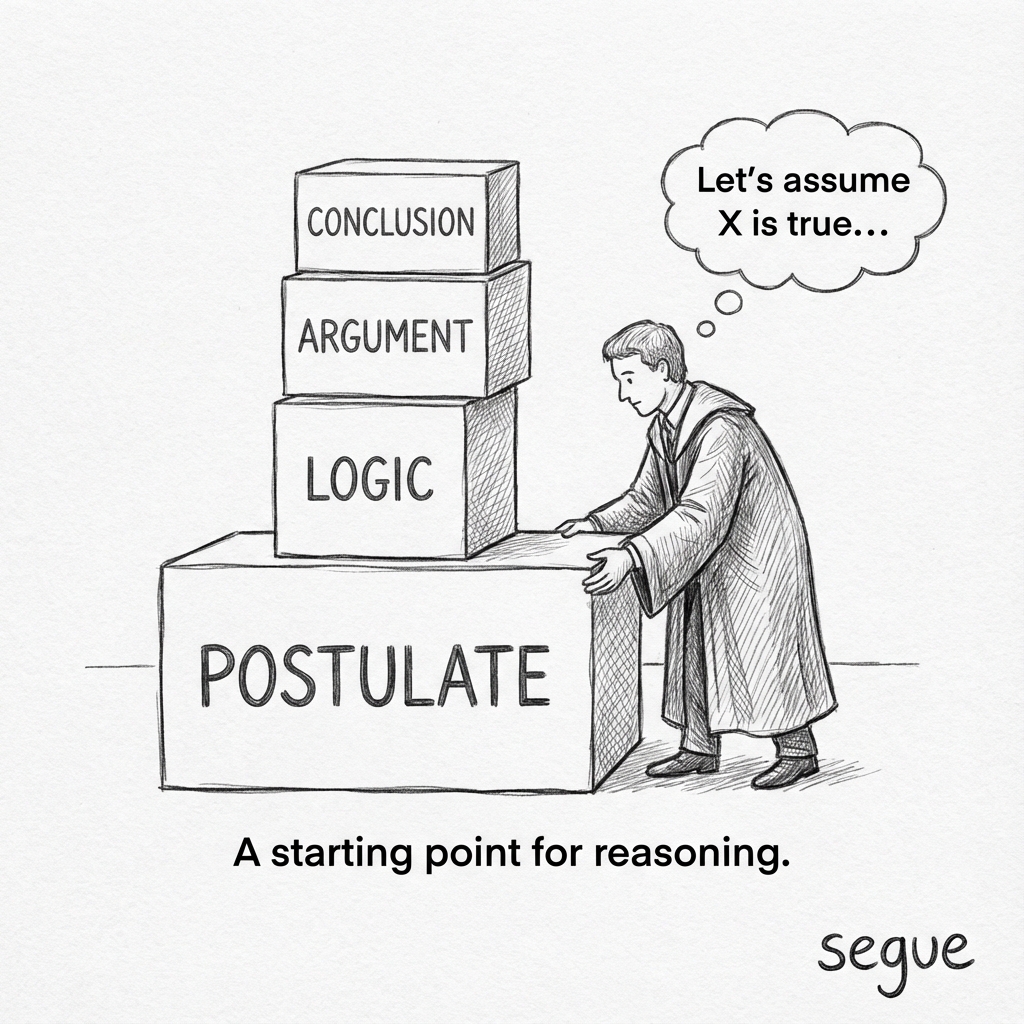
postulate
/ˈpɑstʃəˌɫeɪt/a thing suggested or assumed as true as the basis for reasoning
“Einstein's postulate that light speed is constant revolutionized physics.”
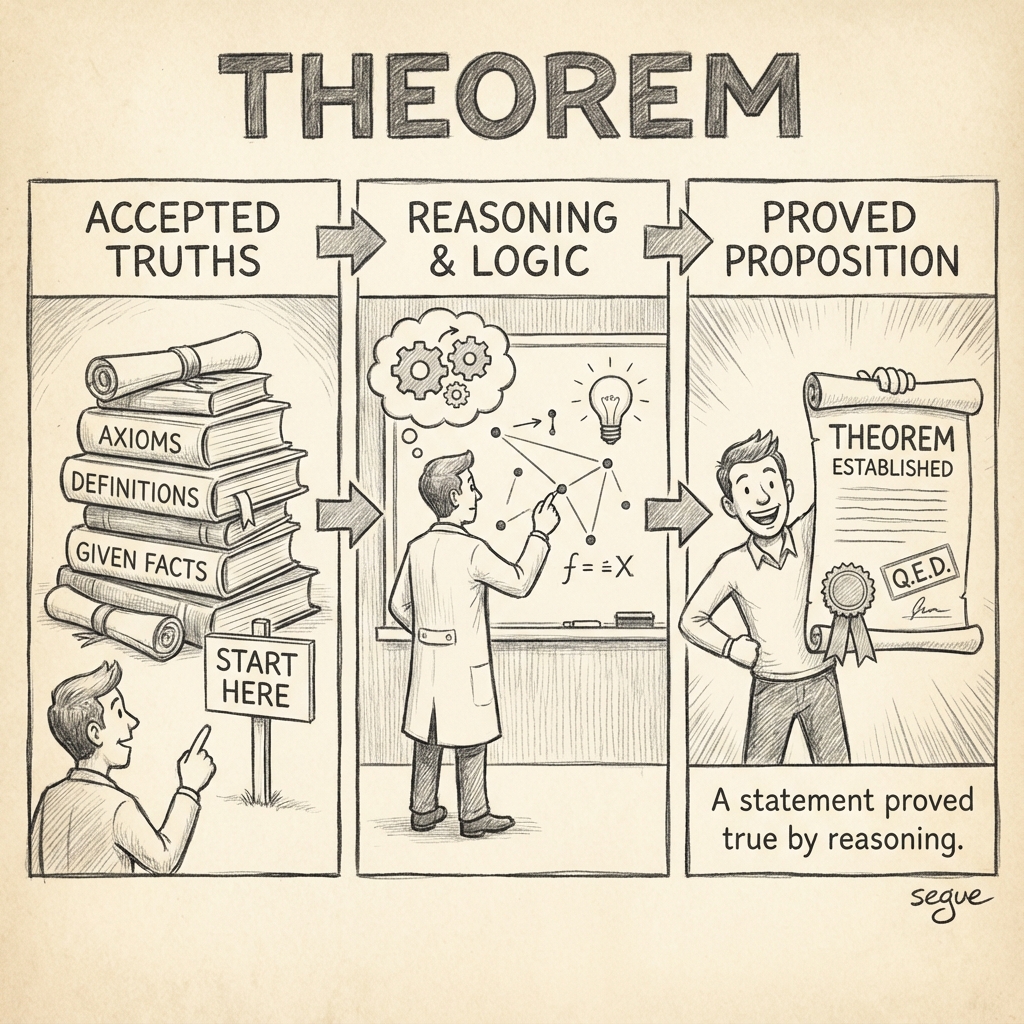
theorem
/ˈθɪɹəm/a general proposition proved by a chain of reasoning
“The Pythagorean theorem describes the relationship between sides of a right triangle.”
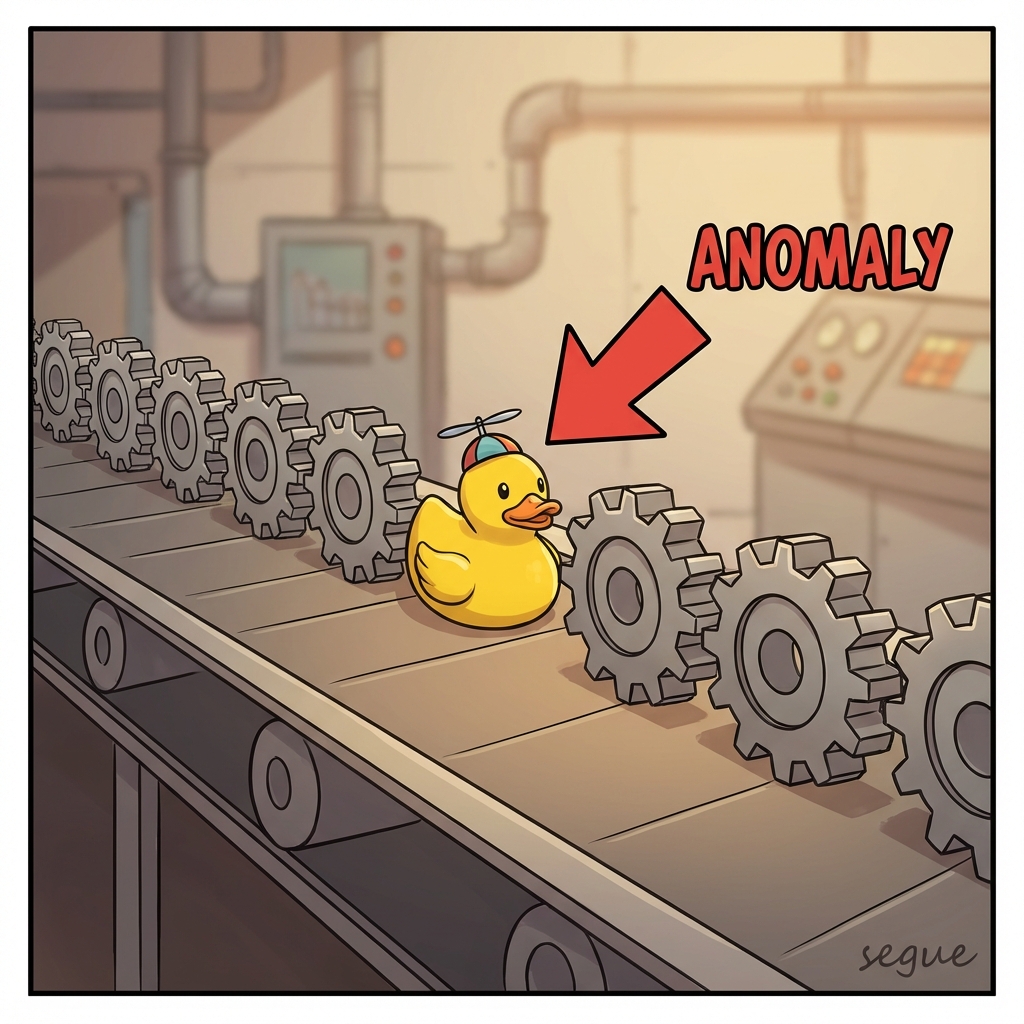
anomaly
/əˈnɑməɫi/something that deviates from what is standard, normal, or expected
“The anomaly in the data suggested a flaw in the experimental design.”
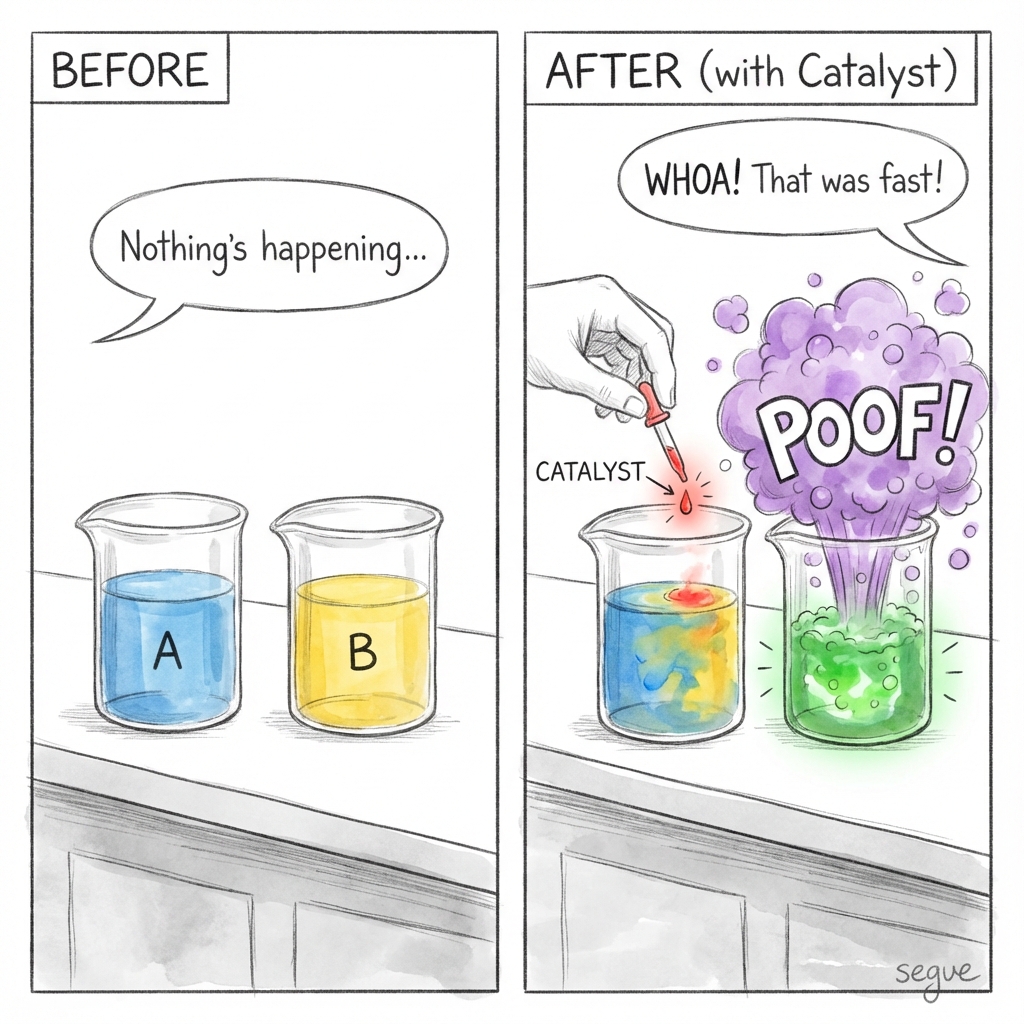
catalyst
/ˈkætəɫəst/a substance that increases the rate of a chemical reaction; an agent of change
“The protest served as a catalyst for political reform.”
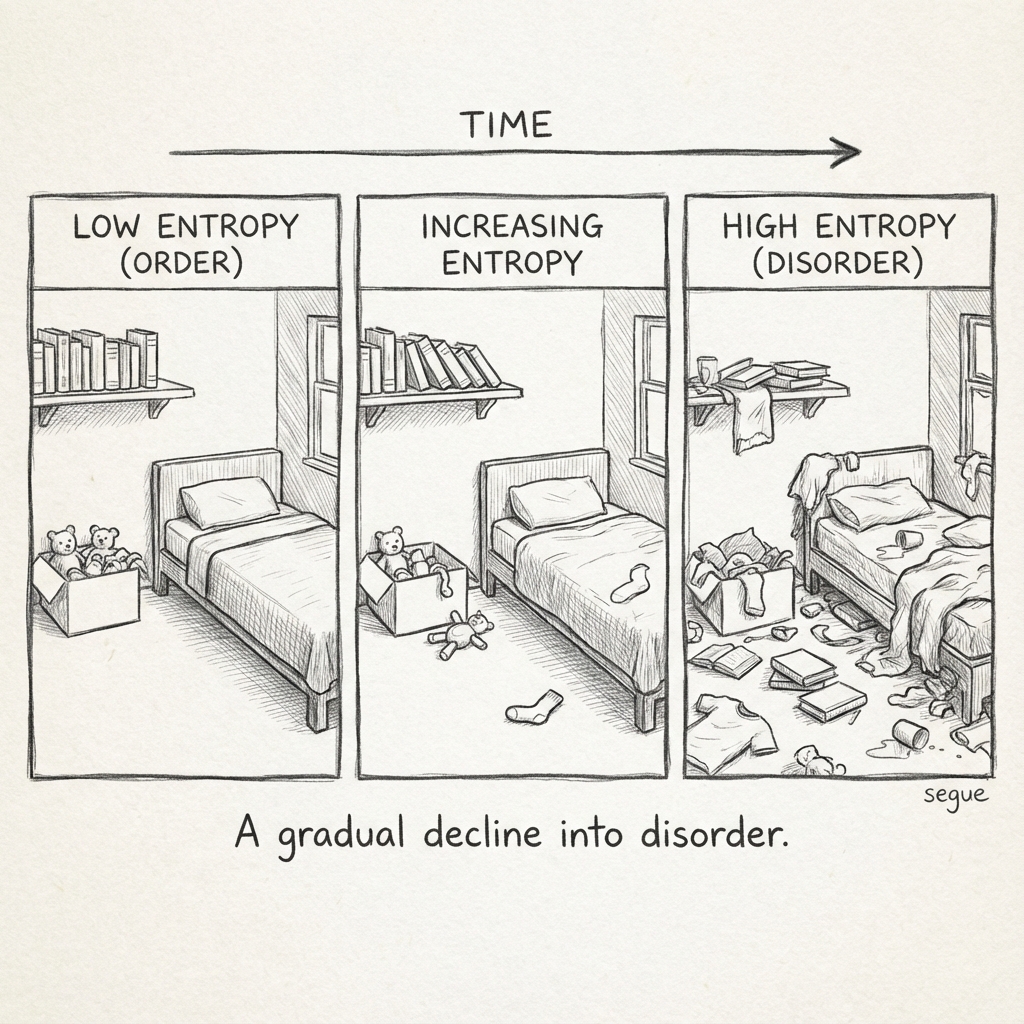
entropy
/ˈɛntɹəpi/a measure of disorder or randomness in a system; gradual decline into disorder
“Without maintenance, the garden fell into entropy.”
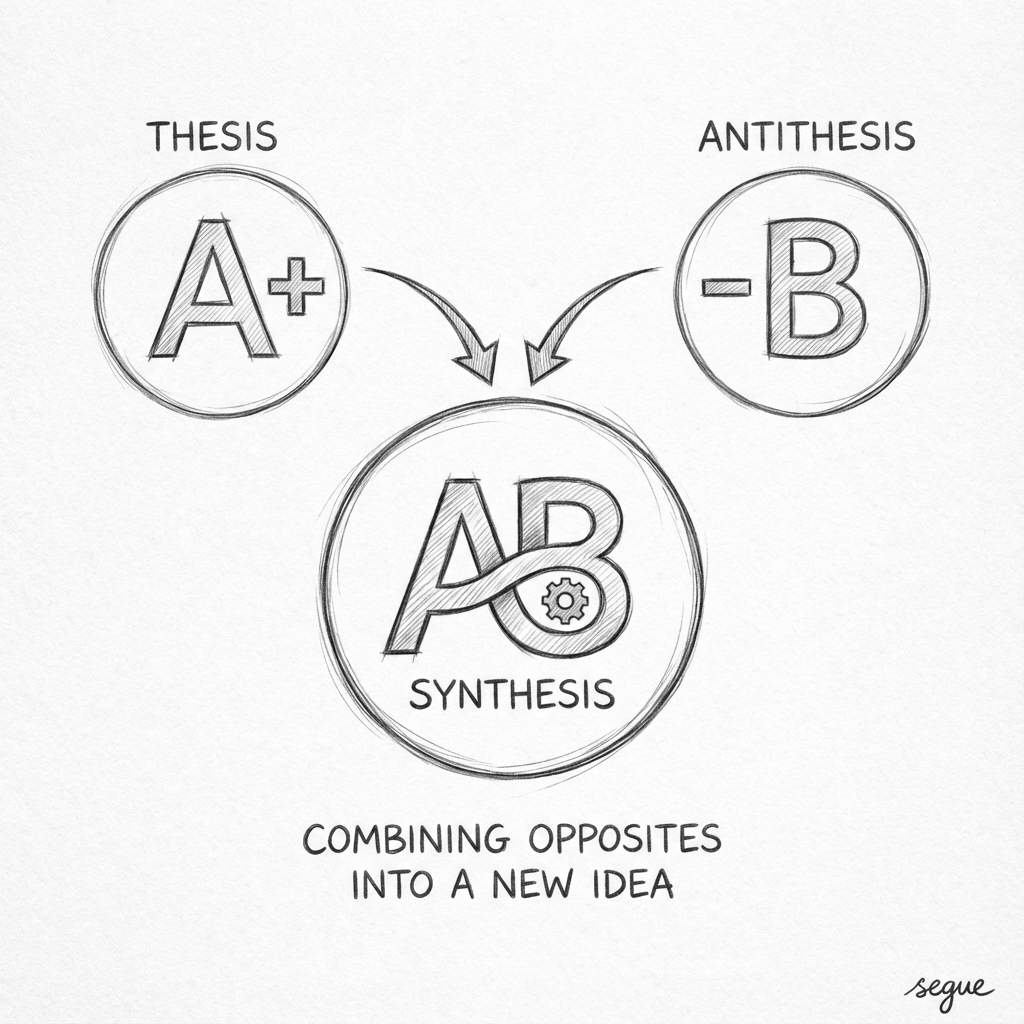
synthesis
/ˈsɪnθəsəs/the combination of ideas to form a theory; the production of chemical compounds
“Her synthesis of different philosophical traditions was groundbreaking.”
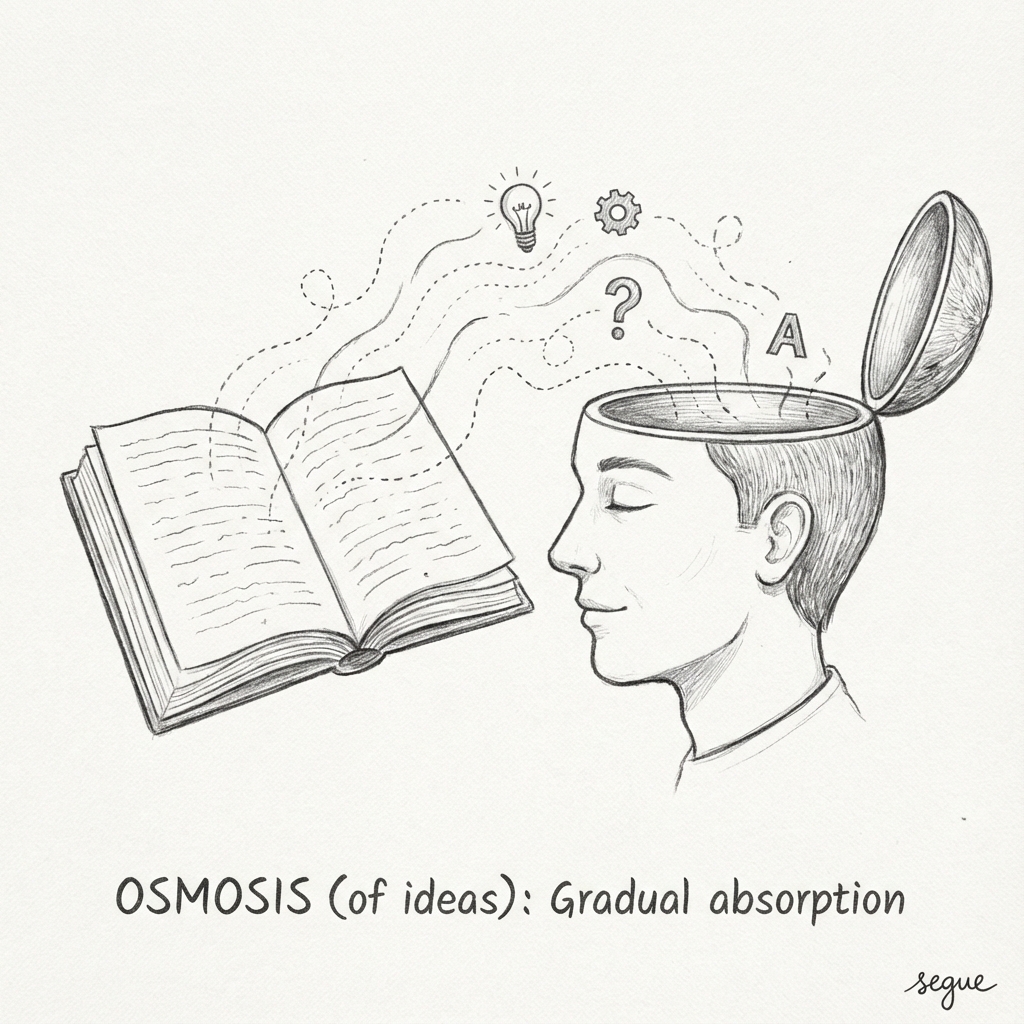
osmosis
/ˌɔzˈmoʊsɪs/the gradual absorption of ideas or knowledge; movement of molecules through a membrane
“He seemed to learn languages by osmosis, simply from being around speakers.”
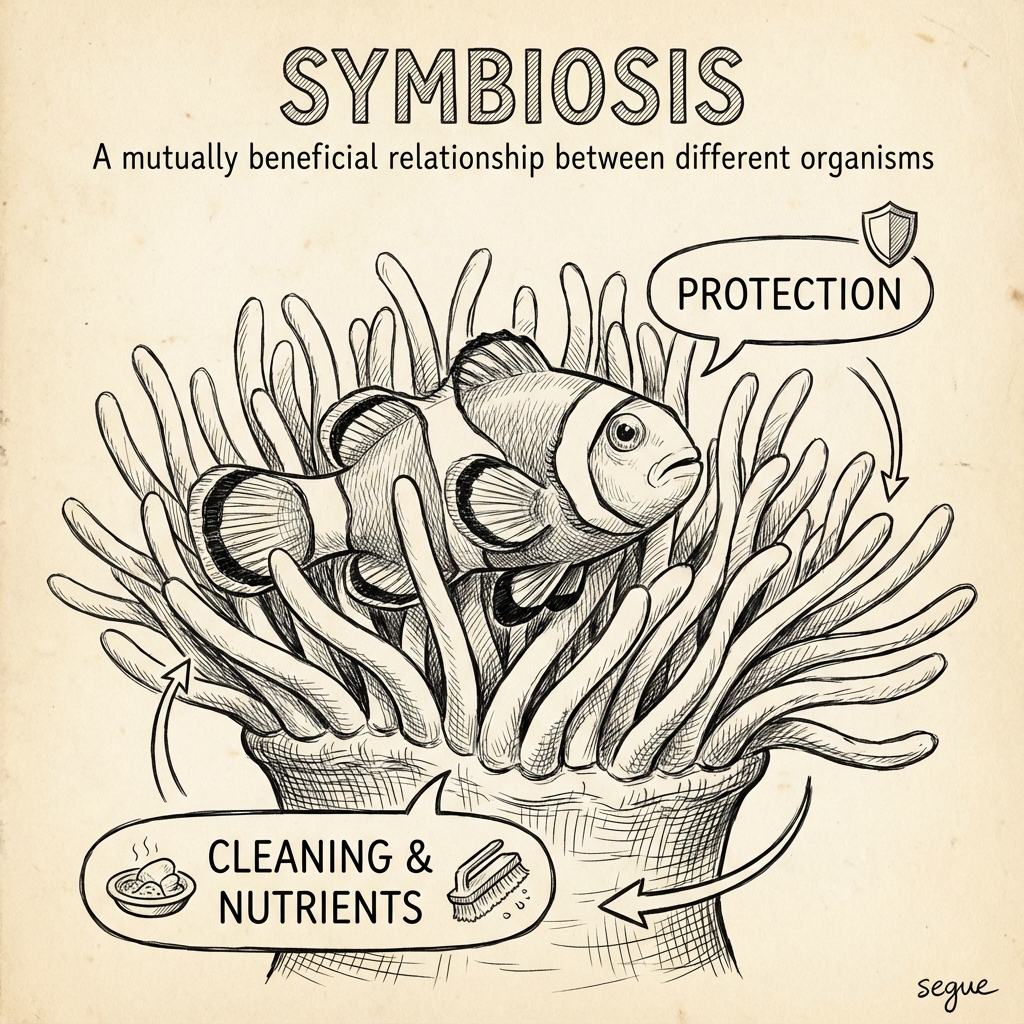
symbiosis
/ˌsɪmbaɪˈoʊsəs/a mutually beneficial relationship between different organisms or groups
“The business partnership developed into a true symbiosis.”
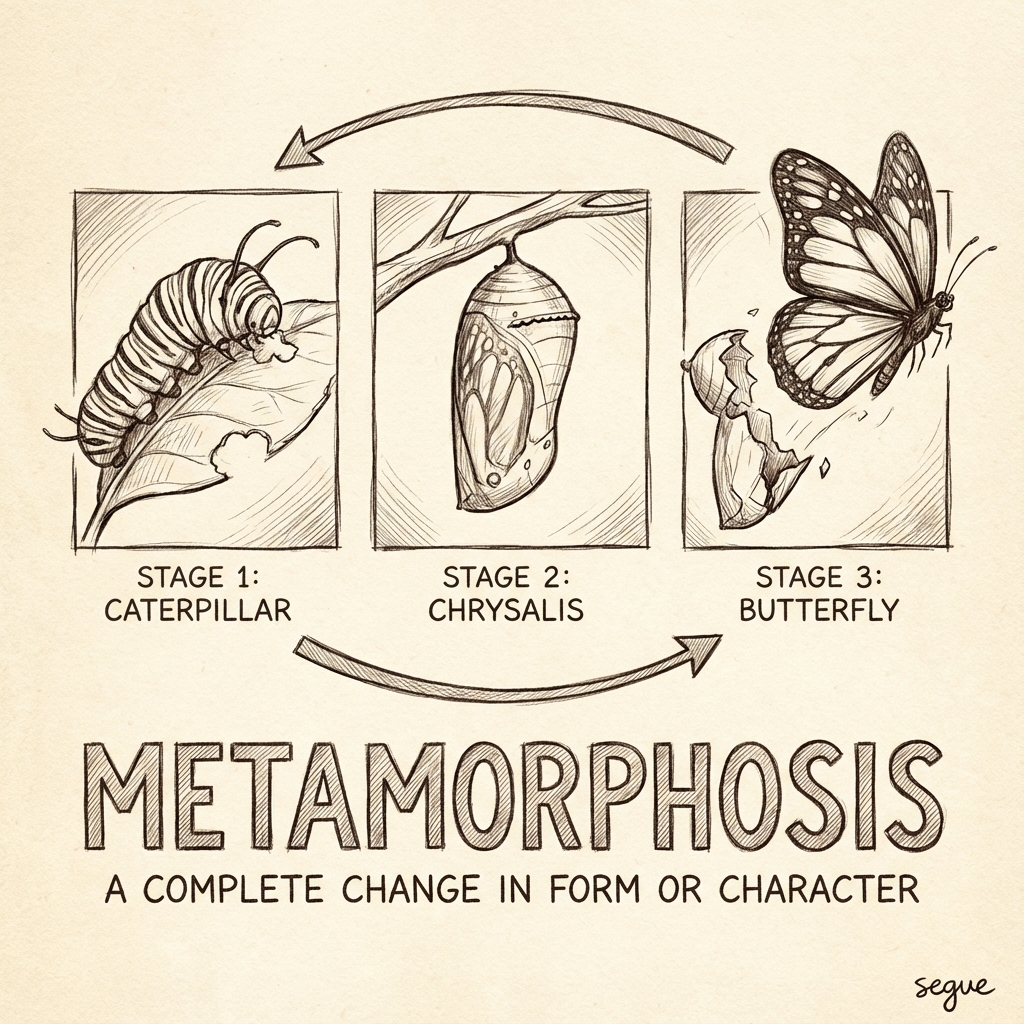
metamorphosis
/ˌmɛtəˈmɔɹfəsəs/a complete change in form or character
“The company underwent a metamorphosis from startup to industry leader.”
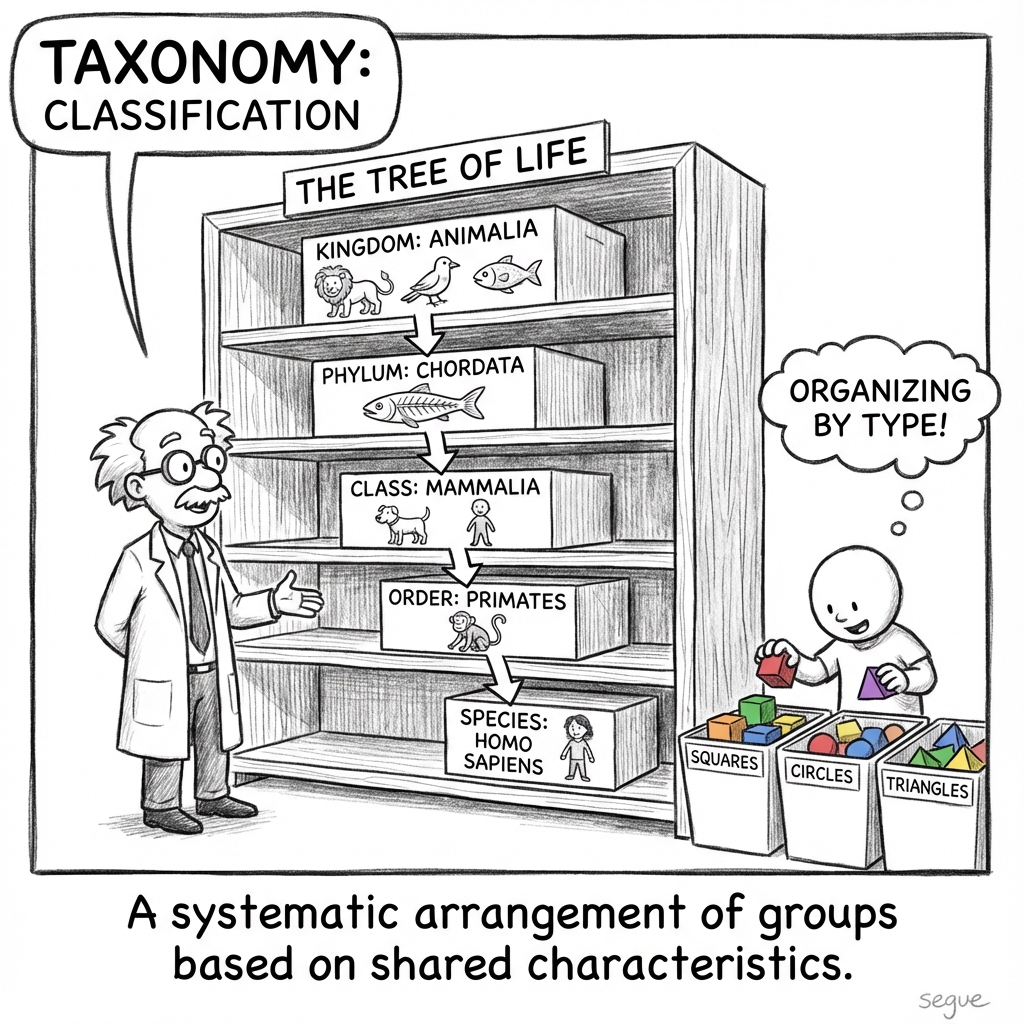
taxonomy
/ˌtækˈsɔnəˌmi/the classification of things according to their characteristics
“The biologist developed a new taxonomy for classifying the species.”
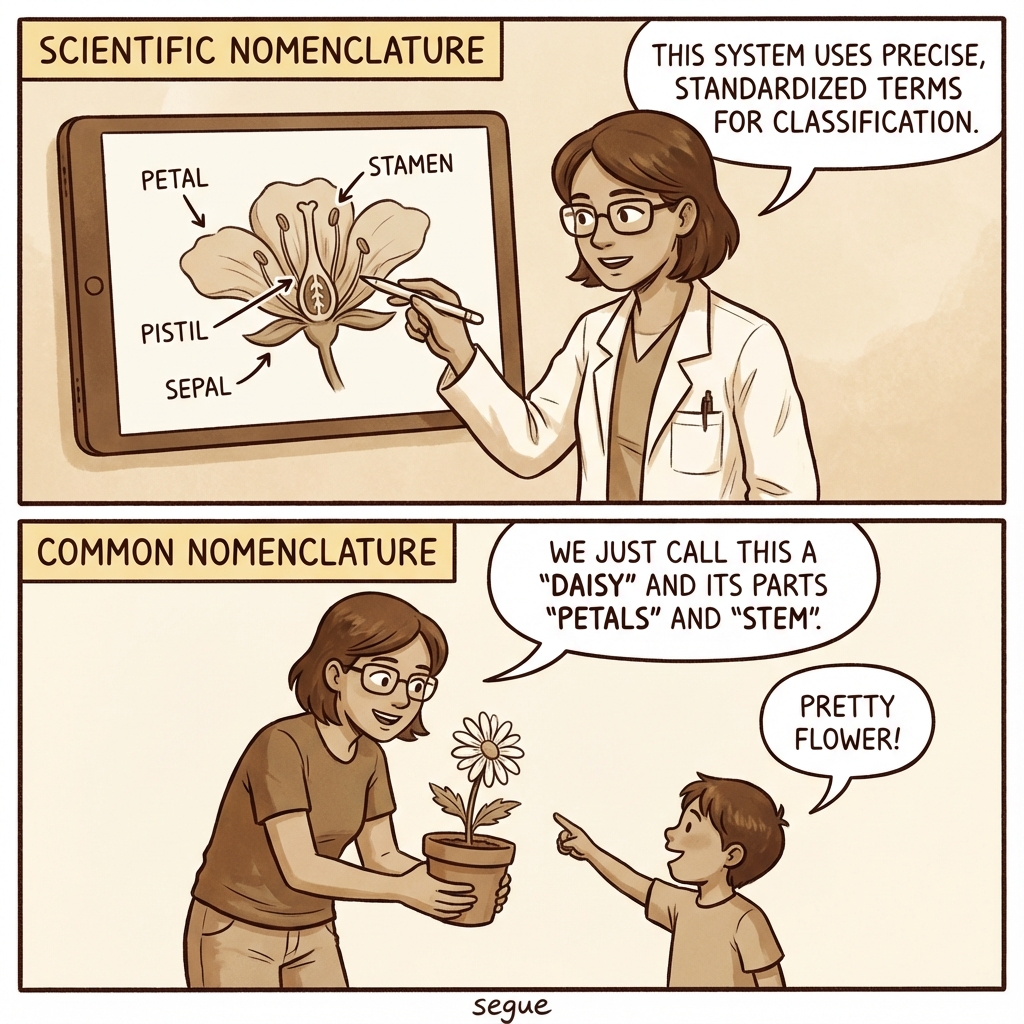
nomenclature
/ˈnoʊmənˌkɫeɪtʃɝ/the system of names or terms used in a particular field
“Medical nomenclature can be confusing for patients.”
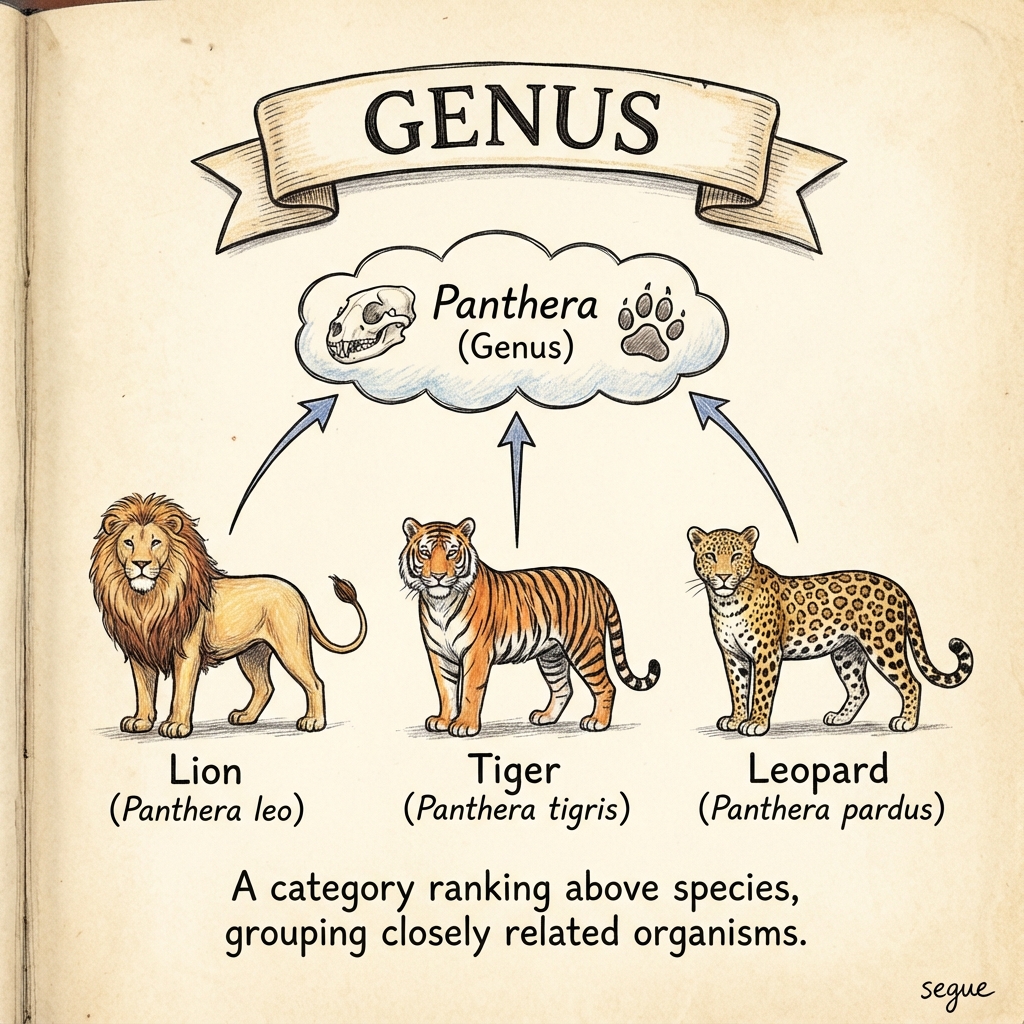
genus
/ˈdʒinəs/a category in biological classification ranking above species
“Humans belong to the genus Homo.”
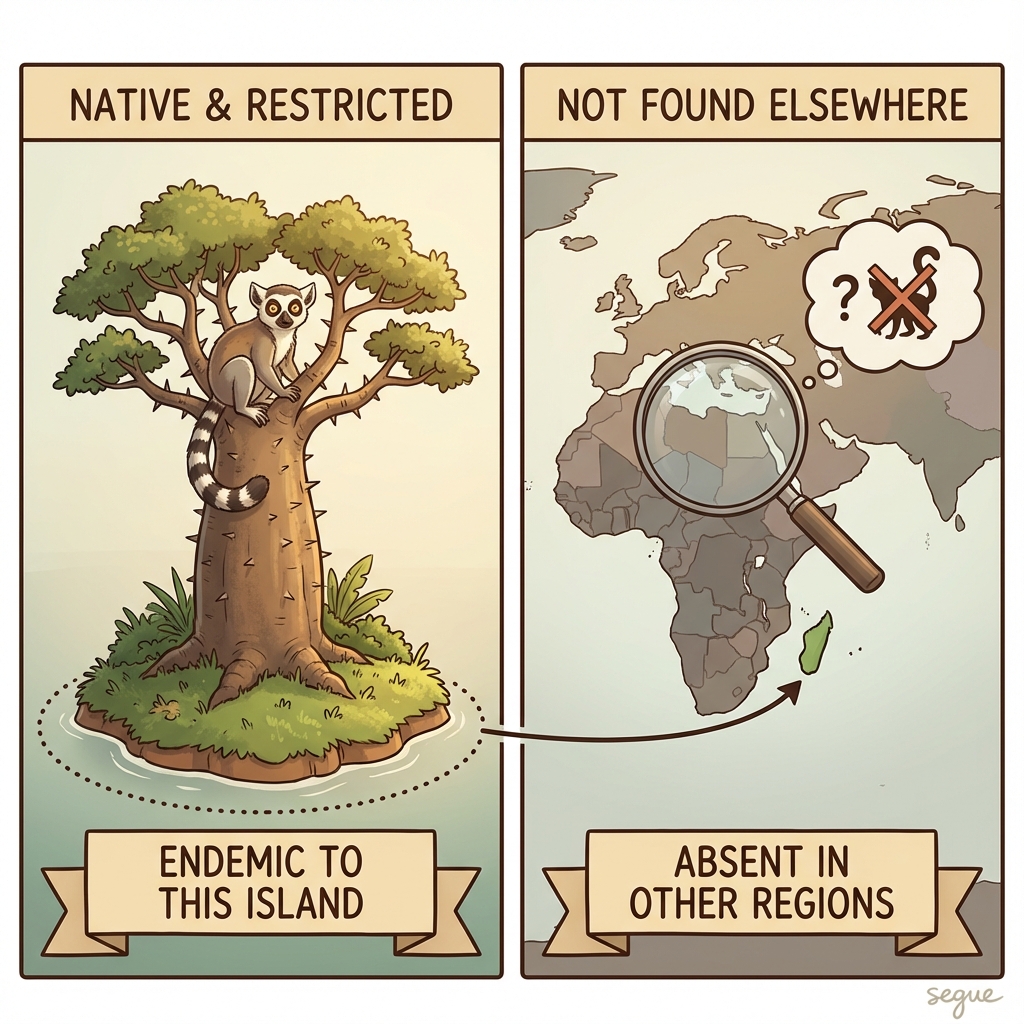
endemic
/ɛnˈdɛmɪk/native and restricted to a certain place; regularly found among particular people
“The disease was endemic to the tropical region.”
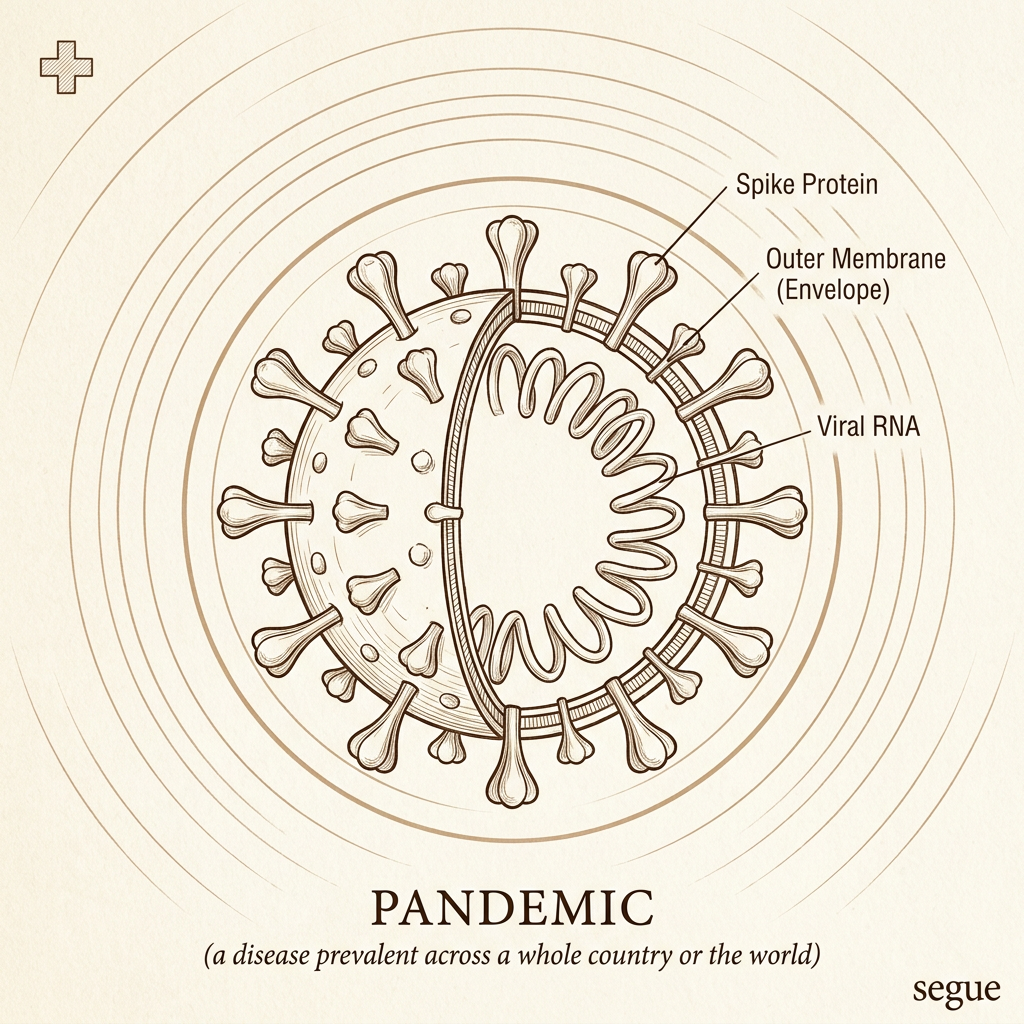
pandemic
/pænˈdɛmɪk/a disease prevalent over a whole country or the world
“The pandemic spread across continents within months.”
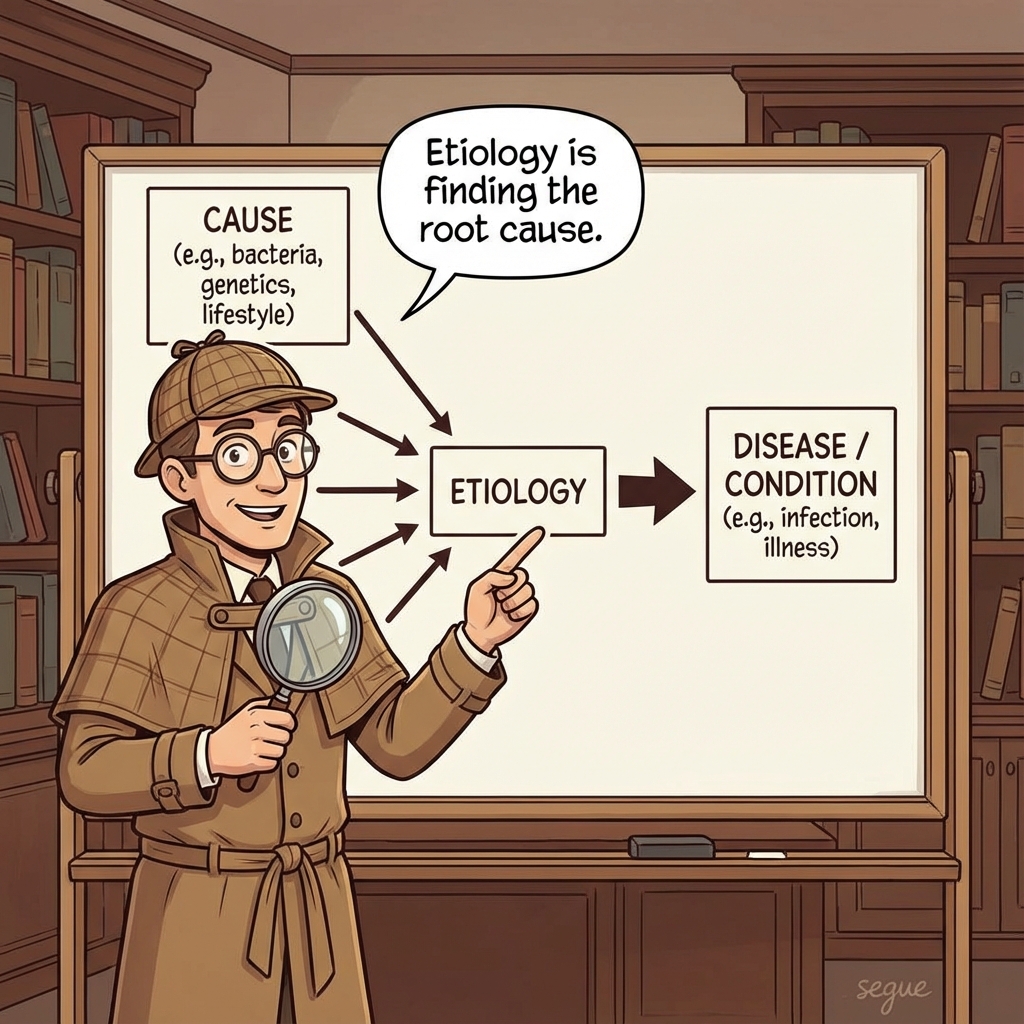
etiology
/ˌiˌtiˈɑɫədʒi/the cause or origin of a disease or condition
“The etiology of the illness remained a mystery to researchers.”
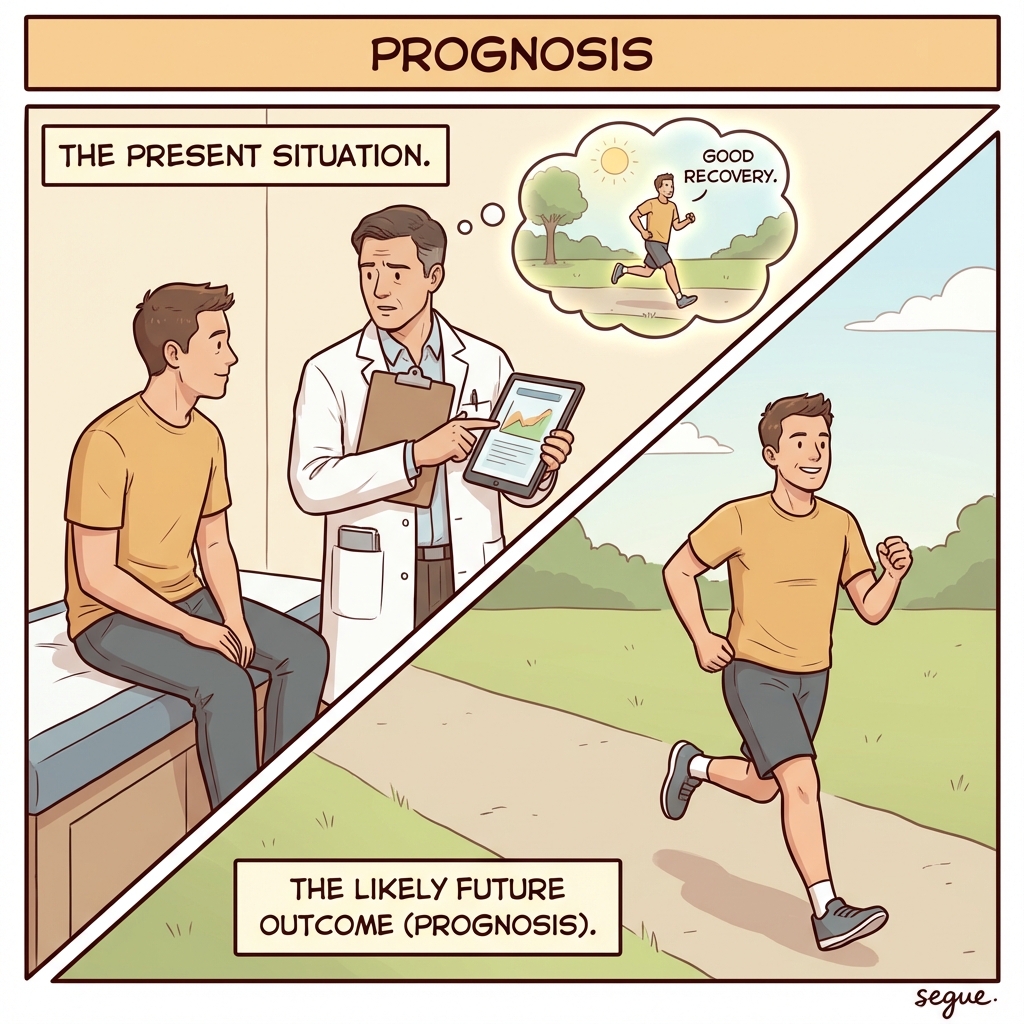
prognosis
/pɹɑɡˈnoʊsəs/the likely course or outcome of a disease or situation
“The doctor gave a positive prognosis for full recovery.”
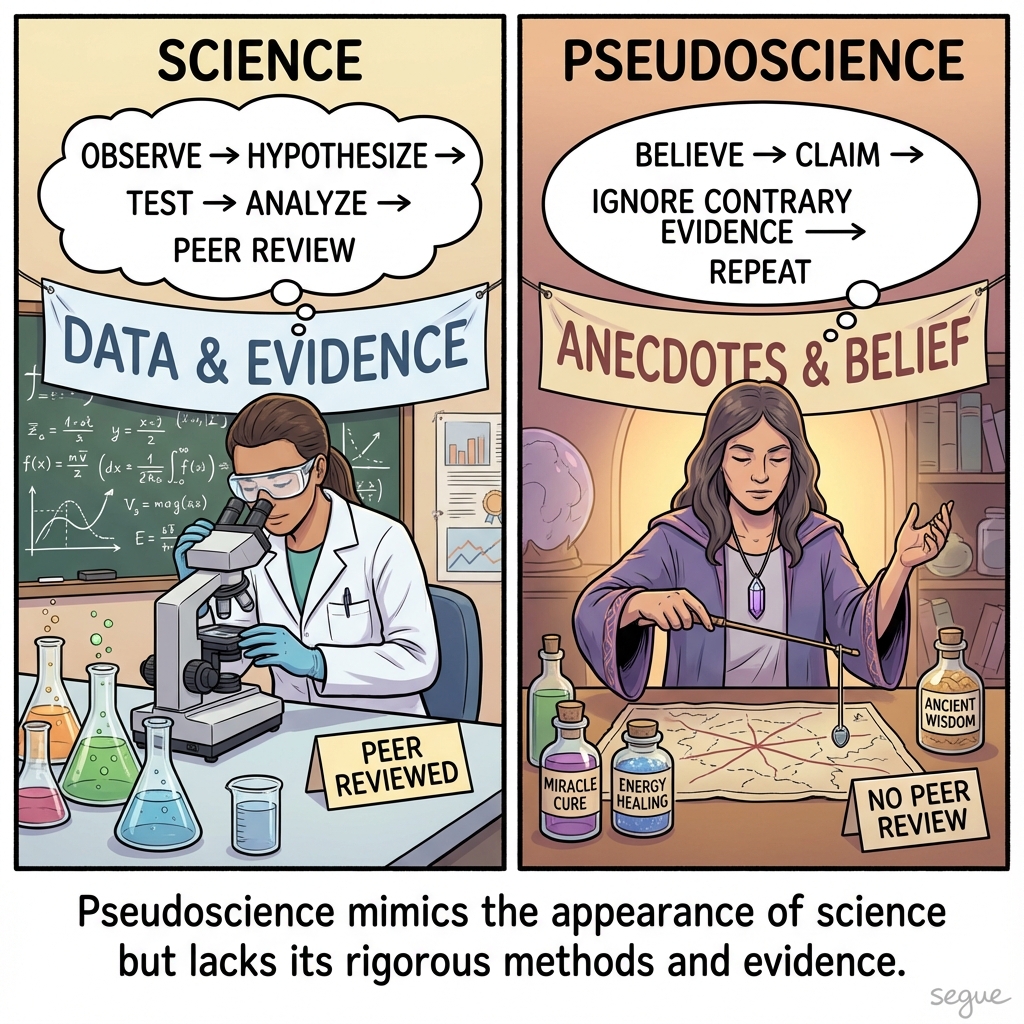
pseudoscience
/ˌsudoʊˈsaɪəns/a collection of beliefs or practices mistakenly regarded as being based on scientific method
“Astrology is often considered a pseudoscience.”
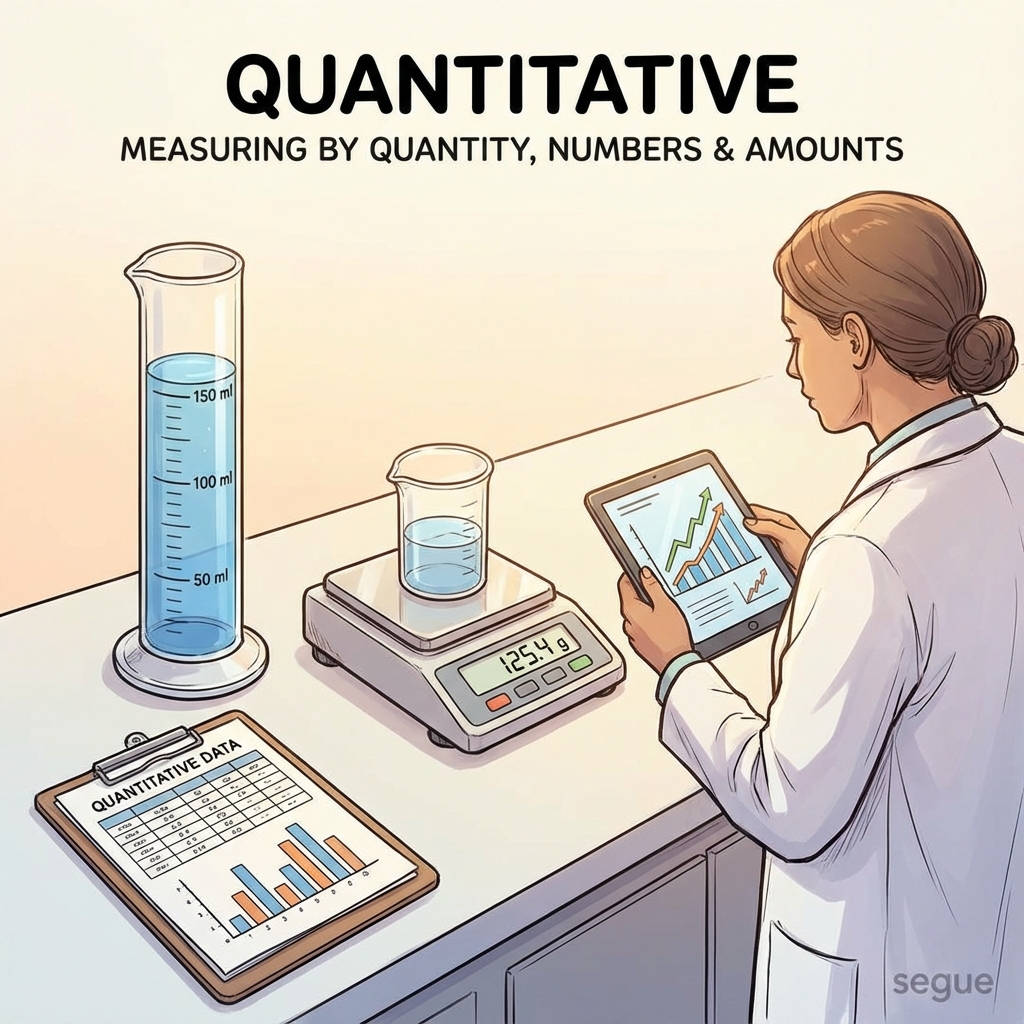
quantitative
/ˈkwɑntɪˌteɪtɪv/relating to, measuring, or measured by the quantity of something
“The research focused on quantitative analysis of the data.”
More from Intellectual
Explore other vocabulary categories in this collection.