Loading collection...
🔗
Reasoning Patterns Vocabulary
Forms of inference and logical thinking
12 words
All 12 Words
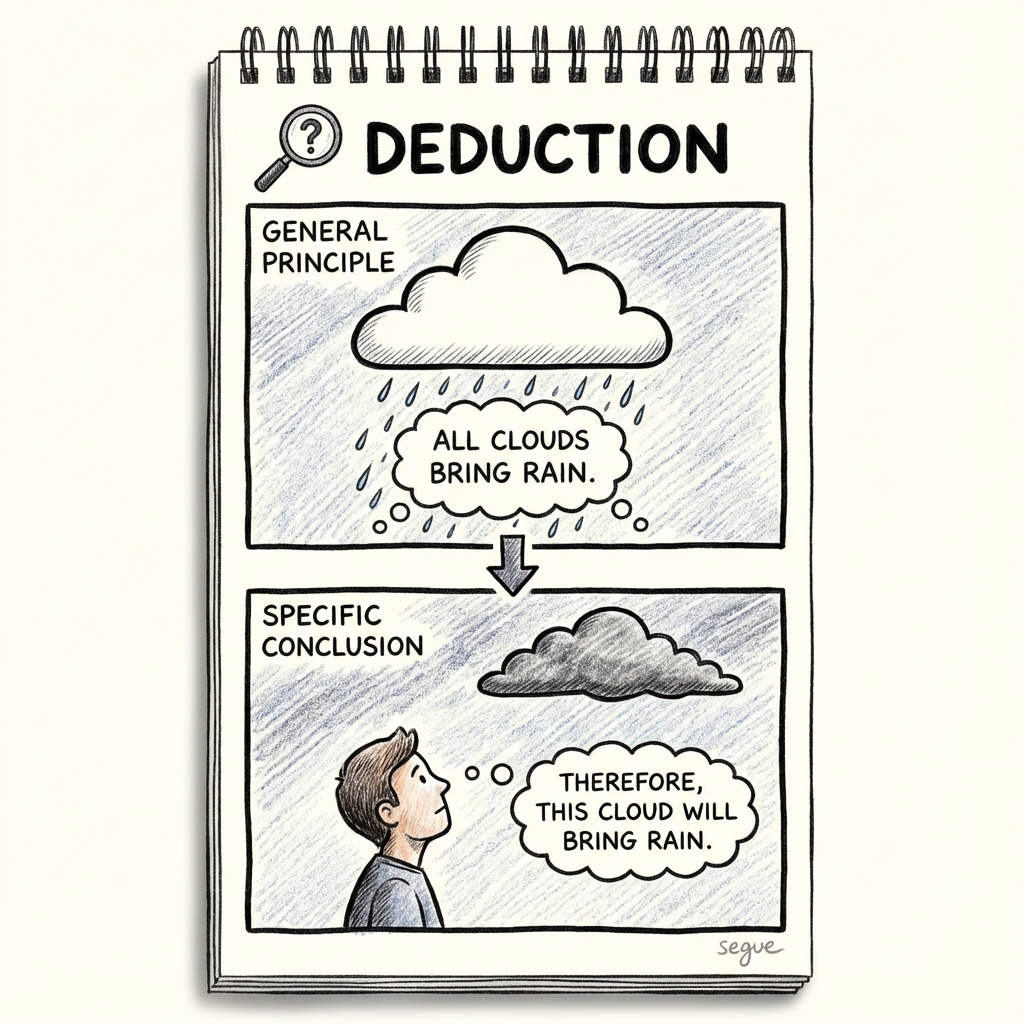
deduction
/dɪˈdəkʃən/reasoning from general premises to a logically certain conclusion
“Deduction guarantees truth if the premises are true.”
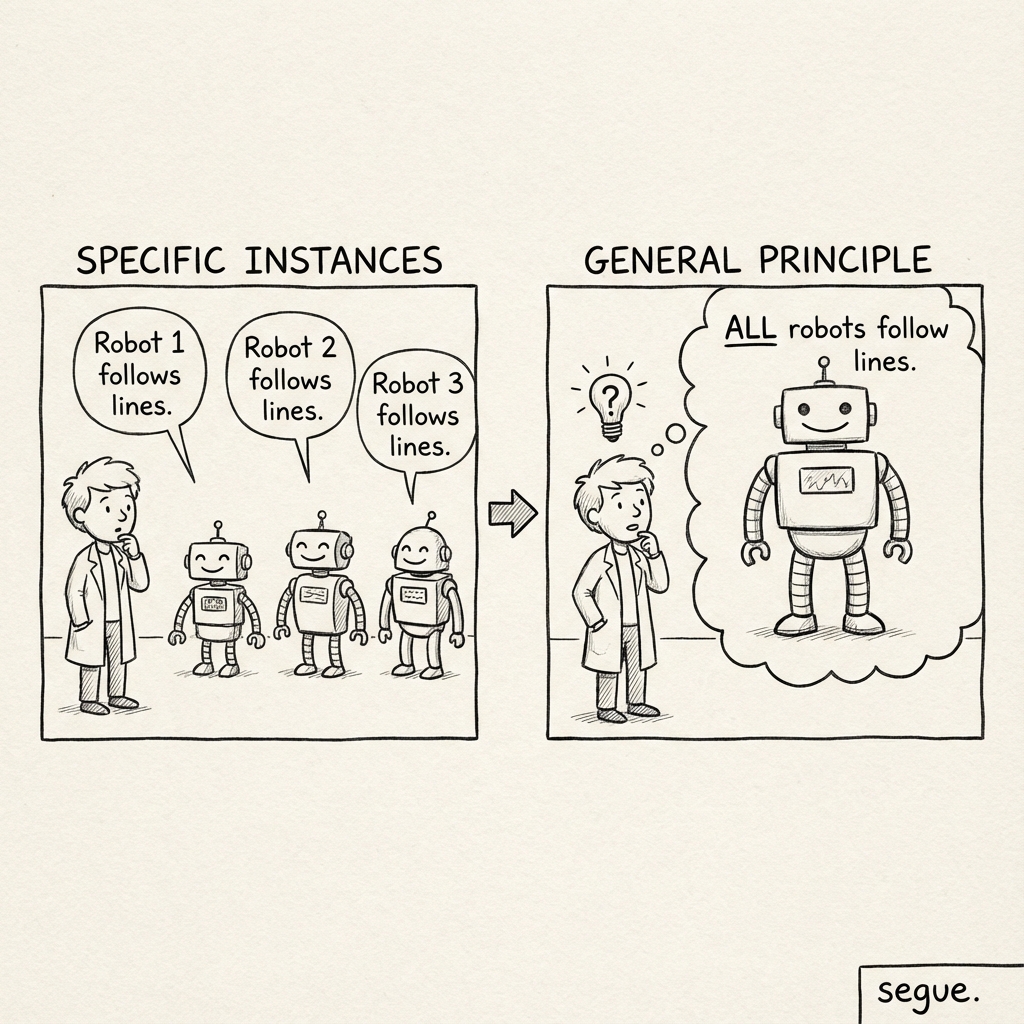
induction
/ˌɪnˈdəkʃən/inferring general principles from specific observations
“Induction from past sunrises suggests tomorrow's sun will rise.”
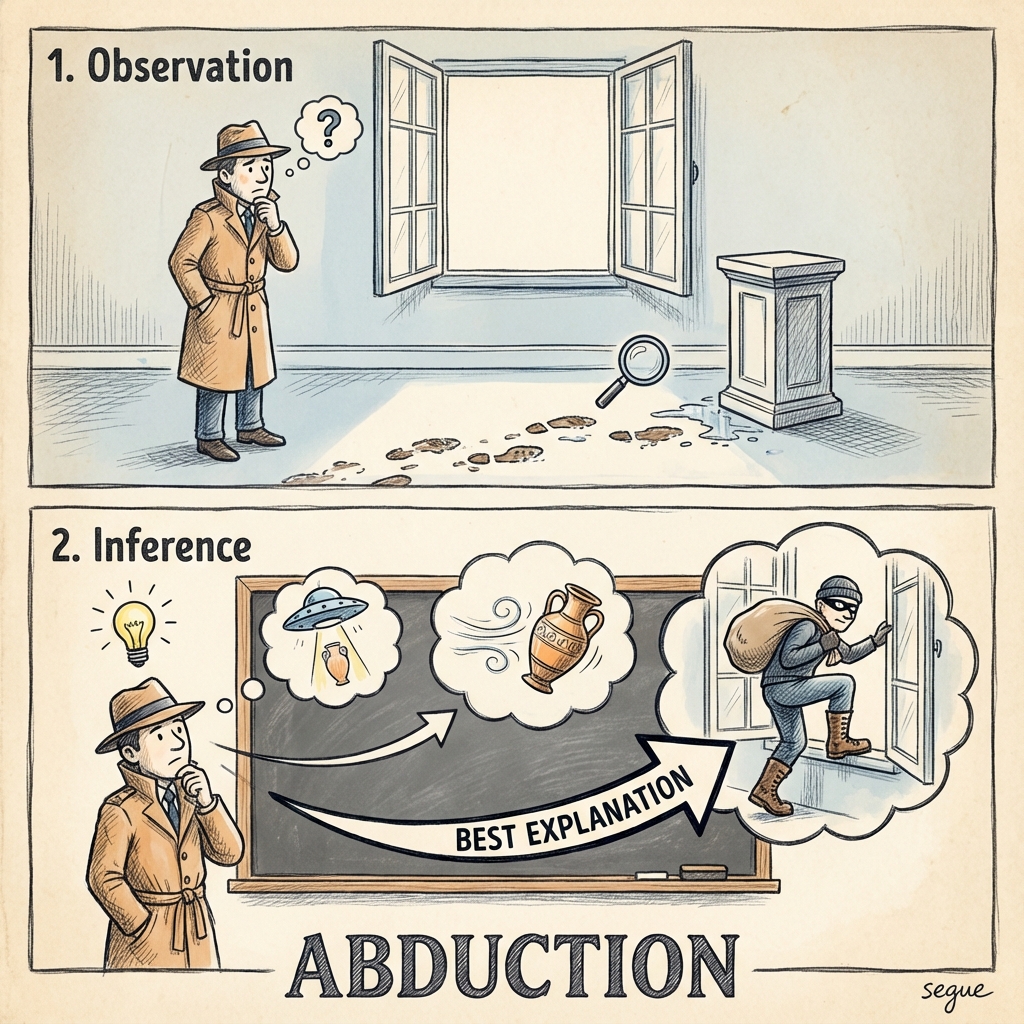
abduction
/æbˈdəkʃən/inferring the best explanation for observed evidence
“Abduction: the ground is wet, so it probably rained.”
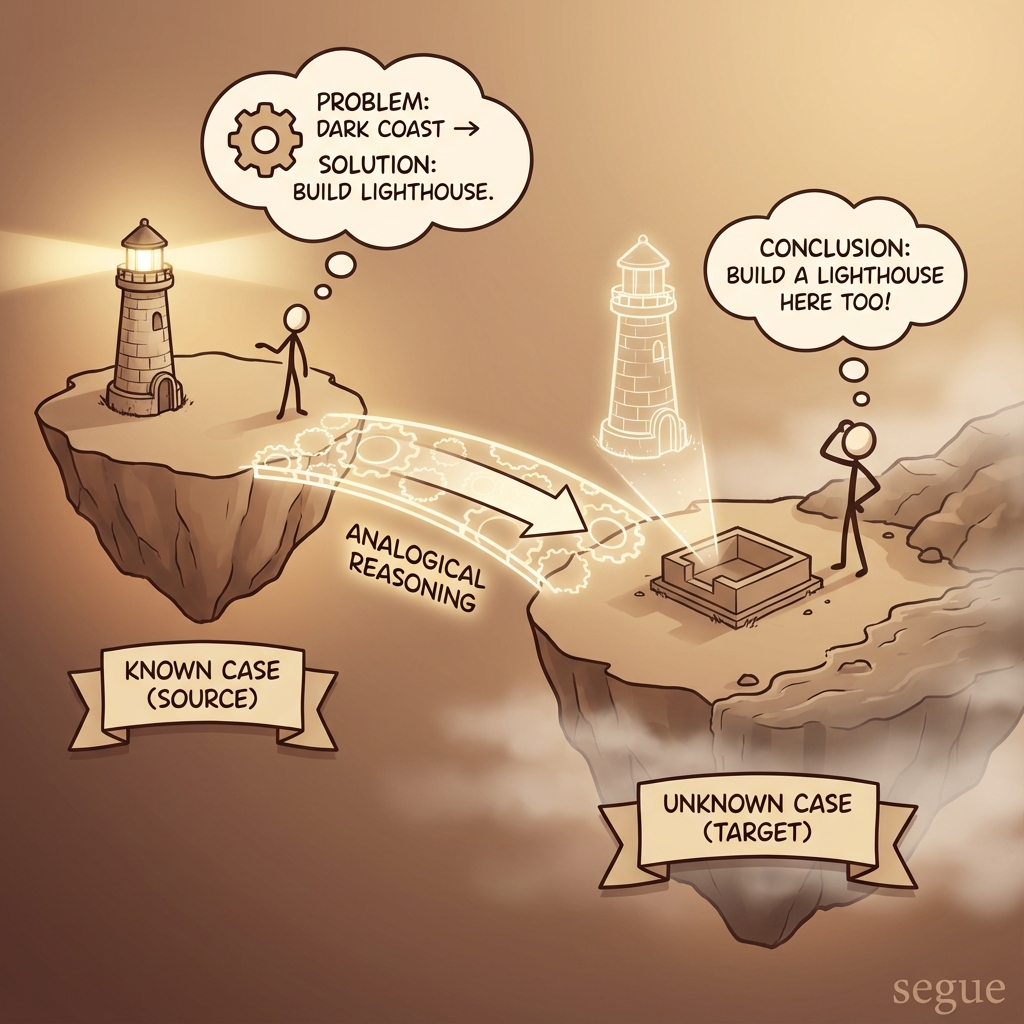
analogical reasoning
/ˌænəˈlɒdʒɪkəl ˈriːzənɪŋ/drawing conclusions based on similarities between cases
“Analogical reasoning from atoms to solar systems guided early physics.”

counterfactual
/ˌkaʊntərˈfæktʃuəl/considering what would happen if something were different
“Counterfactual thinking: 'If I had left earlier, I wouldn't be late.'”
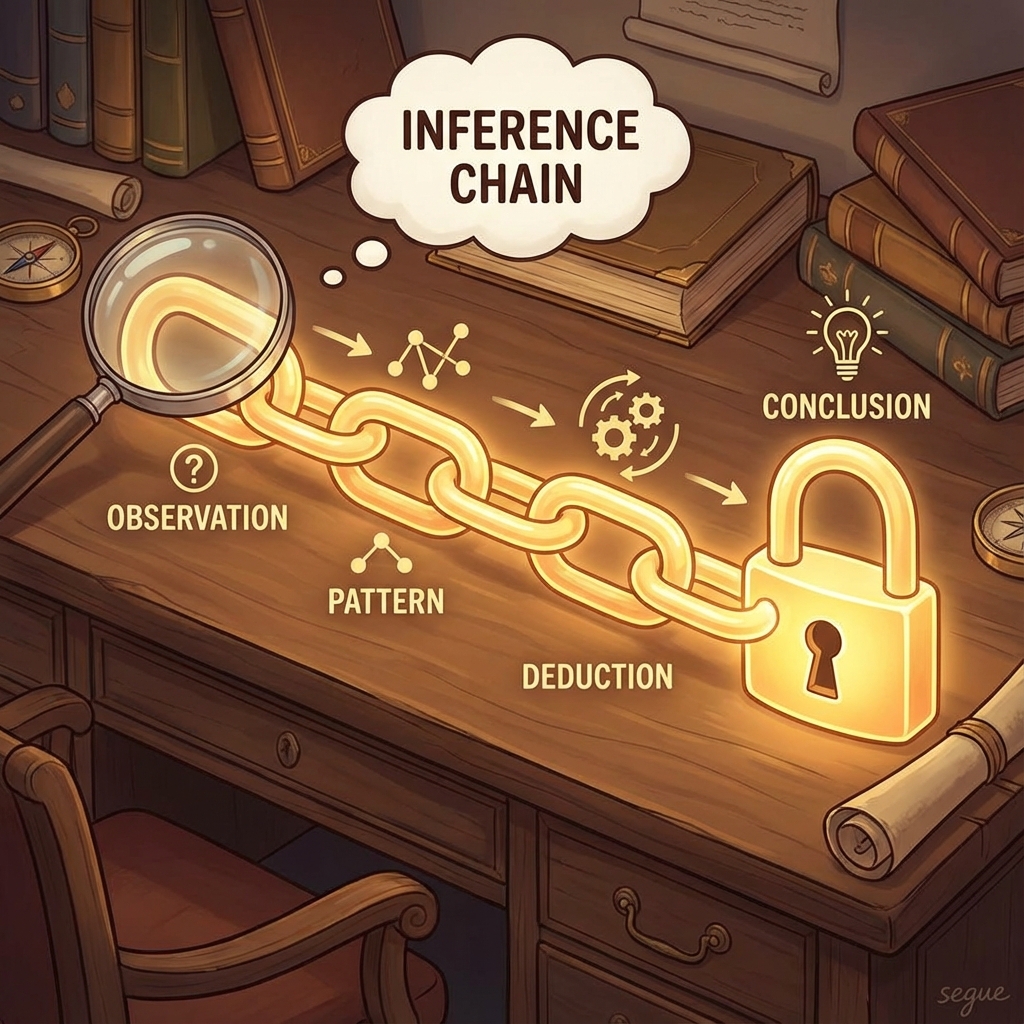
inference chain
/ˈɪnfərəns ˌtʃeɪn/a sequence of reasoning steps leading to a conclusion
“The inference chain broke down at the third step.”
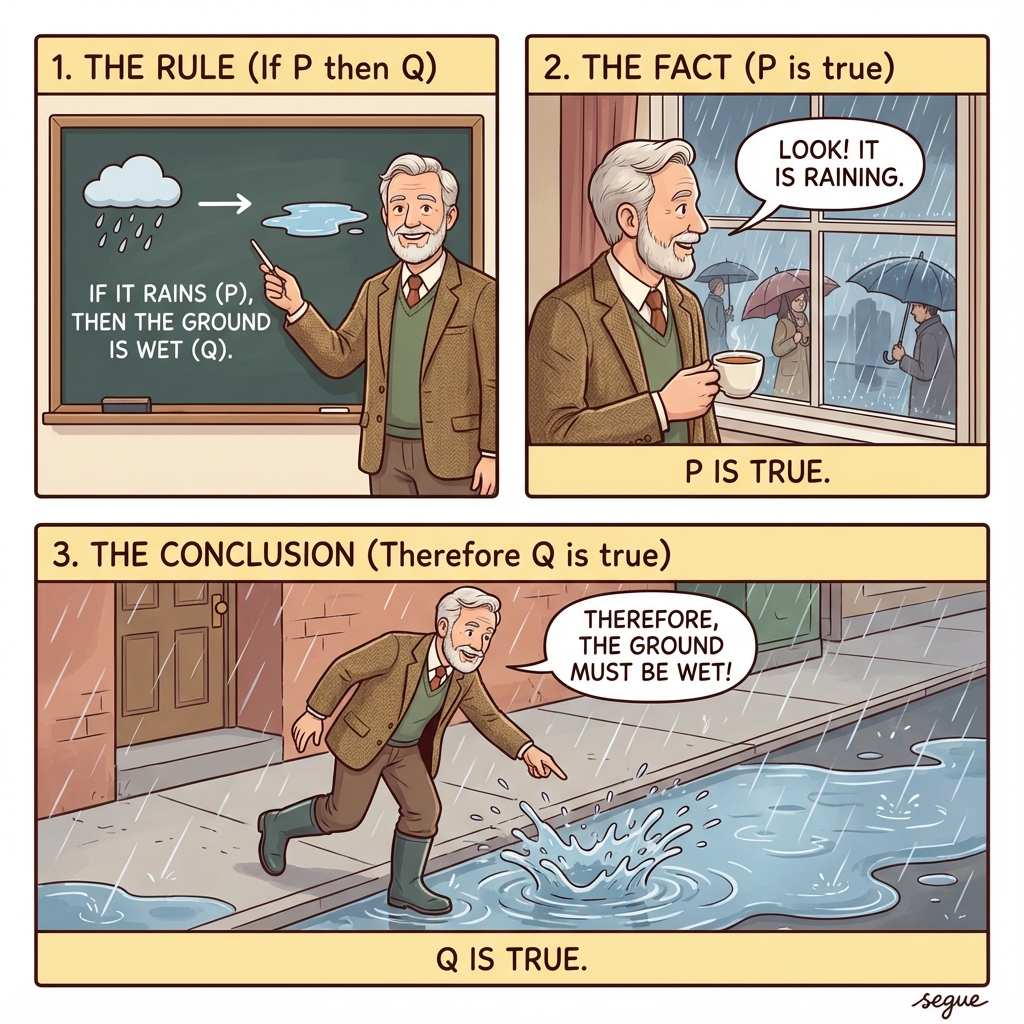
modus ponens
/ˌmoʊdəs ˈpoʊnenz/if P then Q; P is true; therefore Q is true
“Modus ponens: if it rains, streets are wet; it rained; streets are wet.”
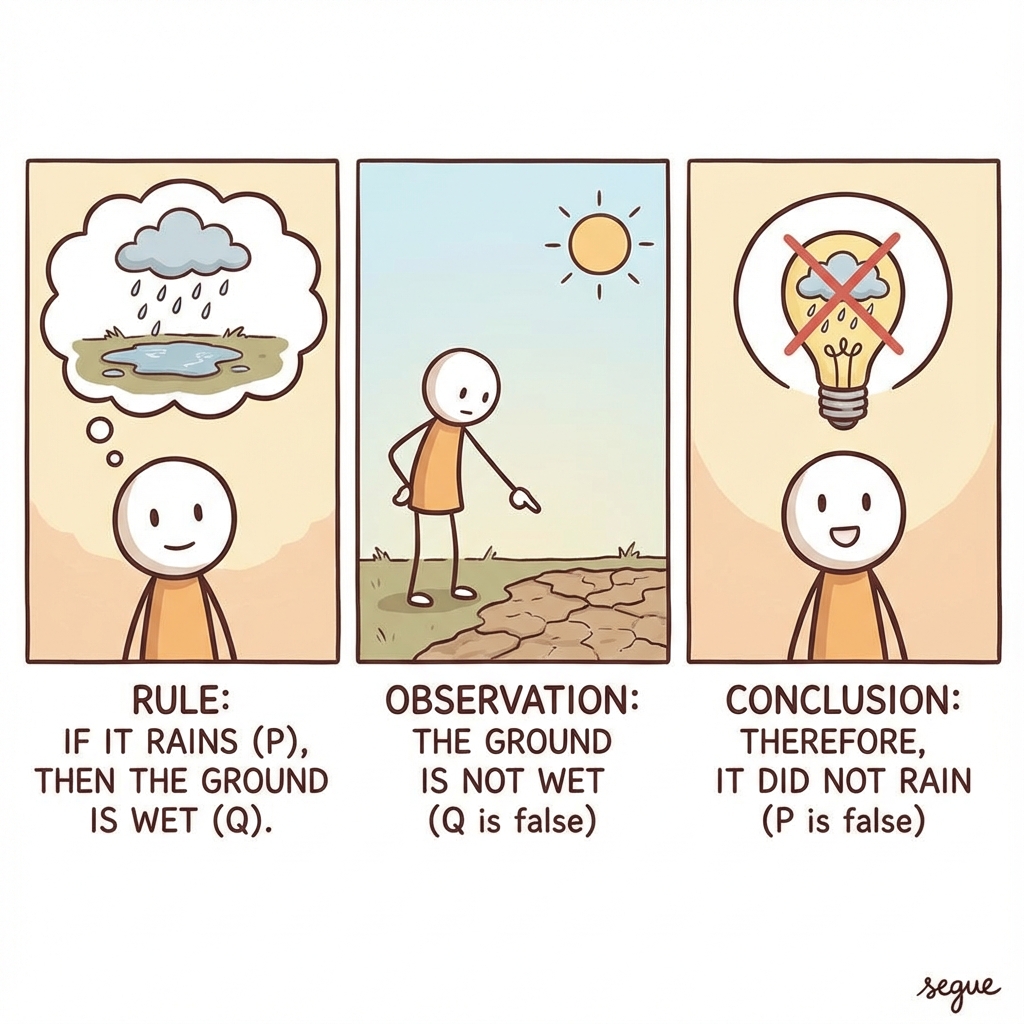
modus tollens
/ˌmoʊdəs ˈtɒlenz/if P then Q; Q is false; therefore P is false
“Modus tollens: if it rained, streets are wet; streets are dry; it didn't rain.”
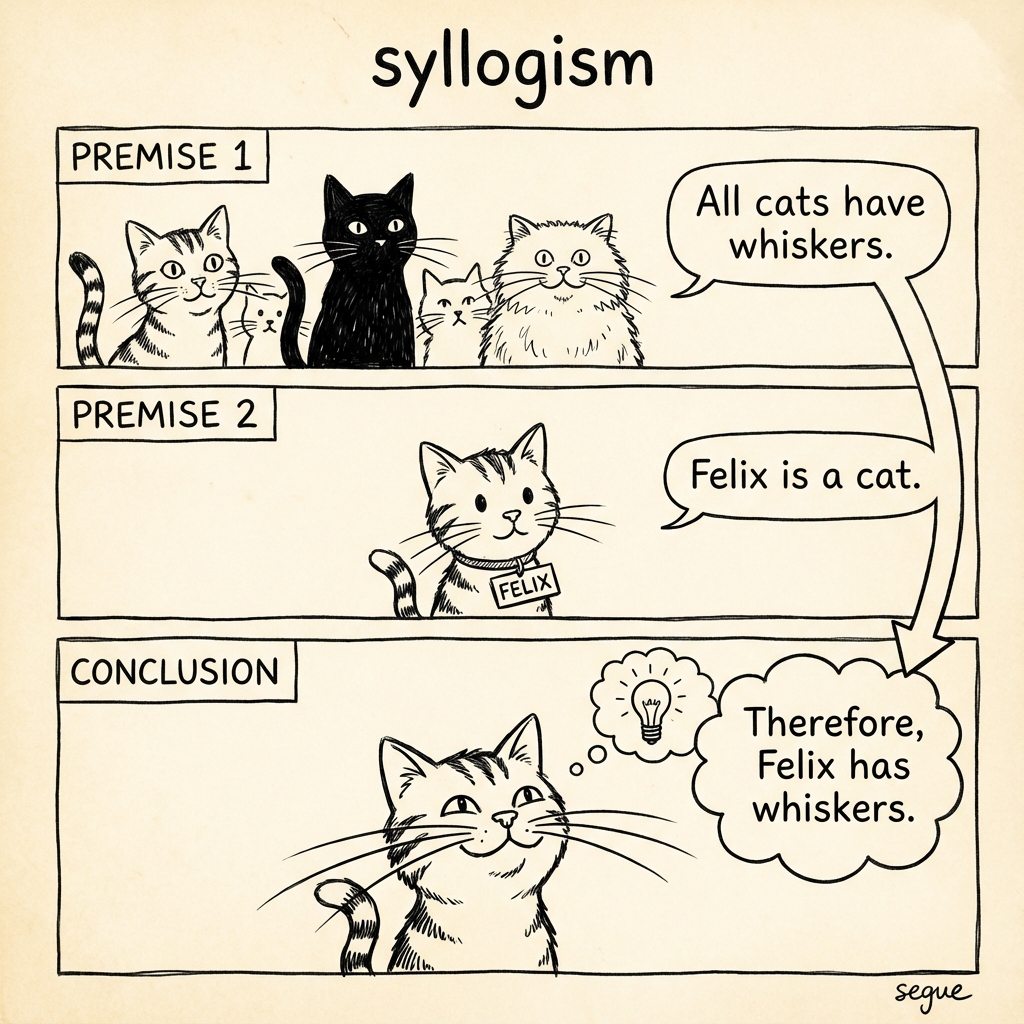
syllogism
/ˈsɪlədʒɪzəm/a form of deductive reasoning with two premises and a conclusion
“All men are mortal; Socrates is a man; therefore Socrates is mortal.”
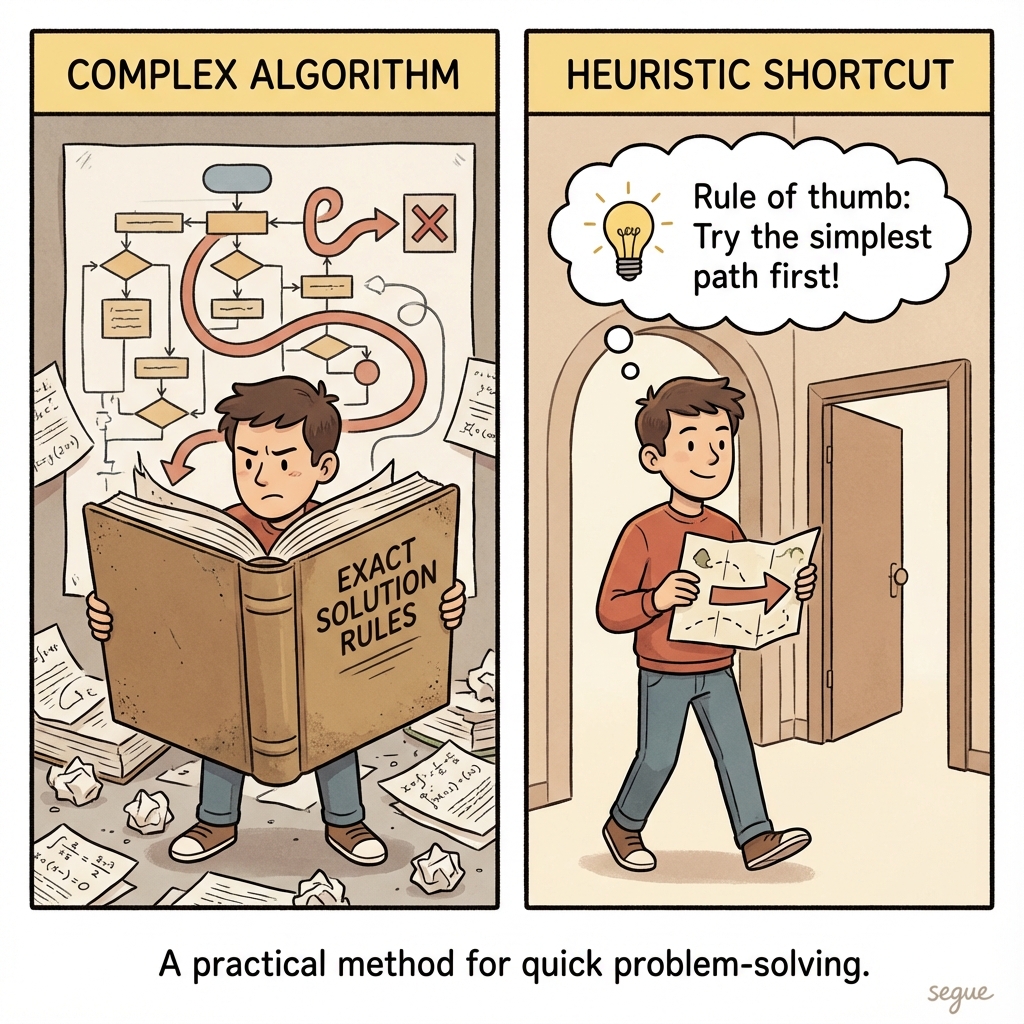
heuristic
/hjʊˈɹɪstɪk/a mental shortcut that enables quick but imperfect judgments
“The availability heuristic judges frequency by ease of recall.”
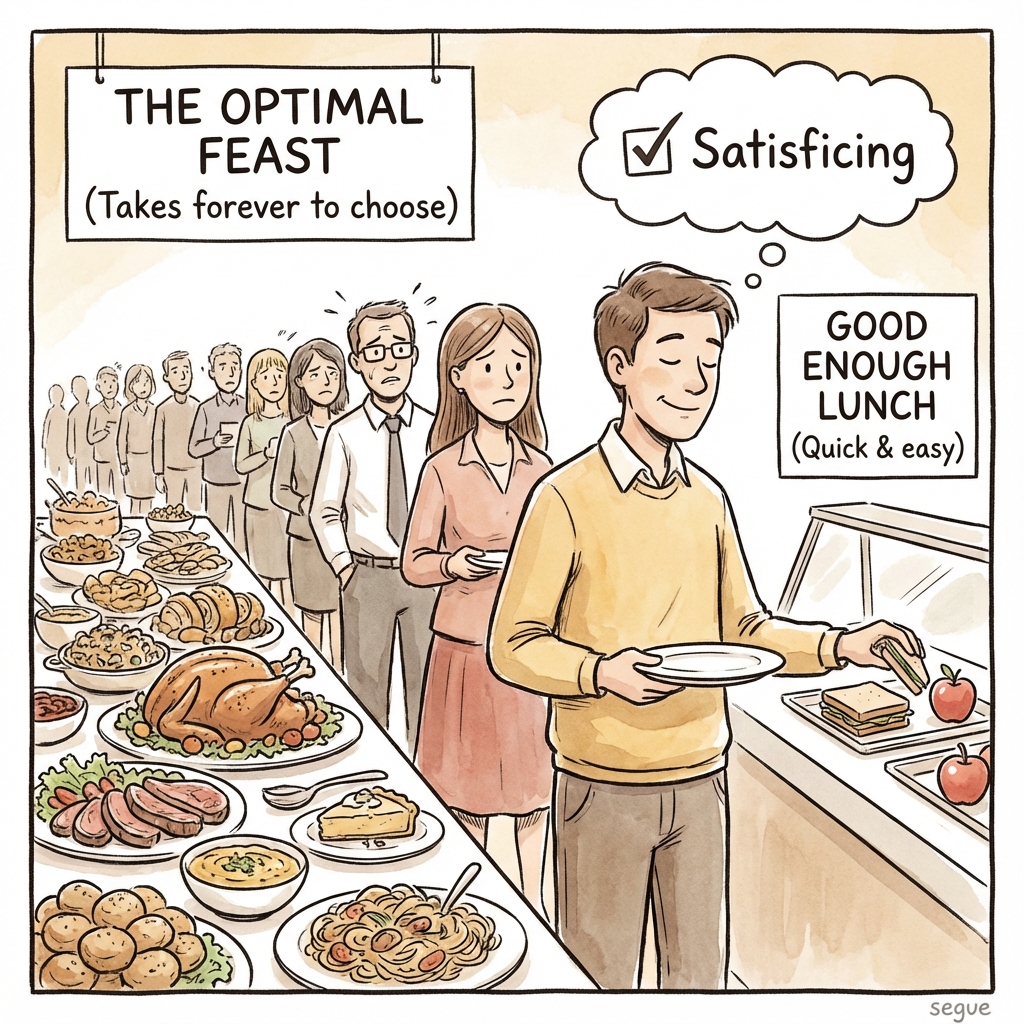
satisficing
/ˌsætɪsˈfaɪsɪŋ/accepting a good-enough option rather than seeking the optimal one
“Satisficing saves time when optimization costs exceed benefits.”
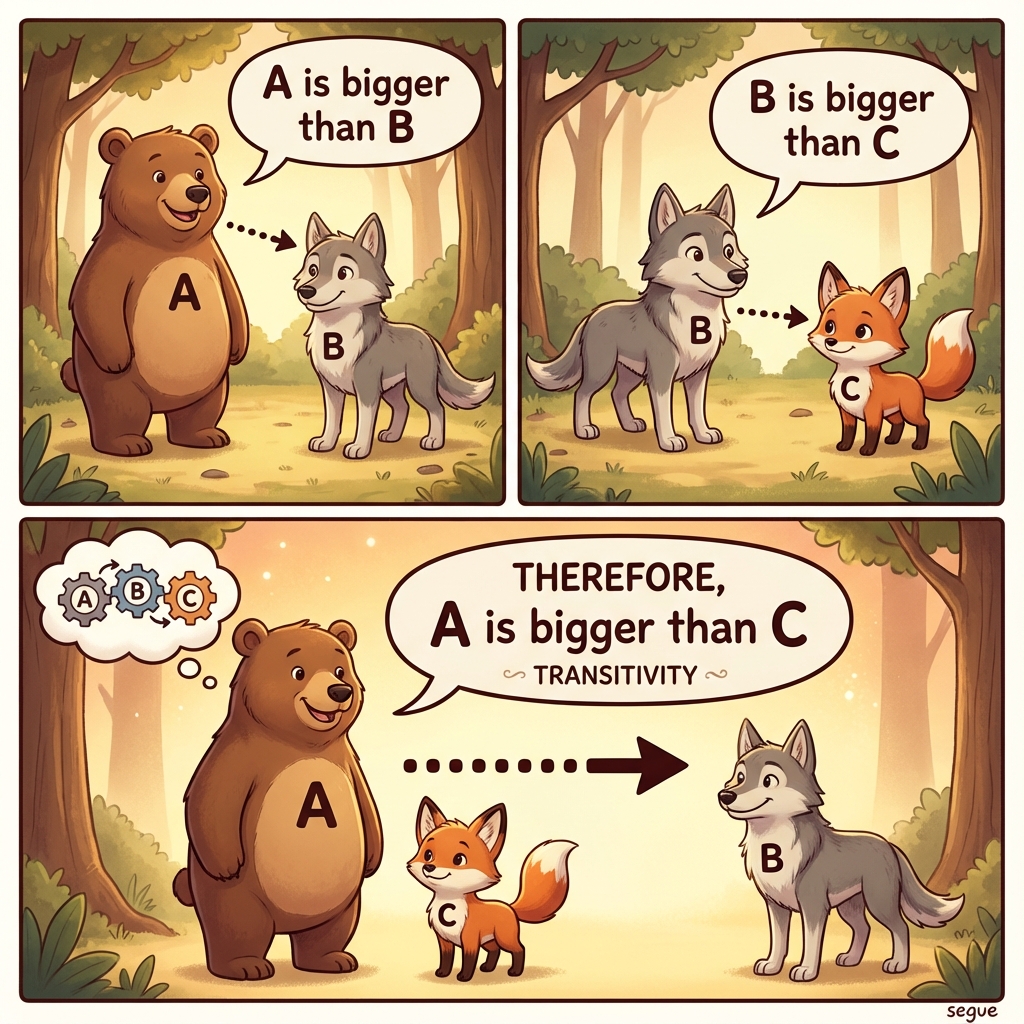
transitivity
/ˌtrænsɪˈtɪvɪti/if A relates to B and B relates to C, then A relates to C
“Transitivity: if A > B and B > C, then A > C.”
More from Technology & Systems
Explore other vocabulary categories in this collection.