Loading collection...
❓
Questioning Techniques Vocabulary
Words describing types and qualities of questions
16 words
All 16 Words
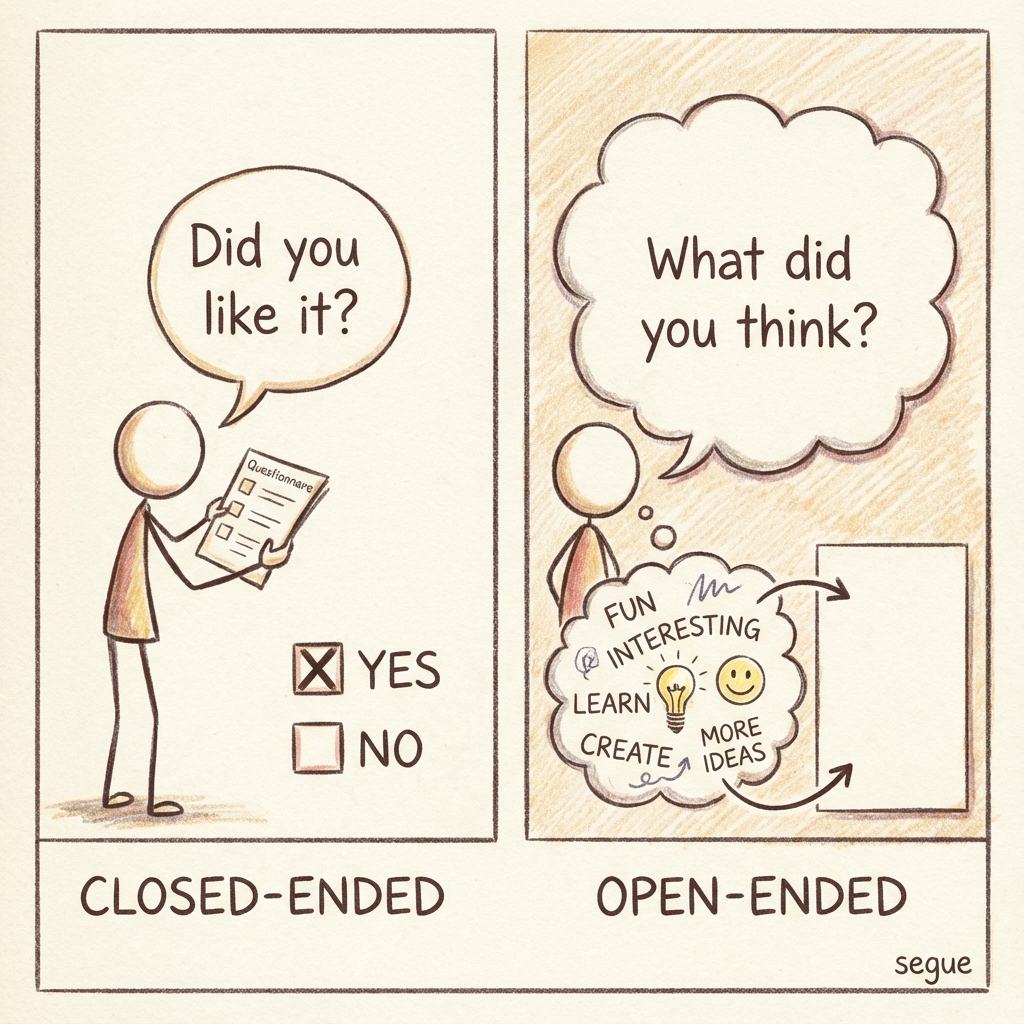
open-ended
/ˈoʊpəˌnɛndəd/allowing a free response rather than a yes/no
“Ask open-ended questions to get richer responses.”
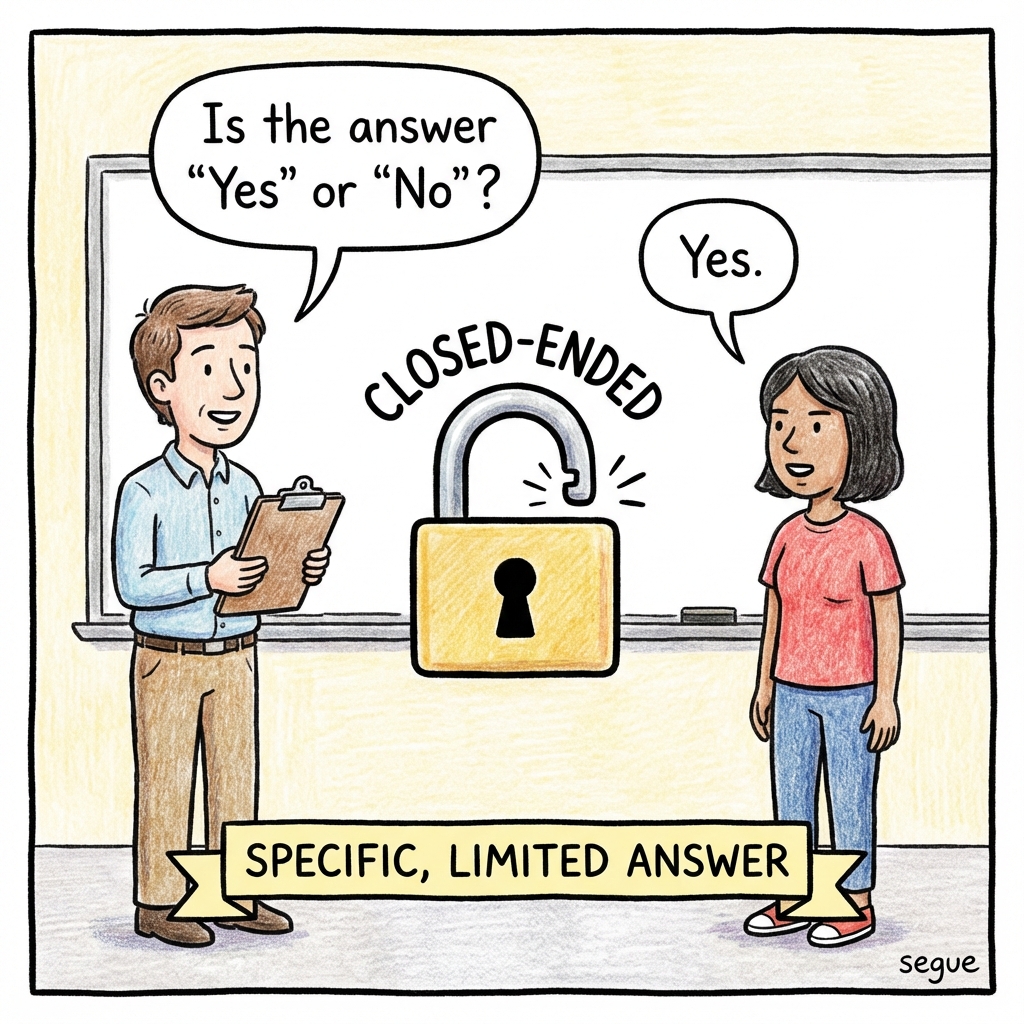
closed-ended
/ˌkloʊzd ˈendɪd/requiring a specific, limited answer
“Use closed-ended questions for quantitative data.”
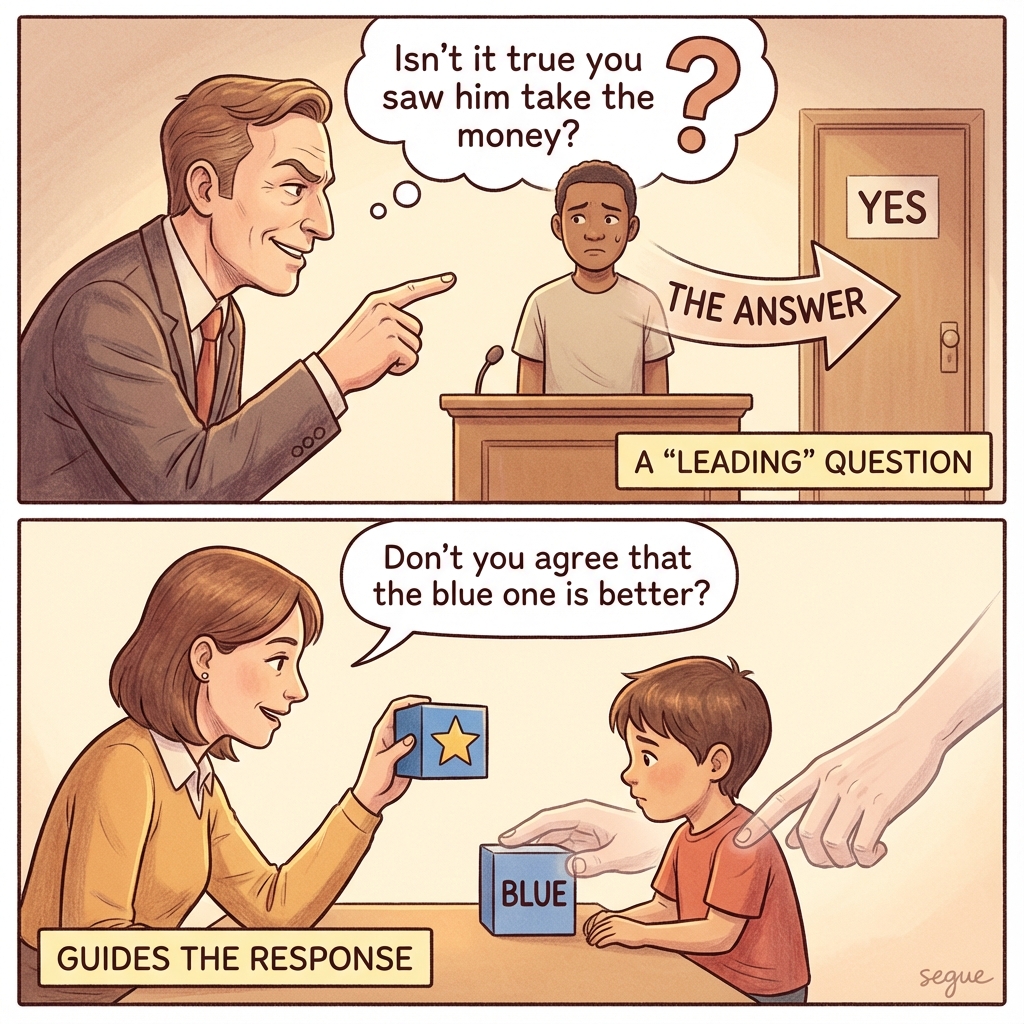
leading
/ˈɫidɪŋ/tending to suggest the desired answer
“Avoid leading questions that bias responses.”
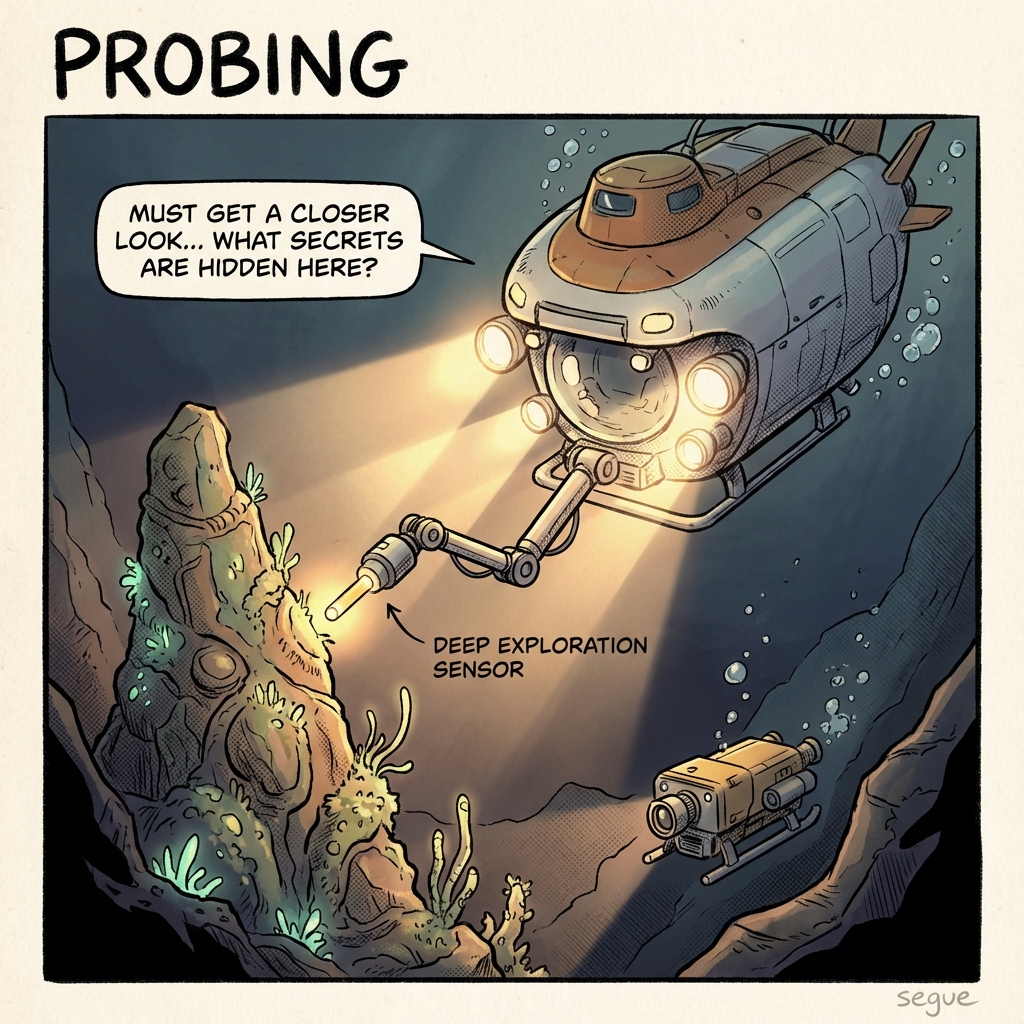
probing
/ˈpɹoʊbɪŋ/seeking to explore or examine deeply
“Follow up with probing questions to understand motives.”
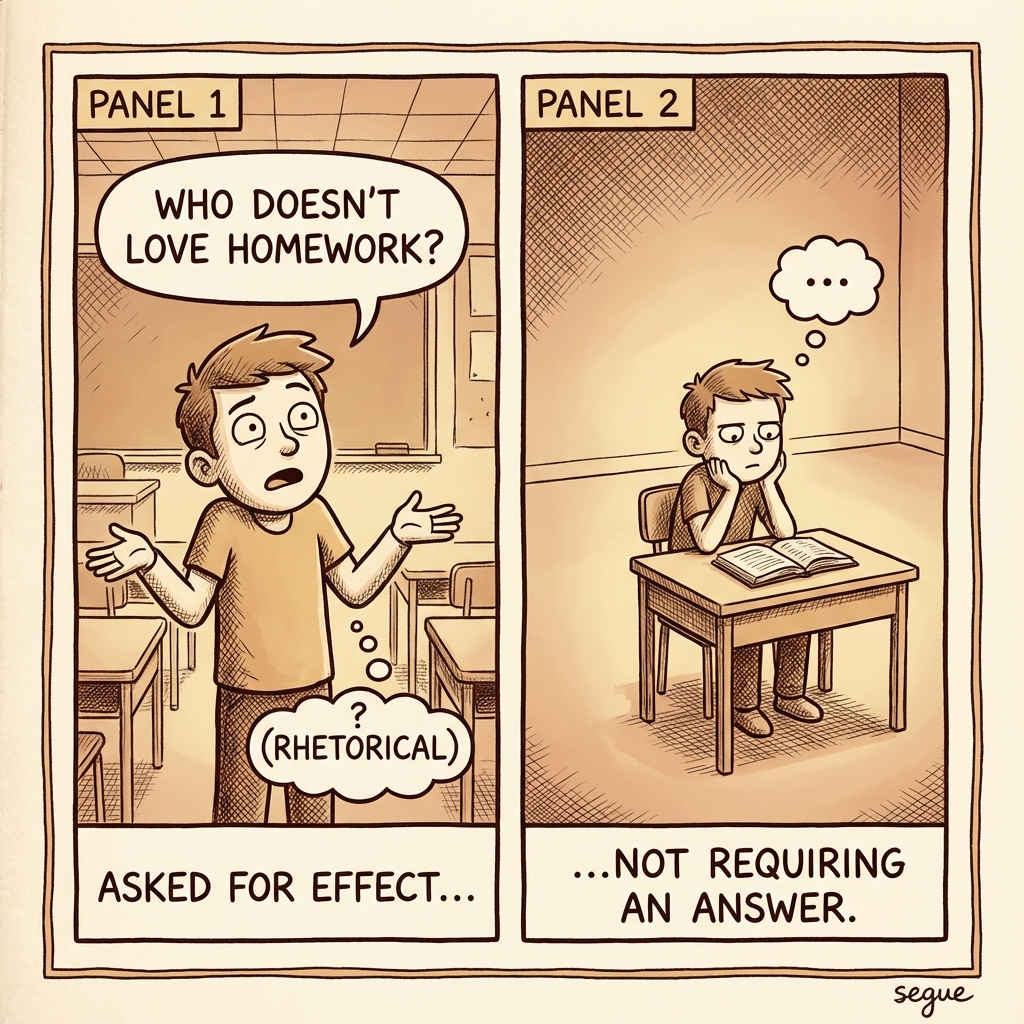
rhetorical
/ɹɪˈtɔɹɪkəɫ/asked for effect, not requiring an answer
“That was a rhetorical question—the answer is obvious.”
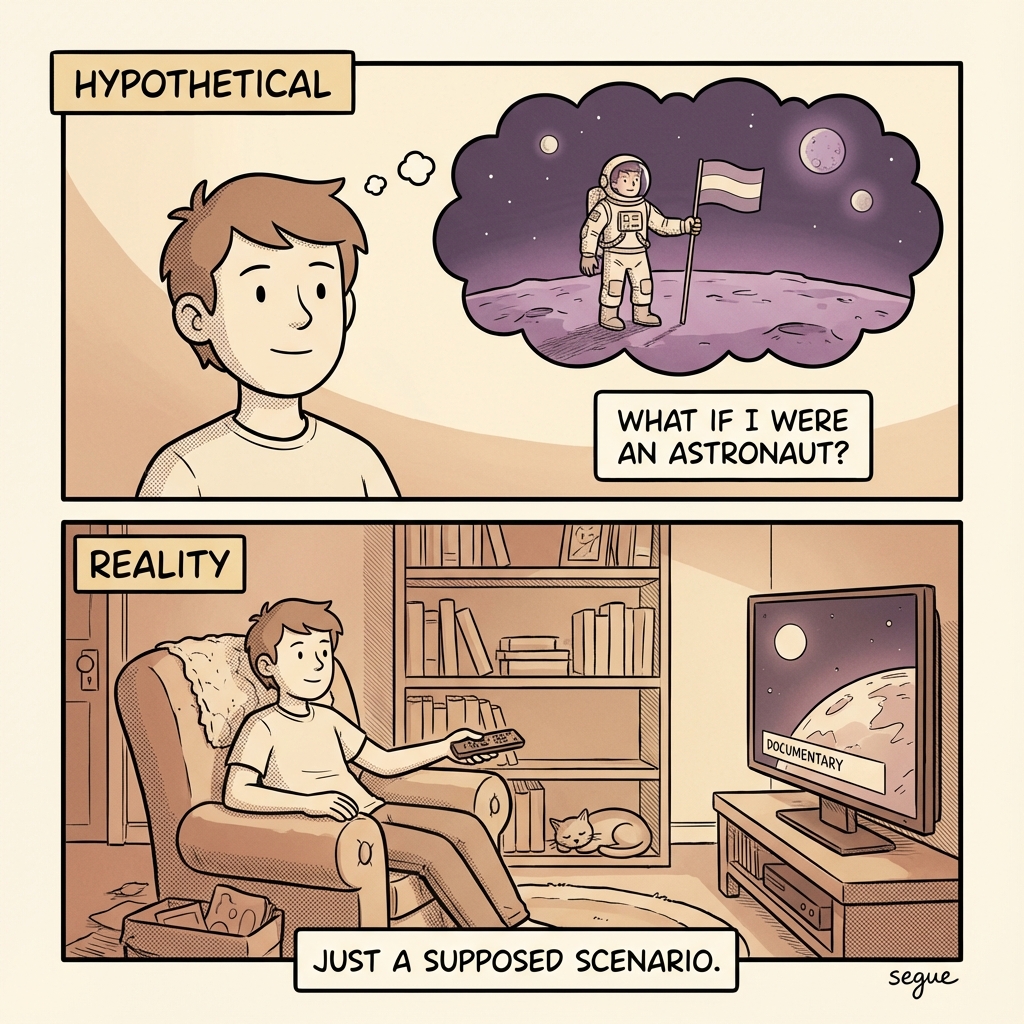
hypothetical
/ˌhaɪpəˈθɛtəkəɫ/involving or based on a supposed scenario
“Consider this hypothetical: what if we had unlimited budget?”
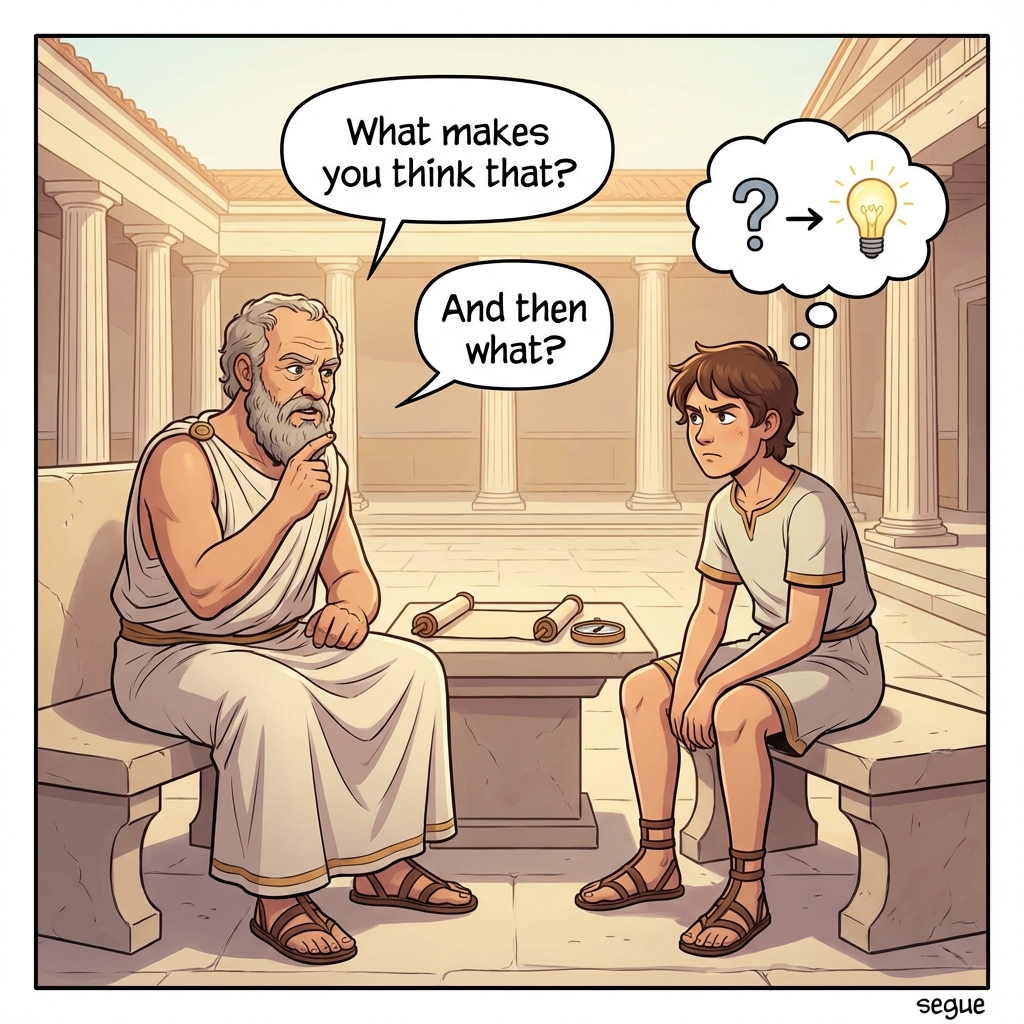
Socratic
/səˈkɹætɪk/using questions to stimulate critical thinking
“The Socratic method helps learners discover answers themselves.”
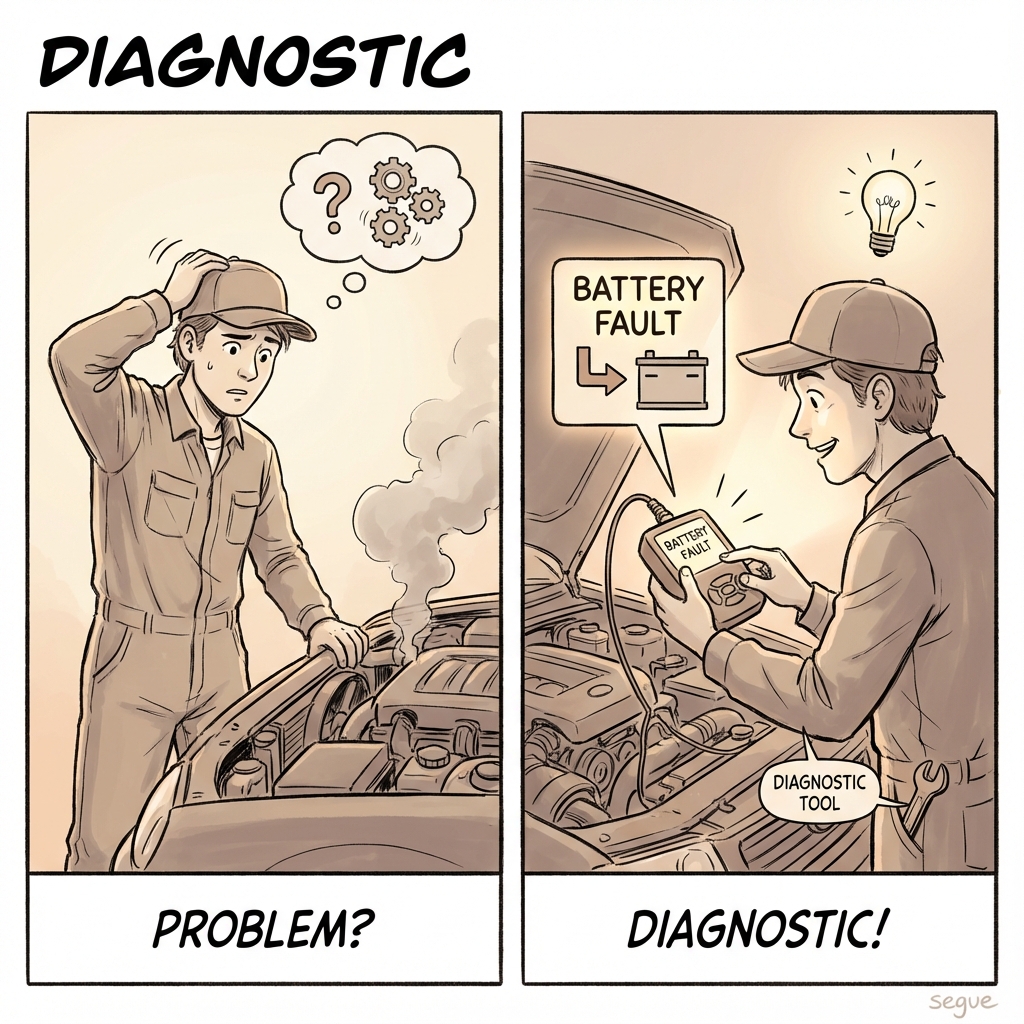
diagnostic
/ˌdaɪəɡˈnɑstɪk/designed to identify or determine something
“Ask diagnostic questions to pinpoint the issue.”
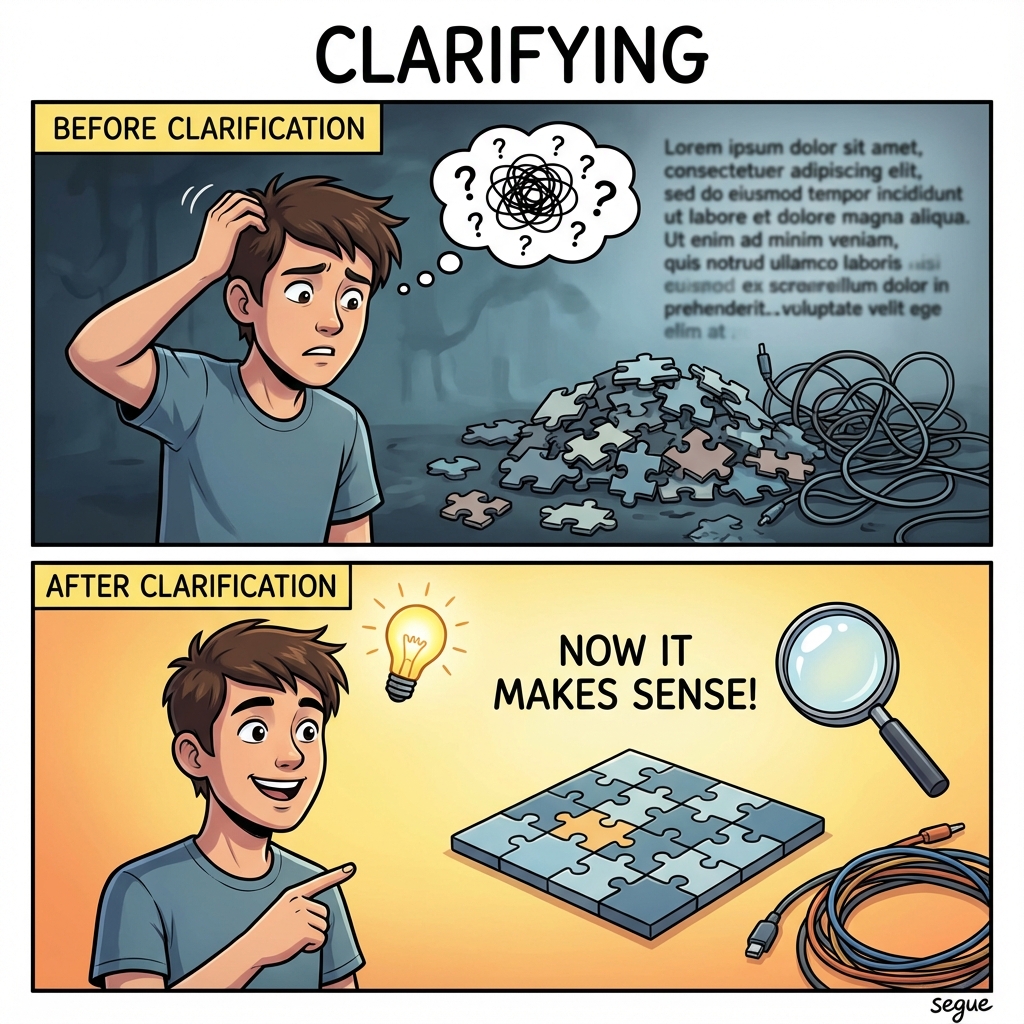
clarifying
/ˈkɫɛɹəˌfaɪɪŋ/intended to make something clearer
“Let me ask a clarifying question before proceeding.”
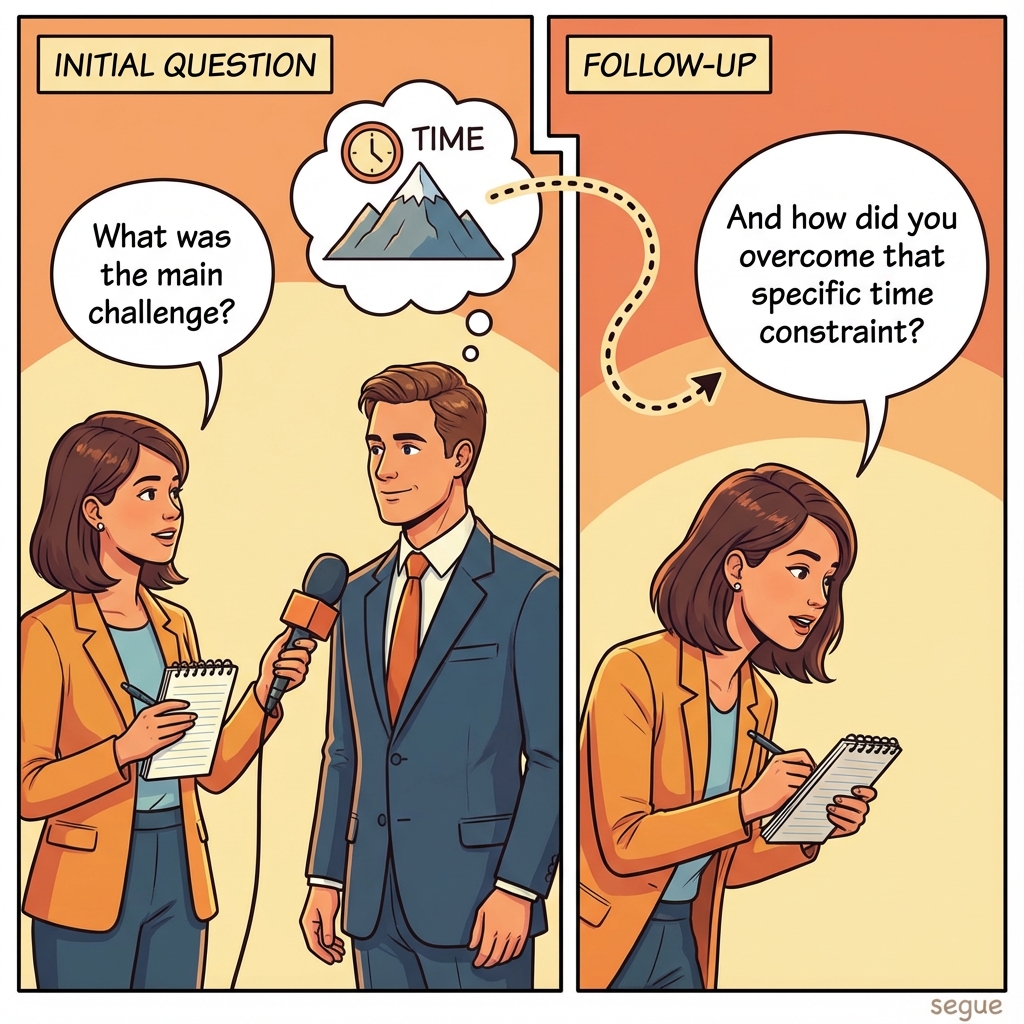
follow-up
/ˈfɑɫoʊˌəp/continuing a line of inquiry from previous questions
“I have a follow-up question about that response.”

counterfactual
/ˌkaʊntərˈfæktʃuəl/relating to what has not happened but might have
“A counterfactual question: what if we hadn't made that change?”
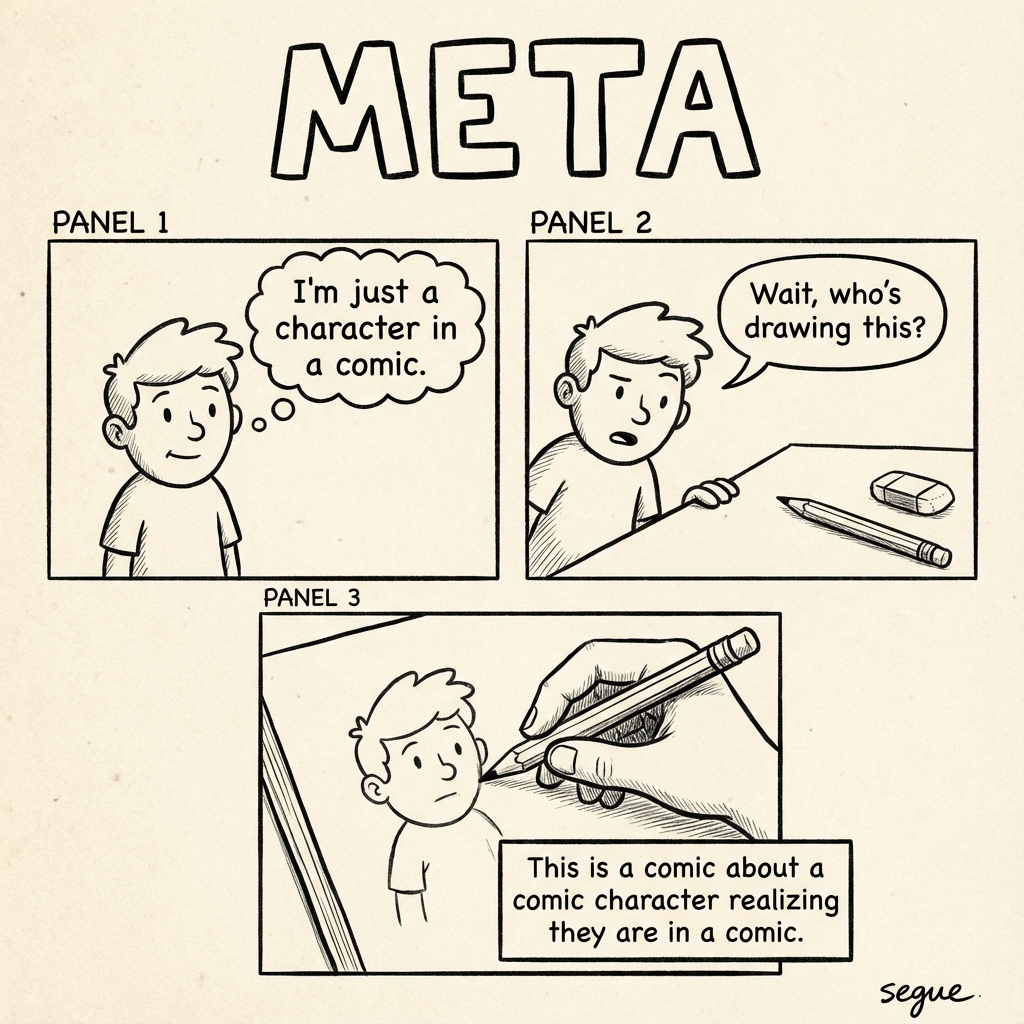
meta
/ˈmitə/referring to itself or to the conventions of its type
“A meta question: is this even the right question to ask?”
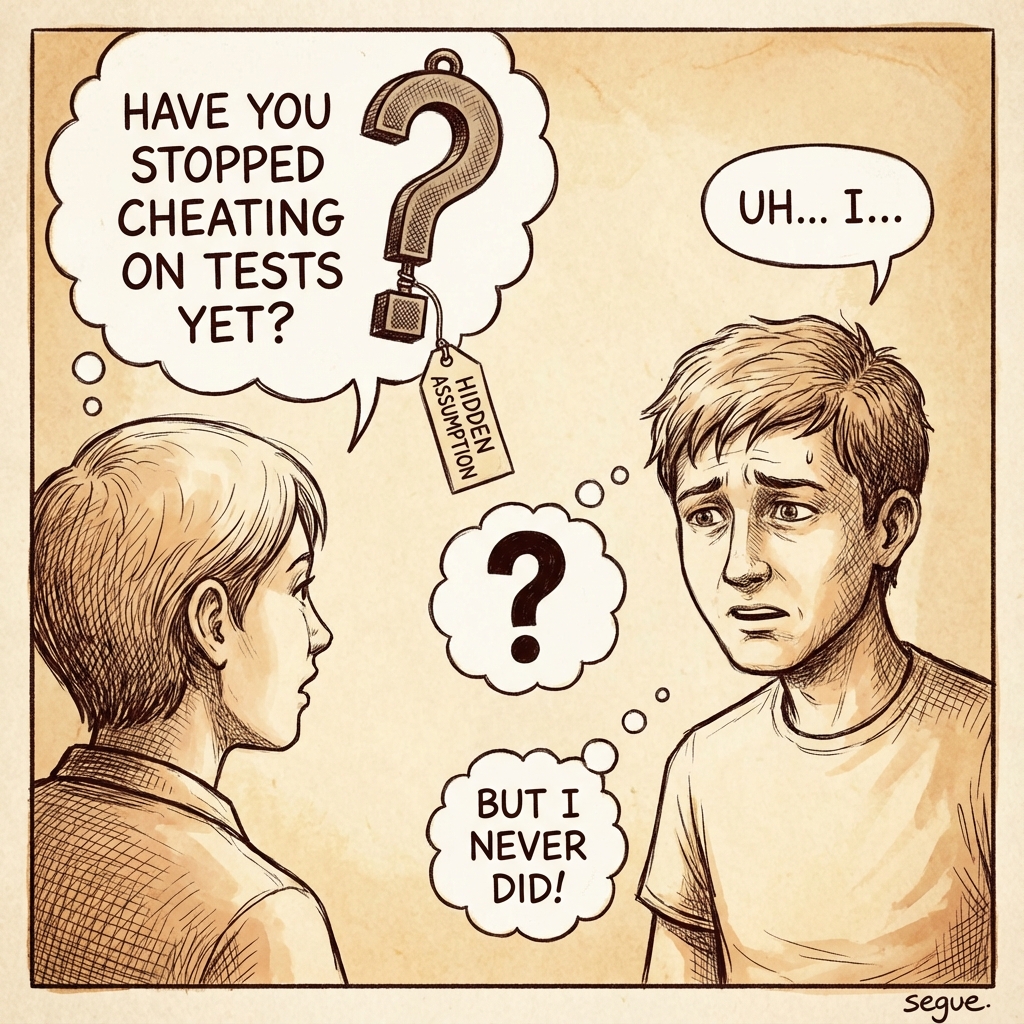
loaded
/ˈɫoʊdɪd/containing an assumption that may not be true
“That's a loaded question—I reject the premise.”
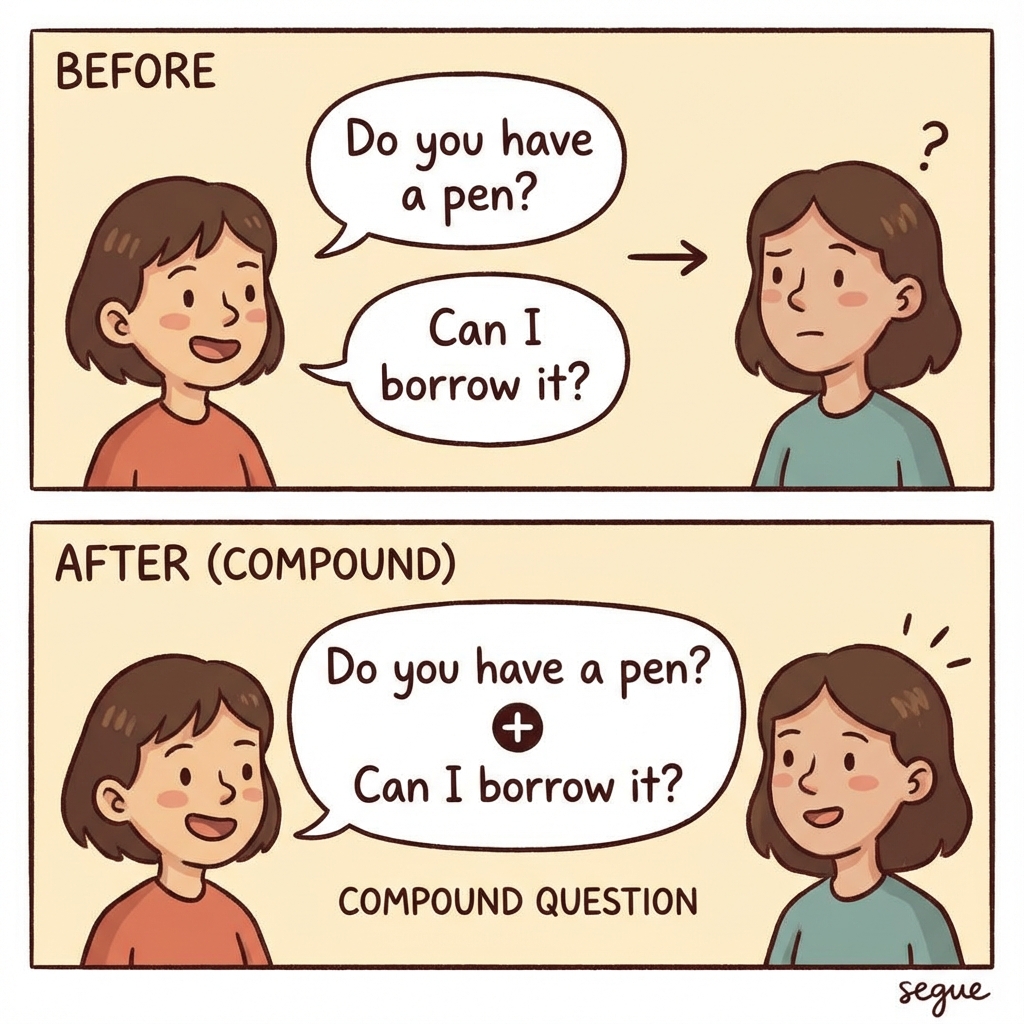
compound
/ˈkɑmpaʊnd/combining multiple questions into one
“Avoid compound questions; ask them separately.”

pertinent
/ˈpɝtɪnɪnt/relevant or applicable to the matter at hand
“Focus on pertinent questions to save time.”
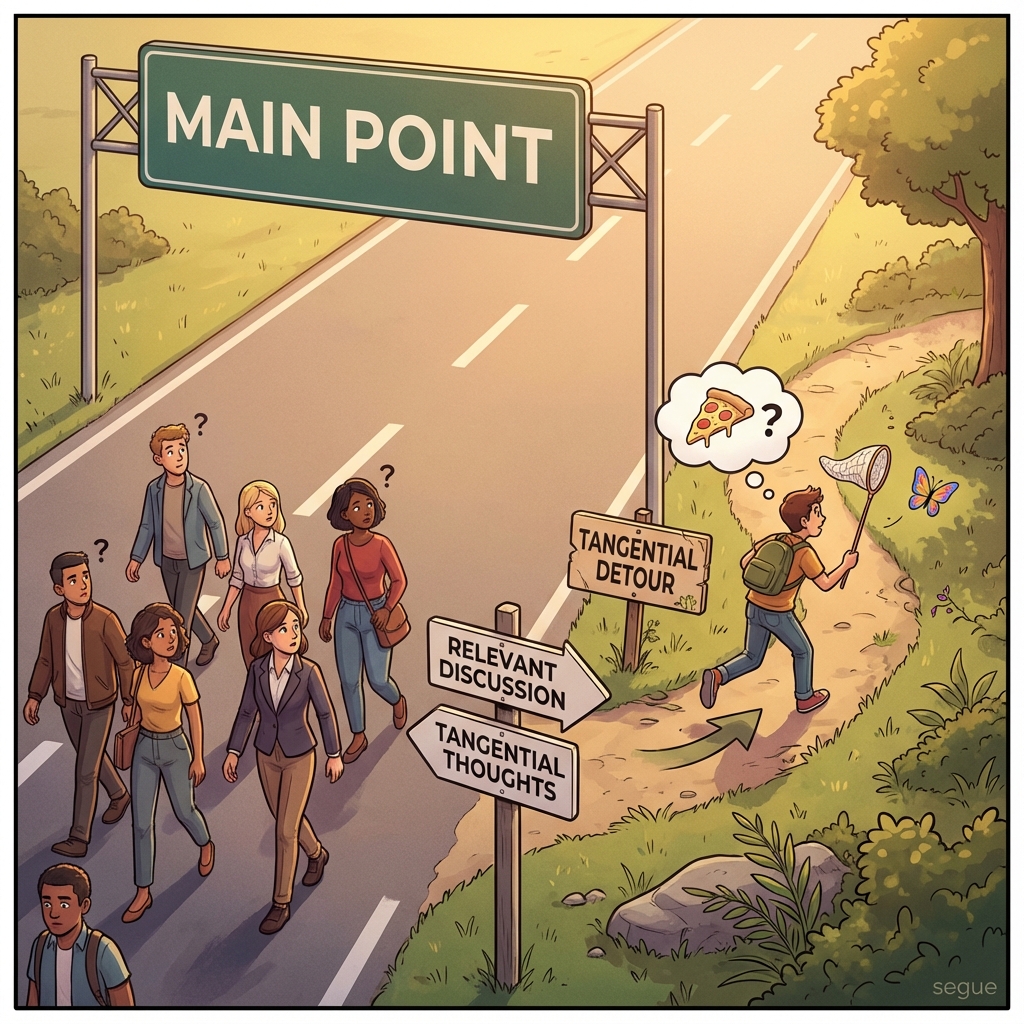
tangential
/tænˈdʒɛnʃəɫ/only slightly relevant; diverging from the main point
“Let's set aside tangential questions for now.”
More from Intellectual
Explore other vocabulary categories in this collection.