Loading collection...
📊
Quantity & Amount Vocabulary
Words describing amounts, abundance, and scarcity
22 words
All 22 Words
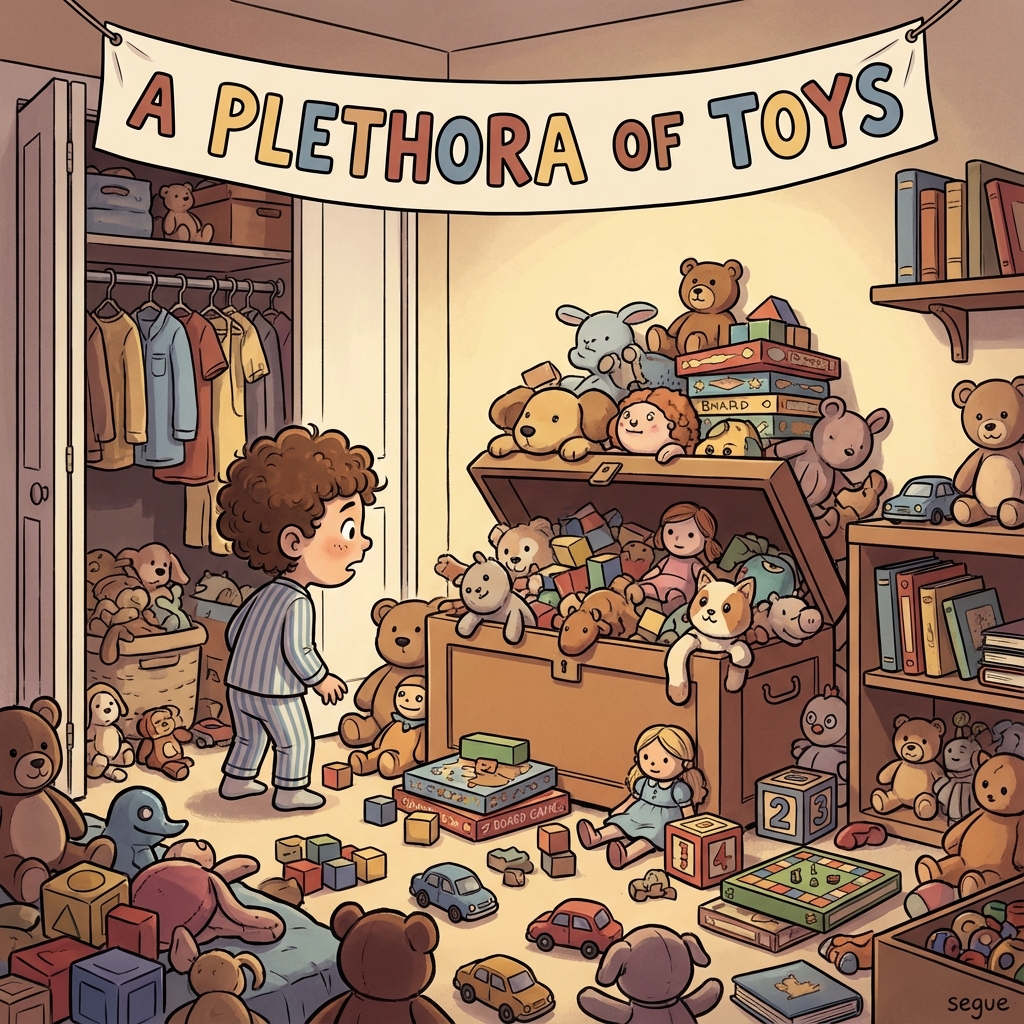
plethora
/ˈpɫɛθɝə/an excess or overabundance of something
“The market offers a plethora of choices for consumers.”
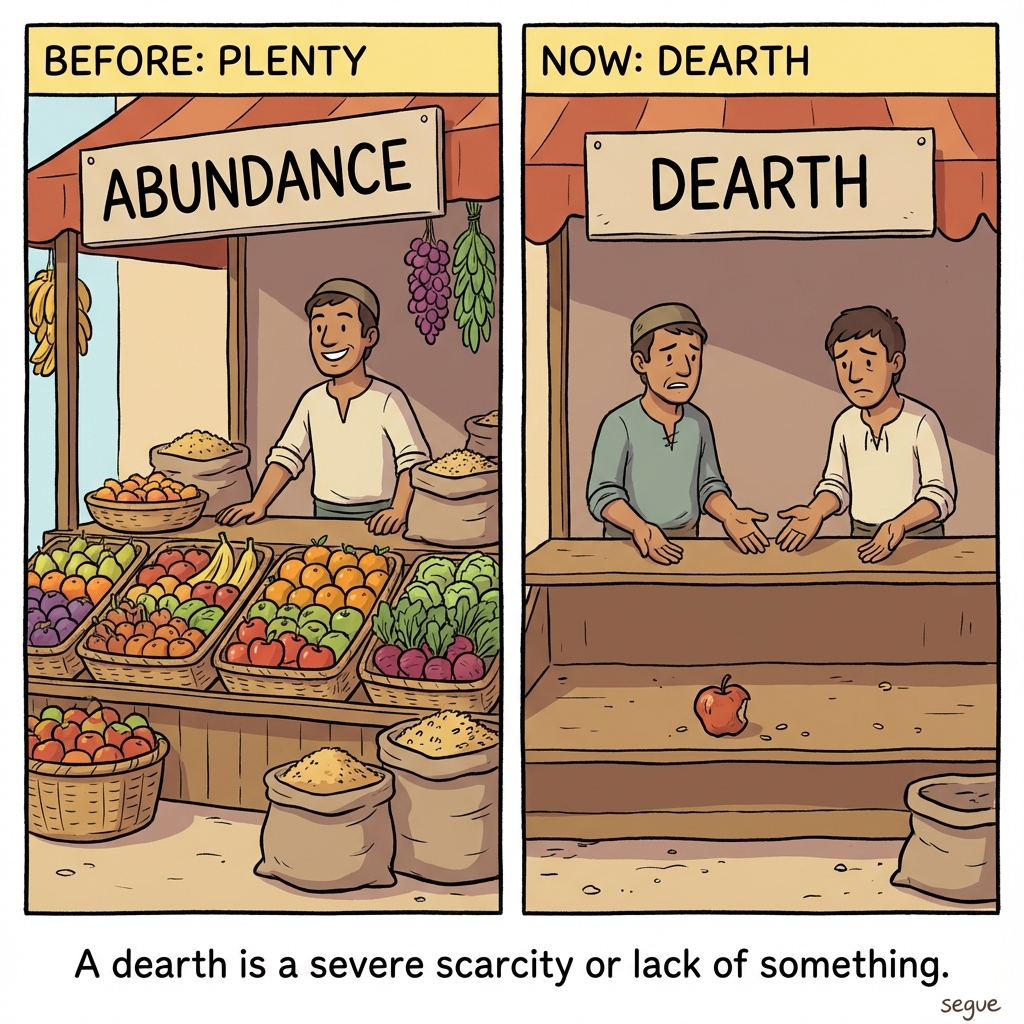
dearth
/ˈdɝθ/a scarcity or lack of something
“There is a dearth of qualified candidates for the position.”
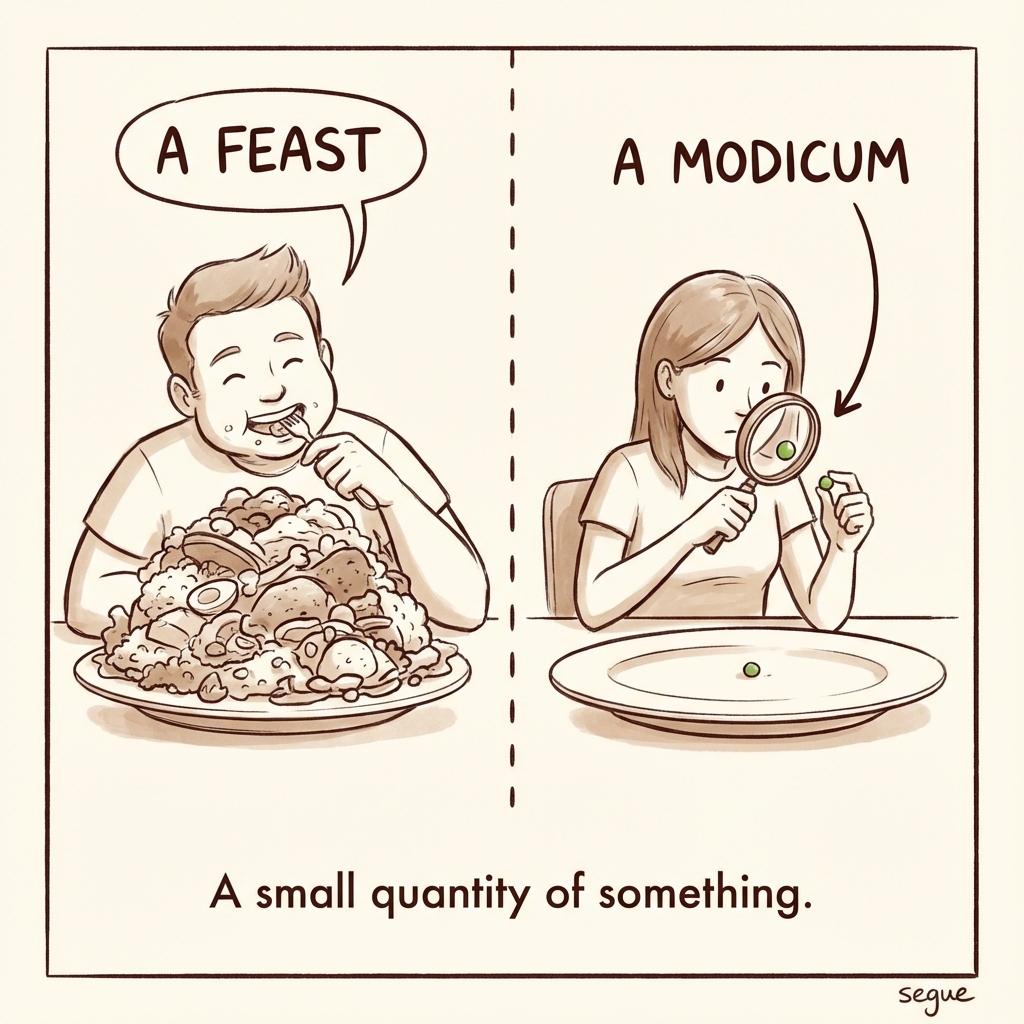
modicum
/ˈmɑdɪkəm/a small quantity of something
“He showed not even a modicum of remorse for his actions.”

surfeit
/ˈsɝfət/an excessive amount of something
“The surfeit of information made it hard to focus.”

paucity
/ˈpɔsəˌti/the presence of something in only small or insufficient quantities
“The paucity of evidence made prosecution difficult.”
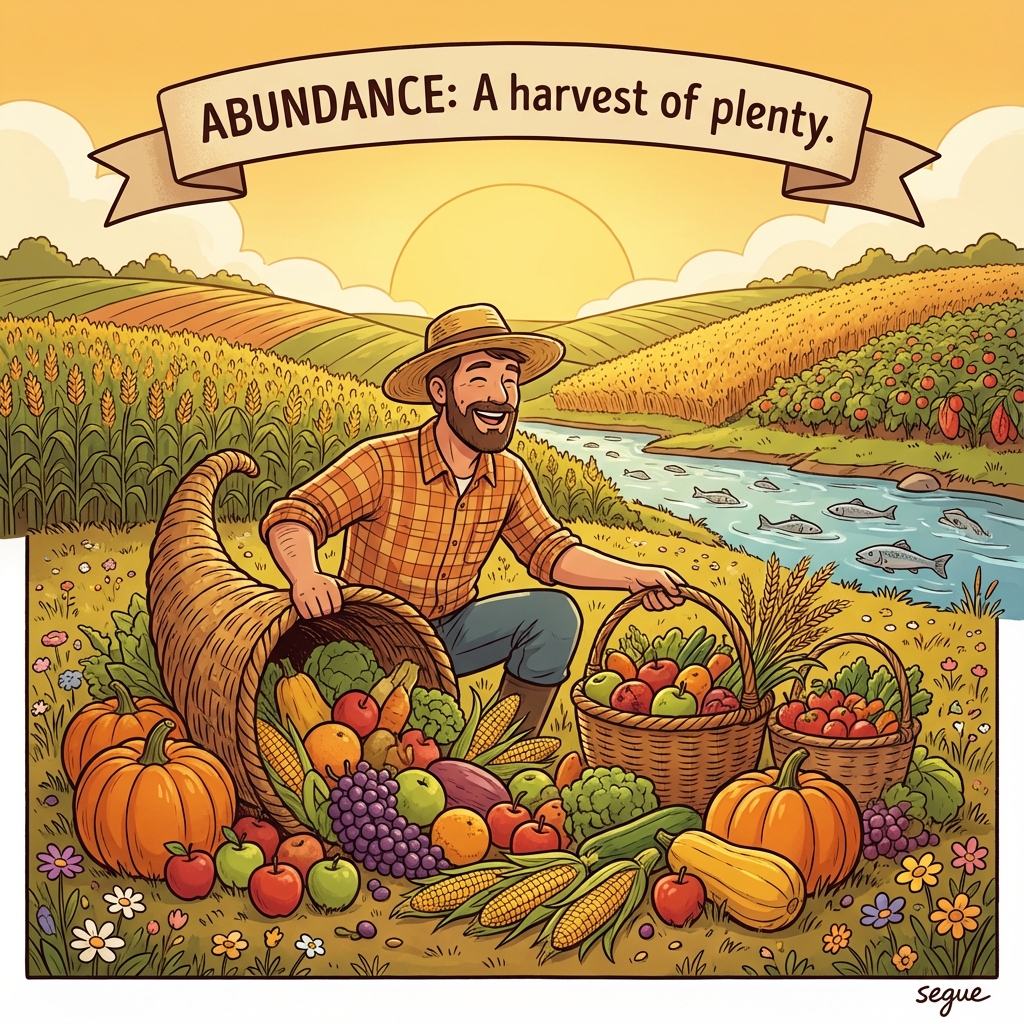
abundance
/əˈbəndəns/a very large quantity of something; plentifulness
“The region enjoys an abundance of natural resources.”
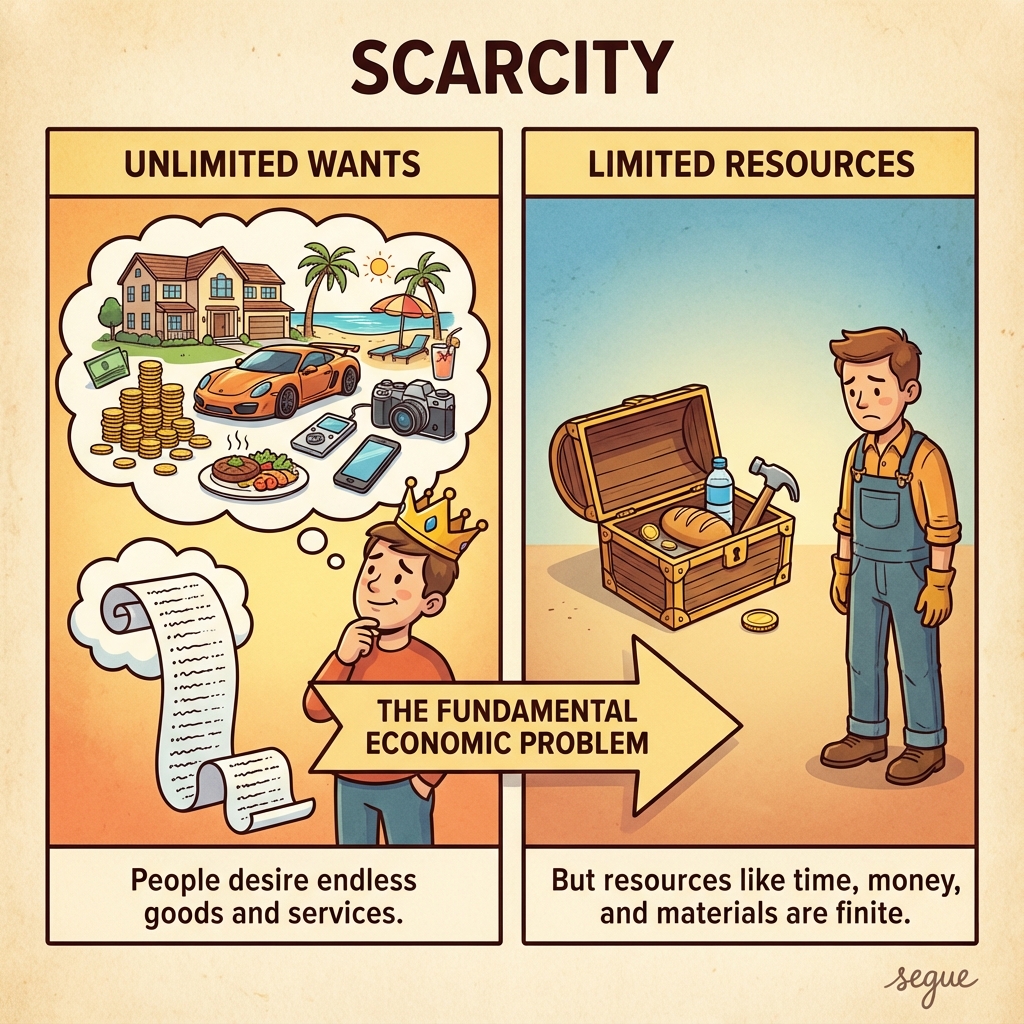
scarcity
/ˈskɛɹsɪti/the state of being scarce or in short supply
“Water scarcity affects millions worldwide.”
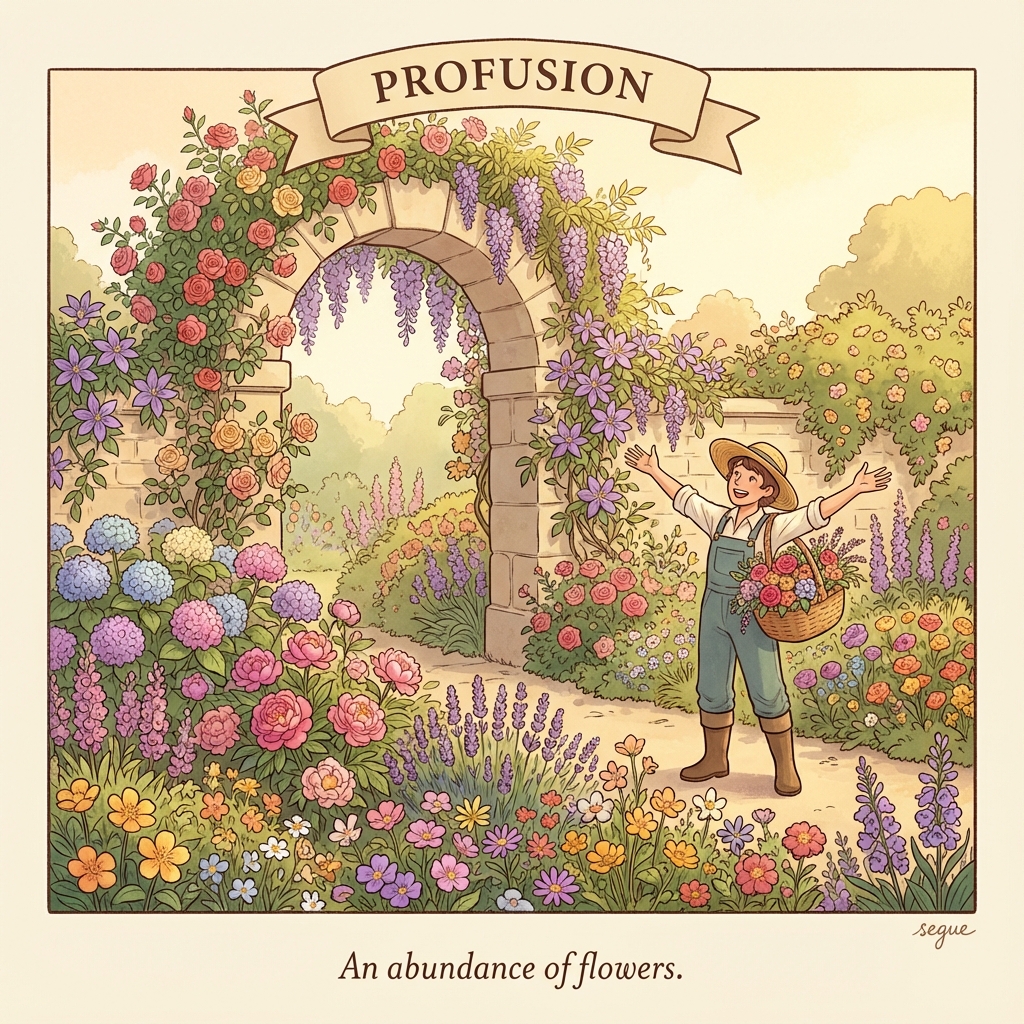
profusion
/pɹəfˈjuʒən/an abundance or large quantity of something
“The garden bloomed with a profusion of colors.”
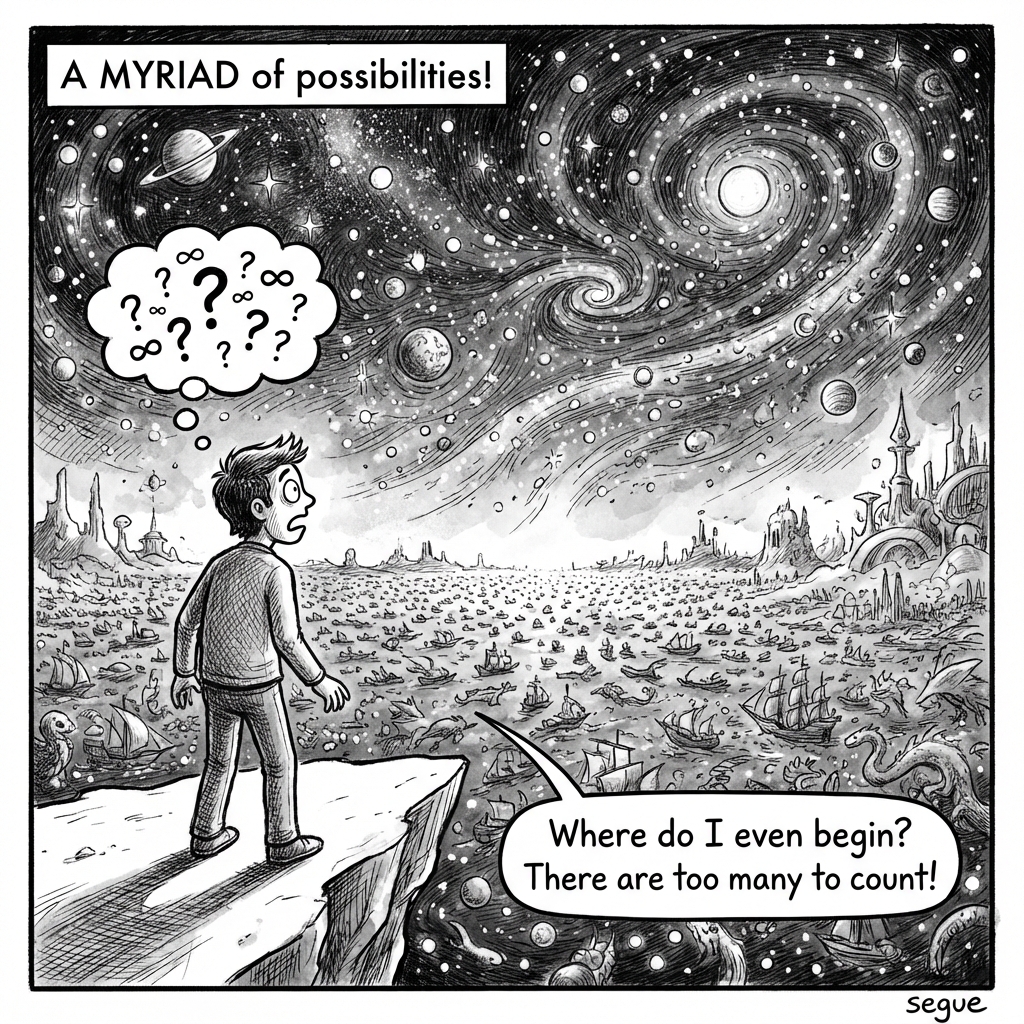
myriad
/ˈmɪɹiəd/a countless or extremely great number
“The city offers myriad opportunities for entertainment.”

multitude
/ˈməɫtəˌtud/a large number of people or things
“A multitude of factors contributed to the outcome.”
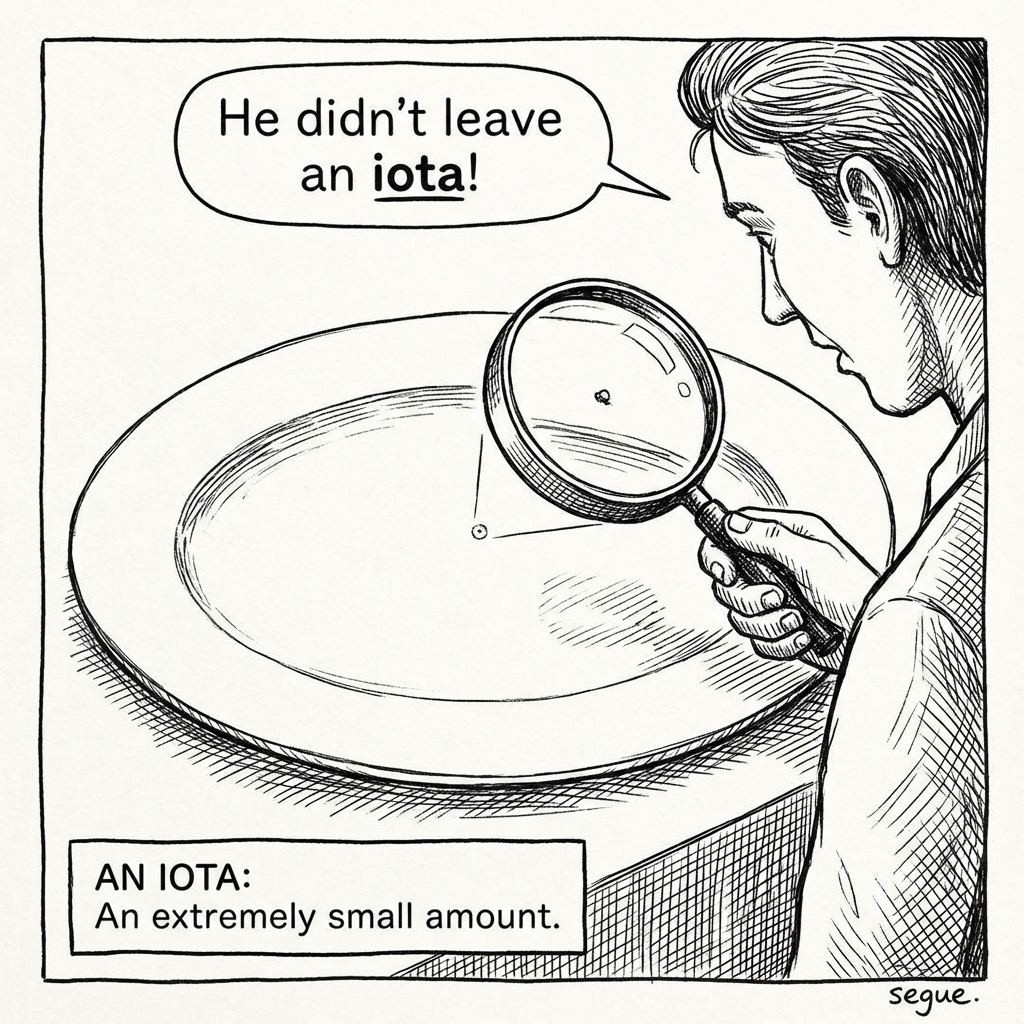
iota
/ˌaɪˈoʊtə/an extremely small amount
“There isn't an iota of truth in that statement.”
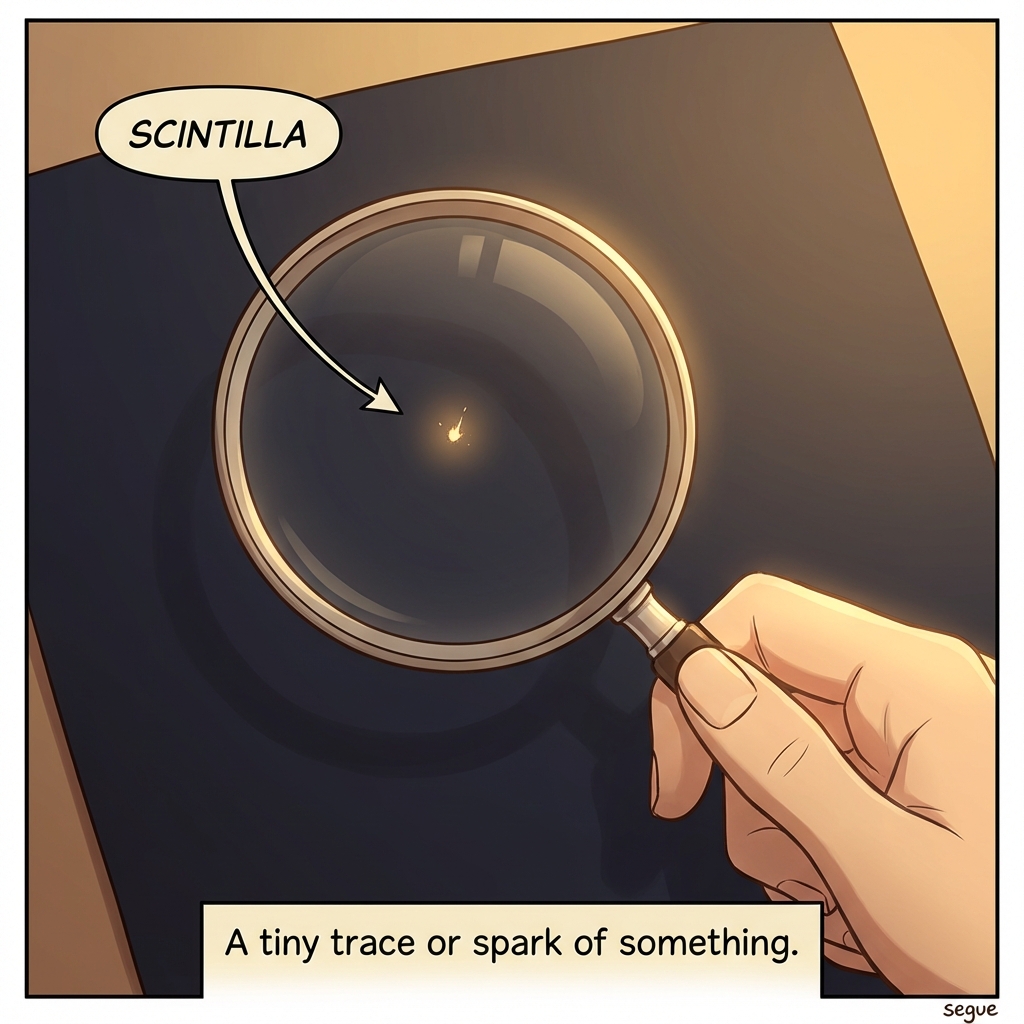
scintilla
/sɪnˈtɪɫə/a tiny trace or spark of something
“Not a scintilla of evidence supports that claim.”

pittance
/ˈpɪtəns/a very small or inadequate amount of money
“He worked long hours for a pittance.”
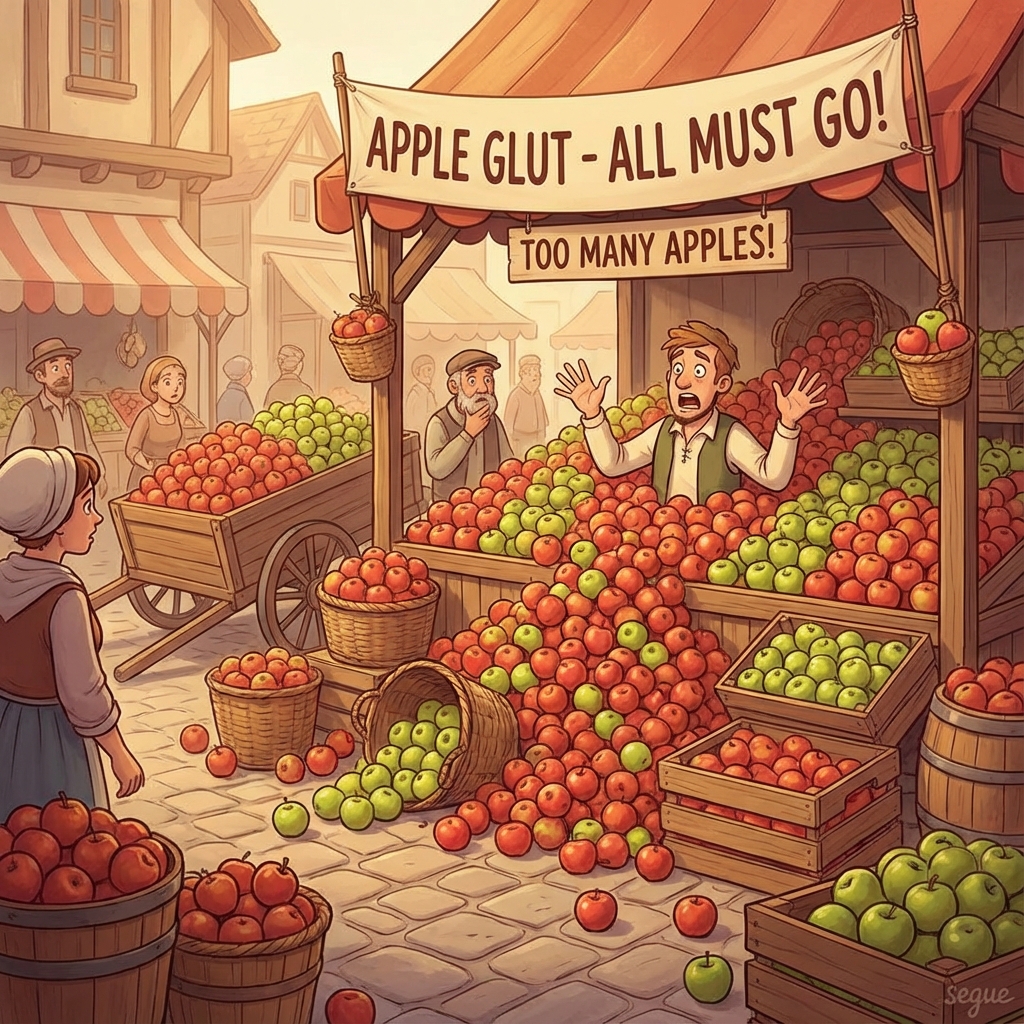
glut
/ˈɡɫət/an excessively abundant supply
“The oil glut caused prices to plummet.”
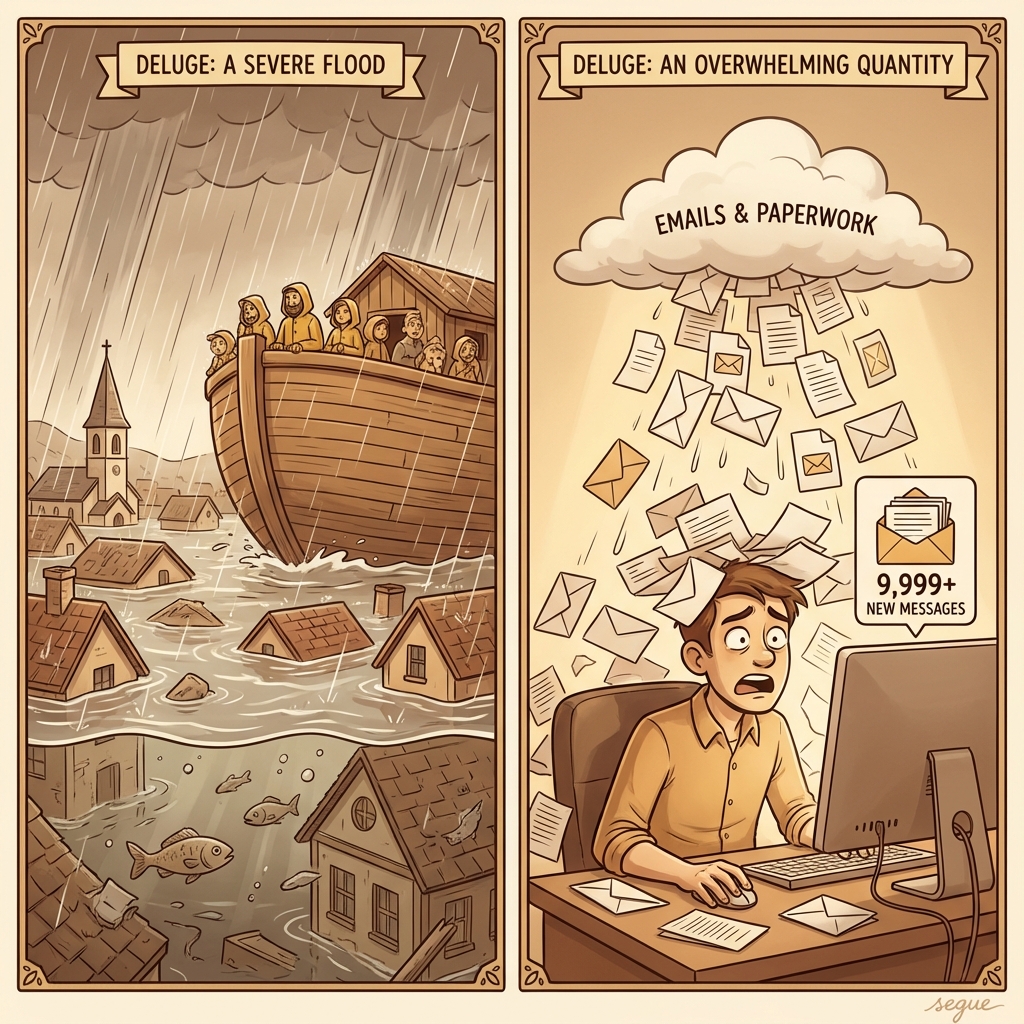
deluge
/ˈdɛɫjudʒ/a severe flood; an overwhelming quantity
“The office received a deluge of complaints.”

spate
/ˈspeɪt/a large number of similar things coming in quick succession
“A spate of robberies alarmed the neighborhood.”

slew
/ˈsɫu/a large number or quantity
“The announcement raised a slew of questions.”

copious
/ˈkoʊpiəs/abundant in supply or quantity
“She took copious notes during the lecture.”
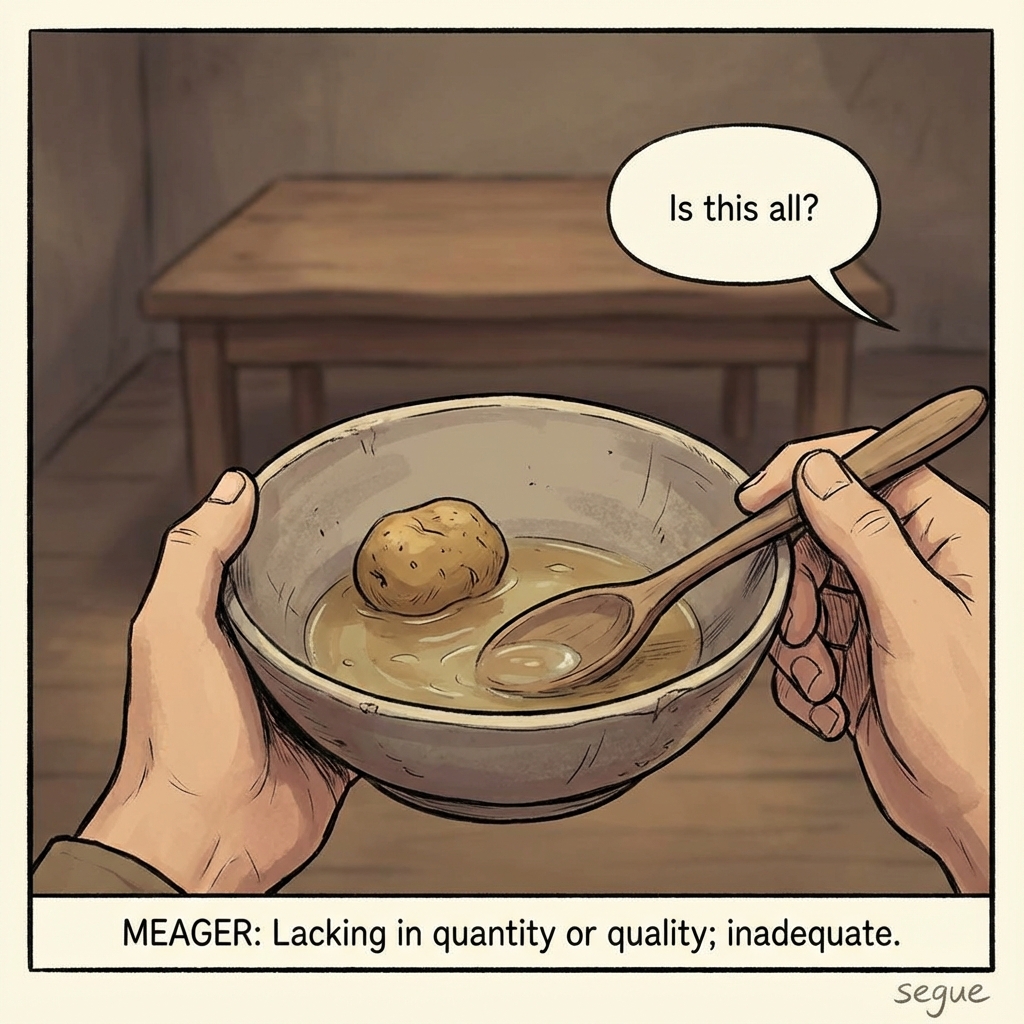
meager
/ˈmiɡɝ/lacking in quantity or quality; inadequate
“The meager portions left everyone hungry.”
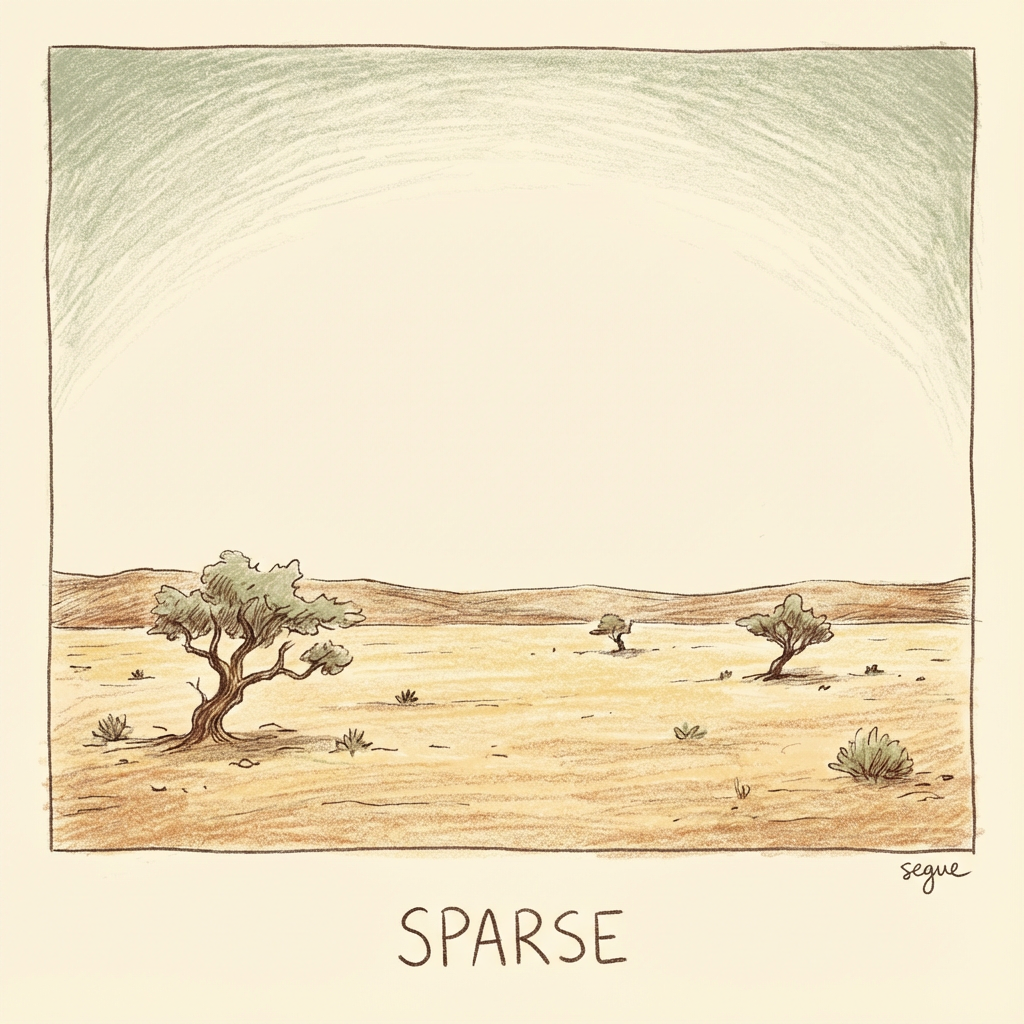
sparse
/ˈspɑɹs/thinly dispersed or scattered; scanty
“Information about the incident remains sparse.”
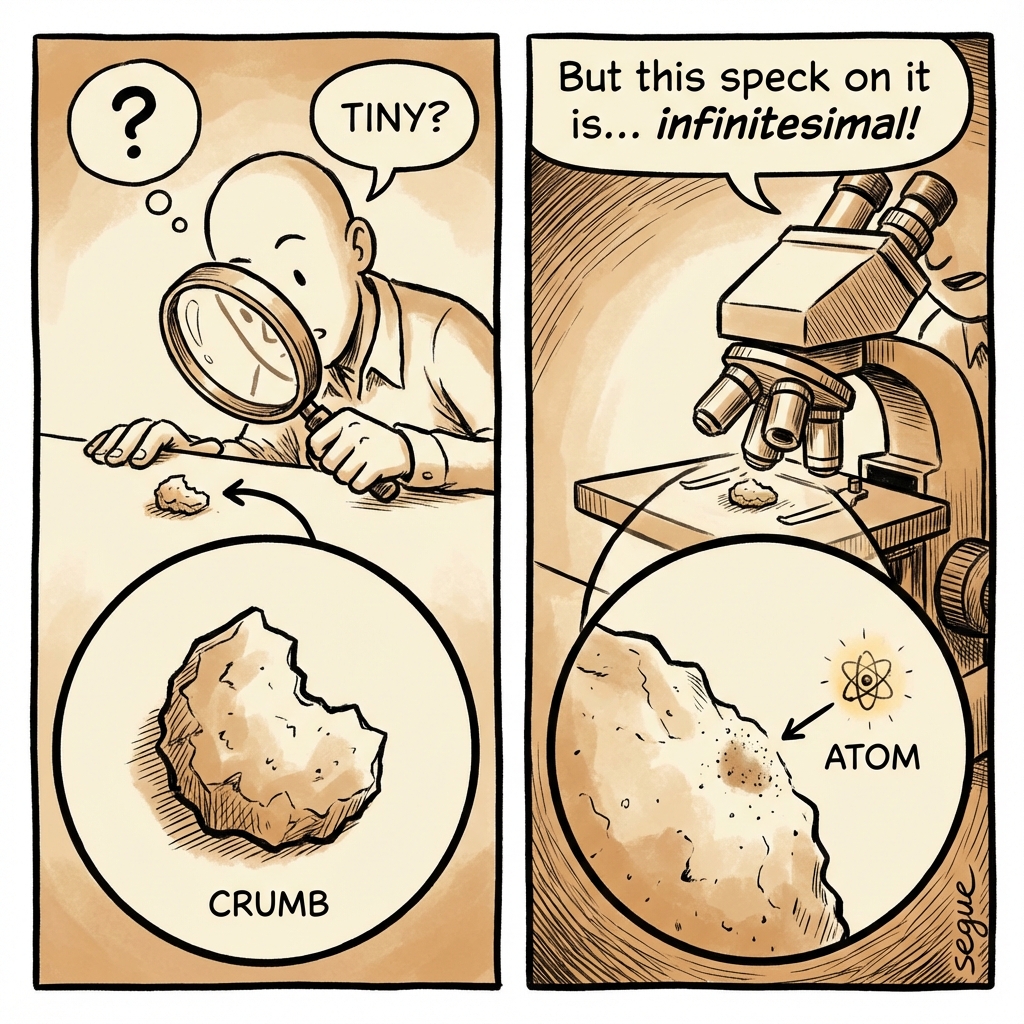
infinitesimal
/ˌɪnfɪnɪˈtɛsɪməɫ/extremely small
“The difference in size was infinitesimal.”
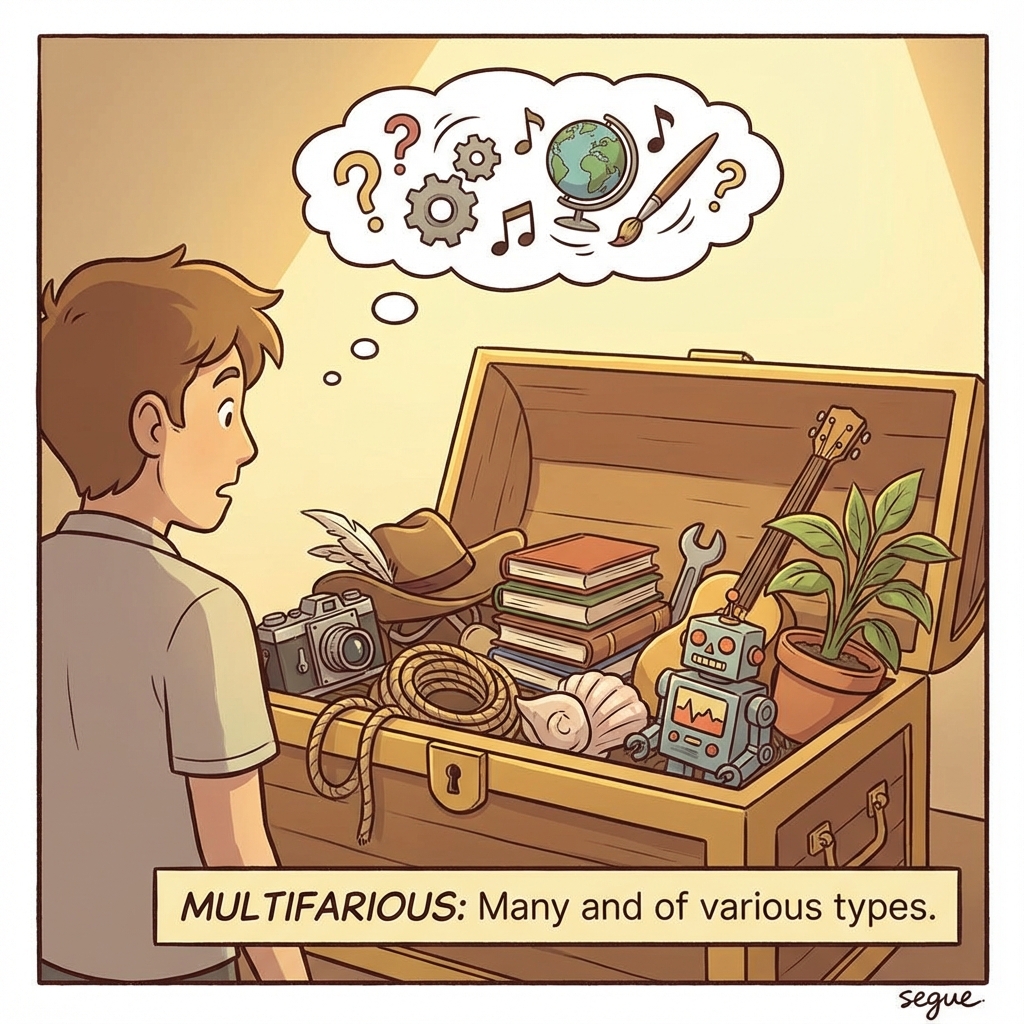
multifarious
/ˌmʌltɪˈfeəriəs/many and of various types
“The multifarious activities of the organization.”
More from Quantity & Degree
Explore other vocabulary categories in this collection.