Loading collection...
👨⚕️
Practitioners & Professions Vocabulary
Words for people who practice specific arts, sciences, or trades
22 words
All 22 Words

charlatan
/ˈʃɑɹɫətən/a person falsely claiming to have special knowledge or skill; a fraud
“The charlatan sold fake miracle cures to desperate patients.”

demagogue
/ˈdɛməˌɡɑɡ/a political leader who seeks support by appealing to popular desires and prejudices
“The demagogue stirred up the crowd with inflammatory rhetoric.”

autodidact
/ˌɔːtoʊˈdaɪdækt/a self-taught person
“Despite never attending university, the autodidact became an expert in ancient languages.”
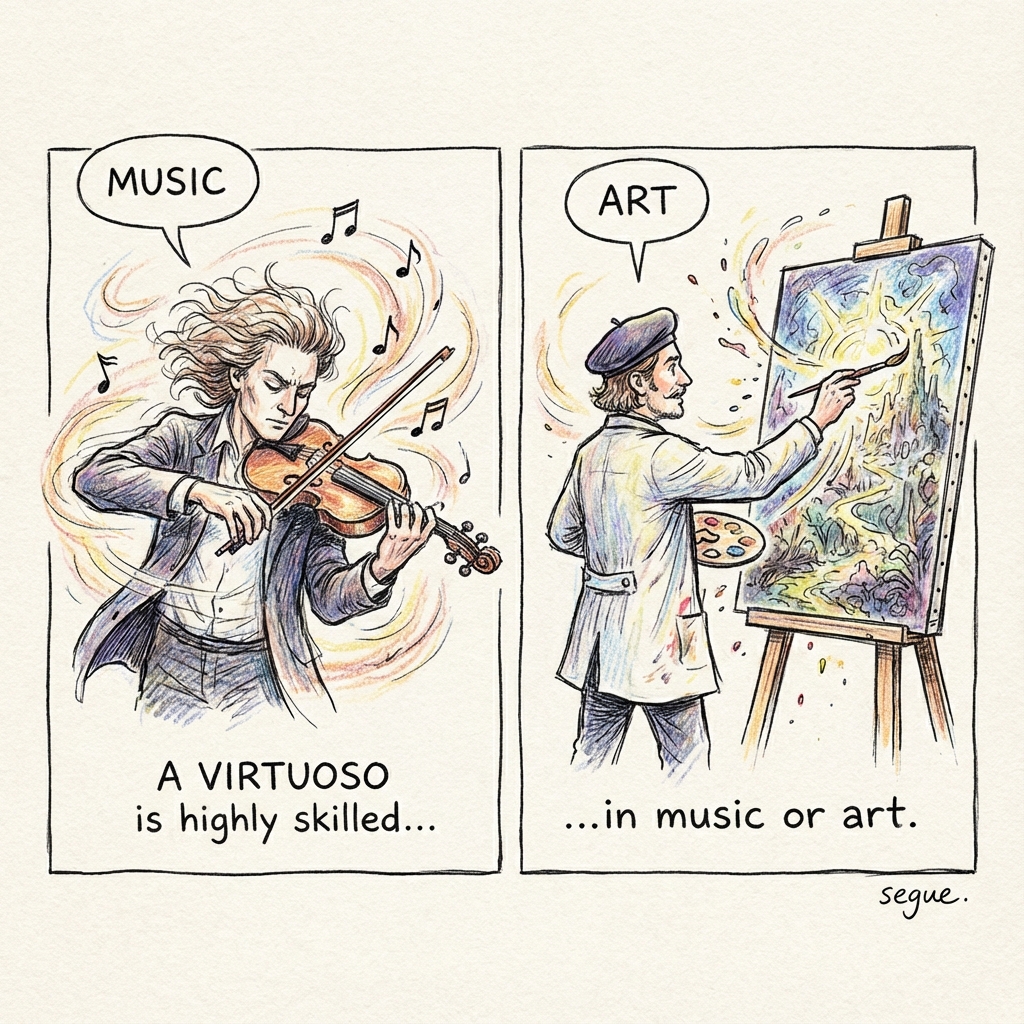
virtuoso
/vɝtʃuˈoʊsoʊ/a person highly skilled in music or another artistic pursuit
“The virtuoso played the violin with breathtaking precision.”
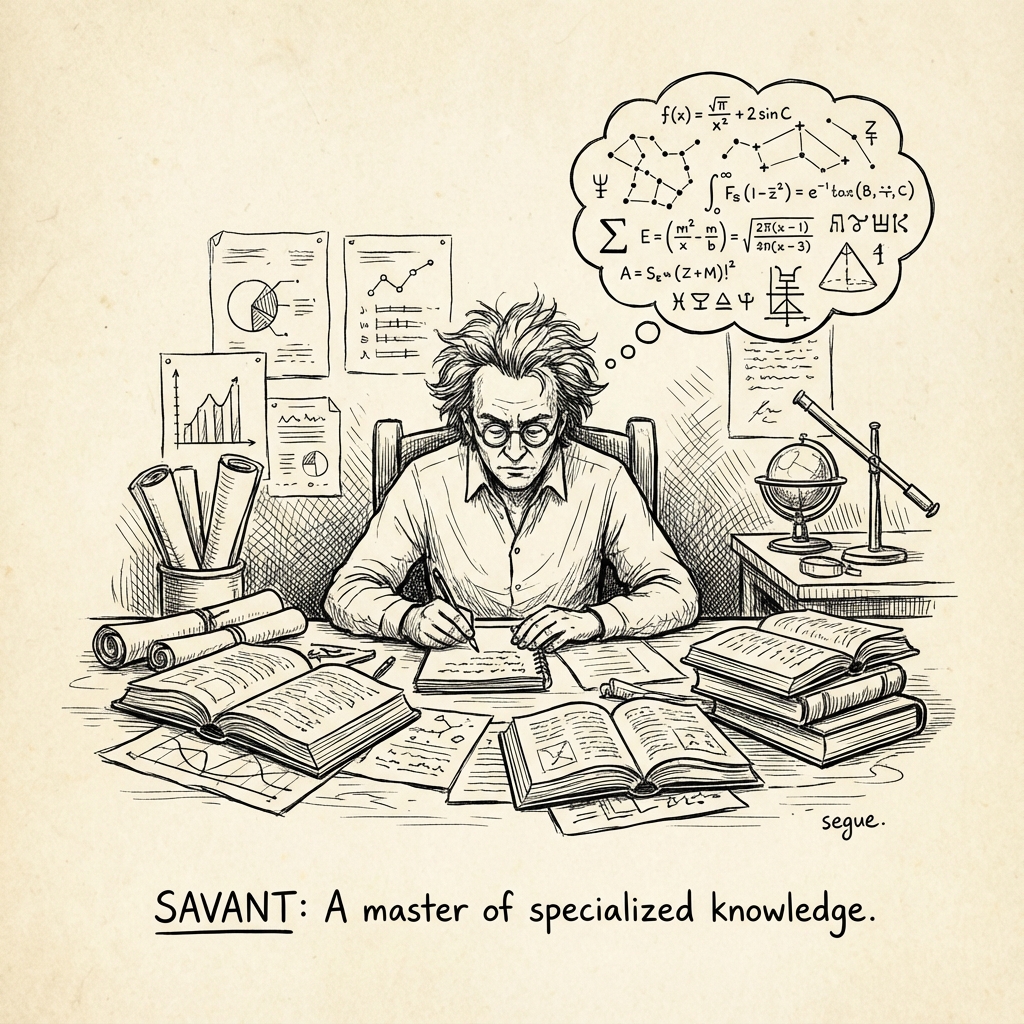
savant
/səˈvɑnt/a person with detailed knowledge in a specialized field
“The mathematical savant could calculate complex equations in seconds.”
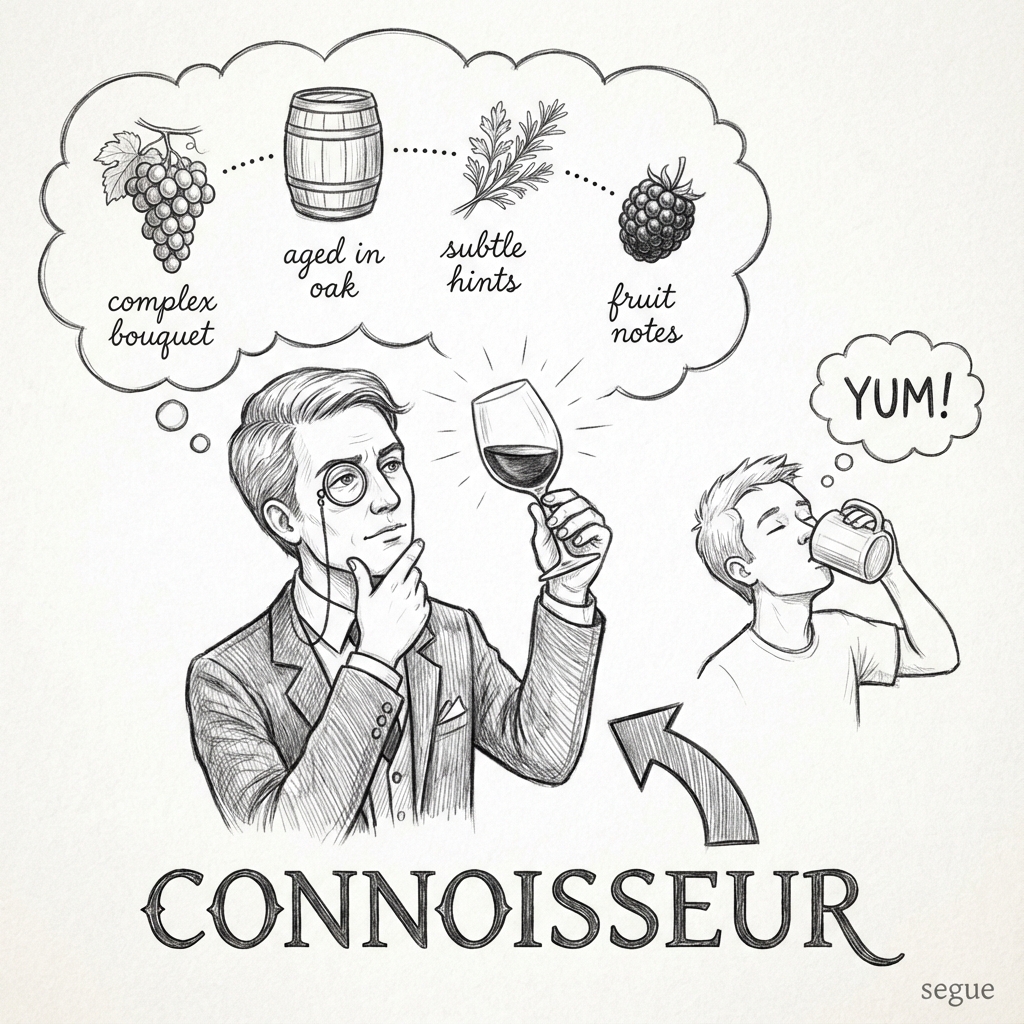
connoisseur
/ˌkɑnəˈsɝ/an expert judge in matters of taste
“The wine connoisseur could identify the vineyard by a single sip.”

maven
/ˈmeɪvən/an expert or connoisseur in a particular field
“She was a fashion maven whose style was copied by celebrities.”

pundit
/ˈpəndət/an expert in a particular subject who is called upon to give opinions
“The political pundit predicted the election outcome on television.”
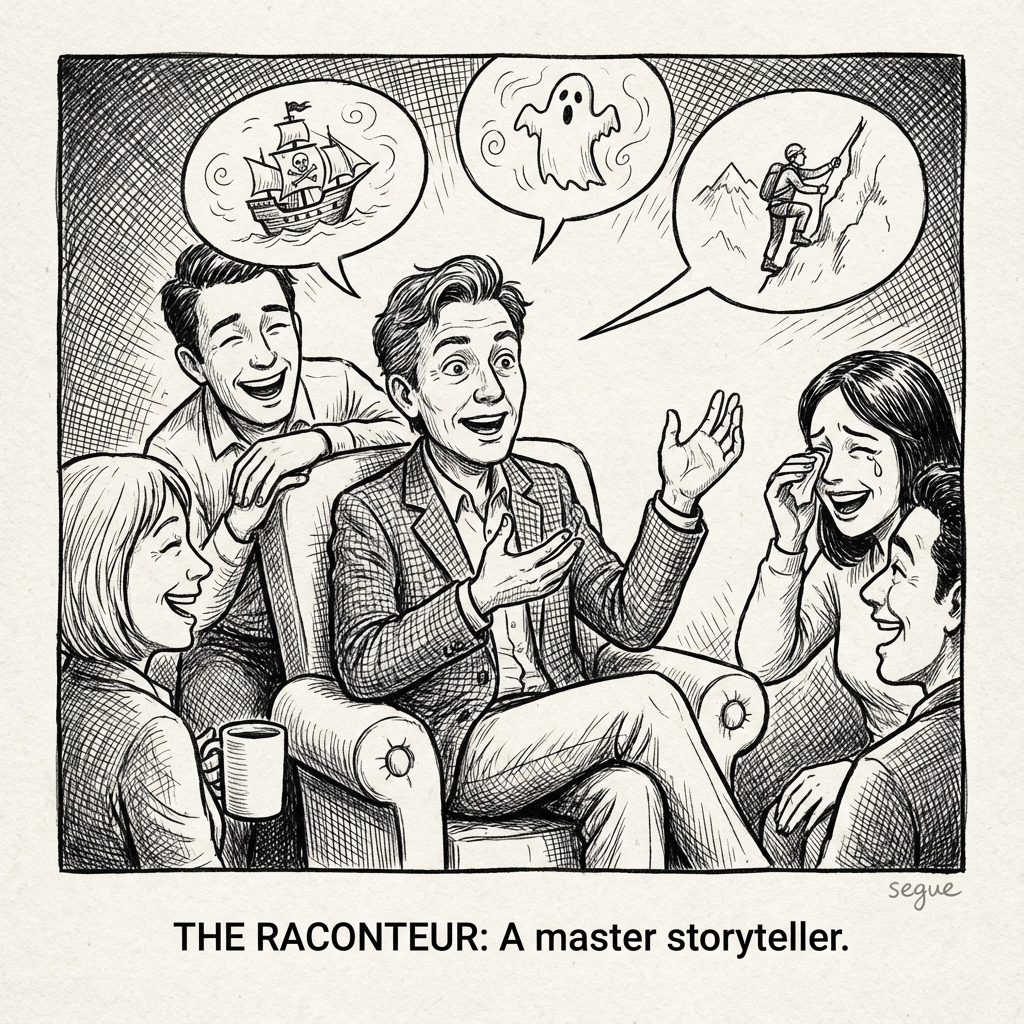
raconteur
/ˌɹækɑnˈtuɹ/a person who excels in telling anecdotes and stories
“The raconteur captivated dinner guests with tales of his travels.”
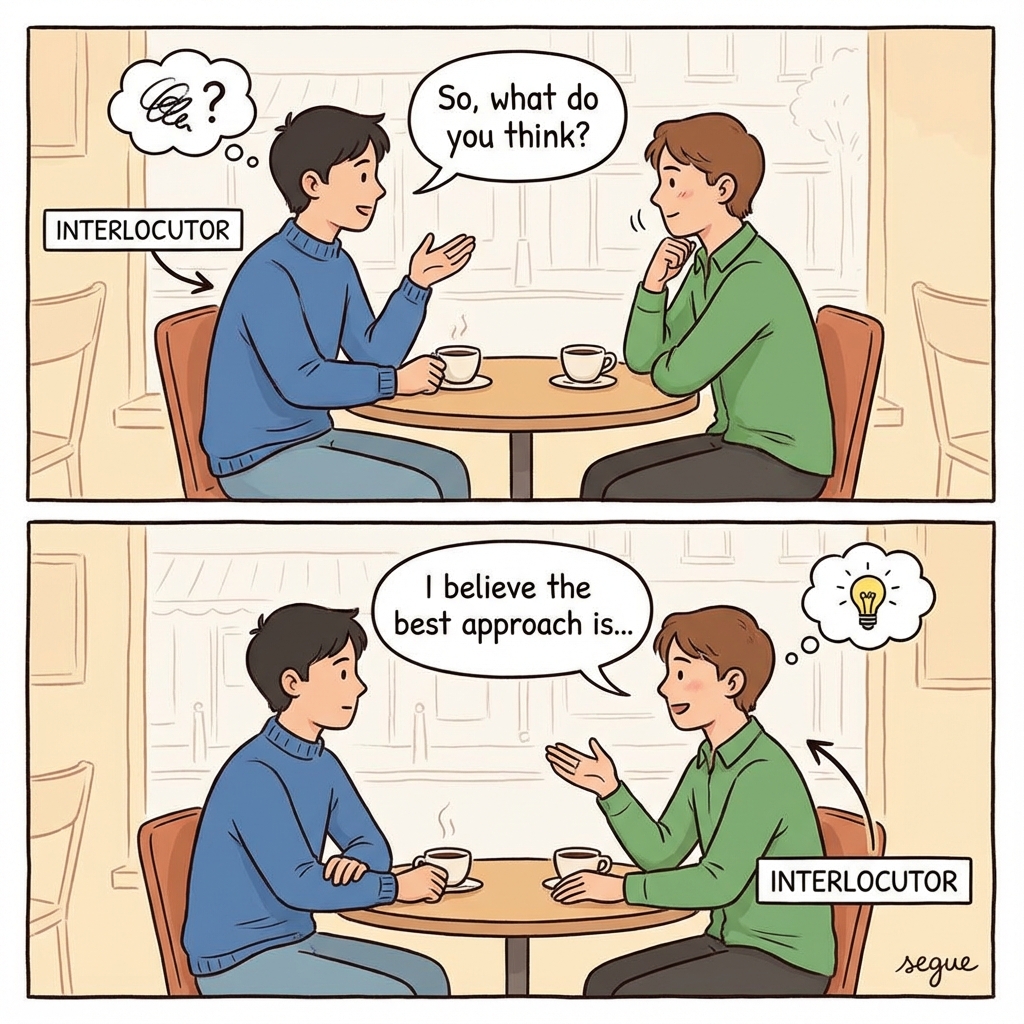
interlocutor
/ˌɪntɝˈɫɑkjətɝ/a person who takes part in a dialogue or conversation
“My interlocutor raised several interesting points during our debate.”
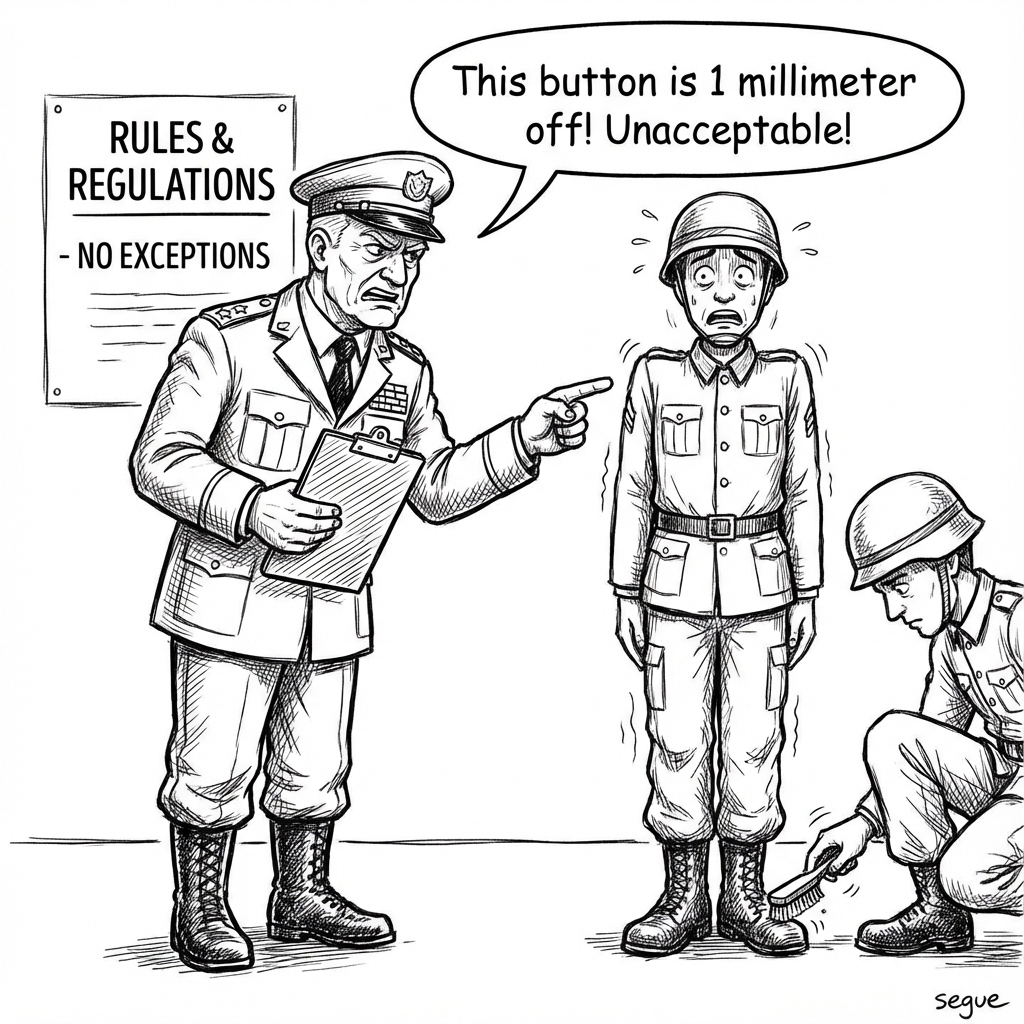
martinet
/ˌmɑːrtɪˈnet/a strict disciplinarian, especially in the military
“The martinet demanded perfect adherence to every regulation.”
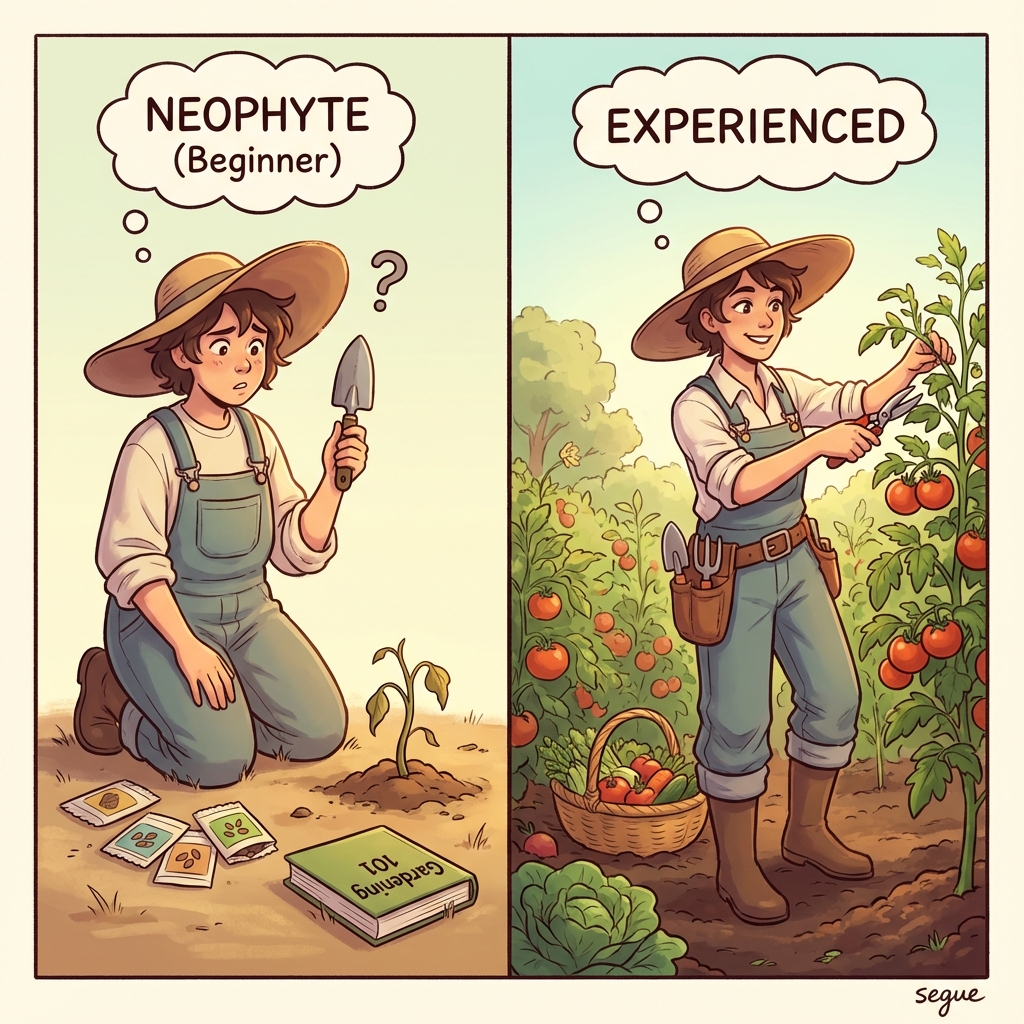
neophyte
/ˈniəˌfaɪt/a person who is new to a subject, skill, or belief
“The neophyte programmer struggled with basic syntax.”

protégé
/ˈproʊtəʒeɪ/a person who is guided and supported by an older, more experienced person
“The young protégé learned everything from her mentor.”
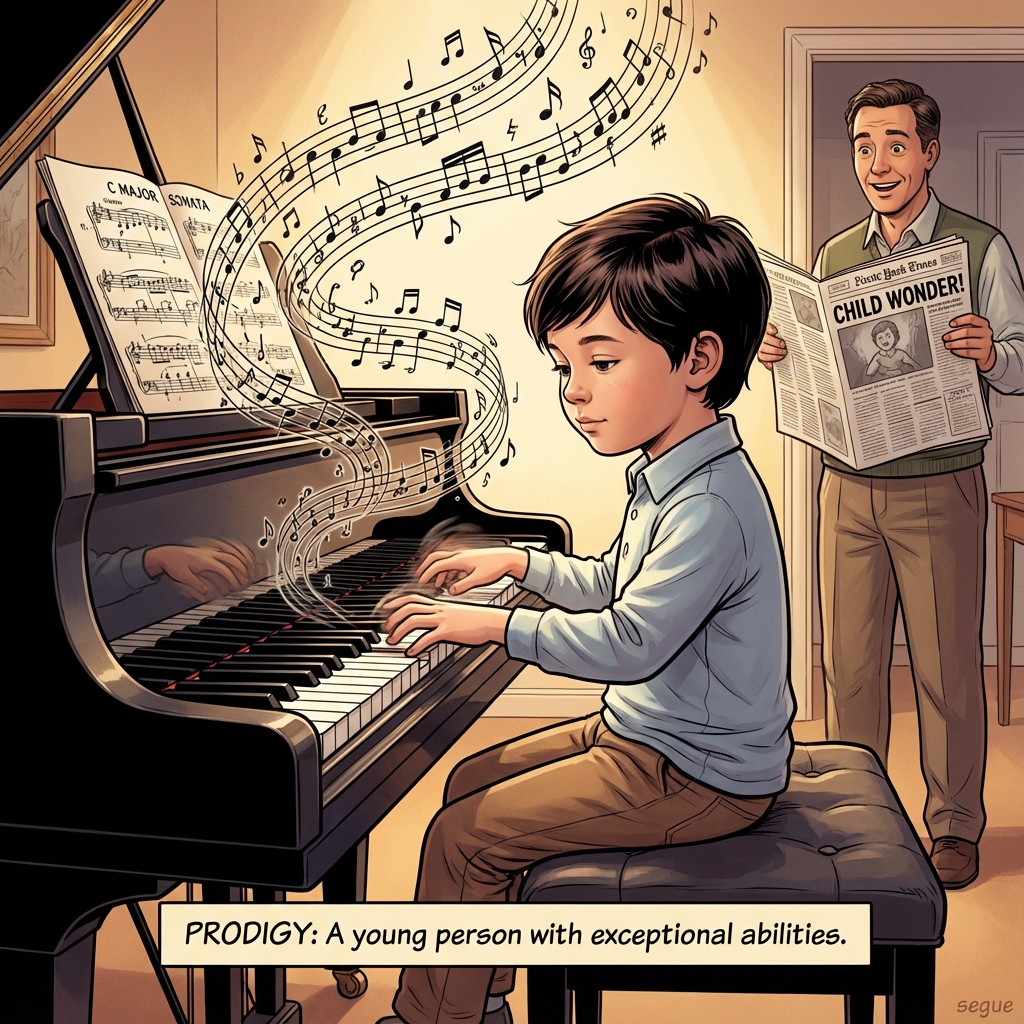
prodigy
/ˈpɹɑdədʒi/a young person with exceptional abilities or qualities
“The chess prodigy defeated grandmasters at age twelve.”

luminary
/ˈɫuməˌnɛɹi/a person who inspires or influences others in a particular field
“She became a luminary in the field of environmental science.”
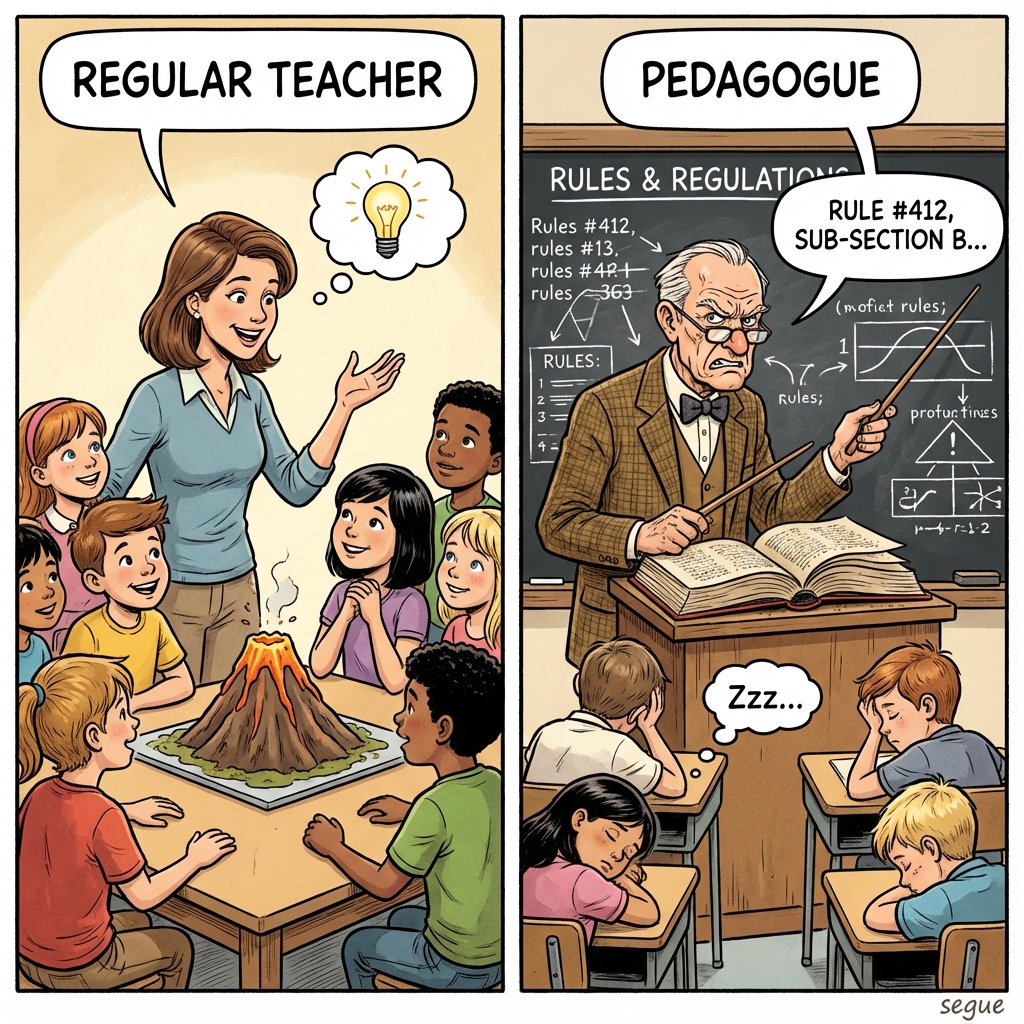
pedagogue
/ˈpedəɡɒɡ/a teacher, especially a strict or pedantic one
“The pedagogue demanded complete silence during lectures.”
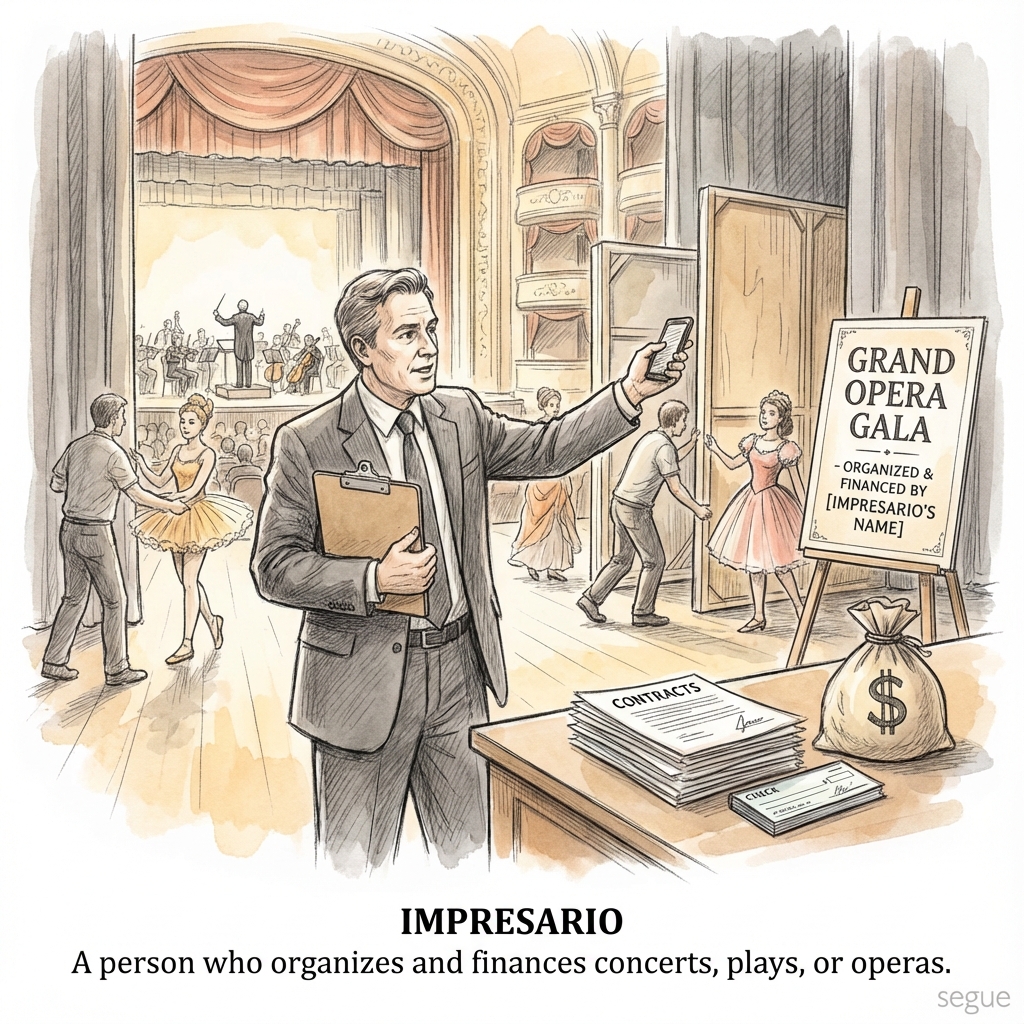
impresario
/ˌɪmpɹɪˈsɑɹiˌoʊ/a person who organizes and finances concerts, plays, or operas
“The impresario brought world-class performances to the small town.”
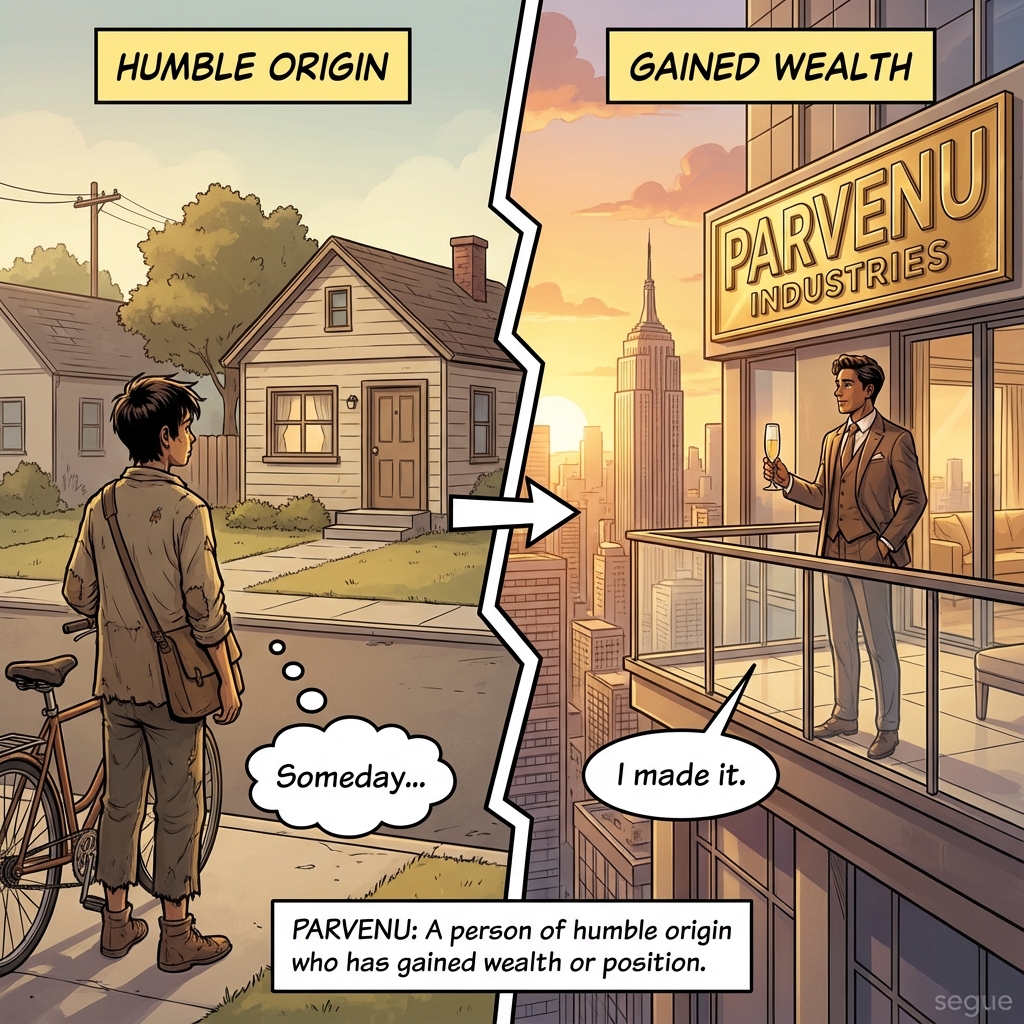
parvenu
/ˈpɑːrvənjuː/a person of humble origin who has gained wealth or position
“The established families looked down on the parvenu despite his fortune.”
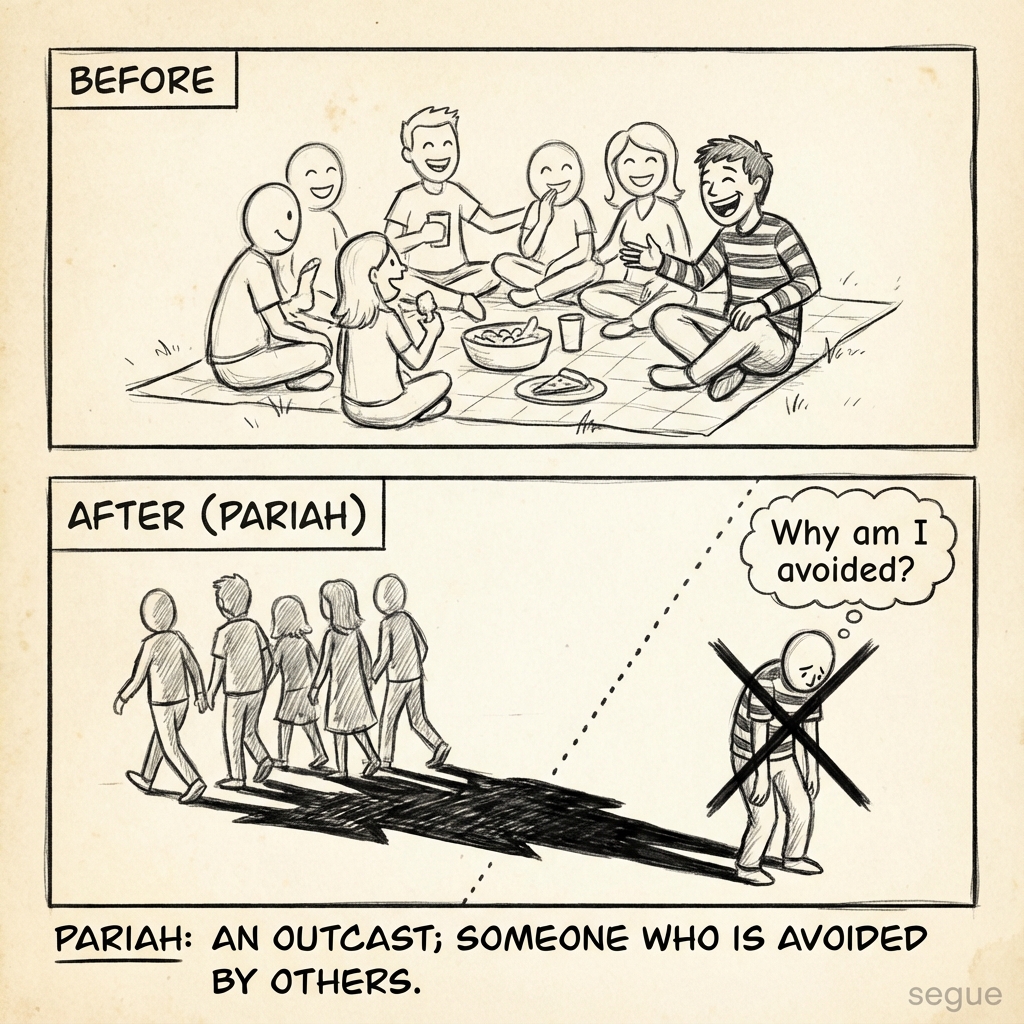
pariah
/pɝˈaɪə/an outcast; someone who is avoided by others
“After the scandal, he became a pariah in the business community.”

philistine
/ˈfɪɫəˌstin/a person who is hostile or indifferent to culture and the arts
“The philistine dismissed the symphony as boring noise.”

technocrat
/ˈtɛknəˌkɹæt/an expert in science or technology who has power in politics or industry
“The government was run by technocrats who prioritized efficiency over ideology.”
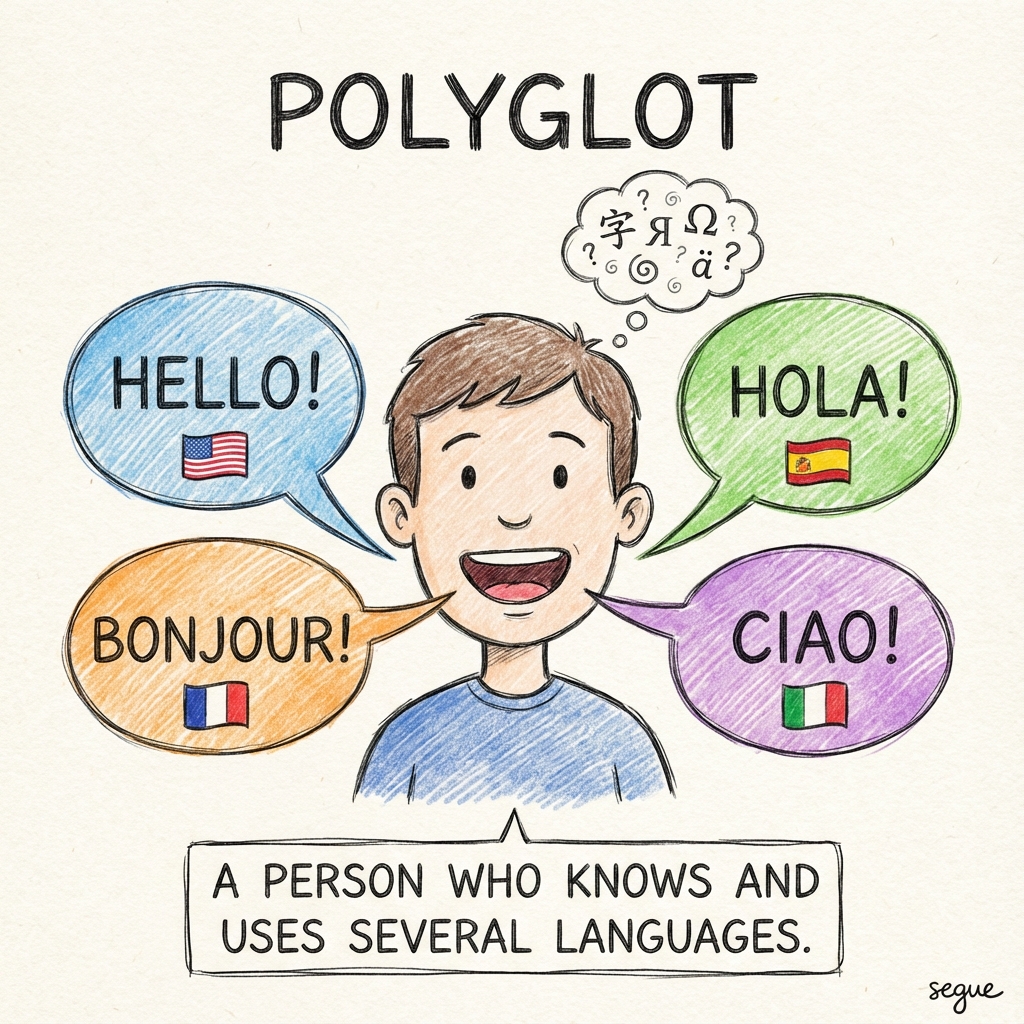
polyglot
/ˌpɑˌɫiɡɫɑt/a person who knows and is able to use several languages
“As a polyglot, he could communicate easily in five different languages.”
More from People & Personality
Explore other vocabulary categories in this collection.