Loading collection...
👑
Power & Authority Vocabulary
Words about control, influence, and dominance
22 words
All 22 Words
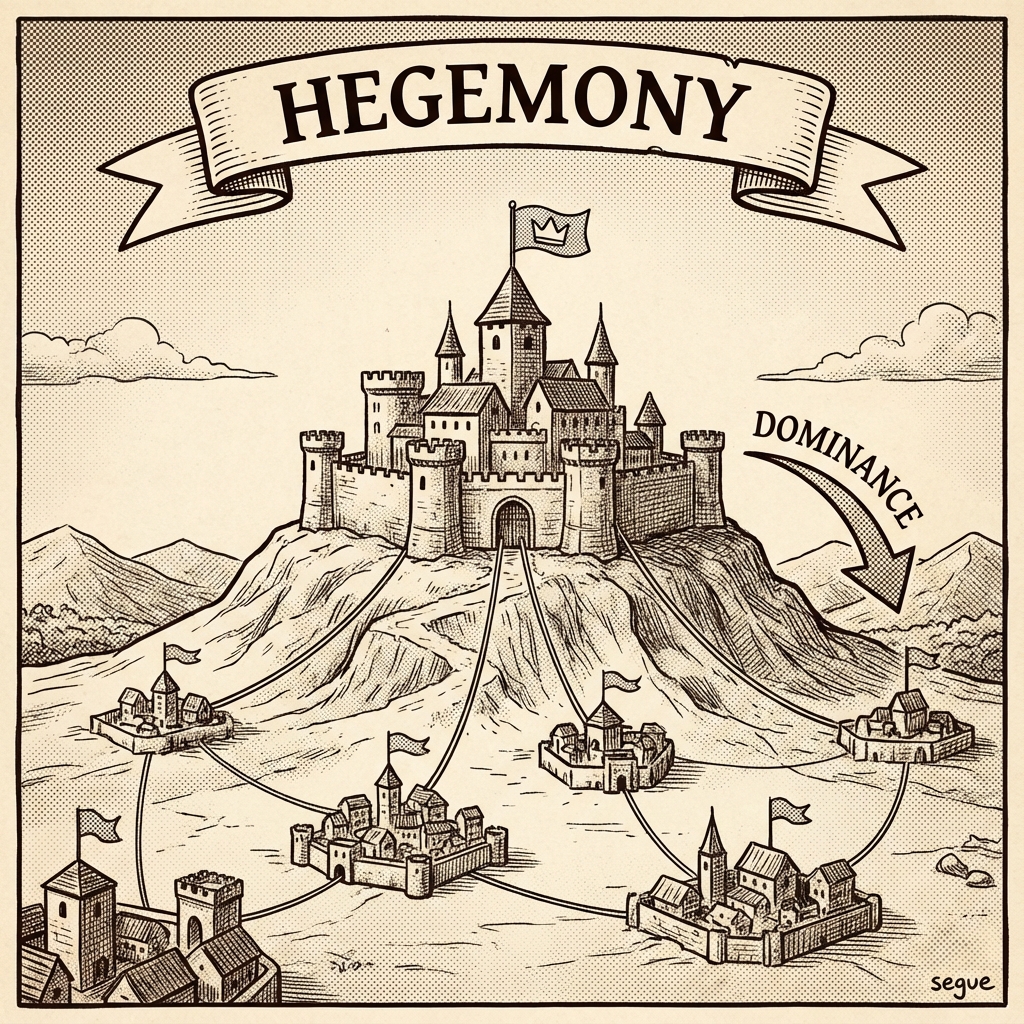
hegemony
/hiˈdʒɛməni/leadership or dominance, especially of one nation over others
“The empire maintained hegemony over the region for centuries.”
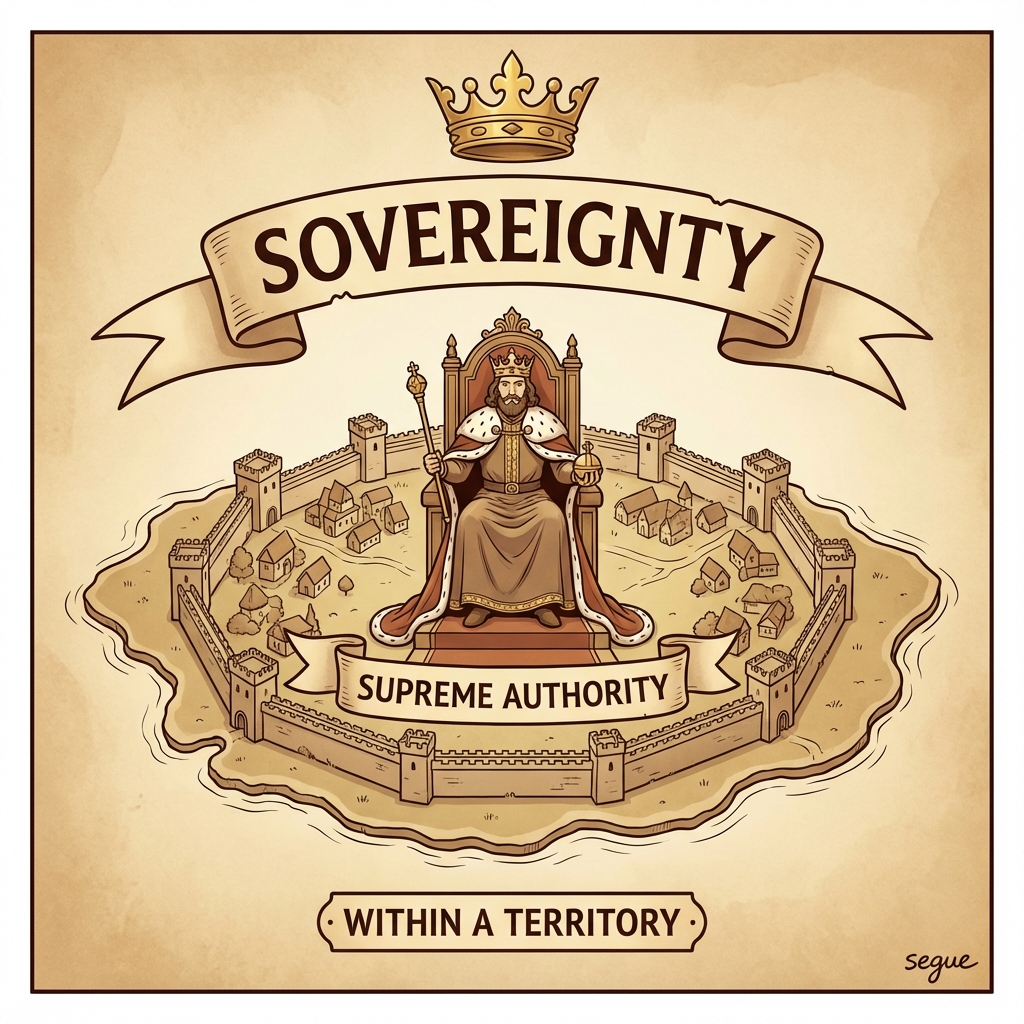
sovereignty
/ˈsɑvɹənti/supreme power or authority; self-governance
“The nation defended its sovereignty against foreign interference.”

autonomy
/əˈtɑnəmi/the right or condition of self-government; independence
“The department was granted autonomy to make its own decisions.”
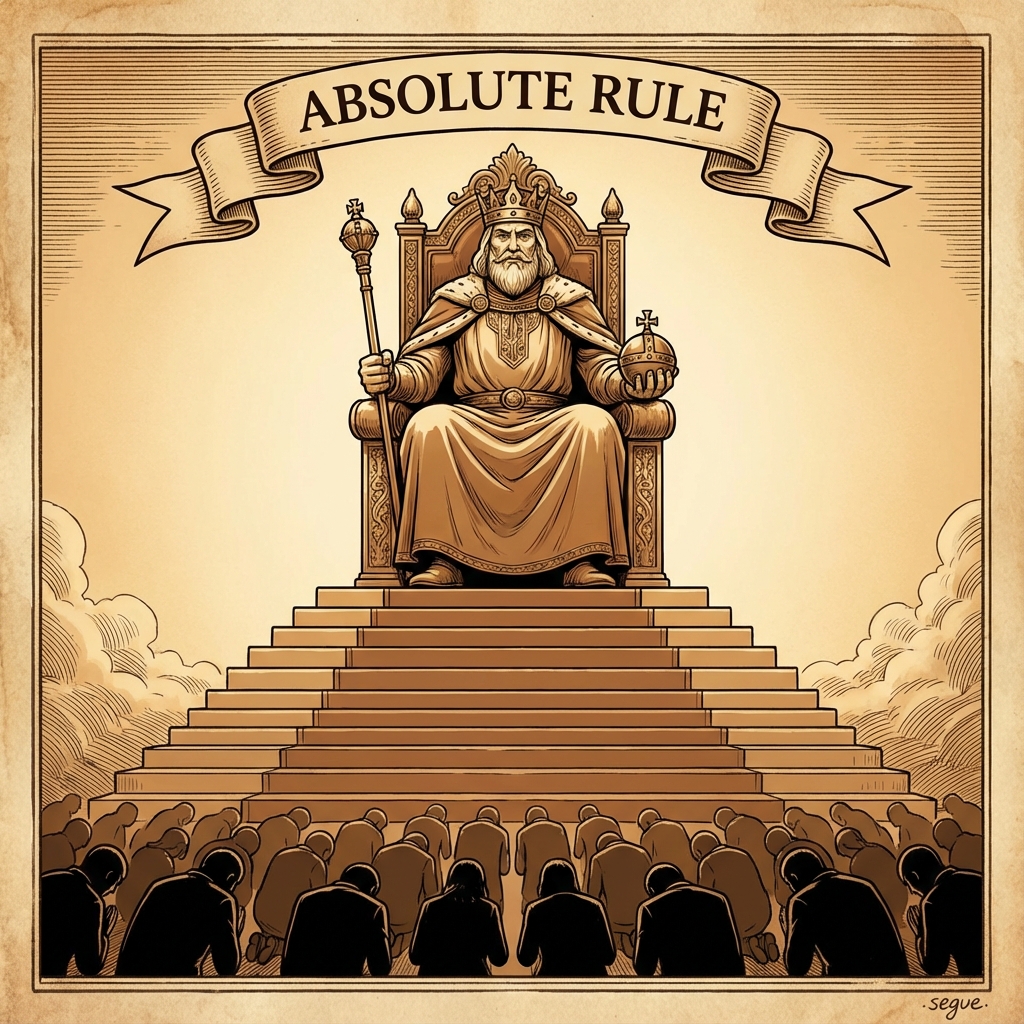
autocracy
/ɔˈtɑkɹəsi/a system of government by one person with absolute power
“The autocracy suppressed all forms of dissent.”
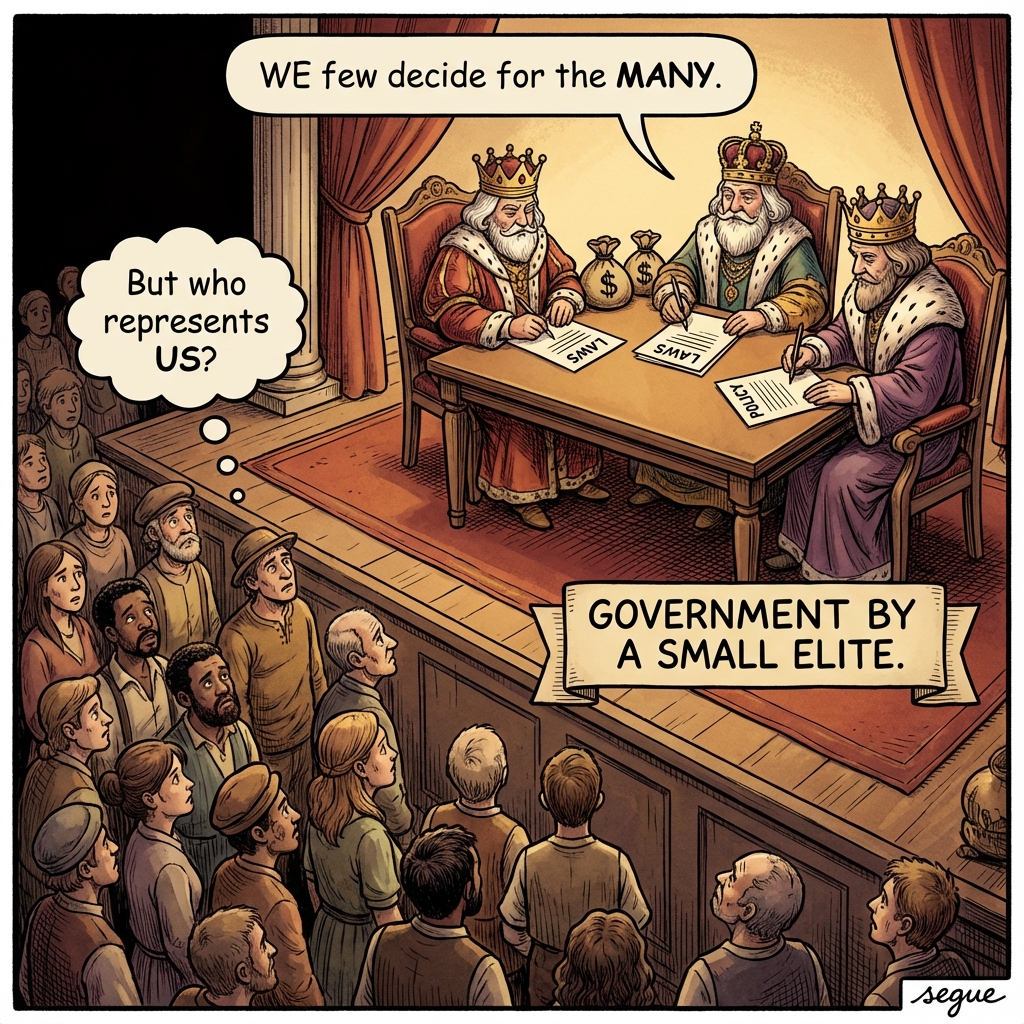
oligarchy
/ˈɑɫəˌɡɑɹki/a government in which power is held by a small group
“Critics claimed the country was really an oligarchy controlled by the wealthy.”
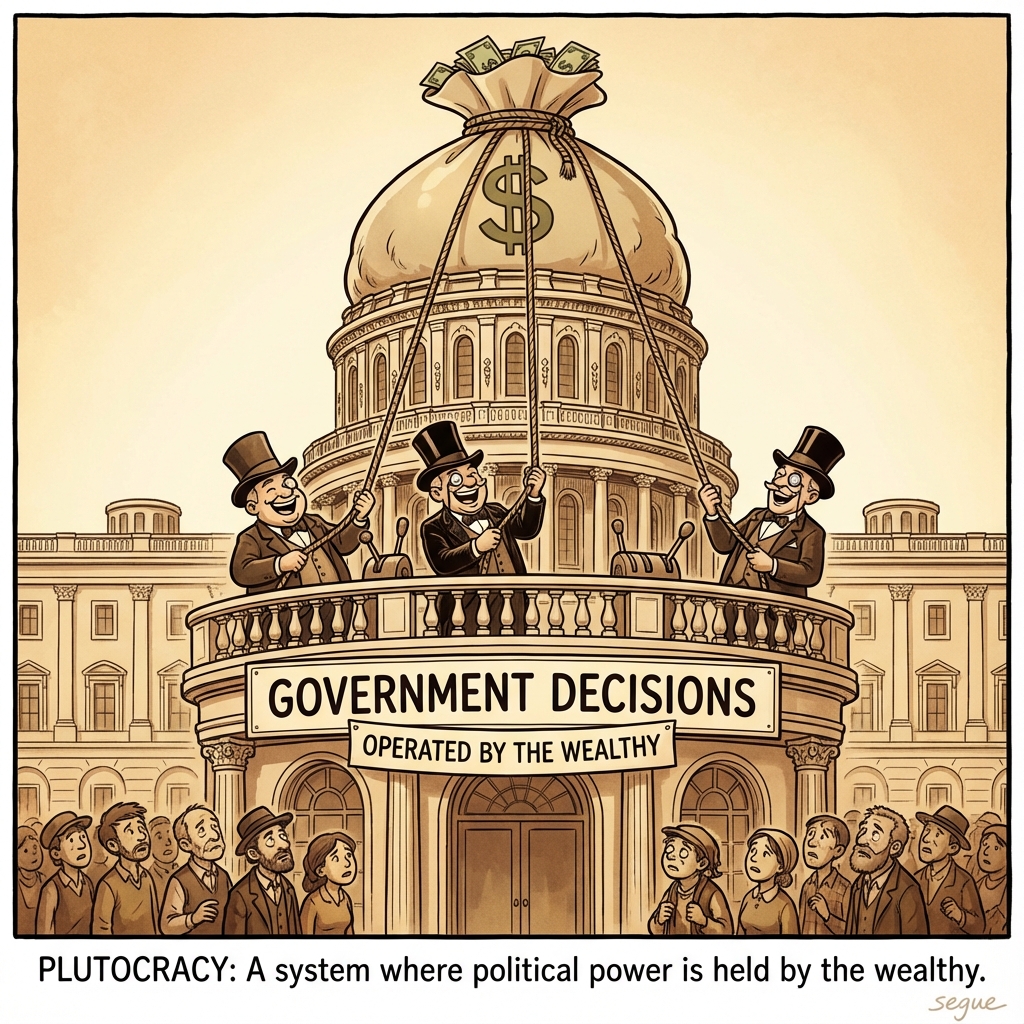
plutocracy
/pluːˈtɒkrəsi/government by the wealthy; a ruling wealthy class
“Some argue democracy has devolved into plutocracy.”

meritocracy
/mɛɹɪˈtɔkɹəsi/government or holding of power by people selected based on ability
“The company claimed to be a meritocracy where talent was rewarded.”
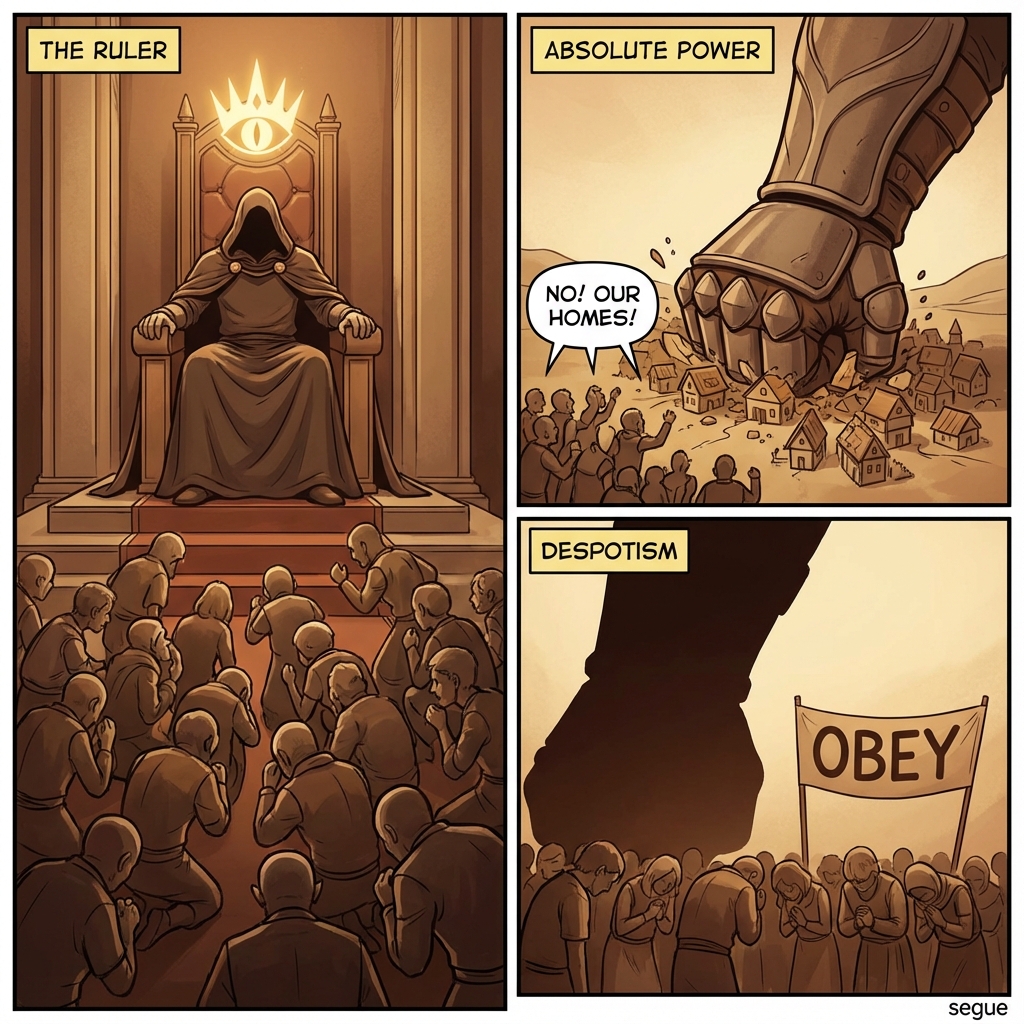
despotism
/ˈdɛspəˌtɪzəm/the exercise of absolute power, especially cruelly
“The people suffered under years of despotism.”
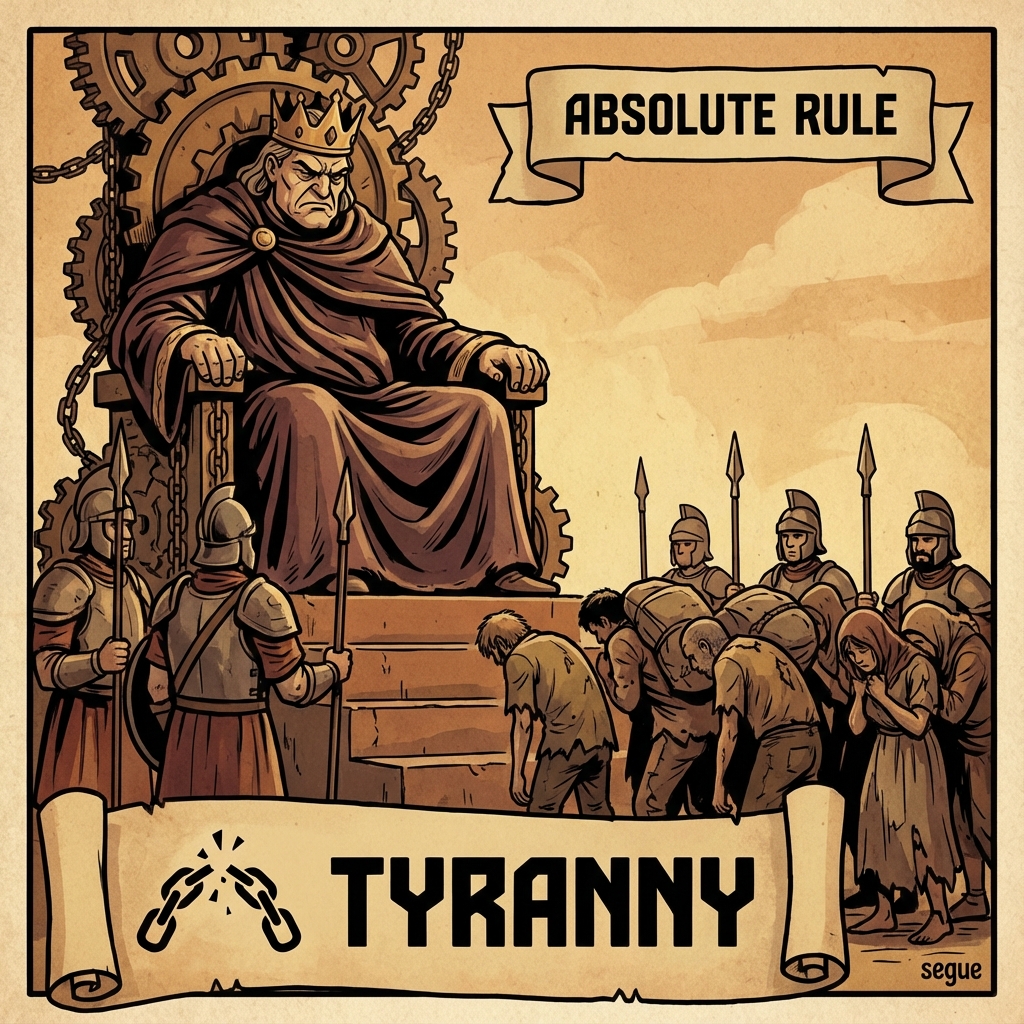
tyranny
/ˈtɪɹəni/cruel and oppressive government or rule
“The revolution overthrew the tyranny that had lasted decades.”
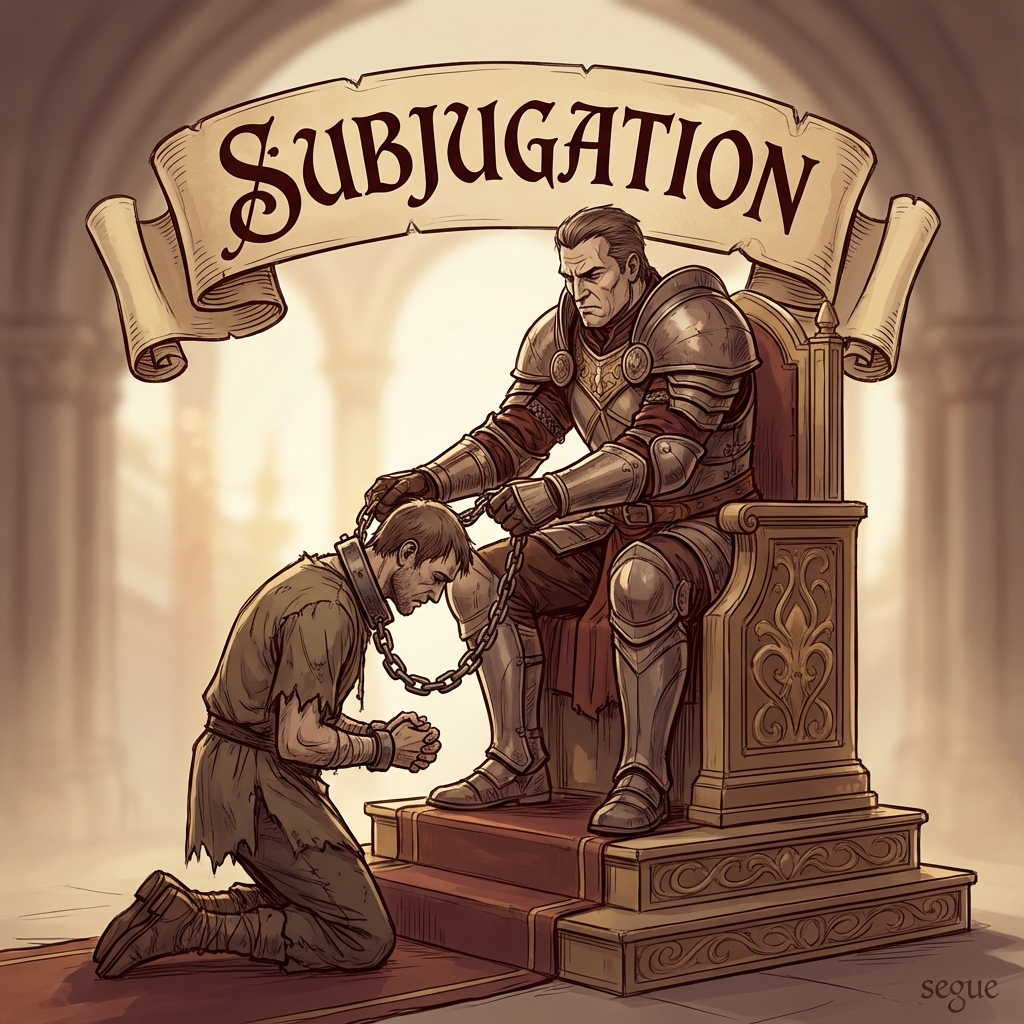
subjugation
/ˌsʌbdʒʊˈɡeɪʃən/the action of bringing under domination or control
“The subjugation of the native population was brutal.”

domination
/ˌdɑməˈneɪʃən/the exercise of control or influence over others
“The company's market domination concerned regulators.”
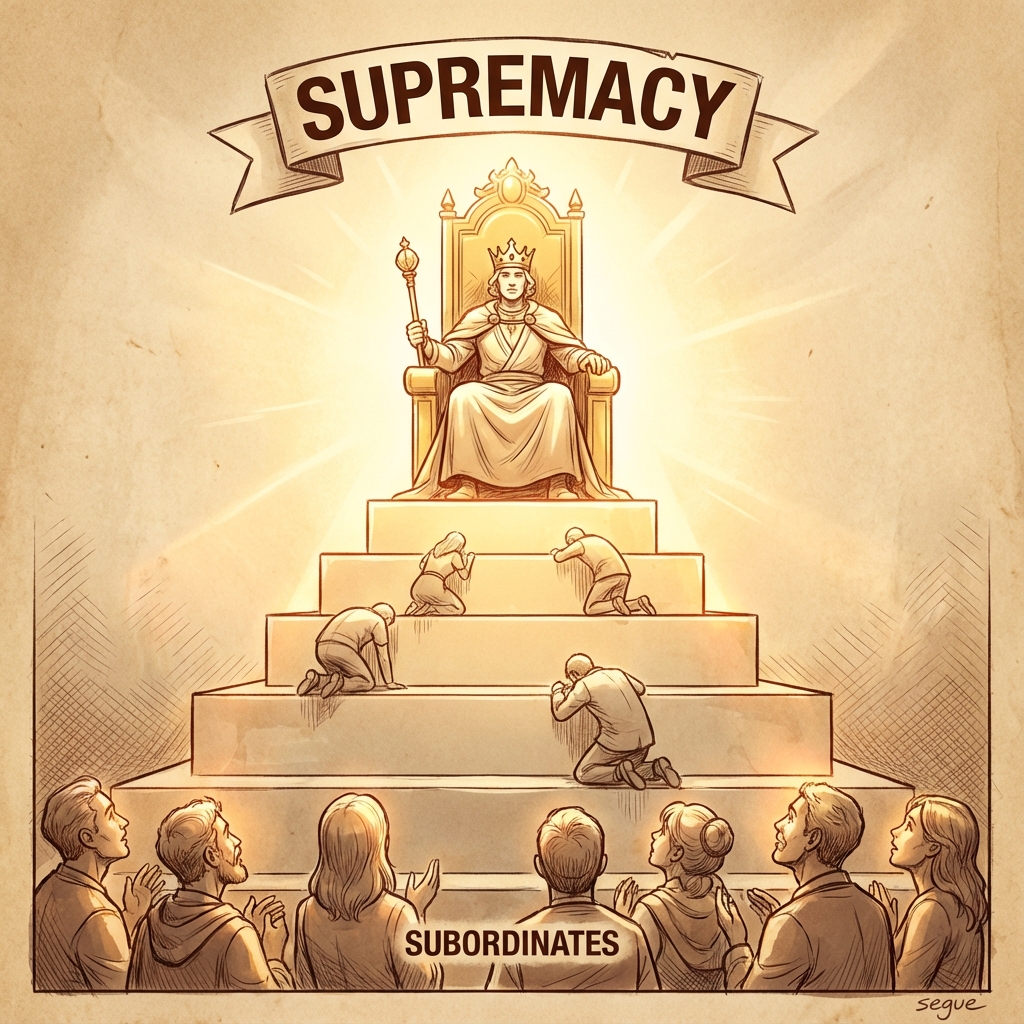
supremacy
/səˈpɹɛməsi/the state of being supreme; highest authority
“The court's supremacy in interpreting the law was established.”
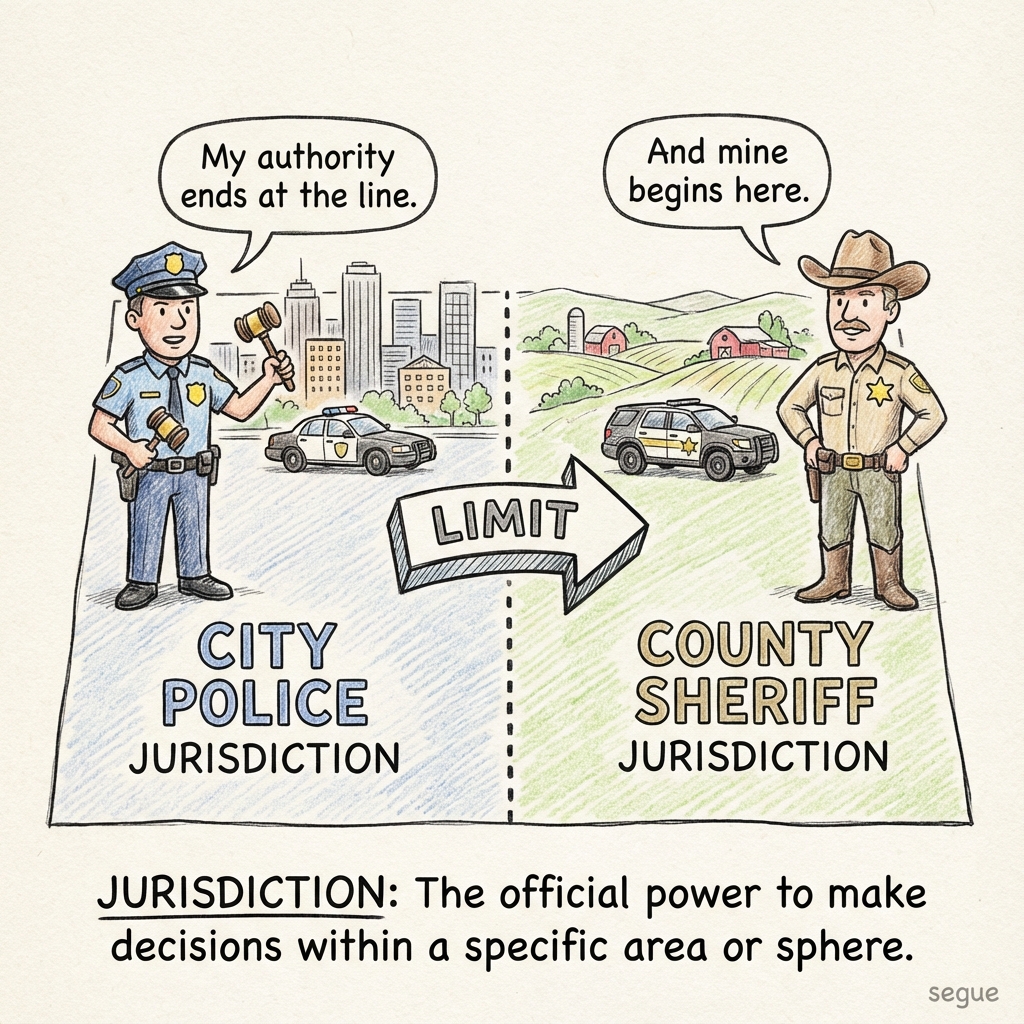
jurisdiction
/ˌdʒʊɹəsˈdɪkʃən/the official power to make legal decisions and judgments
“The matter fell outside the court's jurisdiction.”
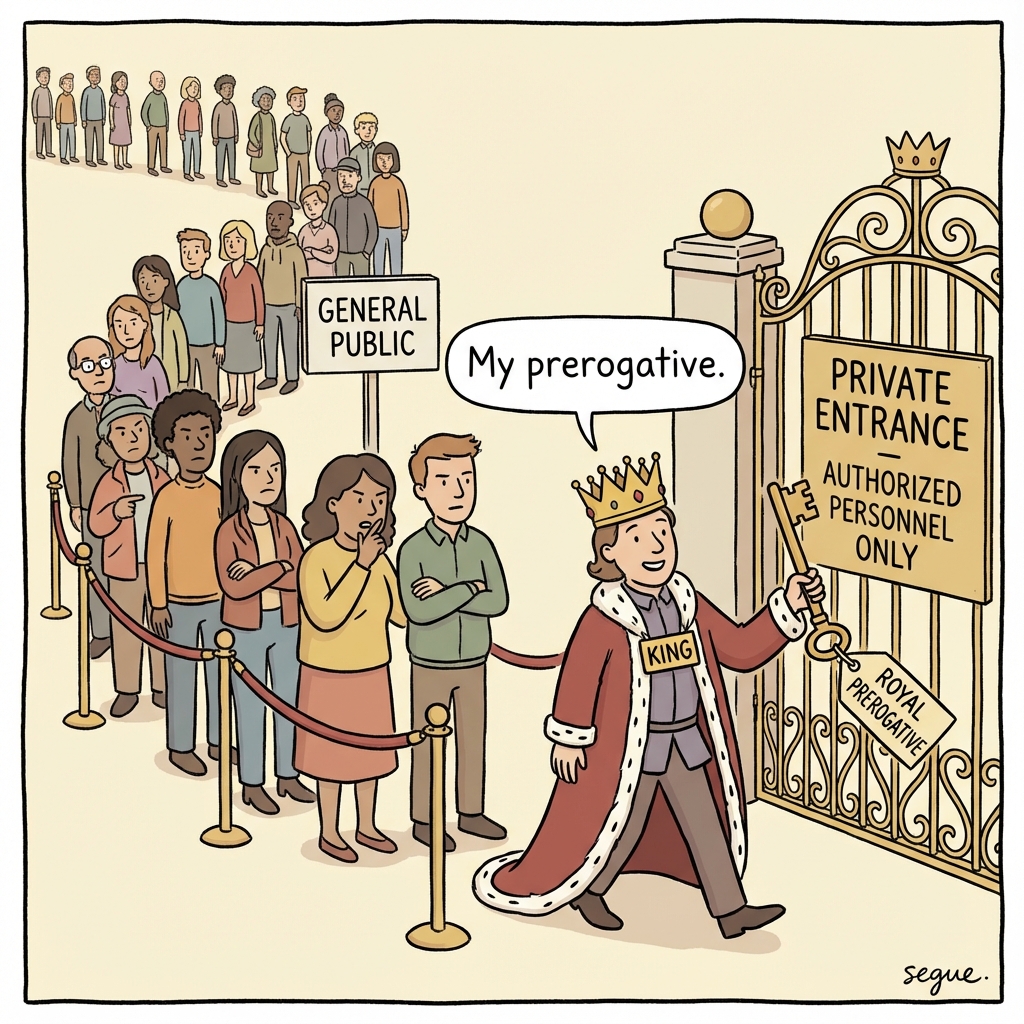
prerogative
/ˈpɝˈɑɡətɪv/a right or privilege exclusive to a particular person or group
“Declaring war is a prerogative of Congress.”

mandate
/ˈmænˌdeɪt/an official order or commission; authority granted by voters
“The landslide victory gave her a mandate for reform.”
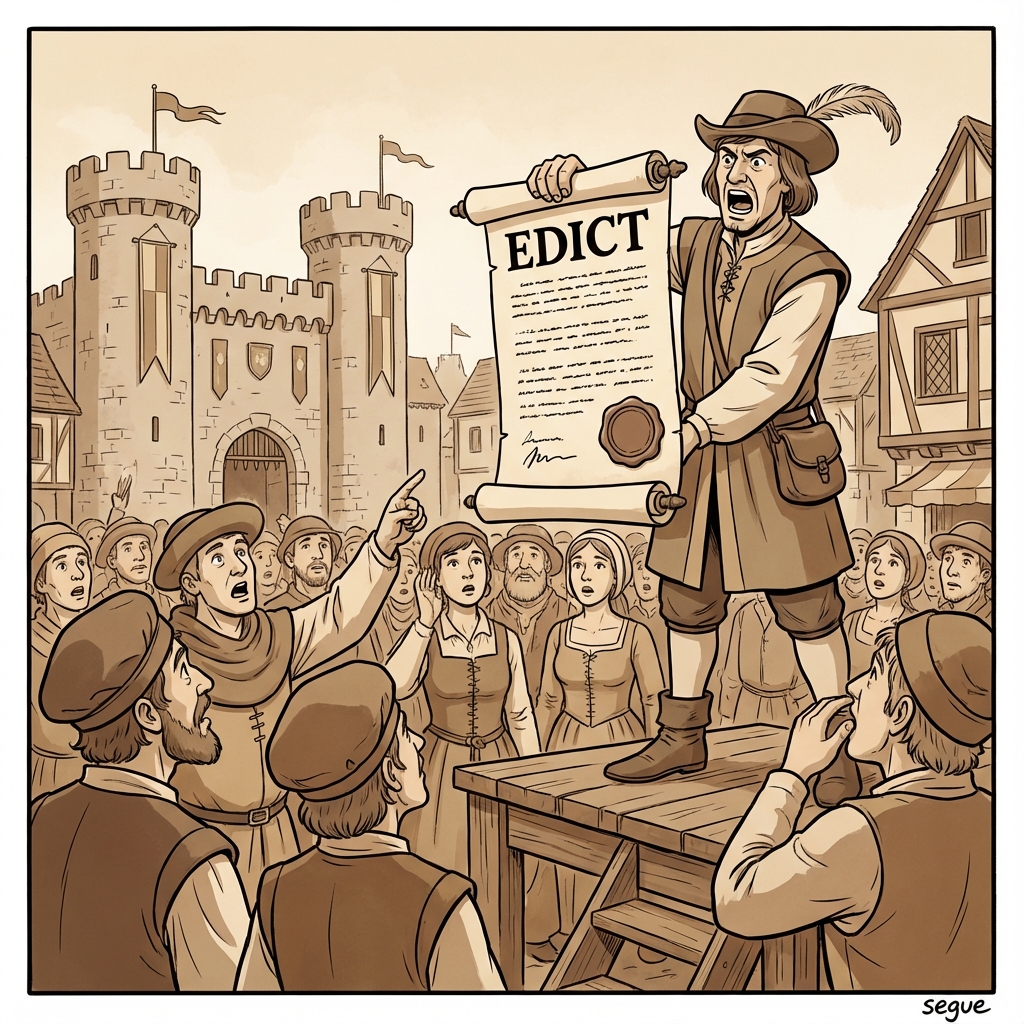
edict
/ˈidɪkt/an official order or proclamation issued by a person in authority
“The king issued an edict banning public gatherings.”
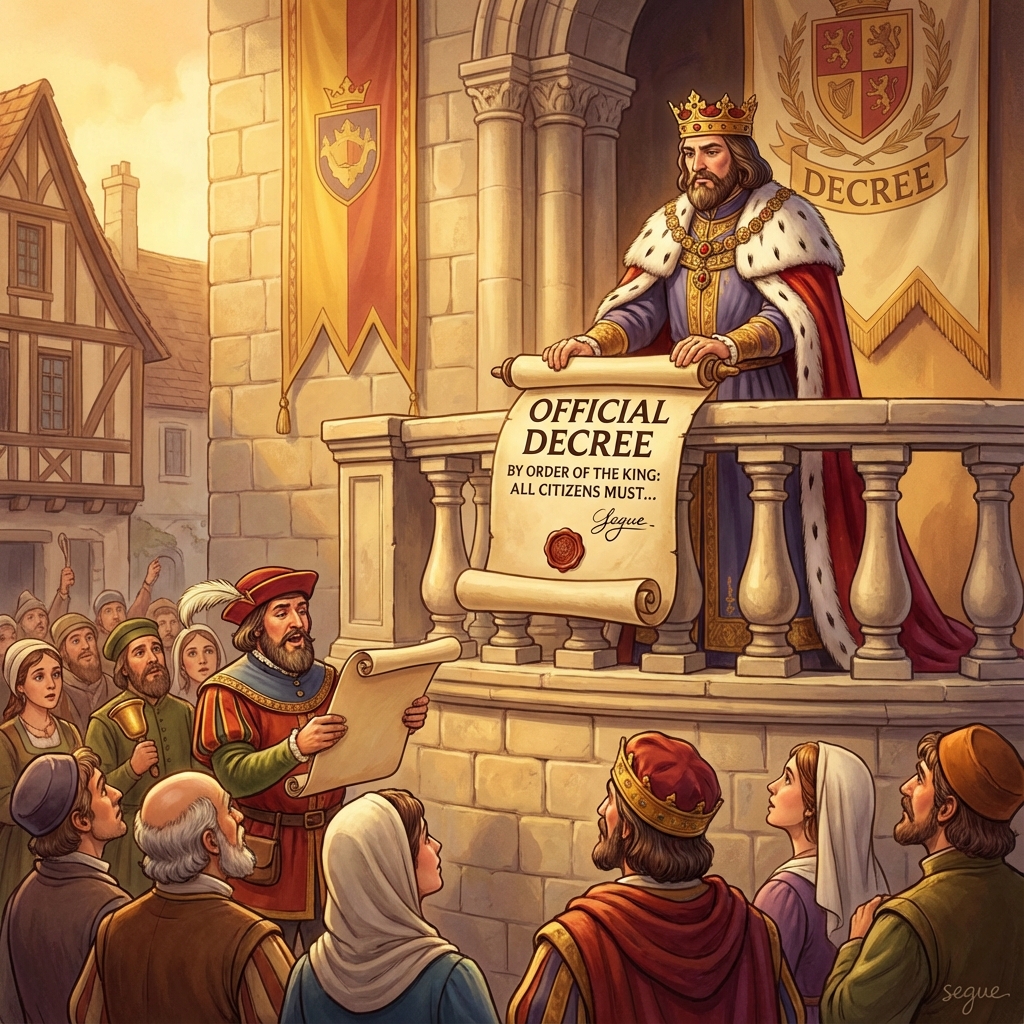
decree
/dɪˈkɹi/an official order issued by a legal authority
“The decree established new regulations for the industry.”
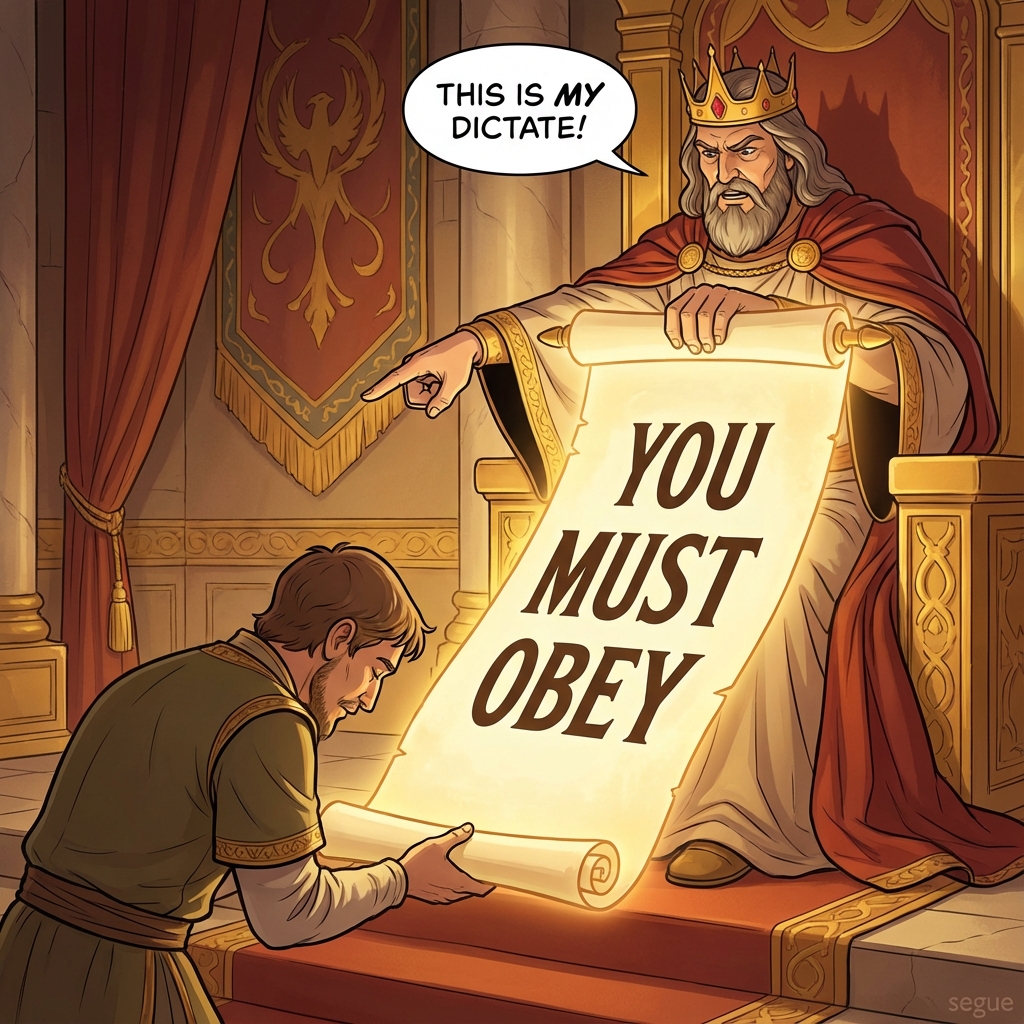
dictate
/ˈdɪkˌteɪt/an order or principle that must be obeyed
“Fashion dictates changed dramatically each season.”
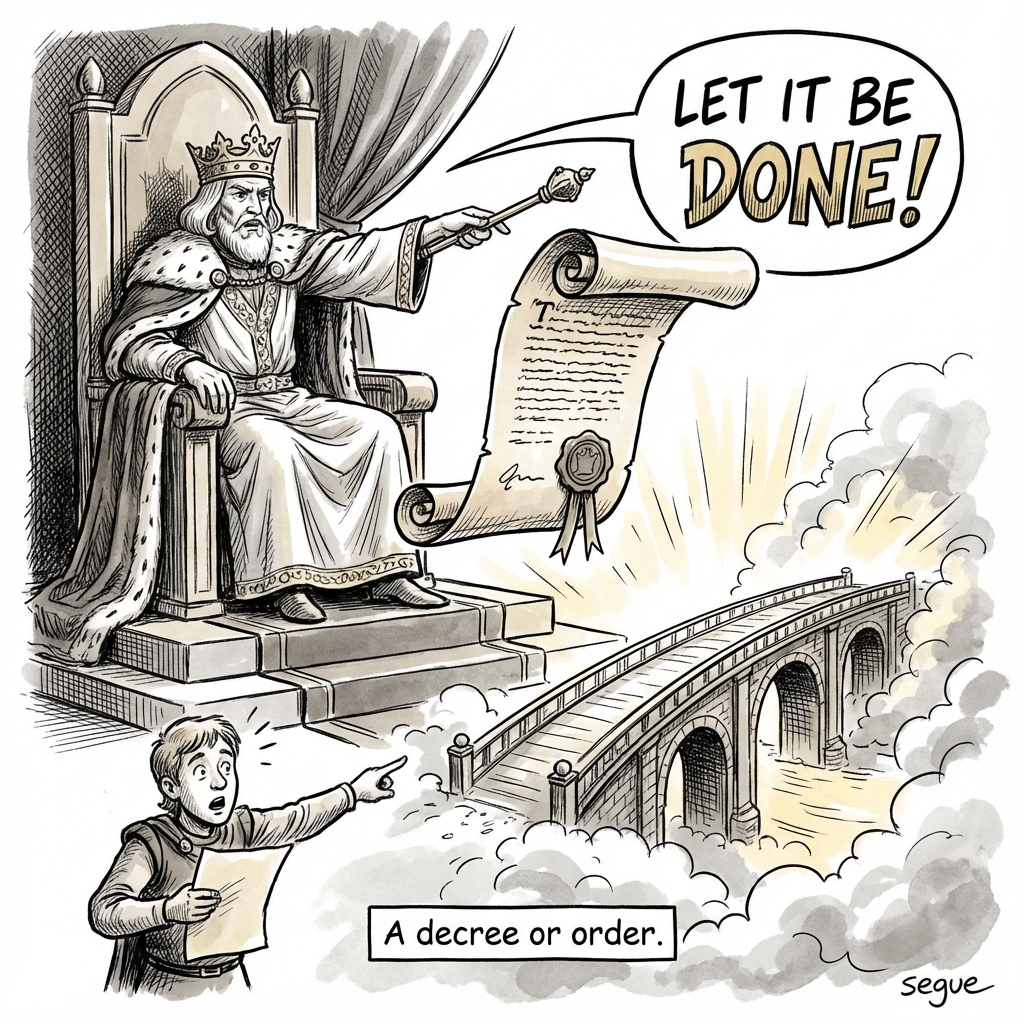
fiat
/ˈfaɪæt/a formal authorization or decree; an arbitrary order
“The decision was made by executive fiat.”
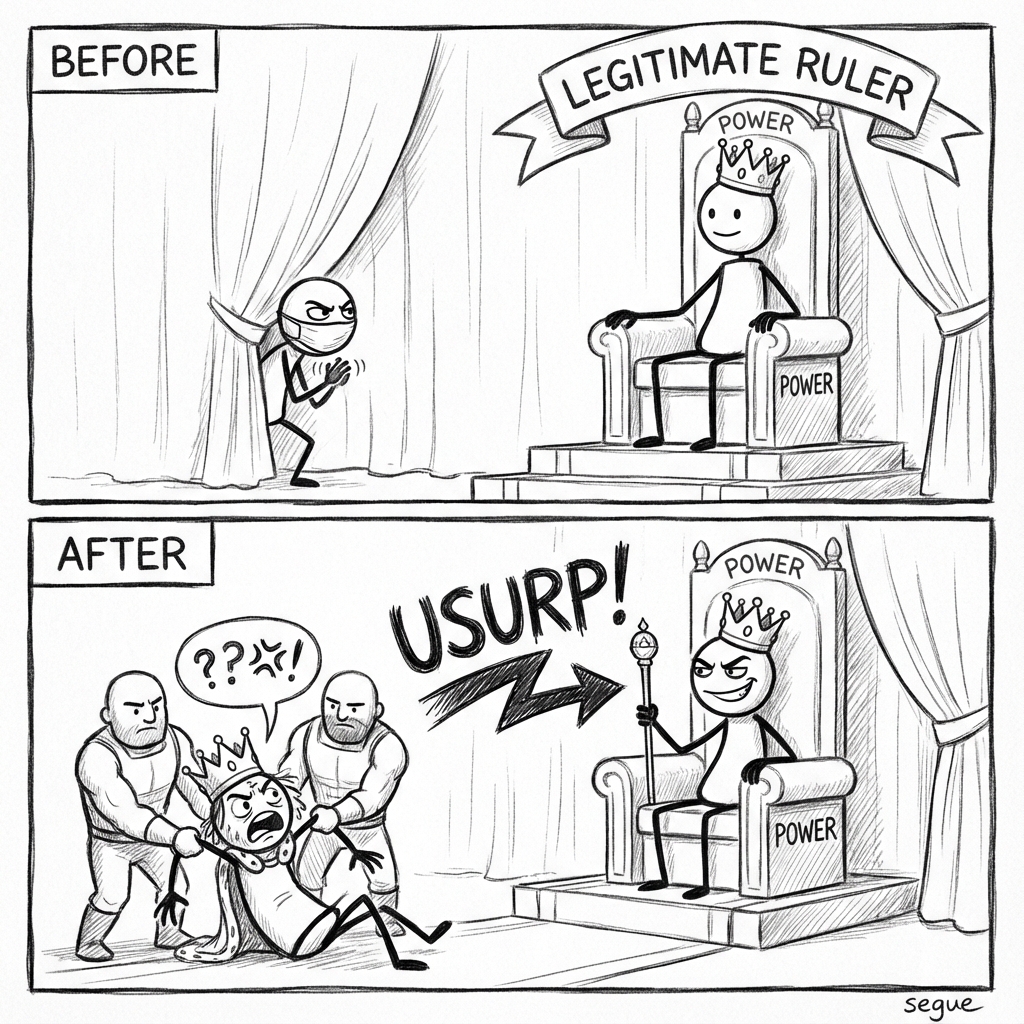
usurp
/ˌjuˈsɝp/to take a position of power illegally or by force
“The general usurped control from the elected government.”
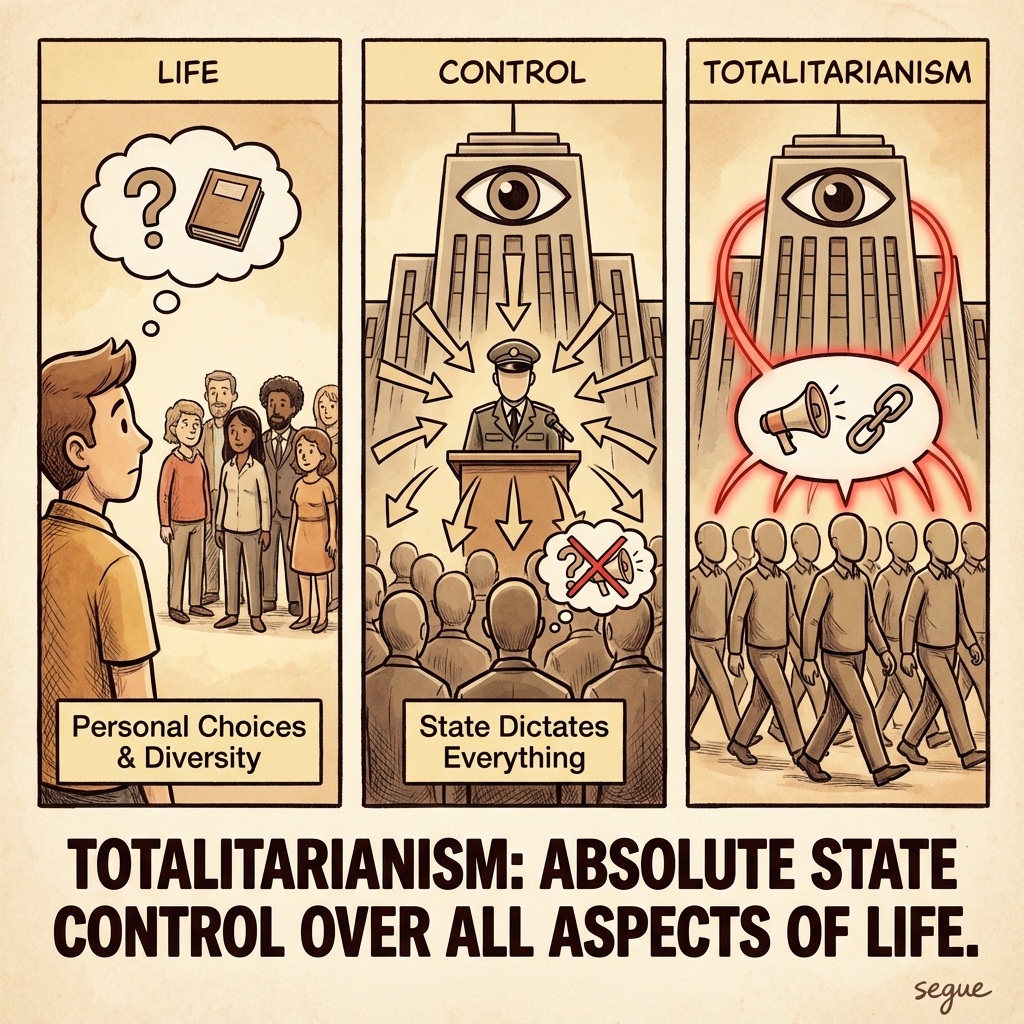
totalitarianism
/ˌtoʊˌtæɫəˈtɛɹiəˌnɪzəm/a system of government that is centralized and dictatorial and requires complete subservience
“Totalitarianism suppresses individual freedom entirely.”
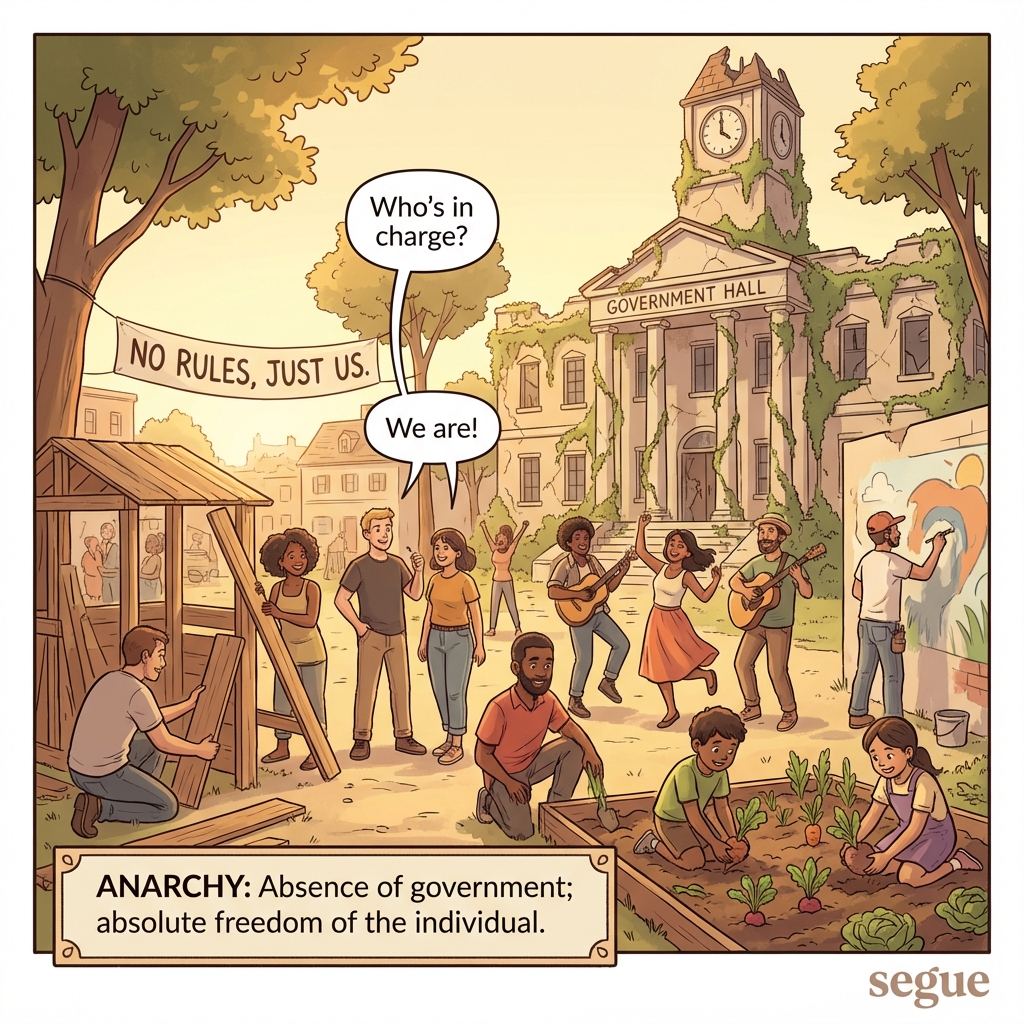
anarchy
/ˈænɝˌki/a state of disorder due to absence or nonrecognition of authority
“The country descended into anarchy after the government collapsed.”
More from Social & Moral
Explore other vocabulary categories in this collection.