Loading collection...
🧠
Philosophy & Thinking Vocabulary
Intellectual concepts and philosophical terminology
22 words
All 22 Words

epistemology
/ɛˌpɪstəˈmɑɫəˌdʒi/the theory of knowledge, especially regarding methods and validity
“Epistemology asks how we can know what we know.”
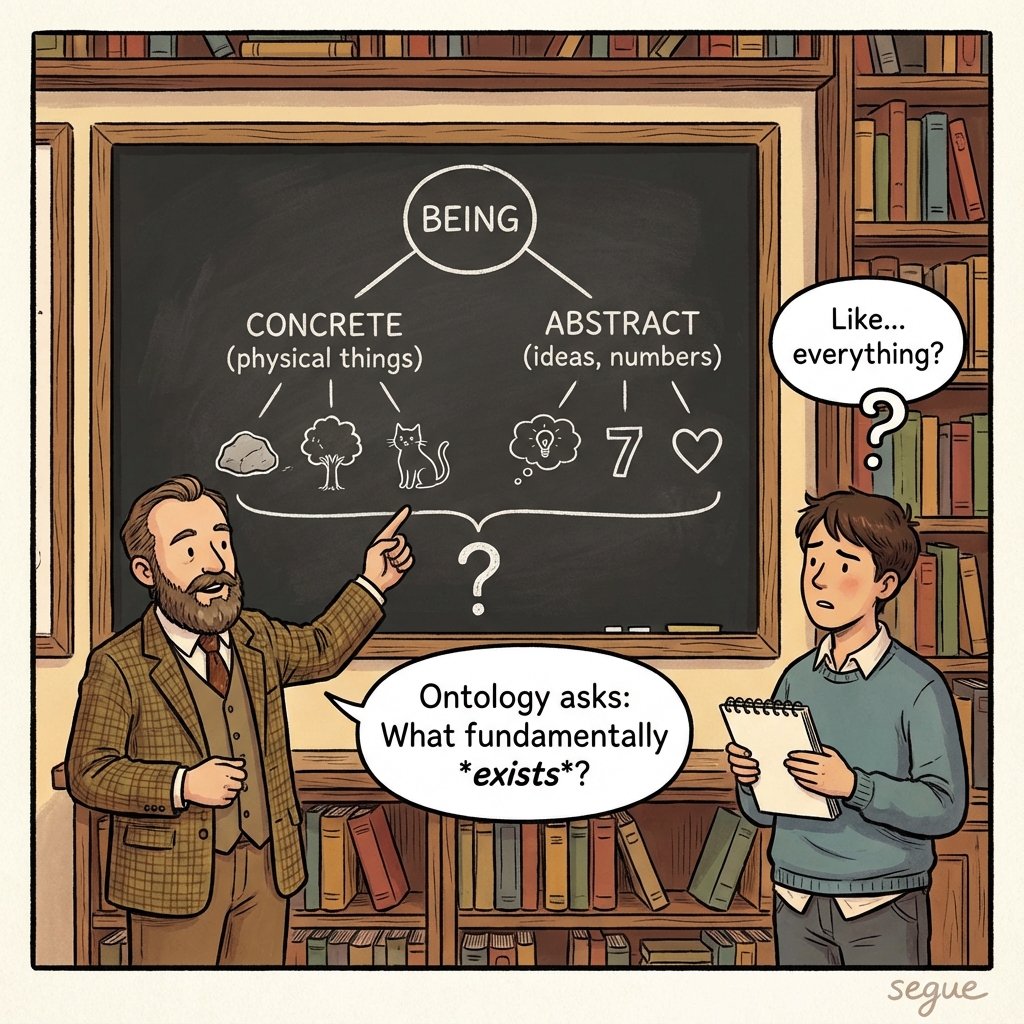
ontology
/ɑnˈtɑɫədʒi/the branch of metaphysics dealing with the nature of being
“Ontology examines what it means for something to exist.”

metaphysics
/ˌmɛtəˈfɪzɪks/the branch of philosophy dealing with first principles and the nature of reality
“Metaphysics explores questions about existence and reality.”
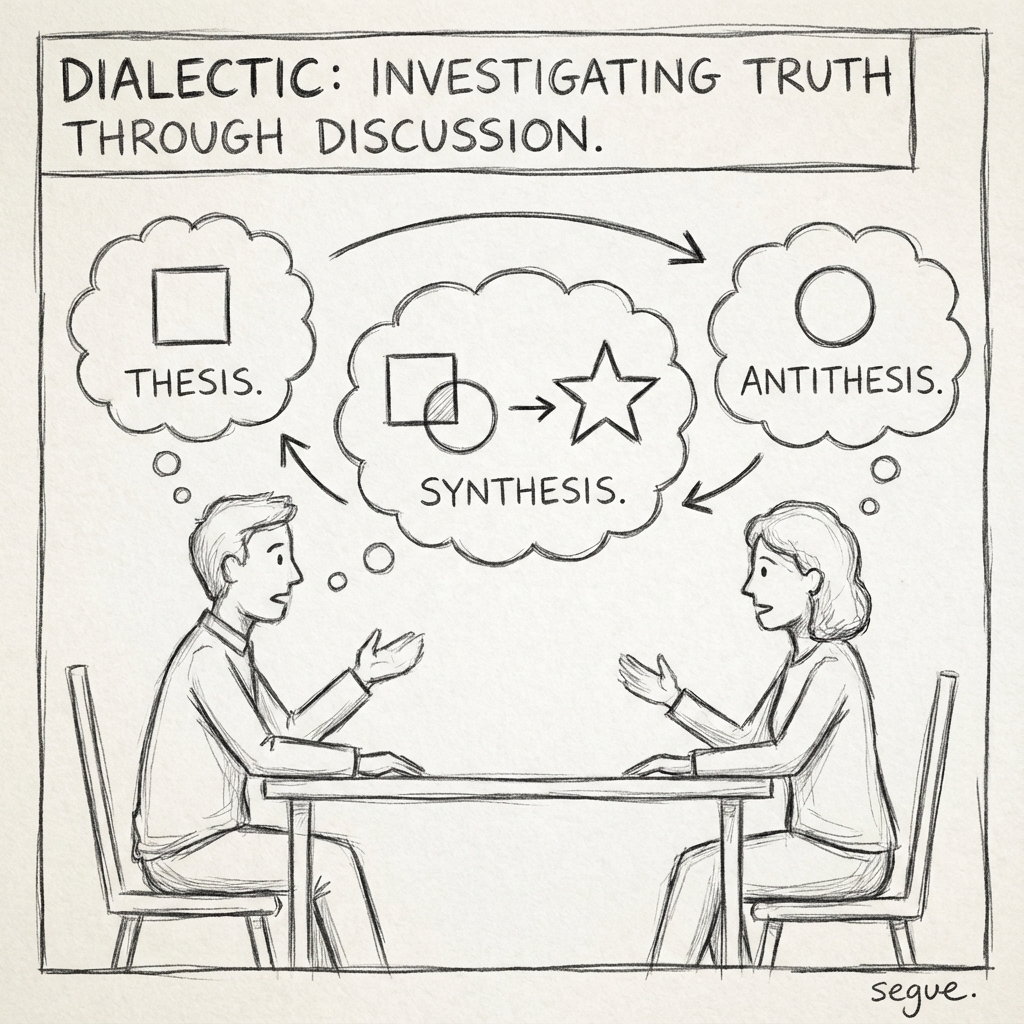
dialectic
/ˌdaɪəˈɫɛktɪk/the art of investigating truths through discussion and logical argument
“Through dialectic, they arrived at a deeper understanding.”
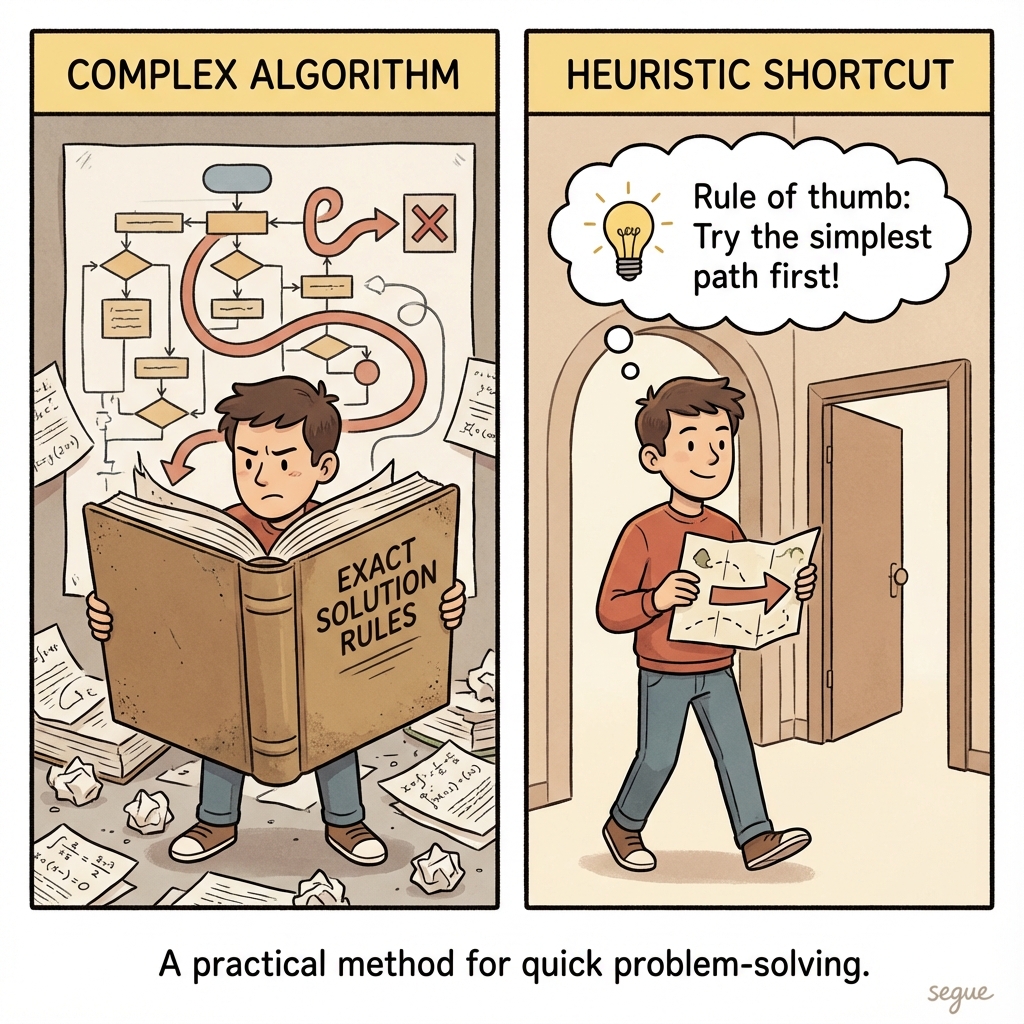
heuristic
/hjʊˈɹɪstɪk/a method enabling discovery or problem-solving through practical experience
“Trial and error is a basic heuristic for learning.”
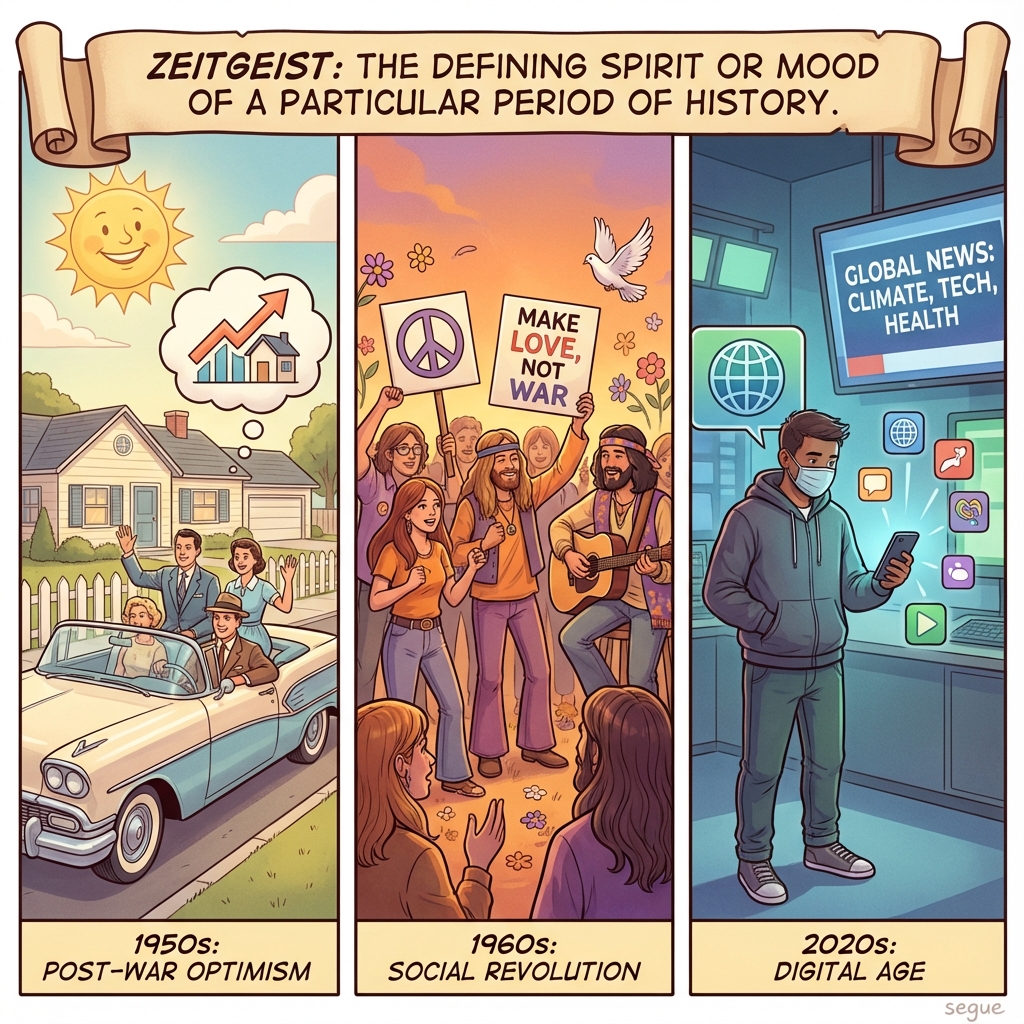
zeitgeist
/ˈtsaɪtɡaɪst/the defining spirit or mood of a particular period of history
“The art captured the zeitgeist of the revolutionary era.”
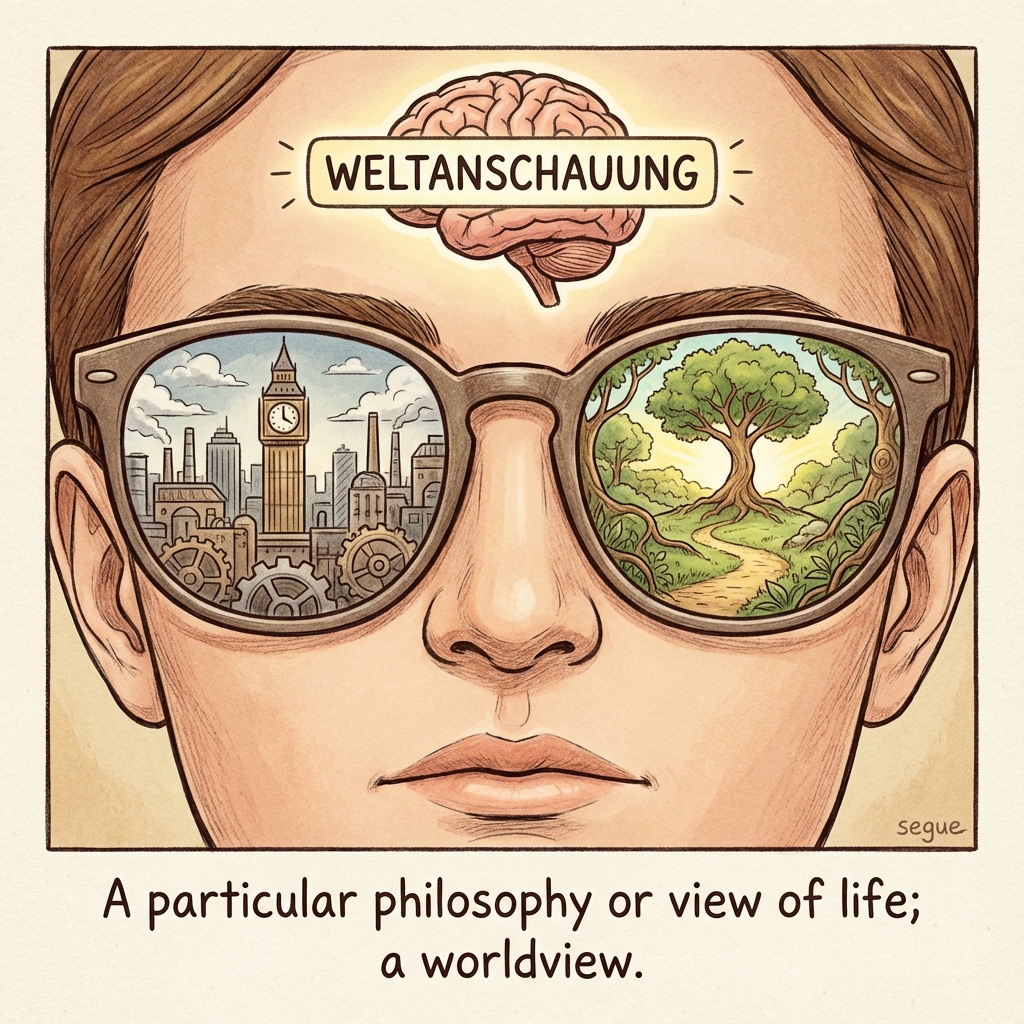
weltanschauung
/ˈveltɑːnˌʃaʊʊŋ/a particular philosophy or view of life; a worldview
“Her weltanschauung was shaped by her upbringing.”

a priori
/ˌeɪ praɪˈɔːraɪ/relating to knowledge that is independent of experience
“Mathematical truths are considered a priori knowledge.”

a posteriori
/ˌeɪ pɒsteriˈɔːraɪ/relating to knowledge derived from observation or experience
“Scientific knowledge is largely a posteriori.”
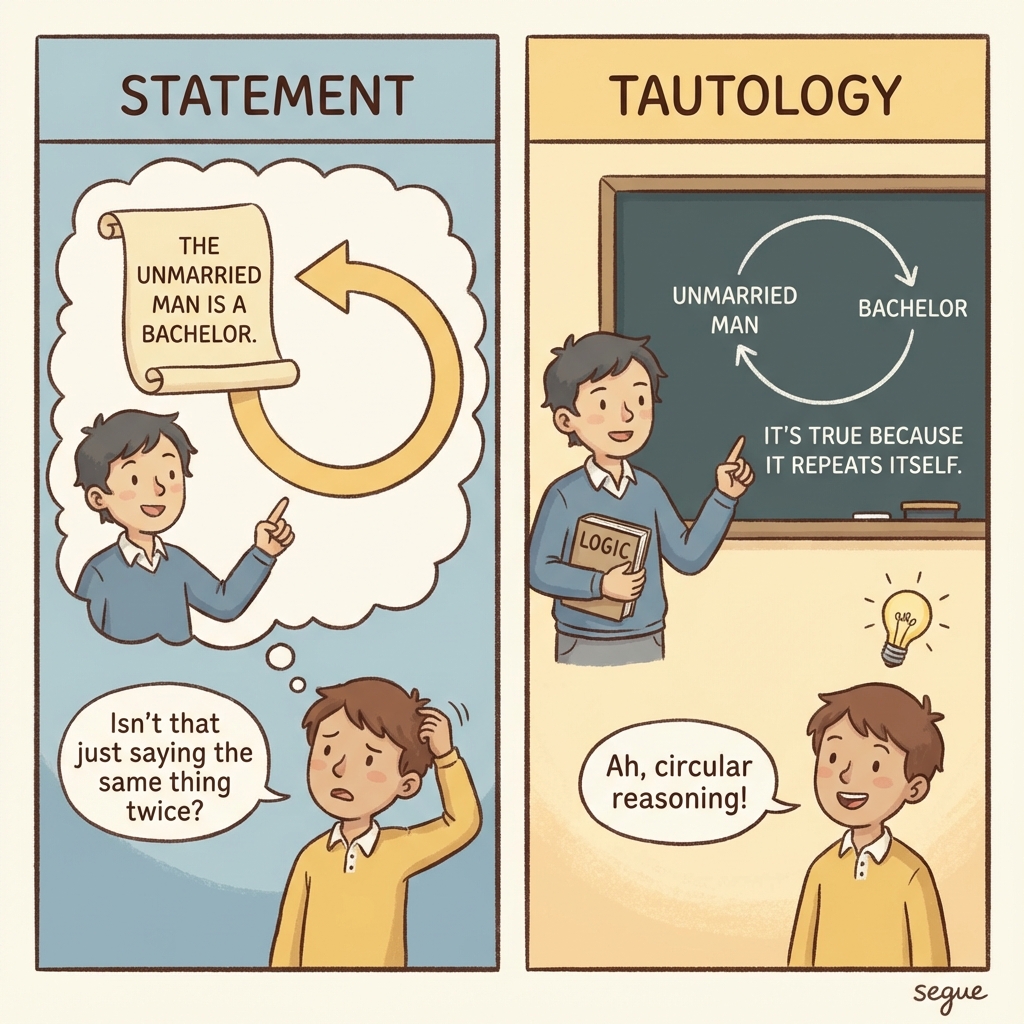
tautology
/tɔːˈtɒlədʒi/a statement that is true by necessity; needless repetition of an idea
“Saying 'free gift' is a tautology since gifts are always free.”
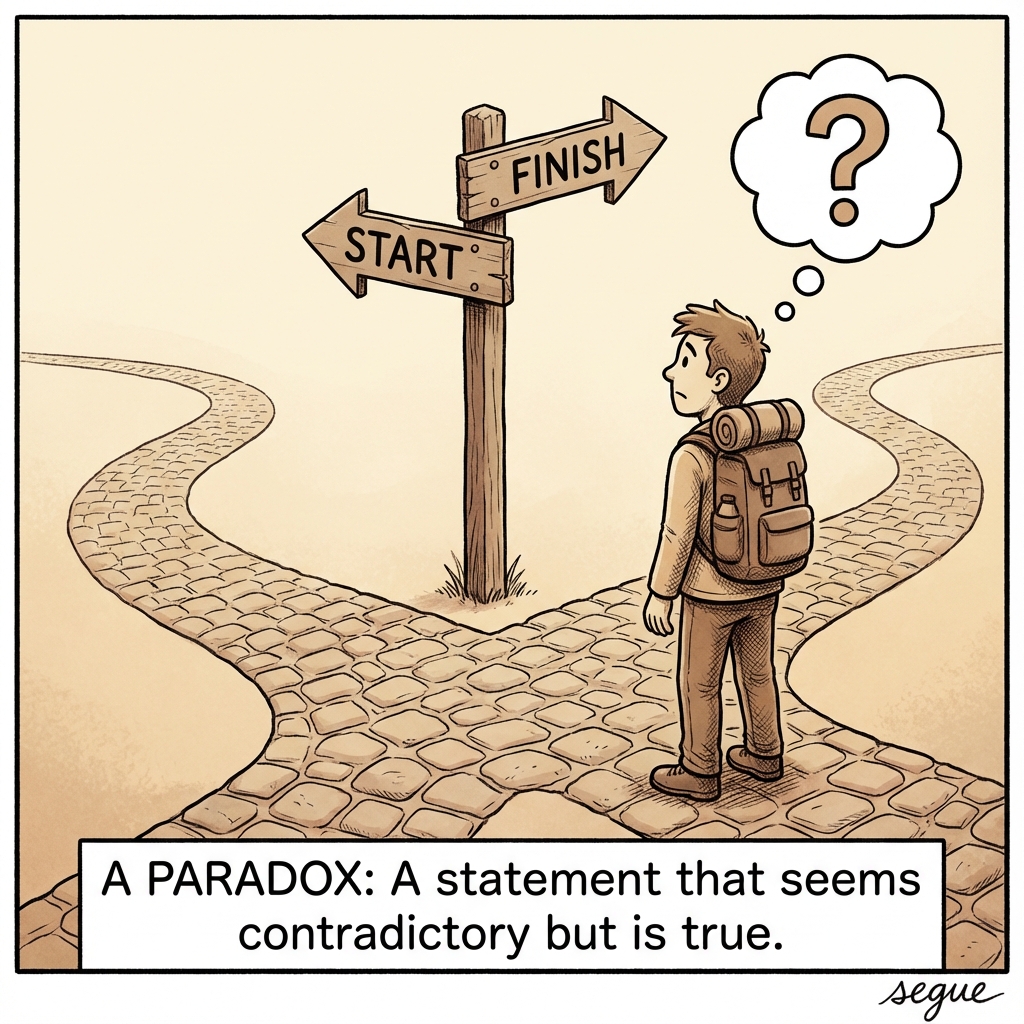
paradox
/ˈpɛɹəˌdɑks/a seemingly absurd statement that may actually be true
“The paradox of choice suggests more options can lead to less satisfaction.”
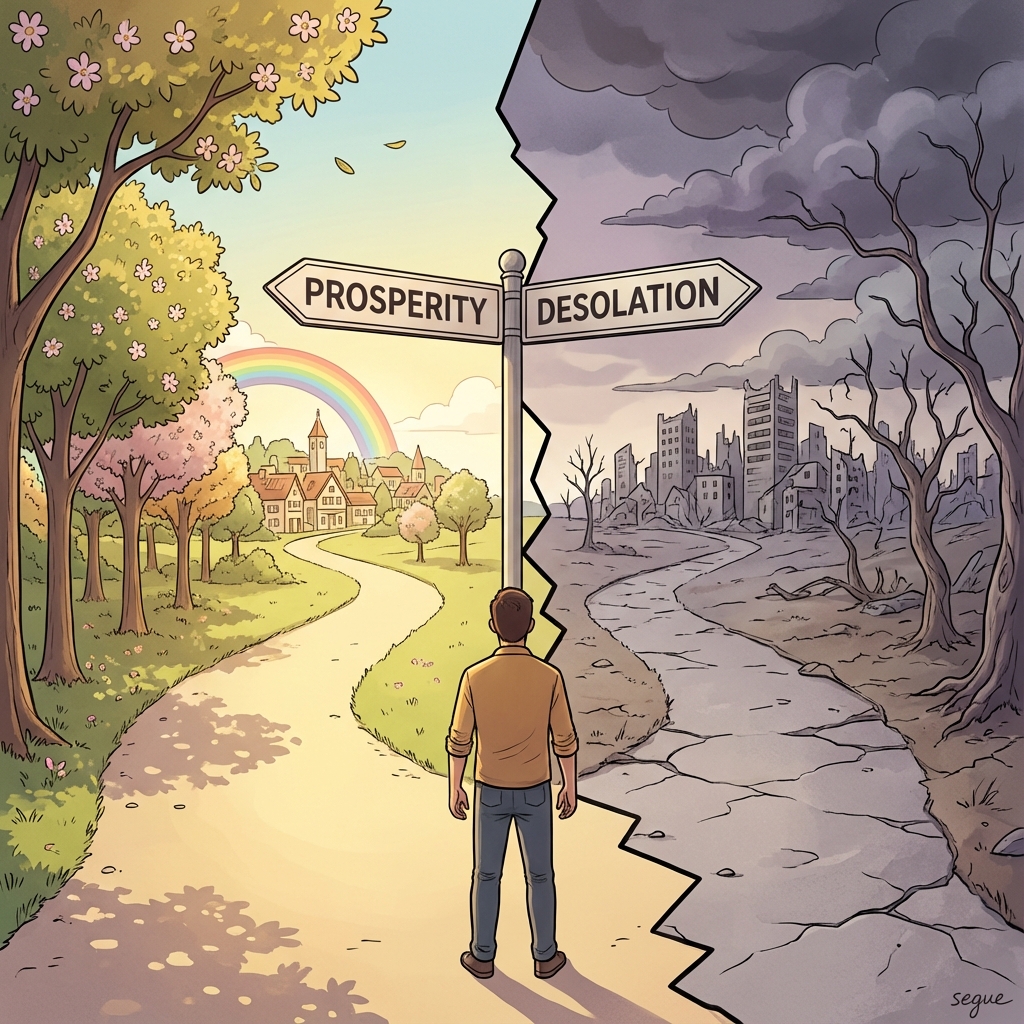
dichotomy
/daɪˈkɑtəmi/a division into two mutually exclusive or contradictory groups
“The dichotomy between work and life is a false one.”
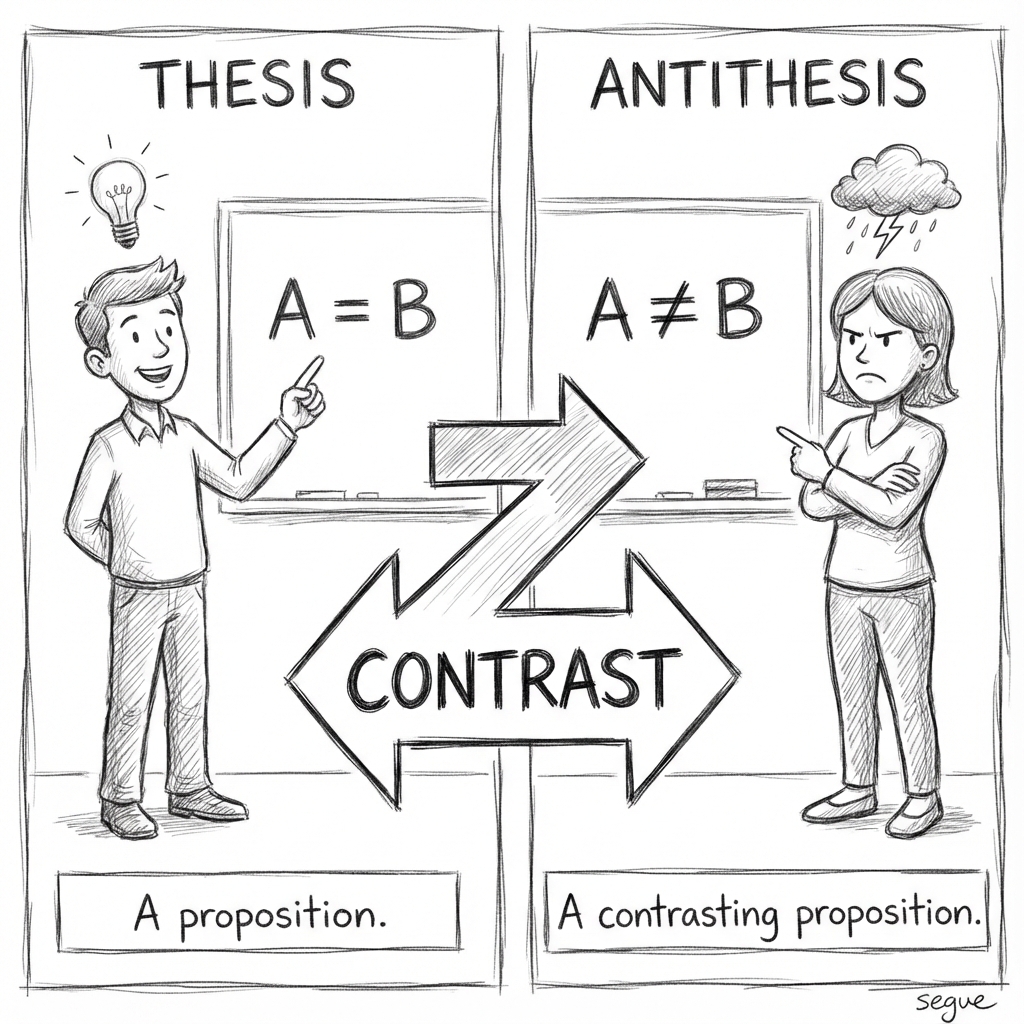
antithesis
/ænˈtɪθəsəs/a person or thing that is the direct opposite of something
“Her views were the antithesis of his conservative beliefs.”
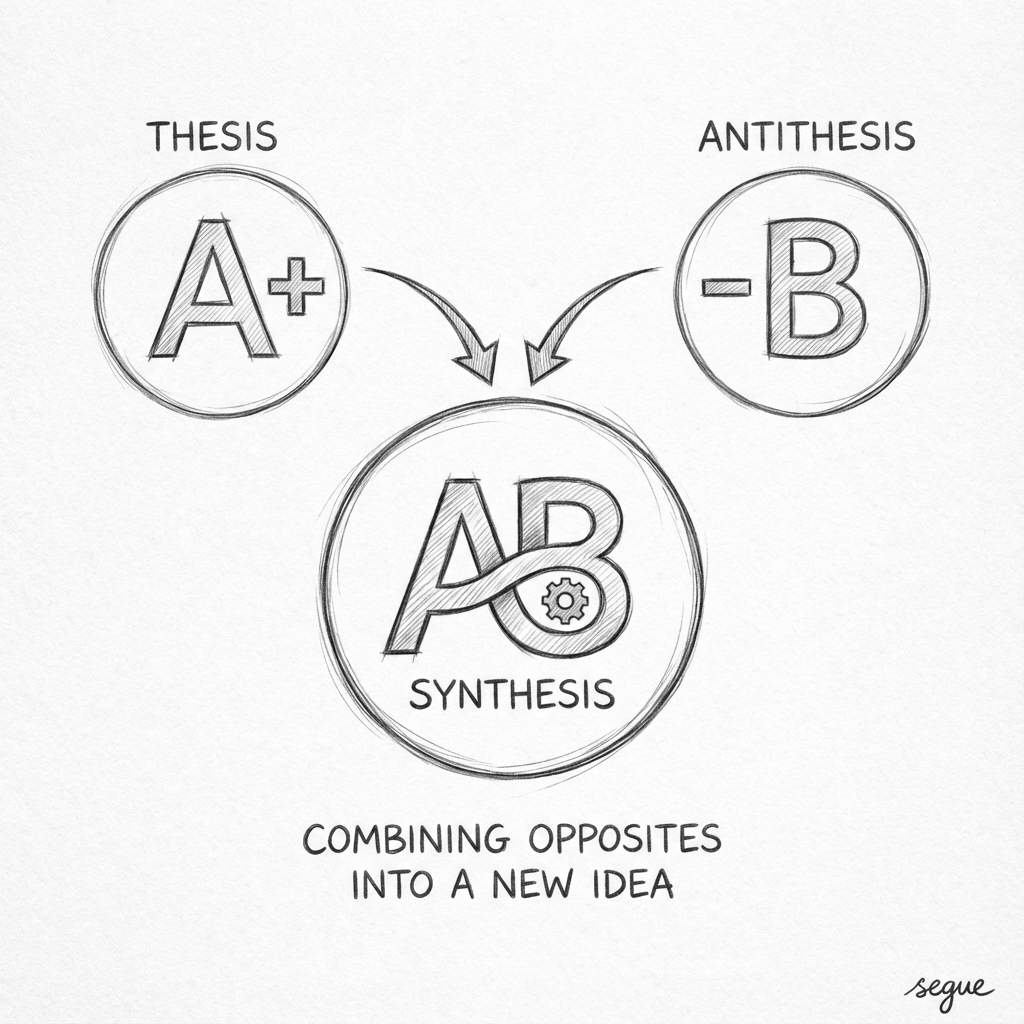
synthesis
/ˈsɪnθəsəs/the combination of ideas to form a coherent whole
“His philosophy was a synthesis of Eastern and Western thought.”
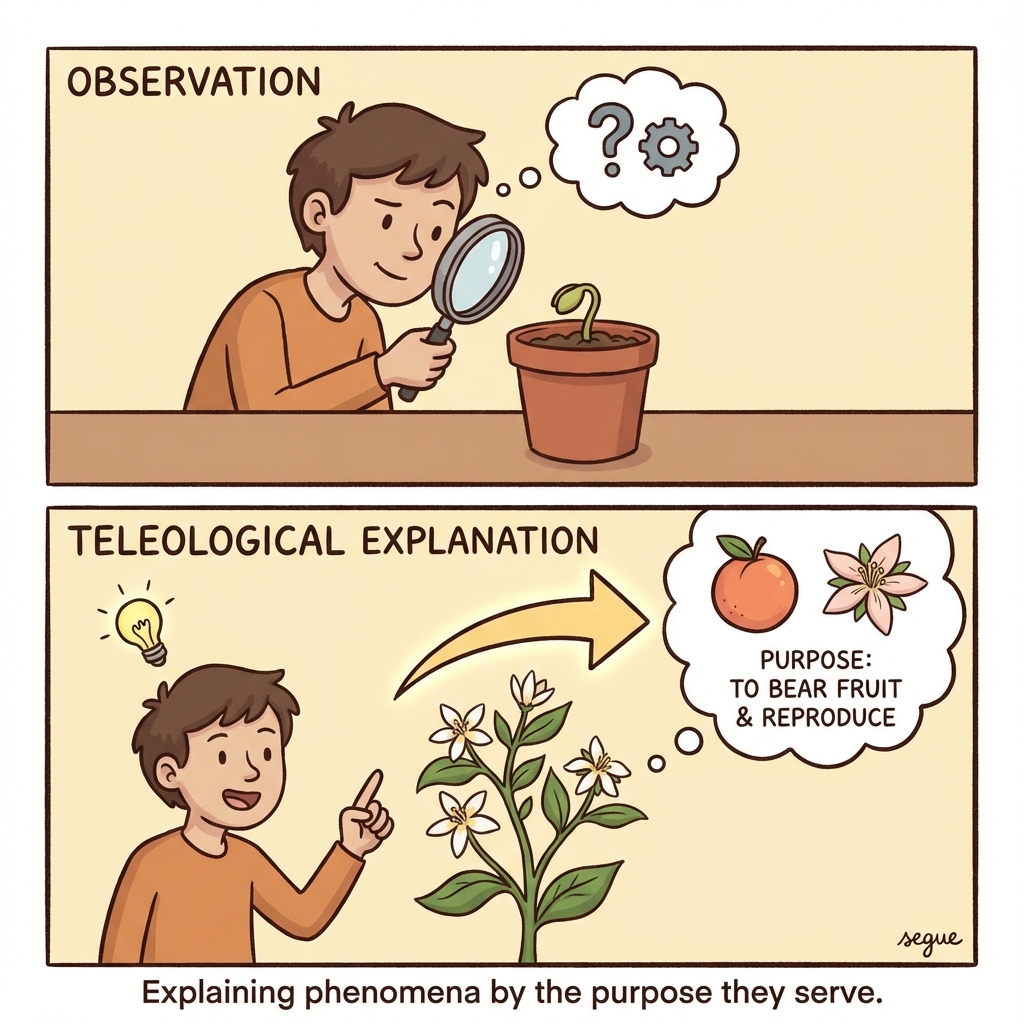
teleology
/ˈtiɫiˌɔɫəˌdʒi/the explanation of phenomena by the purpose they serve
“Teleology asks what purpose evolution serves.”

determinism
/dɪˈtɝməˌnɪzəm/the doctrine that all events are determined by prior causes
“Hard determinism denies the existence of free will.”

solipsism
/ˈsɒlɪpsɪzəm/the view that only one's own mind is sure to exist
“Solipsism is difficult to refute but hard to accept.”
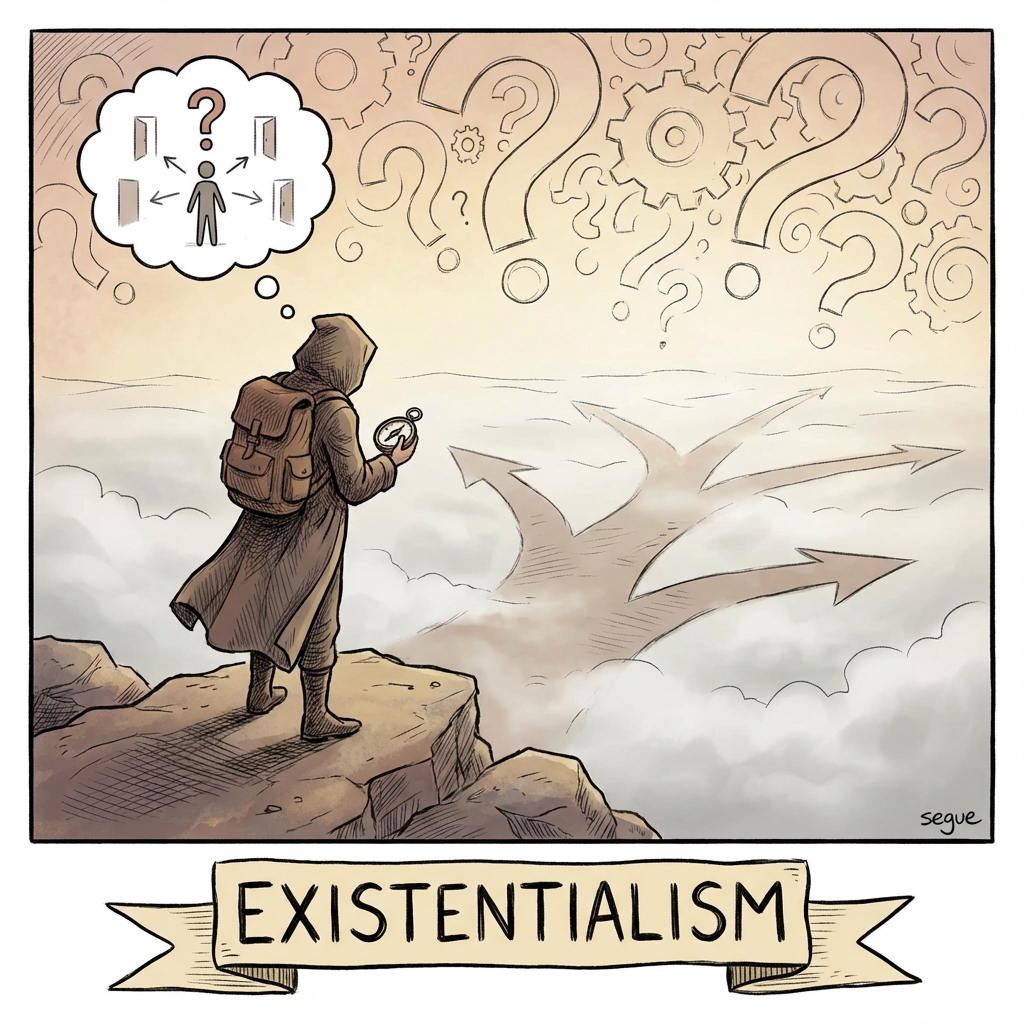
existentialism
/ˌeɡzɪˈstenʃəlɪzəm/a philosophy emphasizing individual existence and freedom of choice
“Existentialism holds that we create our own meaning in life.”

utilitarianism
/ˌjuːtɪlɪˈteəriənɪzəm/the doctrine that actions are right if they benefit the majority
“Utilitarianism weighs the greatest good for the greatest number.”
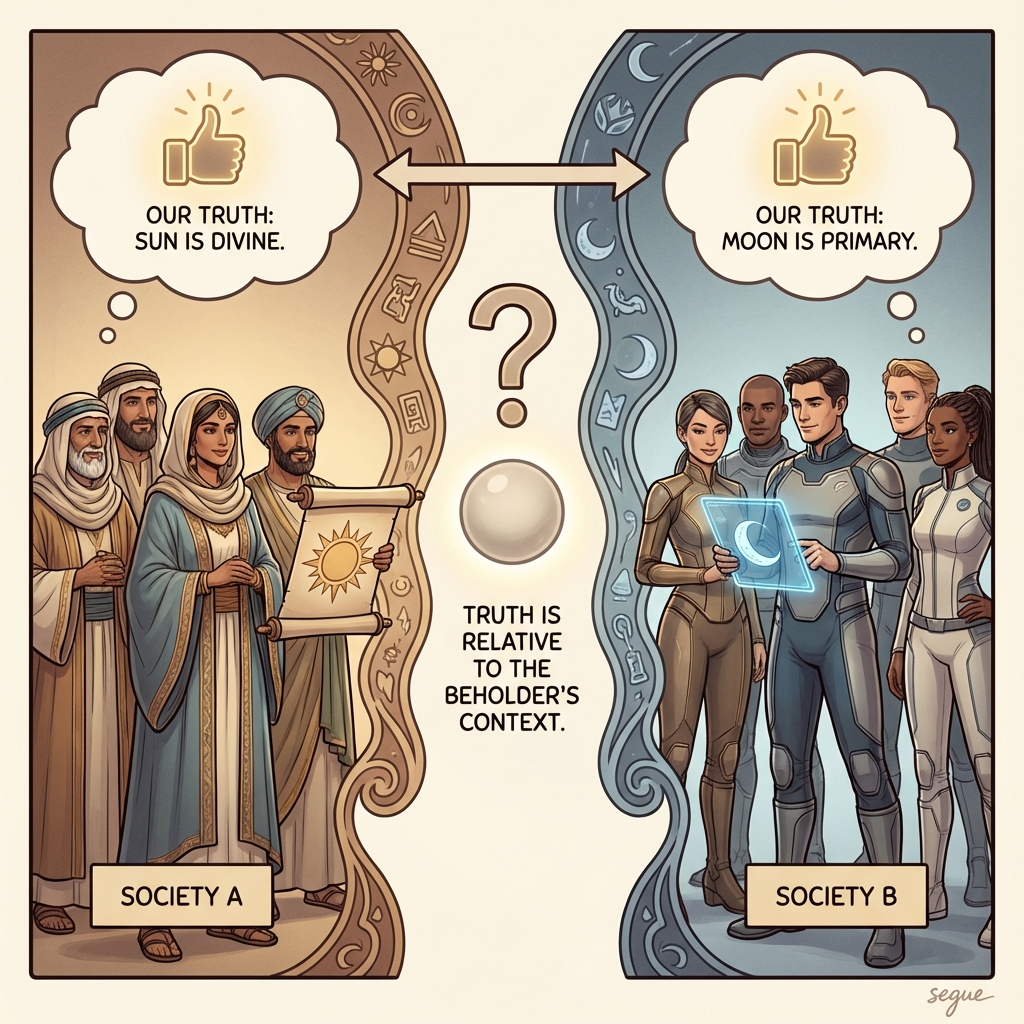
relativism
/ˈɹɛɫətɪˌvɪzəm/the doctrine that knowledge and truth exist only in relation to culture or society
“Moral relativism suggests ethics vary by culture.”
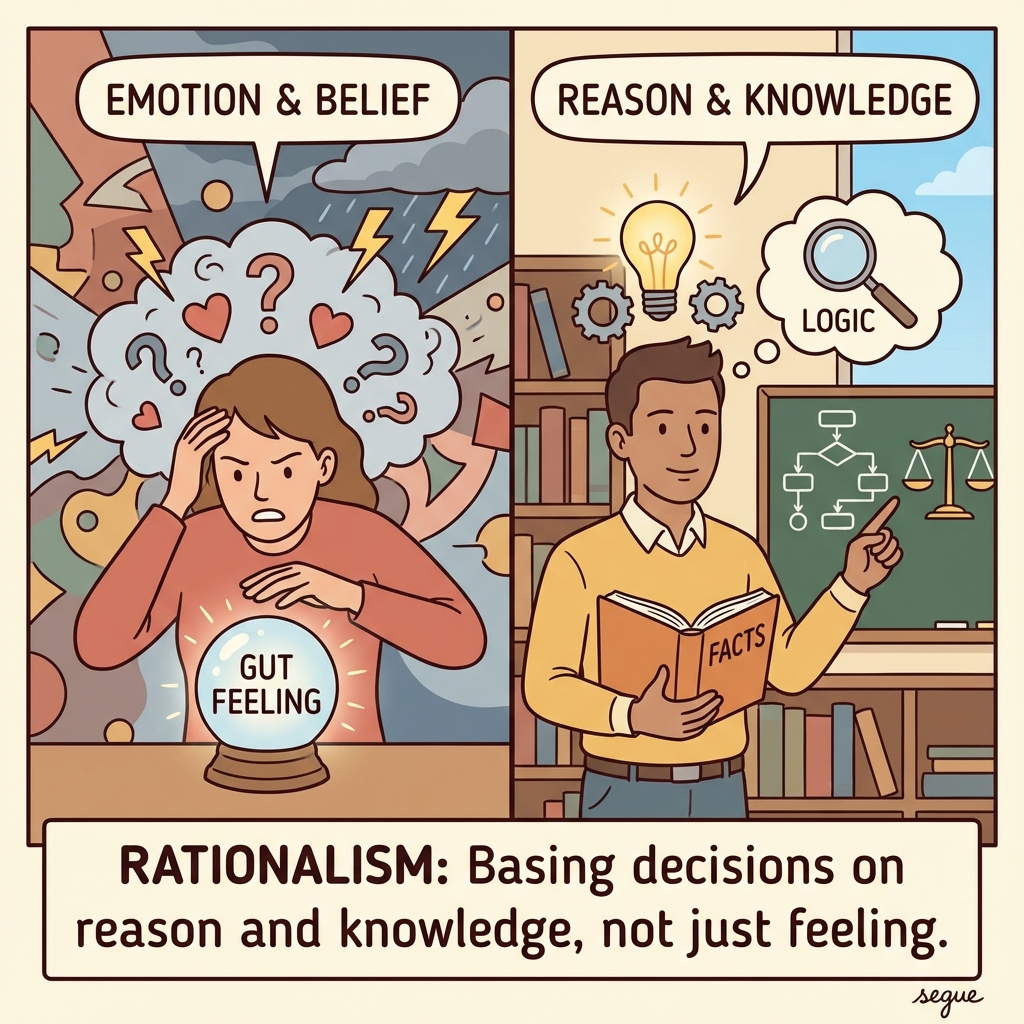
rationalism
/ˈræʃənəlɪzəm/a belief or theory that opinions and actions should be based on reason and knowledge
“Rationalism emphasizes the role of reason in acquiring knowledge.”
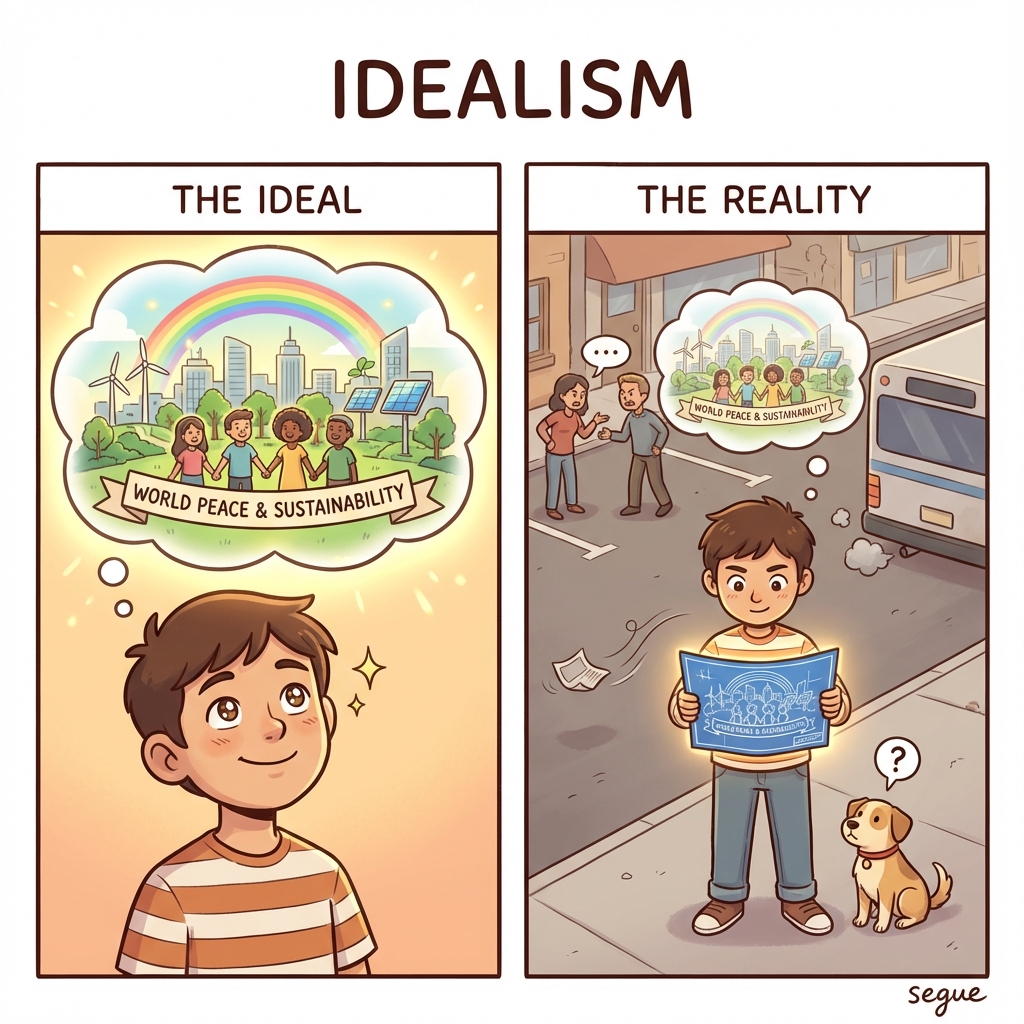
idealism
/aɪˈdiɫɪzəm/the practice of forming or pursuing ideals, especially unrealistically
“Her youthful idealism clashed with the harsh realities of politics.”
More from Intellectual
Explore other vocabulary categories in this collection.