Loading collection...
🤔
Philosophical References Vocabulary
Allusions to major philosophical ideas and thinkers
10 words
All 10 Words
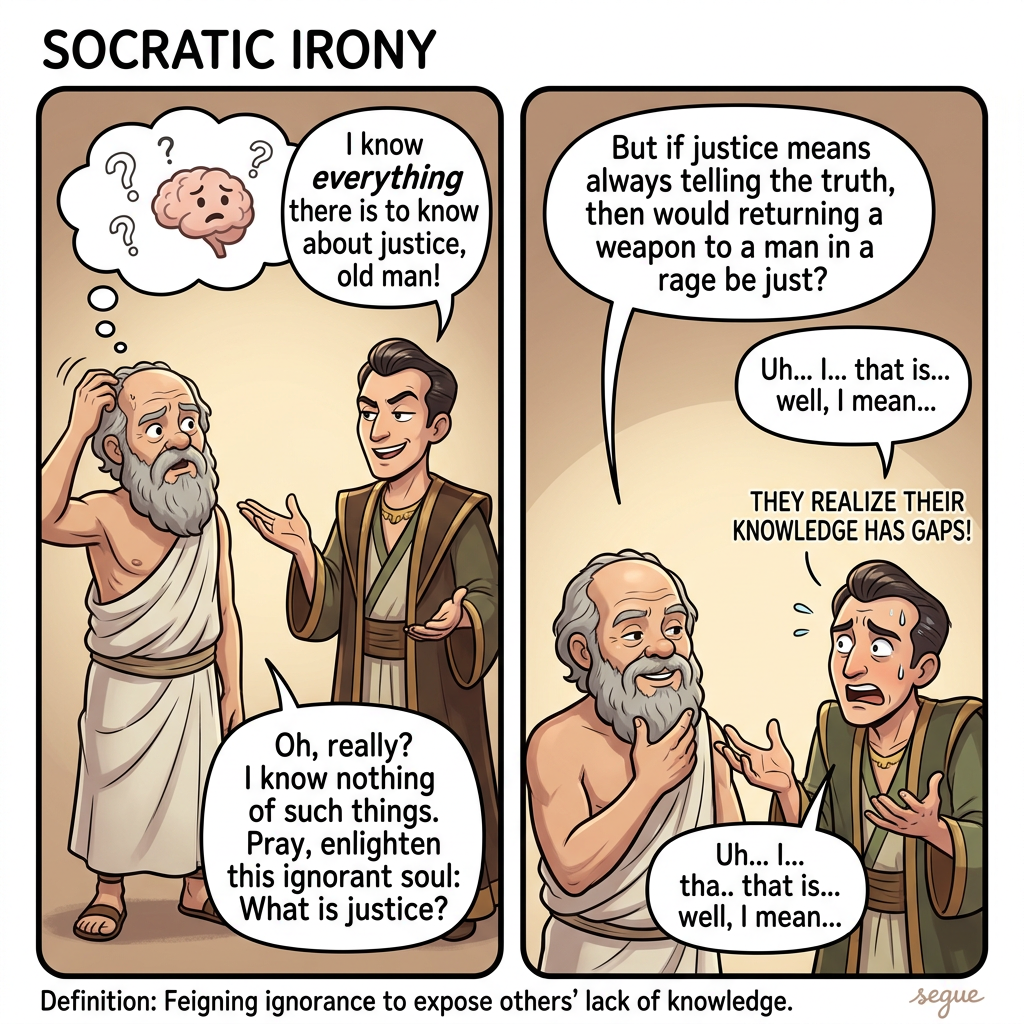
Socratic irony
/səˌkrætɪk ˈaɪrəni/feigning ignorance to expose others' lack of knowledge
“His 'I don't understand, explain it to me' was pure Socratic irony.”
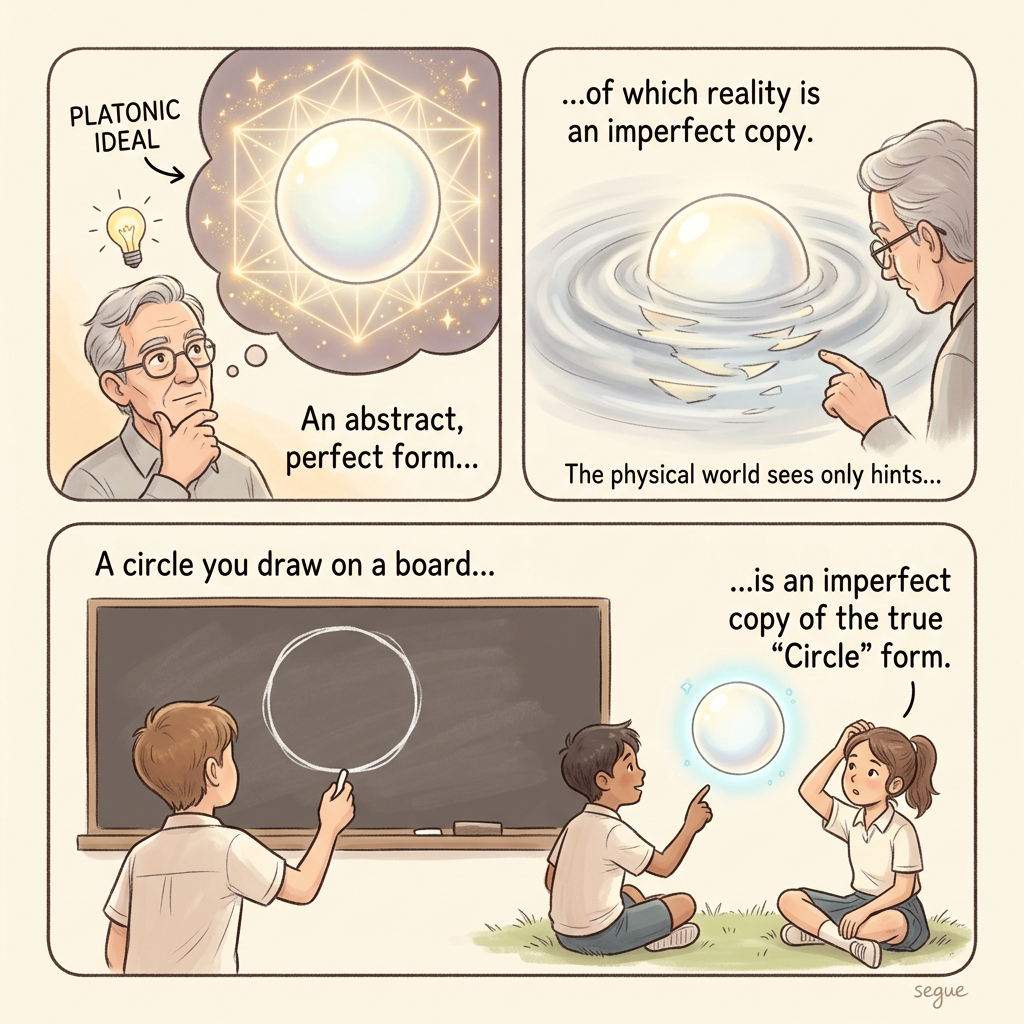
Platonic ideal
/pləˌtɒnɪk aɪˈdɪəl/a perfect abstract form of which reality is an imperfect copy
“He pursued the Platonic ideal of justice, never finding it in practice.”
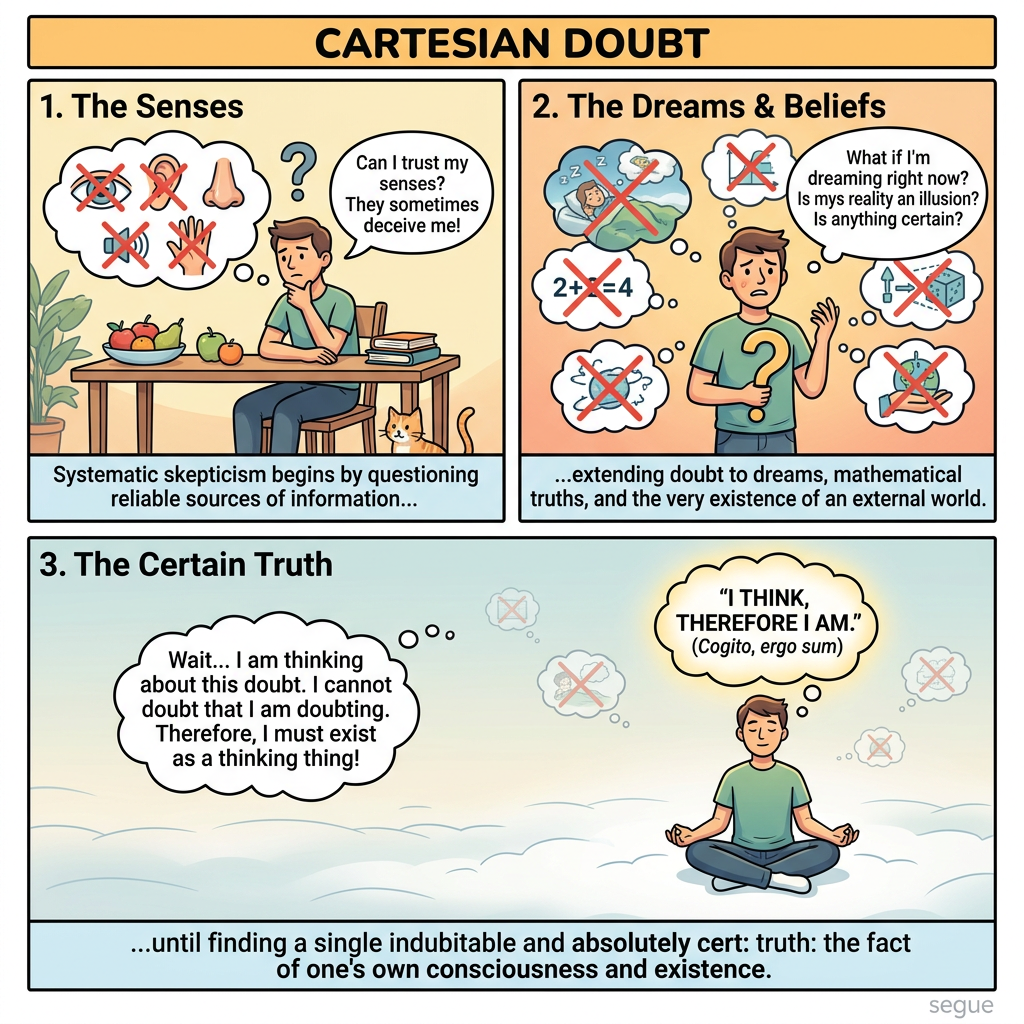
Cartesian doubt
/kɑːrˈtiːʒən ˌdaʊt/systematic skepticism to find certain knowledge
“Apply Cartesian doubt: what can you know for certain?”

Occam's razor
/ˌɒkəmz ˈreɪzər/the simplest explanation is usually correct
“Occam's razor suggests the most straightforward interpretation.”

categorical imperative
/ˌkætəˌɡɒrɪkəl ɪmˈperətɪv/act only according to rules you could will as universal law
“Kant's categorical imperative: would you want everyone to do this?”
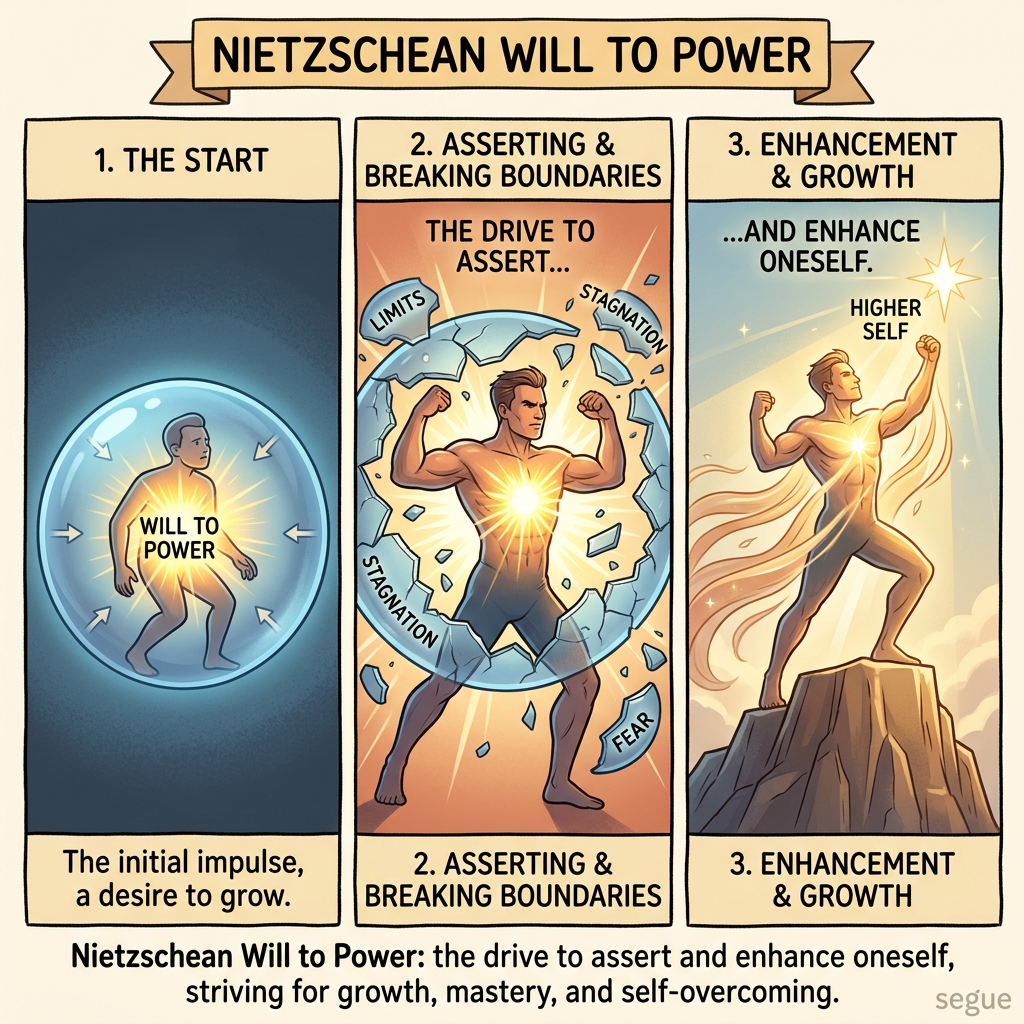
Nietzschean will to power
the drive to assert and enhance oneself
“His ambition was pure will to power.”
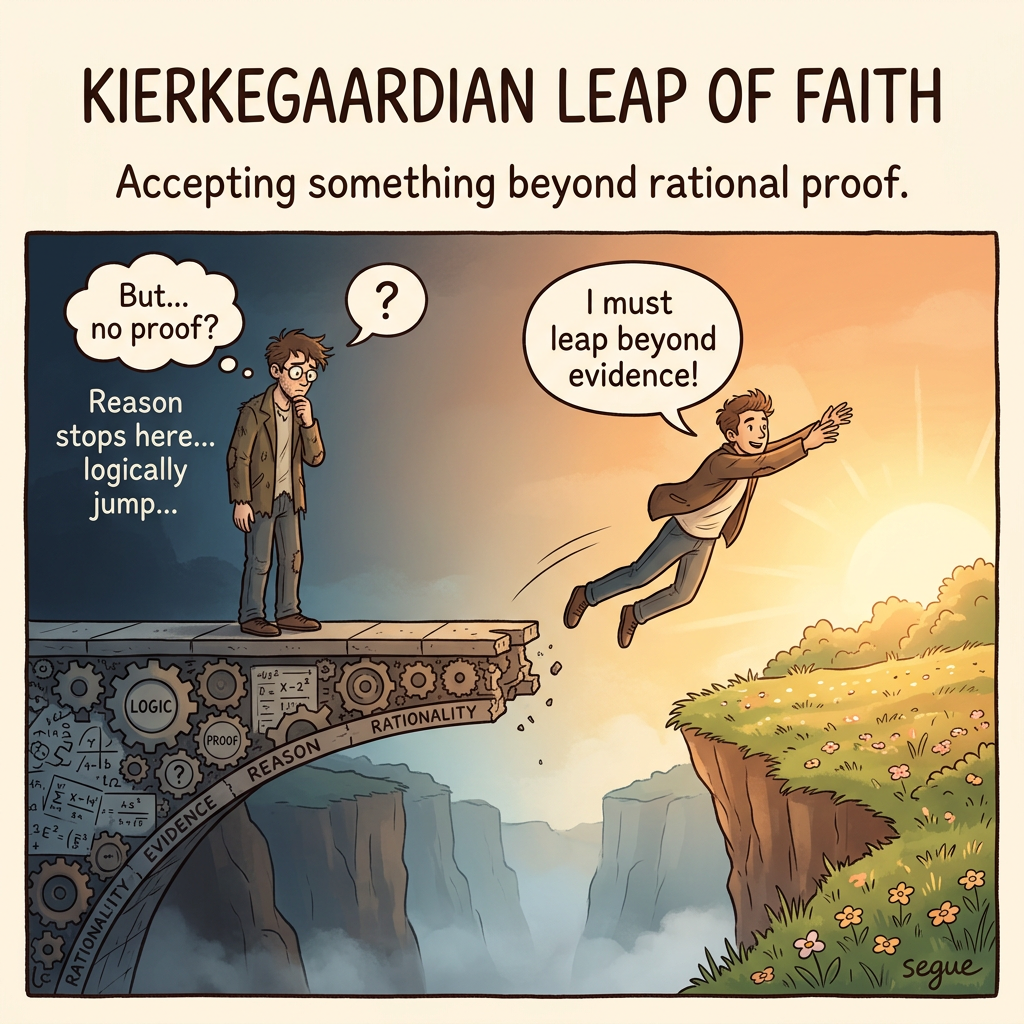
Kierkegaardian leap of faith
accepting something beyond rational proof
“Joining the startup required a leap of faith.”

Hegelian dialectic
/heɪˈɡeɪliən ˌdaɪəˈlektɪk/thesis, antithesis, synthesis—ideas evolving through opposition
“Their debate followed a Hegelian dialectic, producing a new synthesis.”
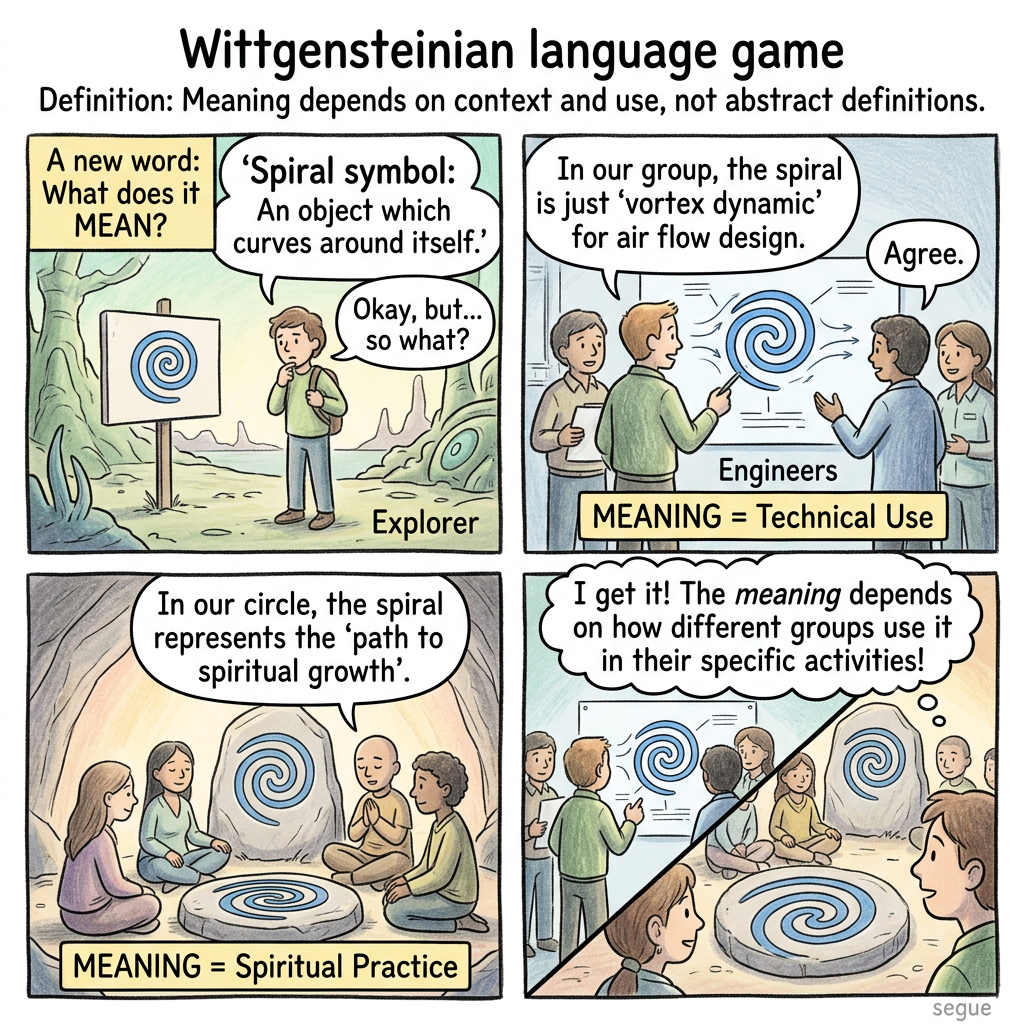
Wittgensteinian language game
meaning depends on context and use, not abstract definitions
“Different disciplines play different language games.”
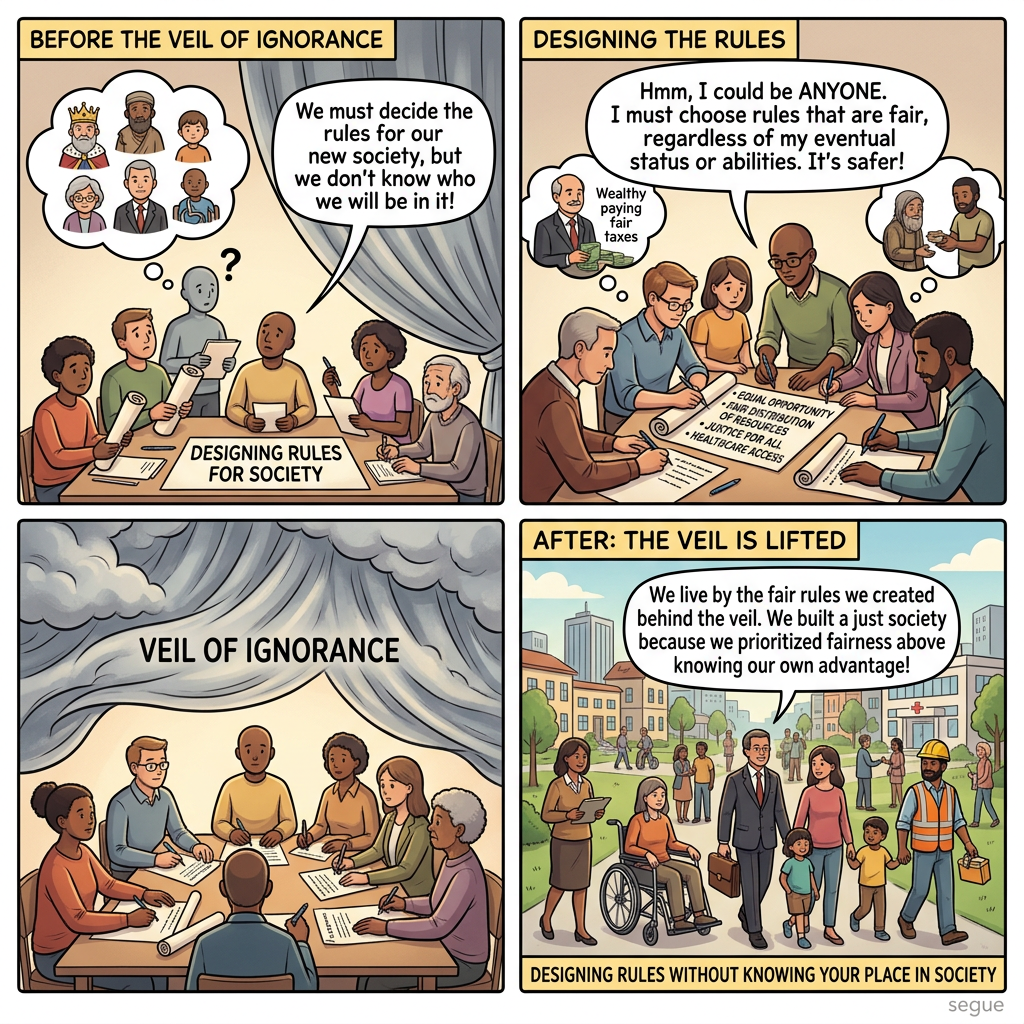
Rawlsian veil of ignorance
designing rules without knowing your place in society
“Behind a veil of ignorance, would you choose this policy?”
More from Cultural Literacy
Explore other vocabulary categories in this collection.