Loading collection...
🎭
Personality Types Vocabulary
Words describing character traits, temperaments, and dispositions
22 words
All 22 Words
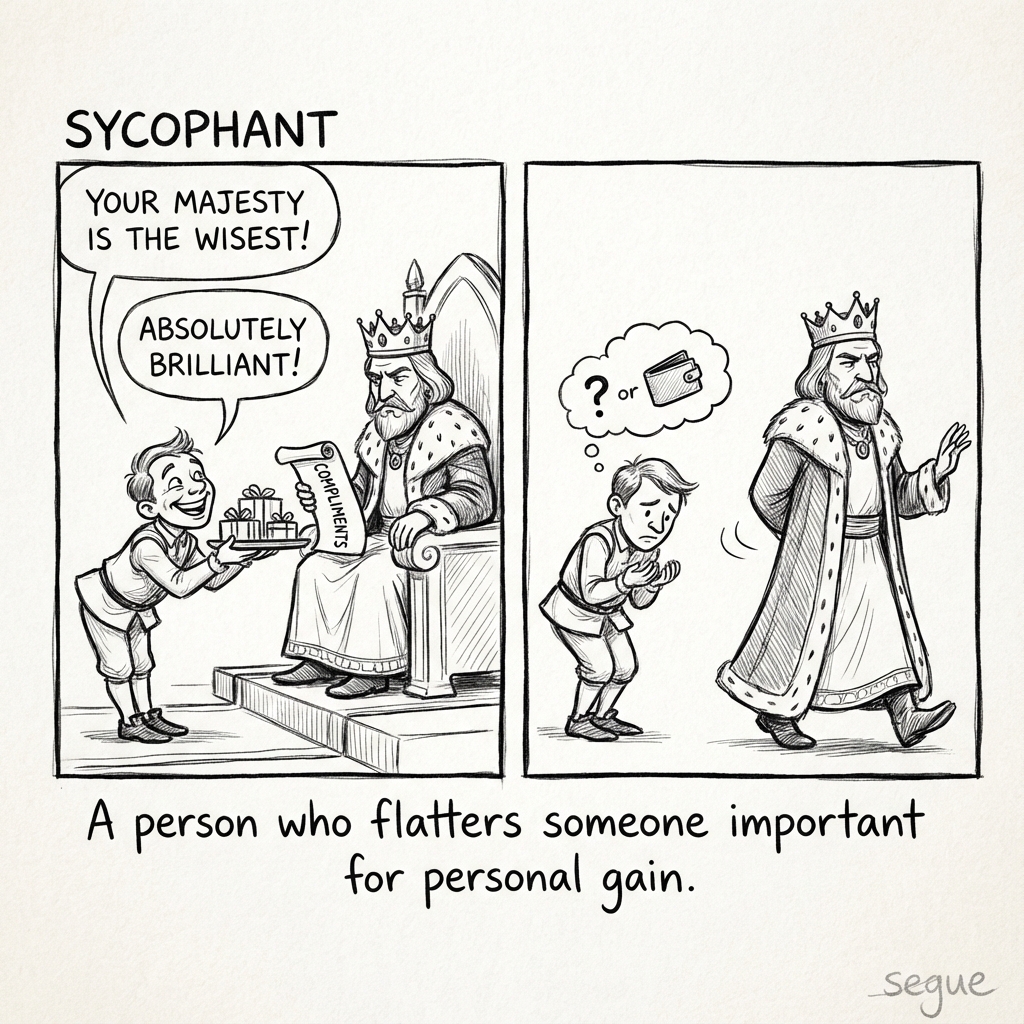
sycophant
/ˈsɪkəfænt/a person who flatters someone important to gain advantage
“The sycophants around the CEO always agreed with everything he said.”
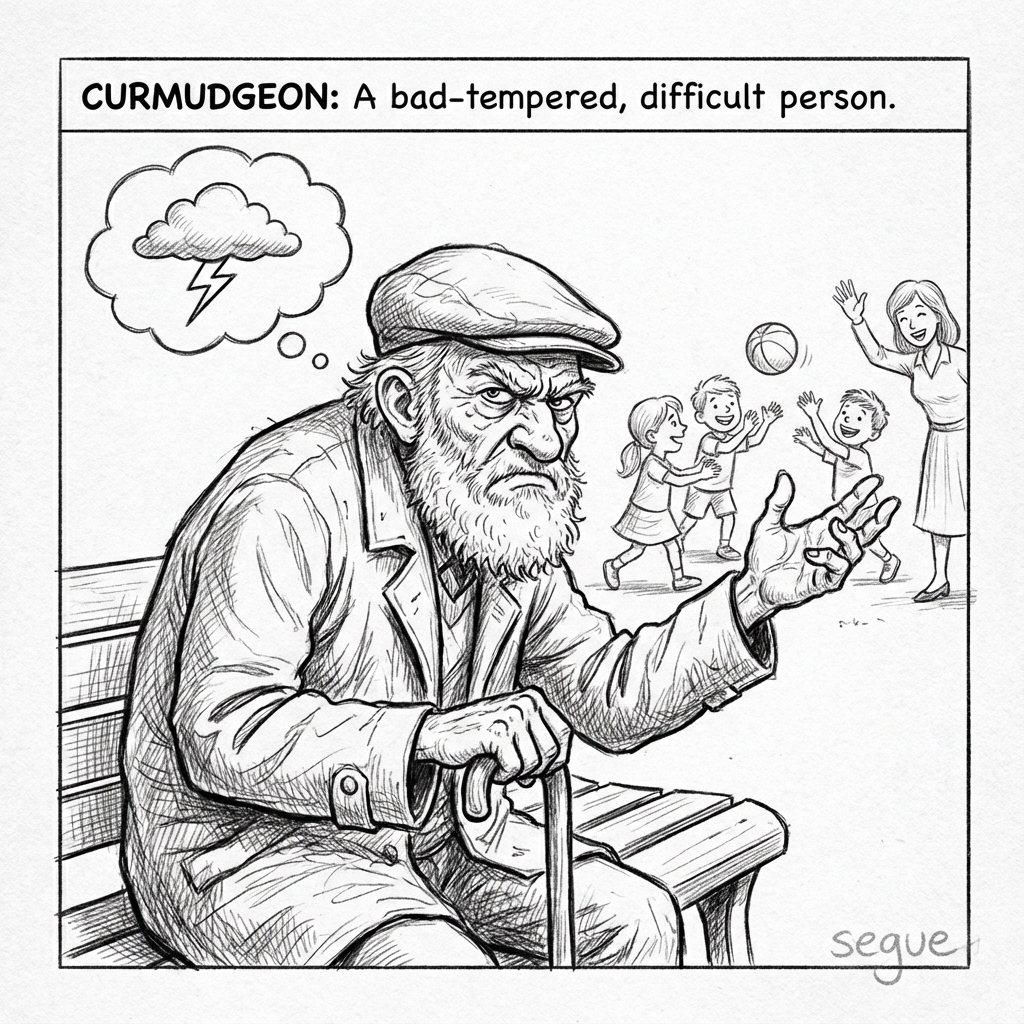
curmudgeon
/kɝˈmədʒɪn/a bad-tempered, difficult, cantankerous person
“The old curmudgeon complained about everything, from the weather to his neighbors.”
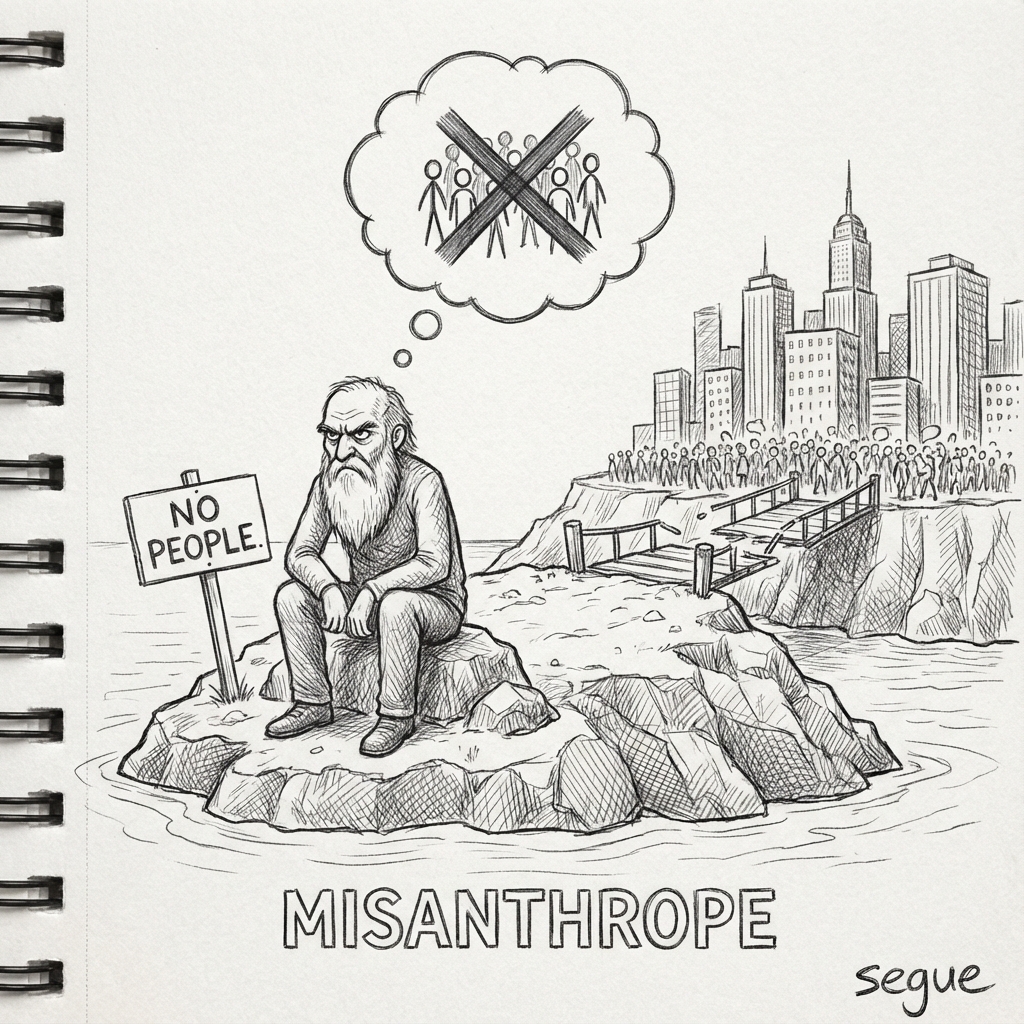
misanthrope
/ˈmɪsənˌθɹoʊp/a person who dislikes humankind and avoids society
“After years of disappointment, he became a misanthrope who lived alone in the mountains.”
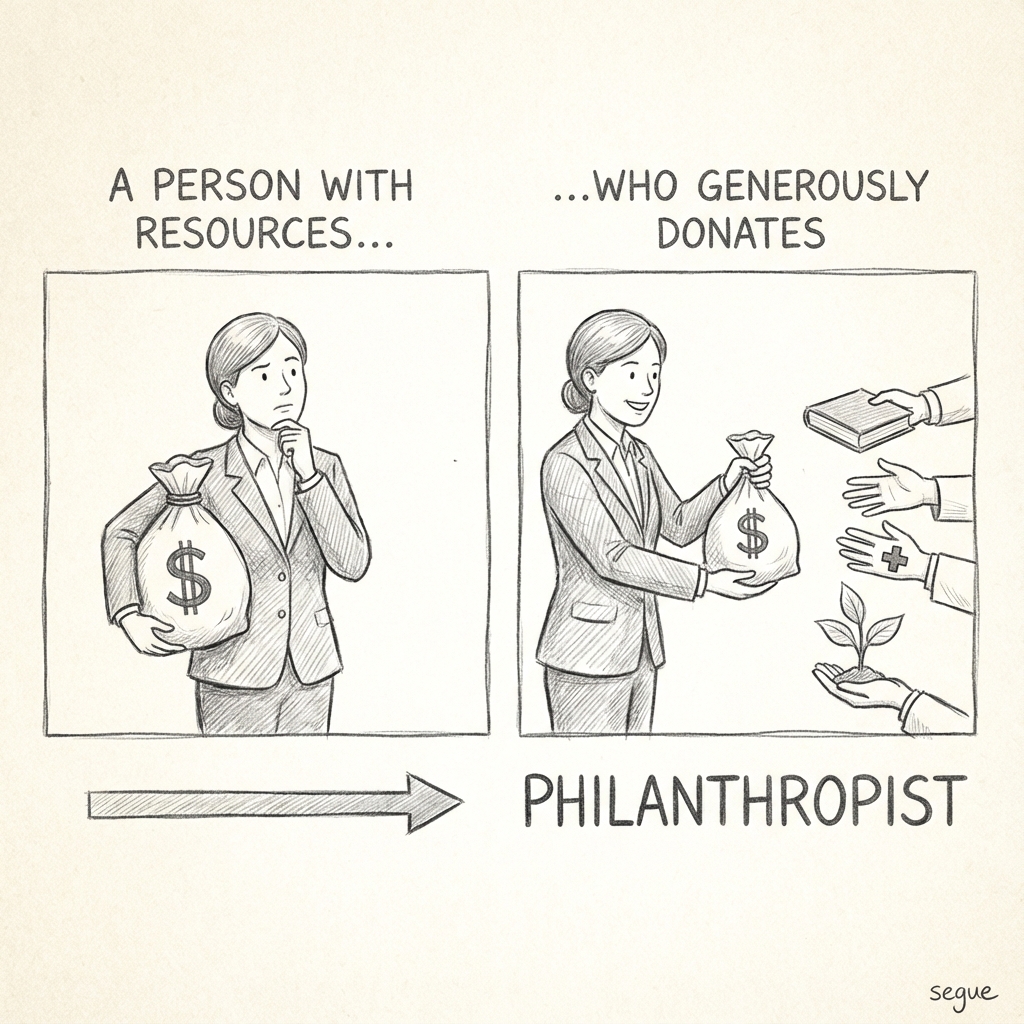
philanthropist
/fəˈɫænθɹəpəst/a person who seeks to promote the welfare of others through generous donations
“The philanthropist donated millions to build schools in underserved communities.”
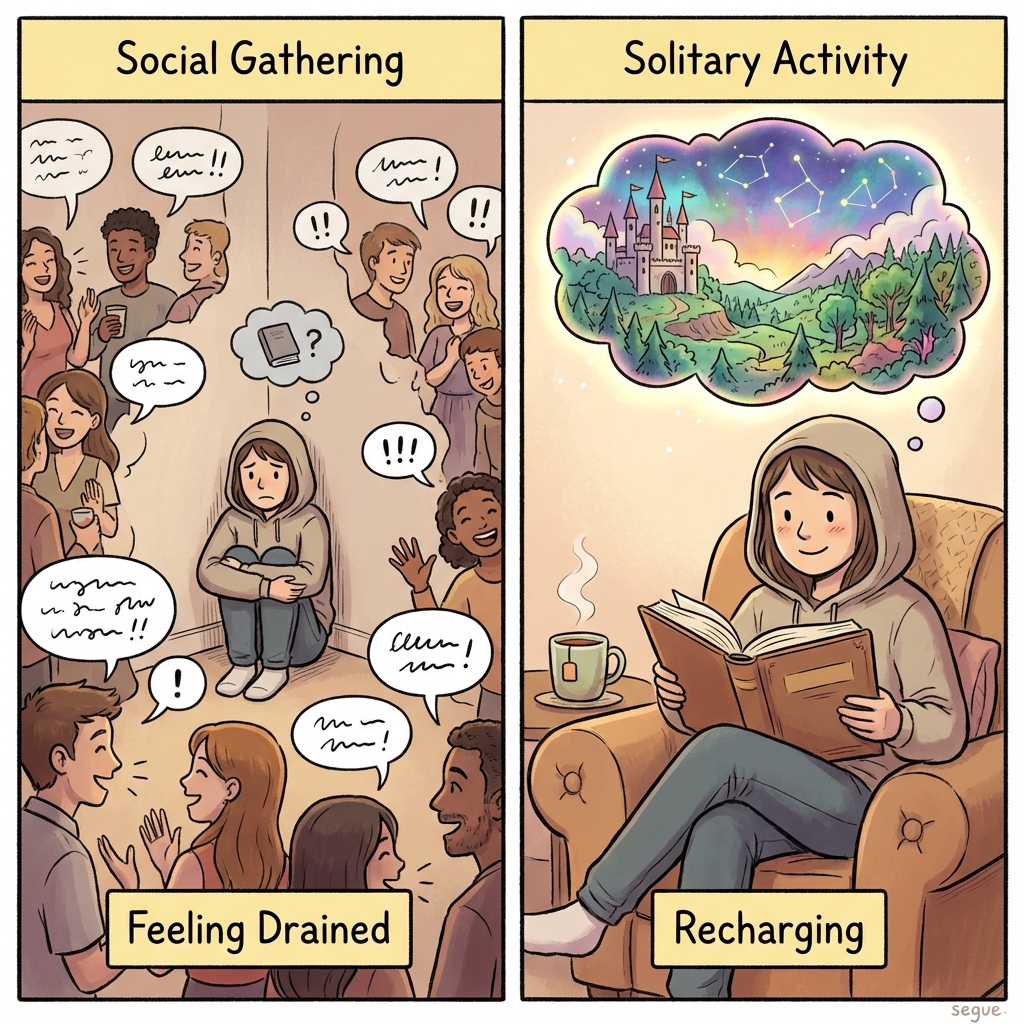
introvert
/ˈɪntɹoʊˌvɝt/a person who tends to turn inward mentally and prefers solitary activities
“As an introvert, she needed time alone to recharge after social events.”

extrovert
/ˈɛkstɹəˌvɝt/an outgoing, socially confident person who gains energy from being around others
“The extrovert thrived at networking events and large gatherings.”
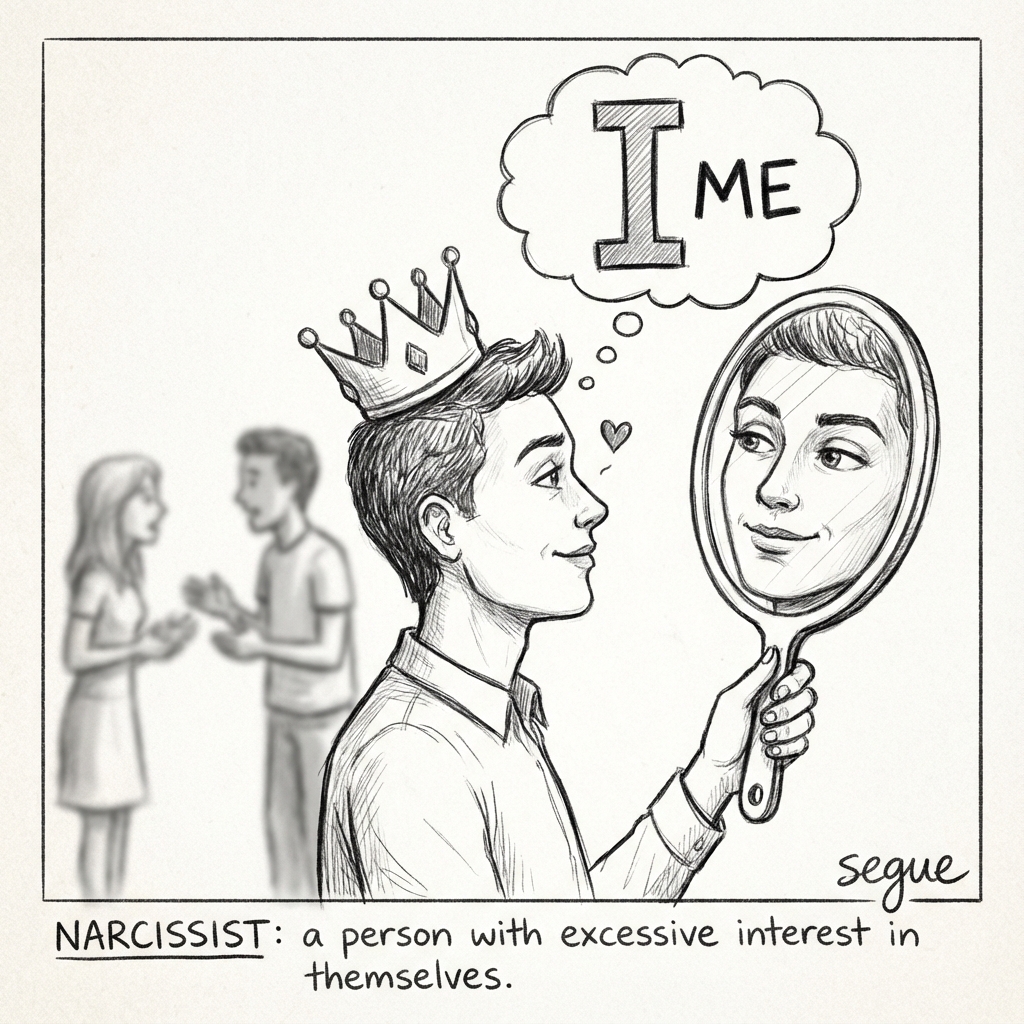
narcissist
/ˈnɑɹsɪsɪst/a person with excessive interest in themselves and their appearance
“The narcissist spent hours admiring himself in the mirror.”
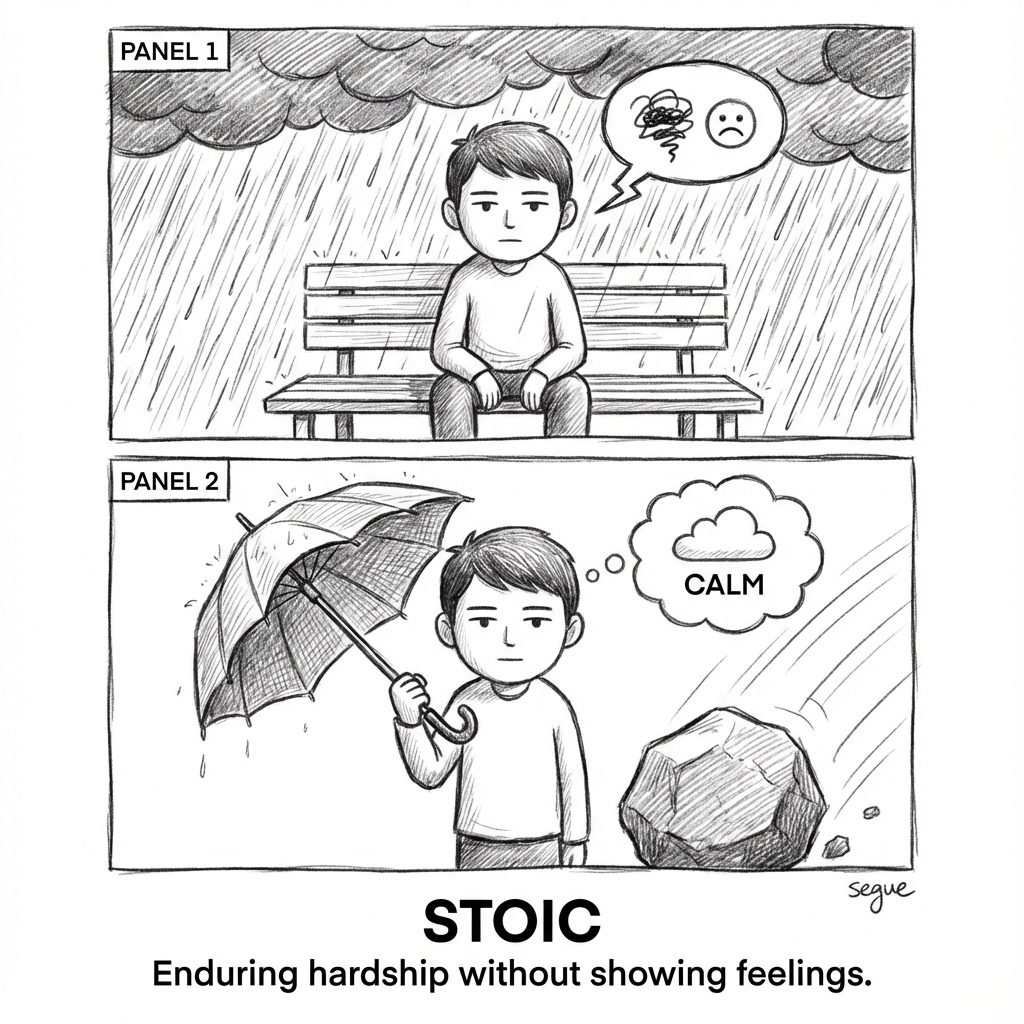
stoic
/ˈstoʊɪk/a person who endures pain or hardship without showing feelings or complaining
“She remained stoic throughout the trial, never revealing her emotions.”

hedonist
/ˈhiːdənɪst/a person who believes pleasure is the most important thing in life
“The hedonist indulged in fine wines and exotic travels.”

nihilist
/ˈnaɪɪlɪst/a person who believes life is meaningless and rejects moral principles
“The nihilist argued that nothing we do ultimately matters.”

cynic
/ˈsɪnɪk/a person who believes people are motivated purely by self-interest
“The cynic assumed everyone had an ulterior motive.”

idealist
/aɪˈdiɫɪst/a person who is guided by ideals rather than practical considerations
“The idealist believed world peace was achievable in our lifetime.”

pragmatist
/ˈpɹæɡmətɪst/a person who deals with things sensibly and realistically
“The pragmatist focused on what could actually be accomplished.”
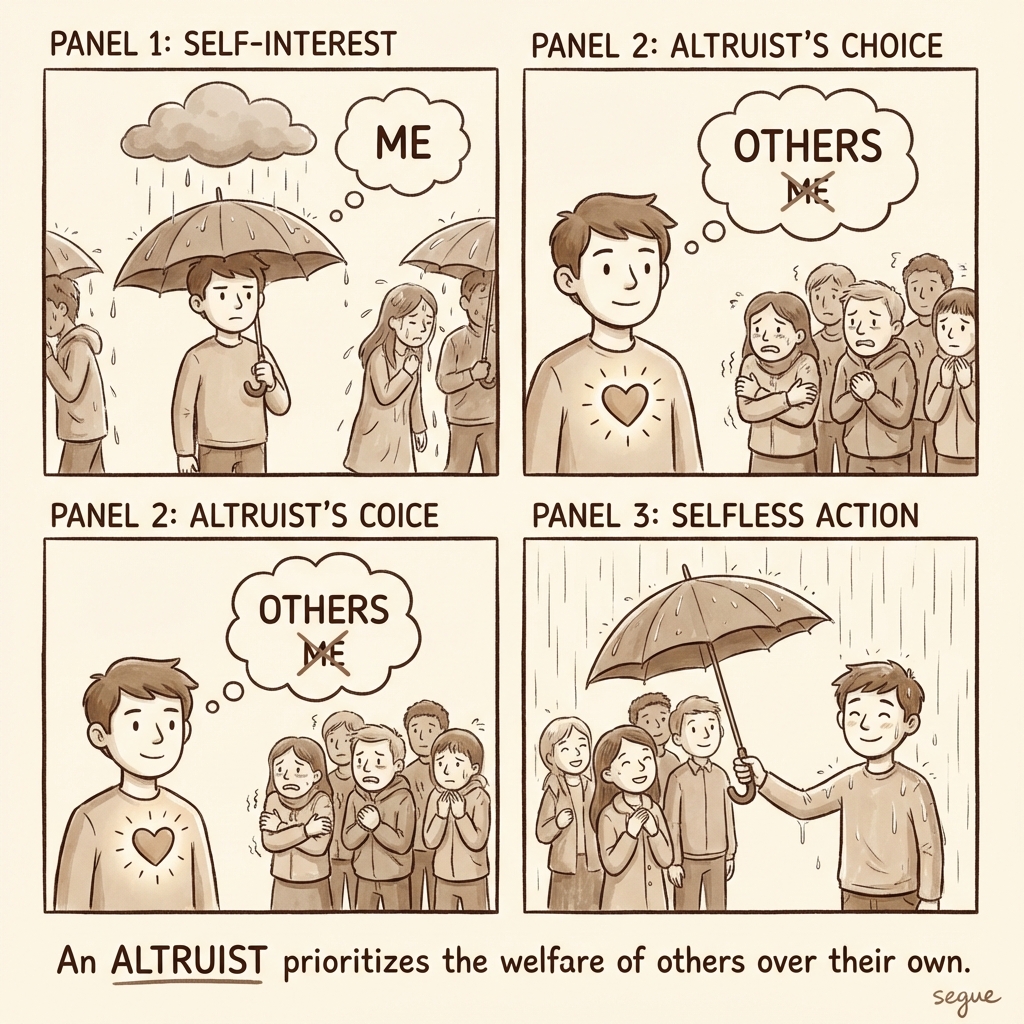
altruist
/ˈæltruɪst/a person who selflessly concerns themselves with the welfare of others
“The altruist spent her weekends volunteering at homeless shelters.”

egotist
/ˈiɡətɪst/a person who is excessively conceited or absorbed in themselves
“The egotist dominated every conversation with stories about himself.”

pedant
/ˈpɛdənt/a person who is excessively concerned with minor details and rules
“The pedant corrected everyone's grammar during casual conversations.”

aesthete
/ˈɛsθit/a person who has or affects a special appreciation of art and beauty
“The aesthete surrounded herself with beautiful objects and fine art.”
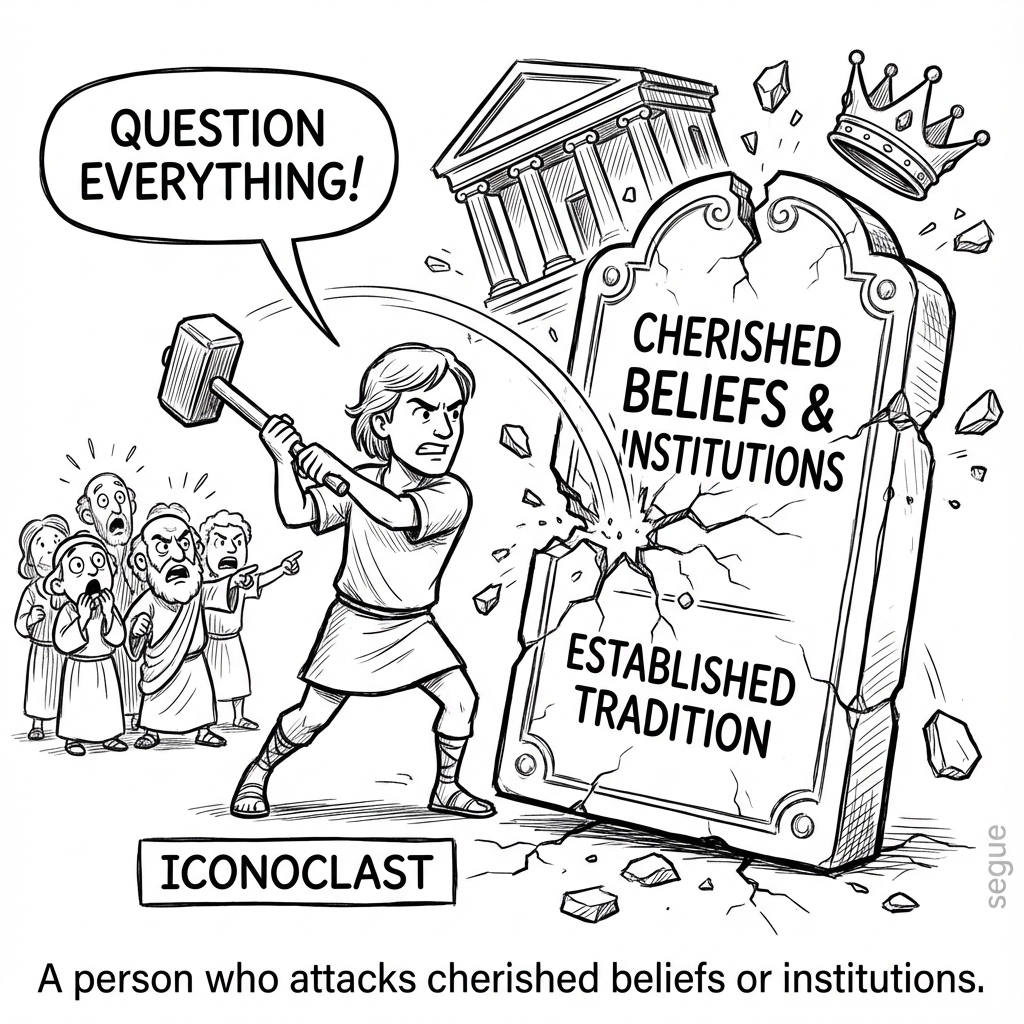
iconoclast
/ˌaɪˈkɑnəˌkɫæst/a person who attacks cherished beliefs or institutions
“The iconoclast challenged every tradition the company held dear.”

polymath
/ˈpɒlimæθ/a person of wide-ranging knowledge or learning
“Leonardo da Vinci was the quintessential polymath, excelling in art, science, and engineering.”
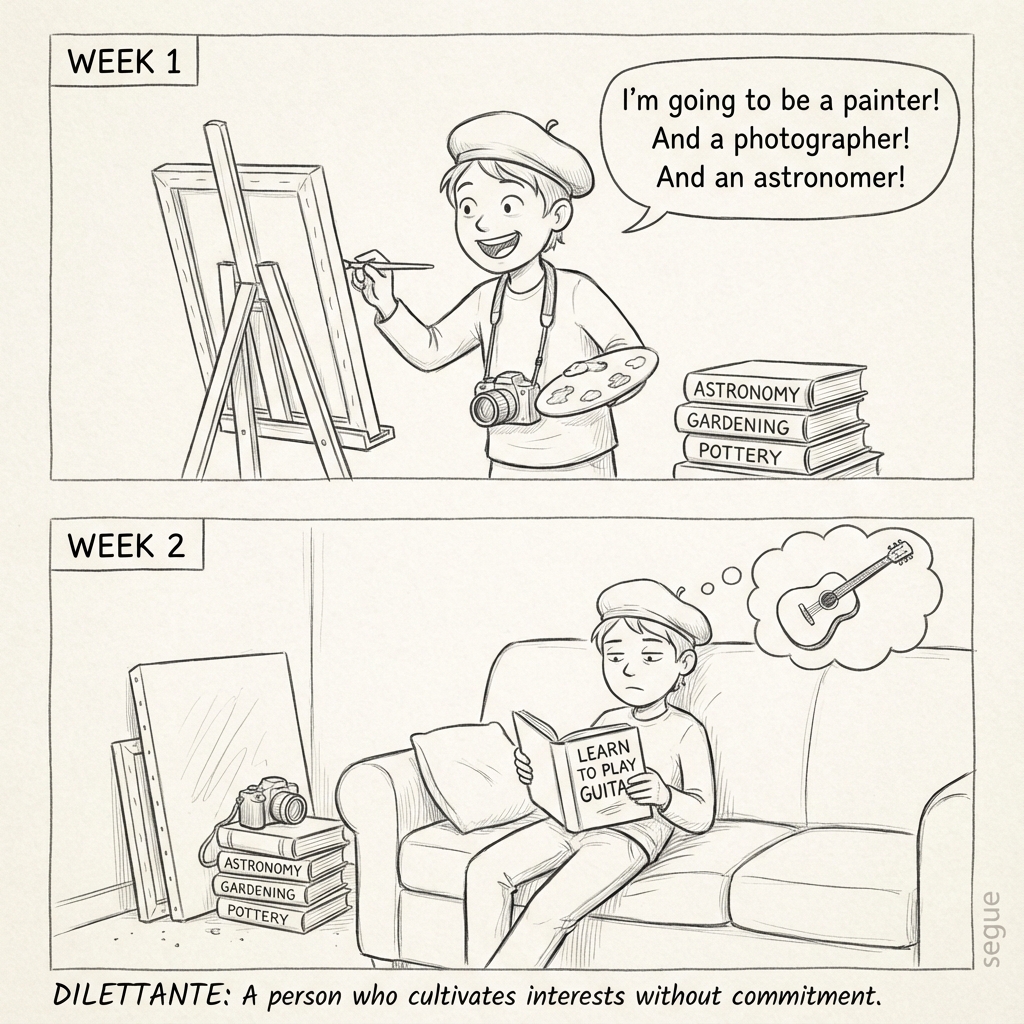
dilettante
/ˌdɪləˈtænti/a person who cultivates an interest without commitment or knowledge
“He was a dilettante who dabbled in painting but never developed real skill.”
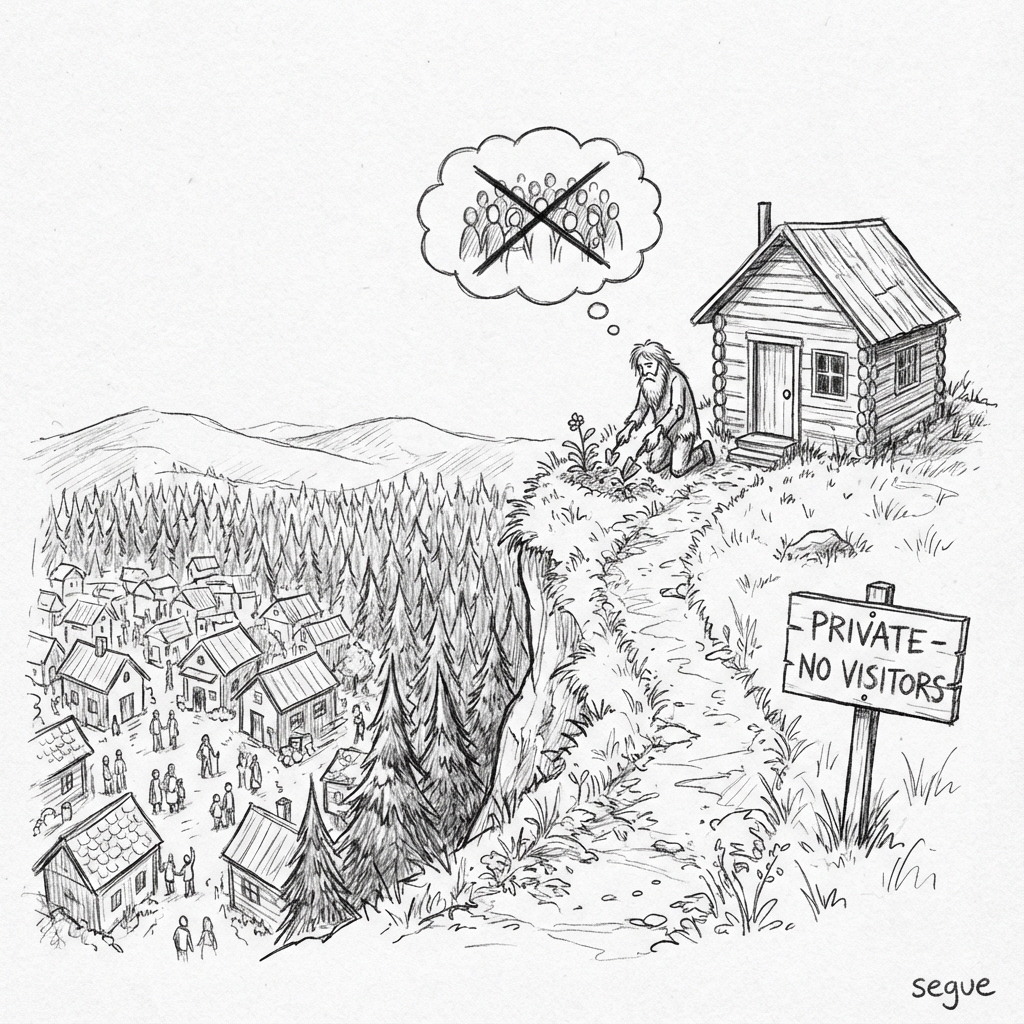
recluse
/ɹɪˈkɫus/a person who lives a solitary life and tends to avoid other people
“The famous author became a recluse, rarely leaving his home.”

ambivert
/ˈæmbɪvɜːrt/a person who has a balance of extrovert and introvert features
“As an ambivert, she enjoys social events but also values her alone time.”
More from People & Personality
Explore other vocabulary categories in this collection.