Loading collection...
⚖️
Morality & Ethics Vocabulary
Words about right and wrong, virtue and vice
22 words
All 22 Words
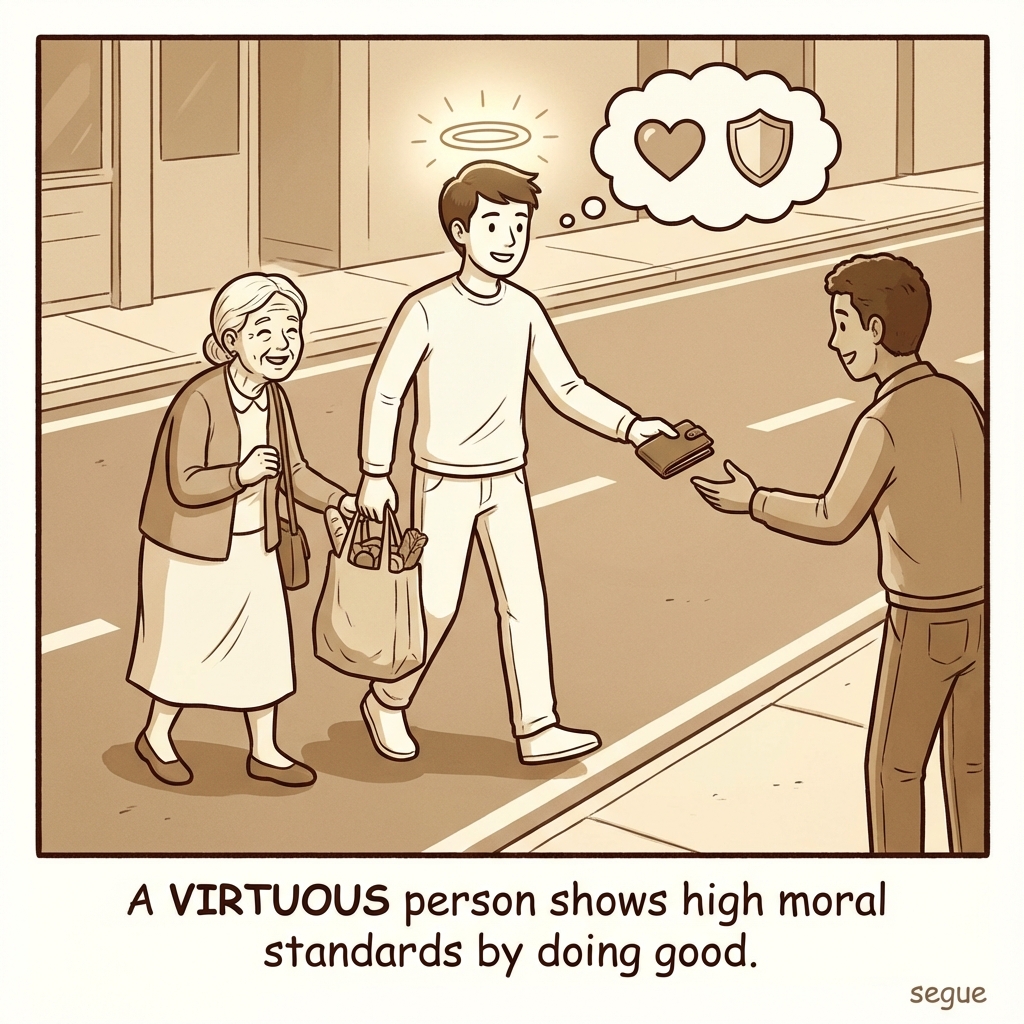
virtuous
/ˈvɝtʃuəs/having or showing high moral standards
“She led a virtuous life dedicated to helping others.”

righteous
/ˈɹaɪtʃəs/morally right or justifiable
“His righteous anger was directed at the injustice.”
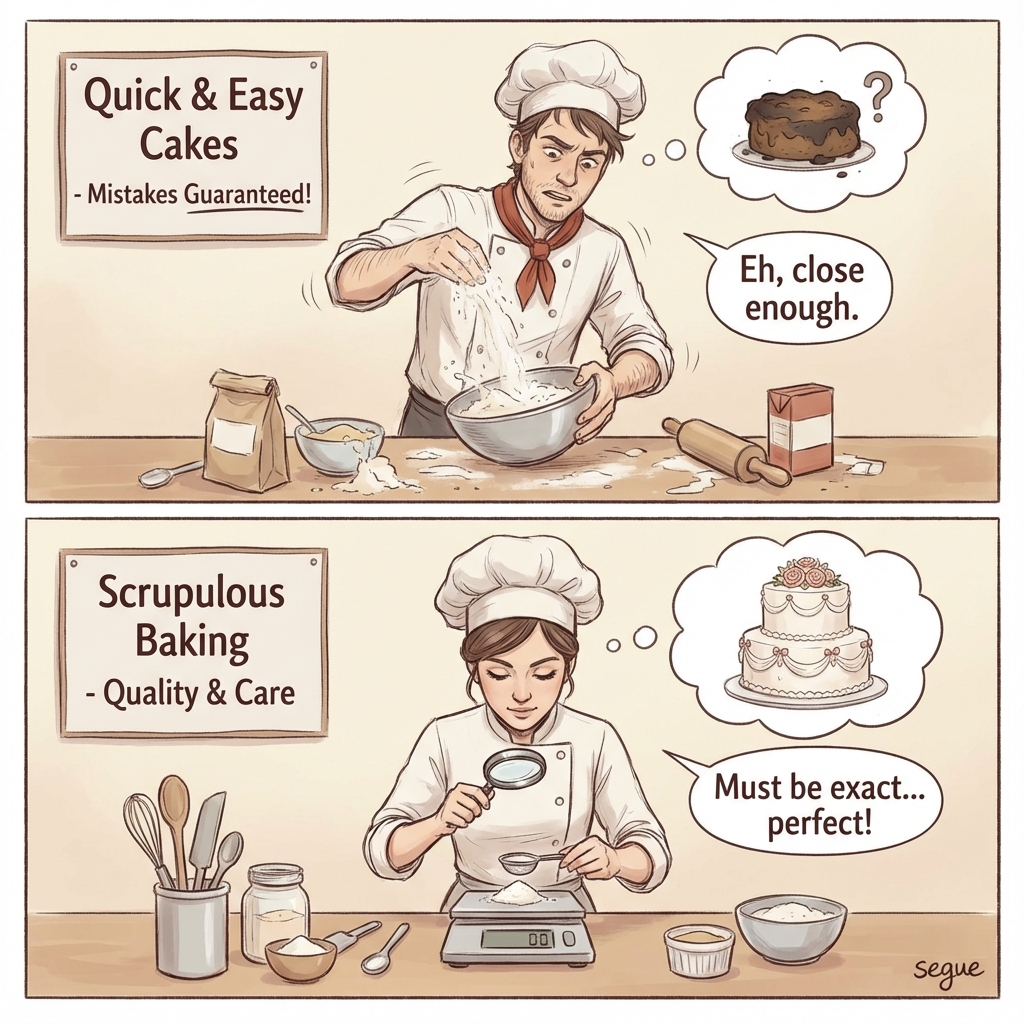
scrupulous
/ˈskɹupjəɫəs/diligent, thorough, and attentive to accuracy and ethics
“Her scrupulous attention to ethics guided every decision.”
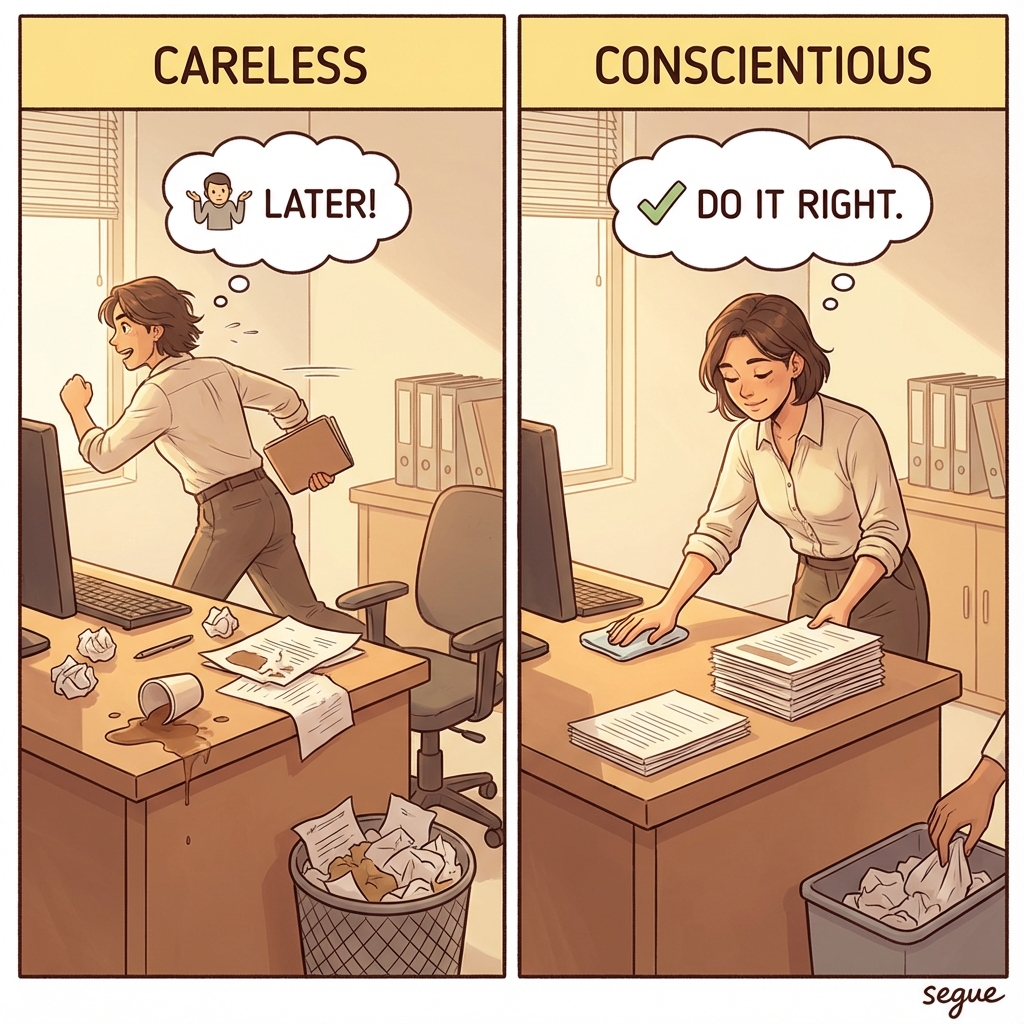
conscientious
/ˌkɑnʃiˈɛnʃəs/wishing to do what is right; thorough and careful
“The conscientious employee double-checked every calculation.”

principled
/ˈpɹɪnsəpəɫd/acting in accordance with morality; based on principles
“She was principled and refused to compromise her values.”
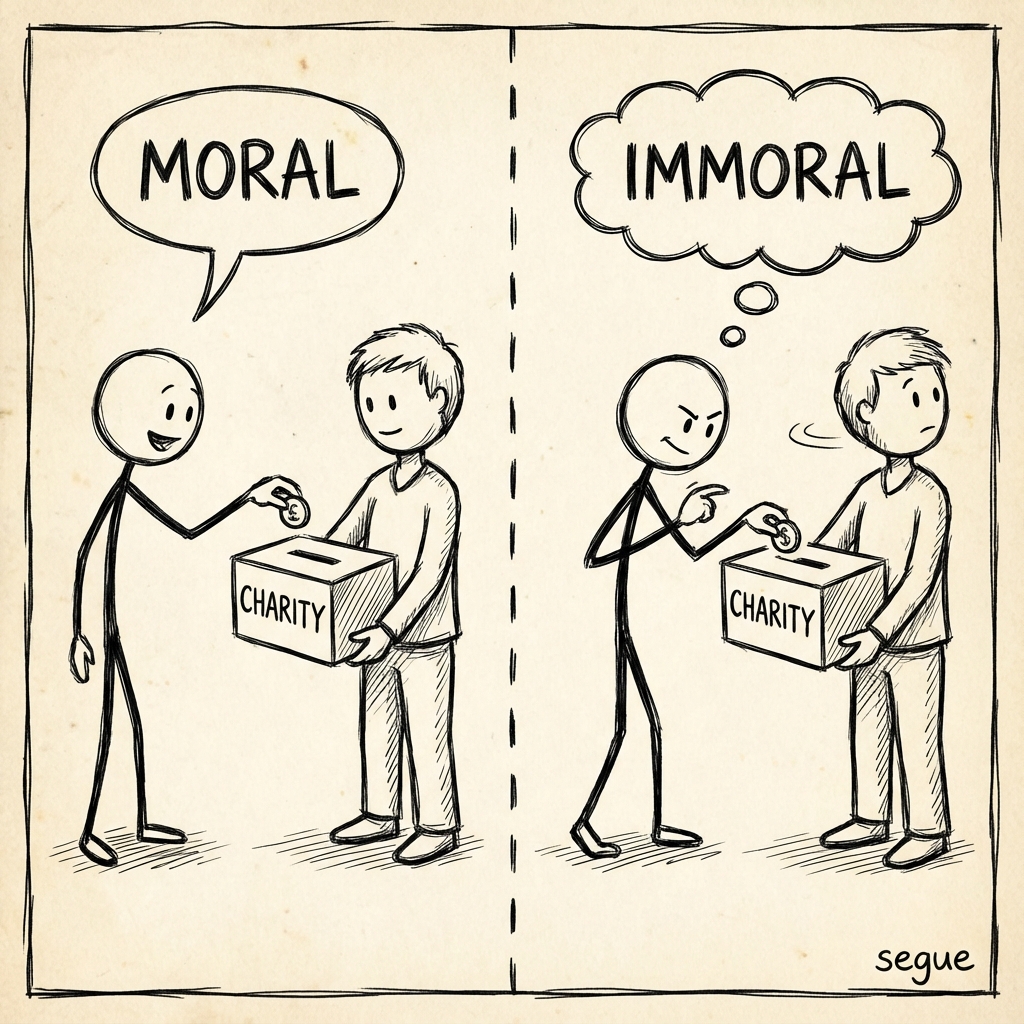
immoral
/ˌɪˈmɔɹəɫ/not conforming to accepted standards of morality
“The immoral scheme exploited vulnerable people.”
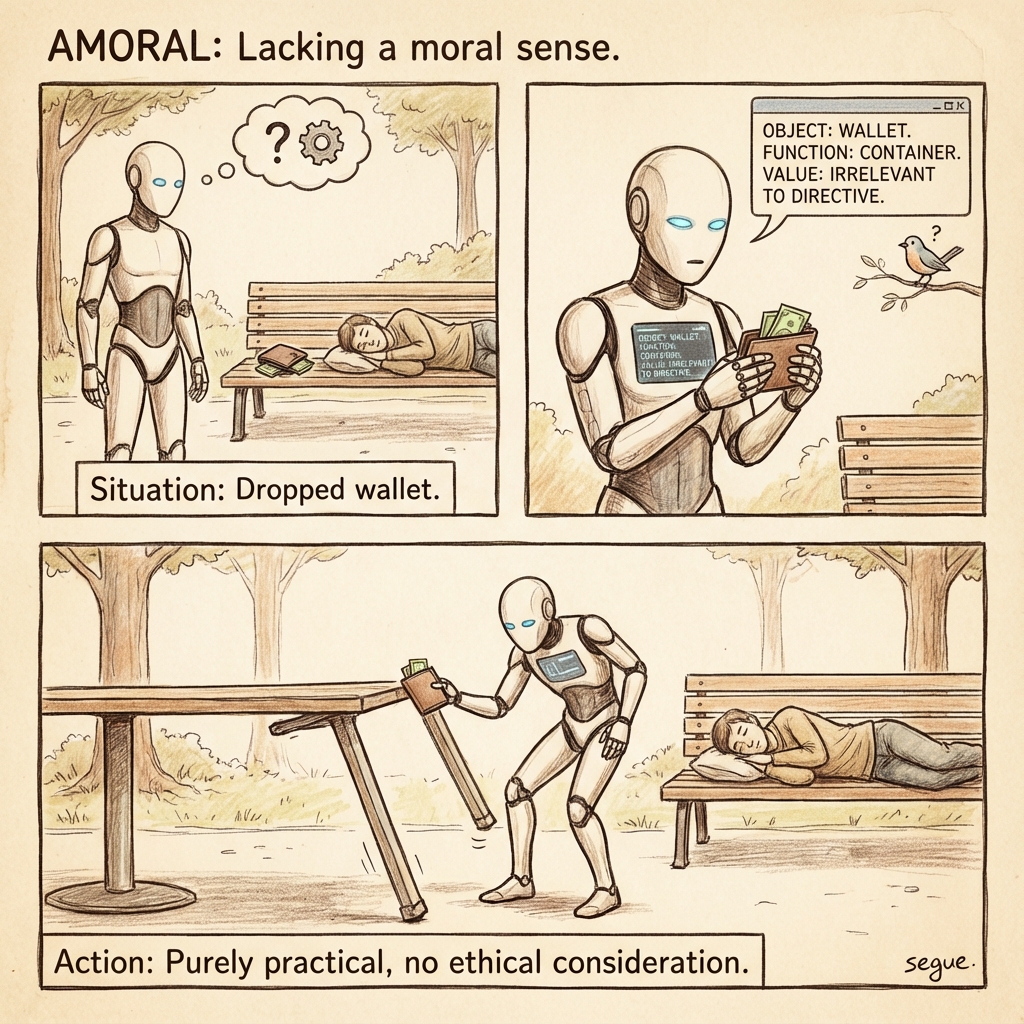
amoral
/eɪˈmɔɹəɫ/lacking a moral sense; unconcerned with right or wrong
“The amoral businessman cared only about profit.”
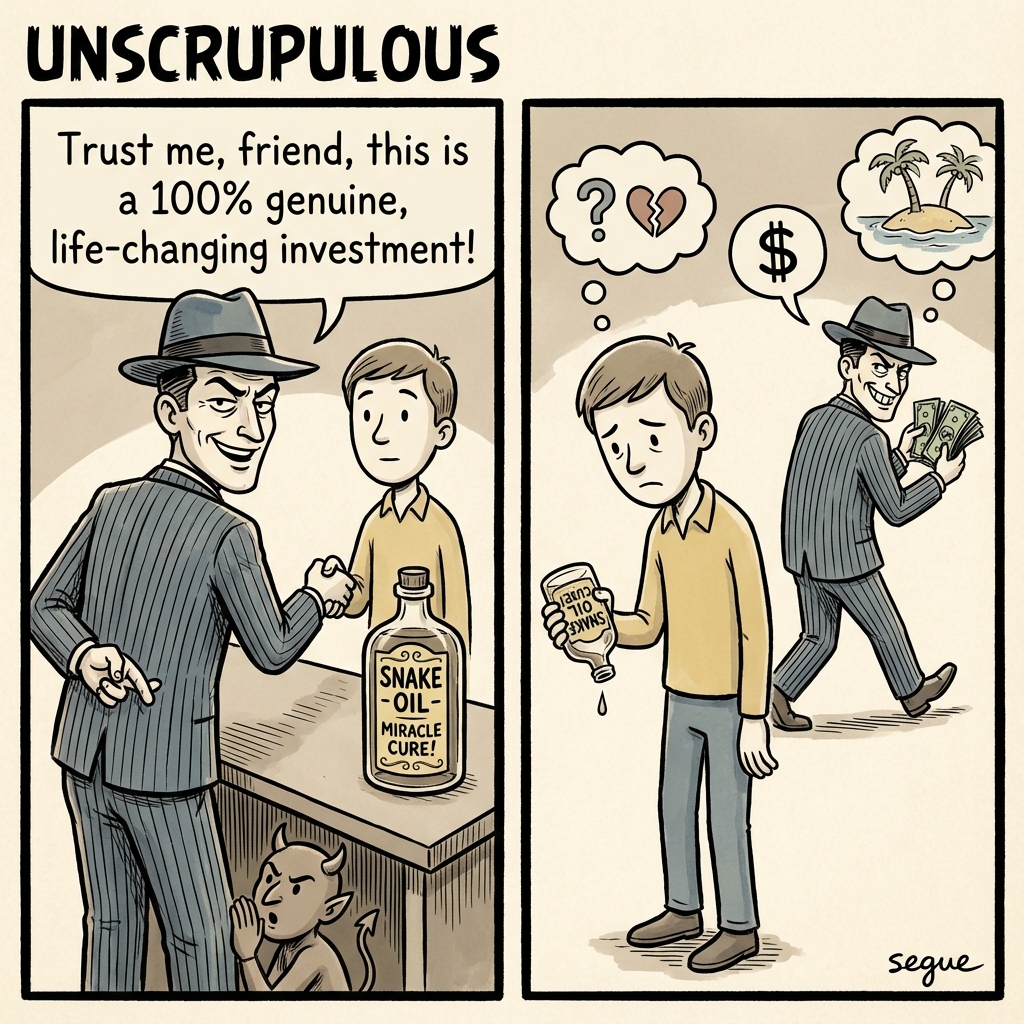
unscrupulous
/ənsˈkɹupjəɫəs/having no moral principles; dishonest
“The unscrupulous dealer sold counterfeit goods.”
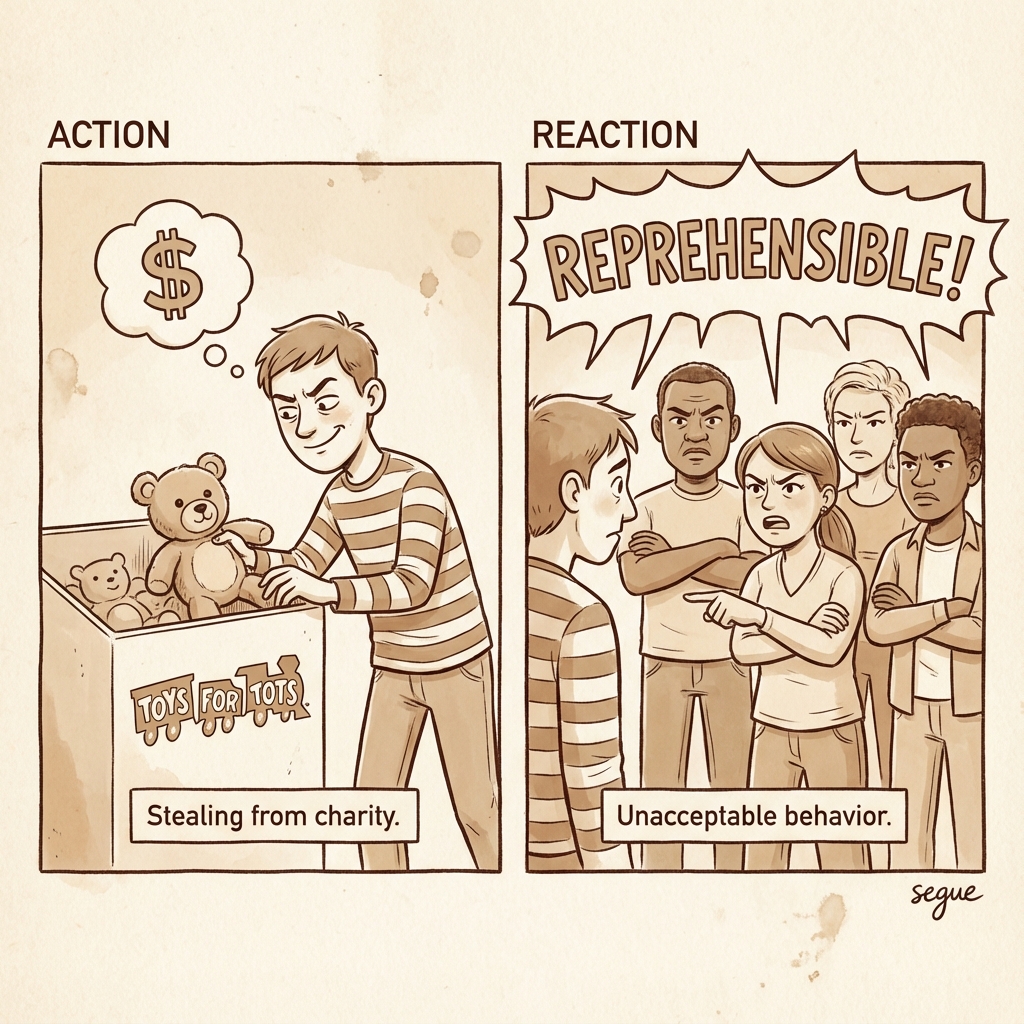
reprehensible
/ˌɹɛpɹɪˈhɛnsəbəɫ/deserving censure or condemnation
“His reprehensible conduct led to his dismissal.”
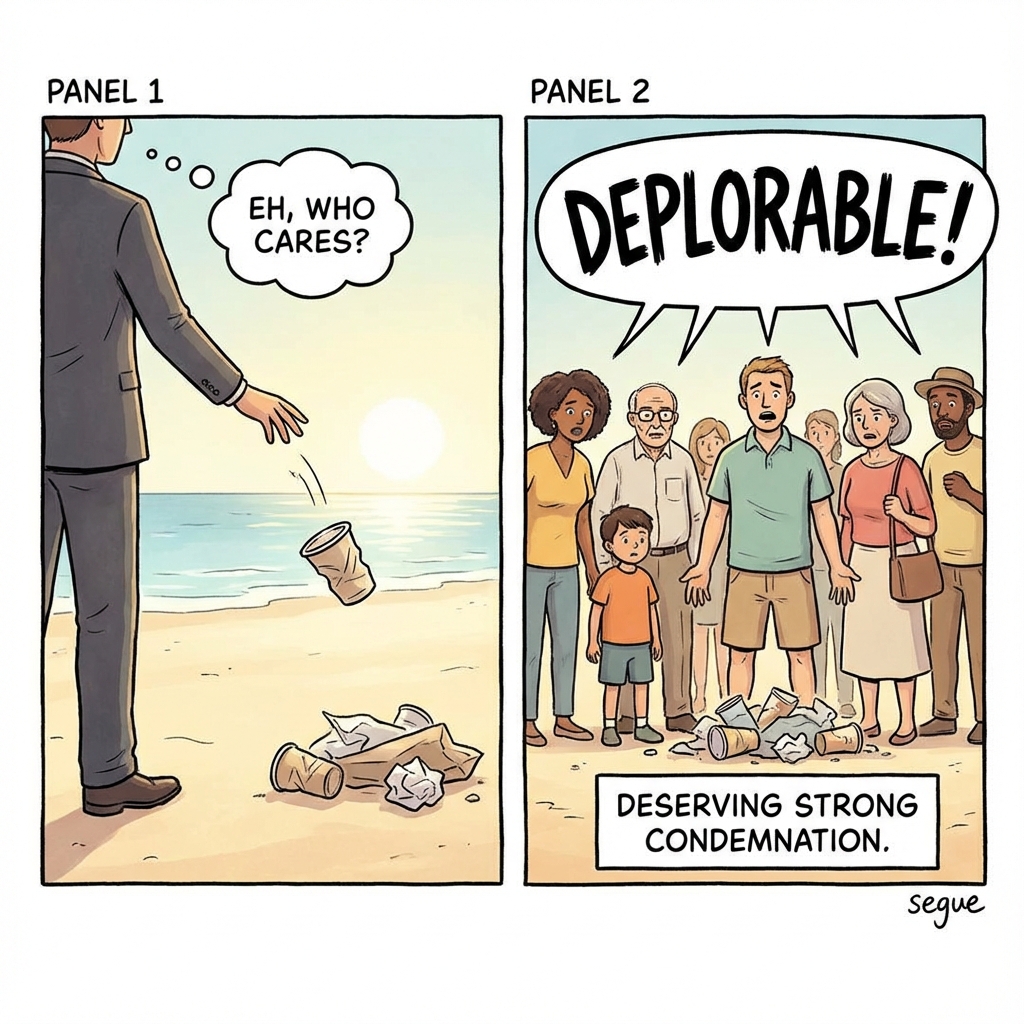
deplorable
/dɪˈpɫɔɹəbəɫ/deserving strong condemnation; shameful
“Living conditions in the prison were deplorable.”

contemptible
/kənˈtɛmptəbəɫ/deserving contempt; despicable
“His contemptible betrayal destroyed the friendship.”
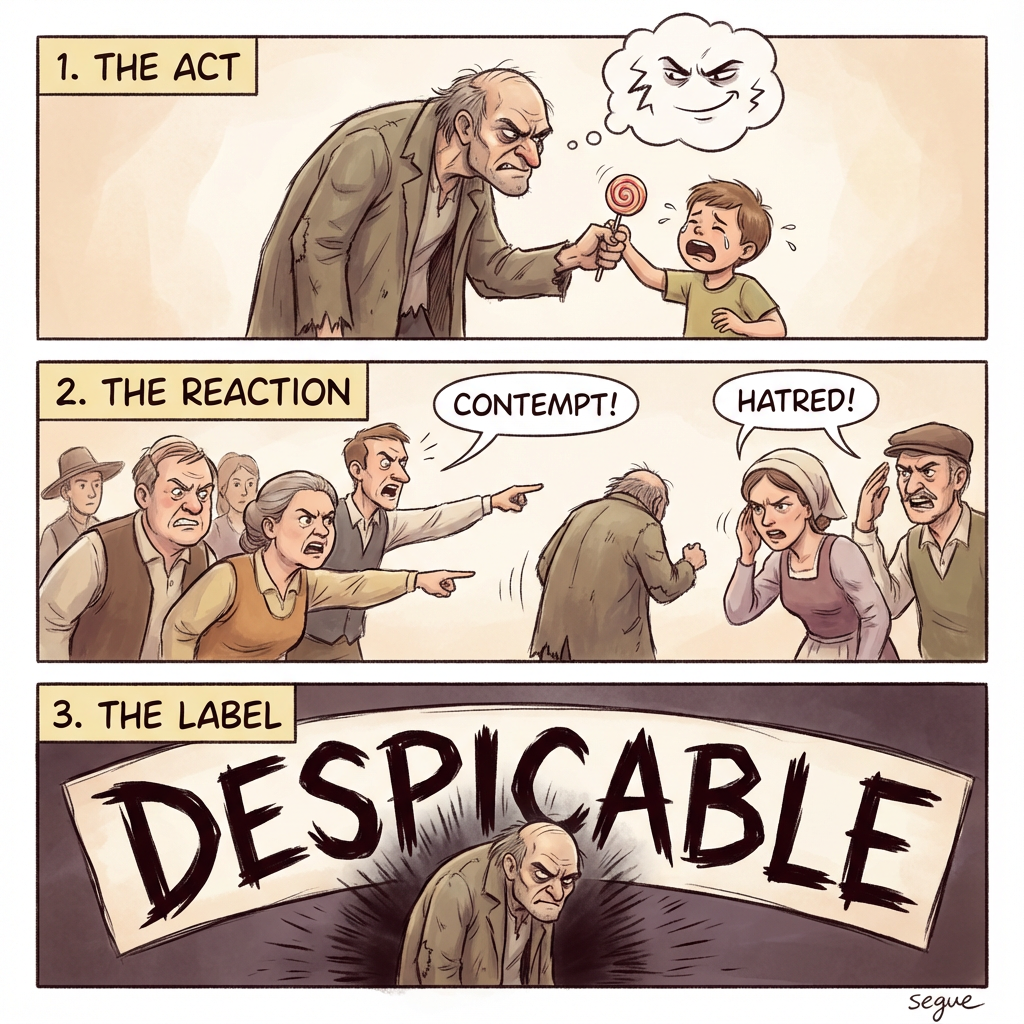
despicable
/dɪˈspɪkəbəɫ/deserving hatred and contempt
“The despicable act shocked the entire community.”
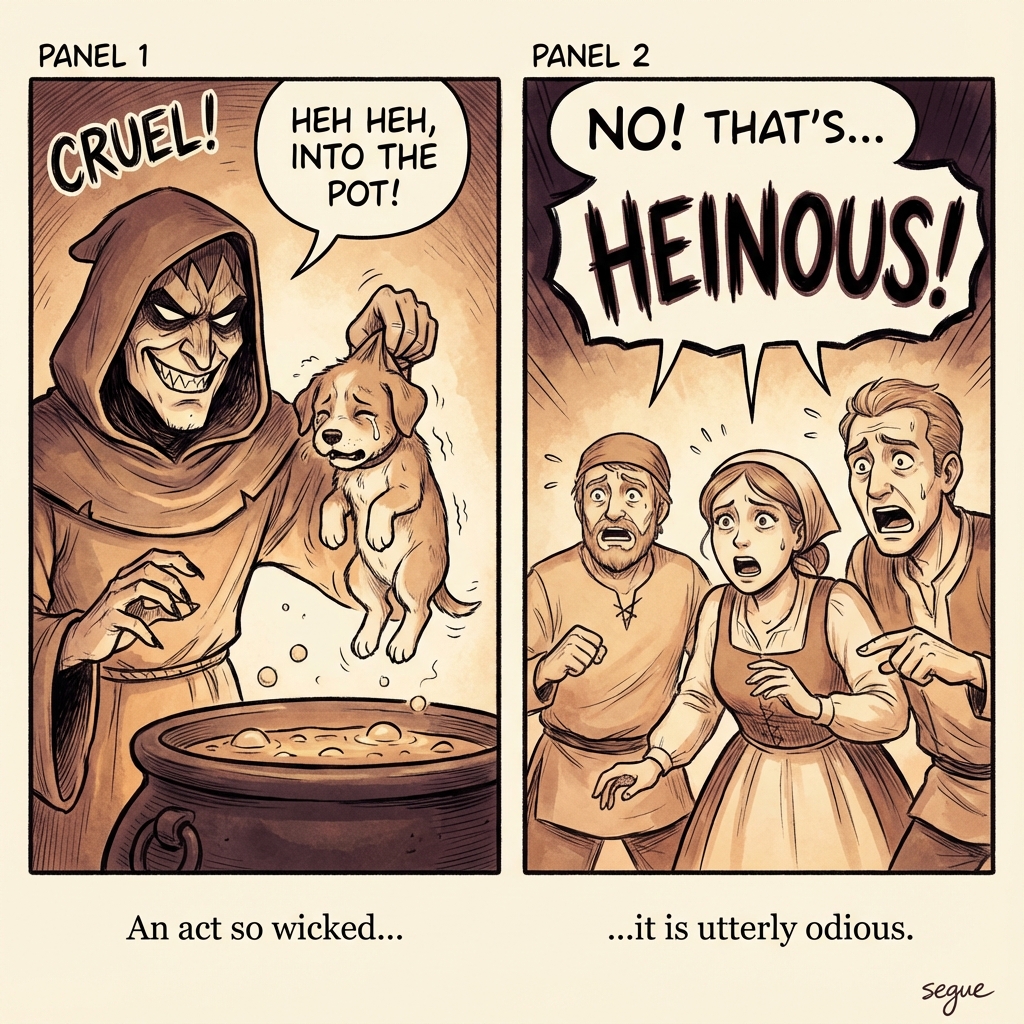
heinous
/ˈheɪnəs/utterly odious or wicked
“The heinous crime horrified the nation.”
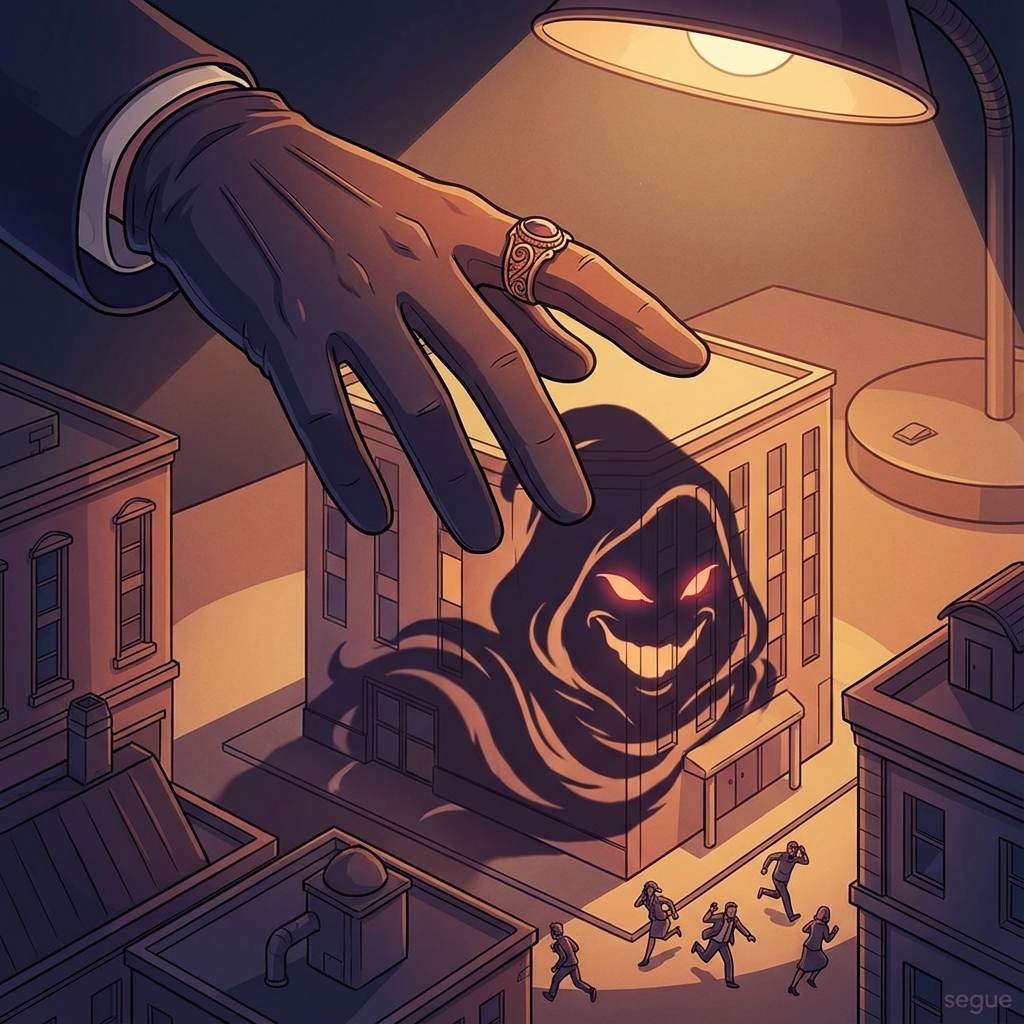
nefarious
/nəˈfɛɹiəs/wicked or criminal
“The villain's nefarious plot was finally uncovered.”
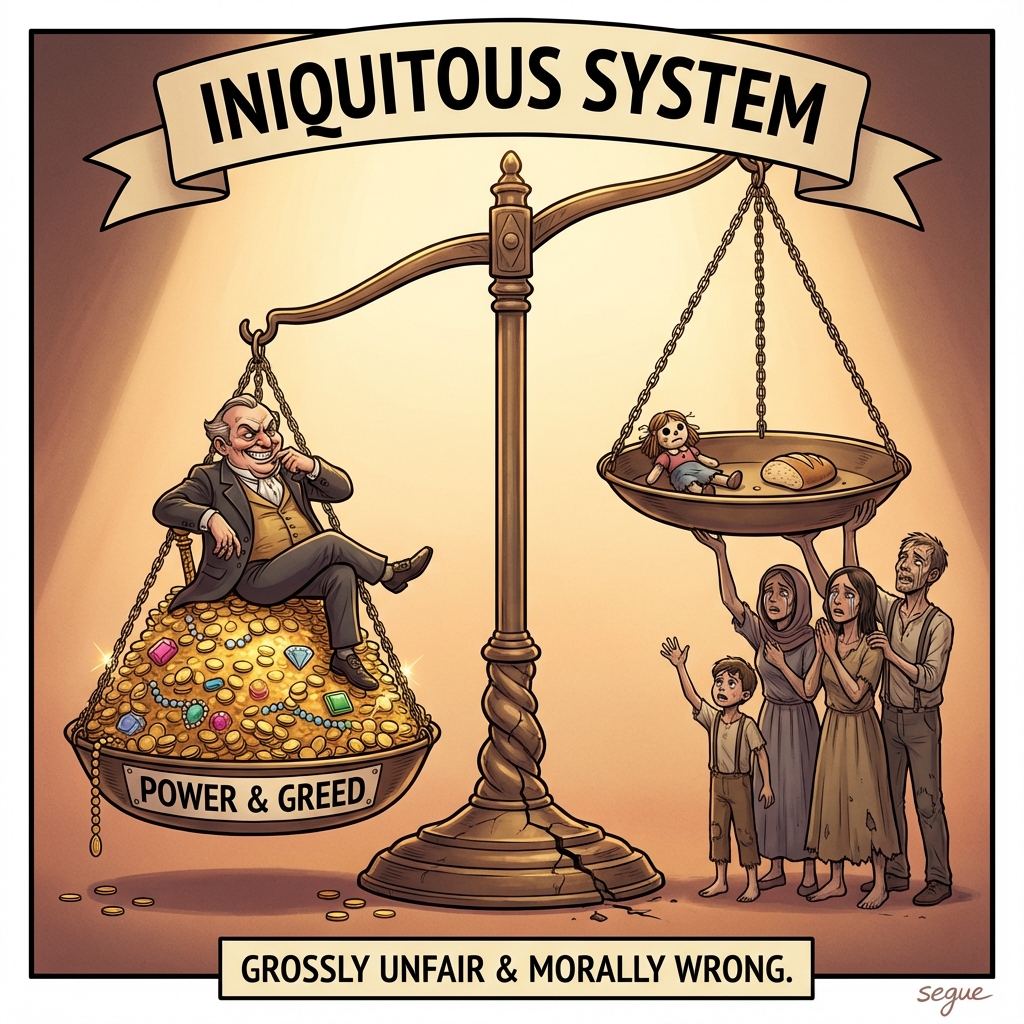
iniquitous
/ɪˈnɪkwɪtəs/grossly unfair and morally wrong
“The iniquitous system oppressed millions.”
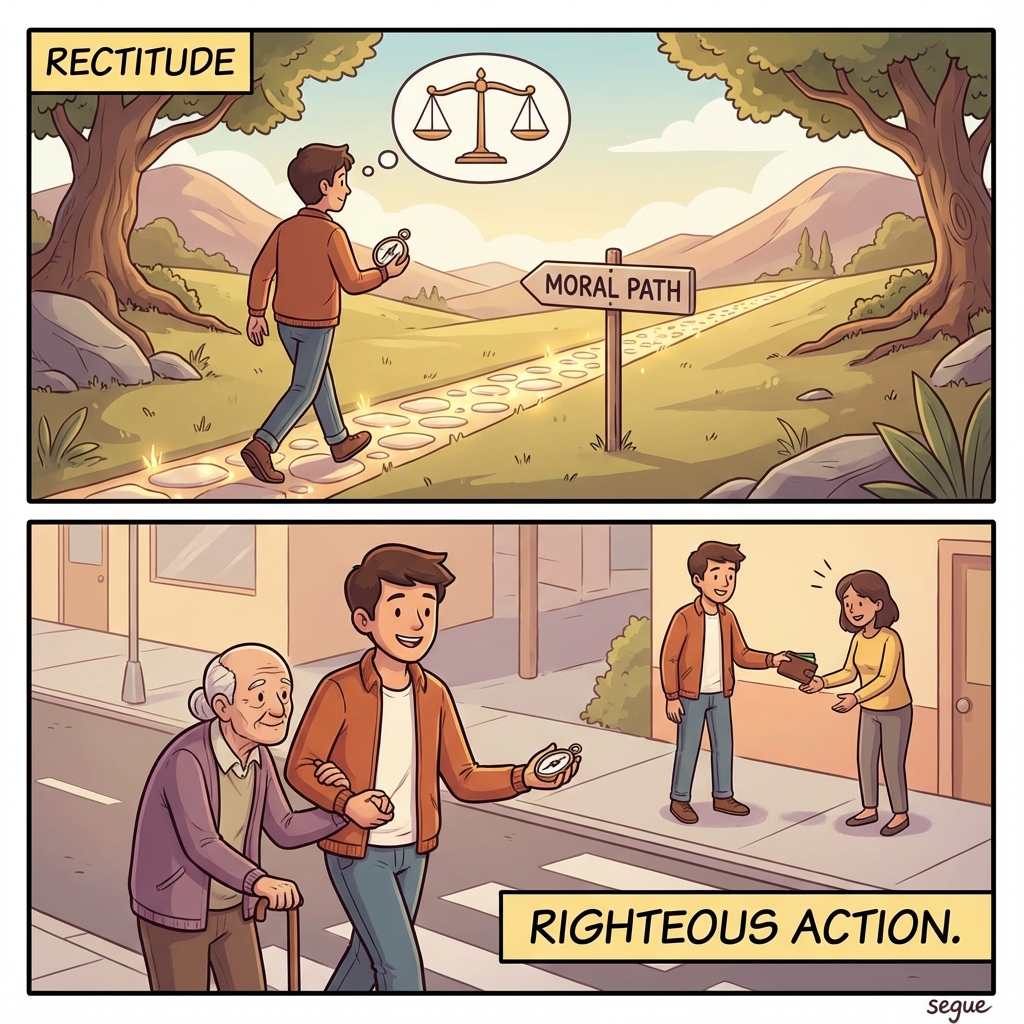
rectitude
/ˈɹɛktɪˌtud/morally correct behavior or thinking; righteousness
“His moral rectitude was beyond question.”
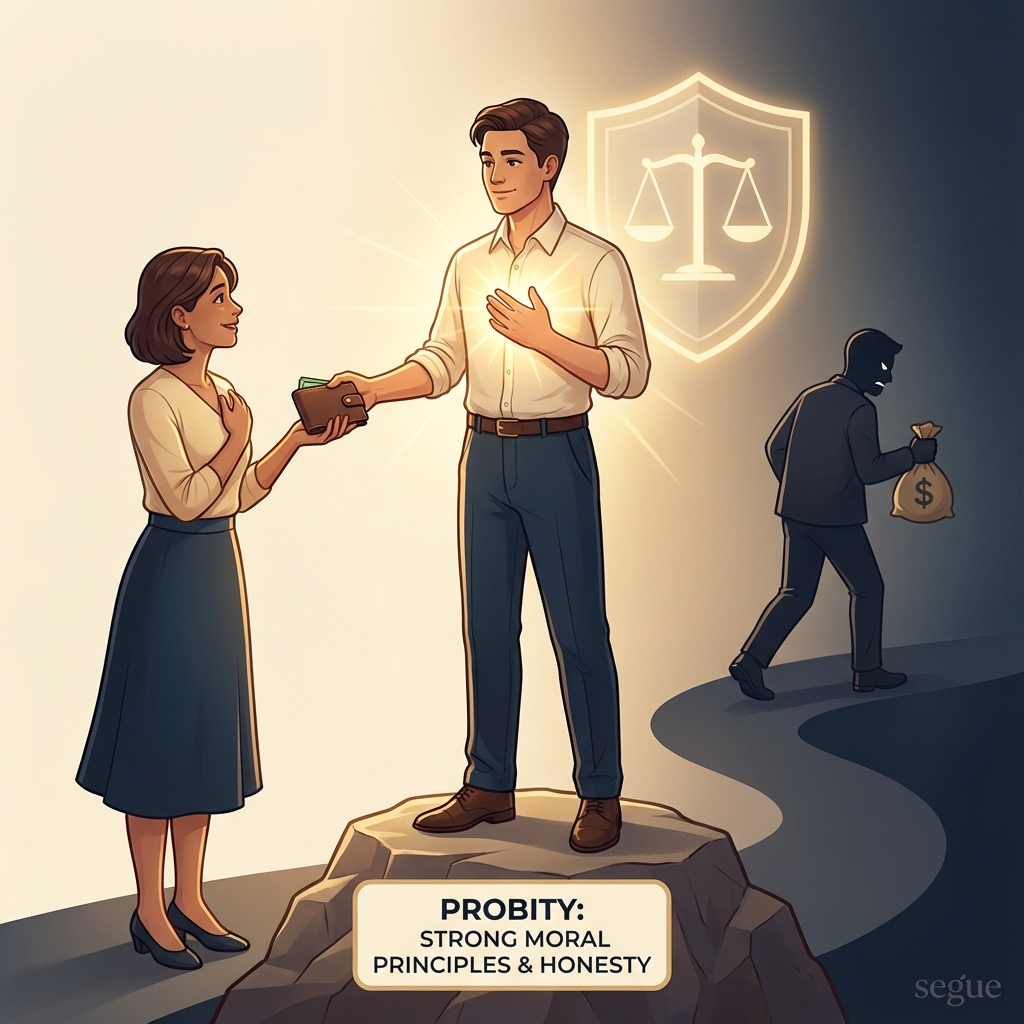
probity
/ˈpɹoʊbəti/the quality of having strong moral principles; honesty
“Her probity made her an ideal judge.”
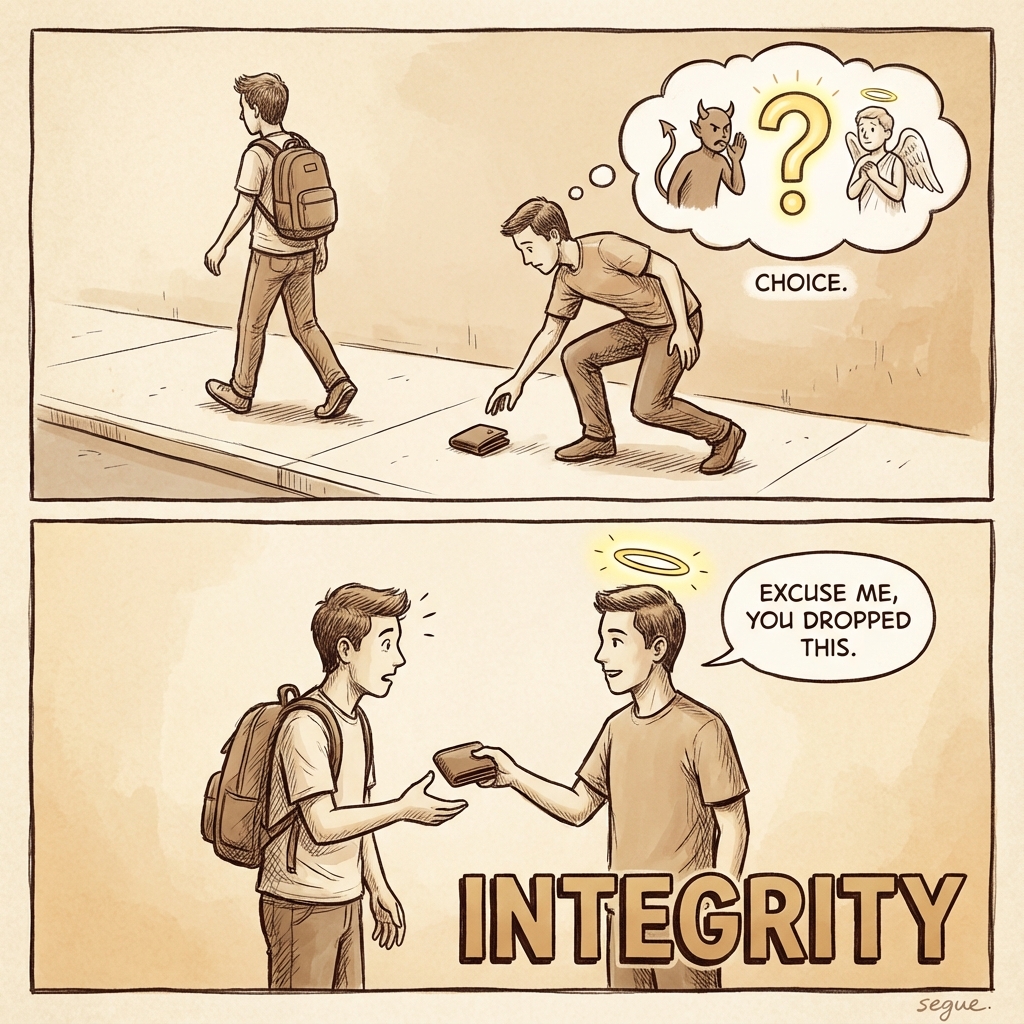
integrity
/ˌɪnˈtɛɡɹəti/the quality of being honest and having strong moral principles
“A person of integrity keeps their promises.”
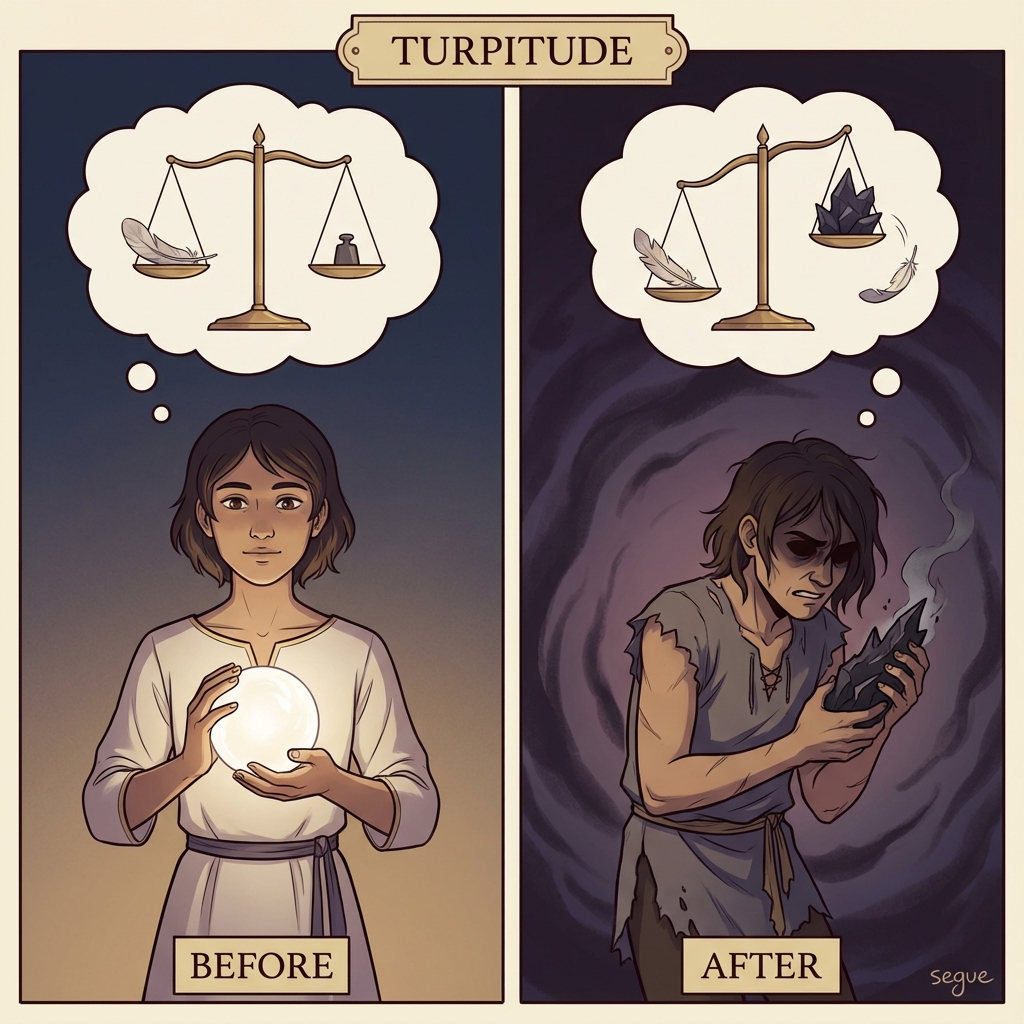
turpitude
/ˈtɝpɪˌtud/depravity; wickedness
“He was dismissed for moral turpitude.”
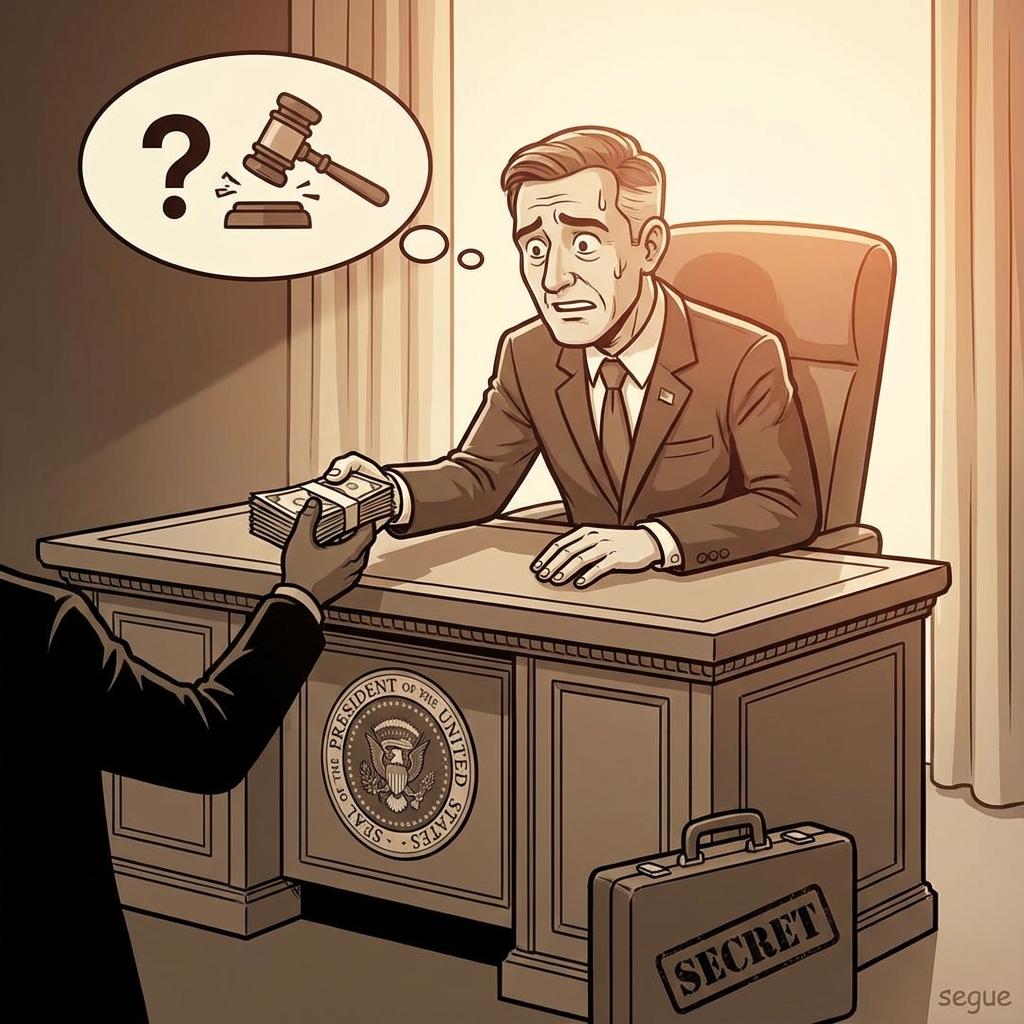
malfeasance
/ˌmæɫˈfizəns/wrongdoing, especially by a public official
“The mayor was accused of malfeasance in office.”
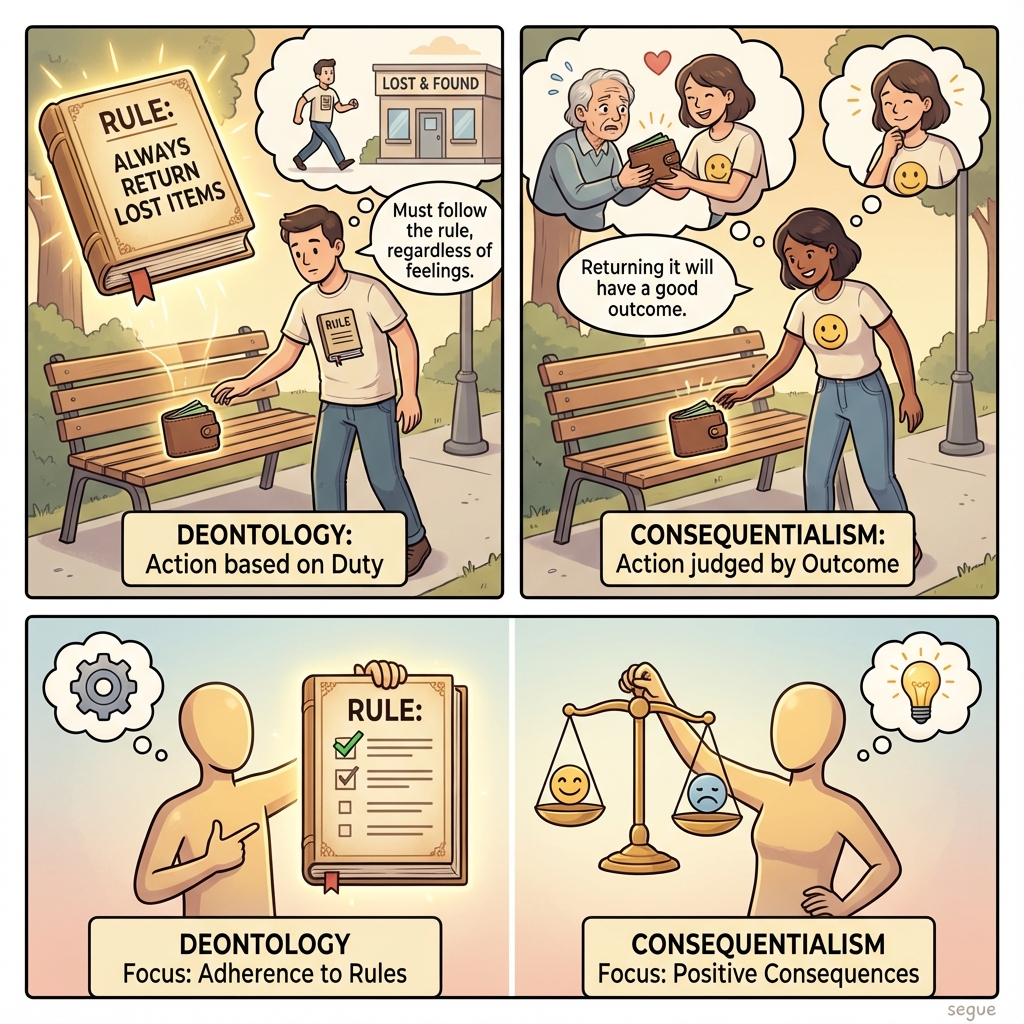
deontology
/diɑnˈtɑɫədʒi/the study of the nature of duty and obligation
“Deontology focuses on rules rather than consequences.”
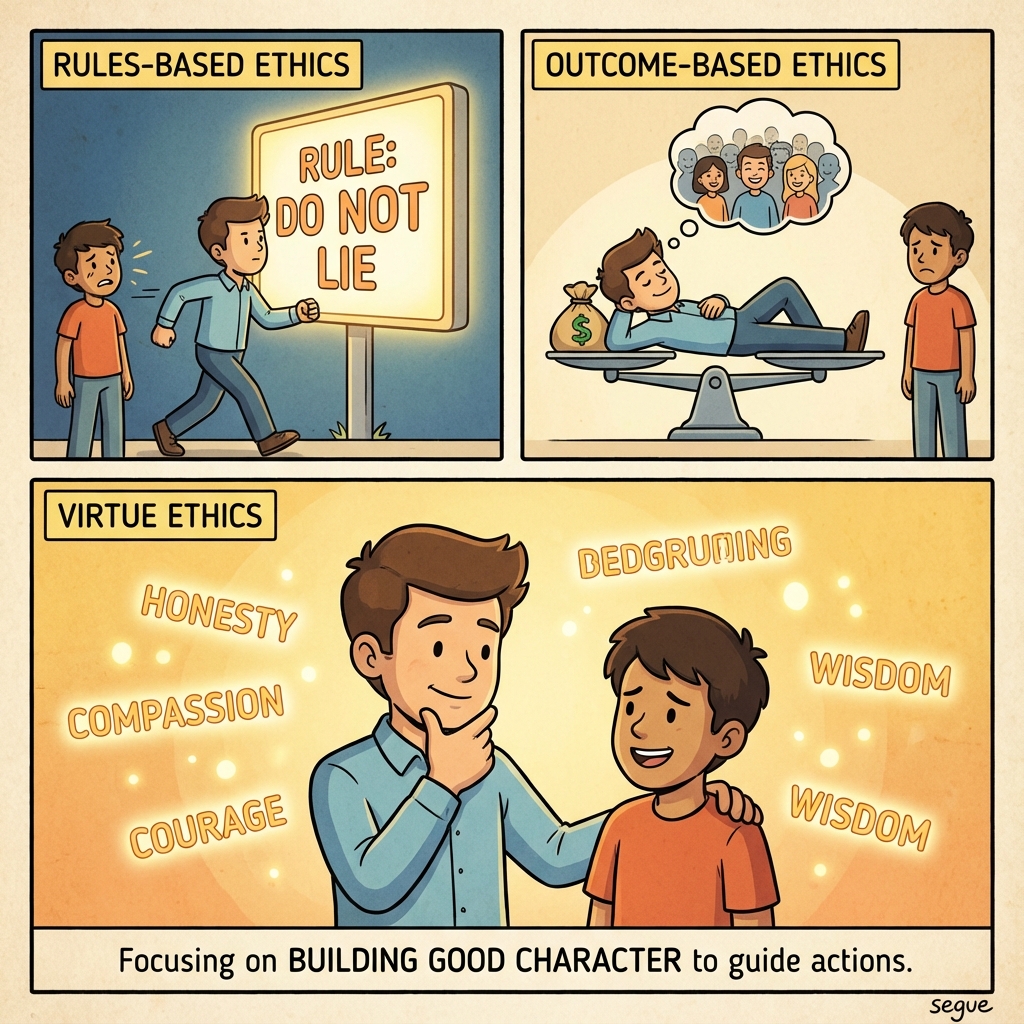
virtue ethics
/ˌvɜːrtʃuː ˈeθɪks/a moral theory that focuses on the development of virtuous character
“Virtue ethics asks 'what would a virtuous person do?'”
More from Social & Moral
Explore other vocabulary categories in this collection.