Loading collection...
🧠
Modern Cognition Vocabulary
Psychology, metacognition, and the study of thinking
17 words
All 17 Words

metacognition
/ˌmetəkɒɡˈnɪʃən/awareness and understanding of one's own thought processes
“Journaling is a powerful tool for metacognition.”
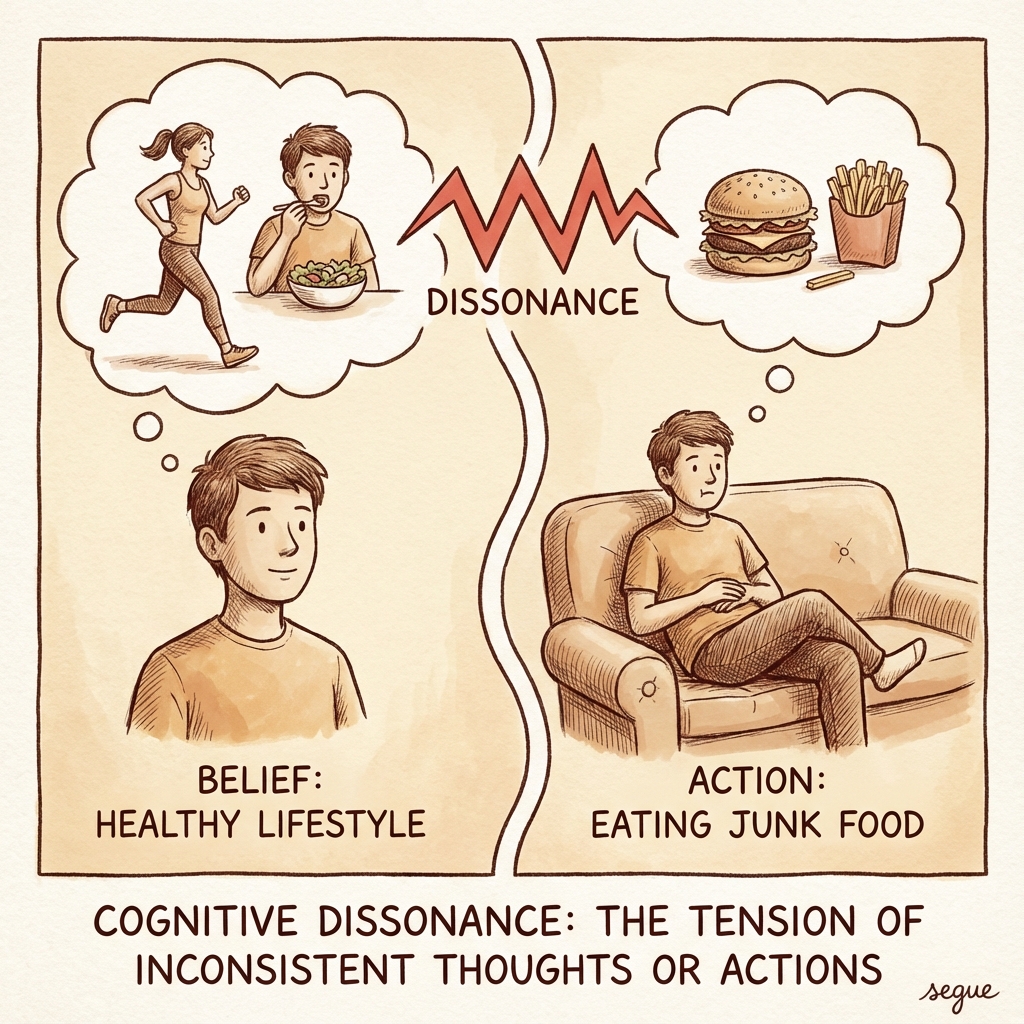
cognitive dissonance
/ˌkɒɡnɪtɪv ˈdɪsənəns/the state of having inconsistent thoughts, beliefs, or attitudes
“The cognitive dissonance of loving animals but eating meat troubled him.”
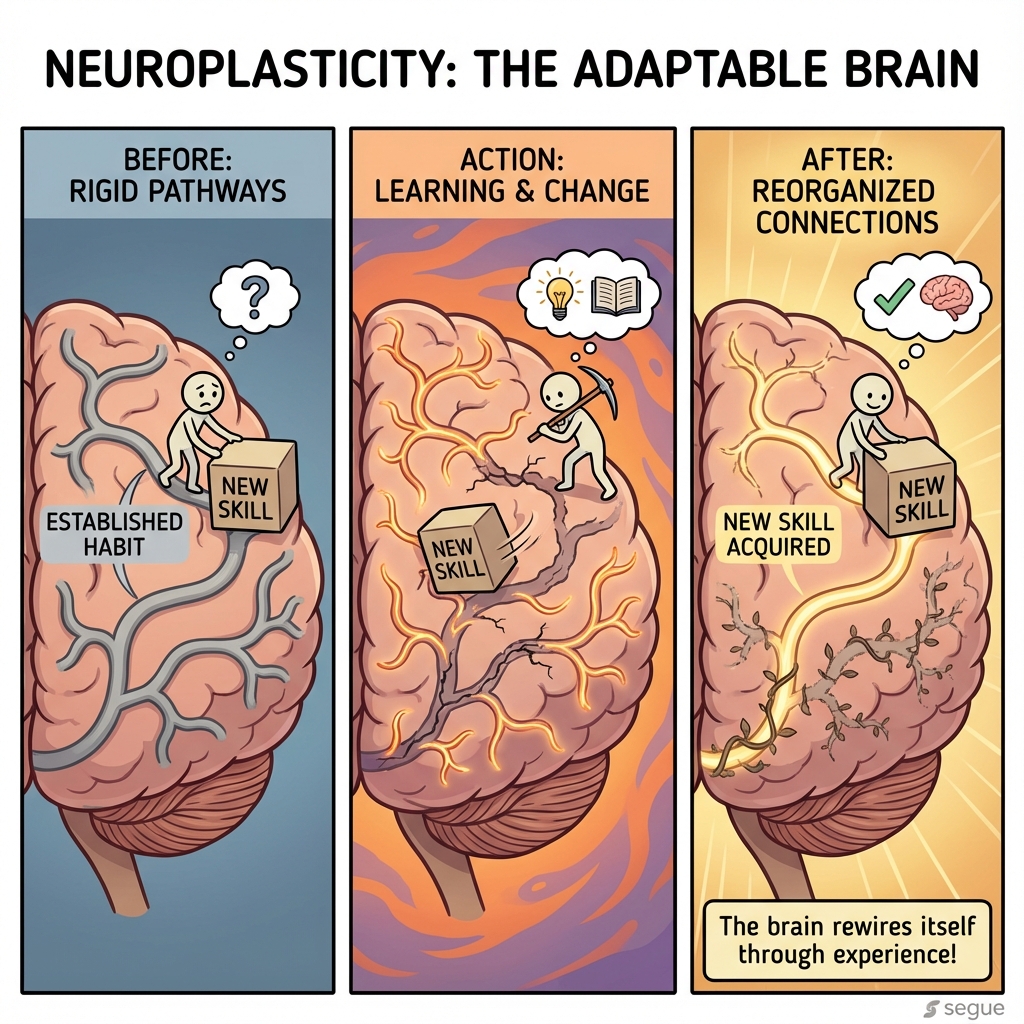
neuroplasticity
/ˌnjʊəroʊplæsˈtɪsɪti/the ability of the brain to form and reorganize synaptic connections
“Learning a new language demonstrates the brain's neuroplasticity.”
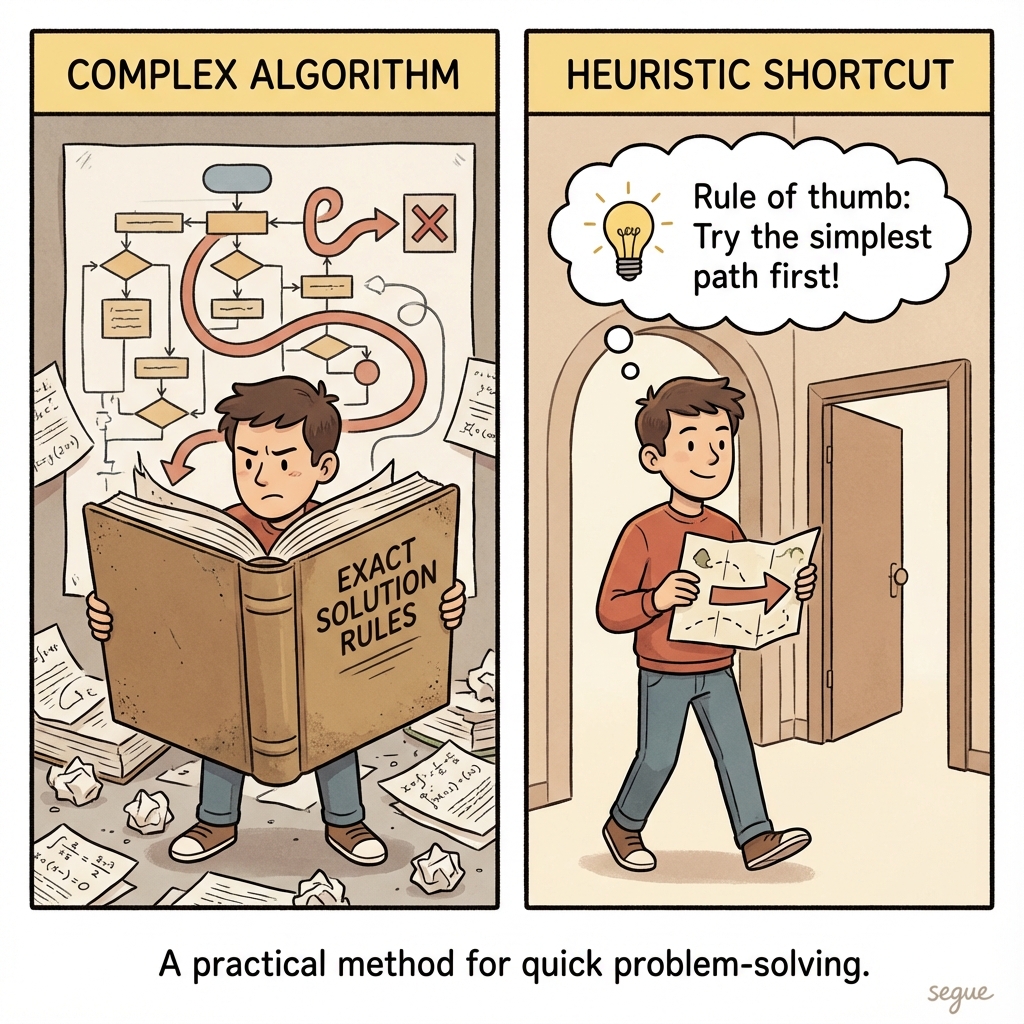
heuristic
/hjʊˈɹɪstɪk/a mental shortcut that allows people to solve problems and make judgments quickly
“We use heuristics to make decisions when information is incomplete.”
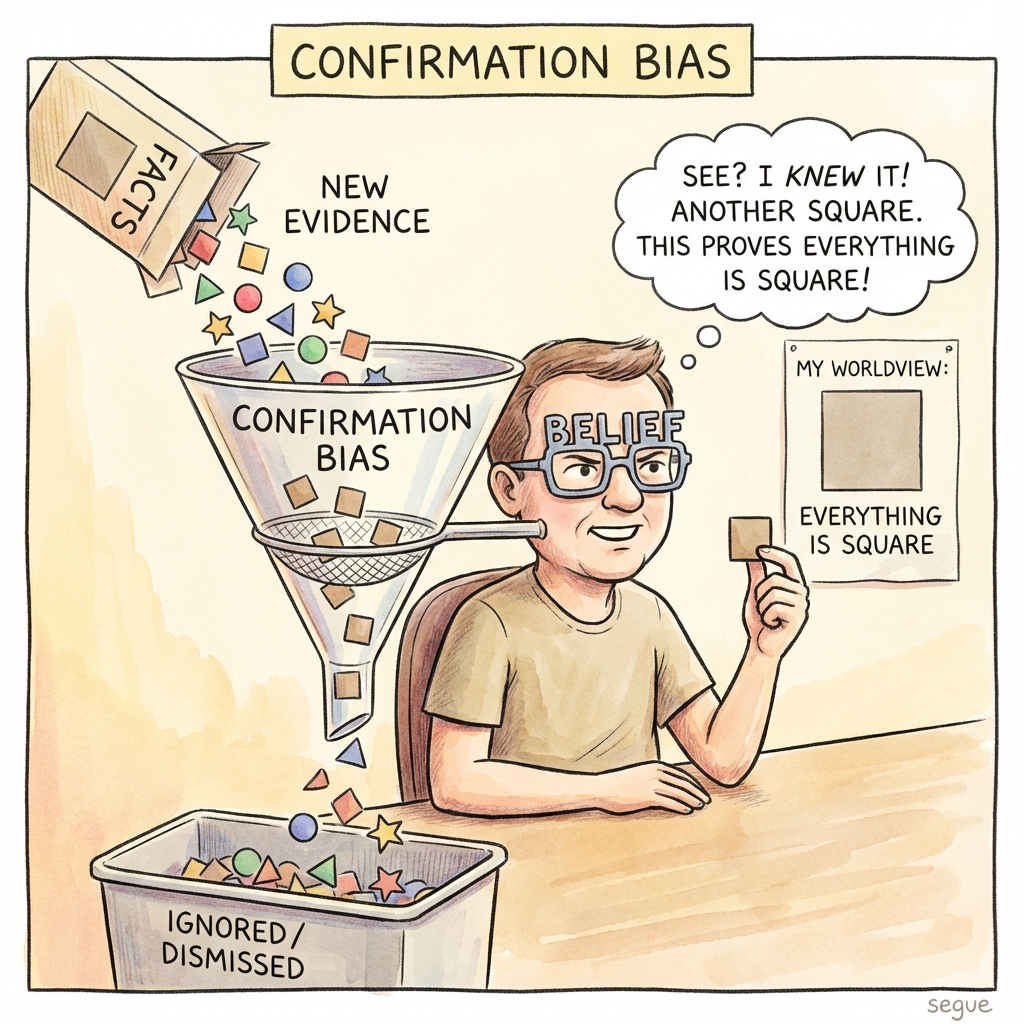
confirmation bias
/ˌkɒnfərˈmeɪʃən ˌbaɪəs/the tendency to interpret new evidence as confirmation of one's existing beliefs
“He only read news that supported his confirmation bias.”
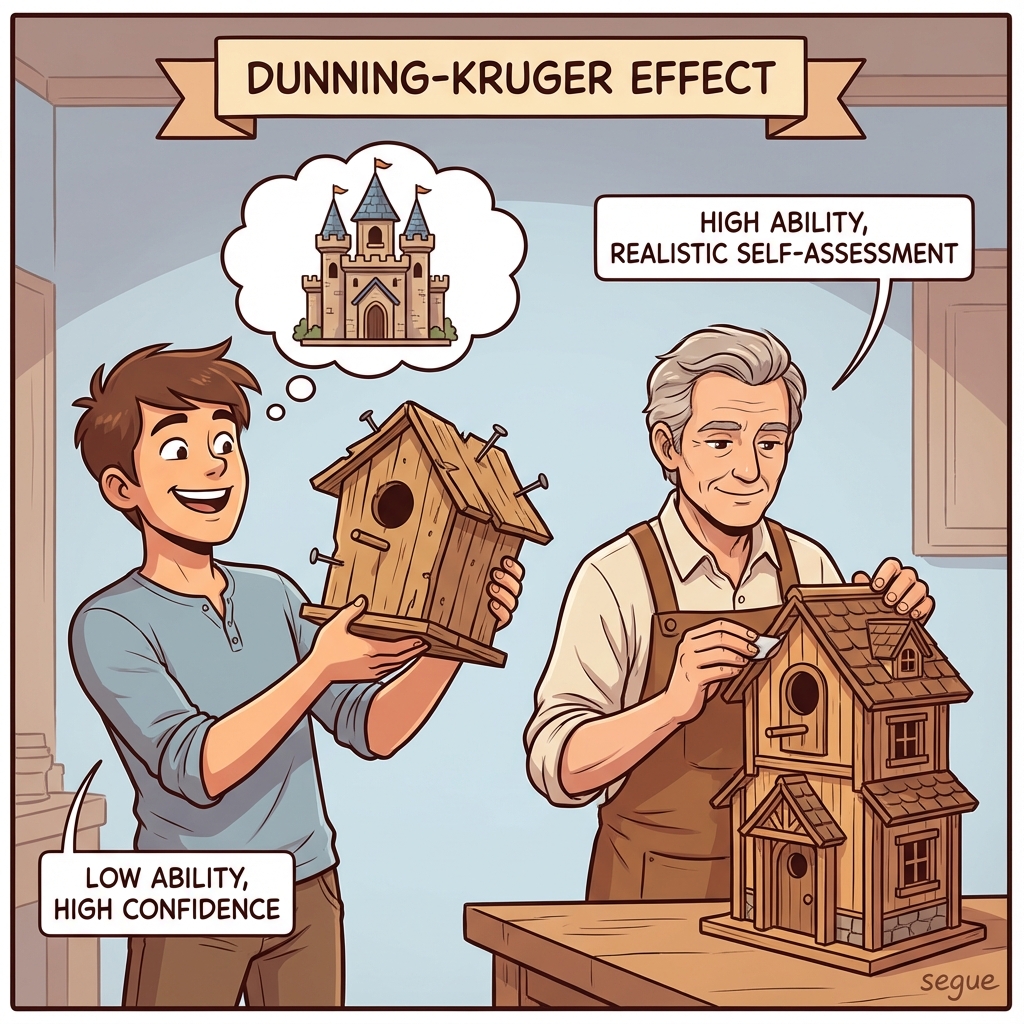
Dunning-Kruger effect
/ˌdʌnɪŋ ˈkruːɡər ɪˌfekt/a cognitive bias where people with low ability overestimate their ability
“His confidence despite his ignorance was a classic case of the Dunning-Kruger effect.”
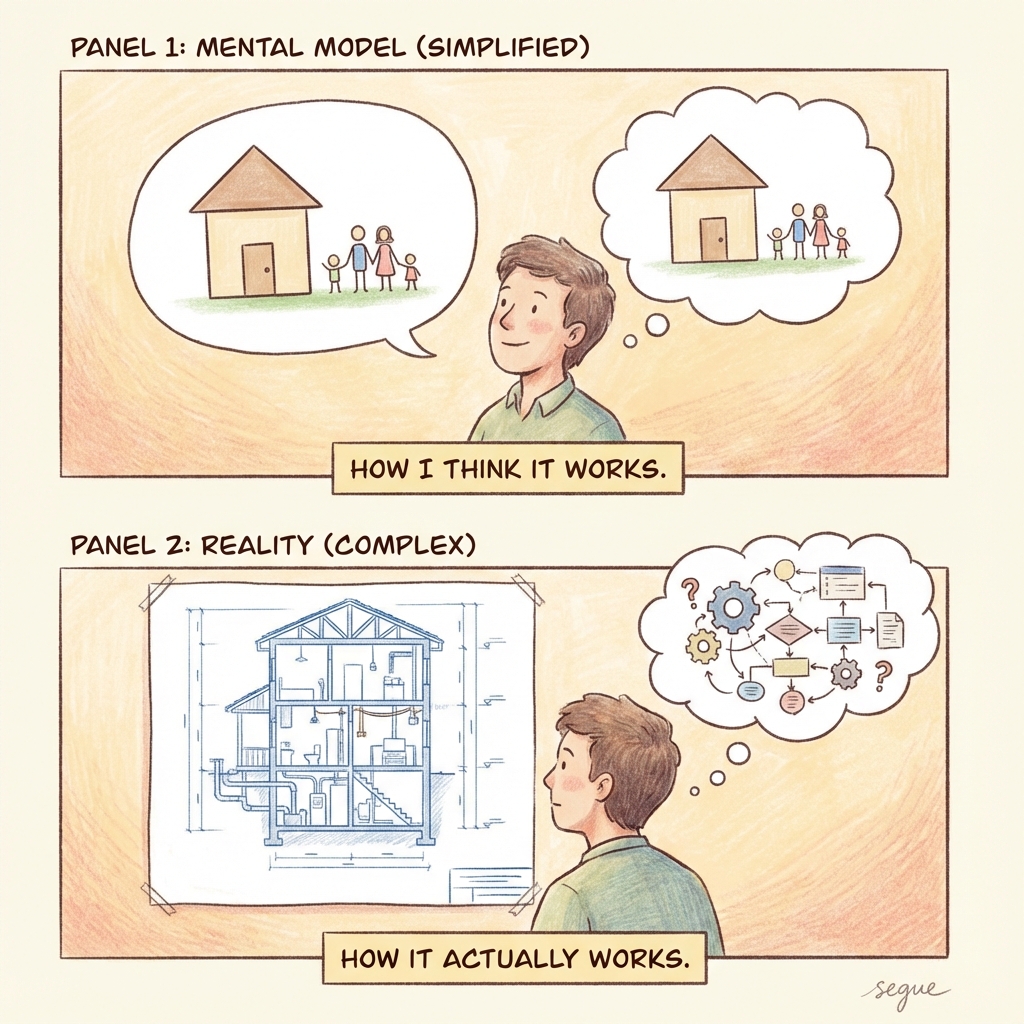
mental model
/ˌmentəl ˈmɒdəl/an explanation of someone's thought process about how something works in the real world
“First principles thinking is a powerful mental model for innovation.”

flow state
/ˈfloʊ ˌsteɪt/a mental state of operation in which a person performing an activity is fully immersed
“The coder entered a flow state and worked for hours without pause.”
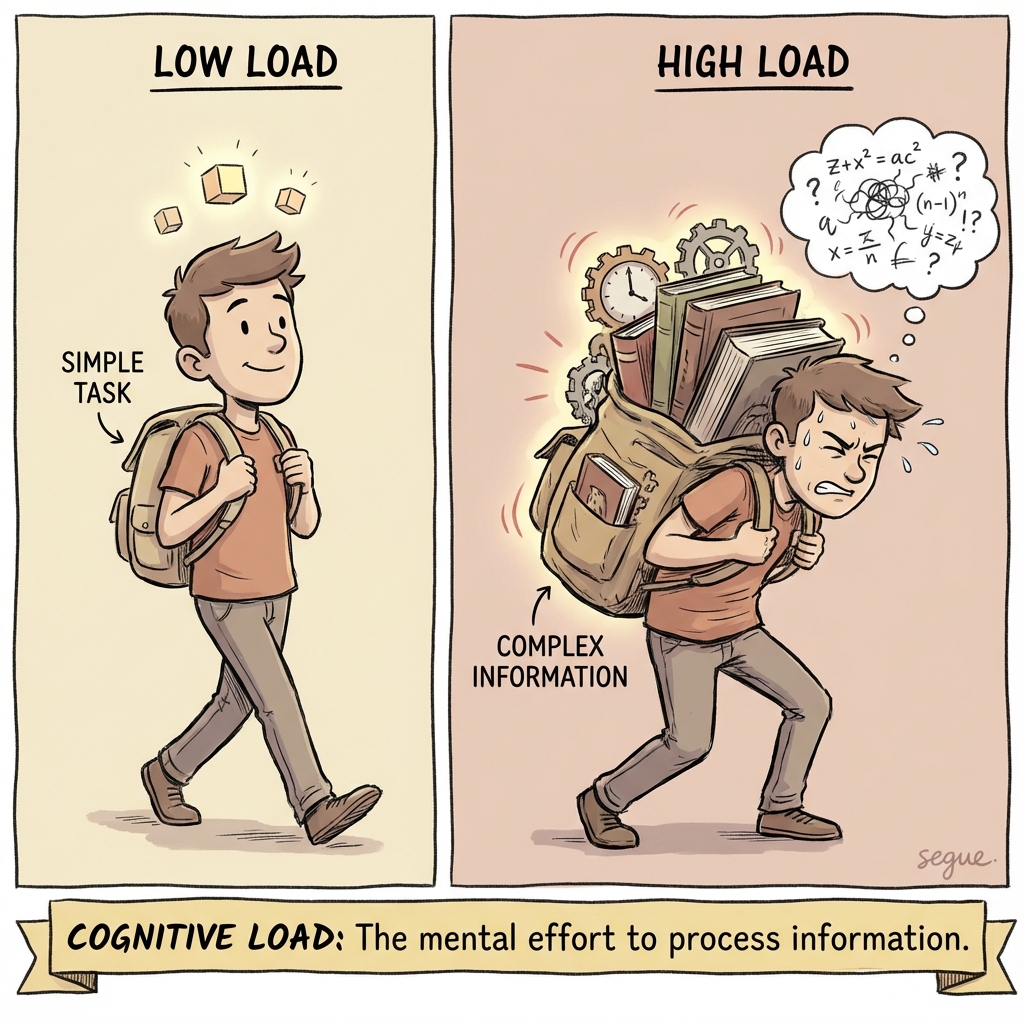
cognitive load
/ˌkɒɡnɪtɪv ˈloʊd/the amount of working memory resources used
“Simplifying the UI reduced the user's cognitive load.”
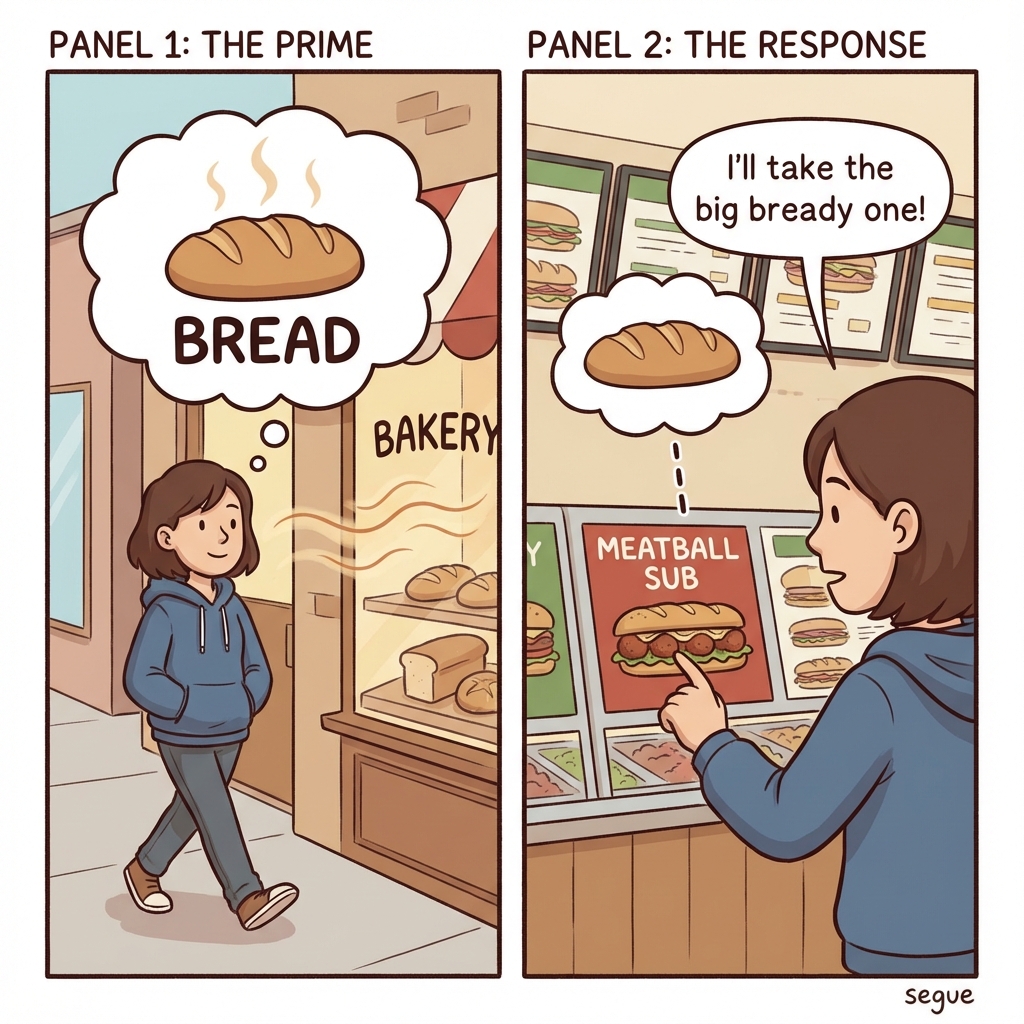
priming
/ˈpɹaɪmɪŋ/a phenomenon whereby exposure to one stimulus influences a response to a subsequent stimulus
“Talking about money before the negotiation was a form of priming.”
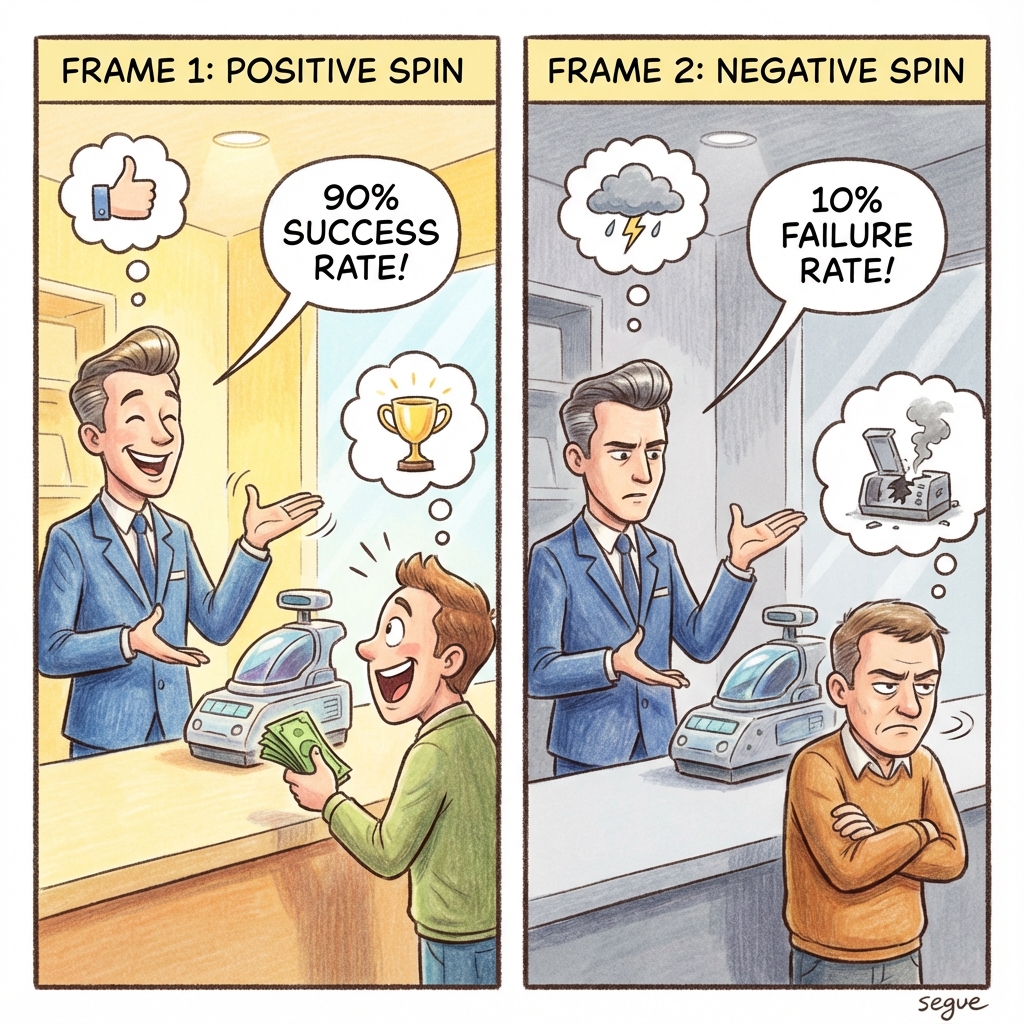
framing effect
/ˈfreɪmɪŋ ɪˌfekt/a cognitive bias where people decide on options based on whether the options are presented with positive or negative connotations
“The framing effect makes '95% fat-free' sound better than '5% fat'.”
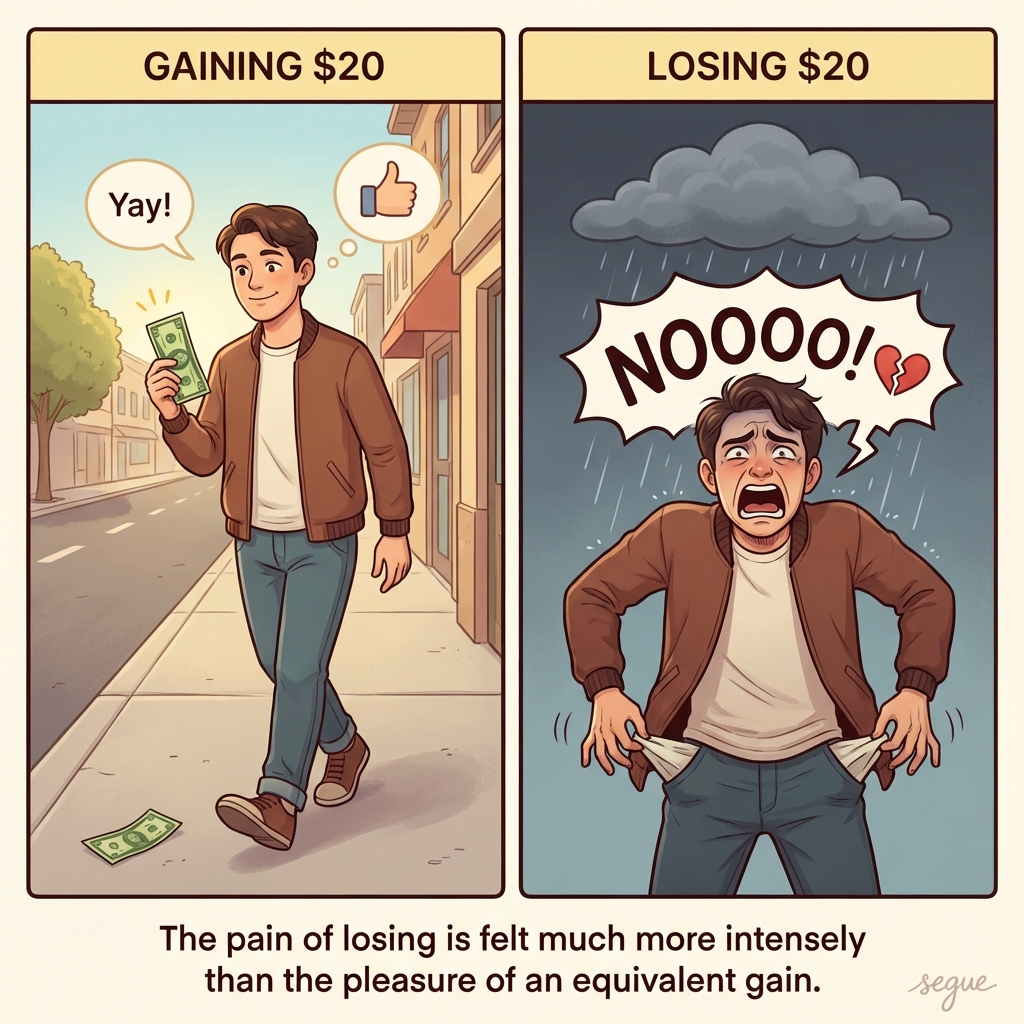
loss aversion
/ˈlɒs əˌvɜːrʒən/people's tendency to prefer avoiding losses to acquiring equivalent gains
“Loss aversion explains why people hold onto losing stocks too long.”
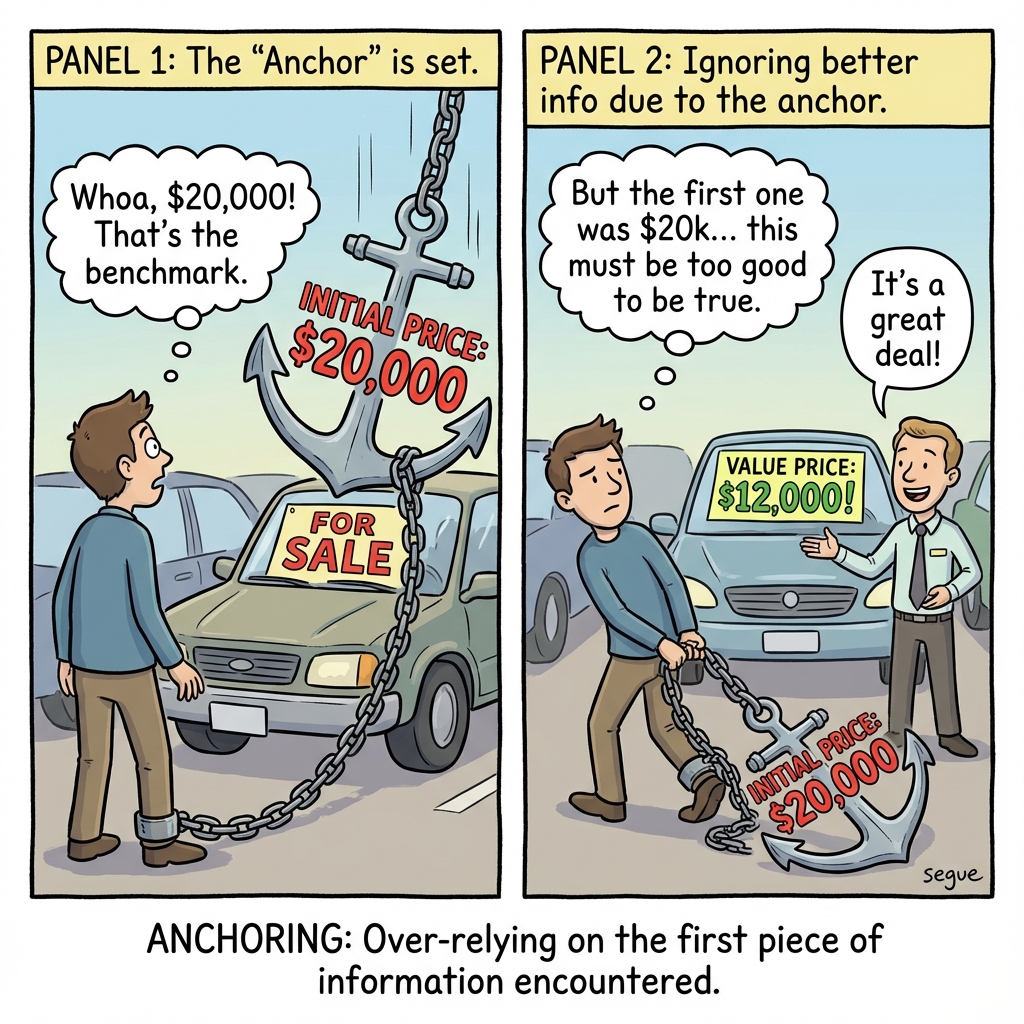
anchoring
/ˈæŋkɝɪŋ/a cognitive bias where an individual relies too heavily on an initial piece of information
“The initial price set the anchoring point for the entire negotiation.”

liminality
/ˌlɪmɪˈnælɪti/the quality of ambiguity or disorientation that occurs in the middle stage of a rite of passage
“Adolescence is a space of liminality between childhood and adulthood.”

epistemic humility
/ˌepɪˈstemɪk hjuːˈmɪlɪti/a humble attitude toward one's own beliefs and knowledge
“Science requires epistemic humility—admitting what we don't know.”

steelmanning
/ˈstiːlˌmænɪŋ/the practice of addressing the strongest possible version of an opponent's argument
“Try steelmanning his objection instead of attacking a straw man.”

hallucination
/həˌɫusəˈneɪʃən/a perception of something not present
“Large language models are prone to hallucination when facts are scarce.”
More from Technology & Systems
Explore other vocabulary categories in this collection.