Loading collection...
⚔️
Military Tactics & Operations Vocabulary
Battlefield and operational vocabulary
10 words
All 10 Words
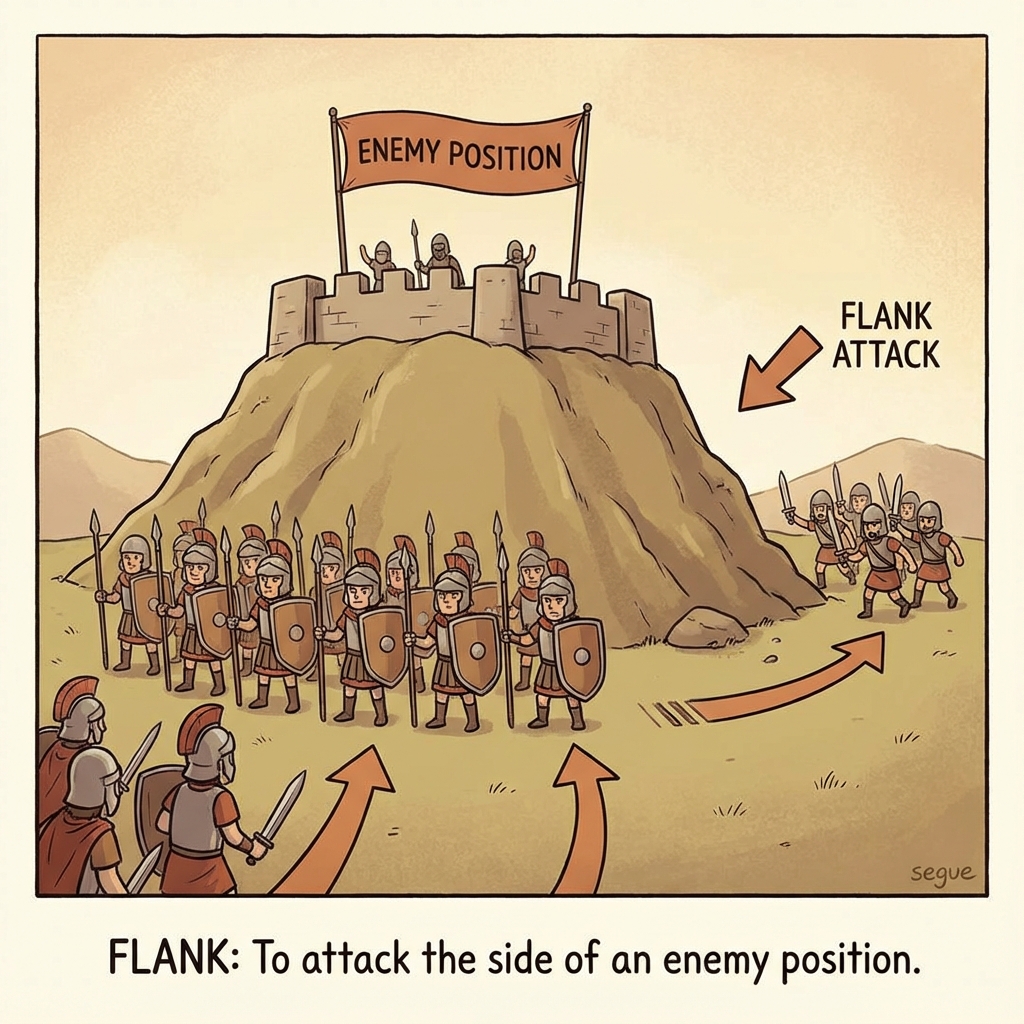
flank
/ˈfɫæŋk/to attack the side of an enemy position
“The cavalry flanked the enemy line.”
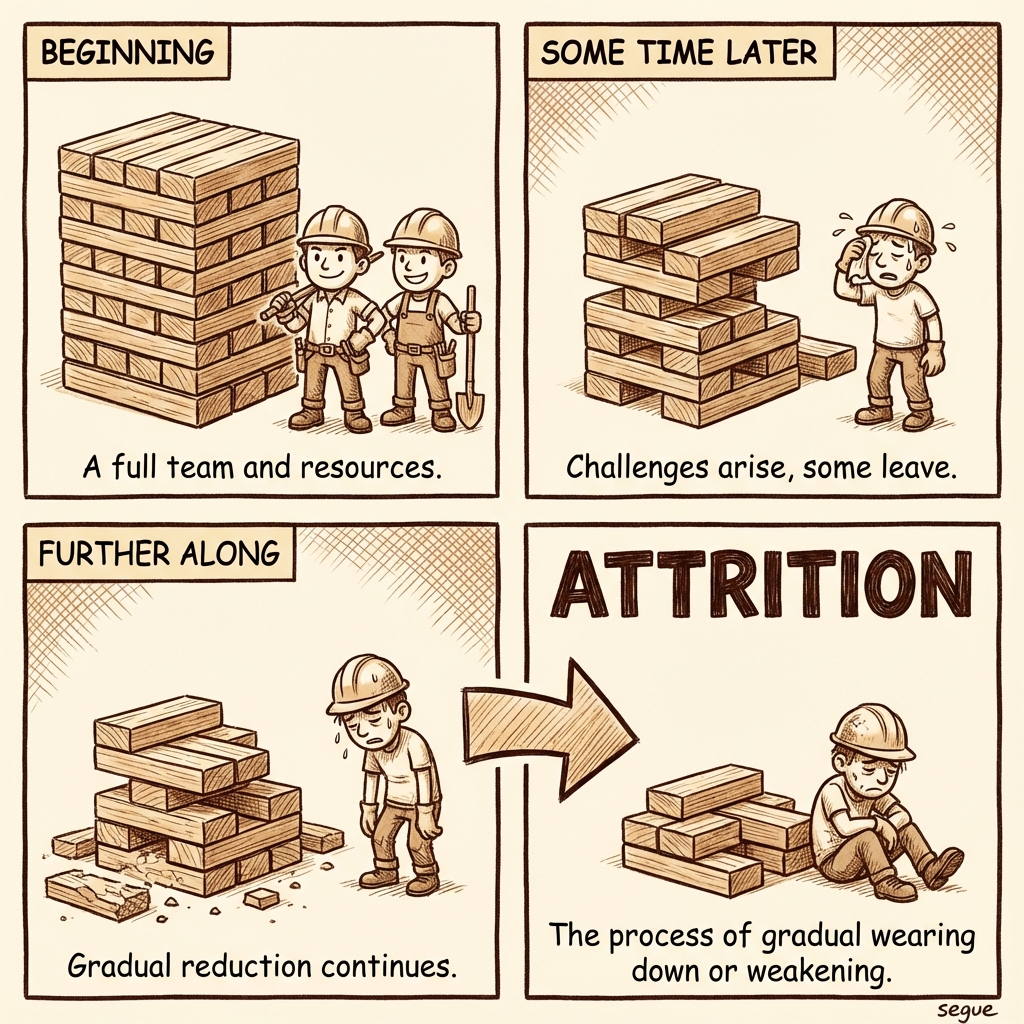
attrition
/əˈtɹɪʃən/wearing down an opponent through sustained losses
“The war of attrition exhausted both armies.”
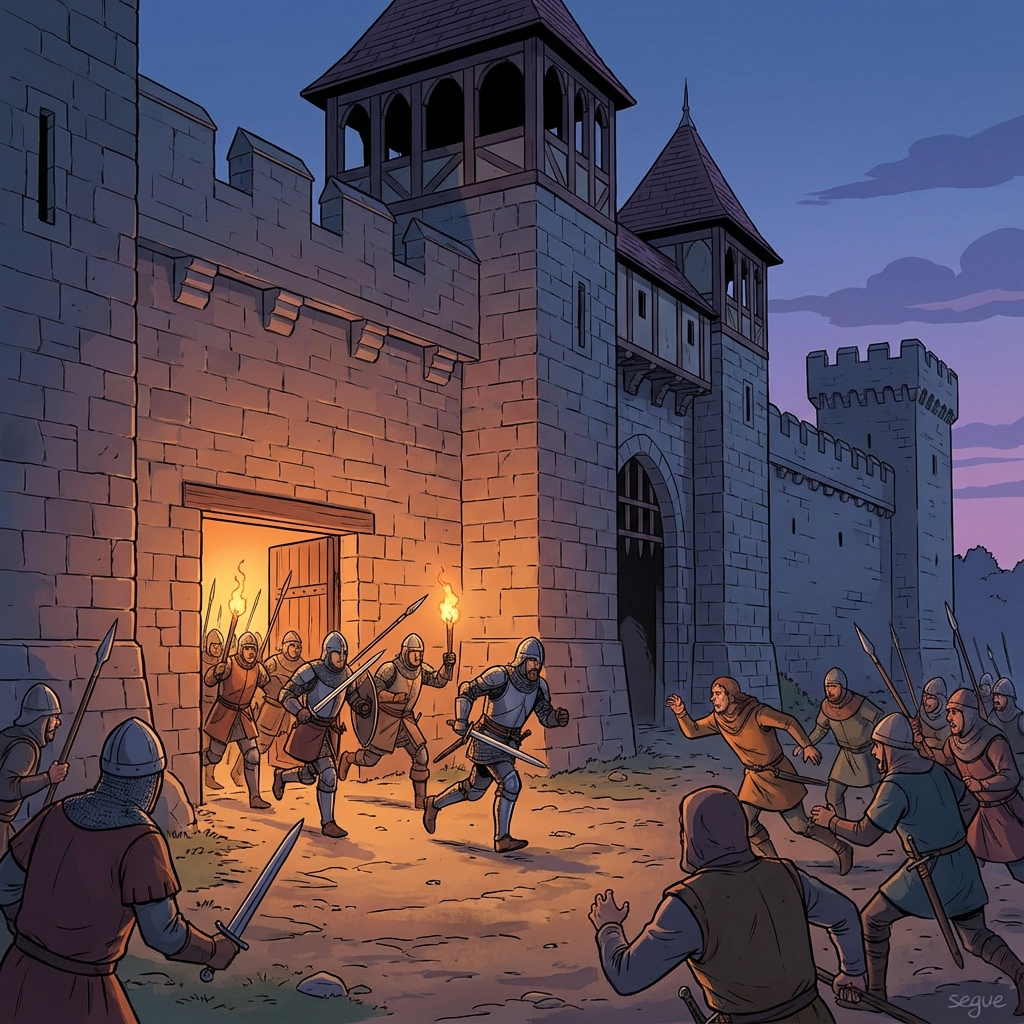
sortie
/ˈsɔɹti/an attack by troops from a defensive position
“The garrison made a sortie at dawn.”
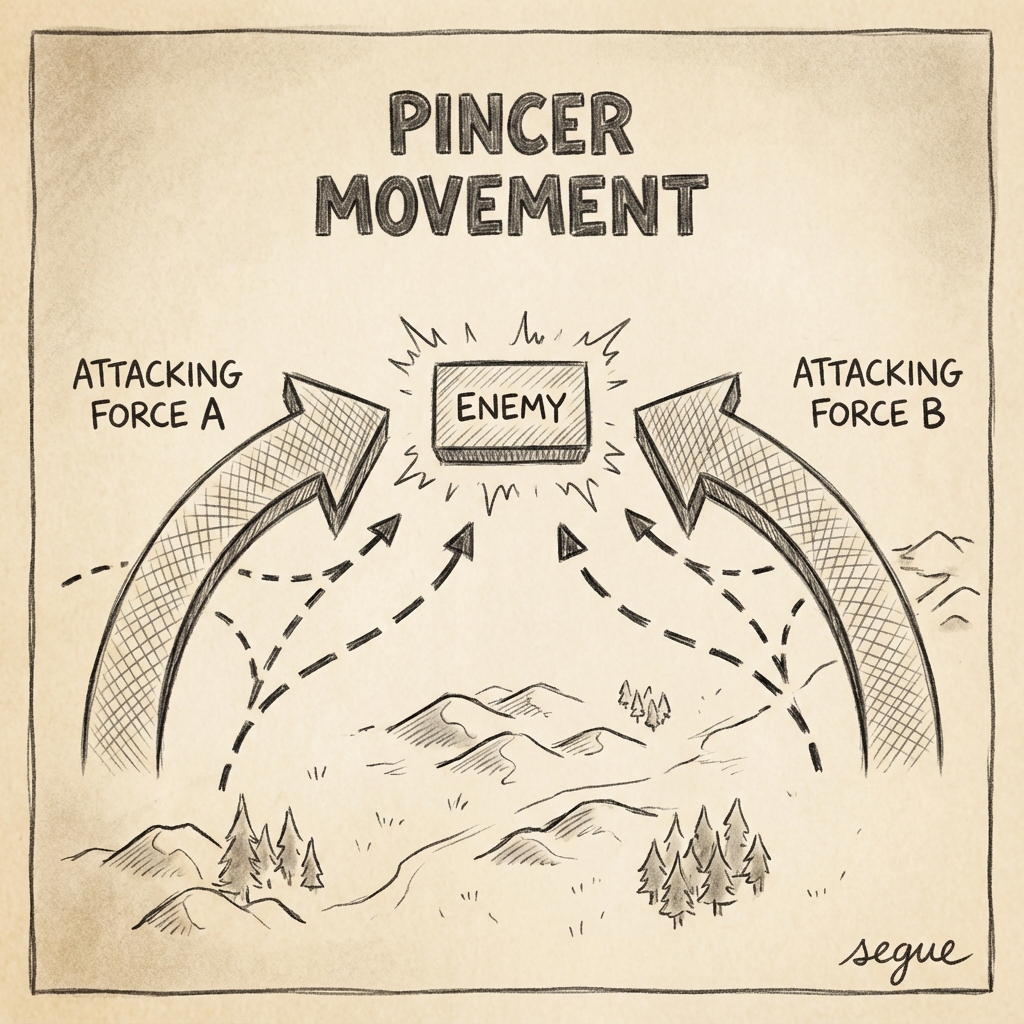
pincer movement
/ˈpɪnsər ˌmuːvmənt/a two-pronged attack converging on the enemy
“The pincer movement encircled the defenders.”
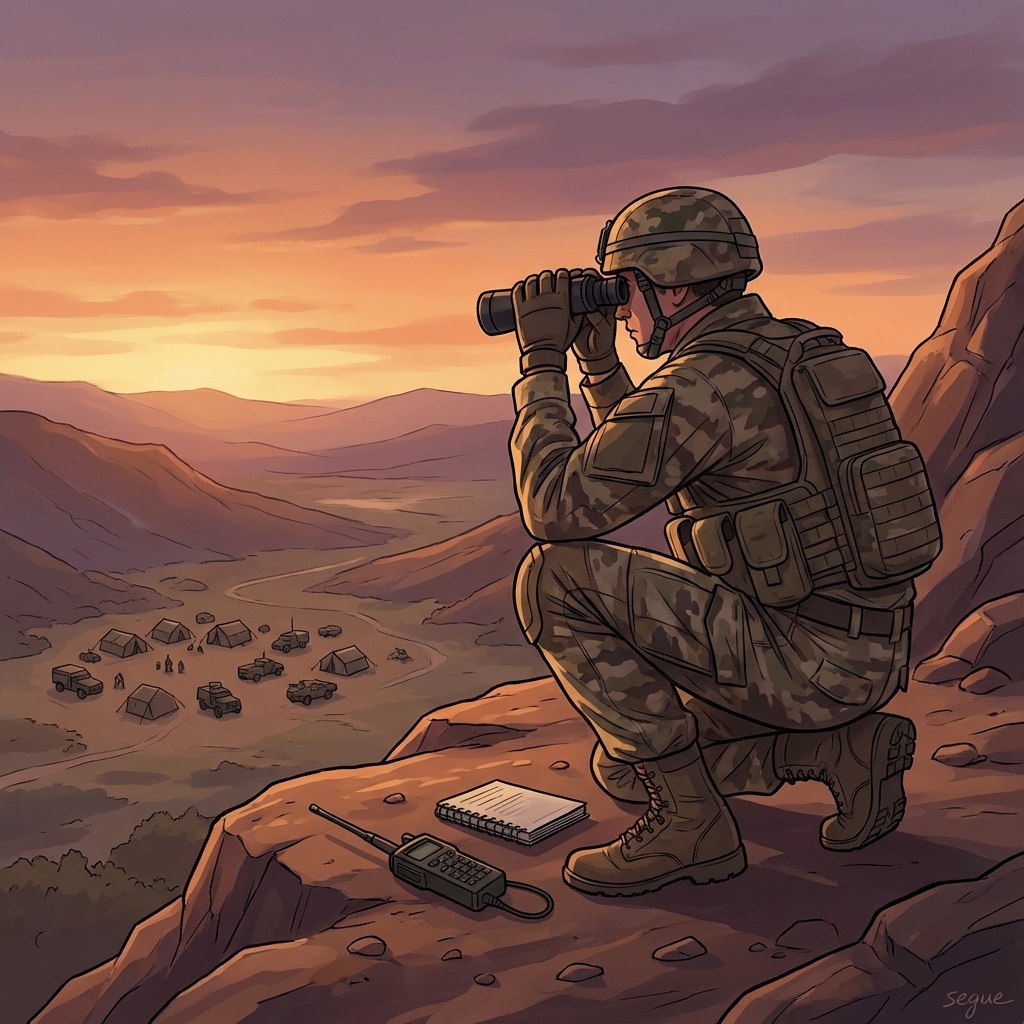
reconnaissance
/ɹiˈkɑnəsəns/observation to gather military information
“Reconnaissance revealed enemy positions.”
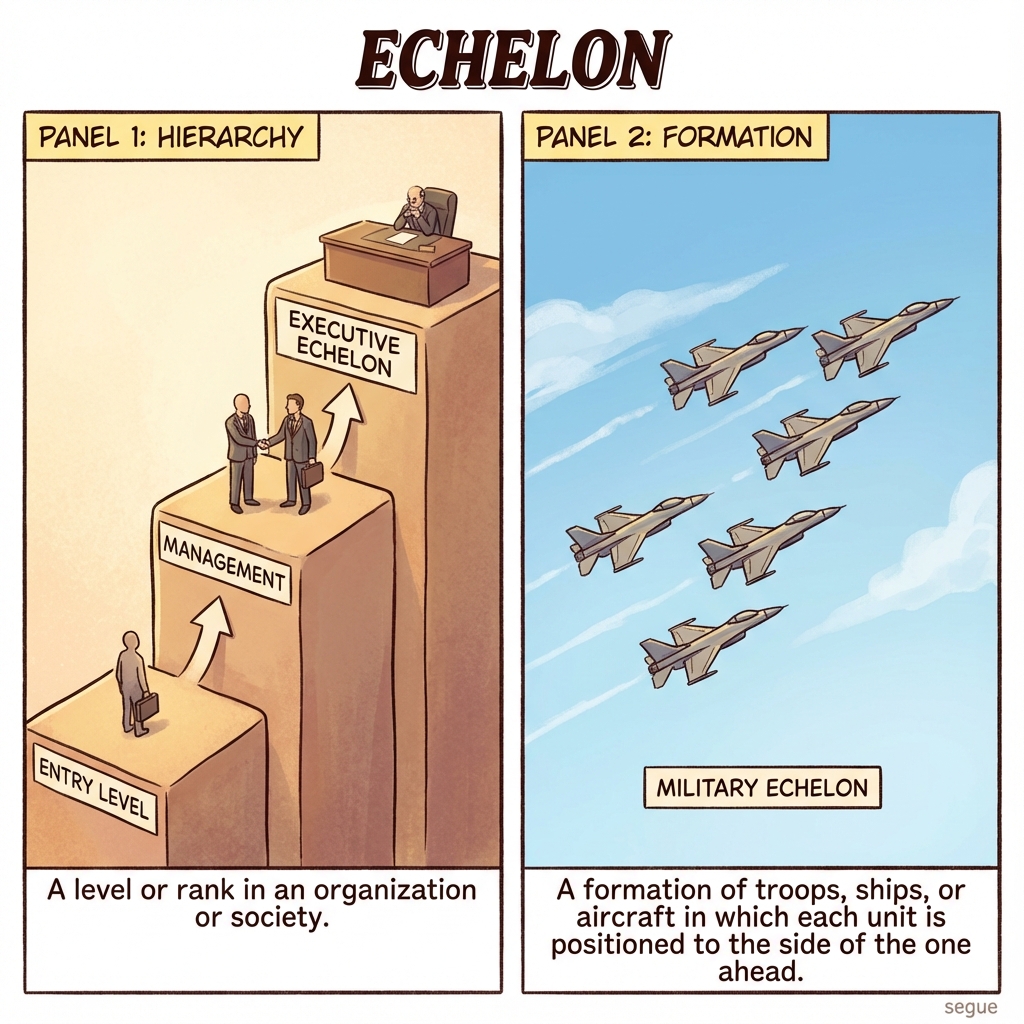
echelon
/ˈɛʃəˌɫɑn/a level in a hierarchy or a staggered formation
“The upper echelons made the decision.”
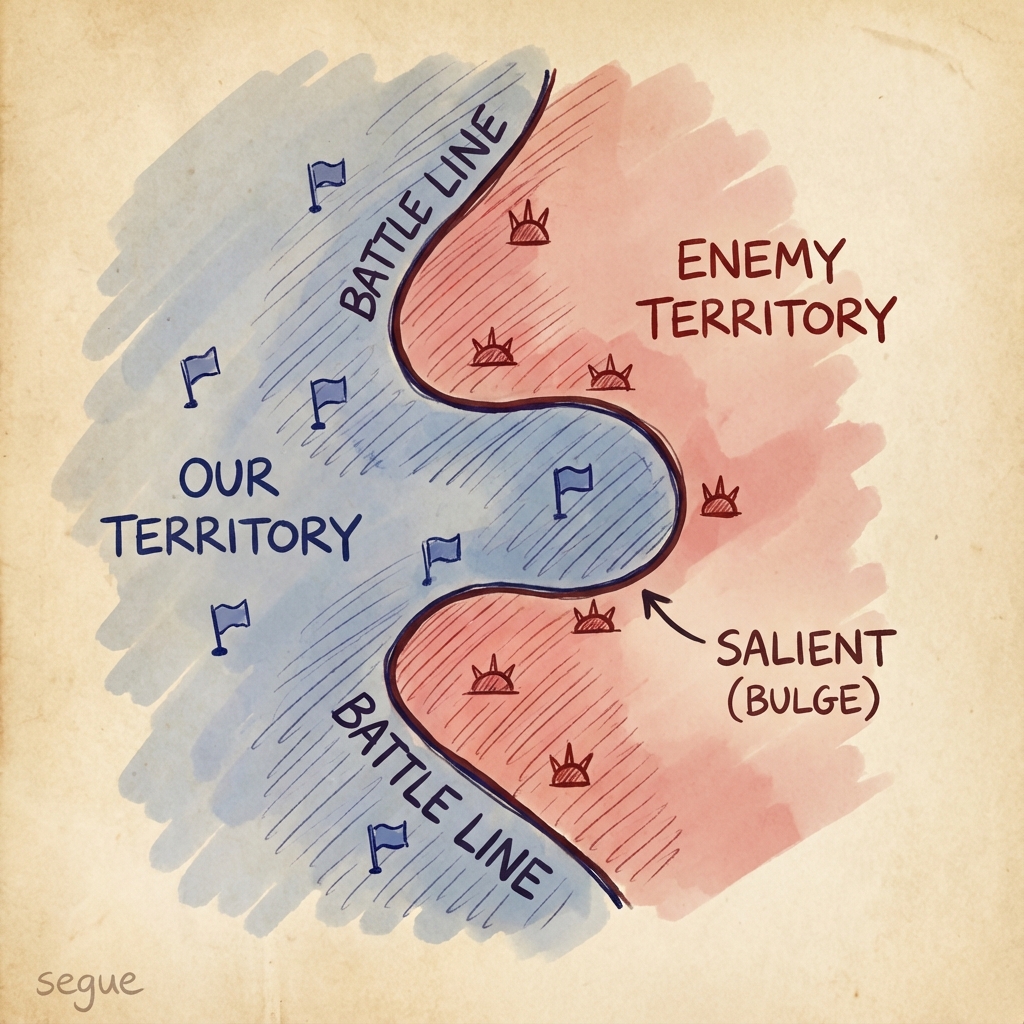
salient
/ˈseɪɫiənt/a bulge in a battle line projecting into enemy territory
“The salient was vulnerable on three sides.”
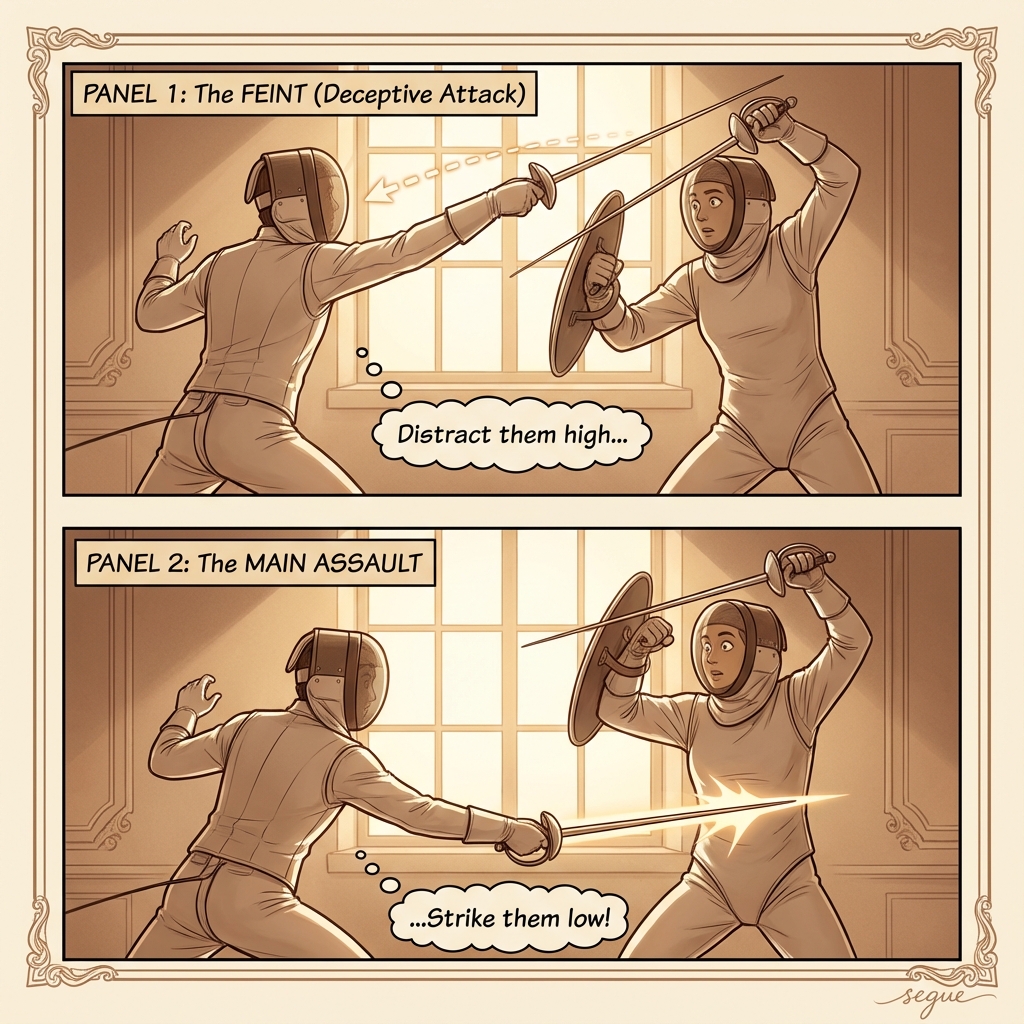
feint
/ˈfeɪnt/a deceptive attack to distract from the main assault
“The feint drew defenders away from the breach.”
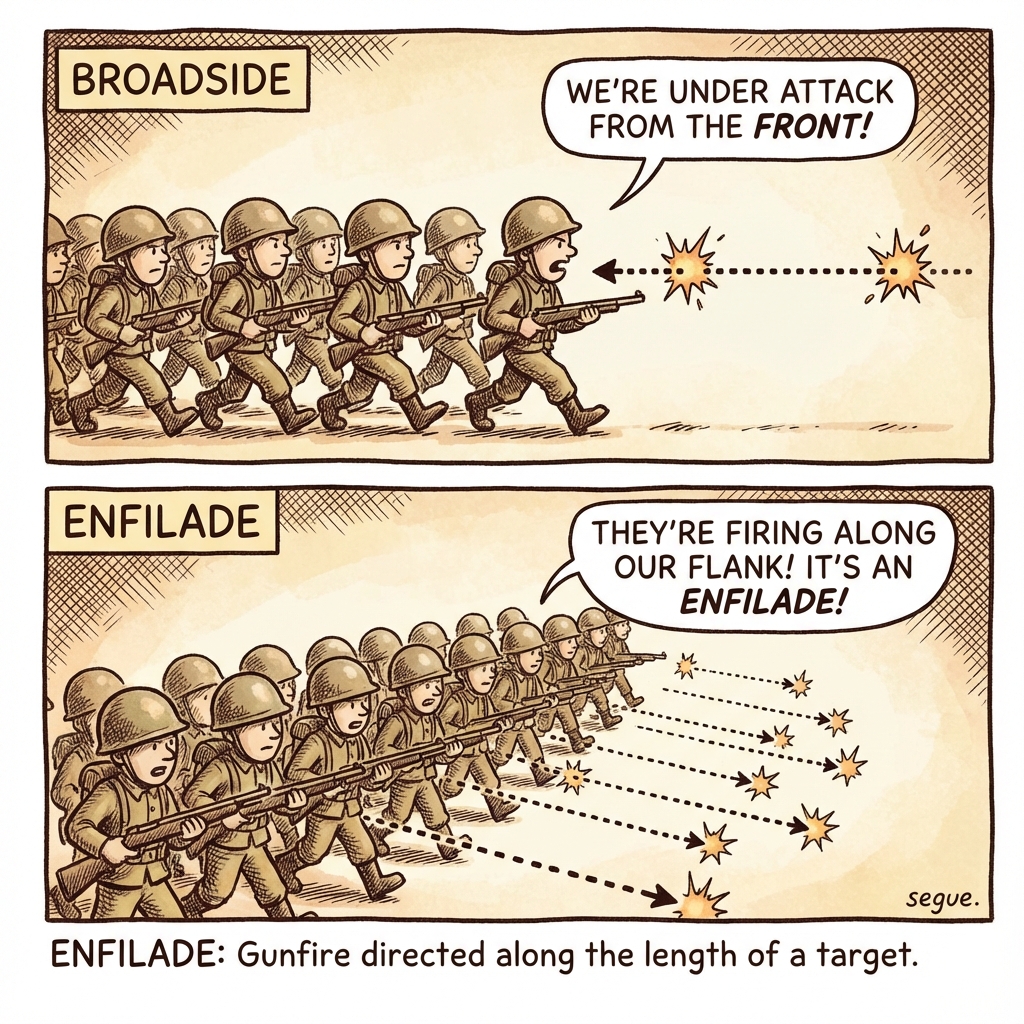
enfilade
/ˌenfɪˈleɪd/gunfire directed along the length of a target
“The machine gun enfiladed the trench.”
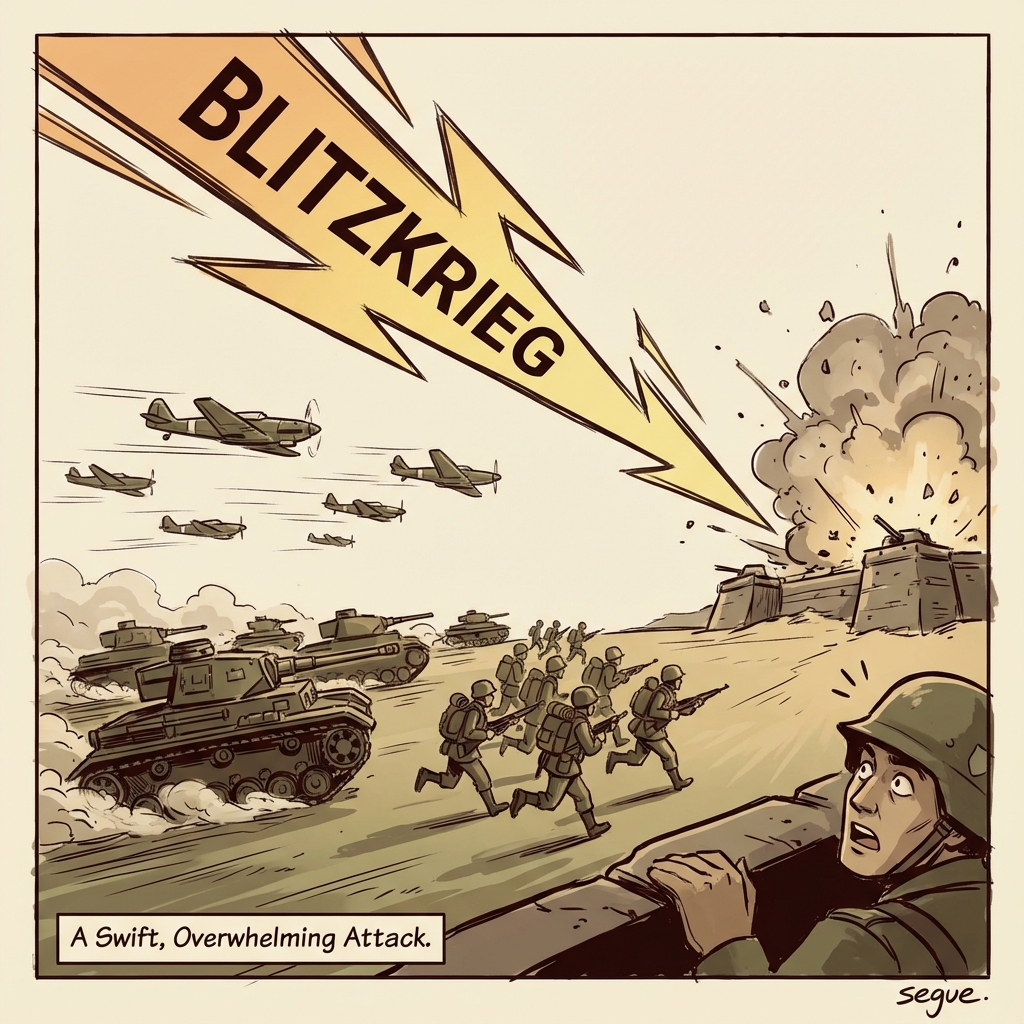
blitzkrieg
/ˈbɫɪtsˌkɹiɡ/a swift, overwhelming military attack
“The blitzkrieg conquered Poland in weeks.”
More from Military & Politics
Explore other vocabulary categories in this collection.