Loading collection...
🎖️
Military Organization & Rank Vocabulary
Structure and hierarchy of armed forces
10 words
All 10 Words
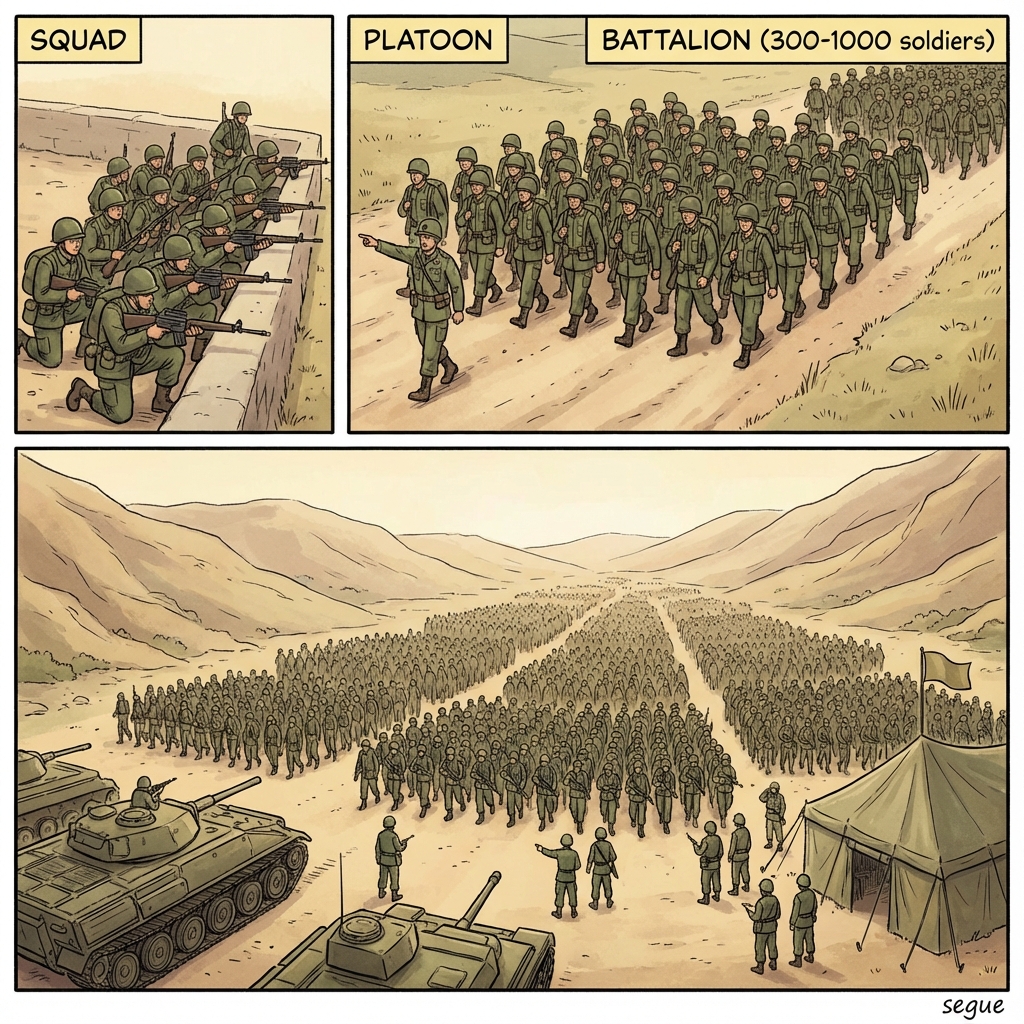
battalion
/bəˈtæɫjən/a military unit of 300-1000 soldiers
“The battalion advanced at dawn.”
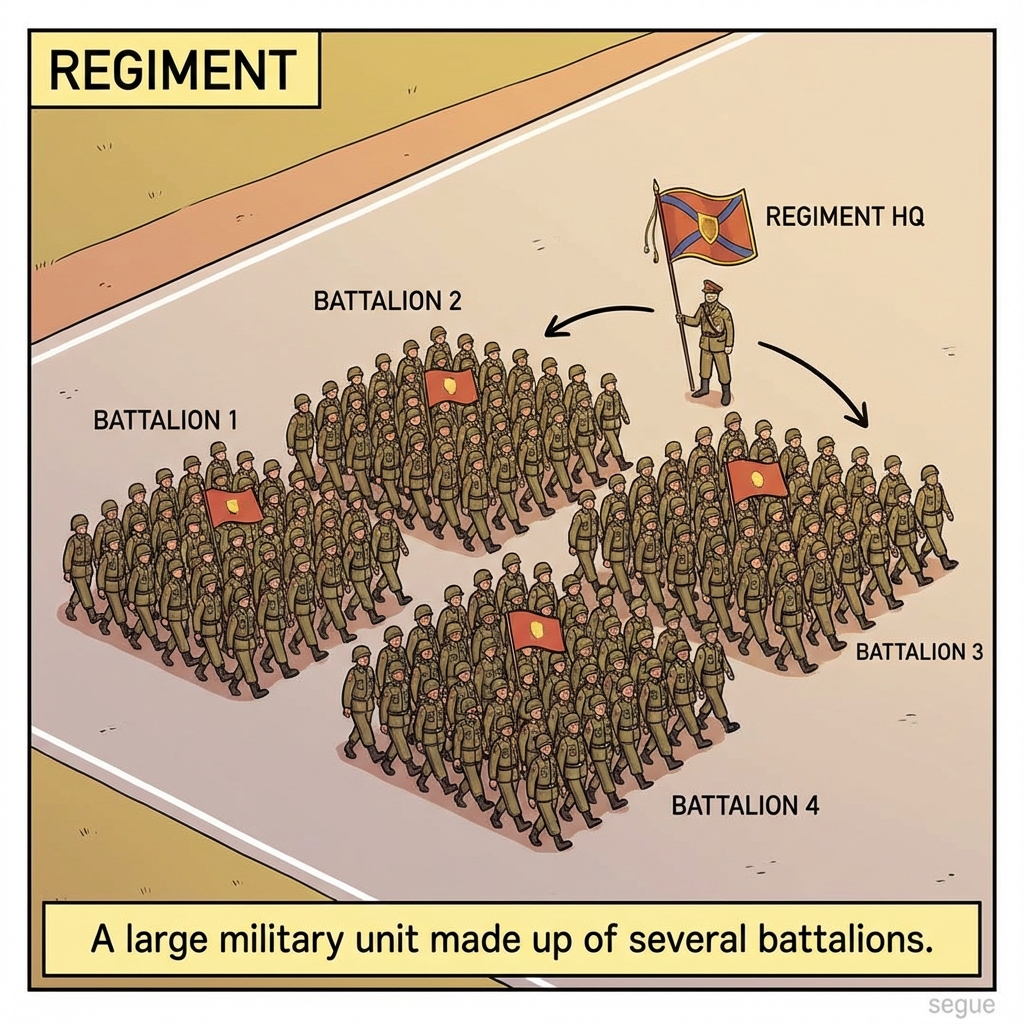
regiment
/ˈɹɛdʒəmənt/a military unit typically consisting of battalions
“The regiment had a distinguished history.”
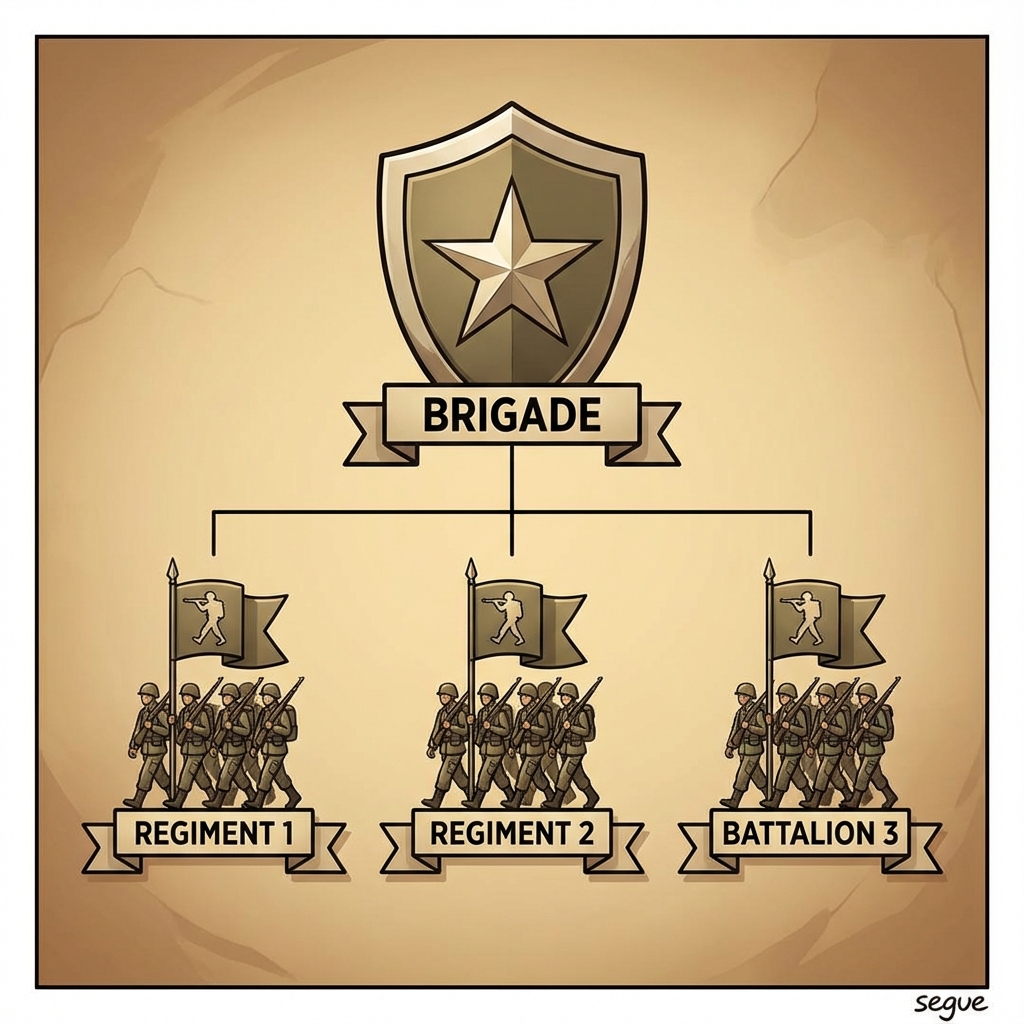
brigade
/bɹəˈɡeɪd/a military unit of several regiments or battalions
“The brigade commander ordered the assault.”
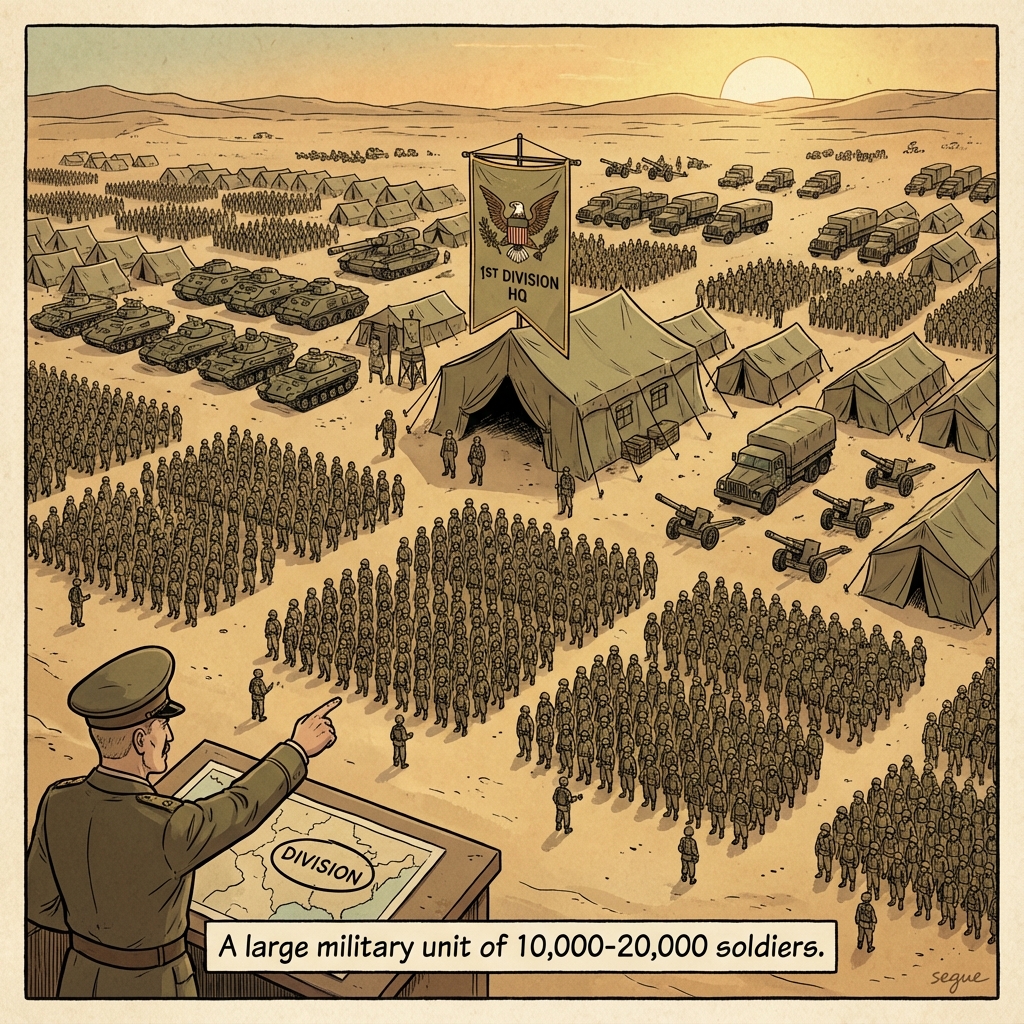
division
/dɪˈvɪʒən/a large military unit of 10,000-20,000 soldiers
“The armored division broke through.”
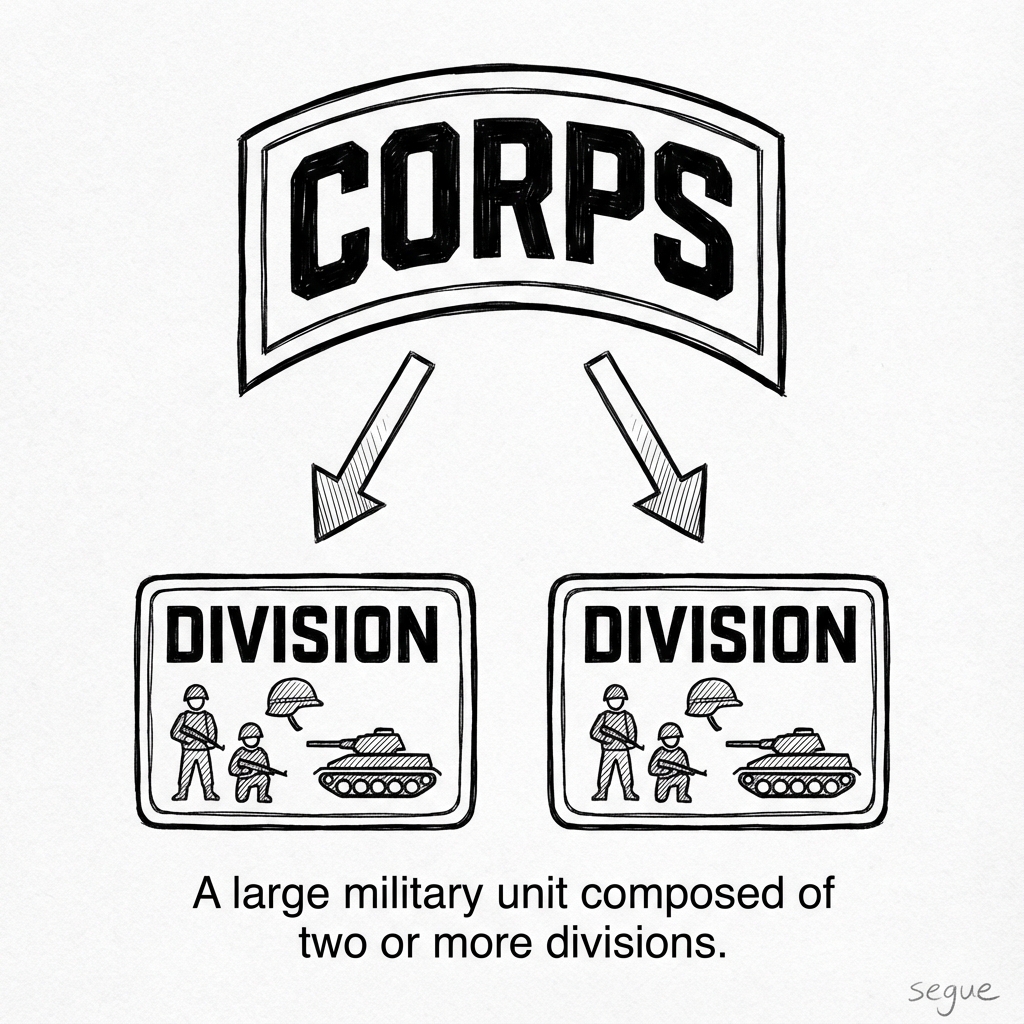
corps
/ˈkɔɹ/a military unit of two or more divisions
“The corps coordinated the offensive.”
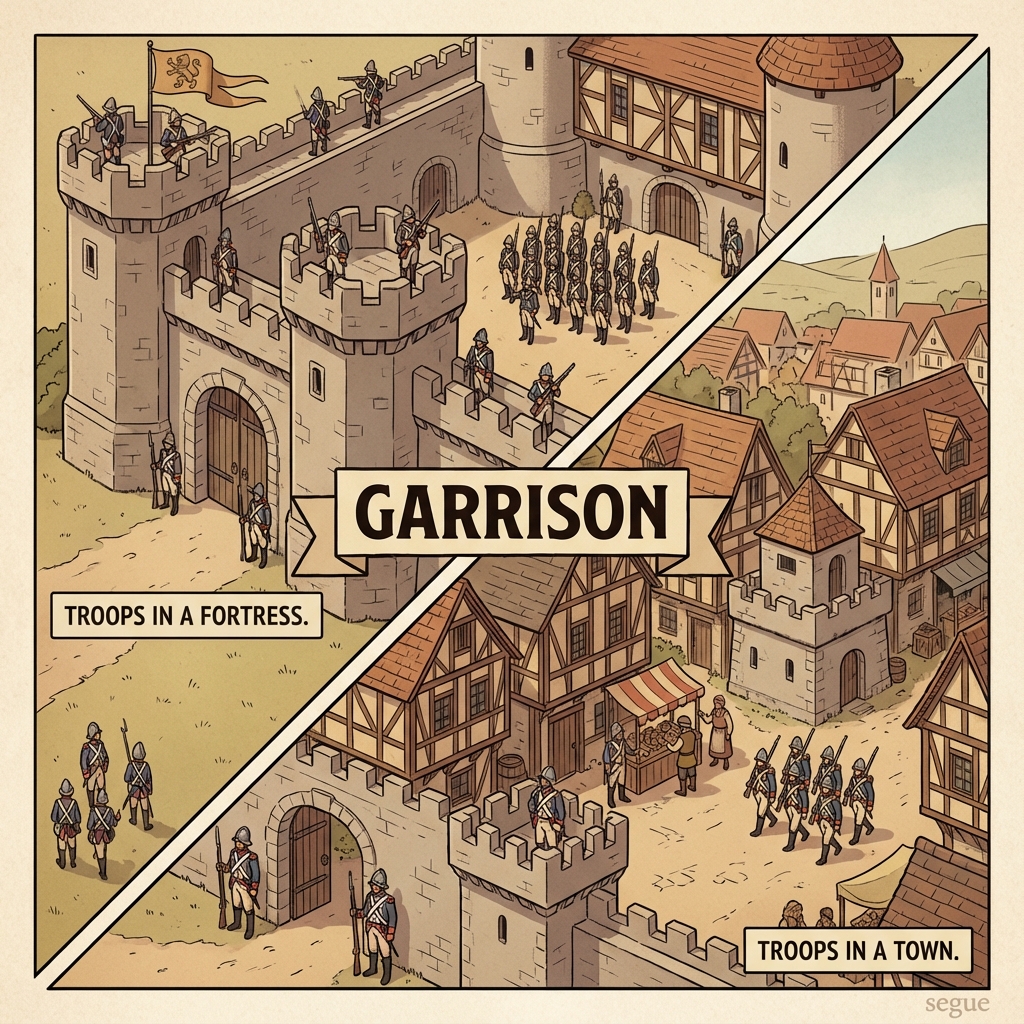
garrison
/ˈɡæɹɪsən/troops stationed in a fortress or town
“The garrison held out for months.”
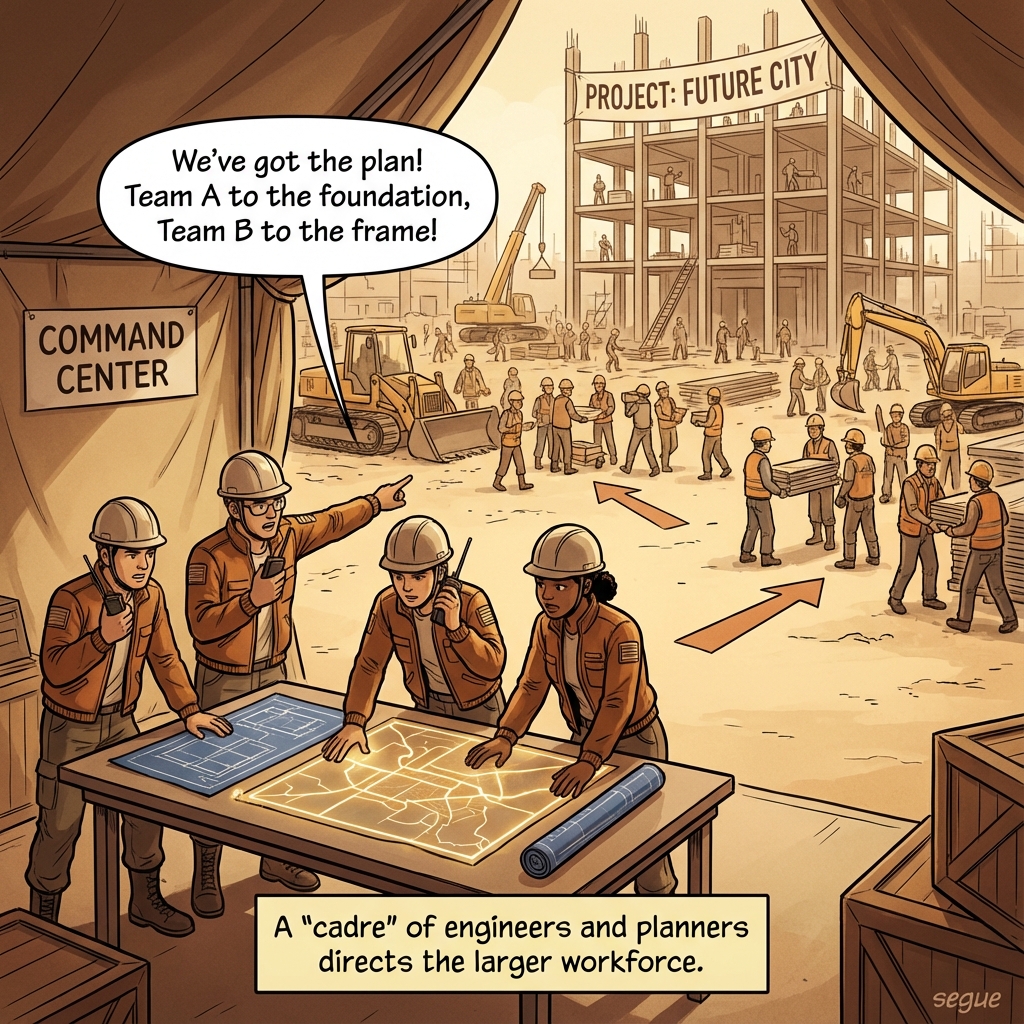
cadre
/ˈkædɹi/a core group forming the nucleus of a larger organization
“The cadre trained new recruits.”
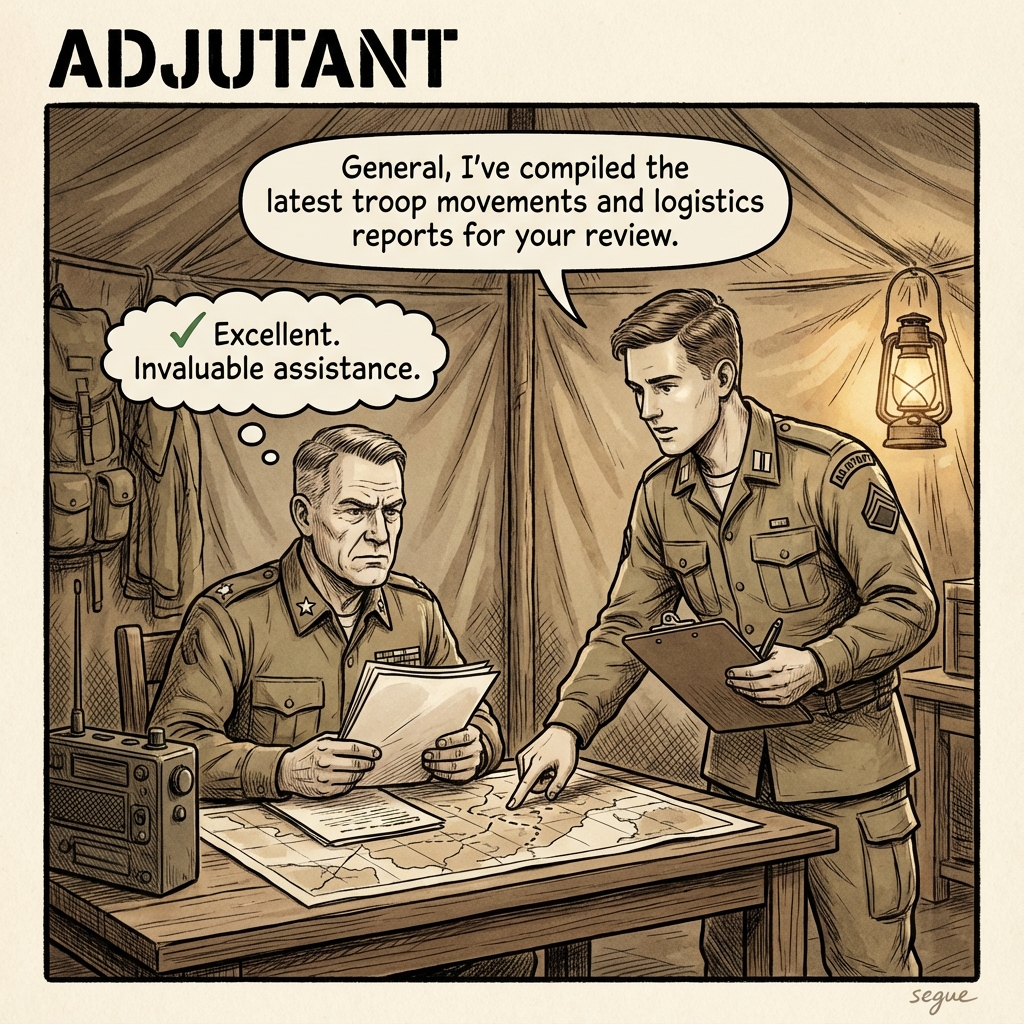
adjutant
/ˈædʒətənt/a military officer assisting a commander
“The adjutant handled administrative duties.”
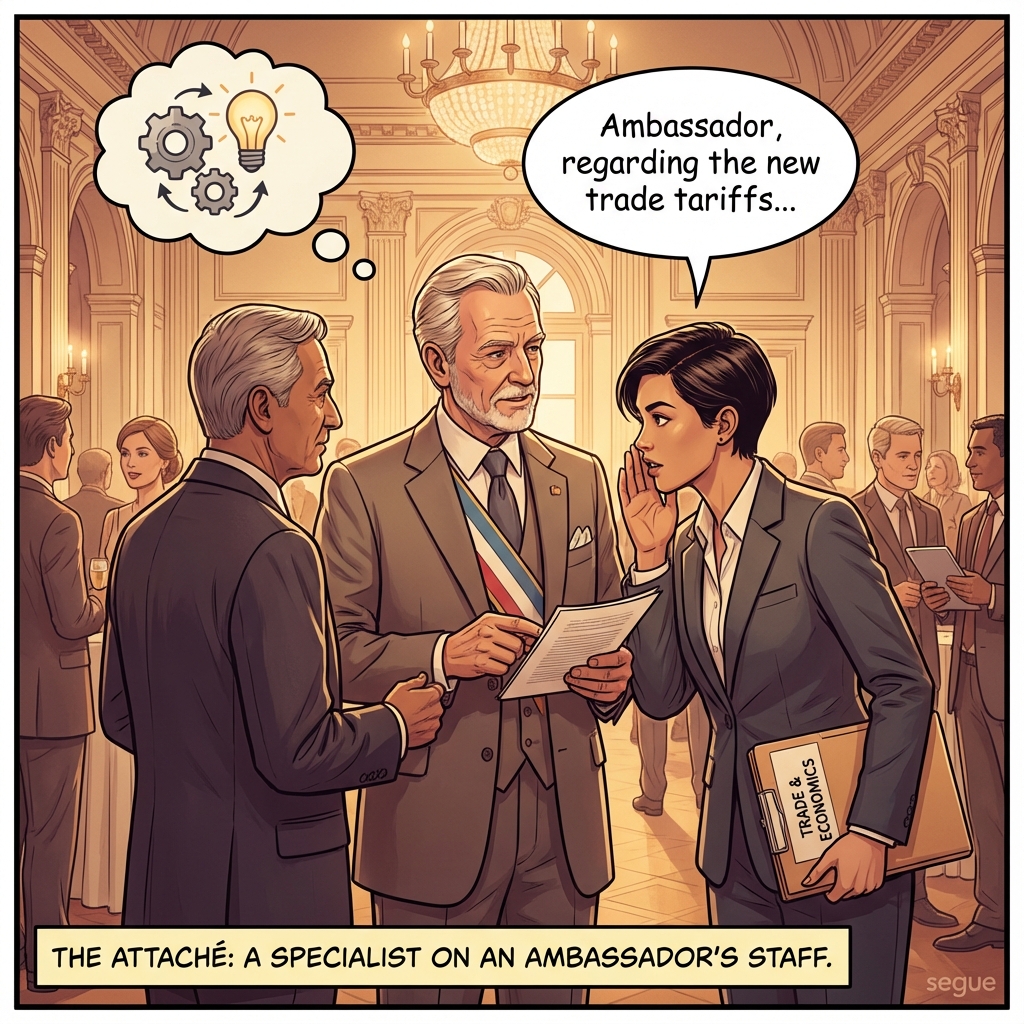
attaché
/ˌætæˈʃeɪ/a specialist on an ambassador's staff
“The military attaché reported on capabilities.”
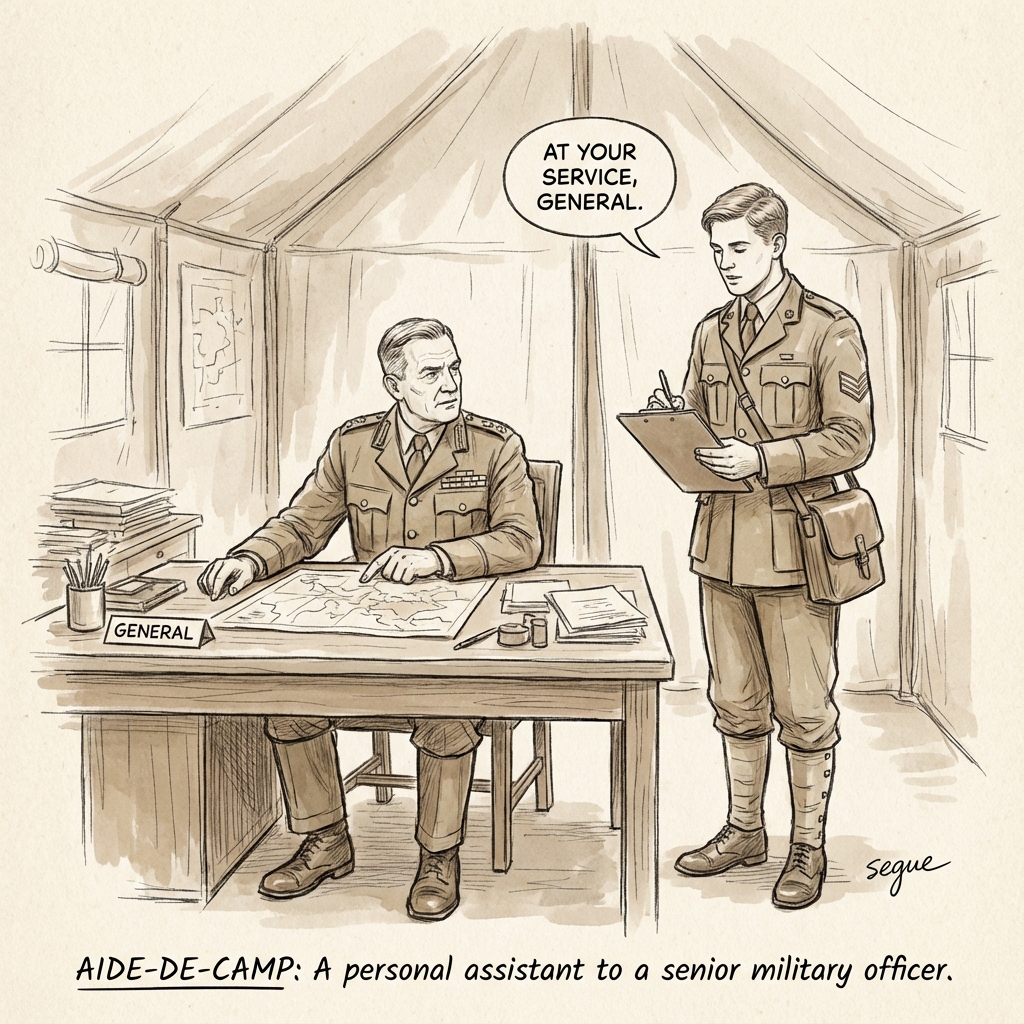
aide-de-camp
/ˌeɪd də ˈkæmp/a personal assistant to a senior military officer
“The general's aide-de-camp managed his schedule.”
More from Military & Politics
Explore other vocabulary categories in this collection.