Loading collection...
🔮
Metaphysics (Advanced) Vocabulary
Fundamental questions about reality, being, and existence
10 words
All 10 Words
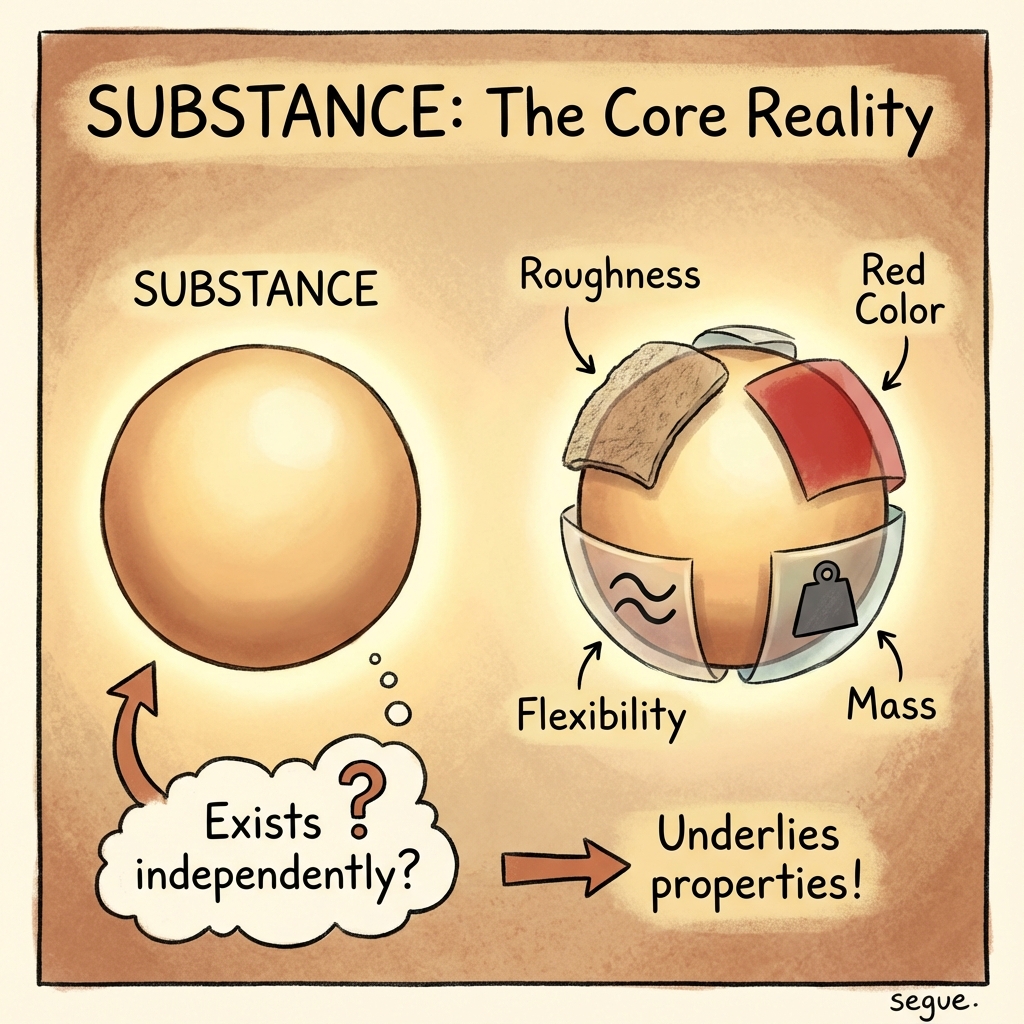
substance
/ˈsəbstəns/that which exists independently and underlies properties
“Aristotle distinguished substance from its accidental properties.”

essence
/ˈɛsəns/the fundamental nature that makes something what it is
“Existence precedes essence in existentialist thought.”
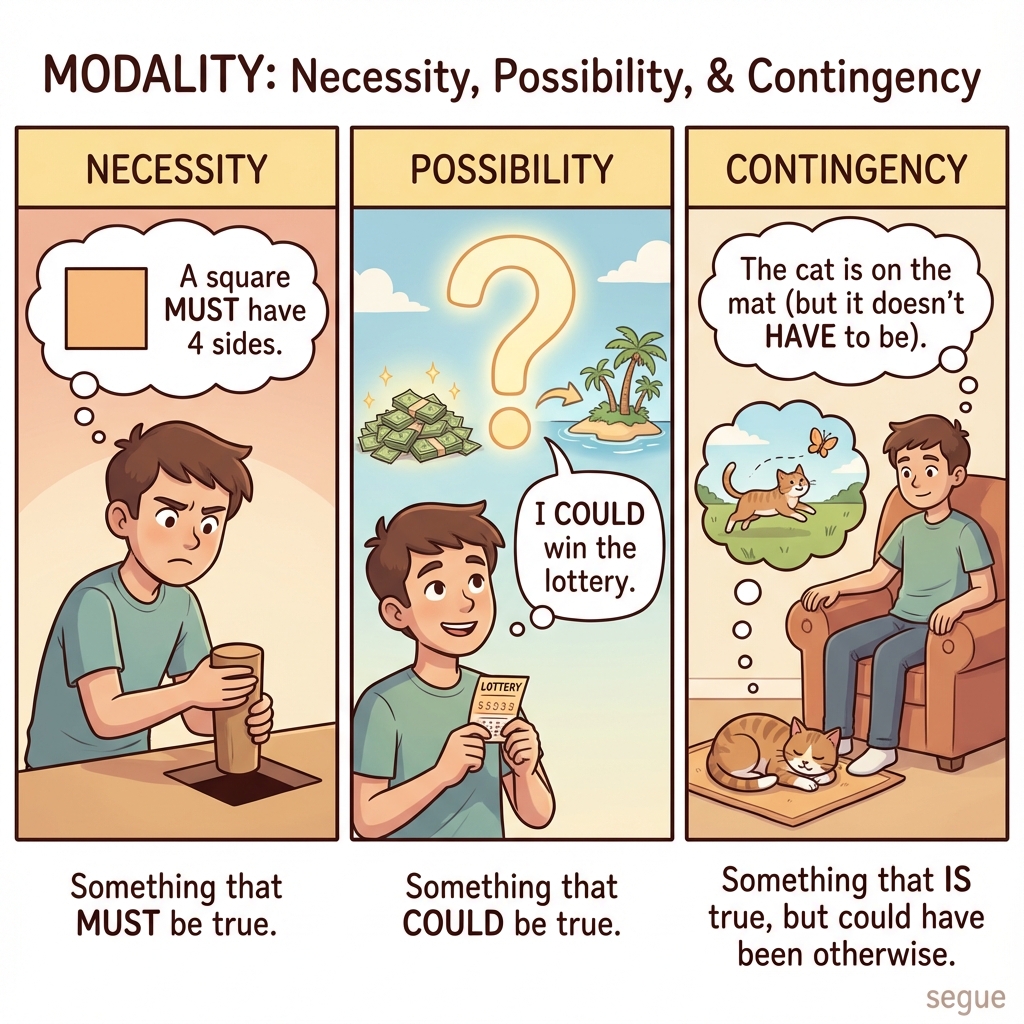
modality
/məˈdæɫəti/the study of necessity, possibility, and contingency
“Modal logic formalizes claims about what could or must be.”
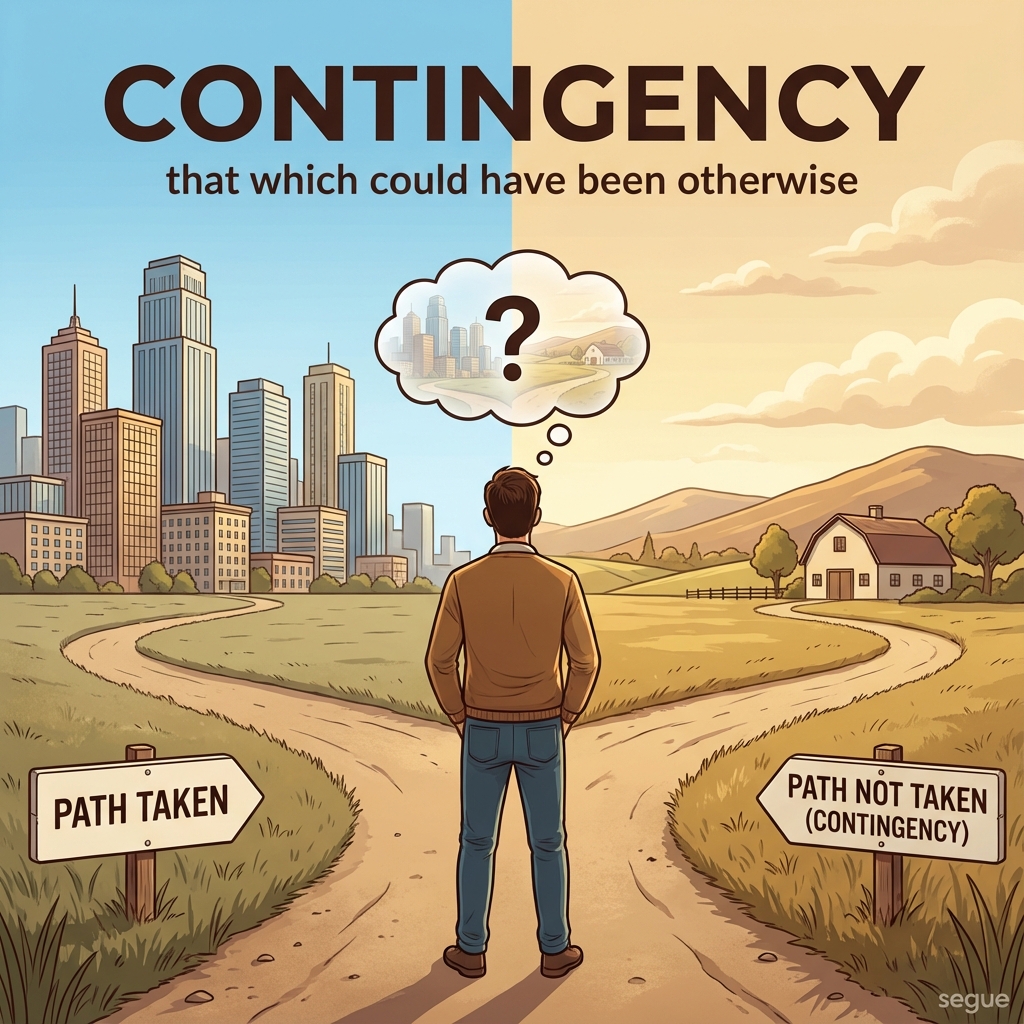
contingency
/kənˈtɪndʒənsi/that which could have been otherwise
“Contingent truths depend on how the world happens to be.”

necessity
/nəˈsɛsəti/that which could not have been otherwise
“Mathematical truths are often considered necessary.”
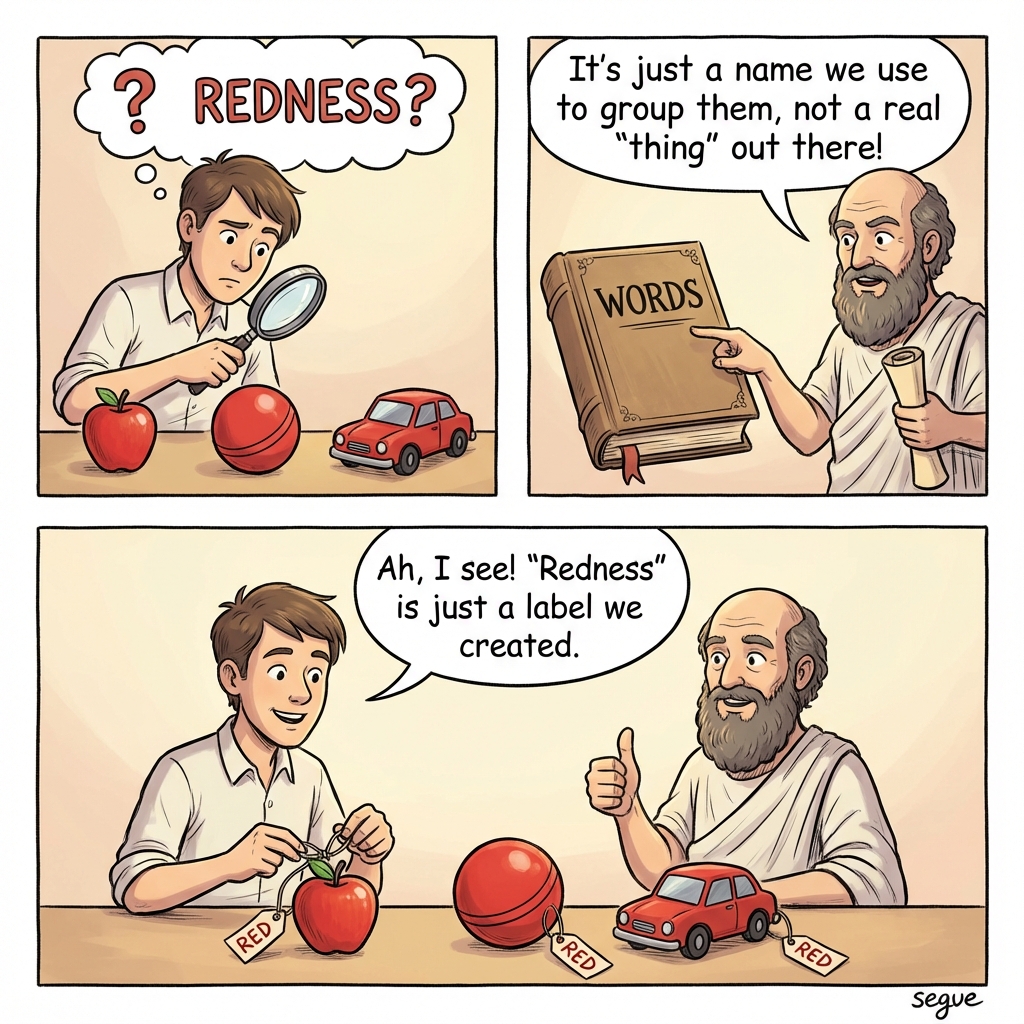
nominalism
/ˈnɒmɪnəlɪzəm/the view that universals are merely names, not real entities
“Nominalism denies that 'redness' exists apart from red things.”
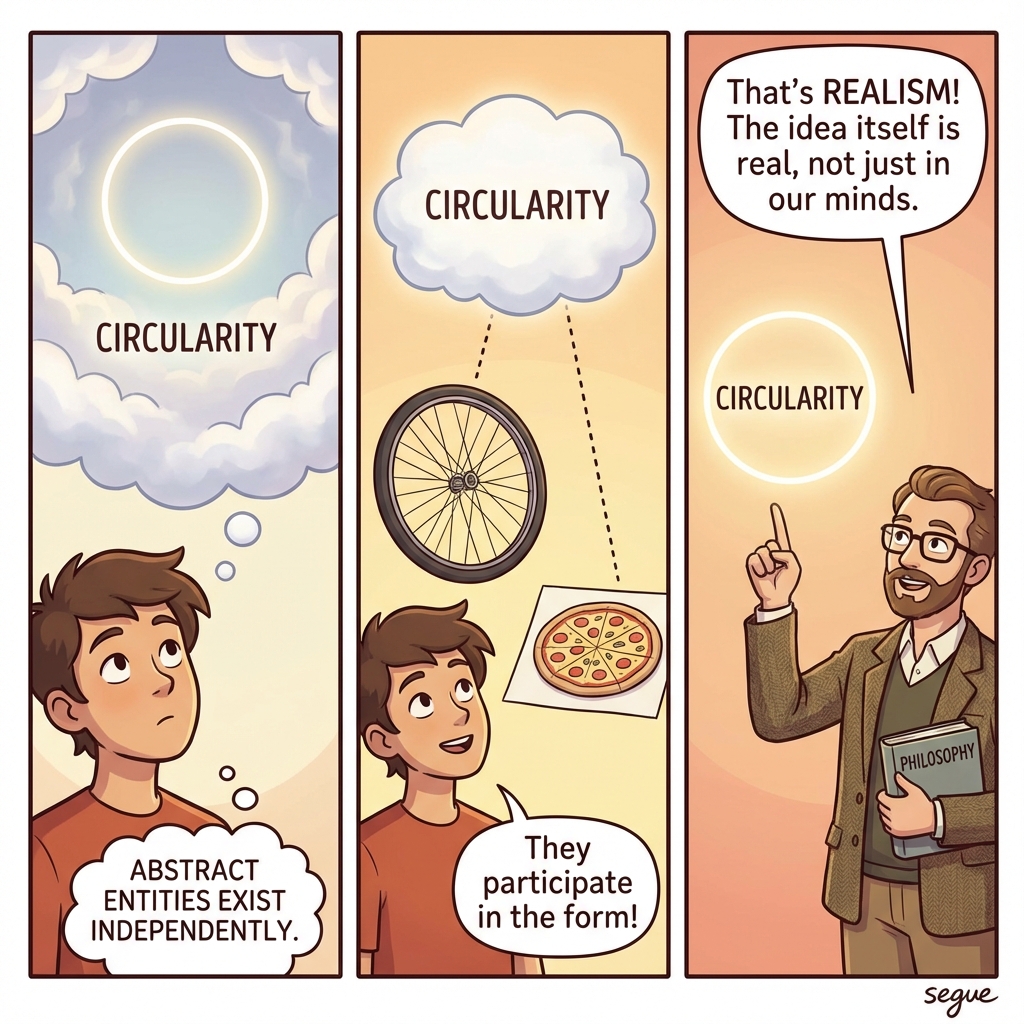
realism
/ˈɹiəɫɪzm/the view that abstract entities or universals exist independently
“Platonic realism holds that Forms exist in a transcendent realm.”
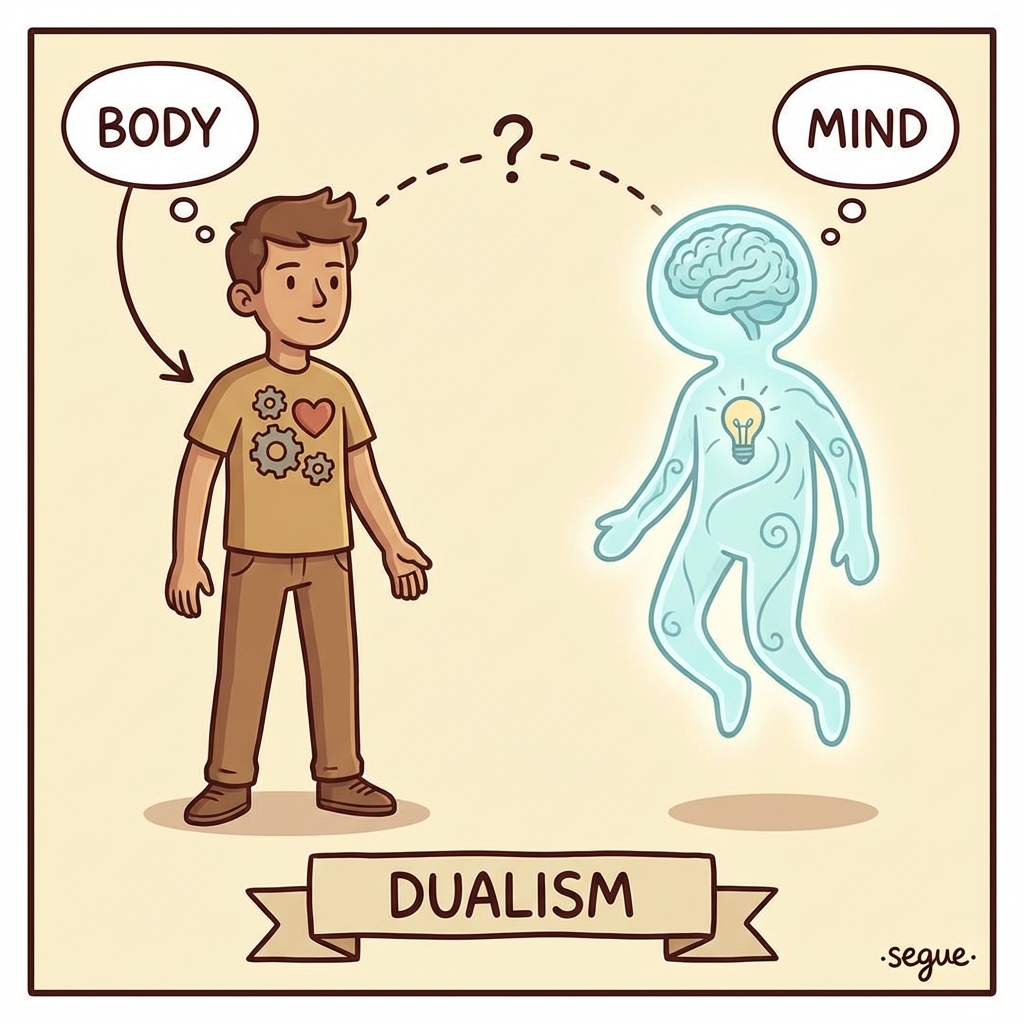
dualism
/ˈduəˌɫɪzəm/the view that mind and body are distinct substances
“Cartesian dualism separates mental and physical reality.”
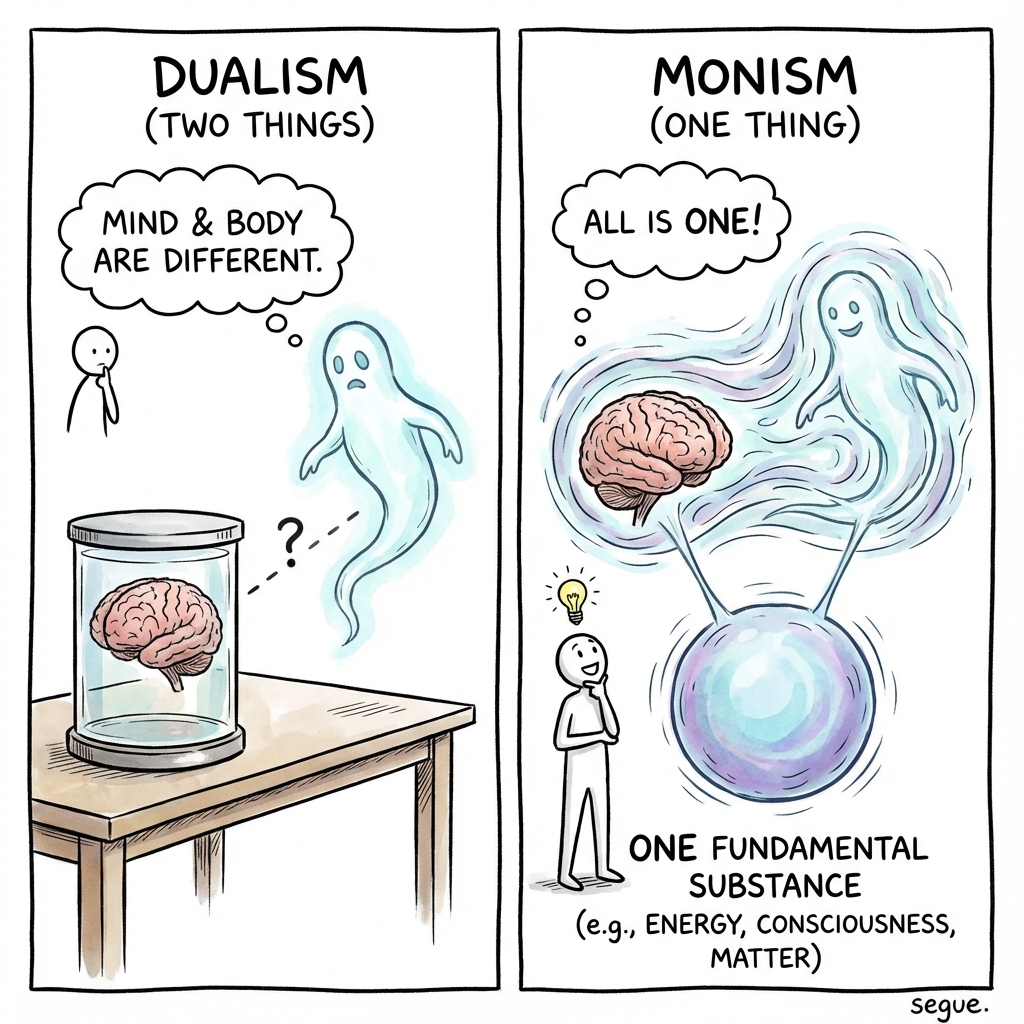
monism
/ˈmɑnɪzəm/the view that reality is fundamentally one kind of thing
“Spinoza's monism identified God with Nature.”
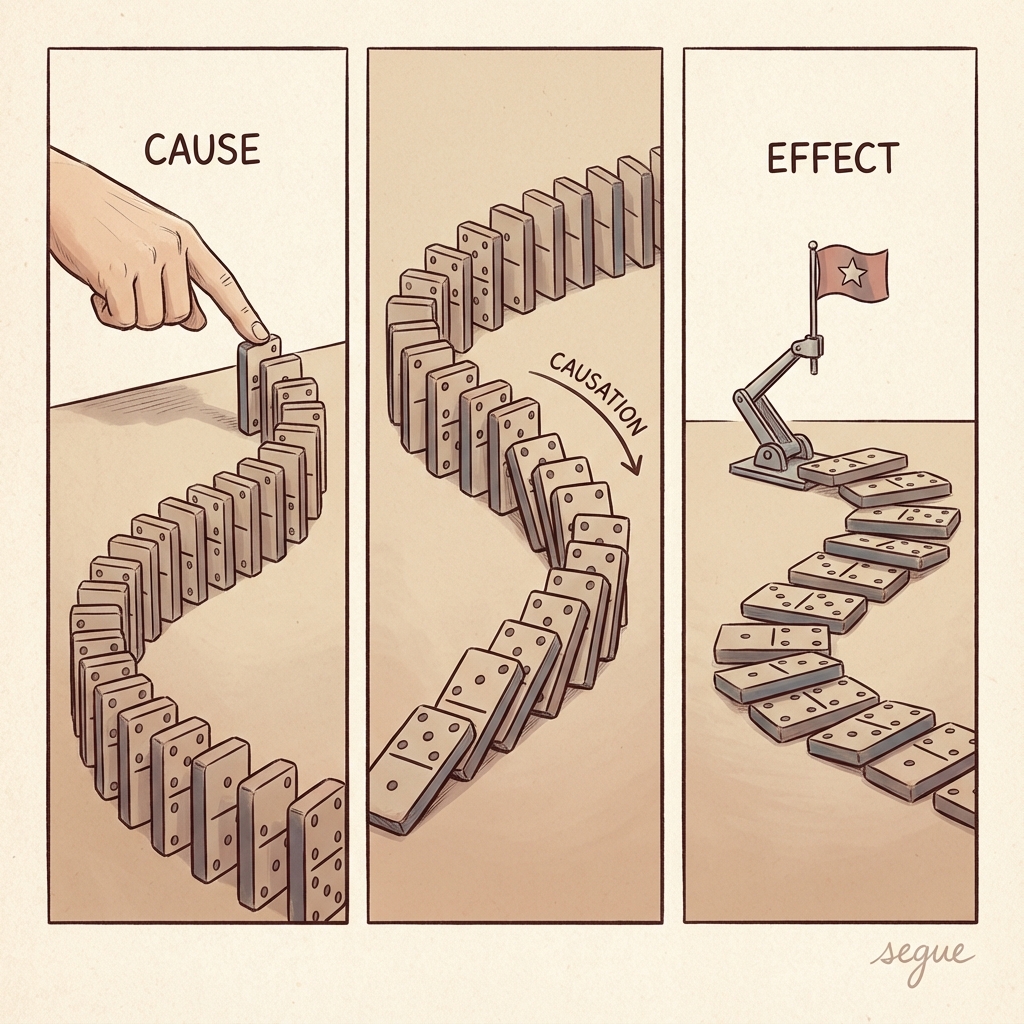
causation
/ˌkɔˈzeɪʃən/the relation between cause and effect
“Hume questioned whether we can know causation directly.”
More from Philosophy Extended
Explore other vocabulary categories in this collection.