Loading collection...
🏺
Mesopotamian Origins Vocabulary
Vocabulary from Sumer, Akkad, Babylon, and Assyria
14 words
All 14 Words
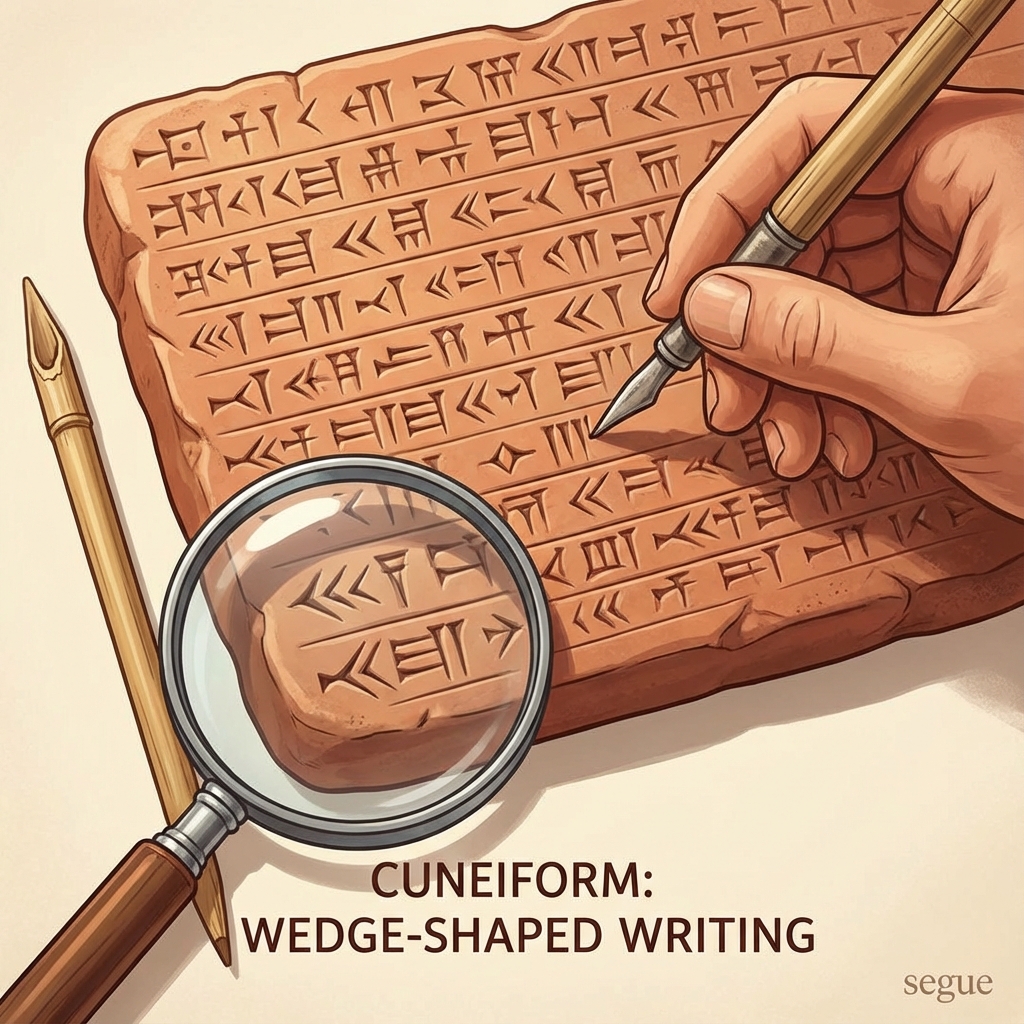
cuneiform
/ˈkjuniəˌfɔɹm/wedge-shaped ancient writing; characters composed of wedge-shaped strokes
“The tablet was covered in dense cuneiform script.”

babylonian
/ˌbæbəˈɫoʊniən/grand, magnificent, or decadent; relating to Babylon
“The party was a scene of Babylonian excess.”

ur-
prefix denoting the primitive, original, or earliest version of something
“It was the ur-text from which all other versions derived.”
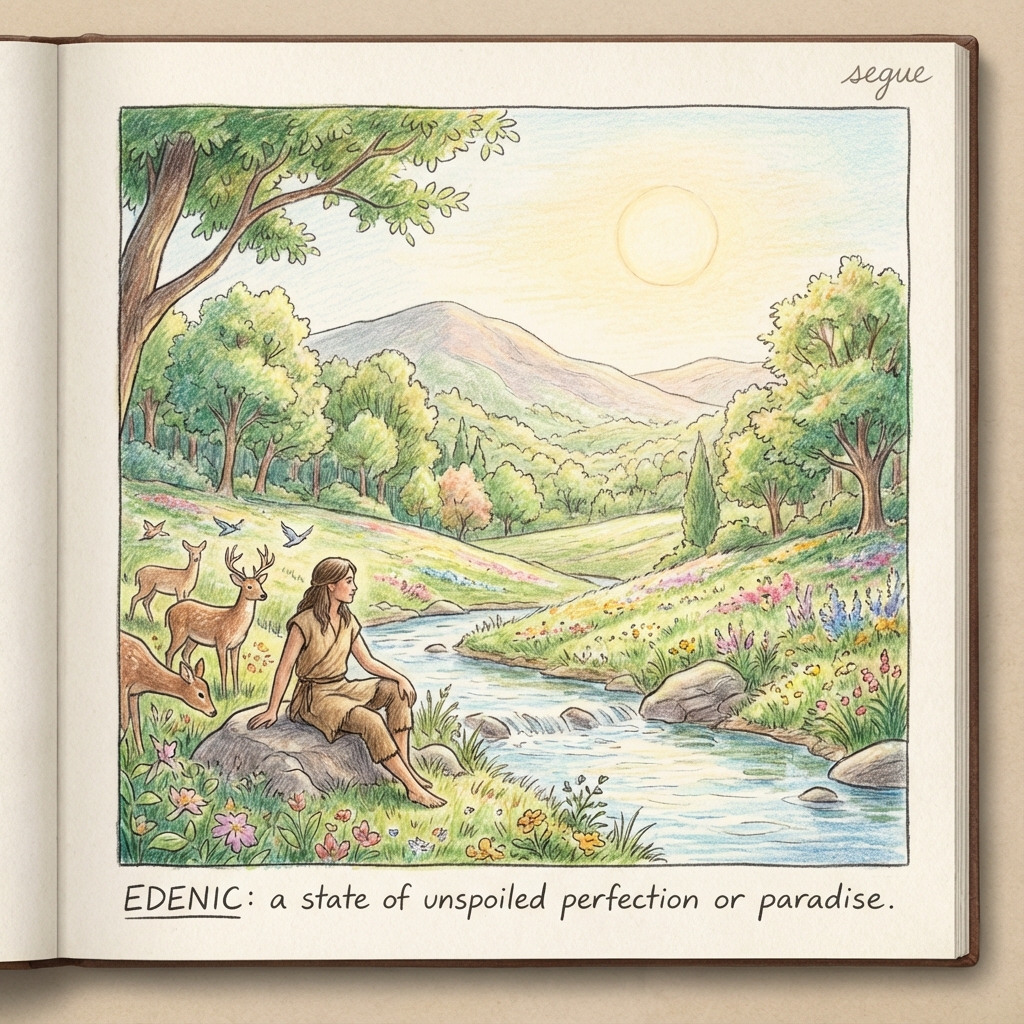
edenic
/iˈdenɪk/relating to a state of unspoiled perfection or paradise
“They found an edenic garden hidden in the valley.”
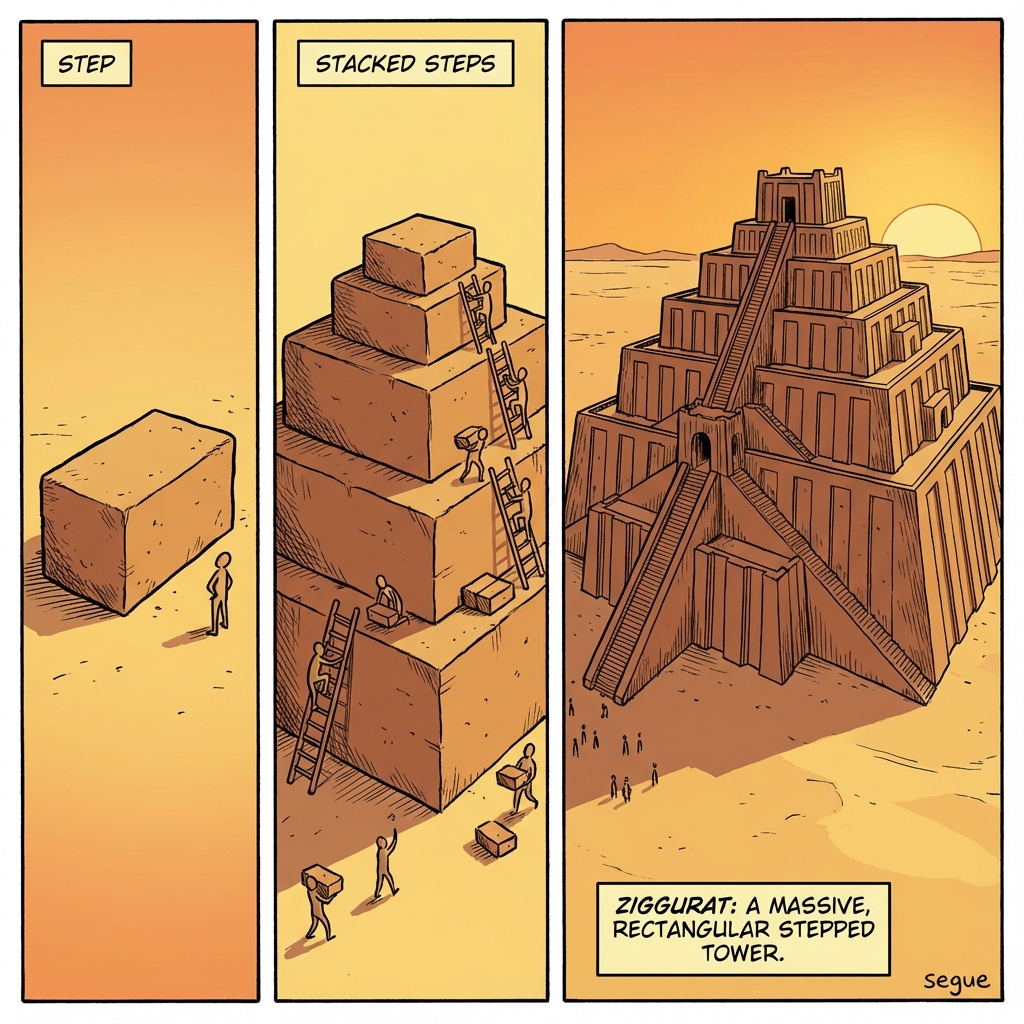
ziggurat
/ˈzɪɡɝˌæt/a rectangular stepped tower; a massive structure
“The corporate headquarters loomed like a glass ziggurat.”
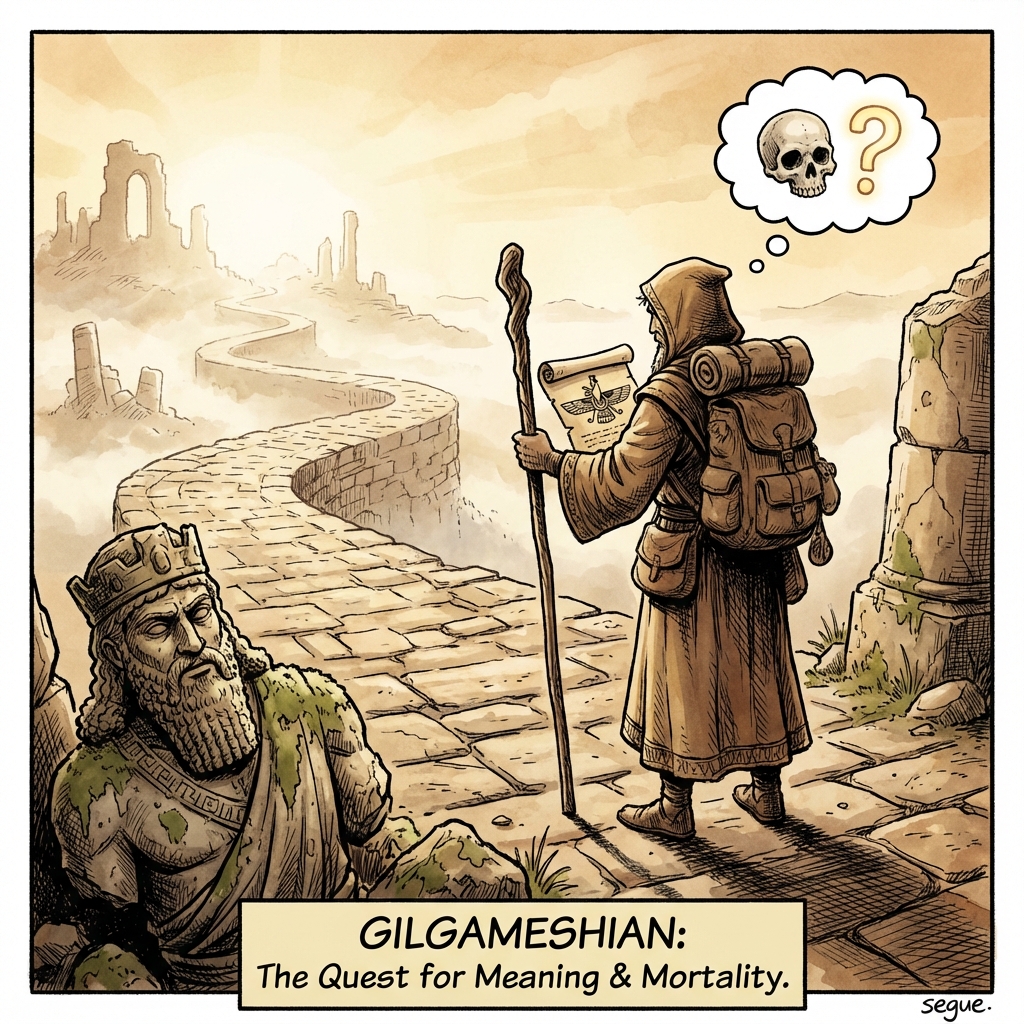
gilgameshian
/ˌɡɪlɡəˈmeʃiən/relating to epic heroic quests; dealing with mortality and meaning
“His gilgameshian search for purpose took him across continents.”
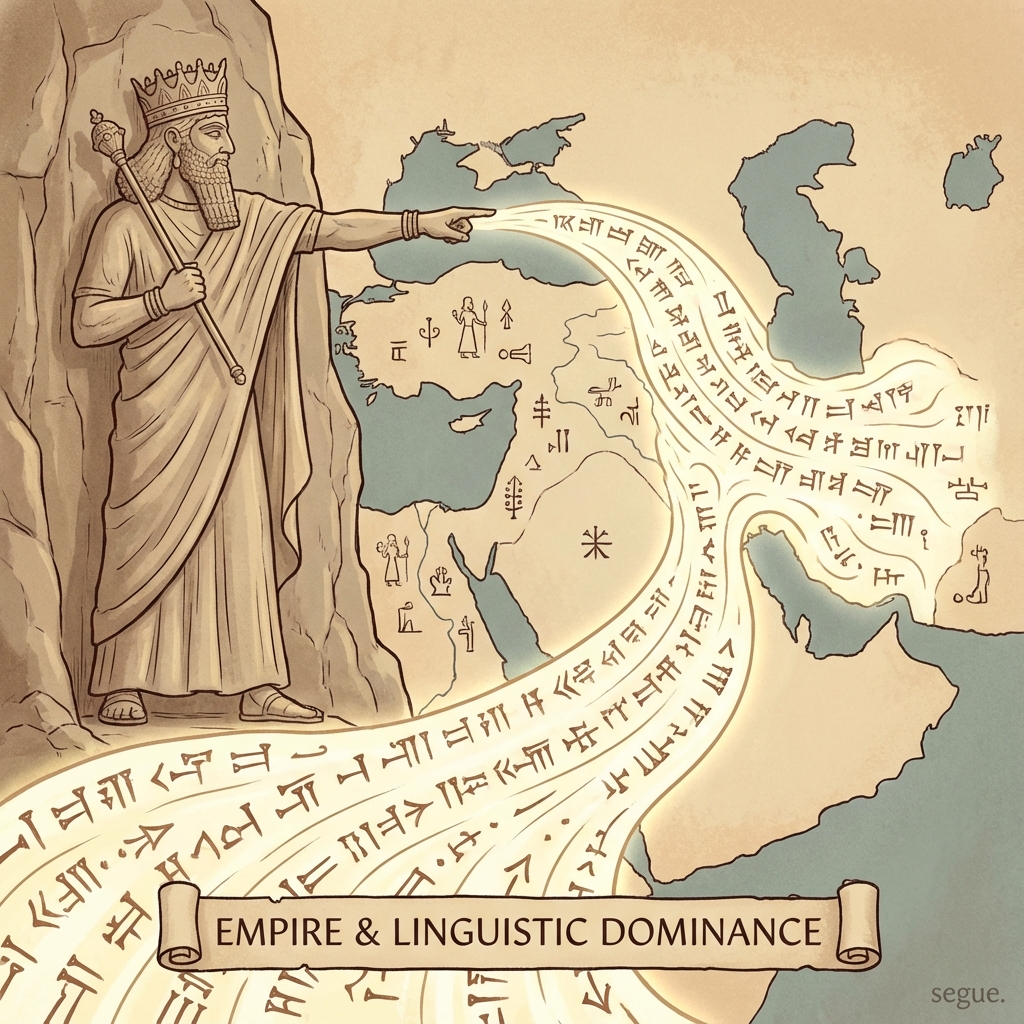
akkadian
/əˈkeɪdiən/relating to empire-building or linguistic dominance
“English has achieved akkadian status as a global lingua franca.”
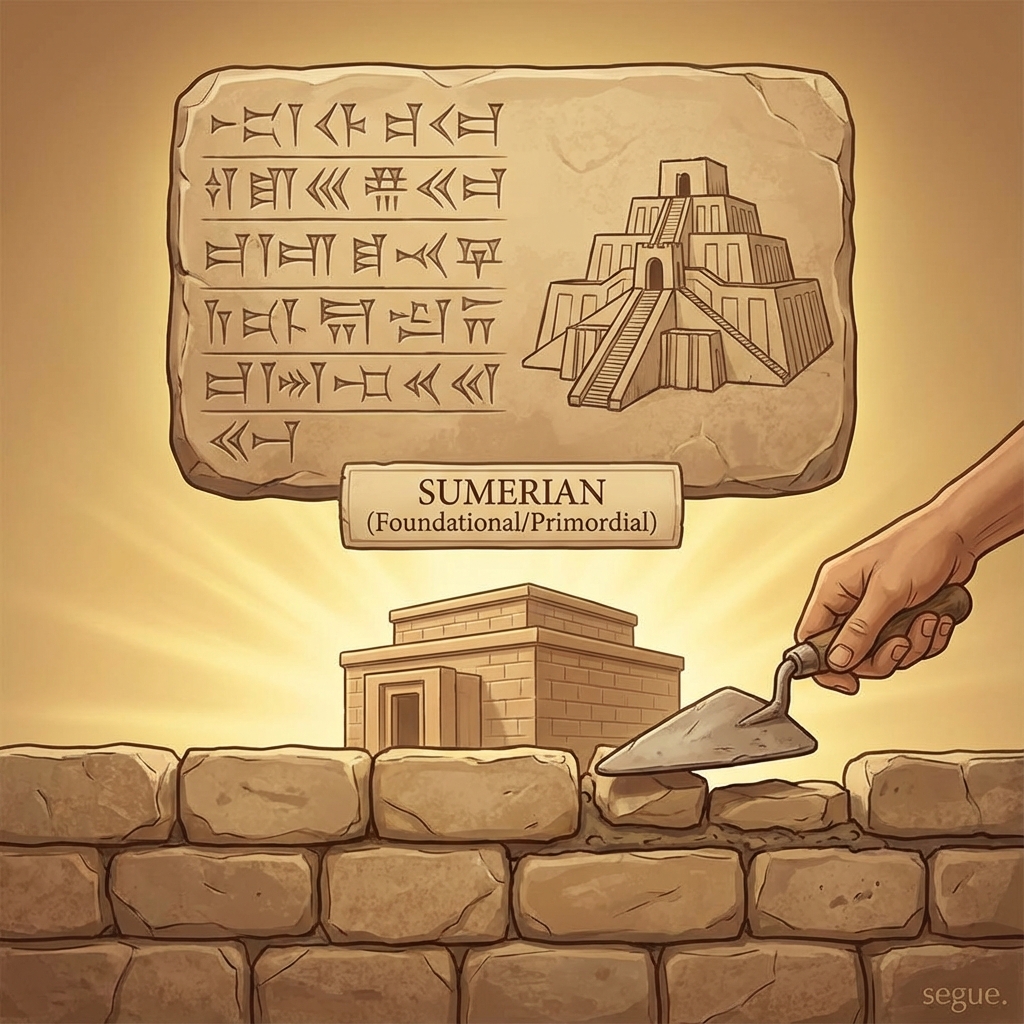
sumerian
/suːˈmɪəriən/relating to the origins of civilization; foundational or primordial
“The sumerian roots of writing still shape how we communicate.”
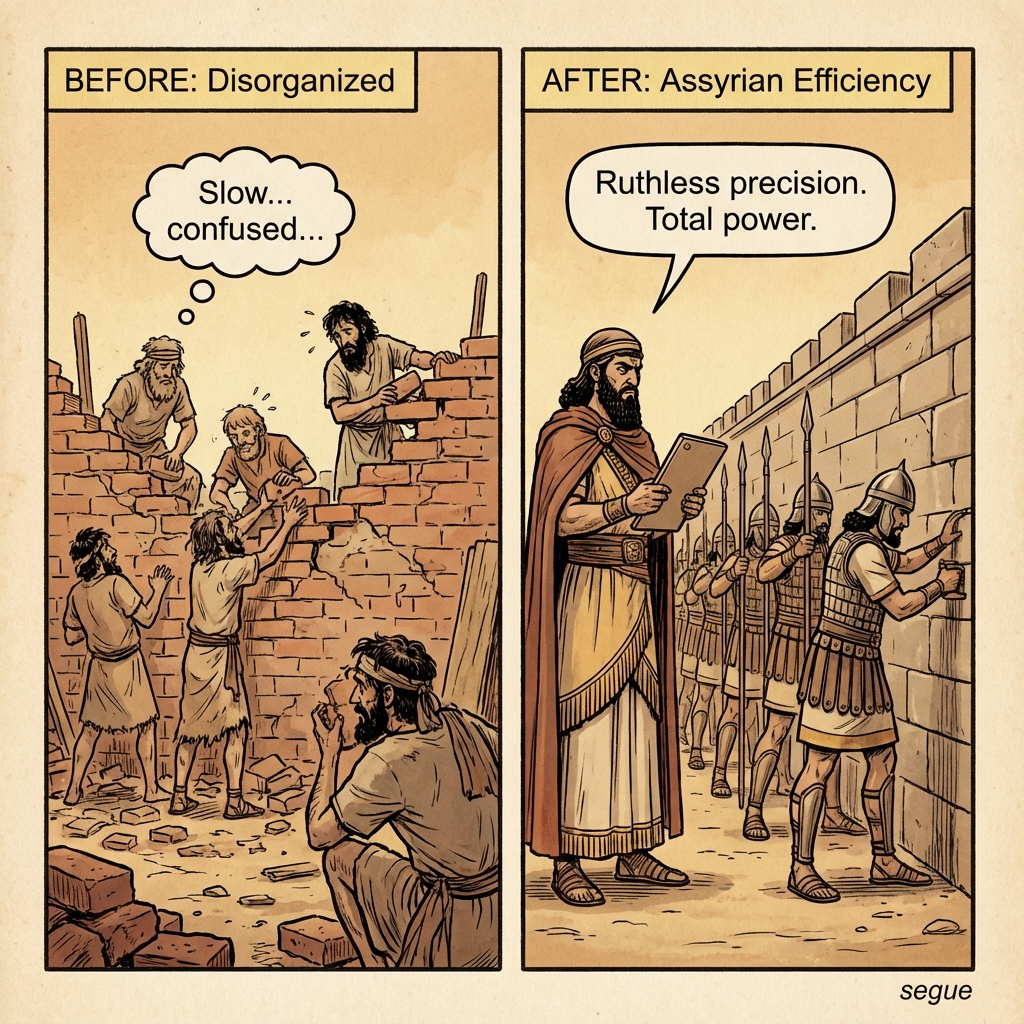
assyrian
/əˈsɪɹiən/ruthlessly efficient; militaristic and powerful
“The company pursued its competitors with assyrian ferocity.”
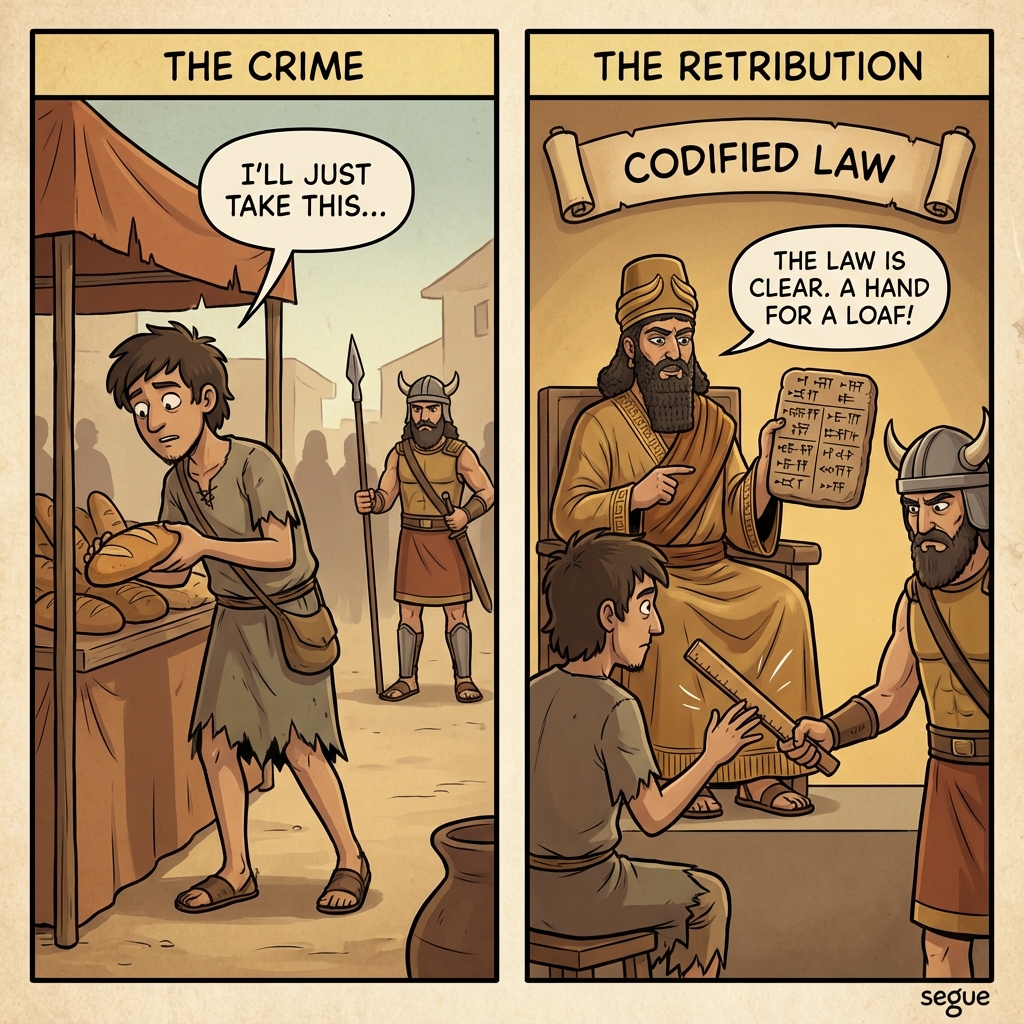
hammurabian
/ˌhæmʊˈrɑːbiən/relating to codified law; strictly retributive justice
“The hammurabian principle of 'eye for an eye' shaped legal thought.”

chaldean
/kælˈdiːən/relating to astrology, divination, or esoteric knowledge
“The chaldean priests read omens in the stars.”
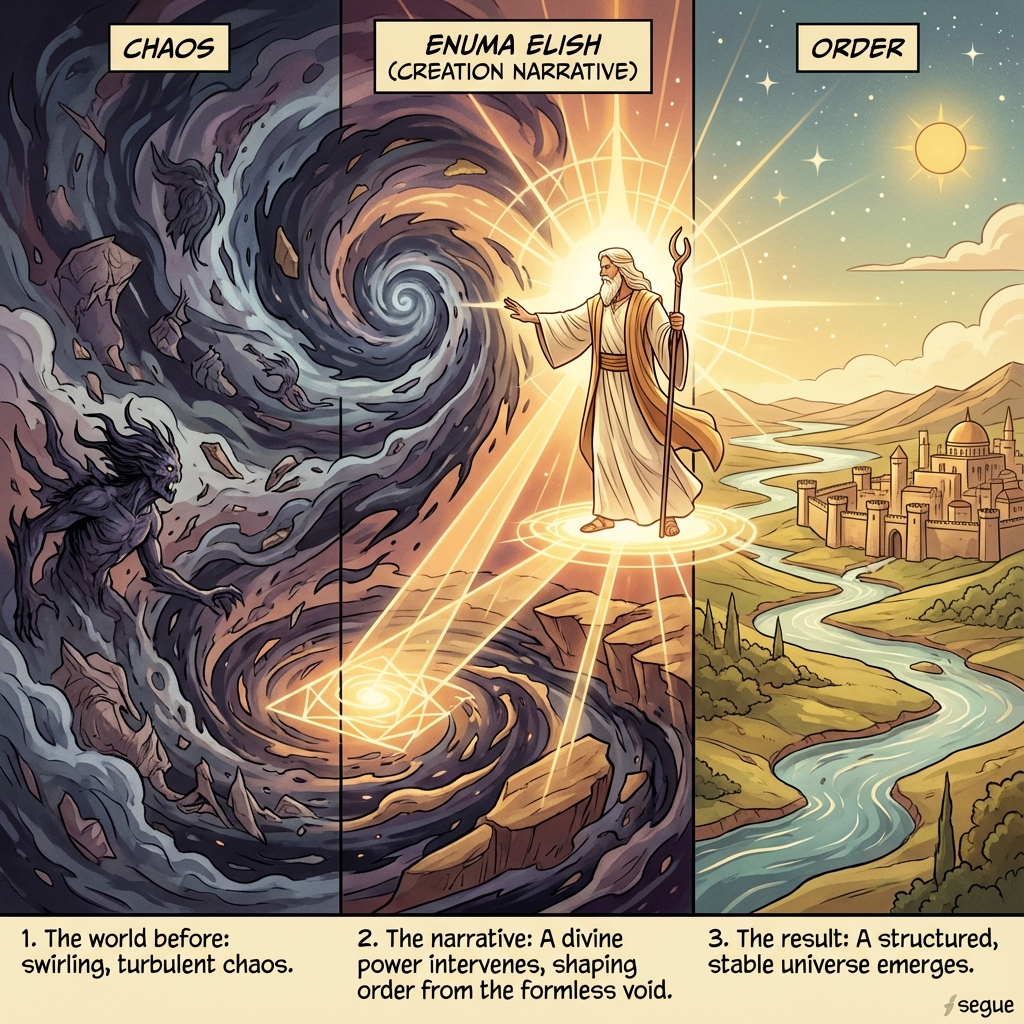
enuma elish
/eɪˌnuːmə ˈelɪʃ/a creation narrative; the story of how order emerged from chaos
“Every culture has its own enuma elish explaining origins.”
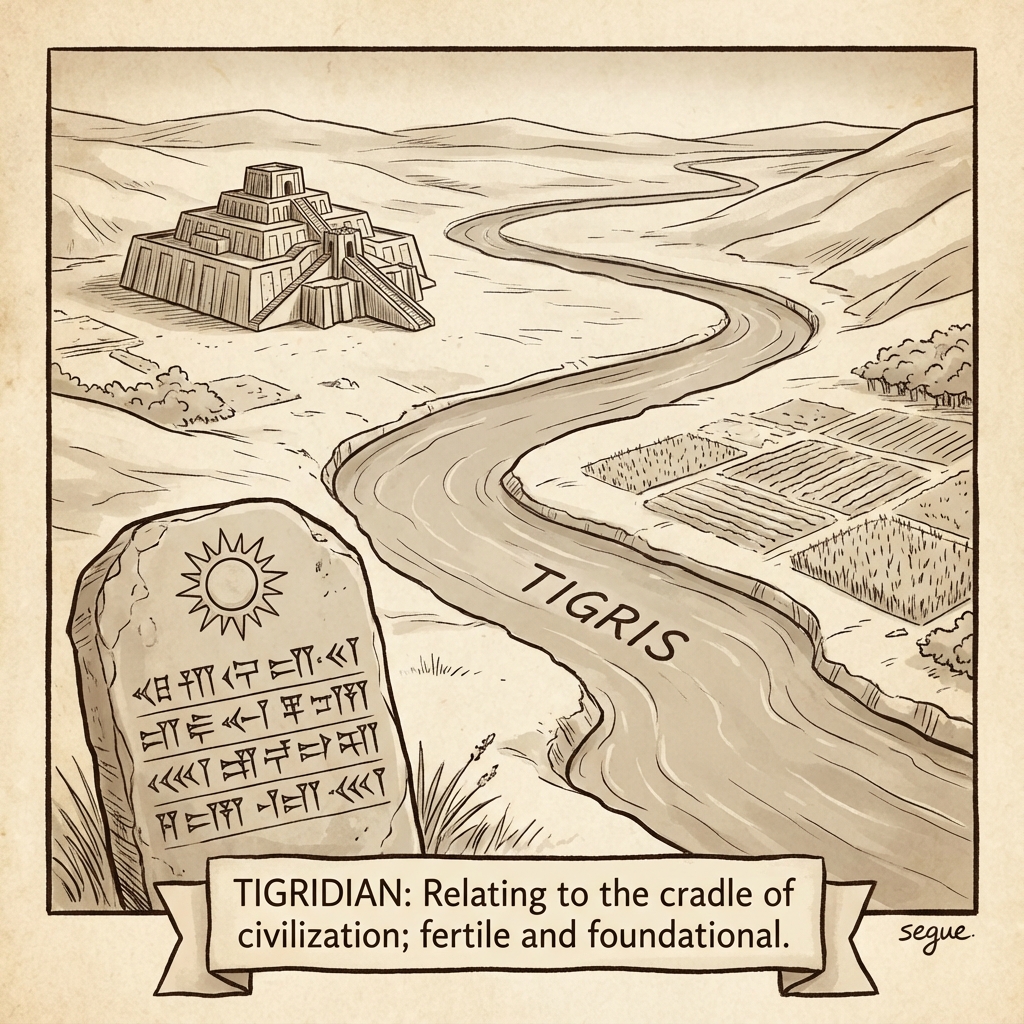
tigridian
/tɪˈɡrɪdiən/relating to the cradle of civilization; fertile and foundational
“The tigridian valley gave birth to agriculture and cities.”
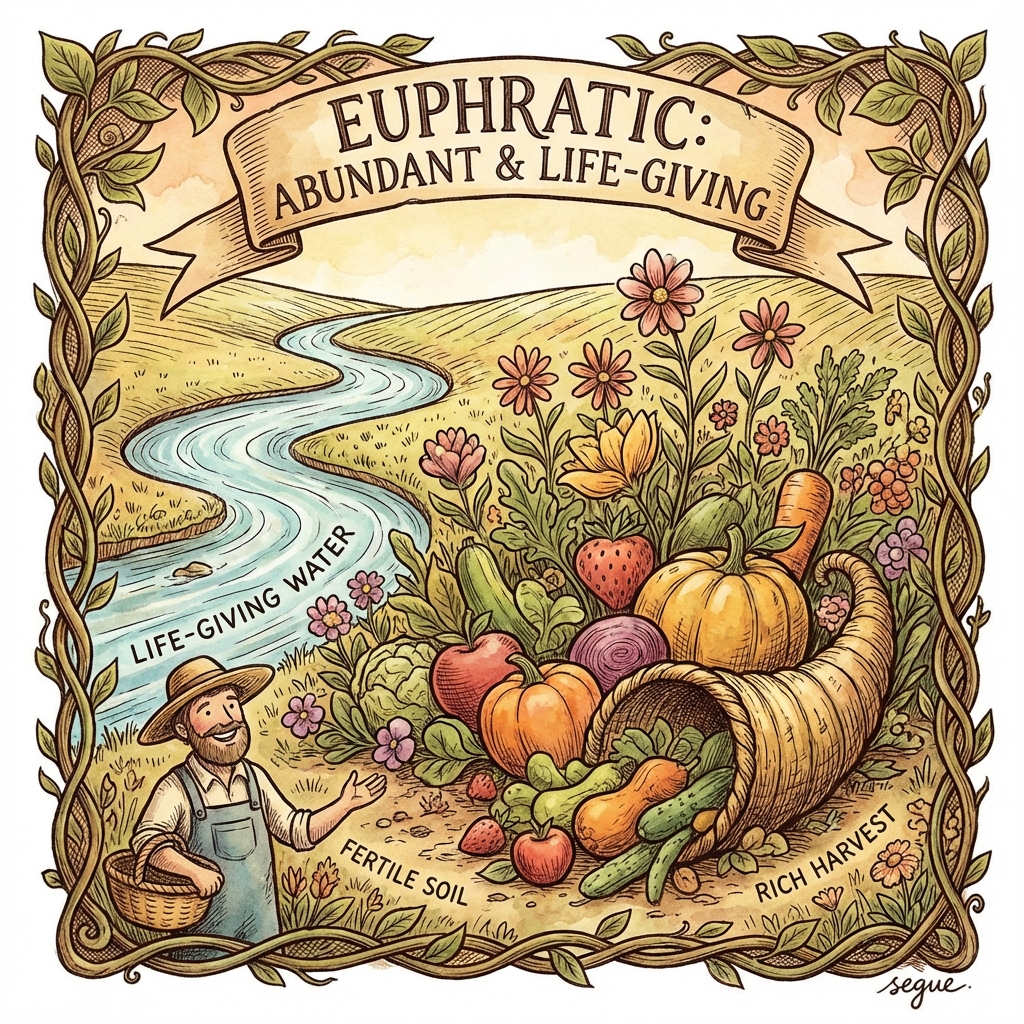
euphratic
/juːˈfreɪtɪk/abundant and life-giving; relating to fertile abundance
“The euphratic soil yielded crops for millennia.”
More from Ancient World & Mythos
Explore other vocabulary categories in this collection.