Loading collection...
☀️
Lunar & Solar Vocabulary
Terms relating to the sun, moon, and their influences
7 words
All 7 Words
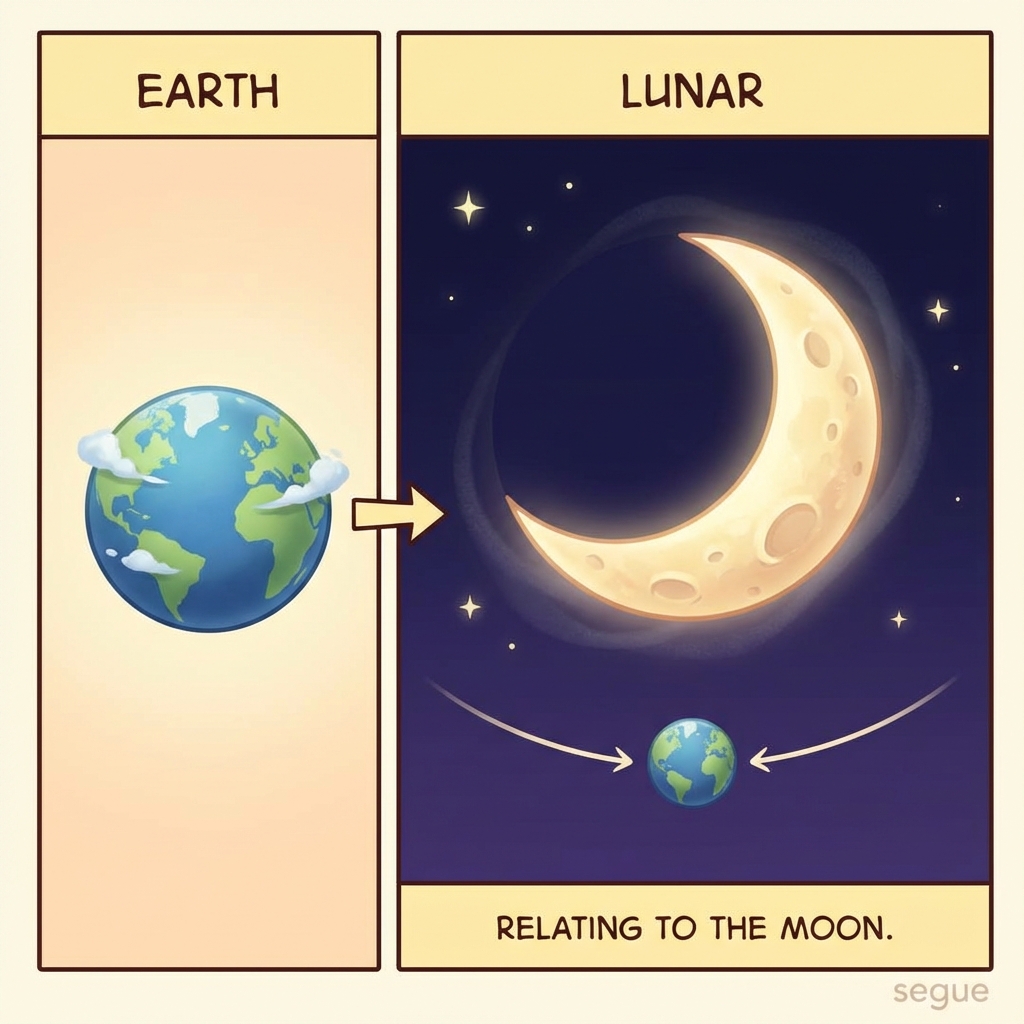
lunar
/ˈɫunɝ/relating to the moon; influenced by or resembling the moon
“The lunar landscape was barren and cratered.”
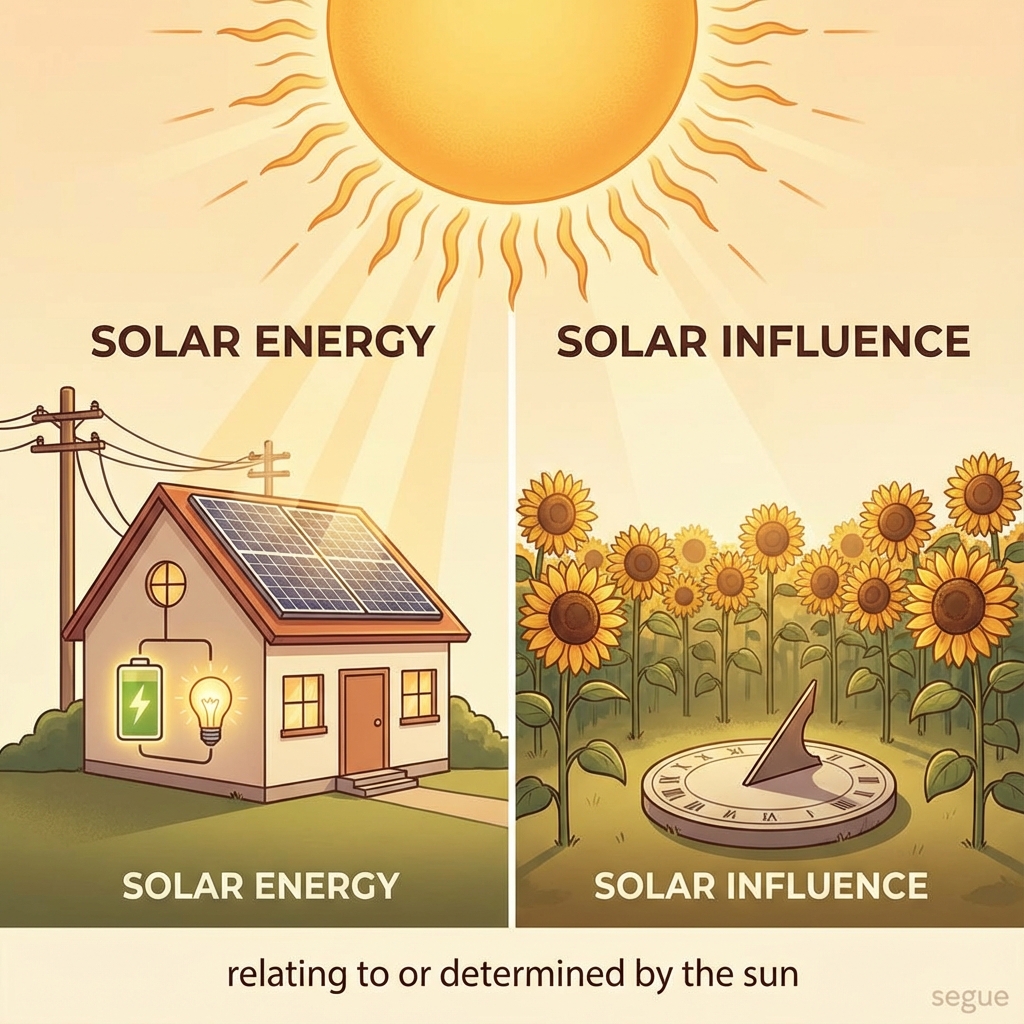
solar
/ˈsoʊɫɝ/relating to or determined by the sun
“The solar calendar replaced the lunar one.”
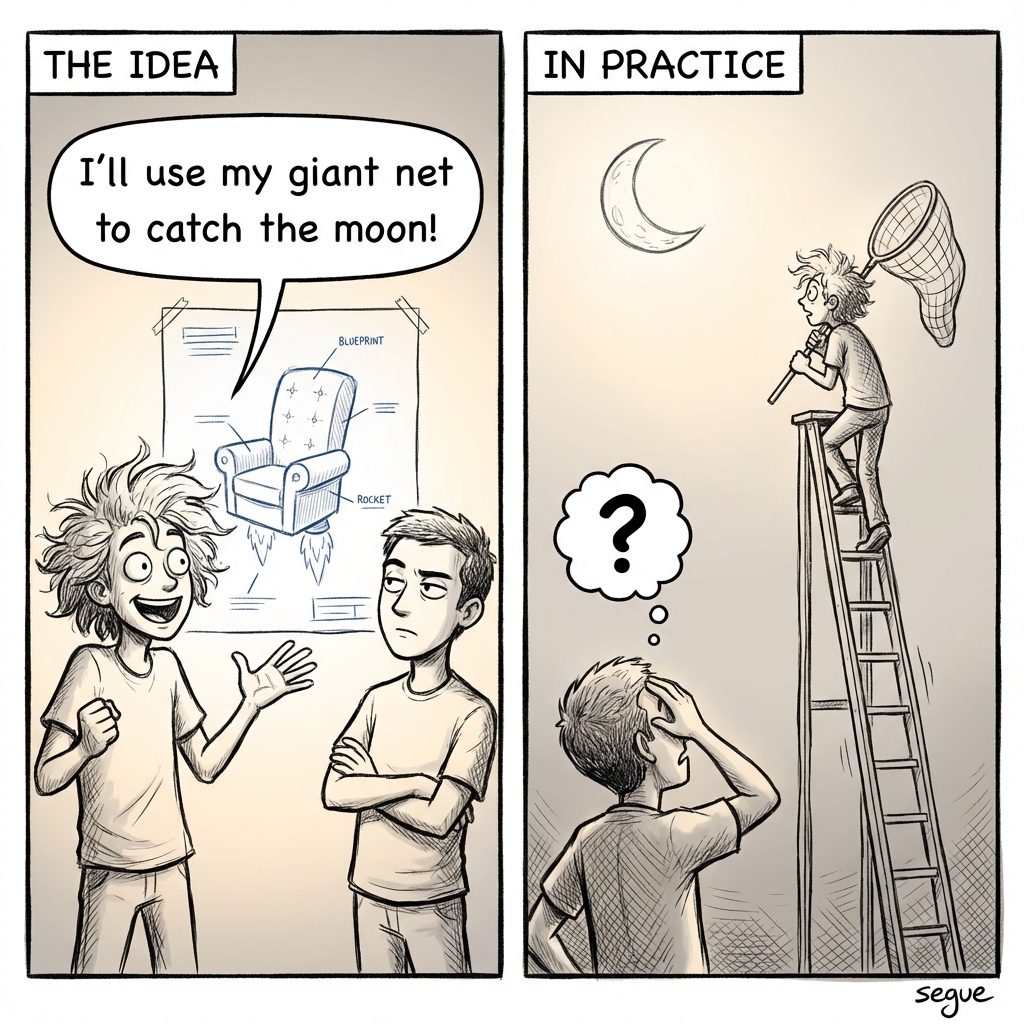
lunatic
/ˈɫunəˌtɪk/mentally ill; wildly foolish or impractical
“The lunatic scheme was doomed from the start.”
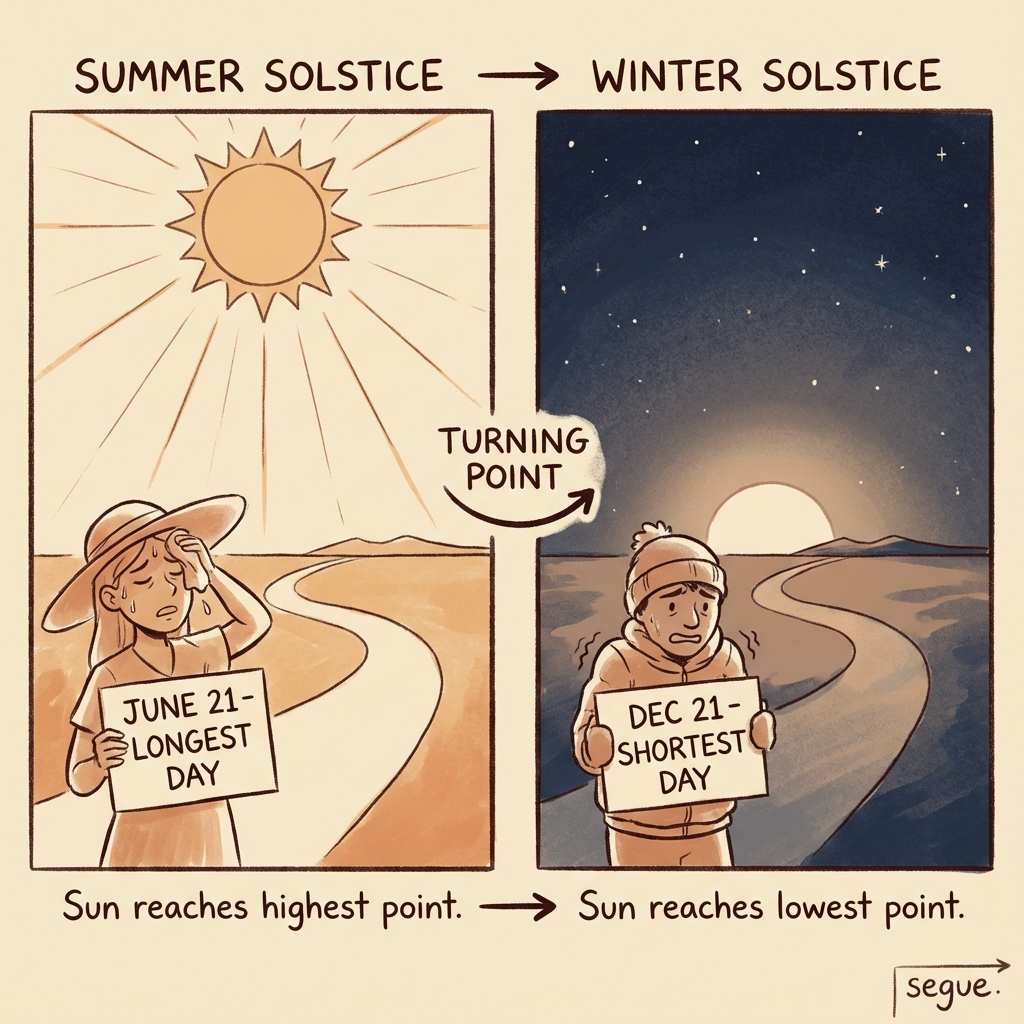
solstice
/ˈsɔɫstɪs/the point at which the sun reaches its highest or lowest point; a turning point
“The winter solstice marked the start of longer days.”
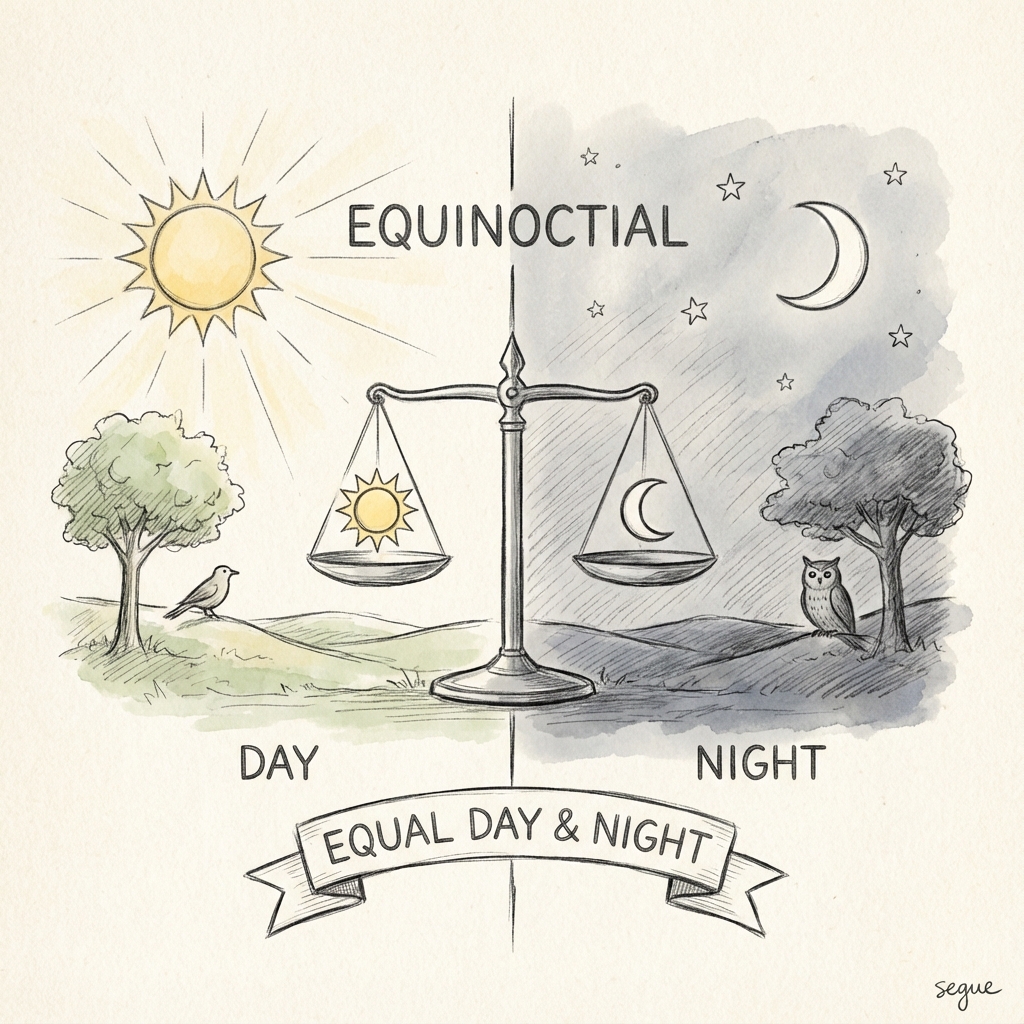
equinoctial
/ˌiːkwɪˈnɒkʃəl/relating to an equinox; having equal day and night
“The equinoctial storms arrived with predictable fury.”
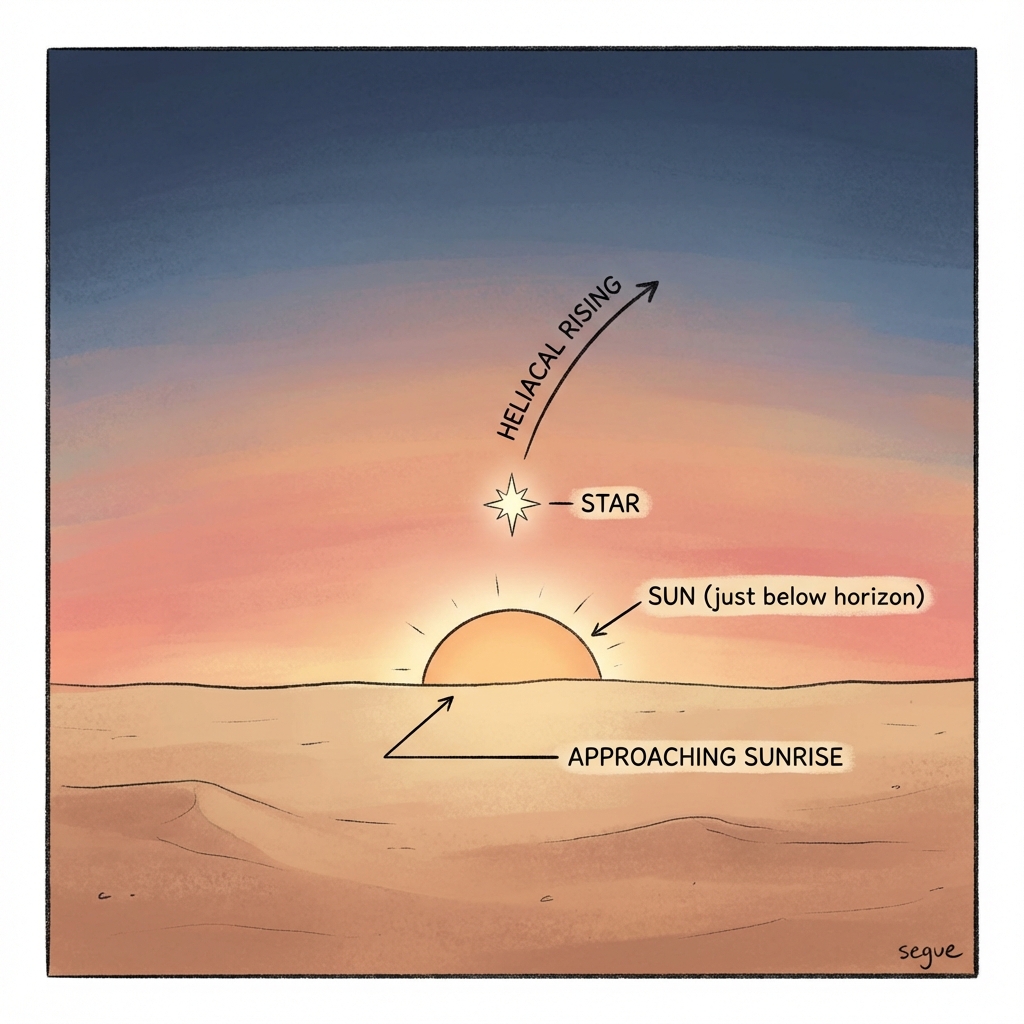
heliacal
/hɪˈlaɪəkəl/relating to or near the sun; rising just before sunrise
“The heliacal rising of Sirius marked the Egyptian new year.”
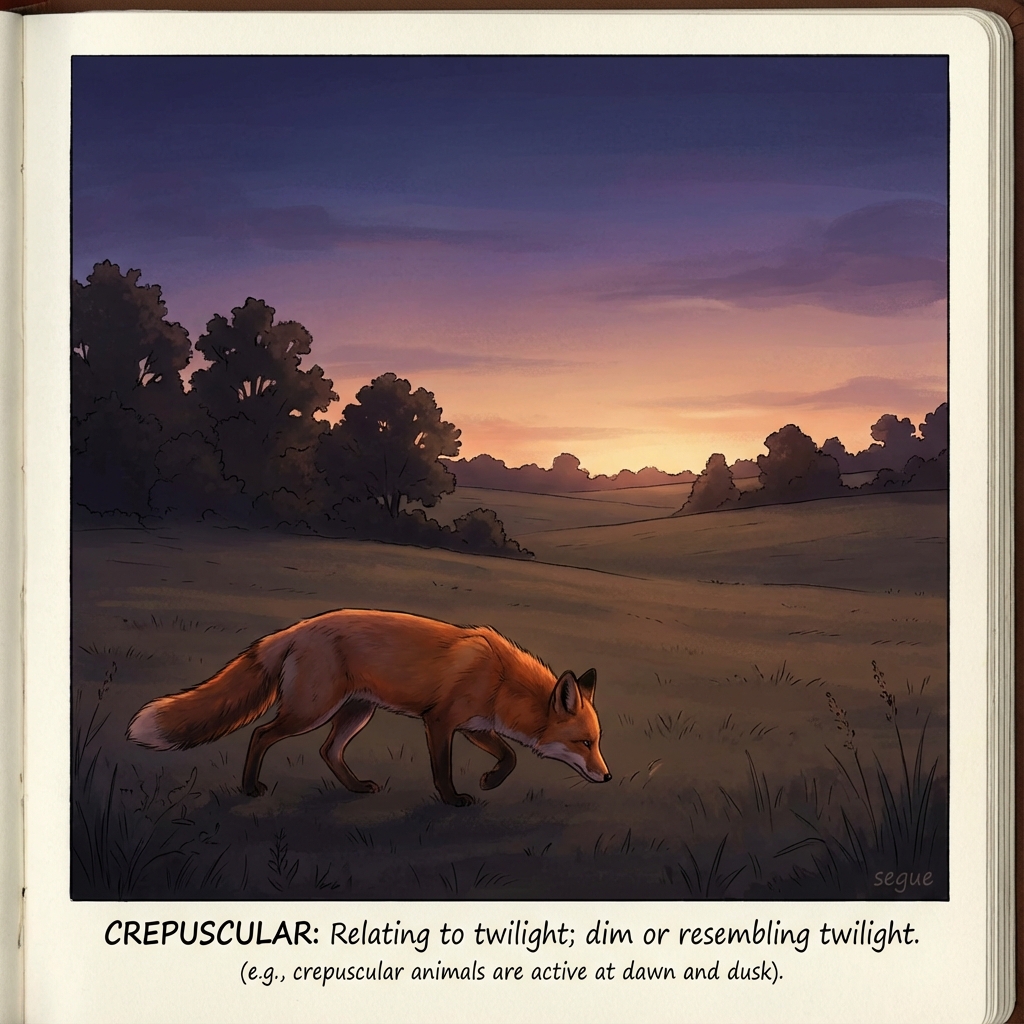
crepuscular
/krɪˈpʌskjʊlər/relating to twilight; dim or resembling twilight
“The crepuscular light softened the harsh landscape.”
More from Ancient World & Mythos
Explore other vocabulary categories in this collection.