Loading collection...
🧩
Logical Forms Vocabulary
Words for types of reasoning and arguments
10 words
All 10 Words
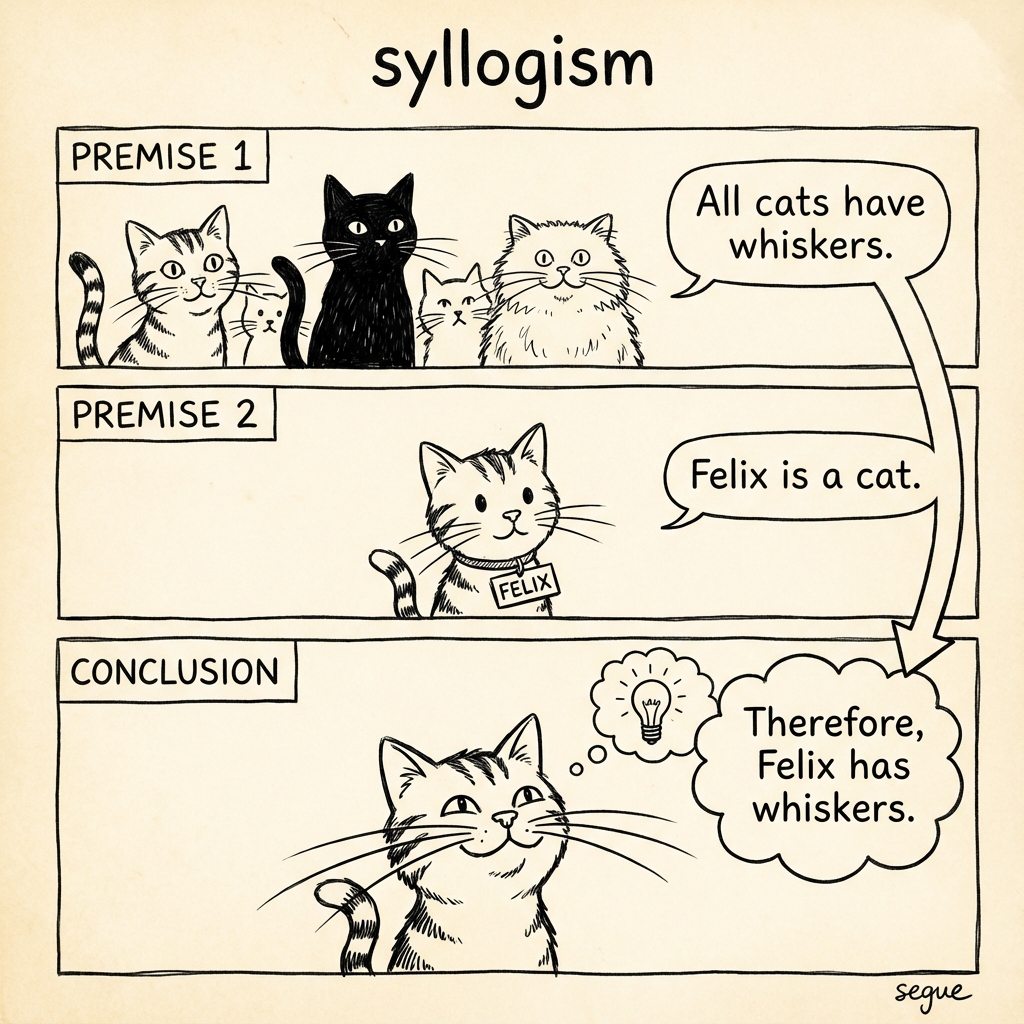
syllogism
/ˈsɪlədʒɪzəm/a form of reasoning with two premises leading to a conclusion
“The classic syllogism: All men are mortal; Socrates is a man; therefore, Socrates is mortal.”
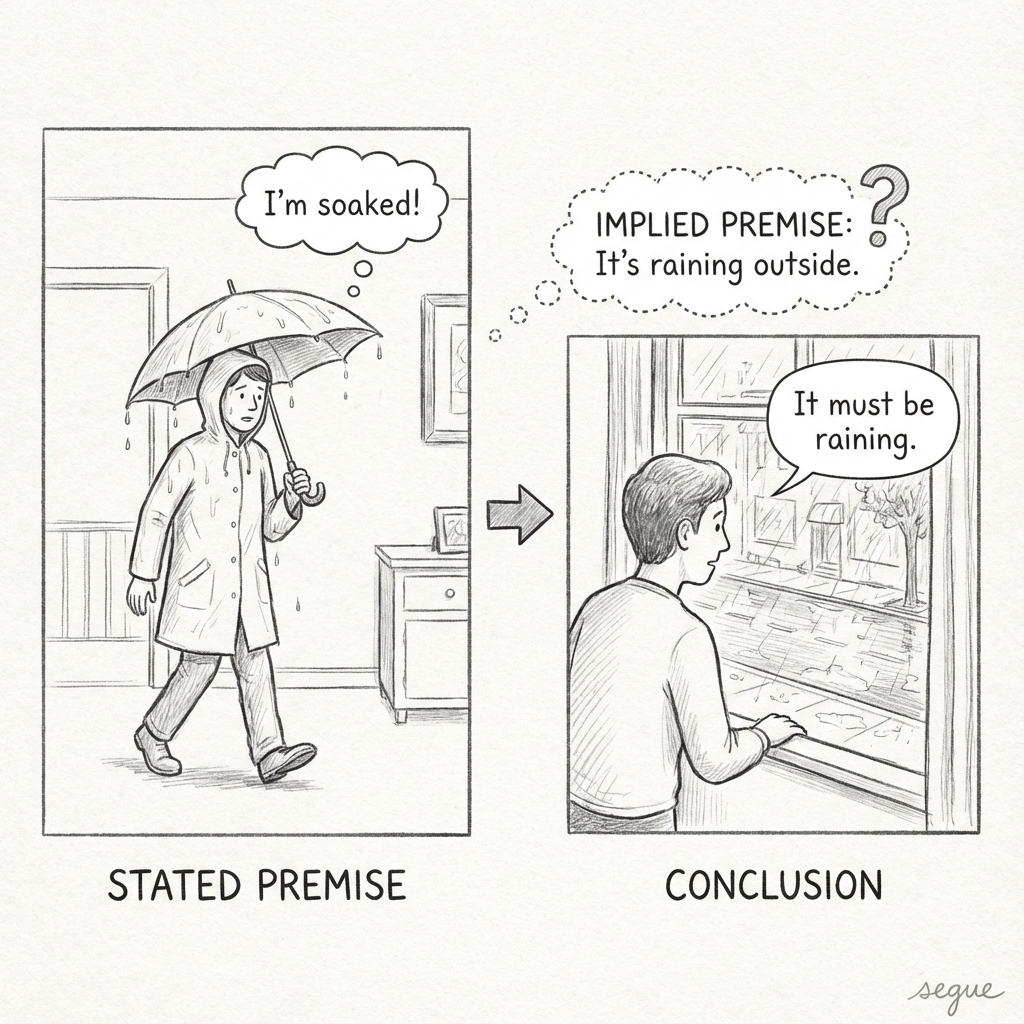
enthymeme
/ˈenθɪmiːm/an argument where one premise is implied rather than stated
“He's a politician, so he must be dishonest—an enthymeme assuming all politicians are dishonest.”
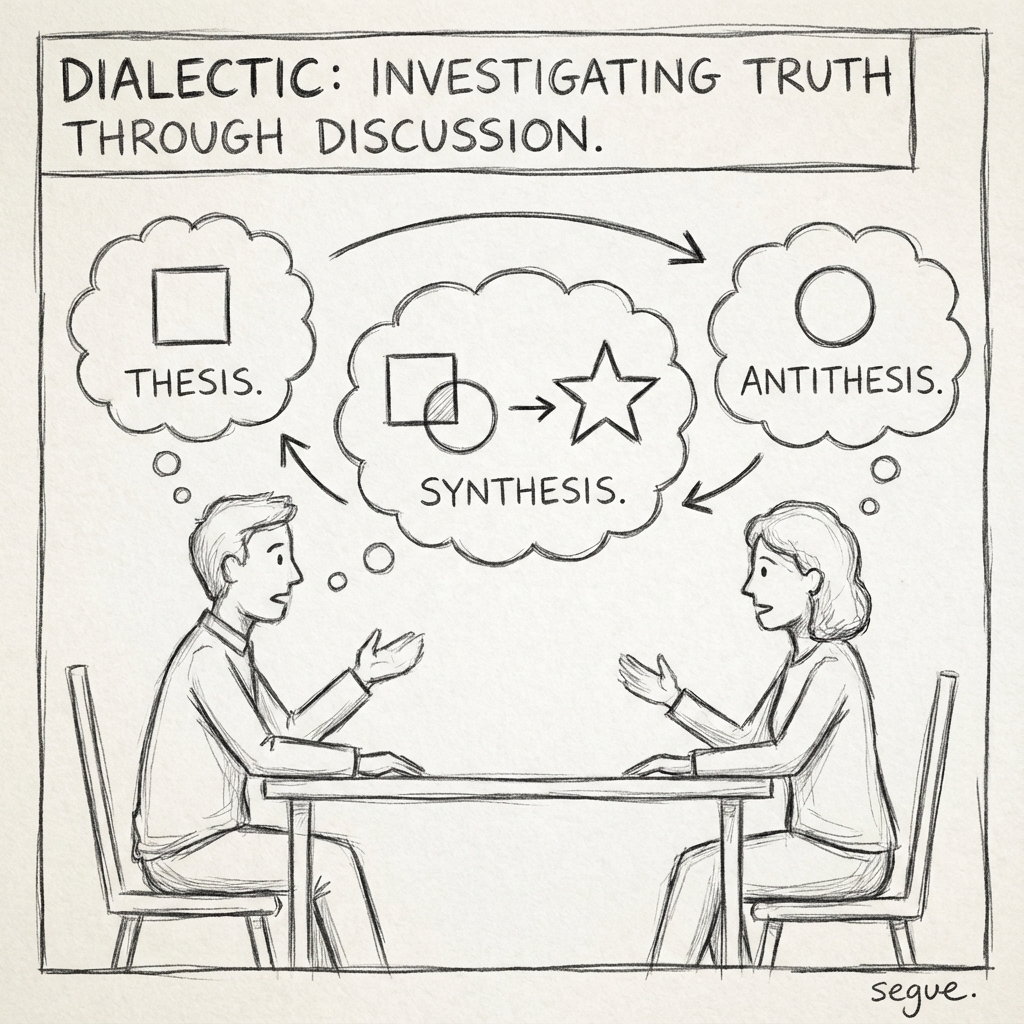
dialectic
/ˌdaɪəˈɫɛktɪk/the art of investigating truth through discussion and reasoning
“Socratic dialectic involves questioning assumptions to reach deeper truths.”
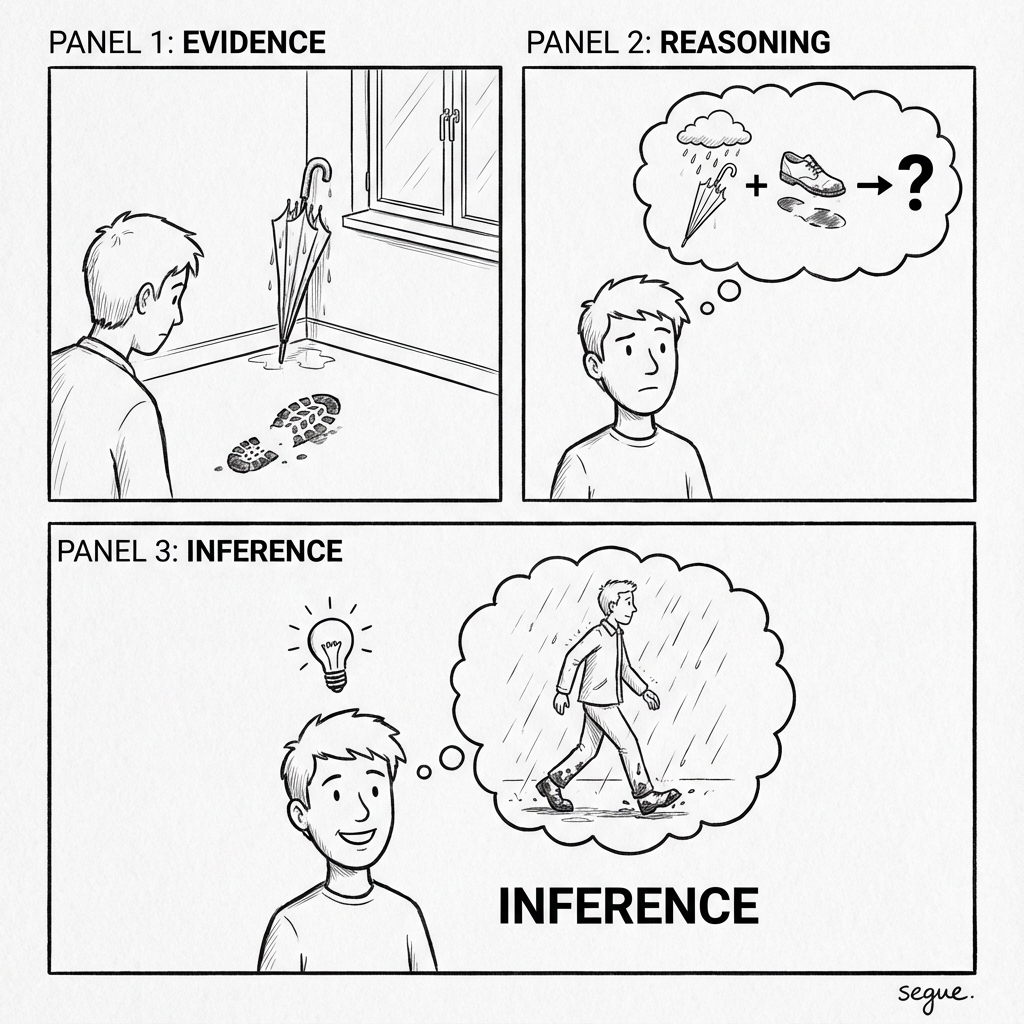
inference
/ˈɪnfɝəns/a conclusion reached on the basis of evidence and reasoning
“The detective drew an inference from the scattered clues.”
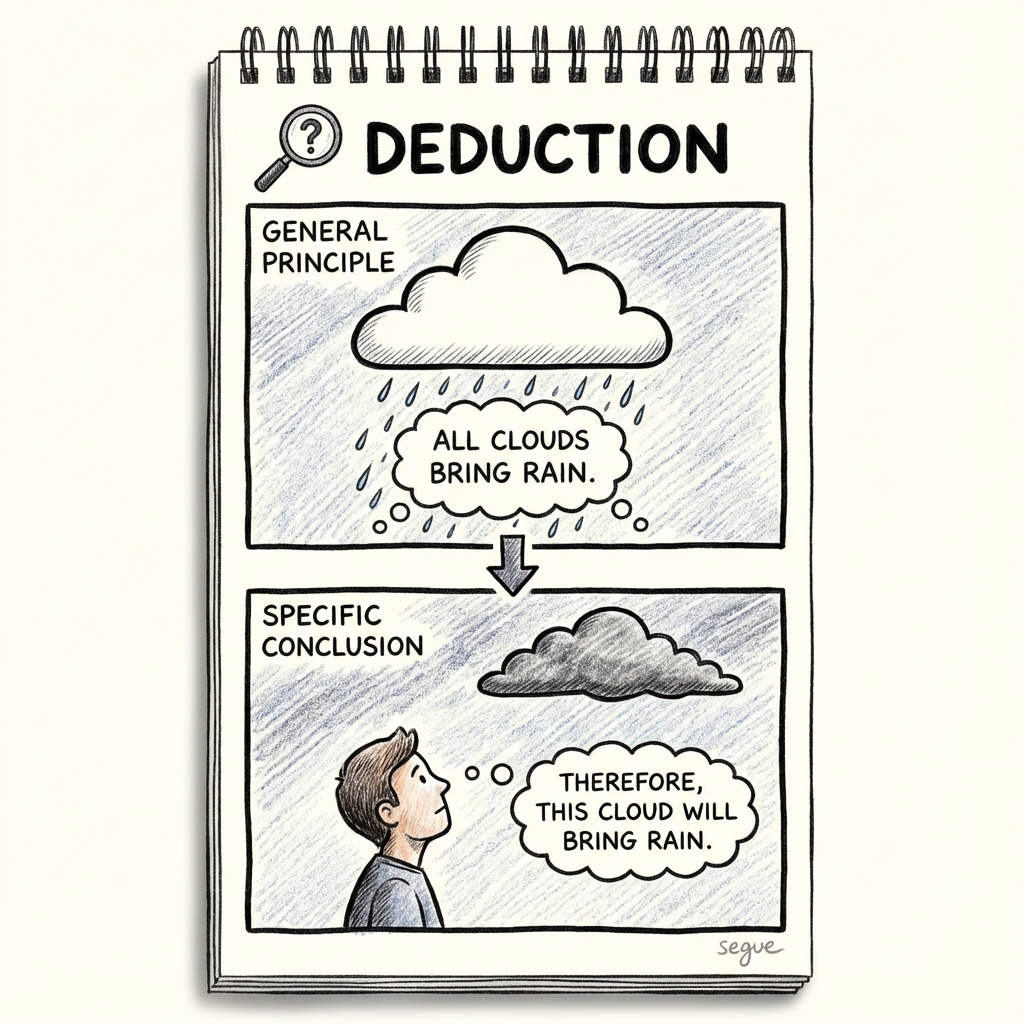
deduction
/dɪˈdəkʃən/reasoning from general principles to specific conclusions
“Through deduction, we can determine the culprit from these facts.”
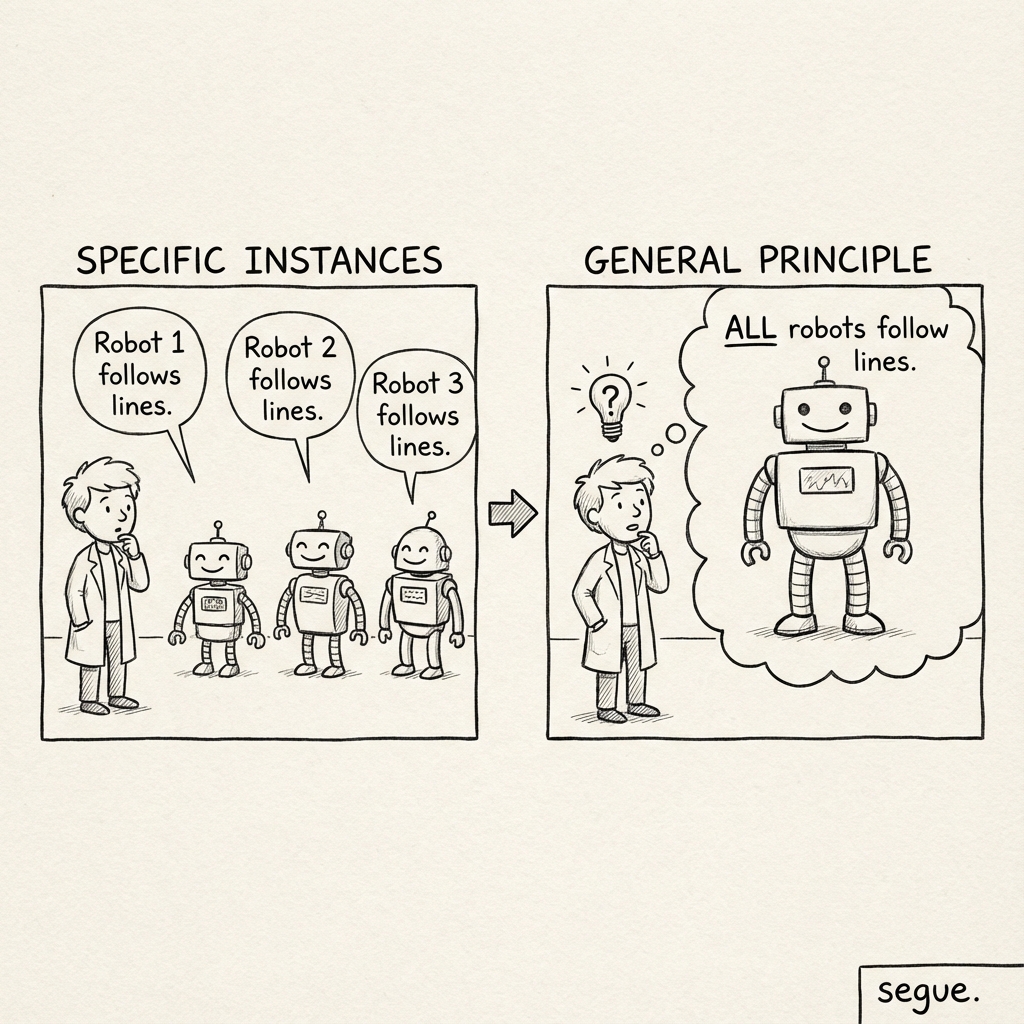
induction
/ˌɪnˈdəkʃən/reasoning from specific instances to general principles
“Scientific induction involves generalizing from observed data.”
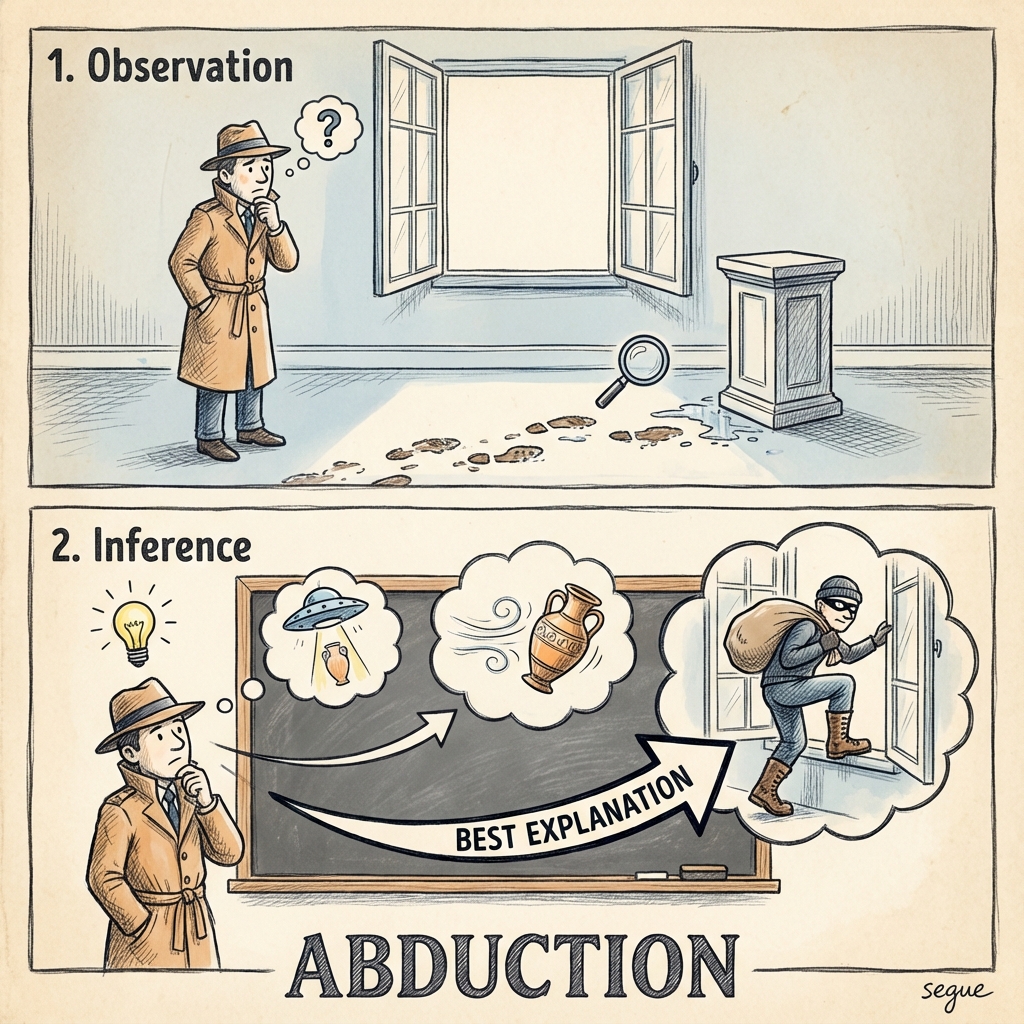
abduction
/æbˈdəkʃən/inference to the best explanation
“Abductive reasoning suggests the most likely cause of these symptoms.”
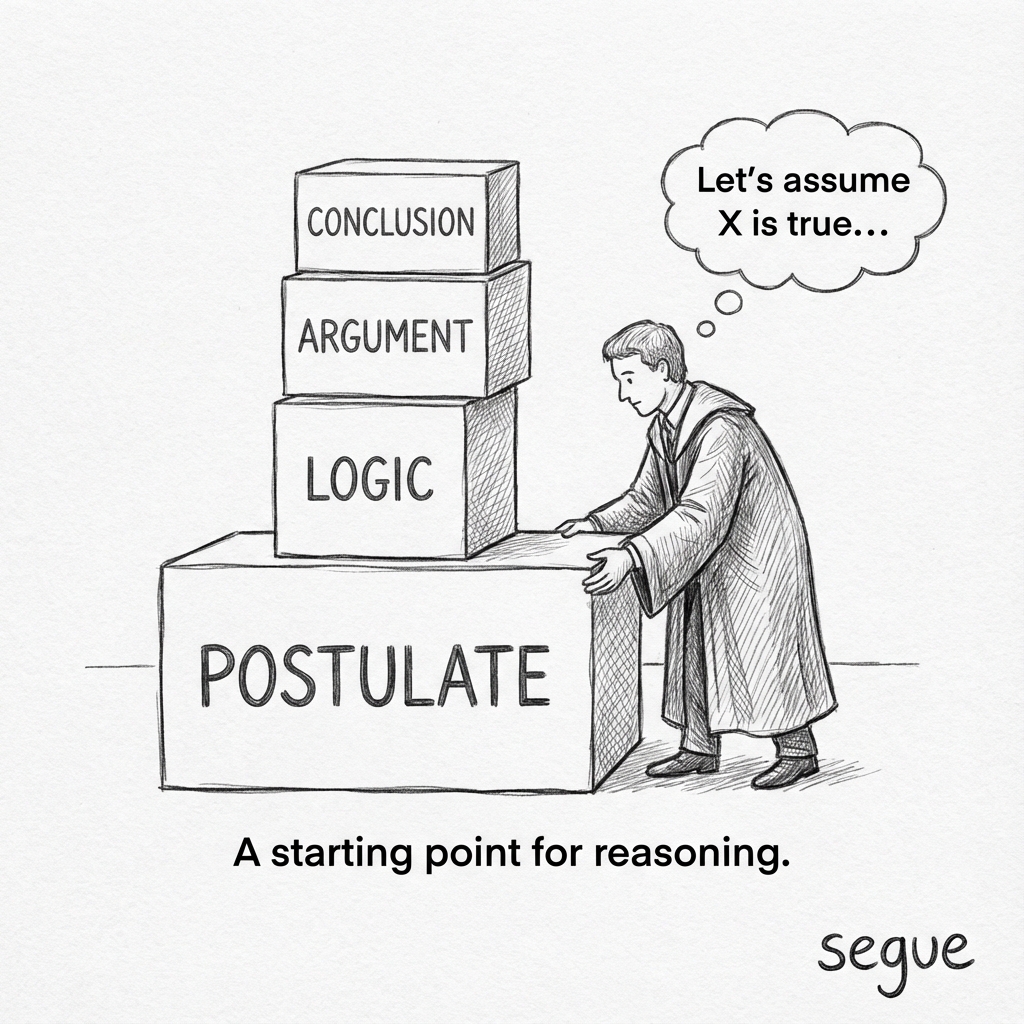
postulate
/ˈpɑstʃəˌɫeɪt/a thing suggested as a basis for reasoning
“Let us postulate that human behavior is fundamentally rational.”
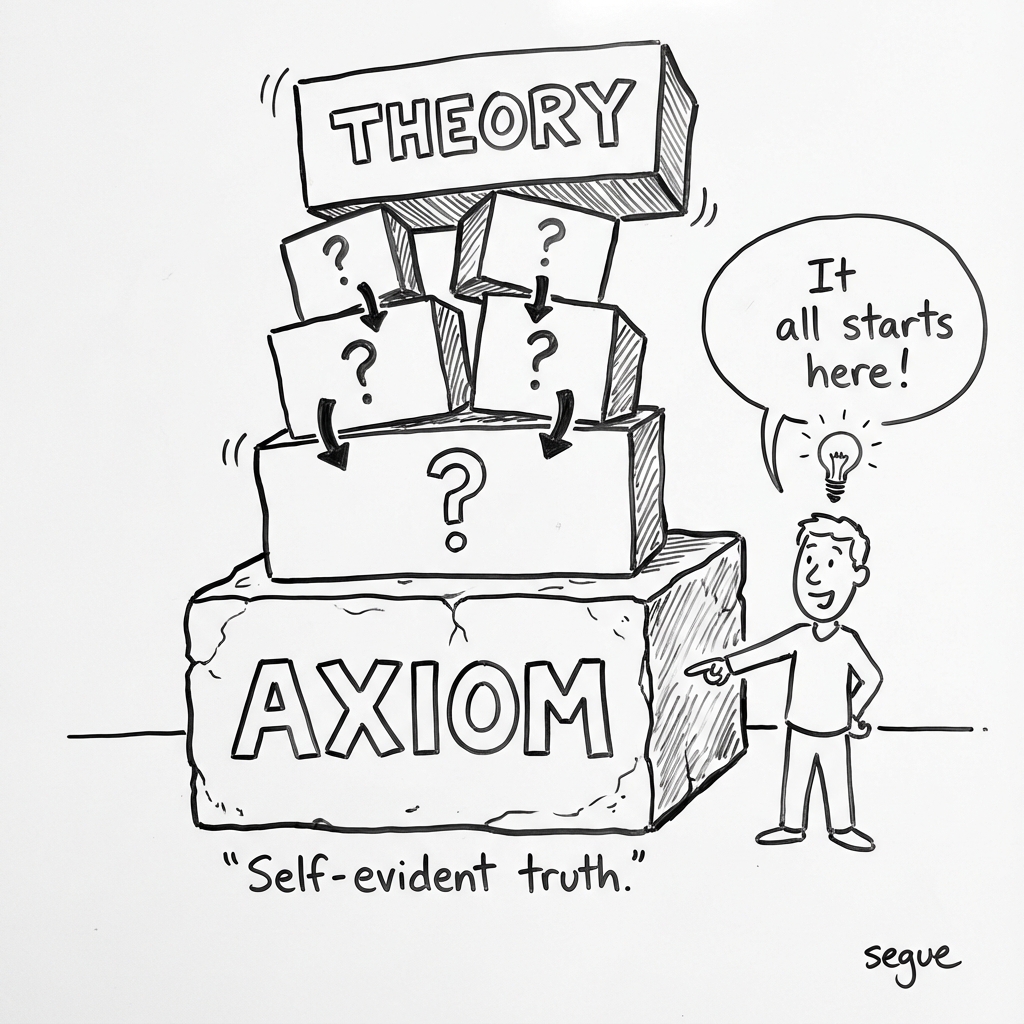
axiom
/ˈæksiəm/a statement regarded as self-evidently true
“The axiom that all people are created equal underlies democracy.”
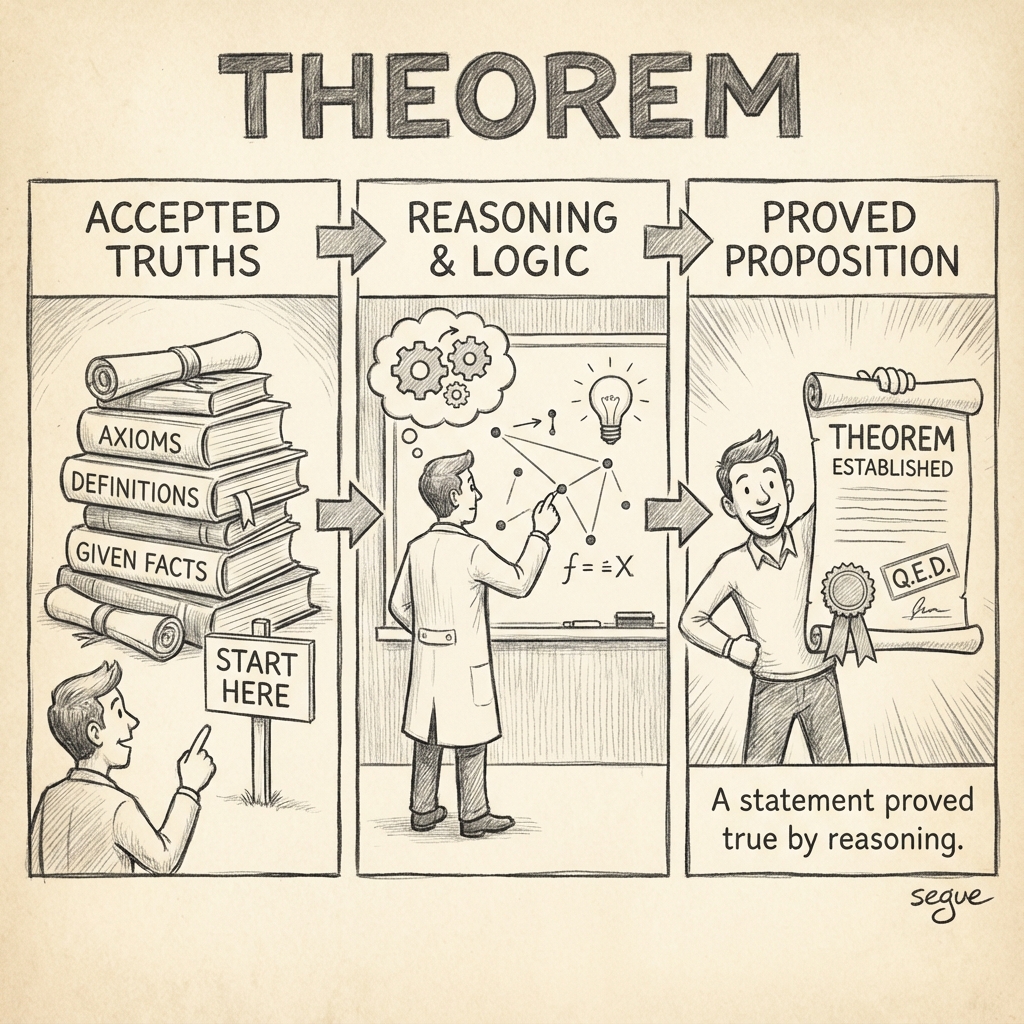
theorem
/ˈθɪɹəm/a proposition proved by reasoning from accepted truths
“The Pythagorean theorem follows logically from geometric axioms.”
More from Intellectual
Explore other vocabulary categories in this collection.