Loading collection...
🤥
Logical Fallacies Vocabulary
Common errors in reasoning and argumentation
27 words
All 27 Words
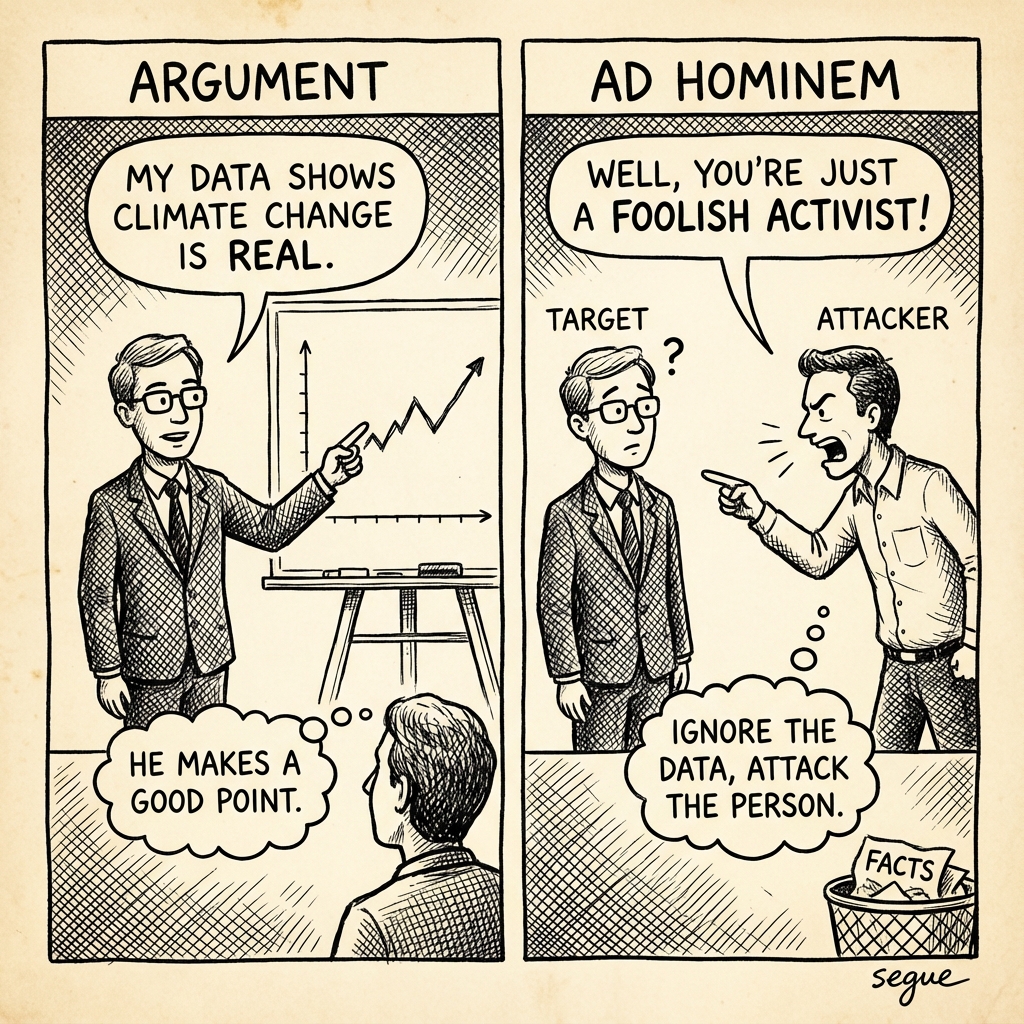
ad hominem
/ˌæd ˈhɒmɪnem/attacking the person making the argument rather than the argument itself
“Dismissing her point because she's young is an ad hominem fallacy.”

appeal to authority
/əˌpiːl tuː ɔːˈθɒrɪti/using an authority figure's opinion as evidence when they lack relevant expertise
“Citing a celebrity's medical advice is an appeal to authority.”
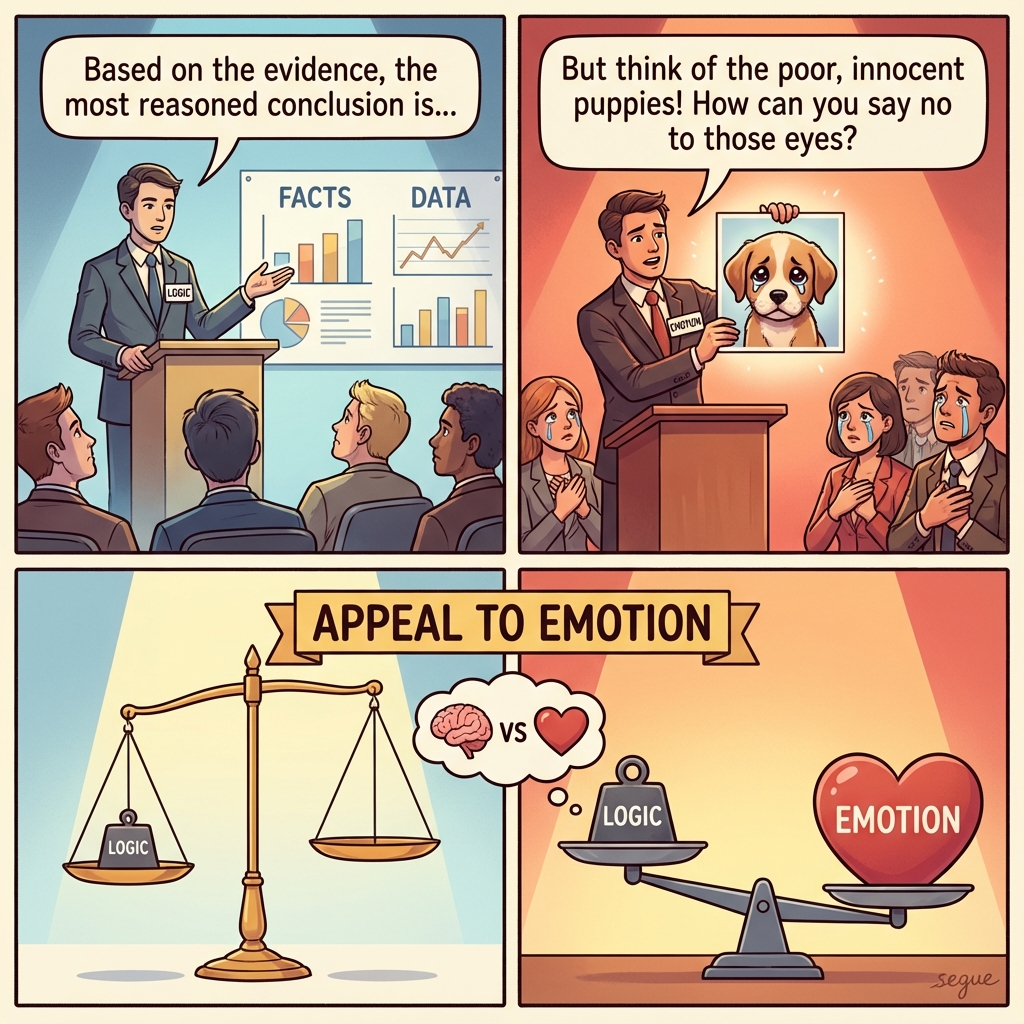
appeal to emotion
/əˌpiːl tuː ɪˈmoʊʃən/using emotional manipulation instead of logical arguments
“The commercial used sad music as an appeal to emotion.”
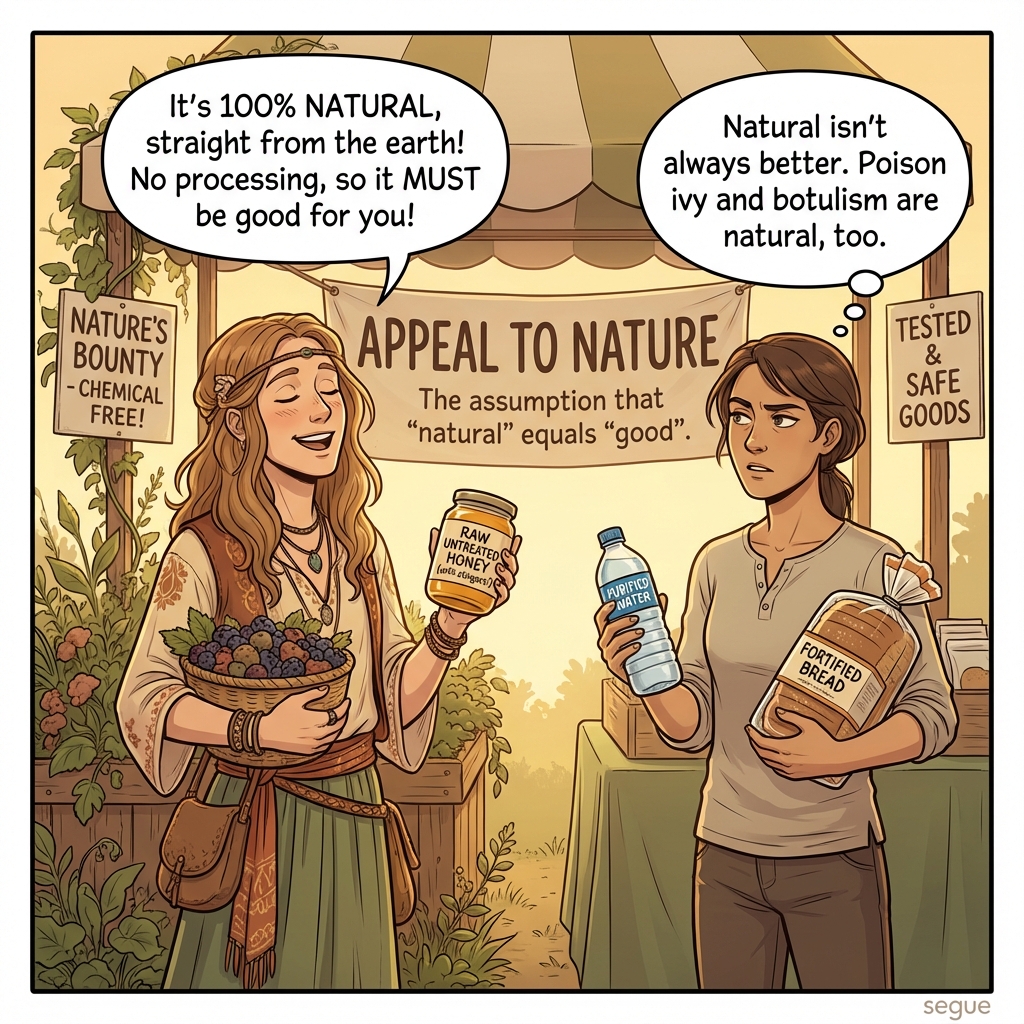
appeal to nature
/əˌpiːl tuː ˈneɪtʃər/arguing something is good because it's 'natural'
“Claiming organic foods are healthier is often an appeal to nature.”
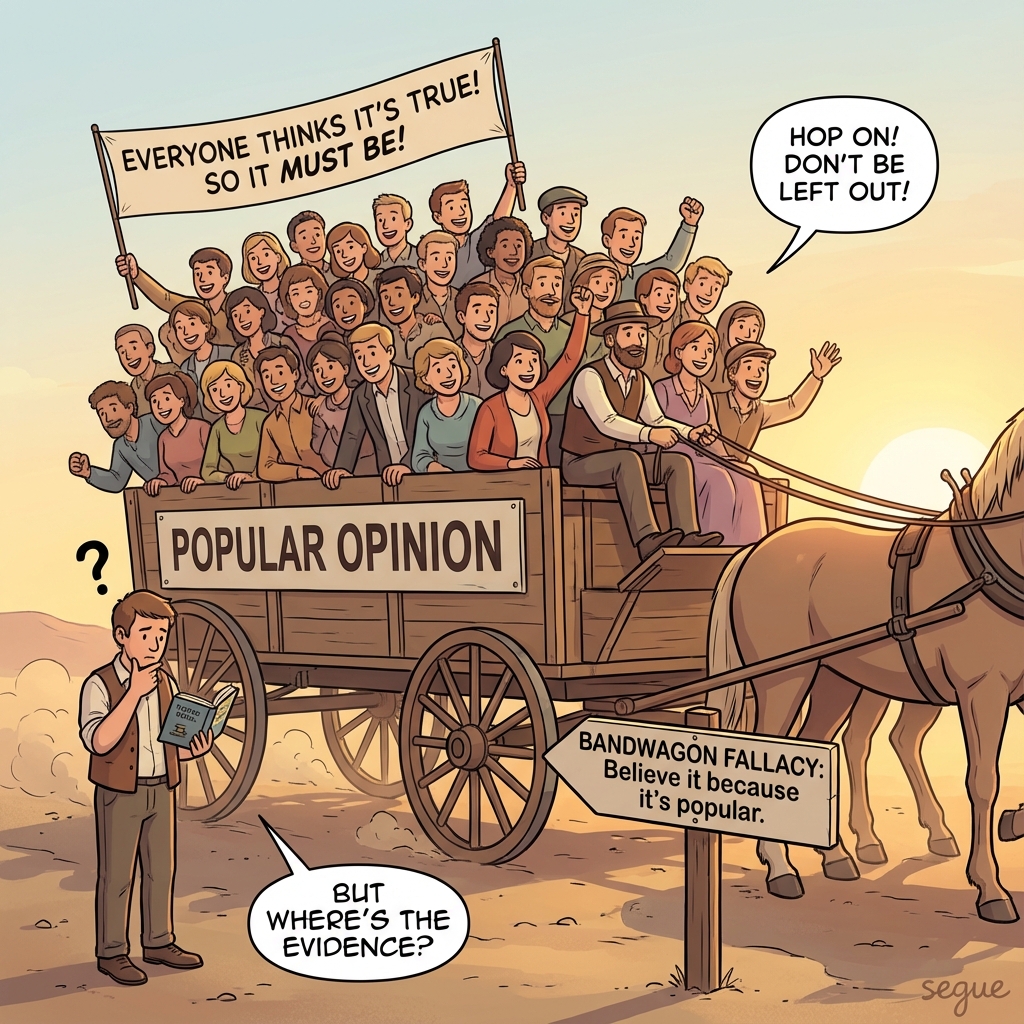
bandwagon fallacy
/ˈbændwæɡən ˌfæləsi/arguing something is true because many people believe it
“Everyone uses this product isn't a valid argument—that's the bandwagon fallacy.”
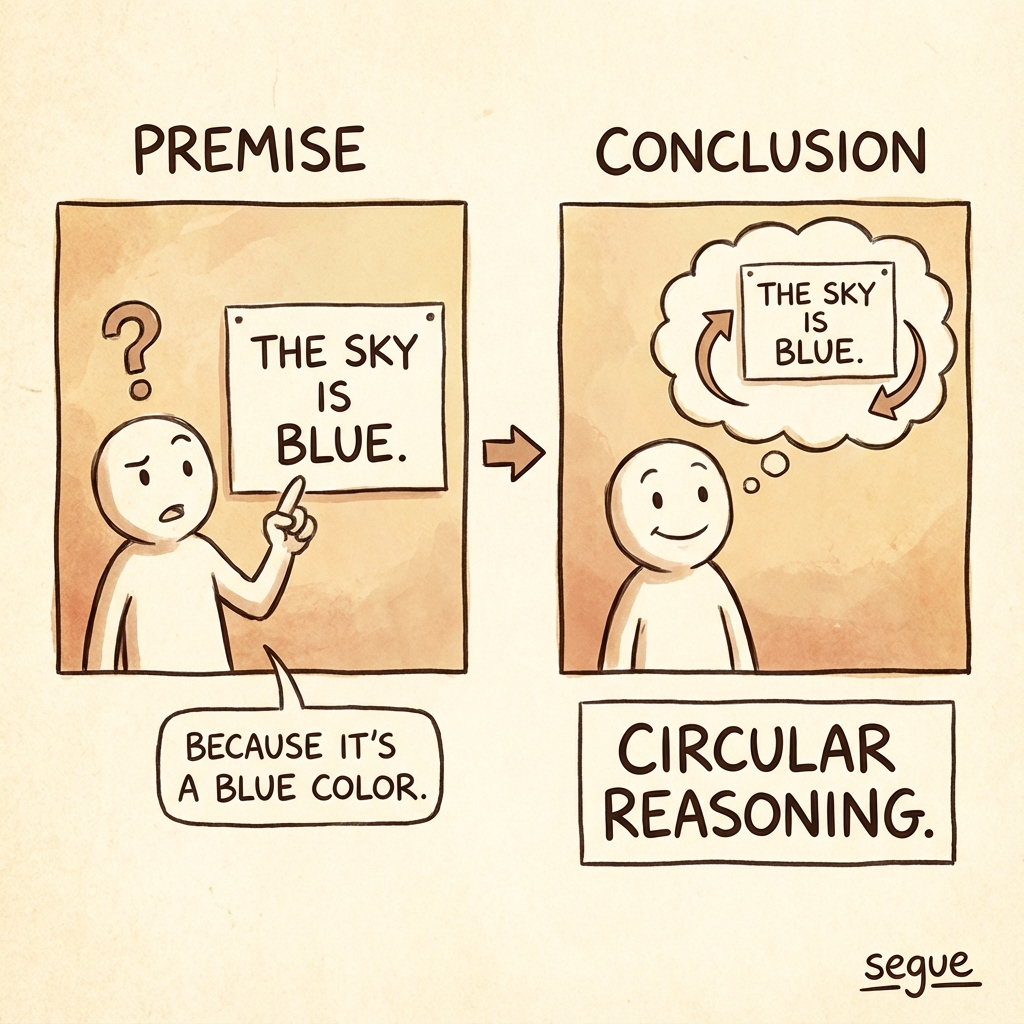
begging the question
/ˌbeɡɪŋ ðə ˈkwestʃən/assuming the conclusion in the premise; circular reasoning
“The Bible is true because it says so is begging the question.”
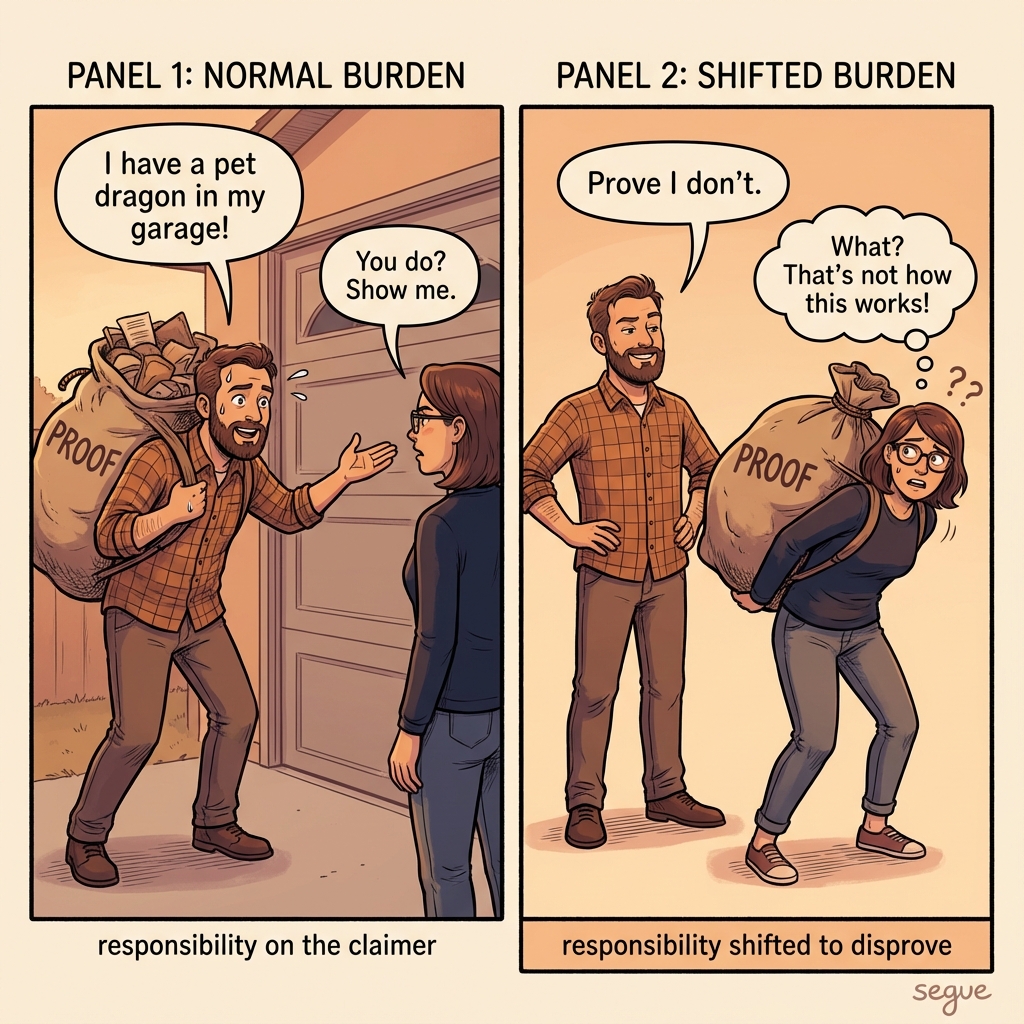
burden of proof
/ˌbɜːrdən əv ˈpruːf/shifting the responsibility to disprove a claim rather than prove it
“Prove unicorns don't exist misplaces the burden of proof.”
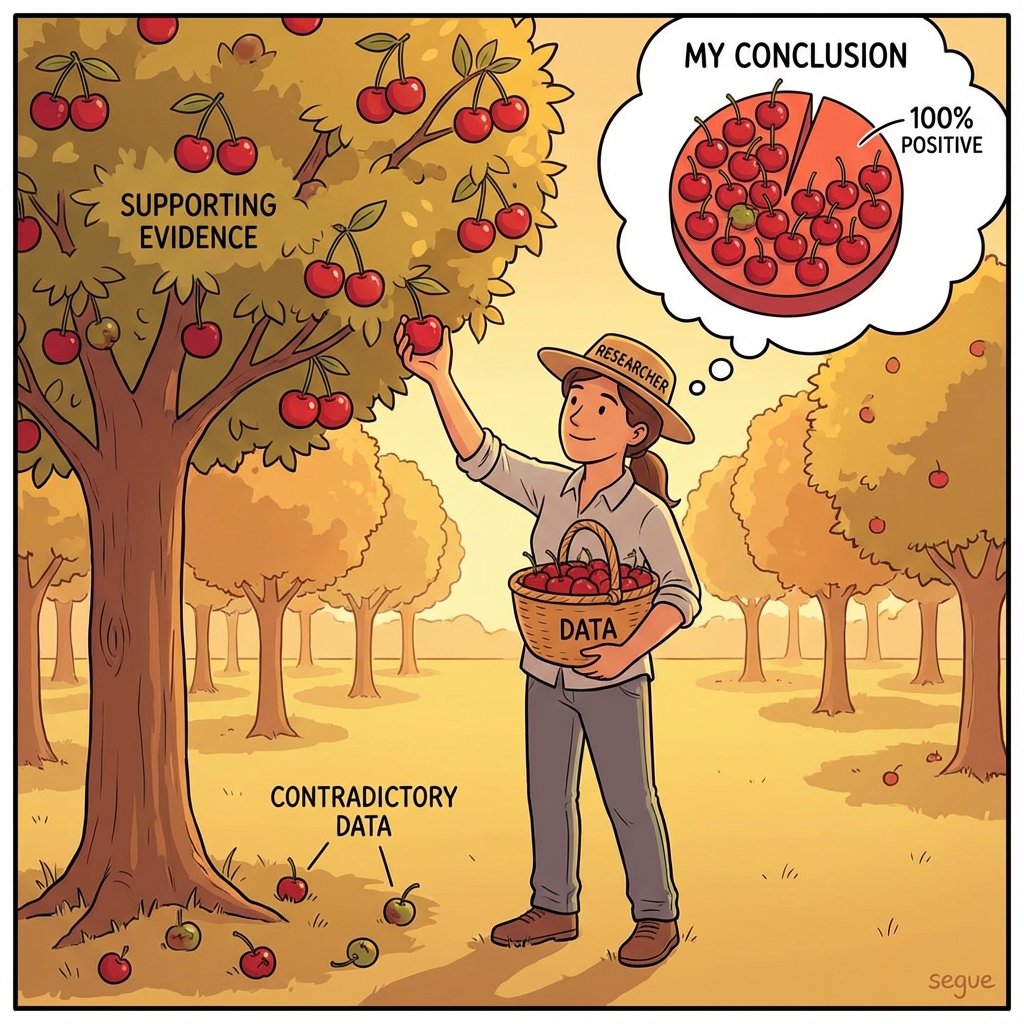
cherry picking
/ˈtʃeri ˌpɪkɪŋ/selecting only evidence that supports your position while ignoring contradictory data
“The study was accused of cherry picking favorable results.”
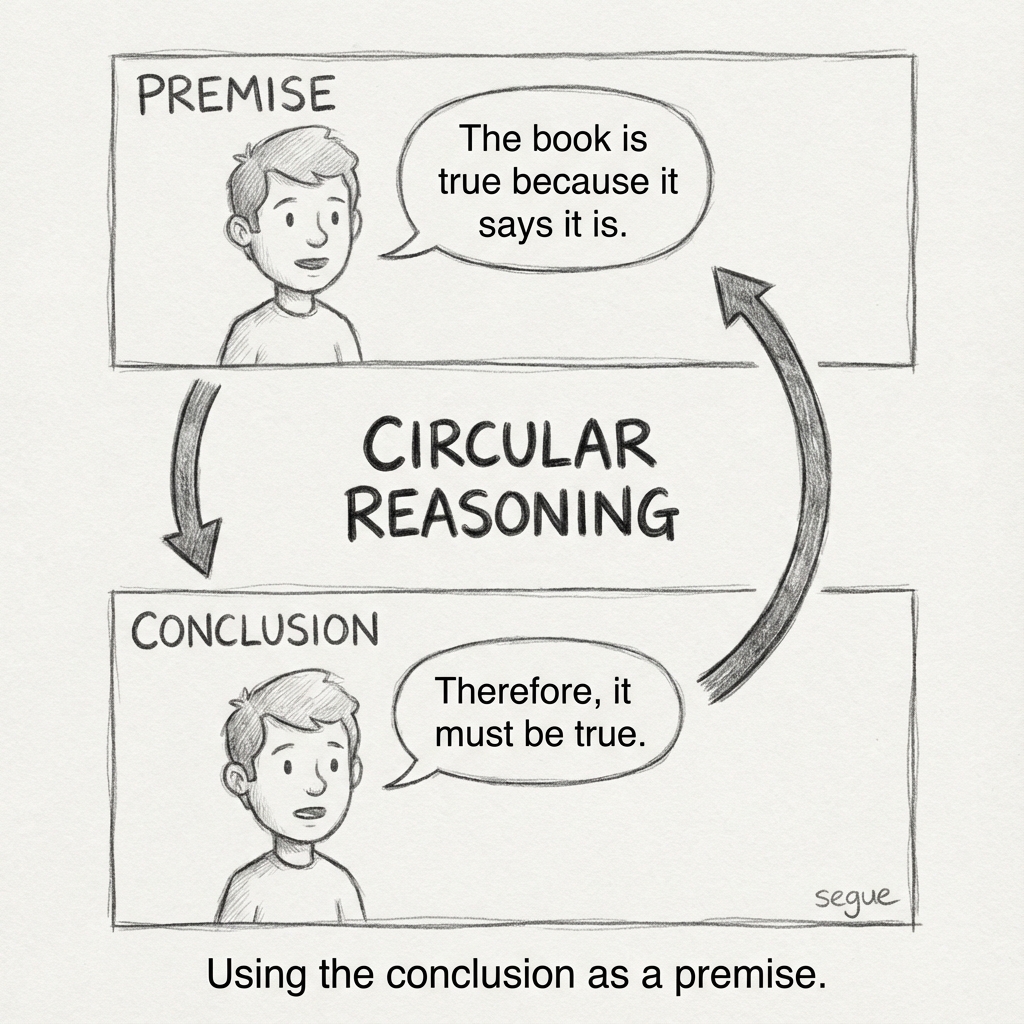
circular reasoning
/ˌsɜːrkjʊlər ˈriːzənɪŋ/using the conclusion as a premise in the argument
“I'm right because I'm never wrong is circular reasoning.”
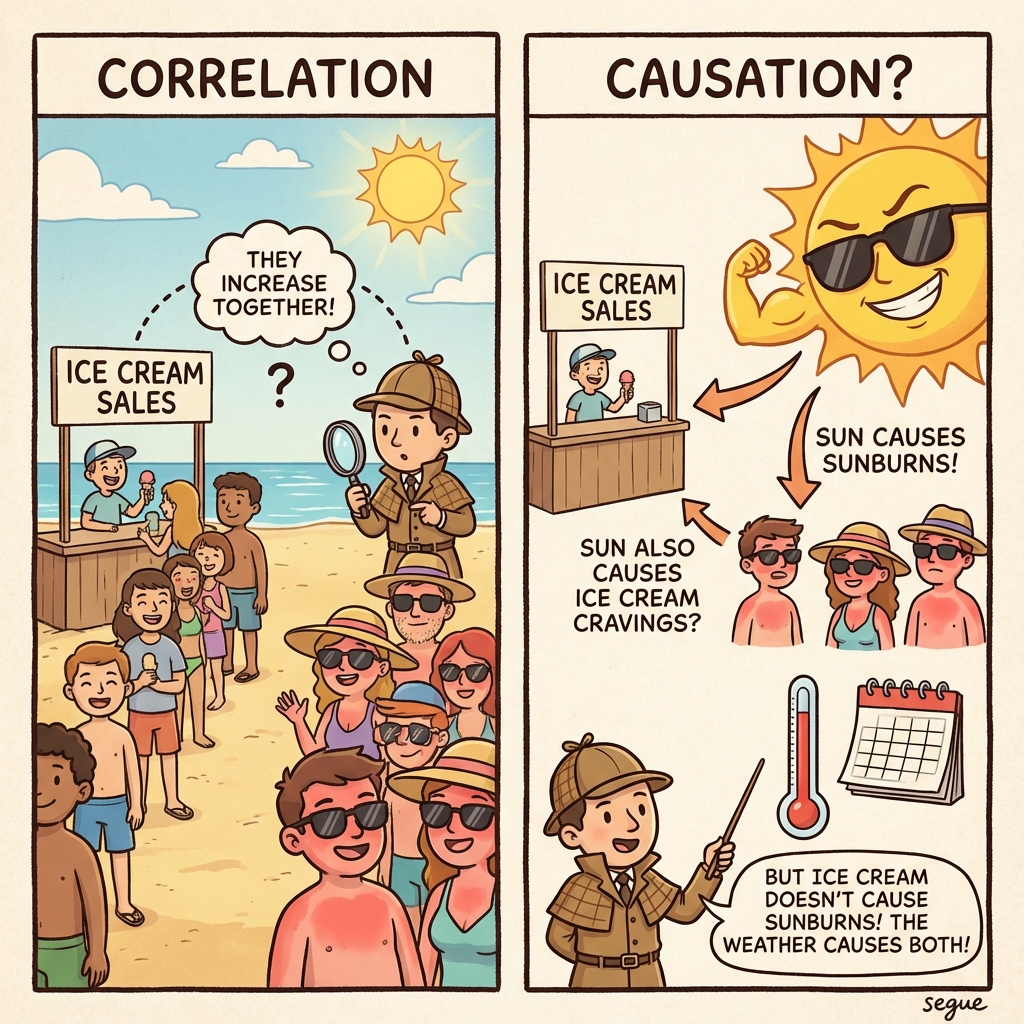
correlation vs causation
/ˌkɒrəˈleɪʃən ˌvɜːrsəs kɔːˈzeɪʃən/assuming that because two things correlate, one causes the other
“Ice cream sales and drownings both rise in summer—correlation, not causation.”
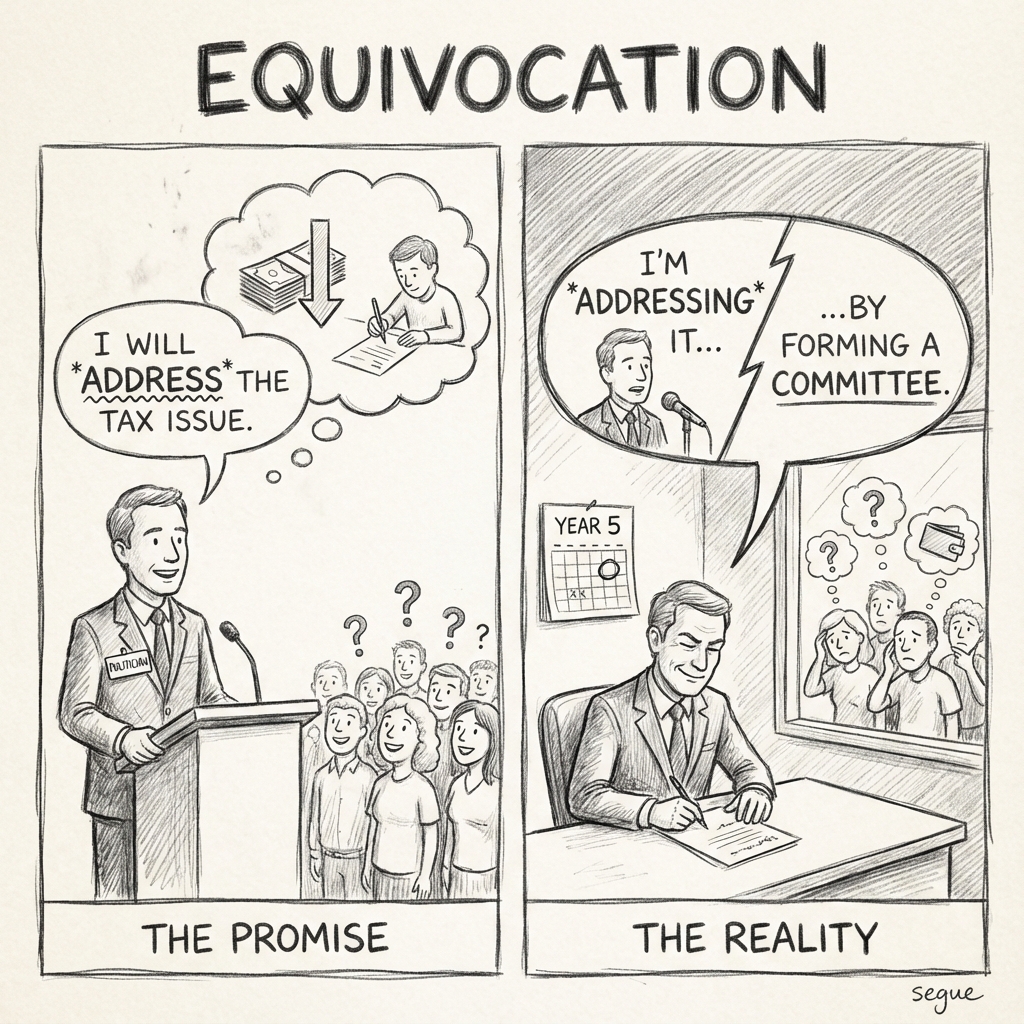
equivocation
/ɪkwɪvəˈkeɪʃən/using a word with multiple meanings to mislead
“The law is the law uses equivocation to avoid nuance.”
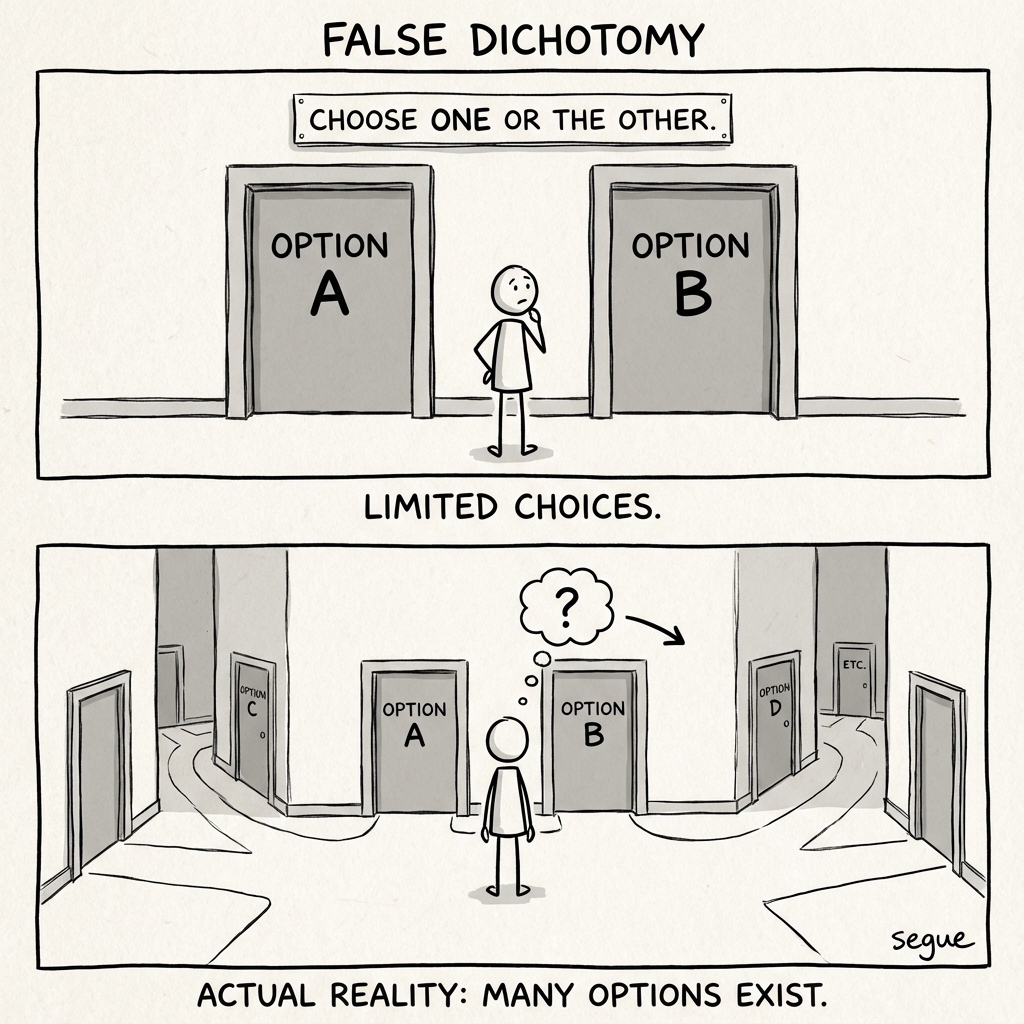
false dichotomy
/ˌfɔːls daɪˈkɒtəmi/presenting only two options when more exist
“You're either with us or against us is a false dichotomy.”
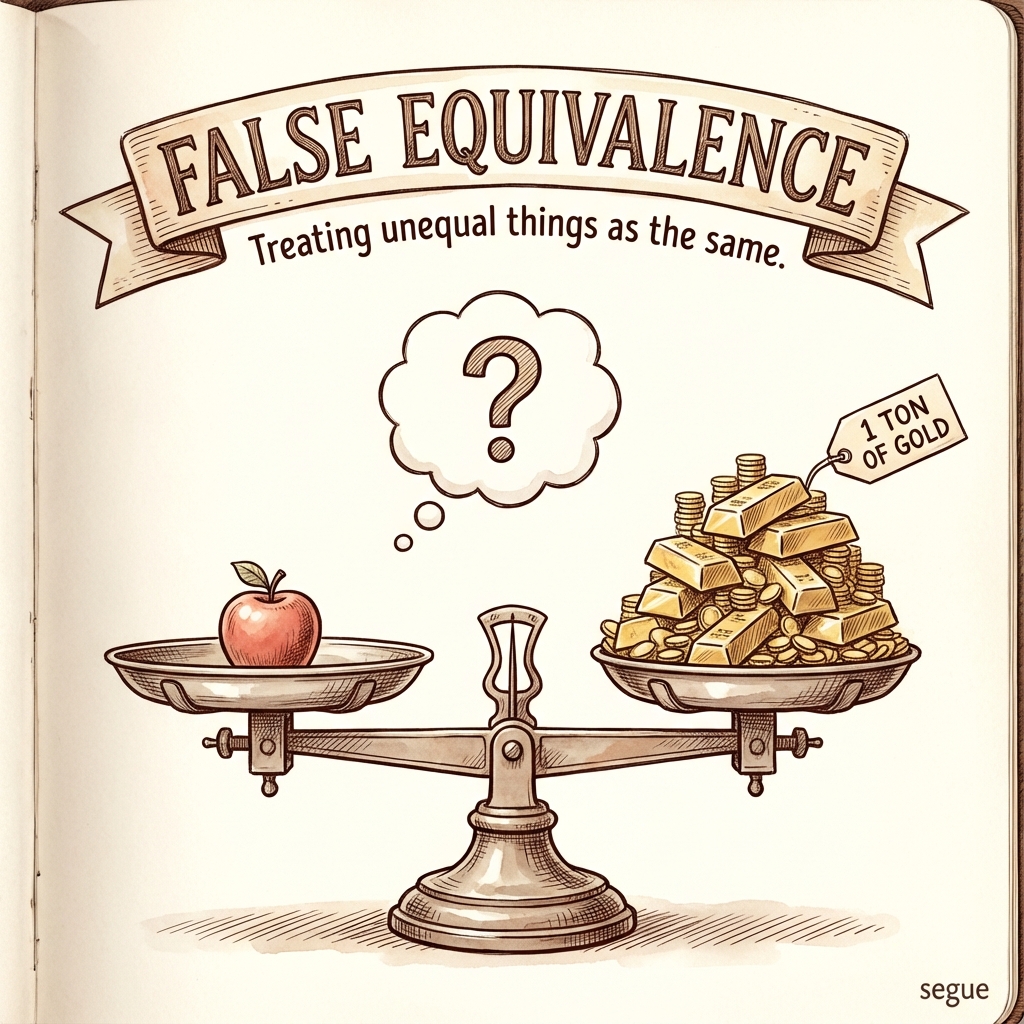
false equivalence
/ˌfɔːls ɪˈkwɪvələns/treating two different things as if they were the same
“Comparing petty theft to murder is a false equivalence.”
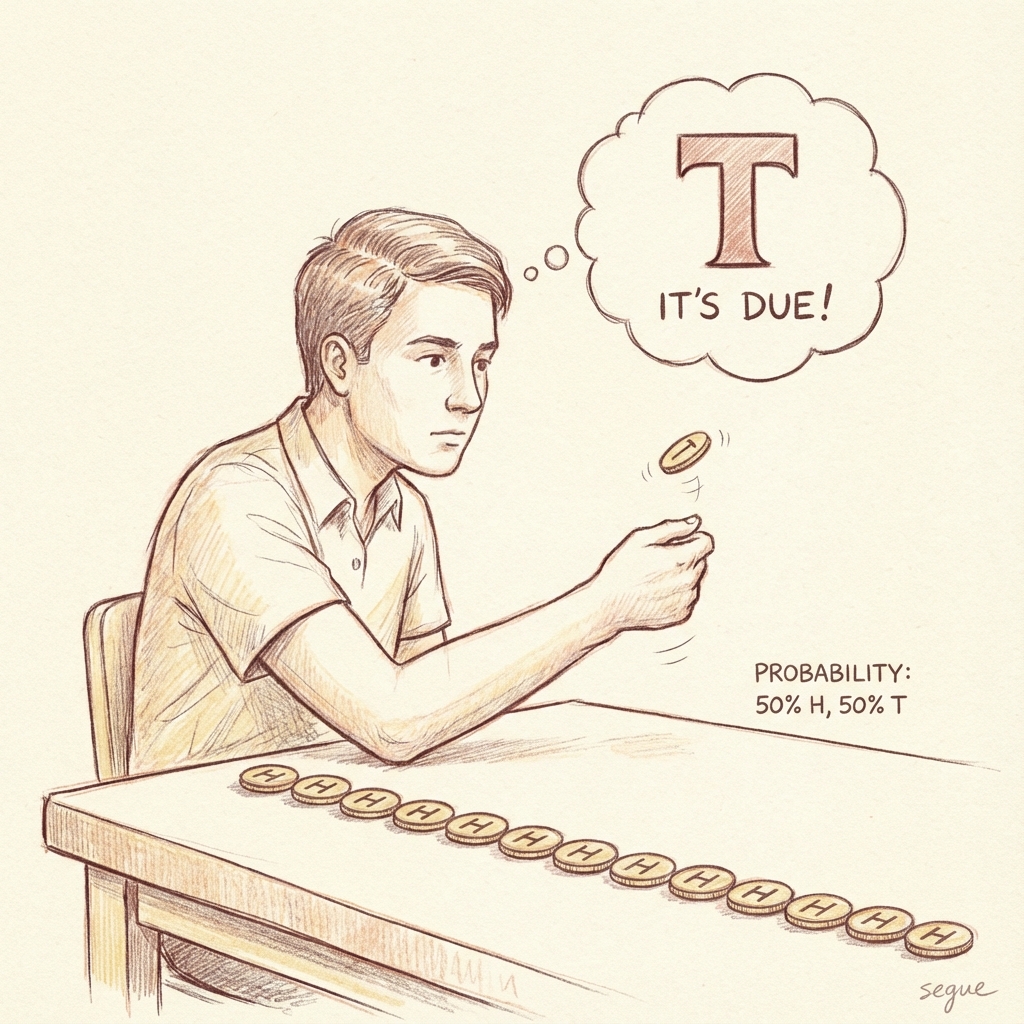
gambler's fallacy
/ˈɡæmblərz ˌfæləsi/believing past random events affect future probabilities
“The coin landed heads five times, so tails is due is the gambler's fallacy.”
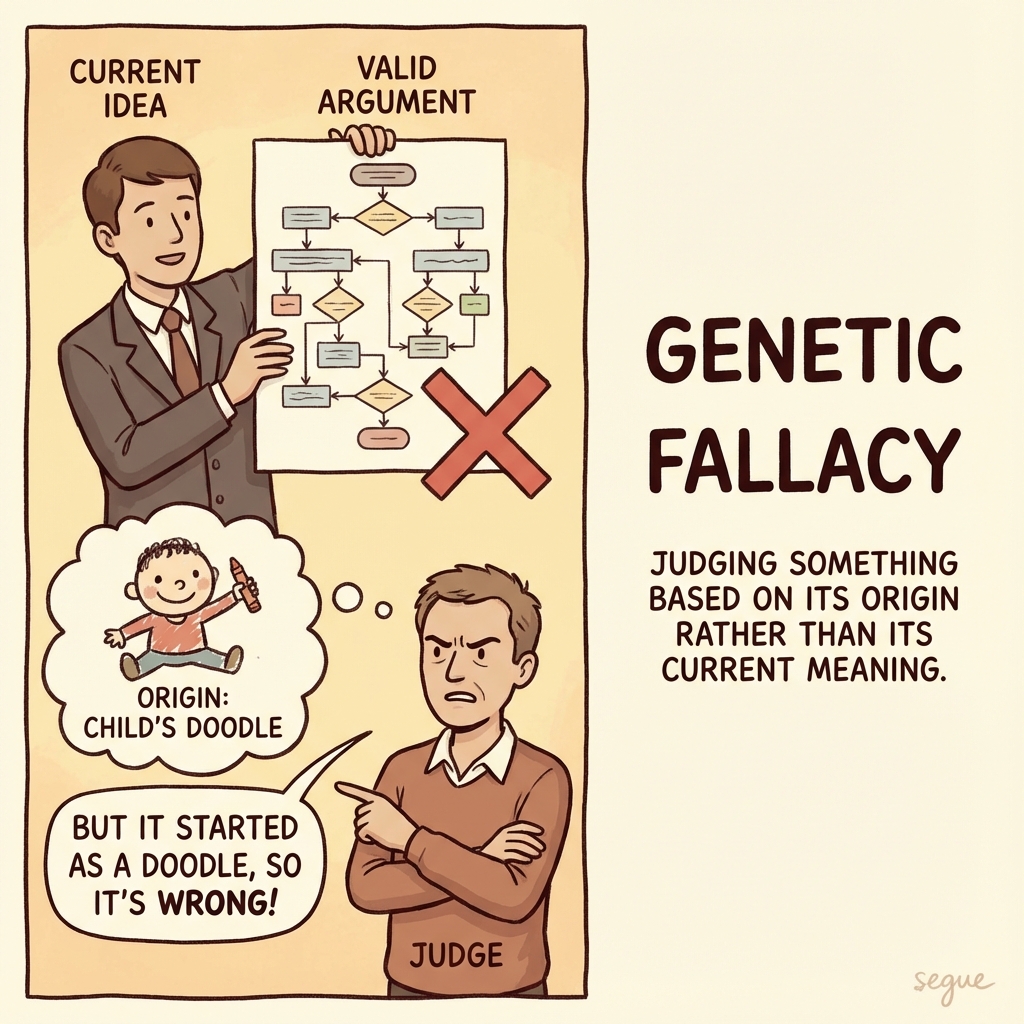
genetic fallacy
/dʒəˈnetɪk ˌfæləsi/judging something based on its origin rather than its current meaning
“Dismissing an idea because of who proposed it is a genetic fallacy.”
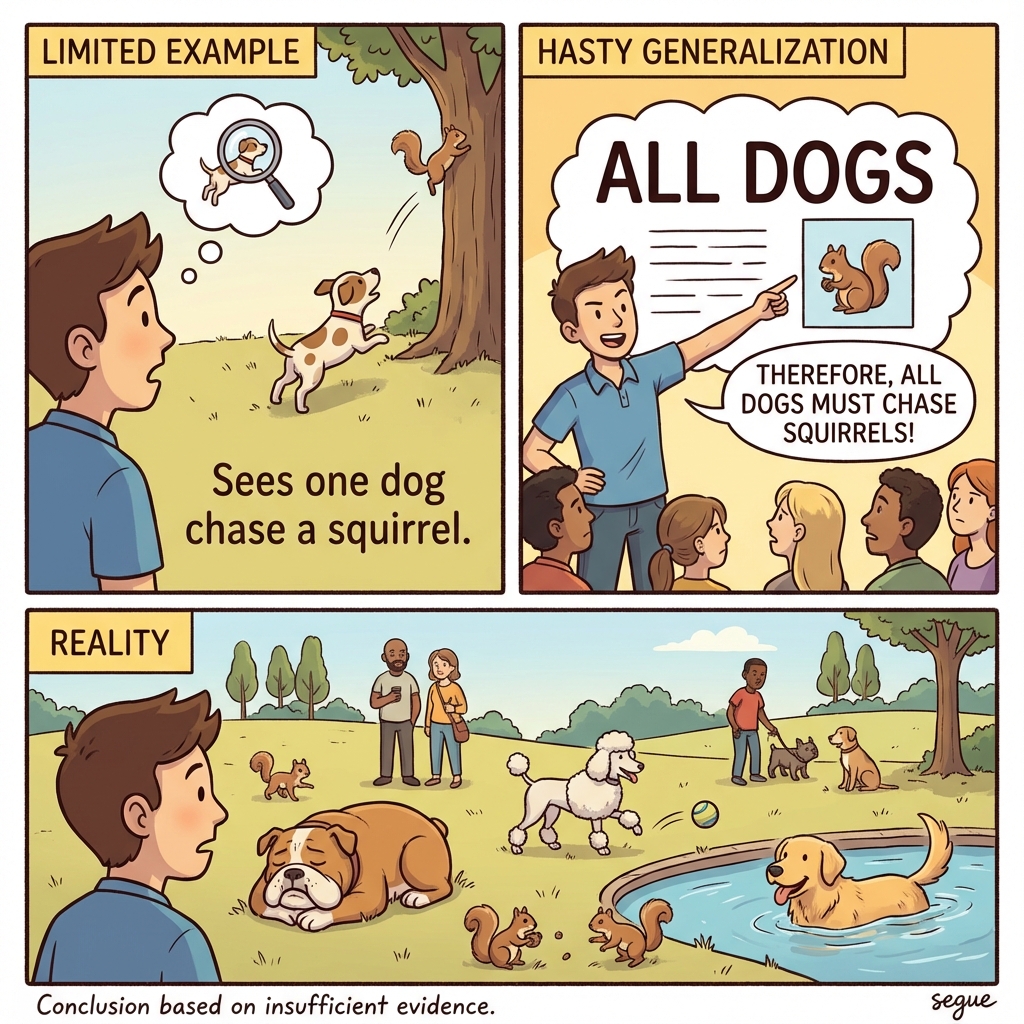
hasty generalization
/ˌheɪsti ˌdʒenərəlaɪˈzeɪʃən/drawing broad conclusions from limited examples
“Meeting one rude person from a city and judging all residents is a hasty generalization.”
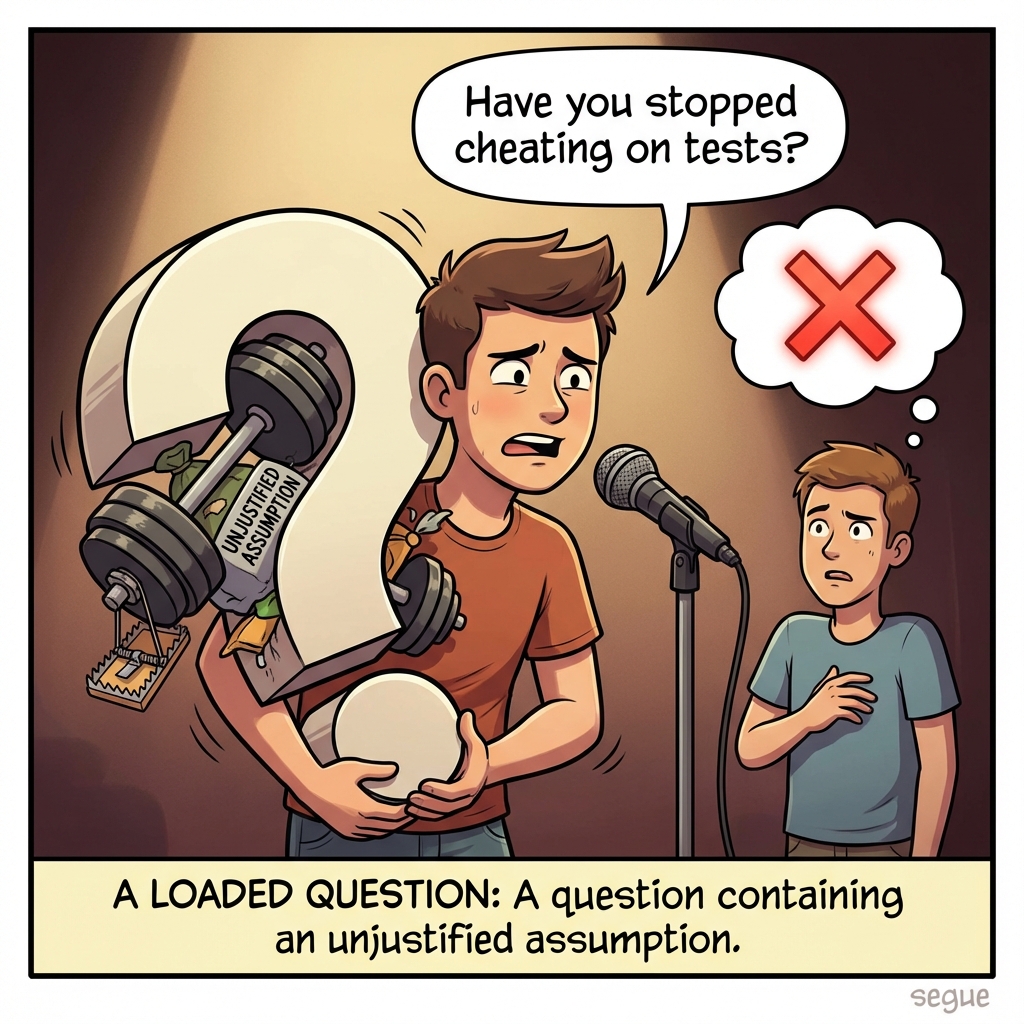
loaded question
/ˌloʊdɪd ˈkwestʃən/a question containing an unjustified assumption
“Have you stopped cheating? is a loaded question.”
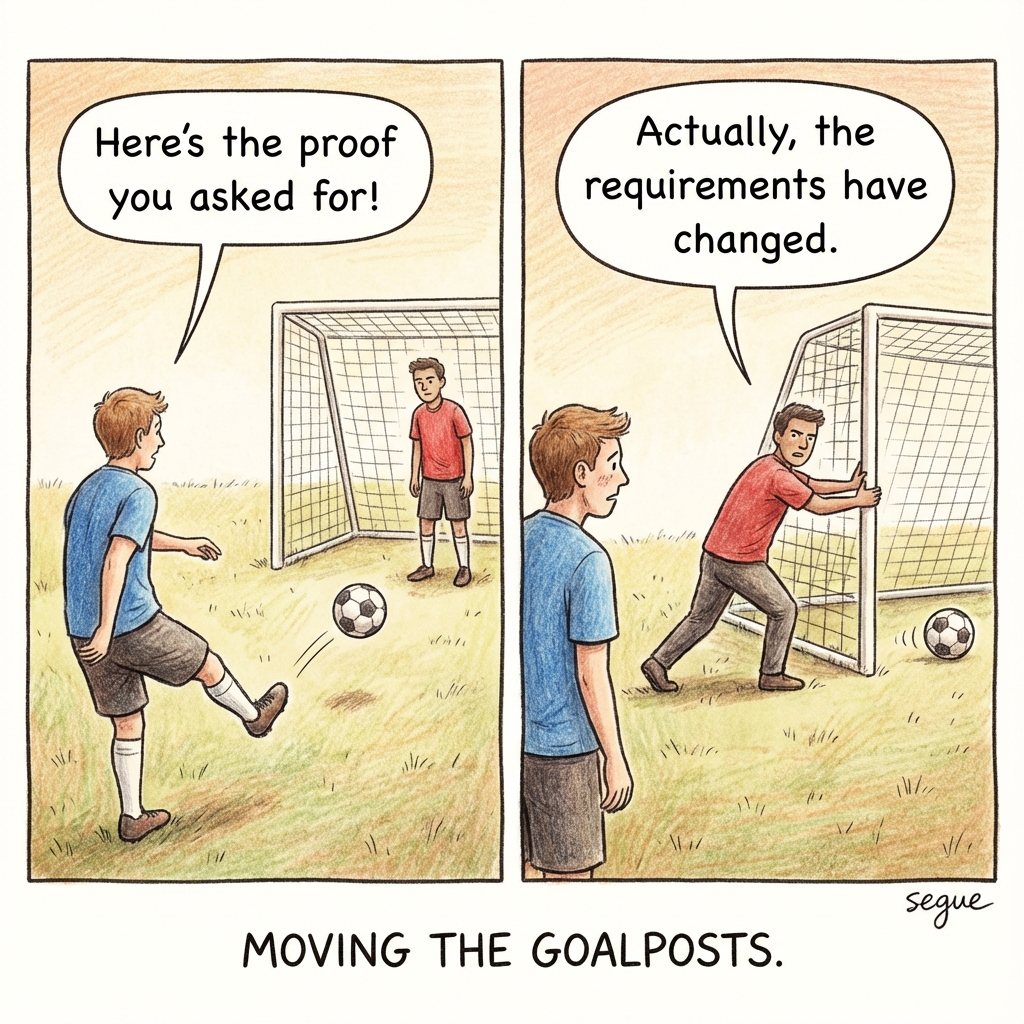
moving the goalposts
/ˌmuːvɪŋ ðə ˈɡoʊlpoʊsts/changing the criteria for proof after evidence is presented
“After she met his demands, he moved the goalposts.”
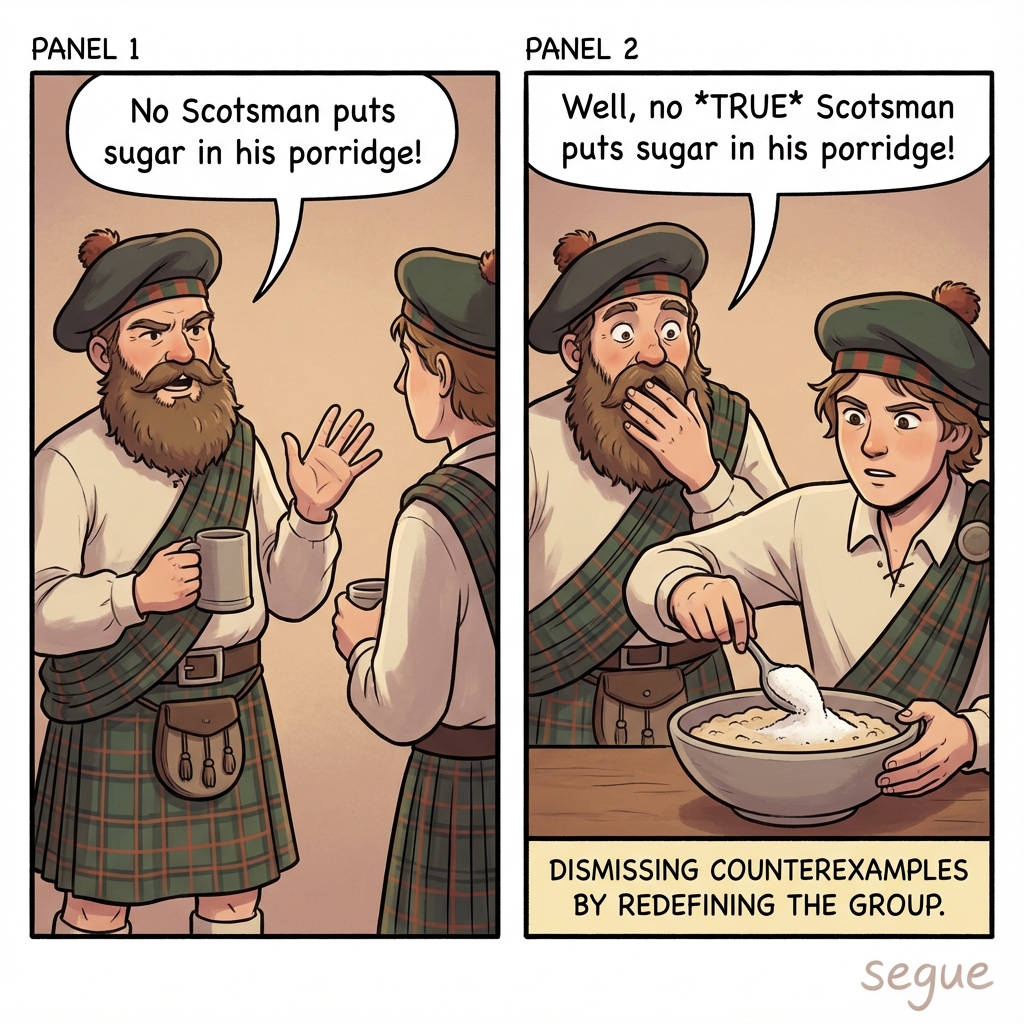
no true Scotsman
/ˌnoʊ ˌtruː ˈskɒtsmən/dismissing counterexamples by redefining the group
“No real fan would dislike this movie is the no true Scotsman fallacy.”
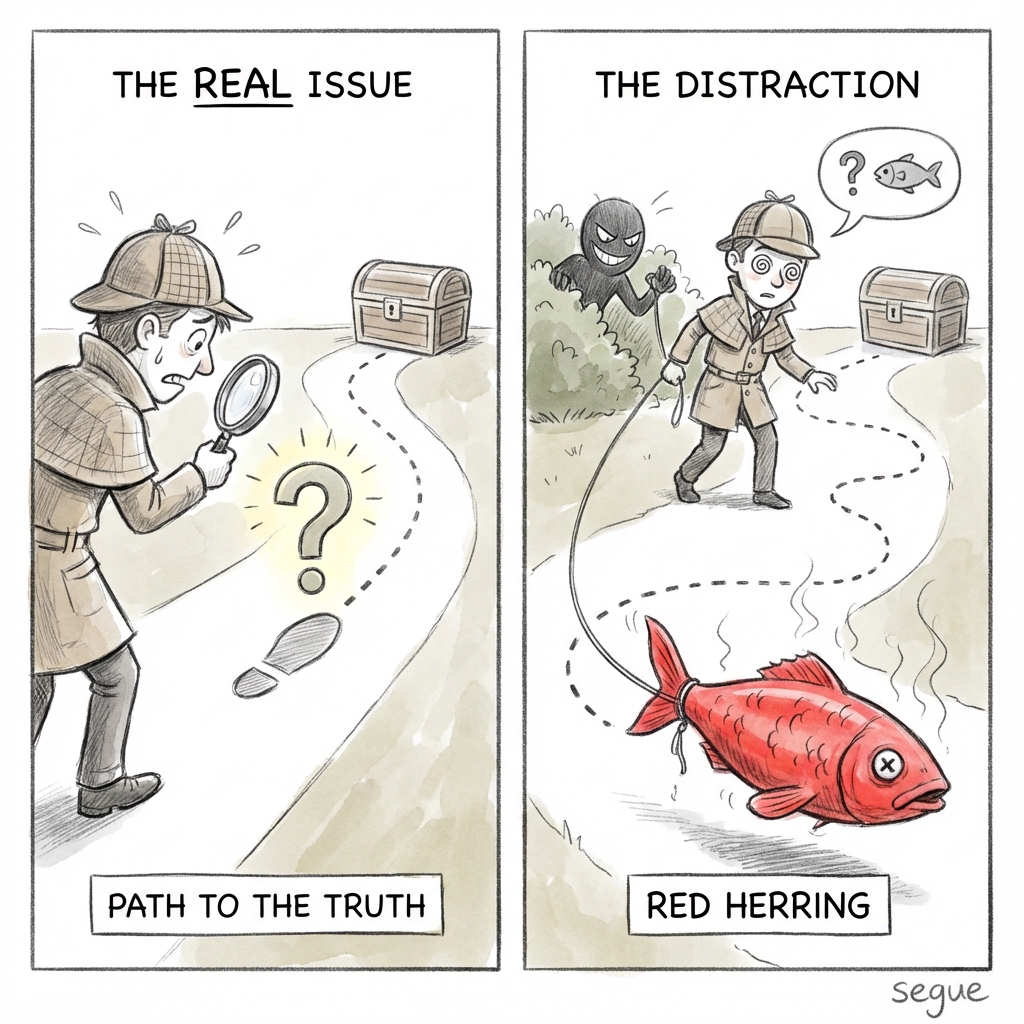
red herring
/ˌred ˈherɪŋ/introducing an irrelevant topic to divert attention
“Bringing up his charity work during the fraud trial was a red herring.”
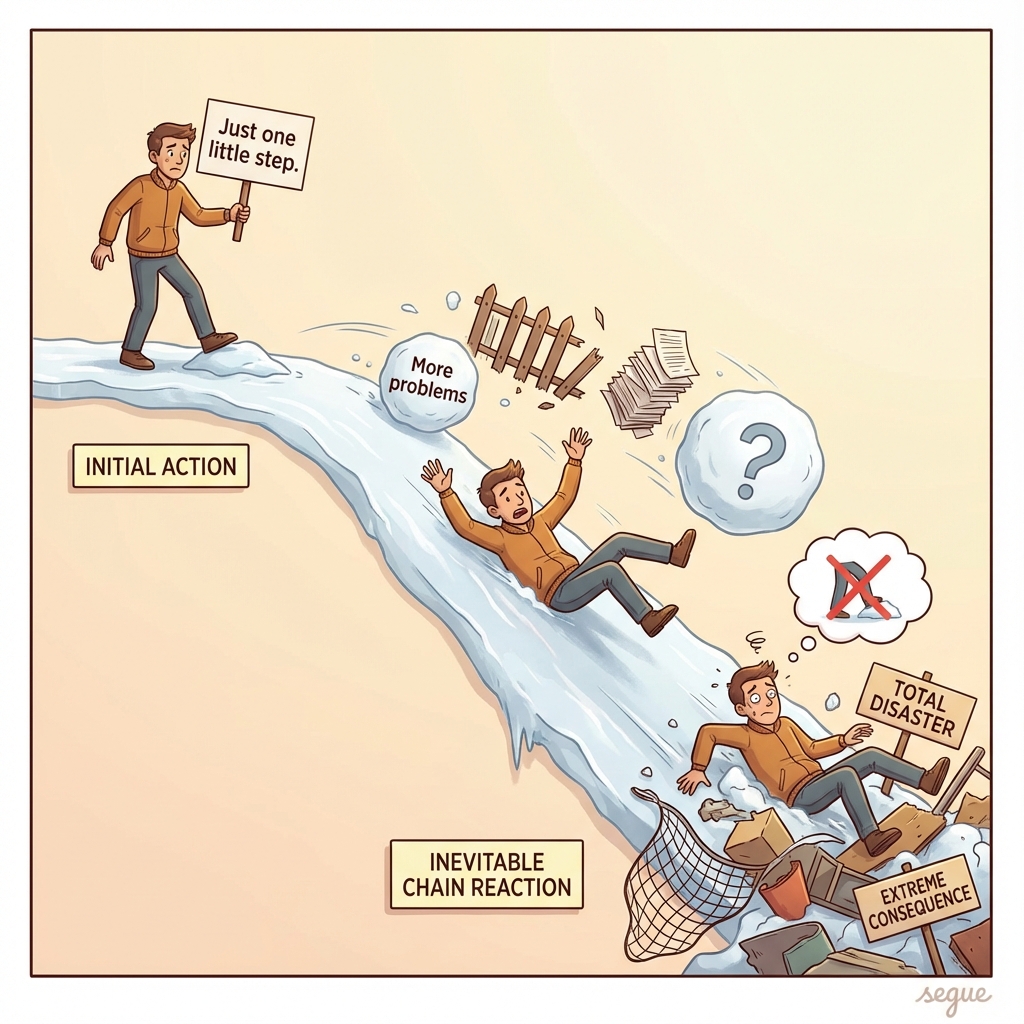
slippery slope
/ˌslɪpəri ˈsloʊp/arguing that one event will inevitably lead to extreme consequences
“If we allow this, soon anything goes is a slippery slope argument.”
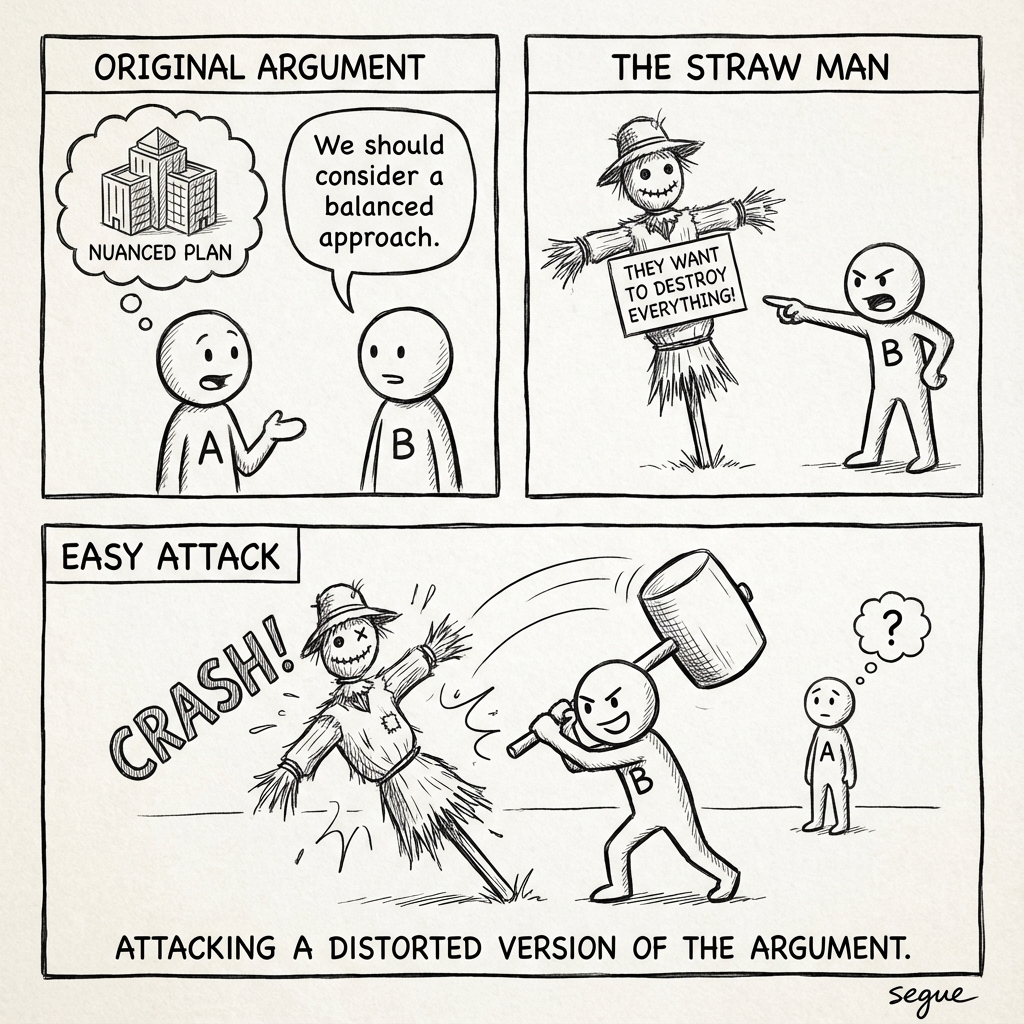
straw man
/ˈstrɔː ˌmæn/misrepresenting someone's argument to make it easier to attack
“He built a straw man version of her position, then demolished it.”
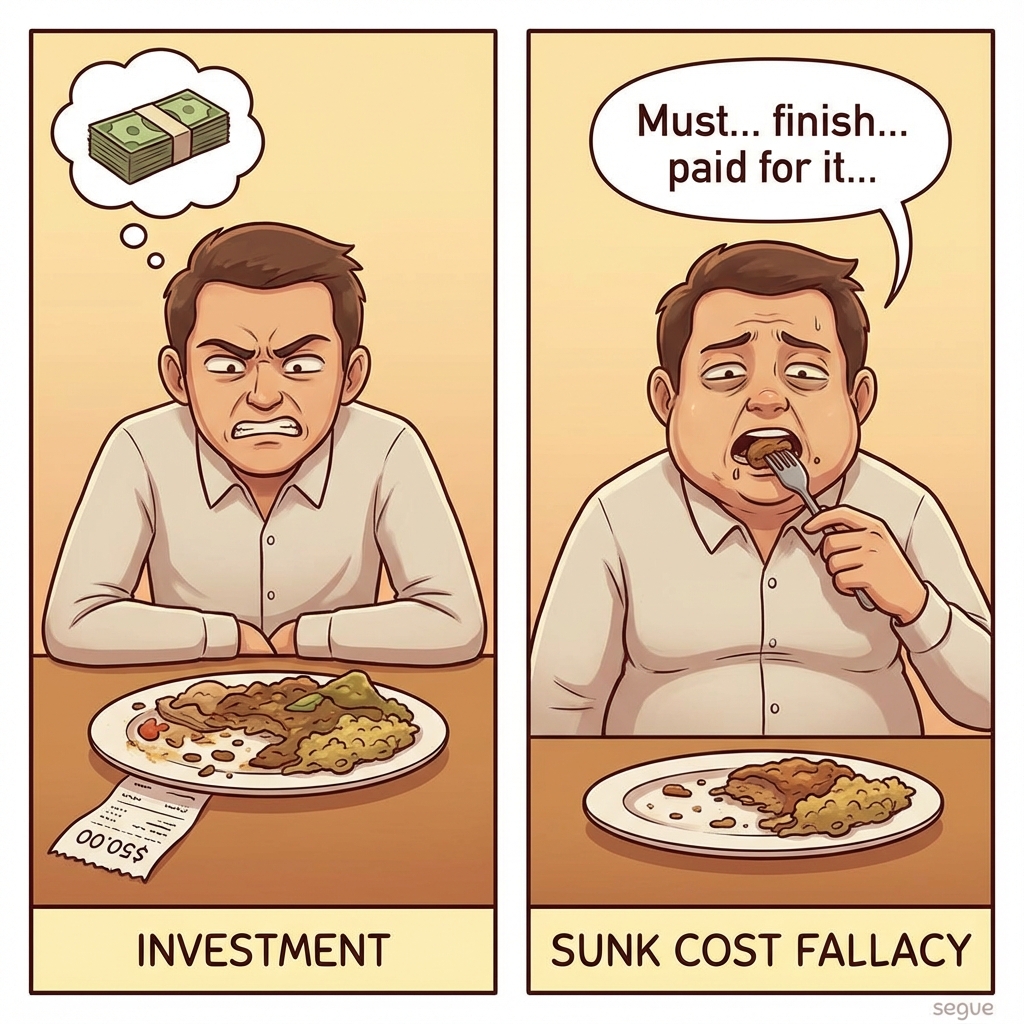
sunk cost fallacy
/ˌsʌŋk ˌkɒst ˈfæləsi/continuing something because of previously invested resources
“Staying in a bad job because you've been there for years is the sunk cost fallacy.”

tu quoque
/ˌtuː ˈkwoʊkweɪ/deflecting criticism by pointing to the critic's similar behavior
“You smoke too is a tu quoque response to health advice.”
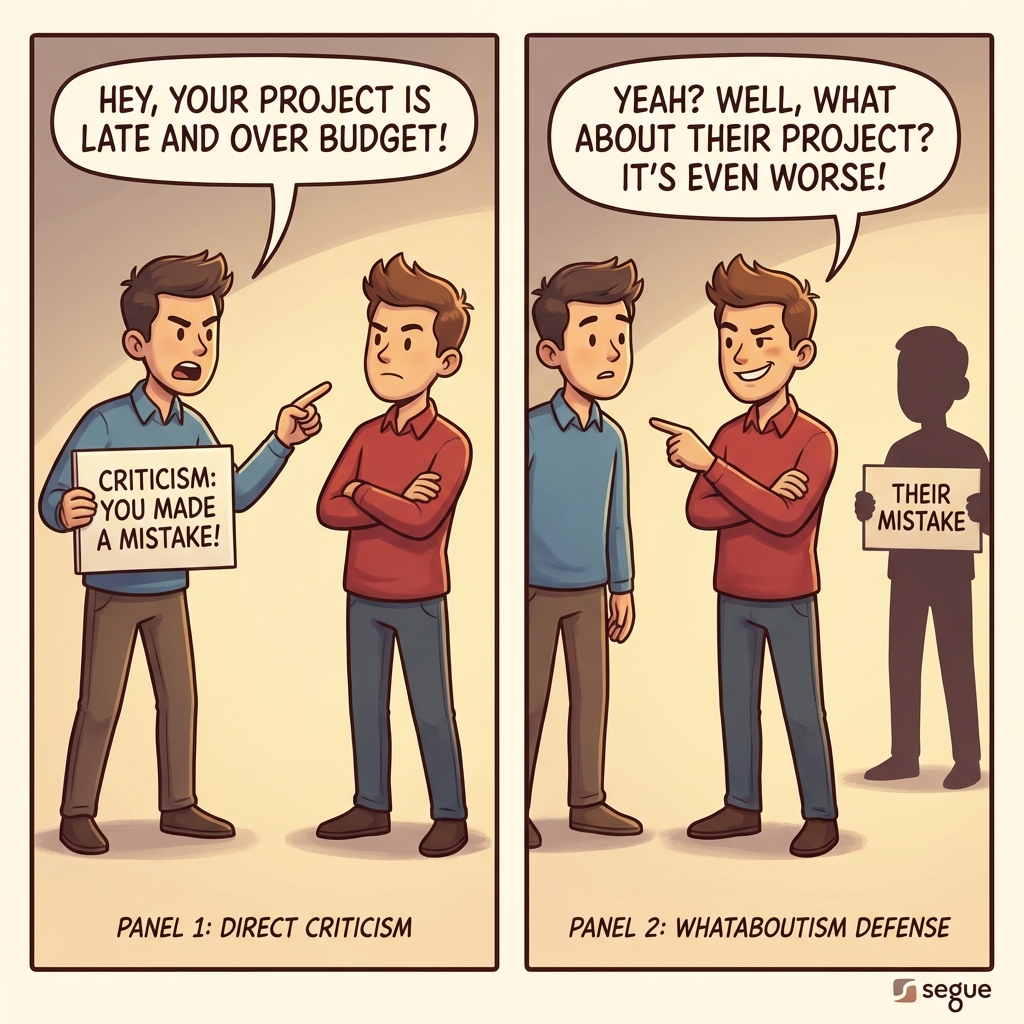
whataboutism
/ˌwɒtəˈbaʊtɪzəm/responding to criticism by pointing to others' faults
“What about their mistakes? is classic whataboutism.”
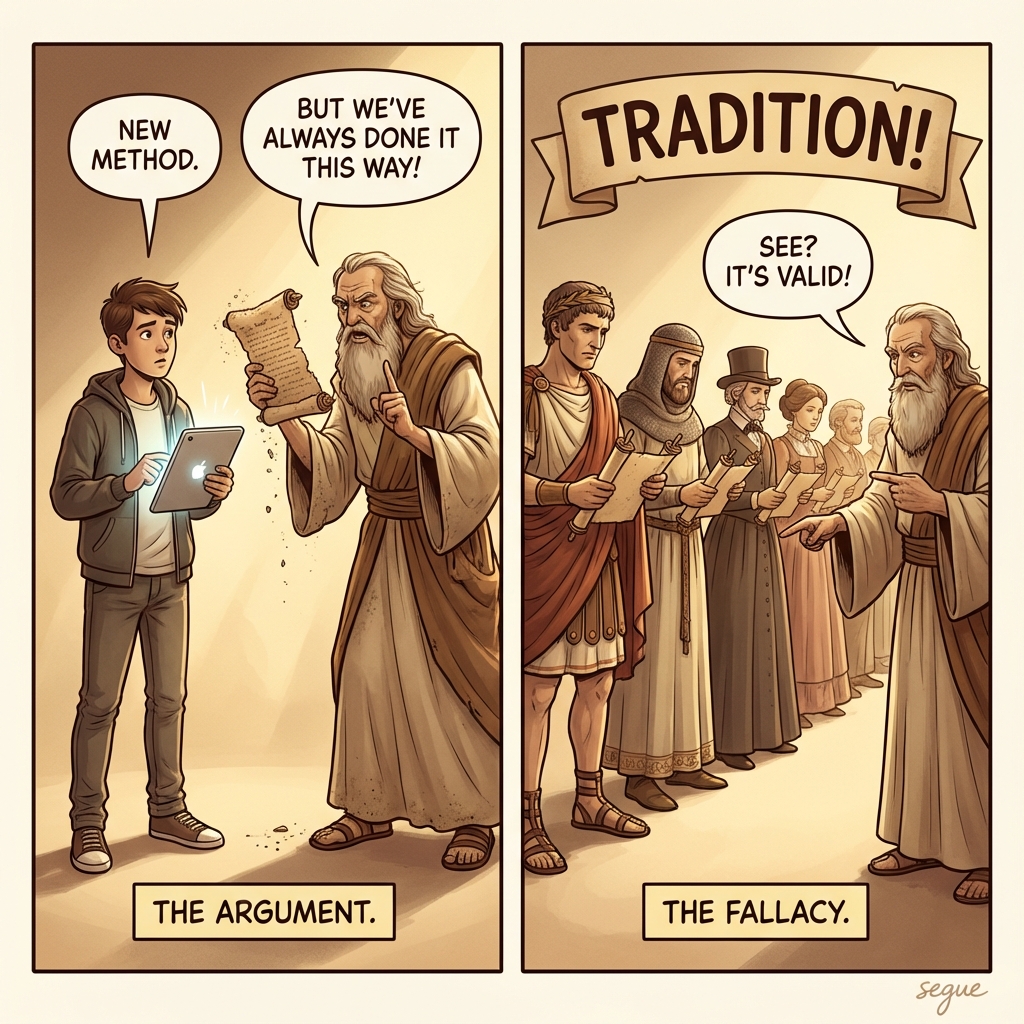
appeal to tradition
/əˌpiːl tuː trəˈdɪʃən/arguing that something is valid because it has always been done that way
“We've always done it this way is an appeal to tradition.”
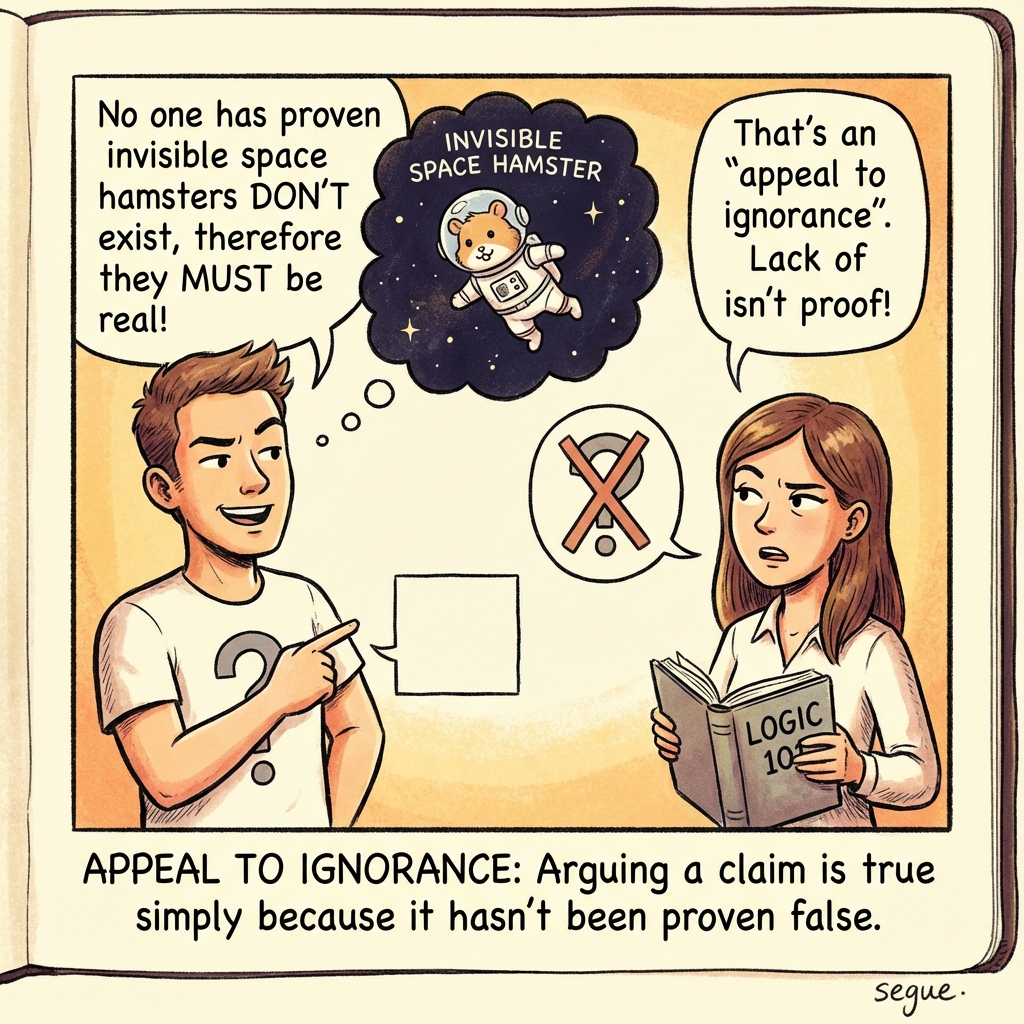
appeal to ignorance
/əˌpiːl tuː ˈɪɡnərəns/arguing that a conclusion must be true because it has not been proven false
“No one has proven aliens don't exist, so they must exist is an appeal to ignorance.”
More from Intellectual
Explore other vocabulary categories in this collection.