Loading collection...
📚
Literary Terms Vocabulary
Essential terms for understanding literature and writing
41 words
All 41 Words
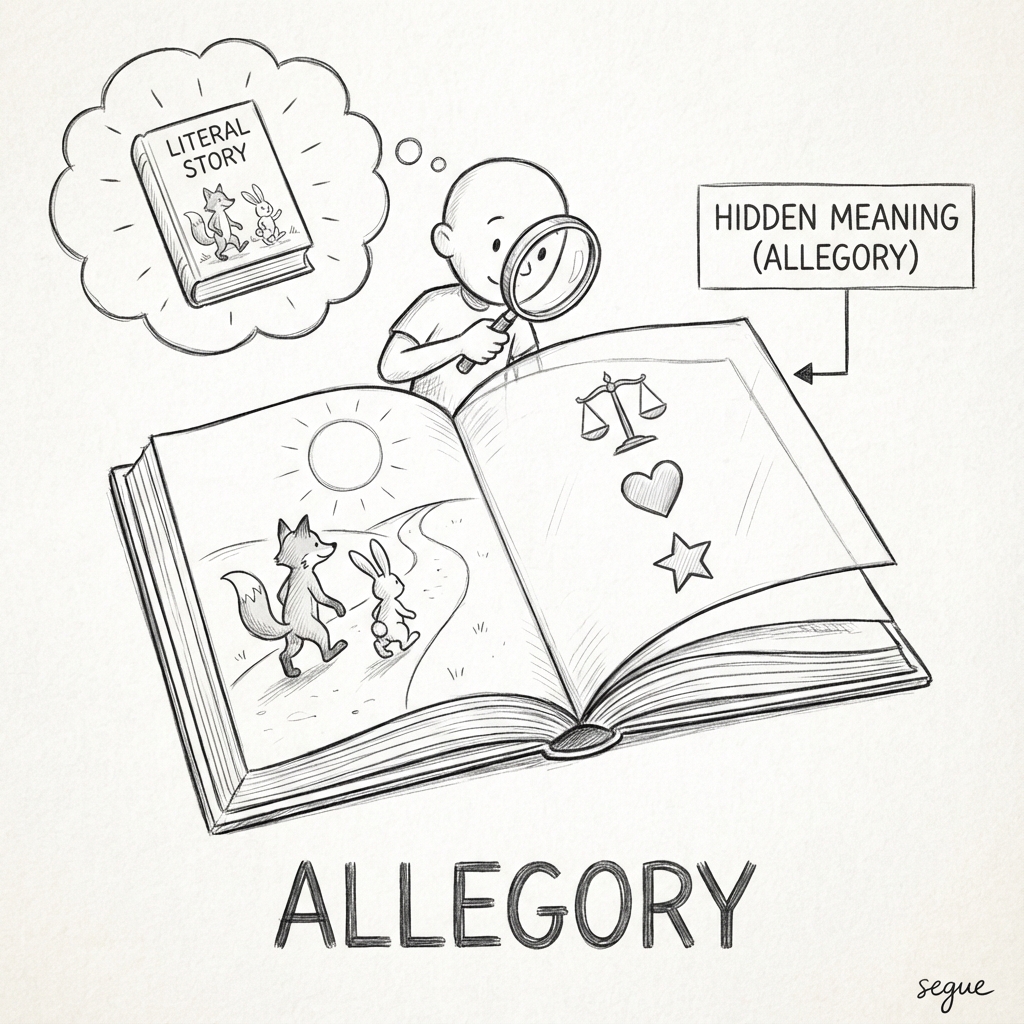
allegory
/ˈæɫəˌɡɔɹi/a story with a hidden meaning, typically moral or political
“Animal Farm is an allegory for the Russian Revolution.”
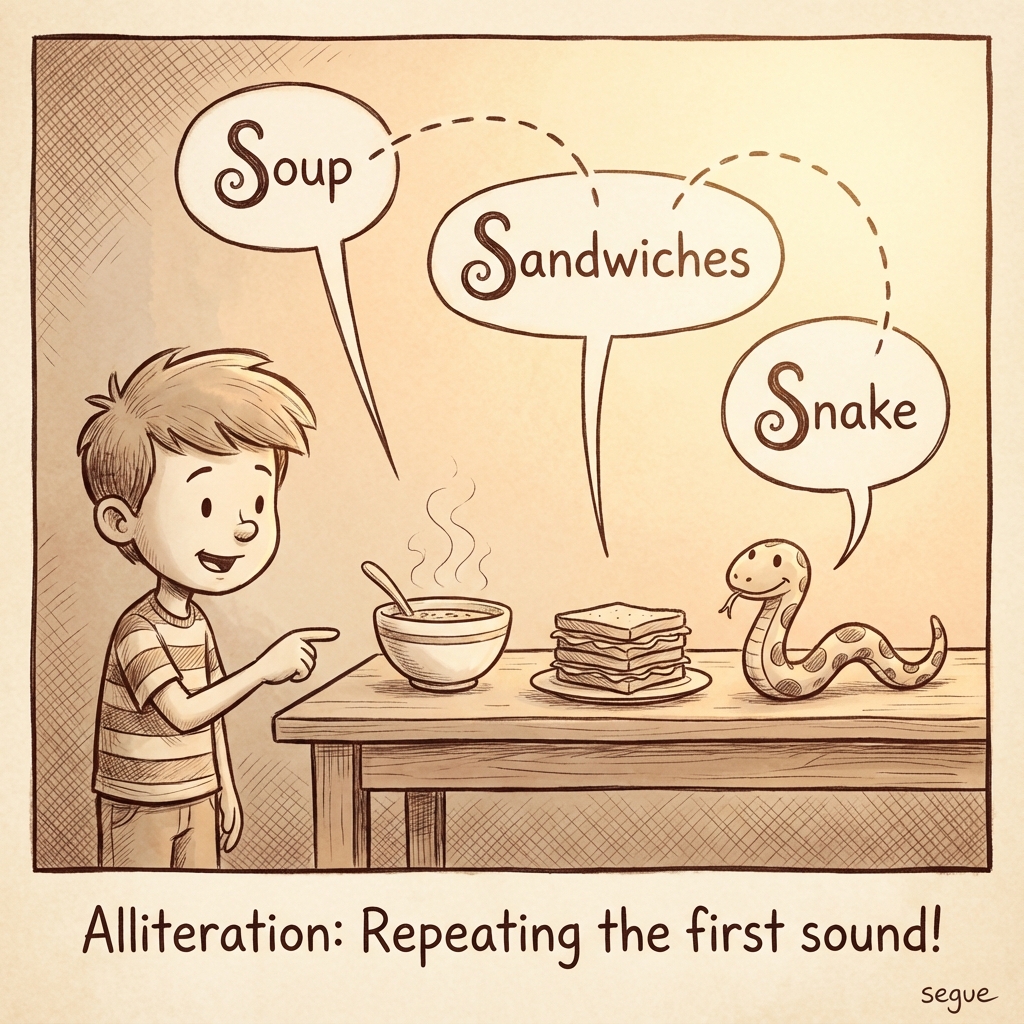
alliteration
/əˈɫɪtɝˌeɪʃən/the repetition of initial consonant sounds
“Peter Piper picked a peck of pickled peppers demonstrates alliteration.”
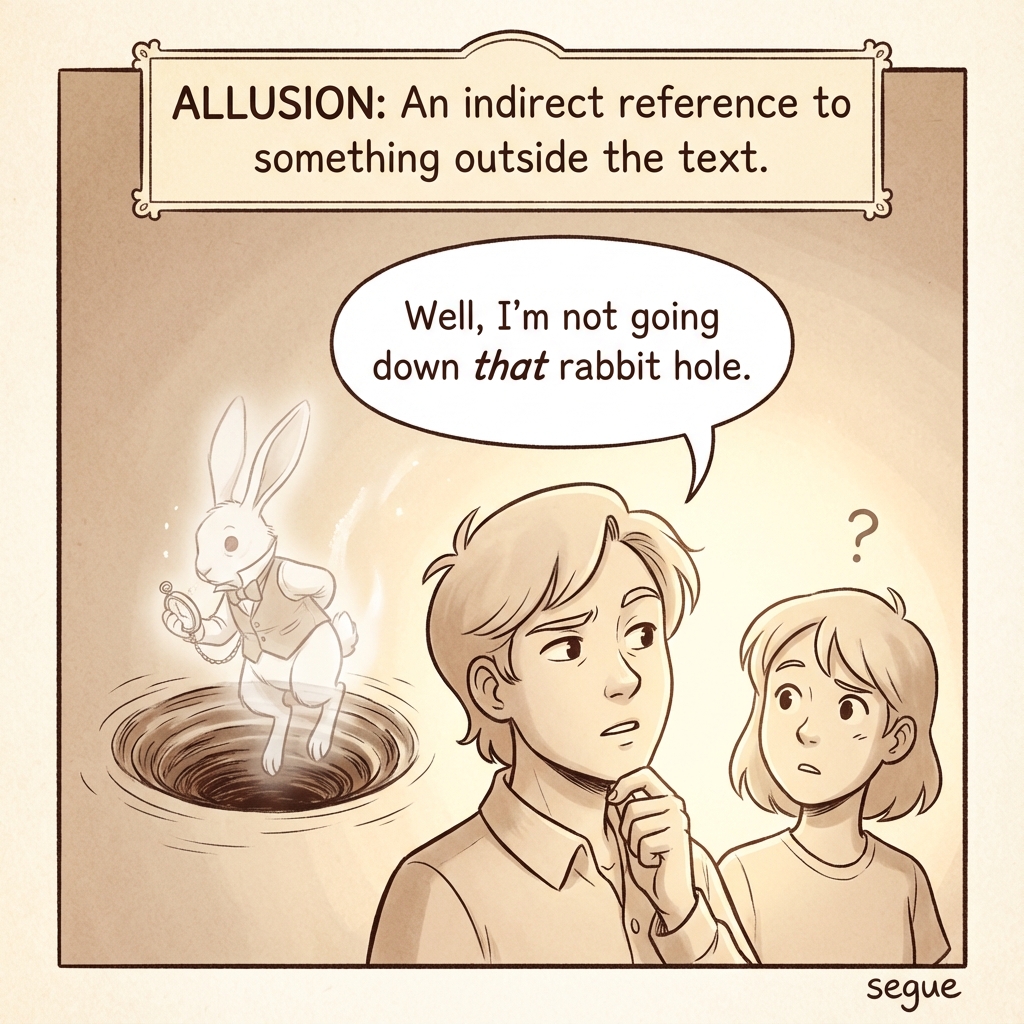
allusion
/əˈɫuʒən/an indirect reference to something outside the text
“Calling someone a 'Scrooge' is an allusion to Dickens.”
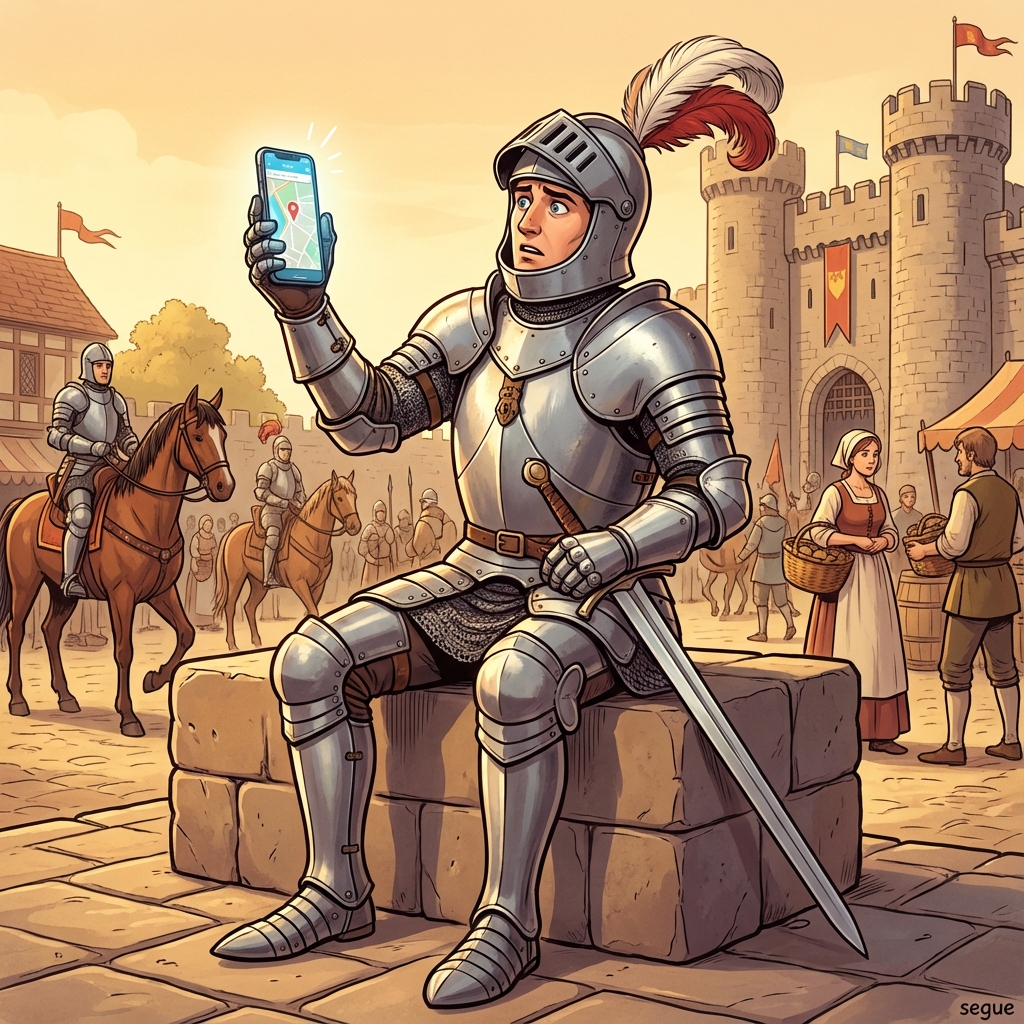
anachronism
/əˈnækɹəˌnɪzəm/something placed in the wrong historical period
“A wristwatch in a Roman epic would be an anachronism.”
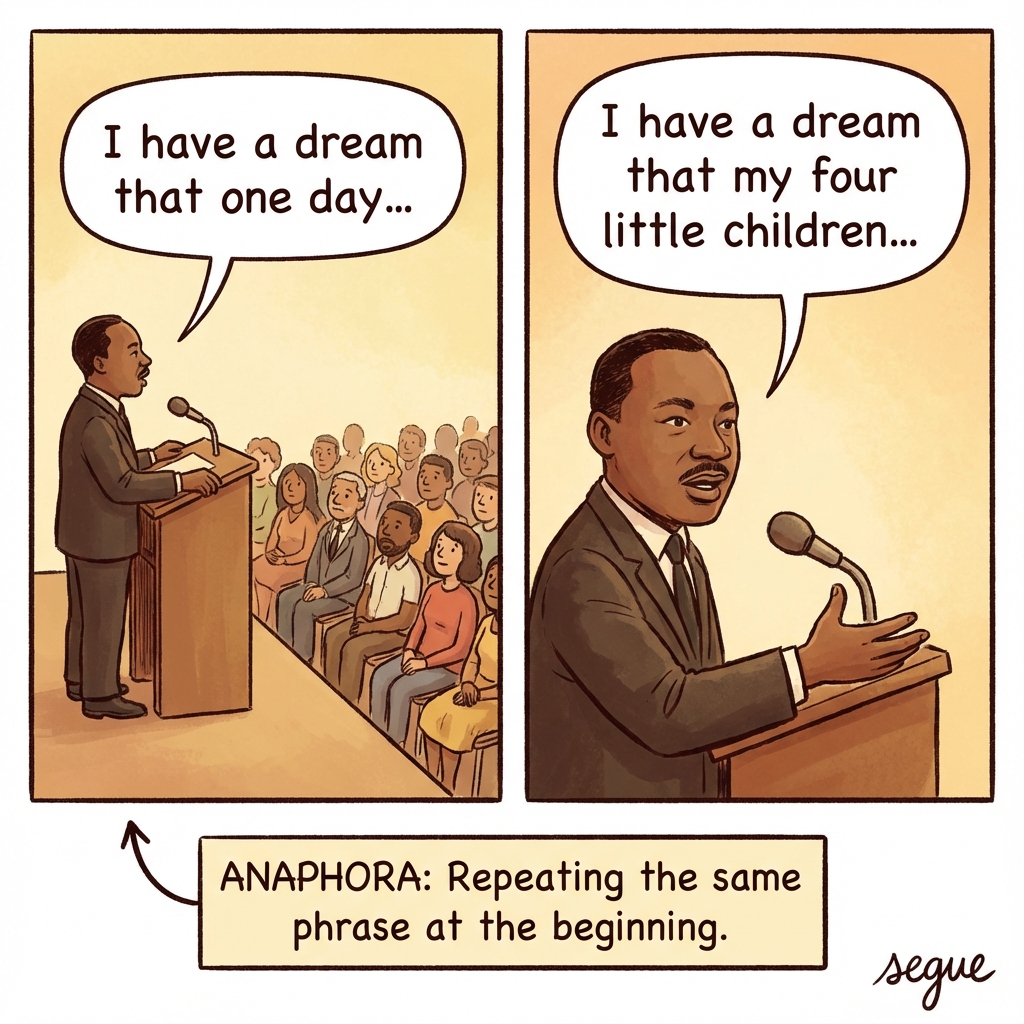
anaphora
/əˈnæfɝə/repetition of a word or phrase at the beginning of successive clauses
“Churchill's 'We shall fight' speech uses powerful anaphora.”
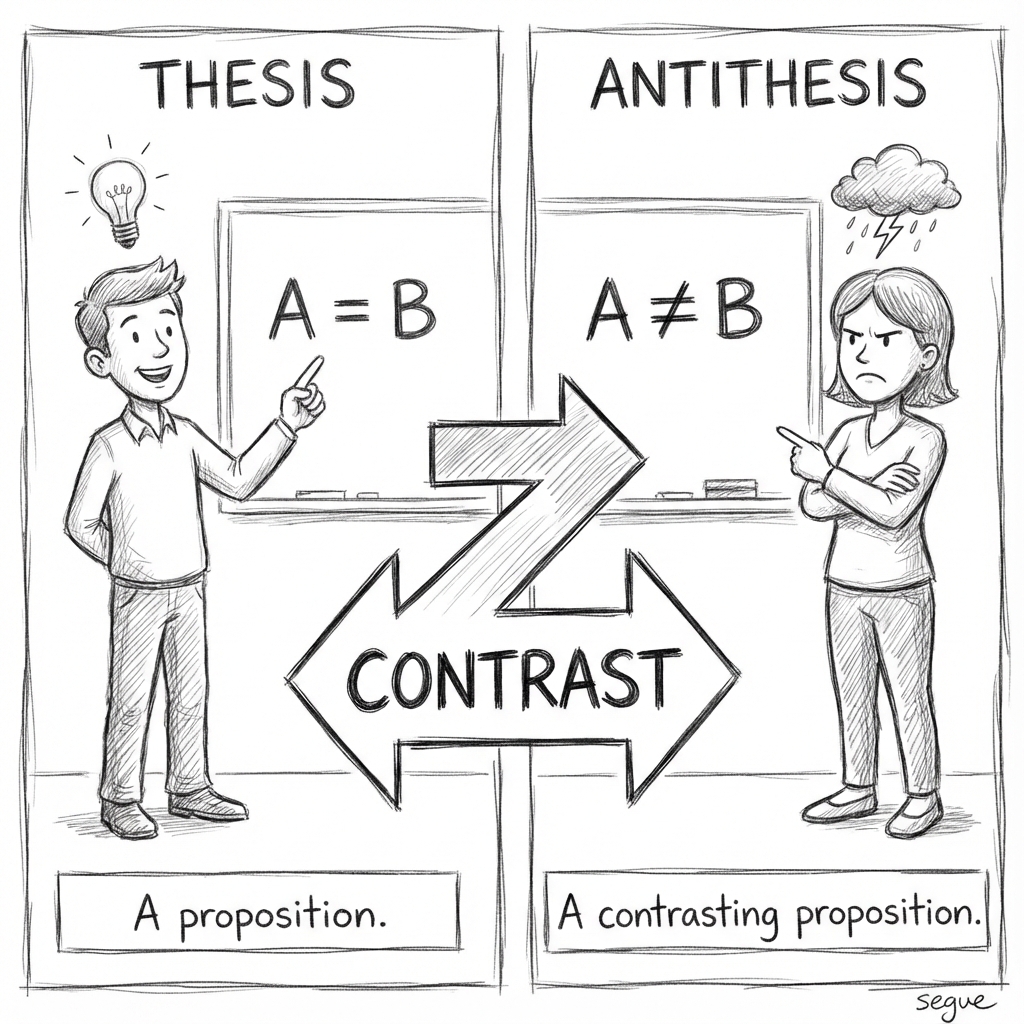
antithesis
/ænˈtɪθəsəs/the juxtaposition of contrasting ideas in balanced phrases
“It was the best of times, it was the worst of times is an antithesis.”
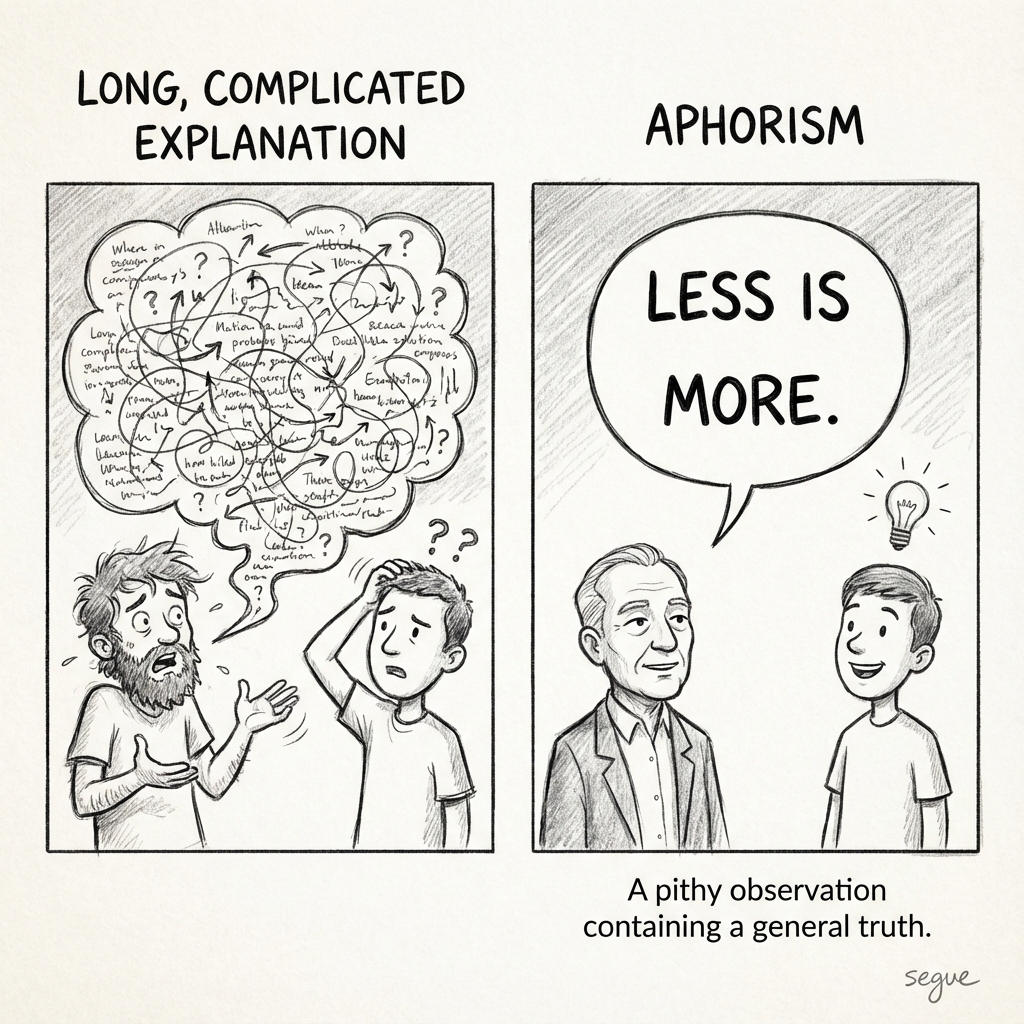
aphorism
/ˈæfɝˌɪzəm/a concise statement expressing a general truth
“Actions speak louder than words is a common aphorism.”
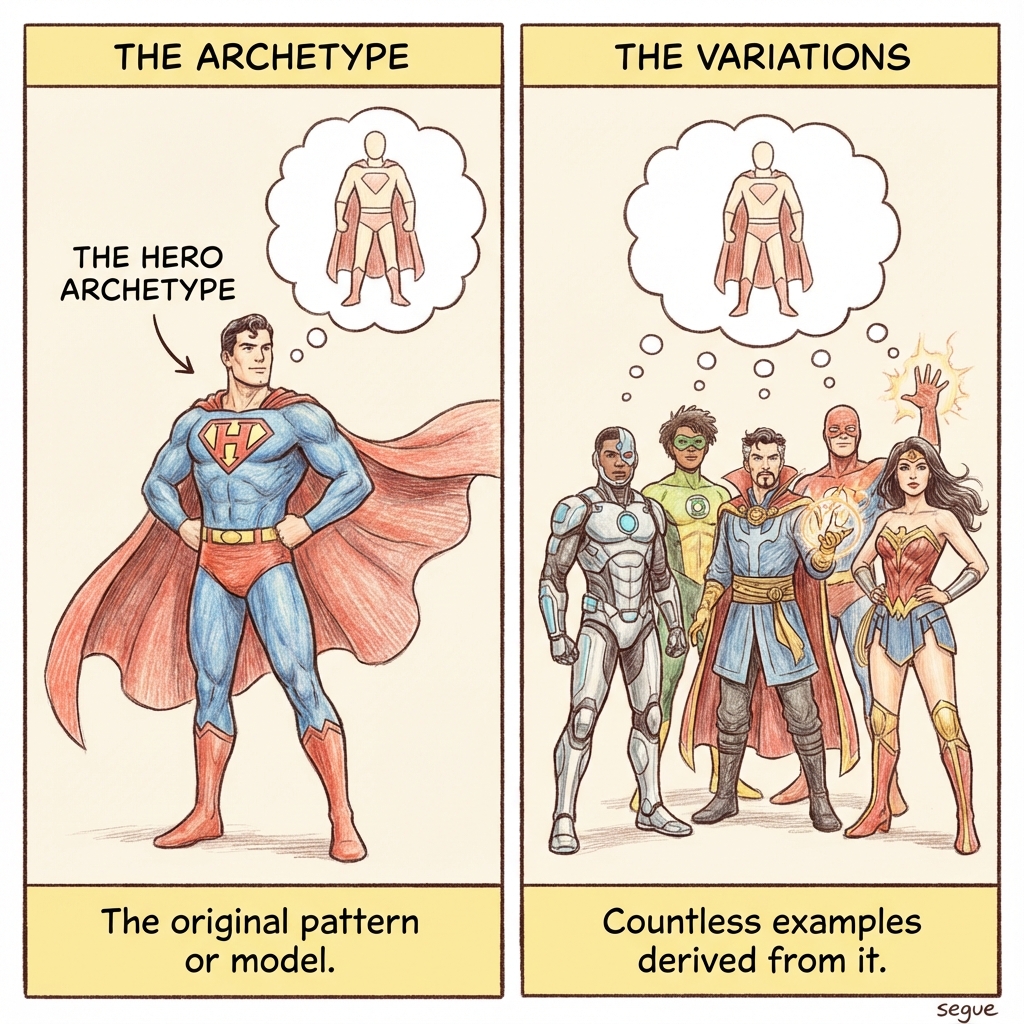
archetype
/ˈɑɹkɪˌtaɪp/a universal symbol or character type recurring across cultures
“The hero's journey is a common archetype in mythology.”
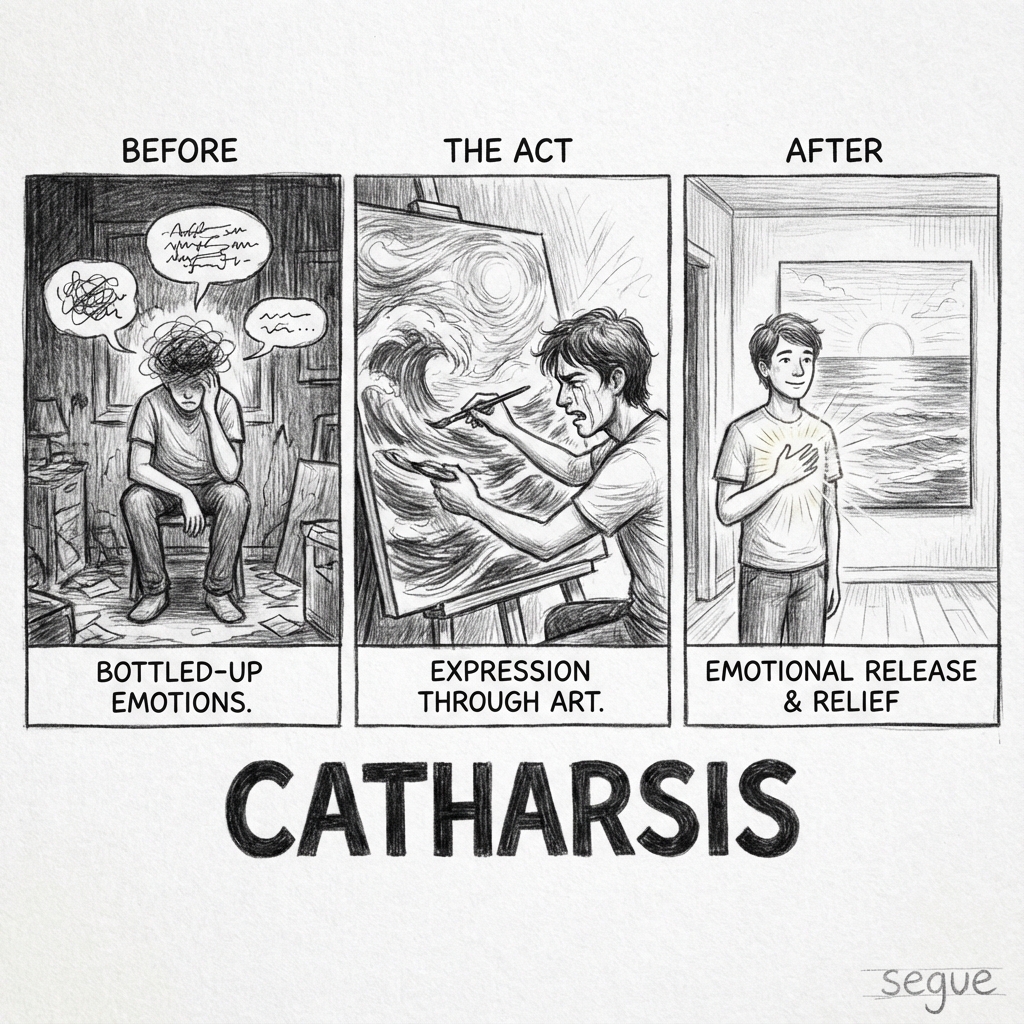
catharsis
/kəˈθɑɹsəs/emotional release or purification through art
“The tragedy provided catharsis for the audience.”
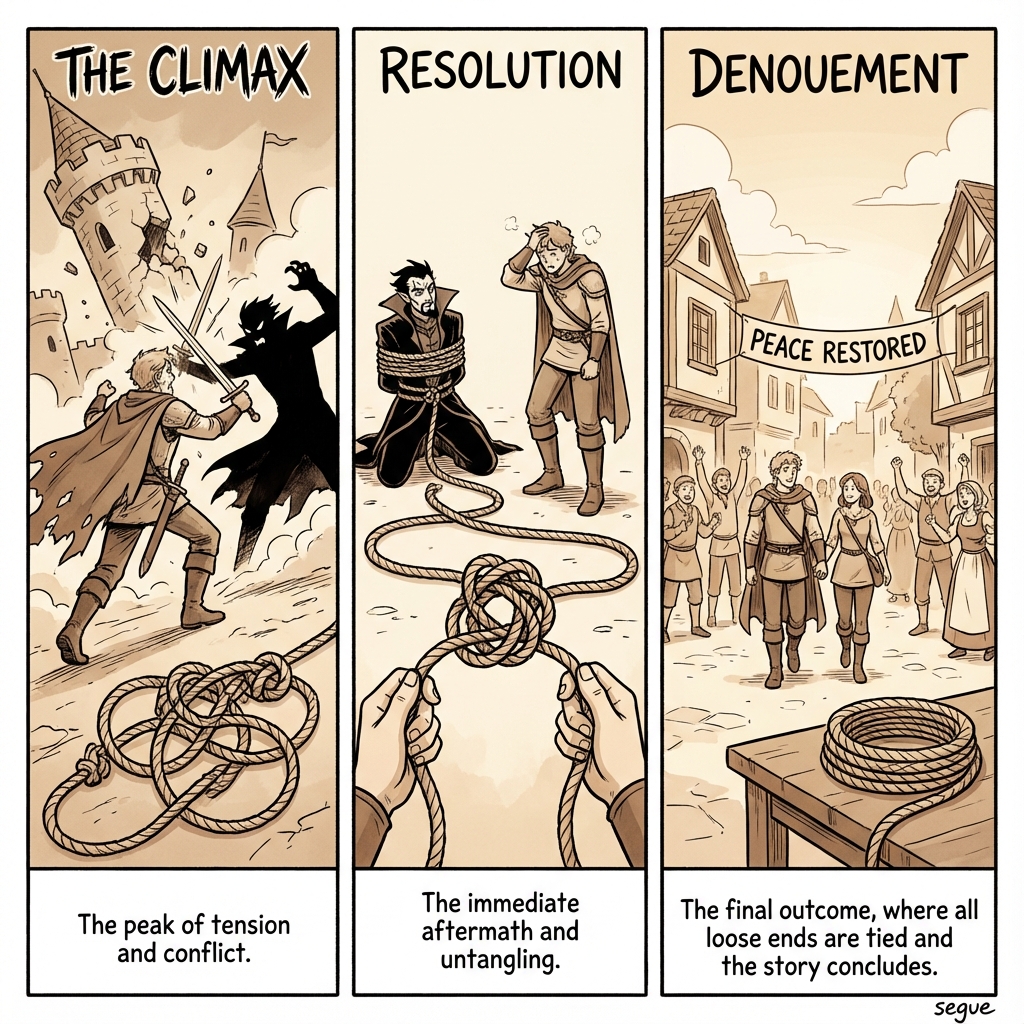
denouement
/ˌdeɪˌnuˈmɑn/the final resolution of a plot
“The denouement revealed the murderer's identity.”
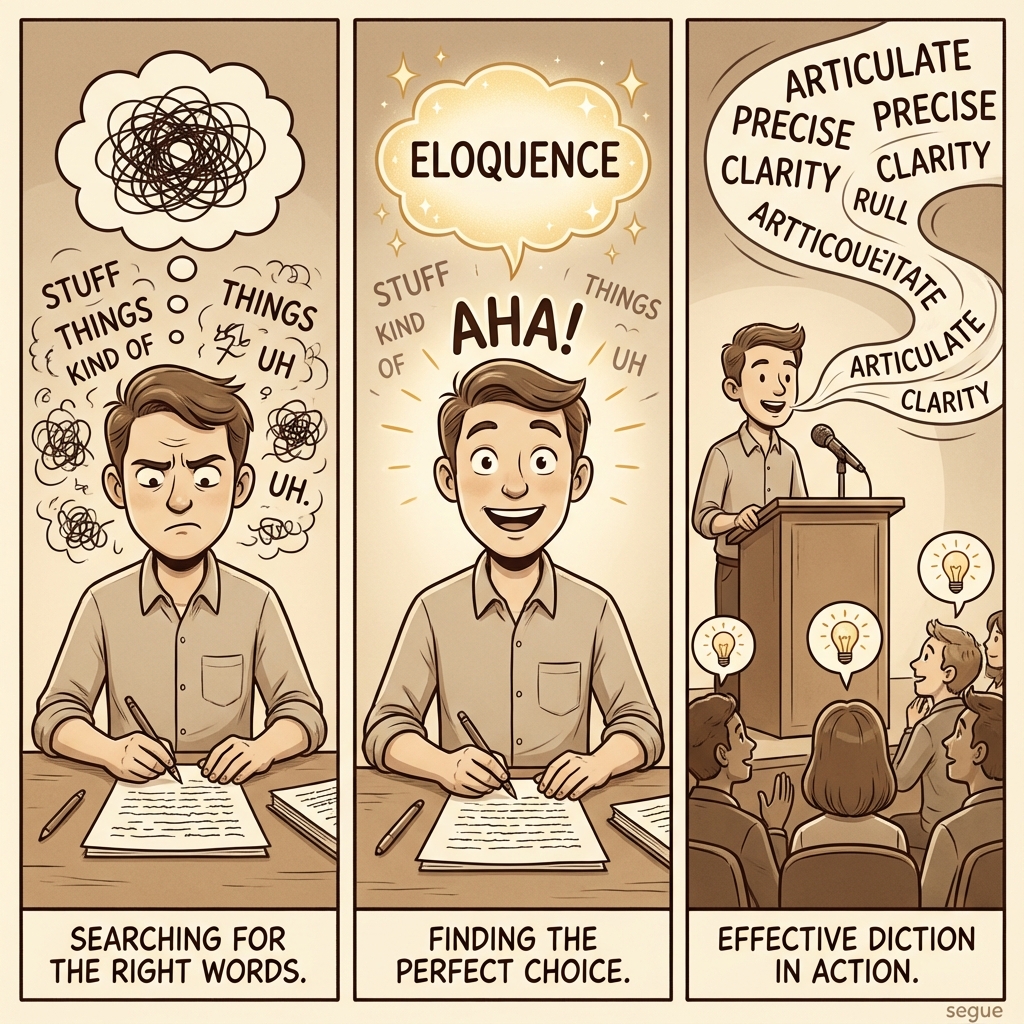
diction
/ˈdɪkʃən/the choice and use of words in speech or writing
“The author's formal diction suited the historical setting.”
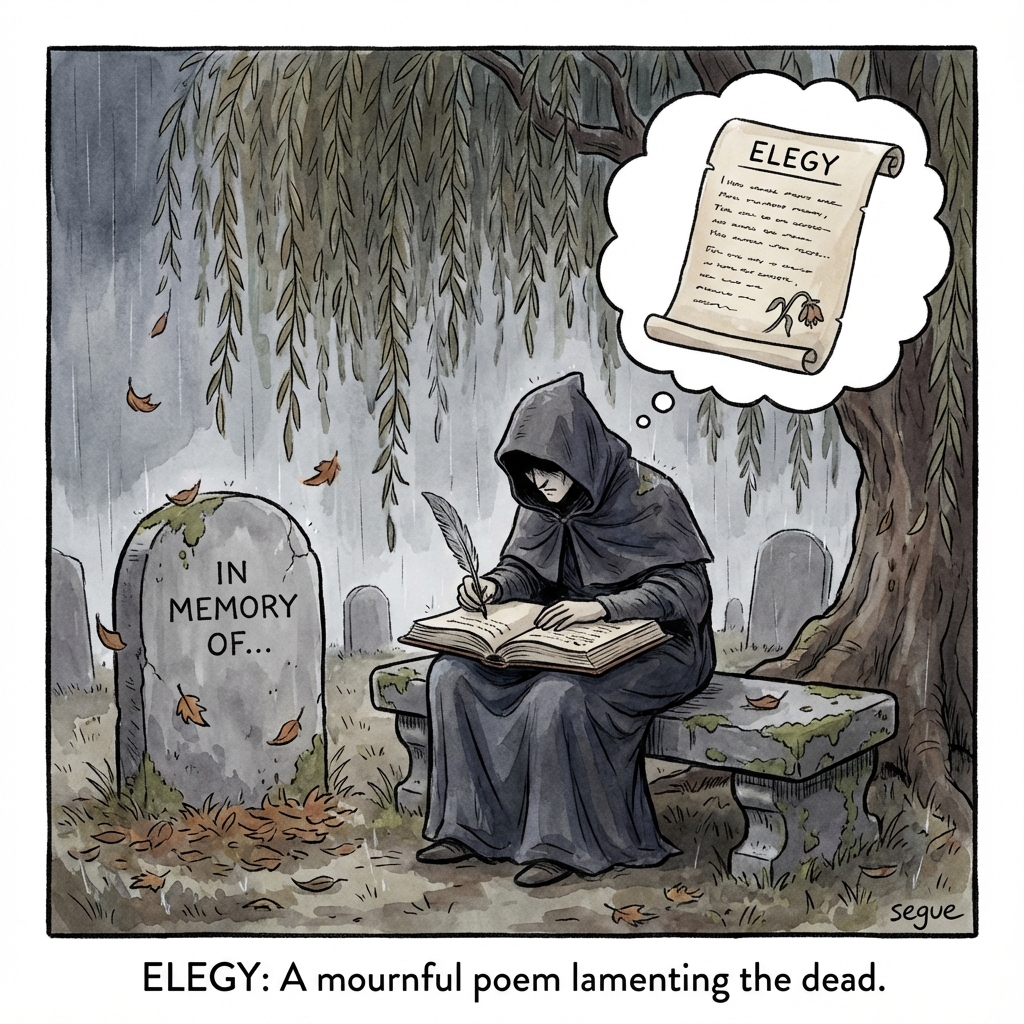
elegy
/ˈɛɫəˌdʒi/a mournful poem lamenting the dead
“Auden wrote an elegy for W.B. Yeats.”
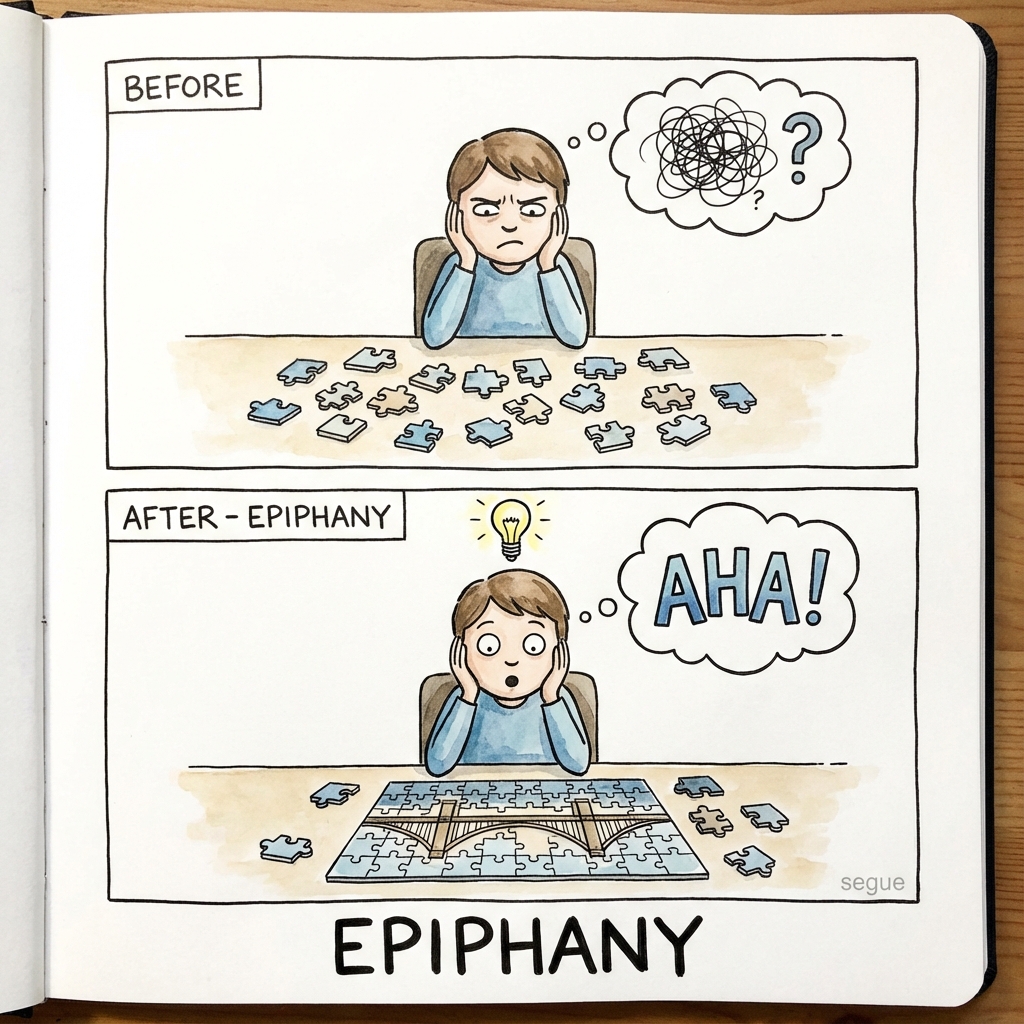
epiphany
/ɪˈpɪfəni/a sudden realization or insight
“The character's epiphany changed the course of the story.”
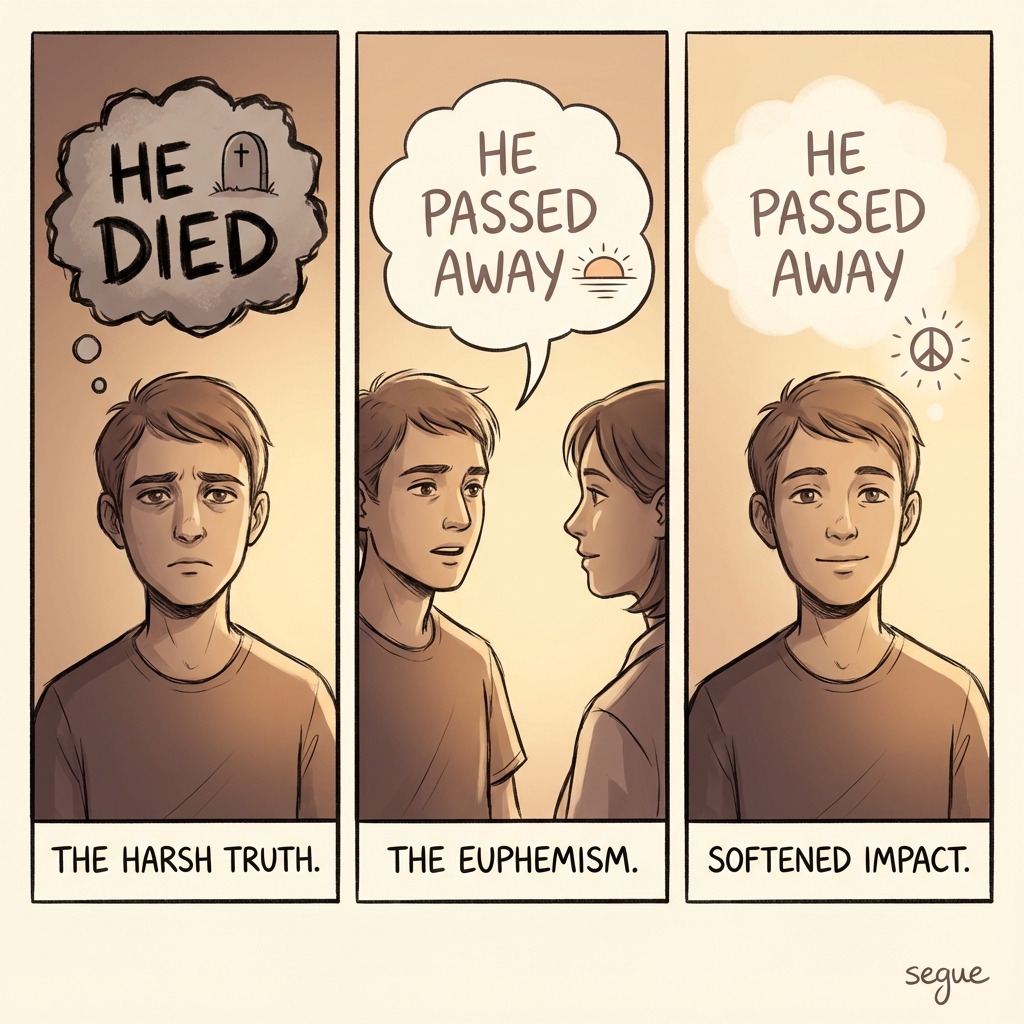
euphemism
/ˈjufəˌmɪzəm/a mild expression substituted for a harsh one
“Passed away is a euphemism for died.”
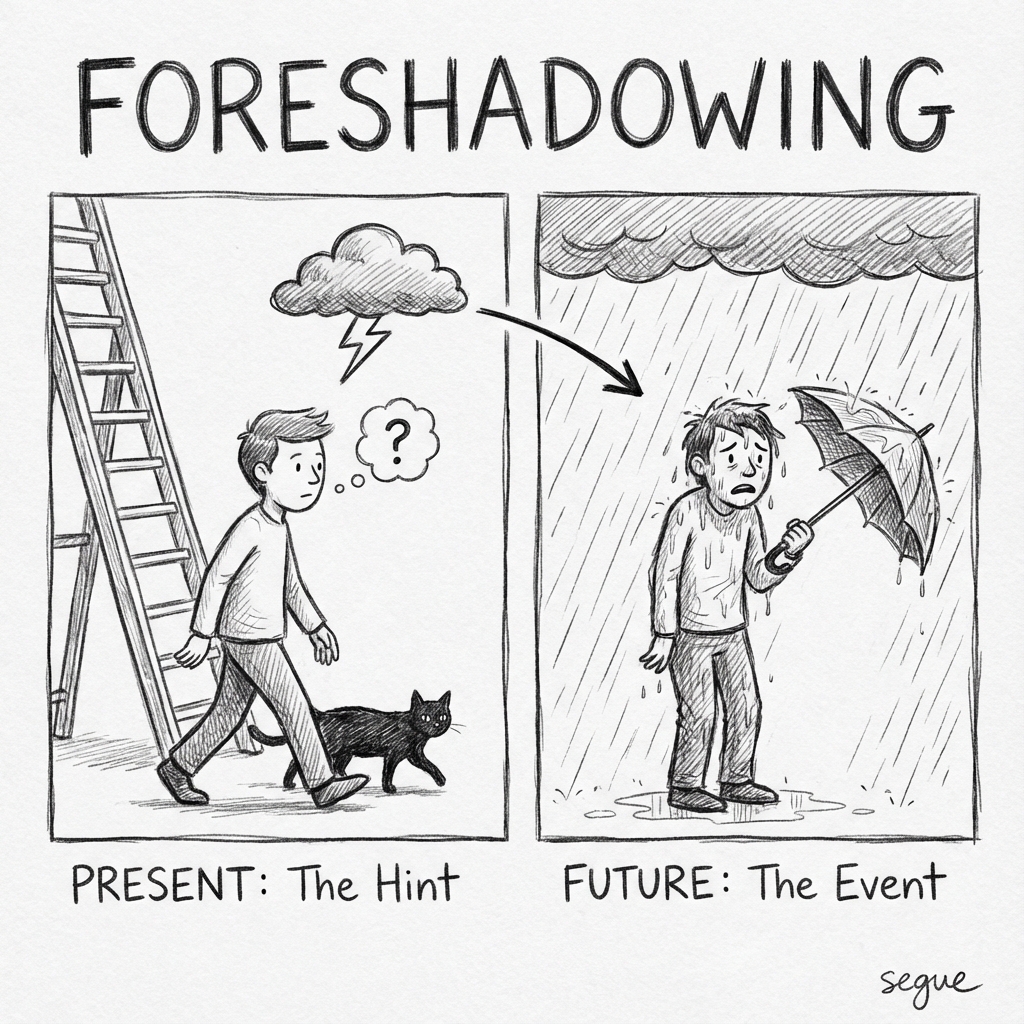
foreshadowing
/fɔɹˈʃædoʊɪŋ/hints about future events in a narrative
“The dark clouds foreshadowed the coming tragedy.”
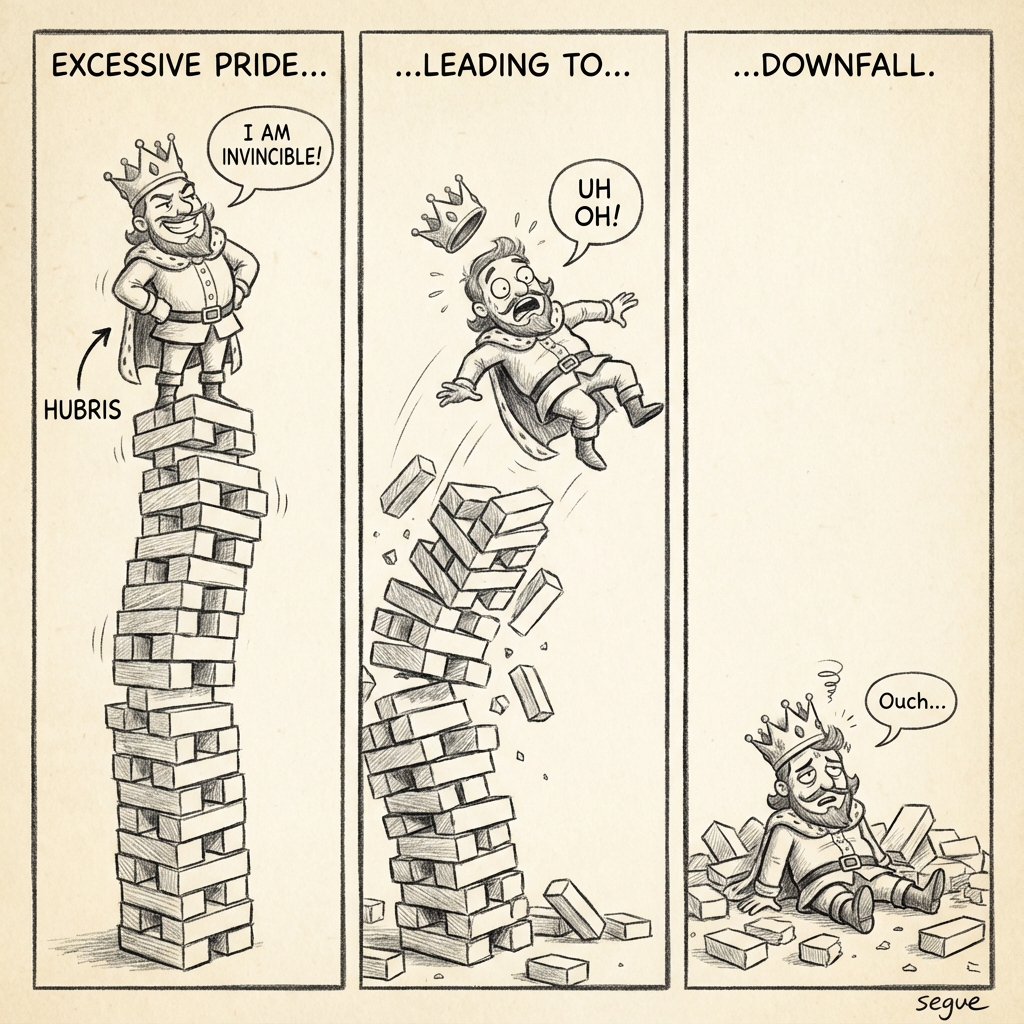
hubris
/ˈhjubɹəs/excessive pride leading to downfall
“The king's hubris ultimately destroyed his kingdom.”
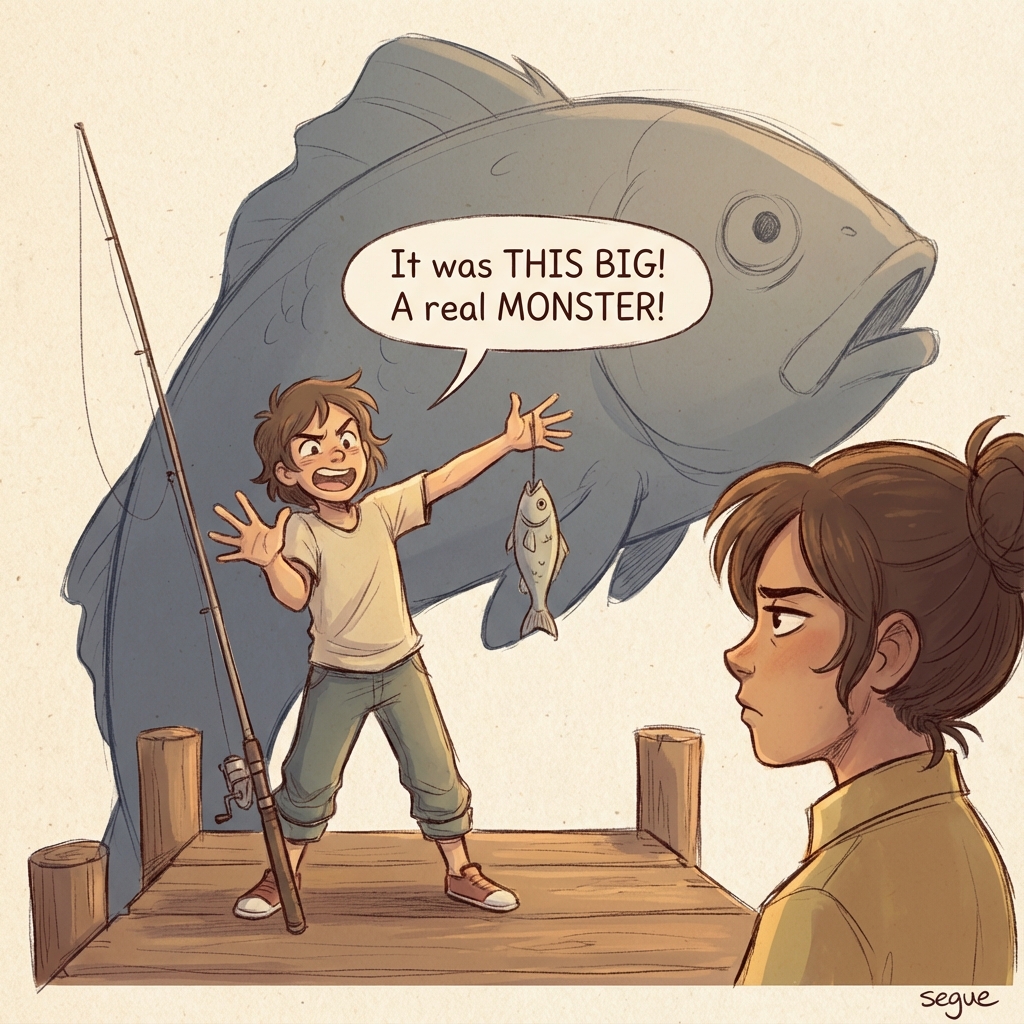
hyperbole
/haɪˈpɝbəˌɫi/deliberate exaggeration for emphasis or effect
“I've told you a million times is hyperbole.”
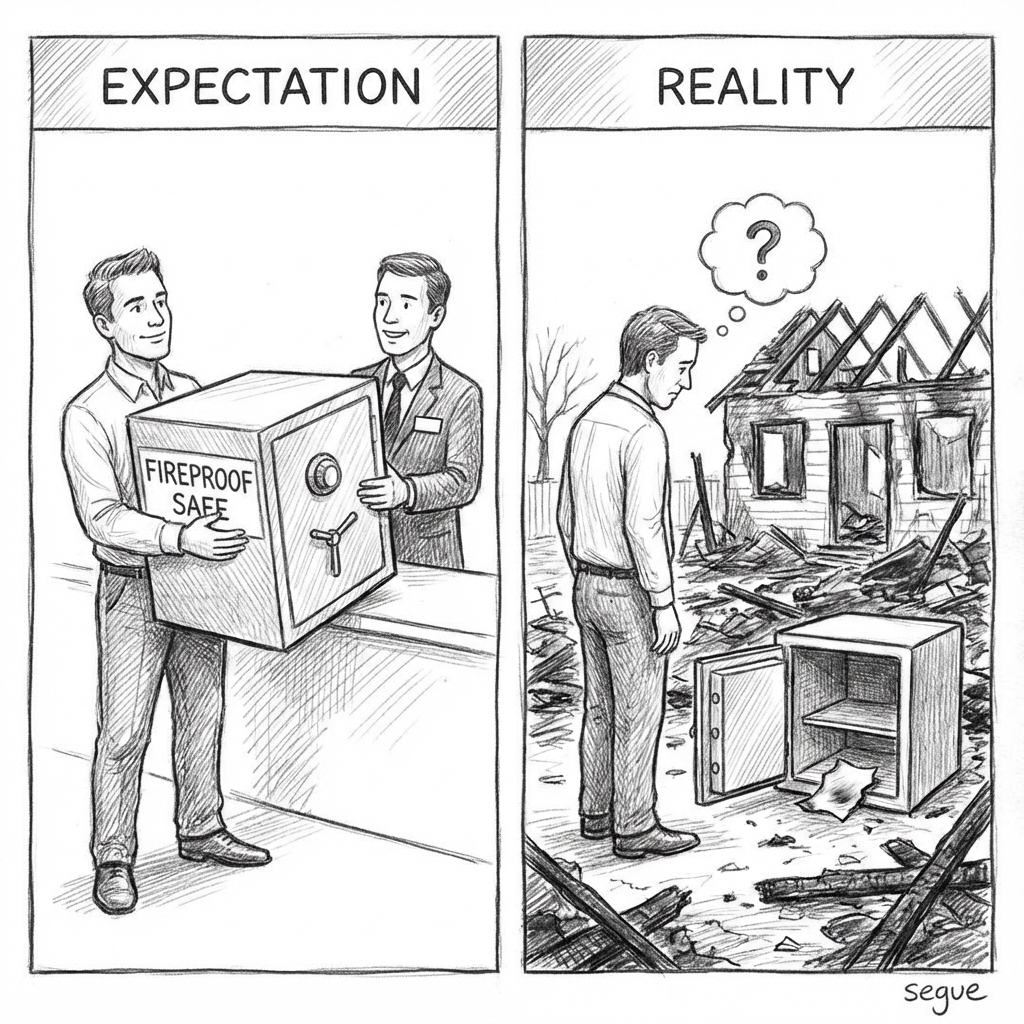
irony
/ˈaɪɹəni/expression of meaning through opposite words or outcomes
“A fire station burning down is a classic example of irony.”
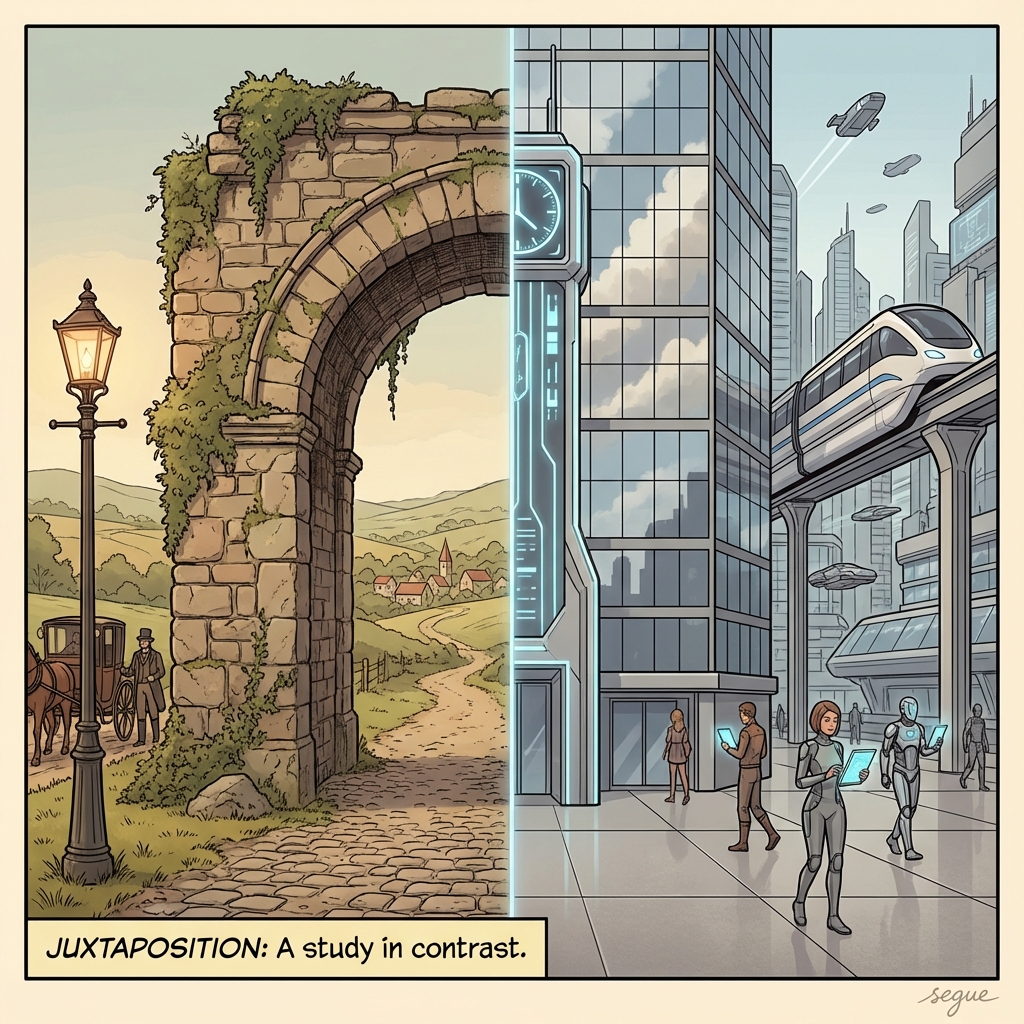
juxtaposition
/ˌdʒəkstəpəˈzɪʃən/placing two elements close together for contrasting effect
“The juxtaposition of wealth and poverty highlighted inequality.”
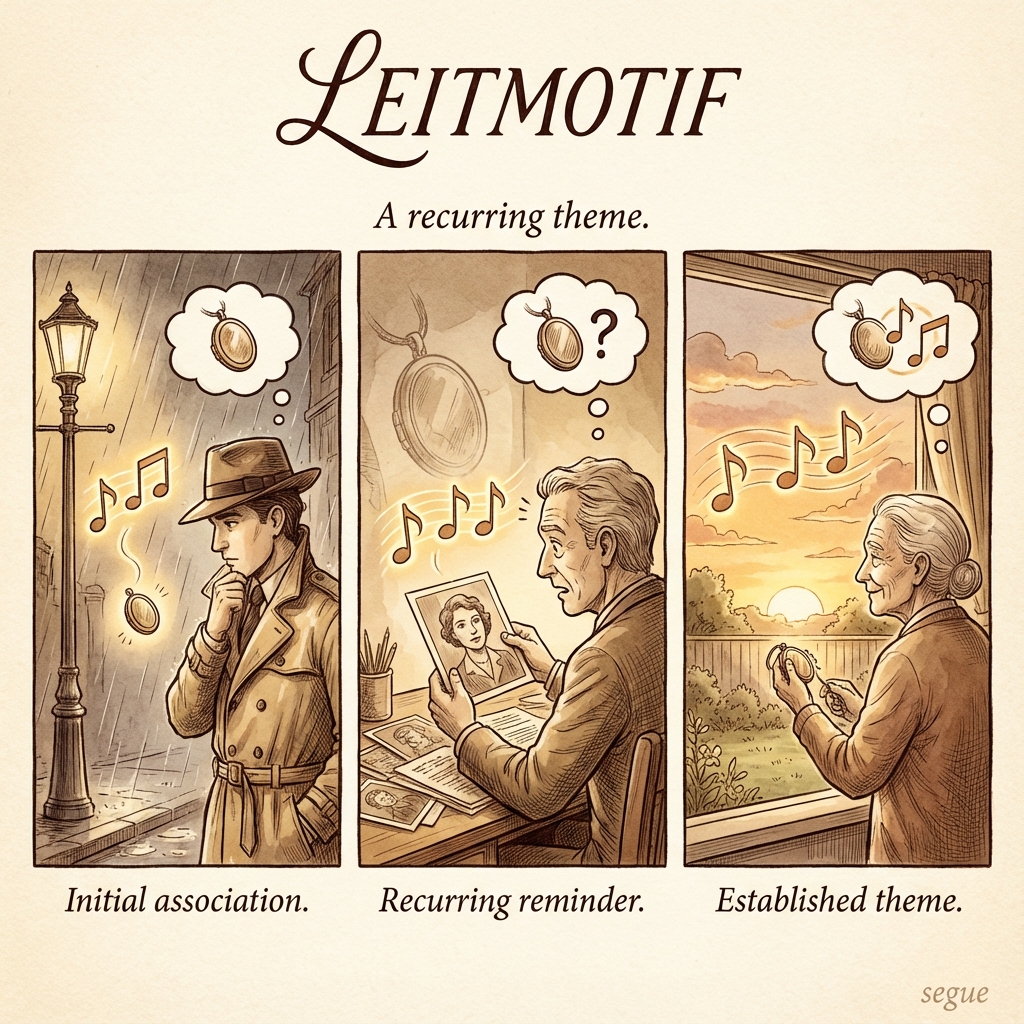
leitmotif
/ˈɫaɪtmoʊˌtif/a recurring theme or element throughout a work
“The green light serves as a leitmotif in The Great Gatsby.”
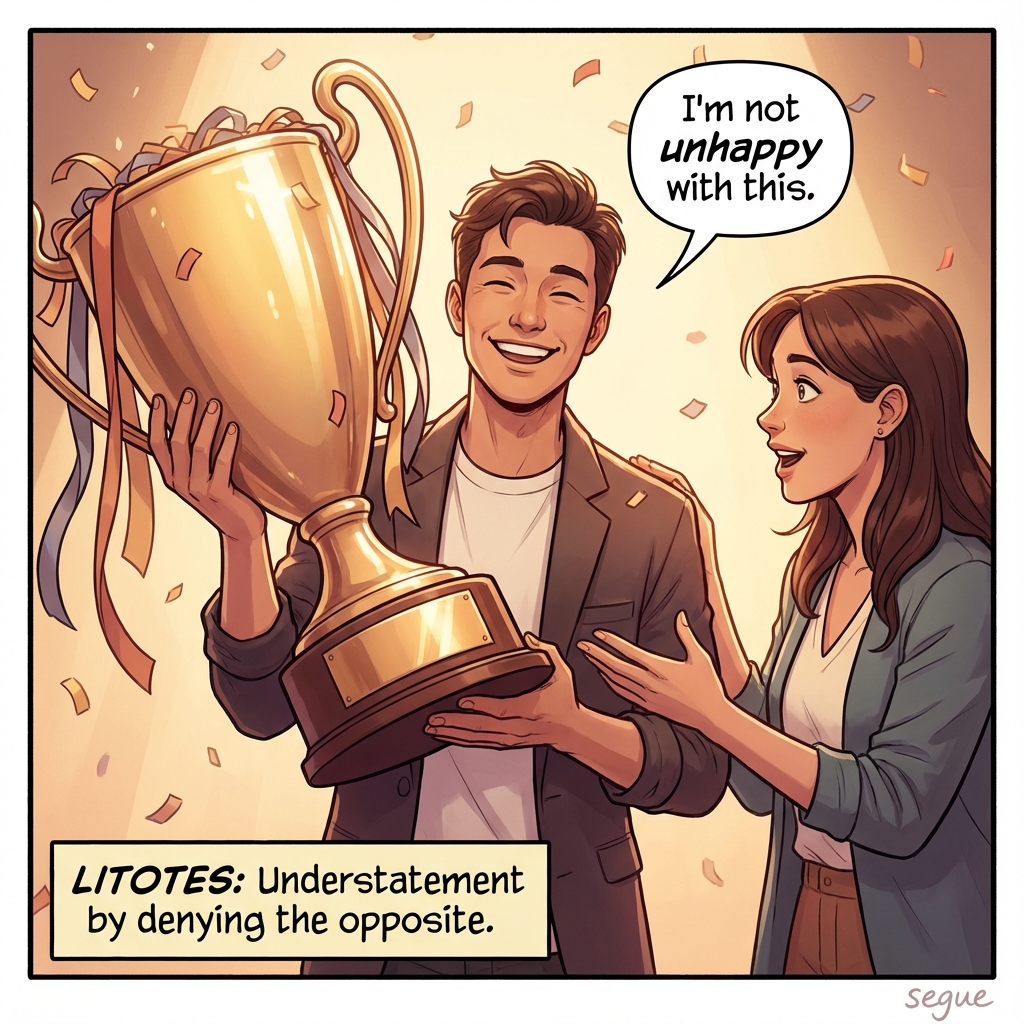
litotes
/ˈlaɪtətiːz/understatement by denying the opposite
“Saying 'not bad' when you mean 'good' is litotes.”
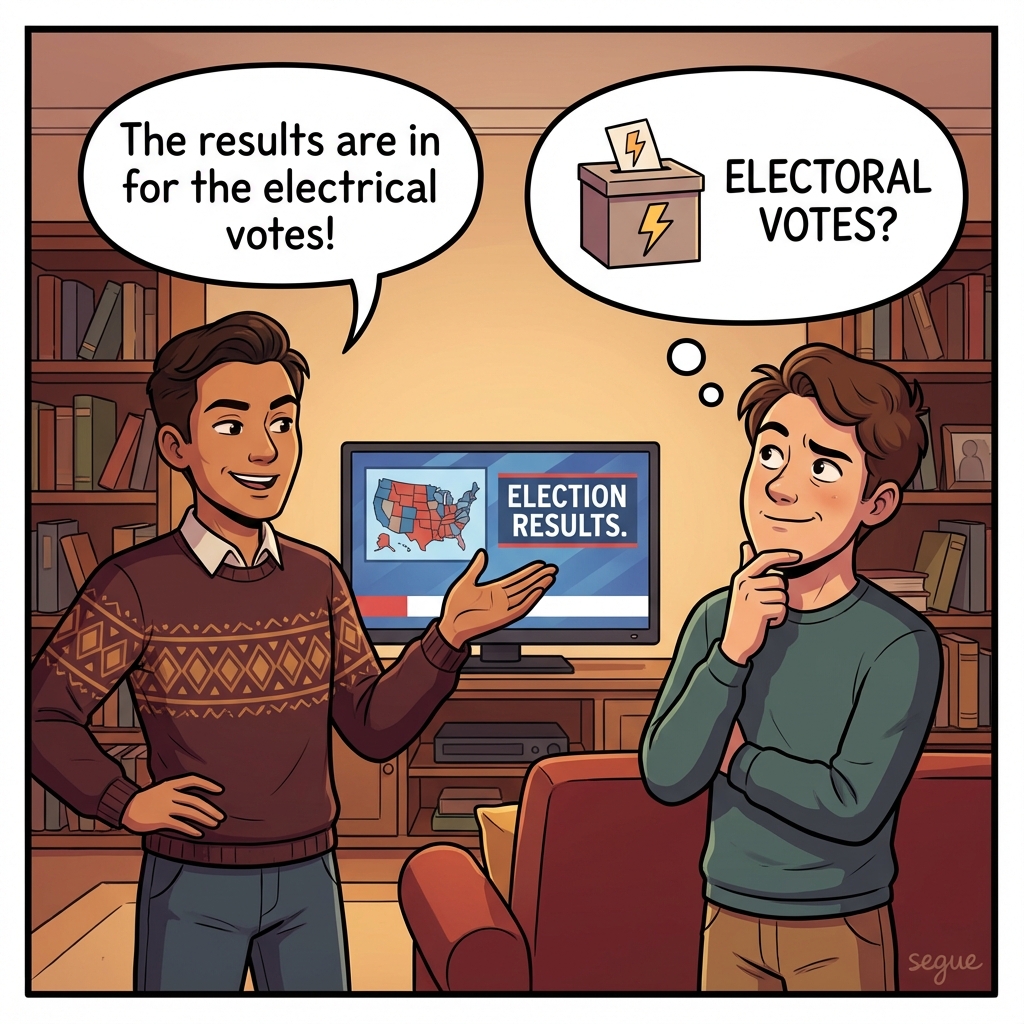
malapropism
/ˈmæləprɒpɪzəm/mistaken use of a word for a similar-sounding one
“Saying 'for all intensive purposes' instead of 'intents and purposes' is a malapropism.”
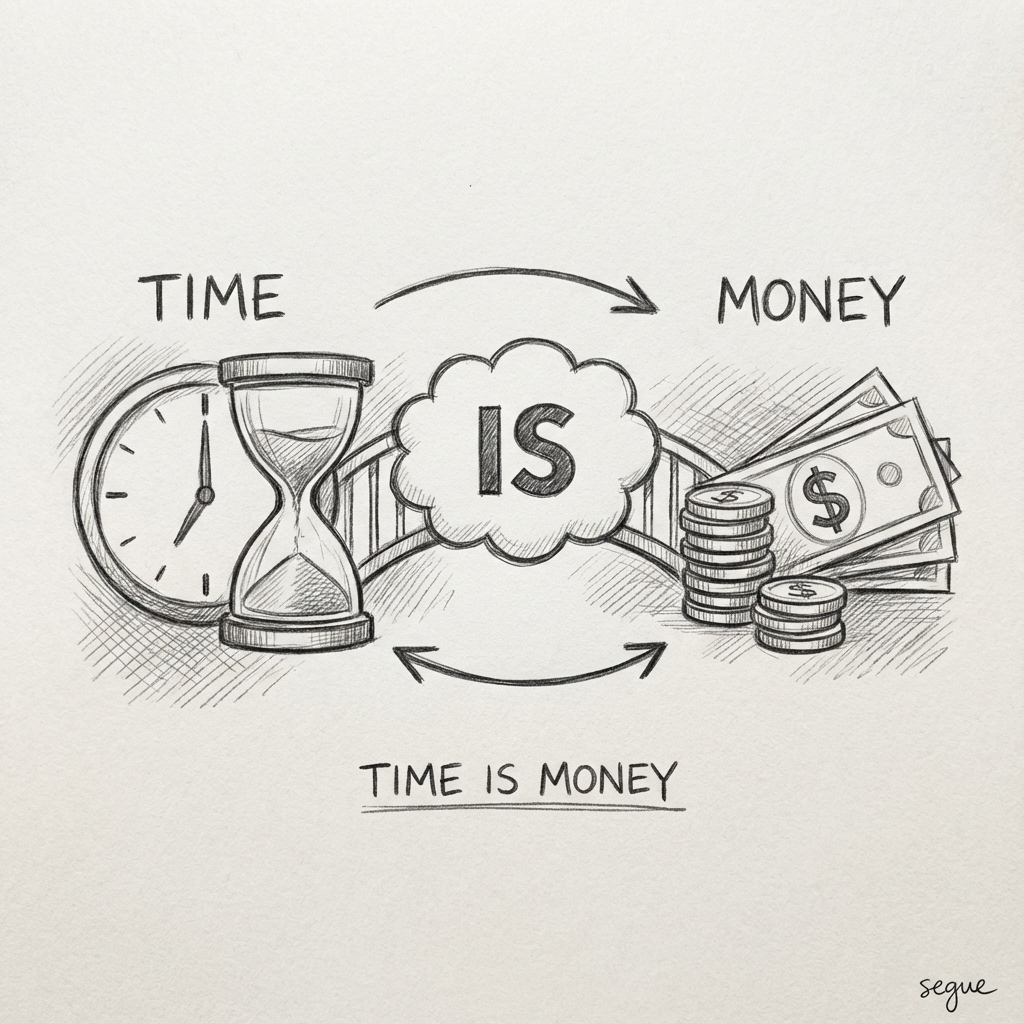
metaphor
/ˈmɛtəfɔɹ/a direct comparison between two unlike things
“Life is a journey is a common metaphor.”
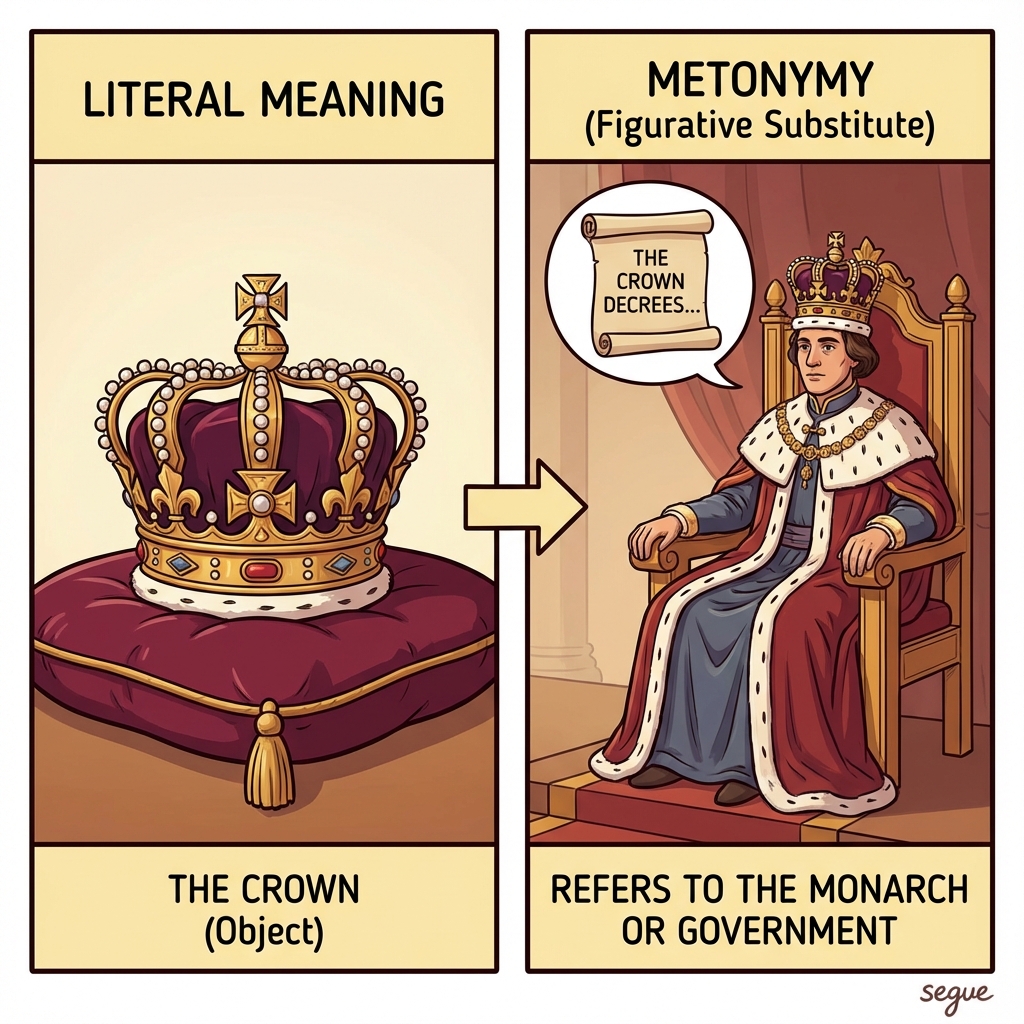
metonymy
/məˈtɒnɪmi/substituting the name of an attribute for the thing itself
“The pen is mightier than the sword uses metonymy.”
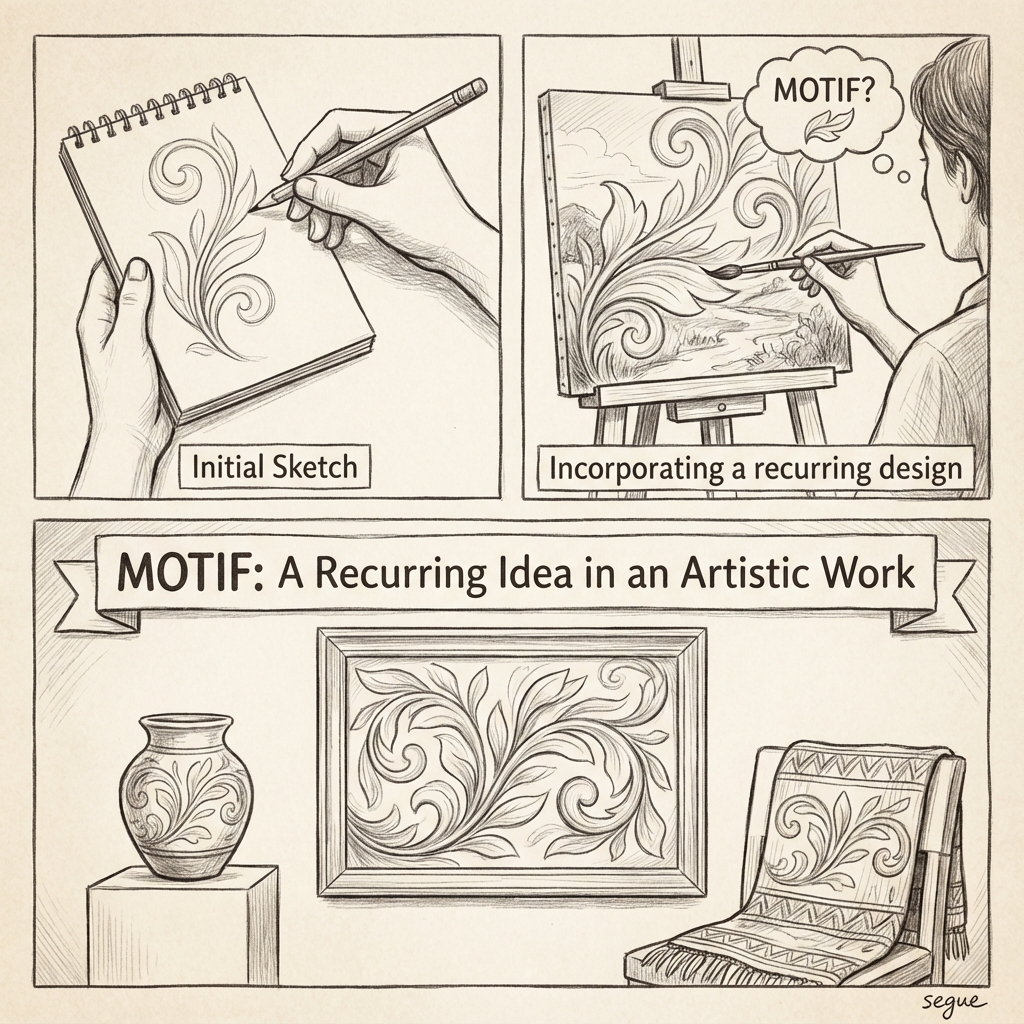
motif
/moʊˈtif/a recurring element that has symbolic significance
“Water is a motif representing rebirth in the novel.”
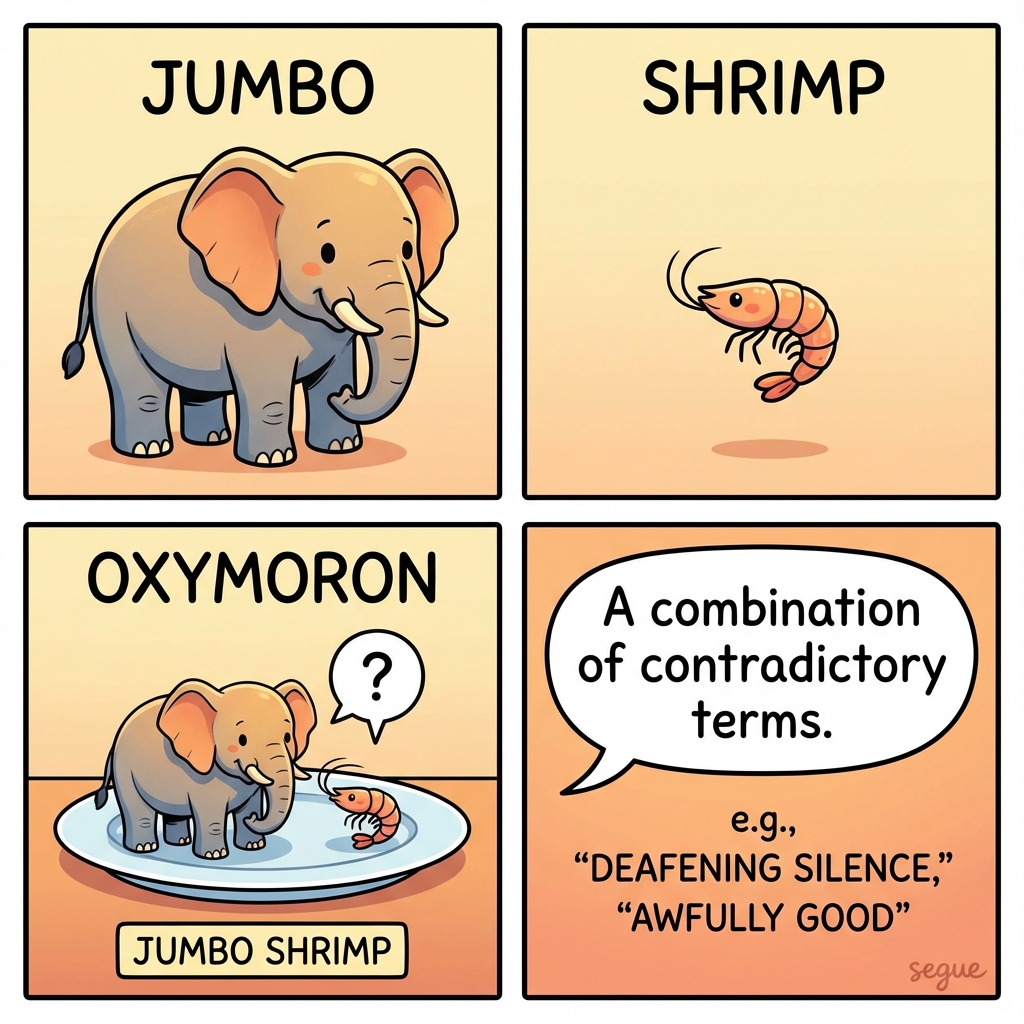
oxymoron
/ˌɑkˈsiˈmɔɹɑn/a combination of contradictory terms
“Deafening silence and living dead are oxymorons.”
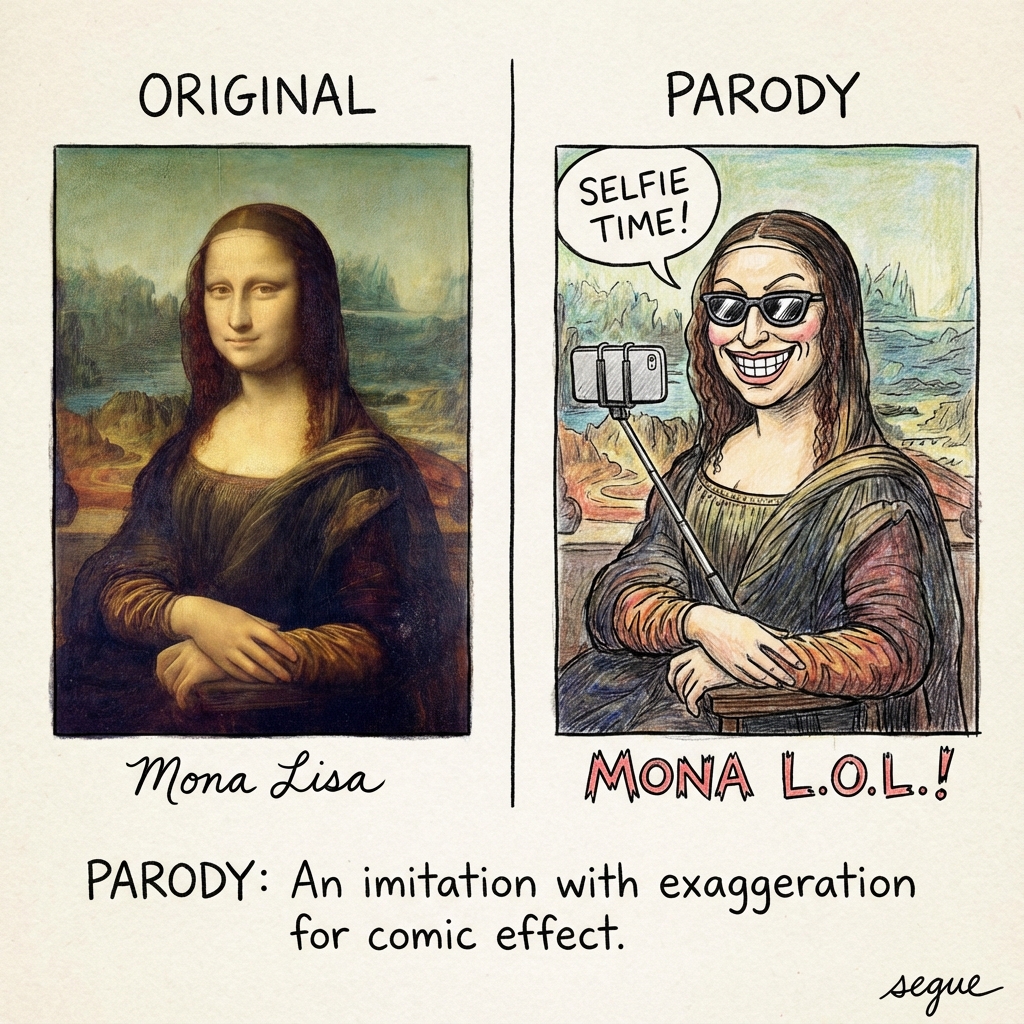
parody
/ˈpɛɹədi/an imitation for comic effect or ridicule
“The film was a parody of action movie clichés.”
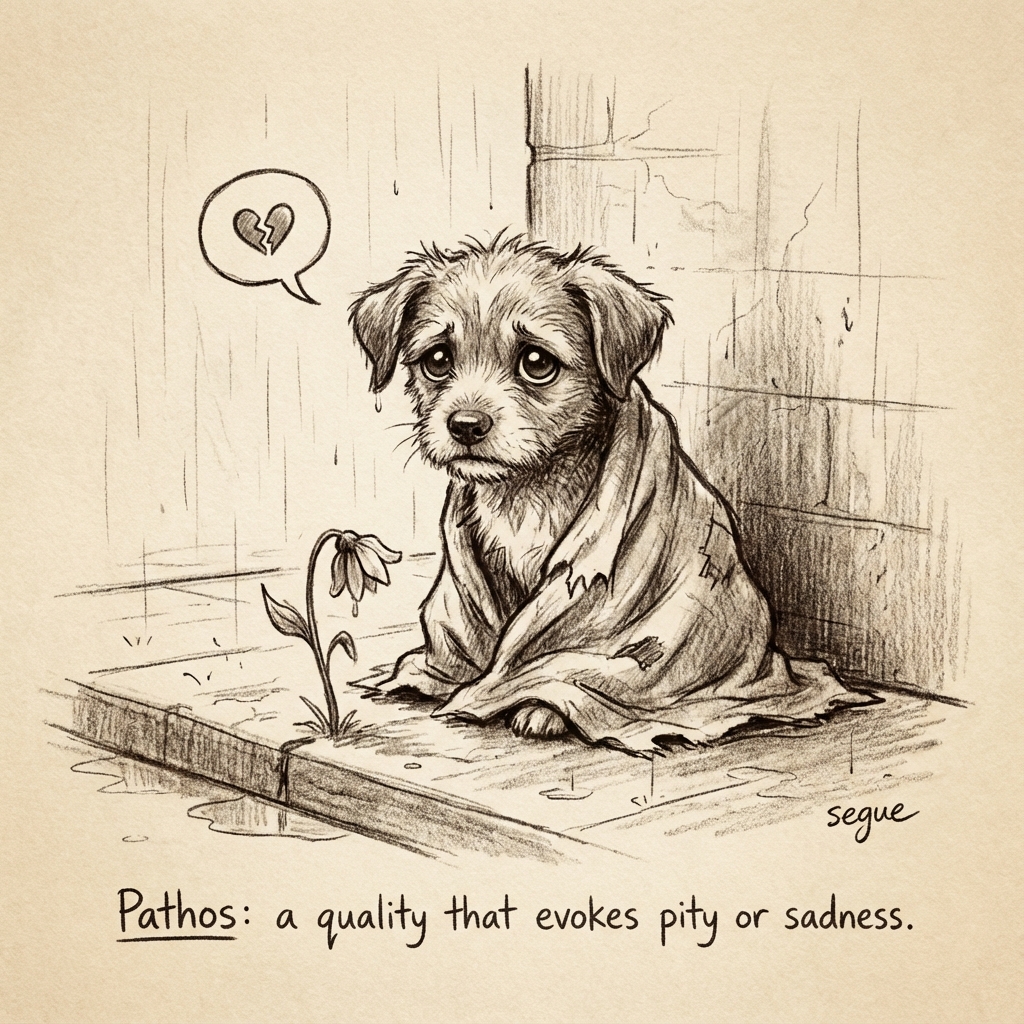
pathos
/ˈpeɪθɑs/a quality that evokes pity or sadness
“The orphan's story was full of pathos.”
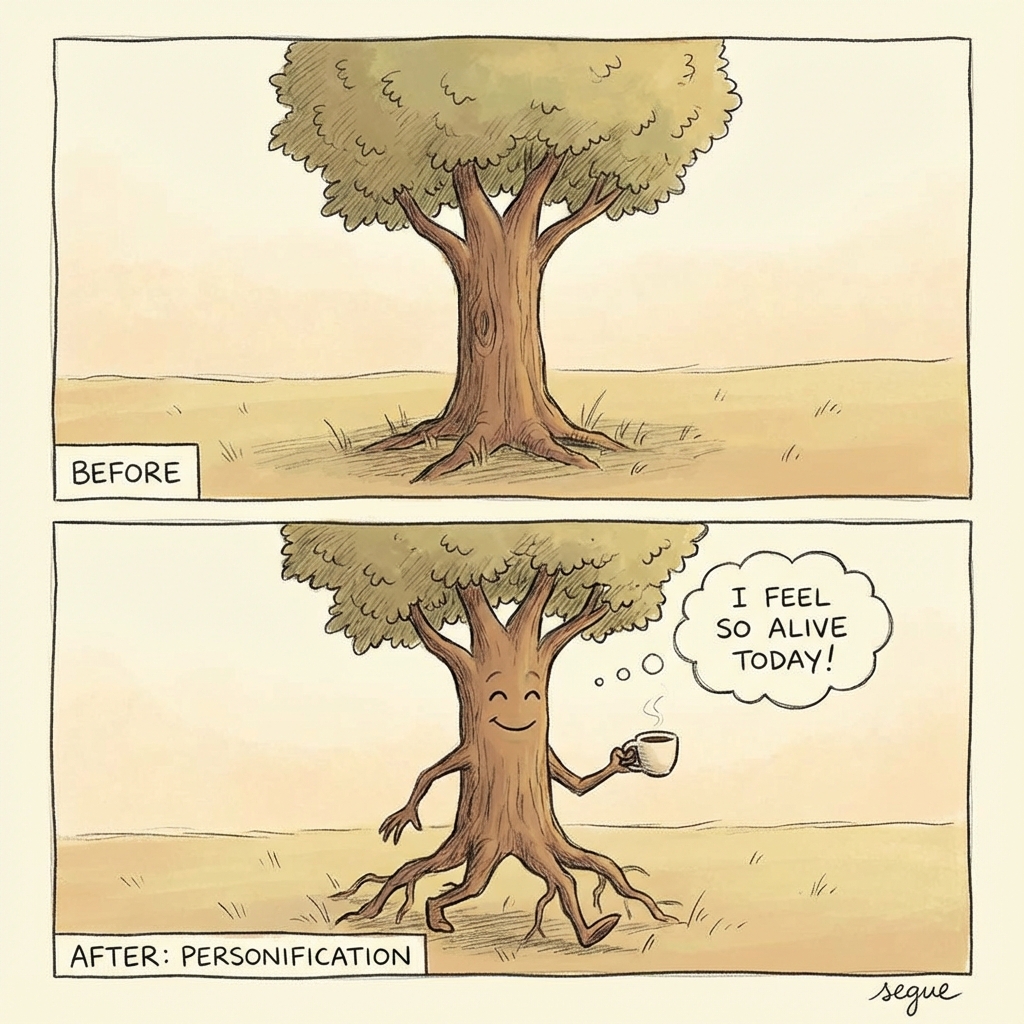
personification
/pɝˌsɑnəfəˈkeɪʃən/attributing human qualities to non-human things
“The wind whispered through the trees is personification.”
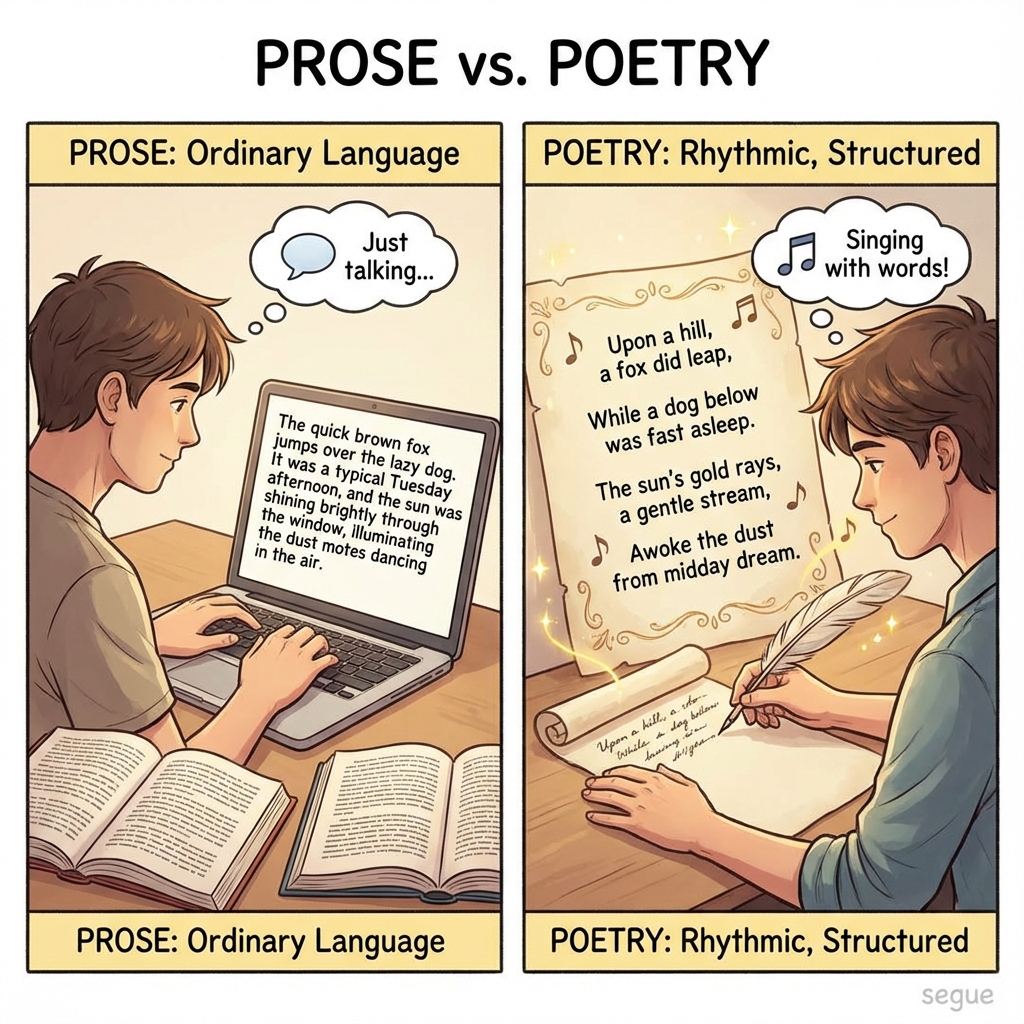
prose
/ˈpɹoʊz/ordinary written language, as opposed to poetry
“The novel is written in elegant prose.”
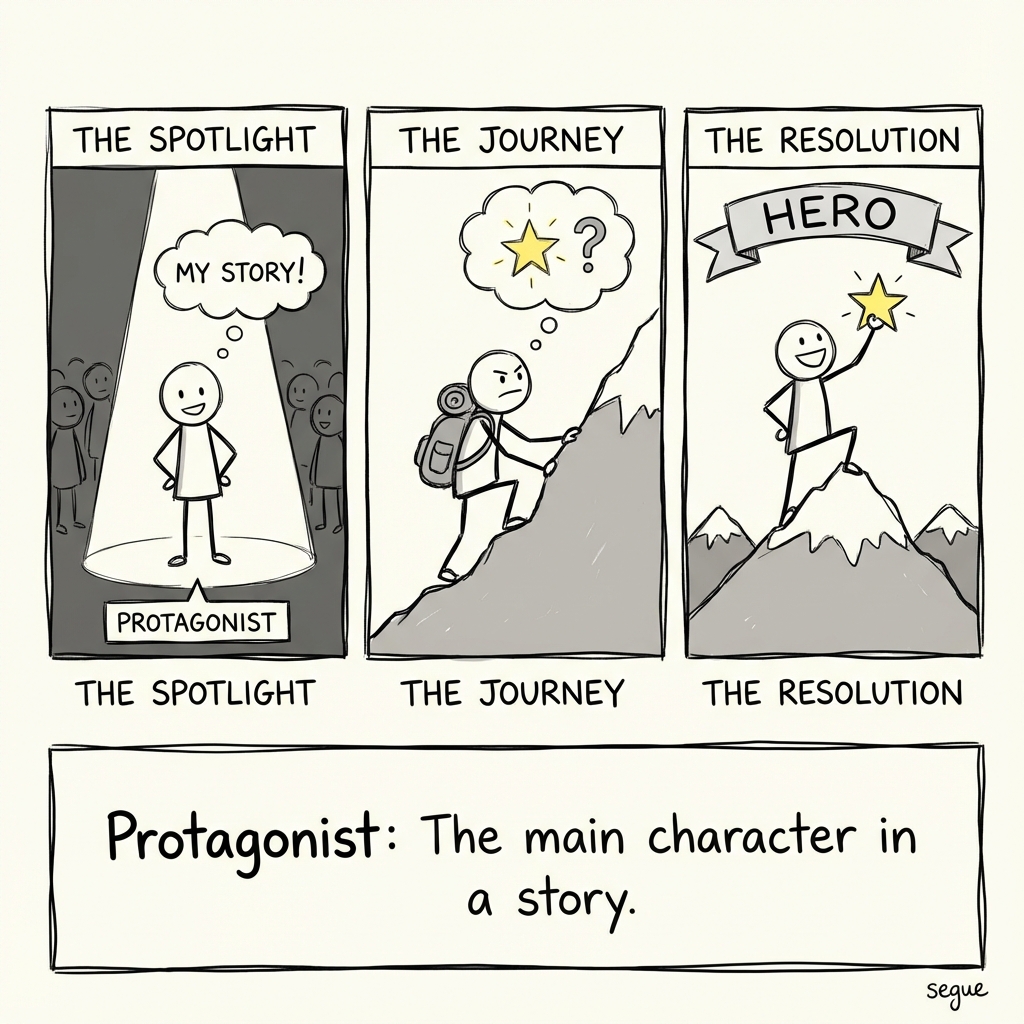
protagonist
/pɹoʊˈtæɡənəst/the main character in a story
“Hamlet is the protagonist of Shakespeare's play.”
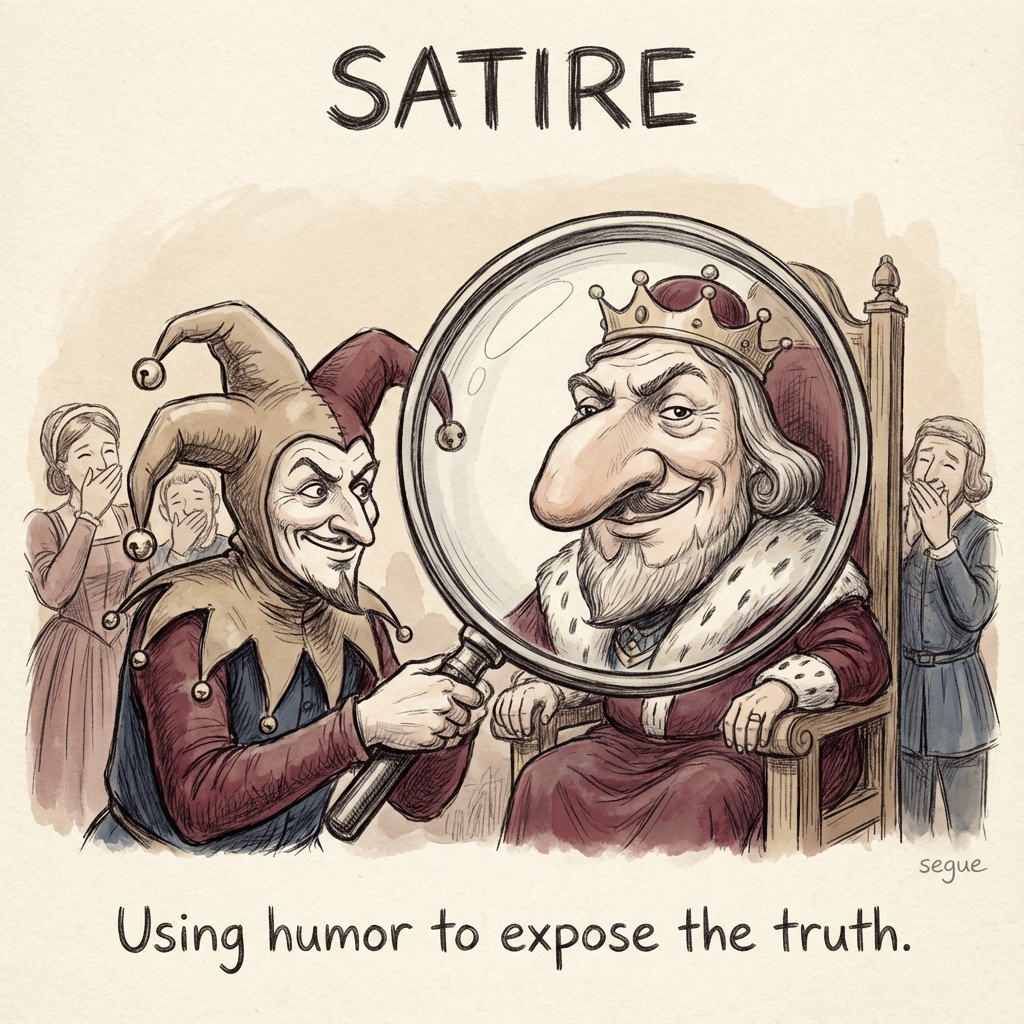
satire
/ˈsæˌtaɪɝ/the use of humor or irony to criticize or expose
“The article was a satire of corporate culture.”
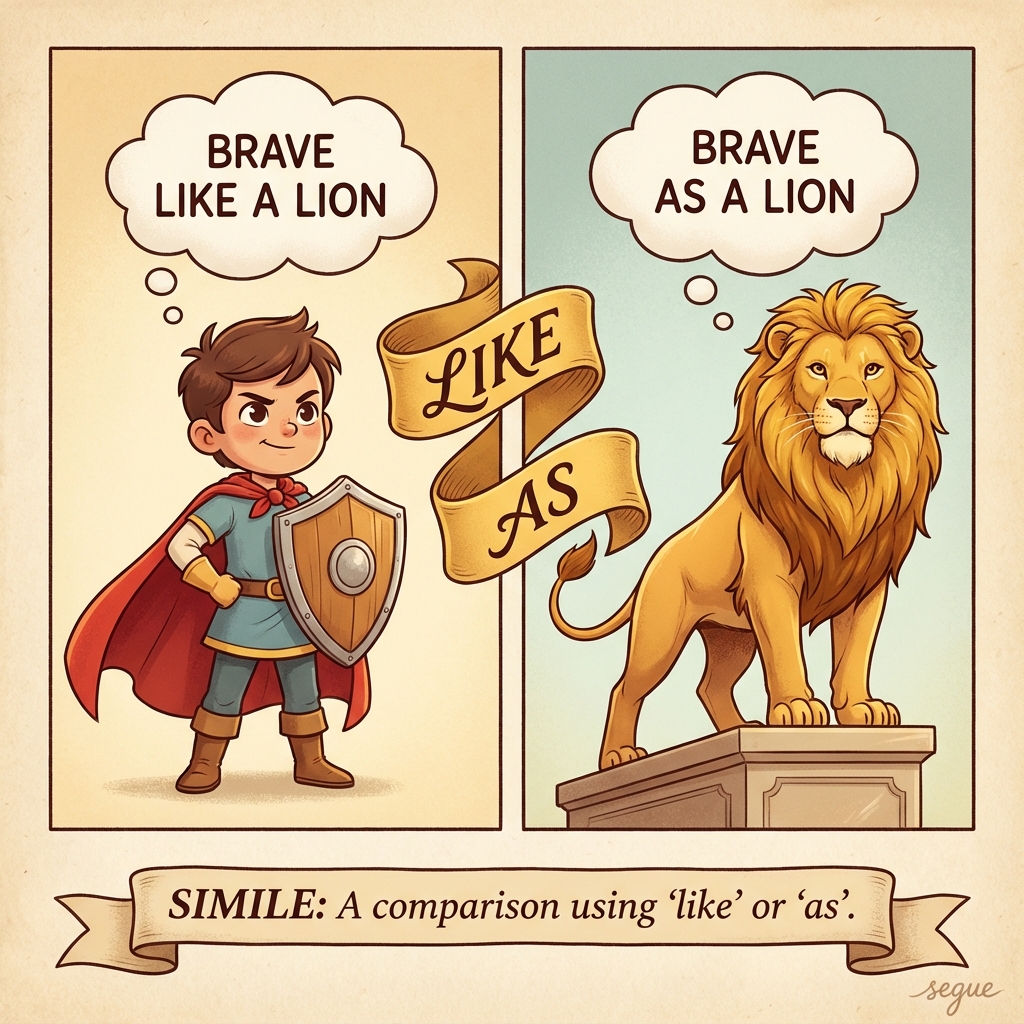
simile
/ˈsɪməli/a comparison using 'like' or 'as'
“Her eyes sparkled like diamonds is a simile.”
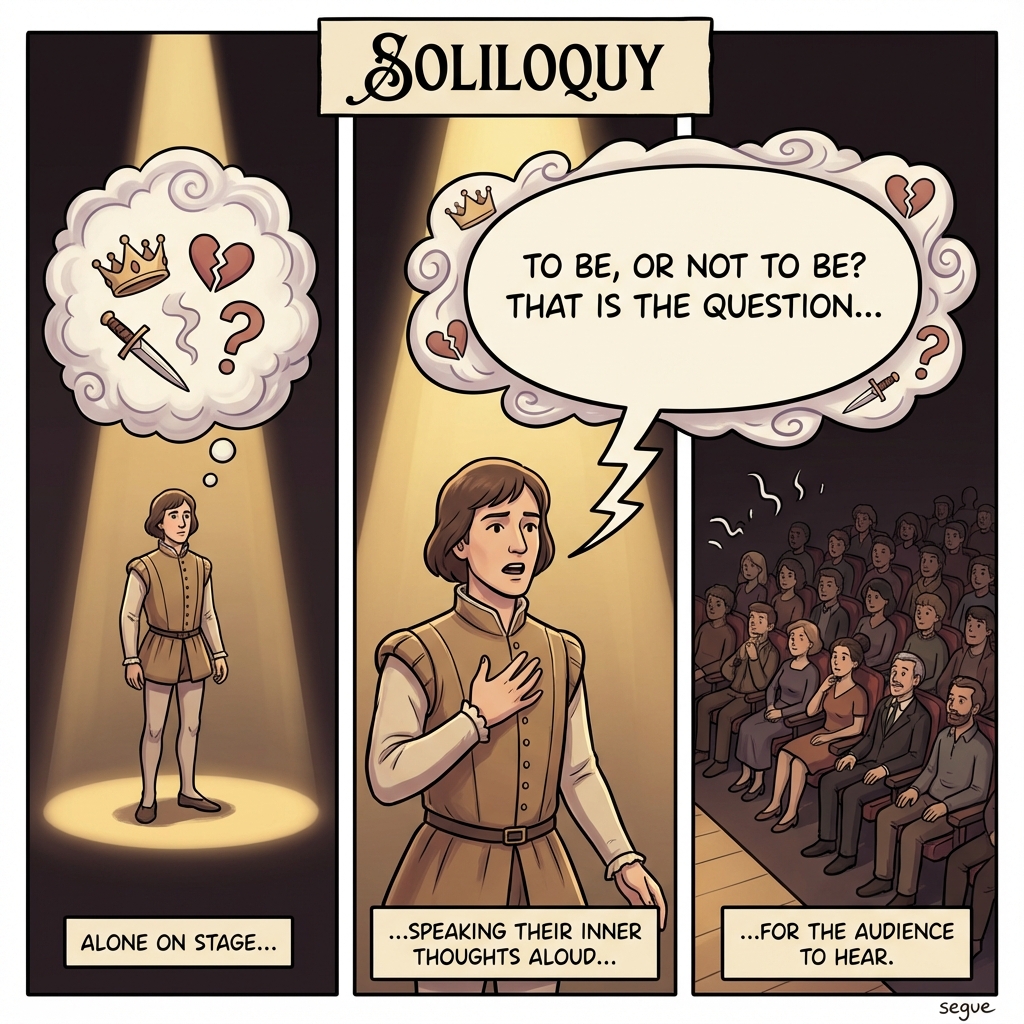
soliloquy
/səˈɫɪɫəkwi/a speech revealing a character's thoughts to the audience
“Hamlet's 'To be or not to be' is a famous soliloquy.”
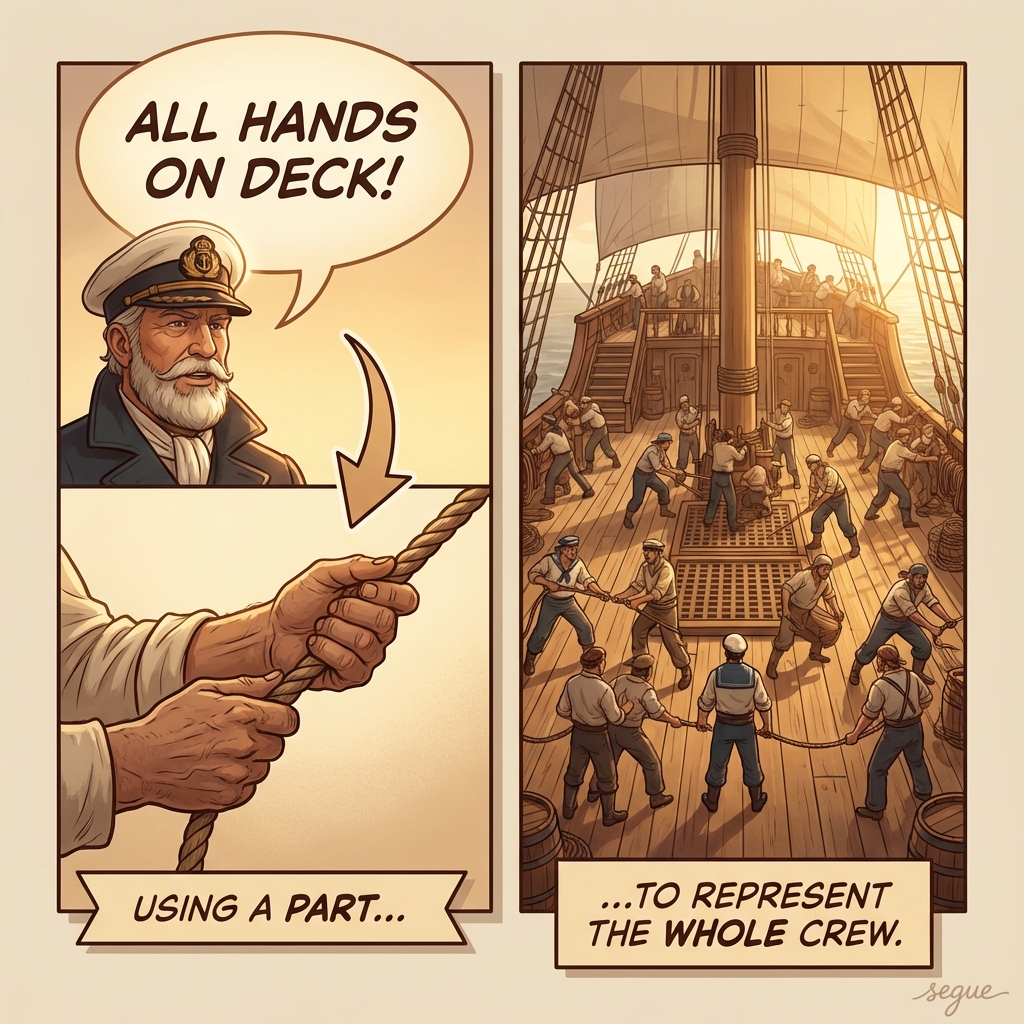
synecdoche
/sɪˈnekdəki/using a part to represent the whole or vice versa
“All hands on deck uses synecdoche.”
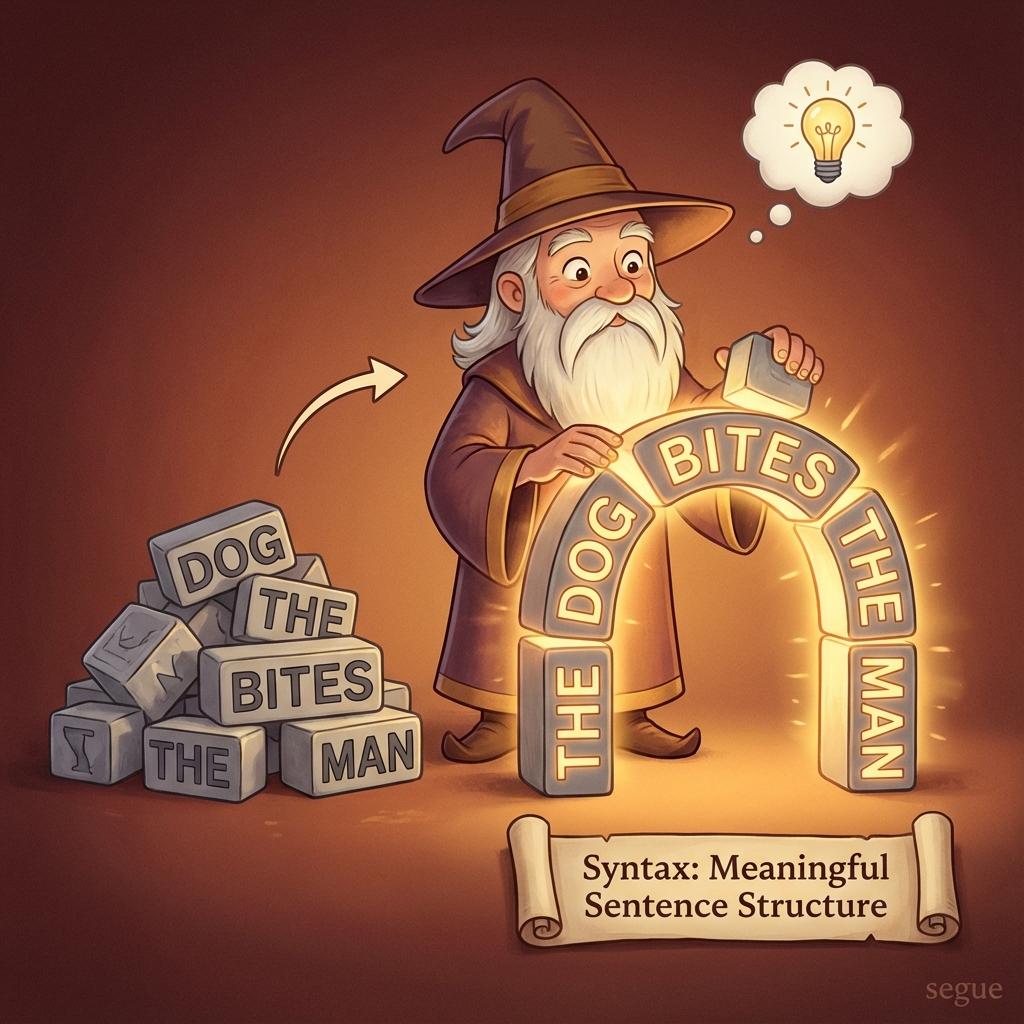
syntax
/ˈsɪnˌtæks/the arrangement of words and phrases in sentences
“Yoda's unusual syntax makes his speech distinctive.”
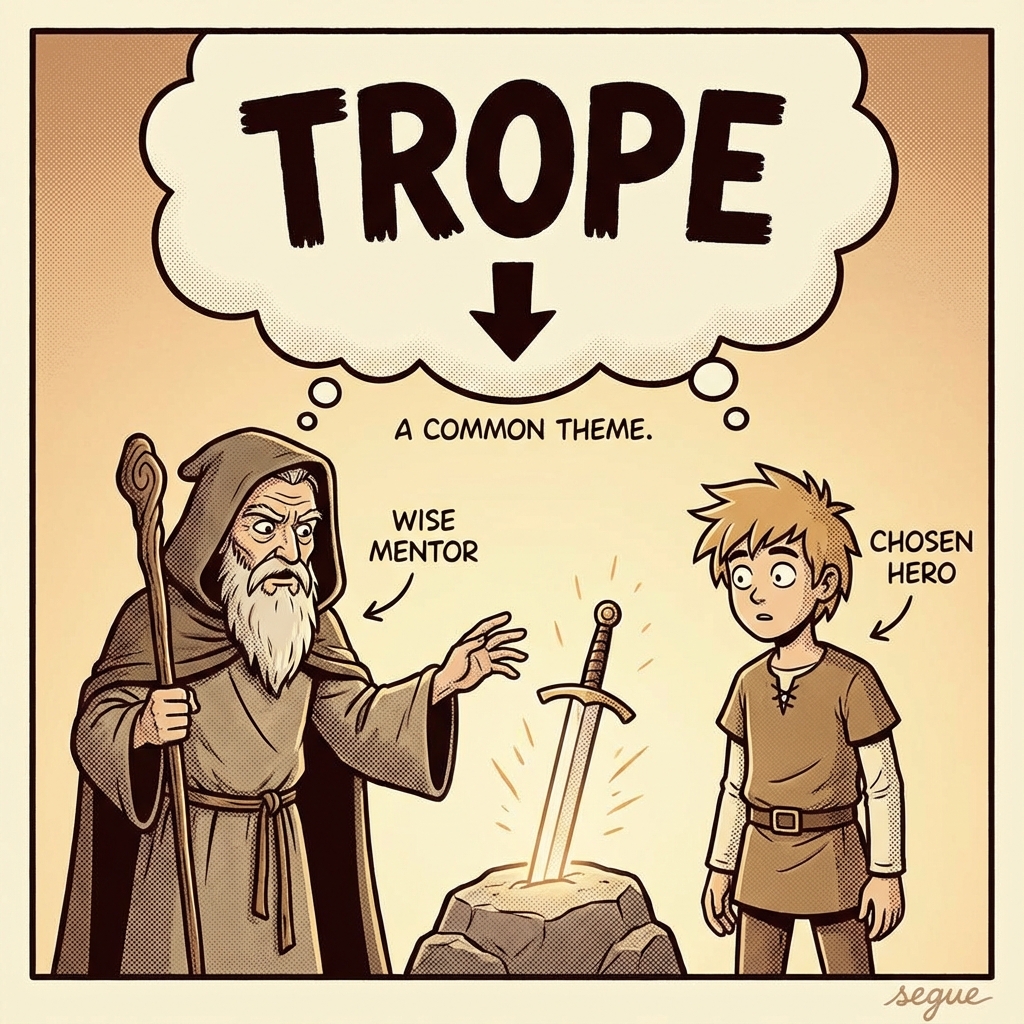
trope
/troʊp/a common or overused theme or device
“The chosen one is a familiar fantasy trope.”
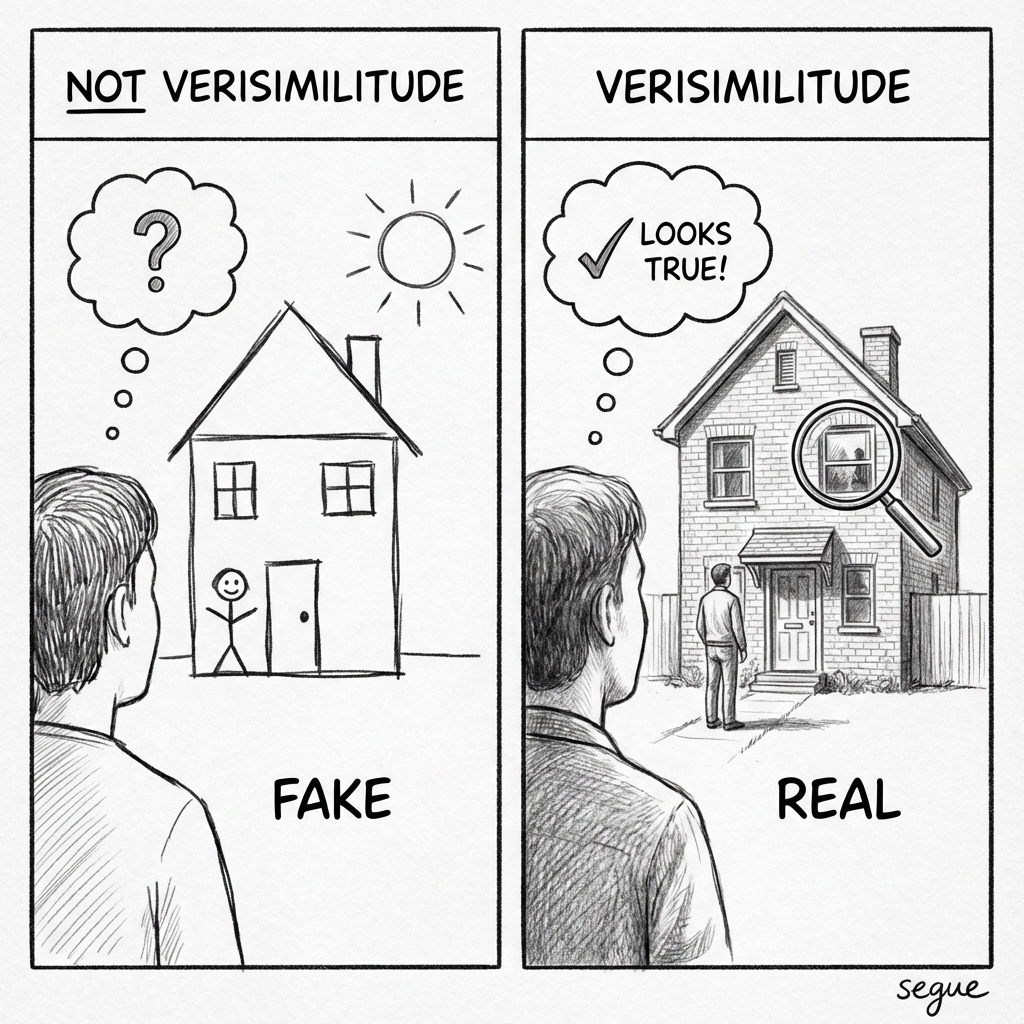
verisimilitude
/ˌvɛɹəsəˈmɪɫəˌtud/the appearance of being true or real
“The historical details added verisimilitude to the novel.”
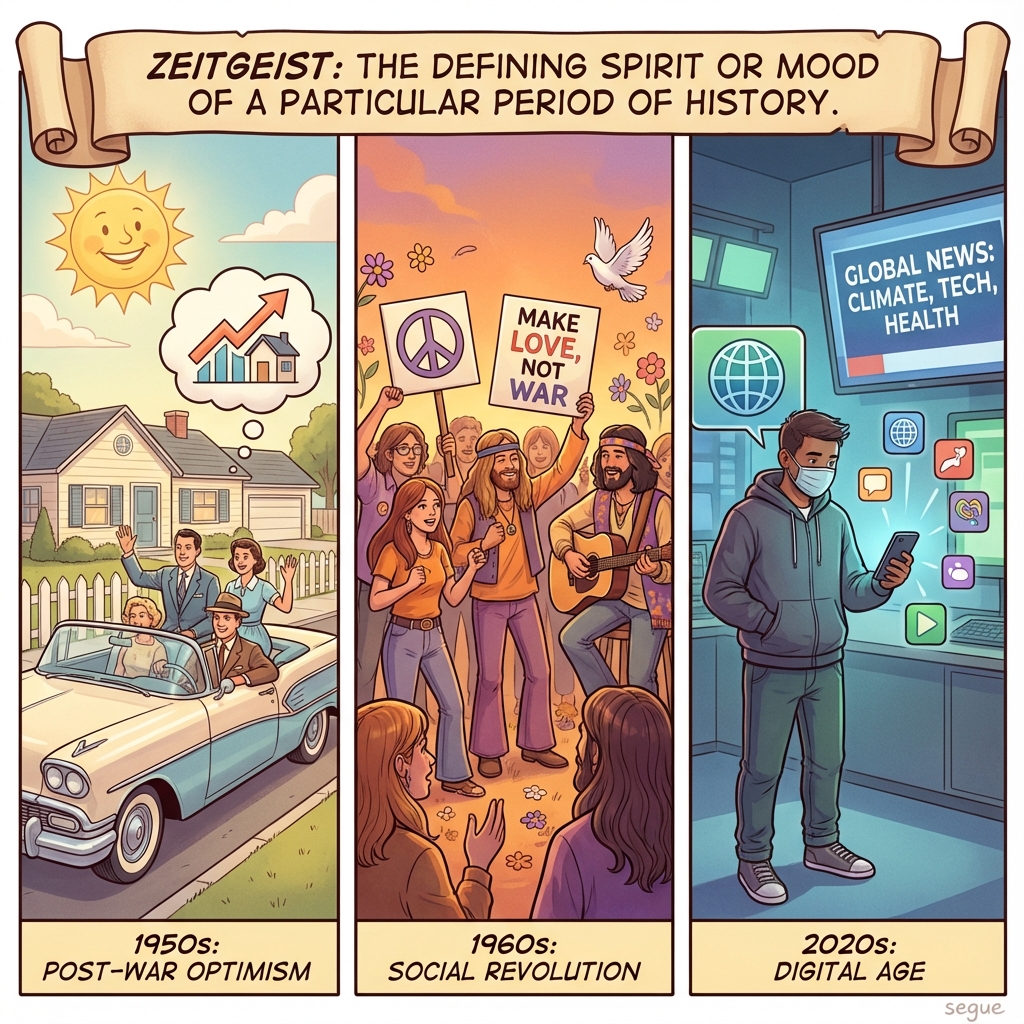
zeitgeist
/ˈtsaɪtɡaɪst/the spirit or mood of a particular period
“The music captured the zeitgeist of the 1960s.”
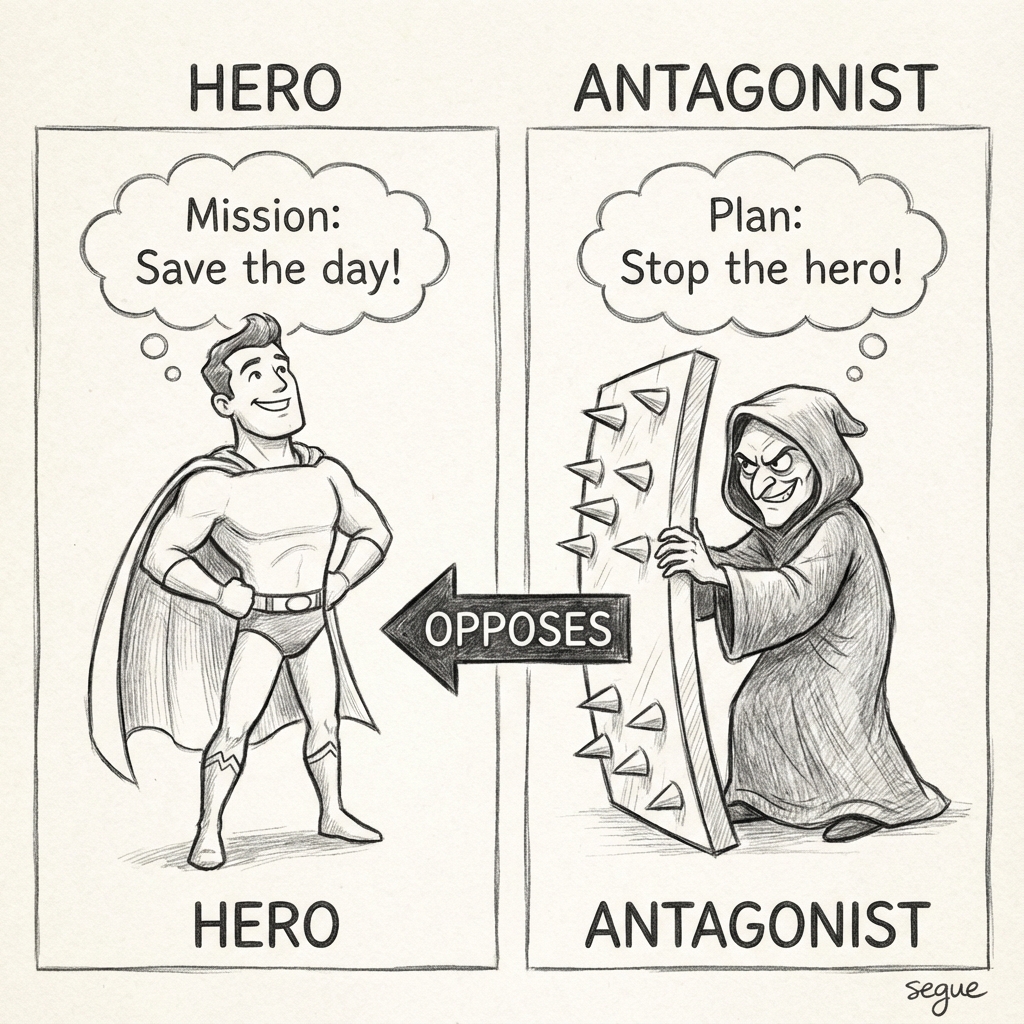
antagonist
/ænˈtæɡənəst/a person who actively opposes or is hostile to someone or something
“The antagonist plotted against the hero at every turn.”
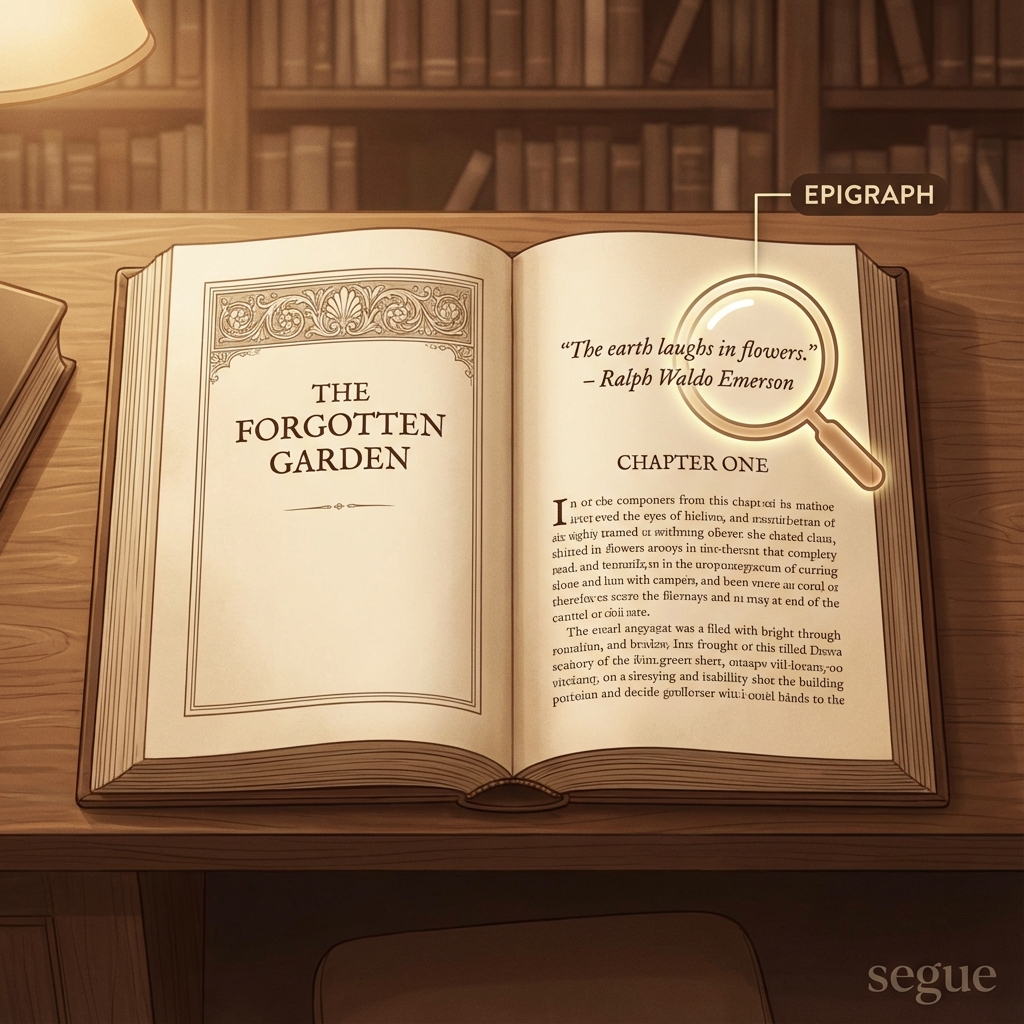
epigraph
/ˈepɪɡrɑːf/a phrase, quotation, or poem at the beginning of a document or component
“The novel began with an epigraph from Dante.”
More from Intellectual
Explore other vocabulary categories in this collection.