Loading collection...
🗣️
Linguistics & Semantics Vocabulary
The study of language structure and meaning
12 words
All 12 Words
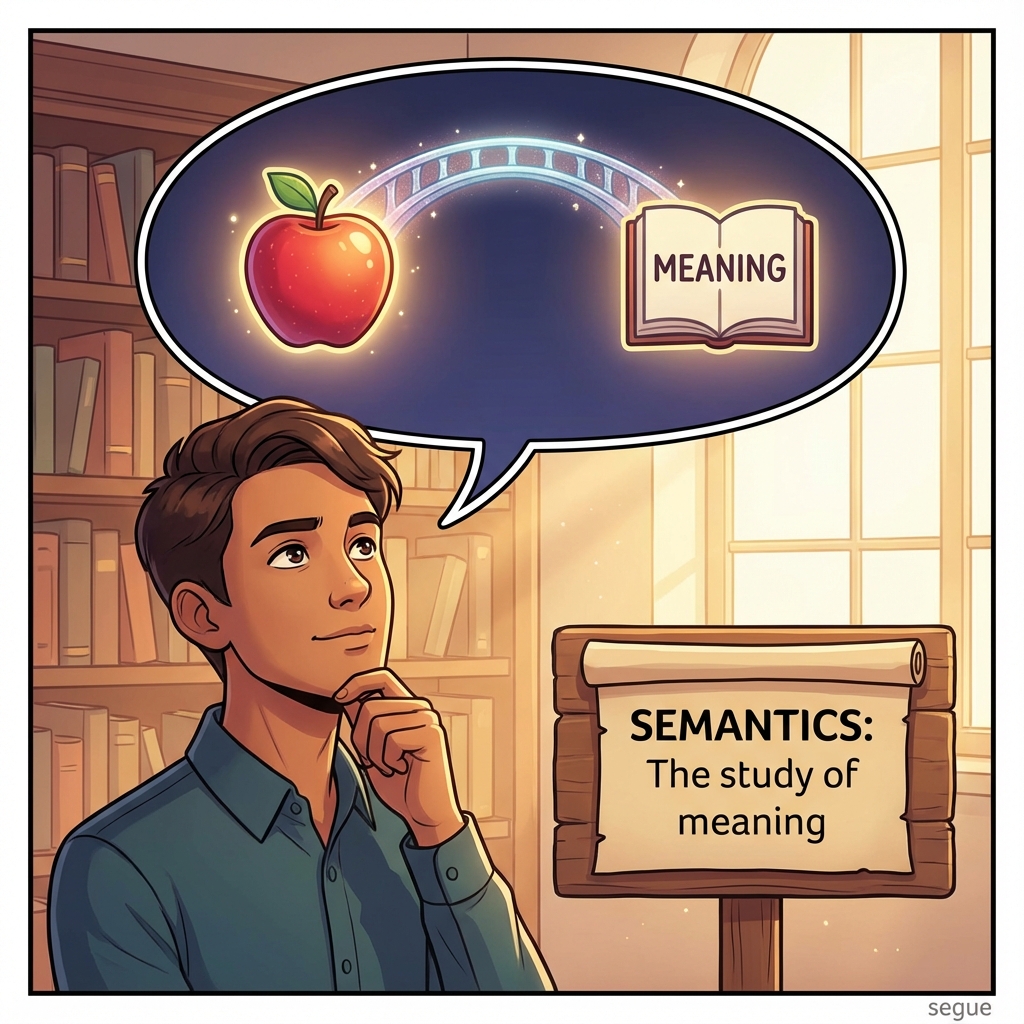
semantics
/sɪˈmæntɪks/the study of meaning in language; what words and sentences signify
“The semantic content was clear, though the phrasing was awkward.”
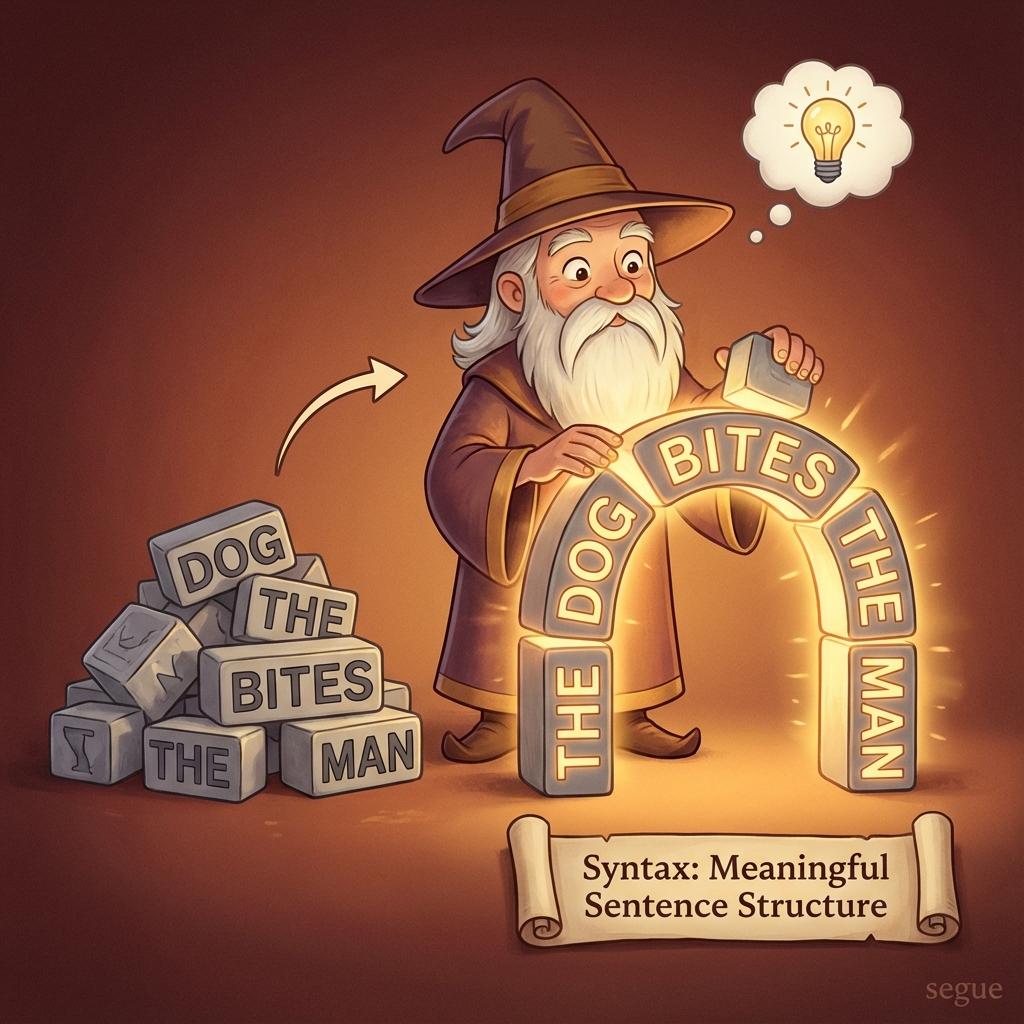
syntax
/ˈsɪnˌtæks/the rules governing how words combine into phrases and sentences
“The sentence was syntactically correct but semantically nonsensical.”
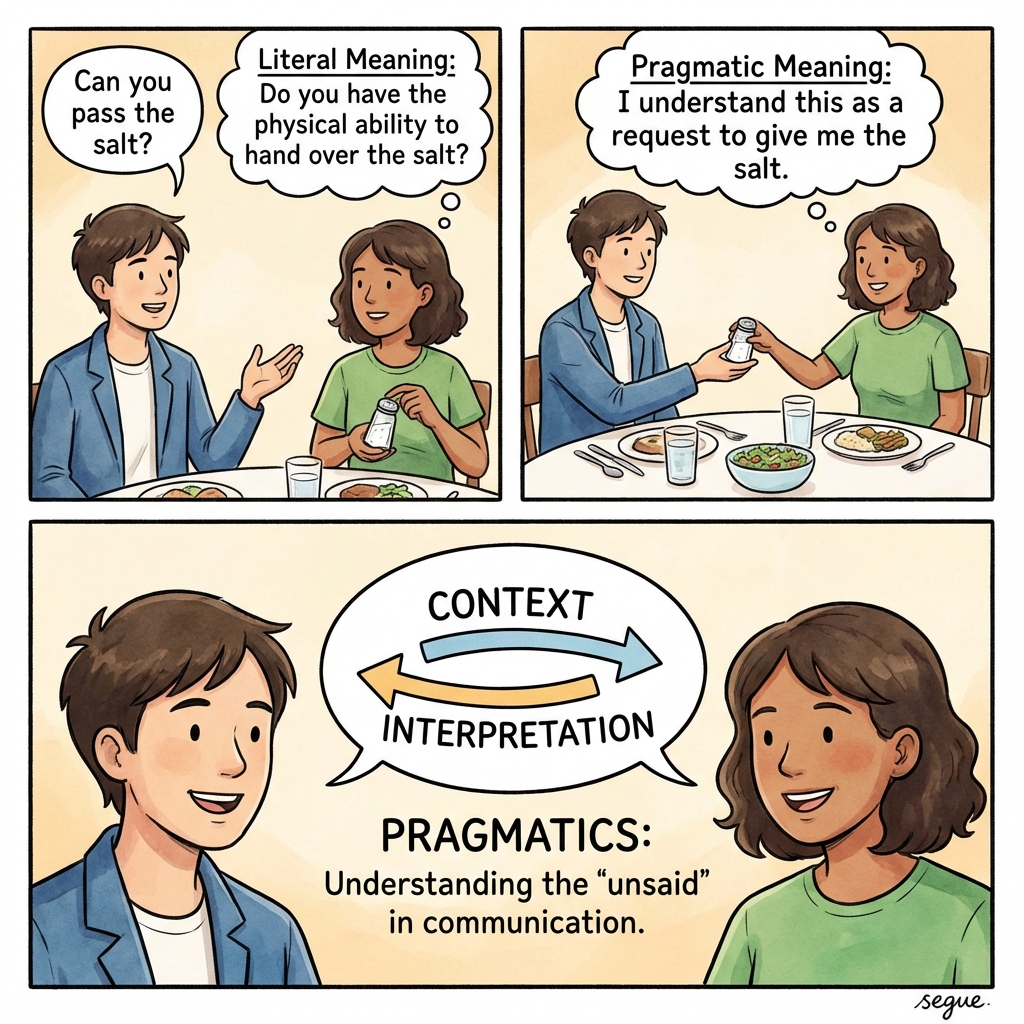
pragmatics
/præɡˈmætɪks/how context influences the interpretation of meaning
“Pragmatically, 'Can you pass the salt?' is a request, not a question.”
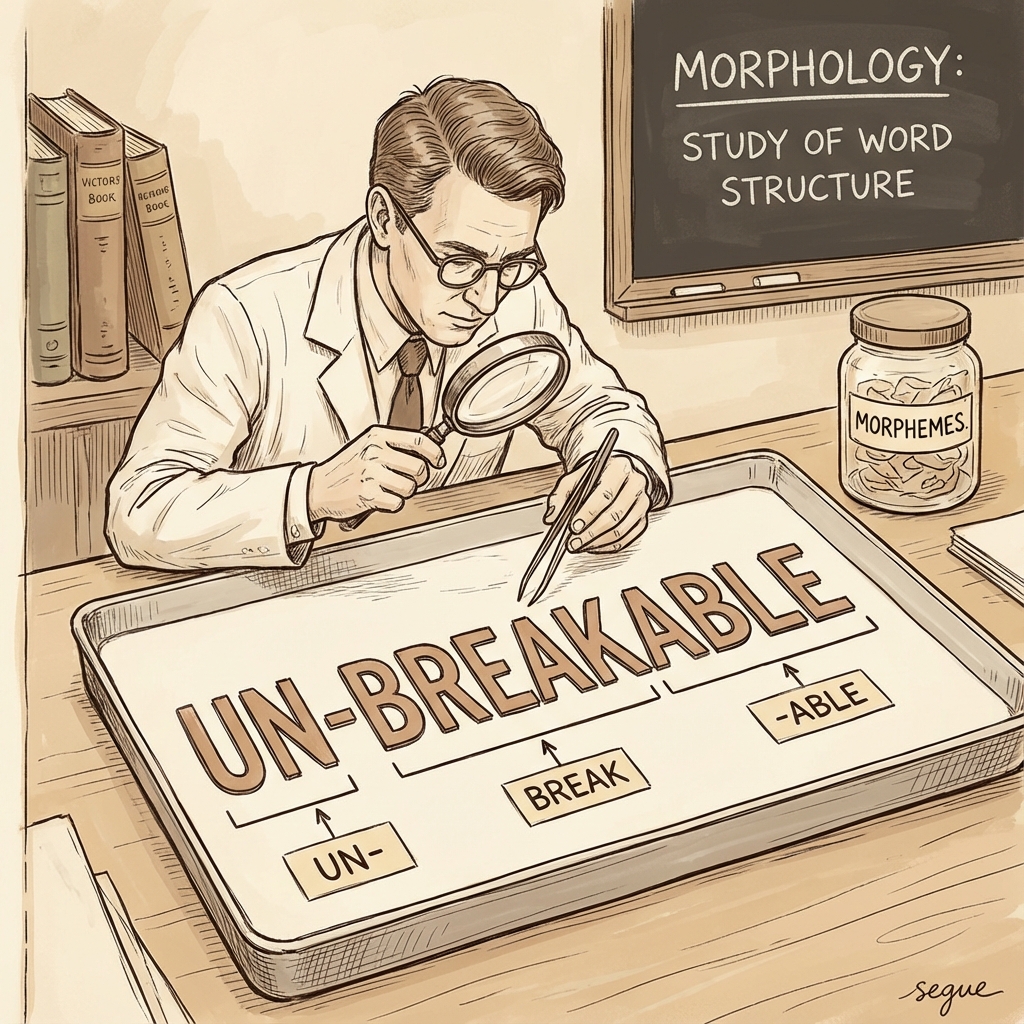
morphology
/mɔɹˈfɑɫədʒi/the study of word formation and internal structure
“The morphology of 'unhappiness' reveals three meaningful units.”
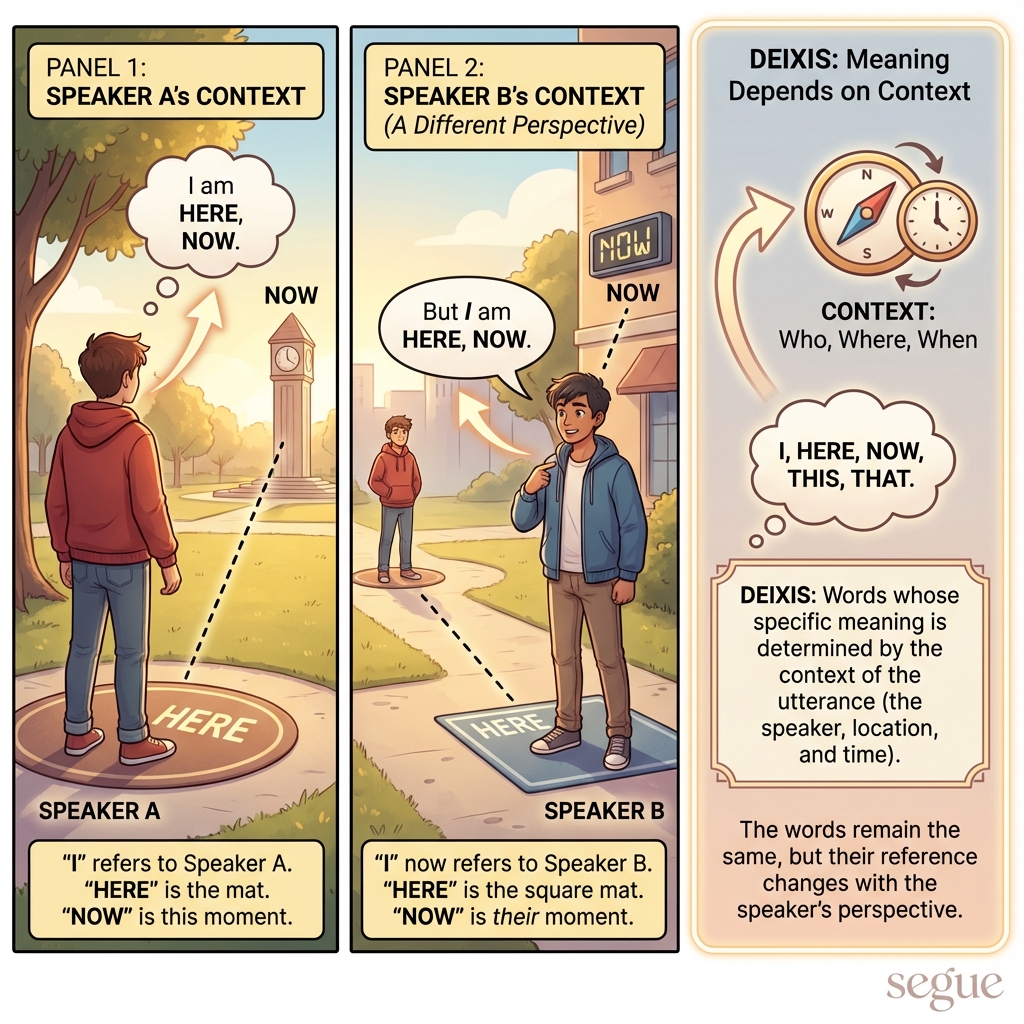
deixis
/ˈdaɪksɪs/words whose meaning depends on context (I, here, now, this)
“Deictic expressions like 'tomorrow' shift meaning with each utterance.”
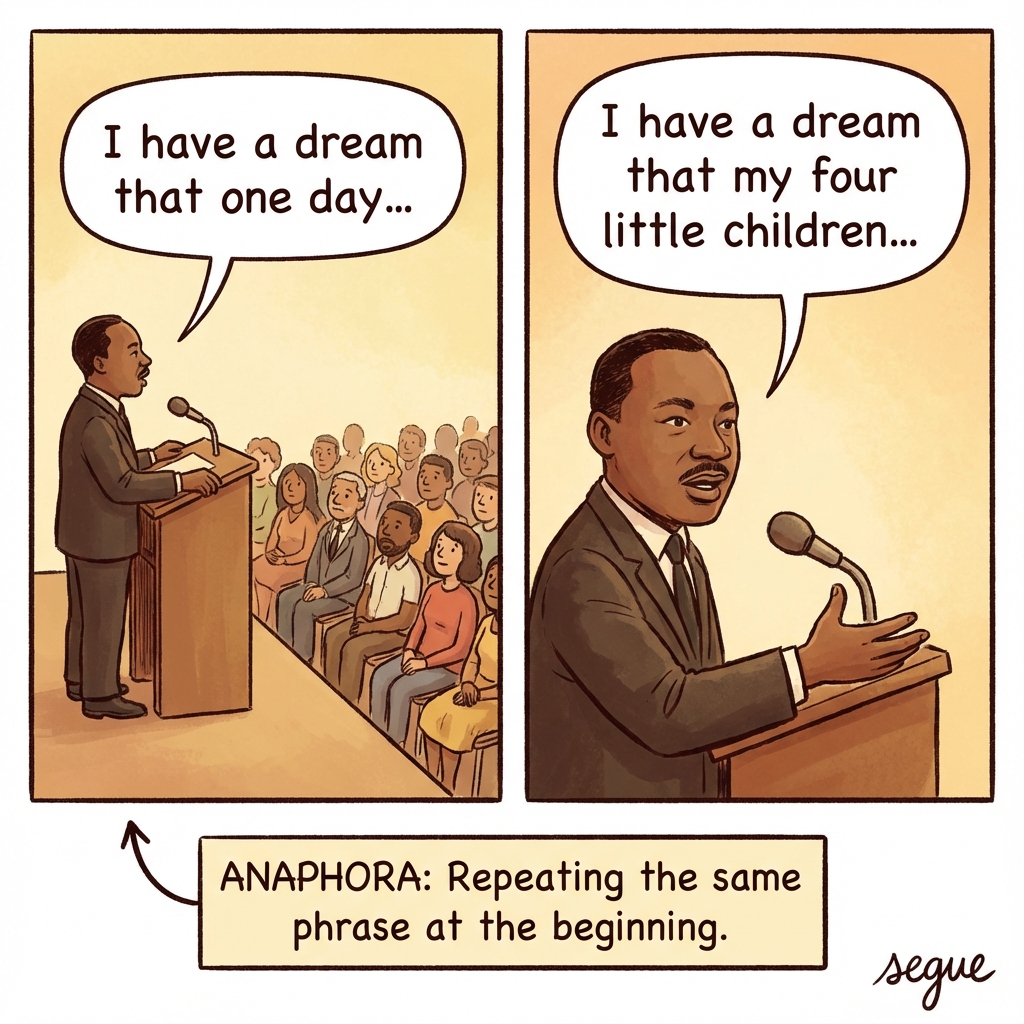
anaphora
/əˈnæfɝə/using a word to refer back to something mentioned earlier
“In 'John said he was tired,' 'he' is an anaphoric reference to John.”
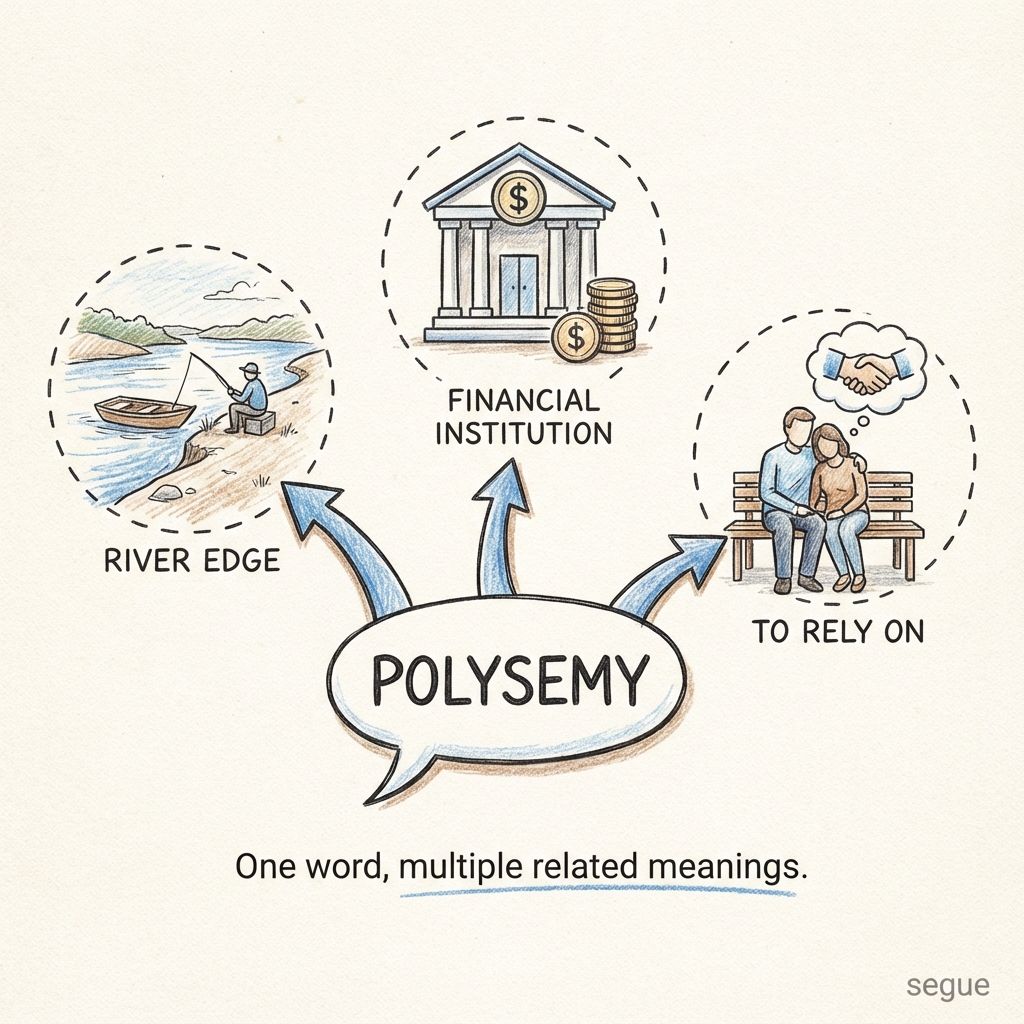
polysemy
/pəˈlɪsəmi/a single word having multiple related meanings
“The polysemy of 'bank' (river/financial) causes ambiguity.”
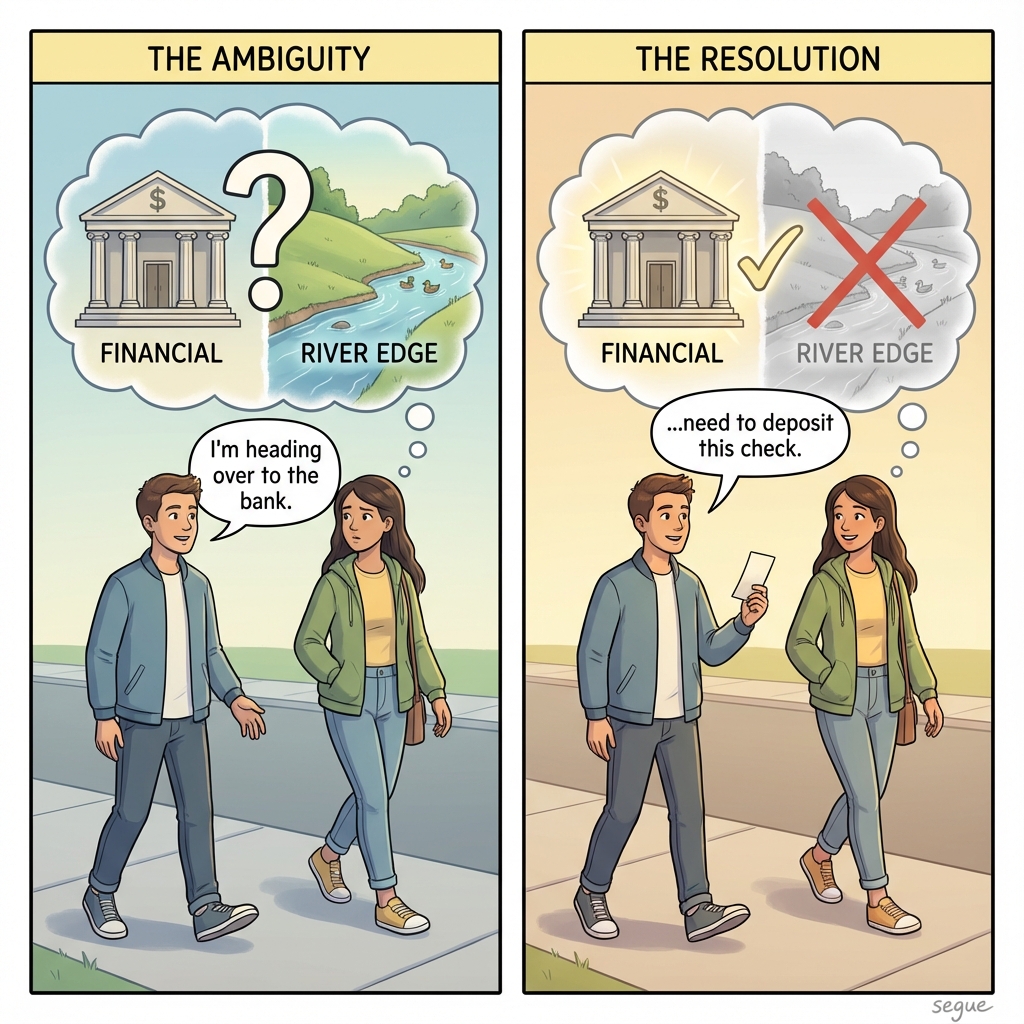
disambiguation
/ˌdɪsæmˌbɪɡjuˈeɪʃən/resolving which meaning is intended when multiple are possible
“Context usually enables disambiguation without conscious effort.”
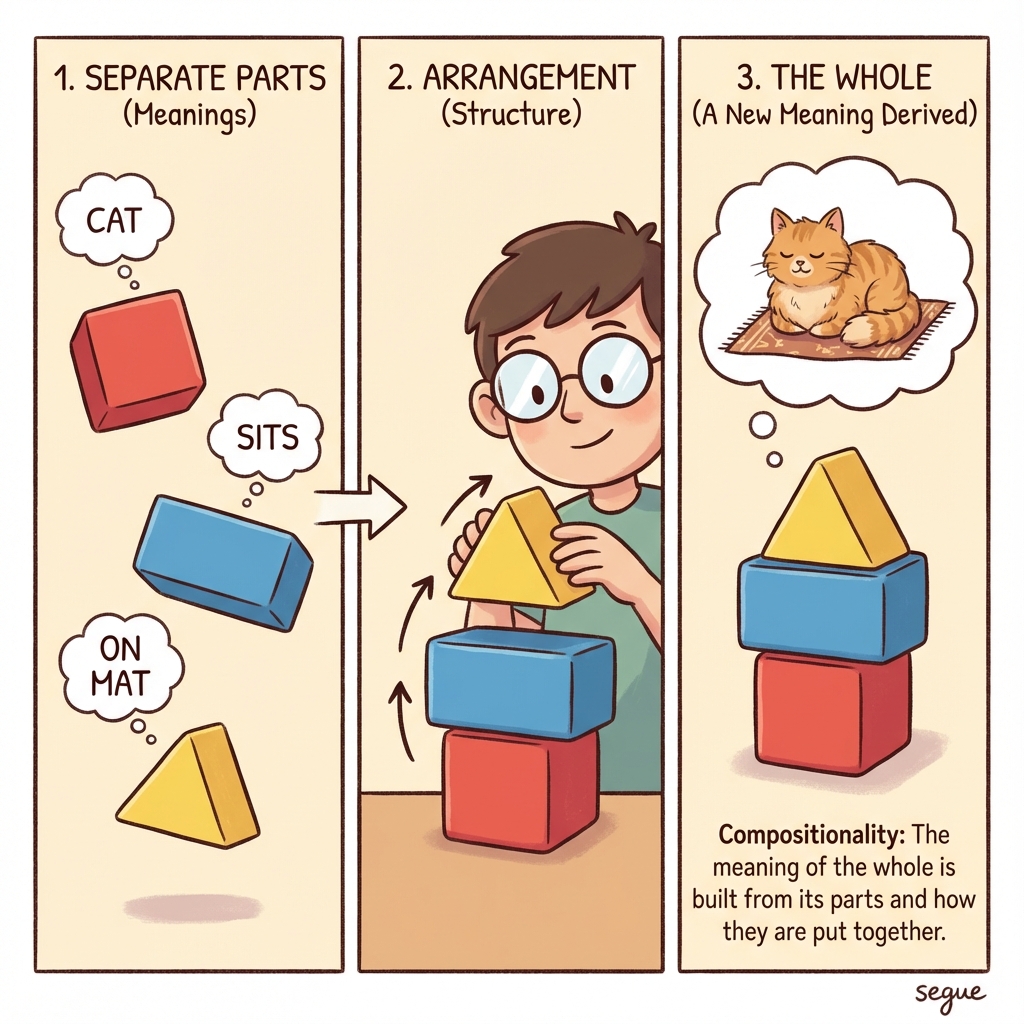
compositionality
/ˌkɒmpəˌzɪʃəˈnælɪti/the meaning of a whole derived from its parts and their arrangement
“Idioms violate compositionality—'kick the bucket' isn't about buckets.”
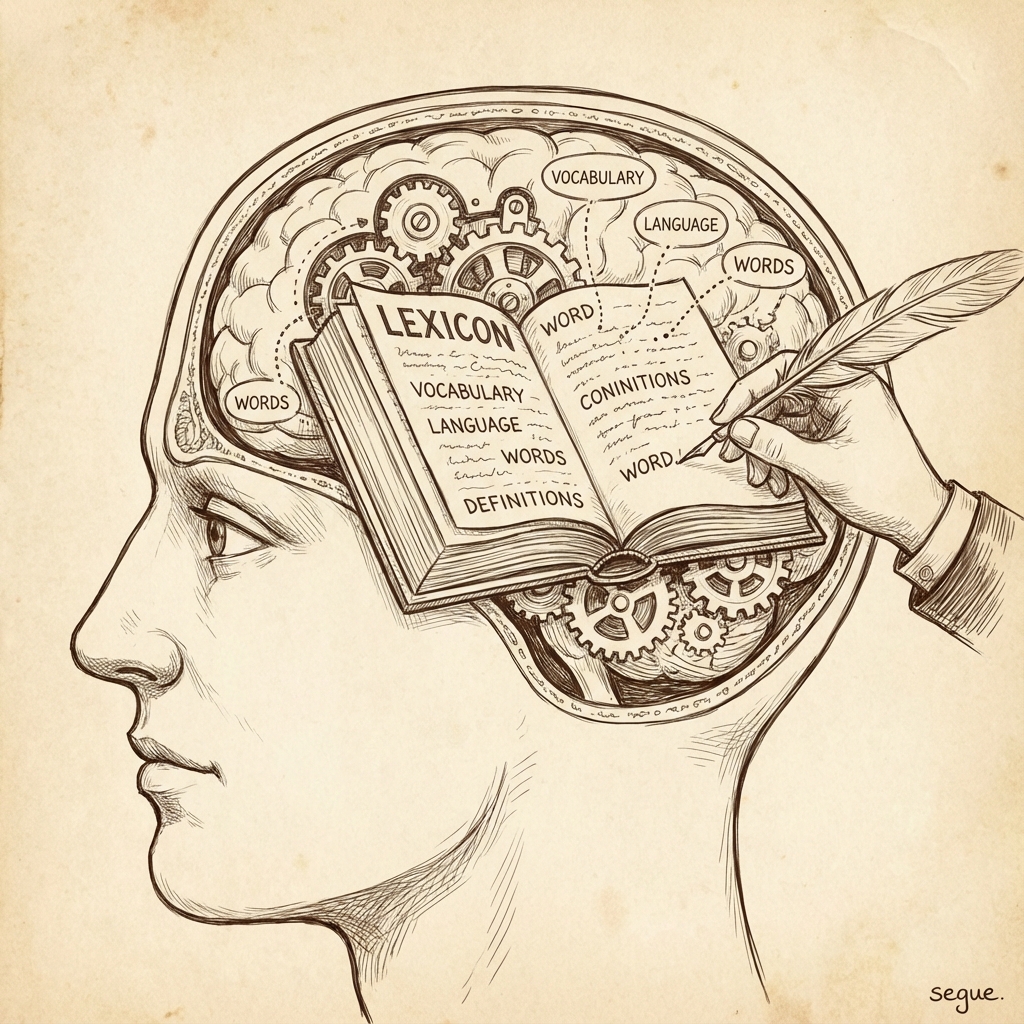
lexicon
/ˈɫɛksɪˌkɑn/the vocabulary of a language; a mental dictionary of words
“Her lexicon expanded dramatically after a year of reading.”
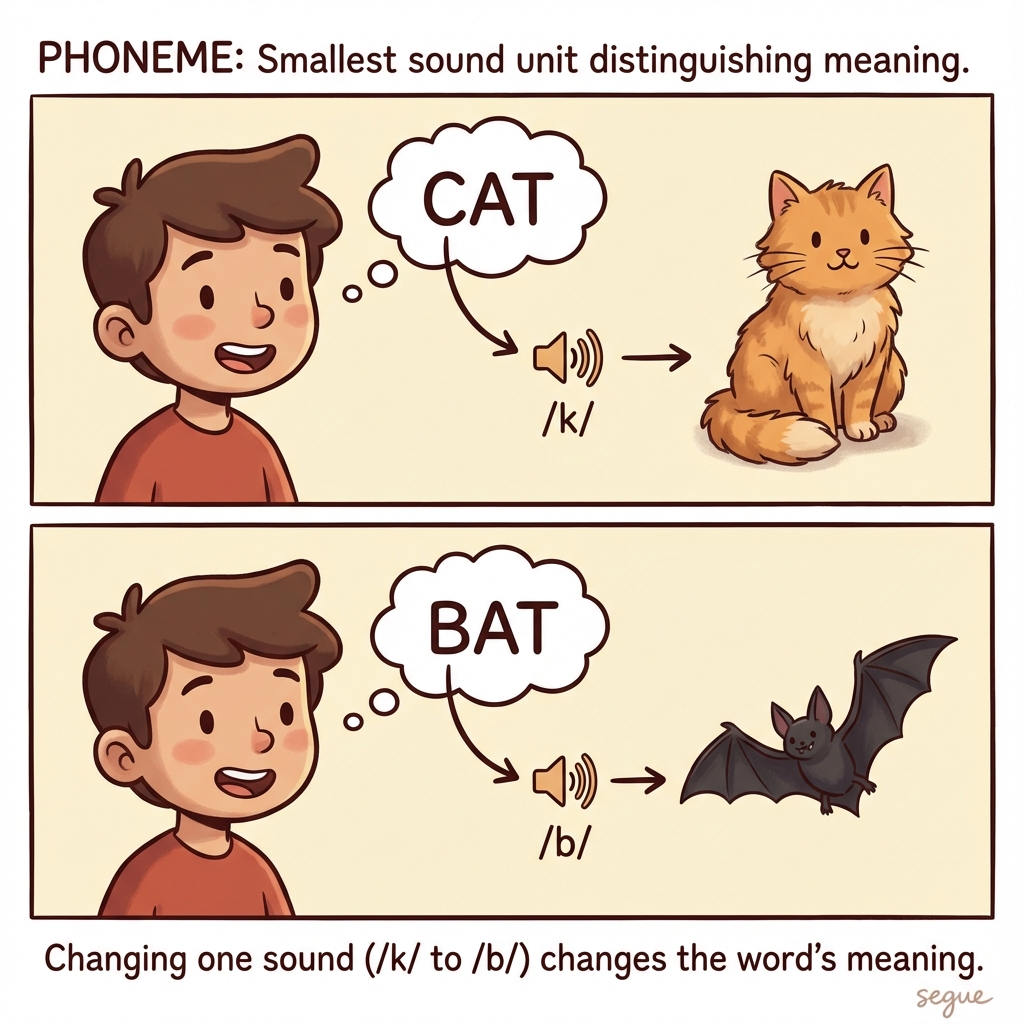
phoneme
/ˈfoʊnim/the smallest unit of sound that distinguishes meaning
“The phonemes /p/ and /b/ distinguish 'pat' from 'bat'.”
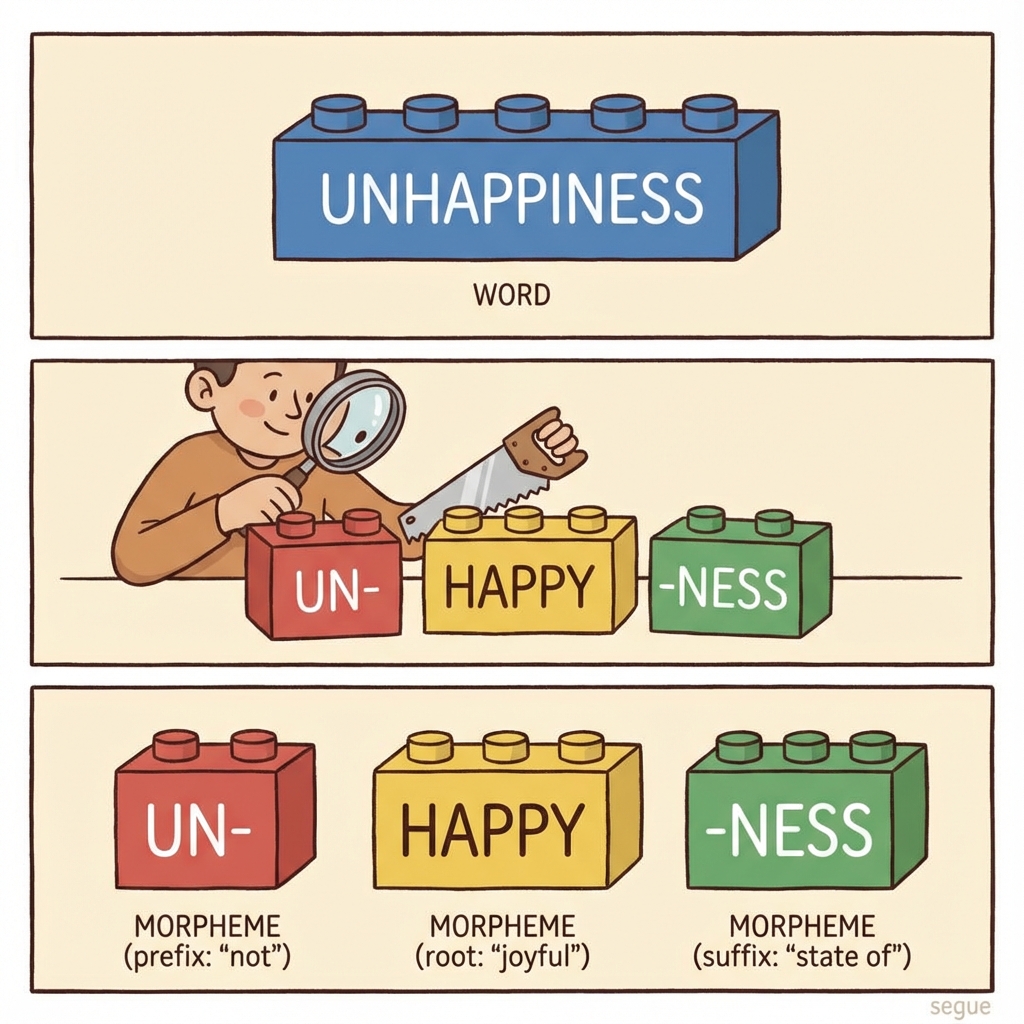
morpheme
/ˈmɔːrfiːm/the smallest meaningful unit in a language
“The word 'cats' contains two morphemes: 'cat' and '-s'.”
More from Technology & Systems
Explore other vocabulary categories in this collection.