Loading collection...
🎪
Liars & Deception Vocabulary
Words about lying, deceiving, misleading, and dishonesty
22 words
All 22 Words
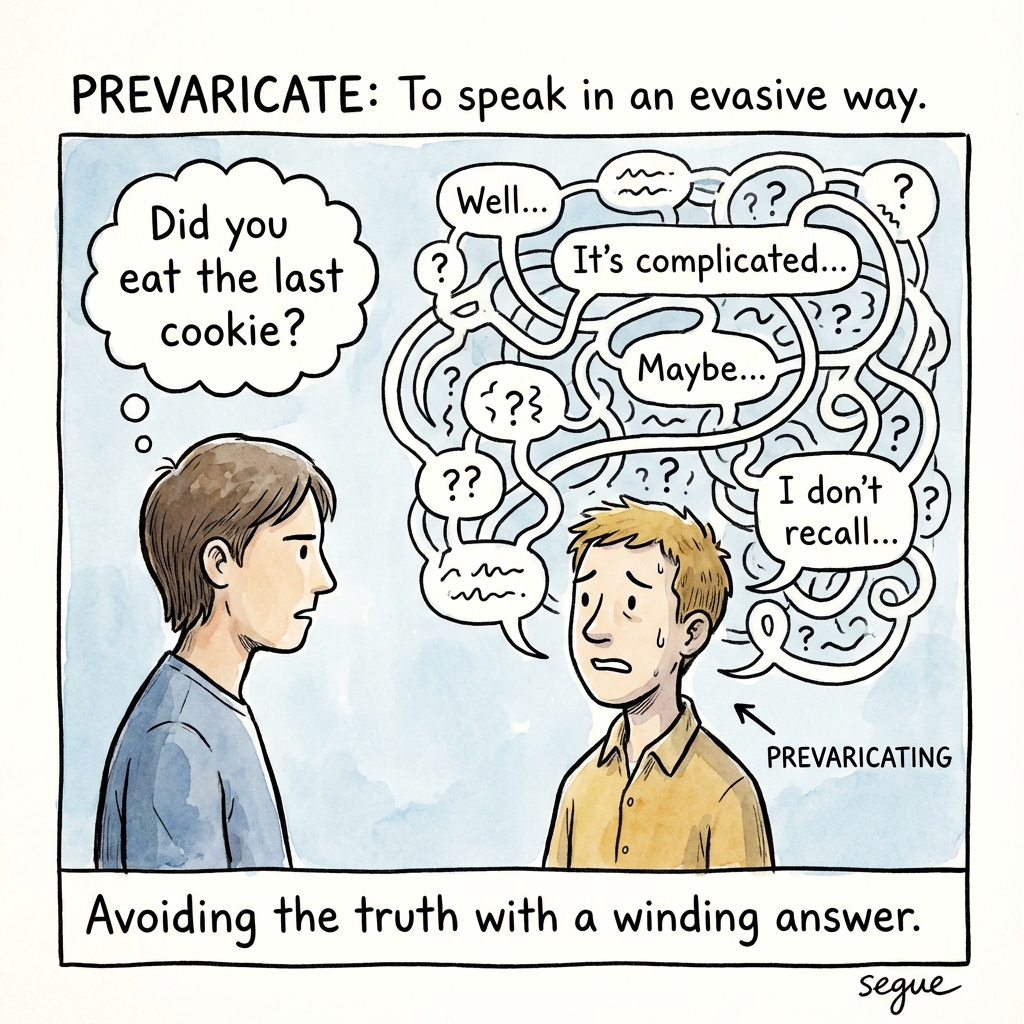
prevaricate
/pɹəˈvɛɹəkeɪt/to speak or act in an evasive way; to lie or mislead
“The witness prevaricated when asked direct questions about the incident.”
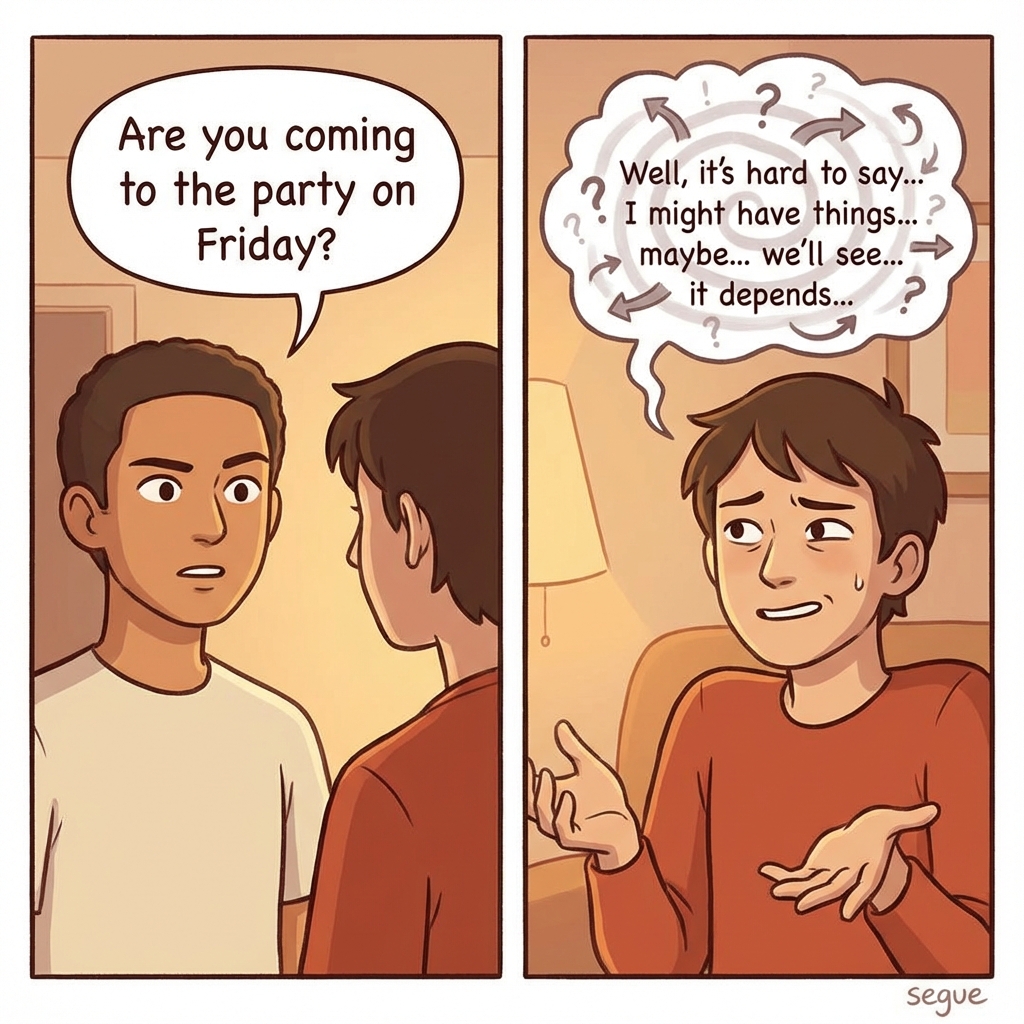
equivocate
/ɪˈkwɪvəˌkeɪt/to use ambiguous language to conceal the truth or avoid commitment
“Politicians often equivocate to avoid making firm promises.”

dissemble
/dɪˈsɛmbəɫ/to conceal one's true motives, feelings, or beliefs
“She dissembled her disappointment with a forced smile.”
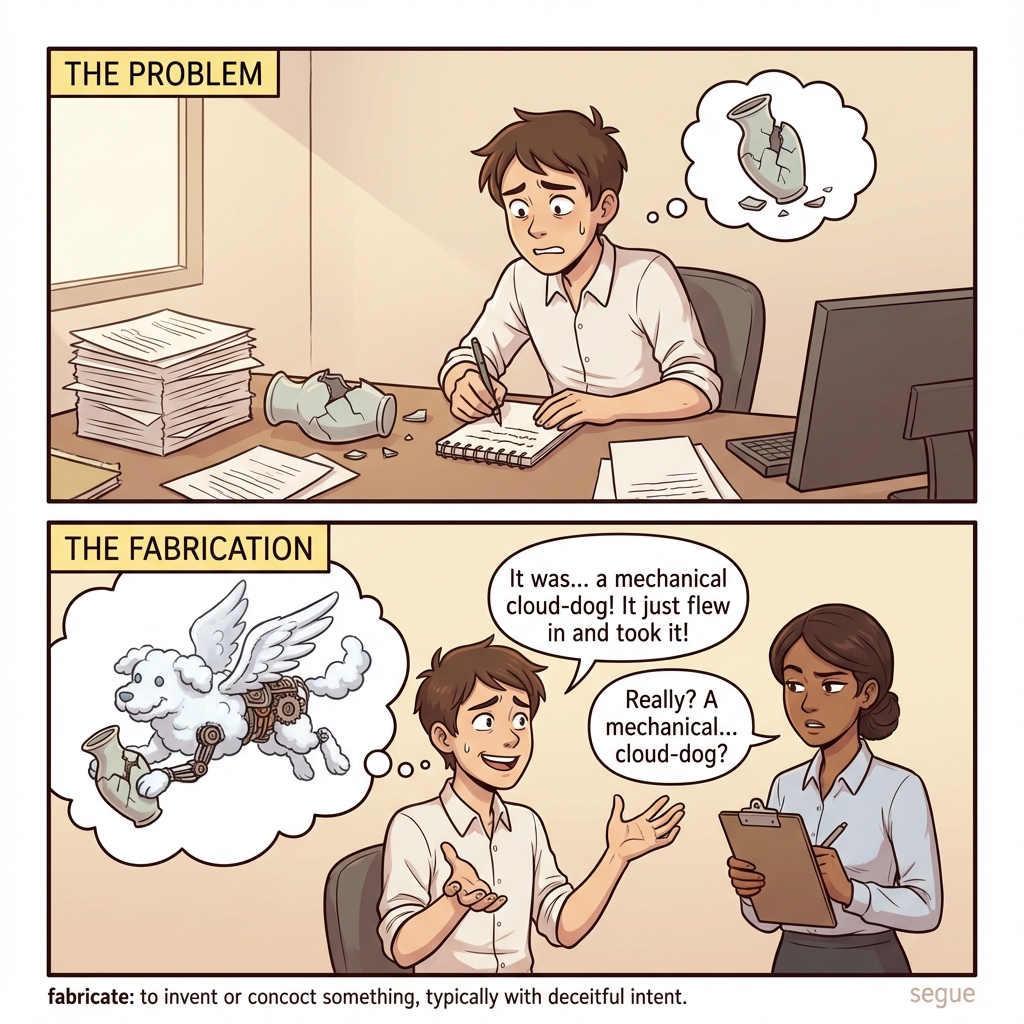
fabricate
/ˈfæbɹəˌkeɪt/to invent or concoct something, typically with deceitful intent
“He fabricated an elaborate excuse for missing the meeting.”
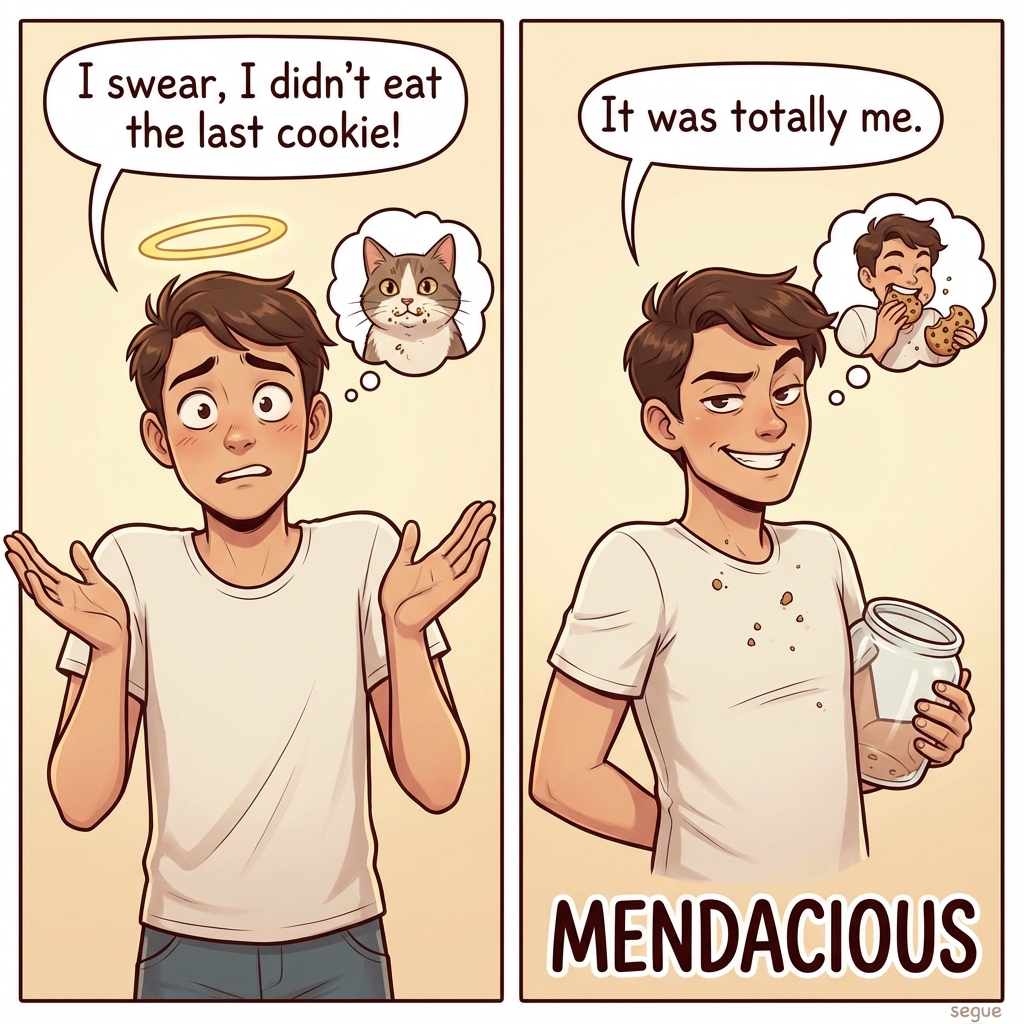
mendacious
/mɛnˈdeɪʃəs/not telling the truth; lying
“The mendacious report was filled with false statistics.”
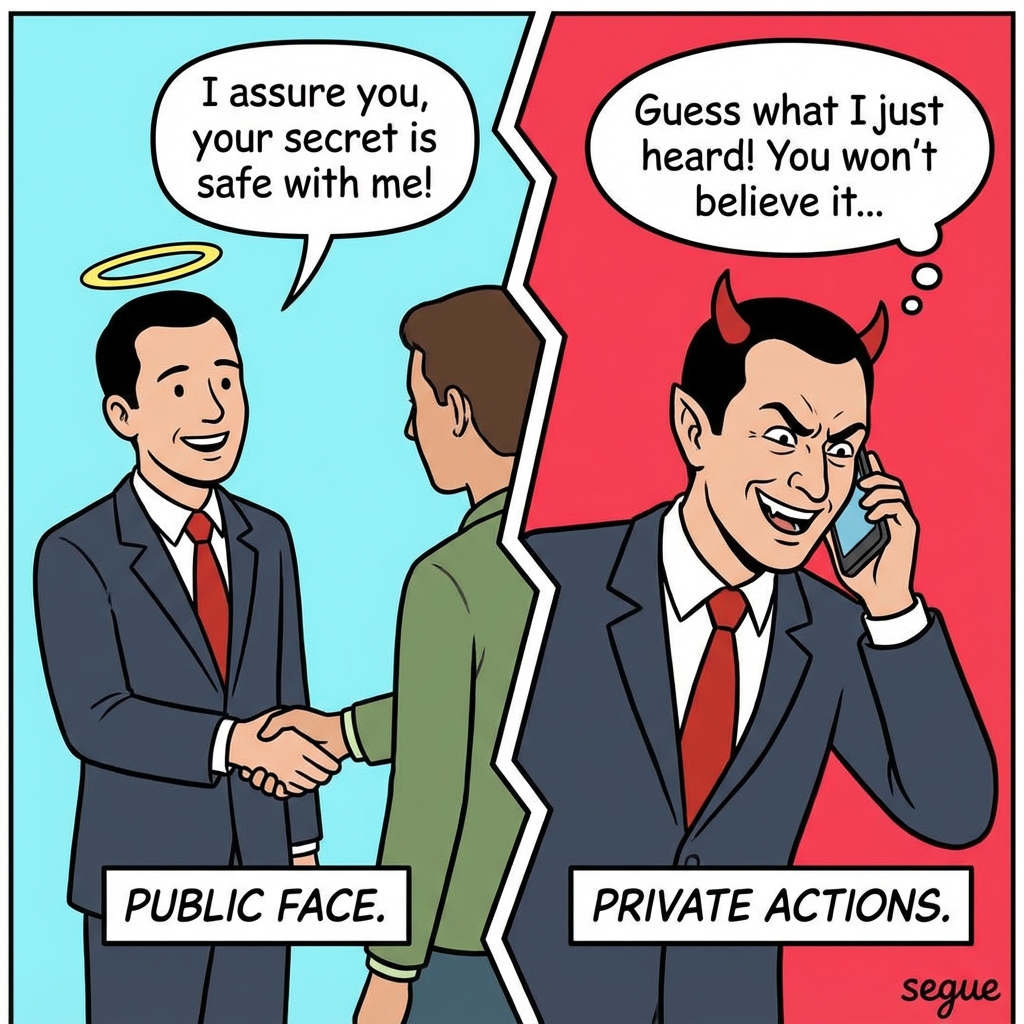
duplicitous
/duˈpɫɪsɪtəs/deceitful in speech or conduct; double-dealing
“His duplicitous nature made him impossible to trust.”

disingenuous
/dɪsɪnˈdʒɛnjuəs/not candid or sincere; giving a false appearance of frankness
“Her disingenuous apology fooled no one.”
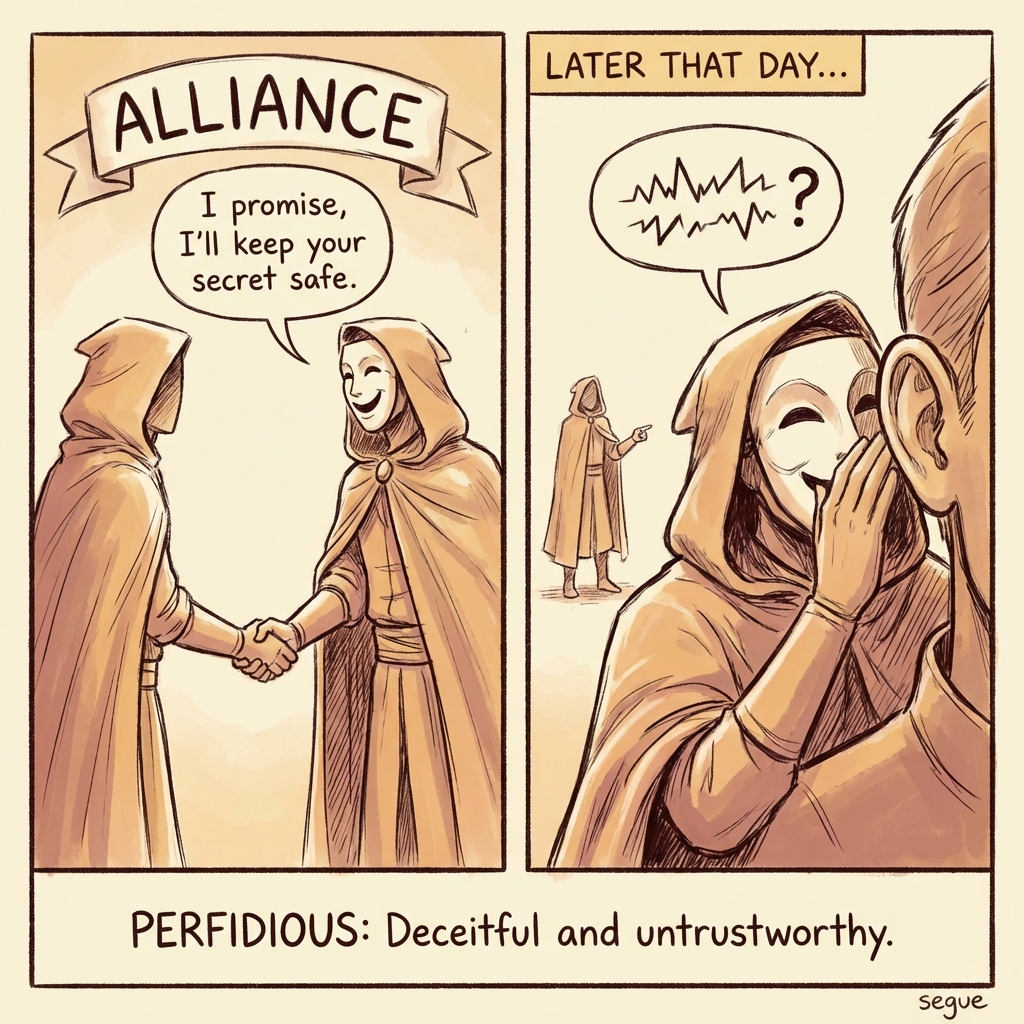
perfidious
/pərˈfɪdiəs/deceitful and untrustworthy; treacherous
“The perfidious ally betrayed them at the crucial moment.”
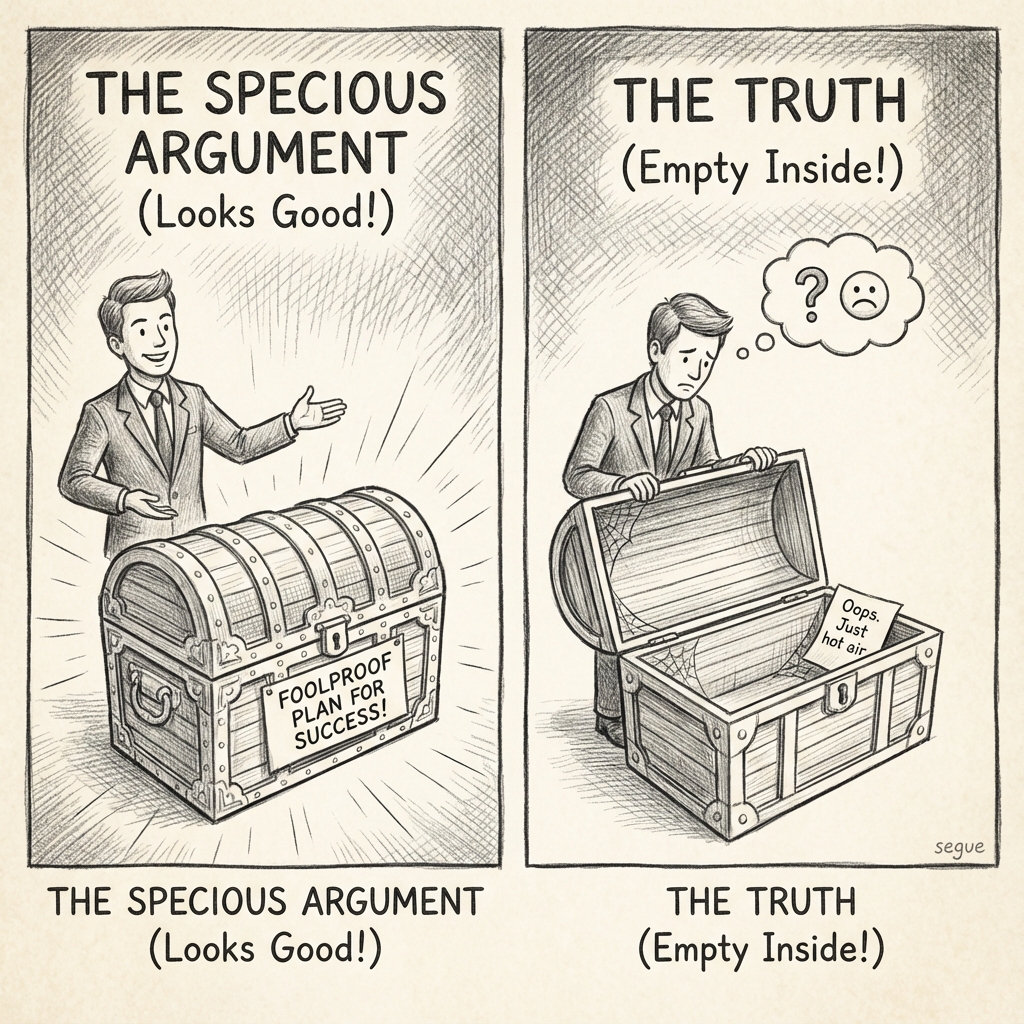
specious
/ˈspiʃəs/superficially plausible but actually wrong; misleading in appearance
“The lawyer's specious argument almost convinced the jury.”
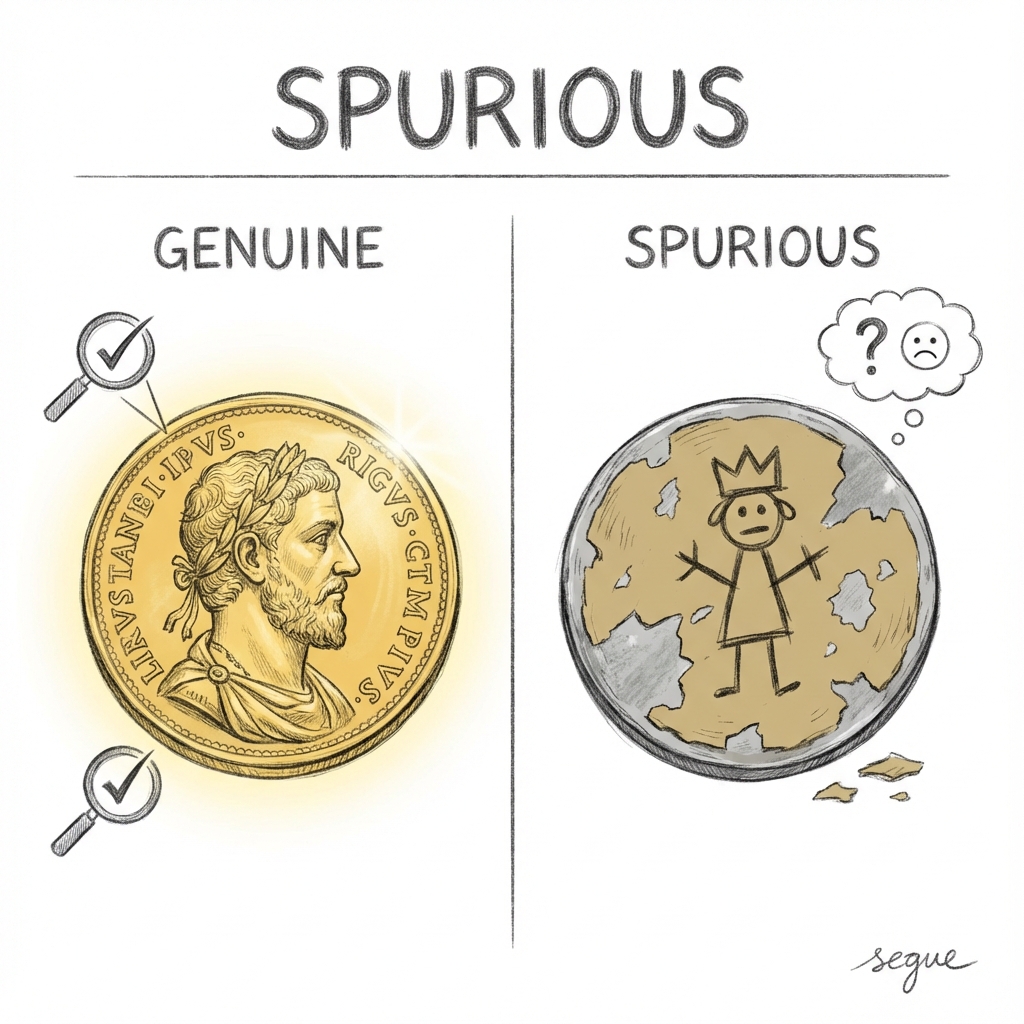
spurious
/ˈspɝiəs/not genuine, authentic, or true; false or fake
“The spurious claims were quickly debunked by experts.”
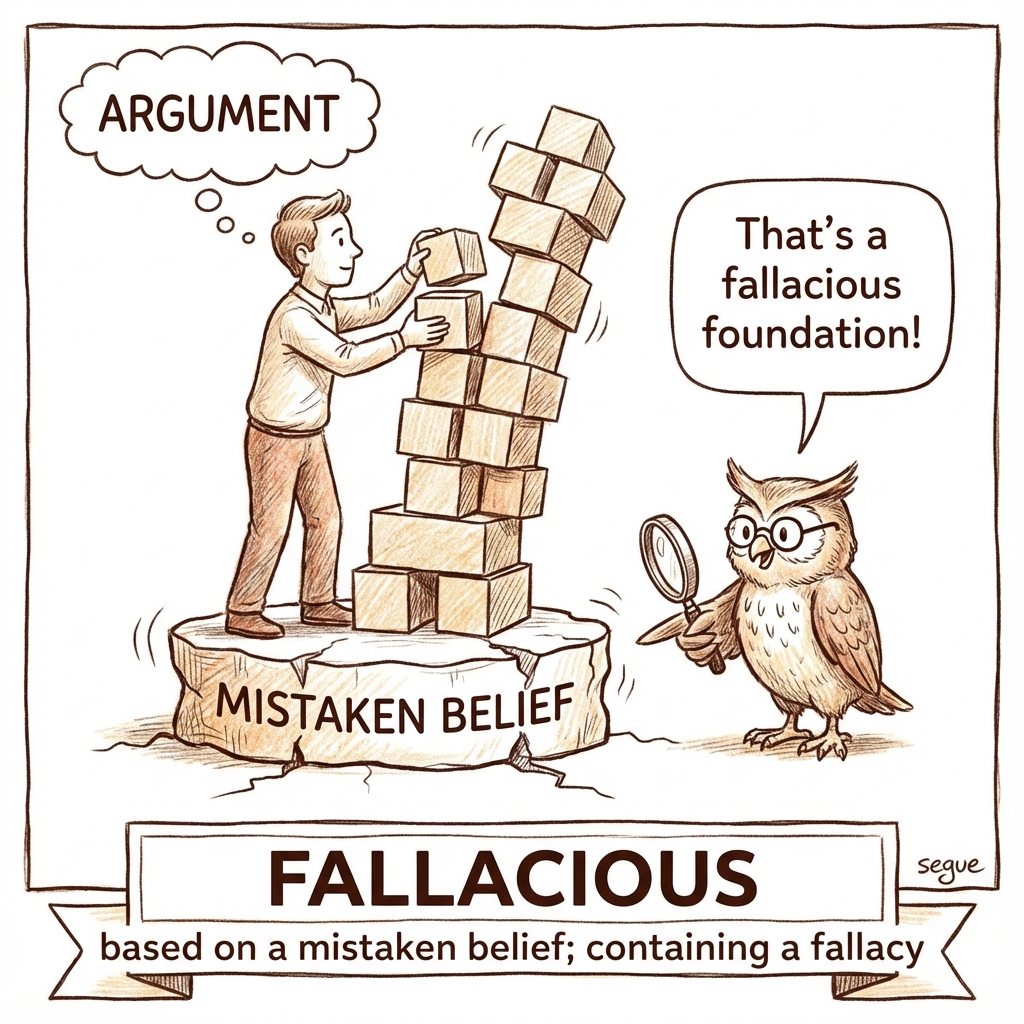
fallacious
/fəˈɫeɪʃəs/based on a mistaken belief; containing a fallacy
“The fallacious reasoning led to incorrect conclusions.”
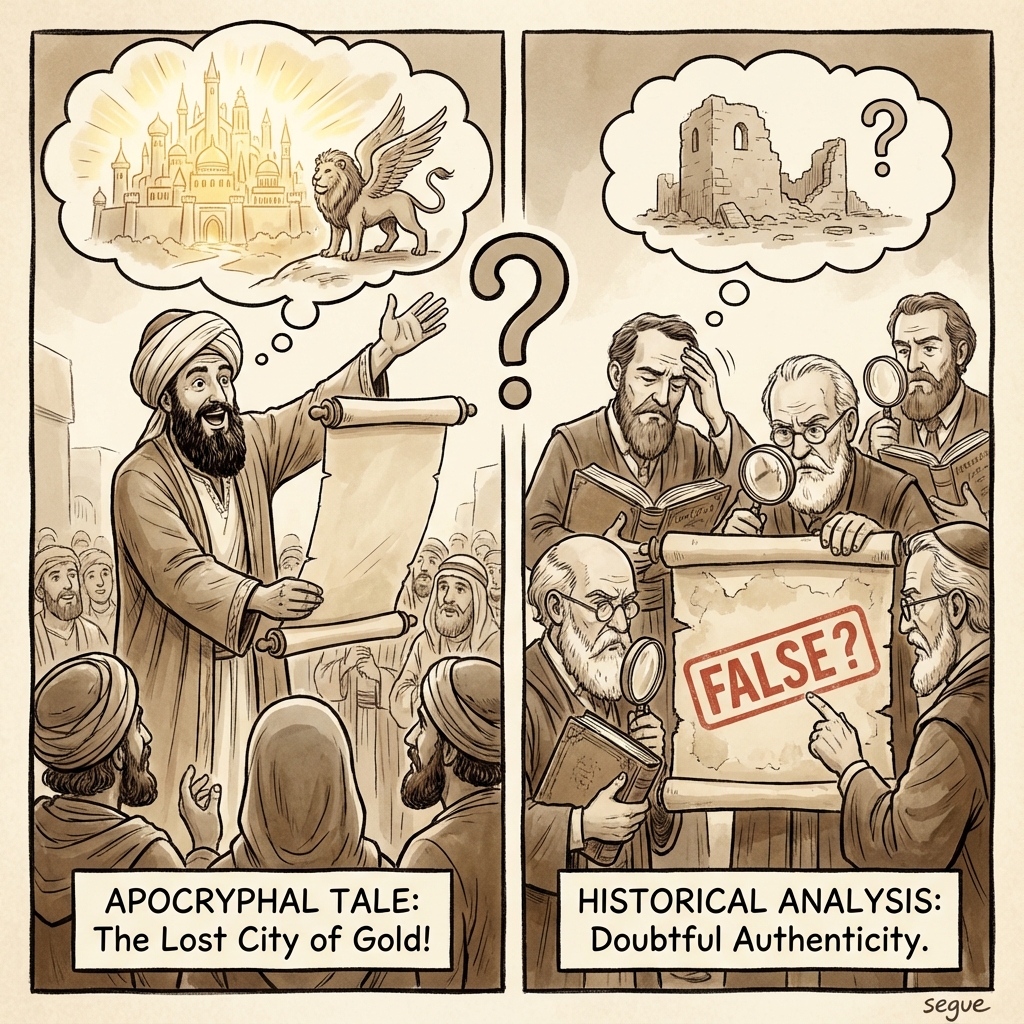
apocryphal
/əˈpɑkɹəfəɫ/of doubtful authenticity; widely circulated but probably false
“The story about the company's founding is probably apocryphal.”
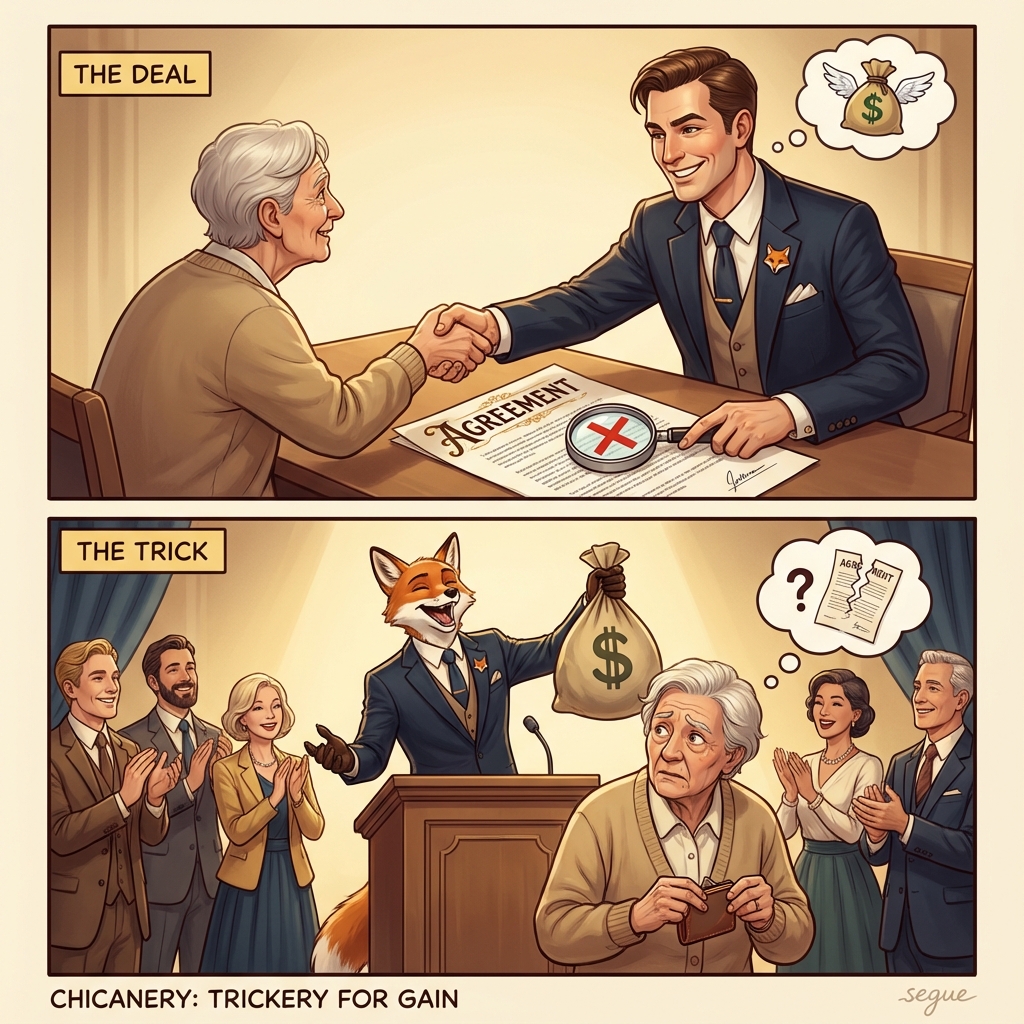
chicanery
/ʃɪˈkeɪnɝi/the use of trickery to achieve a political, financial, or legal purpose
“The contract was full of legal chicanery designed to confuse.”
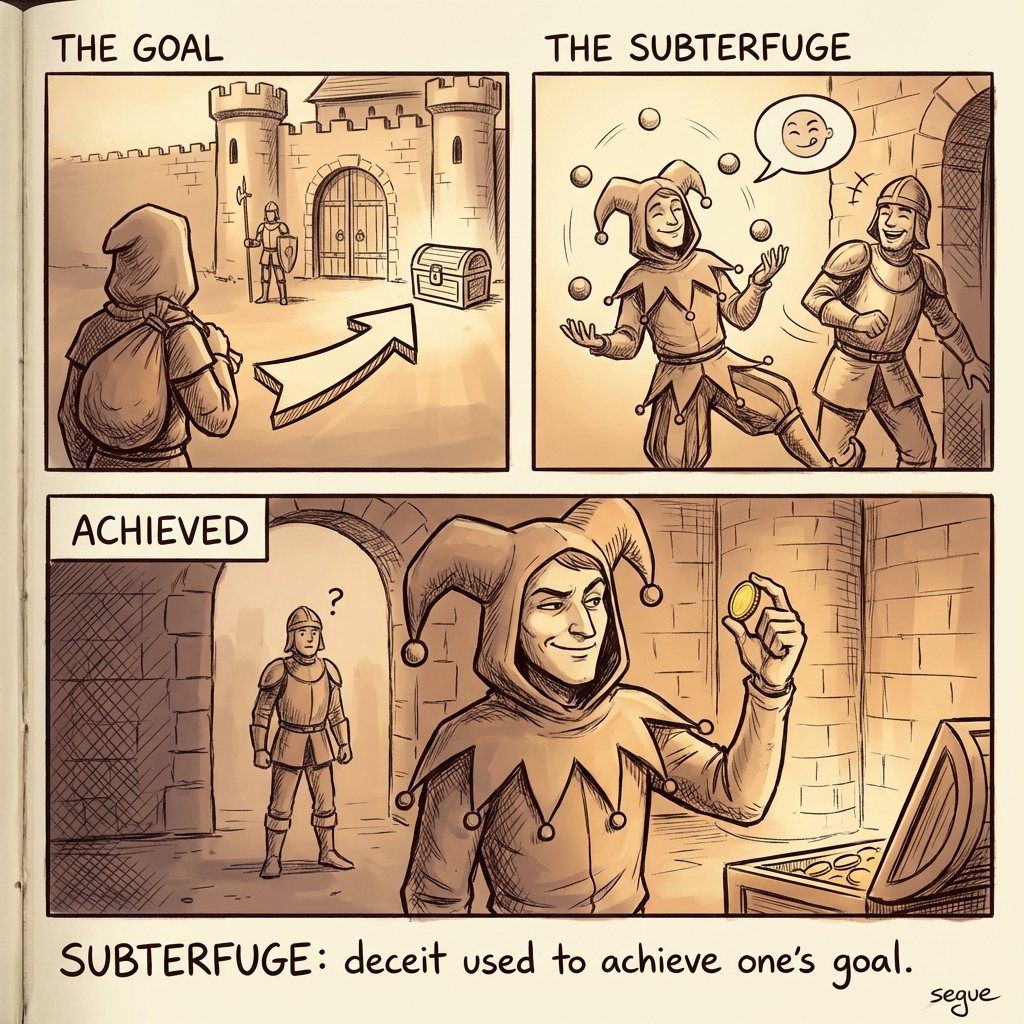
subterfuge
/ˈsəbtɝfˌjudʒ/deceit used to achieve one's goal; a stratagem used to deceive
“He gained entry through subterfuge, posing as a delivery person.”
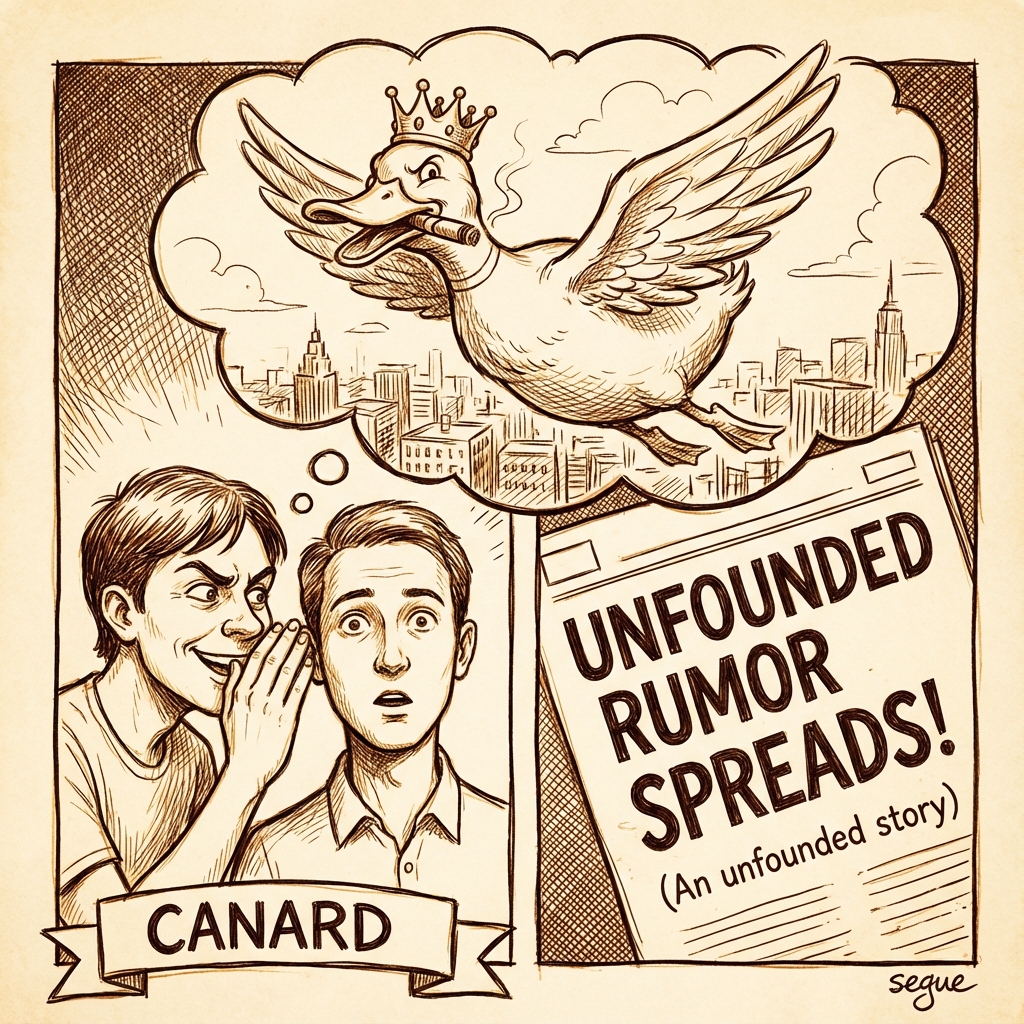
canard
/kəˈnɑɹd/an unfounded rumor or story
“The canard about the CEO's resignation spread through the office.”
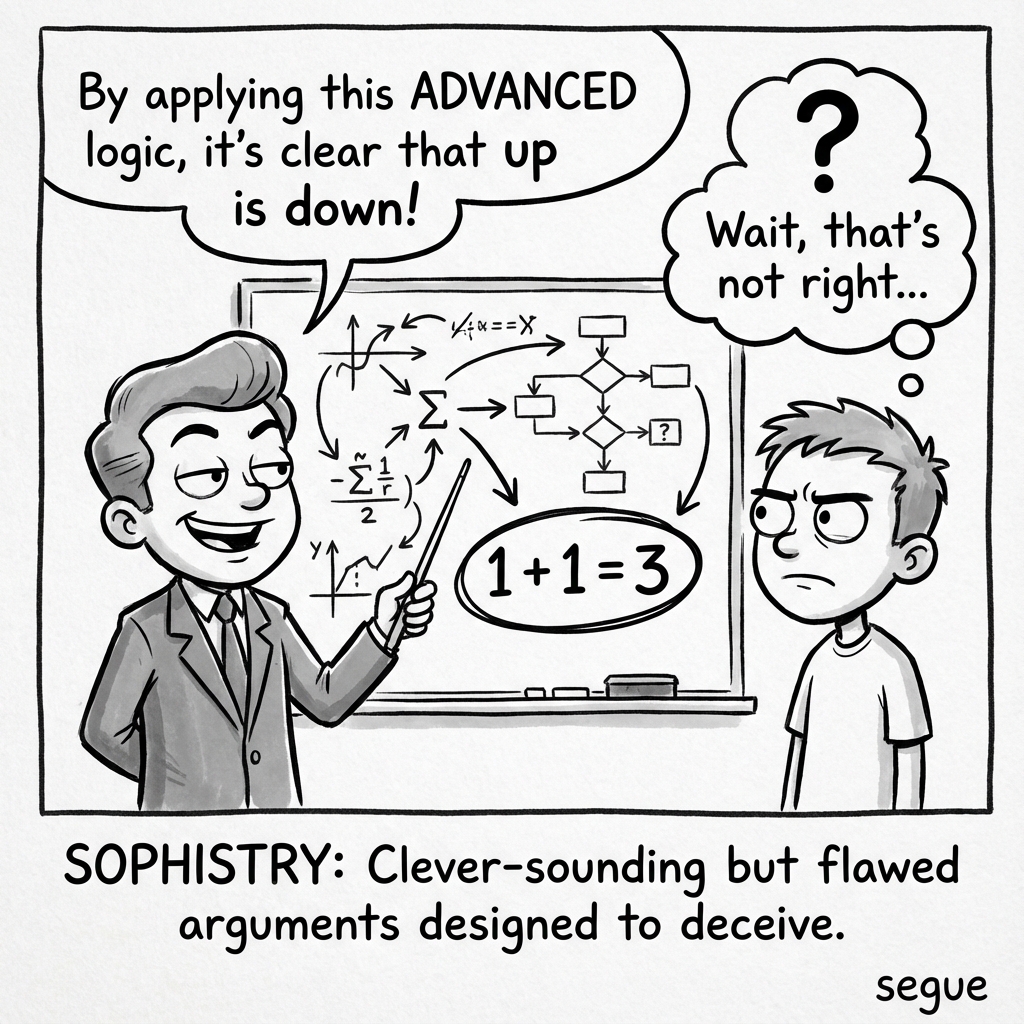
sophistry
/ˈsɔfɪˌstɹi/the use of clever but false arguments, especially to deceive
“His sophisticated sophistry almost masked his flawed logic.”
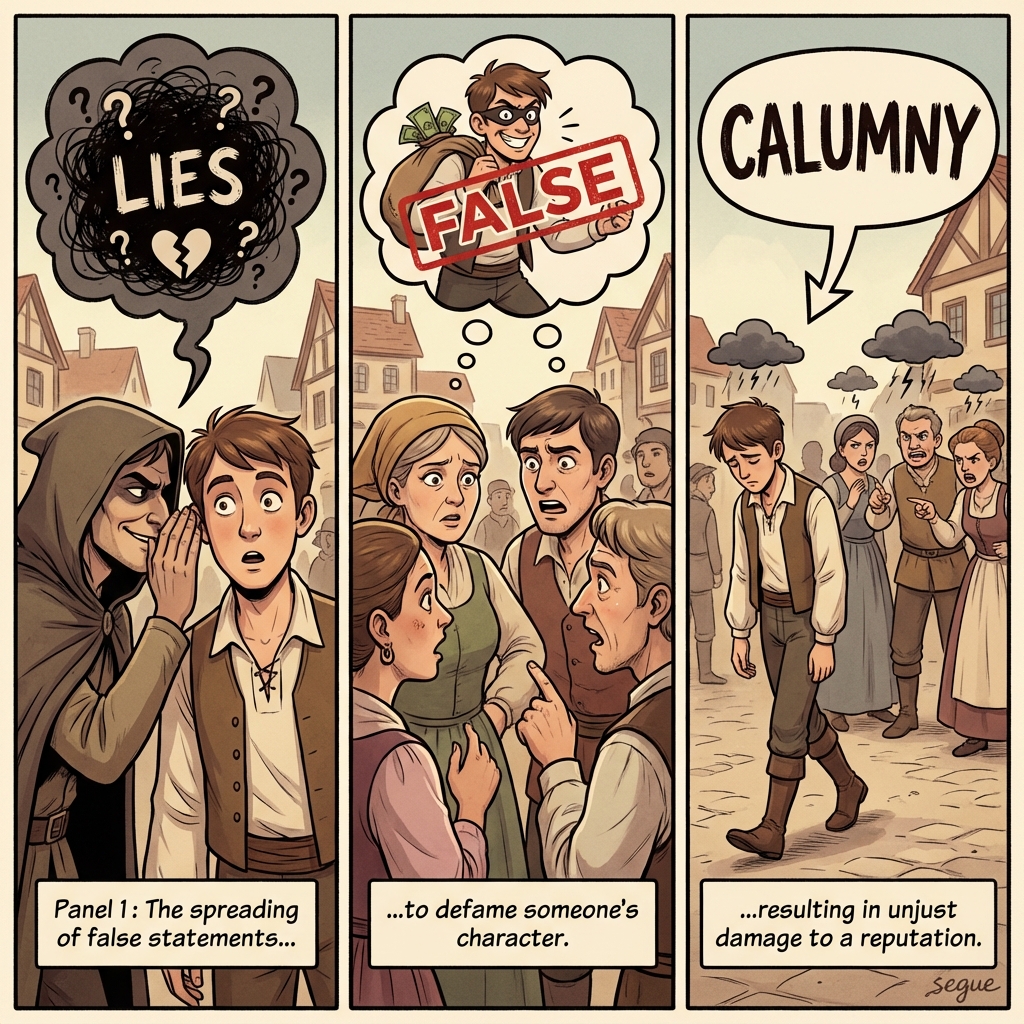
calumny
/ˈkæɫəmni/the making of false and defamatory statements about someone
“She sued the newspaper for calumny after the libelous article.”
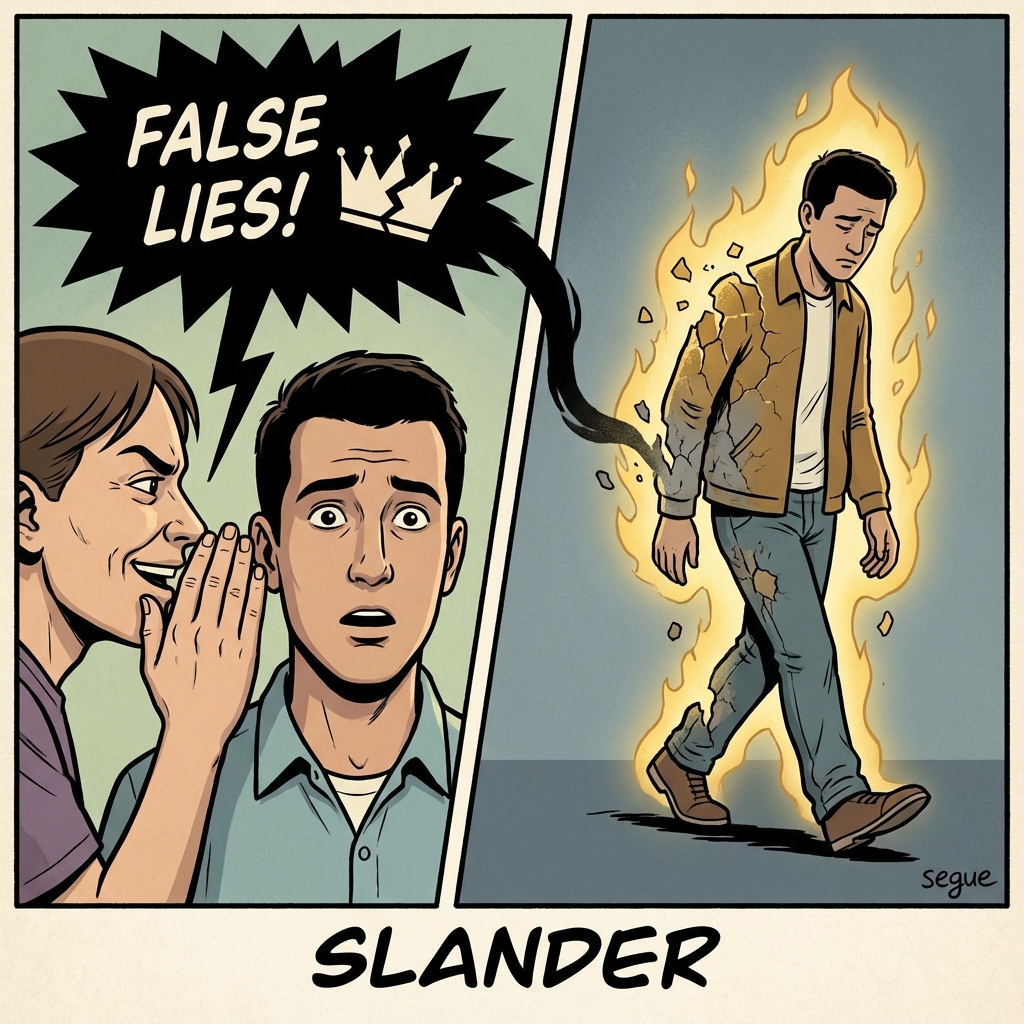
slander
/ˈsɫændɝ/the action of making false spoken statements damaging to a person's reputation
“The slander destroyed his political career.”
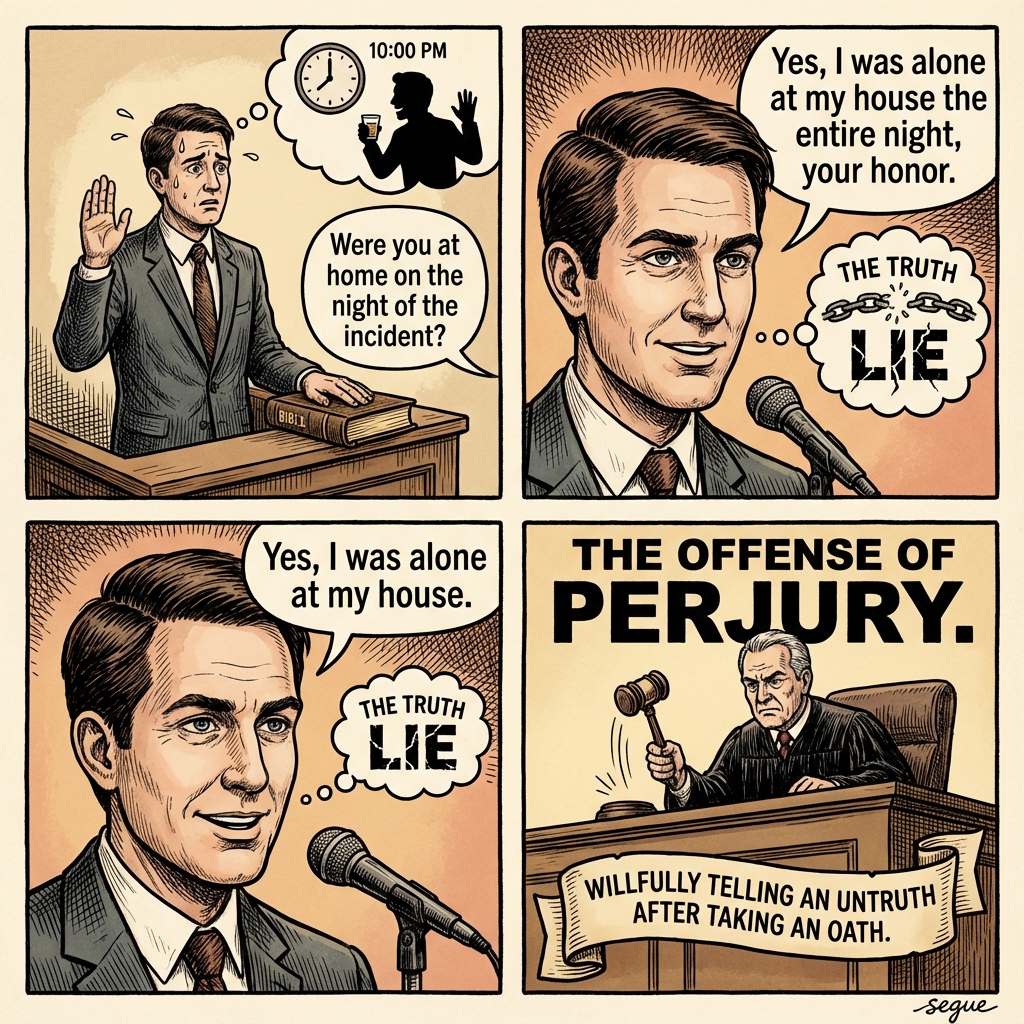
perjury
/ˈpɝdʒɝi/the offense of willfully telling an untruth after taking an oath
“The witness was charged with perjury for lying under oath.”
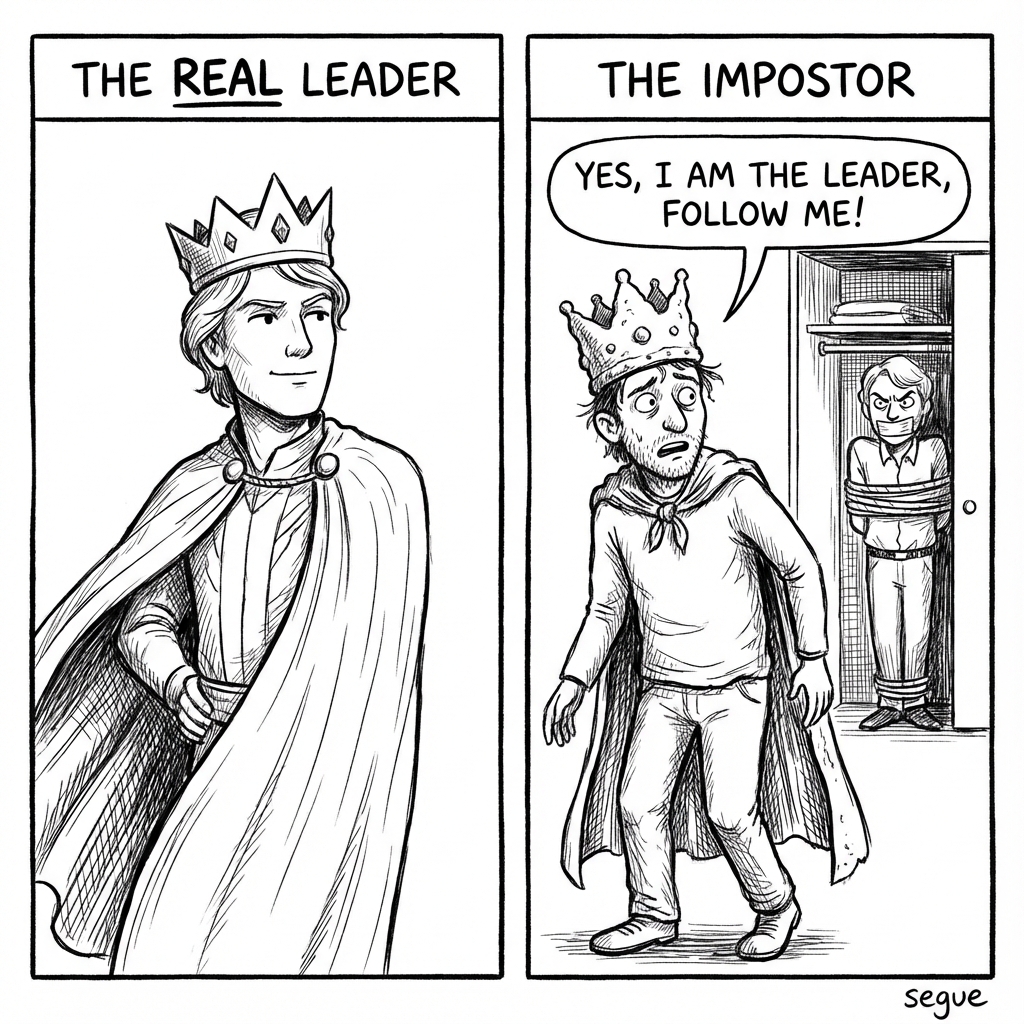
impostor
/ˌɪmˈpɔstɝ/a person who pretends to be someone else to deceive others
“The impostor had been posing as a doctor for years.”

sham
/ˈʃæm/a thing that is not what it is purported to be
“The entire trial was a sham designed to convict him.”
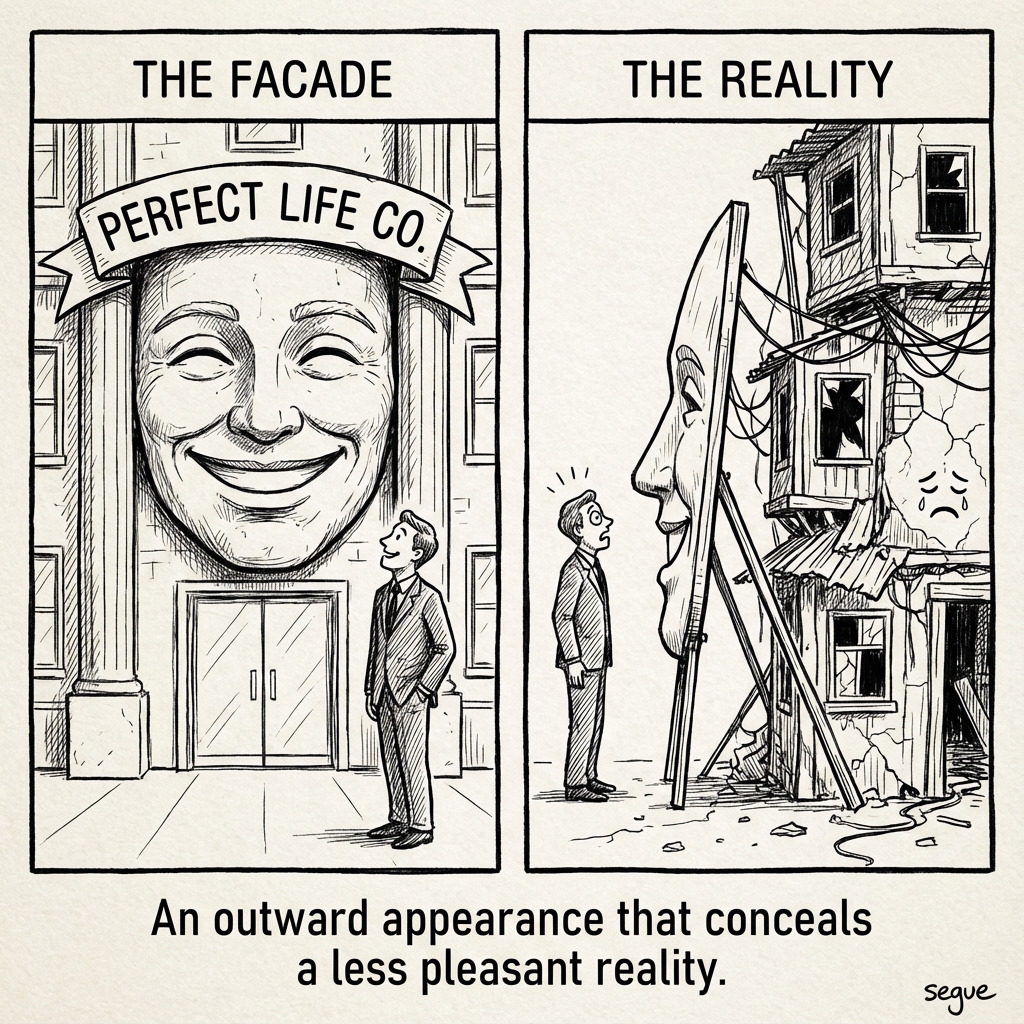
facade
/fəˈsɑd/an outward appearance that is maintained to conceal a less pleasant reality
“Behind the facade of wealth, the family was deeply in debt.”
More from Communication
Explore other vocabulary categories in this collection.