Loading collection...
🏛️
Latin Phrases Vocabulary
Essential Latin expressions commonly used in English
42 words
All 42 Words

ad hoc
/ˌæd ˈhɒk/created or done for a particular purpose as necessary
“The committee formed an ad hoc solution to address the immediate crisis.”

ad hominem
/ˌæd ˈhɒmɪnem/an argument directed against a person rather than their position
“Instead of addressing the policy, he resorted to ad hominem attacks.”

ad infinitum
/ˌæd ɪnfɪˈnaɪtəm/endlessly; forever; without limit
“The meeting dragged on ad infinitum with no resolution in sight.”

ad nauseam
/ˌæd ˈnɔːziæm/to a sickening or excessive degree; repeatedly
“He repeated his accomplishments ad nauseam until everyone tuned out.”

bona fide
/ˌboʊnə ˈfaɪdi/genuine; real; made in good faith
“She received a bona fide offer from a reputable company.”

carpe diem
/ˌkɑːrpeɪ ˈdiːem/seize the day; make the most of the present moment
“His philosophy was carpe diem—live fully today.”

caveat emptor
/ˌkæviæt ˈemptɔːr/let the buyer beware; the buyer assumes the risk
“The used car market operates on caveat emptor principles.”

cogito ergo sum
/ˌkoʊɡɪtoʊ ˈɜːrɡoʊ ˈsʌm/I think, therefore I am (Descartes' philosophical proposition)
“Cogito ergo sum became the foundation of modern philosophy.”

de facto
/ˌdeɪ ˈfæktoʊ/in fact; in reality; existing in practice
“Though not officially appointed, she was the de facto leader.”
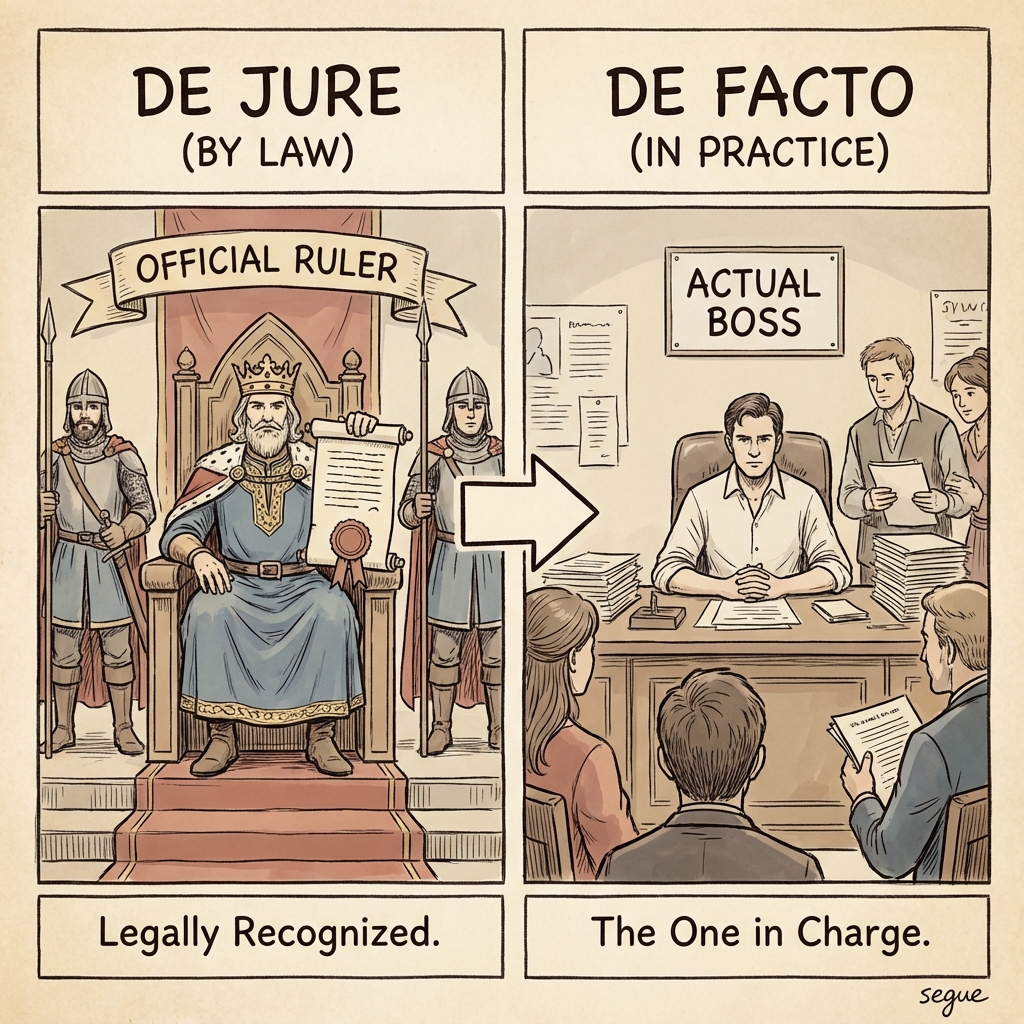
de jure
/ˌdeɪ ˈdʒʊəri/by right; according to law; legally recognized
“He was the de jure owner, though his brother managed the property.”

deus ex machina
/ˌdeɪəs eks ˈmækɪnə/an unexpected power or event that saves a seemingly hopeless situation
“The sudden inheritance was a deus ex machina that resolved all their financial problems.”

ergo
/ˈɝɡoʊ/therefore; consequently
“The data is incomplete, ergo our conclusions may be flawed.”

et cetera (etc.)
and other similar things; and so forth
“Bring your books, pens, notebooks, et cetera.”

ex post facto
/ˌeks poʊst ˈfæktoʊ/with retroactive effect or force; after the fact
“Ex post facto laws are prohibited by the Constitution.”

habeas corpus
/ˌheɪbiəs ˈkɔːrpəs/a legal order requiring a person to be brought before a court
“The lawyer filed for habeas corpus to challenge the detention.”

in absentia
/ˌɪn æbˈsenʃə/while not present; in one's absence
“He was convicted in absentia after fleeing the country.”

in loco parentis
/ˌɪn ˌloʊkoʊ pəˈrentɪs/in the place of a parent; with parental authority
“Teachers act in loco parentis during school hours.”

in medias res
/ˌɪn ˌmiːdiəs ˈreɪz/in the middle of things; starting in the midst of action
“The novel begins in medias res, with the protagonist already in danger.”

in situ
/ˌɪn ˈsɪtjuː/in its original place; on site
“The archaeologists studied the artifacts in situ before removing them.”

in vitro
/ˌɪn ˈviːtroʊ/in glass; in an artificial environment outside a living organism
“In vitro fertilization has helped many couples conceive.”
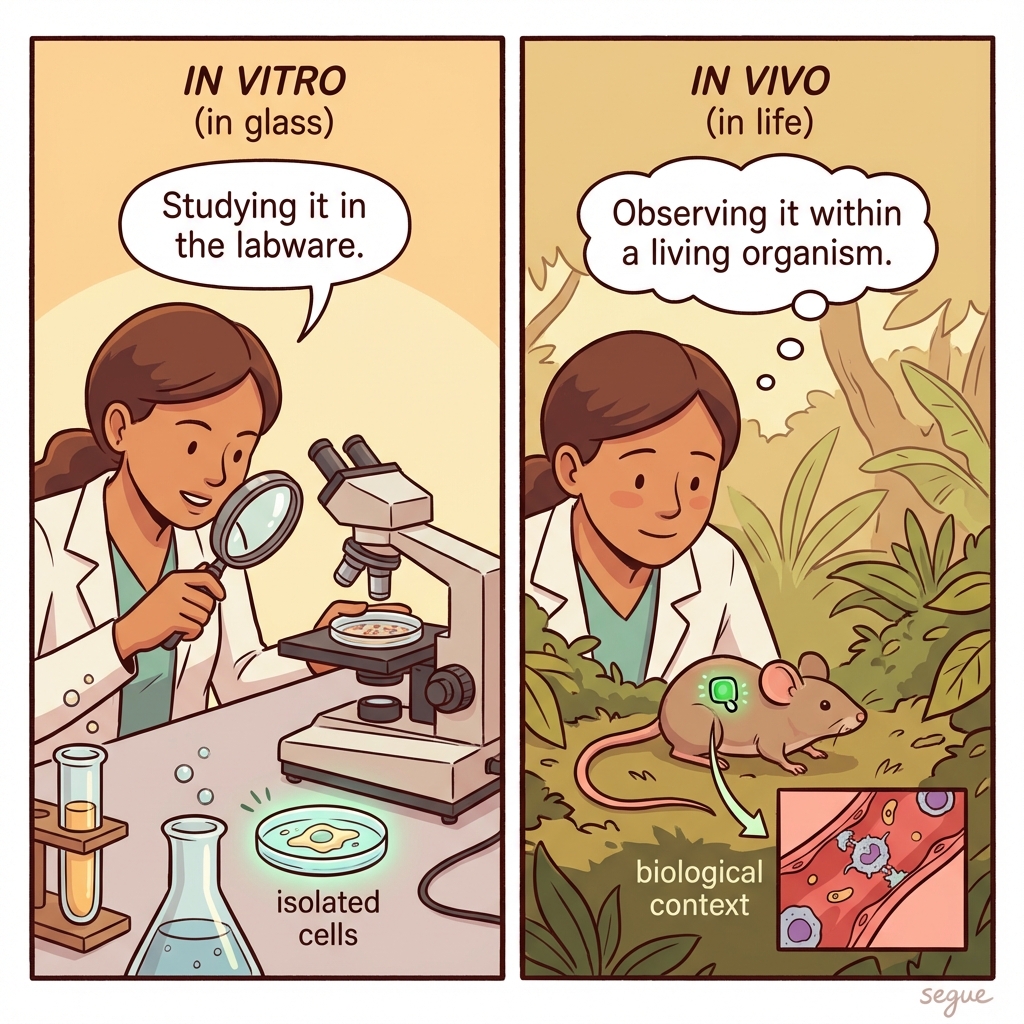
in vivo
/ˌɪn ˈviːvoʊ/within a living organism
“The drug showed different results in vivo than in laboratory tests.”

ipso facto
/ˌɪpsoʊ ˈfæktoʊ/by that very fact; as a direct consequence
“Signing the contract ipso facto made him liable for the debt.”

magna cum laude
/ˌmæɡnə kʌm ˈlɔːdeɪ/with great honor (academic distinction)
“She graduated magna cum laude from Harvard Law School.”

mea culpa
/ˌmeɪə ˈkʊlpə/my fault; an acknowledgment of one's error
“The CEO issued a mea culpa for the company's failures.”

memento mori
/məˌmentoʊ ˈmɔːri/remember that you will die; a reminder of mortality
“The skull on his desk served as a memento mori.”

modus operandi
/ˌmoʊdəs ˌɒpəˈrændi/a method of operating or functioning; way of working
“The detective recognized the criminal's modus operandi.”

non sequitur
/ˌnɒn ˈsekwɪtər/a conclusion that does not logically follow from the premise
“His argument was a non sequitur that confused everyone.”
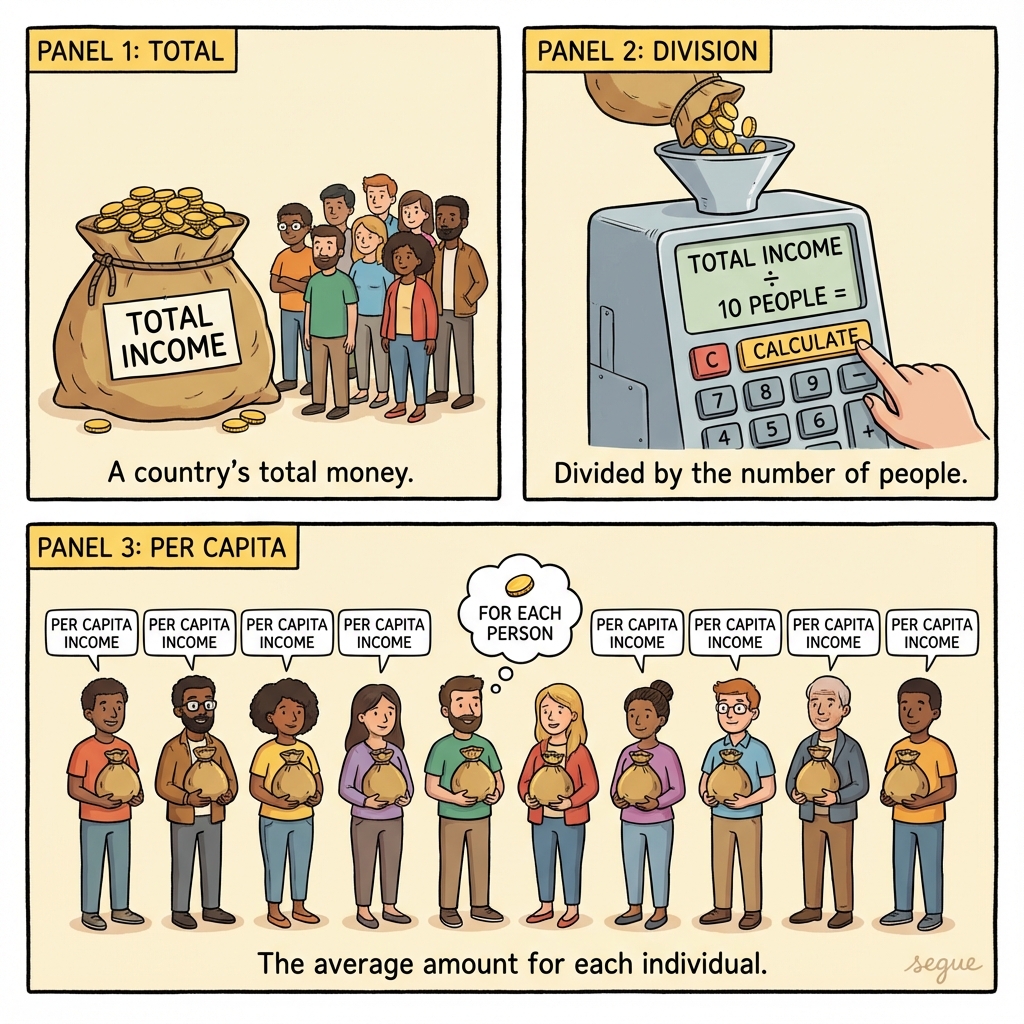
per capita
/pər ˈkæpɪtə/for each person; per head
“The per capita income in the region has doubled.”

per se
/ˌpɜːr ˈseɪ/by itself; intrinsically; as such
“Money per se doesn't bring happiness.”
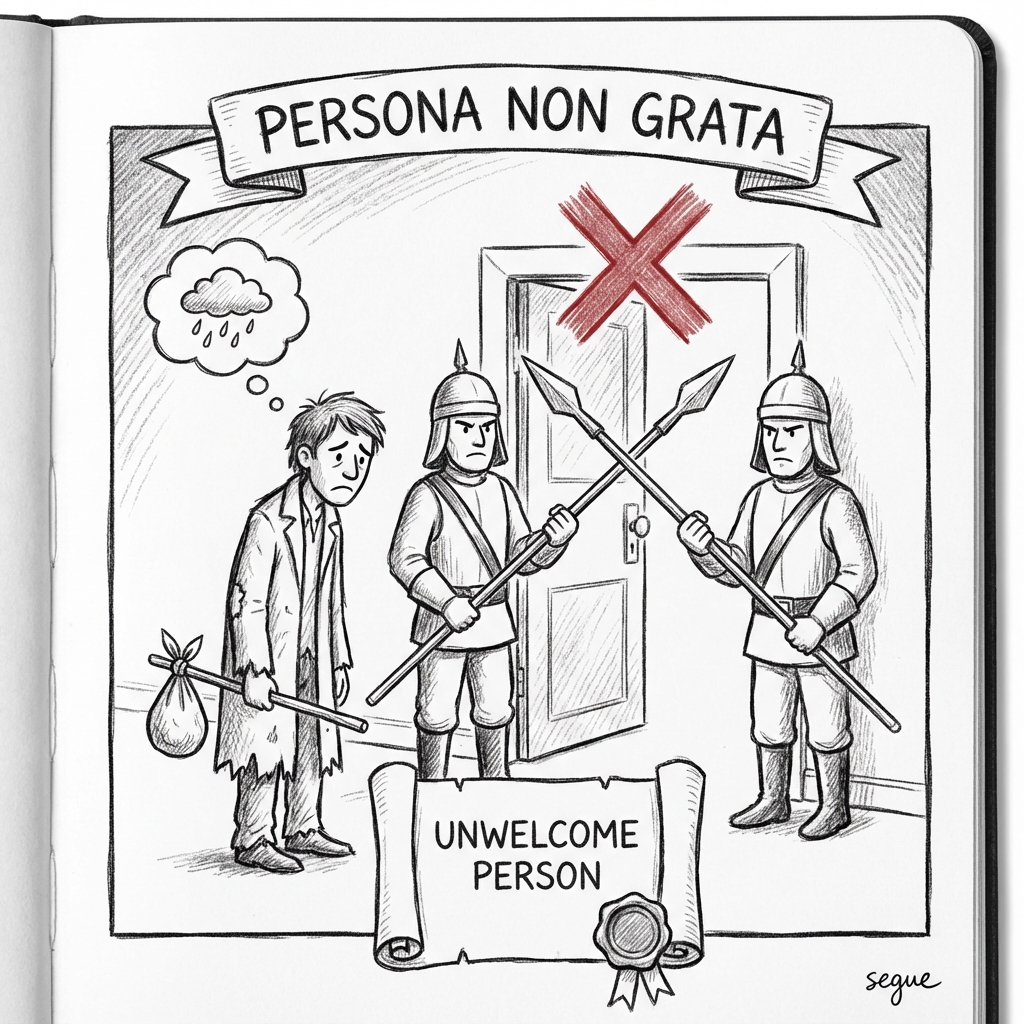
persona non grata
/pərˌsoʊnə nɒn ˈɡrɑːtə/an unwelcome or unacceptable person
“After the scandal, he became persona non grata in political circles.”

post mortem
/ˌpoʊst ˈmɔːrtəm/an examination after death; analysis after an event
“The team conducted a post mortem on the failed project.”

prima facie
/ˌpraɪmə ˈfeɪʃi/at first sight; based on initial impression
“There was prima facie evidence of fraud.”

pro bono
/ˌproʊ ˈboʊnoʊ/done without charge for the public good
“The lawyer took the case pro bono.”

quid pro quo
/ˌkwɪd proʊ ˈkwoʊ/something given in exchange for something else
“The deal was a quid pro quo—support for funding.”

quorum
/ˈkwɔɹəm/the minimum number of members needed for valid proceedings
“We couldn't vote without a quorum present.”

sine qua non
/ˌsɪneɪ kwɑː ˈnɒn/an essential condition; something absolutely necessary
“Trust is the sine qua non of any relationship.”

status quo
/ˌsteɪtəs ˈkwoʊ/the existing state of affairs
“The new policy threatens to disrupt the status quo.”

tabula rasa
/ˌtæbjʊlə ˈrɑːzə/a blank slate; the mind before receiving impressions
“Locke believed we are born as tabula rasa.”

verbatim
/vɝˈbeɪtəm/word for word; in exactly the same words
“She quoted his speech verbatim from memory.”

vice versa
/ˌvaɪsə ˈvɜːrsə/the other way around; with the order reversed
“She helps him and vice versa.”

inter alia
/ˌɪntər ˈeɪliə/among other things
“The report discussed, inter alia, the cost of living.”
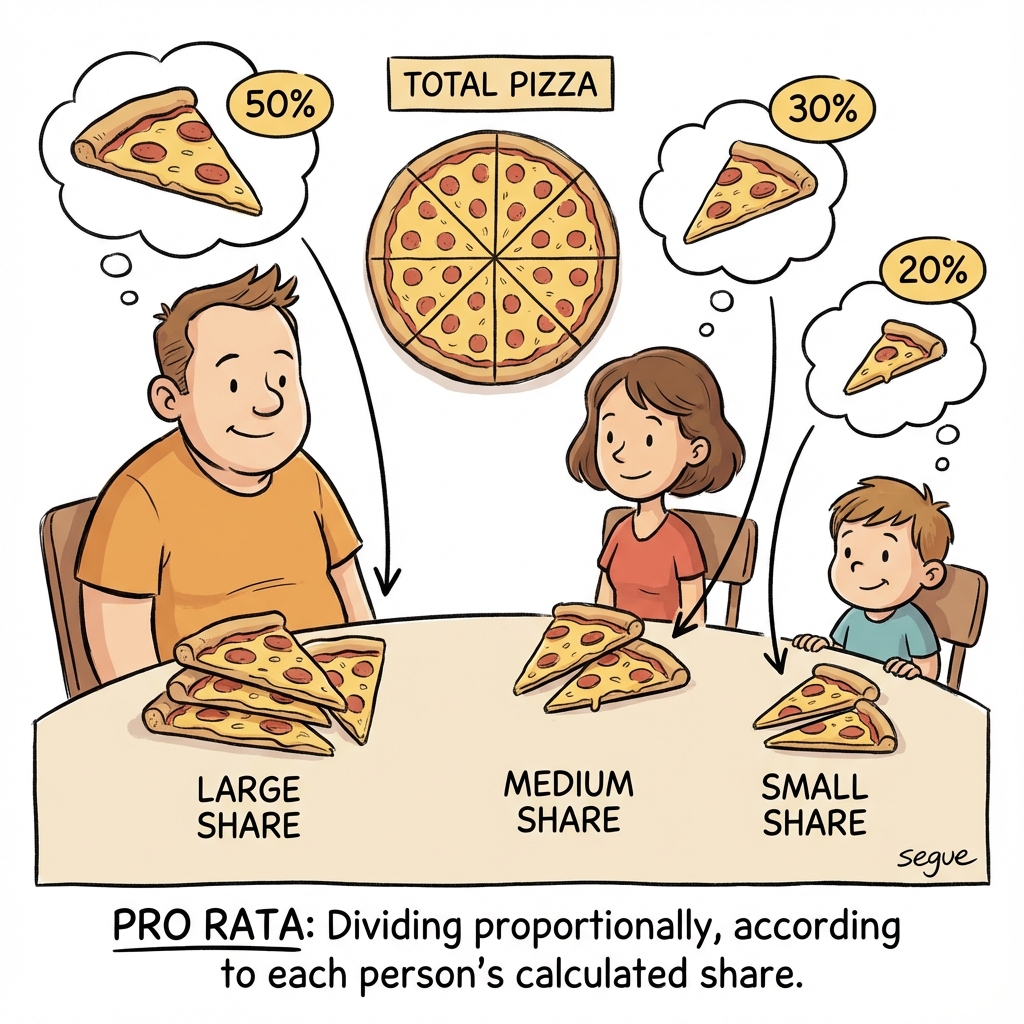
pro rata
/ˌproʊ ˈrɑːtə/proportional; strictly according to calculated share
“Fees are calculated on a pro rata basis.”
More from Foreign Phrases
Explore other vocabulary categories in this collection.